Retractable USB Flash Drives
Retractable USB Flash Drives offer a convenient and reliable way to store, transfer, and access your important files on the go. With their innovative design, these drives keep your data protected while making it easy to connect to computers, laptops, or other compatible devices. Whether you need extra space for documents, photos, music, or videos, Retractable USB Flash Drives provide a practical solution for everyday digital storage needs. Explore a variety of sizes and styles to find the perfect fit for your lifestyle.
Sort
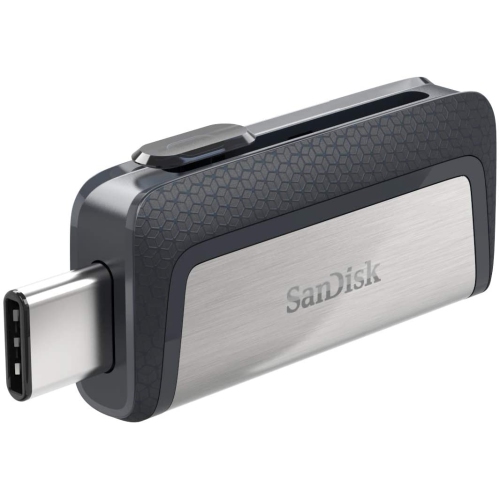
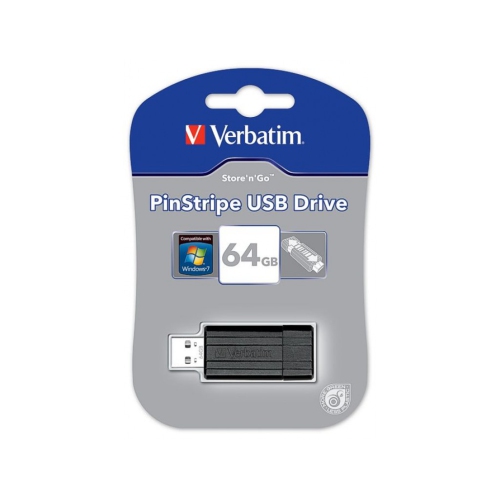

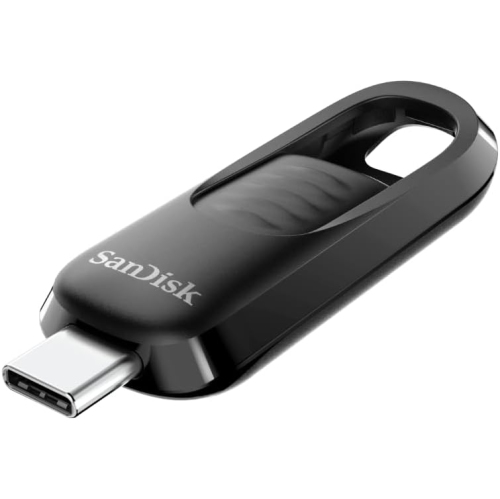
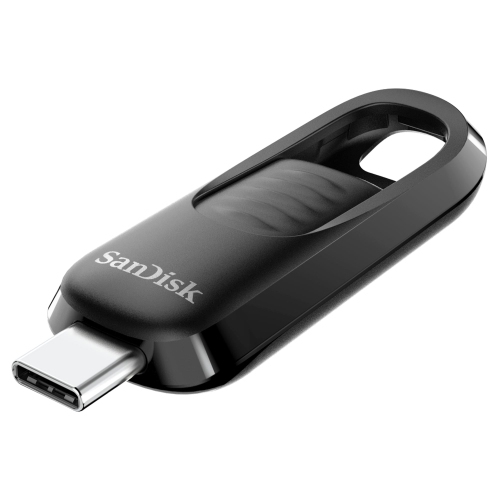
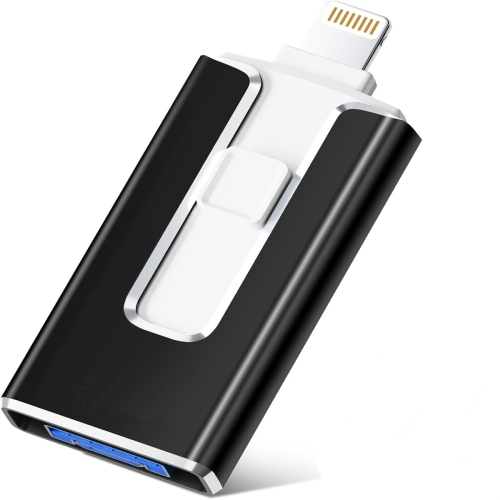
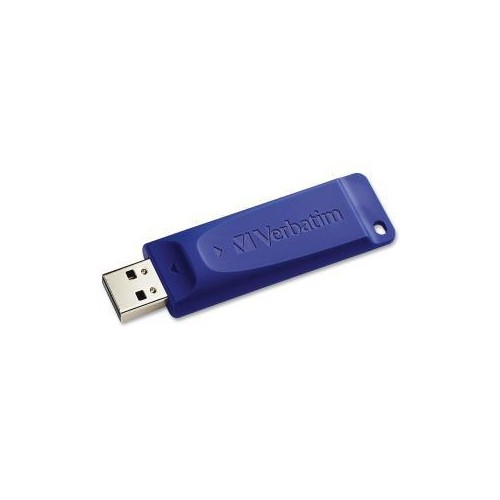
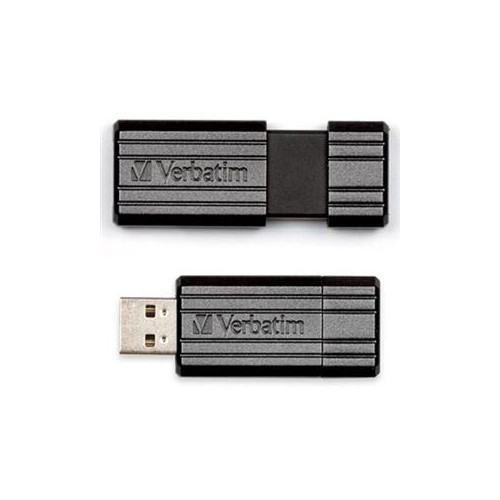
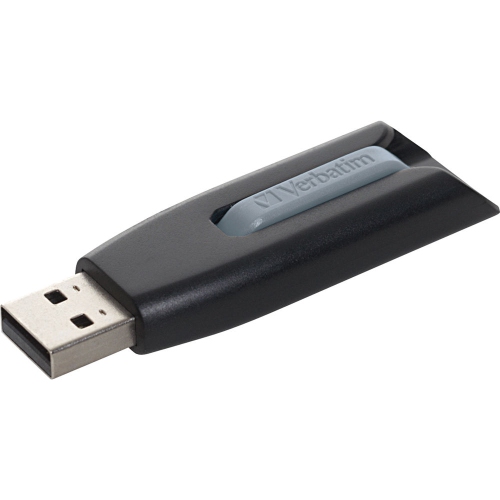
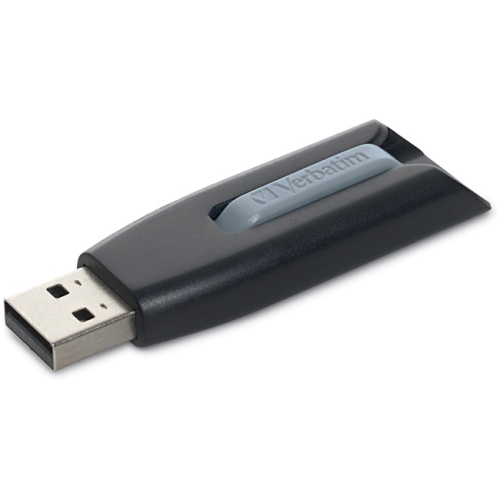
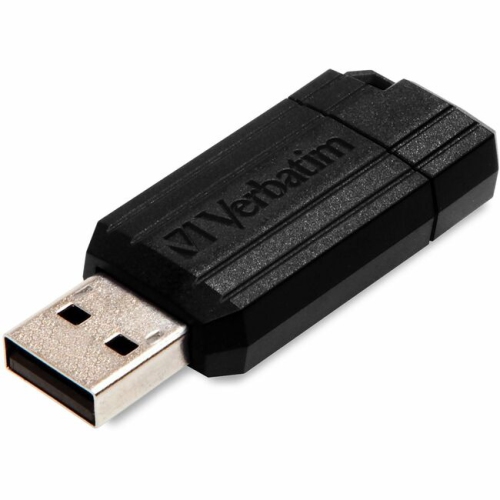
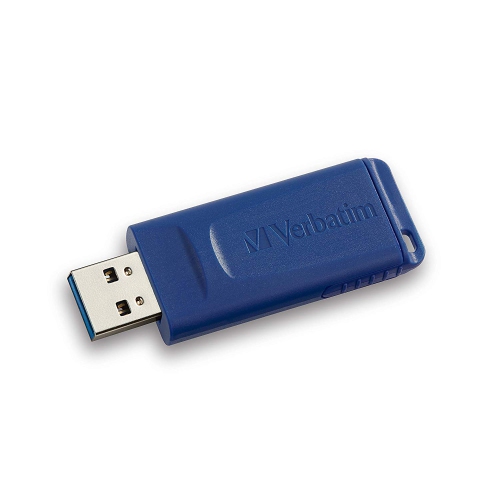
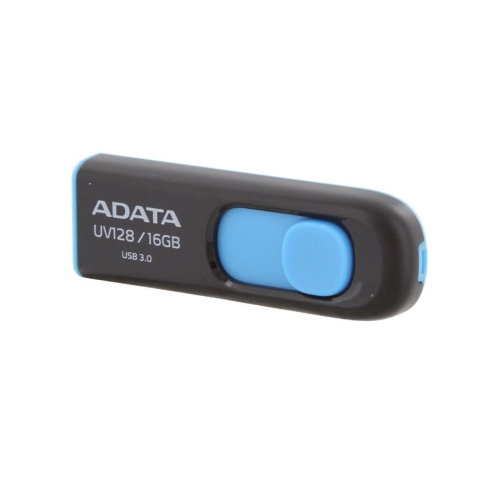
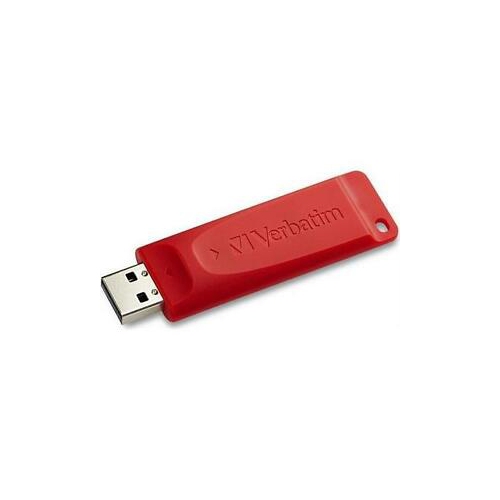
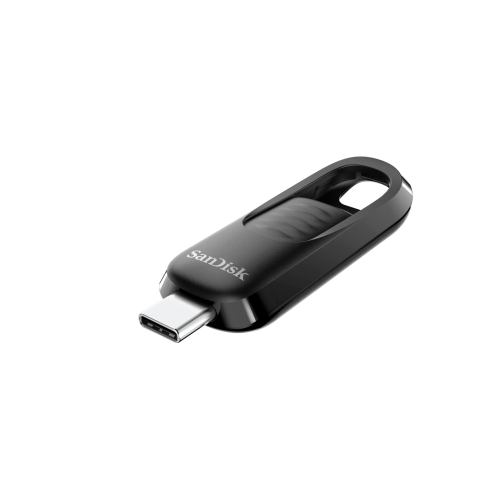
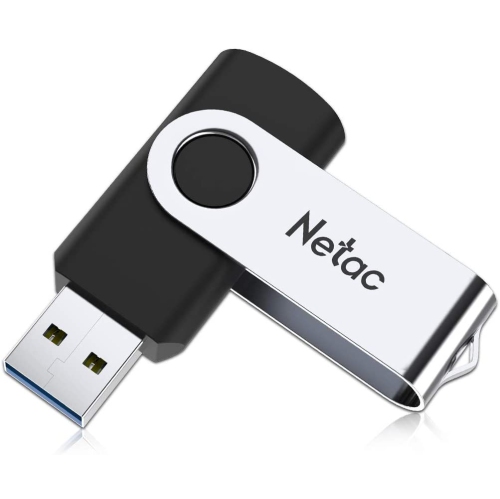
Why retractable drives simplify everyday file transfers and backups
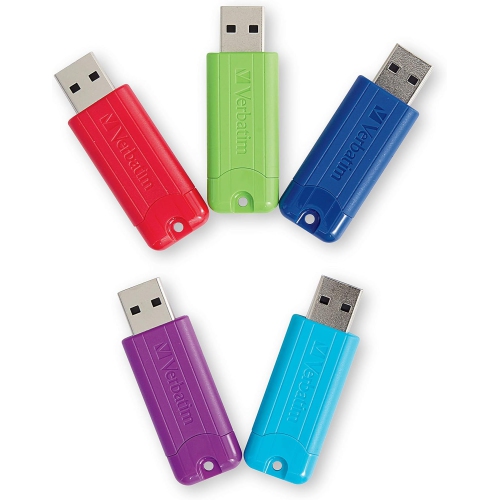
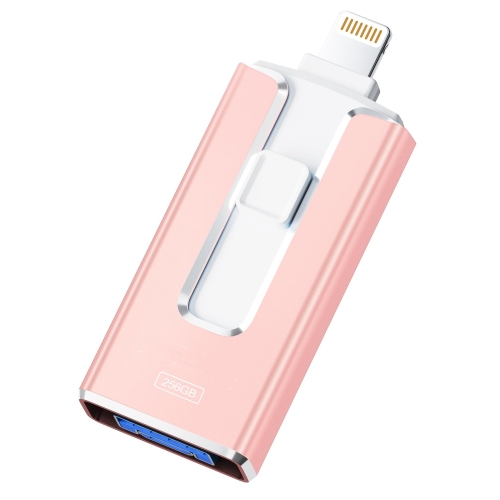
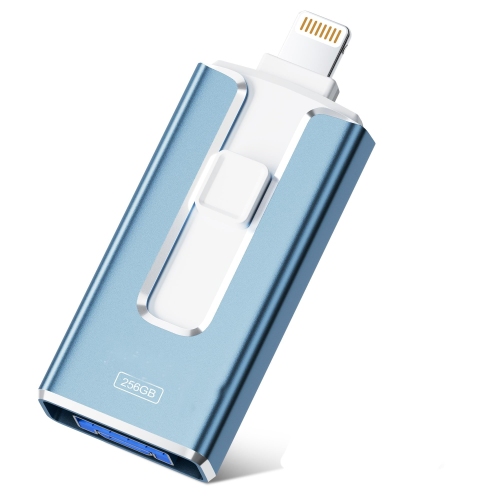
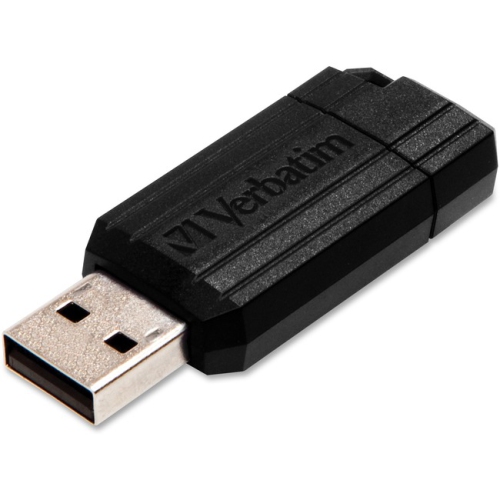
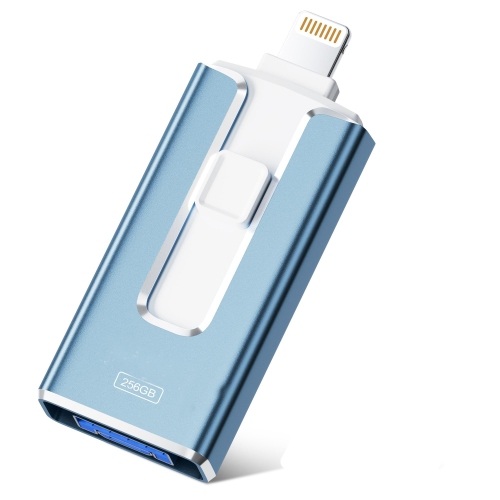
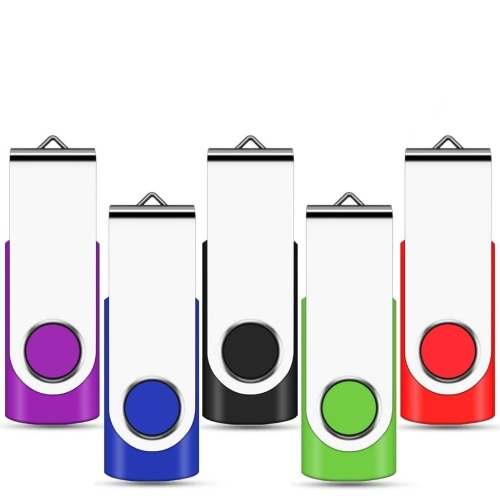
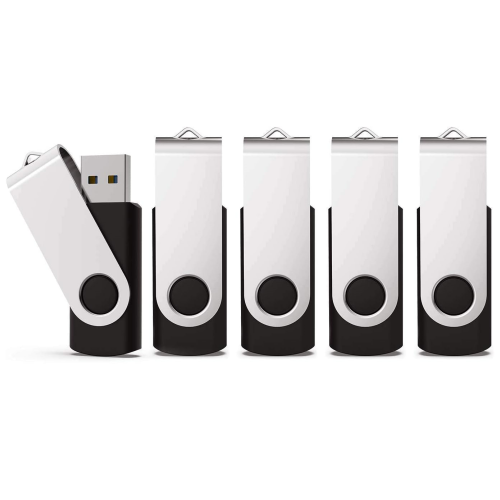
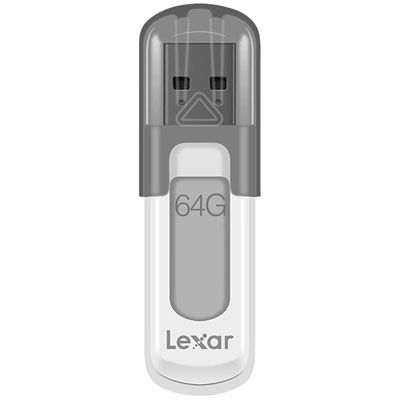
Retractable USB flash drives are compact storage devices designed for convenient file transfer, everyday backups, and carrying important information between compatible computers and other USB-equipped devices. Instead of using a separate cap that can be misplaced, these drives use a sliding or thumb-operated mechanism to move the USB connector into the body when the drive is not in use. That capless design helps shield the connector from dust, scratches, and accidental contact while it travels in a pocket, laptop bag, pencil case, or desk drawer. A retractable USB flash drive can be useful for students moving assignments between home and school, professionals carrying presentations or spreadsheets, photographers transferring selected images, and families keeping copies of scanned documents, recipes, or travel information. The mechanism is also practical for people who frequently switch between devices, since opening the connector with one hand can be quicker than searching for a small cap. When comparing options, begin with storage capacity. A 16GB or 32GB drive may be suitable for documents, presentations, PDFs, and a modest collection of photos, while a 64GB or 128GB drive provides more room for larger photo libraries, video clips, software installers, and project folders. Capacity shown on the package is measured before formatting, so the usable space will be slightly lower once the drive is ready for files.
Transfer speed is another important consideration, particularly when working with large folders or moving files regularly. USB 2.0 drives are generally adequate for smaller documents and occasional transfers, but they can take noticeably longer with high-resolution photographs, videos, or full device backups. USB 3.0, USB 3.1, and newer USB standards can offer substantially faster performance when the drive and the computer both support the same level of connectivity. Some retractable USB flash drives advertise read speeds of up to about 90MB/sec, although real-world results vary according to the drive, the host device, the type and size of files, and whether many files are being transferred at once. A newer drive can still connect to an older USB port, but the transfer will normally operate at the slower port’s limits. Check whether the product uses a standard USB-A connector or another connection type, especially if it will be used with a newer laptop, tablet, or phone. An adapter or hub may be needed when the device has only USB-C ports, and compatibility can also depend on the operating system and available file-management support. For occasional document sharing, a lower-capacity drive with dependable everyday speed may be all that is needed. For video production, classroom presentations with media, frequent backups, or large creative projects, choosing more capacity and a faster USB interface can make the process feel considerably smoother. It is also worth considering the physical design: a sturdy slider, a clear activity indicator, a matte surface that is easy to grip, and a compact profile can all be helpful during regular use. Those looking for a particularly compact option for tight laptop cases or travel organizers may also want to compare retractable models with Low Profile USB Flash Drives.
Retractable USB flash drives can make thoughtful, practical gifts because they are useful across a wide range of ages and interests without requiring a complicated setup. A student could use one to submit coursework, carry a group project, or keep a second copy of important notes. Someone starting a new job may appreciate a small drive for presentations, templates, and work-related files, while a family member who enjoys photography can use one to share albums or move images between a camera computer and a television. They can also be handy during the cooler months when travel plans, indoor projects, and holiday gatherings often create more digital files to organize and share. For a gift, capacity is a simple way to match the drive to the recipient: smaller capacities suit basic files and occasional use, while larger capacities are better for media-heavy collections. Security features may matter when a drive will hold personal records, client documents, or other sensitive information. Some models include password protection software or encryption tools, but these features are not universal, and software compatibility should be checked before purchase. Regardless of the model, files should not be treated as secure simply because they are stored on a flash drive; important information is best kept in more than one location, and the drive should be safely ejected before removal to reduce the chance of file corruption. Avoid forcing the retractable slider, keep the connector retracted when the drive is being carried, and store it away from extreme heat, moisture, and unnecessary pressure. Before buying, confirm the desired capacity, USB speed, connector type, operating-system compatibility, security features, and physical dimensions. These details help ensure that a retractable USB flash drive fits the intended routine, whether it is used for a few essential documents, a growing collection of media, or convenient file sharing from one compatible device to another.
Transfer speed is another important consideration, particularly when working with large folders or moving files regularly. USB 2.0 drives are generally adequate for smaller documents and occasional transfers, but they can take noticeably longer with high-resolution photographs, videos, or full device backups. USB 3.0, USB 3.1, and newer USB standards can offer substantially faster performance when the drive and the computer both support the same level of connectivity. Some retractable USB flash drives advertise read speeds of up to about 90MB/sec, although real-world results vary according to the drive, the host device, the type and size of files, and whether many files are being transferred at once. A newer drive can still connect to an older USB port, but the transfer will normally operate at the slower port’s limits. Check whether the product uses a standard USB-A connector or another connection type, especially if it will be used with a newer laptop, tablet, or phone. An adapter or hub may be needed when the device has only USB-C ports, and compatibility can also depend on the operating system and available file-management support. For occasional document sharing, a lower-capacity drive with dependable everyday speed may be all that is needed. For video production, classroom presentations with media, frequent backups, or large creative projects, choosing more capacity and a faster USB interface can make the process feel considerably smoother. It is also worth considering the physical design: a sturdy slider, a clear activity indicator, a matte surface that is easy to grip, and a compact profile can all be helpful during regular use. Those looking for a particularly compact option for tight laptop cases or travel organizers may also want to compare retractable models with Low Profile USB Flash Drives.
Retractable USB flash drives can make thoughtful, practical gifts because they are useful across a wide range of ages and interests without requiring a complicated setup. A student could use one to submit coursework, carry a group project, or keep a second copy of important notes. Someone starting a new job may appreciate a small drive for presentations, templates, and work-related files, while a family member who enjoys photography can use one to share albums or move images between a camera computer and a television. They can also be handy during the cooler months when travel plans, indoor projects, and holiday gatherings often create more digital files to organize and share. For a gift, capacity is a simple way to match the drive to the recipient: smaller capacities suit basic files and occasional use, while larger capacities are better for media-heavy collections. Security features may matter when a drive will hold personal records, client documents, or other sensitive information. Some models include password protection software or encryption tools, but these features are not universal, and software compatibility should be checked before purchase. Regardless of the model, files should not be treated as secure simply because they are stored on a flash drive; important information is best kept in more than one location, and the drive should be safely ejected before removal to reduce the chance of file corruption. Avoid forcing the retractable slider, keep the connector retracted when the drive is being carried, and store it away from extreme heat, moisture, and unnecessary pressure. Before buying, confirm the desired capacity, USB speed, connector type, operating-system compatibility, security features, and physical dimensions. These details help ensure that a retractable USB flash drive fits the intended routine, whether it is used for a few essential documents, a growing collection of media, or convenient file sharing from one compatible device to another.
Top selling and popular products
-
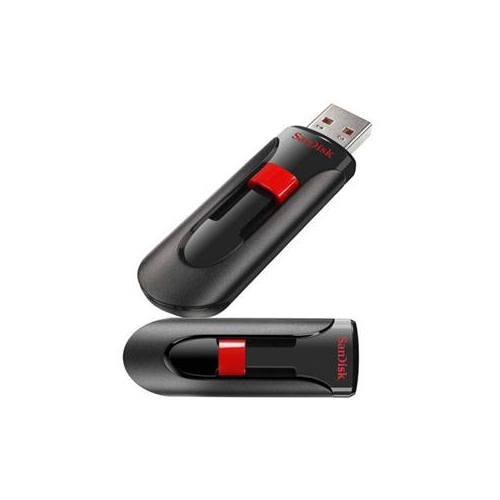 Your price for this item is $44.95
 -
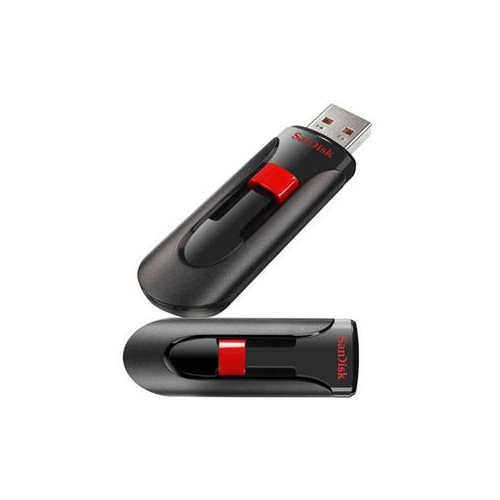 Your price for this item is $69.95
 -
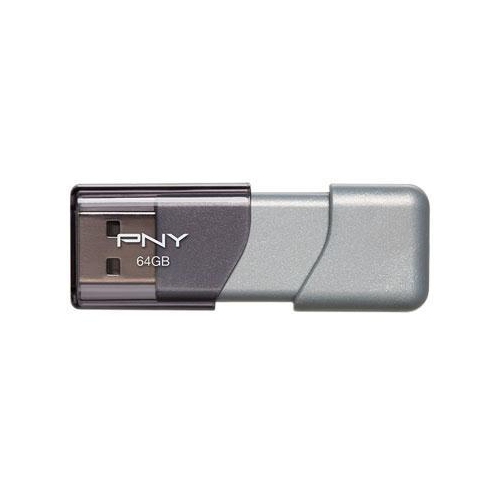 Your price for this item is $59.68
 -
 Your price for this item is $38.45
 -
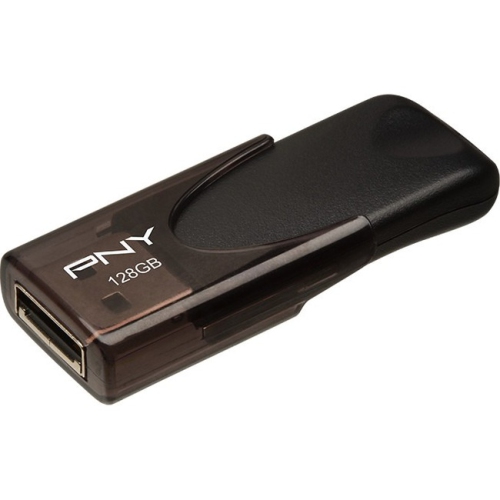 Your price for this item is $35.68
 -
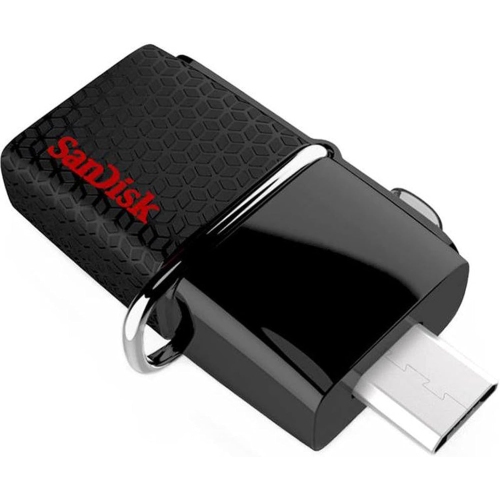 Your price for this item is $29.95
 -
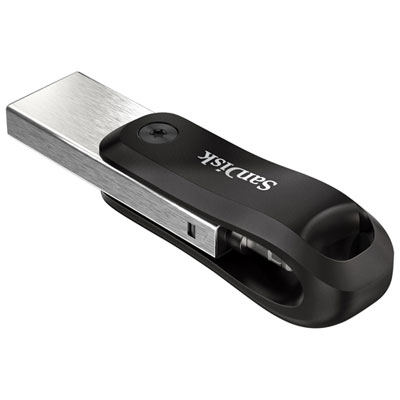 Your price for this item is $169.99
 -
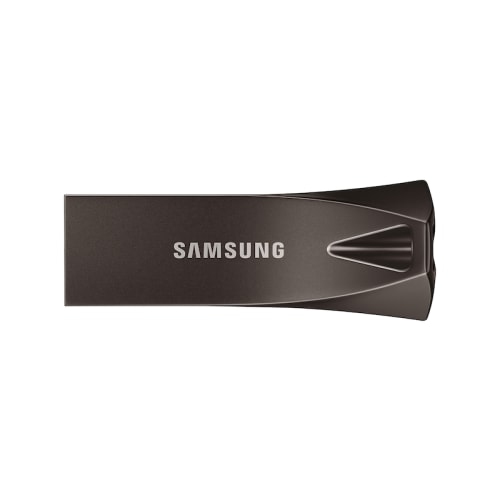 Your price for this item is $132.99
Discover more categories related to Retractable USB Flash Drives
Top Collections:
Pokemon Centers, Kindle Devices, Best Budget Office Chairs, Apple iPhones 16, Best Laptops for Writers, iPhone 15 Apple, Canon G7X Cameras, Refurbished Apple Laptops, Alarm Clock, Motorola Razr Phones
Some products may be subject to Environmental Handling Fees
(EHF) depending on your province.
Learn more about EHFs.