RTX 4060 8GB GDDR6
RTX 4060 8GB GDDR6 graphics cards are designed for those who want to elevate their gaming and creative experiences. With advanced memory and impressive performance capabilities, these GPUs provide the power needed for smooth gameplay, detailed visuals, and efficient multitasking. Whether upgrading an existing system or building a new one, RTX 4060 8GB GDDR6 options offer reliable solutions for a range of computing needs. Explore models that fit your setup and enjoy enhanced graphics performance for your favorite applications.
Sort


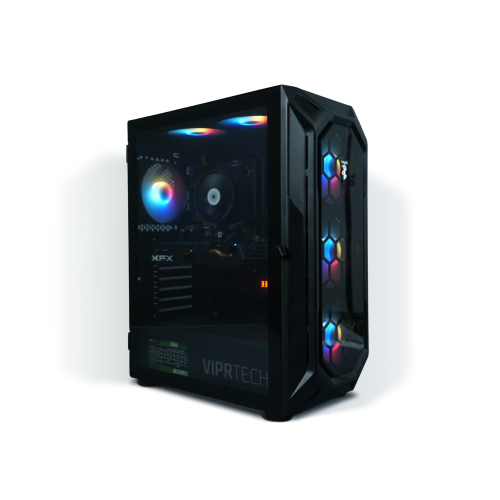

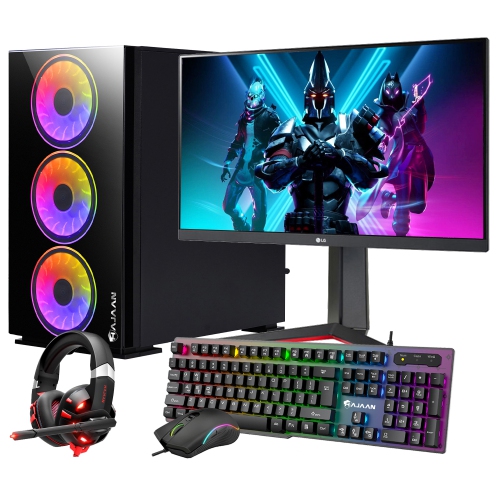
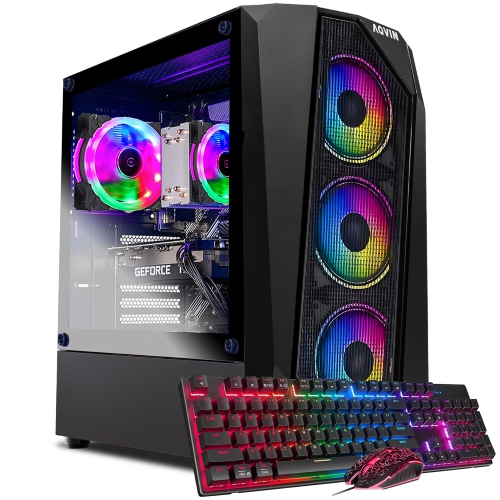
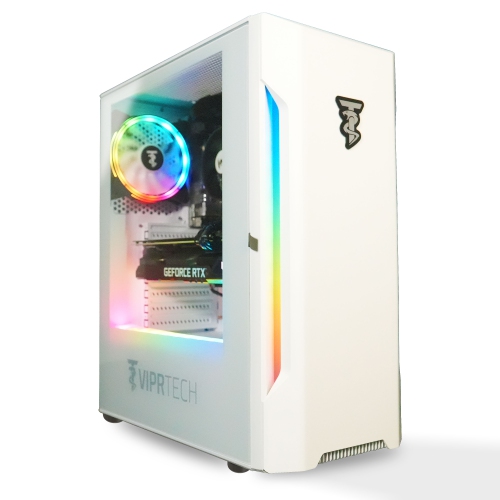


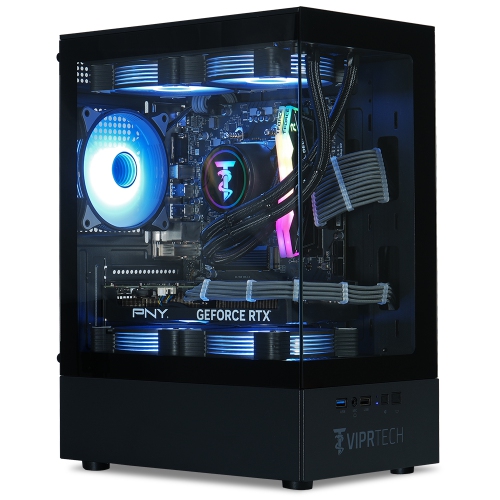
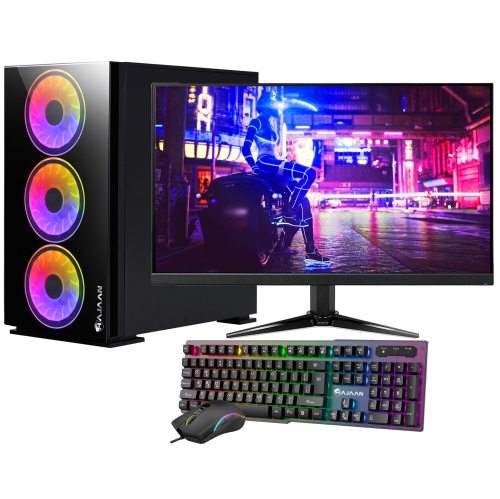
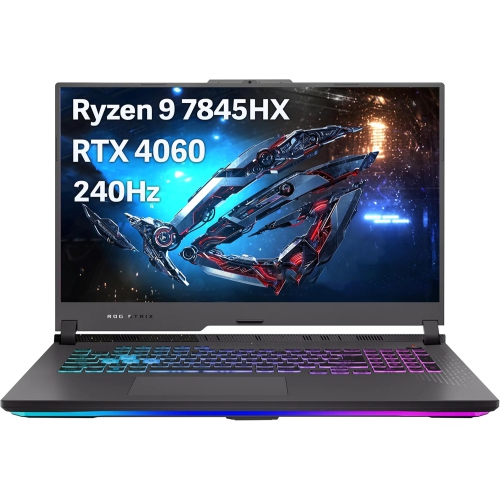

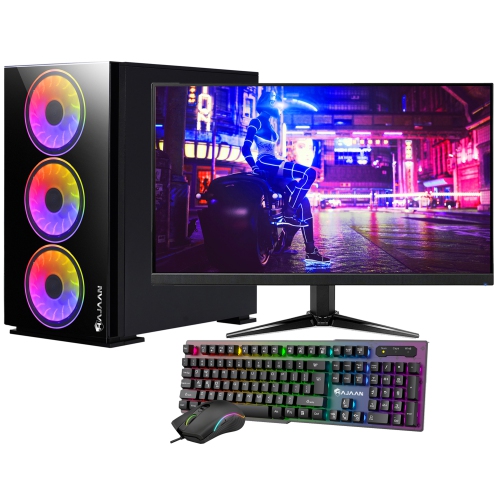

1080p gaming performance that goes beyond the game
RTX 4060 8GB GDDR6 graphics cards are desktop components designed primarily for 1080p gaming, with capabilities that also suit streaming, video editing, and other graphics-accelerated work. The desktop graphics processor uses the Ada Lovelace architecture and features 3,072 CUDA cores, 8GB of GDDR6 video memory, and a 128-bit memory interface. Typical graphics power is 115W, although power limits and operating behaviour can differ between card designs. These specifications describe a graphics card intended to balance gaming performance with manageable power and cooling requirements rather than serve as a top-end option for every resolution. At 1080p, it can be a practical match for a high-refresh-rate monitor, particularly in competitive games where smooth motion and responsive controls matter. Results depend on the game, graphics settings, processor, and other components in the computer. A fast-paced multiplayer match places different demands on a card than a detailed single-player scene filled with reflections, dense foliage, and high-resolution textures. Ray tracing can make lighting, shadows, and reflections more lifelike in supported games, but it also increases the rendering workload. DLSS 3 support includes upscaling and Frame Generation in compatible titles, helping improve displayed frame rates under suitable conditions. Generated frames do not replace a strong underlying frame rate or guarantee lower input latency, so responsiveness remains a separate consideration. Reflex support in compatible games can help reduce system latency. Gaming at 1440p is also possible, but more demanding titles may call for adjusted texture quality, ray-tracing settings, or upscaling. The 8GB specification refers to dedicated graphics memory, which is separate from system RAM and storage. It holds resources such as textures and rendering data; it does not indicate how many games the computer can store. Memory needs vary by title and resolution, and particularly demanding settings can exceed that capacity. For someone moving from integrated graphics or an older desktop card, this category can support a more capable gaming setup without requiring the physical scale of many higher-power designs.
Physical fit and compatibility matter just as much as the graphics specifications when choosing an RTX 4060 8GB GDDR6 card. Different designs can use different board lengths, cooler widths, fan arrangements, and power connectors even when they share the same graphics processor and memory capacity. A compact tower with front-mounted cooling hardware may have less usable clearance than its exterior suggests, while a wider card can occupy neighbouring expansion slots or sit close to the side panel. Card dimensions need to leave room for both the cooler and any connected power cable, without forcing a tight bend or blocking airflow. The motherboard requires a compatible PCI Express slot, and the power supply needs the appropriate connector and enough capacity for the complete computer, not just the graphics card. The desktop RTX 4060 uses a PCIe 4.0 x8 interface; it can operate in compatible older PCIe systems, although reduced bandwidth may affect performance in some workloads. Processor performance also influences the experience, especially when aiming for high frame rates at 1080p. A graphics upgrade cannot remove every limitation caused by an older processor, insufficient system memory, or slow storage. Monitor connections deserve attention as well: the available HDMI and DisplayPort outputs, cable capabilities, and display specifications determine which resolution and refresh-rate combinations are supported. Cooling assemblies commonly combine metal heatsinks, heat pipes, fans, and protective shrouds, with some designs adding a backplate for rigidity or appearance. A larger heatsink or additional fan does not automatically make a card faster, but cooling design can influence operating noise and sustained performance. Fan behaviour varies, and some cards stop their fans during light workloads. For a desktop beside a microphone or in a shared room, sound levels may be more noticeable than a small difference in advertised clock speed. Durability depends partly on keeping ventilation paths clear and preventing dust from building up around the heatsink. A stable installation, sensible cable routing, and careful handling help protect the card, while appropriate anti-static precautions and a powered-down, unplugged computer are important whenever internal components are handled.
Beyond gaming, RTX 4060 8GB GDDR6 graphics cards can suit people who record gameplay, edit family videos, create digital artwork, or work with applications that support graphics acceleration. Hardware video encoding, including AV1 encoding in compatible software, can help with recording and streaming workflows by handling tasks that would otherwise place more demand on the processor. The benefit depends on application support, recording settings, and the service or playback device receiving the video. For a creator capturing a game while speaking through a microphone, the graphics card is one part of a larger setup that also relies on adequate storage speed, system memory, and reliable audio equipment. Video editing and 3D applications can use GPU acceleration for certain effects, previews, and rendering tasks, but not every operation becomes faster simply because a dedicated card is installed. Larger scenes, complex timelines, and high-resolution assets can require more graphics memory than lighter projects. Someone editing short clips for a personal channel may have different needs from a user working with extensive visual effects or detailed 3D models. Display support can also make a dedicated card useful for a workspace with multiple monitors, subject to the connections and display limits of the particular design. A game on one screen, chat on another, and a recording window on a third illustrate why output selection matters alongside gaming performance. For students, hobbyists, and people building a first desktop, this category is most relevant when the intended games or applications can make use of its capabilities. It can also be a thoughtful gift for an experienced PC builder, provided the recipient’s case, power supply, and existing hardware are known; graphics cards are not universal accessories for every computer. Shoppers considering more graphics memory for demanding textures or larger creative projects can also compare RTX 5060 Ti 16GB GDDR7 graphics cards. Memory capacity alone does not determine performance, so the most suitable choice remains the one that fits the intended workload, display, and complete desktop system.
Top selling and popular products
-
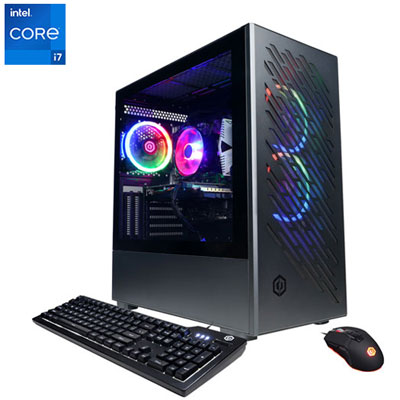 Your price for this item is $1969.99
-
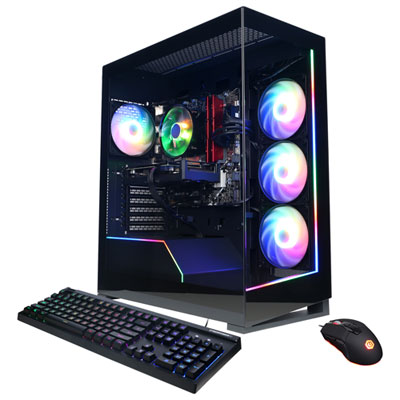 Your price for this item is $1059.99
-
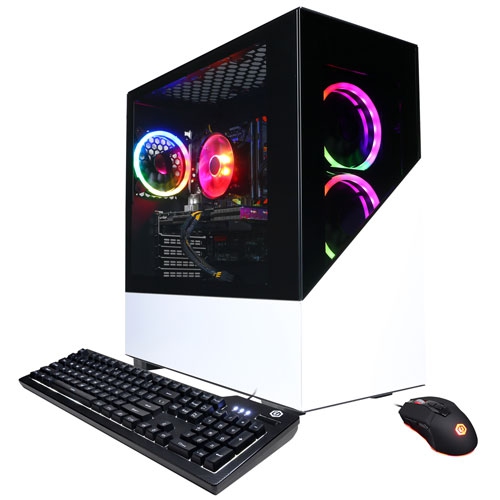 Your price for this item is $1274.97
-
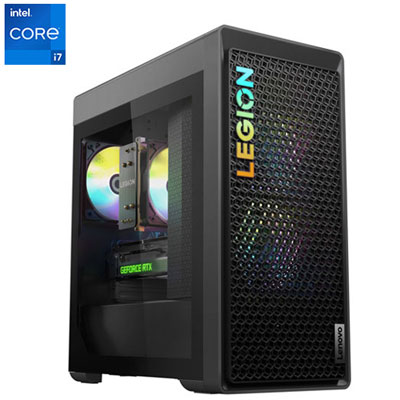 Your price for this item is $2499.95
-
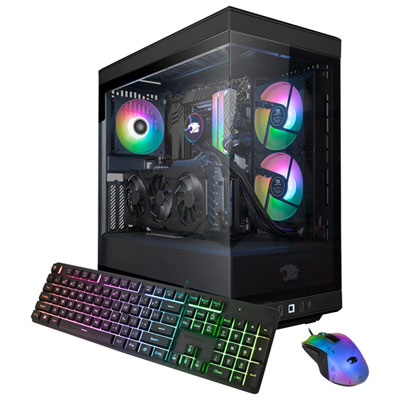 Your price for this item is $2309.99
-
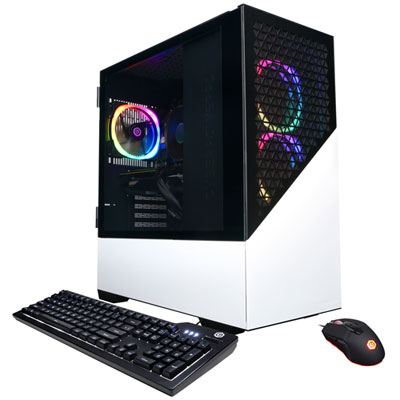 Your price for this item is $1669.99
-
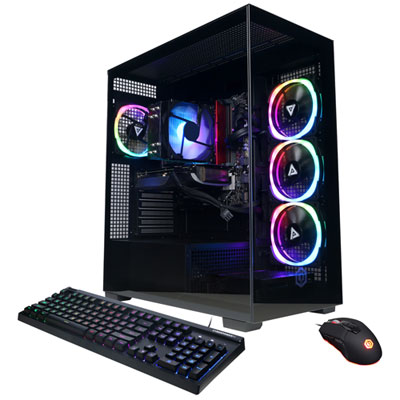 Your price for this item is $1839.99
-
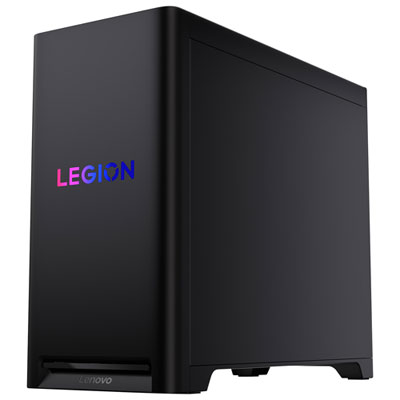 Your price for this item is $3499.99
Discover more categories related to RTX 4060 8GB GDDR6
Top Collections:
Pokemon Centers, Best Cameras for Sports Photography, Kindle Devices, Samsung Galaxy Phones, Canon G7X Cameras, Pokémon 30th Celebration Cards, Refurbished Apple Laptops, iPhone 15 Apple, Laptops for Students, Budget Smartphones
Some products may be subject to Environmental Handling Fees
(EHF) depending on your province.
Learn more about EHFs.