Scanner Electronics
Looking for the latest advancements in scanning technology? Look no further than our wide selection of scanner electronics. Whether you need to digitize important documents, archive photos, or streamline your workflow, we have the perfect scanner to meet your needs. With cutting-edge features and reliable performance, our range of scanner electronics is designed to make your life easier and more efficient. Explore our collection today and discover the power of high-quality scanning technology.
Sort















What lies behind walls before your next project begins
Scanner electronics help reveal what is hidden behind walls, ceilings and other building surfaces before you drill, screw, cut or mount anything. In this category, electronic wall scanners and stud finders use sensors to identify changes in density and conductivity, helping locate wooden studs, metal objects, pipes and live AC electrical wires concealed behind drywall, plaster, concrete and other common materials. A dependable scanner can make everyday projects feel more controlled, whether you are hanging a television, installing shelving, mounting cabinets, securing a handrail or preparing to run a cable through a wall. Many models provide more than a simple beep. Visual displays may show a target bar that grows as you move closer to a hidden object, while icons or material indicators can help distinguish a stud from metal or an electrical signal. Audio alerts are also useful when your eyes are focused on the wall or when the surface is dimly lit. Some scanners offer separate modes for wood, metal, deep scanning or live-wire detection, allowing you to match the setting to the material and depth you expect to encounter. Automatic calibration can simplify setup by adjusting to the wall surface, although correct handling still matters. Paint, wallpaper, textured finishes, foil-backed insulation, damp areas and unusually thick materials can affect readings, so it is wise to follow the manufacturer’s instructions and confirm an important location from more than one direction. A scanner is a planning tool rather than a guarantee that a wall is safe to penetrate; turn off power where appropriate, use proper protective equipment and consult a qualified professional whenever wiring, plumbing or structural work is uncertain.
Choosing scanner electronics starts with the type of projects you expect to complete. For occasional picture hanging or light shelves, a straightforward stud-finding mode with a clear display may be all that is needed. For renovation work, home repairs or mounting heavier fixtures, look for broader detection capability, useful depth information, a comfortable grip and controls that are easy to operate while standing on a step ladder. Live-wire detection is an especially important feature when drilling near outlets, switches, light fixtures or areas where wiring may run vertically or horizontally. Metal detection can help identify pipes, fasteners, brackets and other concealed hardware, while deeper scanning modes may be helpful on thicker walls or floors. Pay attention to how the scanner communicates its findings. A bright screen can be easier to read in a workshop or hallway, and an adjustable sound alert can help when you are watching the marked point instead of the device. Clear calibration instructions, an automatic shutoff and a low-battery indicator add convenience during longer projects. Battery type and availability are also worth considering, particularly if the scanner will live in a toolbox or be used at a cottage, workshop or older home where it may sit between jobs. Before scanning, clear nearby objects that may interfere with the reading, hold the device flat against the surface and move it slowly in a straight line. Mark the centre of a detected stud rather than relying only on the first signal, then scan the surrounding area for additional objects. If you are using electronic equipment to plan a wall-mounted installation, related storage and organization accessories such as Scanner Holders may also help keep equipment accessible and protected between uses.
Scanner electronics can be useful for homeowners, renters, renovators, tradespeople, property managers and anyone who regularly works with walls or other finished surfaces. A homeowner may keep one nearby for the small jobs that accumulate through the year, from hanging framed artwork in a hallway to securing a coat rack in an entryway. Someone preparing a nursery, home office or media room can use a scanner to plan mounting points more confidently and avoid placing fasteners where hidden wiring or plumbing may be present. During the cooler months, when more time is spent indoors completing repairs and reorganizing rooms, a compact scanner can be a practical addition to a household tool kit. It can also make a thoughtful gift for a new homeowner, a student moving into a first apartment, a family member who enjoys woodworking or a do-it-yourself enthusiast preparing for a renovation. For a recipient who already owns basic hand tools, an electronic scanner adds a different kind of capability: it provides information before the hammer, drill or saw touches the surface. Even experienced users benefit from checking the limits of a device, including its maximum detection depth, supported wall materials and ability to distinguish live electrical signals from other metal or conductive objects. Results can vary around corners, near pipes, over seams or on surfaces with irregular construction, so careful scanning and sensible verification remain important. Used thoughtfully, scanner electronics help turn an uncertain wall into a more understandable work area, supporting safer decisions, cleaner installations and greater confidence in projects ranging from simple decorating updates to more involved home improvements.
Choosing scanner electronics starts with the type of projects you expect to complete. For occasional picture hanging or light shelves, a straightforward stud-finding mode with a clear display may be all that is needed. For renovation work, home repairs or mounting heavier fixtures, look for broader detection capability, useful depth information, a comfortable grip and controls that are easy to operate while standing on a step ladder. Live-wire detection is an especially important feature when drilling near outlets, switches, light fixtures or areas where wiring may run vertically or horizontally. Metal detection can help identify pipes, fasteners, brackets and other concealed hardware, while deeper scanning modes may be helpful on thicker walls or floors. Pay attention to how the scanner communicates its findings. A bright screen can be easier to read in a workshop or hallway, and an adjustable sound alert can help when you are watching the marked point instead of the device. Clear calibration instructions, an automatic shutoff and a low-battery indicator add convenience during longer projects. Battery type and availability are also worth considering, particularly if the scanner will live in a toolbox or be used at a cottage, workshop or older home where it may sit between jobs. Before scanning, clear nearby objects that may interfere with the reading, hold the device flat against the surface and move it slowly in a straight line. Mark the centre of a detected stud rather than relying only on the first signal, then scan the surrounding area for additional objects. If you are using electronic equipment to plan a wall-mounted installation, related storage and organization accessories such as Scanner Holders may also help keep equipment accessible and protected between uses.
Scanner electronics can be useful for homeowners, renters, renovators, tradespeople, property managers and anyone who regularly works with walls or other finished surfaces. A homeowner may keep one nearby for the small jobs that accumulate through the year, from hanging framed artwork in a hallway to securing a coat rack in an entryway. Someone preparing a nursery, home office or media room can use a scanner to plan mounting points more confidently and avoid placing fasteners where hidden wiring or plumbing may be present. During the cooler months, when more time is spent indoors completing repairs and reorganizing rooms, a compact scanner can be a practical addition to a household tool kit. It can also make a thoughtful gift for a new homeowner, a student moving into a first apartment, a family member who enjoys woodworking or a do-it-yourself enthusiast preparing for a renovation. For a recipient who already owns basic hand tools, an electronic scanner adds a different kind of capability: it provides information before the hammer, drill or saw touches the surface. Even experienced users benefit from checking the limits of a device, including its maximum detection depth, supported wall materials and ability to distinguish live electrical signals from other metal or conductive objects. Results can vary around corners, near pipes, over seams or on surfaces with irregular construction, so careful scanning and sensible verification remain important. Used thoughtfully, scanner electronics help turn an uncertain wall into a more understandable work area, supporting safer decisions, cleaner installations and greater confidence in projects ranging from simple decorating updates to more involved home improvements.
Top selling and popular products
-
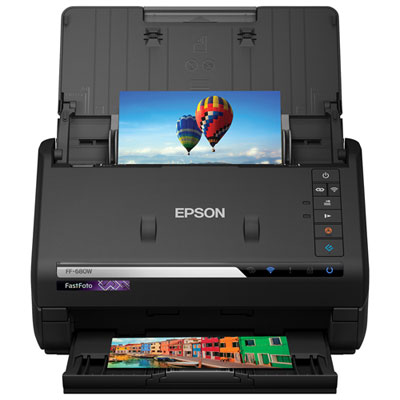 Your price for this item is $849.99
 -
 Your price for this item is $107.99
 -
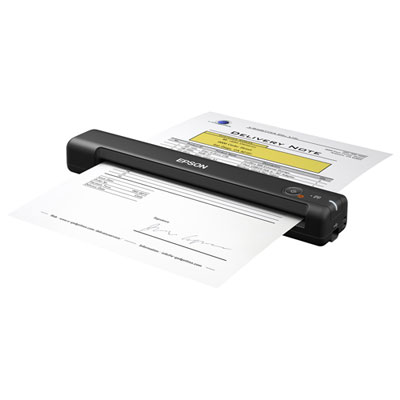 Your price for this item is $149.99
 -
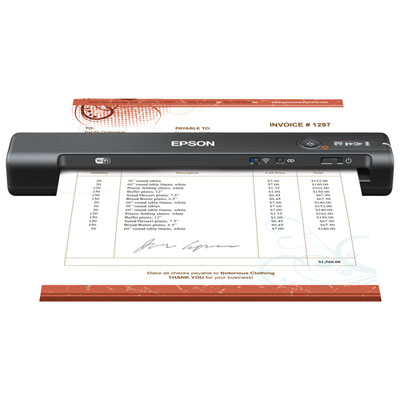 Your price for this item is $239.99
 -
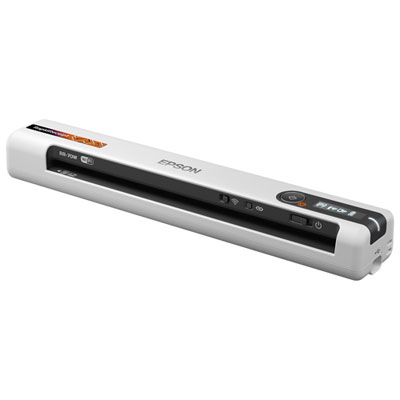 Your price for this item is $369.99
 -
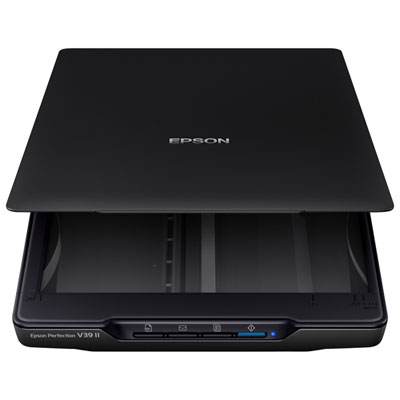 Your price for this item is $129.99
 -
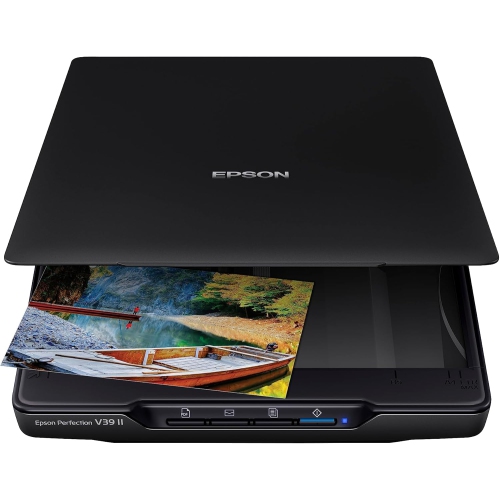 Your price for this item is $228.99
 -
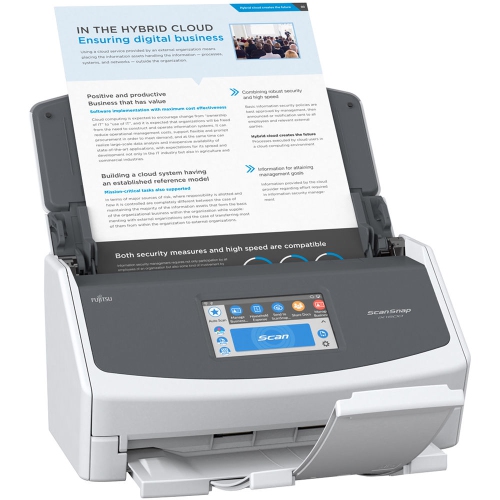 Your price for this item is $804
Discover more categories related to Scanner Electronics
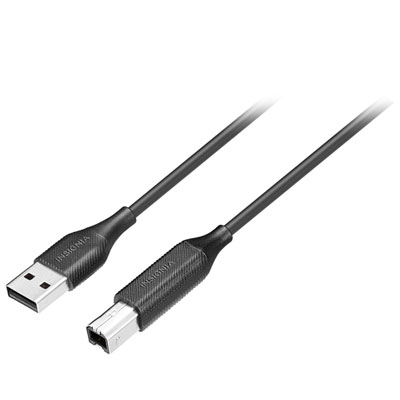
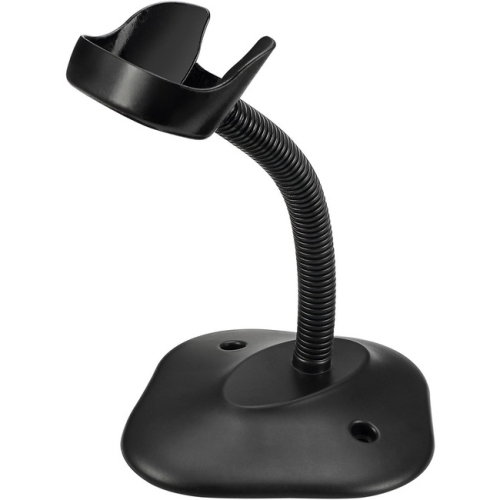
Top Collections:
Pokemon Centers, Kindle Devices, Best Budget Office Chairs, Apple iPhones 16, Canon G7X Cameras, iPhone 15 Apple, Alarm Clock, Refurbished Apple Laptops, Flip Phones, Best Laptops for Writers
Some products may be subject to Environmental Handling Fees
(EHF) depending on your province.
Learn more about EHFs.