Digital Scanners
Looking to digitize your documents and streamline your workflow? Look no further than our wide selection of digital scanners. Whether you need to scan receipts, contracts, or photos, these cutting-edge devices offer exceptional scanning quality and efficiency. With features like high-resolution scanning, automatic document feeders, and versatile connectivity options, digital scanners are designed to meet the diverse needs of both home users and professionals alike.
Sort
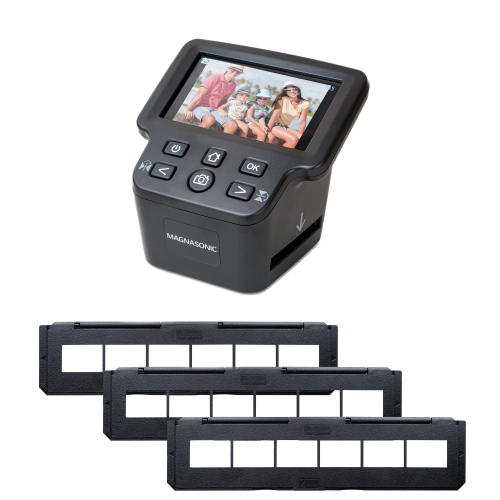
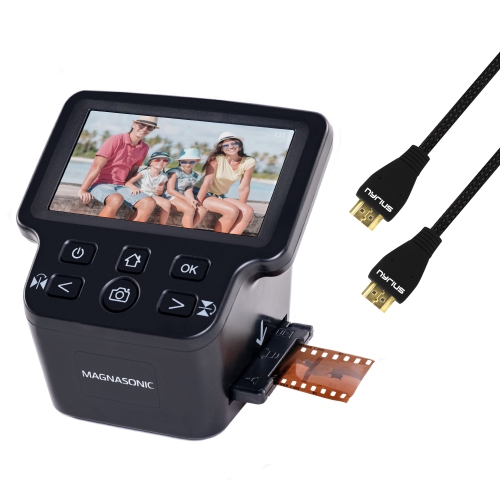
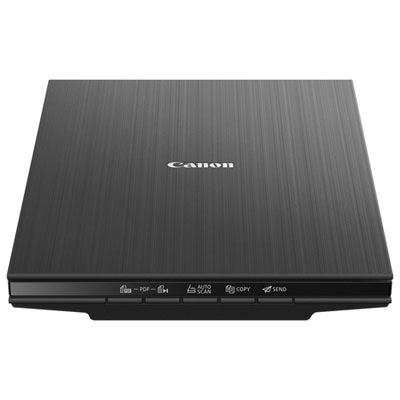
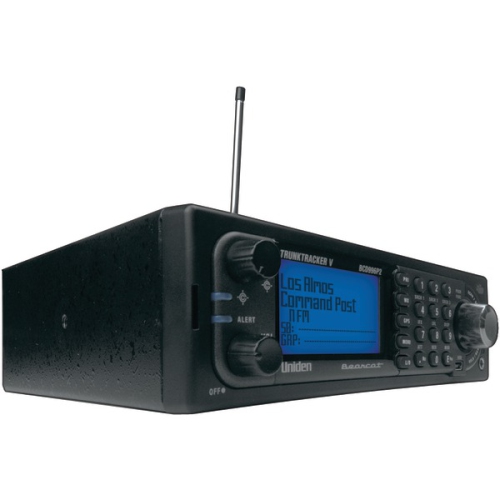

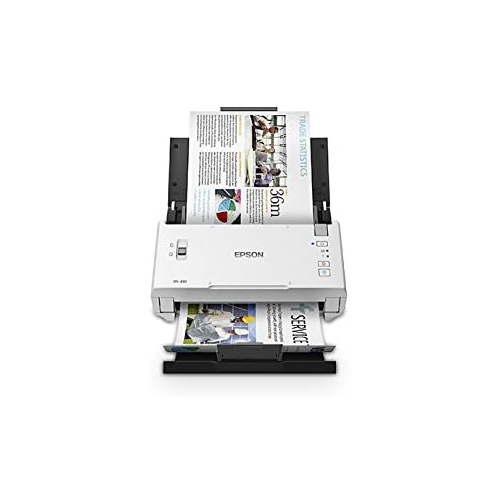
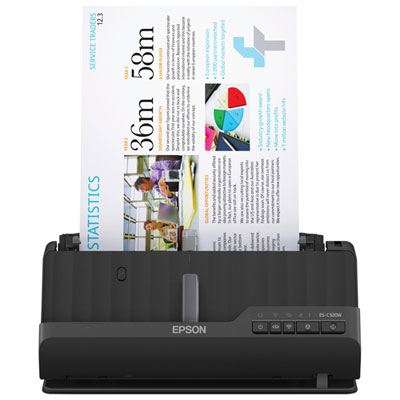
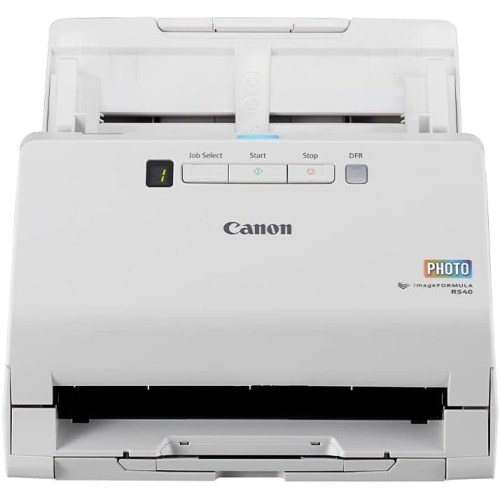
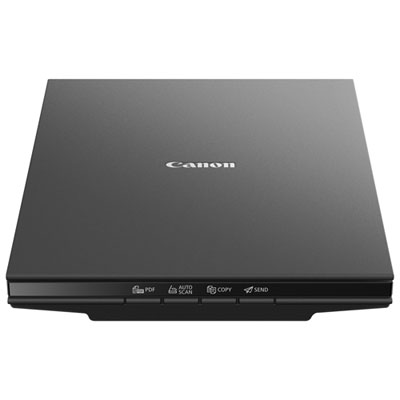
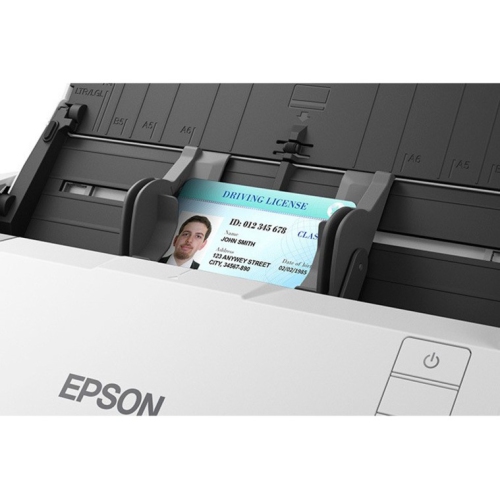
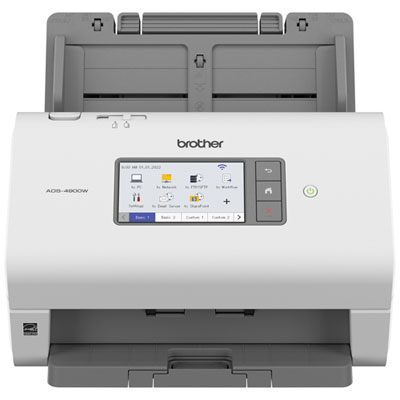
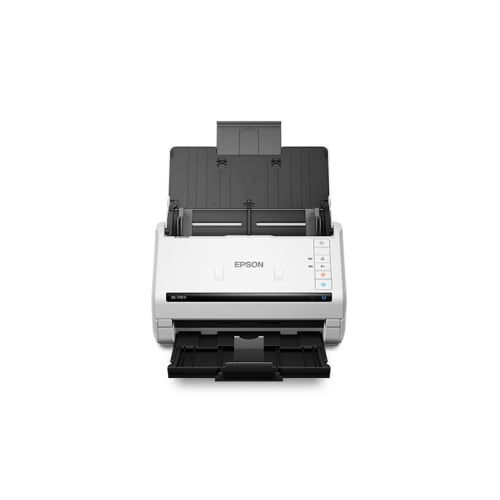
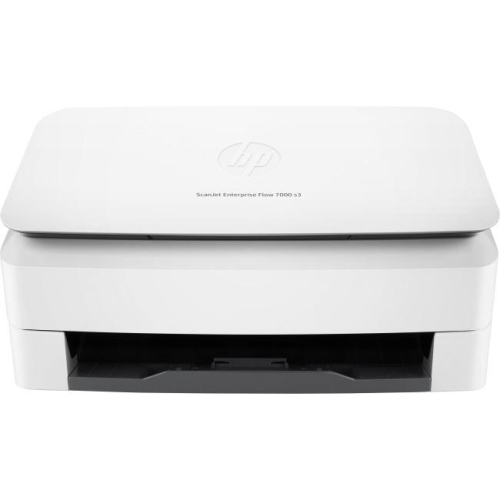
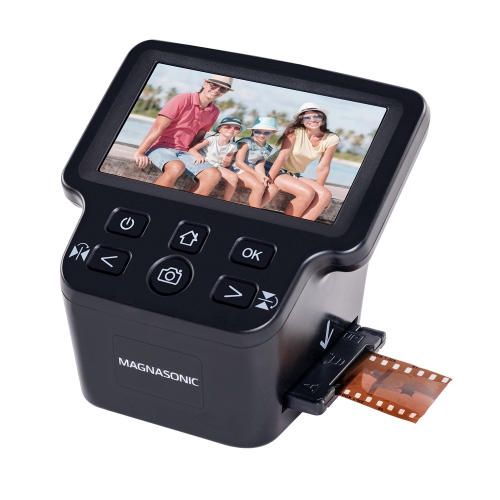
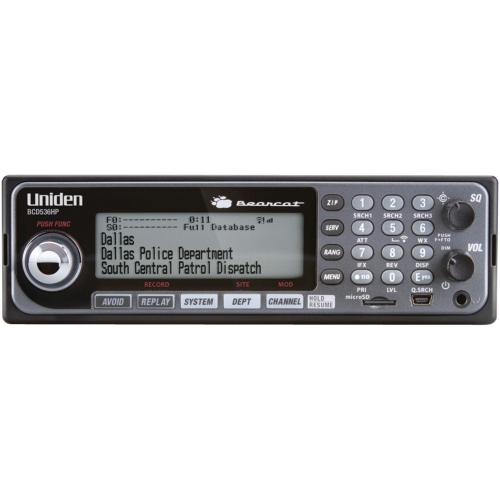
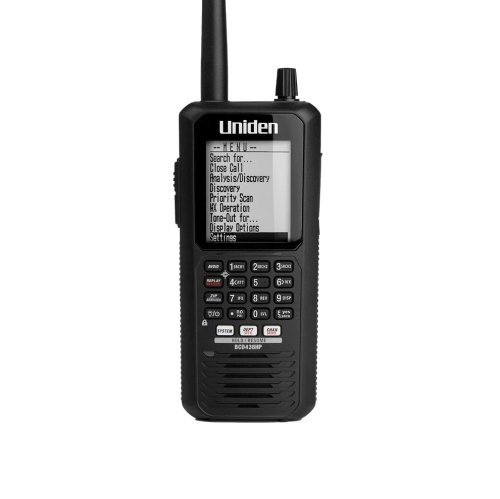
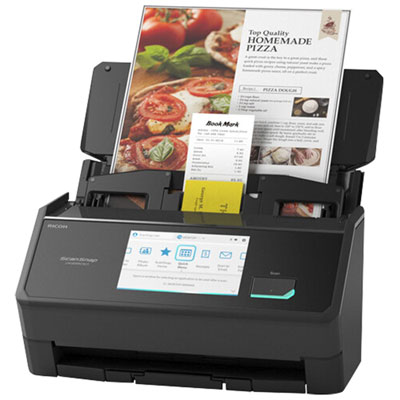
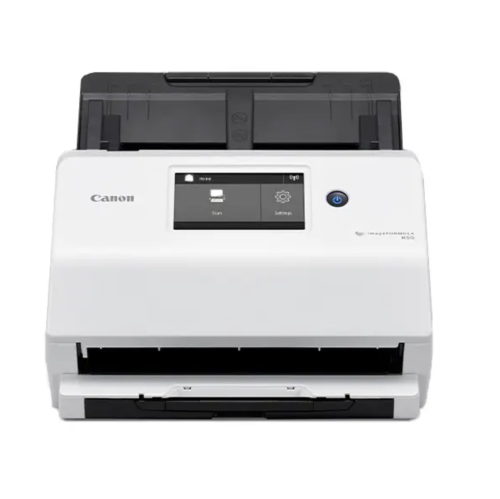
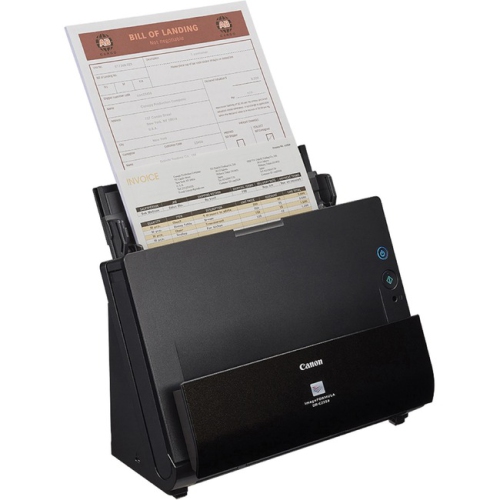
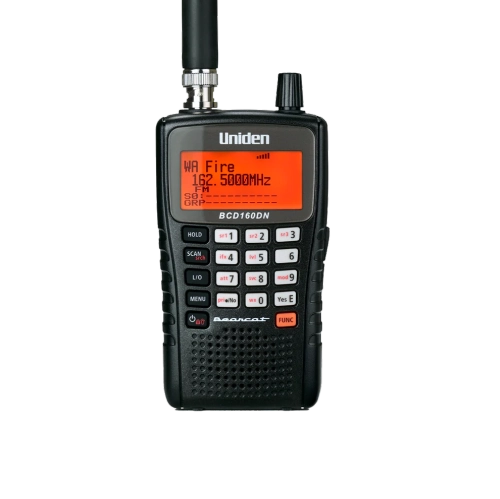
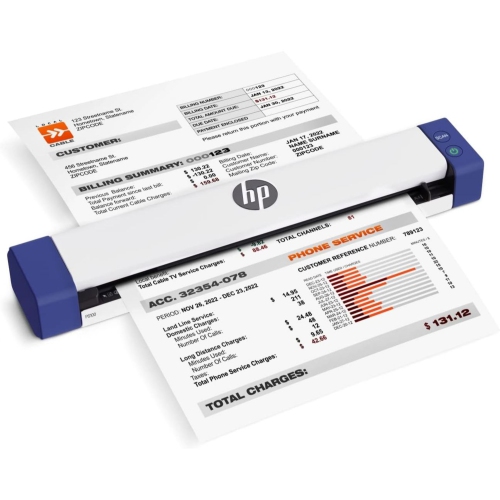
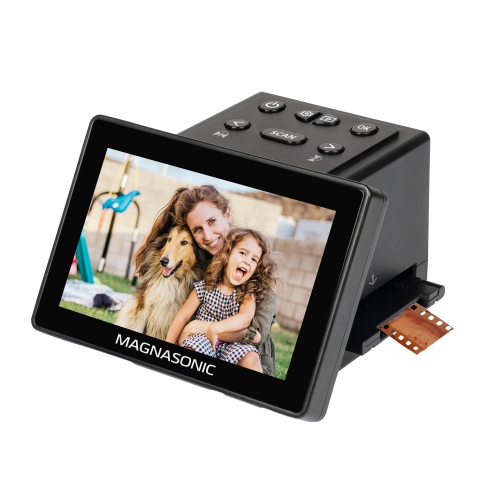
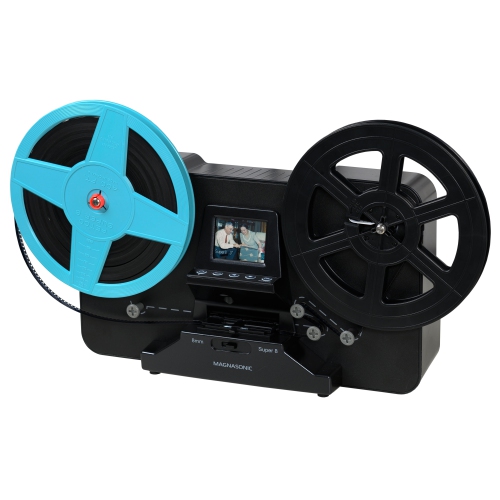
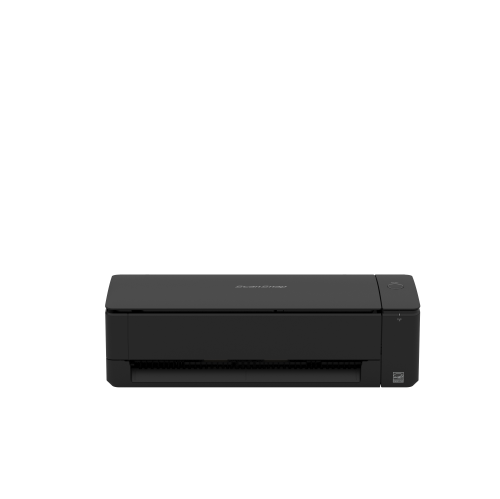
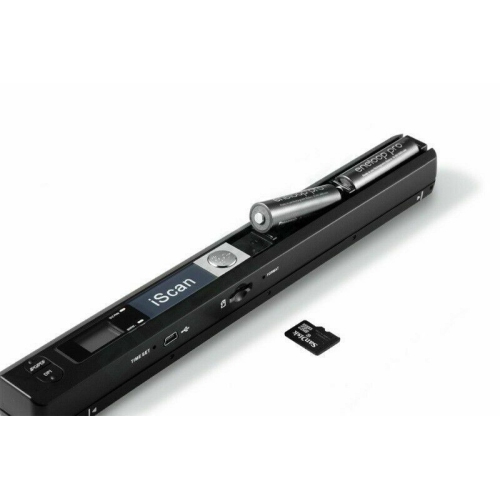
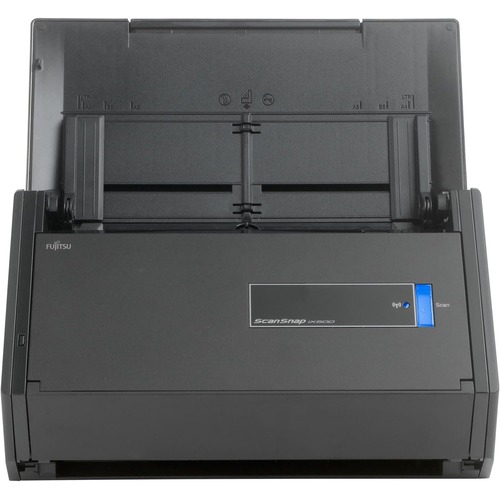
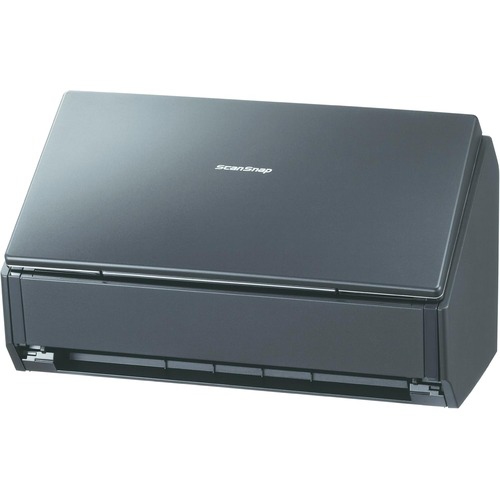
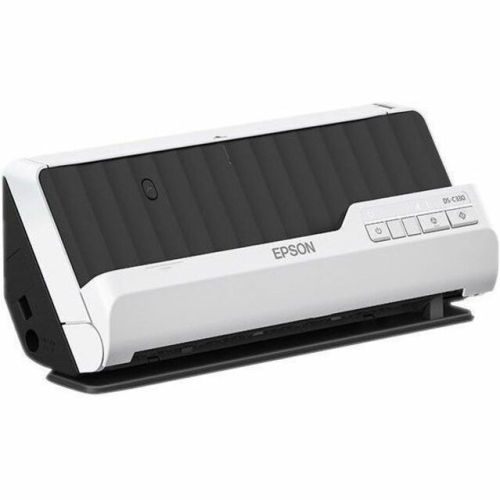
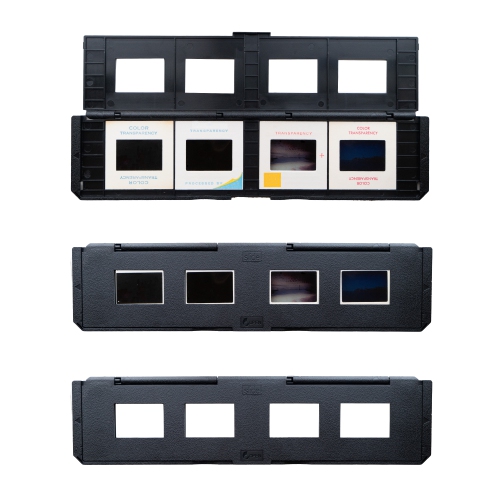
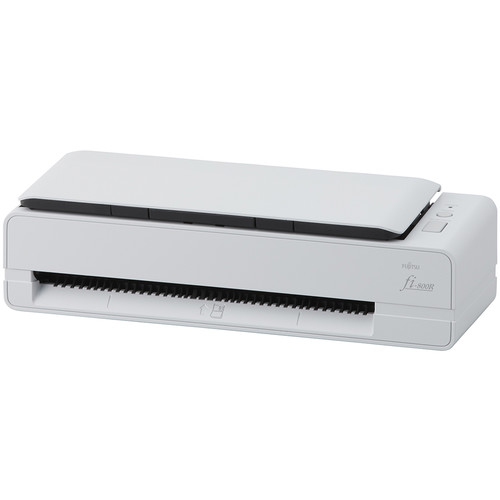
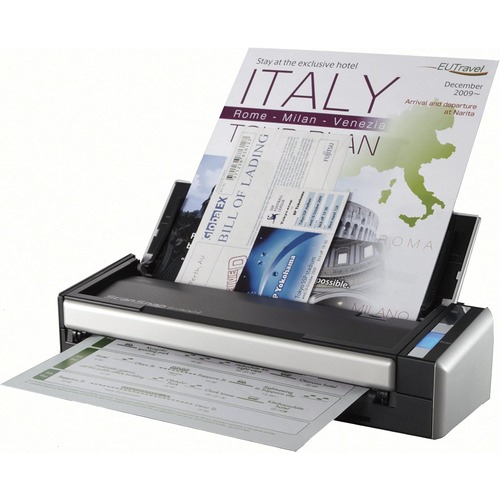
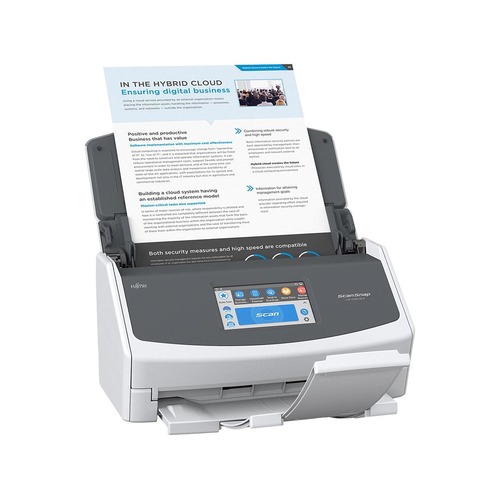
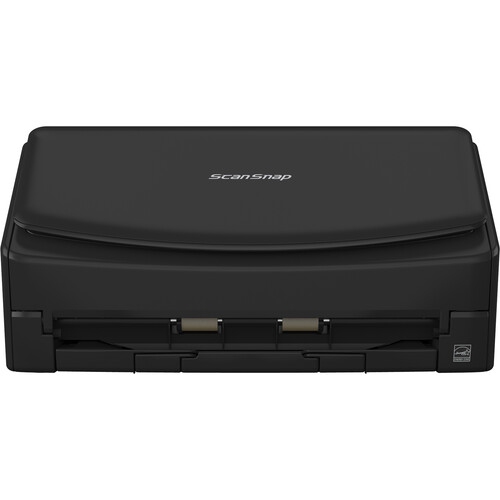
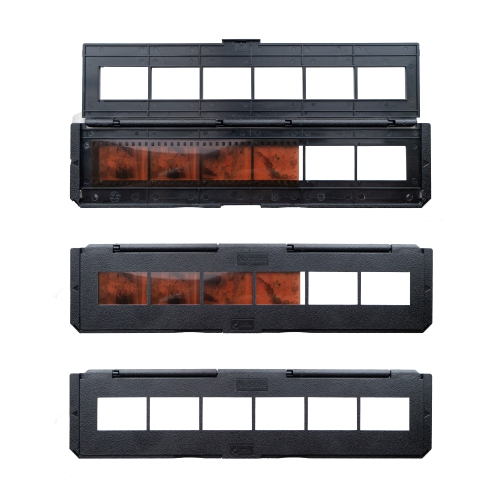
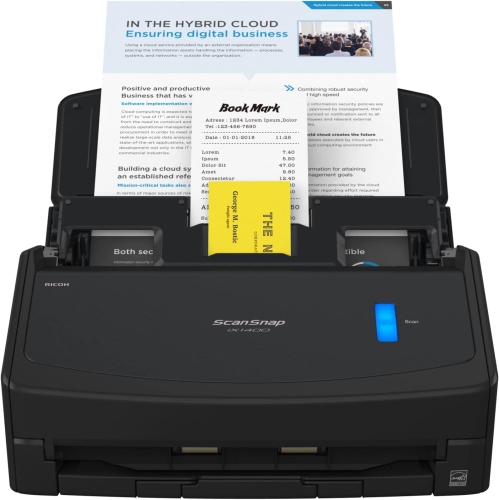
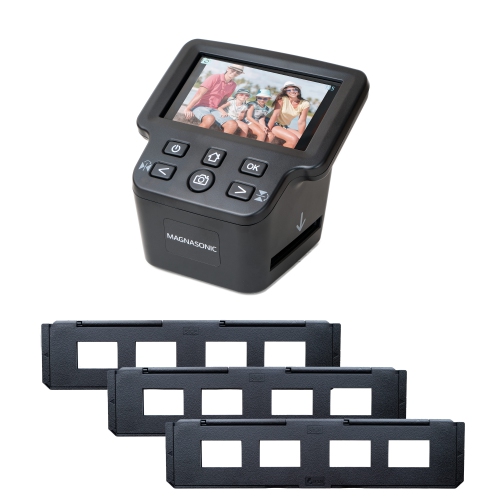
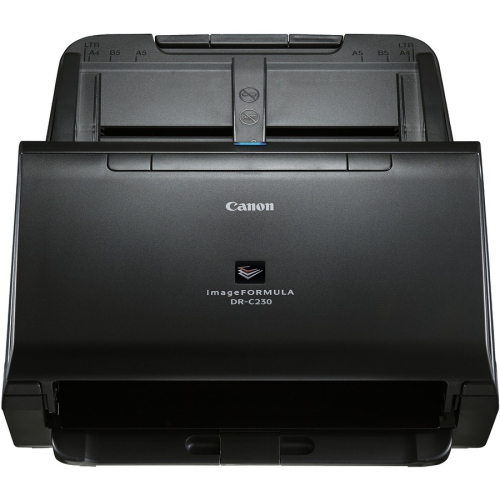
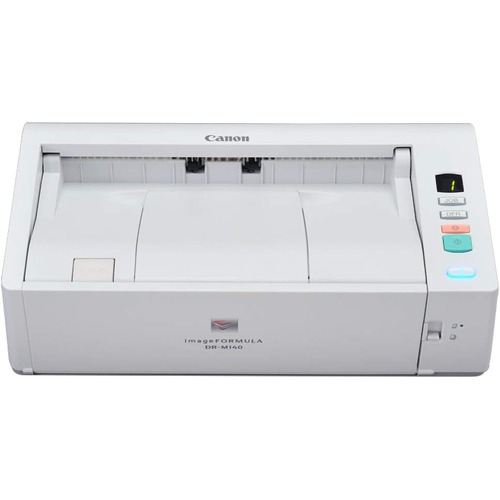

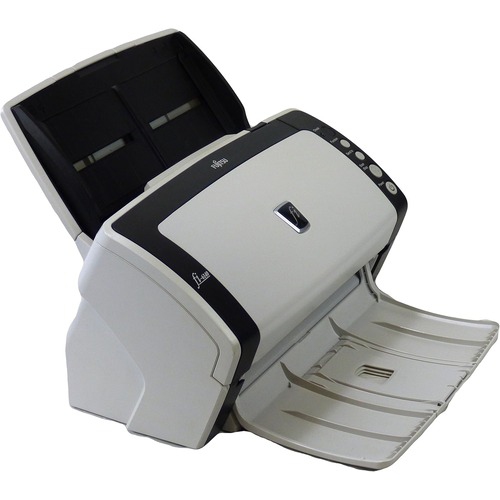
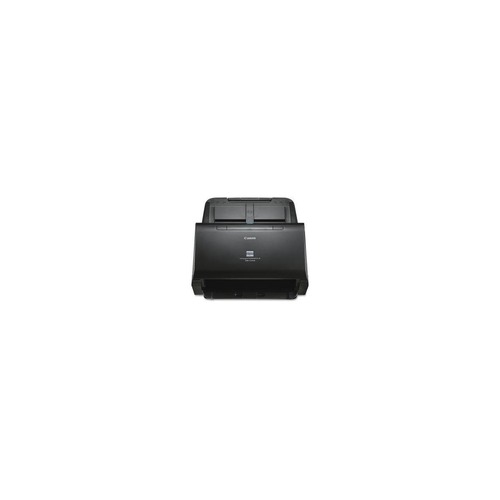
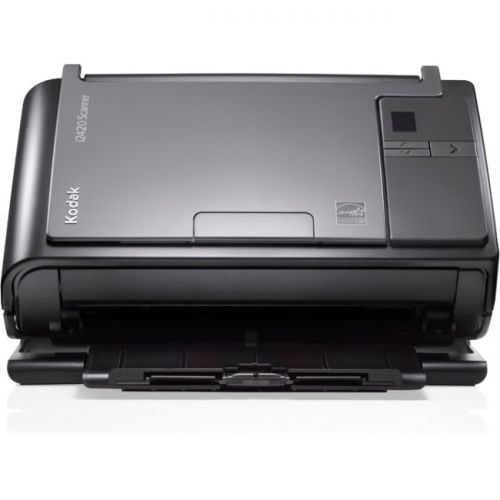
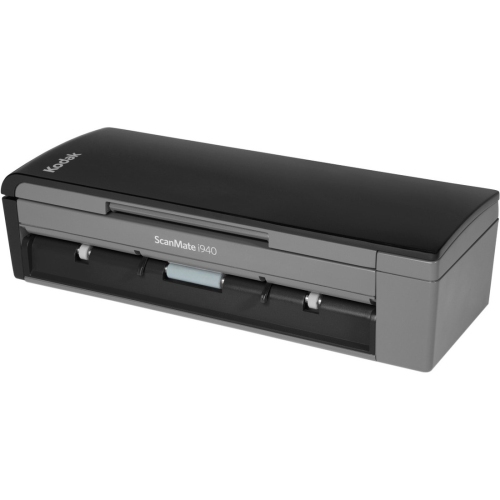
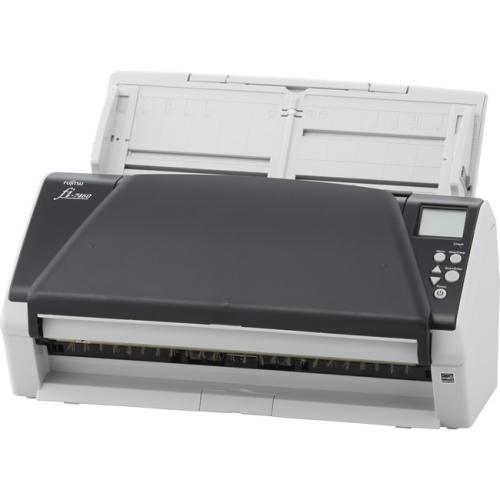

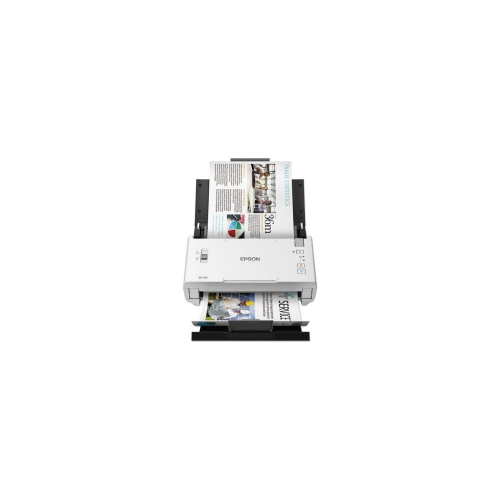
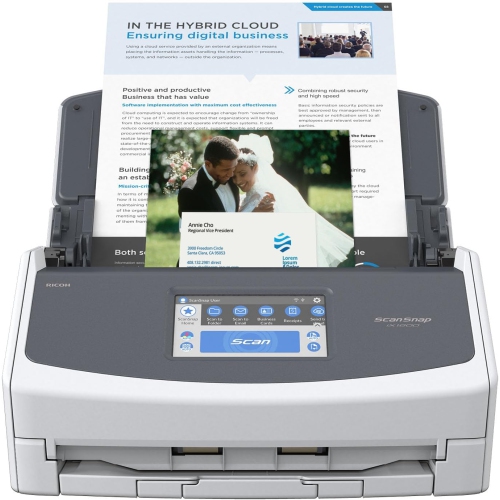
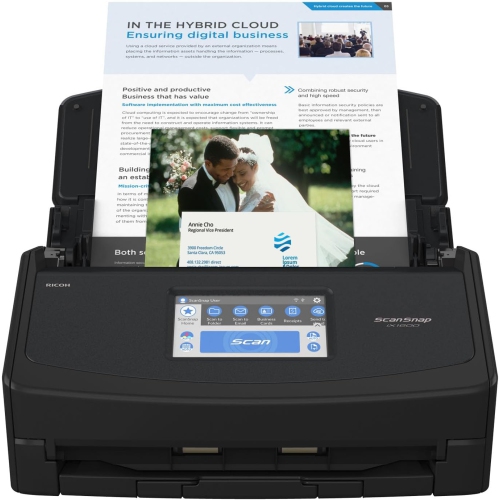
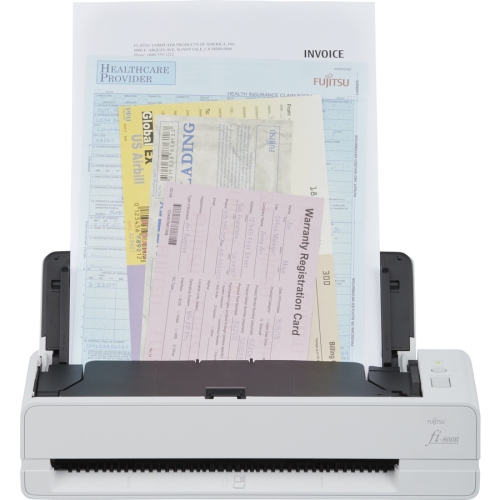
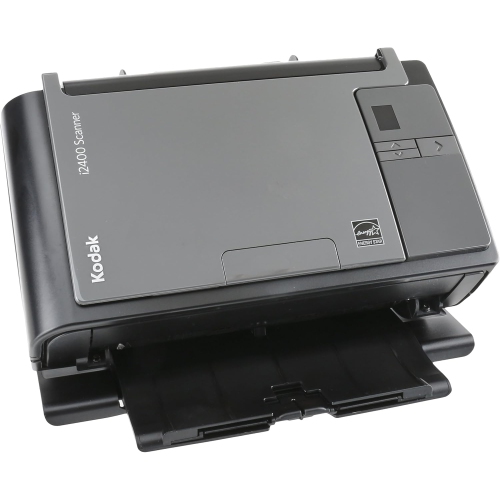
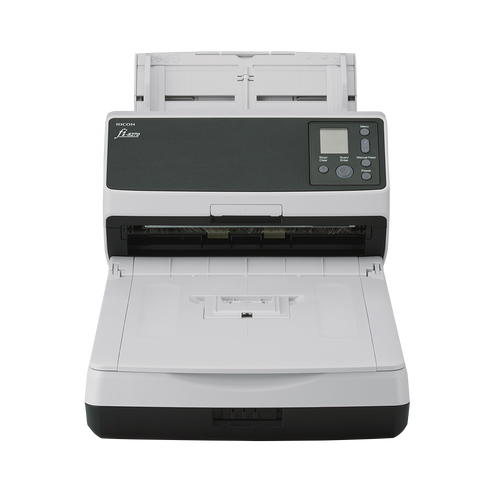
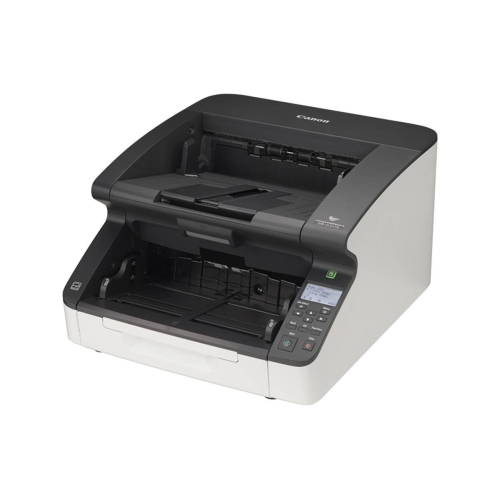
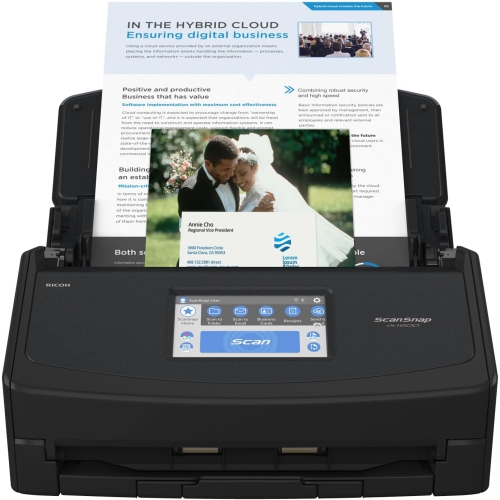
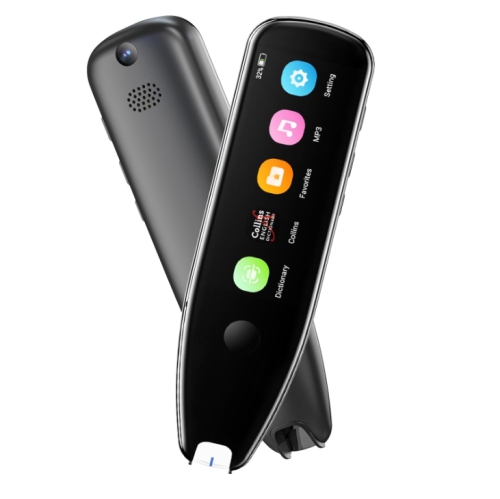
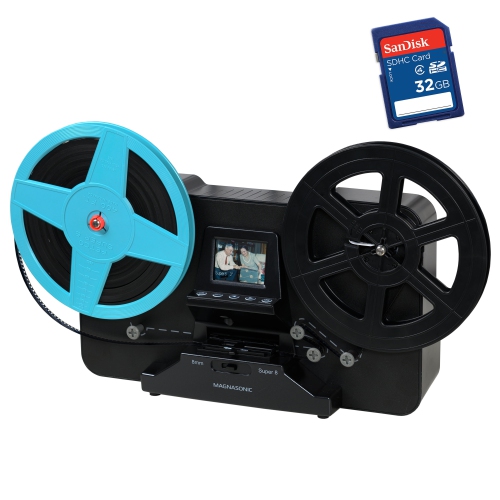
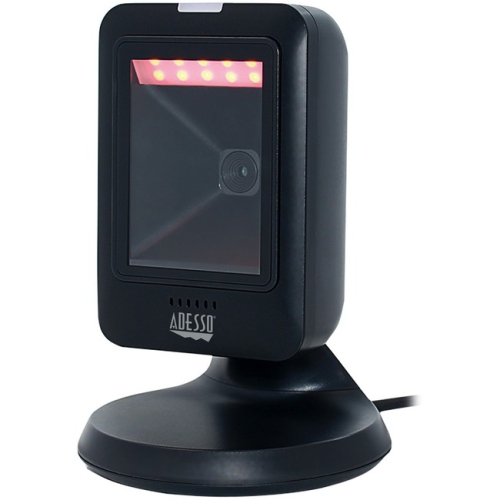
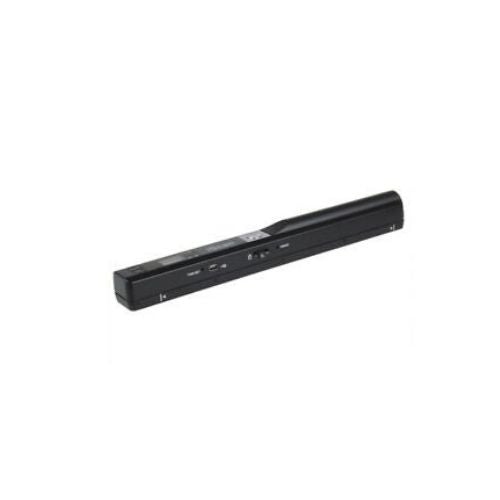
From family photographs to compatible radio transmissions
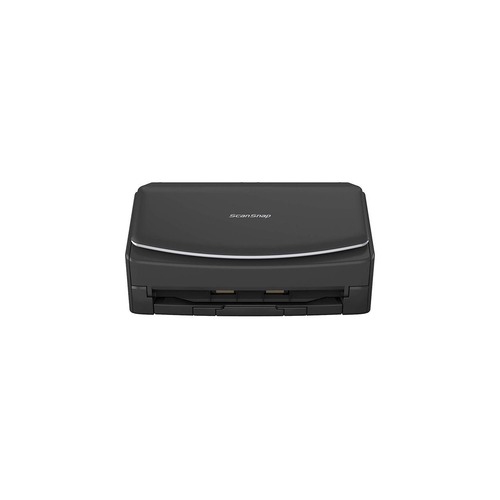
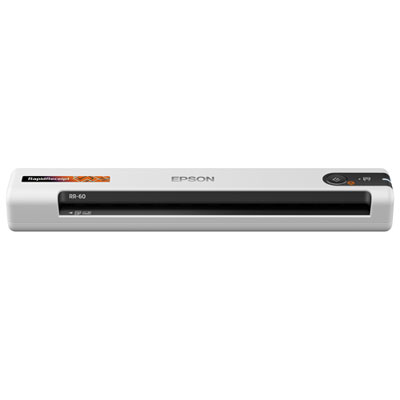
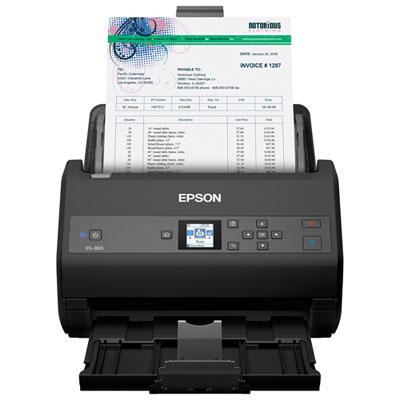
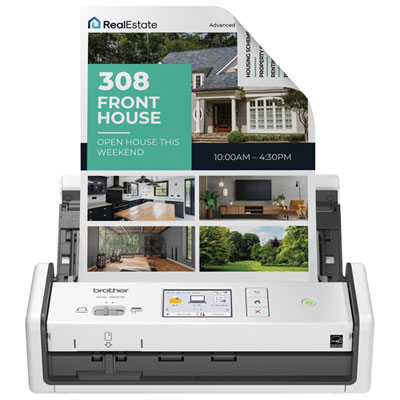
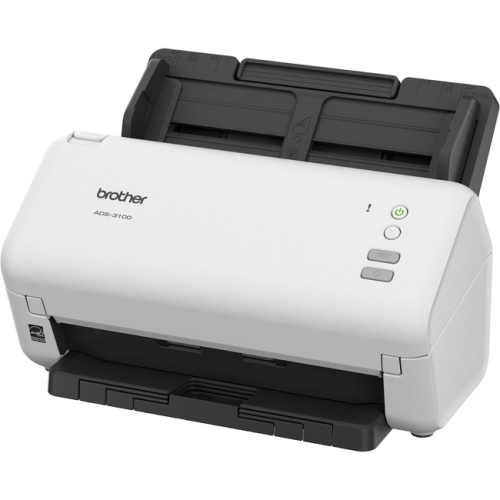
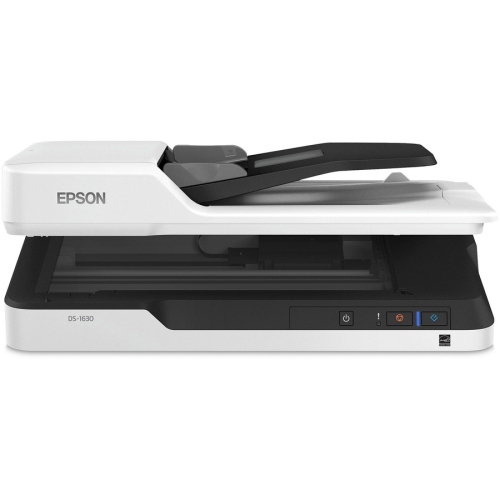
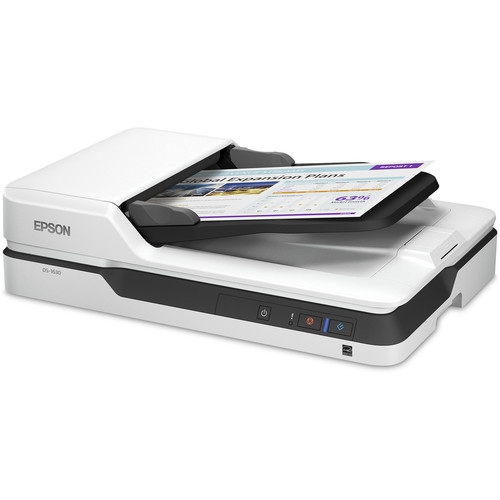
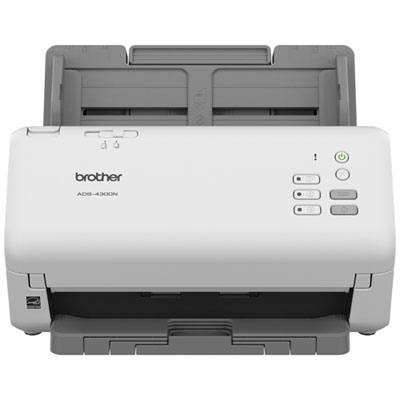
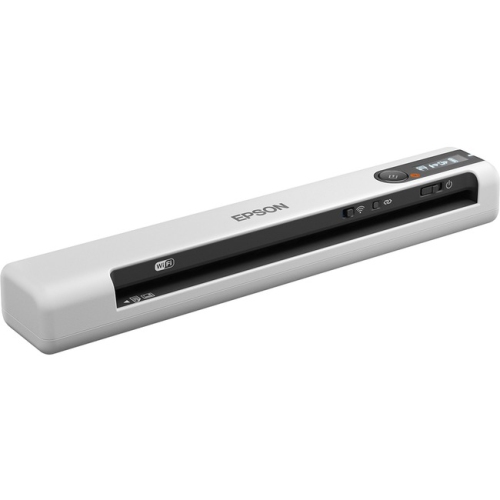
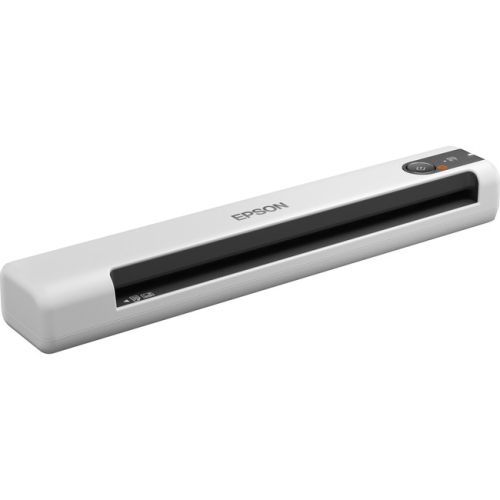
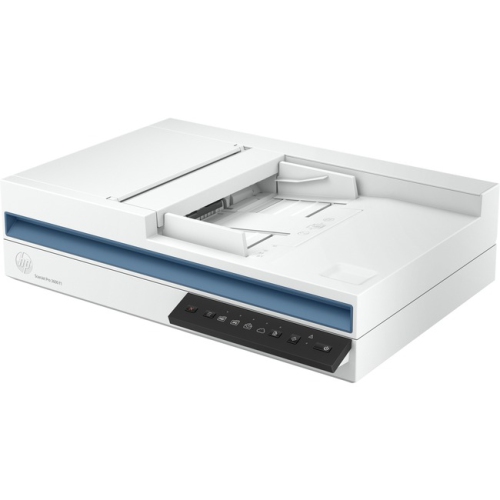
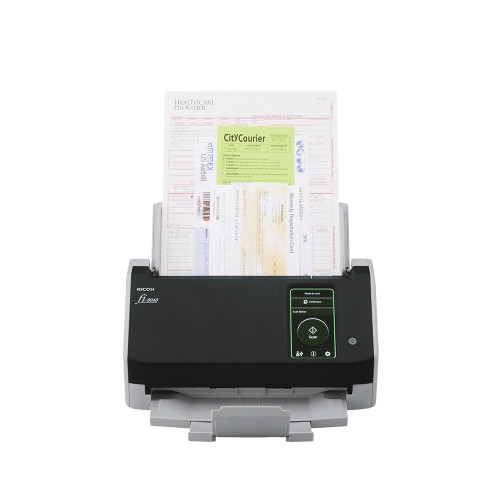
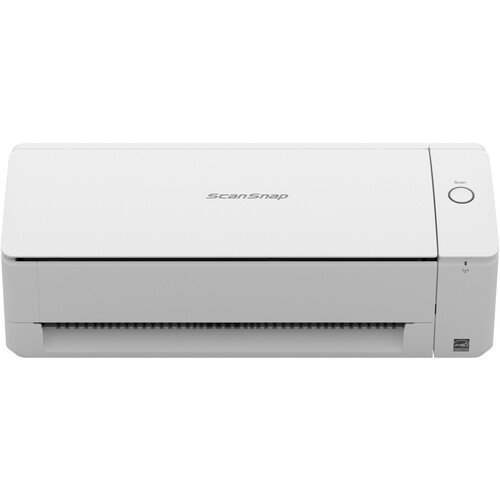
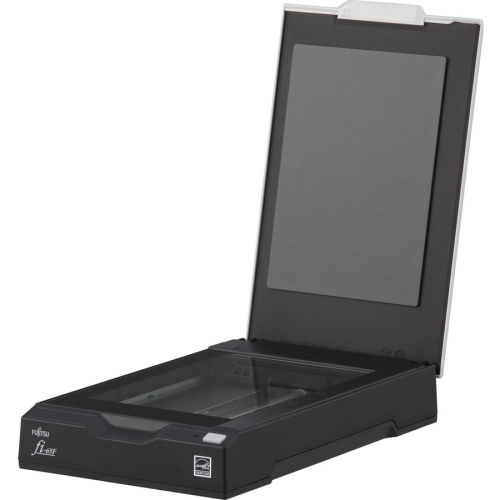
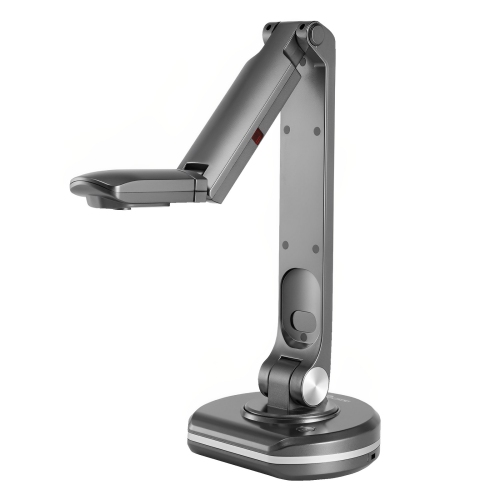
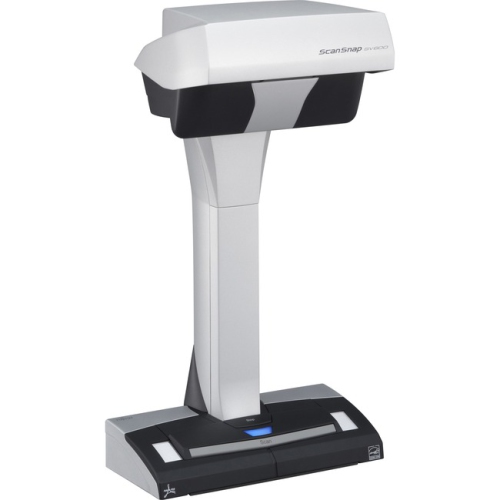
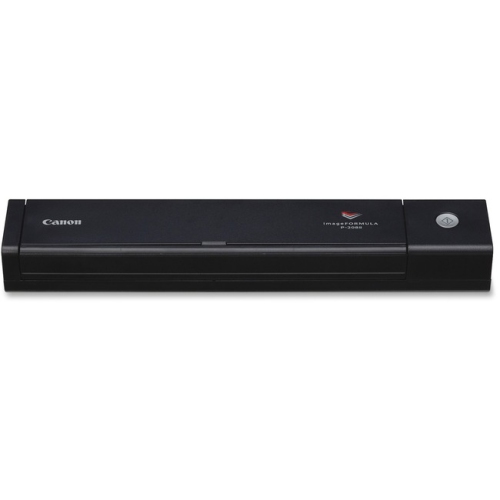
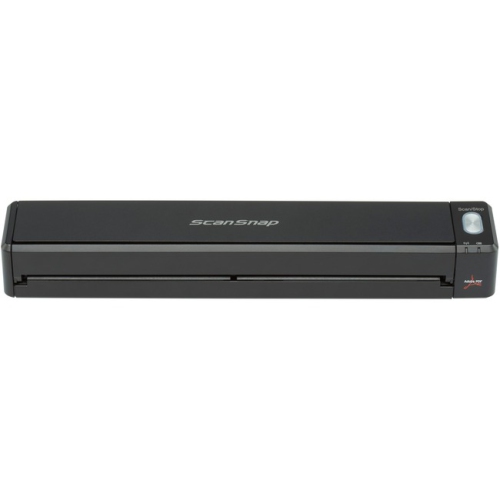
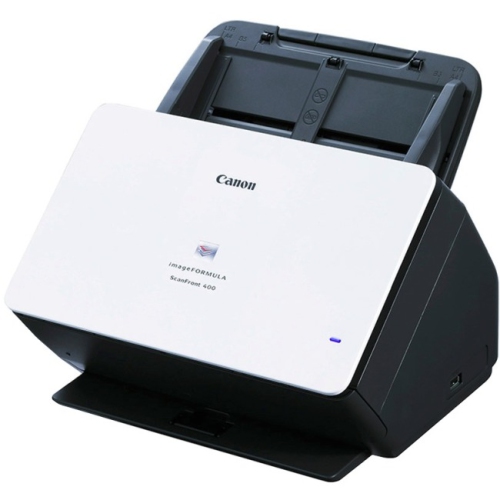
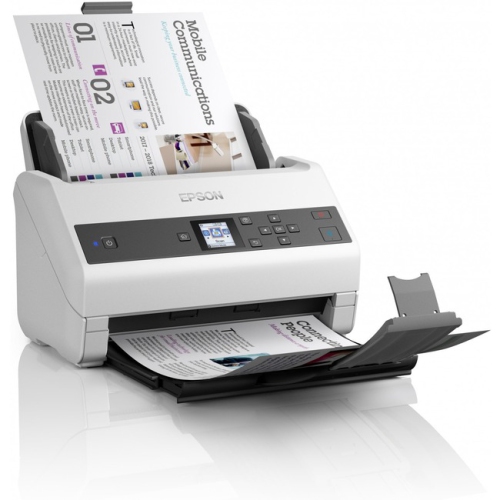
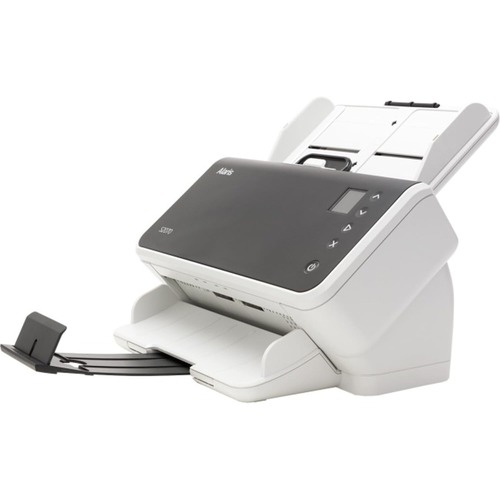
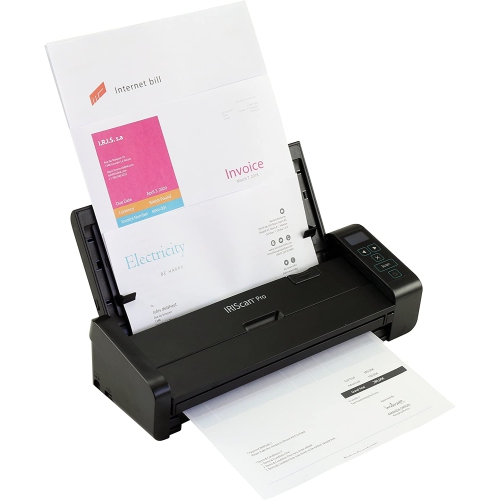
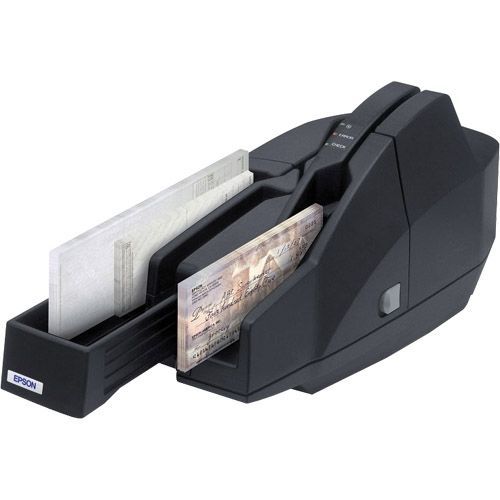
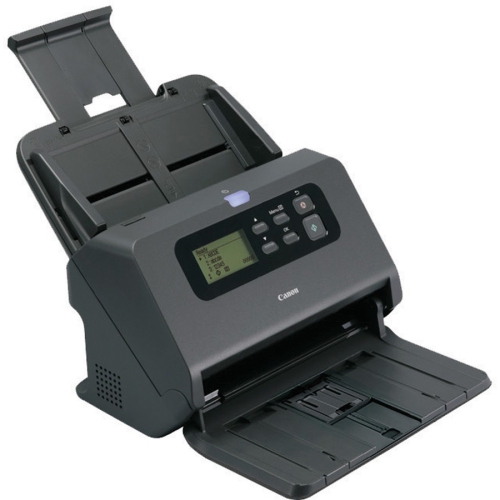
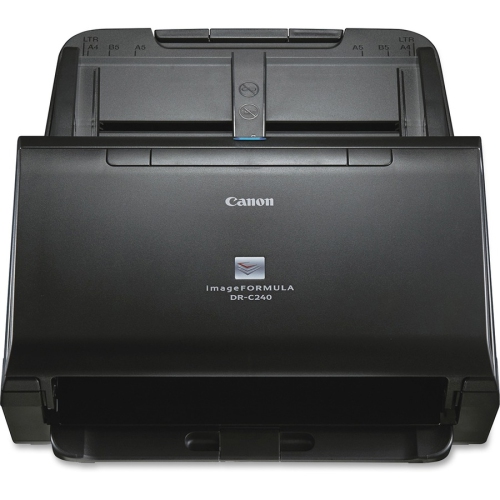
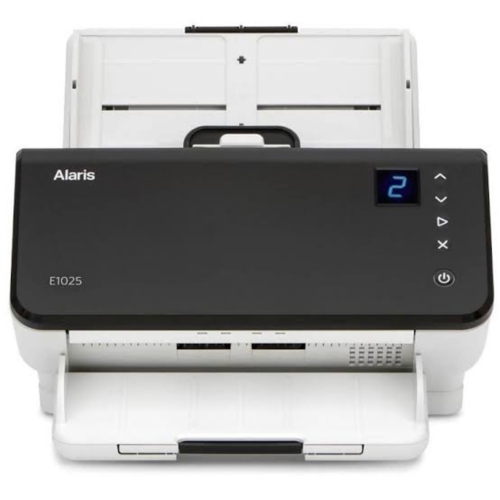
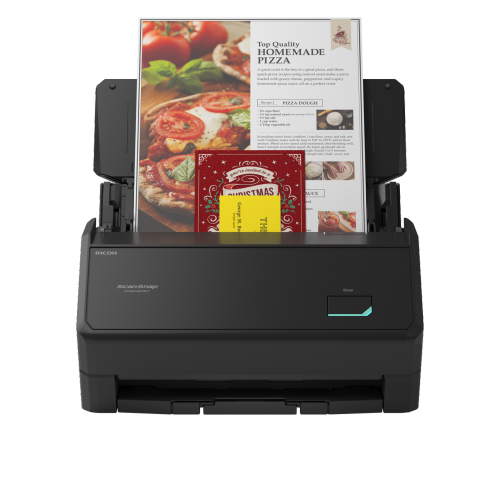
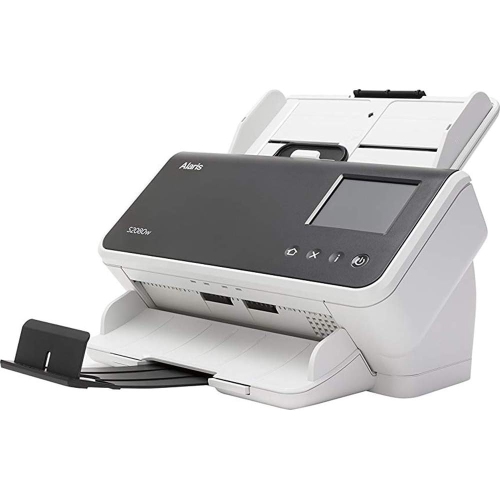
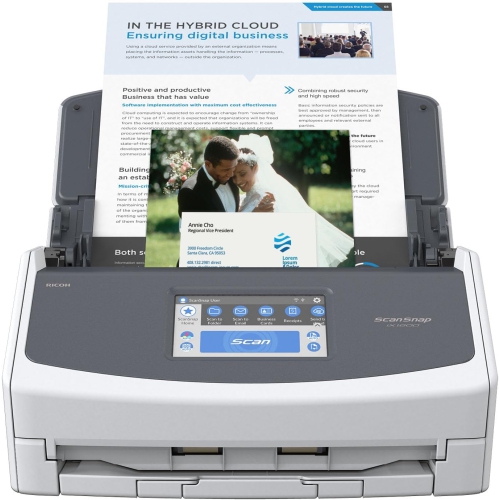
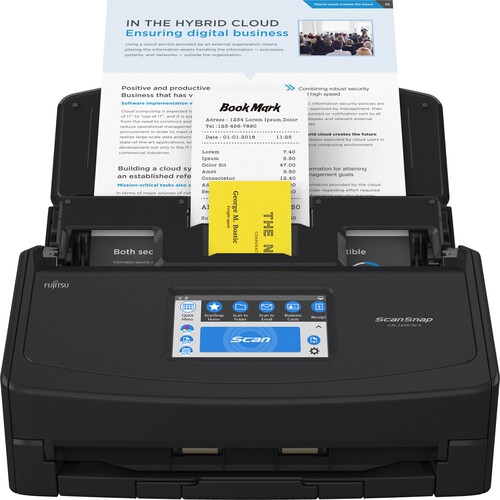
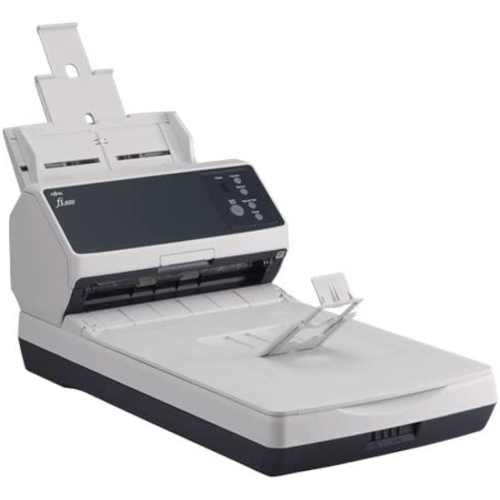
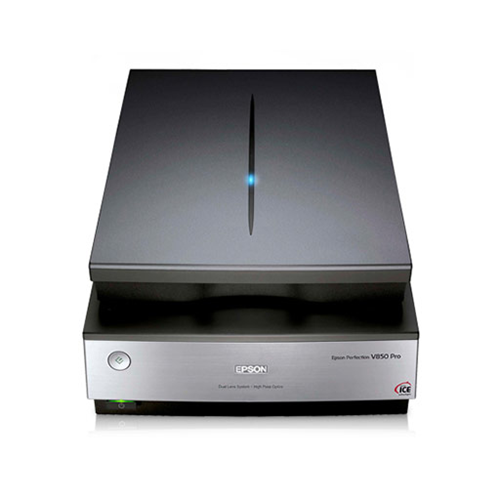
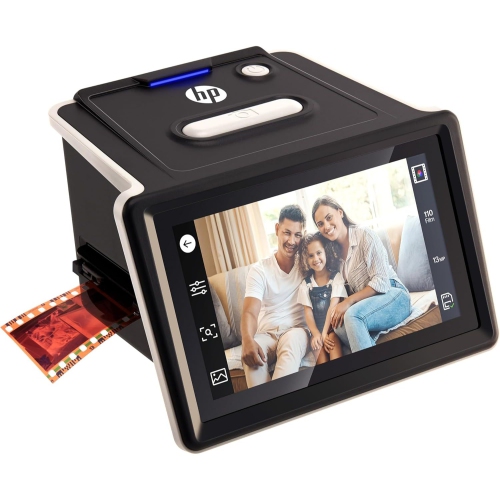
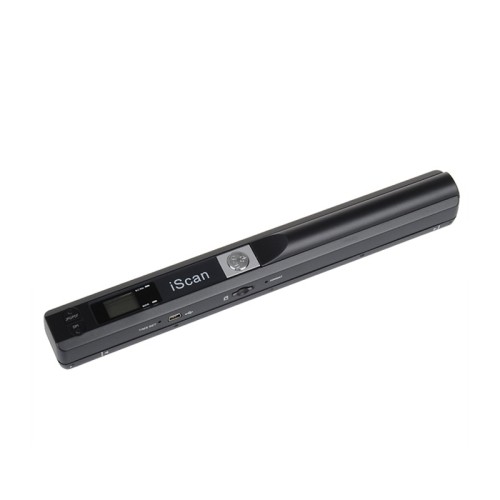
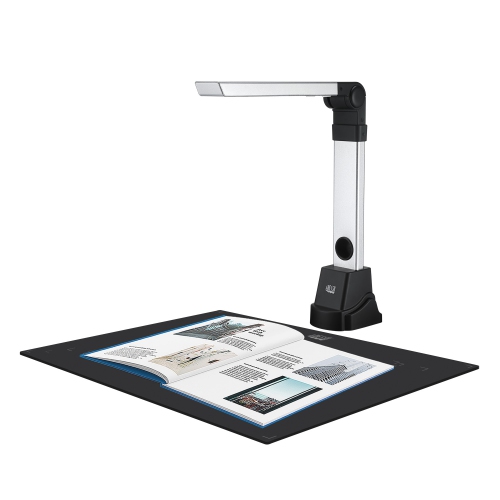
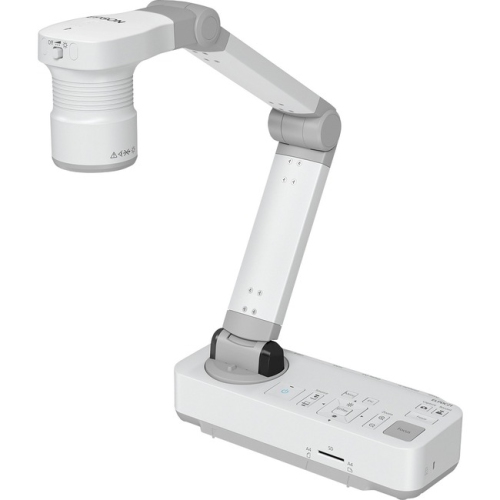
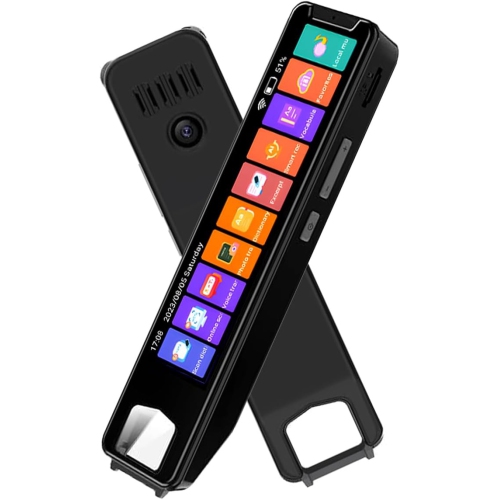
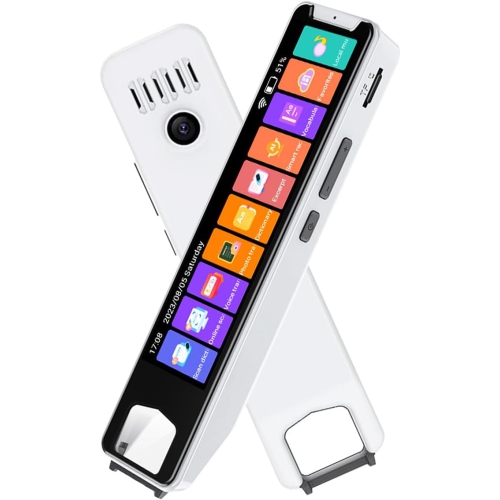
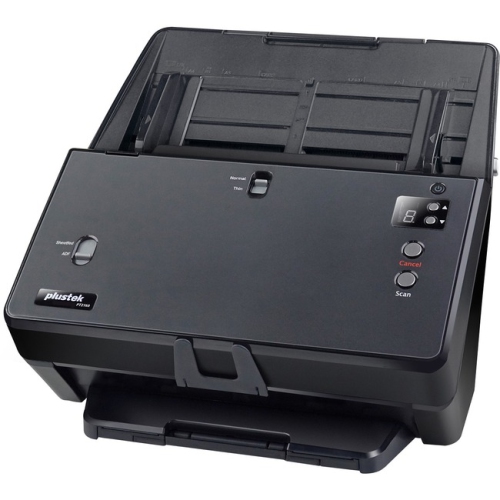
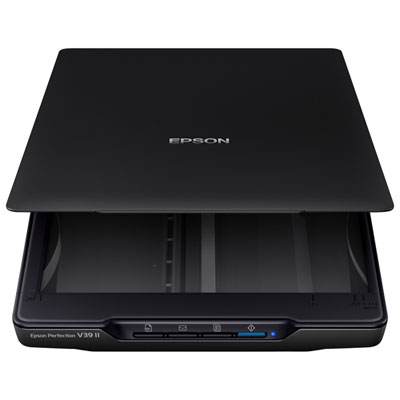
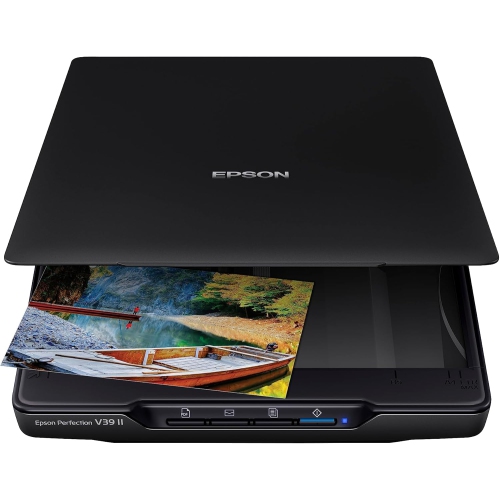
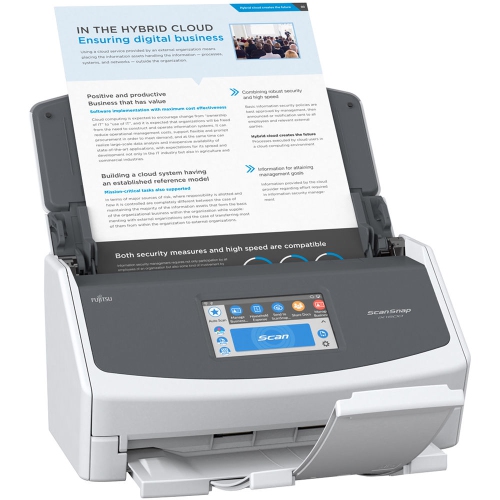
Digital scanners are electronic devices that convert physical information into digital data for storage, editing, sharing, or listening on a computer or other compatible device. In the most common sense, a digital scanner captures paper documents, receipts, photographs, artwork, cards, and other flat materials, creating files such as PDFs, JPEGs, or other image formats. Some products are designed for occasional home use, while others are built for busy offices, classrooms, studios, small businesses, and anyone managing a large collection of paperwork. A flatbed scanner uses a glass surface and a moving sensor to capture an item, making it a practical choice for photographs, books, delicate originals, and documents that cannot pass through a feeder. Sheetfed and document scanners pull individual pages through the device, which can make short stacks of paperwork much faster to process. Portable scanners are compact enough to take between a home office, classroom, workplace, or meeting, and may be useful for digitizing notes, signed forms, receipts, or reference material away from a permanent desk. When comparing options, consider the size of the items you plan to scan, the number of pages you handle at a time, the file formats you need, and whether you prefer a direct connection or wireless transfer. Resolution also matters: standard documents generally do not need the same level of detail as treasured photographs, artwork, or fine line drawings. A scanner with automatic document feeding can help when speed is important, while a flatbed design may provide more control when careful placement and image quality take priority. If colour accuracy is part of your project, browse Color Scanners to find options suited to vibrant photos, graphics, crafts, and other originals where subtle shades and accurate tones matter.
Digital scanners can bring order to the everyday paper that tends to gather in a kitchen drawer, filing cabinet, backpack, or home office. A parent might use one to save school artwork and permission forms, while a student could scan handwritten notes, textbook pages, or diagrams for easier searching and review. A small business owner may digitize invoices, contracts, receipts, and customer records, creating consistent files that are simpler to organize than loose sheets in a box. Families can also use a scanner to preserve photographs, recipes written in a relative’s handwriting, postcards, certificates, and other pieces of personal history. The best setup often depends on how you naturally work. If you are clearing a filing cabinet over a weekend, a fast feeder and automatic two-sided scanning can reduce repetitive handling. If you are carefully restoring an album of old photographs, a flatbed scanner with a suitable resolution and colour capture may be more comfortable, since each original can be positioned individually. Look for software features that support searchable PDFs, automatic cropping, blank-page removal, image enhancement, and straightforward file naming. Compatibility with your computer or mobile device is equally important, as is the available desk space and the way the scanner connects. A compact unit can be convenient in an apartment or shared workspace, whereas a larger model may be worthwhile for a dedicated office that processes documents every day. During the cooler months, when more time is often spent indoors sorting household records, scanning can turn a crowded pile of paper into clearly labelled digital folders that are easier to back up and retrieve. Digital scanners can also make thoughtful gifts for a student moving into a new study space, a family member organizing old photographs, or a home-based professional who wants a more efficient way to manage paperwork.
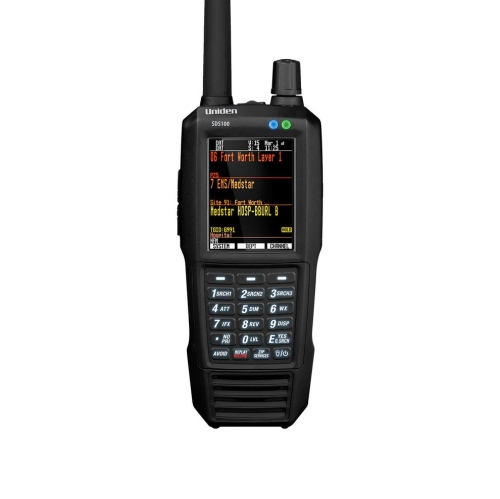
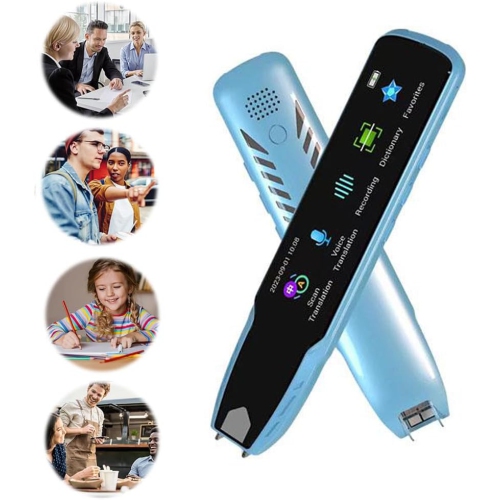
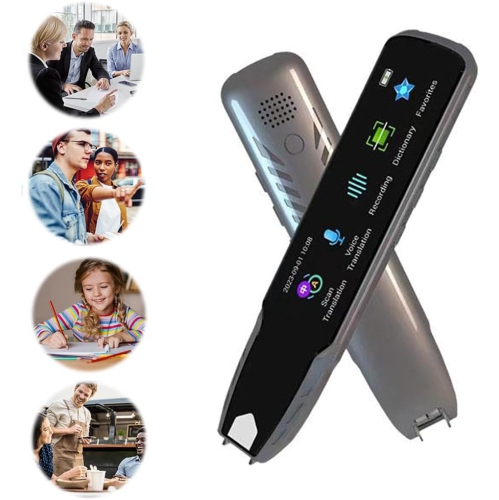
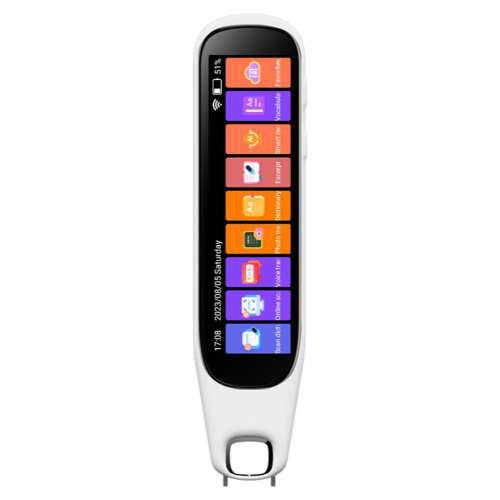
The term digital scanner can also refer to radio scanners, which receive and process transmissions from compatible public safety, aviation, marine, weather, amateur radio, and other communications services. These products are different from document and photo scanners: instead of creating a digital image of a physical item, they tune into radio frequencies and reproduce audio from signals that the device is designed to receive. A radio scanner may appeal to listeners who enjoy learning about local communications, tracking aviation activity, monitoring weather information, or exploring the technical side of radio. Before selecting one, check which frequency ranges, channel types, and digital standards it supports, since coverage varies between regions and not every transmission can be received by every scanner. Analogue and digital systems operate differently, and some digital networks use trunking, which requires a compatible scanner and appropriate programming. Ease of setup can be just as important as technical capability. Preprogrammed channels, a clear display, a comfortable control layout, a strong antenna connection, and a helpful memory system can make it easier to find the services you want to hear. For portable use, consider battery life, charging options, size, and whether the controls are easy to operate outdoors or in a vehicle. For a desk, a larger display and external antenna support may be more useful. Always follow Canadian laws and local rules concerning radio reception, privacy, and the use of information from monitored communications. Whether you are preserving family records, preparing a home office, organizing classroom materials, exploring photography, or listening to compatible radio services, choosing a digital scanner around the materials and activities you handle most often will help ensure that its features feel useful rather than complicated.
Digital scanners can bring order to the everyday paper that tends to gather in a kitchen drawer, filing cabinet, backpack, or home office. A parent might use one to save school artwork and permission forms, while a student could scan handwritten notes, textbook pages, or diagrams for easier searching and review. A small business owner may digitize invoices, contracts, receipts, and customer records, creating consistent files that are simpler to organize than loose sheets in a box. Families can also use a scanner to preserve photographs, recipes written in a relative’s handwriting, postcards, certificates, and other pieces of personal history. The best setup often depends on how you naturally work. If you are clearing a filing cabinet over a weekend, a fast feeder and automatic two-sided scanning can reduce repetitive handling. If you are carefully restoring an album of old photographs, a flatbed scanner with a suitable resolution and colour capture may be more comfortable, since each original can be positioned individually. Look for software features that support searchable PDFs, automatic cropping, blank-page removal, image enhancement, and straightforward file naming. Compatibility with your computer or mobile device is equally important, as is the available desk space and the way the scanner connects. A compact unit can be convenient in an apartment or shared workspace, whereas a larger model may be worthwhile for a dedicated office that processes documents every day. During the cooler months, when more time is often spent indoors sorting household records, scanning can turn a crowded pile of paper into clearly labelled digital folders that are easier to back up and retrieve. Digital scanners can also make thoughtful gifts for a student moving into a new study space, a family member organizing old photographs, or a home-based professional who wants a more efficient way to manage paperwork.
The term digital scanner can also refer to radio scanners, which receive and process transmissions from compatible public safety, aviation, marine, weather, amateur radio, and other communications services. These products are different from document and photo scanners: instead of creating a digital image of a physical item, they tune into radio frequencies and reproduce audio from signals that the device is designed to receive. A radio scanner may appeal to listeners who enjoy learning about local communications, tracking aviation activity, monitoring weather information, or exploring the technical side of radio. Before selecting one, check which frequency ranges, channel types, and digital standards it supports, since coverage varies between regions and not every transmission can be received by every scanner. Analogue and digital systems operate differently, and some digital networks use trunking, which requires a compatible scanner and appropriate programming. Ease of setup can be just as important as technical capability. Preprogrammed channels, a clear display, a comfortable control layout, a strong antenna connection, and a helpful memory system can make it easier to find the services you want to hear. For portable use, consider battery life, charging options, size, and whether the controls are easy to operate outdoors or in a vehicle. For a desk, a larger display and external antenna support may be more useful. Always follow Canadian laws and local rules concerning radio reception, privacy, and the use of information from monitored communications. Whether you are preserving family records, preparing a home office, organizing classroom materials, exploring photography, or listening to compatible radio services, choosing a digital scanner around the materials and activities you handle most often will help ensure that its features feel useful rather than complicated.
Top selling and popular products
-
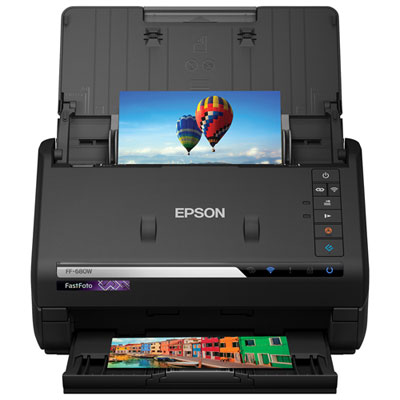 Your price for this item is $849.99
 -
 Your price for this item is $107.99
 -
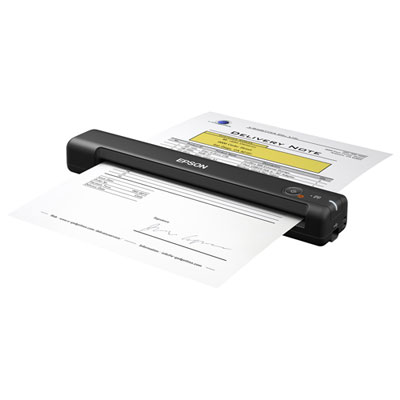 Your price for this item is $149.99
 -
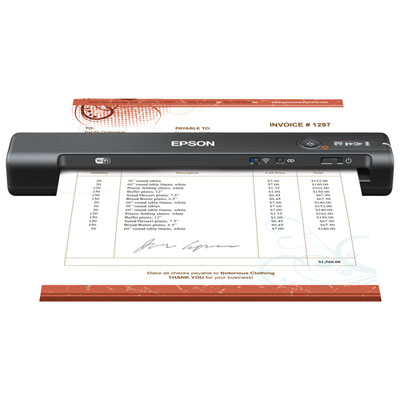 Your price for this item is $239.99
 -
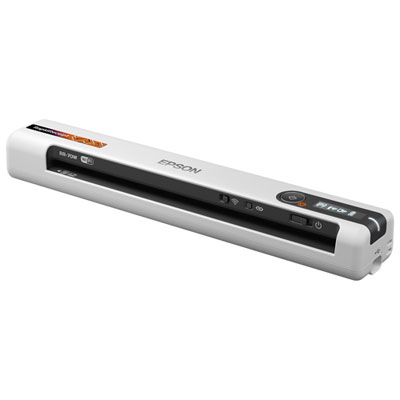 Your price for this item is $369.99
 -
 Your price for this item is $129.99
 -
 Your price for this item is $228.99
 -
 Your price for this item is $804
Discover more categories related to Digital Scanners
Top Collections:
Pokemon Centers, Kindle Devices, Best Budget Office Chairs, Apple iPhones 16, Best Laptops for Writers, iPhone 15 Apple, Canon G7X Cameras, Refurbished Apple Laptops, Alarm Clock, Motorola Razr Phones
Some products may be subject to Environmental Handling Fees
(EHF) depending on your province.
Learn more about EHFs.