Screen Protectors for Cameras
Protect your investment and keep your camera's screen looking pristine with our selection of screen protectors for cameras. Whether you're a professional photographer or a hobbyist, these screen protectors are designed to shield your camera's display from scratches, smudges, and other potential damage. With easy installation and a durable construction, these screen protectors provide long-lasting protection without compromising the clarity or functionality of your camera's screen. Explore our range of options and find the perfect screen protector to safeguard your camera today.
Sort
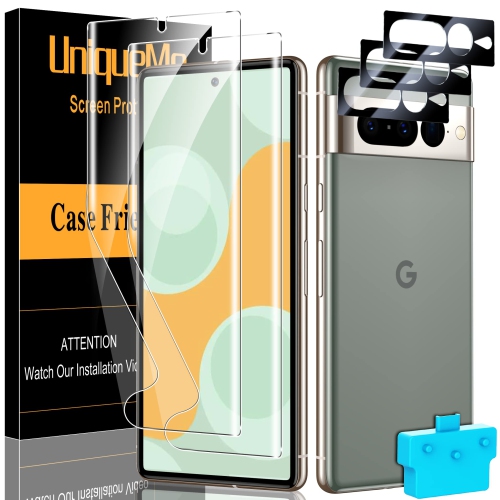
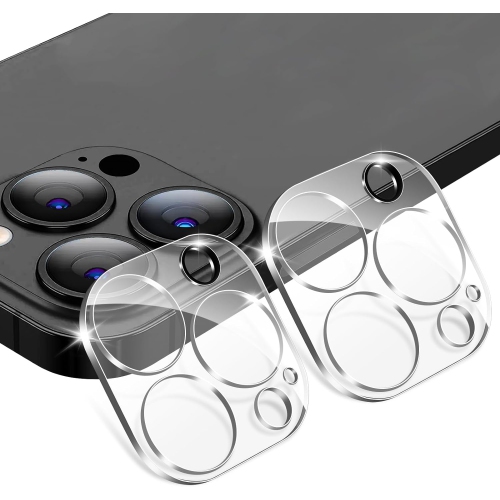
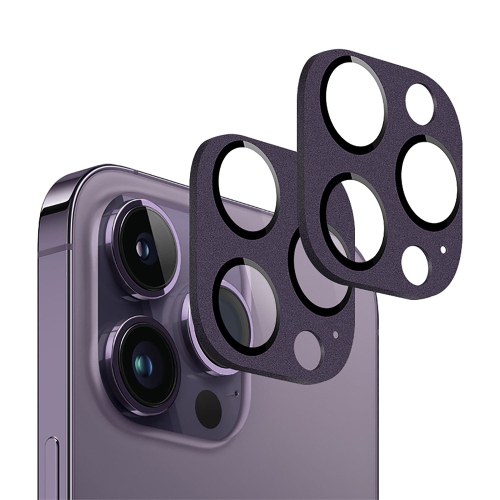
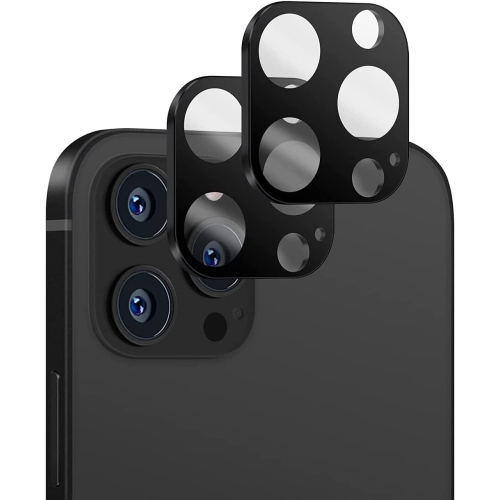
![SUPERSHIELD [ 3 Pack ] Samsung Galaxy Note 20 Camera Lens Screen Protector Anti Scratch Tempered Glass Film Guard](https://multimedia.bbycastatic.ca/multimedia/products/500x500/162/16282/16282793.jpeg)
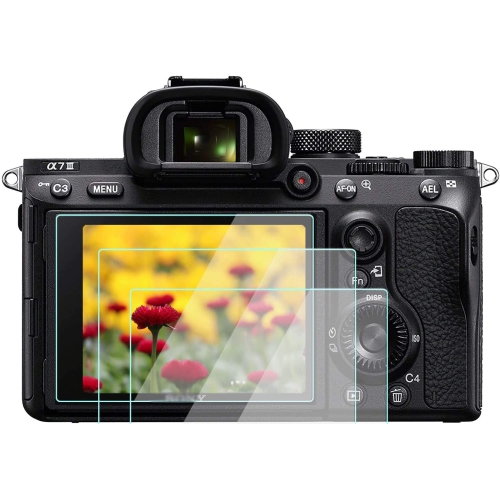
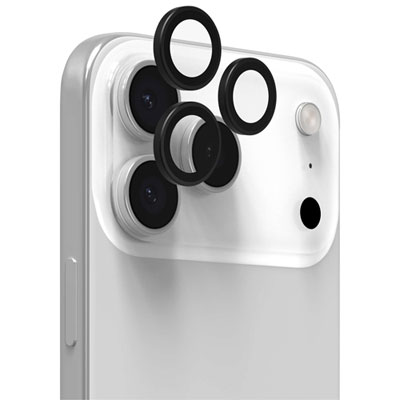
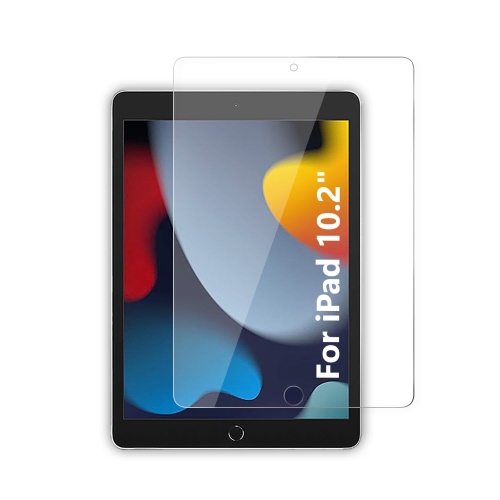
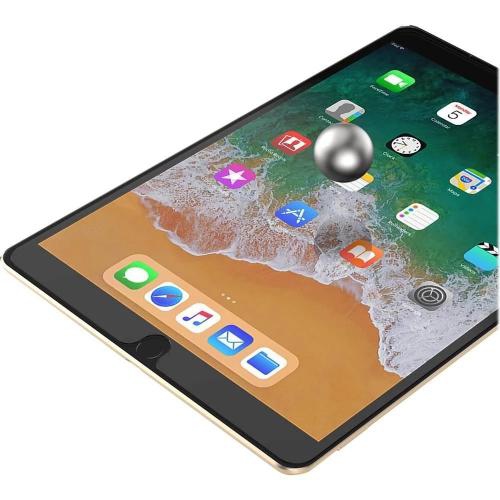
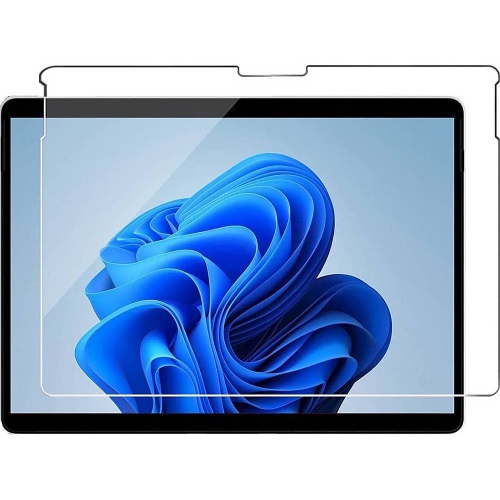
![DOLAER X100V Screen Protector for Fujifilm X100V Fuji Film Digital Camera [3Pack] w Hot Shoe Cover, 0.3MM 9H Hardness Tempered Glass Cover](https://multimedia.bbycastatic.ca/multimedia/products/500x500/164/16434/16434585.jpeg)
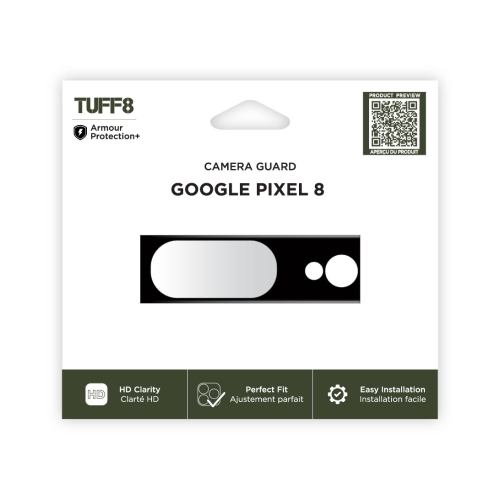
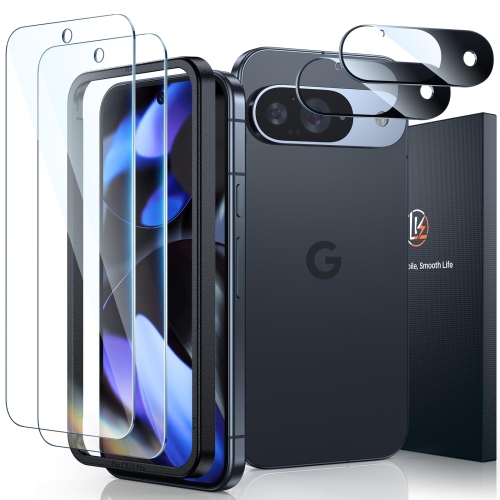
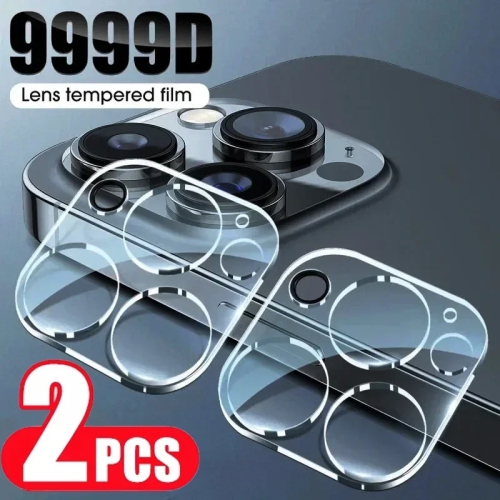
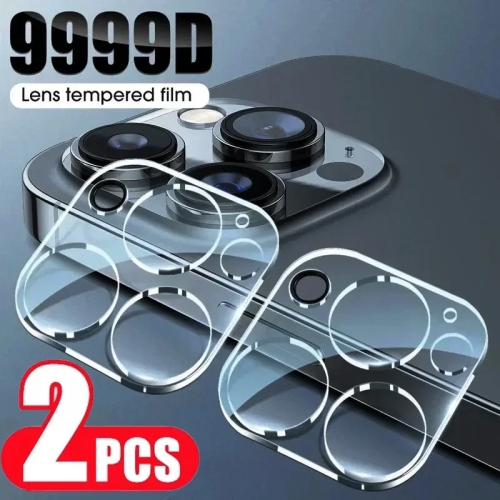
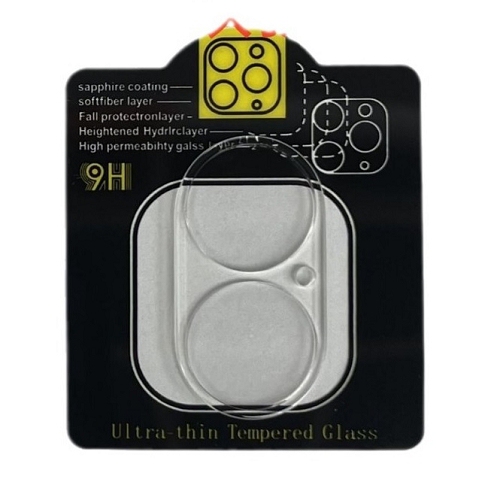


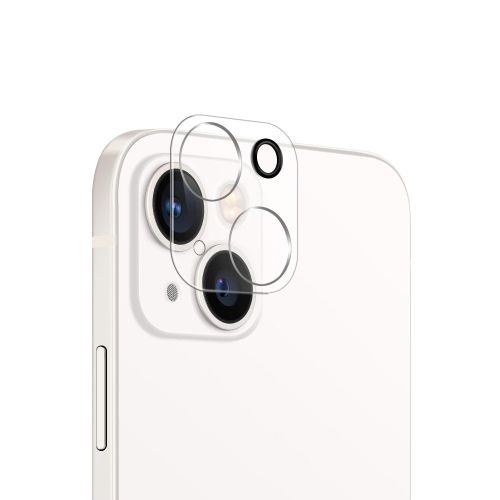
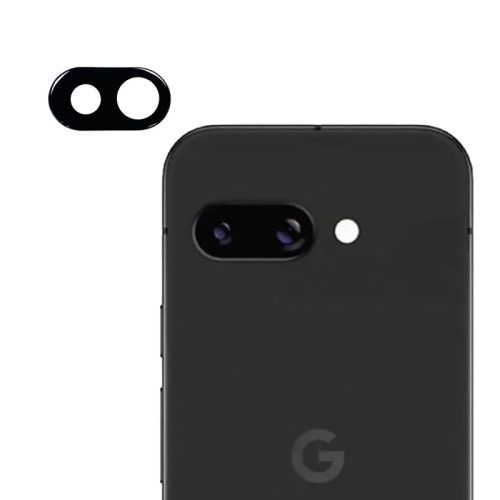

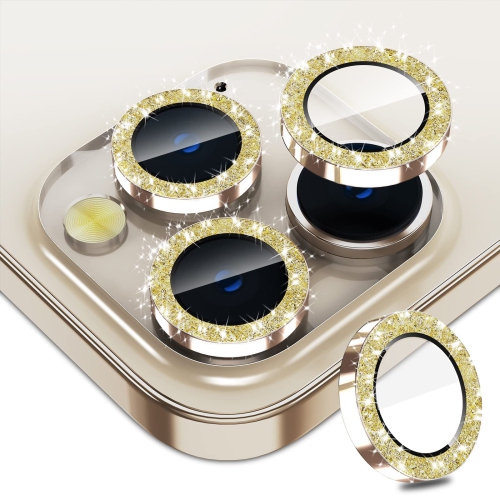
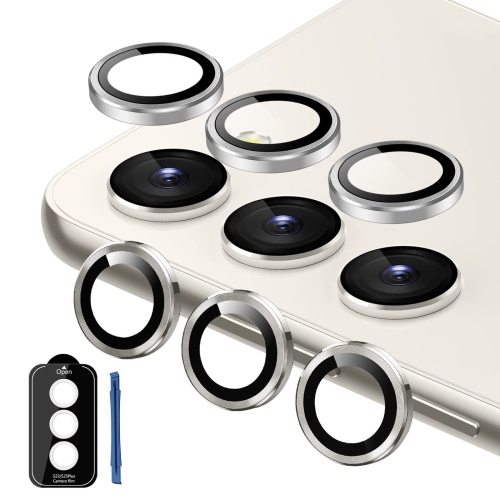
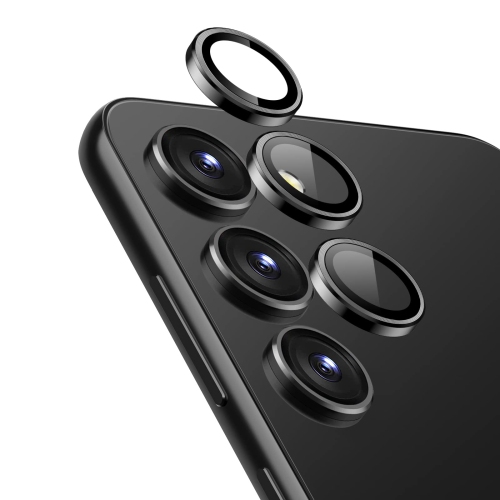
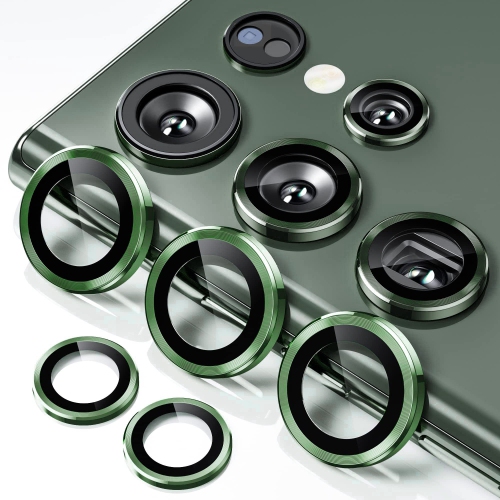
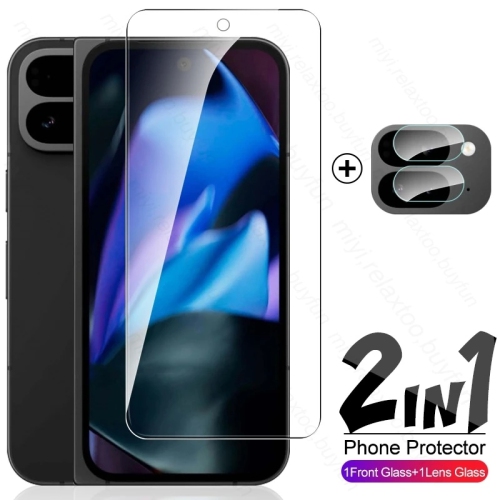
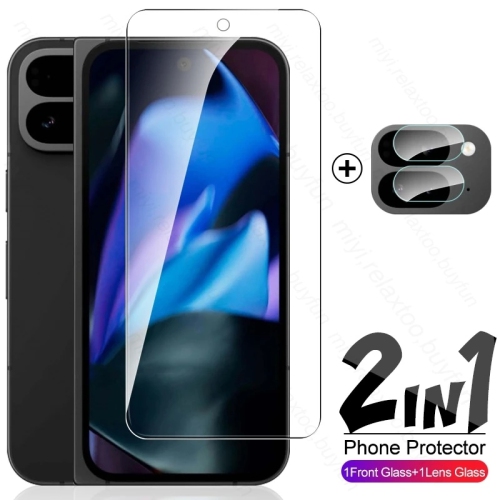
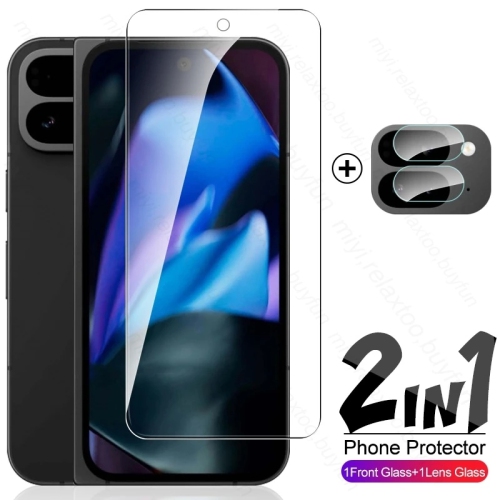
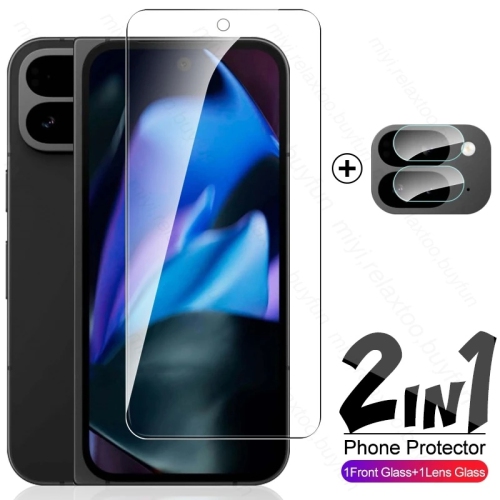
![HLD [3+3 Pack] Compatible for Google Pixel Fold Screen Protector 7.6 Inch And Camera Protector Tempered Glass Case Friendly (Transparent)](https://multimedia.bbycastatic.ca/multimedia/products/500x500/171/17182/17182326.jpeg)
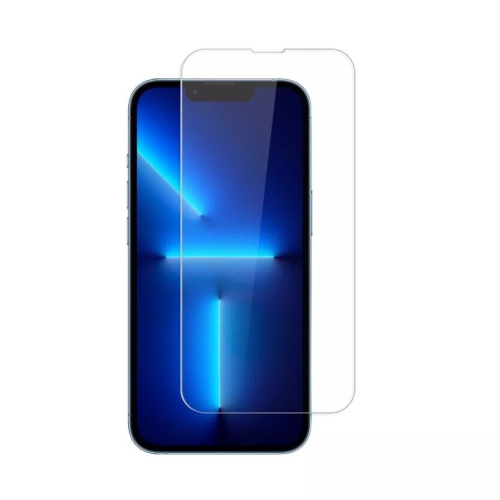
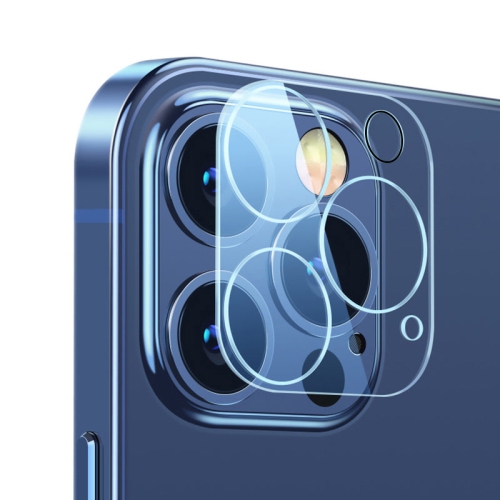
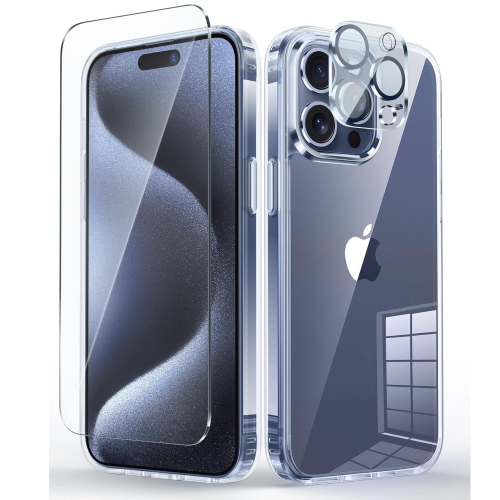
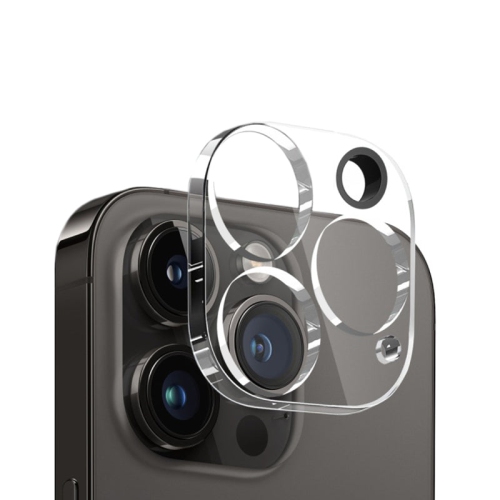
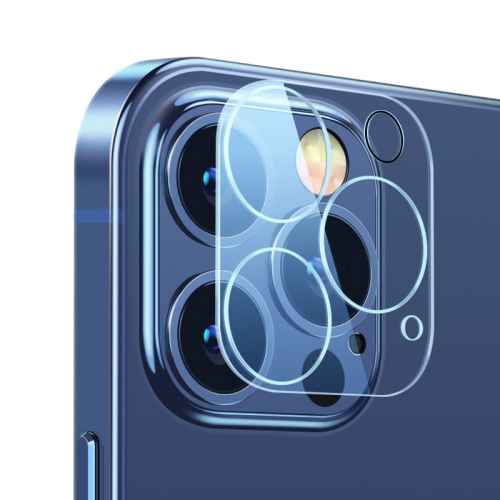
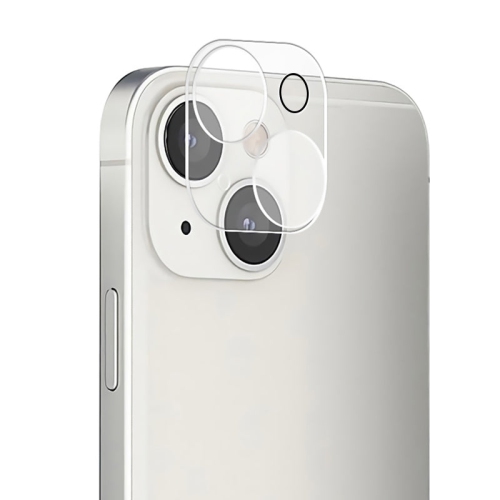
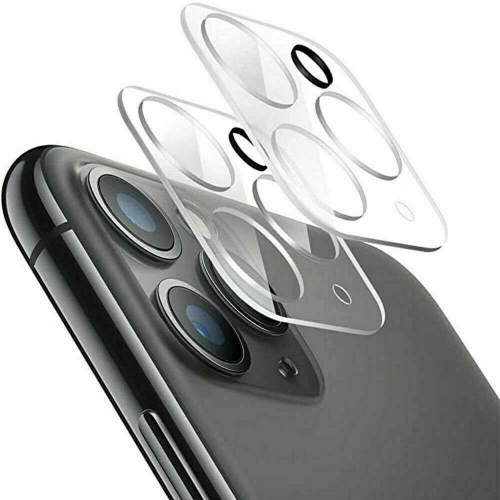
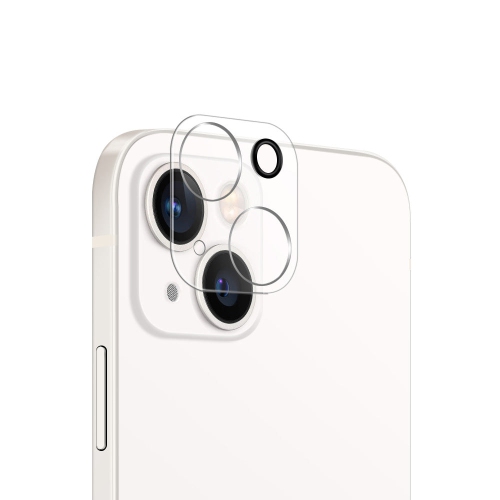
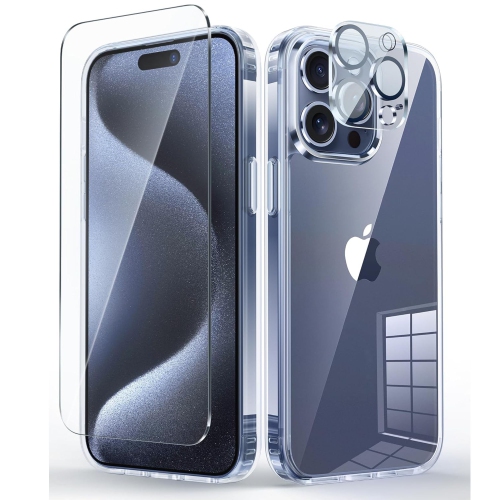
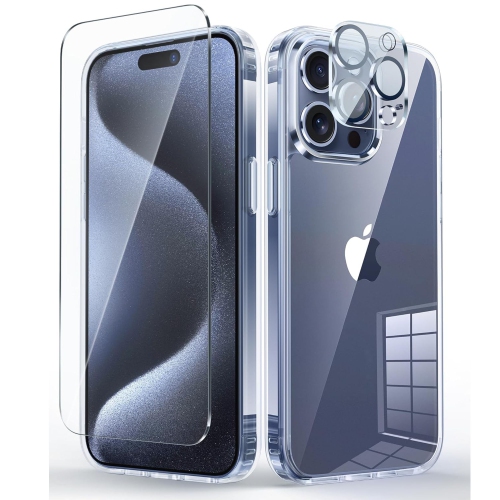
![HLD [5 In 1] Designed for Iphone 14 Case With 2 Pack Tempered Glass Screen Protector + 2 Pack Camera Lens Protector, [Military G](https://multimedia.bbycastatic.ca/multimedia/products/500x500/165/16569/16569461.jpeg)

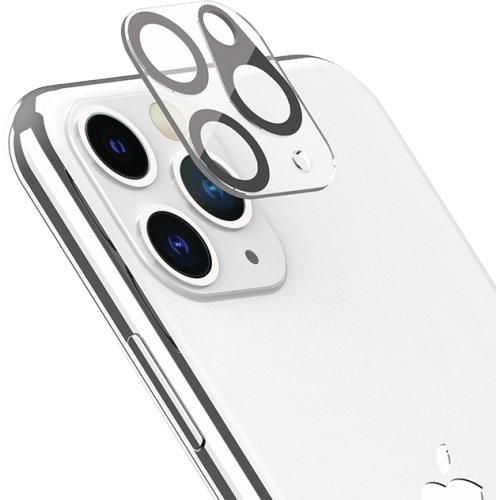
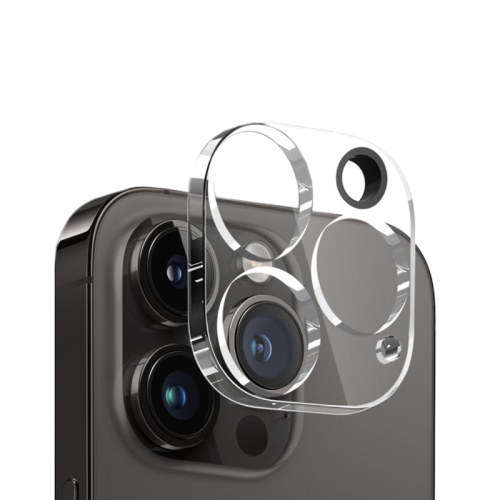
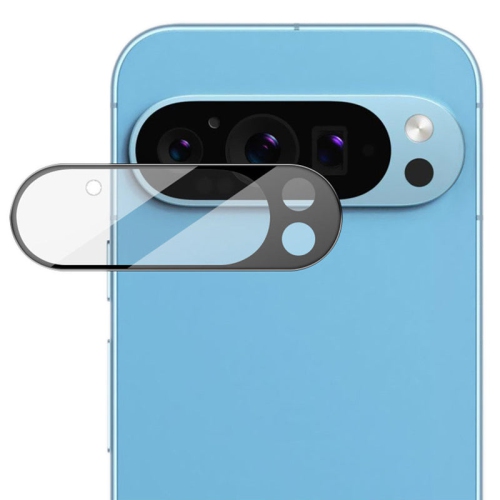
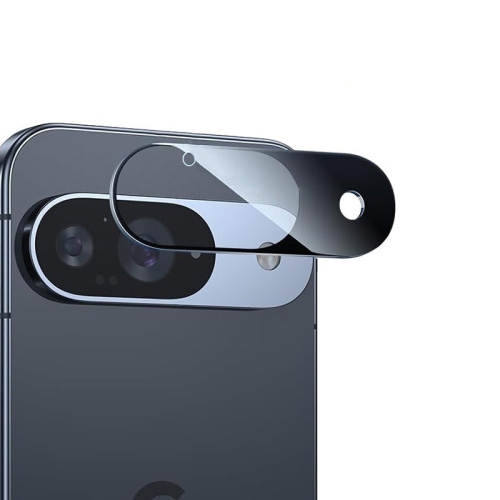
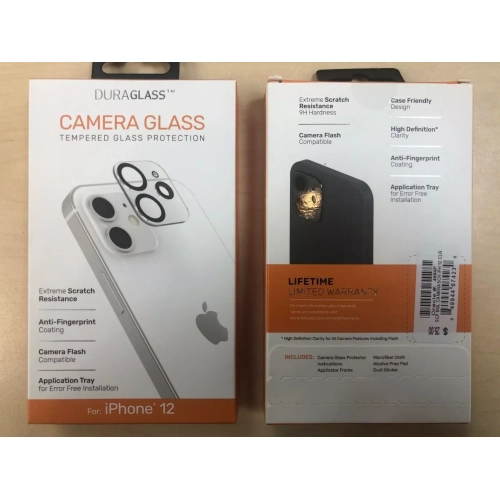
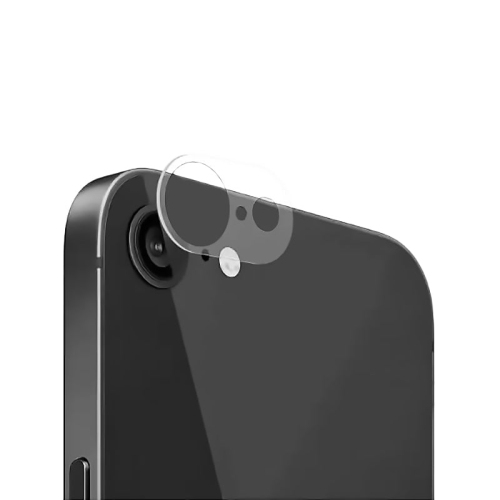
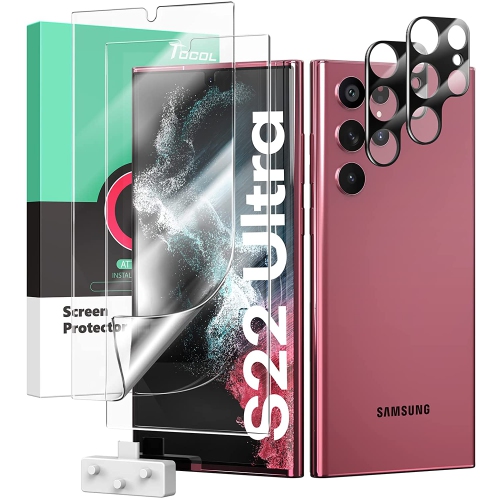
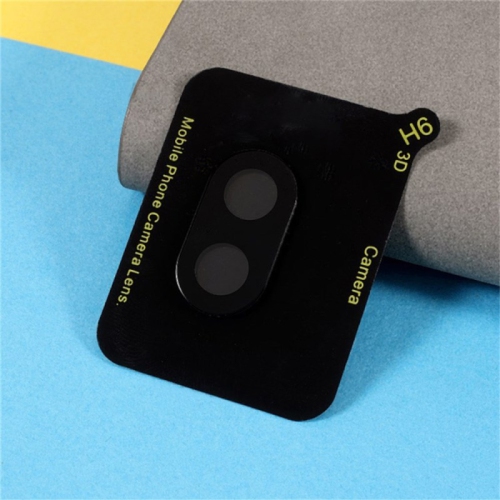
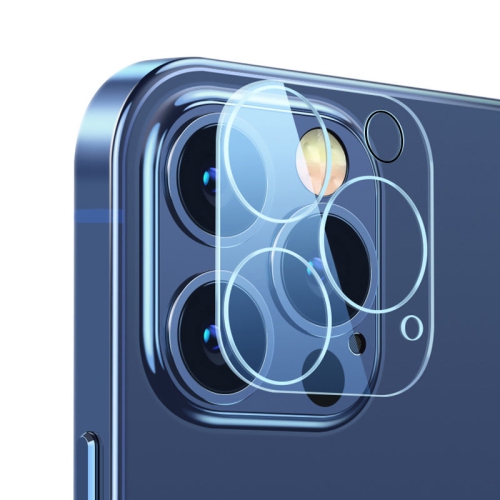
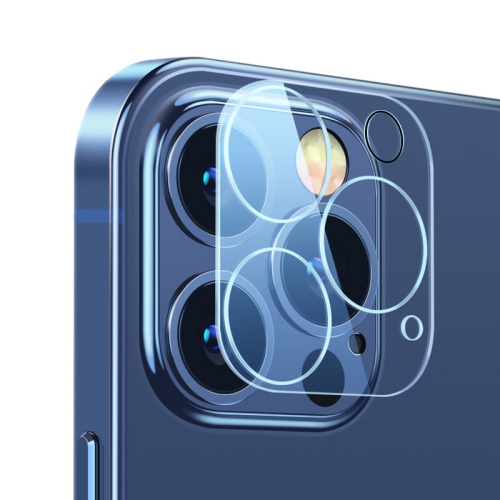
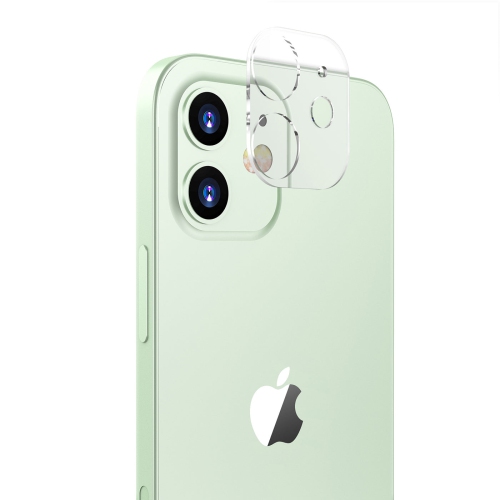
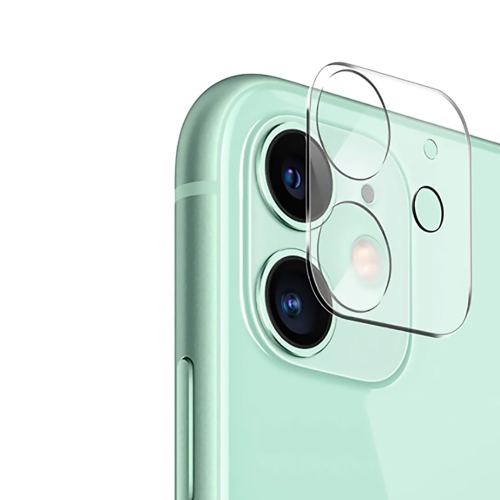
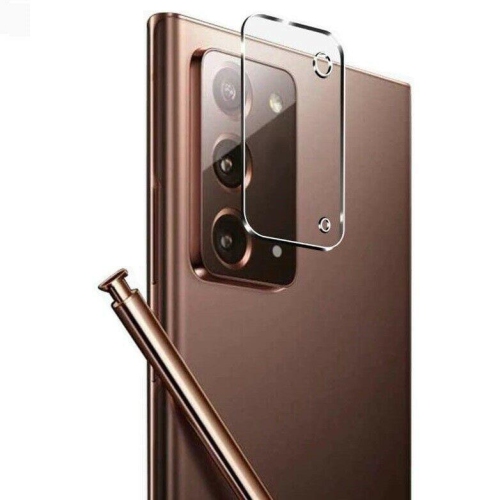
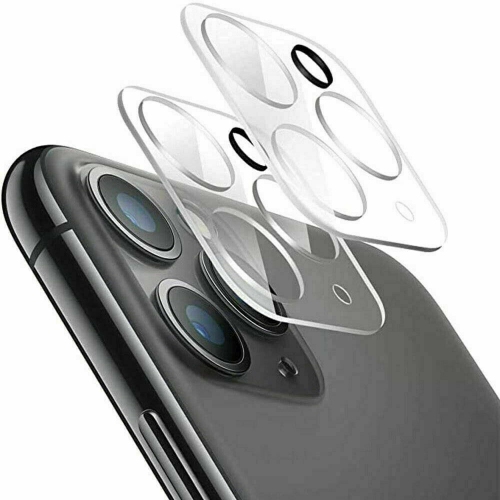
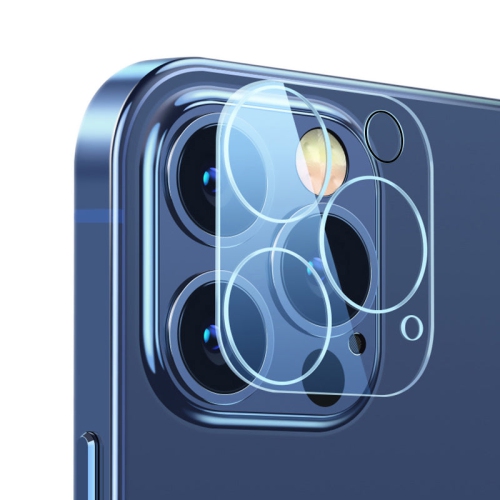
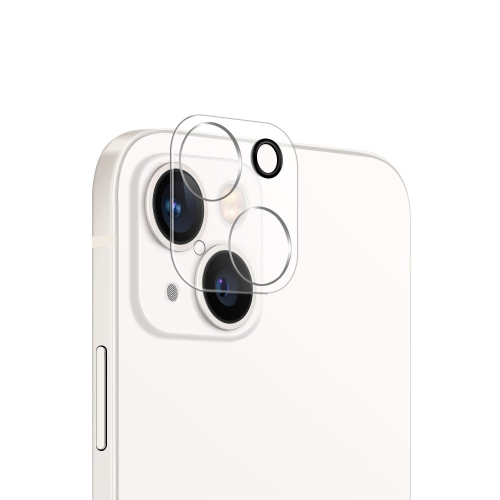
![SUPERSHIELD [ 3 Pack ] Apple Iphone 12 Pro Camera Lens Screen Protector Anti Scratch Tempered Glass Film Guard](https://multimedia.bbycastatic.ca/multimedia/products/500x500/162/16283/16283820.jpeg)
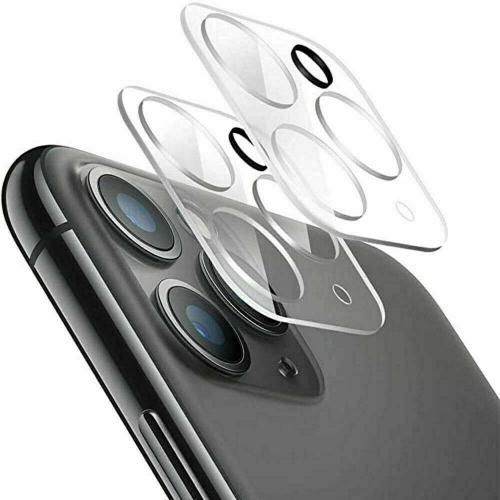
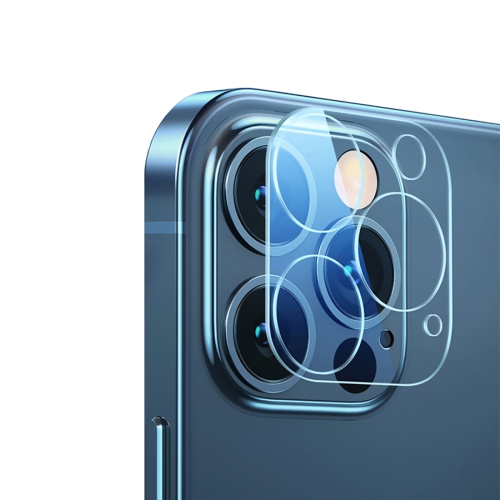
![SUPERSHIELD [ 3 Pack ] Apple Iphone 12 Pro Camera Lens Screen Protector Anti Scratch Tempered Glass Film Guard](https://multimedia.bbycastatic.ca/multimedia/products/500x500/162/16283/16283822.jpeg)
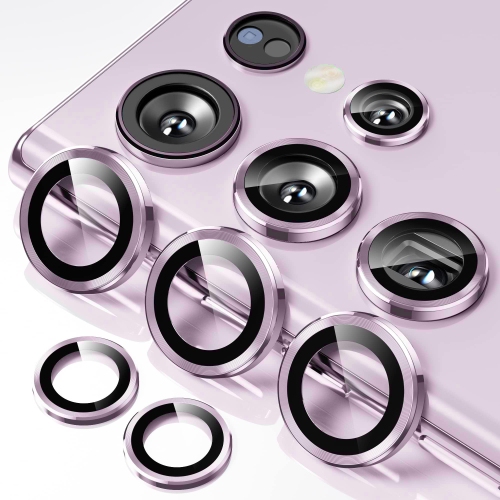
![SUPERSHIELD [ 3 Pack ] Samsung Galaxy Note 20 Ultra Camera Lens Screen Protector Anti Scratch Tempered Glass Film Guard](https://multimedia.bbycastatic.ca/multimedia/products/500x500/162/16282/16282802.jpeg)
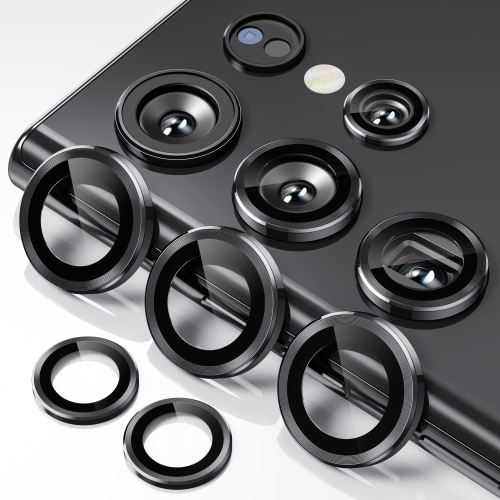

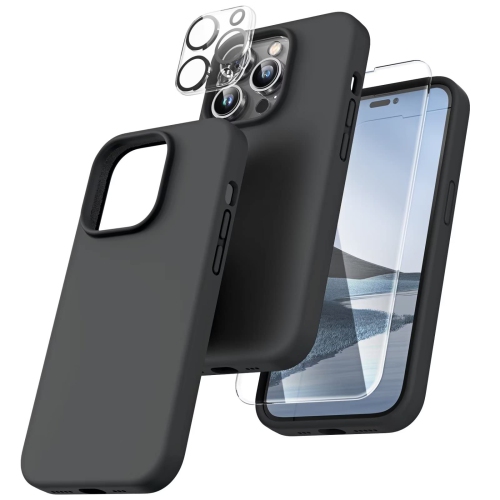
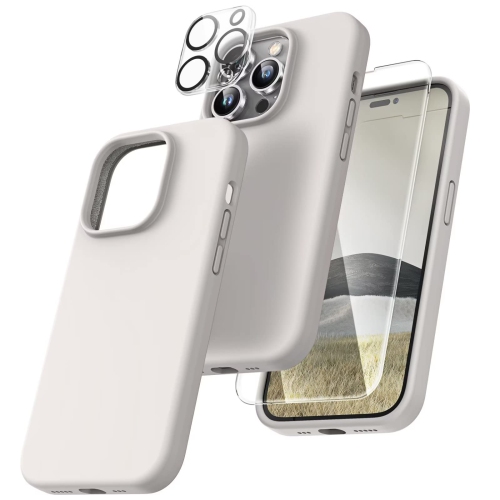
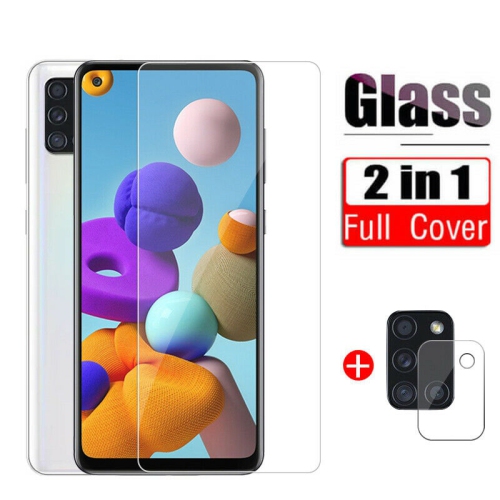
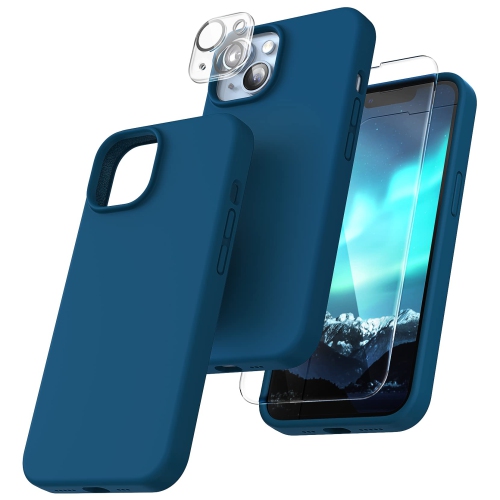
![HLD [5 In 1] Designed for Iphone 14 Case With 2 Pack Tempered Glass Screen Protector + 2 Pack Camera Lens Protector, [Military G](https://multimedia.bbycastatic.ca/multimedia/products/500x500/165/16569/16569444.jpeg)
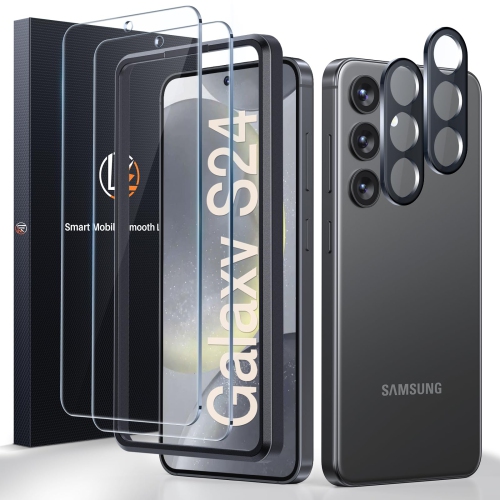
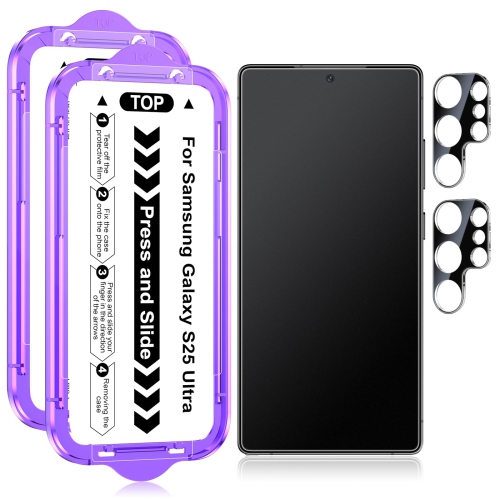
![SAMCORN Galaxy S20 Fe Screen Protector And Camera Protector, [3 Screen Protectors+3 Camera Protectors][Support Fingerprint] Tempered Glass Screen](https://multimedia.bbycastatic.ca/multimedia/products/500x500/173/17358/17358233.jpeg)
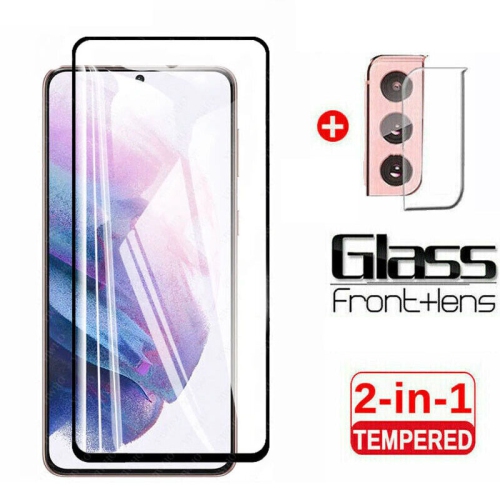
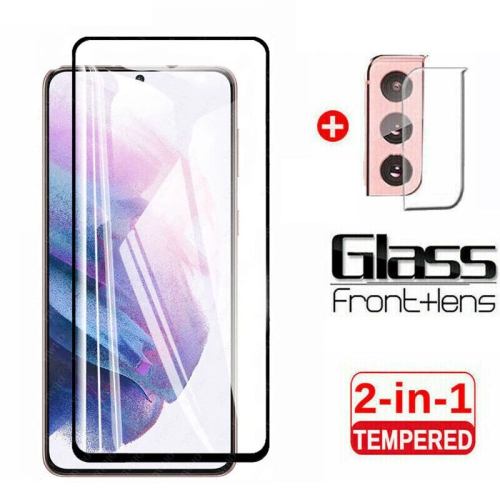
A thin layer between your display and everyday wear
Screen protectors for cameras add a thin, replaceable layer over a camera’s display to help guard against scratches, fingerprints, and everyday surface wear. The rear screen is where photographers check focus, review exposures, navigate menus, and frame shots from angles that make a viewfinder difficult to use. Keeping that surface clear matters whether the camera is recording a family celebration, photographing small objects on a tabletop, or capturing video from a tripod. A protector can help reduce direct contact between the original display and grit in a bag, a jacket zipper, or other small sources of abrasion. It is an additional safeguard, not a guarantee against cracked screens, drops, or damage to the camera itself. Most camera screen protectors are made from tempered glass or transparent plastic film. Tempered glass generally offers a smooth, firm surface that feels similar to the uncovered display, while film is thinner and more flexible. Each material has its place: glass can suit someone who values a familiar touch surface and resistance to surface scratches, while film may appeal when minimal added thickness is a priority. Hardness claims describe a particular type of surface resistance, rather than making a protector scratchproof or shatterproof. A clear finish helps preserve the appearance of photographs during playback, while a matte finish can soften reflections but may introduce visible texture or slightly reduce perceived sharpness. For photographers checking fine detail or making careful colour judgements on the camera, those differences are worth considering. Fingerprint-resistant coatings may make oily marks easier to wipe away, although regular cleaning is still necessary. The most useful choice balances protection with visibility and touch response, allowing the display to remain practical for the tasks it handles throughout a shoot. For a touchscreen camera, that includes everyday gestures such as selecting a focus point, moving through playback images, and adjusting settings without repeated taps.
Fit is especially important because camera displays are not interchangeable simply because their diagonal measurements match. Two cameras with the same stated screen size can have different display outlines, corner shapes, borders, and surrounding controls. A model-specific protector is designed around those details, so compatibility with the exact camera model and generation is more meaningful than a screen measurement alone. Coverage also varies: some designs protect mainly the viewing area, while others extend farther across the display’s outer surface. Neither approach should obstruct buttons, interfere with nearby sensors, or extend over an edge where it can catch during handling. On cameras with tilting or fully articulating screens, added thickness deserves particular attention. The display needs enough clearance to rotate, fold inward, and sit in its intended position without pressure against the camera body. A protector that fits a fixed display well may not suit a similar-looking camera with a different hinge arrangement. Touchscreen compatibility matters for the same reason; a protective layer should support the controls the photographer actually uses, not merely match the visible outline. Compact cameras, mirrorless cameras, DSLRs, and action cameras can all have displays that benefit from surface protection, but their shapes and handling needs differ. Some cameras also have a separate status display on the top plate or a front-facing screen, each requiring its own compatible coverage. A screen protector is distinct from a lens protector: one covers a display used for viewing and control, while the other sits over an optical surface involved in capturing the image. They should not be treated as substitutes. This distinction is useful for action-camera users in particular, where several small glass surfaces may sit close together. Compatibility with a cage, fitted case, or other accessory also matters, since a tight border can press against a protector’s edge and cause lifting. A well-matched protector should sit neatly within its intended area, leaving the camera comfortable to hold and its controls accessible.
Care and application affect how unobtrusive a camera screen protector feels in daily use. Dust trapped underneath can leave a visible speck or prevent a small area from adhering, while fingerprints on the adhesive side can be difficult to remove without affecting the finish. A clean work surface, good lighting, and screen-safe cleaning materials help create the conditions for a tidy fit. Application methods vary, so the protector’s supplied directions take precedence over a generic technique. Alignment tabs, dust-removal stickers, or fitting frames can help with positioning when included, but they are not universal features. Cleaning liquids should be suitable for the camera display and used as directed, rather than sprayed into gaps around the screen. Once fitted, the protector usually needs the same gentle attention as other delicate display surfaces: loose particles removed before wiping, a clean microfibre cloth, and no harsh abrasives. A camera that travels loose beside keys or spare hardware still needs better storage, even with a protected screen. A padded compartment and a little separation from hard accessories help limit the rubbing and pressure that a thin surface layer cannot fully address. Over time, worn coatings, persistent lifting, deep scratches, or chipped glass can signal that the protector needs replacing. Damaged edges deserve prompt attention because they can feel sharp or catch on fabric. For frequent photographers, the appeal is straightforward: a replaceable surface takes some of the wear from repeated handling while leaving the original display underneath. Beginners may appreciate that extra reassurance as they learn their camera’s controls, and content creators can benefit when regularly repositioning a screen between handheld filming and tripod work. A compatible protector can also make a thoughtful accessory gift, provided the recipient’s exact camera model is known. For photographers who review and edit images on a separate display, Screen Protectors for Monitors address a different screen size and use case. In either setting, the practical priorities remain a precise fit, a clear view, and protection that does not get in the way of using the display.
Fit is especially important because camera displays are not interchangeable simply because their diagonal measurements match. Two cameras with the same stated screen size can have different display outlines, corner shapes, borders, and surrounding controls. A model-specific protector is designed around those details, so compatibility with the exact camera model and generation is more meaningful than a screen measurement alone. Coverage also varies: some designs protect mainly the viewing area, while others extend farther across the display’s outer surface. Neither approach should obstruct buttons, interfere with nearby sensors, or extend over an edge where it can catch during handling. On cameras with tilting or fully articulating screens, added thickness deserves particular attention. The display needs enough clearance to rotate, fold inward, and sit in its intended position without pressure against the camera body. A protector that fits a fixed display well may not suit a similar-looking camera with a different hinge arrangement. Touchscreen compatibility matters for the same reason; a protective layer should support the controls the photographer actually uses, not merely match the visible outline. Compact cameras, mirrorless cameras, DSLRs, and action cameras can all have displays that benefit from surface protection, but their shapes and handling needs differ. Some cameras also have a separate status display on the top plate or a front-facing screen, each requiring its own compatible coverage. A screen protector is distinct from a lens protector: one covers a display used for viewing and control, while the other sits over an optical surface involved in capturing the image. They should not be treated as substitutes. This distinction is useful for action-camera users in particular, where several small glass surfaces may sit close together. Compatibility with a cage, fitted case, or other accessory also matters, since a tight border can press against a protector’s edge and cause lifting. A well-matched protector should sit neatly within its intended area, leaving the camera comfortable to hold and its controls accessible.
Care and application affect how unobtrusive a camera screen protector feels in daily use. Dust trapped underneath can leave a visible speck or prevent a small area from adhering, while fingerprints on the adhesive side can be difficult to remove without affecting the finish. A clean work surface, good lighting, and screen-safe cleaning materials help create the conditions for a tidy fit. Application methods vary, so the protector’s supplied directions take precedence over a generic technique. Alignment tabs, dust-removal stickers, or fitting frames can help with positioning when included, but they are not universal features. Cleaning liquids should be suitable for the camera display and used as directed, rather than sprayed into gaps around the screen. Once fitted, the protector usually needs the same gentle attention as other delicate display surfaces: loose particles removed before wiping, a clean microfibre cloth, and no harsh abrasives. A camera that travels loose beside keys or spare hardware still needs better storage, even with a protected screen. A padded compartment and a little separation from hard accessories help limit the rubbing and pressure that a thin surface layer cannot fully address. Over time, worn coatings, persistent lifting, deep scratches, or chipped glass can signal that the protector needs replacing. Damaged edges deserve prompt attention because they can feel sharp or catch on fabric. For frequent photographers, the appeal is straightforward: a replaceable surface takes some of the wear from repeated handling while leaving the original display underneath. Beginners may appreciate that extra reassurance as they learn their camera’s controls, and content creators can benefit when regularly repositioning a screen between handheld filming and tripod work. A compatible protector can also make a thoughtful accessory gift, provided the recipient’s exact camera model is known. For photographers who review and edit images on a separate display, Screen Protectors for Monitors address a different screen size and use case. In either setting, the practical priorities remain a precise fit, a clear view, and protection that does not get in the way of using the display.
Top selling and popular products
-
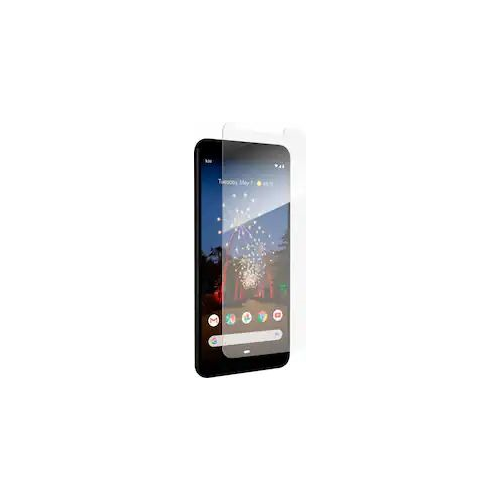 Your price for this item is $74.99
 -
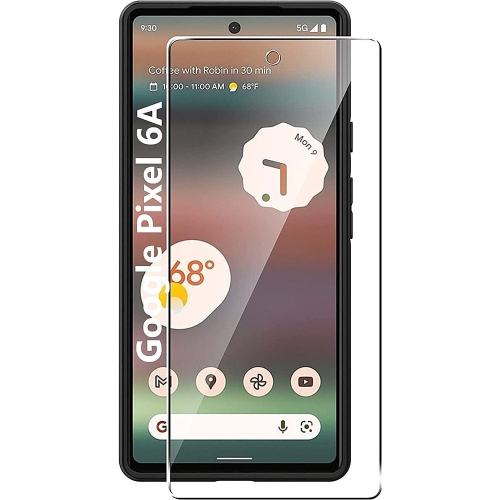 Your price for this item is $52
 -
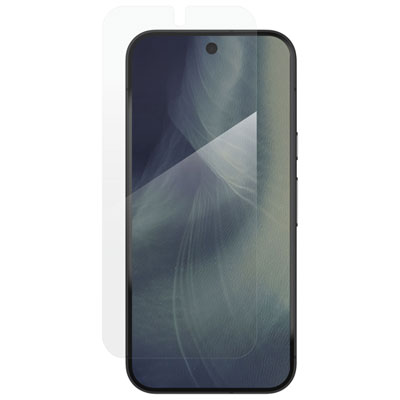 Your price for this item is $49.99
 -
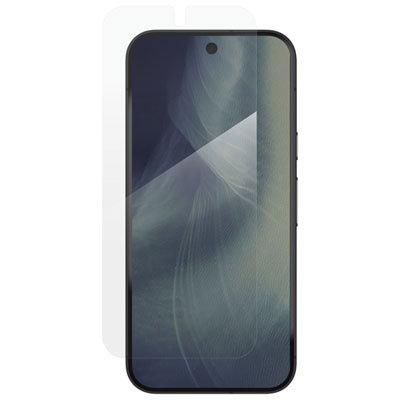 Your price for this item is $49.99
 -
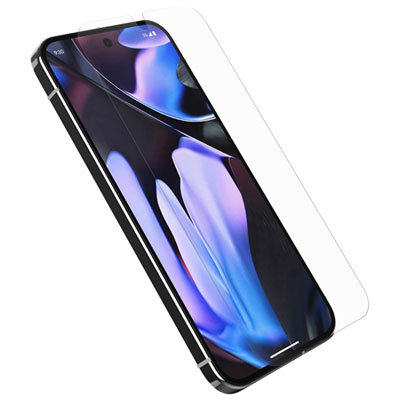 Your price for this item is $59.99
 -
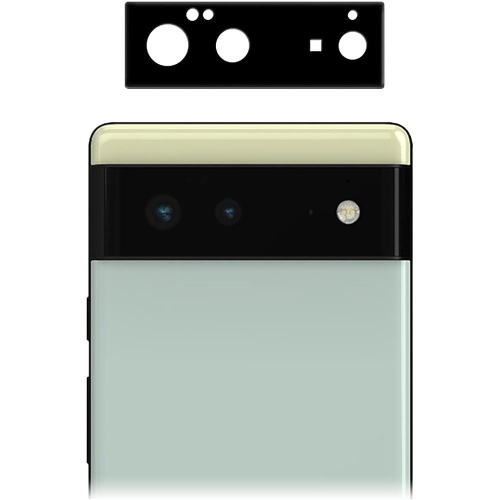 Your price for this item is $45
 -
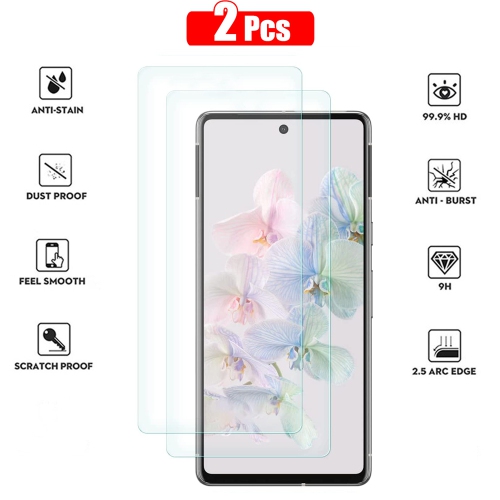 Your price for this item is $10.49
 -
 Your price for this item is $59.99
Discover more categories related to Screen Protectors for Cameras

Top Collections:
Pokemon Centers, Kindle Devices, Best Budget Office Chairs, Apple iPhones 16, Best Laptops for Writers, iPhone 15 Apple, Canon G7X Cameras, Refurbished Apple Laptops, Alarm Clock, Motorola Razr Phones
Some products may be subject to Environmental Handling Fees
(EHF) depending on your province.
Learn more about EHFs.