Liquid Screen Protectors
Protect your devices with the latest innovation in screen protection - liquid screen protectors. Say goodbye to bulky traditional screen protectors and hello to a seamless, invisible shield that safeguards your screens from scratches, smudges, and cracks. Easy to apply and compatible with a wide range of devices, liquid screen protectors offer a durable and long-lasting solution for keeping your screens looking pristine. Discover the benefits of this cutting-edge technology and ensure your devices stay safe and secure wherever you go.
Sort
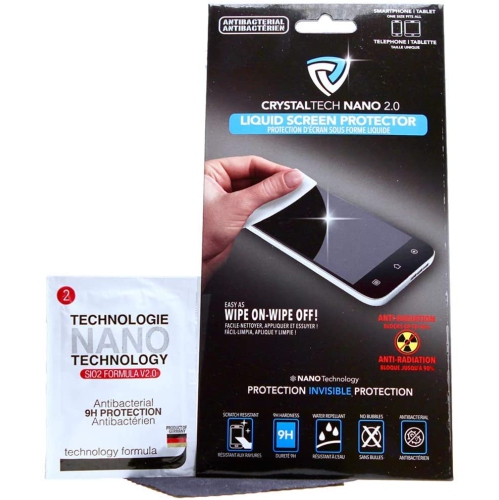
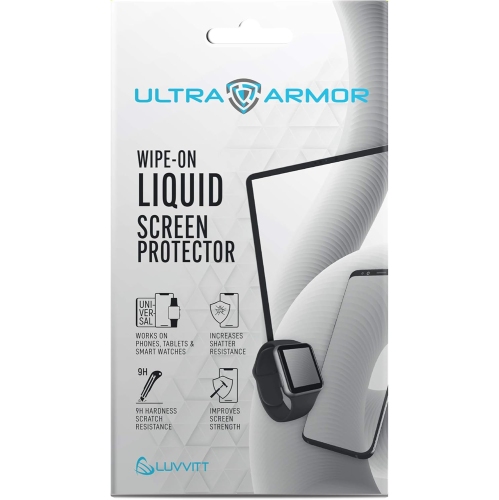
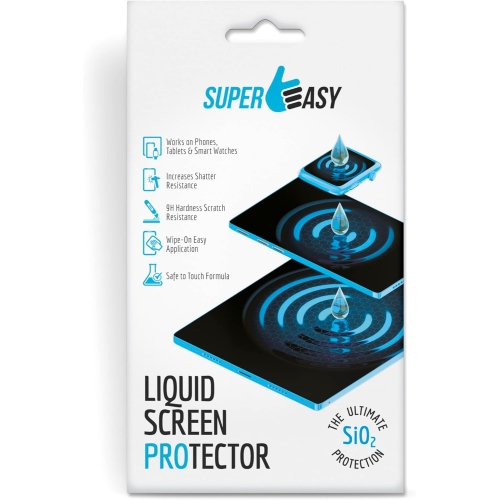
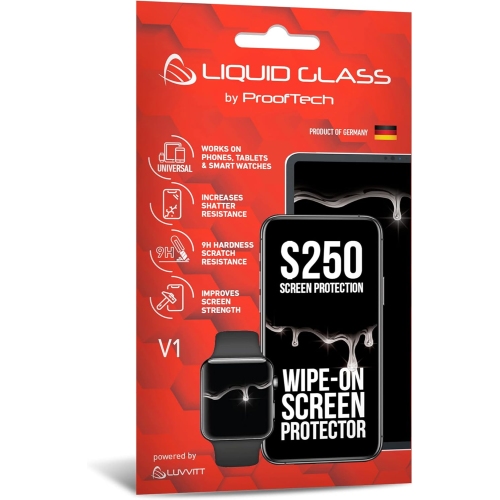
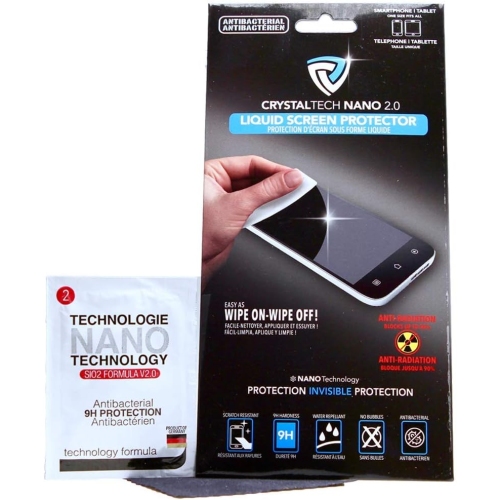
![GENERIC [2Pack] Whitestone Screen Protector for Samsung Galaxy S23 Plus, Full Tempered Glass Shield With Liquid](https://multimedia.bbycastatic.ca/multimedia/products/500x500/196/19608/19608436.jpeg)
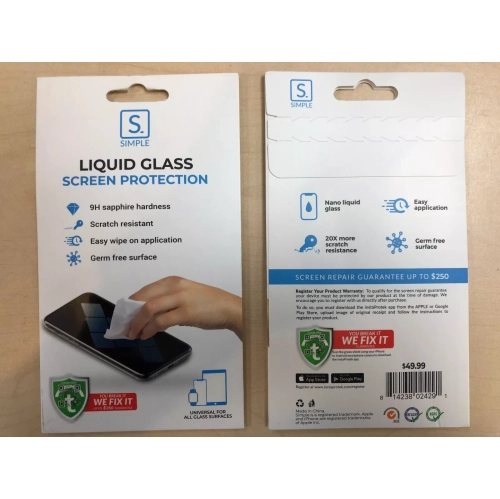
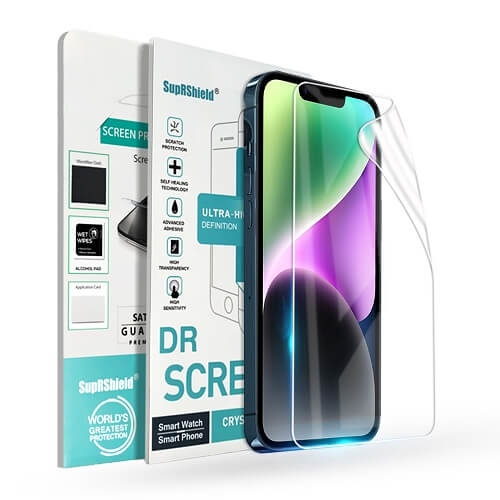
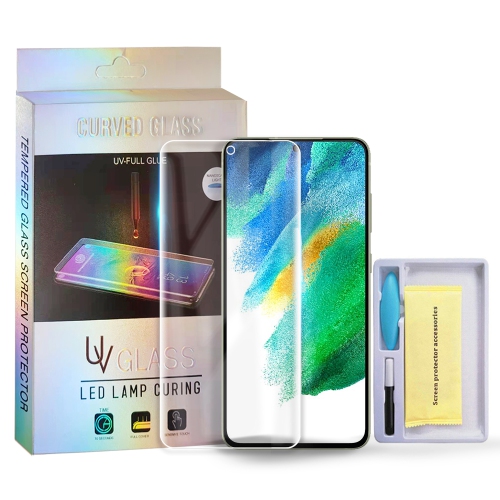
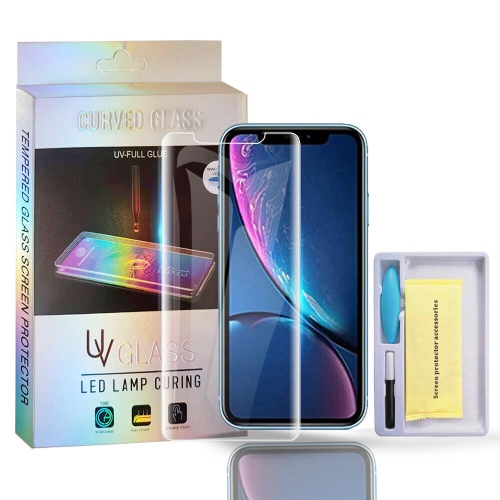
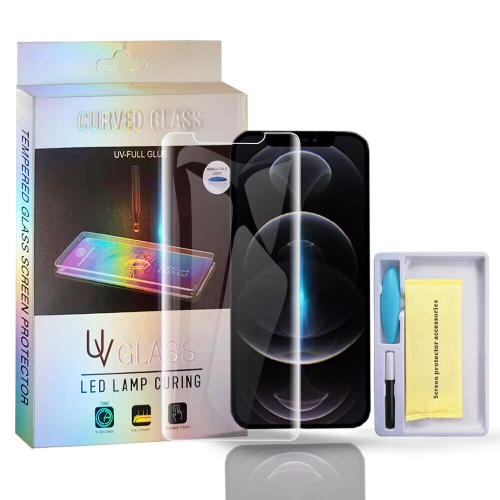
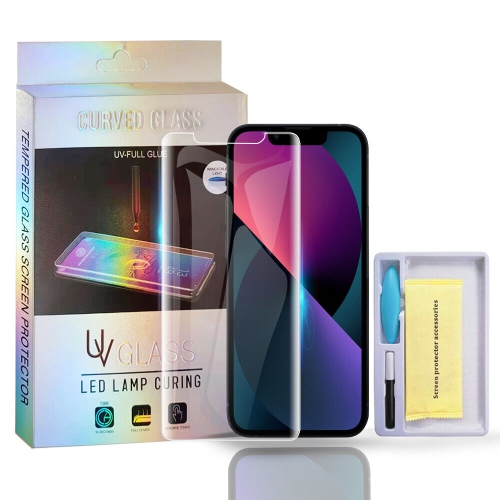
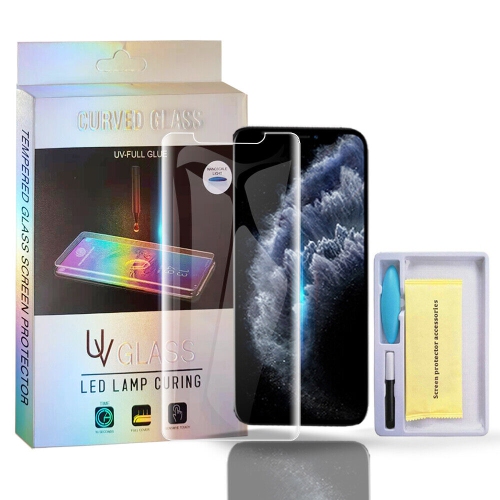
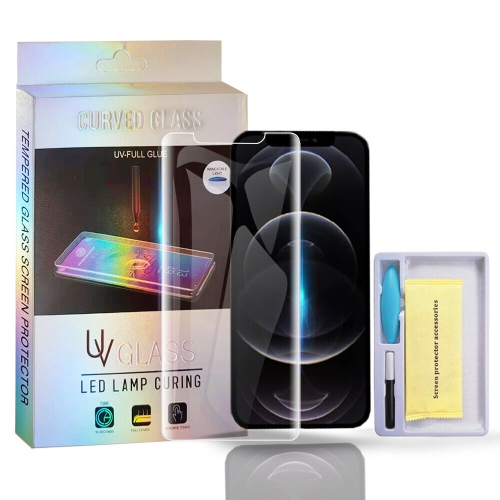
![SUPERSHIELD [2 Pack] Google Pixel 6 Pro Screen Protector Hydrogel Screen Protector Guard - Case Friendly](https://multimedia.bbycastatic.ca/multimedia/products/500x500/171/17166/17166915.jpeg)

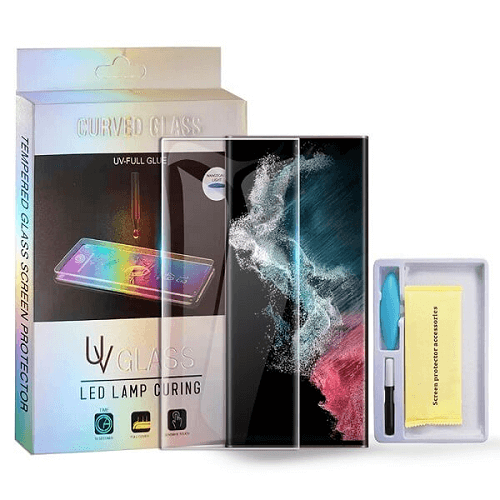
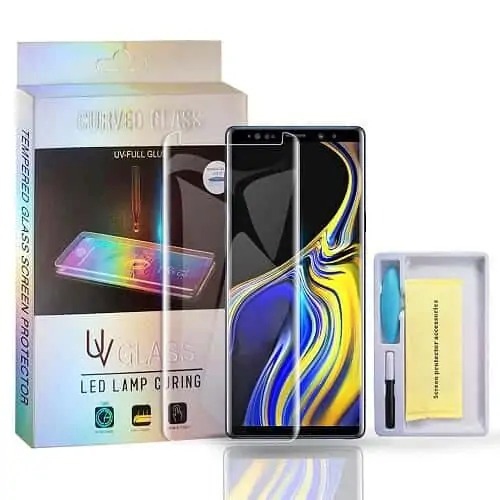
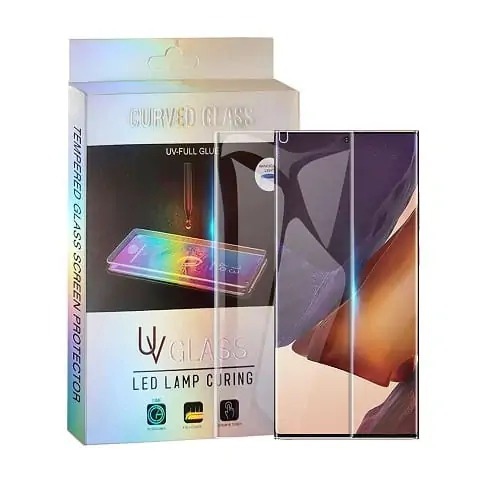
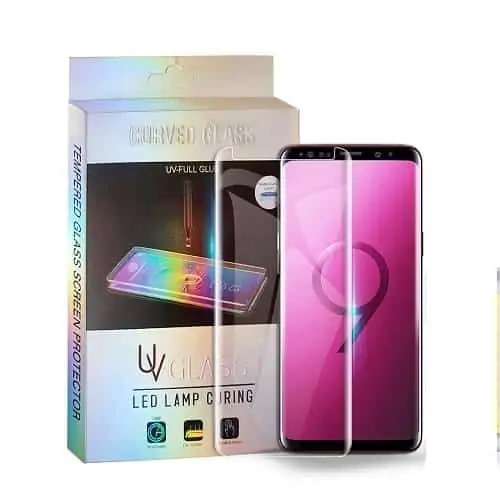
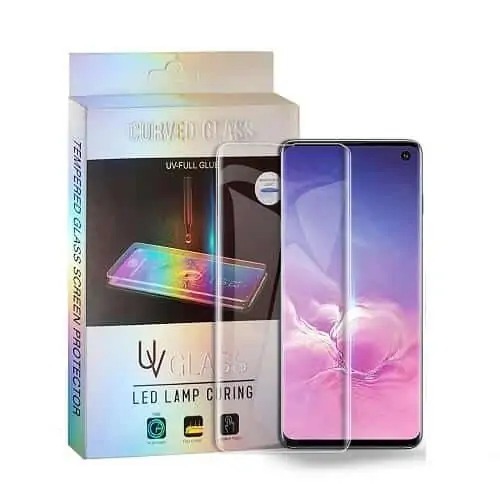

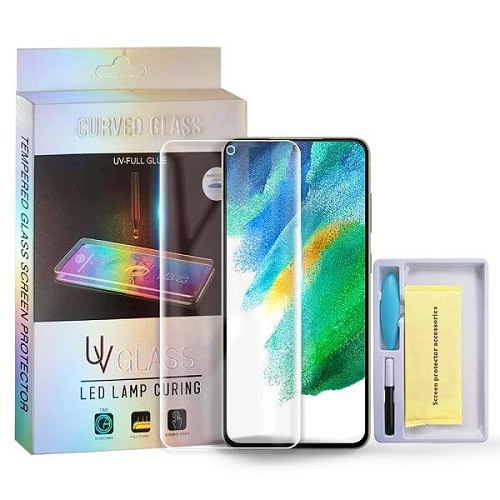
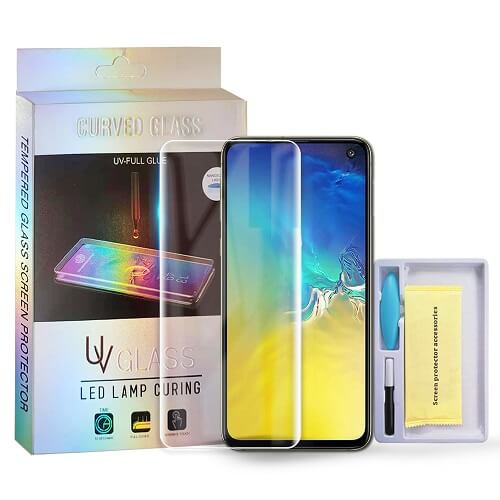
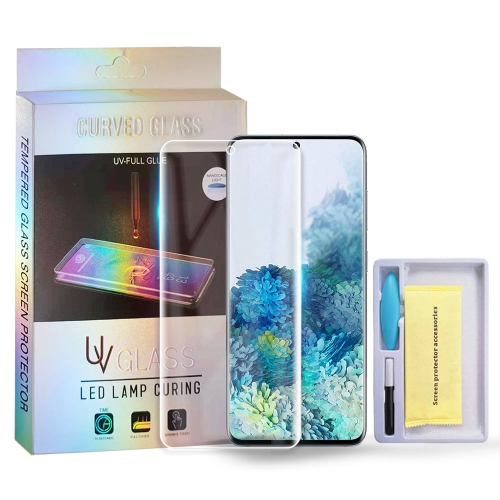
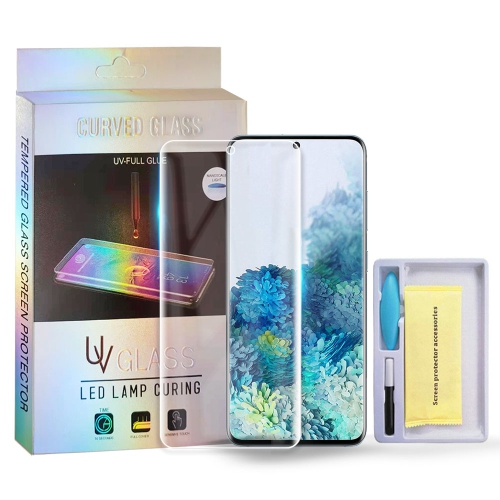
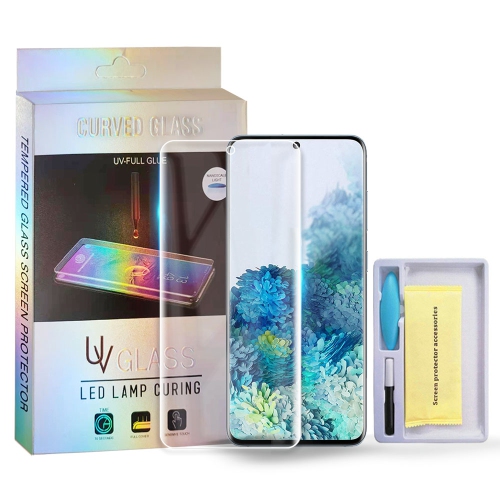

![GENERIC [5 In 1] for Iphone 14 Pro Max Case, With 2 Pack Screen Protector + 2 Pack Camera Lens Protector, Slim Liquid](https://multimedia.bbycastatic.ca/multimedia/products/500x500/173/17388/17388016.jpeg)
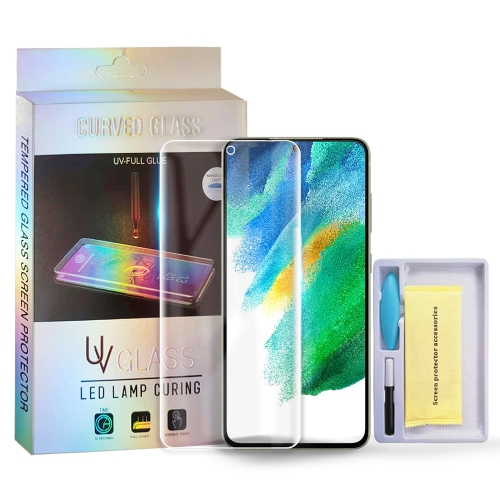
![GENERIC [3 Pack]Google Pixel 6 Pro Screen Protector, Liquid Uv Tempered Glass [Full Screen Adhesive][Edge to Edge](https://multimedia.bbycastatic.ca/multimedia/products/500x500/195/19503/19503237.jpeg)
An invisible coating helps guard screens against everyday surface wear
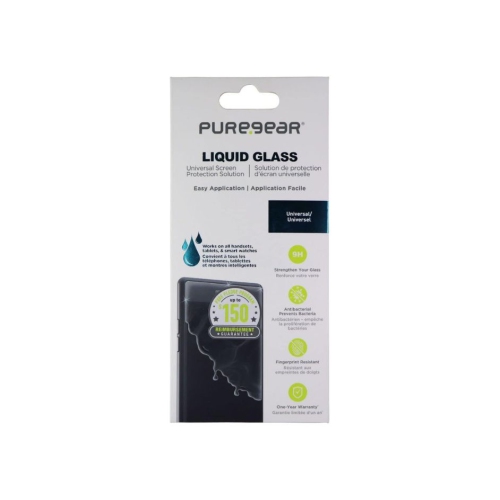
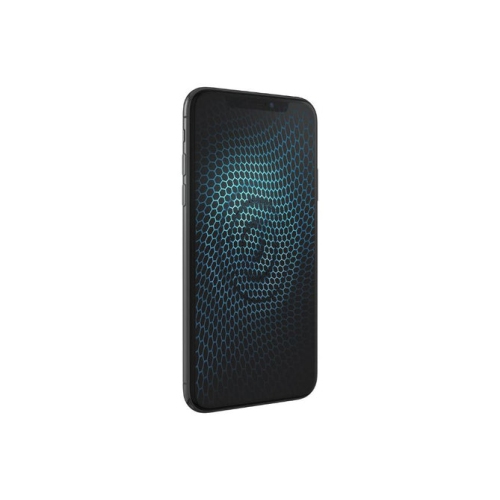
Liquid screen protectors offer a discreet way to add an extra layer of everyday protection to the glass on a compatible smartphone, tablet, smartwatch, e-reader, gaming device, or other touchscreen. Rather than adding a visible sheet over the display, this type of protector uses a wipe-on liquid solution, commonly containing microscopic silicon dioxide or liquid glass particles suspended in an alcohol-based formula. Once applied to clean glass, the solution spreads across the surface, fills tiny imperfections, and bonds as it cures. The result is an ultra-thin, transparent coating that preserves the original look and feel of the screen. Because there is no rigid edge, adhesive border, or layer of tempered glass, liquid screen protectors can be especially appealing for devices with curved edges, rounded displays, or foldable screens. They also typically maintain the responsiveness of touch controls and allow fingerprint sensors to work without the added thickness that some physical protectors may introduce. The coating can help improve resistance to minor scratches and scuffs caused by everyday contact with pockets, handbags, keys, dust, and other objects, while making the glass feel smooth under a fingertip. It is important to understand that liquid screen protection is not the same as a protective case or a heavy-duty tempered glass shield. It may reduce the effect of light surface wear, but it cannot guarantee protection from deep scratches, major impacts, shattered glass, or damage caused by a hard drop. For stronger drop protection, many people use a liquid screen protector alongside a well-fitting case, rather than relying on the coating alone.
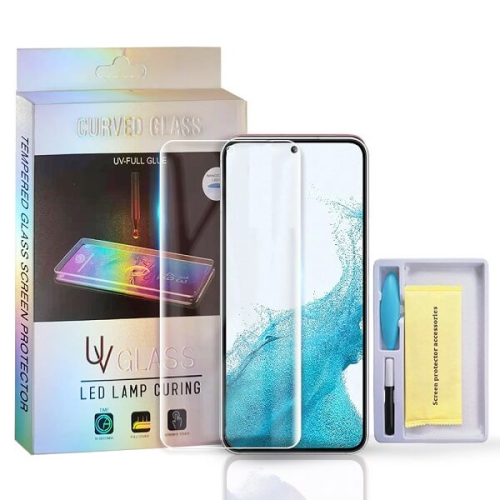
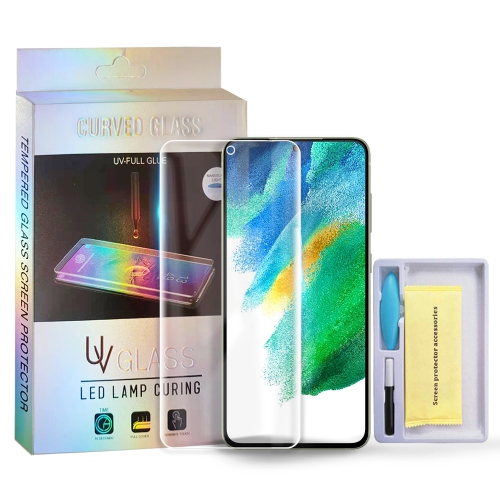
Applying a liquid screen protector is generally straightforward, but careful preparation makes a noticeable difference. Begin by removing fingerprints, dust, oils, and any existing residue from the device glass using the materials included with the kit or a suitable screen-cleaning cloth. The surface should be completely dry before the liquid is applied. A typical kit includes an application wipe or solution, a drying or buffing cloth, and instructions that explain how much product to use and how long to let it cure. The liquid is usually spread evenly over the display, including the edges where the device design allows, then left undisturbed for the recommended period before being polished with a clean microfiber cloth. Working in a well-lit, relatively dust-free area can make it easier to spot smudges and ensure full coverage. Users should follow the instructions for their particular kit, since curing times, coverage areas, and recommended reapplication schedules can vary. Some liquid screen protectors are designed for one device, while others provide enough solution or wipes to cover several phones, tablets, or household touchscreens. Multi-device kits can be useful for families, shared workspaces, or anyone who regularly upgrades and wants protection ready for a new device. Check the listed compatibility and coverage before purchasing, especially when protecting a large tablet, a foldable screen, or a device with an unusual display shape. Some formulas may also advertise added properties such as antimicrobial protection, but these features depend on the specific product and should be evaluated according to its packaging and care instructions. Liquid protection is not normally removable in the same way as a film or glass protector, and it cannot simply be peeled off and replaced after a scratch. Since the coating gradually wears with regular handling and cleaning, reapplication may be needed after several months or according to the manufacturer’s directions.
Liquid screen protectors suit people who want protection that is nearly invisible and free from bubbles, alignment lines, and raised edges. They can be a practical choice for someone who dislikes the feel of a glass protector, uses a fingerprint reader frequently, or has a device whose curved display makes traditional protectors difficult to install. They may also appeal to students carrying a tablet between classes, commuters using a phone throughout the day, travellers keeping devices in crowded bags, or families looking to protect several screens with one kit. A liquid screen protector can make a thoughtful gift for someone setting up a new phone or tablet, particularly when paired with a case, charging accessory, or cleaning cloth. It is also useful for households with multiple touchscreens, where a single application kit may help protect more than one device. Tablet owners comparing options can explore Tablet Screen Protectors to consider whether a traditional film or tempered glass design better suits the size and daily use of their display. When choosing liquid screen protection, consider the device’s screen shape, the number of devices to be covered, the application materials included, the expected curing time, and whether the coating needs periodic renewal. Think about the type of protection needed as well: liquid protection prioritizes a smooth, invisible finish and resistance to minor surface wear, while a physical protector may be preferable for people who want a replaceable barrier against heavier impact. During the warmer months, a phone may travel more often in pockets, backpacks, or outdoor gear, while cooler weather can bring extra handling with gloves, coats, and crowded indoor spaces. In either season, keeping the screen clean, using a protective case, and following the application instructions will help a liquid screen protector perform as intended.
Applying a liquid screen protector is generally straightforward, but careful preparation makes a noticeable difference. Begin by removing fingerprints, dust, oils, and any existing residue from the device glass using the materials included with the kit or a suitable screen-cleaning cloth. The surface should be completely dry before the liquid is applied. A typical kit includes an application wipe or solution, a drying or buffing cloth, and instructions that explain how much product to use and how long to let it cure. The liquid is usually spread evenly over the display, including the edges where the device design allows, then left undisturbed for the recommended period before being polished with a clean microfiber cloth. Working in a well-lit, relatively dust-free area can make it easier to spot smudges and ensure full coverage. Users should follow the instructions for their particular kit, since curing times, coverage areas, and recommended reapplication schedules can vary. Some liquid screen protectors are designed for one device, while others provide enough solution or wipes to cover several phones, tablets, or household touchscreens. Multi-device kits can be useful for families, shared workspaces, or anyone who regularly upgrades and wants protection ready for a new device. Check the listed compatibility and coverage before purchasing, especially when protecting a large tablet, a foldable screen, or a device with an unusual display shape. Some formulas may also advertise added properties such as antimicrobial protection, but these features depend on the specific product and should be evaluated according to its packaging and care instructions. Liquid protection is not normally removable in the same way as a film or glass protector, and it cannot simply be peeled off and replaced after a scratch. Since the coating gradually wears with regular handling and cleaning, reapplication may be needed after several months or according to the manufacturer’s directions.
Liquid screen protectors suit people who want protection that is nearly invisible and free from bubbles, alignment lines, and raised edges. They can be a practical choice for someone who dislikes the feel of a glass protector, uses a fingerprint reader frequently, or has a device whose curved display makes traditional protectors difficult to install. They may also appeal to students carrying a tablet between classes, commuters using a phone throughout the day, travellers keeping devices in crowded bags, or families looking to protect several screens with one kit. A liquid screen protector can make a thoughtful gift for someone setting up a new phone or tablet, particularly when paired with a case, charging accessory, or cleaning cloth. It is also useful for households with multiple touchscreens, where a single application kit may help protect more than one device. Tablet owners comparing options can explore Tablet Screen Protectors to consider whether a traditional film or tempered glass design better suits the size and daily use of their display. When choosing liquid screen protection, consider the device’s screen shape, the number of devices to be covered, the application materials included, the expected curing time, and whether the coating needs periodic renewal. Think about the type of protection needed as well: liquid protection prioritizes a smooth, invisible finish and resistance to minor surface wear, while a physical protector may be preferable for people who want a replaceable barrier against heavier impact. During the warmer months, a phone may travel more often in pockets, backpacks, or outdoor gear, while cooler weather can bring extra handling with gloves, coats, and crowded indoor spaces. In either season, keeping the screen clean, using a protective case, and following the application instructions will help a liquid screen protector perform as intended.
Top selling and popular products
-
 Your price for this item is $44.99
 -
 Your price for this item is $42.68
 -
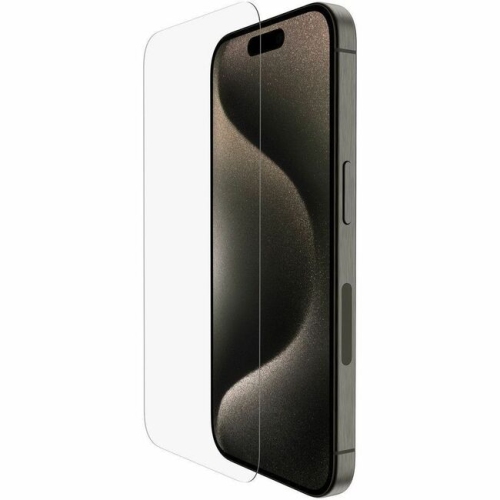 Your price for this item is $39.68
 -
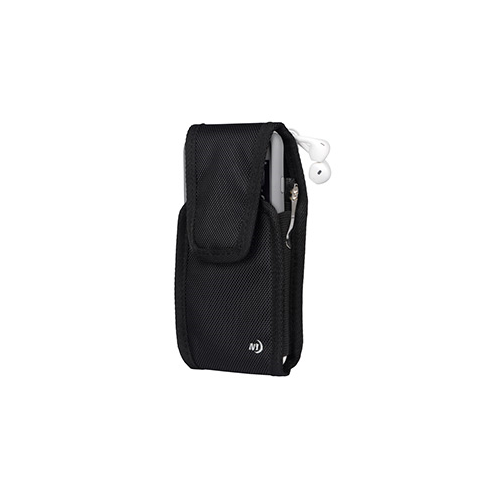 Your price for this item is $39.99
 -
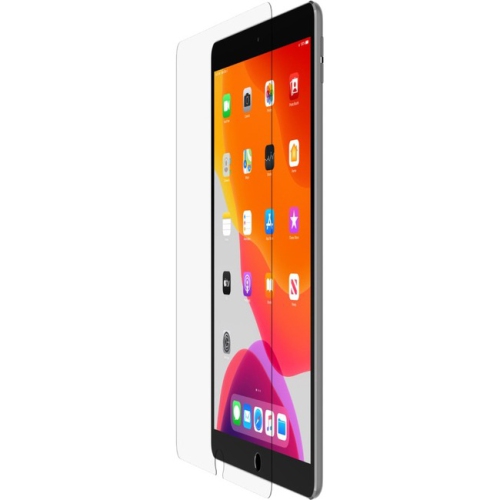 Your price for this item is $83.17
 -
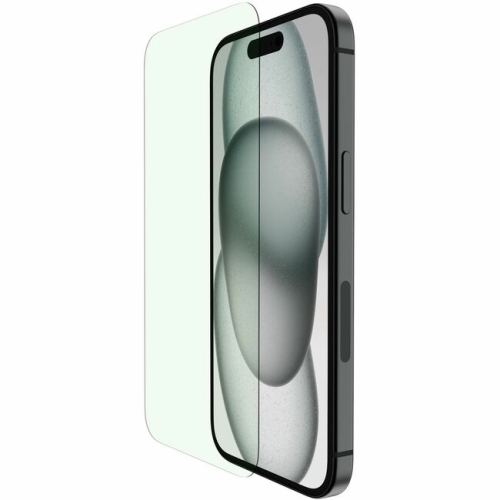 Your price for this item is $95.28
 -
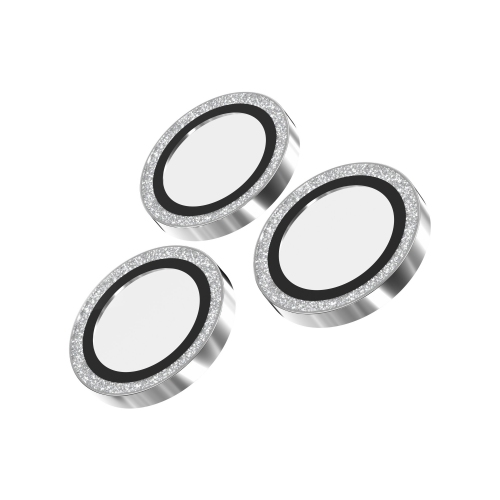 Your price for this item is $29.99
 -
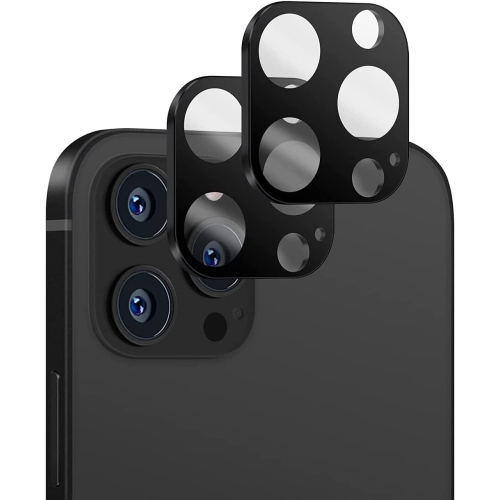 Your price for this item is $49
Discover more categories related to Liquid Screen Protectors
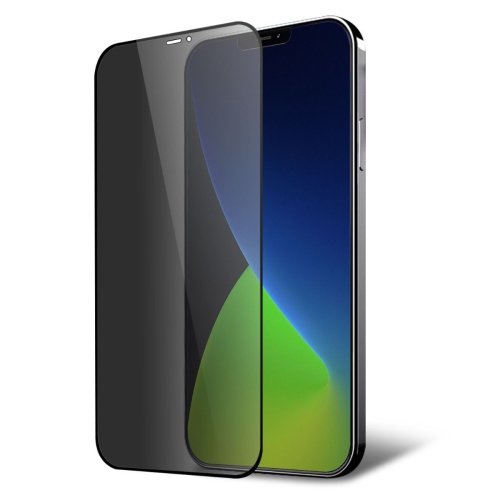
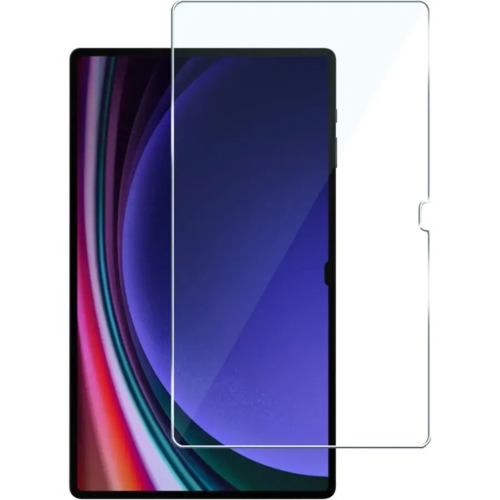
Top Collections:
Pokemon Centers, Kindle Devices, Best Budget Office Chairs, Apple iPhones 16, Best Laptops for Writers, iPhone 15 Apple, Canon G7X Cameras, Refurbished Apple Laptops, Alarm Clock, Motorola Razr Phones
Some products may be subject to Environmental Handling Fees
(EHF) depending on your province.
Learn more about EHFs.