Server Power Supplies
Looking to power up your server? Look no further than our selection of server power supplies. These essential components are designed to provide a reliable and efficient source of power for your servers, ensuring smooth operation and optimal performance. Whether you're building a new server or replacing an existing power supply, we have a wide range of options to suit your needs.
Sort
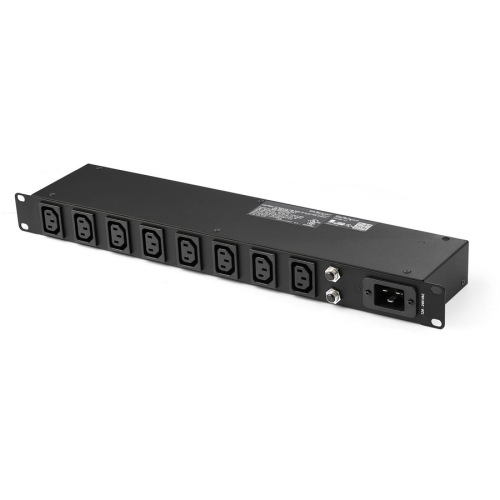
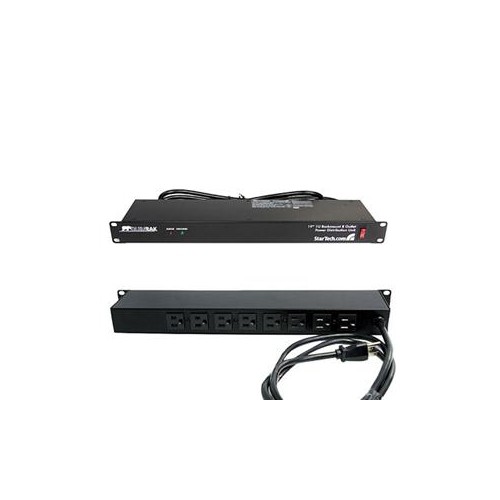
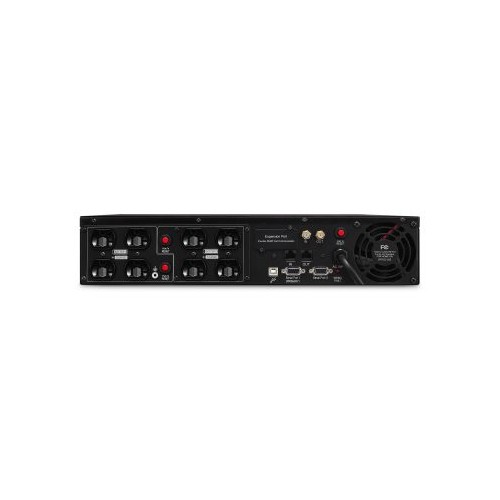
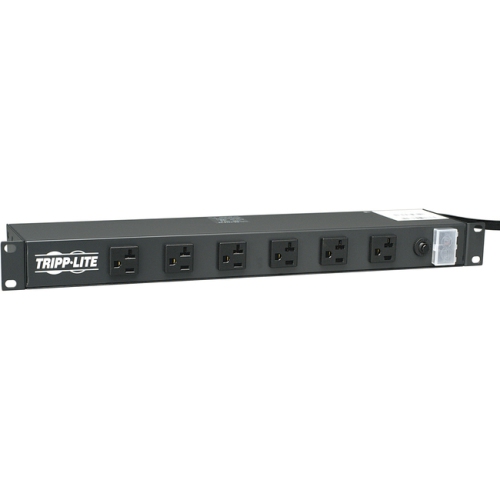





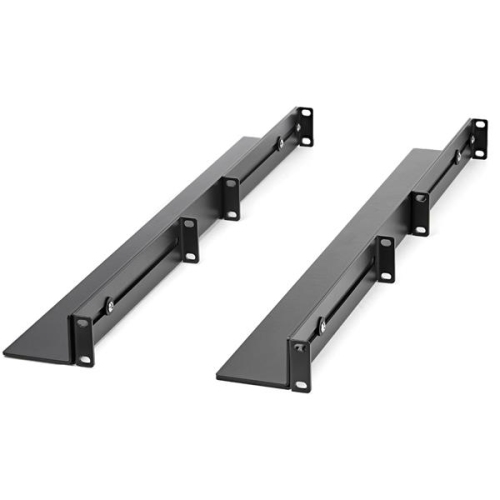
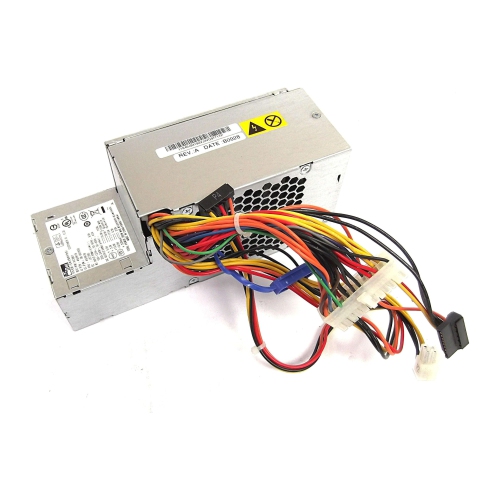
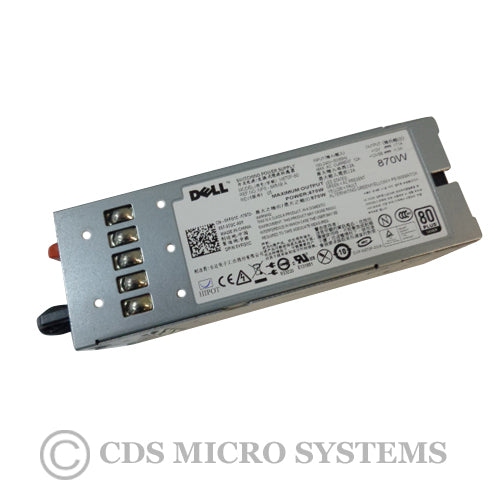
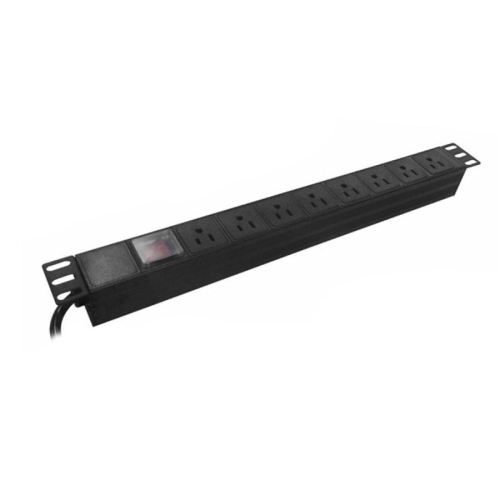




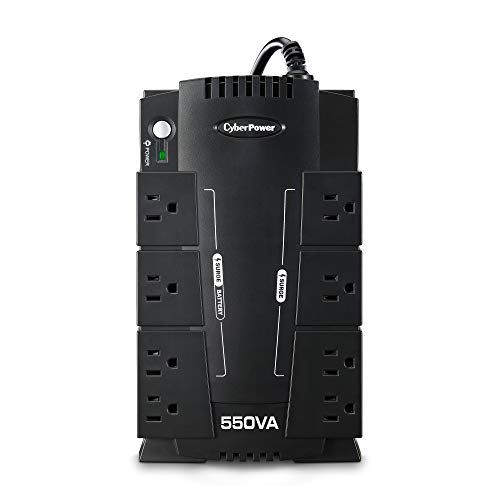
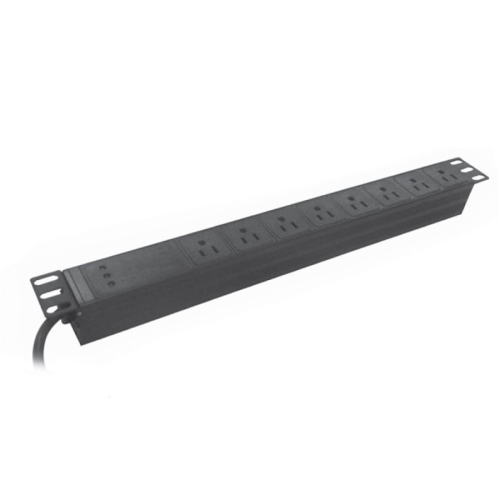
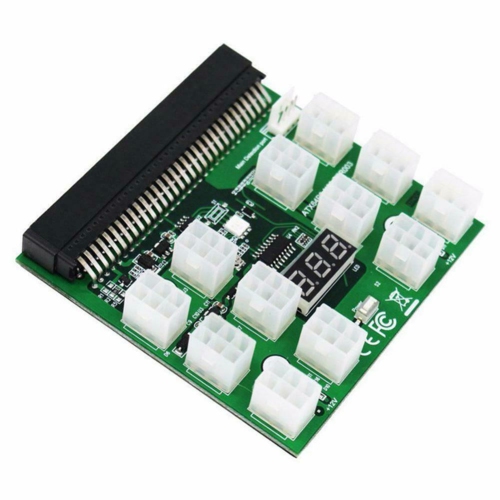
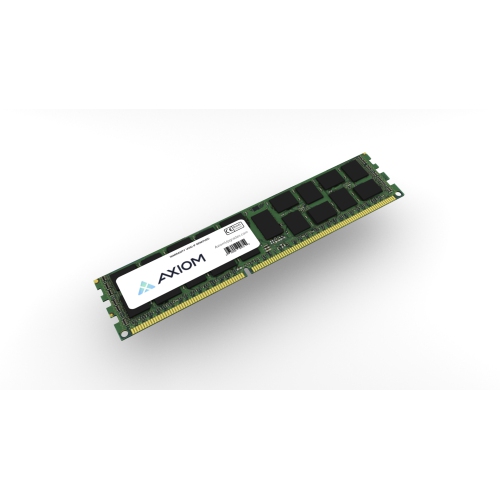
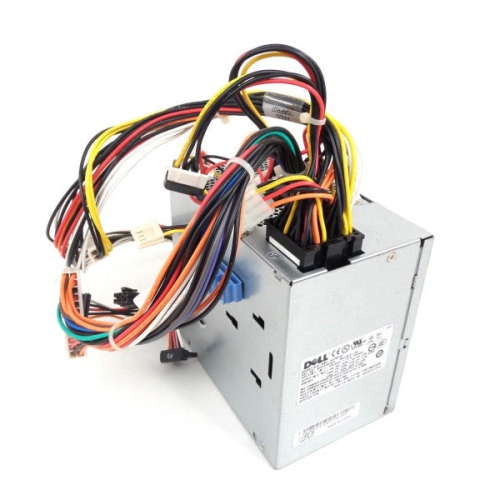
Why server power compatibility goes beyond wattage
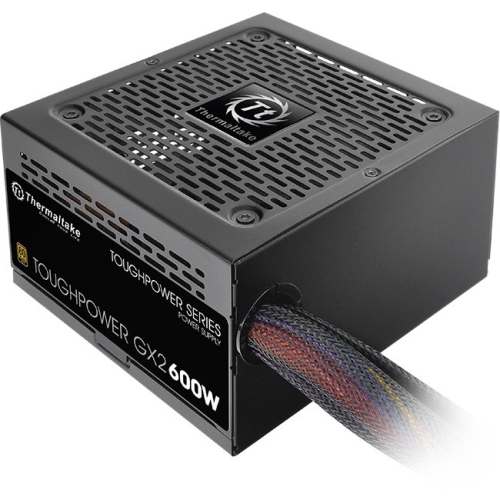
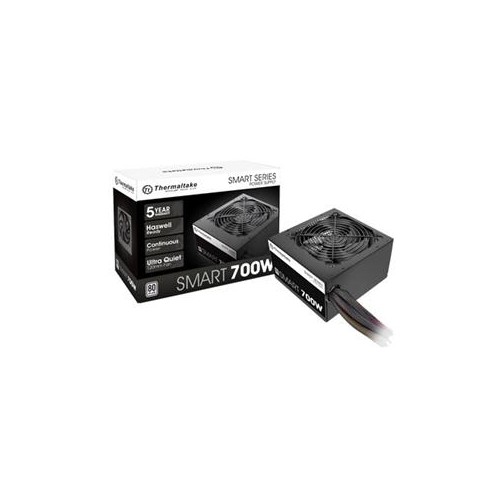
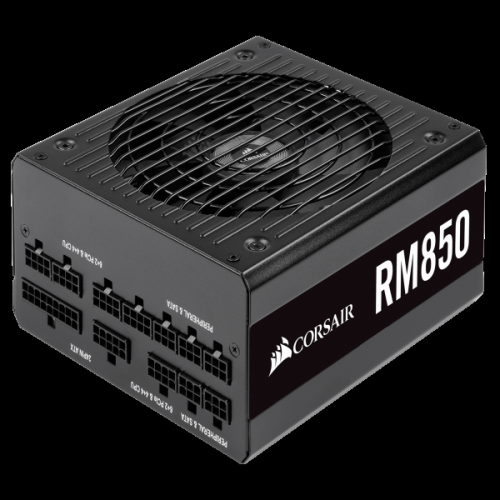
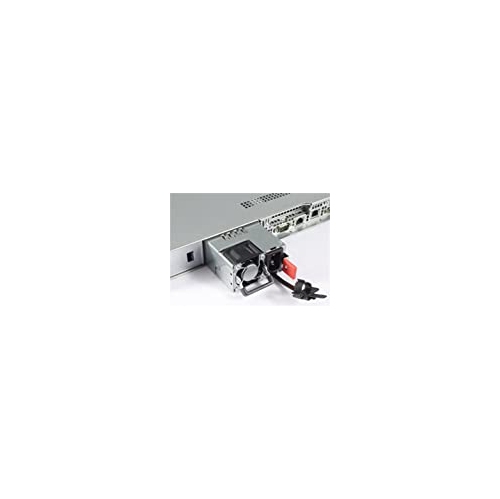
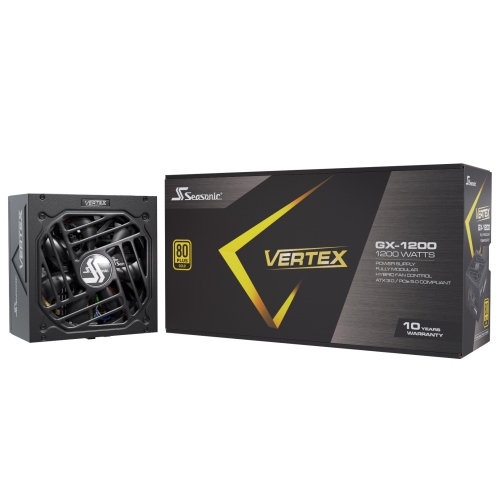
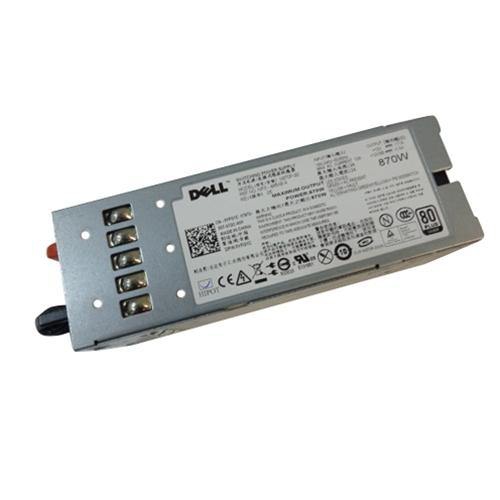
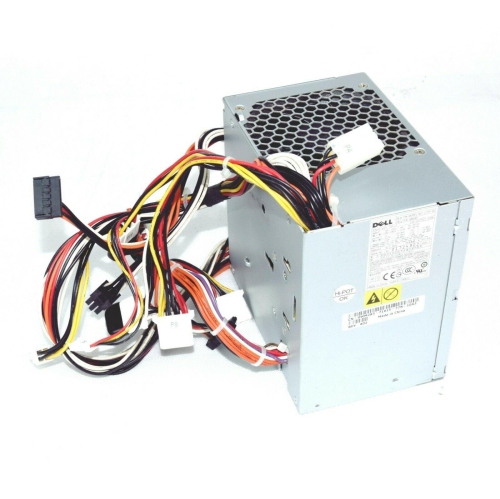
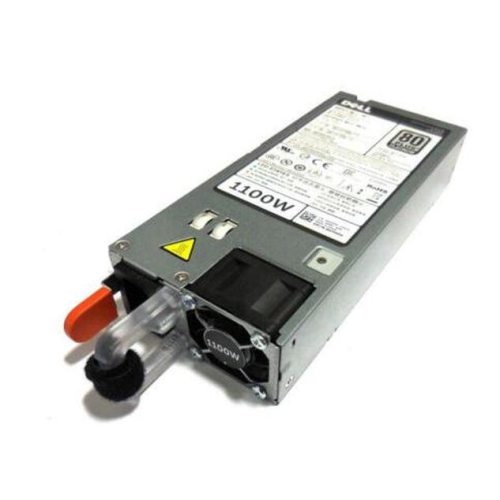
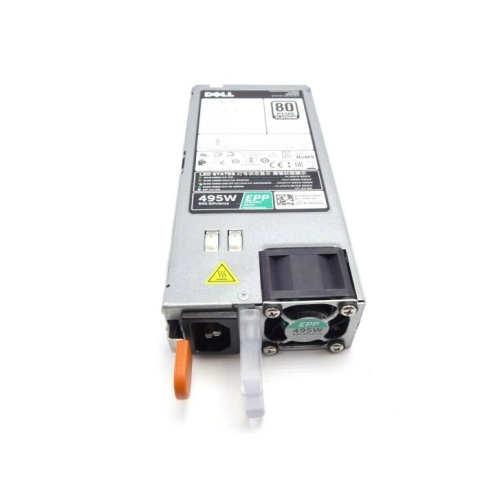
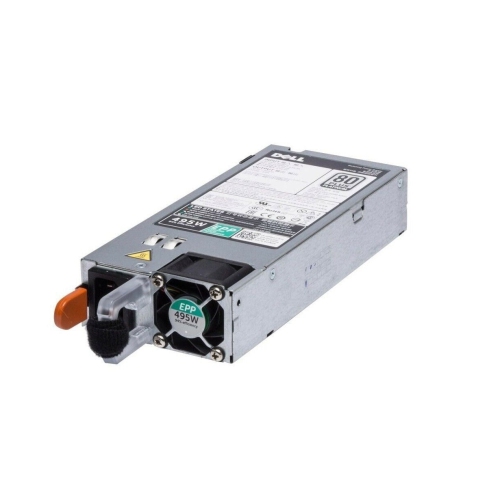
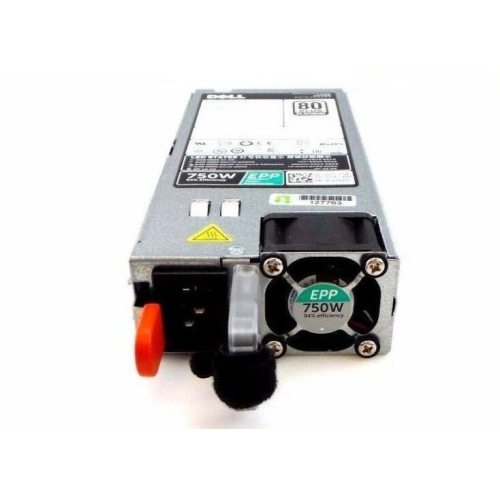
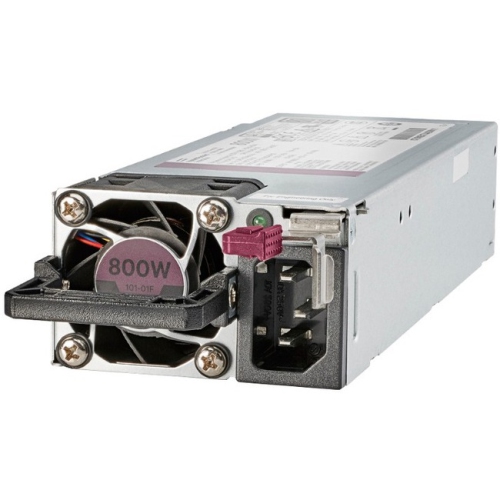
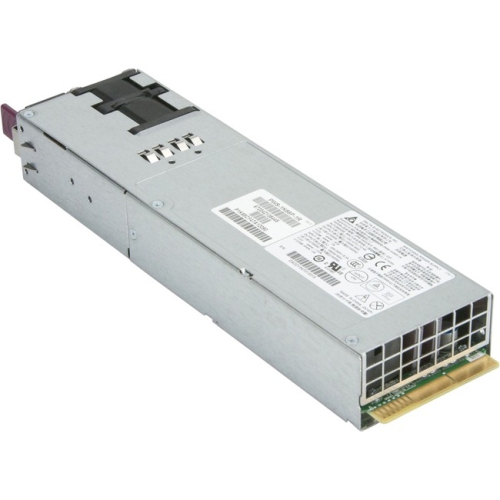
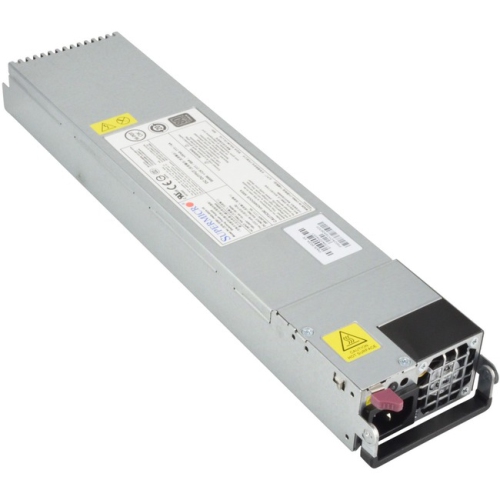
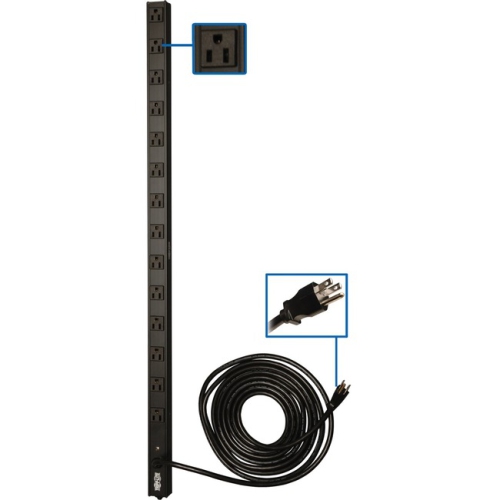
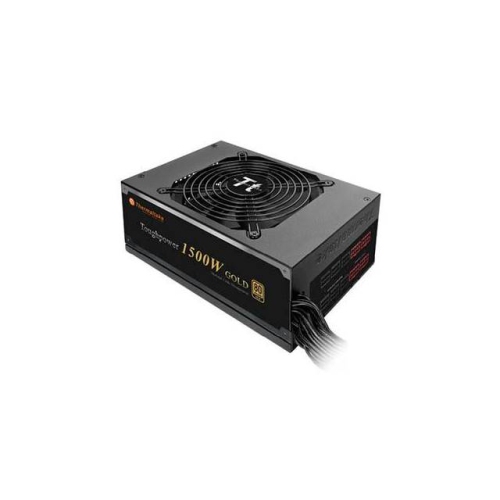
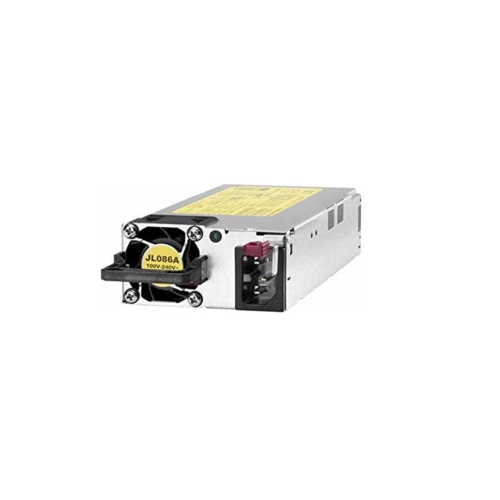
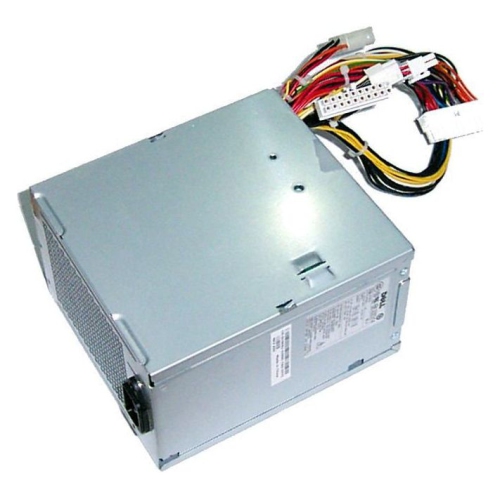
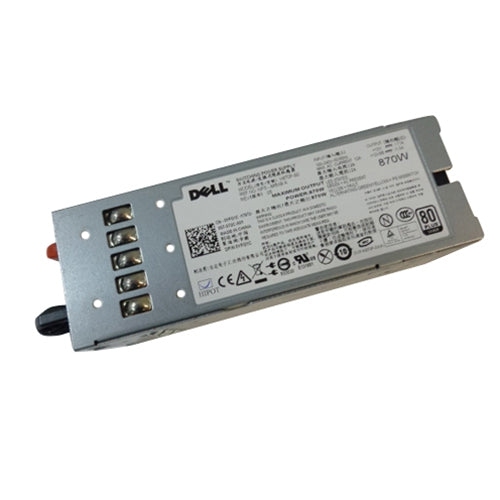
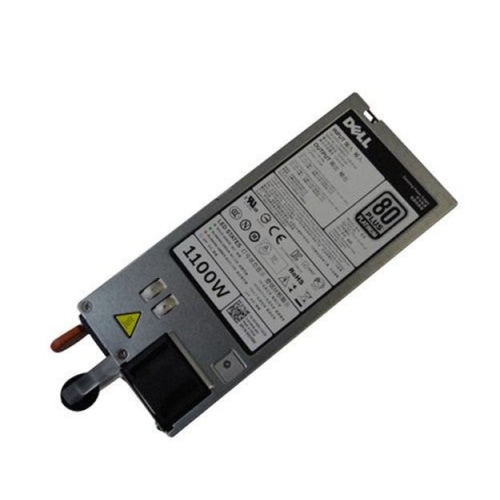
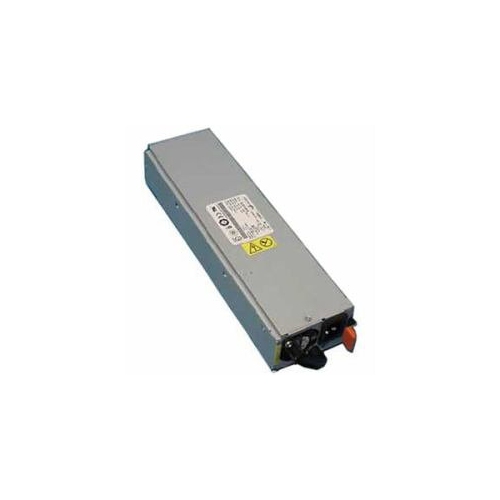
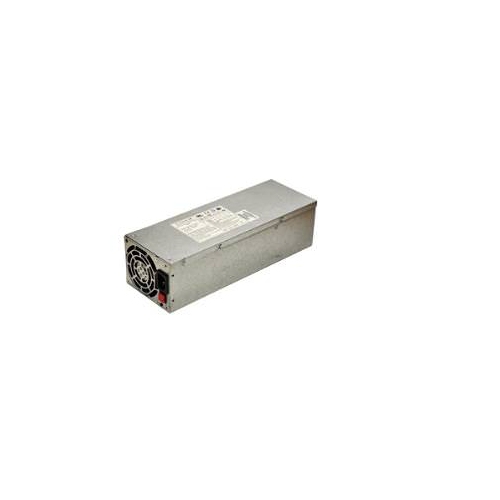
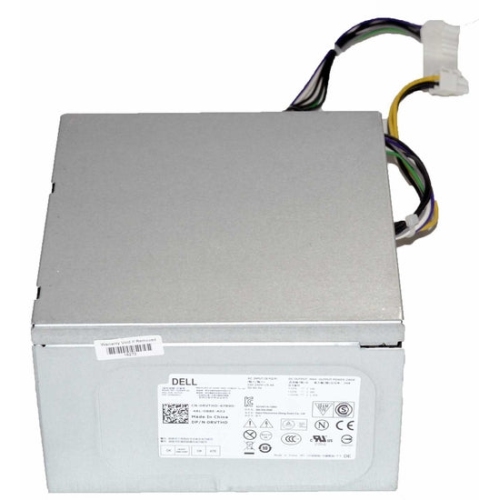
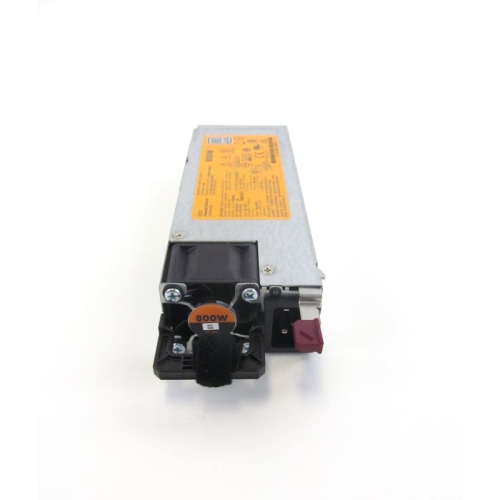
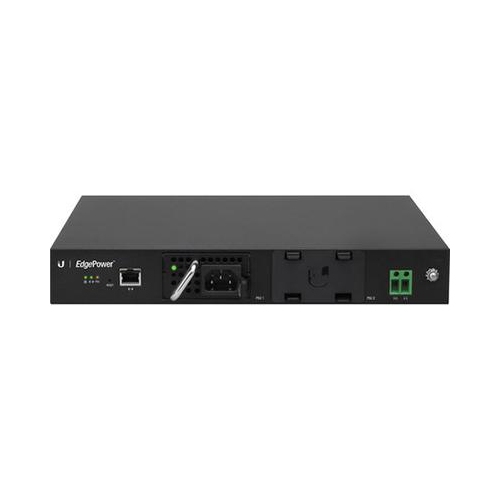
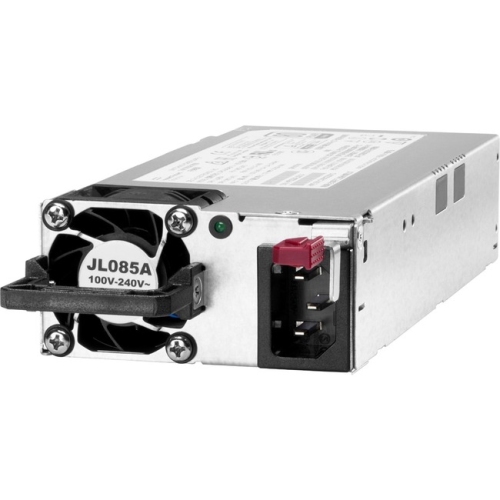
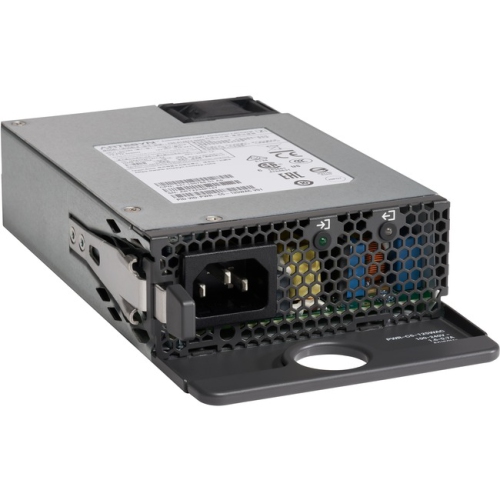
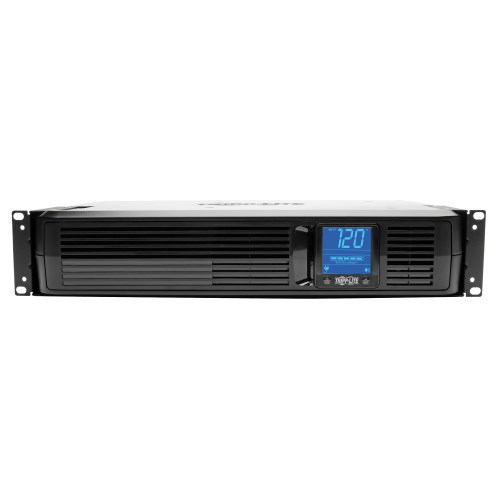
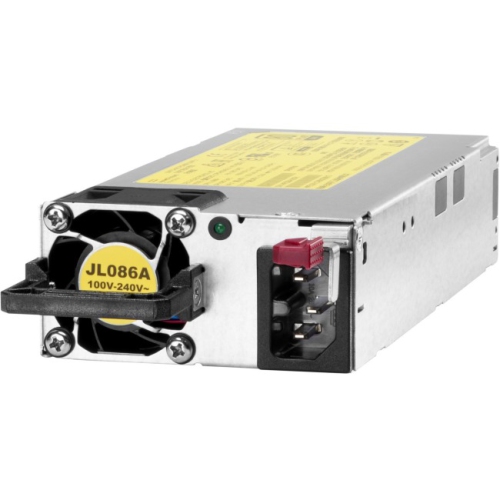
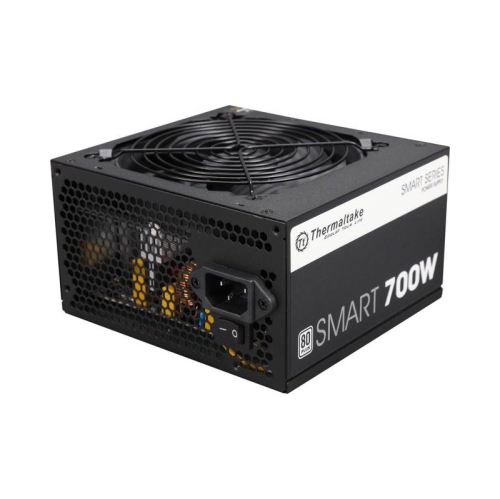
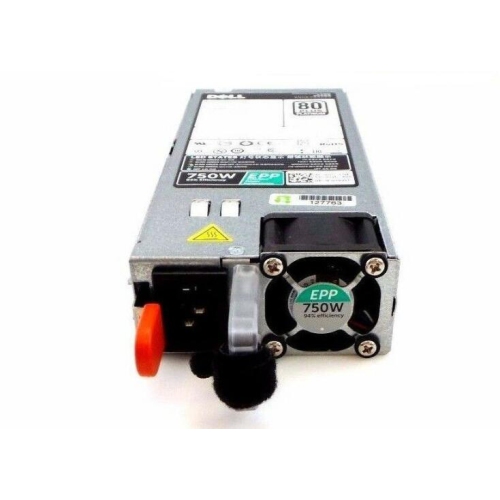
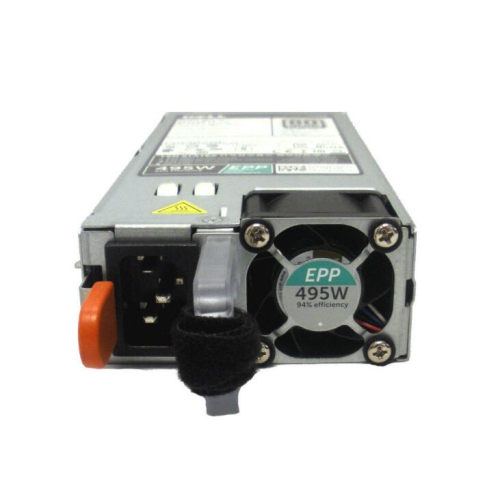
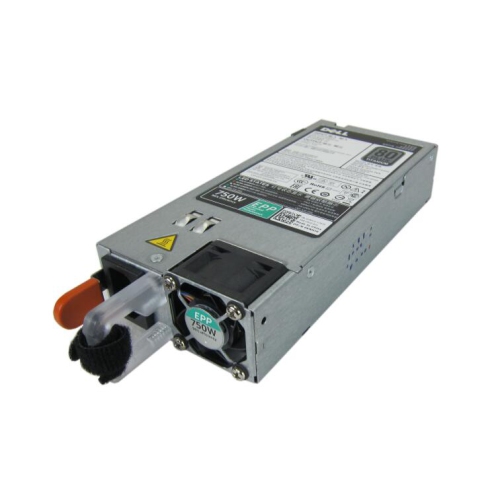
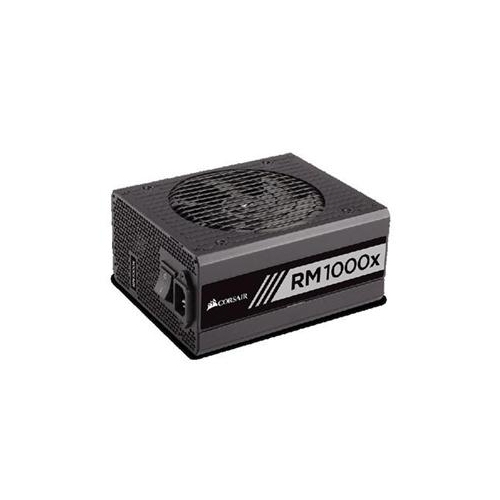
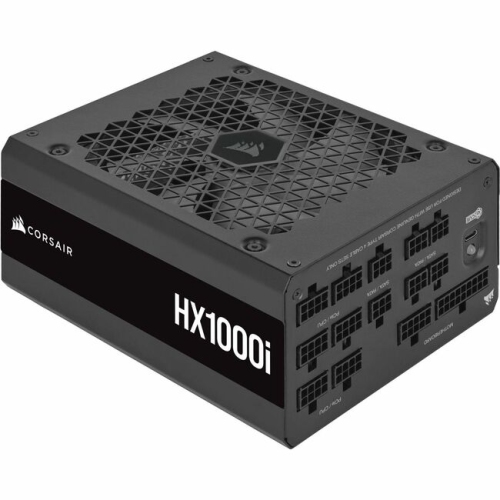
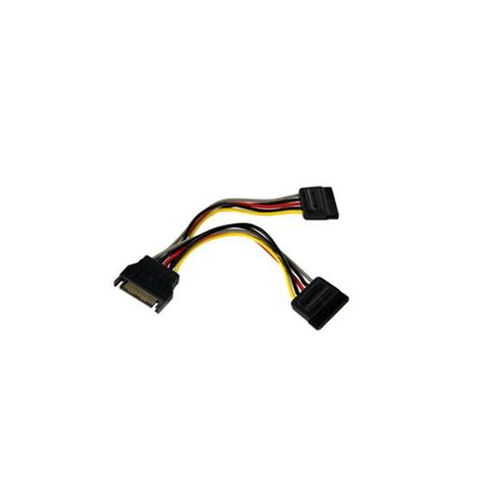
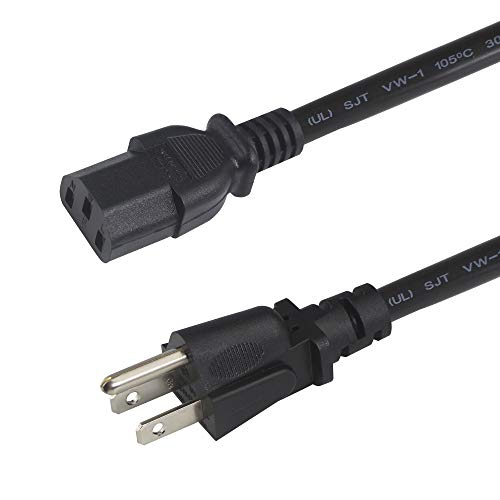
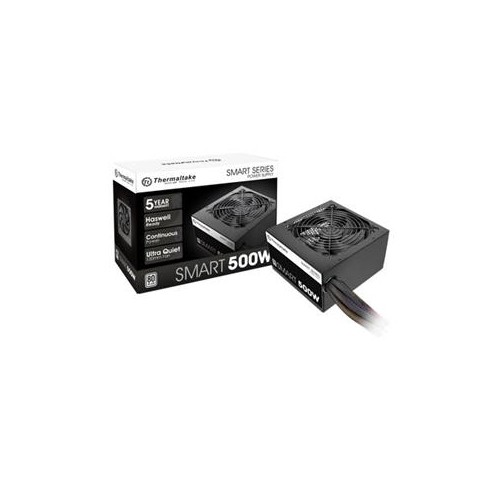
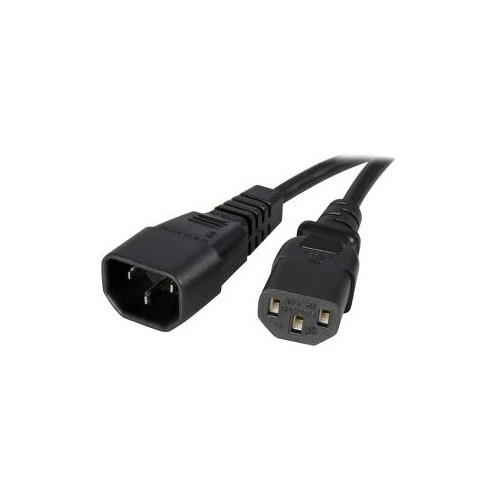
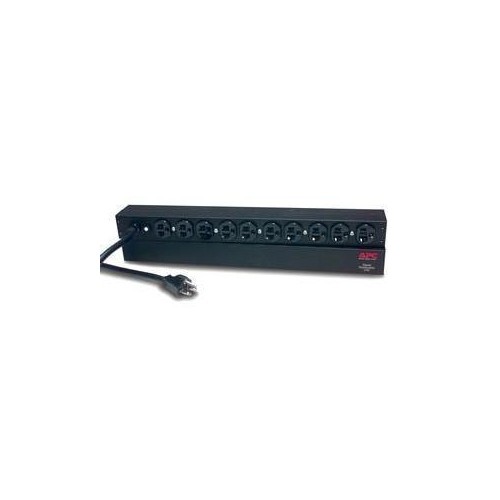
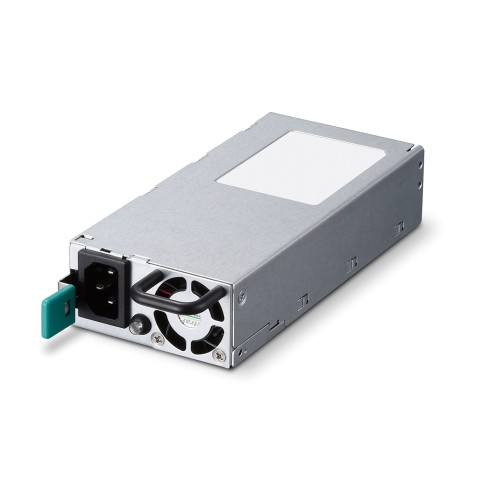
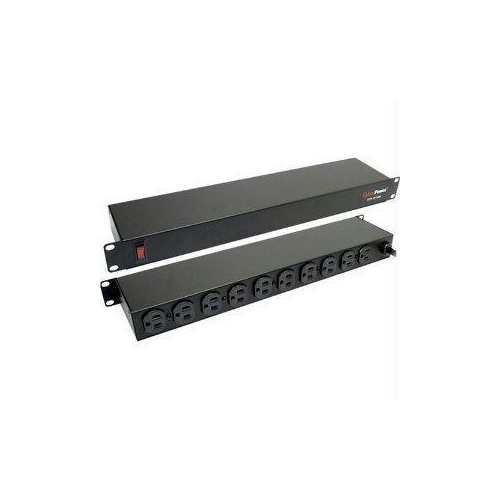
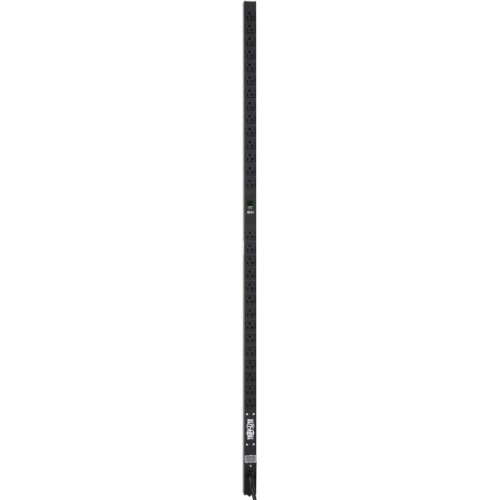
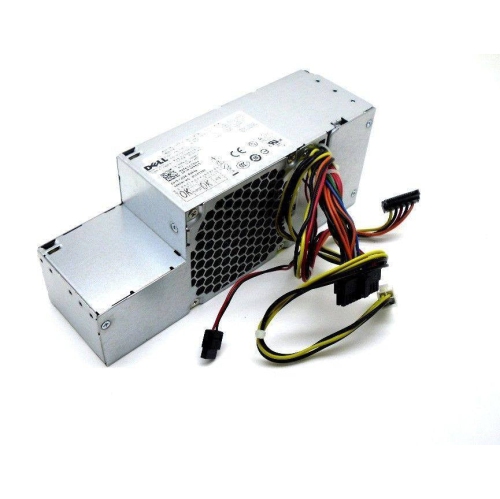
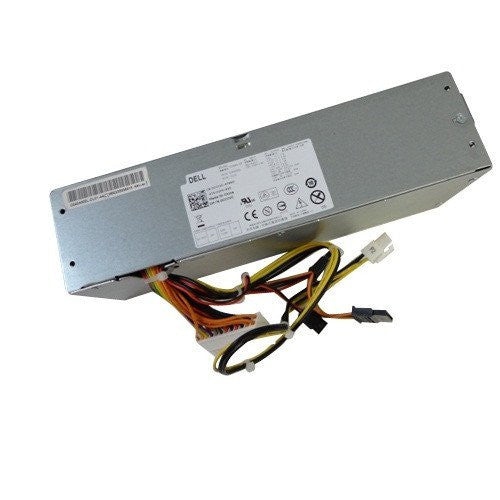
Server power supplies convert incoming electrical power into the regulated direct current that a server’s internal components need to operate. Built for demanding workloads and extended operating hours, they support everything from shared file storage and business applications to virtual machines, databases, and home media libraries. A dependable power supply helps maintain stable operation as processors, memory, storage drives, and expansion cards draw different amounts of power throughout the day. The category includes compact modules for rack-mounted servers, power supplies for tower servers, and standard-format units suitable for compatible custom builds. These designs are not interchangeable simply because their wattage ratings match. Physical dimensions, connector layouts, electrical specifications, and the server’s power distribution hardware all affect compatibility. A rack server may need a narrow module that slides into a dedicated rear bay, while a custom tower may accept an ATX power supply secured with mounting screws. Even modules that look alike can have different connector pin assignments, firmware requirements, or supported input voltages. For a replacement, the server manufacturer’s compatibility documentation and the existing unit’s identification label are more useful than appearance alone. Metal housings protect internal circuitry and provide a rigid mounting structure, while ventilation openings, fans, handles, and retaining latches support airflow and servicing. Build quality matters particularly where equipment runs continuously or maintenance access is limited. Power supplies used in a small office storage server, for example, may spend years supporting shared documents and automated backups with little direct attention. In a home lab, the same category serves users running test networks, multiple operating systems, or large collections of hard drives. The intended use influences the required capacity, connector count, noise level, and serviceability. A server power supply is therefore best understood as a system-specific component rather than a universal accessory: its usefulness depends on how closely its design matches the chassis, workload, and electrical connection it is expected to support.
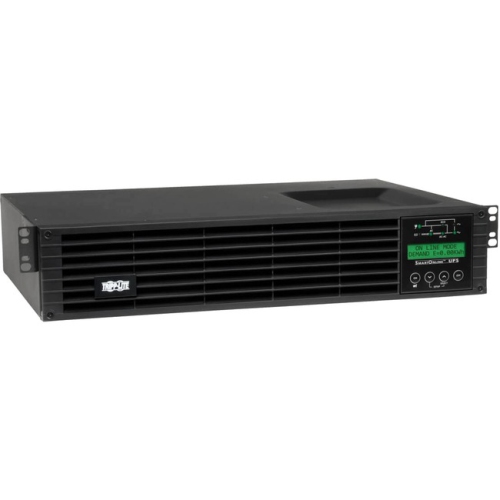
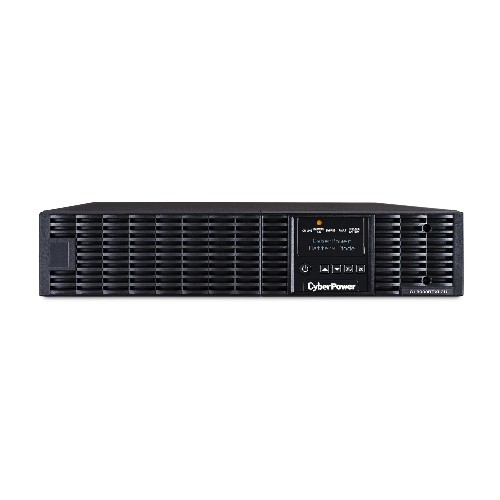
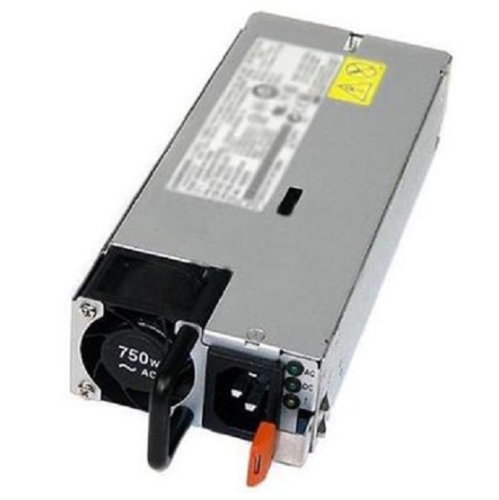
Wattage describes a power supply’s rated output capacity, not the amount of electricity a server draws at every moment. Actual consumption varies with the installed hardware and its workload. A storage-focused server can have a brief increase in demand as multiple hard drives spin up, while a compute-heavy system may sustain a larger load during processing tasks. Capacity planning accounts for these demands, supported expansion, and the manufacturer’s operating limits rather than relying only on a processor’s power rating. Some server power supplies also deliver different maximum output levels at different input voltages, so the rating must suit the electrical circuit being used. Efficiency is a separate consideration: a more efficient unit loses less incoming power during conversion at a given load. Efficiency ratings are useful reference points, but performance can vary across load levels and input conditions. Redundancy addresses a different need by allowing compatible servers to continue operating after a power supply failure. In a properly configured redundant arrangement, the remaining unit or units must be able to support the required system load. Two installed power supplies do not automatically establish full redundancy; some configurations need both units to meet total demand. Hot-swappable modules add serviceability by allowing a supported unit to be replaced while the server remains powered, provided the system retains sufficient working capacity and the manufacturer’s procedure is followed. This can make a meaningful difference for an office server that needs to remain accessible during a component replacement. Redundant power supplies are not a substitute for battery backup, however, because they cannot maintain operation when all incoming power is lost. Battery Backup Systems for Servers can provide temporary power through a compatible uninterruptible power supply, helping support continued operation or an orderly shutdown during an outage. Where supported, separate power feeds can also reduce reliance on a single upstream connection. Each layer serves a distinct purpose, from replacing a failed module to maintaining power long enough to protect active work.
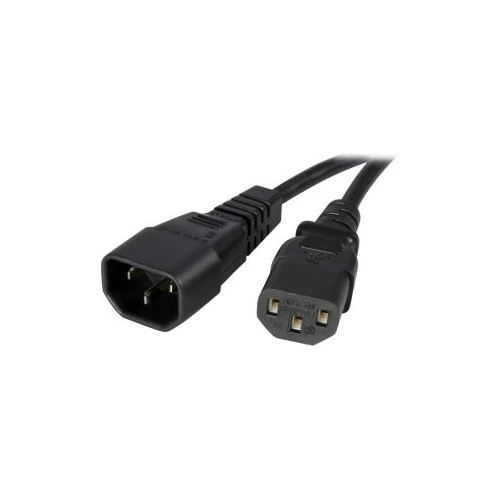
Day-to-day suitability also depends on details that are easy to overlook when comparing output ratings. Airflow direction needs to match the chassis design, particularly in rack equipment where fans and ventilation paths work together. Compact server modules can use small, fast-running fans, making sound levels an important consideration for a home office or a workspace without a separate equipment room. A unit designed for a dedicated server rack may be electrically suitable for a supported system yet noticeably louder than expected beside a desk. In custom builds, cable lengths, motherboard power connections, and the number of native storage power connectors affect how neatly and reliably components can be connected. Modular cables require special care: the connector that plugs into the power supply is not universally wired, even when it physically fits, so cables must be explicitly compatible with the unit. Rack-mounted systems often use a backplane or power distribution board instead of a conventional cable bundle, which makes the correct module interface essential. Monitoring features can further distinguish server power supplies from simpler alternatives. Compatible hardware may communicate through protocols such as PMBus, allowing the server’s management controller to report power draw, fan speed, operating readings, and fault status. These capabilities depend on both the power supply and the host platform; they are not guaranteed by the presence of a communication protocol alone. Status lights and accessible release mechanisms can also help administrators identify and service the correct module. For long-term care, unobstructed ventilation, secure connections, and dust management around the chassis help preserve normal operating conditions. Cleaning and replacement should follow the equipment manufacturer’s procedures, and the power supply enclosure should remain closed because internal components can retain hazardous electrical charges after disconnection. Clear labelling and records of compatible replacement specifications make later maintenance more straightforward. Whether supporting a business network or a carefully assembled home server, the right power supply brings together verified fit, adequate capacity, suitable connections, and service features that match how the system is actually used.
Wattage describes a power supply’s rated output capacity, not the amount of electricity a server draws at every moment. Actual consumption varies with the installed hardware and its workload. A storage-focused server can have a brief increase in demand as multiple hard drives spin up, while a compute-heavy system may sustain a larger load during processing tasks. Capacity planning accounts for these demands, supported expansion, and the manufacturer’s operating limits rather than relying only on a processor’s power rating. Some server power supplies also deliver different maximum output levels at different input voltages, so the rating must suit the electrical circuit being used. Efficiency is a separate consideration: a more efficient unit loses less incoming power during conversion at a given load. Efficiency ratings are useful reference points, but performance can vary across load levels and input conditions. Redundancy addresses a different need by allowing compatible servers to continue operating after a power supply failure. In a properly configured redundant arrangement, the remaining unit or units must be able to support the required system load. Two installed power supplies do not automatically establish full redundancy; some configurations need both units to meet total demand. Hot-swappable modules add serviceability by allowing a supported unit to be replaced while the server remains powered, provided the system retains sufficient working capacity and the manufacturer’s procedure is followed. This can make a meaningful difference for an office server that needs to remain accessible during a component replacement. Redundant power supplies are not a substitute for battery backup, however, because they cannot maintain operation when all incoming power is lost. Battery Backup Systems for Servers can provide temporary power through a compatible uninterruptible power supply, helping support continued operation or an orderly shutdown during an outage. Where supported, separate power feeds can also reduce reliance on a single upstream connection. Each layer serves a distinct purpose, from replacing a failed module to maintaining power long enough to protect active work.
Day-to-day suitability also depends on details that are easy to overlook when comparing output ratings. Airflow direction needs to match the chassis design, particularly in rack equipment where fans and ventilation paths work together. Compact server modules can use small, fast-running fans, making sound levels an important consideration for a home office or a workspace without a separate equipment room. A unit designed for a dedicated server rack may be electrically suitable for a supported system yet noticeably louder than expected beside a desk. In custom builds, cable lengths, motherboard power connections, and the number of native storage power connectors affect how neatly and reliably components can be connected. Modular cables require special care: the connector that plugs into the power supply is not universally wired, even when it physically fits, so cables must be explicitly compatible with the unit. Rack-mounted systems often use a backplane or power distribution board instead of a conventional cable bundle, which makes the correct module interface essential. Monitoring features can further distinguish server power supplies from simpler alternatives. Compatible hardware may communicate through protocols such as PMBus, allowing the server’s management controller to report power draw, fan speed, operating readings, and fault status. These capabilities depend on both the power supply and the host platform; they are not guaranteed by the presence of a communication protocol alone. Status lights and accessible release mechanisms can also help administrators identify and service the correct module. For long-term care, unobstructed ventilation, secure connections, and dust management around the chassis help preserve normal operating conditions. Cleaning and replacement should follow the equipment manufacturer’s procedures, and the power supply enclosure should remain closed because internal components can retain hazardous electrical charges after disconnection. Clear labelling and records of compatible replacement specifications make later maintenance more straightforward. Whether supporting a business network or a carefully assembled home server, the right power supply brings together verified fit, adequate capacity, suitable connections, and service features that match how the system is actually used.
Top selling and popular products
-
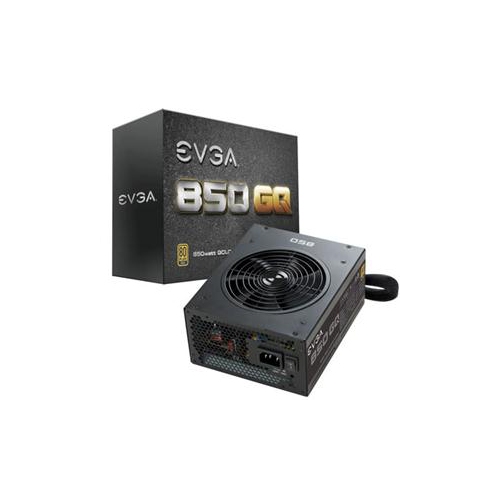 Your price for this item is $279.68
 -
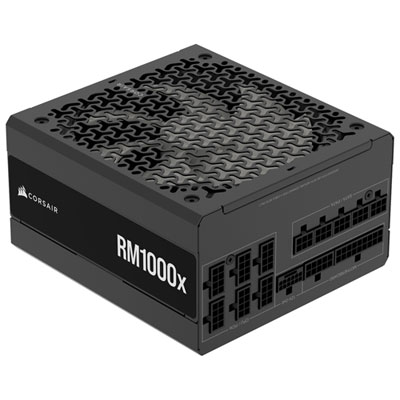 Your price for this item is $234.98
 -
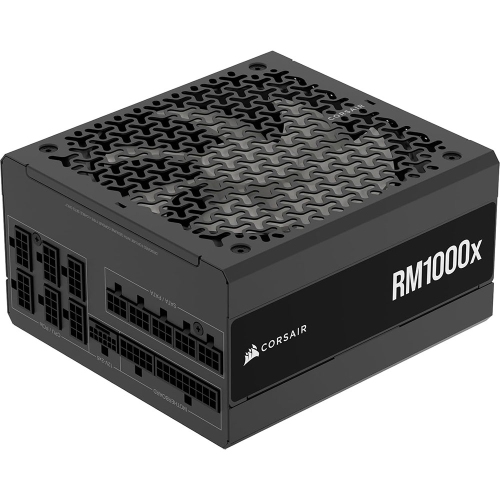 Your price for this item is $294.99
 -
 Your price for this item is $99.95
 -
 Your price for this item is $209.99
 -
 Your price for this item is $199.99
 -
 Your price for this item is $60.47
 -
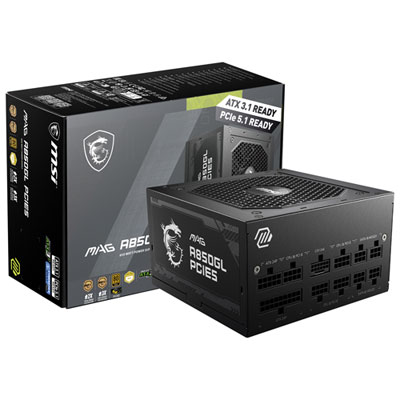 Your price for this item is $144.98
Discover more categories related to Server Power Supplies
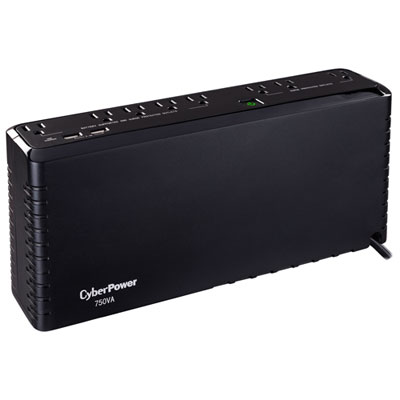
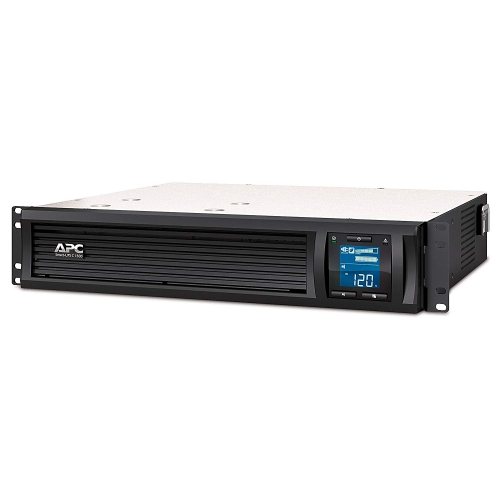
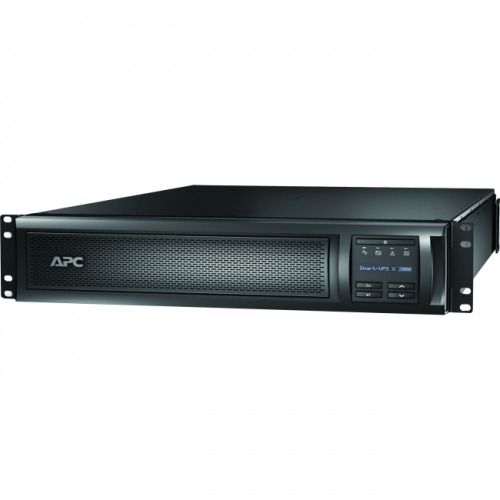
Top Collections:
Pokemon Centers, Kindle Devices, Best Budget Office Chairs, Apple iPhones 16, Canon G7X Cameras, iPhone 15 Apple, Alarm Clock, Refurbished Apple Laptops, Flip Phones, Best Laptops for Writers
Some products may be subject to Environmental Handling Fees
(EHF) depending on your province.
Learn more about EHFs.