Sma Antennas
Elevate your entertainment experience with our selection of high-quality SMA antennas. Say goodbye to pixelated screens and lagging connections; our SMA antennas are designed to deliver crystal-clear reception and seamless connectivity for all your favorite devices. Explore our range of antennas today and take your entertainment setup to the next level.
Sort
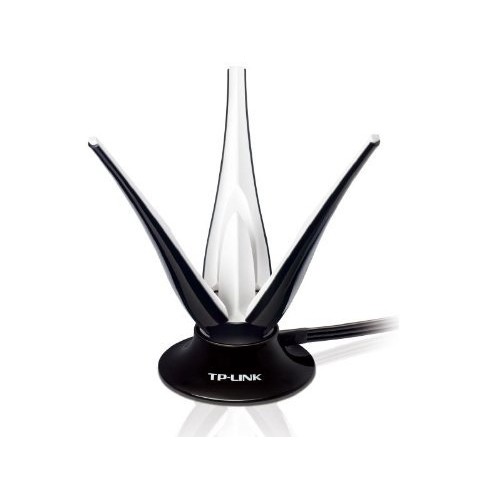
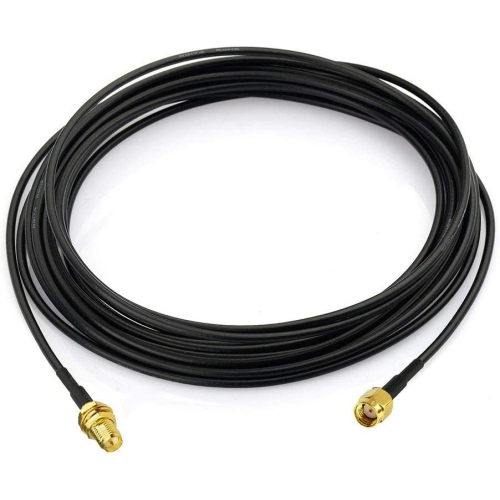
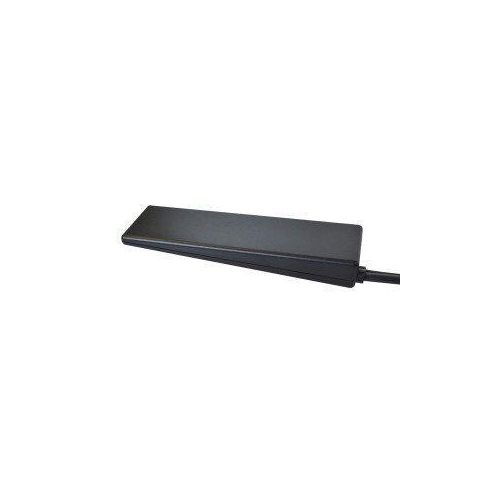
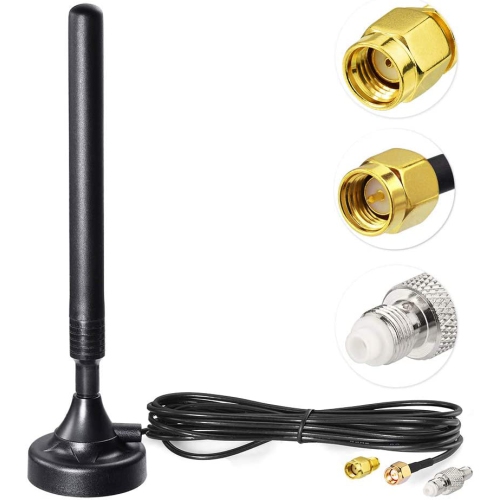
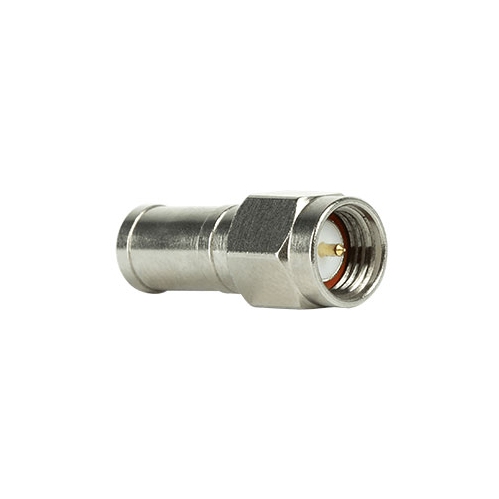
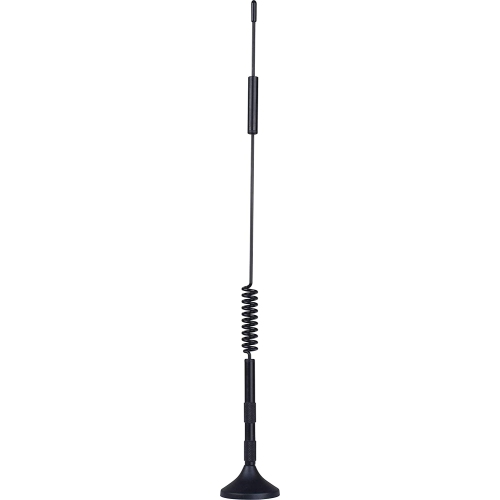
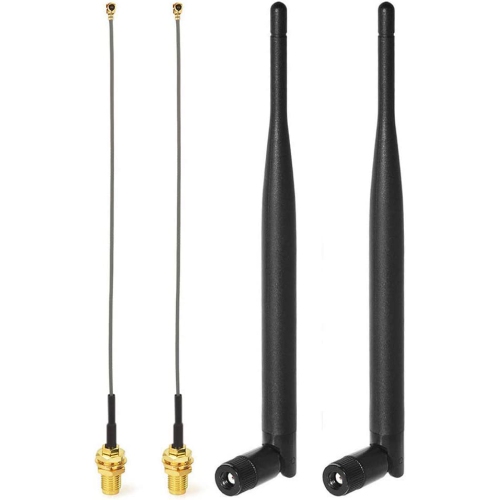

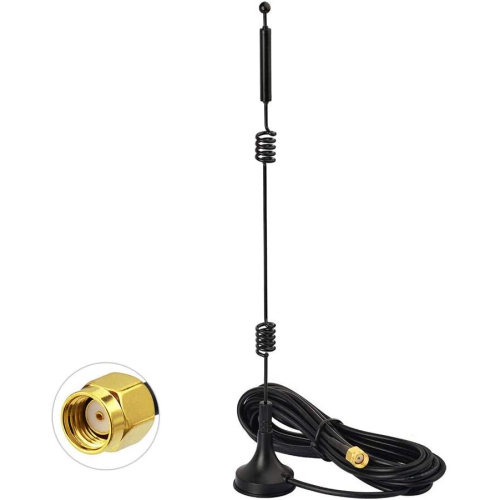
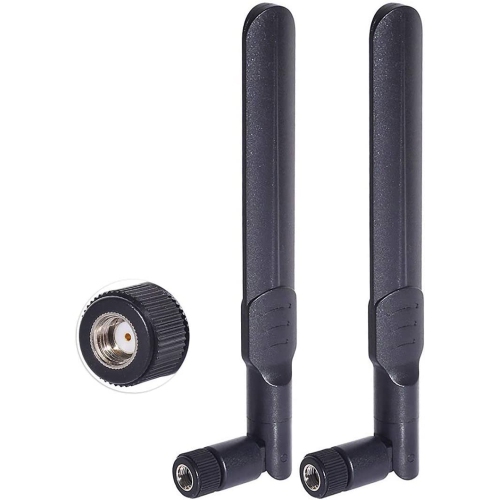
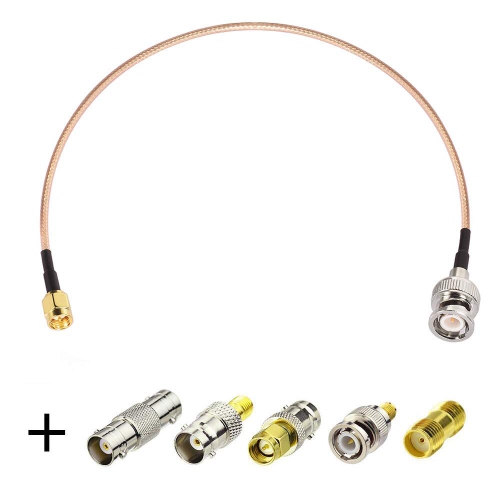
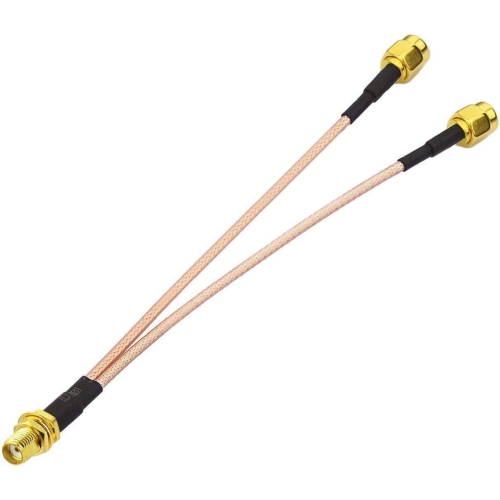
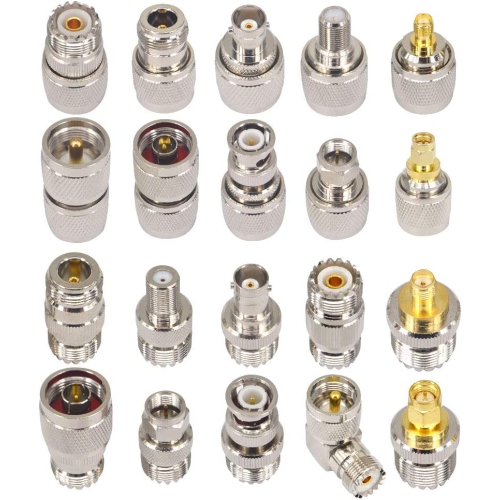
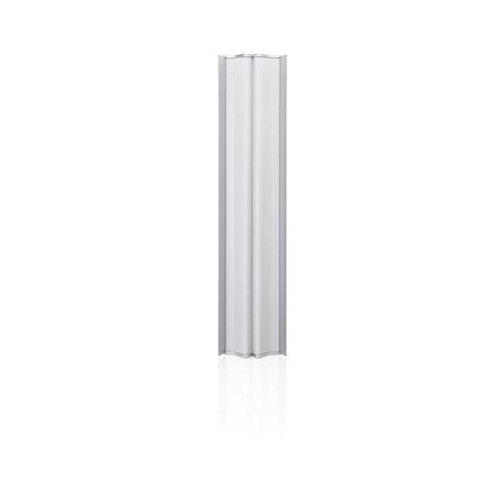
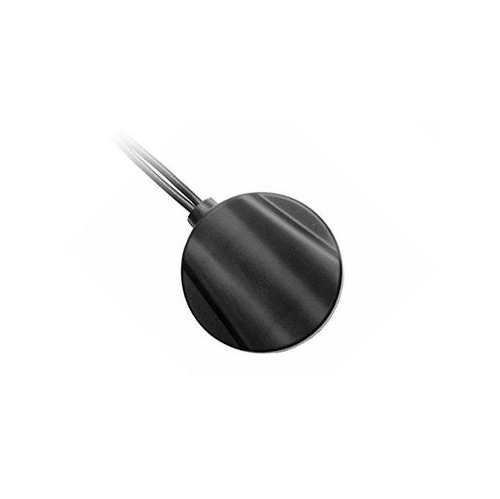
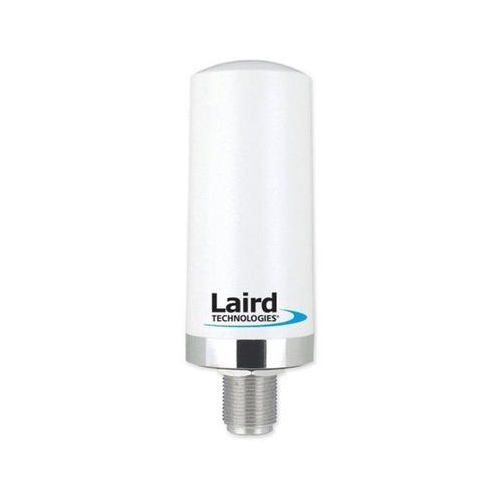
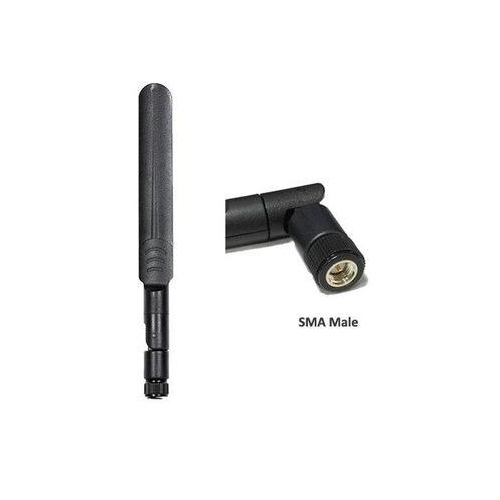
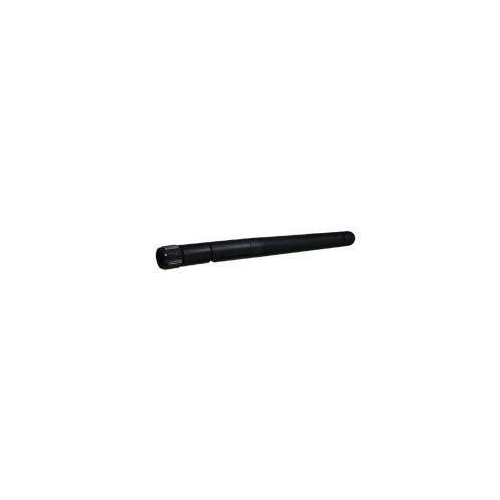
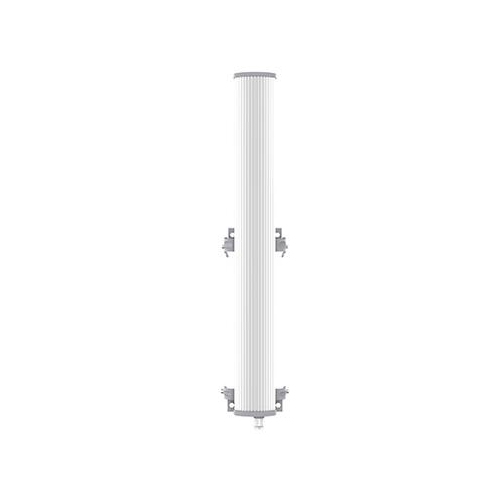
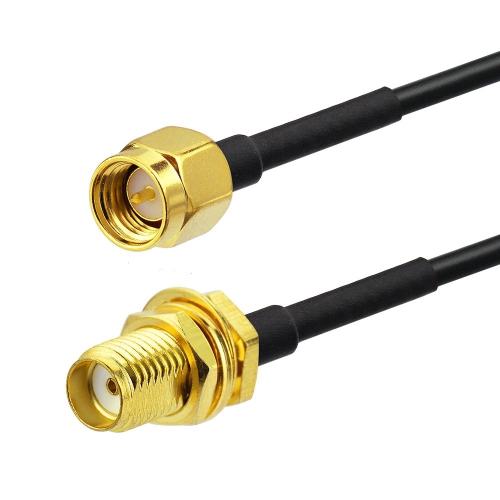
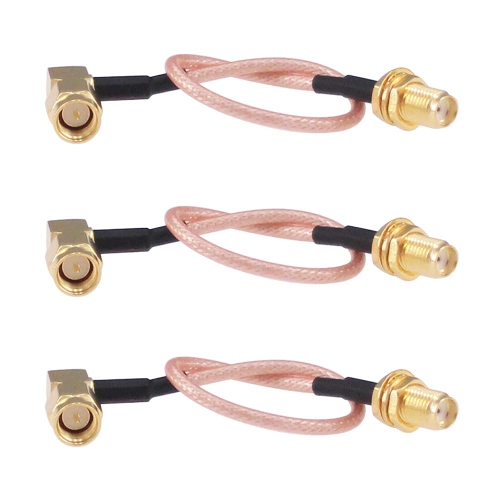
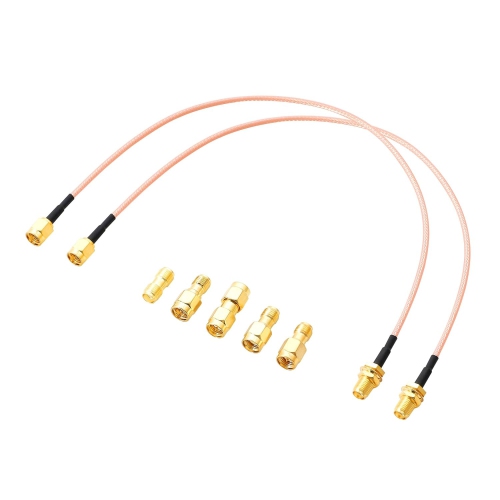

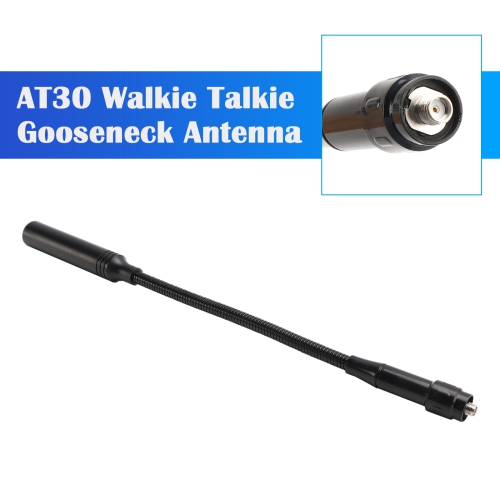
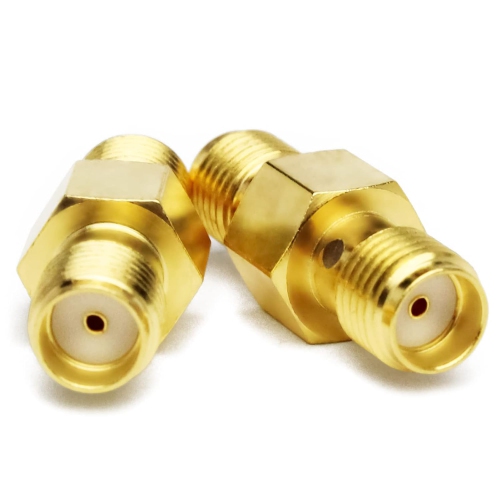
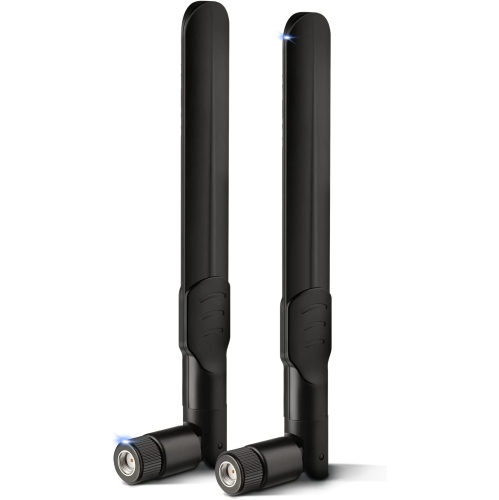
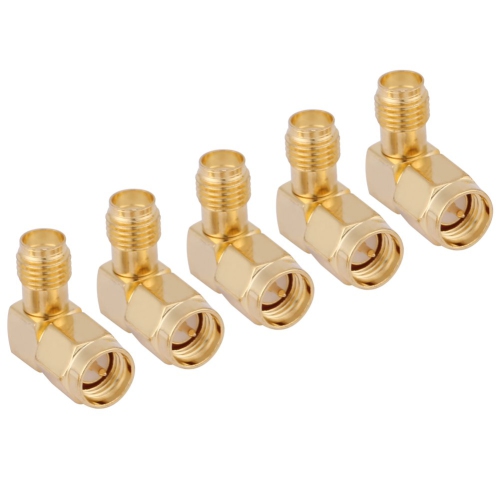
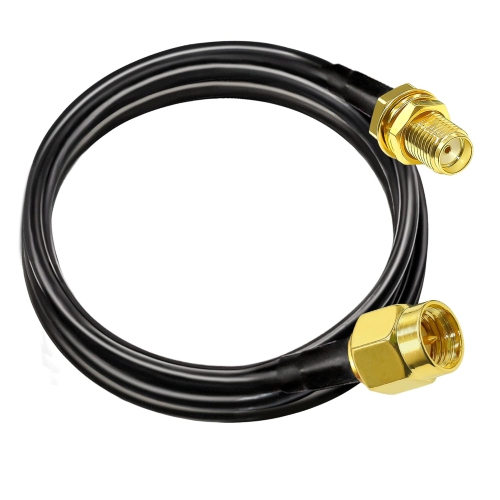
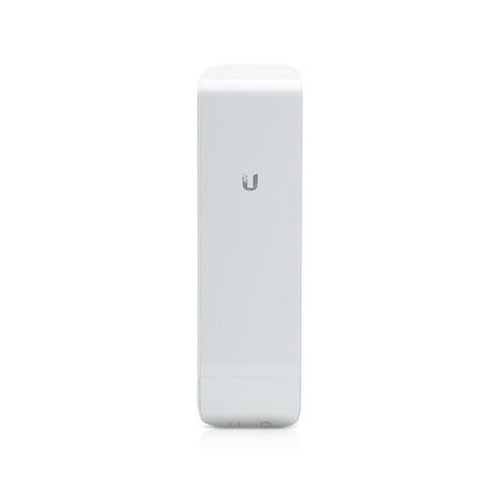
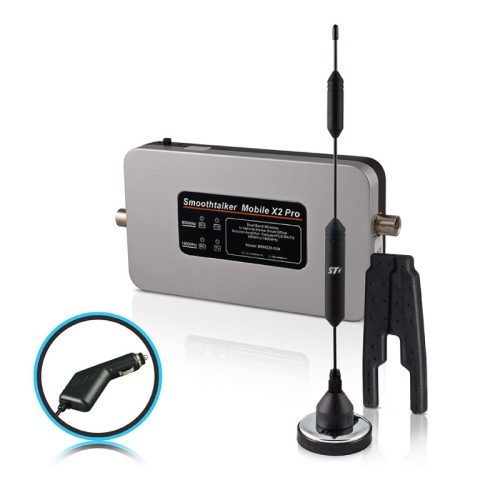
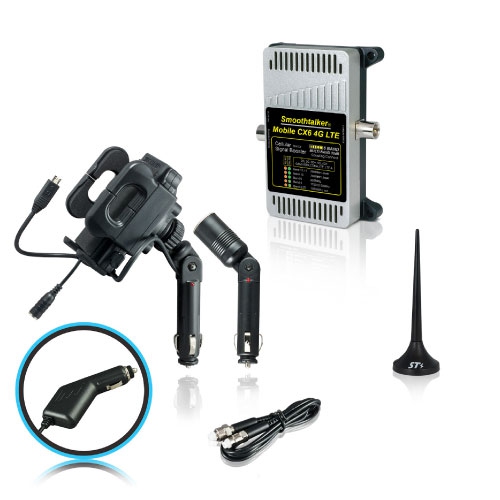
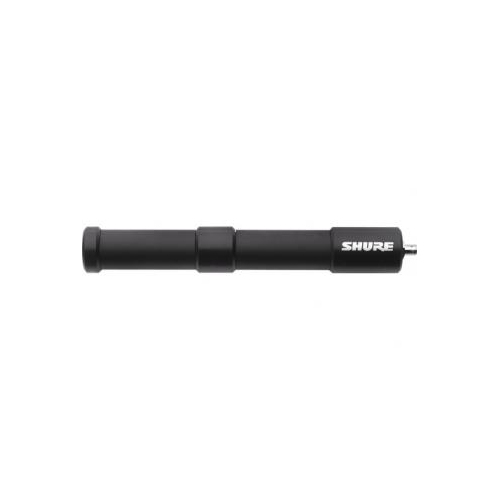
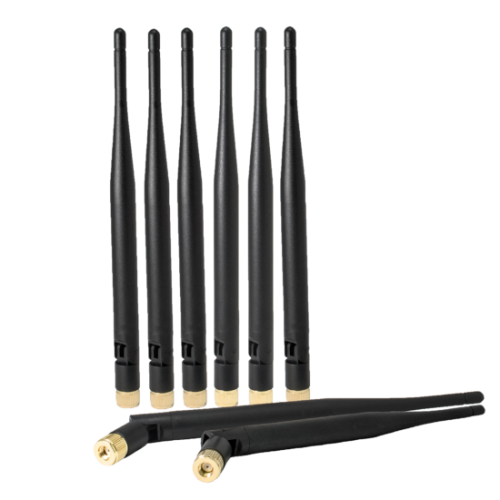
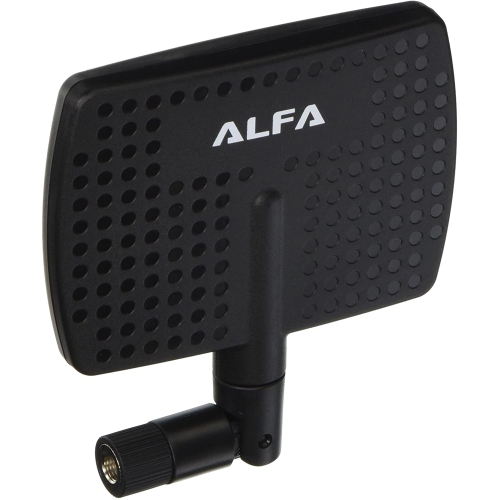
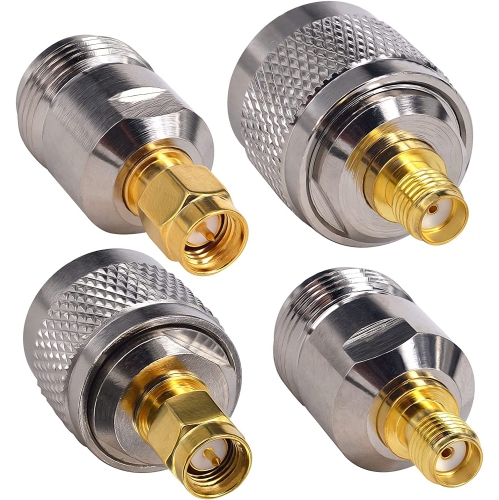
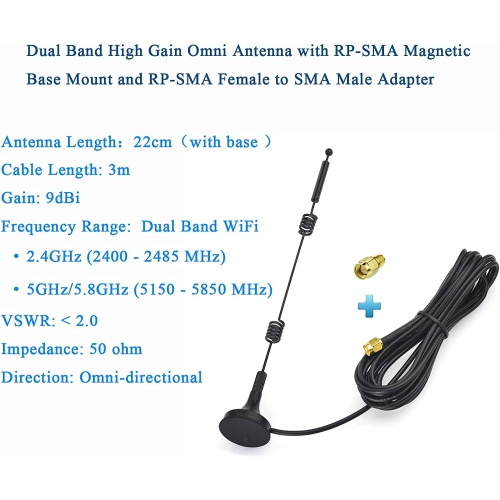
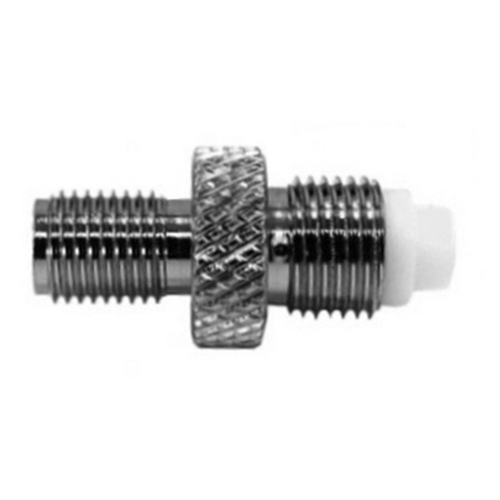
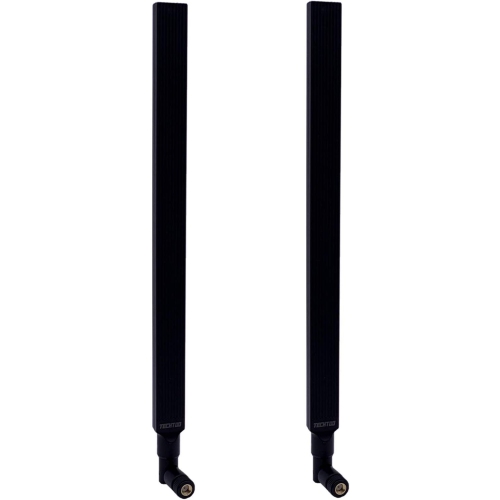
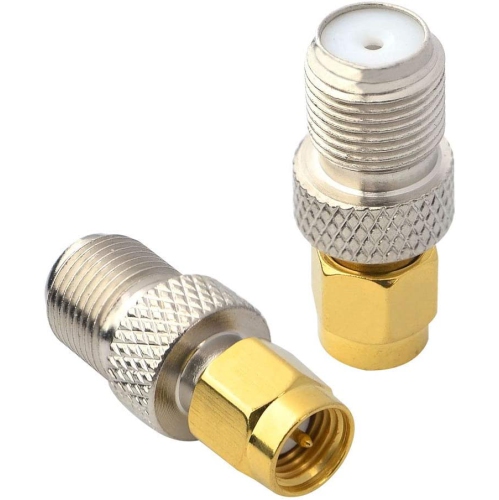
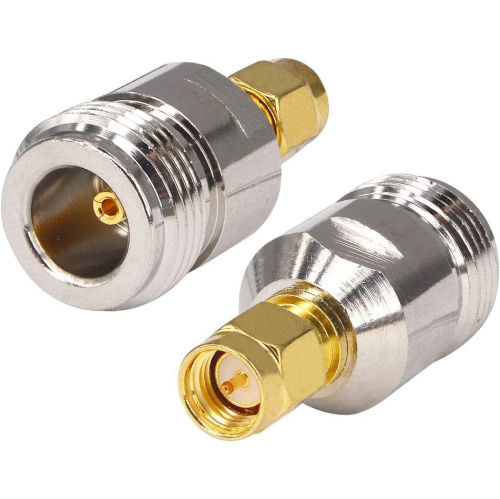
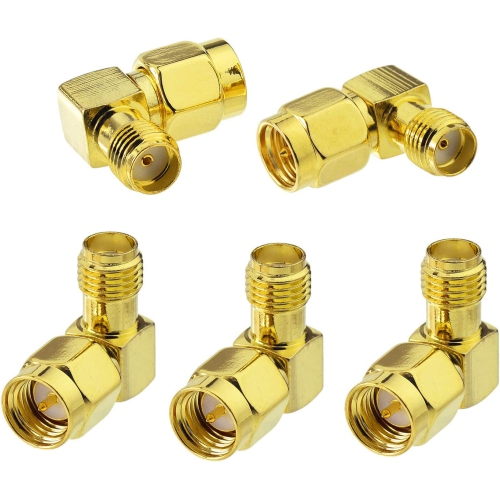
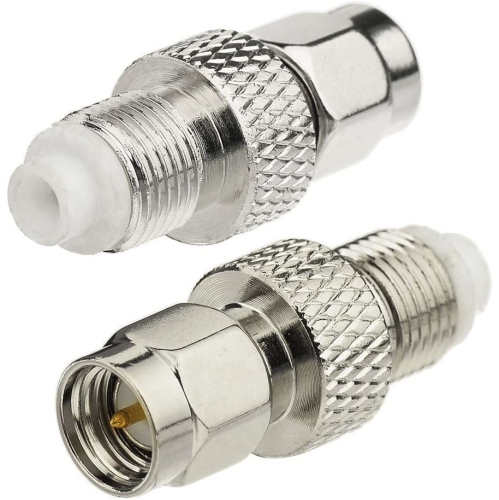
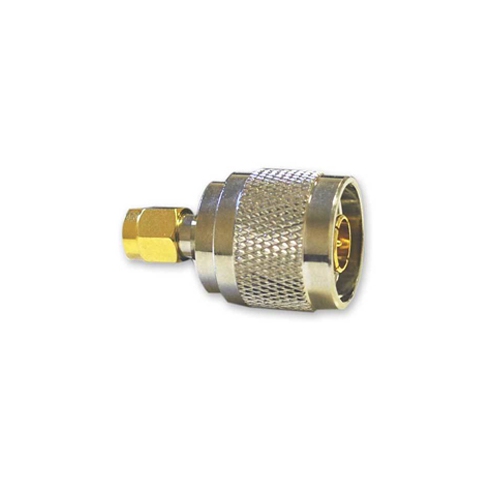
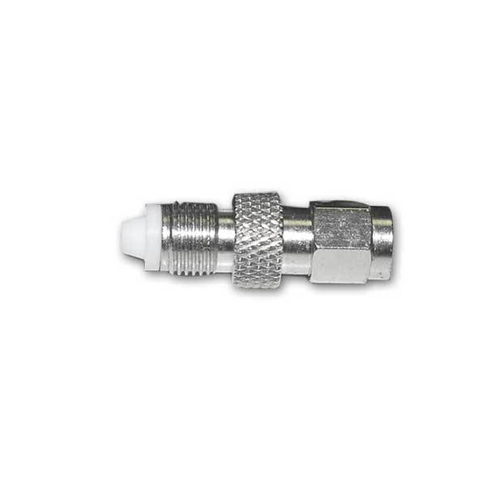
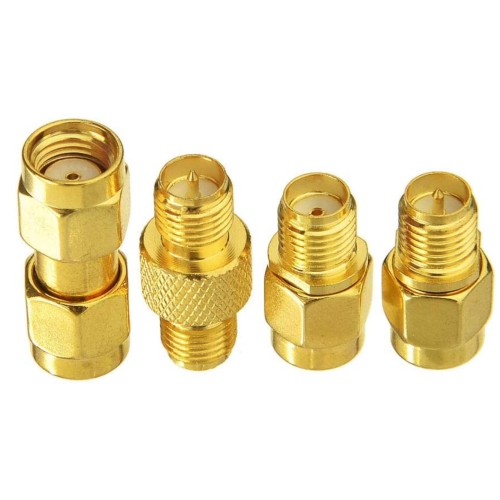
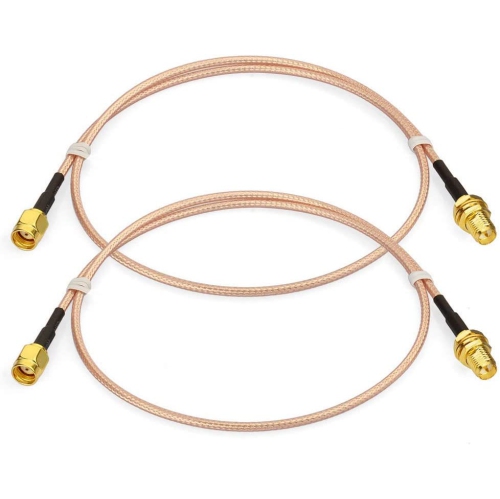
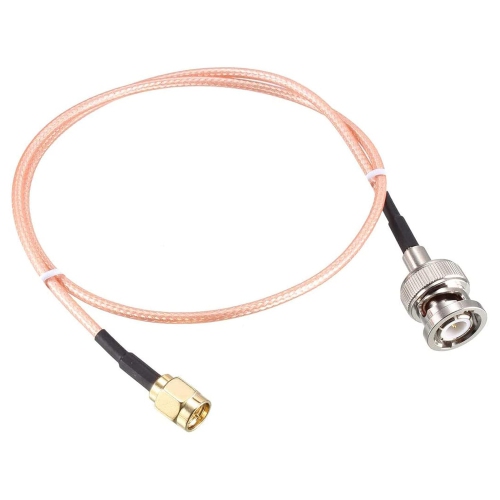
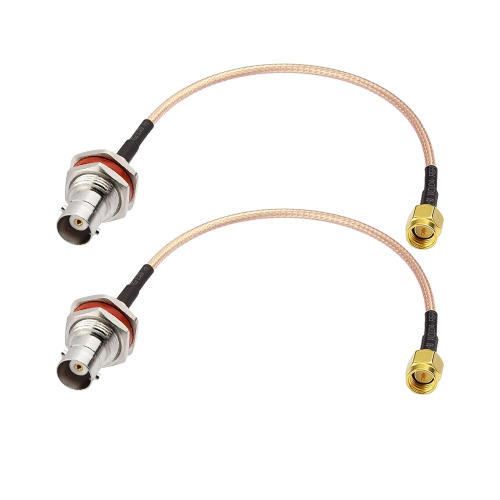
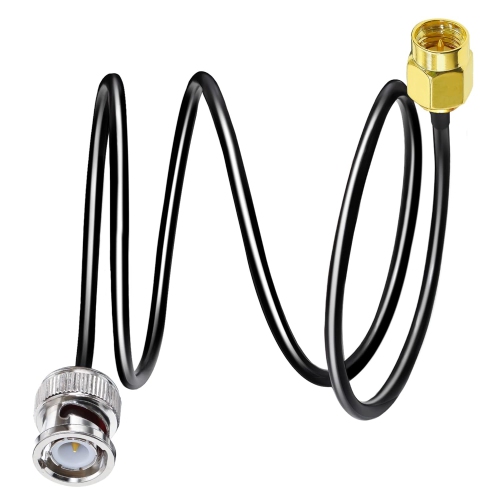
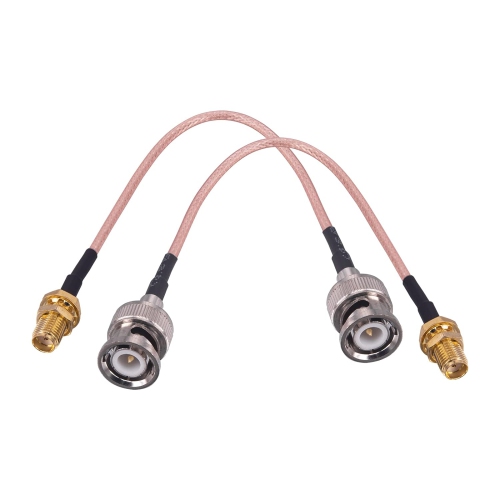
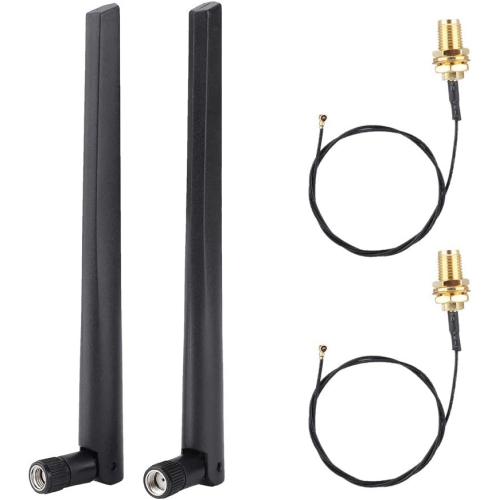
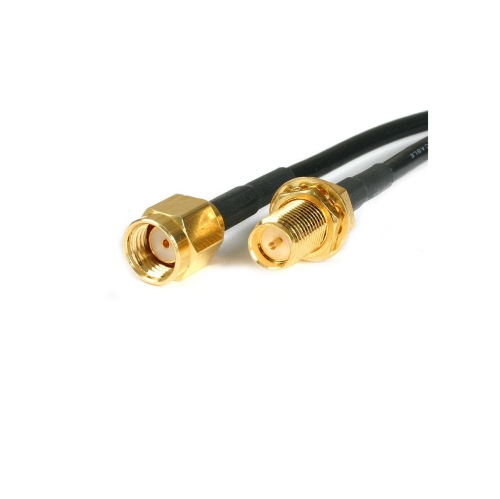
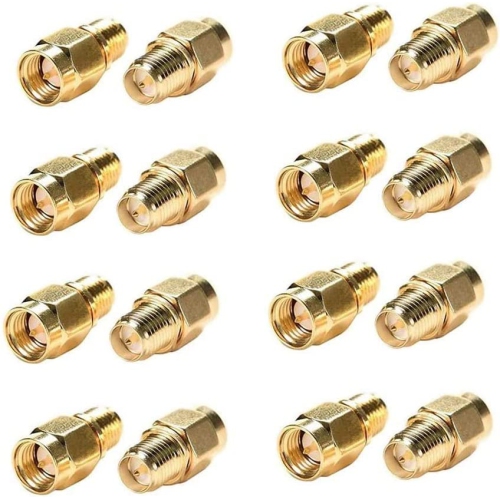
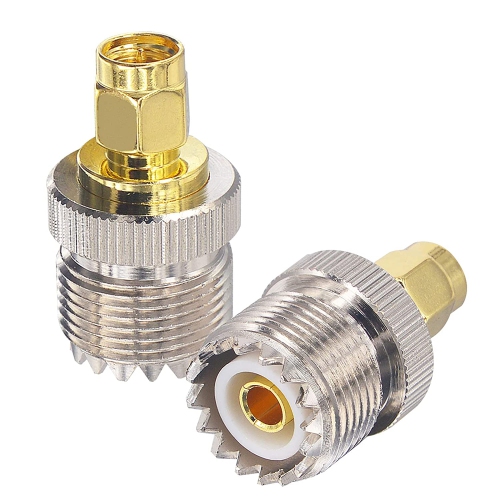
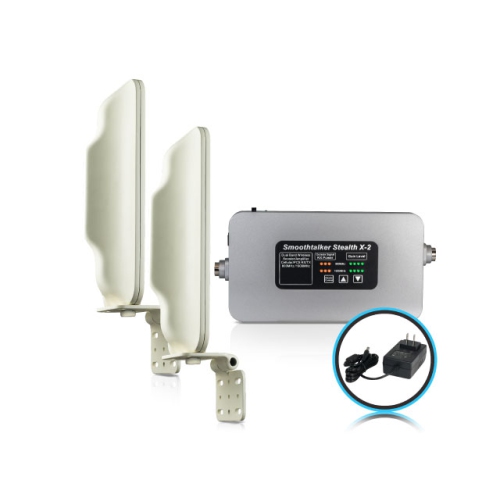
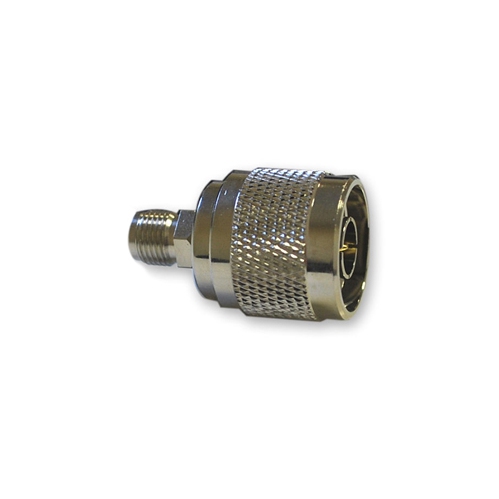
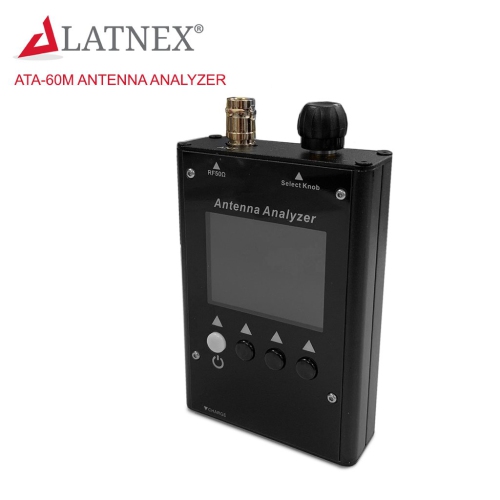
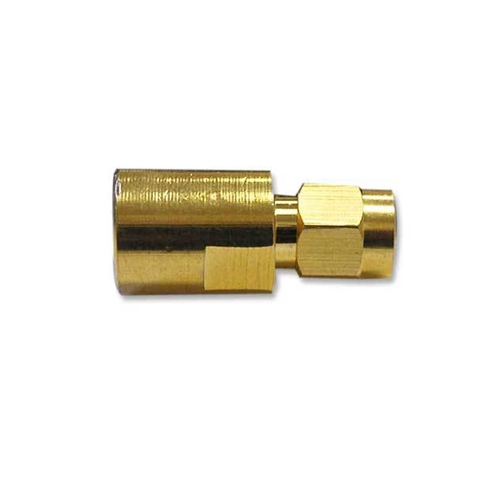
Connector compatibility and frequency support guide your selection
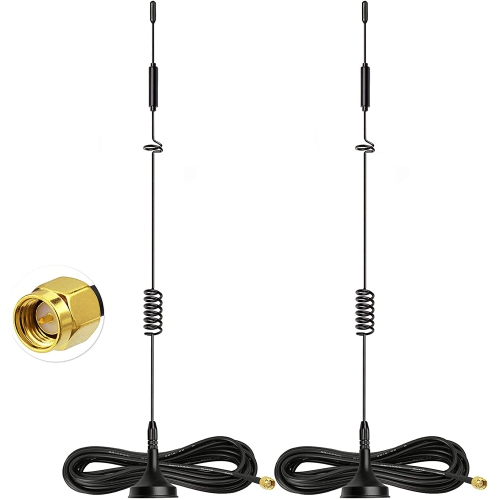
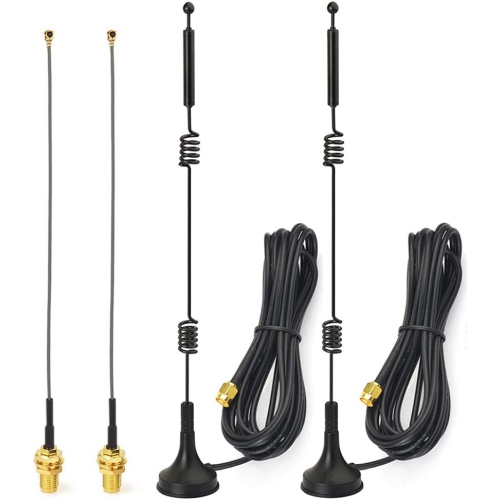
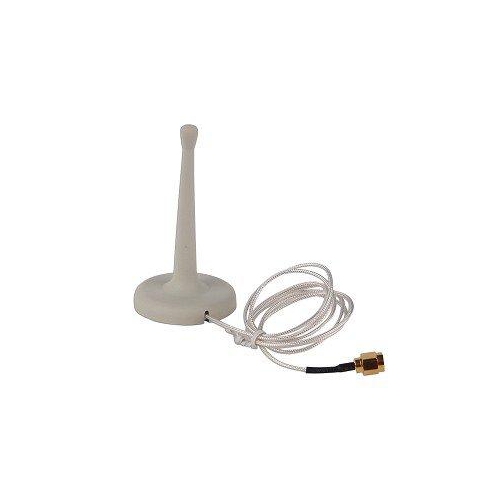
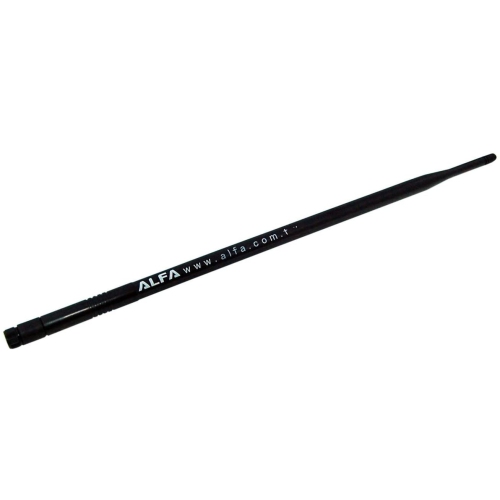
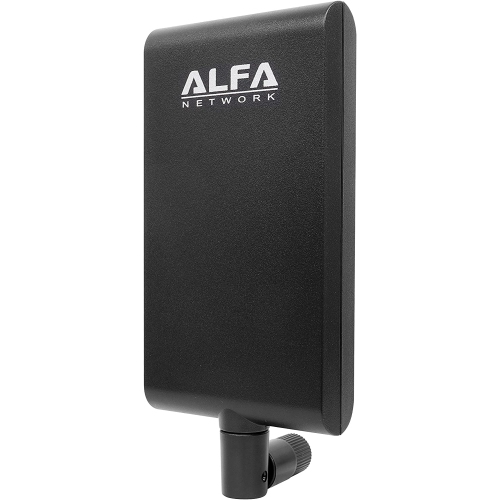
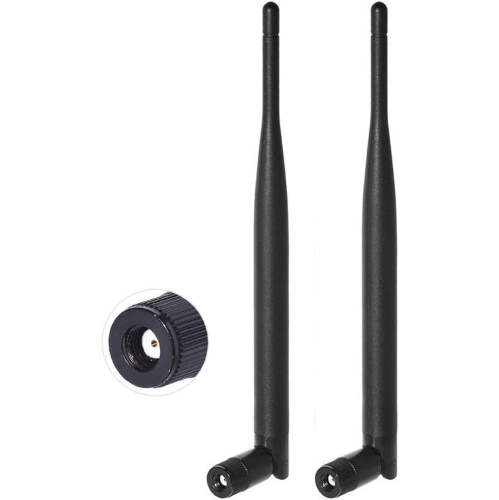
SMA antennas are compact radio-frequency antennas designed to connect to devices that use an SMA coaxial connector. The term SMA refers to “SubMiniature version A,” a threaded connector style commonly found on cellular routers, GPS equipment, remote sensors, amateur radios, vehicle trackers, FPV drone systems, and other wireless communication hardware. Most SMA connections use a 50-ohm impedance, which helps match the antenna to compatible radio equipment and support reliable signal transmission. Their threaded coupling gives the connection a firm fit, making SMA antennas useful in setups that may be moved, handled, or installed in a vehicle, workshop, outdoor enclosure, or equipment cabinet. They are available in several shapes and configurations, including flexible rubber-style antennas for portable devices, articulated antennas that can be angled for better clearance, magnetic-mount antennas for temporary placement, and outdoor-ready antennas intended for installation away from the main device. A small antenna can make a practical gift for a radio hobbyist, electronics enthusiast, maker, drone pilot, or anyone setting up a home monitoring system, provided the connector and frequency range match the equipment they already own. They can also be helpful when replacing a damaged antenna, extending the reach of a compatible wireless device, or improving reception in a location where the original antenna is blocked by walls, cabinets, vehicle panels, or other obstacles. For broader antenna browsing, Modern Antennas may also be useful when comparing different antenna types and connection options.
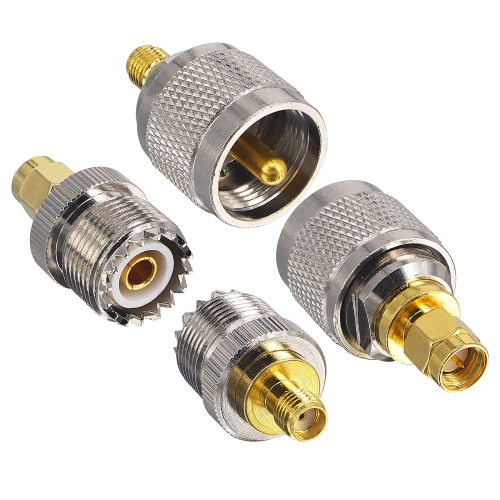
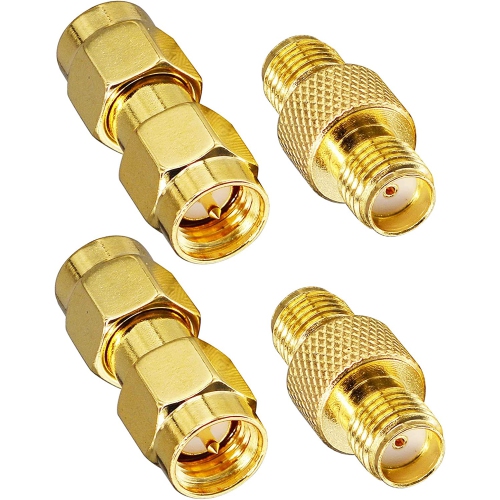
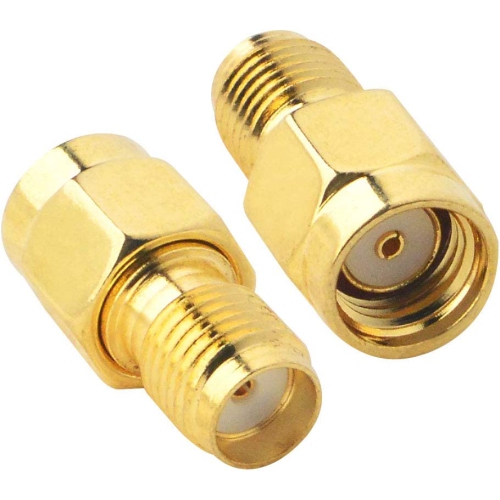
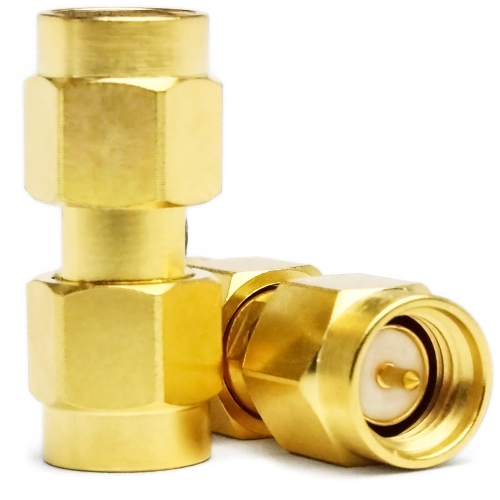
Connector compatibility is one of the most important details to check before choosing an SMA antenna. Standard SMA and reverse-polarity SMA, often written as RP-SMA, use the same threaded outer dimensions but have different centre contacts. A standard SMA male connector has a centre pin inside the threaded barrel, while a standard SMA female connector has a centre receptacle and external threads. RP-SMA reverses those centre-contact arrangements, so an antenna may appear to fit the threads yet still fail to connect correctly. An adapter can sometimes resolve a mismatch, but selecting the correct connector type from the start is usually the simplest approach and helps avoid unnecessary signal loss or a loose connection. The device’s manual, port label, technical specifications, or original antenna can provide useful clues, although the connector’s gender and polarity should be confirmed rather than assumed from appearance alone. Frequency support matters just as much. Antennas are designed for particular ranges, such as cellular bands, GPS frequencies, Wi-Fi bands, amateur radio ranges, or FPV video frequencies, and an antenna intended for one application may not perform well with another. Gain, expressed in dBi, can indicate how strongly an antenna focuses available signal, but a higher number is not automatically better in every installation. A high-gain antenna may provide stronger coverage in a particular direction, while a lower-gain or flexible antenna may be more suitable for portable use or areas where signals arrive from several directions. It is also worth checking the antenna’s physical length, mounting method, bendability, cable length, weather rating, and maximum power handling. These details affect whether it will fit neatly behind a router, sit securely on a vehicle roof, reach an outdoor mast, or withstand regular handling.
SMA antennas are used in many everyday and specialist situations. A cellular router or gateway may use an external antenna to position the receiving element closer to a window or in a clearer location, which can be helpful in a home office, cottage, trailer, or remote workspace. A GPS receiver or vehicle tracker may use a magnetic or remote-mounted antenna so it can be placed with a clearer view of the sky rather than hidden behind dense interior materials. Amateur radio users often choose replacement or upgraded antennas for handheld radios, portable field stations, or compact base setups, with the correct frequency range and connector taking priority over appearance. In FPV and radio-controlled equipment, antennas can be exposed to vibration, impacts, and frequent repositioning, so a durable design and secure connection are especially valuable. Before installation, turn off the equipment when practical, keep the connector clean, and tighten it by hand without forcing the threads. Avoid sharply bending the cable or using the antenna as a handle, since stress at the connector can affect performance over time. Indoor antennas are convenient for desks, shelves, and temporary arrangements, while magnetic-mount or outdoor designs can offer more placement flexibility when the device is inside a vehicle or building. During the warmer seasons, portable setups may travel to campsites, cottages, and outdoor work areas; during cooler months, a compact replacement antenna can be a straightforward way to maintain a radio, router, or monitoring system without changing the rest of the equipment. Comparing the device type, connector style, supported frequencies, mounting location, cable requirements, and intended environment will help narrow the selection to an SMA antenna that fits both the hardware and the way it will be used.
Connector compatibility is one of the most important details to check before choosing an SMA antenna. Standard SMA and reverse-polarity SMA, often written as RP-SMA, use the same threaded outer dimensions but have different centre contacts. A standard SMA male connector has a centre pin inside the threaded barrel, while a standard SMA female connector has a centre receptacle and external threads. RP-SMA reverses those centre-contact arrangements, so an antenna may appear to fit the threads yet still fail to connect correctly. An adapter can sometimes resolve a mismatch, but selecting the correct connector type from the start is usually the simplest approach and helps avoid unnecessary signal loss or a loose connection. The device’s manual, port label, technical specifications, or original antenna can provide useful clues, although the connector’s gender and polarity should be confirmed rather than assumed from appearance alone. Frequency support matters just as much. Antennas are designed for particular ranges, such as cellular bands, GPS frequencies, Wi-Fi bands, amateur radio ranges, or FPV video frequencies, and an antenna intended for one application may not perform well with another. Gain, expressed in dBi, can indicate how strongly an antenna focuses available signal, but a higher number is not automatically better in every installation. A high-gain antenna may provide stronger coverage in a particular direction, while a lower-gain or flexible antenna may be more suitable for portable use or areas where signals arrive from several directions. It is also worth checking the antenna’s physical length, mounting method, bendability, cable length, weather rating, and maximum power handling. These details affect whether it will fit neatly behind a router, sit securely on a vehicle roof, reach an outdoor mast, or withstand regular handling.
SMA antennas are used in many everyday and specialist situations. A cellular router or gateway may use an external antenna to position the receiving element closer to a window or in a clearer location, which can be helpful in a home office, cottage, trailer, or remote workspace. A GPS receiver or vehicle tracker may use a magnetic or remote-mounted antenna so it can be placed with a clearer view of the sky rather than hidden behind dense interior materials. Amateur radio users often choose replacement or upgraded antennas for handheld radios, portable field stations, or compact base setups, with the correct frequency range and connector taking priority over appearance. In FPV and radio-controlled equipment, antennas can be exposed to vibration, impacts, and frequent repositioning, so a durable design and secure connection are especially valuable. Before installation, turn off the equipment when practical, keep the connector clean, and tighten it by hand without forcing the threads. Avoid sharply bending the cable or using the antenna as a handle, since stress at the connector can affect performance over time. Indoor antennas are convenient for desks, shelves, and temporary arrangements, while magnetic-mount or outdoor designs can offer more placement flexibility when the device is inside a vehicle or building. During the warmer seasons, portable setups may travel to campsites, cottages, and outdoor work areas; during cooler months, a compact replacement antenna can be a straightforward way to maintain a radio, router, or monitoring system without changing the rest of the equipment. Comparing the device type, connector style, supported frequencies, mounting location, cable requirements, and intended environment will help narrow the selection to an SMA antenna that fits both the hardware and the way it will be used.
Top selling and popular products
-
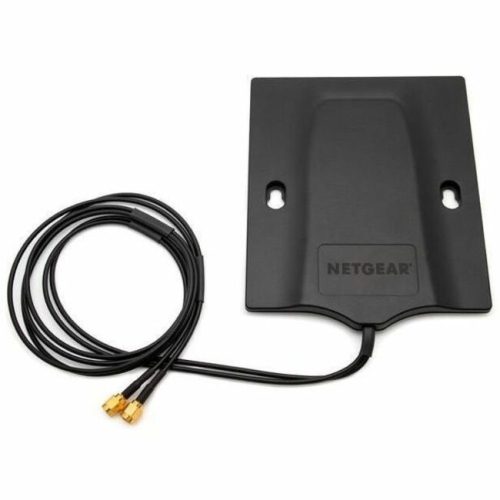 Your price for this item is $100.34
 -
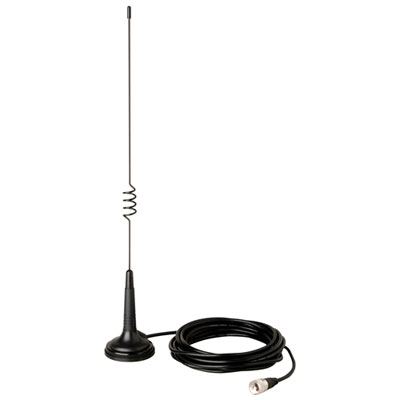 Your price for this item is $59.99
 -
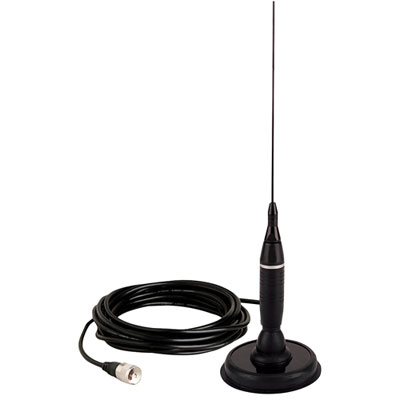 Your price for this item is $69.99
 -
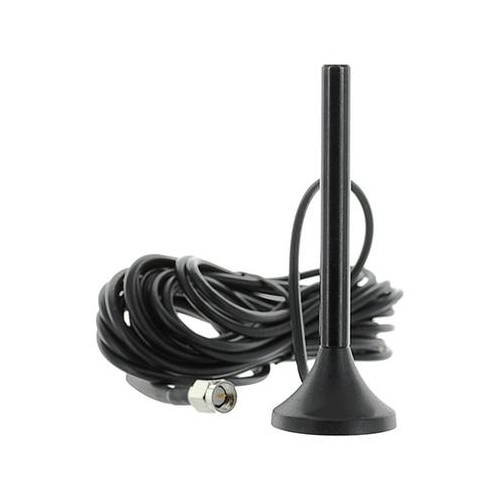 Your price for this item is $39.99
 -
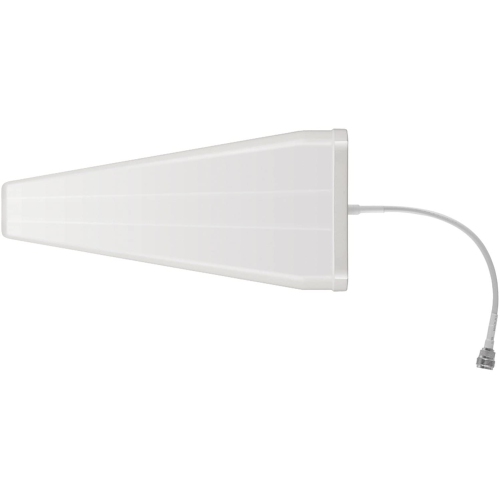 Your price for this item is $144.99
 -
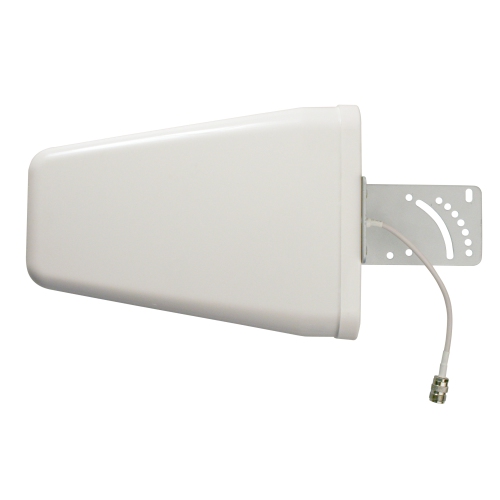 Your price for this item is $129.99
 -
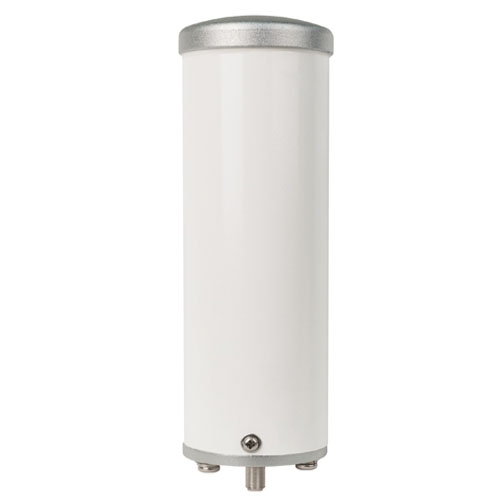 Your price for this item is $139.99
 -
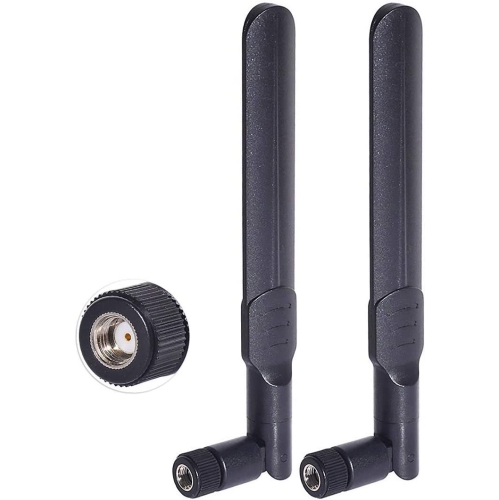 Your price for this item is $14.49
Discover more categories related to Sma Antennas
Top Collections:
Pokemon Centers, Kindle Devices, Best Budget Office Chairs, Apple iPhones 16, Canon G7X Cameras, iPhone 15 Apple, Alarm Clock, Refurbished Apple Laptops, Flip Phones, Best Laptops for Writers
Some products may be subject to Environmental Handling Fees
(EHF) depending on your province.
Learn more about EHFs.