High Gain Antennas
Looking to boost your signal strength and improve your reception? Look no further than our selection of high-gain antennas. These powerful devices are designed to enhance the performance of your electronics, allowing you to enjoy clearer audio, sharper video, and faster data speeds. Whether you're struggling with weak Wi-Fi signals, poor TV reception, or spotty cellular coverage, high-gain antennas are here to help. Here are some great options available.
Sort
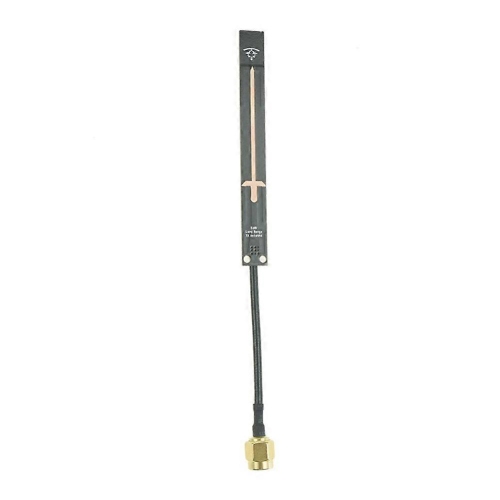
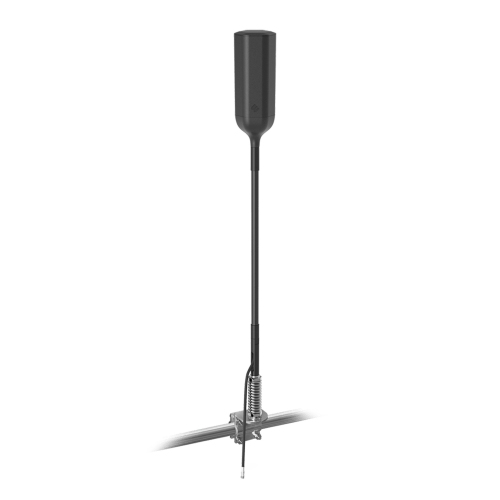
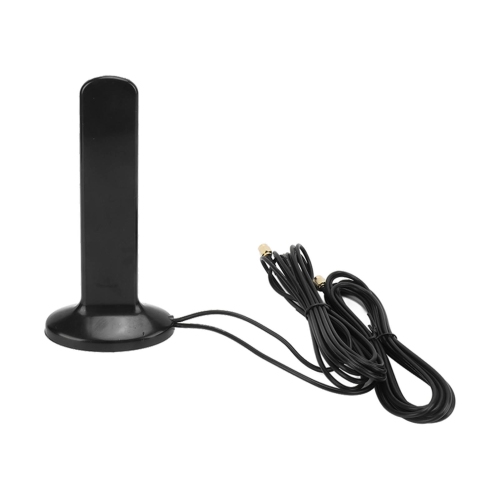
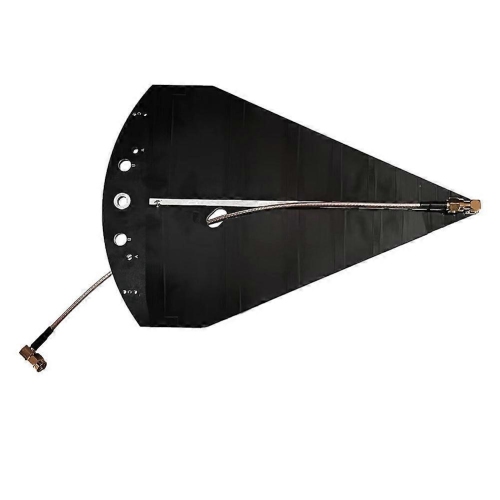
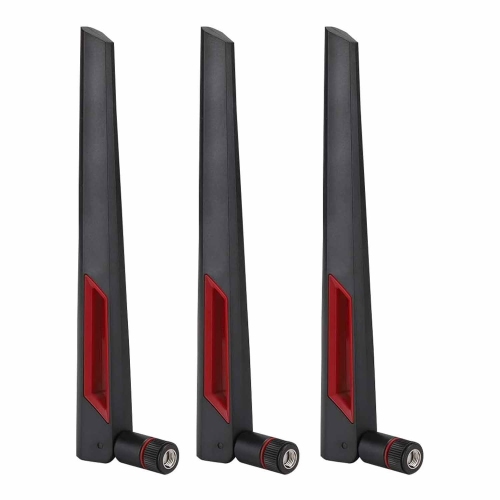
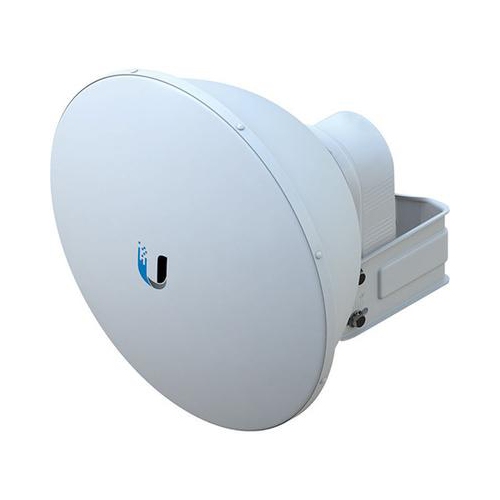
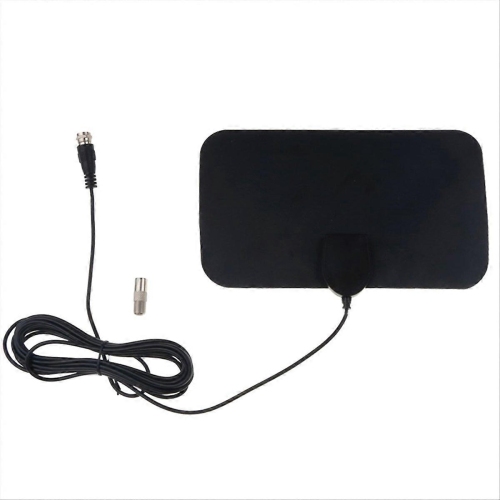
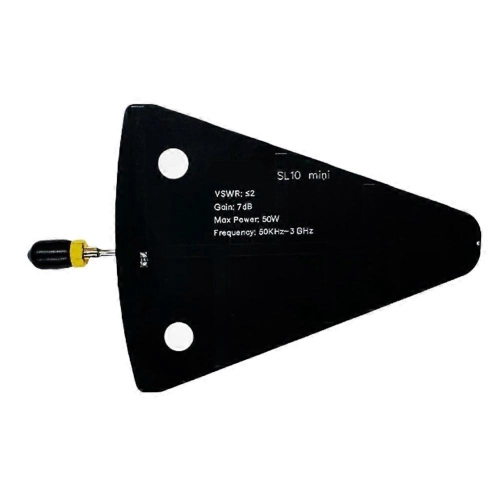
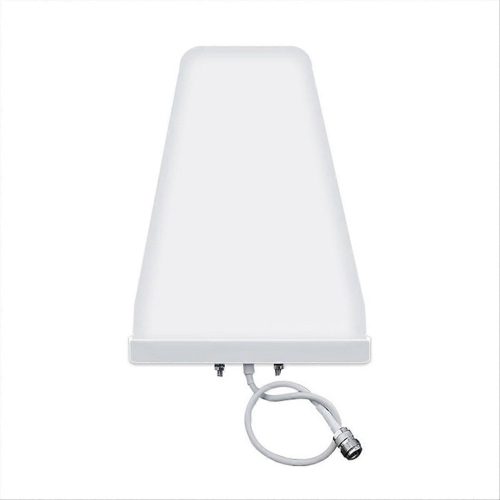
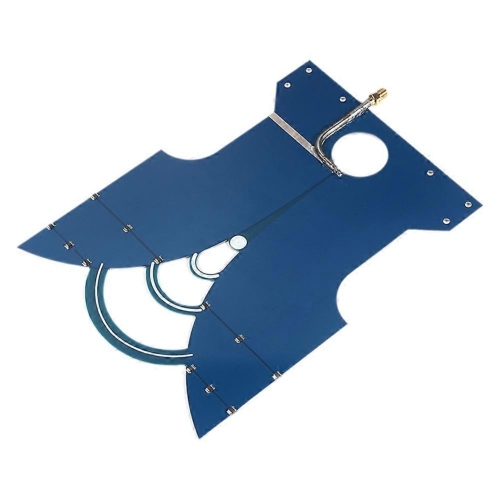
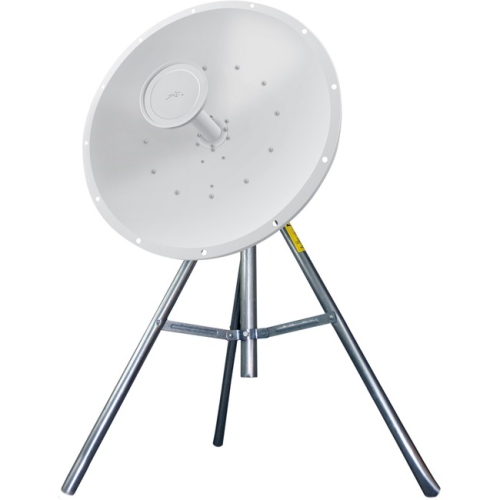
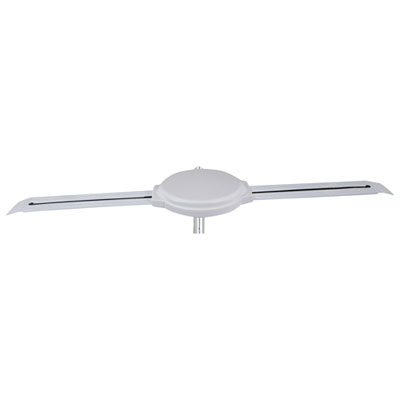
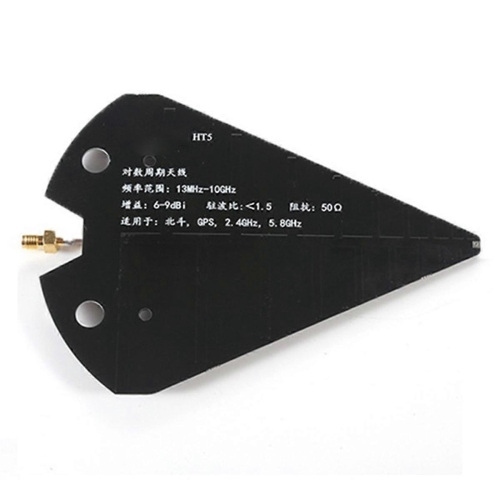
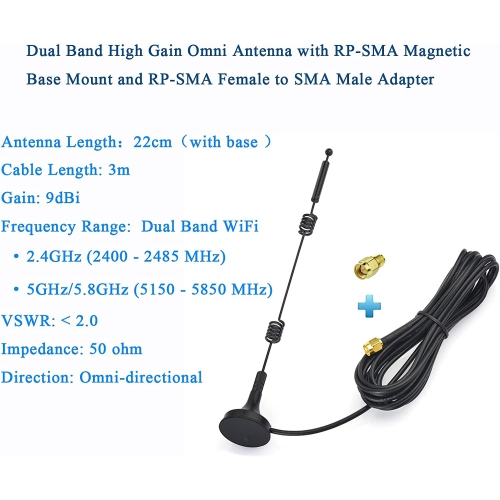
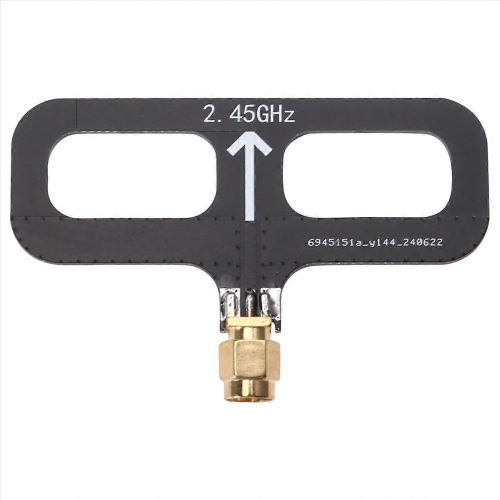
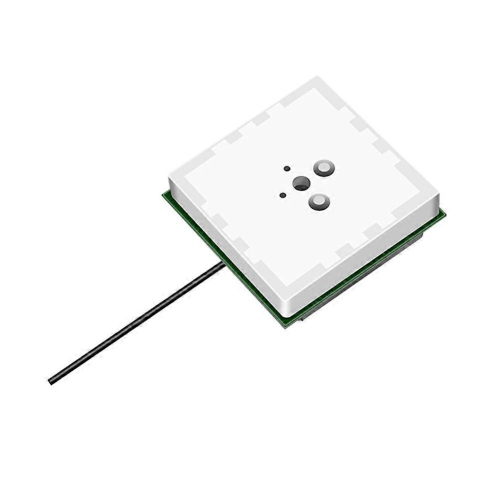
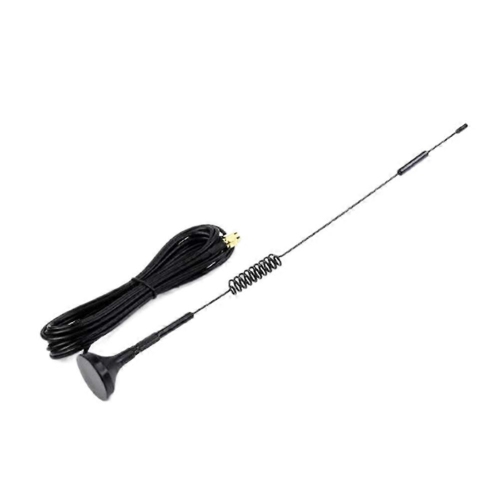
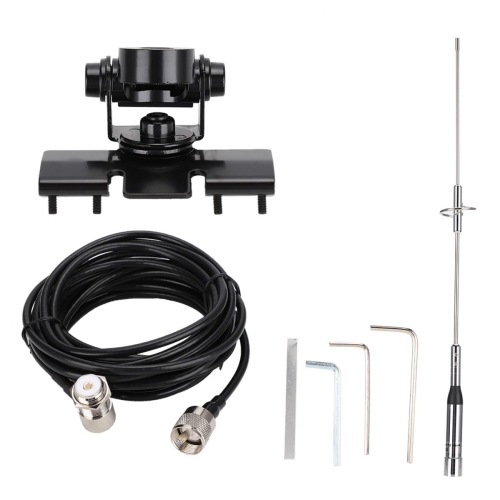
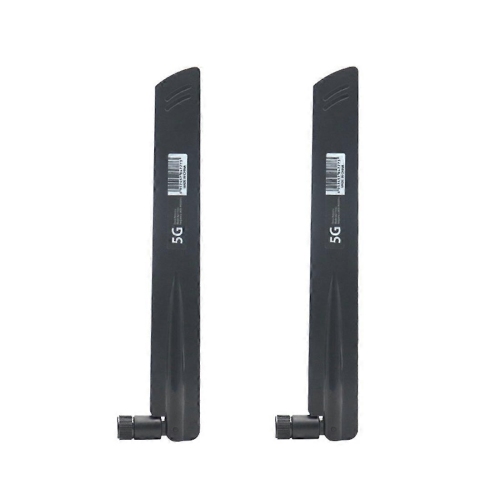
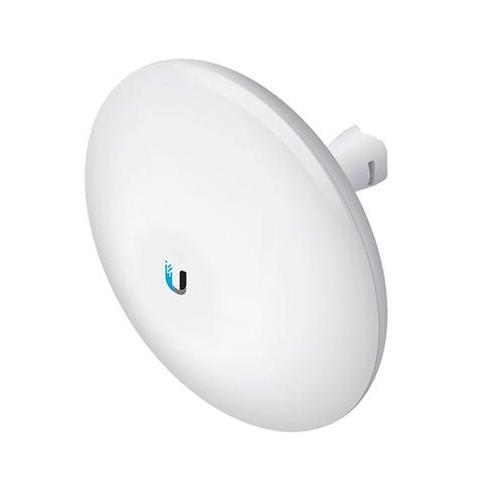

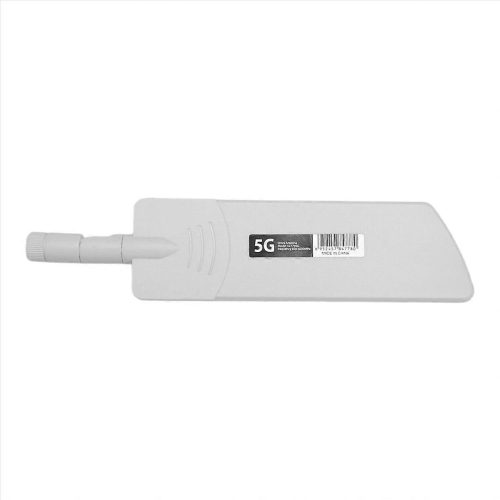
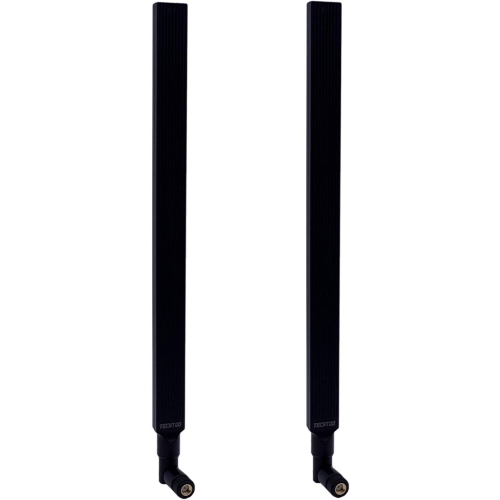
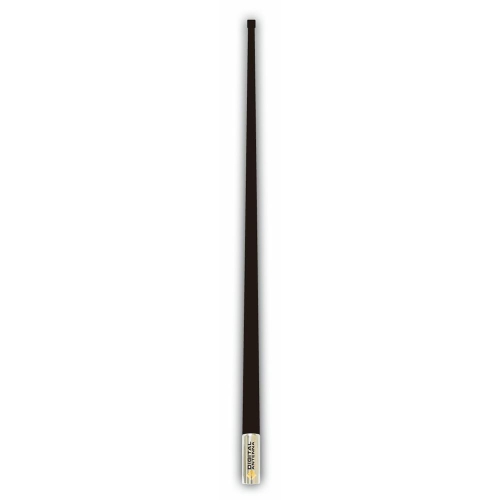
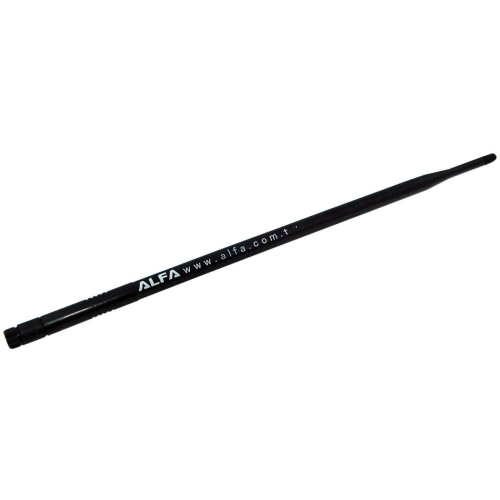
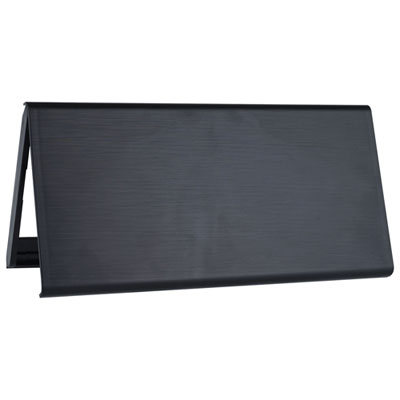

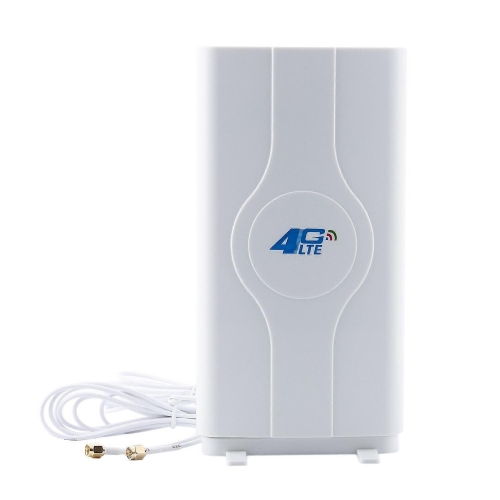
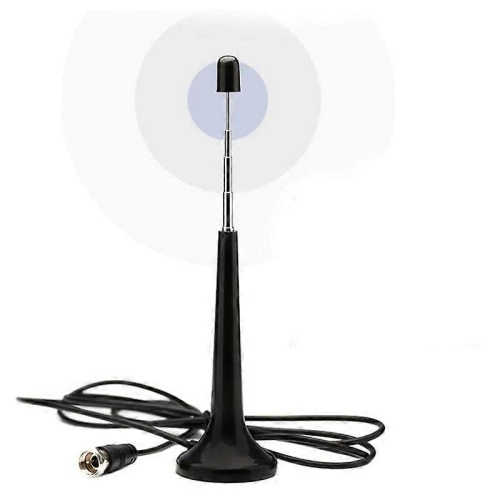
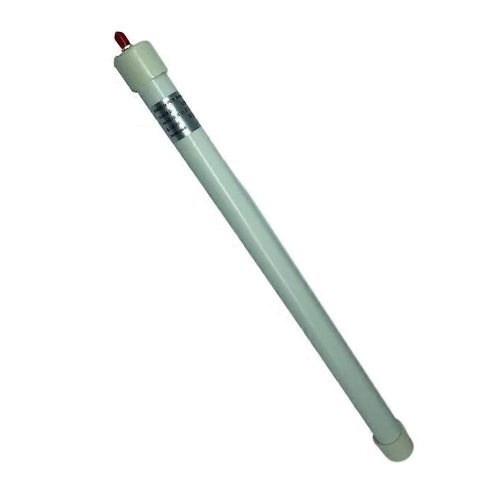
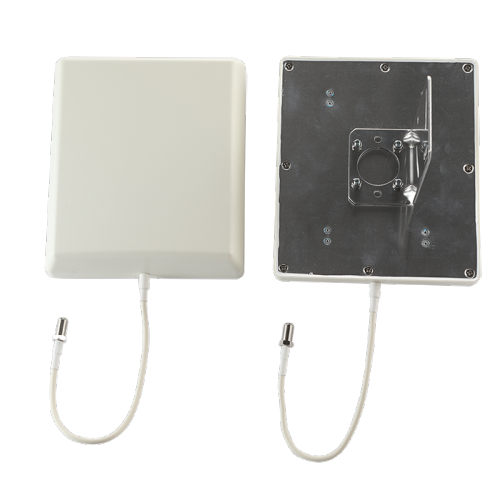
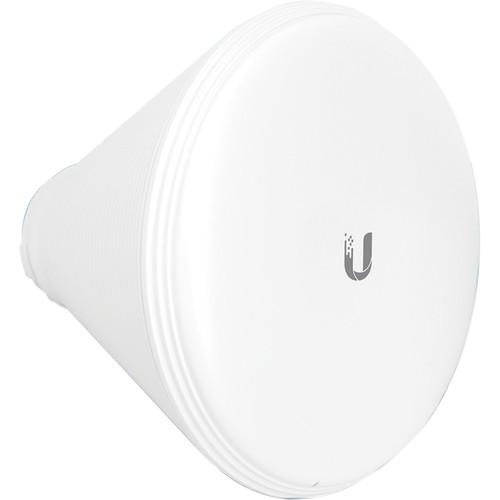
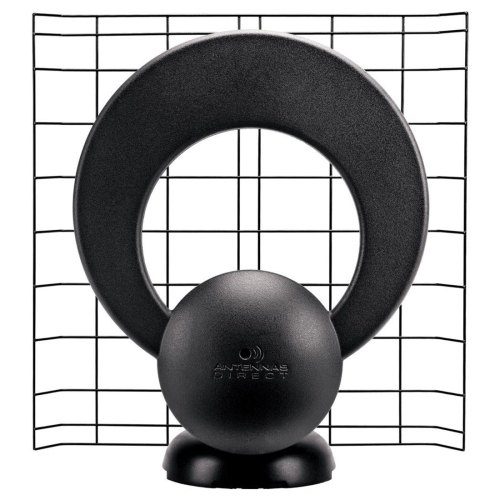
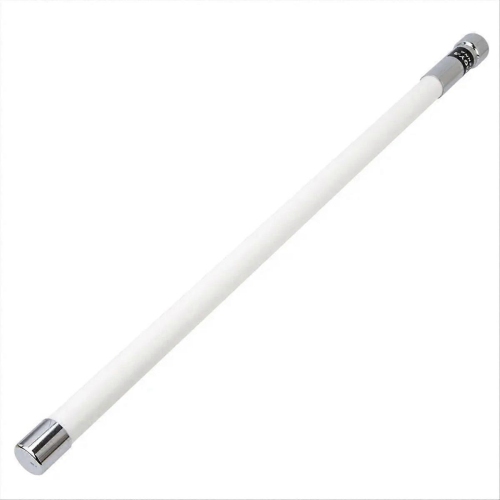
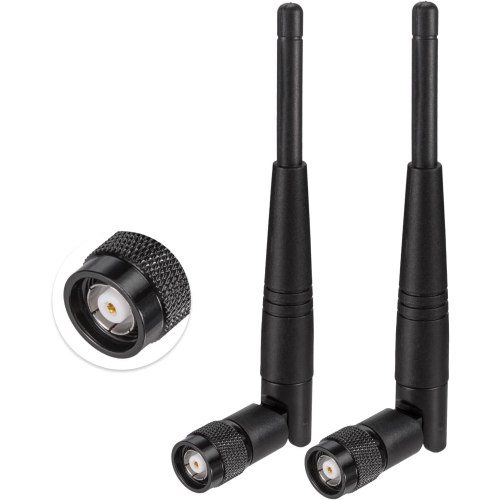
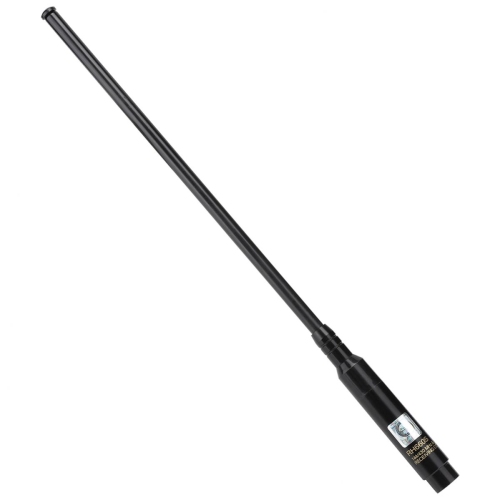
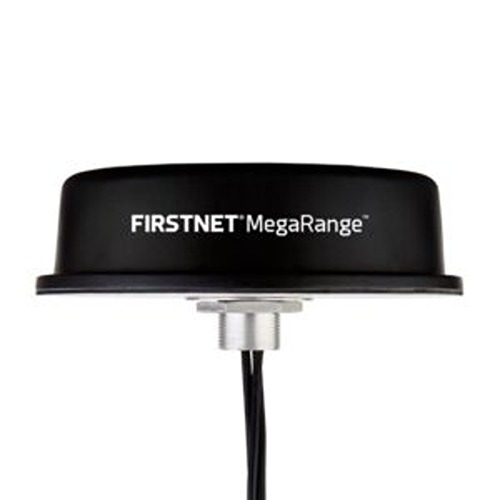
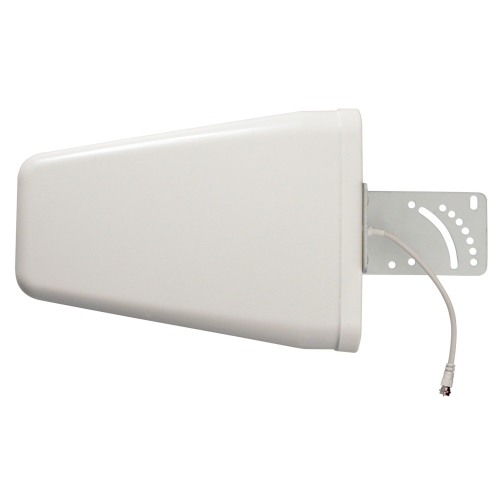
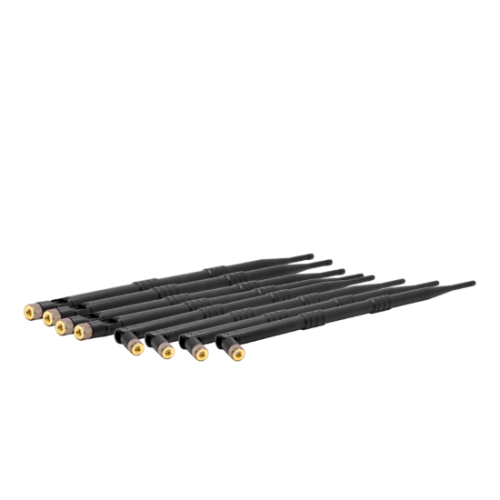
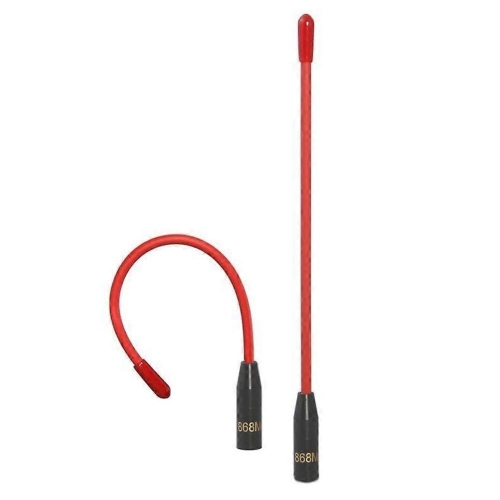
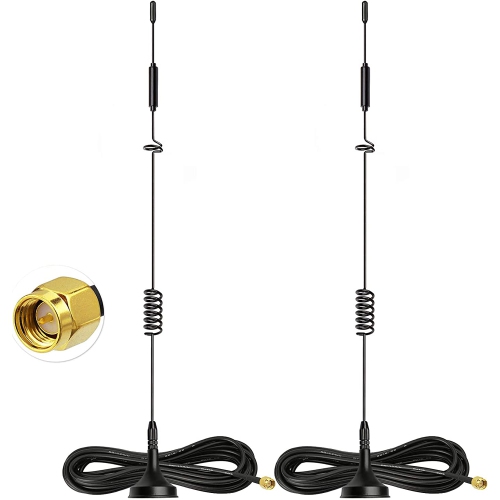
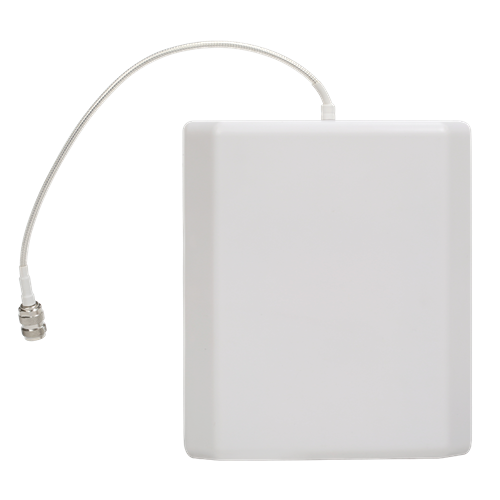
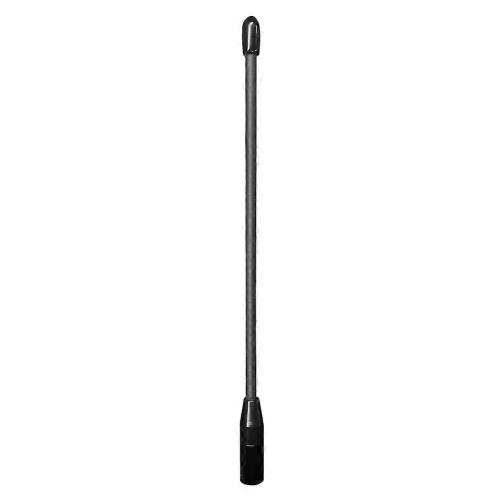
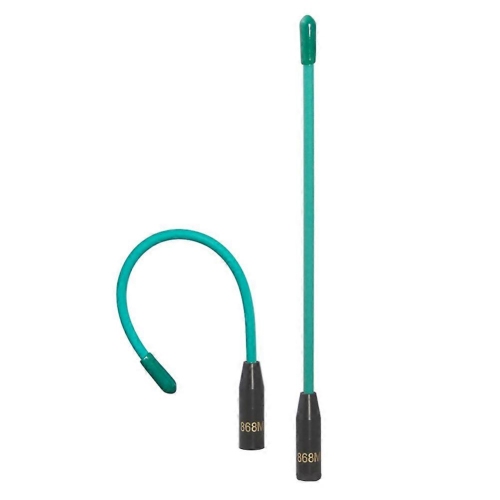
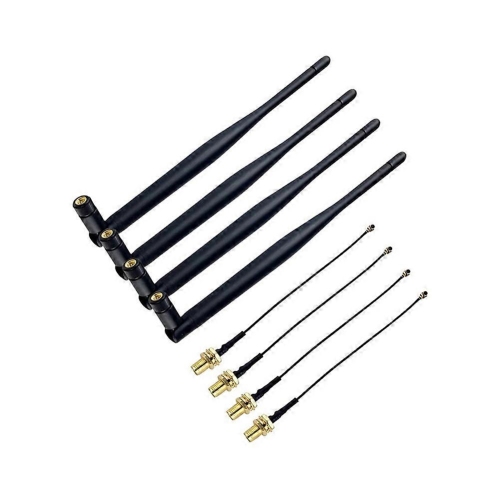
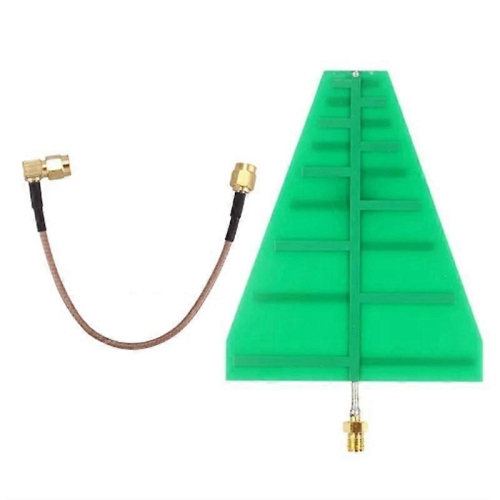

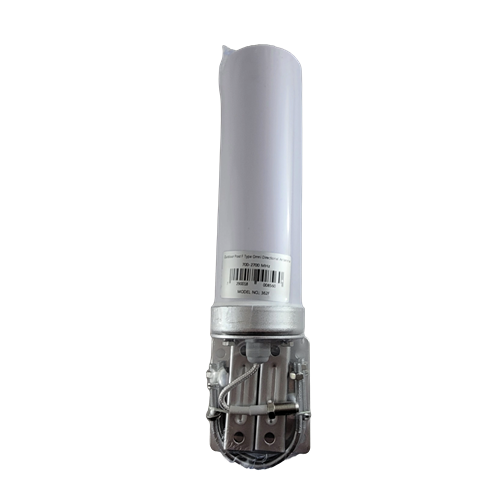
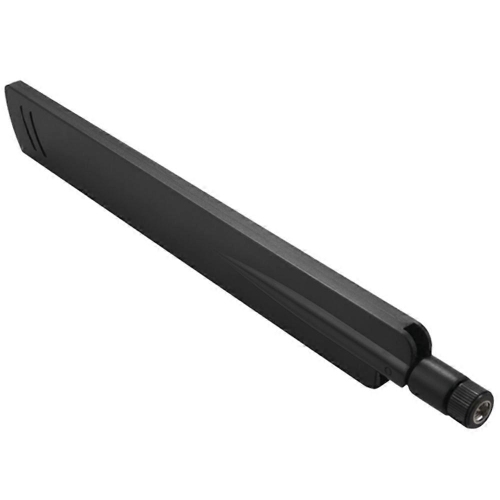
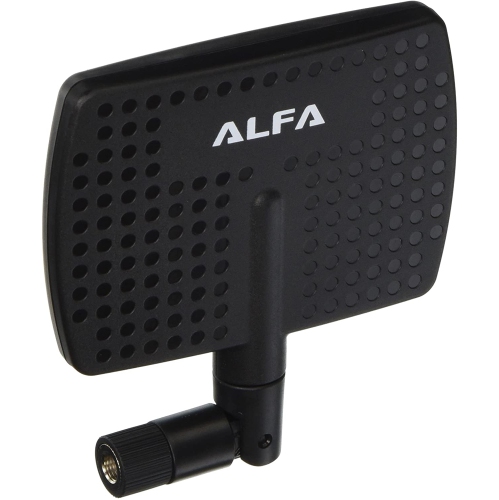
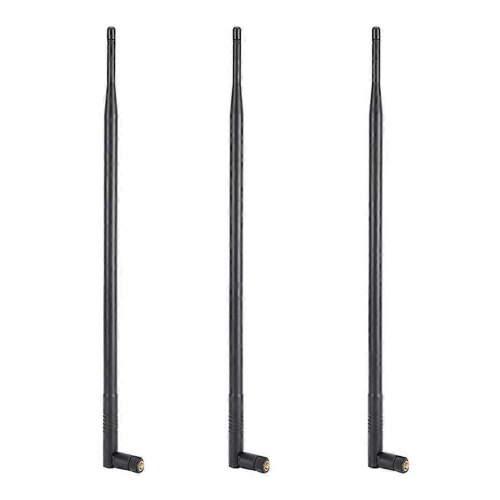
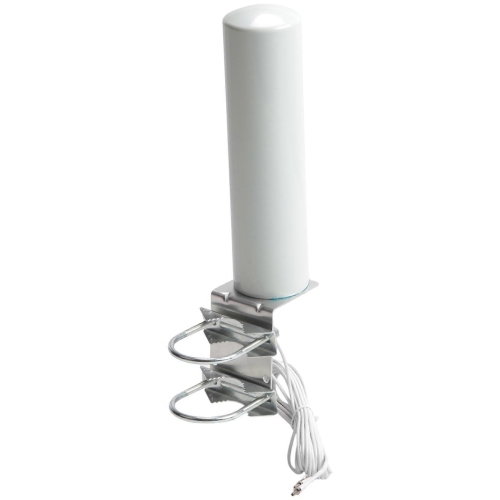
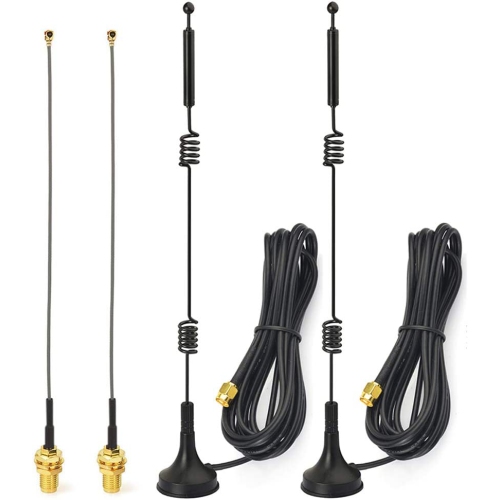
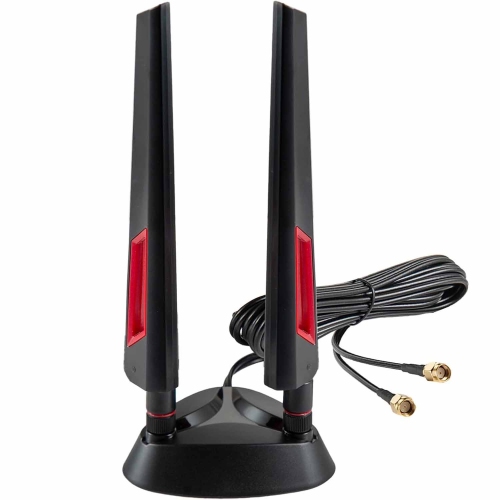

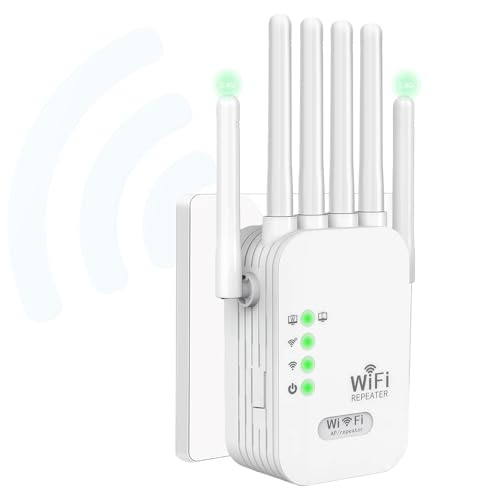

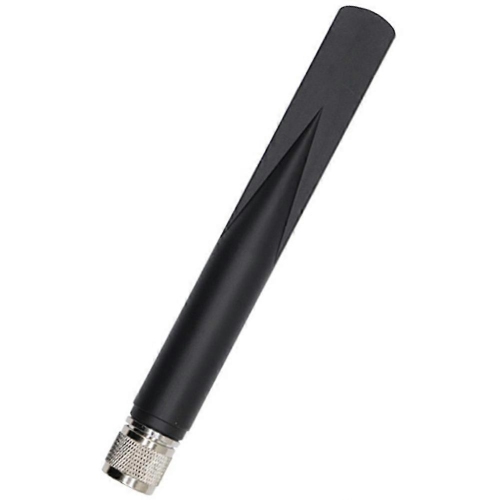
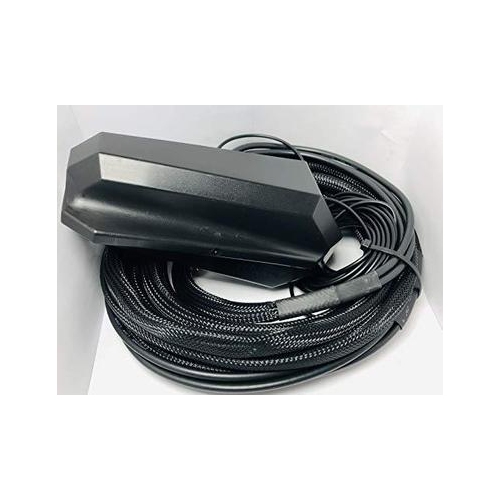
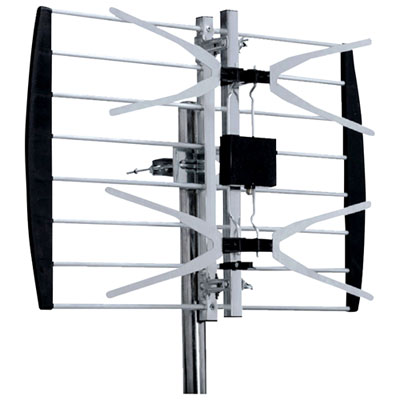
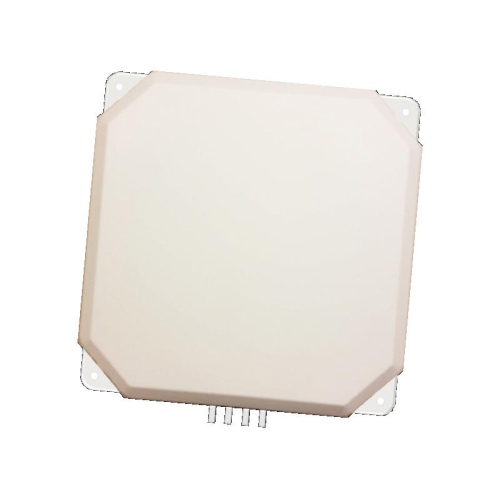
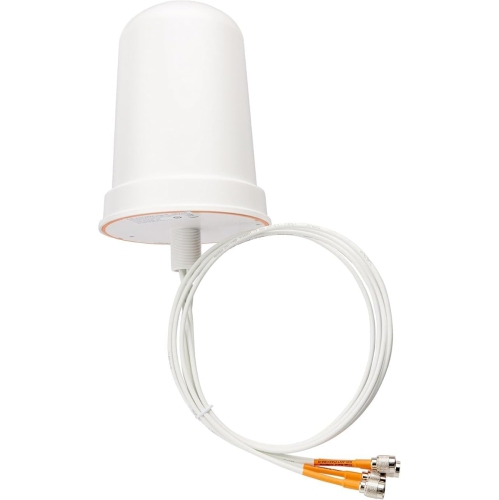
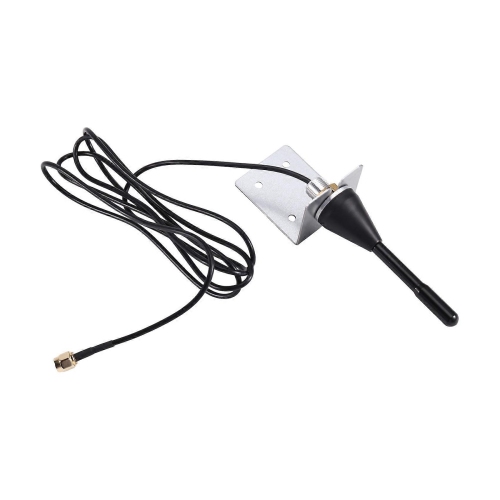
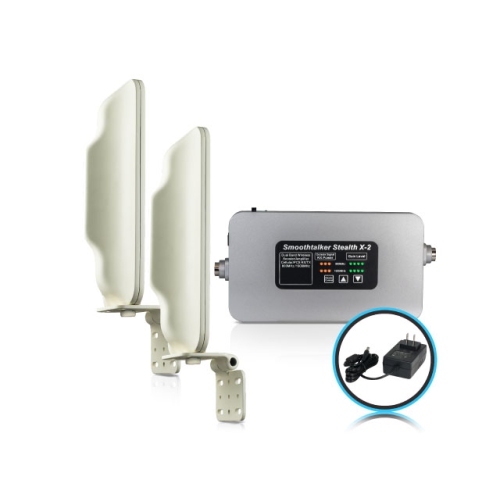

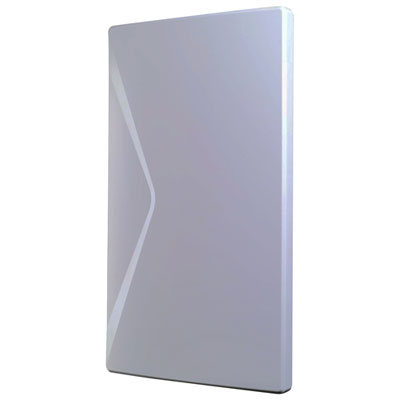
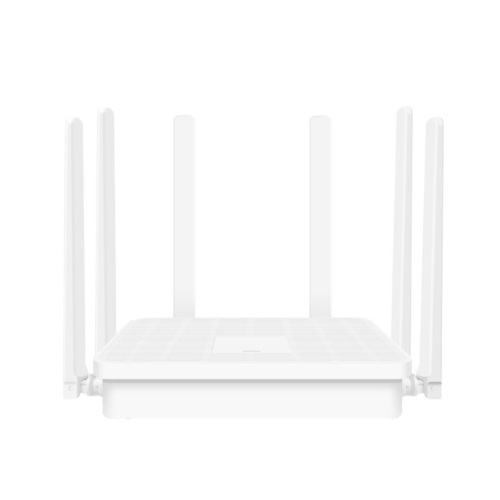
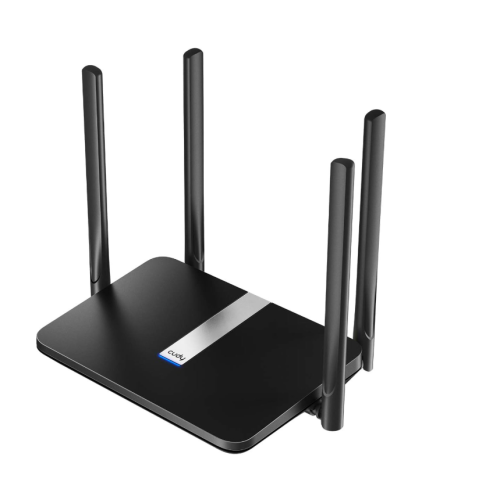
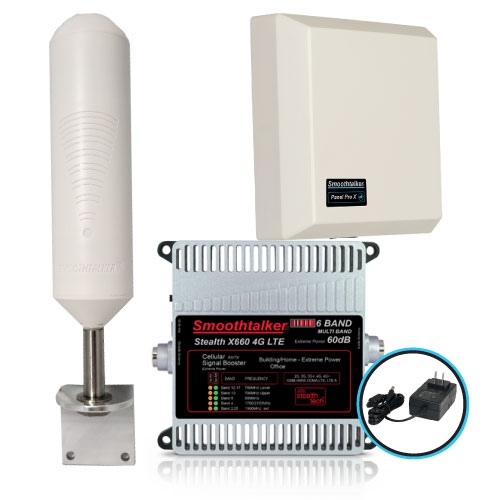


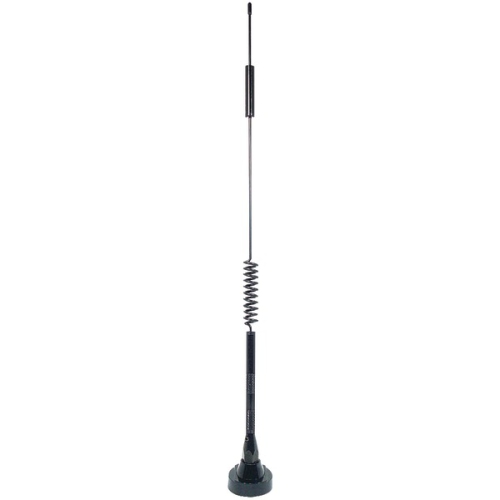
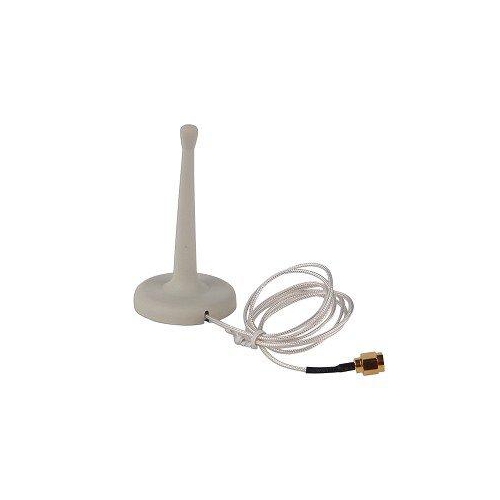
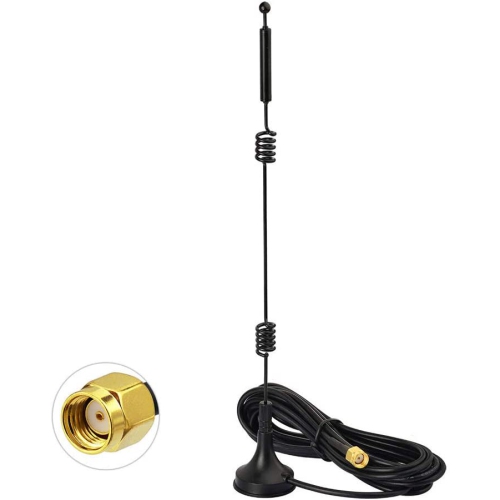
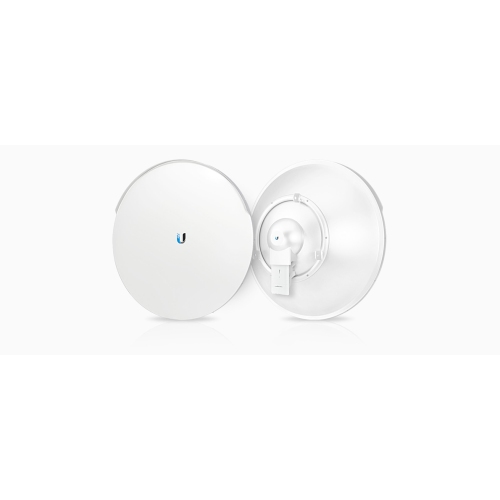
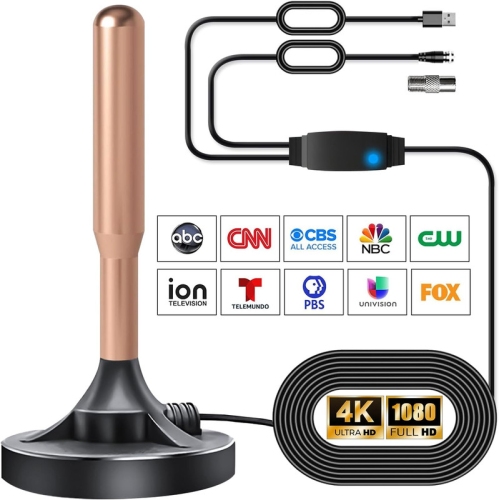
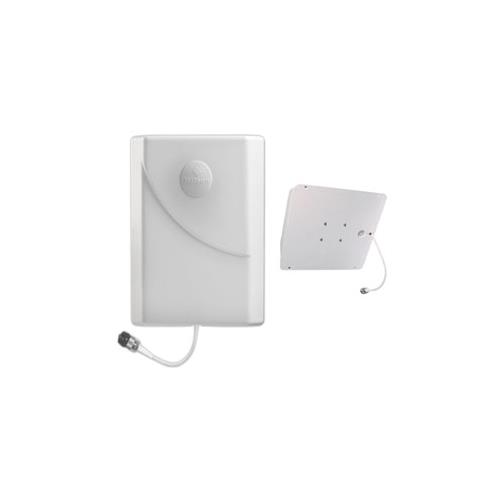
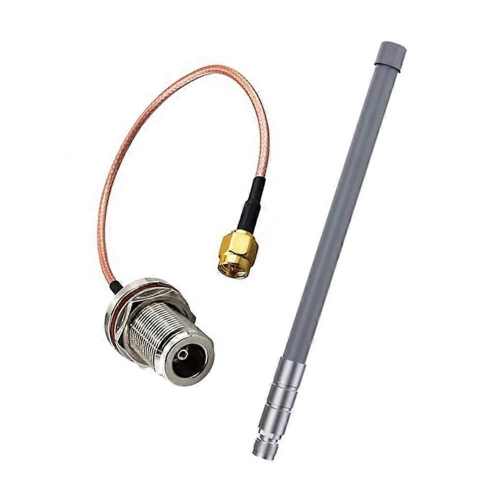

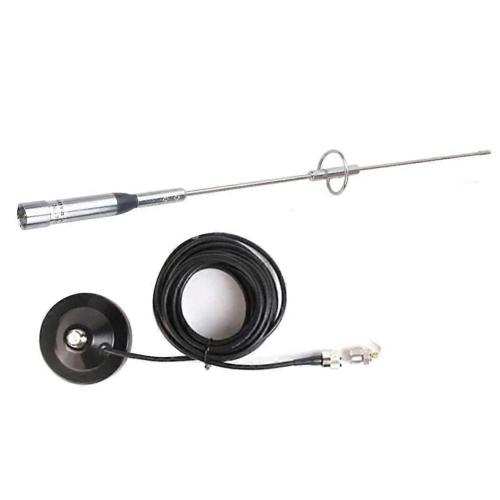
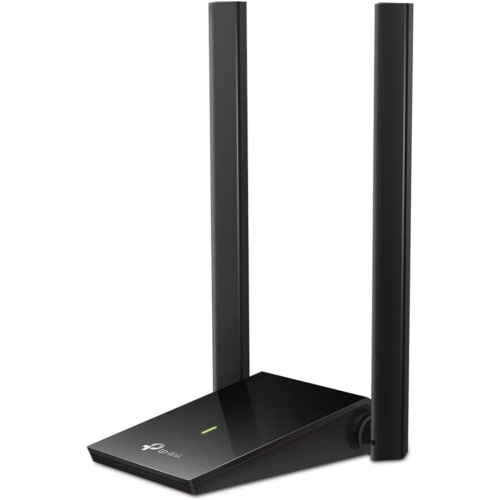
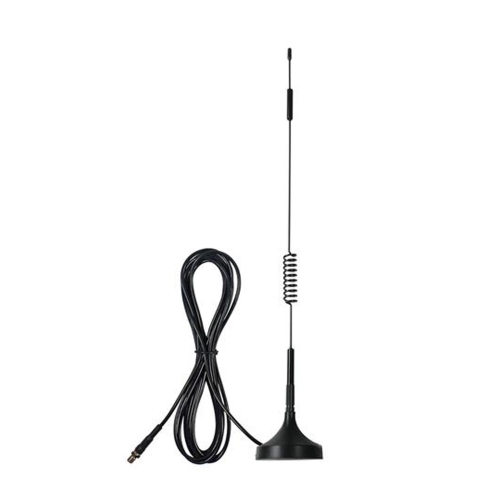
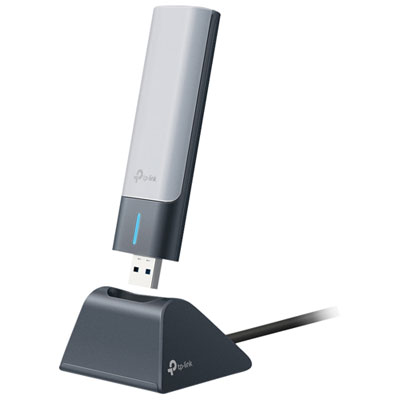

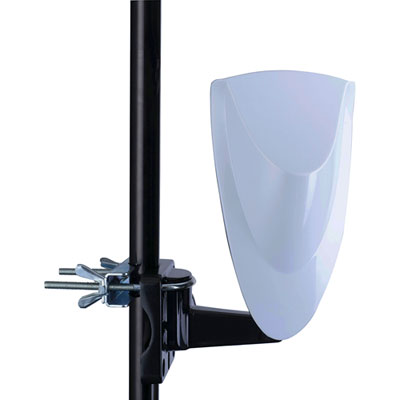
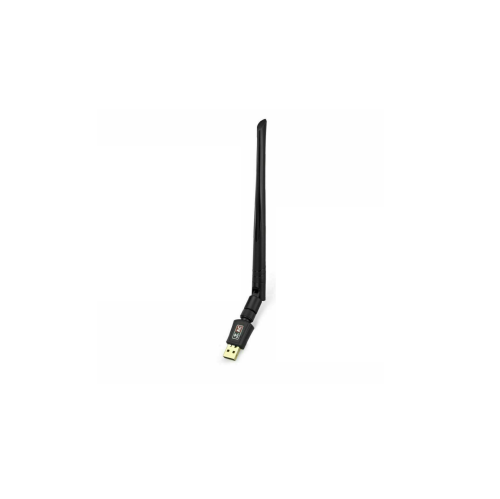
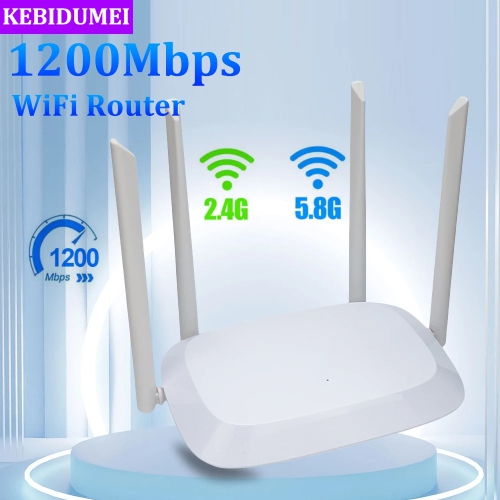
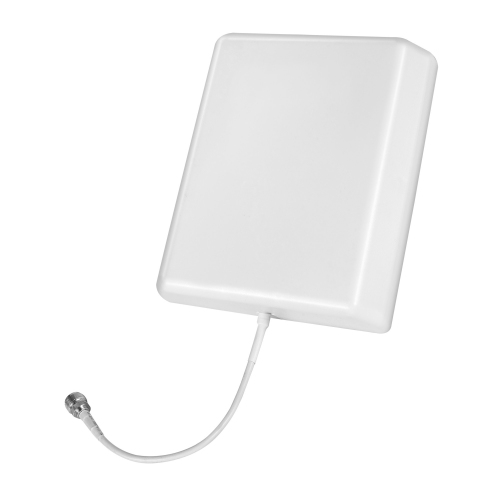



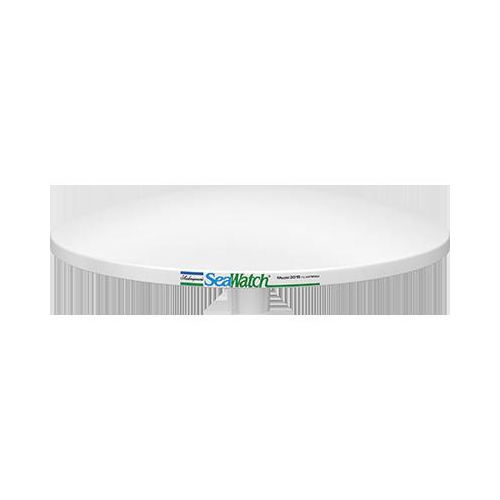
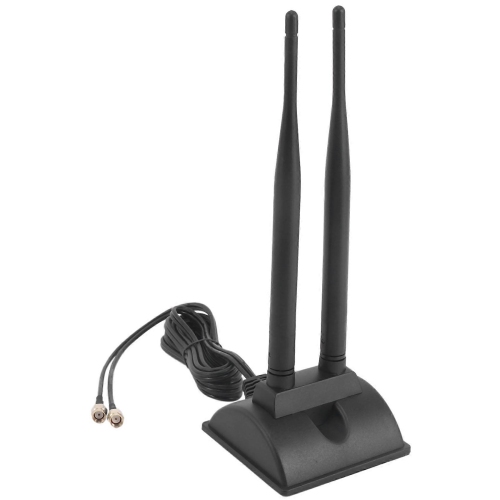
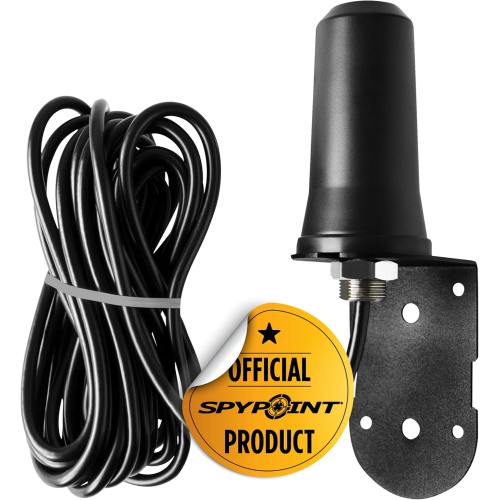
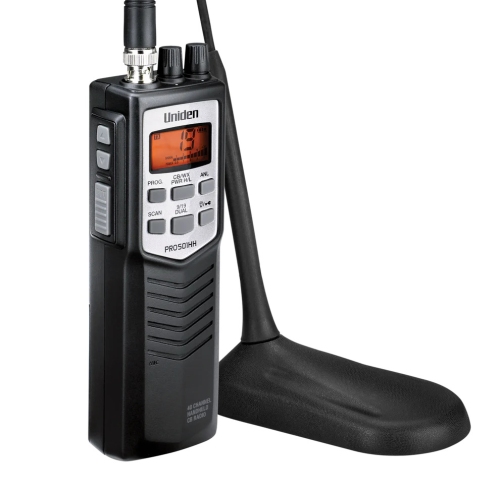
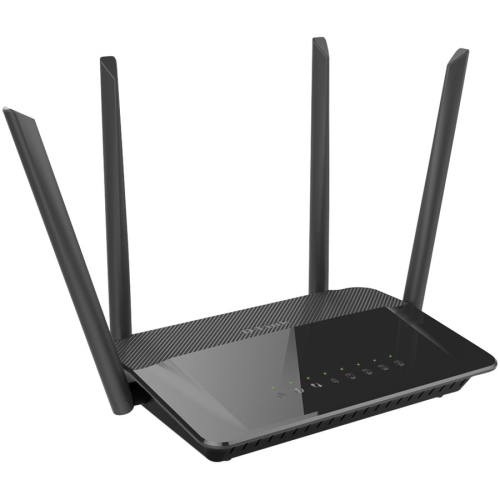
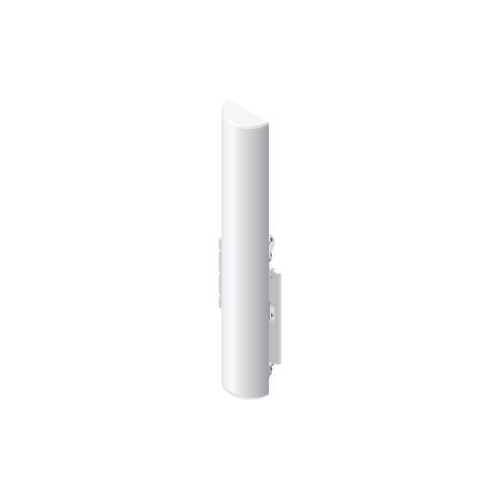
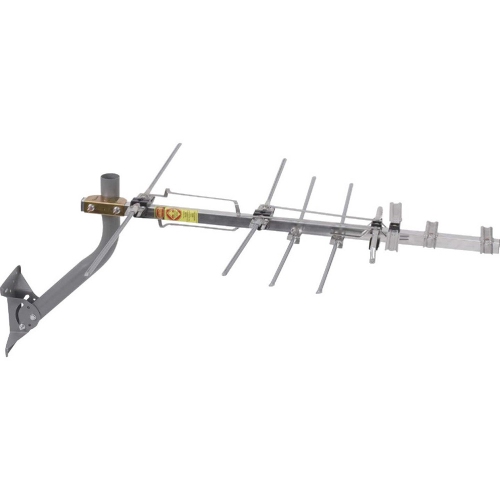
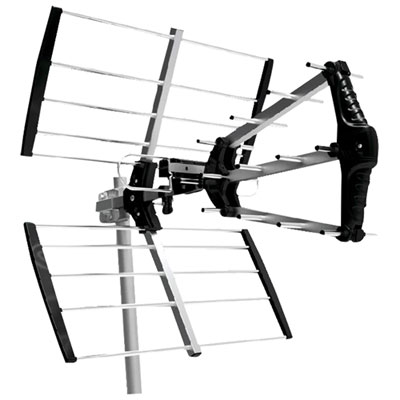
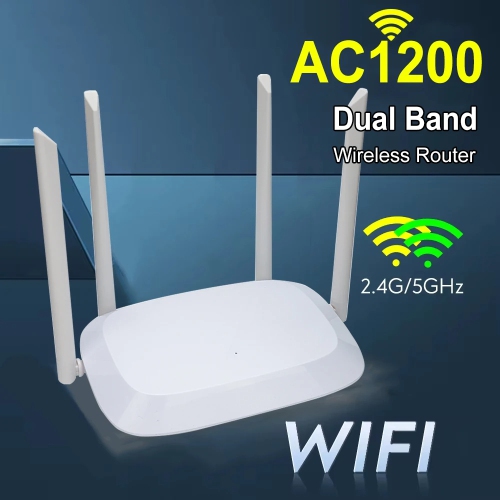
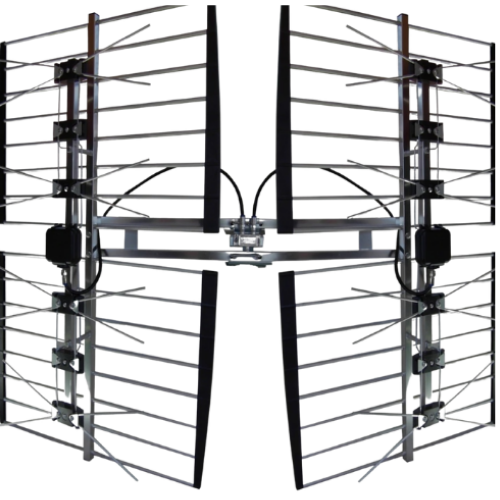
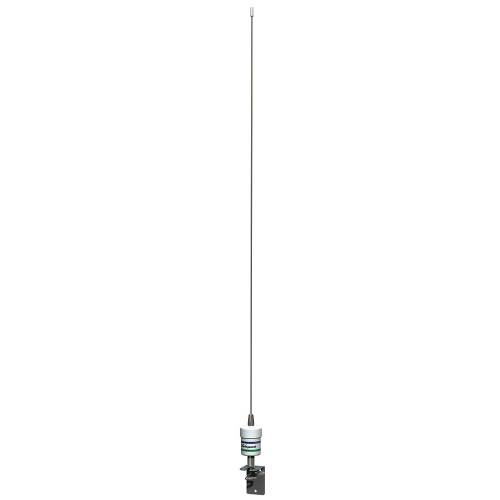
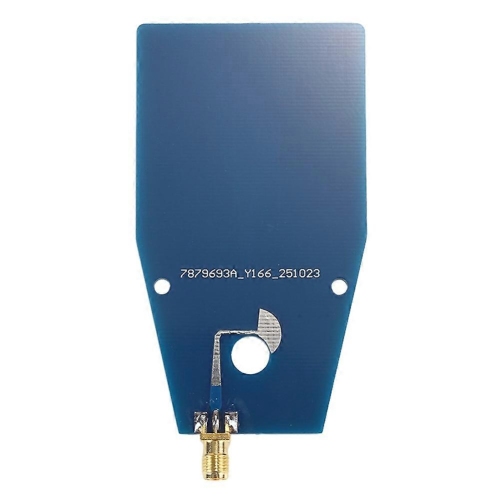
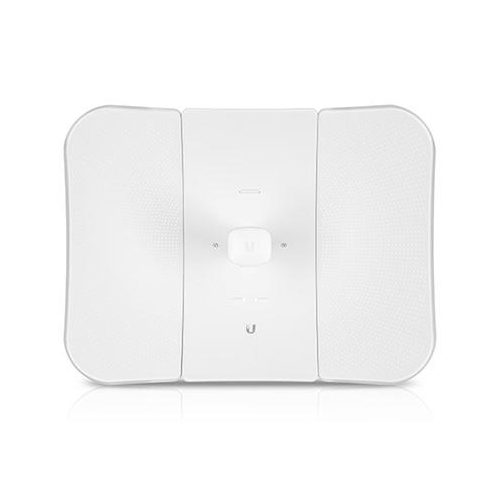
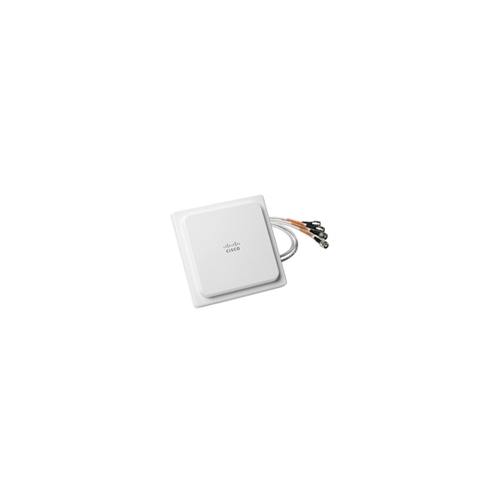
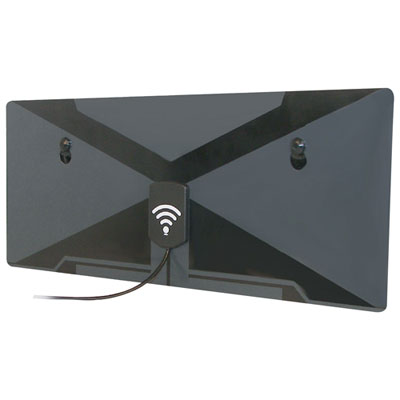
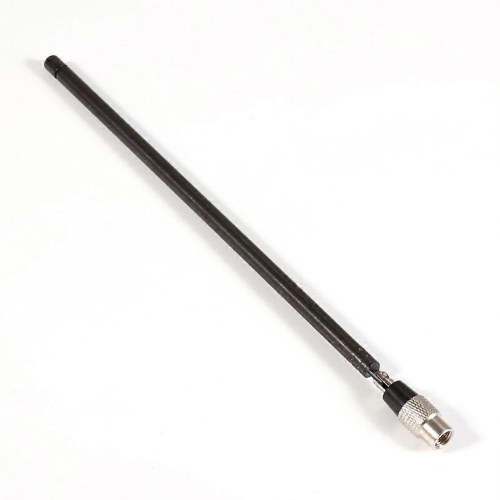
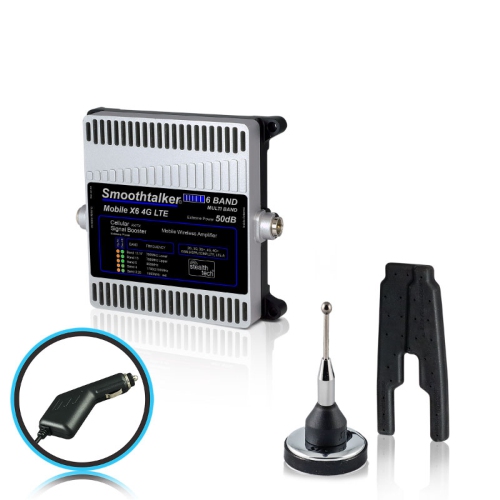
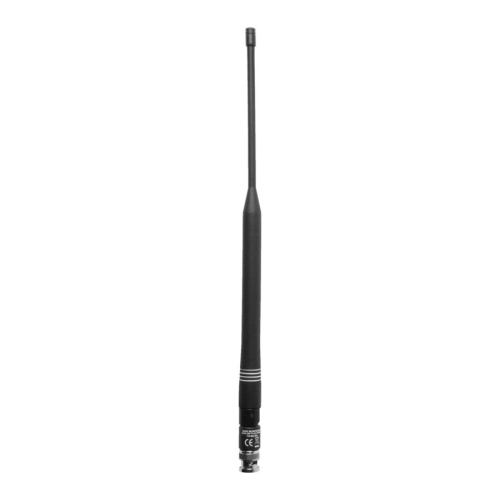
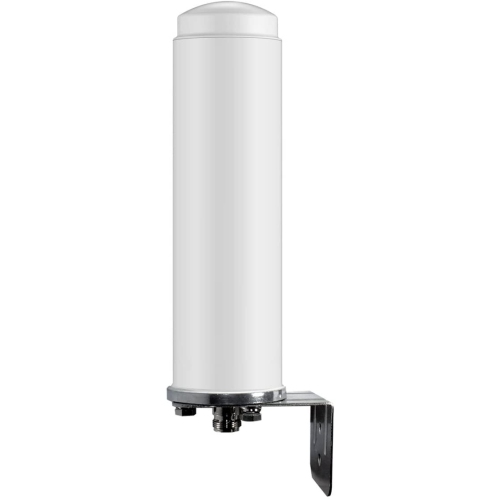
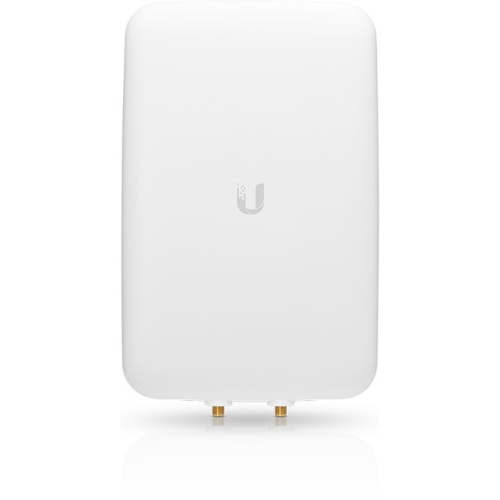



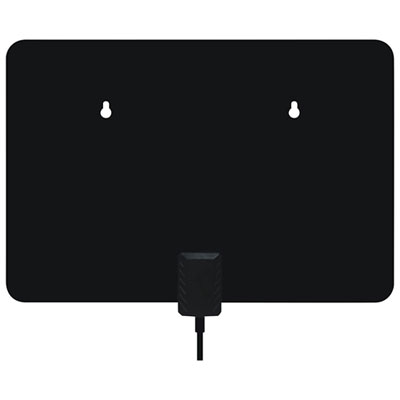
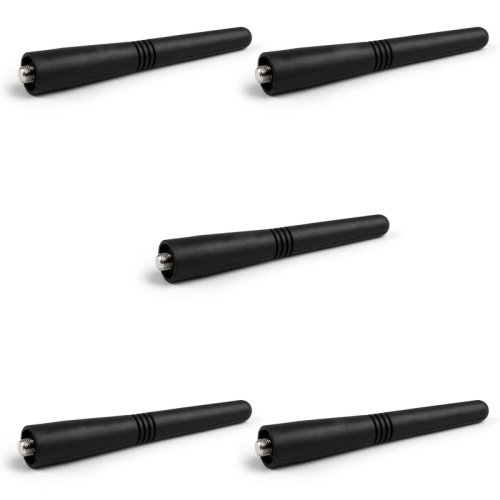
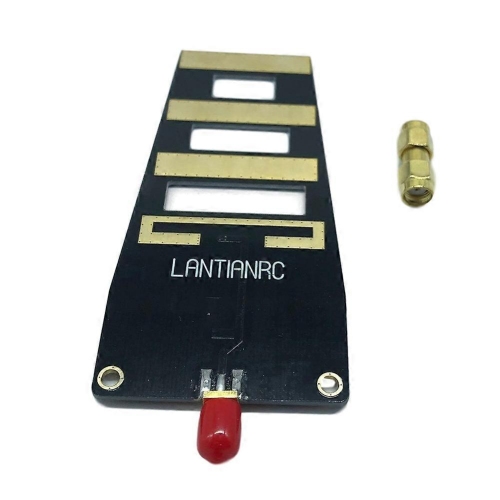
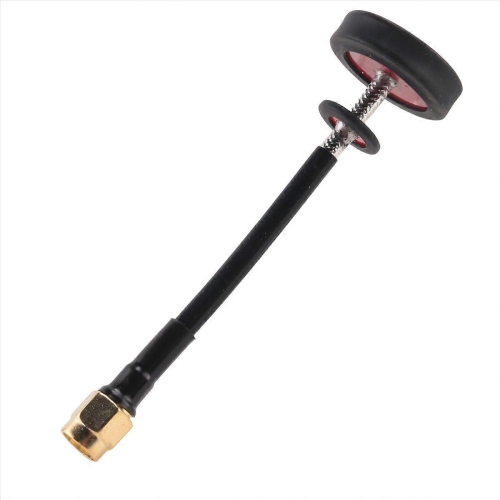
How directional designs improve reach and connection reliability
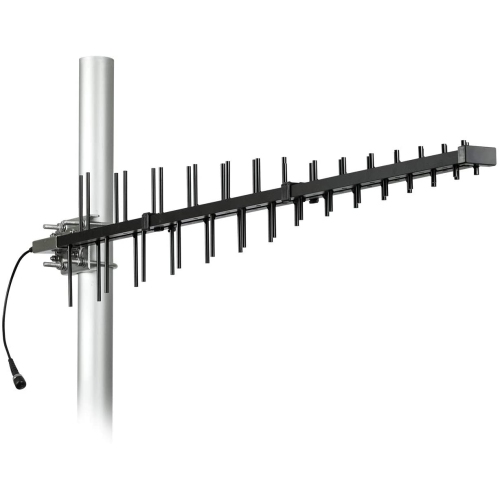
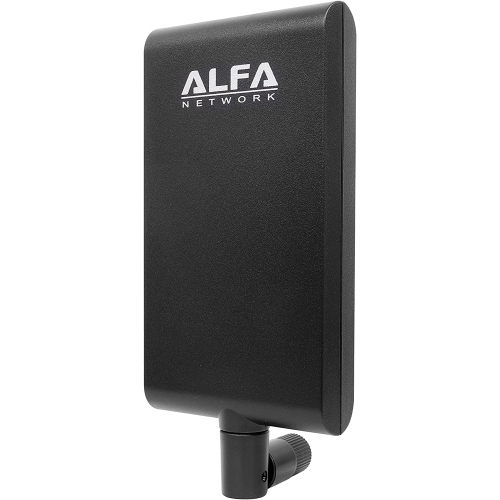
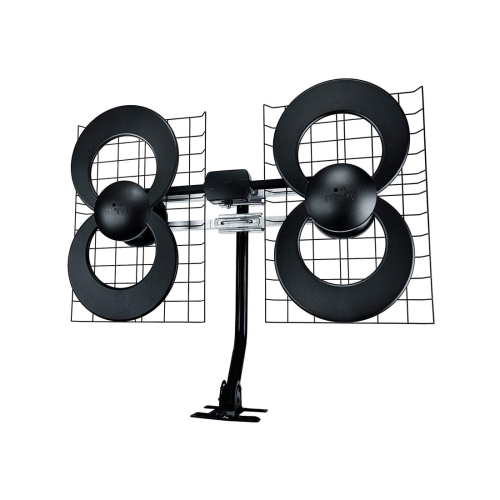
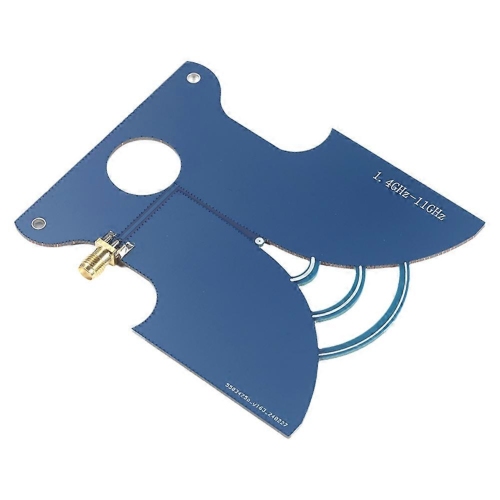
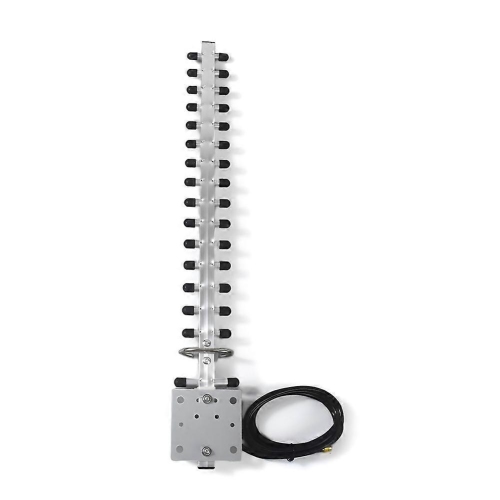
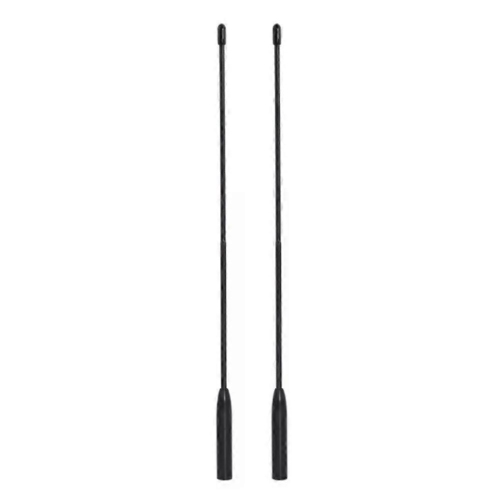
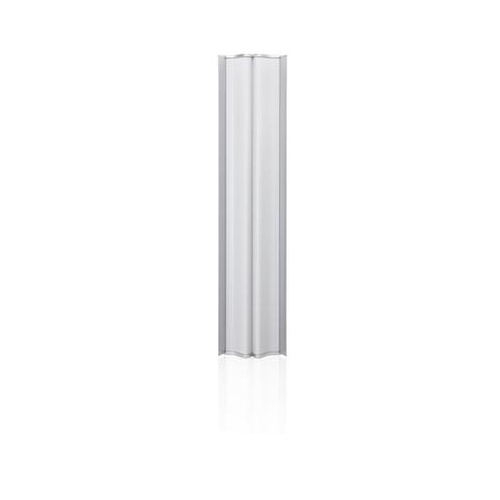
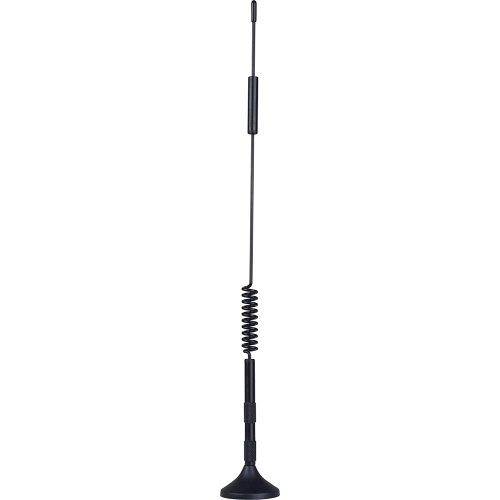
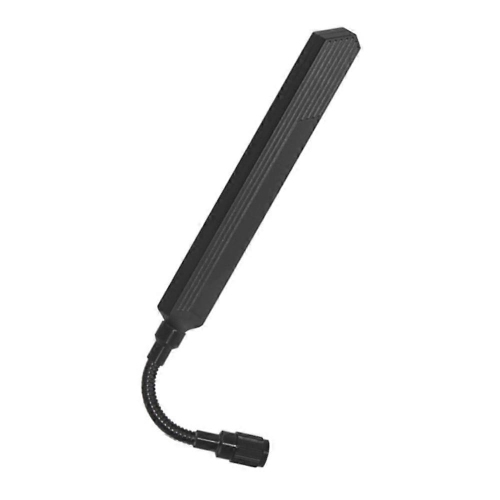
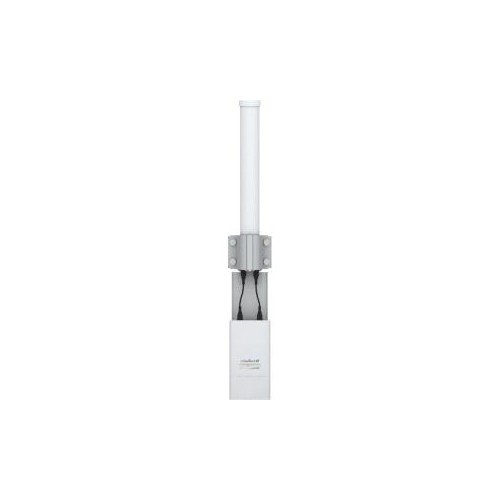
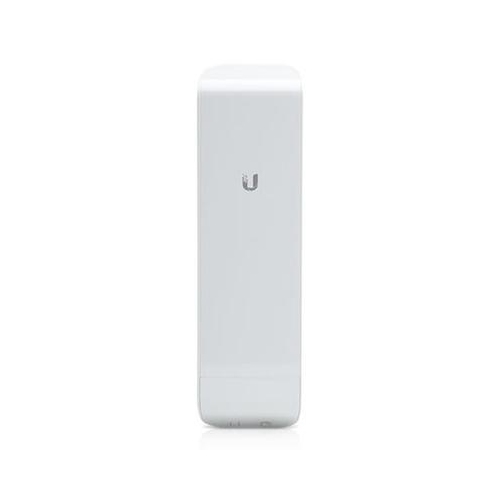
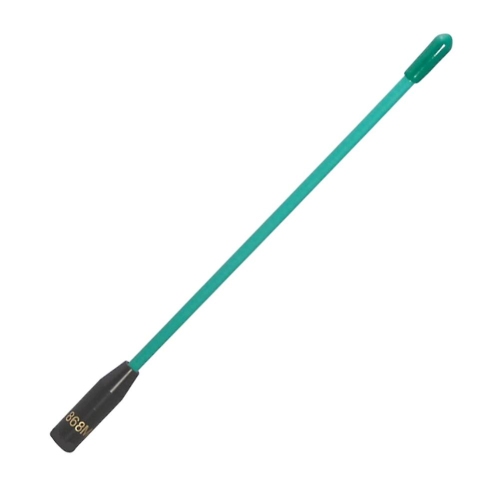
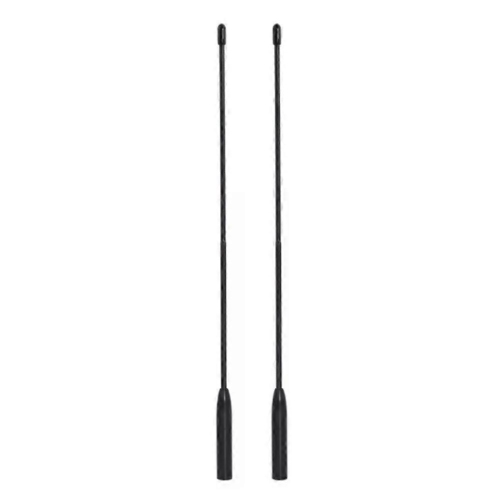
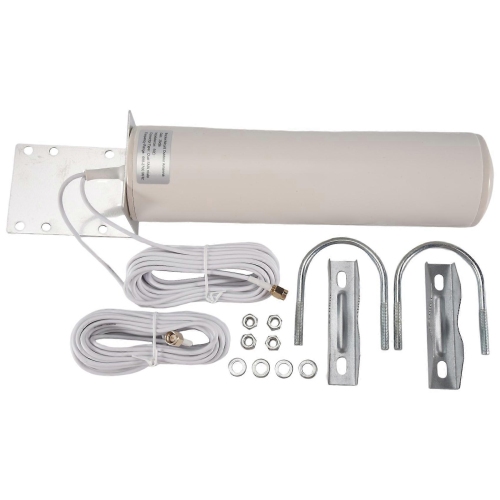
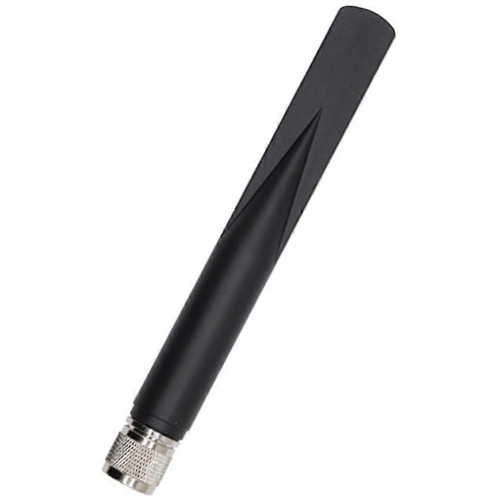
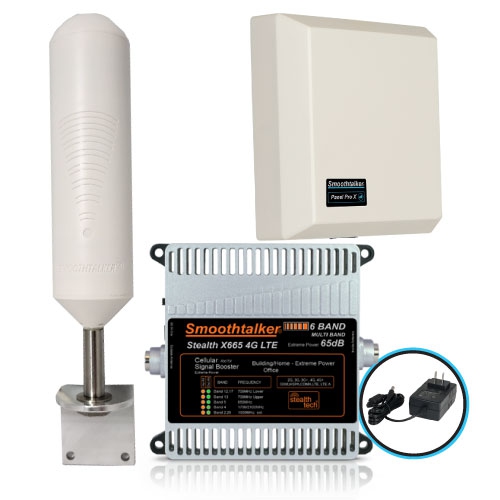
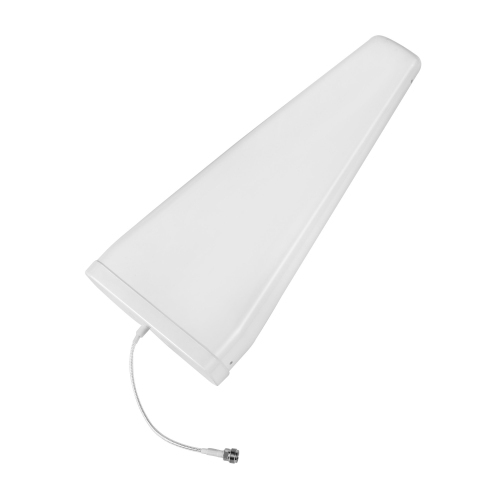
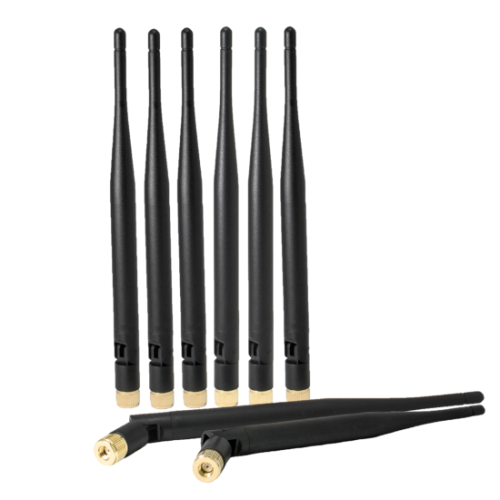
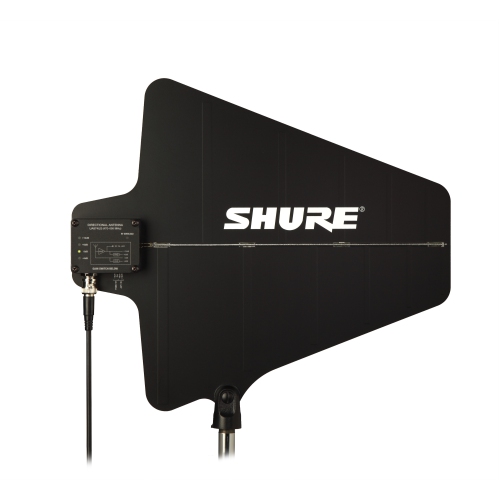
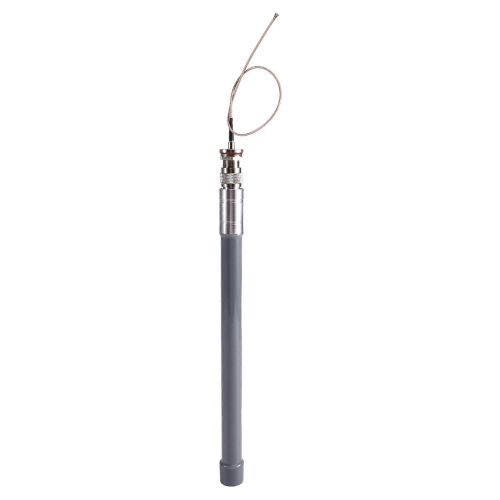
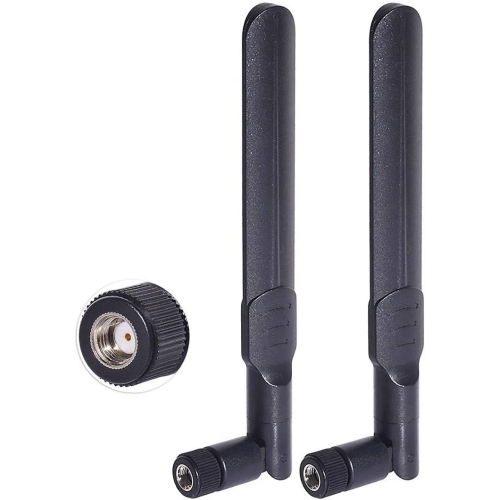
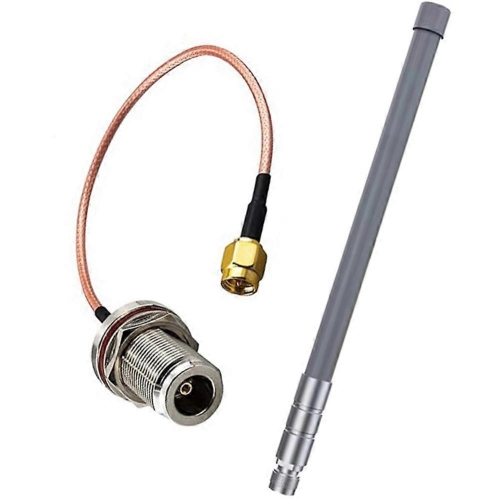
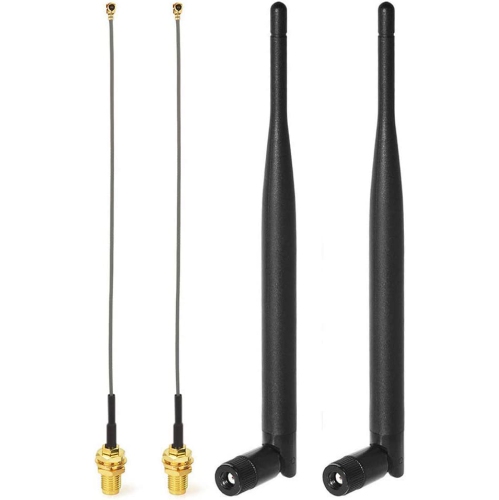
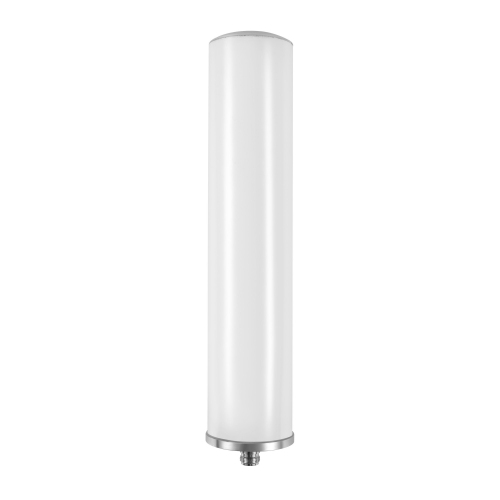
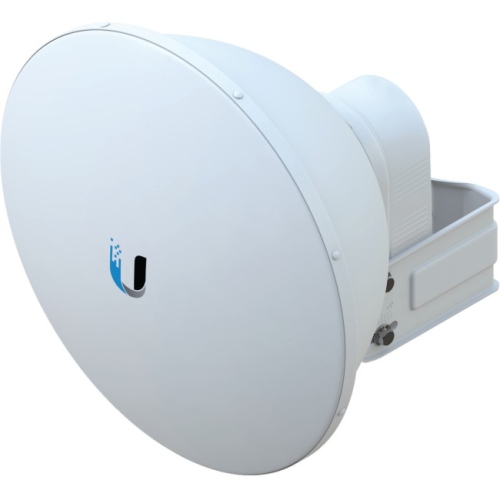
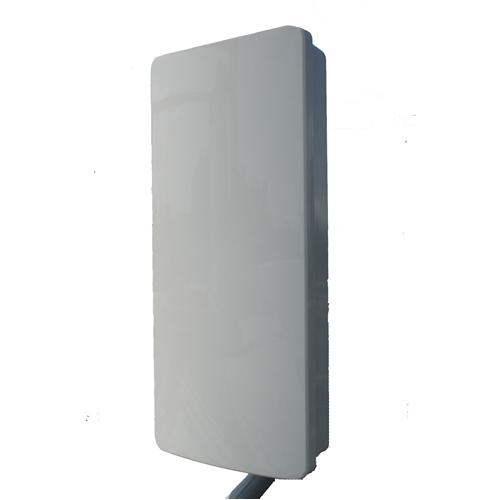
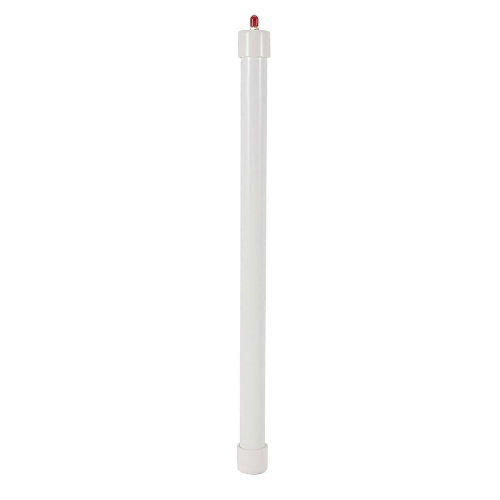
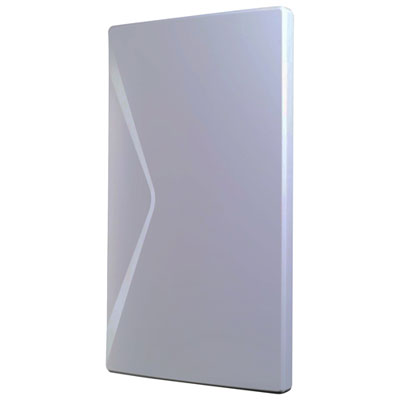
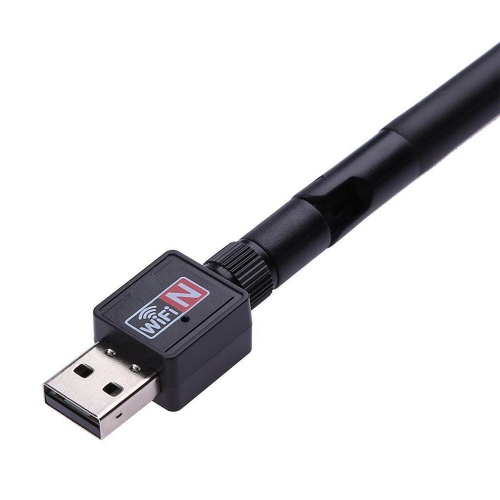
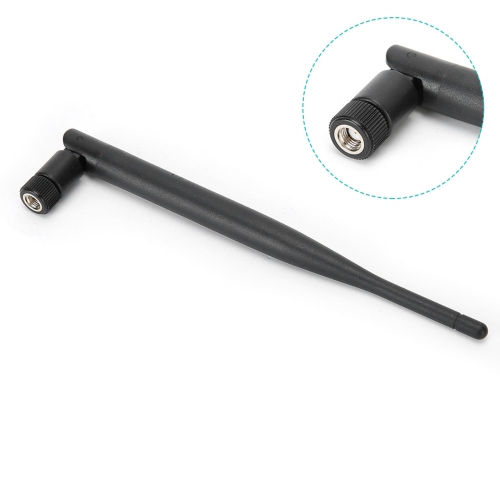
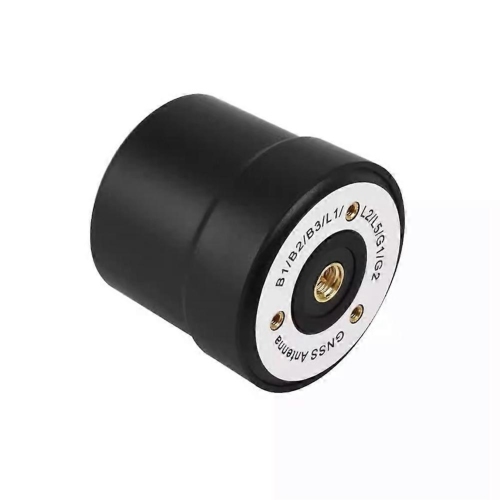
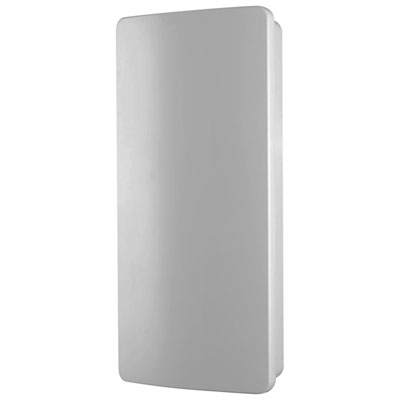
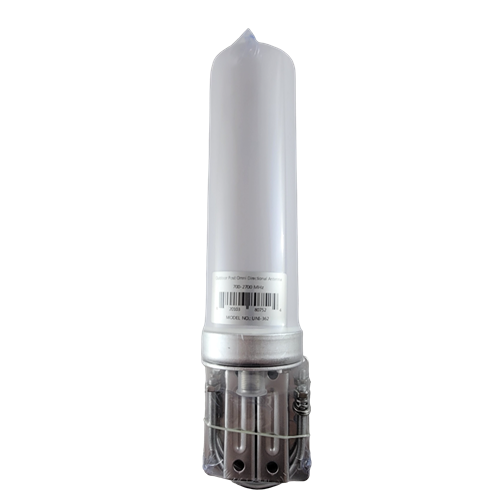
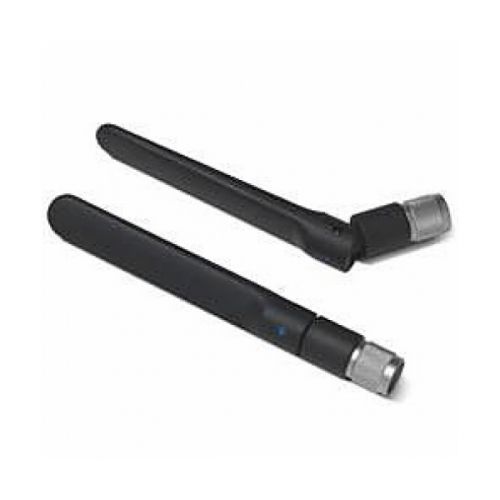
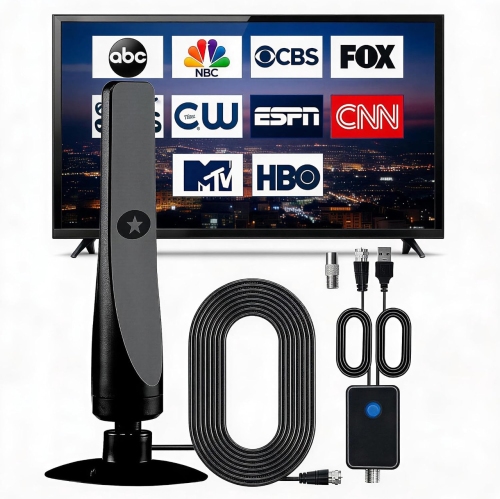
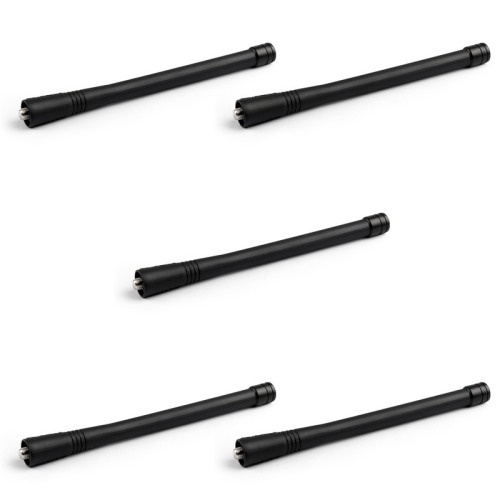
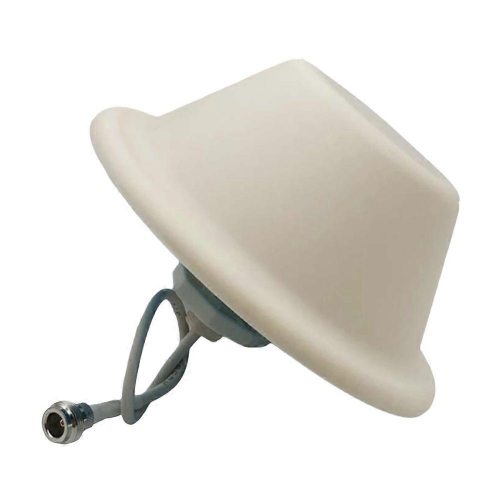
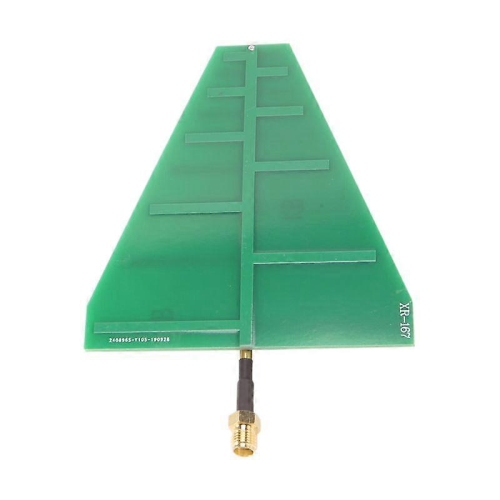
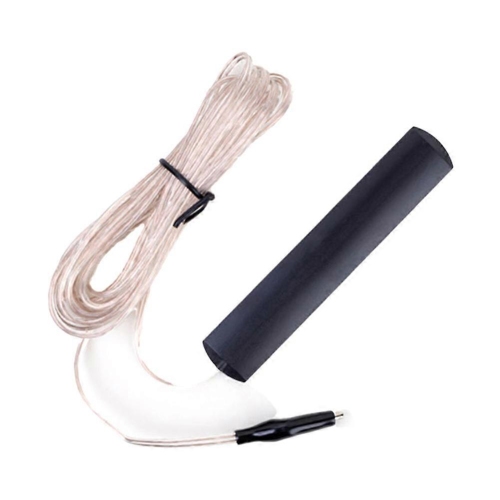
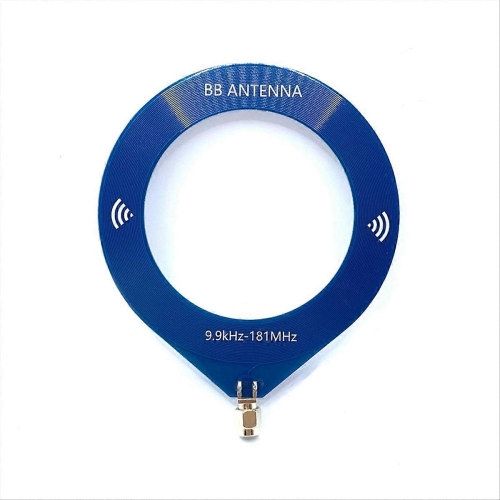
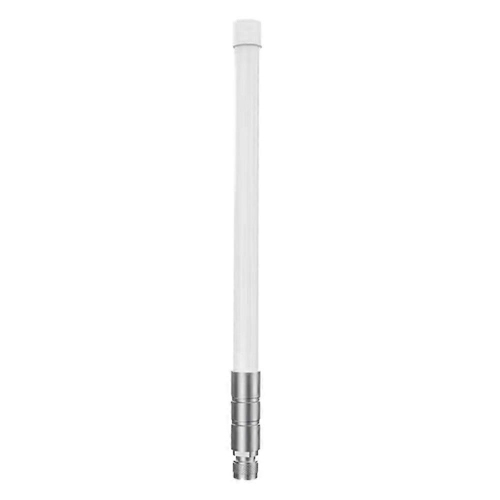
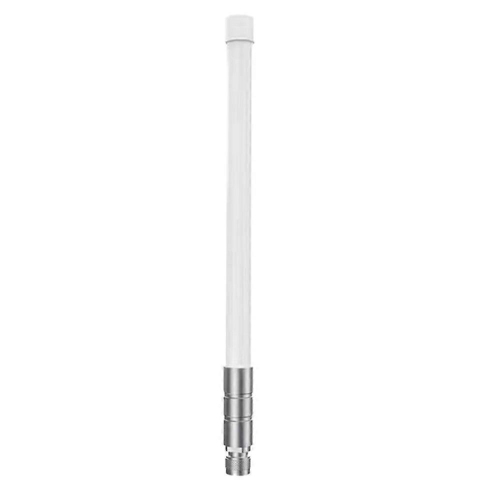
High gain antennas are designed to focus radio-frequency energy in a particular direction, helping transmit or receive signals across greater distances when conditions are suitable. Unlike an omnidirectional antenna that spreads coverage around a central point, a directional high gain antenna concentrates its available signal into a narrower beam. This focused design can improve reach, reduce unwanted interference from other directions, and make a point-to-point connection more dependable between two known locations. Antenna gain is commonly measured in dBi, or decibels relative to an isotropic radiator. A higher dBi rating generally indicates a tighter beam and greater potential reach, but it does not mean that the antenna creates additional transmitter power. Instead, it redirects the available radio energy, much like a flashlight reflector concentrates light into a more focused path. This distinction is important when comparing options, since the highest gain rating is not automatically the right choice for every installation. High gain antennas may be used for long-distance Wi-Fi links between buildings, cellular signal booster systems, amateur radio setups, wireless networking, satellite communications, and other radio applications where a stable connection must travel across open space. They can be especially useful at a cottage, workshop, farm property, marina, remote office, or other location where the signal source is far away or partially obstructed. For a broader selection of products intended to extend reception and transmission over distance, explore Long Range Antennas.
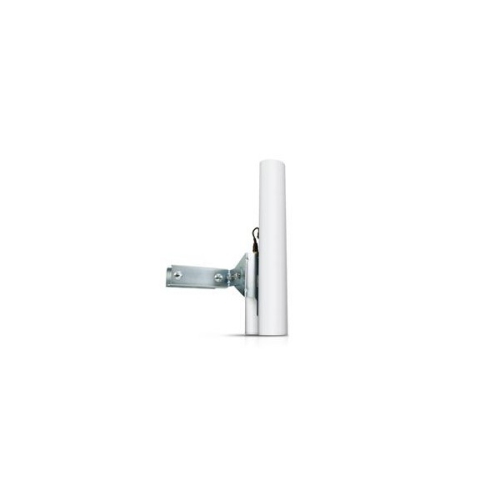
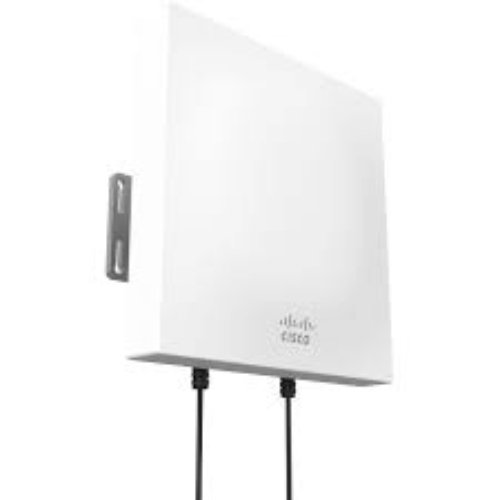
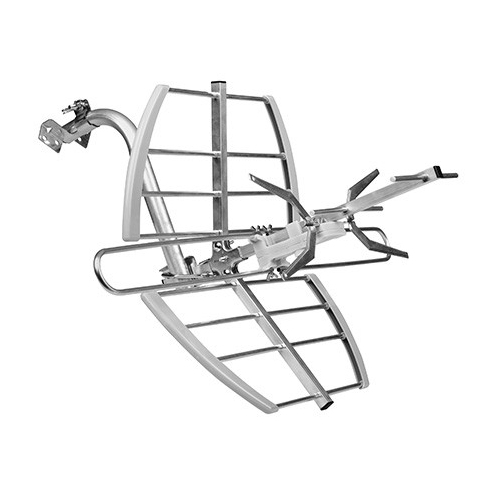
Choosing the right high gain antenna begins with identifying the signal and frequency range it needs to handle. Wi-Fi antennas are not interchangeable with cellular, television, or amateur radio antennas, and even products within the same category may support different bands. Check the specifications for frequency compatibility, connector type, impedance, and the equipment with which the antenna will be used. A compatible cable and connector are just as important as the antenna itself; an adapter that does not match securely can introduce signal loss, while a long or low-quality cable can reduce some of the benefit gained from a higher-gain design. Directionality is another key consideration. A panel, yagi, or parabolic-style antenna may provide excellent performance when aimed at a known access point, tower, or receiving station, but it will require careful alignment and may not be suitable where the signal source moves or comes from several directions. Beamwidth describes how broad or narrow that coverage is, so a narrow beam may offer greater reach while demanding more precise positioning. Polarization should also match the transmitting equipment whenever possible, as a mismatch can weaken the connection. Before installation, consider the distance between the two endpoints, the height of each antenna, the presence of walls, trees, buildings, hills, and other obstructions, and whether a clear line of sight is available. Raising an antenna above nearby obstacles can help, although height alone cannot overcome every issue. In built-up areas, reflections and competing signals may affect performance; in rural areas, distance and terrain may be the bigger factors. A mounting location with a steady structure, suitable weather protection, and an unobstructed path can make alignment easier and reduce the need for repeated adjustments.
High gain antennas are often selected by people who enjoy improving a home network, maintaining communications at a remote property, or building a reliable connection between separate spaces. They can also be a practical gift for a radio hobbyist, technology enthusiast, camper, boater, or do-it-yourself installer who appreciates equipment that solves a specific connectivity challenge. Someone setting up a workshop behind a house may use a directional Wi-Fi antenna to connect it with the main building, while a cottage owner may use a compatible cellular antenna as part of a signal-boosting system where service is available but weak indoors. Amateur radio users may value the precision of a directional antenna when communicating with a distant station, and a person responsible for a farm or large property may look for a focused wireless link that reaches across an open area without broadcasting equally in every direction. Installation details matter in each case. The antenna should be secured to a suitable mast, bracket, or other support, aimed carefully, and connected with the shortest practical cable run. Outdoor installations may also require protection from moisture, wind, and ice, along with proper grounding and surge protection. During the cooler months, snow, frost, and changing weather can affect access to a roof or mast, so it is wise to plan the installation carefully and confirm that all outdoor components are rated for the intended location. For cellular signal boosters and other regulated radio equipment, follow the manufacturer’s instructions and applicable Canadian requirements, and use only compatible components. With the correct frequency range, gain level, beamwidth, mounting position, cable, and alignment, a high gain antenna can provide a more focused and dependable connection for homes, workplaces, recreational properties, and specialised radio setups.
Top selling and popular products
-
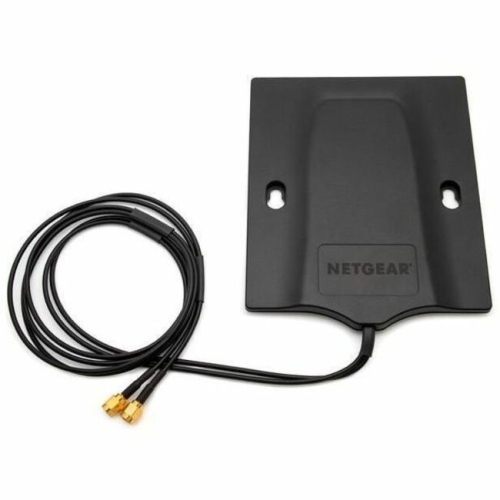 Your price for this item is $105.2
-
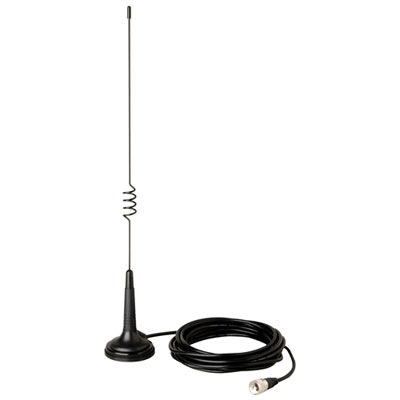 Your price for this item is $59.99
-
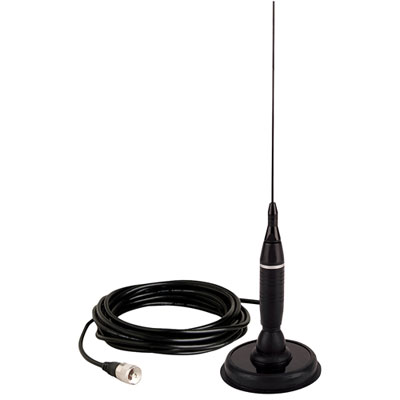 Your price for this item is $69.99
-
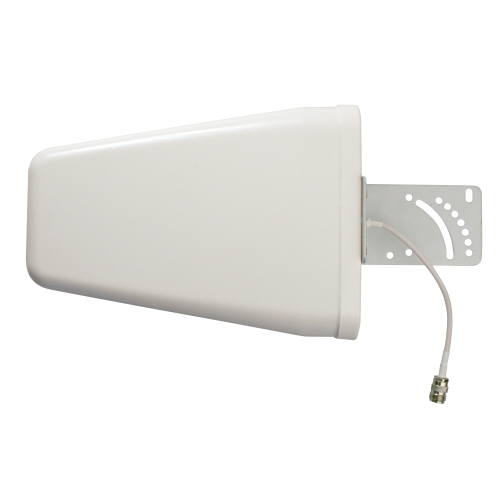 Your price for this item is $129.99
-
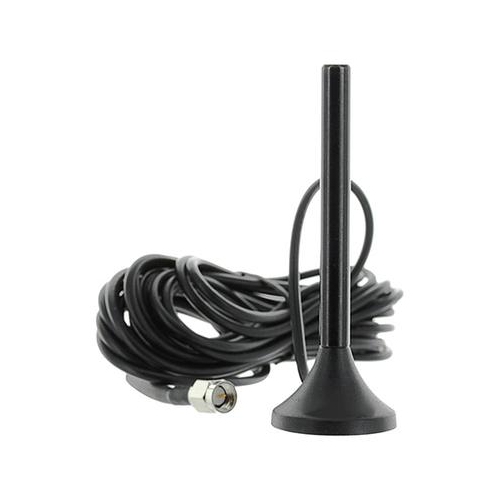 Your price for this item is $39.99
-
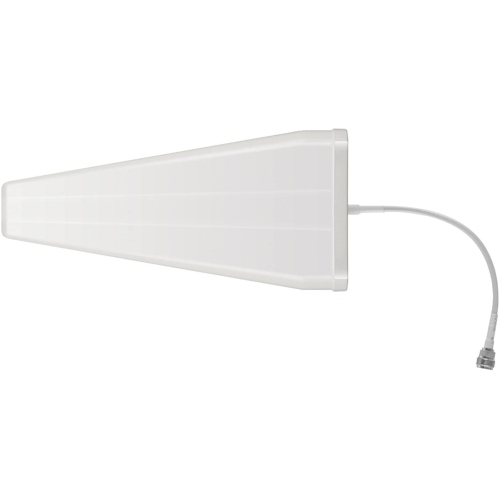 Your price for this item is $144.99
-
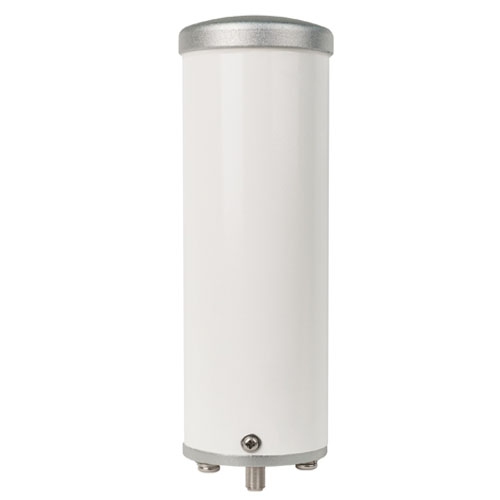 Your price for this item is $139.99
-
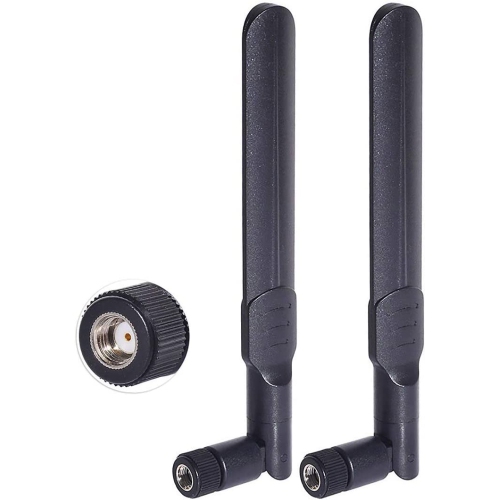 Your price for this item is $14.49
Discover more categories related to High Gain Antennas
Top Collections:
Pokemon Centers, Best Cameras for Sports Photography, Kindle Devices, Samsung Galaxy Phones, Canon G7X Cameras, Pokémon 30th Celebration Cards, Refurbished Apple Laptops, iPhone 15 Apple, Laptops for Students, Budget Smartphones
Some products may be subject to Environmental Handling Fees
(EHF) depending on your province.
Learn more about EHFs.