Soldering Tools
Looking to take your DIY projects to the next level? Look no further than our collection of soldering tools. Whether you're a seasoned electronics enthusiast or just starting out, having the right tools is essential for achieving professional-grade results. From soldering irons and solder wire to soldering stations and accessories, we have everything you need to tackle any soldering task with confidence. Shop from our wide selection of quality soldering tools and take your craftsmanship to new heights.
Sort
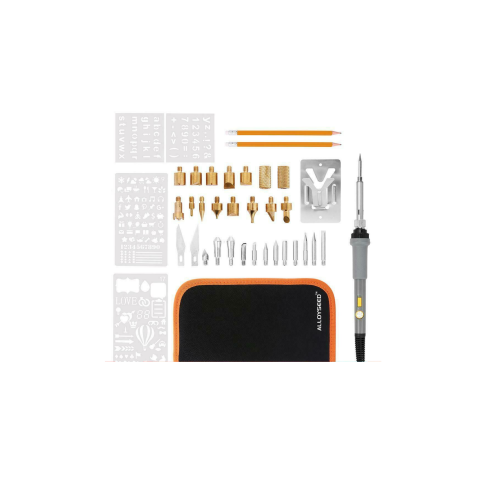
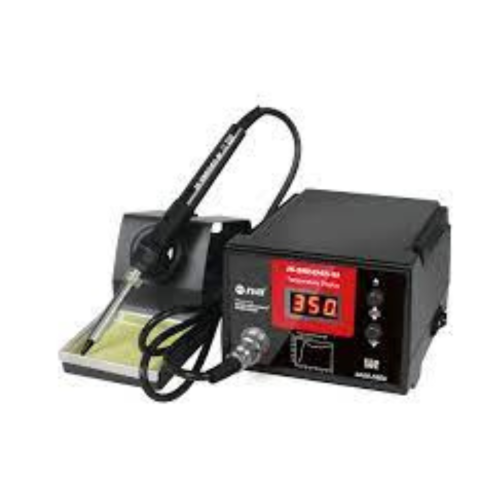
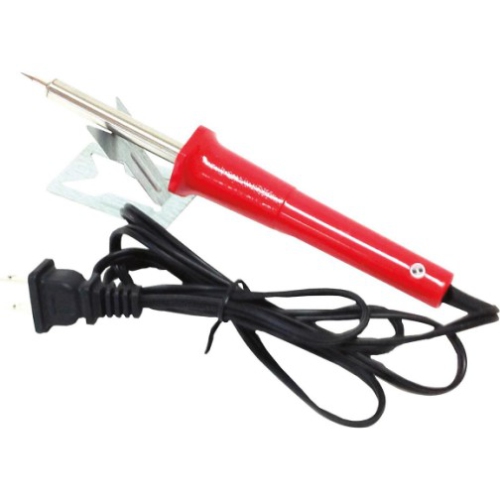

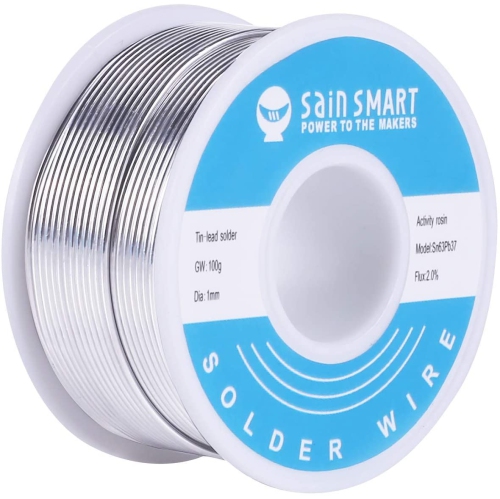

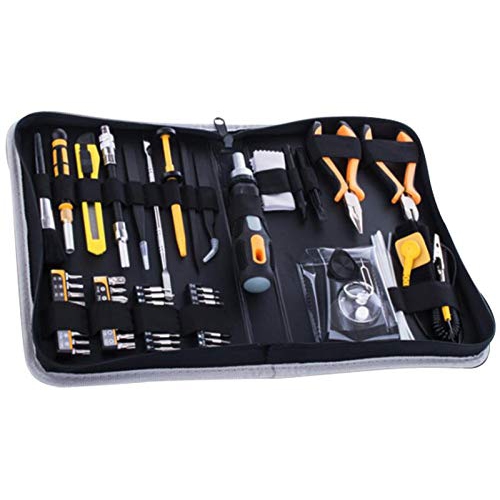
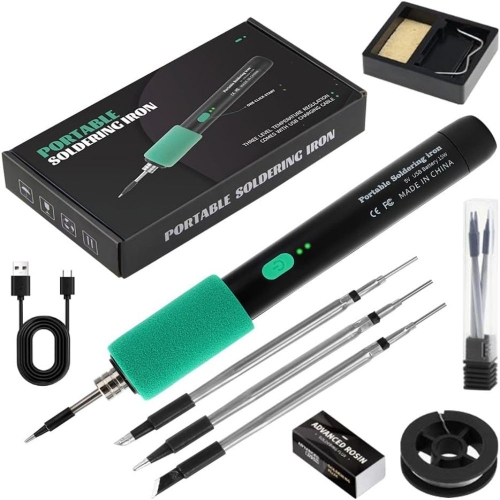
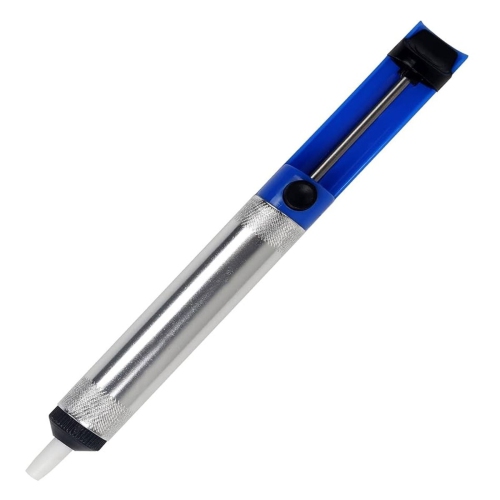

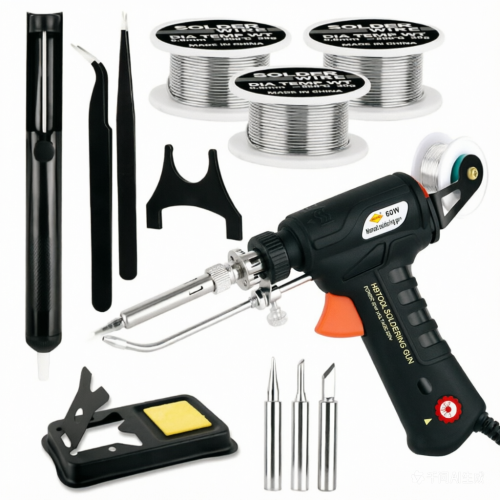
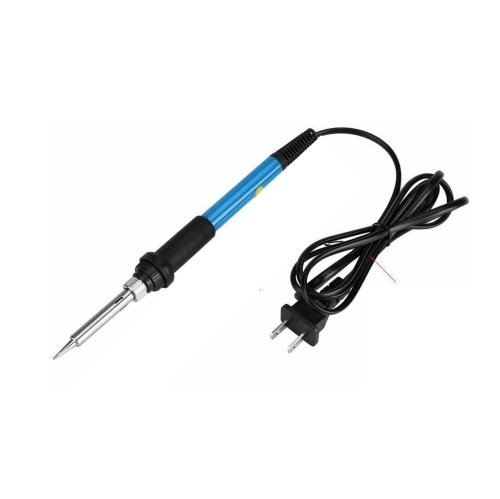
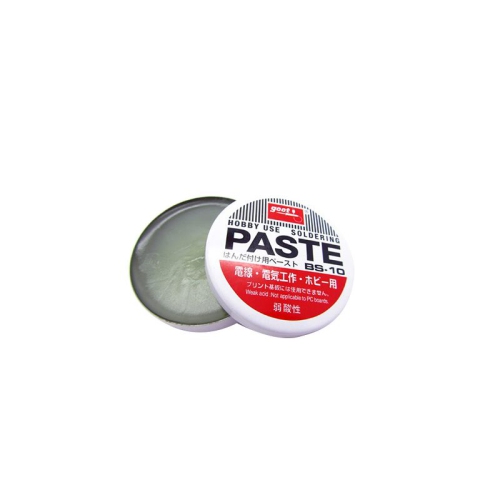
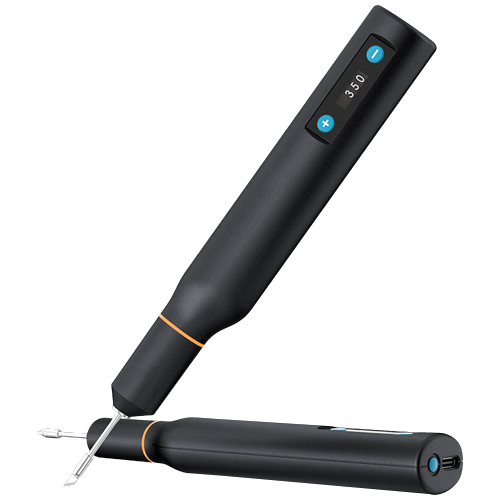
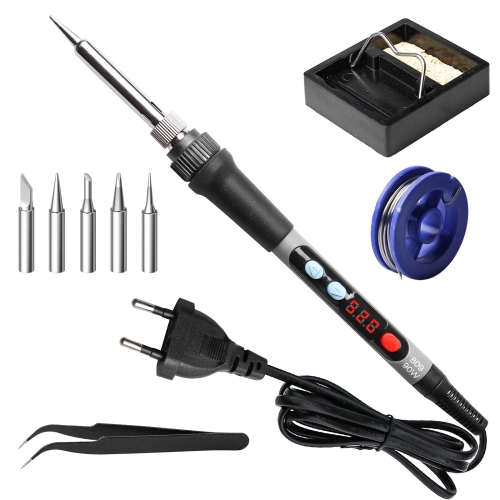
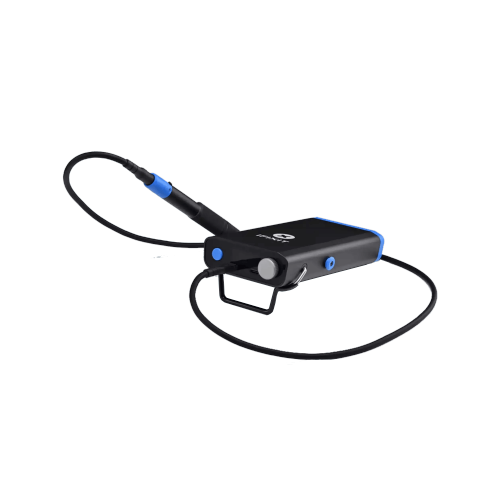
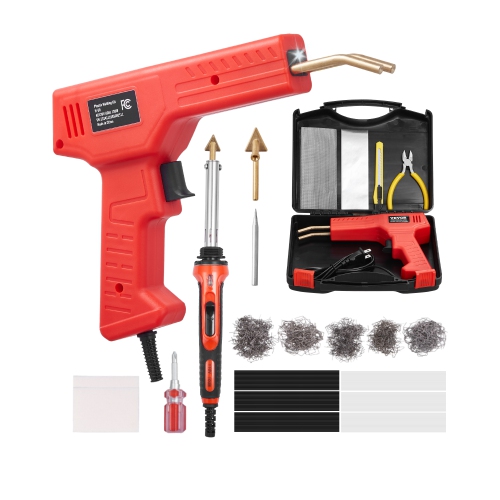

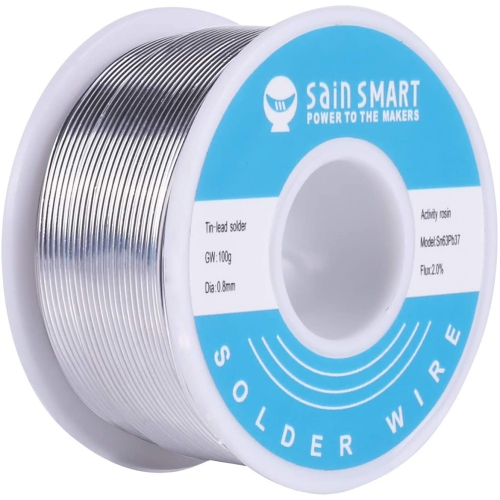
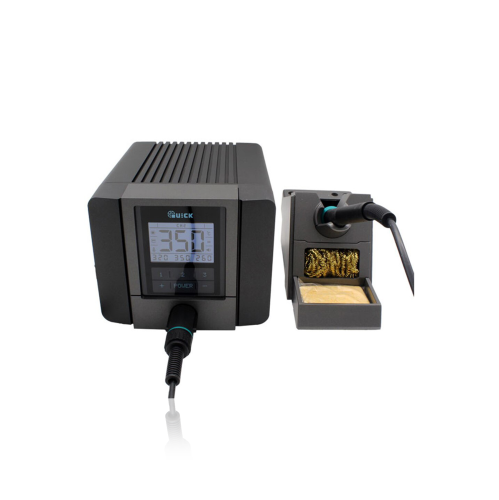


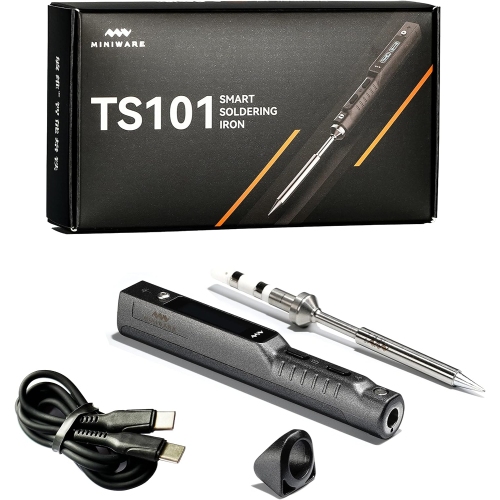
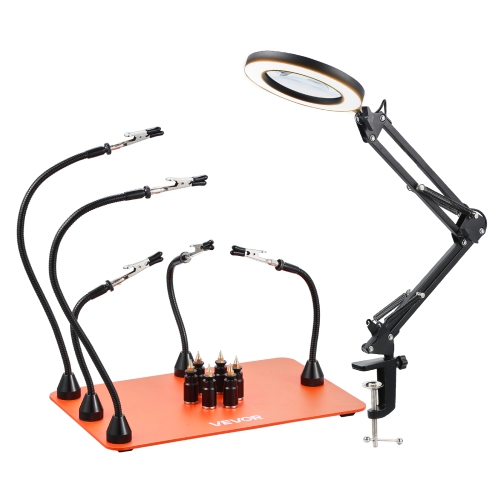
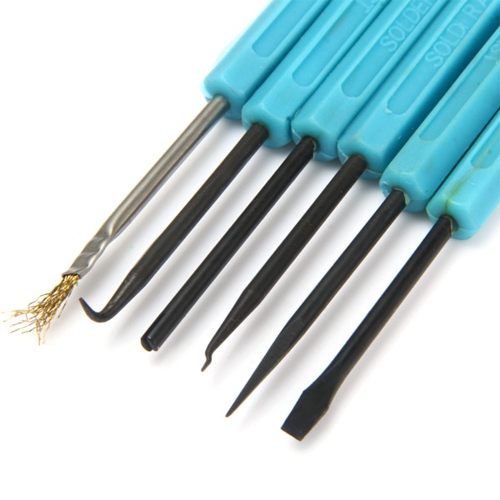
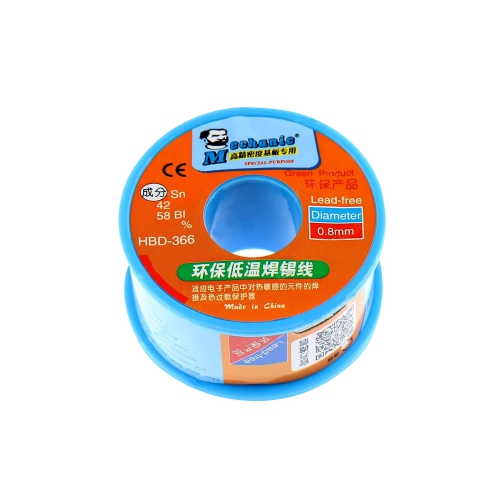


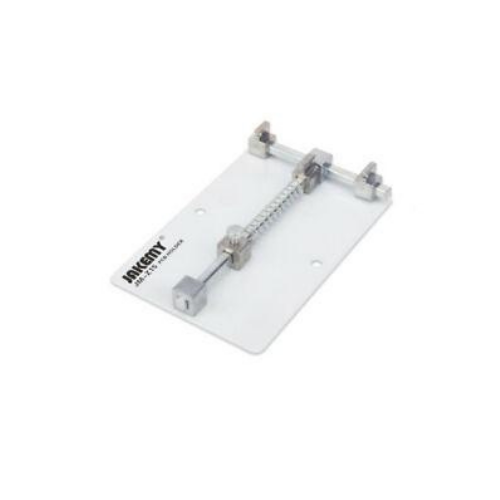
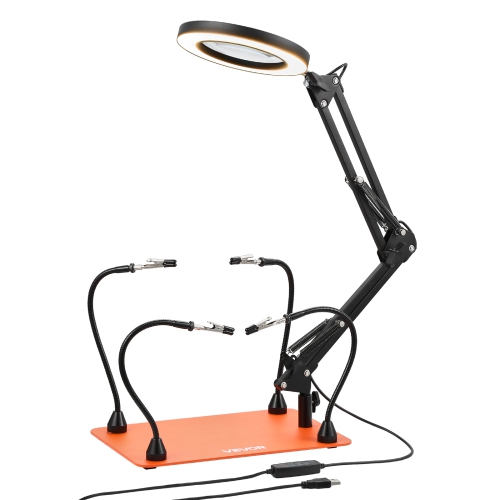
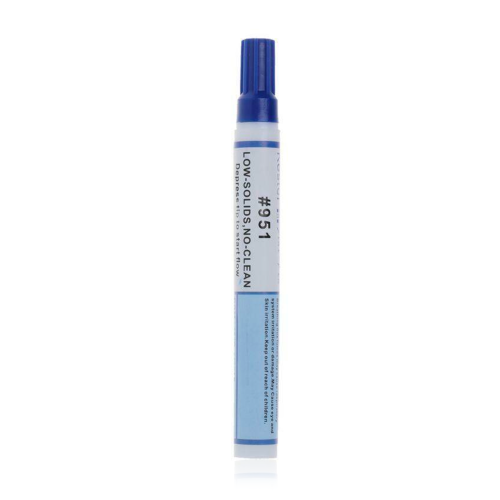
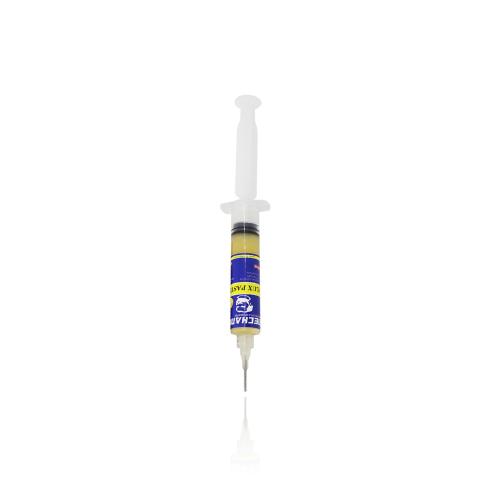
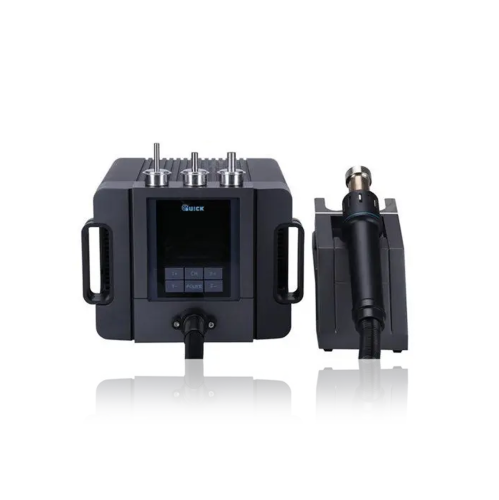
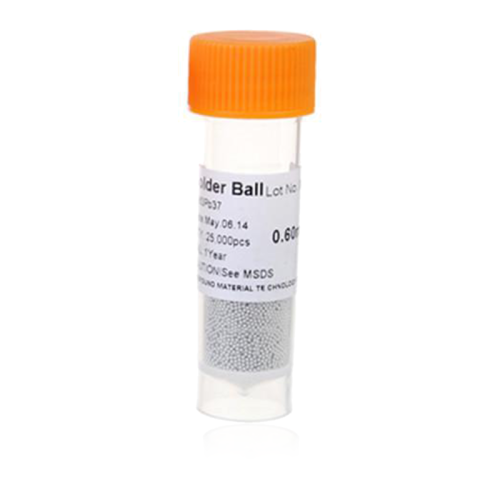
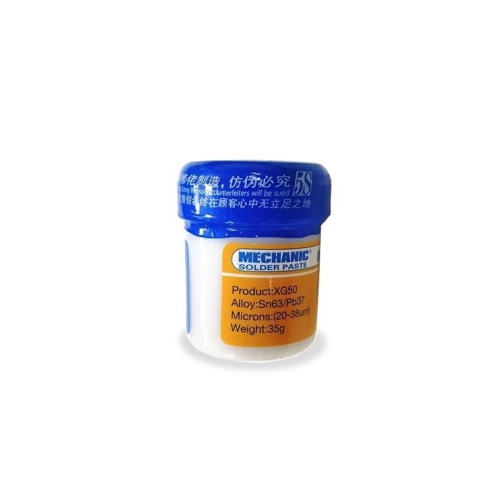
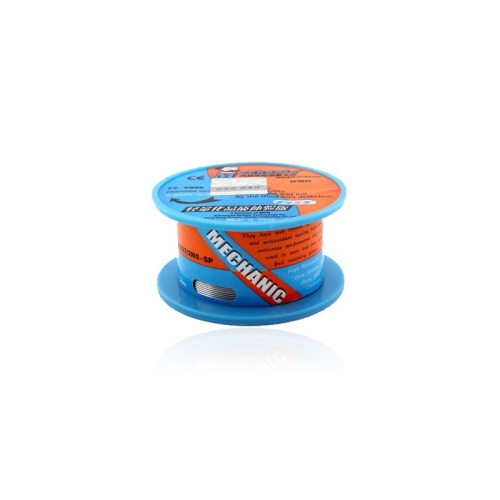
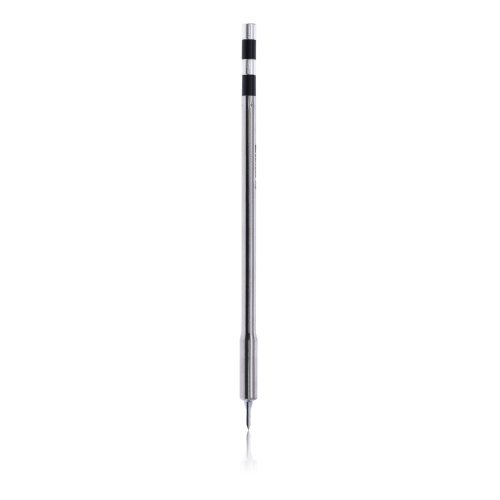
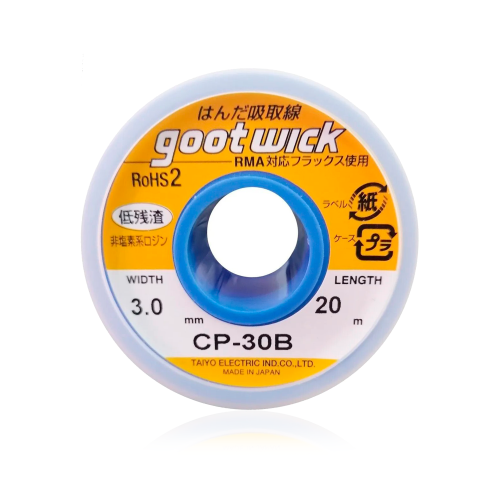
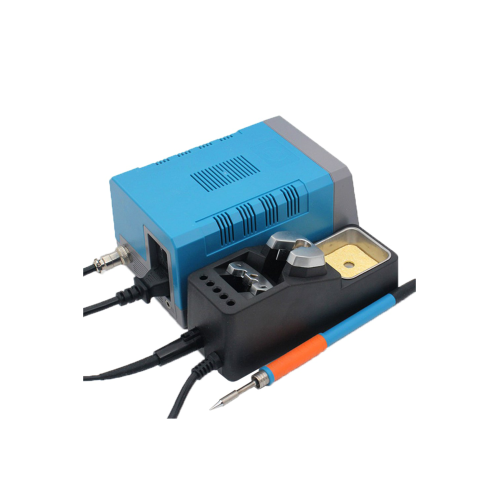
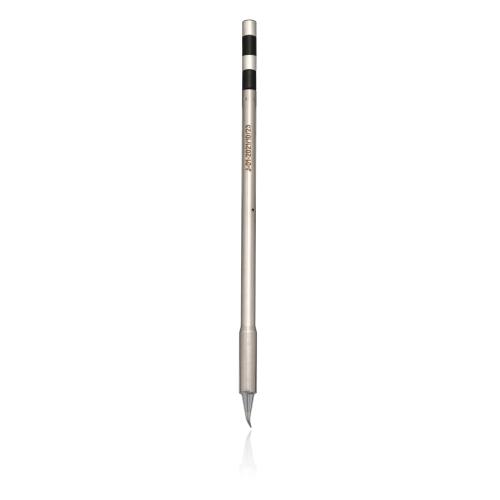

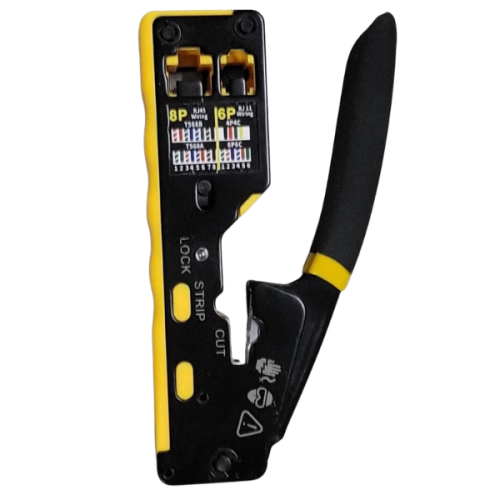
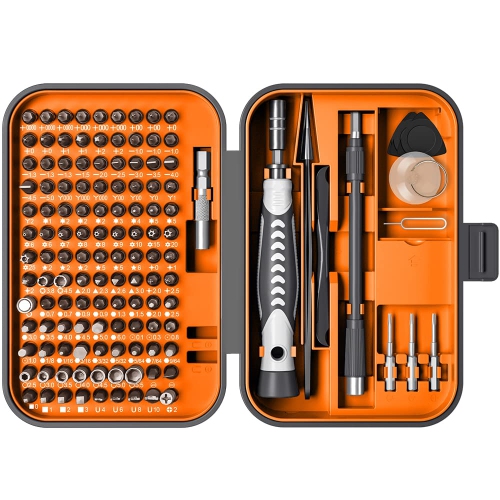
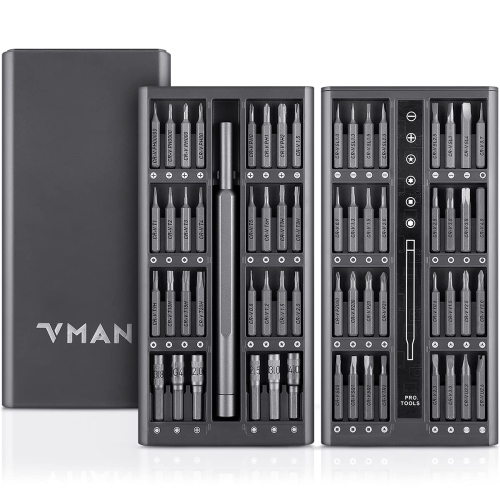

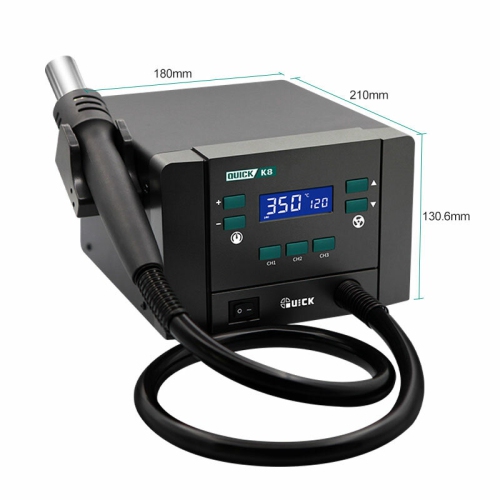


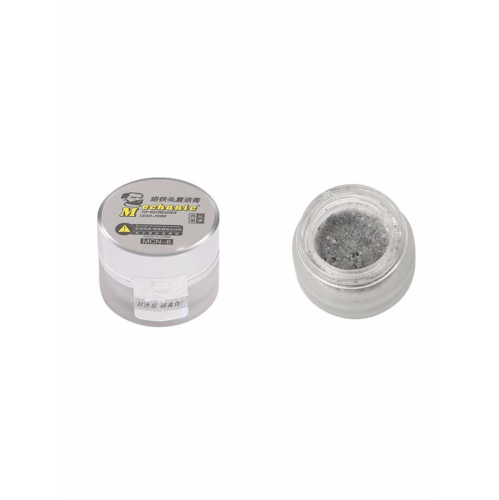
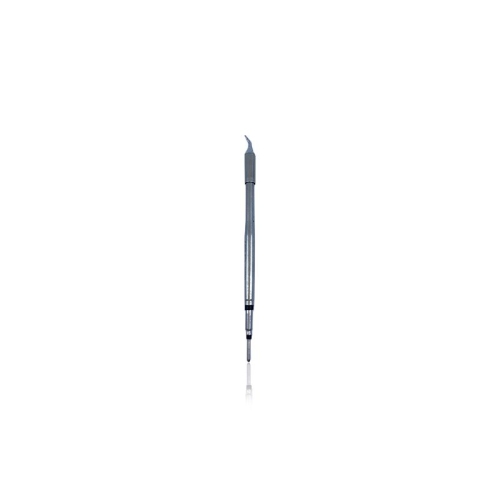
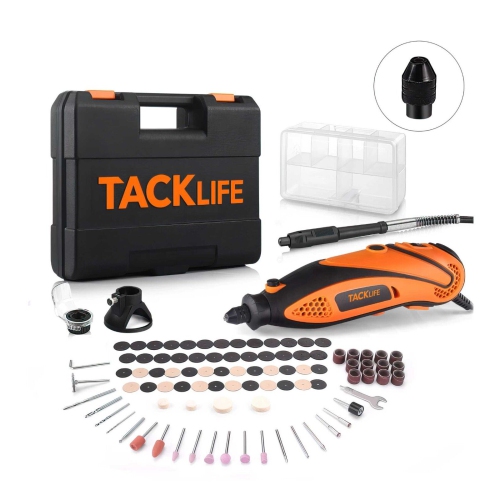

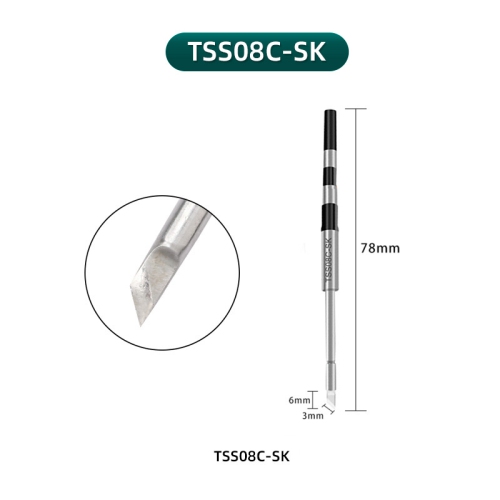
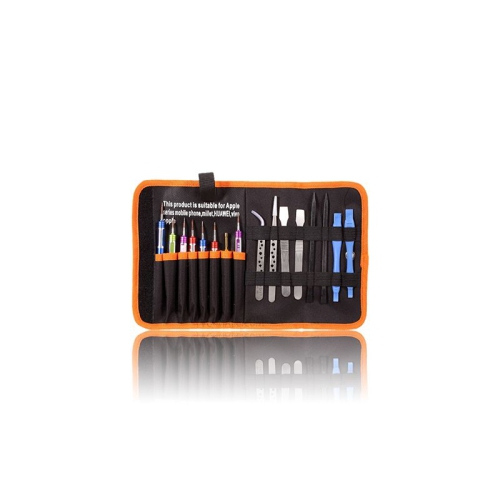
Everything you need for precise, reliable electronic connections
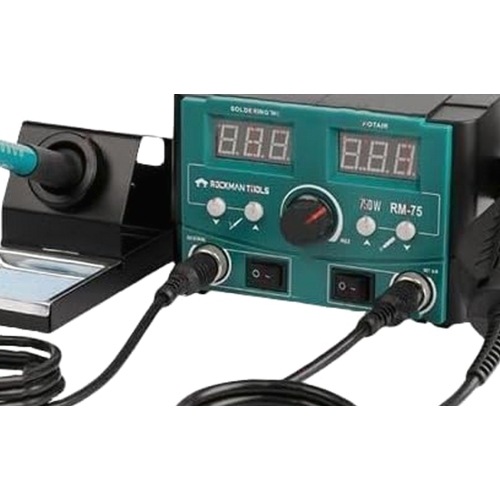
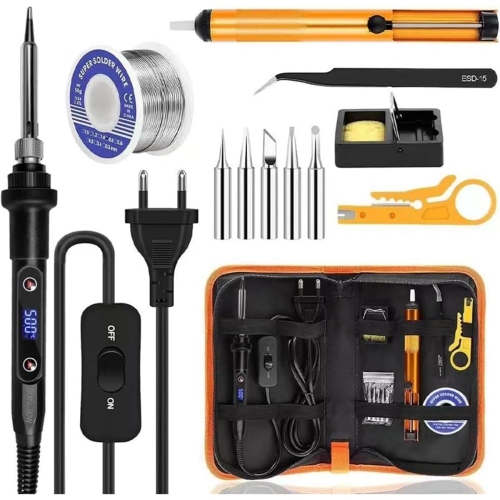
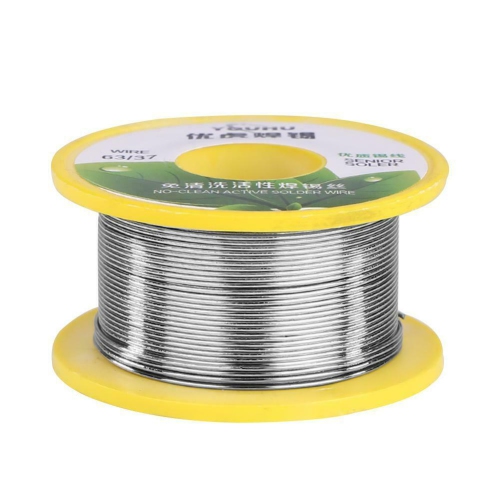
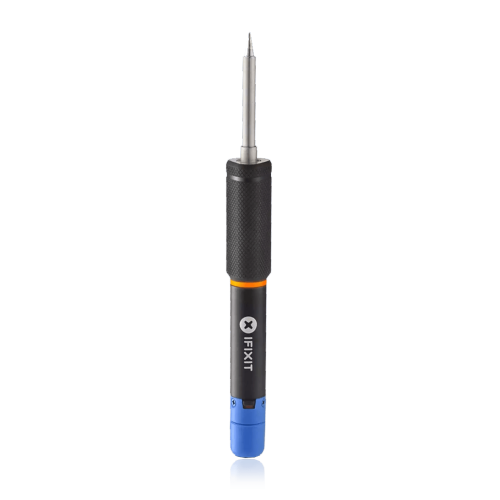
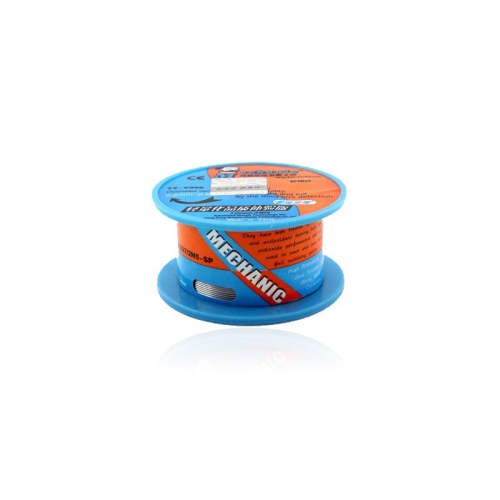
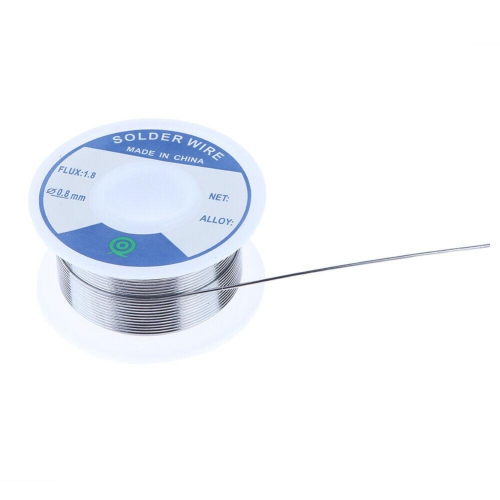
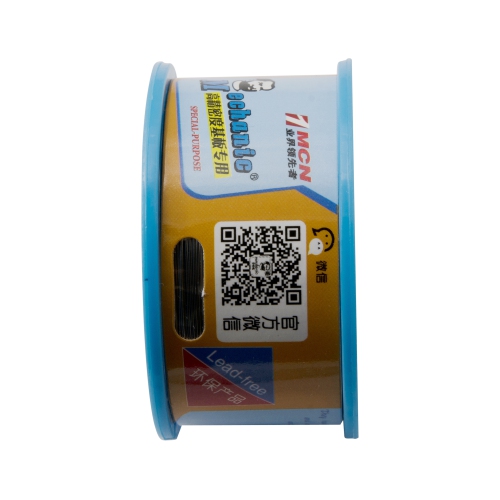
Soldering tools provide the controlled heat, precision and stability needed to join wires, connect electronic components and repair small circuits. At the centre of most setups is a soldering iron or temperature-controlled soldering station, which heats solder until it flows between the surfaces being joined. An adjustable station can be especially useful for electronics work because different materials and component sizes require different heat levels. Lower temperatures may suit delicate circuit boards, while heavier wires and larger connectors can need more heat to create a dependable joint. A comfortable handle, a balanced design and a stand that keeps the hot tip safely off the work surface can make long projects easier to manage. It is also worth considering how quickly the tool reaches temperature, whether replacement tips are available and whether the controls are simple to read while you work. Solder wire is another essential part of the setup. Rosin-core solder, which contains flux within its centre, is commonly used for general electrical and electronics projects because the flux helps remove surface oxidation and encourages the molten solder to flow. Diameter matters as well: finer wire allows more control on small circuit boards, while thicker wire can be convenient for larger terminals and heavier-gauge connections. A clean, shiny joint usually comes from the right combination of heat, contact and solder rather than from using a large amount of filler metal. Let the iron heat the joint briefly, feed solder to the heated connection and remove the solder before lifting the iron away. The result should look smooth and neatly formed, without excessive blobs, gaps or dull, grainy surfaces.
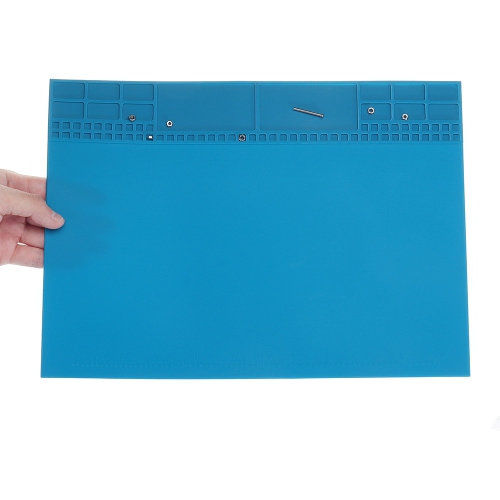
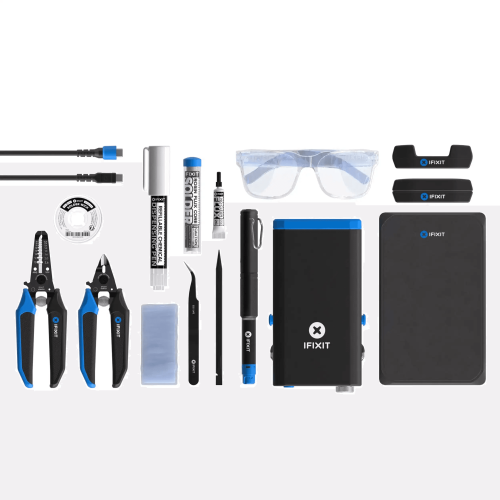
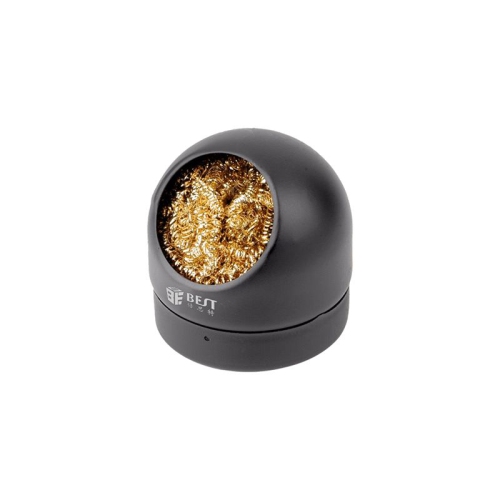
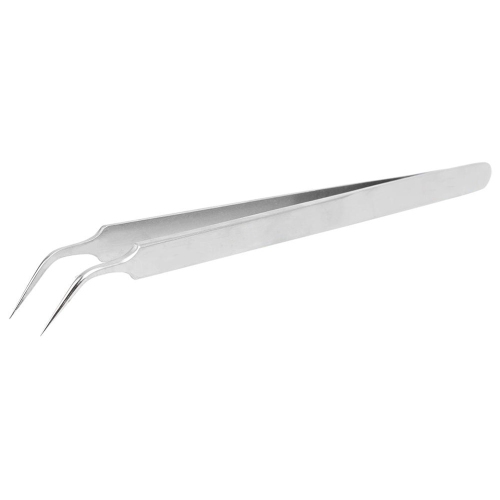
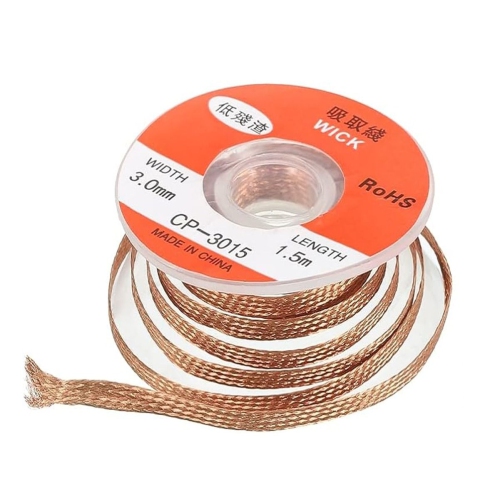
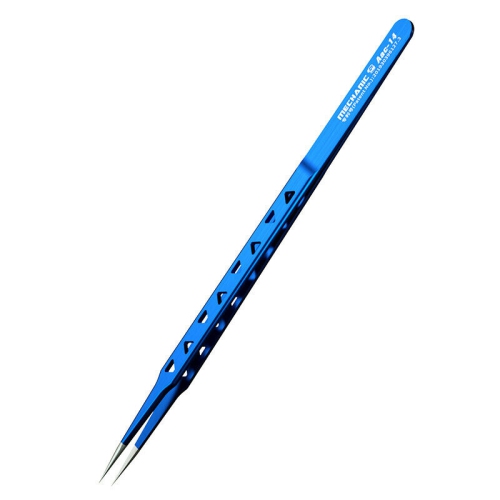
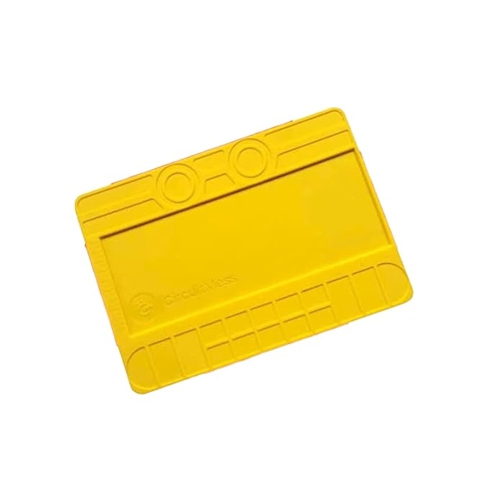
A well-rounded soldering setup includes more than the iron and solder wire. Solder wick, also called desoldering braid, can draw away excess solder when a connection has been overfilled or a component needs to be removed. A desoldering pump uses suction to lift away molten solder, making it useful for clearing through-holes and correcting crowded joints. These tools can turn an intimidating mistake into a manageable repair, particularly when working on a board with closely spaced contacts. Tip care is equally important. A brass sponge or tip cleaner helps remove residue and oxidation while keeping the working surface ready to transfer heat efficiently. Regular cleaning also helps prevent the tip from becoming coated in burnt flux or uneven deposits. For small boards, connectors and loose wires, a helping-hands tool, PCB holder or small work vise can provide the extra set of hands that every careful project seems to need. Holding a circuit board securely leaves both hands free to position the wire and guide the iron, rather than trying to balance everything at once. Flush cutters are useful for trimming component leads close to the board after soldering, while precision tweezers can help position tiny parts without disturbing nearby connections. A heat-resistant work mat protects the bench and gives small components a visible, organised surface. Good ventilation is important because heated flux can produce irritating fumes, and eye protection adds a sensible layer of safety when trimming wire or working with small pieces. Keep the hot iron in its stand when it is not in use, avoid touching freshly soldered joints and allow tools and materials to cool before packing them away. Additional workspace essentials and supporting tools can be found among these Soldering Accessories.
Soldering tools can suit a wide range of users, from someone learning basic electronics at a workbench to an experienced hobbyist repairing audio equipment, building a custom cable or maintaining an RC vehicle. They are often useful for makers who assemble small projects with switches, LEDs, motors, sensors or circuit boards, as well as for hobbyists working on guitar electronics, model trains and other wired equipment. A compact, easy-to-control setup can also make a practical gift for a student, tinkerer or creative problem-solver who enjoys understanding how things work. For a first setup, look for an iron or station with adjustable temperature control, a stable stand and a selection of commonly used tips. A medium-fine conical or chisel tip can handle many general electronics jobs, while specialised tips may be better for very small contacts or larger wire. Matching the tool to the work is important: delicate circuit-board traces benefit from precise temperature control and a fine tip, while battery leads and thicker cable may call for greater power and a broader tip. Before starting, clean the surfaces, strip only the necessary amount of insulation and tin the wire ends when appropriate. Work in a clear, well-lit area and keep components arranged so that a tiny resistor or cut length of wire does not disappear beneath larger tools. With practice, the process becomes a satisfying rhythm: heat the connection, introduce a controlled amount of solder, watch it flow around the joint and remove the iron smoothly. Whether the goal is a small repair during the cooler months, a weekend project indoors or a thoughtful gift for someone who likes hands-on hobbies, choosing compatible solder, dependable cleaning tools and secure workholding equipment helps make each connection more precise and each project more enjoyable.
A well-rounded soldering setup includes more than the iron and solder wire. Solder wick, also called desoldering braid, can draw away excess solder when a connection has been overfilled or a component needs to be removed. A desoldering pump uses suction to lift away molten solder, making it useful for clearing through-holes and correcting crowded joints. These tools can turn an intimidating mistake into a manageable repair, particularly when working on a board with closely spaced contacts. Tip care is equally important. A brass sponge or tip cleaner helps remove residue and oxidation while keeping the working surface ready to transfer heat efficiently. Regular cleaning also helps prevent the tip from becoming coated in burnt flux or uneven deposits. For small boards, connectors and loose wires, a helping-hands tool, PCB holder or small work vise can provide the extra set of hands that every careful project seems to need. Holding a circuit board securely leaves both hands free to position the wire and guide the iron, rather than trying to balance everything at once. Flush cutters are useful for trimming component leads close to the board after soldering, while precision tweezers can help position tiny parts without disturbing nearby connections. A heat-resistant work mat protects the bench and gives small components a visible, organised surface. Good ventilation is important because heated flux can produce irritating fumes, and eye protection adds a sensible layer of safety when trimming wire or working with small pieces. Keep the hot iron in its stand when it is not in use, avoid touching freshly soldered joints and allow tools and materials to cool before packing them away. Additional workspace essentials and supporting tools can be found among these Soldering Accessories.
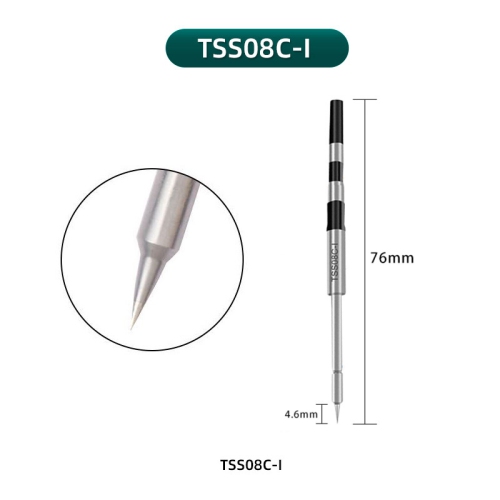
Soldering tools can suit a wide range of users, from someone learning basic electronics at a workbench to an experienced hobbyist repairing audio equipment, building a custom cable or maintaining an RC vehicle. They are often useful for makers who assemble small projects with switches, LEDs, motors, sensors or circuit boards, as well as for hobbyists working on guitar electronics, model trains and other wired equipment. A compact, easy-to-control setup can also make a practical gift for a student, tinkerer or creative problem-solver who enjoys understanding how things work. For a first setup, look for an iron or station with adjustable temperature control, a stable stand and a selection of commonly used tips. A medium-fine conical or chisel tip can handle many general electronics jobs, while specialised tips may be better for very small contacts or larger wire. Matching the tool to the work is important: delicate circuit-board traces benefit from precise temperature control and a fine tip, while battery leads and thicker cable may call for greater power and a broader tip. Before starting, clean the surfaces, strip only the necessary amount of insulation and tin the wire ends when appropriate. Work in a clear, well-lit area and keep components arranged so that a tiny resistor or cut length of wire does not disappear beneath larger tools. With practice, the process becomes a satisfying rhythm: heat the connection, introduce a controlled amount of solder, watch it flow around the joint and remove the iron smoothly. Whether the goal is a small repair during the cooler months, a weekend project indoors or a thoughtful gift for someone who likes hands-on hobbies, choosing compatible solder, dependable cleaning tools and secure workholding equipment helps make each connection more precise and each project more enjoyable.
Top selling and popular products
-
 Your price for this item is $3000
 -
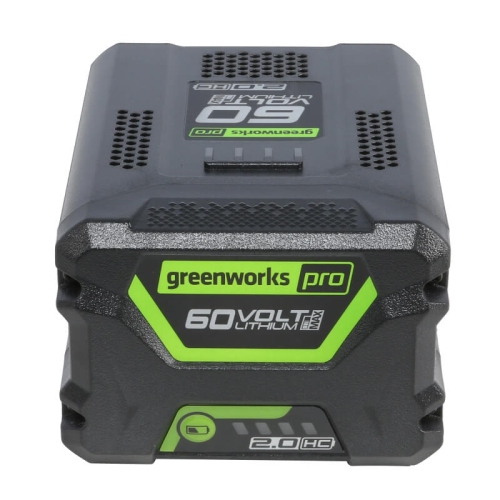 Your price for this item is $124.45
 -
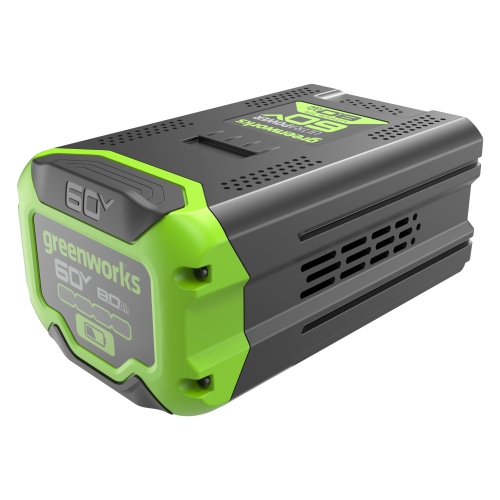 Your price for this item is $329.99
 -
 Your price for this item is $139.99
 -
 Your price for this item is $264
 -
 Your price for this item is $217.55
 -
 Your price for this item is $739.99
 -
 Your price for this item is $599.99
Discover more categories related to Soldering Tools
Top Collections:
Pokemon Centers, Kindle Devices, Best Budget Office Chairs, Apple iPhones 16, Best Laptops for Writers, iPhone 15 Apple, Canon G7X Cameras, Refurbished Apple Laptops, Alarm Clock, Motorola Razr Phones
Some products may be subject to Environmental Handling Fees
(EHF) depending on your province.
Learn more about EHFs.