Soldering Pens
If you're looking to take your DIY projects to the next level, look no further than these soldering pens. These versatile tools are a must-have for almost any electronics enthusiast or hobbyist. Whether you're repairing a circuit board, creating intricate jewelry, or building your own custom electronics, soldering pens provide the precision and control you need to get the job done right.
Sort
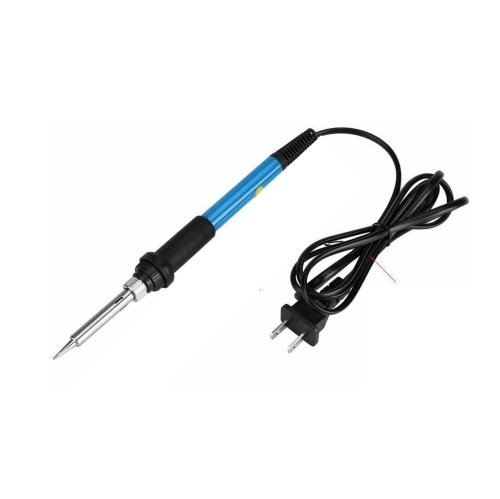
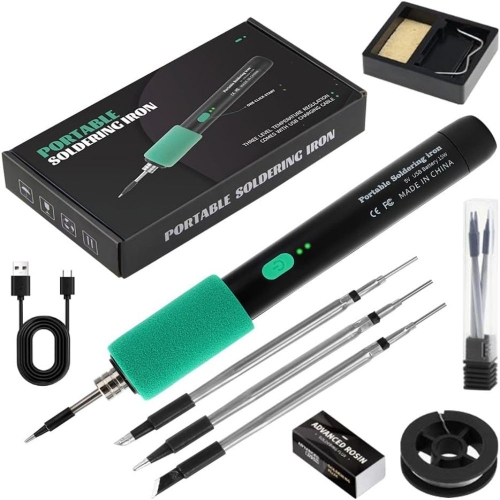
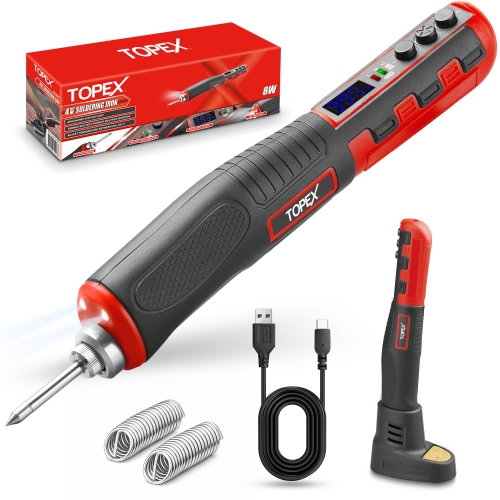
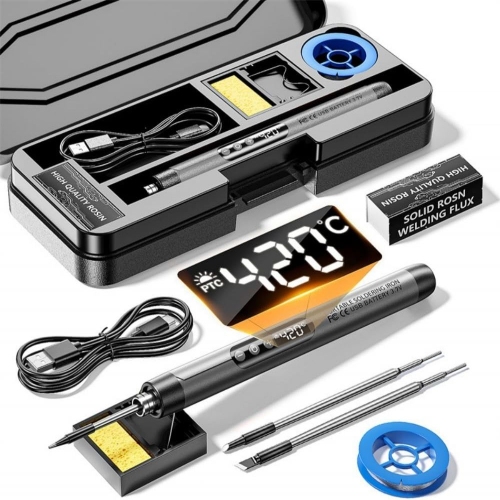
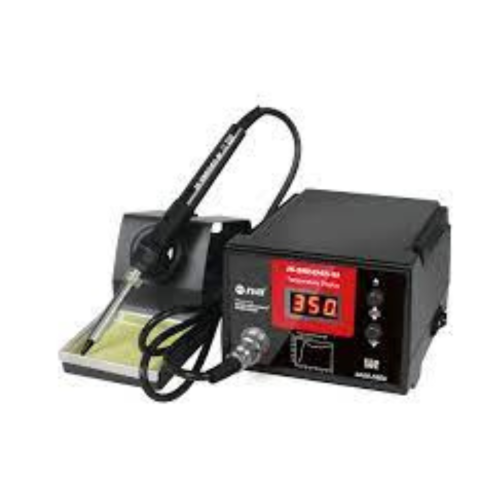
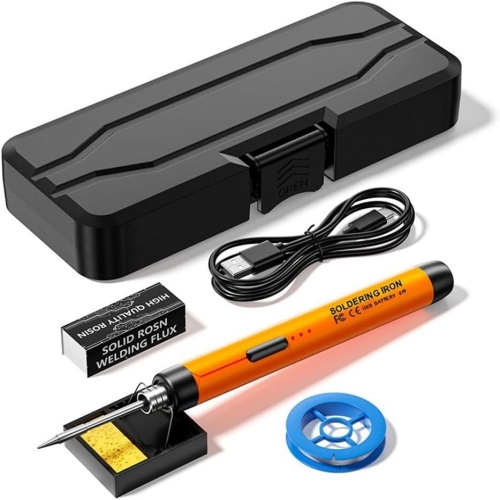
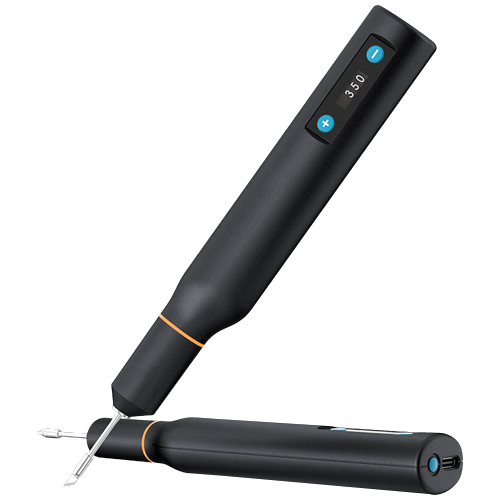
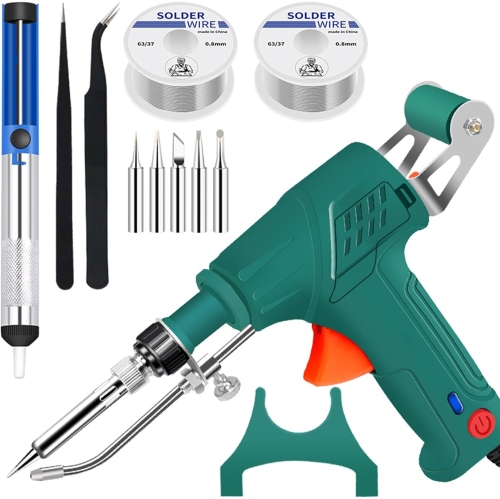
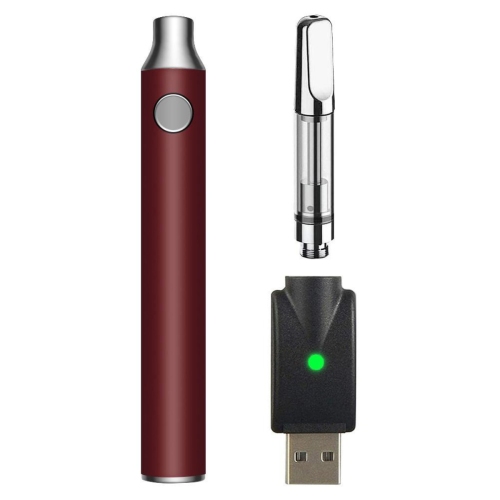
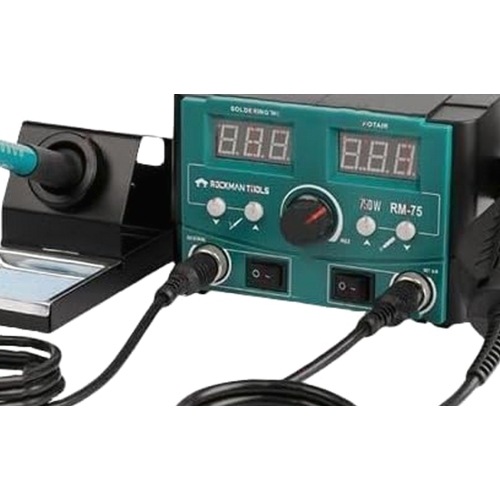
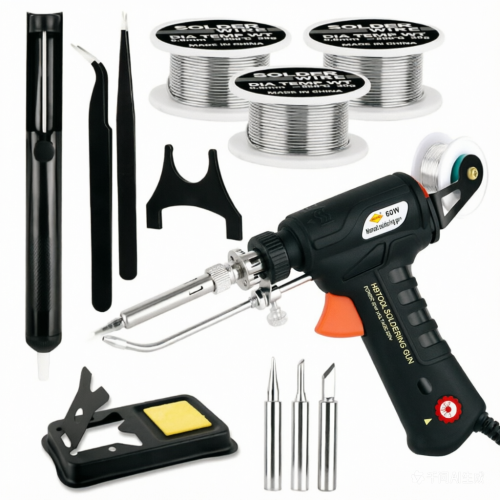
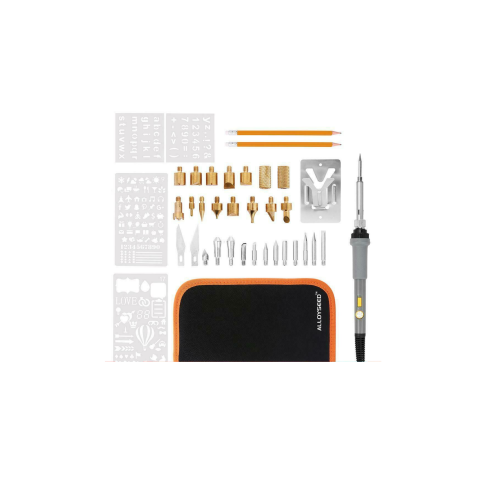
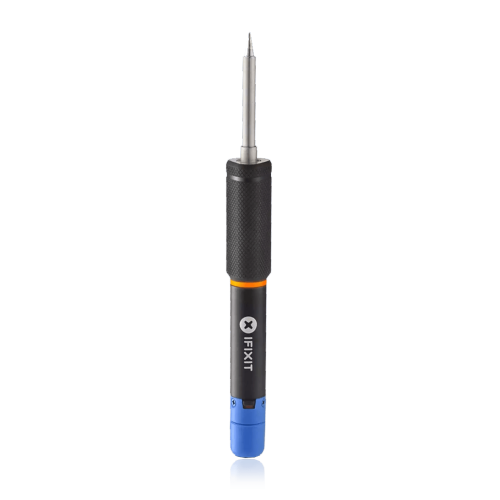
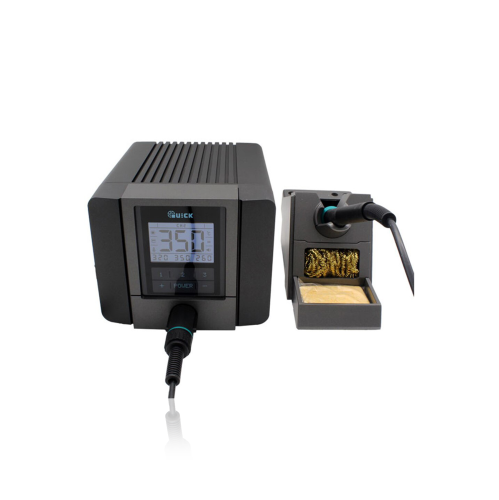

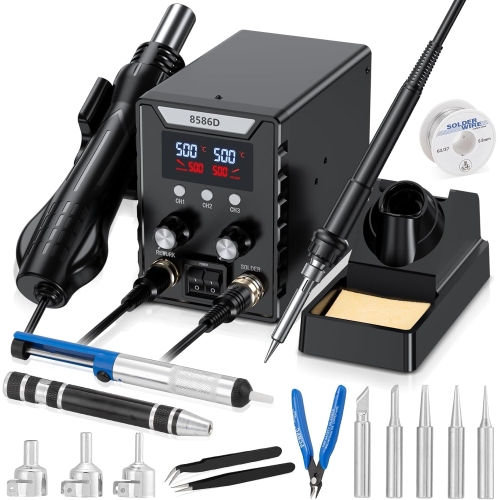
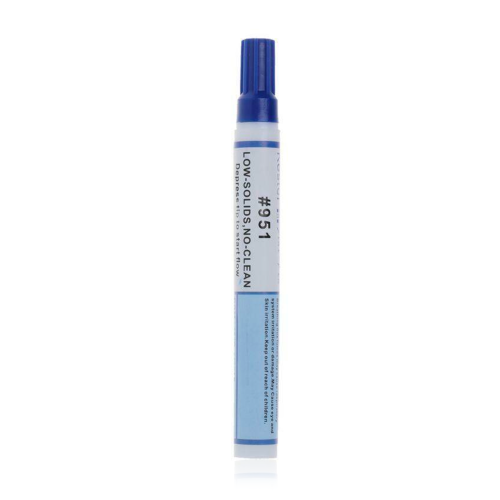
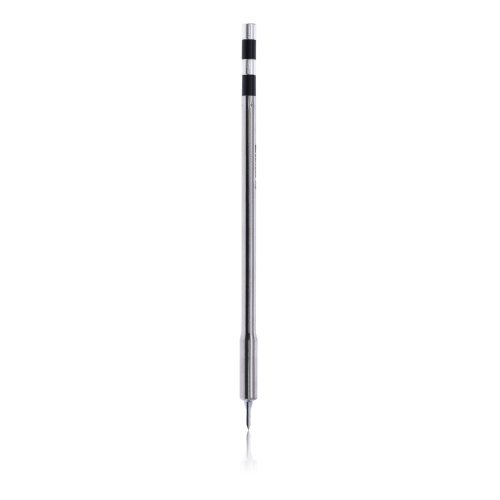
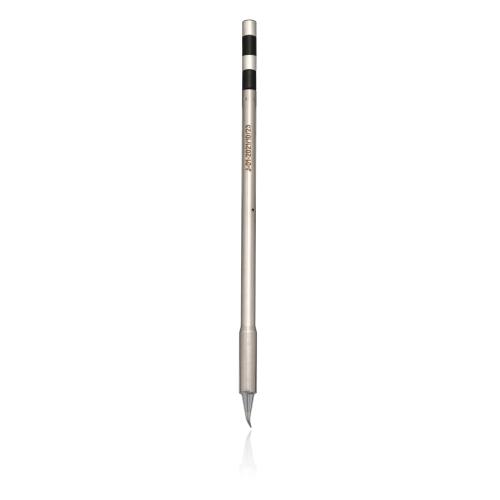
Precision control for careful repairs and electronics projects
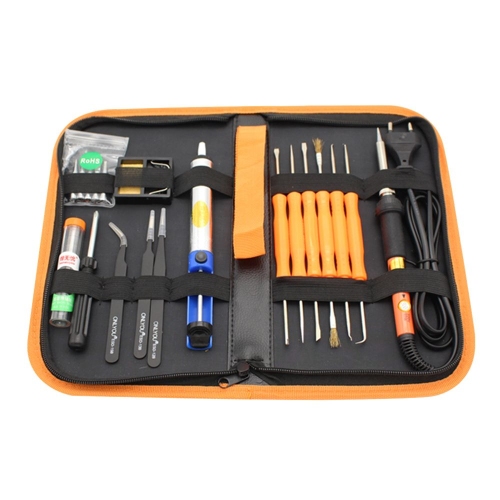
Soldering pens are slim, lightweight tools designed to give you steady control when working with small wires, electronic components and circuit boards. Their pen-like shape fits naturally in the hand, making it easier to guide the heated tip exactly where it needs to go while keeping the other hand free to hold a wire, connector or workpiece in place. They can be useful for repairing a loose connection on a speaker cable, joining wires in a hobby project, assembling a small electronics kit or completing detailed work on a printed circuit board. The narrow handle and fine tip are particularly helpful when several components sit close together, where a larger soldering tool may feel awkward or make it harder to avoid nearby parts. Many soldering pens are built for quick heat-up, reaching a usable temperature in seconds or a couple of minutes, while adjustable models allow you to match the heat to the job. Lower settings can help protect delicate components and thin wires, while higher temperatures may be more suitable for thicker connections or heat-tolerant materials. Consistent temperature control and thermal recovery are also valuable because the tip can cool slightly when it touches solder or a larger metal surface. A tool that returns to its selected temperature smoothly can make joints easier to form and reduce the need to repeatedly pause during a project. For a broader selection of traditional designs and related formats, explore Soldering Irons.
When choosing a soldering pen, start by considering where and how you expect to use it. Corded models are well suited to a dedicated workbench, where a nearby outlet can provide continuous power for longer repair sessions, electronics building and repeated connections. USB-C rechargeable or battery-powered pens offer greater freedom for quick fixes, mobile work and projects in areas without a convenient outlet. A cordless design can be handy for checking wiring in a workshop, making a repair in a different room or keeping in a project case for occasional use, although runtime and charging time are important details to review. Look for information about operating temperature, heat-up speed, battery capacity, charging requirements and whether the tool can be used while connected to power. Tip style matters just as much. Fine pointed tips are useful for precision work on small pads and narrow wire, while chisel or wider tips can transfer heat more effectively to larger joints. Check whether replacement tips are available and whether the included tip shape suits the work you do most often. A stable stand or heat-resistant resting surface is another useful feature, allowing the pen to be set down safely between connections. Some models include a digital display or straightforward temperature controls, which can make it easier to repeat settings from one task to the next. Other practical considerations include an insulated grip, balanced weight, an automatic shut-off function and a compact case for storing the pen, tips, solder and accessories together. Soldering pens can also make thoughtful gifts for a student learning basic electronics, a maker who enjoys building small projects, a model enthusiast, a musician who maintains cables or a hands-on DIYer who likes having the right tool ready for a careful repair. A starter kit may be especially convenient when it includes essentials such as solder, a stand, cleaning materials and extra tips, but confirm that the solder type and accessory specifications match the intended projects.
Soldering requires a calm workspace and careful preparation, even when the tool is compact. Use the pen on a stable, heat-resistant surface with good ventilation, and keep the hot tip away from clothing, paper, plastic and unfinished work surfaces. Safety glasses can help protect your eyes from small splashes, clipped wire ends and unexpected movement while a joint is being made. Let the tool heat fully before applying solder, then touch the heated tip to the connection briefly so the metal warms evenly. Feed solder into the joint rather than coating the tip excessively, and remove the solder and pen in a controlled motion once the connection has flowed. A clean, shiny joint is generally a sign of good contact, while a dull or lumpy result may indicate that the materials were not heated evenly. Practising on spare wire or an inexpensive circuit board can build confidence before moving to a valuable project. Keep a damp sponge or brass wool nearby for tip maintenance, and avoid scraping the tip with abrasive materials that can damage its coating. When the work is complete, switch the pen off, place it securely in its stand and allow it to cool completely before storing it. During the cooler months, a portable soldering pen can be convenient for projects brought indoors, from repairing hobby equipment to assembling small gifts and educational kits; as the weather warms, its compact design can also make it useful in a garage or workshop, provided it is used on a safe, stable surface. With the right tip, suitable temperature range and power format for your routine, a soldering pen can provide the precision and control needed for small repairs, creative builds and everyday electronics work.
When choosing a soldering pen, start by considering where and how you expect to use it. Corded models are well suited to a dedicated workbench, where a nearby outlet can provide continuous power for longer repair sessions, electronics building and repeated connections. USB-C rechargeable or battery-powered pens offer greater freedom for quick fixes, mobile work and projects in areas without a convenient outlet. A cordless design can be handy for checking wiring in a workshop, making a repair in a different room or keeping in a project case for occasional use, although runtime and charging time are important details to review. Look for information about operating temperature, heat-up speed, battery capacity, charging requirements and whether the tool can be used while connected to power. Tip style matters just as much. Fine pointed tips are useful for precision work on small pads and narrow wire, while chisel or wider tips can transfer heat more effectively to larger joints. Check whether replacement tips are available and whether the included tip shape suits the work you do most often. A stable stand or heat-resistant resting surface is another useful feature, allowing the pen to be set down safely between connections. Some models include a digital display or straightforward temperature controls, which can make it easier to repeat settings from one task to the next. Other practical considerations include an insulated grip, balanced weight, an automatic shut-off function and a compact case for storing the pen, tips, solder and accessories together. Soldering pens can also make thoughtful gifts for a student learning basic electronics, a maker who enjoys building small projects, a model enthusiast, a musician who maintains cables or a hands-on DIYer who likes having the right tool ready for a careful repair. A starter kit may be especially convenient when it includes essentials such as solder, a stand, cleaning materials and extra tips, but confirm that the solder type and accessory specifications match the intended projects.
Soldering requires a calm workspace and careful preparation, even when the tool is compact. Use the pen on a stable, heat-resistant surface with good ventilation, and keep the hot tip away from clothing, paper, plastic and unfinished work surfaces. Safety glasses can help protect your eyes from small splashes, clipped wire ends and unexpected movement while a joint is being made. Let the tool heat fully before applying solder, then touch the heated tip to the connection briefly so the metal warms evenly. Feed solder into the joint rather than coating the tip excessively, and remove the solder and pen in a controlled motion once the connection has flowed. A clean, shiny joint is generally a sign of good contact, while a dull or lumpy result may indicate that the materials were not heated evenly. Practising on spare wire or an inexpensive circuit board can build confidence before moving to a valuable project. Keep a damp sponge or brass wool nearby for tip maintenance, and avoid scraping the tip with abrasive materials that can damage its coating. When the work is complete, switch the pen off, place it securely in its stand and allow it to cool completely before storing it. During the cooler months, a portable soldering pen can be convenient for projects brought indoors, from repairing hobby equipment to assembling small gifts and educational kits; as the weather warms, its compact design can also make it useful in a garage or workshop, provided it is used on a safe, stable surface. With the right tip, suitable temperature range and power format for your routine, a soldering pen can provide the precision and control needed for small repairs, creative builds and everyday electronics work.
Top selling and popular products
-
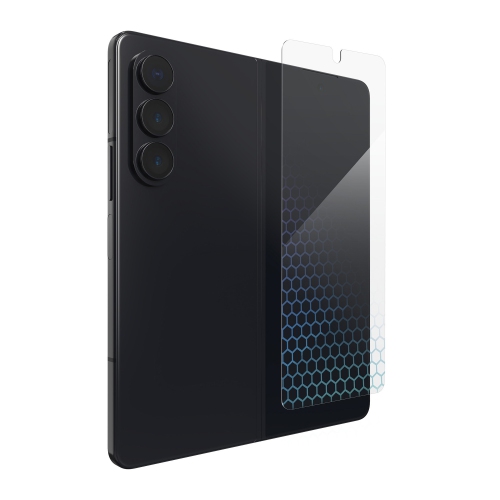 Your price for this item is $59.99
 -
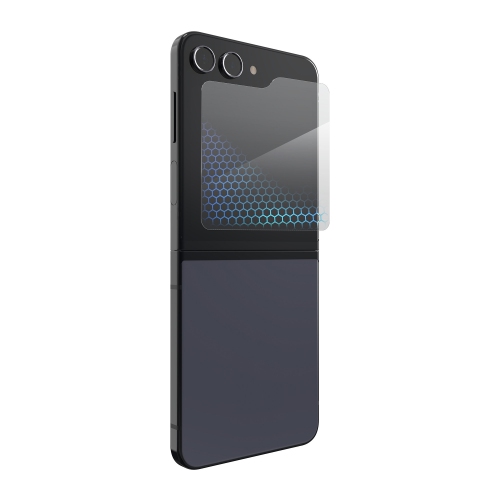 Your price for this item is $59.99
 -
 Your price for this item is $89.99
 -
 Your price for this item is $52
 -
 Your price for this item is $49.99
 -
 Your price for this item is $14.68
 -
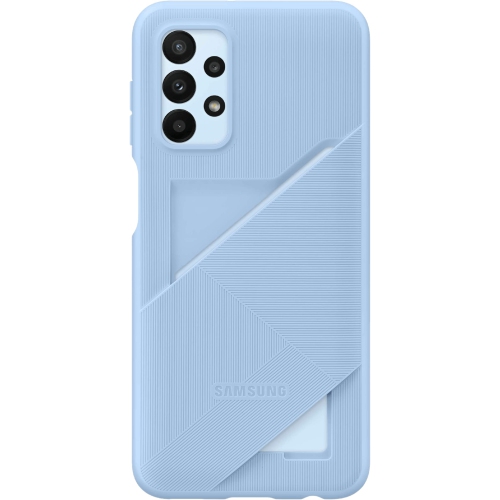 Your price for this item is $52.49
 -
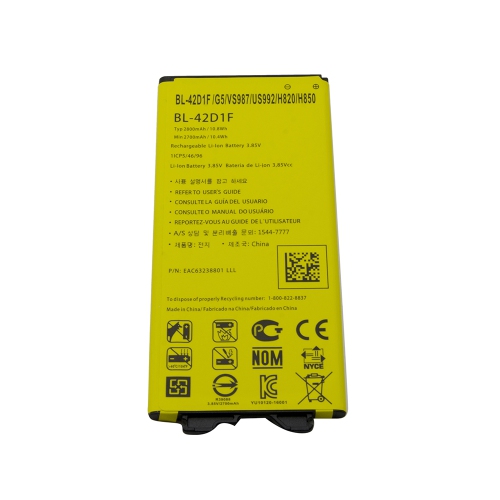 Your price for this item is $14.79
Discover more categories related to Soldering Pens

Top Collections:
Pokemon Centers, Kindle Devices, Best Budget Office Chairs, Apple iPhones 16, Best Laptops for Writers, iPhone 15 Apple, Canon G7X Cameras, Refurbished Apple Laptops, Alarm Clock, Motorola Razr Phones
Some products may be subject to Environmental Handling Fees
(EHF) depending on your province.
Learn more about EHFs.