Telephone Wire Connection
Looking to improve your telephone wire connection? Look no further! At Best Buy, we understand the importance of a reliable and seamless phone connection. Whether you're setting up a new home office or simply need to upgrade your existing setup, our wide selection of telephone wire connection solutions has got you covered. From quality cables to advanced adapters, we have everything you need to ensure crystal-clear communication.
Sort
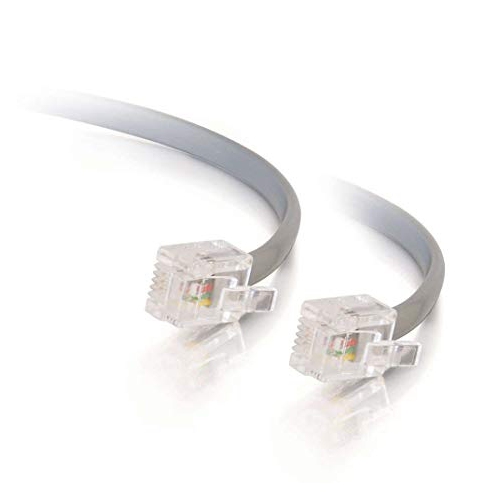


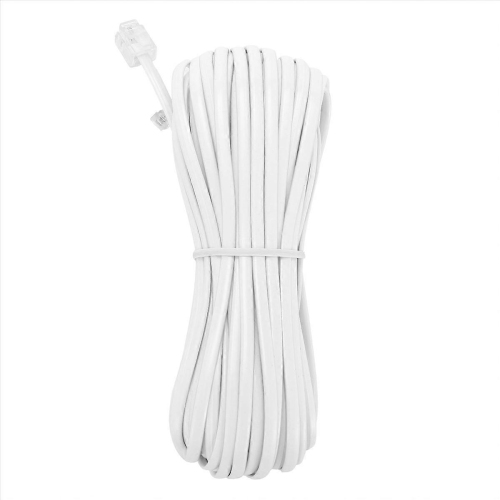


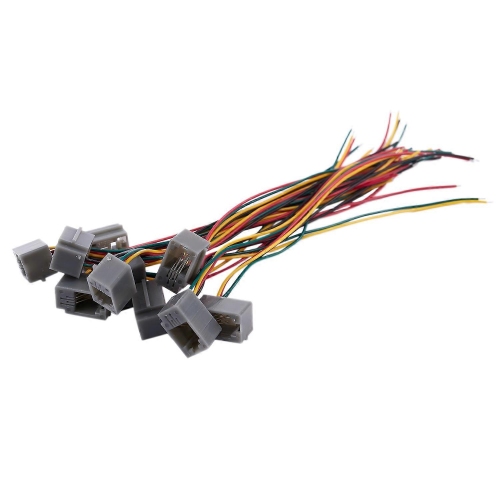
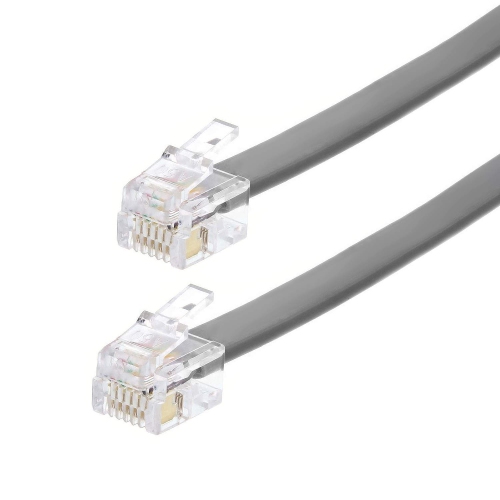


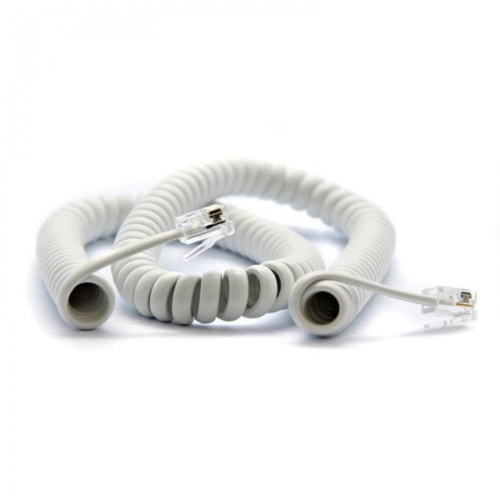
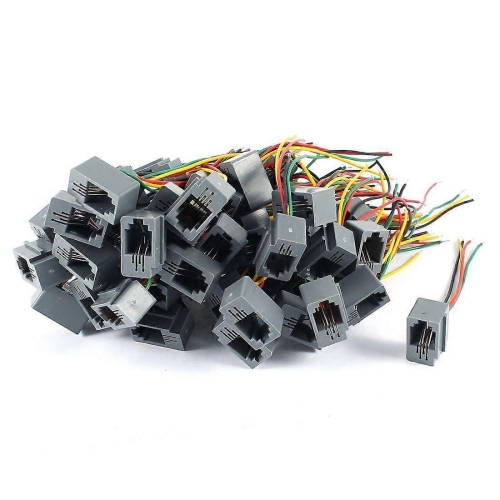


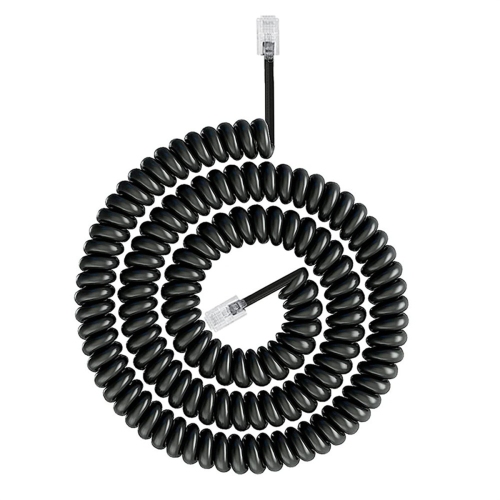


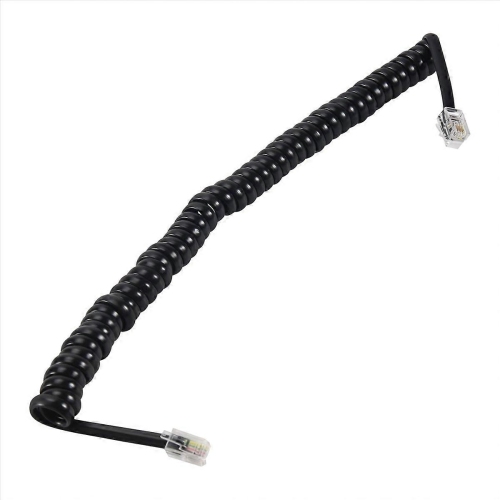

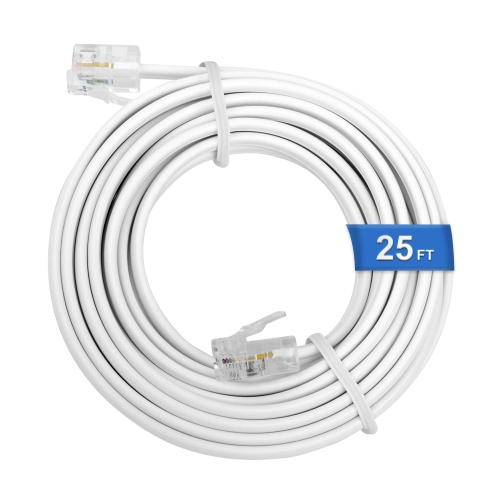


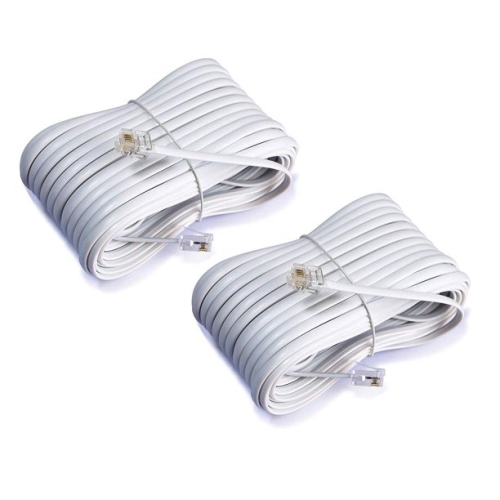


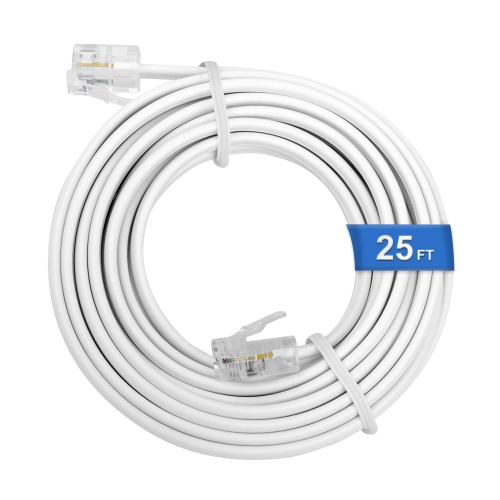


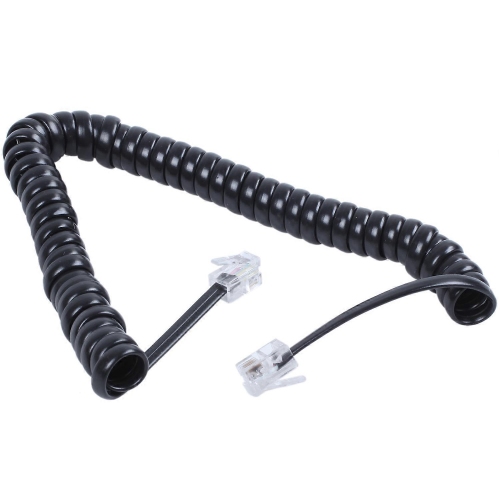
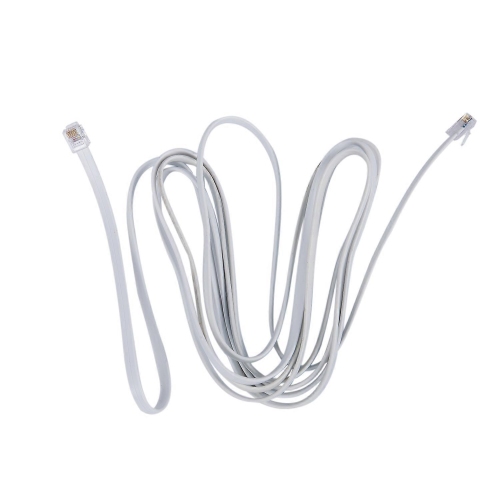
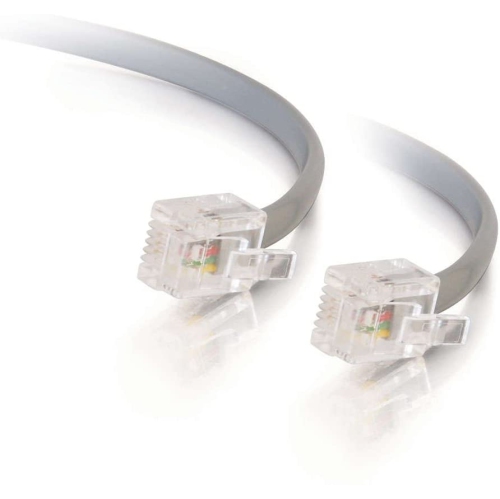
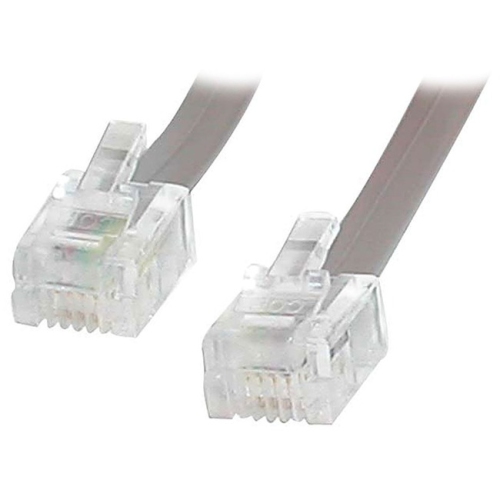

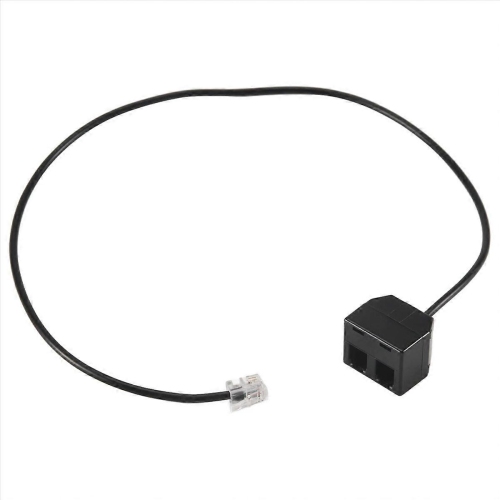










Telephone wiring basics for repairs, extensions, and reliable connections
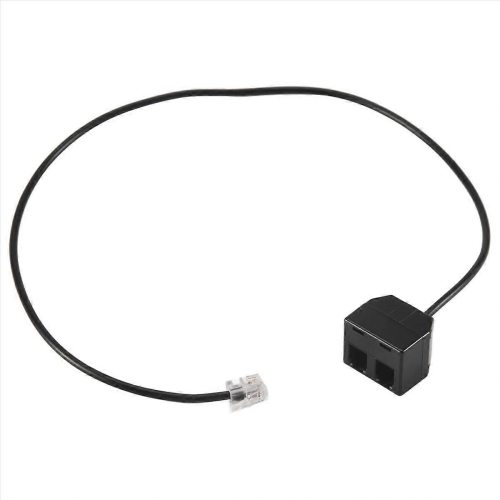
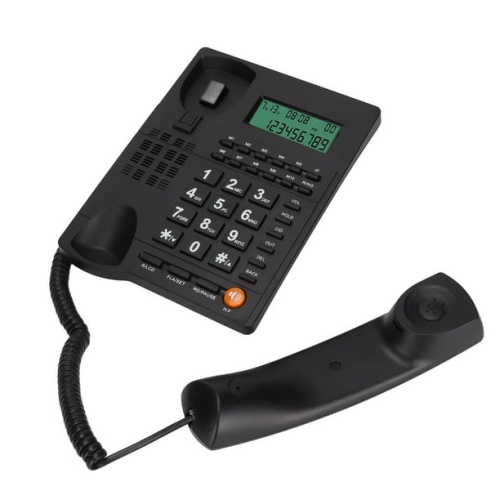
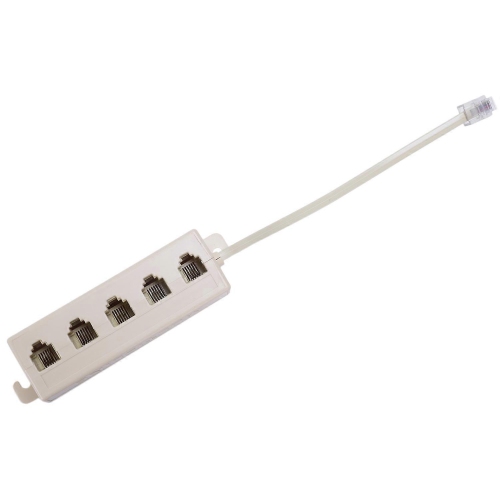
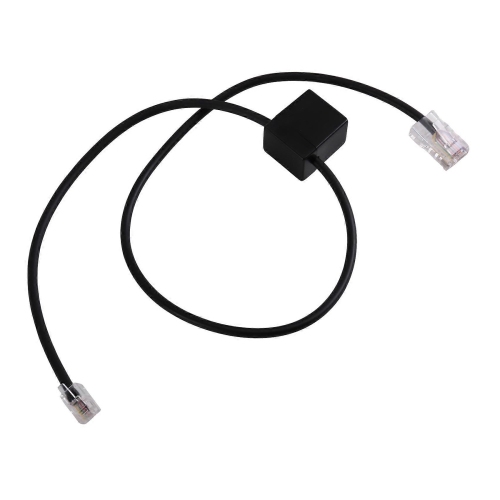
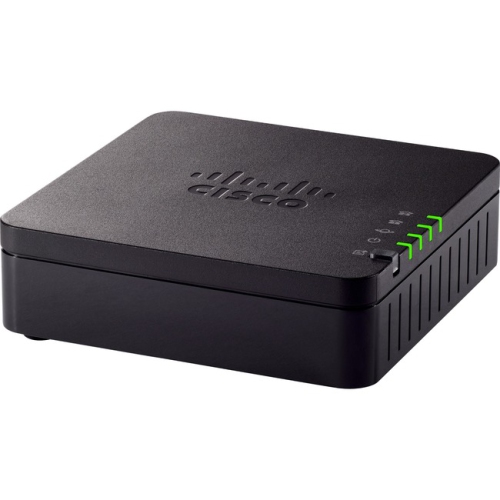
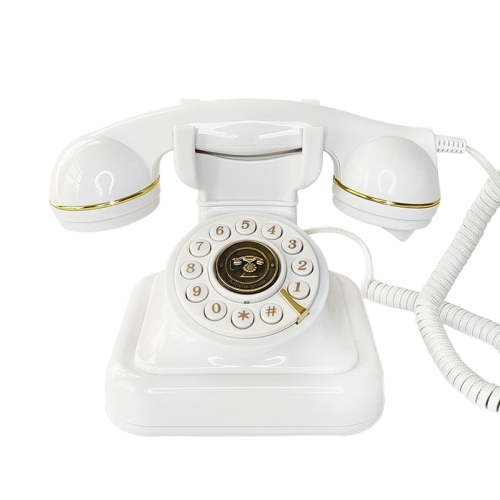
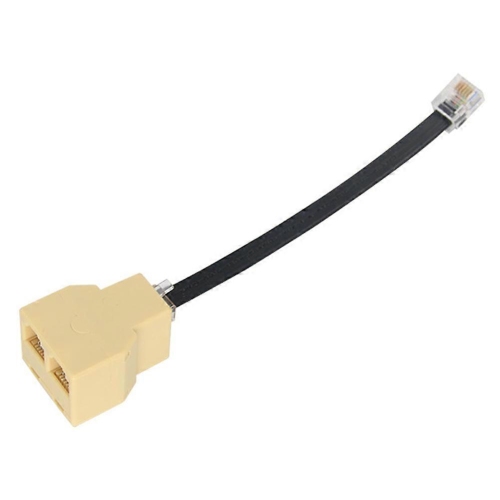
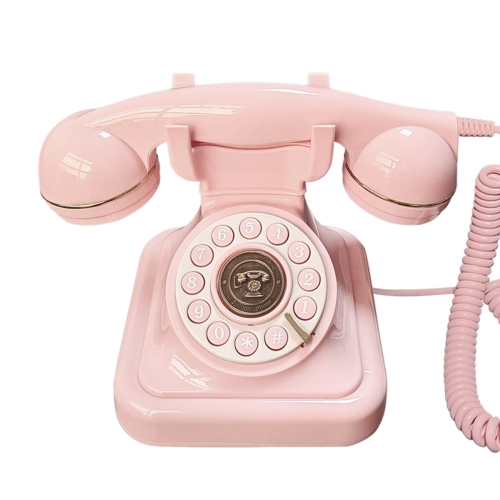
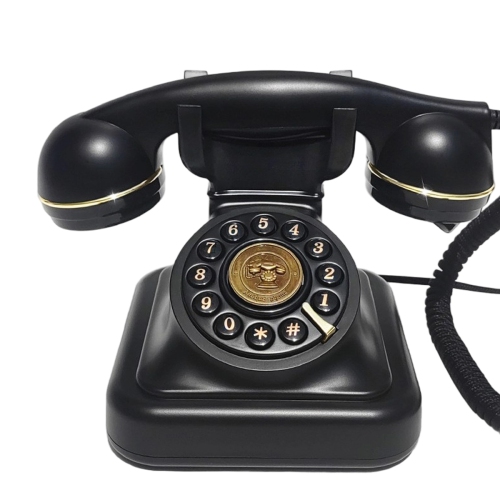
Telephone wire connection products help bring order and reliability to the wiring behind landline phones, wall jacks, fax machines, answering systems, and other equipment that uses a traditional telephone connection. They may be useful when replacing a worn cord, extending a phone to another room, repairing a loose connection, setting up a home office, or restoring service in an older home where the wiring has seen years of use. Although many modern households rely primarily on mobile devices, wired telephone equipment remains valuable for home offices, small businesses, workshops, reception areas, intercom-style arrangements, and locations where a dependable fixed connection is preferred. When choosing telephone wire connection supplies, consider the type of connection already installed, the distance between the wall jack and the device, the number of lines being used, and whether the cable will run along a baseboard, through furniture, inside a wall, or outdoors. A cable with the right connector ends can provide a straightforward replacement, while individual conductors, terminals, wall plates, couplers, and splice accessories may be more suitable for building or repairing a complete connection. Look for a suitable cable length that avoids unnecessary loops without placing tension on the plug, and consider a jacket that can handle the intended location. A low-profile design can help keep wiring tidy behind a desk or cabinet, while a more robust outer covering may be helpful in a workshop or shared office where cords are moved frequently. For users who need extra reach without changing the existing wall outlet, a Telephone Extension can offer a practical way to position a phone in a more convenient location. These supplies can also make a thoughtful housewarming or new-home gift for someone setting up a home office, renovating an older property, or organizing a small business space, particularly when paired with other practical office essentials.
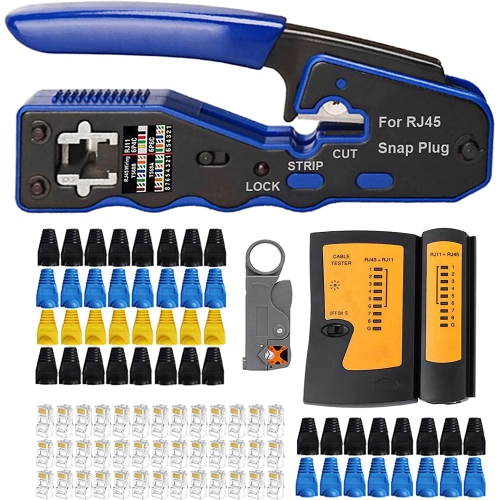
Understanding the basic conductor layout can make telephone wire connection projects easier to assess before purchasing. A standard single-line analogue telephone connection generally uses a centre pair of conductors to carry the voice signal. In traditional four-wire flat telephone cord, those conductors are commonly identified as red and green, while yellow and black are typically reserved for a second line. In newer structured cabling, voice service may use a blue pair instead: the white-and-blue striped conductor is commonly associated with green, and the solid blue conductor with red. If a second line is required, the white-and-orange striped and solid orange conductors may be used in place of the yellow and black pair. These colour conventions are widely encountered, but they are not a substitute for checking the existing terminal markings, wiring diagram, or equipment instructions because installations can differ, especially in older buildings, custom renovations, and business telephone systems. A single-line setup normally needs only the active centre pair, whereas a two-line arrangement requires the additional pair to be connected consistently at both ends. Matching each conductor to the corresponding terminal or modular pin helps reduce crossed lines, intermittent service, static, and a complete loss of dial tone. Before selecting connection hardware, inspect the existing cable and jack for cracked insulation, bent contacts, loose screws, corrosion, or signs of strain. The condition of the connection matters as much as the colour match; a conductor that is only partly secured can work for a time and then fail when the cord is moved. Modular connections are convenient for quick changes and replacements, while screw terminals or punch-down connections can be useful for fixed wall-jack installations. If a connection involves Cat5 or Cat6 cable being repurposed for voice service, confirm the pair arrangement rather than assuming that the outer jacket colour indicates the correct terminal. Keeping unused conductors separated and protected can also help prevent accidental contact between pairs.
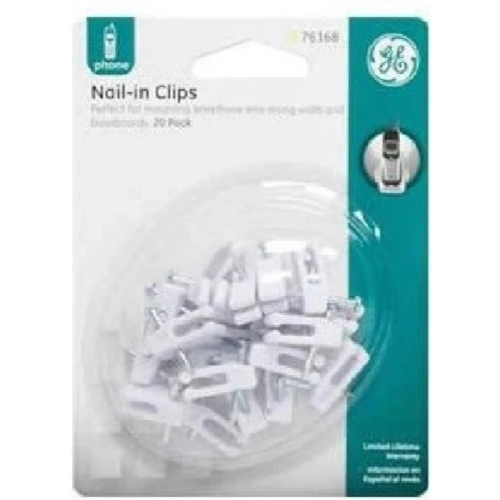
Telephone wiring is generally low voltage during normal operation, but an incoming call can introduce a higher ringing voltage, so care is important whenever a wall plate, junction, or exposed conductor is being handled. Disconnect the telephone equipment from the jack before inspecting or changing a connection, and avoid working on wiring during wet conditions or near damaged electrical infrastructure. Telephone cable should not be treated as a replacement for electrical wiring, and it should be kept separate from household power cables wherever practical. For a simple cord replacement, matching the connector style, cable type, and length is often the main consideration. For a wall-jack repair or a new run, check whether the installation calls for flat cord, round cable, individual conductors, modular plugs, terminal screws, or a compatible joining accessory. A neat route with gentle bends and enough slack to move the phone can help protect the connection over time, while clips or other cable-management accessories can keep wiring away from walkways and chair wheels. After connecting a single line, test for dial tone, clear audio, and reliable ringing; with two lines, verify each line independently so that both are assigned correctly. If there is persistent noise, a weak signal, reversed service, or no connection after the wiring has been checked, the fault may be farther along the building’s telephone network rather than at the visible jack. Outdoor lines, shared building infrastructure, alarm systems, multi-line business equipment, and unfamiliar terminal blocks may require a qualified telecommunications technician. Choosing telephone wire connection supplies with the correct connector format, conductor count, insulation, and intended installation type can make routine maintenance more manageable and help create a clean, dependable setup through changing household and workplace needs during the warmer and cooler seasons.
Top selling and popular products
-
 Your price for this item is $7.99
-
 Your price for this item is $5.99
-
 Your price for this item is $7.99
-
 Your price for this item is $28.89
-
 Your price for this item is $13.99
-
 Your price for this item is $14.99
-
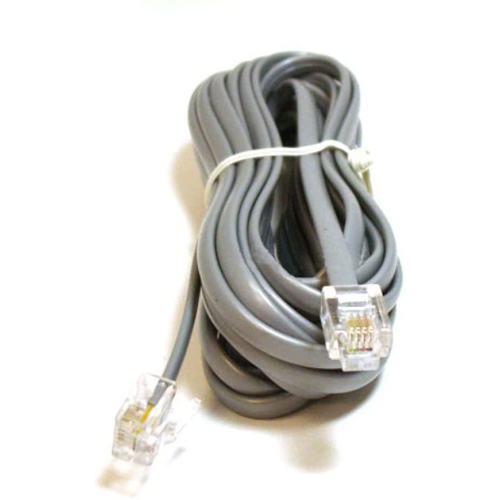 Your price for this item is $15.99
-
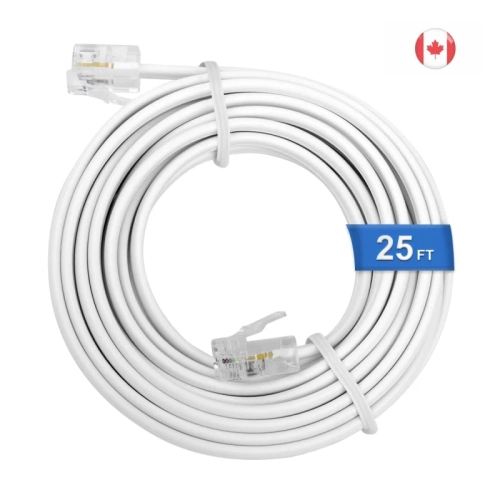 Your price for this item is $19.99
Discover more categories related to Telephone Wire Connection
Top Collections:
Pokemon Centers, Best Cameras for Sports Photography, Kindle Devices, Samsung Galaxy Phones, Canon G7X Cameras, Pokémon 30th Celebration Cards, Refurbished Apple Laptops, iPhone 15 Apple, Laptops for Students, Budget Smartphones
Some products may be subject to Environmental Handling Fees
(EHF) depending on your province.
Learn more about EHFs.