Top Rated E Readers
Looking to dive into the world of digital reading? Look no further than our curated selection of top-rated e-readers. These sleek and portable devices are designed to bring your favorite books, magazines, and newspapers to life with crystal-clear displays and convenient features. Whether you're a bookworm looking to carry your entire library in your pocket or a student seeking a lightweight alternative to heavy textbooks, our collection of top-rated e-readers has something for everyone.
Sort

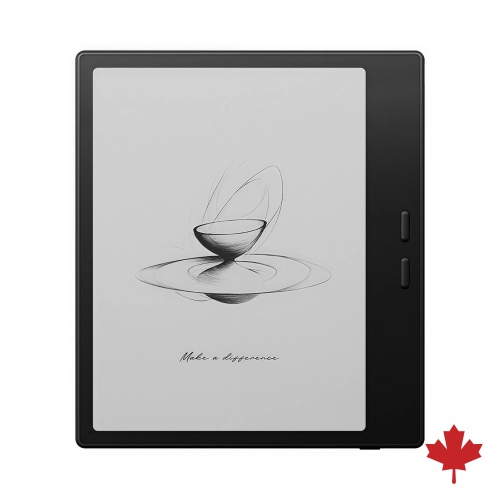
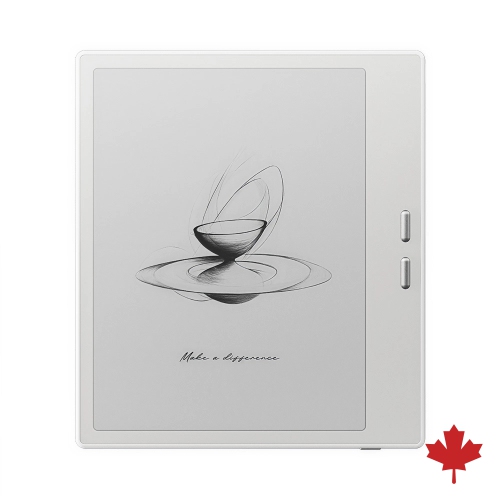
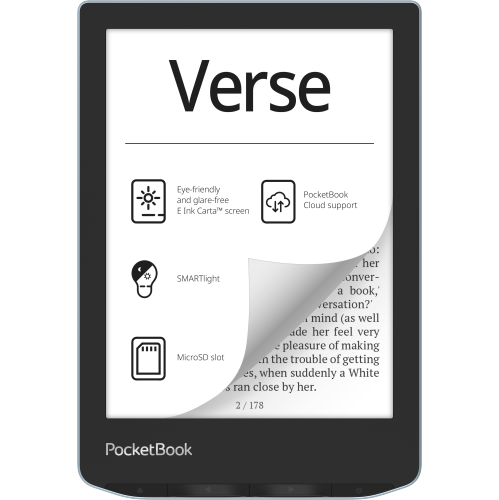
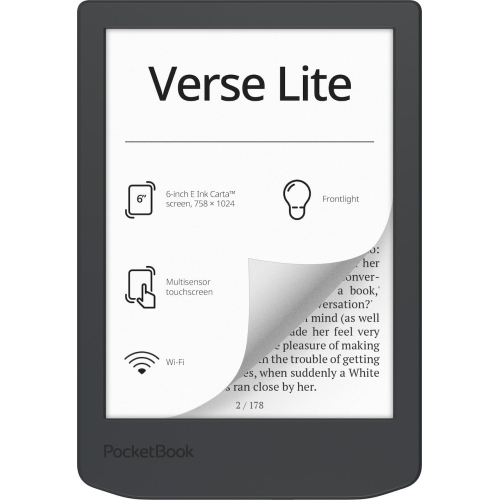

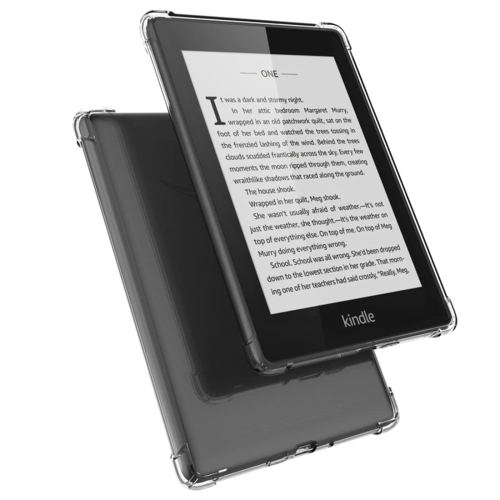
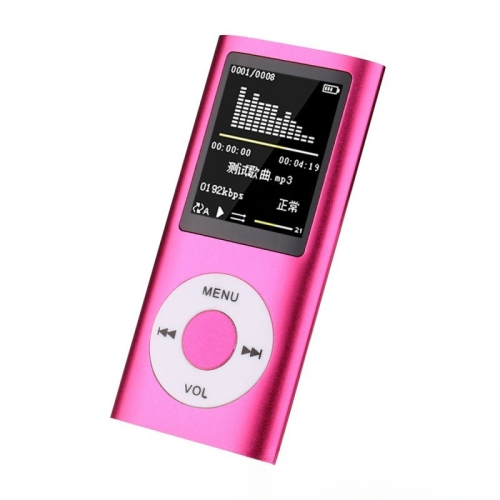
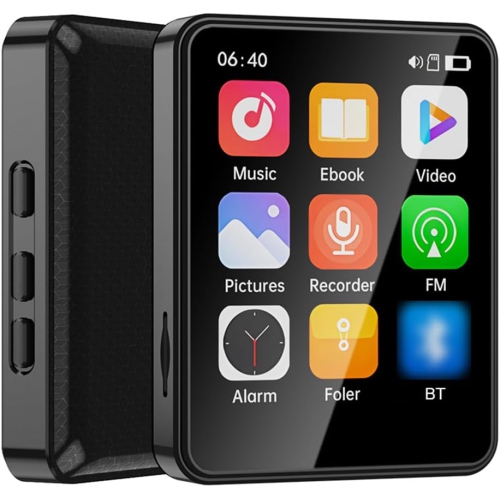
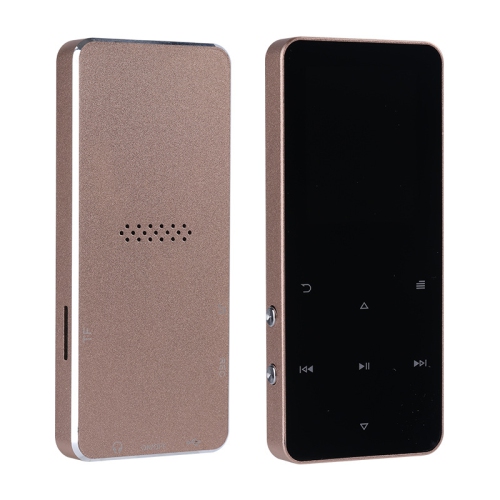
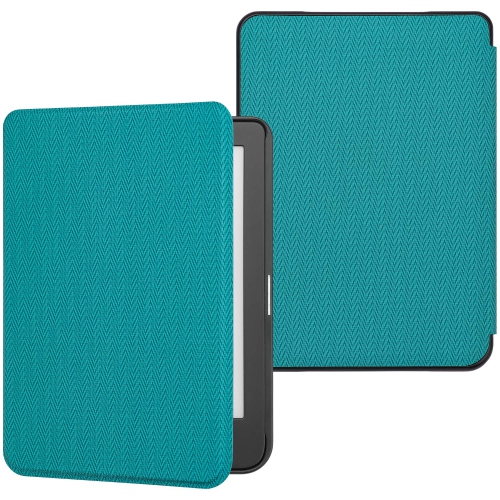
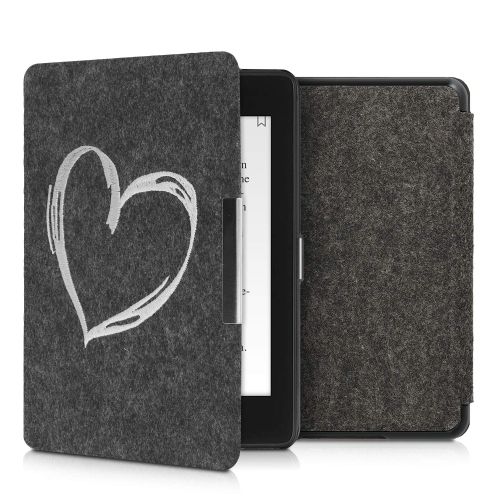
Comfortable reading starts with more than a sharp screen
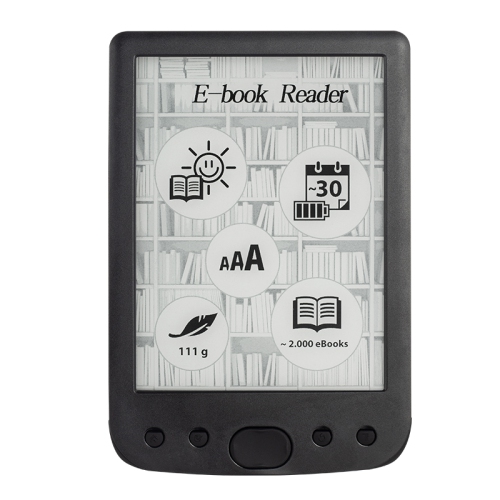
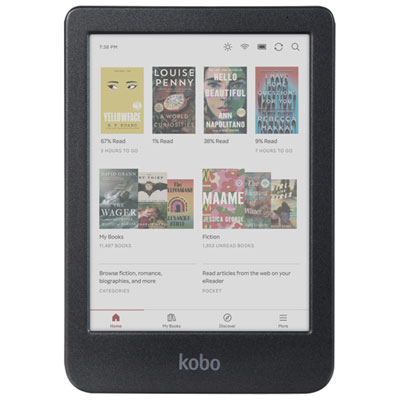
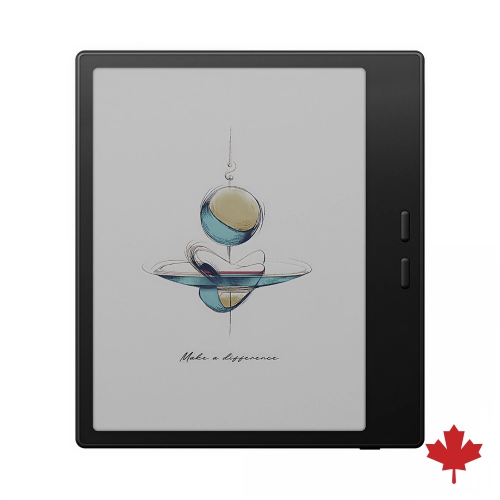
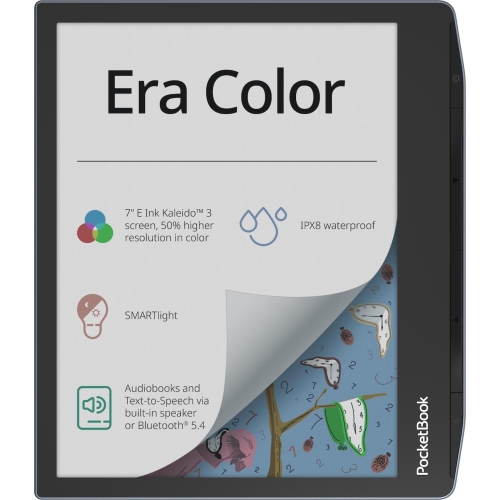
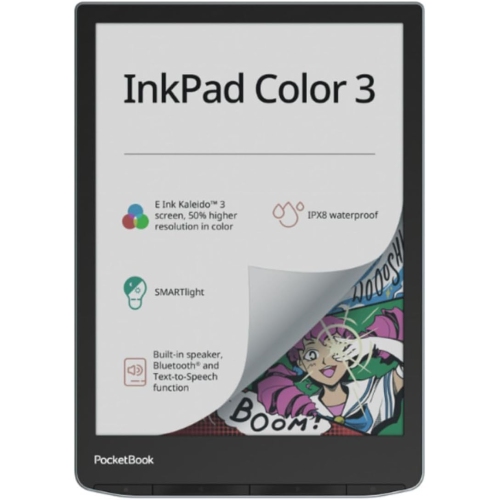
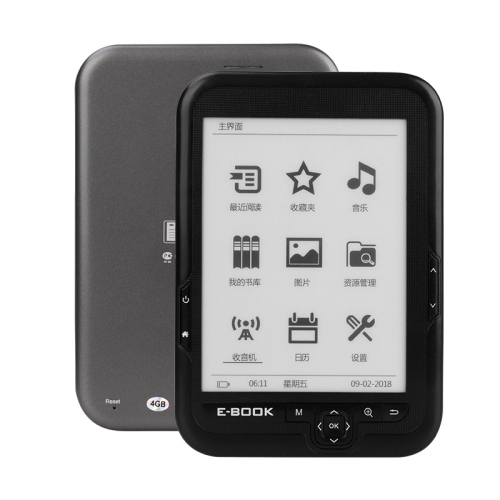
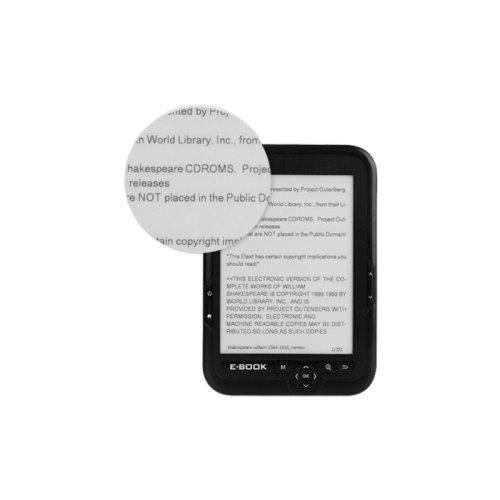
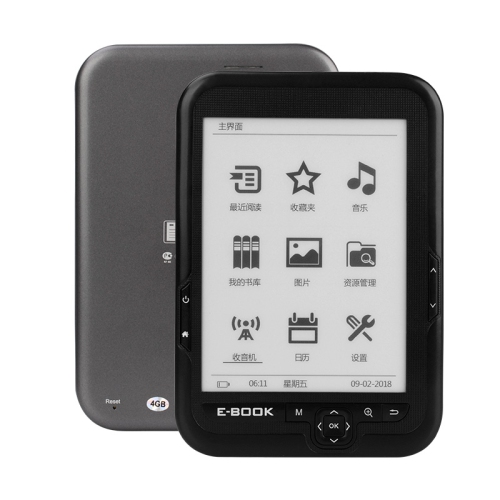
Top-rated e-readers combine clear text, comfortable handling, dependable battery life, and convenient access to the books people want to read. These dedicated reading devices suit everything from a few chapters on the train to an uninterrupted afternoon with a novel. Unlike a conventional tablet display, an electronic ink screen uses a reflective surface that remains readable in bright surroundings without relying on a backlight shining through the screen. Many e-readers also include an adjustable front light, which illuminates the page when the surrounding light is low. The result is a reading experience centred on the text, with fewer interruptions than a multipurpose device. A sharp display makes small lettering easier to distinguish; a resolution of 300 pixels per inch can produce crisp text, though screen size, font choice, and contrast also affect readability. Compact screens around 6 inches are easy to tuck into a small bag, while larger screens leave more room for generous text sizes, illustrations, or longer lines of text. Readers who prefer larger lettering may appreciate the extra space because it can reduce how frequently they need to turn the page. Black-and-white displays are well suited to novels and other text-heavy books. Colour displays add useful detail to illustrated stories, charts, and highlighted passages, although their colours are generally more muted than those on a tablet. The E Reader E Ink page brings together devices built around this distinctive display technology. For everyday reading, adjustable font sizes, line spacing, and margins can matter as much as the screen itself. Some devices also offer adjustable light warmth, allowing the page illumination to shift from a cooler white to a more amber tone. A reader settling into a chair with a mystery may value simple page turns and an evenly lit screen, while someone reading illustrated reference material may place greater importance on display size and colour. The most useful features are the ones that support those familiar reading habits without making the device complicated to use.
Access to reading material is another defining part of an e-reader’s usefulness. Devices differ in the digital bookshops, file formats, and library services they support, so a strong match depends partly on where a reader already gets their books. Canadian public library borrowing can be particularly valuable for frequent readers, but compatibility varies by device, library system, and lending service. A library card alone does not guarantee that borrowed titles can be opened on every e-reader. Some compatible devices support borrowing directly on the device, while others require a computer and a file-transfer process. Purchased books can also carry digital rights restrictions that limit where they can be read, even when two devices appear to support the same file format. Support for common document formats is helpful for readers who transfer personal writing, public-domain books, or other permitted files. Reflowable books usually adapt neatly to changes in text size, whereas fixed-layout PDFs can require zooming and panning on a smaller screen. For someone reading dense academic papers or detailed diagrams, a larger display may be more comfortable than a pocket-sized reader. Storage needs depend on the content: text-based books take relatively little space, while illustrated titles, large documents, and audiobooks use considerably more. Audiobook playback is not universal, and devices that offer it may require compatible wireless headphones or speakers and a supported content service. Wi-Fi makes downloading books convenient, while downloaded, authorized titles can generally be read without an active connection. That is useful on a flight, during a commute, or anywhere a reliable connection is not assured. Battery life is often measured in weeks rather than hours, but those estimates typically assume limited daily reading and particular lighting and wireless settings. Brighter illumination, frequent downloads, and audio playback can shorten the interval between charges. For travel, a familiar charging connection and a suitable cable are practical details worth checking alongside battery claims. Reliable access to books and straightforward charging help keep the focus on reading rather than managing the device.
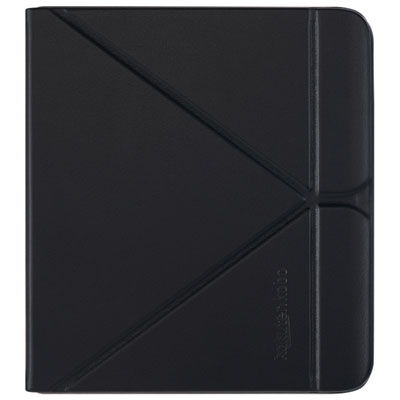
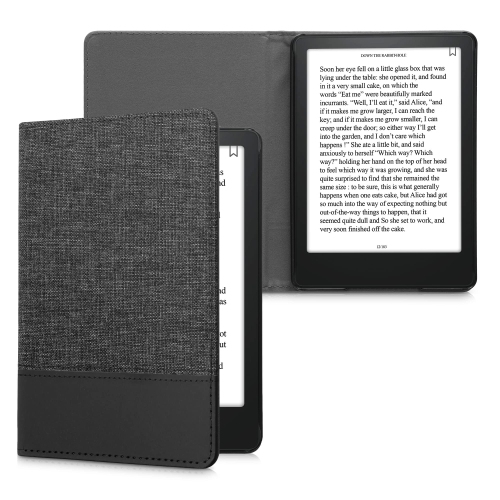
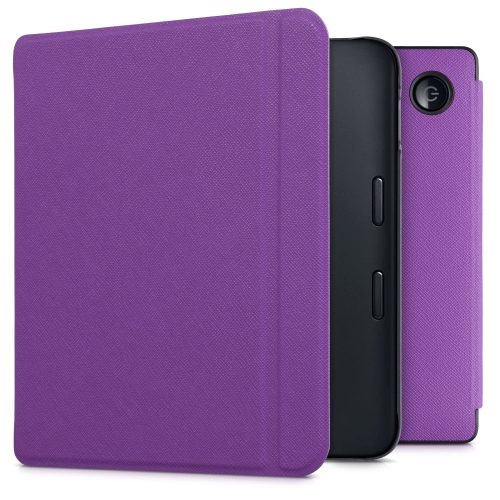
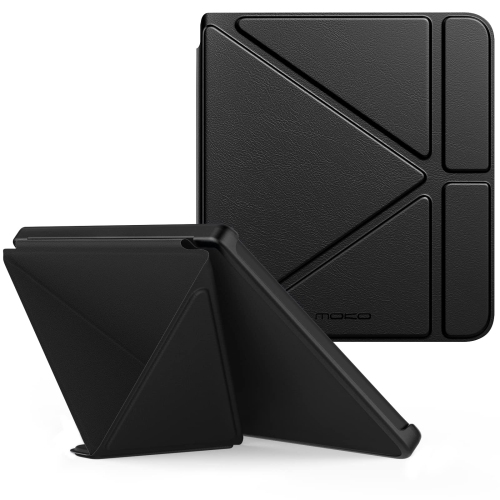
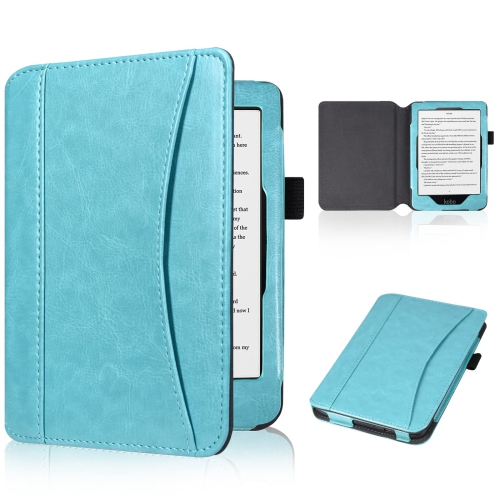
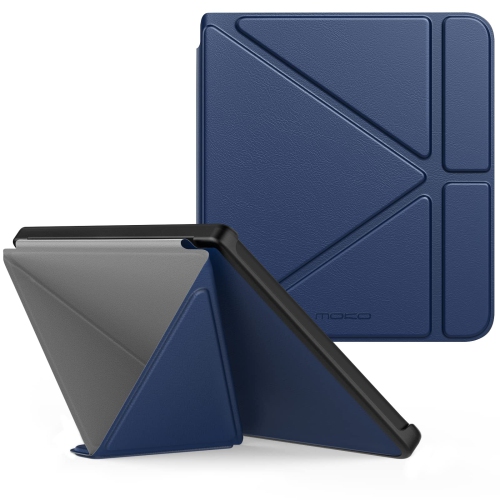
Physical comfort and durability become especially noticeable during longer reading sessions. A lightweight body can be easier to hold above a pillow or in one hand, but weight alone does not determine comfort. The shape of the edges, the width of the grip area, and the placement of page-turn controls all influence how naturally an e-reader rests in the hand. Plastic housings can keep weight down, while metal-backed designs may offer a firmer feel; either benefits from protection against drops and pressure inside a bag. A textured back or fitted cover can provide extra grip, and physical page-turn buttons may suit readers who prefer not to tap or swipe the screen repeatedly. Left-handed readers may appreciate a design that supports rotation and changes the button orientation accordingly. Covers should match the device’s exact dimensions and control placement, particularly when they include automatic sleep and wake functions. A cover that folds into a stand can also make reading at a table more comfortable. Water resistance is useful for reading beside a pool or in the bath, but it should be understood through the device’s stated rating and care instructions rather than treated as protection against every spill or immersion. Touch controls may not respond normally when wet, and charging ports should be dry before a cable is connected. Routine care is usually simple: remove dust with a soft, dry cloth, avoid pressing firmly on the display, and follow the manufacturer’s cleaning directions. Keeping keys and other hard objects away from an uncovered screen helps prevent scratches during daily carrying. For students, commuters, book-club members, and readers who like having several books close at hand, an e-reader can make a compact personal library easier to carry. It can also be a thoughtful gift when the recipient’s existing book collection, library habits, and preferred text size are taken into account. Customer ratings are most informative when reviews describe repeated everyday use, including grip comfort, page-turn response, lighting consistency, and charging reliability. Those details reveal more about a reader’s likely experience than a rating alone.
Access to reading material is another defining part of an e-reader’s usefulness. Devices differ in the digital bookshops, file formats, and library services they support, so a strong match depends partly on where a reader already gets their books. Canadian public library borrowing can be particularly valuable for frequent readers, but compatibility varies by device, library system, and lending service. A library card alone does not guarantee that borrowed titles can be opened on every e-reader. Some compatible devices support borrowing directly on the device, while others require a computer and a file-transfer process. Purchased books can also carry digital rights restrictions that limit where they can be read, even when two devices appear to support the same file format. Support for common document formats is helpful for readers who transfer personal writing, public-domain books, or other permitted files. Reflowable books usually adapt neatly to changes in text size, whereas fixed-layout PDFs can require zooming and panning on a smaller screen. For someone reading dense academic papers or detailed diagrams, a larger display may be more comfortable than a pocket-sized reader. Storage needs depend on the content: text-based books take relatively little space, while illustrated titles, large documents, and audiobooks use considerably more. Audiobook playback is not universal, and devices that offer it may require compatible wireless headphones or speakers and a supported content service. Wi-Fi makes downloading books convenient, while downloaded, authorized titles can generally be read without an active connection. That is useful on a flight, during a commute, or anywhere a reliable connection is not assured. Battery life is often measured in weeks rather than hours, but those estimates typically assume limited daily reading and particular lighting and wireless settings. Brighter illumination, frequent downloads, and audio playback can shorten the interval between charges. For travel, a familiar charging connection and a suitable cable are practical details worth checking alongside battery claims. Reliable access to books and straightforward charging help keep the focus on reading rather than managing the device.
Physical comfort and durability become especially noticeable during longer reading sessions. A lightweight body can be easier to hold above a pillow or in one hand, but weight alone does not determine comfort. The shape of the edges, the width of the grip area, and the placement of page-turn controls all influence how naturally an e-reader rests in the hand. Plastic housings can keep weight down, while metal-backed designs may offer a firmer feel; either benefits from protection against drops and pressure inside a bag. A textured back or fitted cover can provide extra grip, and physical page-turn buttons may suit readers who prefer not to tap or swipe the screen repeatedly. Left-handed readers may appreciate a design that supports rotation and changes the button orientation accordingly. Covers should match the device’s exact dimensions and control placement, particularly when they include automatic sleep and wake functions. A cover that folds into a stand can also make reading at a table more comfortable. Water resistance is useful for reading beside a pool or in the bath, but it should be understood through the device’s stated rating and care instructions rather than treated as protection against every spill or immersion. Touch controls may not respond normally when wet, and charging ports should be dry before a cable is connected. Routine care is usually simple: remove dust with a soft, dry cloth, avoid pressing firmly on the display, and follow the manufacturer’s cleaning directions. Keeping keys and other hard objects away from an uncovered screen helps prevent scratches during daily carrying. For students, commuters, book-club members, and readers who like having several books close at hand, an e-reader can make a compact personal library easier to carry. It can also be a thoughtful gift when the recipient’s existing book collection, library habits, and preferred text size are taken into account. Customer ratings are most informative when reviews describe repeated everyday use, including grip comfort, page-turn response, lighting consistency, and charging reliability. Those details reveal more about a reader’s likely experience than a rating alone.
Top selling and popular products
-
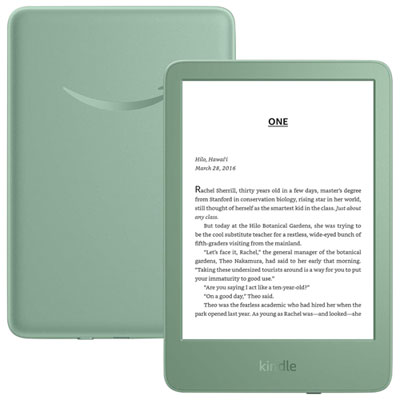 Your price for this item is $189.99
 -
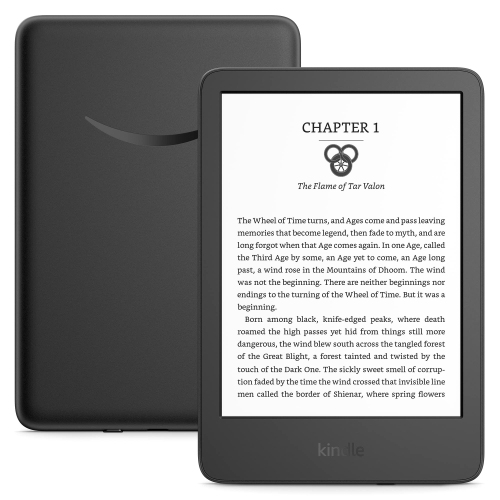 Your price for this item is $201.09
 -
 Your price for this item is $399.99
 -
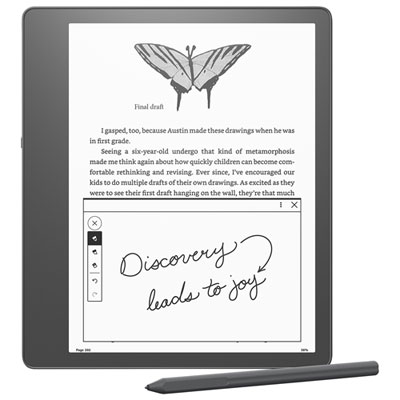 Your price for this item is $509.99
 -
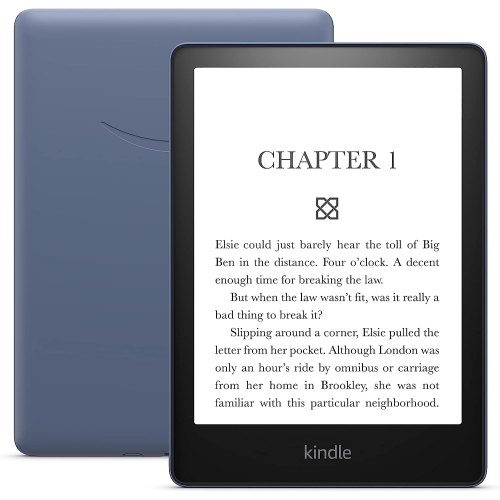 Your price for this item is $295.2
 -
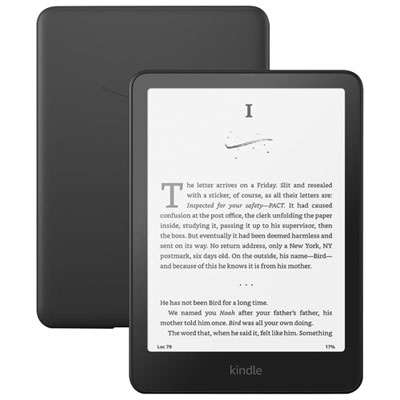 Your price for this item is $279.99
 -
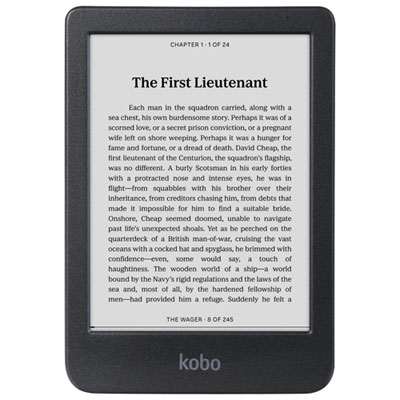 Your price for this item is $179.99
 -
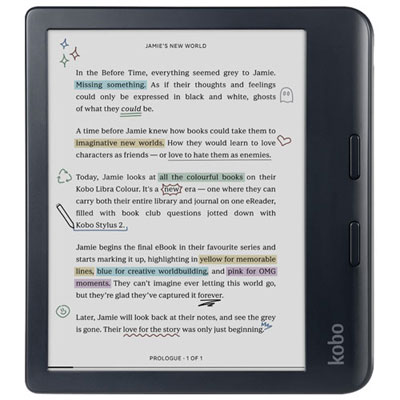 Your price for this item is $289.99
Discover more categories related to Top Rated E Readers
Top Collections:
Pokemon Centers, Kindle Devices, Best Budget Office Chairs, Apple iPhones 16, Best Laptops for Writers, iPhone 15 Apple, Canon G7X Cameras, Refurbished Apple Laptops, Alarm Clock, Motorola Razr Phones
Some products may be subject to Environmental Handling Fees
(EHF) depending on your province.
Learn more about EHFs.