Trailer Hitch Wiring
When it comes to ensuring a smooth and safe towing experience, having the right trailer hitch wiring is essential. Properly connecting your vehicle to a trailer not only provides necessary lighting functions but also ensures communication between the two for seamless operation on the road. Whether you're hauling a boat, RV, or utility trailer, having reliable and durable trailer hitch wiring is crucial for your peace of mind while driving. Browse through our selection of high-quality trailer hitch wiring options to find the perfect fit for your towing needs.
Sort
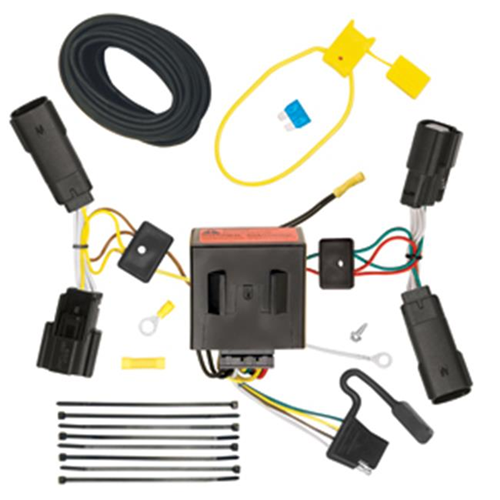
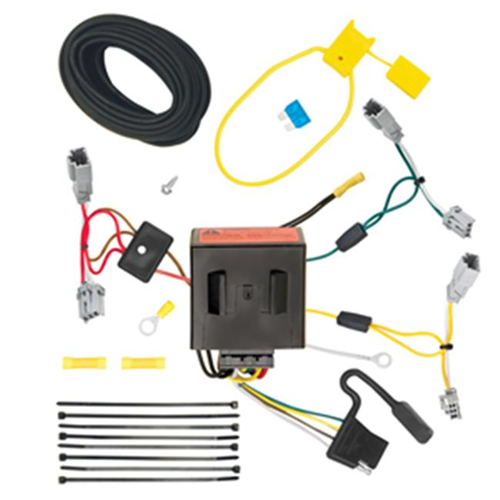
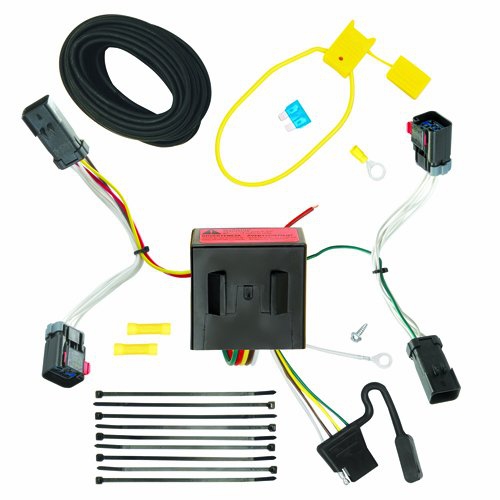
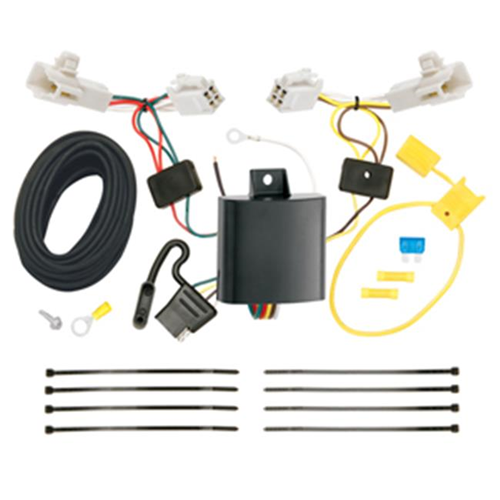
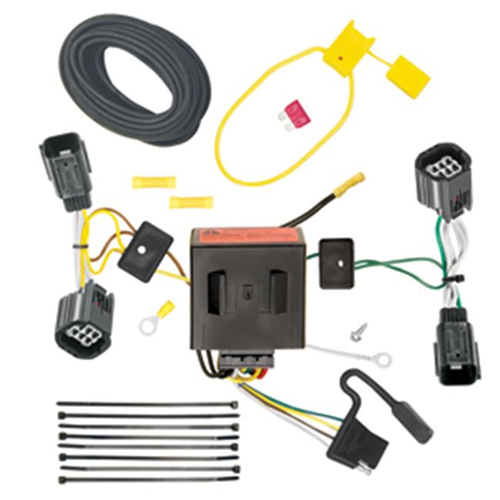
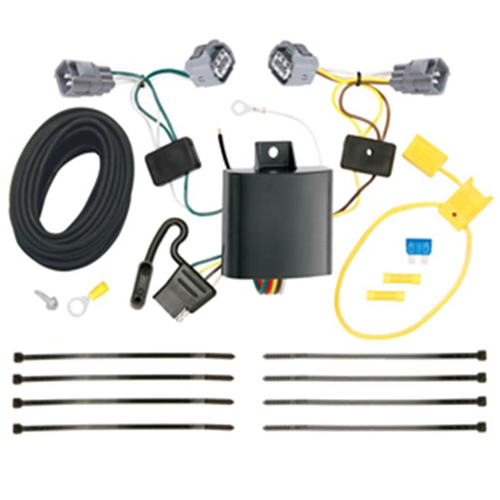
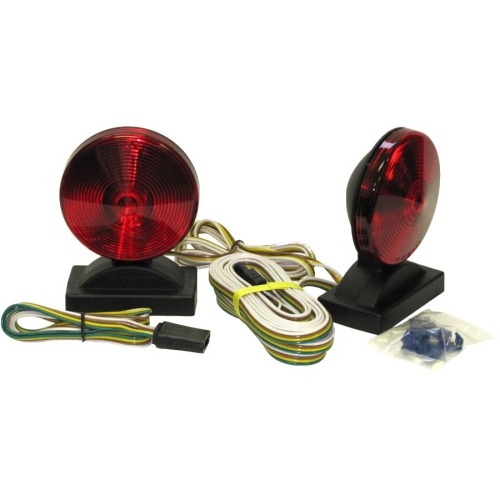
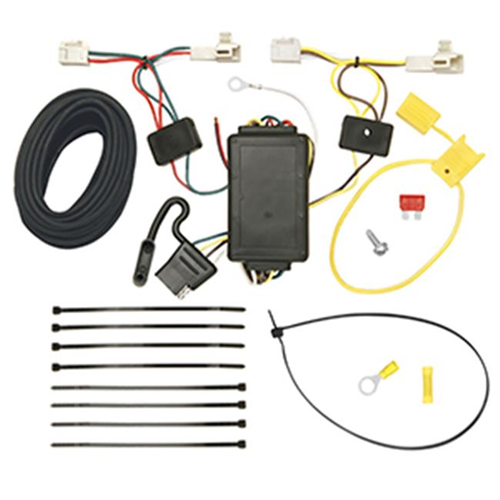
Vehicle fit and connector type shape the right setup
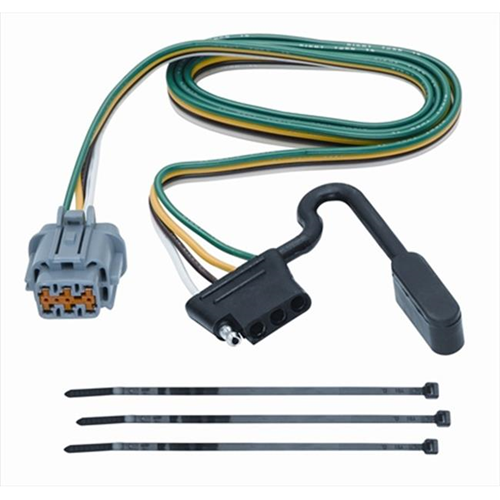
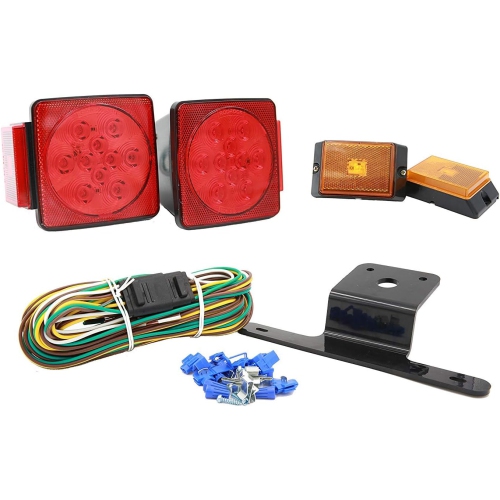
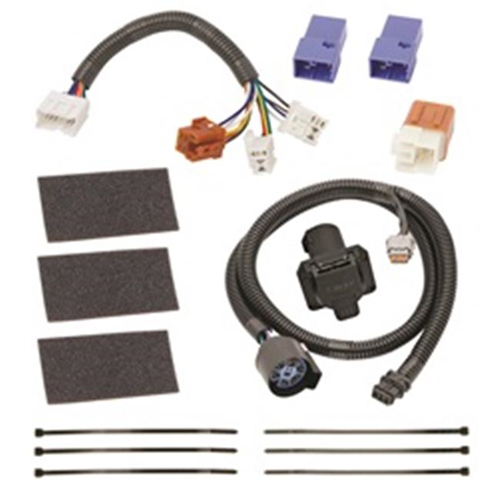
Trailer hitch wiring connects your vehicle’s electrical system to a trailer so essential lighting and, in some cases, braking and auxiliary power functions operate together. It is used with utility trailers, boat trailers, cargo trailers, campers, bike racks with lighting, and other towable equipment that needs to communicate with the vehicle behind it. The right wiring solution depends on the vehicle’s year, make, model, existing tow package, and the connector fitted to the trailer. A vehicle with a factory tow package may already have much of the required wiring in place, leaving only a suitable plug or adapter to complete the connection. Other vehicles may need a dedicated harness that interfaces with the factory tail light assemblies or a universal harness that connects to the rear lighting circuits. Checking these details before ordering can help prevent mismatched connectors, unnecessary installation work, and problems when it is time to hitch up for a trip during the warmer season or the cooler months. If you are also looking for the matching plug, socket, adapter, or replacement connector, browse Trailer Wiring Connectors to compare options suited to different towing arrangements.
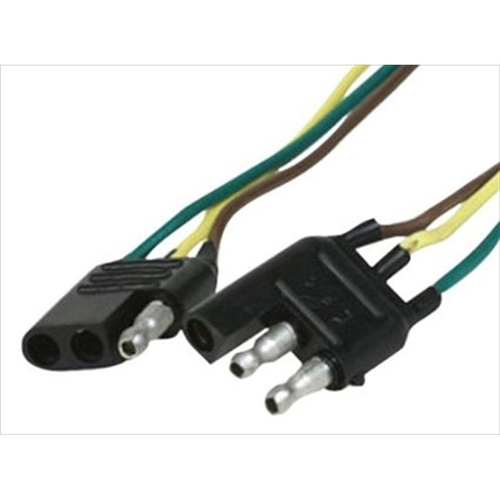
A 4-way flat wiring harness is commonly used for smaller trailers and supports the basic lighting functions required for safe towing: running lights, left turn signal, right turn signal, and brake lights. It is a practical choice for many utility trailers, small boat trailers, and light cargo applications. A 7-way round blade connection is designed for more demanding setups and typically adds circuits for electric trailer brakes, reverse lights, and 12-volt auxiliary power used for functions such as charging a trailer battery. Larger campers, travel trailers, and trailers with their own braking systems often use this broader connection. Connector shape and circuit count should match on both sides, although an adapter may help bridge compatible formats when a vehicle and trailer use different plugs. It is also worth considering how often the trailer is connected, where it is stored, and whether the wiring will be exposed to road spray, dust, salt, or frequent handling. A durable, properly secured harness can be especially useful for people who tow regularly for home projects, recreational equipment, camping gear, landscaping work, or weekend travel. For occasional users, a straightforward harness that is easy to identify and connect may make seasonal towing less frustrating, particularly when a trailer has been stored for several months and the wiring needs to be checked before departure.
Installation style is another important consideration. Vehicle-specific, plug-and-play harnesses are designed to connect directly to the factory tail light assemblies, often using dedicated connectors rather than cutting or splicing the vehicle’s original wires. This can provide a neat fit and may be appealing to drivers who want a simpler installation or plan to remove the wiring later. Universal harnesses can work across a wider range of vehicles, but they may require identifying individual rear lighting wires and attaching the harness with suitable connectors. A powered converter may be needed when the vehicle’s lighting circuits cannot provide the same signal or electrical capacity as the trailer requires. Regardless of the style, the ground connection should be attached securely to clean, bare metal on the vehicle frame, while the remaining wires must be matched to their intended functions. Common colour conventions include white for ground, yellow for the left turn signal and brake light, green for the right turn signal and brake light, and brown for tail lights and running lights. On many 7-way systems, blue is used for electric trailer brakes, while red or black may carry 12-volt auxiliary power; colour conventions can vary, so the vehicle and harness instructions should always take priority. Before towing, inspect the plug, housing, terminals, and cable routing, then test running lights, brake lights, turn signals, and any brake or auxiliary circuits supported by the setup. Trailer hitch wiring can be a thoughtful gift for a family member who has recently purchased a trailer, a frequent camper preparing for road trips, or a do-it-yourselfer restoring an older towing setup, provided the recipient’s vehicle and trailer details are confirmed first. When electrical work is unfamiliar or a brake controller and auxiliary power circuit are involved, professional installation can help ensure the connection is secure and the trailer is ready for the road.
A 4-way flat wiring harness is commonly used for smaller trailers and supports the basic lighting functions required for safe towing: running lights, left turn signal, right turn signal, and brake lights. It is a practical choice for many utility trailers, small boat trailers, and light cargo applications. A 7-way round blade connection is designed for more demanding setups and typically adds circuits for electric trailer brakes, reverse lights, and 12-volt auxiliary power used for functions such as charging a trailer battery. Larger campers, travel trailers, and trailers with their own braking systems often use this broader connection. Connector shape and circuit count should match on both sides, although an adapter may help bridge compatible formats when a vehicle and trailer use different plugs. It is also worth considering how often the trailer is connected, where it is stored, and whether the wiring will be exposed to road spray, dust, salt, or frequent handling. A durable, properly secured harness can be especially useful for people who tow regularly for home projects, recreational equipment, camping gear, landscaping work, or weekend travel. For occasional users, a straightforward harness that is easy to identify and connect may make seasonal towing less frustrating, particularly when a trailer has been stored for several months and the wiring needs to be checked before departure.
Installation style is another important consideration. Vehicle-specific, plug-and-play harnesses are designed to connect directly to the factory tail light assemblies, often using dedicated connectors rather than cutting or splicing the vehicle’s original wires. This can provide a neat fit and may be appealing to drivers who want a simpler installation or plan to remove the wiring later. Universal harnesses can work across a wider range of vehicles, but they may require identifying individual rear lighting wires and attaching the harness with suitable connectors. A powered converter may be needed when the vehicle’s lighting circuits cannot provide the same signal or electrical capacity as the trailer requires. Regardless of the style, the ground connection should be attached securely to clean, bare metal on the vehicle frame, while the remaining wires must be matched to their intended functions. Common colour conventions include white for ground, yellow for the left turn signal and brake light, green for the right turn signal and brake light, and brown for tail lights and running lights. On many 7-way systems, blue is used for electric trailer brakes, while red or black may carry 12-volt auxiliary power; colour conventions can vary, so the vehicle and harness instructions should always take priority. Before towing, inspect the plug, housing, terminals, and cable routing, then test running lights, brake lights, turn signals, and any brake or auxiliary circuits supported by the setup. Trailer hitch wiring can be a thoughtful gift for a family member who has recently purchased a trailer, a frequent camper preparing for road trips, or a do-it-yourselfer restoring an older towing setup, provided the recipient’s vehicle and trailer details are confirmed first. When electrical work is unfamiliar or a brake controller and auxiliary power circuit are involved, professional installation can help ensure the connection is secure and the trailer is ready for the road.
Top selling and popular products
-
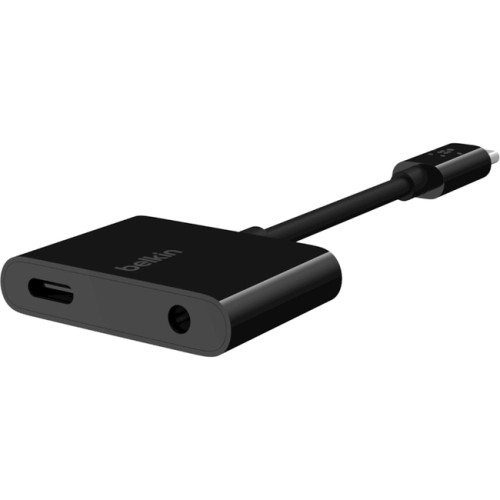 Your price for this item is $95.68
 -
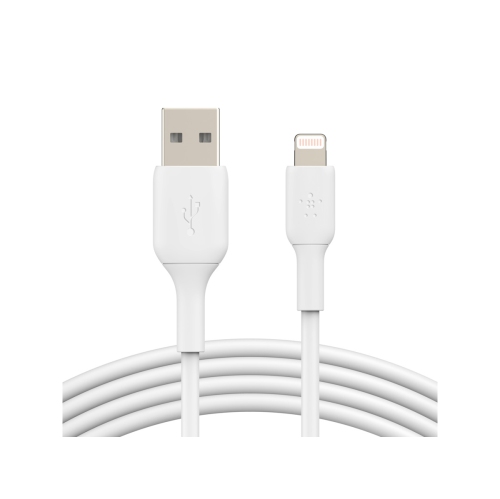 Your price for this item is $33.99
 -
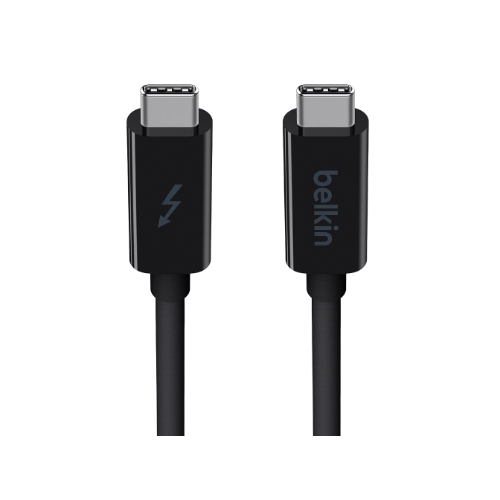 Your price for this item is $48.99
 -
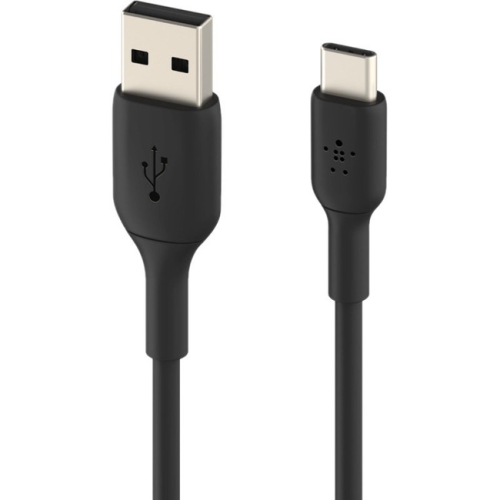 Your price for this item is $30.99
 -
 Your price for this item is $61.68
 -
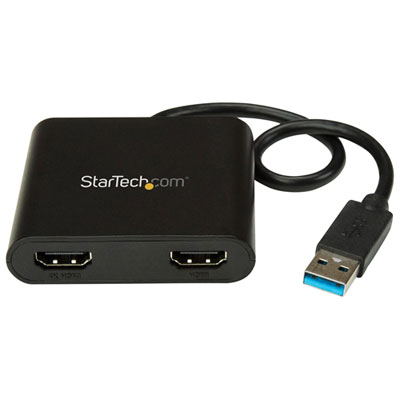 Your price for this item is $78.99
 -
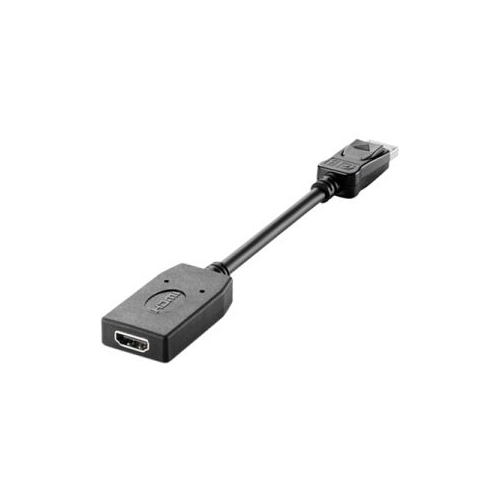 Your price for this item is $42.68
 -
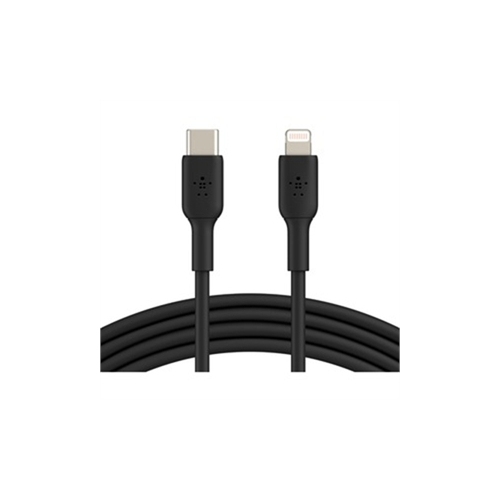 Your price for this item is $65.86
Discover more categories related to Trailer Hitch Wiring
Top Collections:
Pokemon Centers, Kindle Devices, Best Budget Office Chairs, Apple iPhones 16, Best Laptops for Writers, iPhone 15 Apple, Canon G7X Cameras, Refurbished Apple Laptops, Alarm Clock, Motorola Razr Phones
Some products may be subject to Environmental Handling Fees
(EHF) depending on your province.
Learn more about EHFs.