Trailer Wiring Kits
When it comes to safely and efficiently connecting your trailer to your vehicle, having the right trailer wiring kit is essential. These kits are designed to provide a seamless electrical connection between your car or truck and your trailer, ensuring that brake lights, turn signals, and other essential functions operate correctly while on the road. Whether you're a seasoned traveler or a weekend warrior, investing in a quality trailer wiring kit is a smart decision that can make towing hassle-free and secure. Browse our selection of trailer wiring kits to find the perfect solution for your towing needs.
Sort
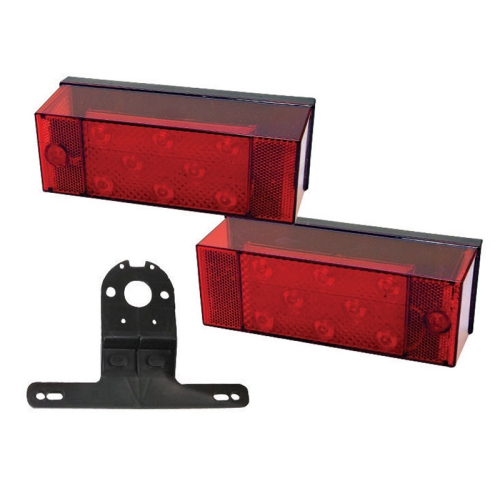
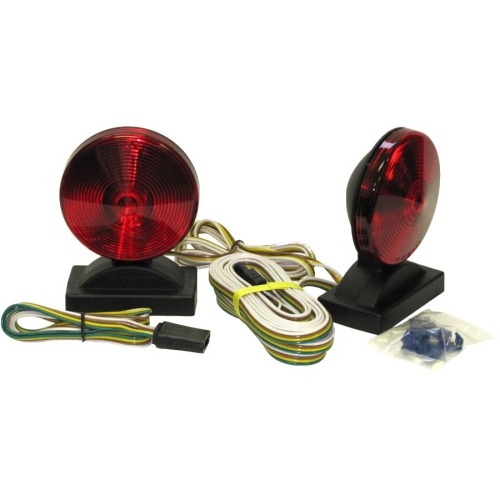
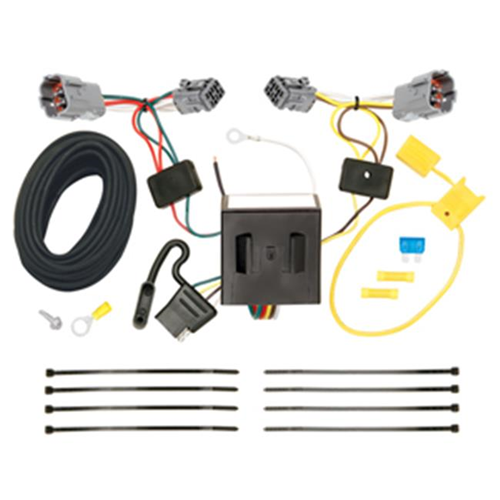
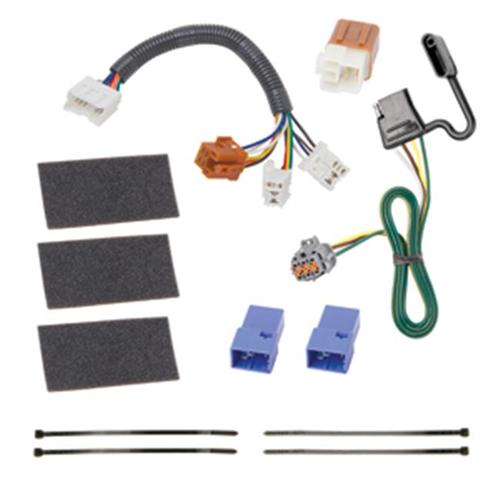
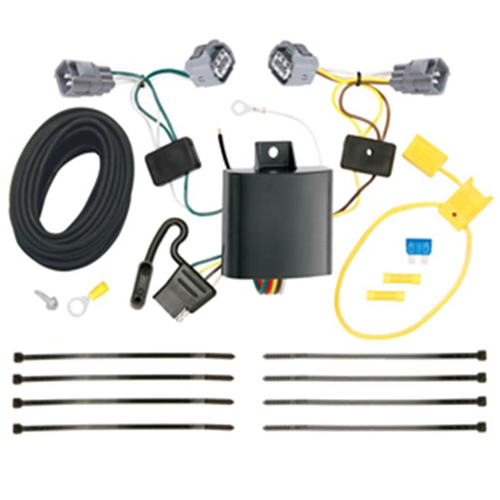
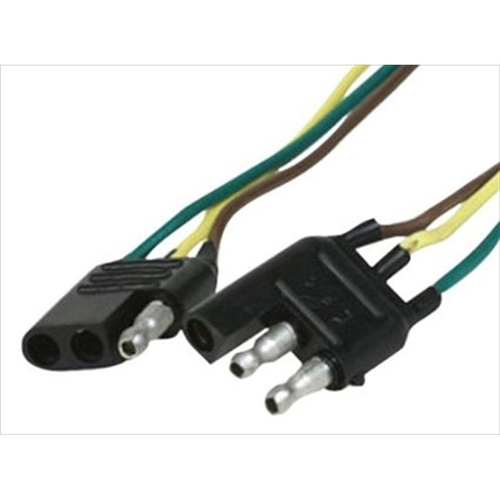
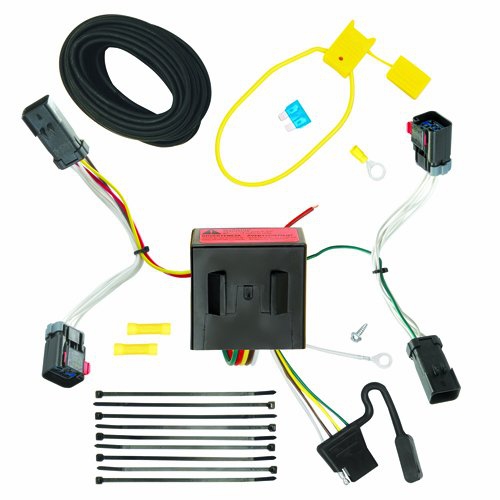
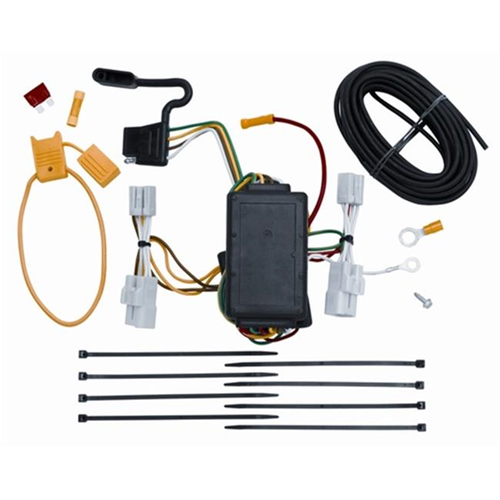
Wiring compatibility helps keep trailer lights and brakes working
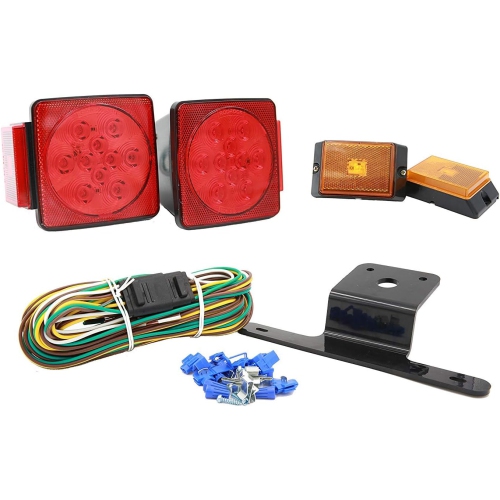
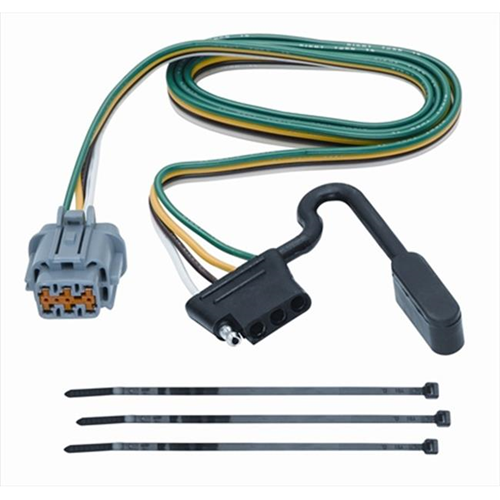
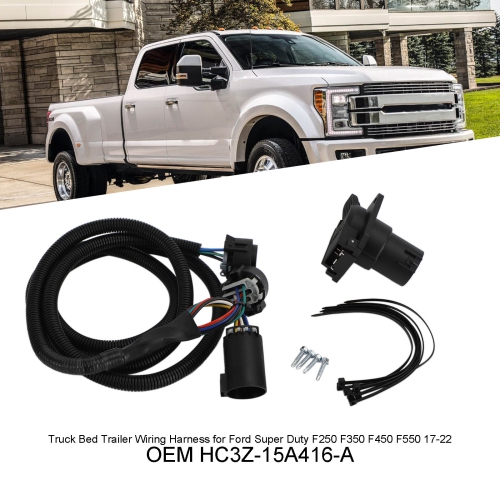
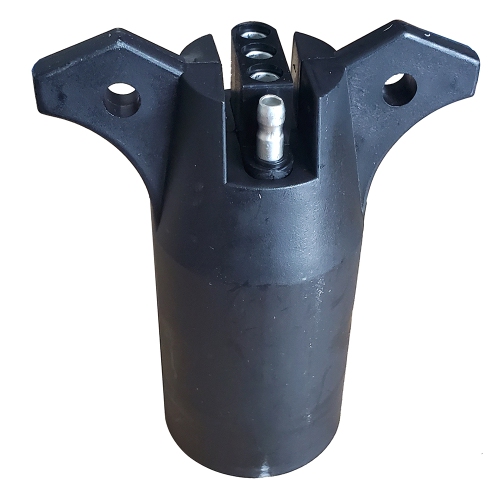
Trailer wiring kits help connect a tow vehicle’s electrical system with a trailer’s lighting and braking functions. When the wiring is matched correctly, the trailer’s running lights, brake lights, and turn signals respond with the vehicle, making the complete towing setup easier for other drivers to see. Some kits also support electric trailer brakes, reverse lights, battery charging, and auxiliary power. They are commonly used with utility trailers, boat trailers, cargo trailers, campers, horse trailers, and other towable equipment. A wiring kit may be useful when a vehicle is being fitted with a hitch for the first time, when an older harness has become damaged, or when a trailer connector needs to be replaced before a long drive. It can also be a practical addition for someone who regularly hauls landscaping equipment, building supplies, recreational gear, motorcycles, or camping equipment. Before choosing a kit, check both the connector on the vehicle and the requirements of the trailer. A basic 4-pin flat connection is designed for many small trailers and typically carries the circuits for running lights, left and right turn signals, and brake lights. This format is often found on light-duty utility trailers, small boat trailers, and trailers without electric brakes or other advanced functions. A 4-pin kit can be a straightforward option when the trailer only needs essential road lighting, although the exact wiring layout should always be confirmed against the vehicle and trailer instructions. A 7-pin connector provides additional circuits and is commonly used with campers, larger utility trailers, horse trailers, and trailers equipped with electric brakes. Depending on the vehicle and trailer configuration, those extra connections may provide electric brake control, reverse lights, an auxiliary 12-volt power supply, and other functions. A 7-way round-blade connector is a familiar choice for many modern towing applications, but connector shape alone does not confirm compatibility. The tow vehicle must also have the appropriate brake controller or factory wiring when electric brakes are involved, and the trailer must be wired for the functions the connector is expected to carry.
Fit, installation method, and cable protection are important considerations when comparing trailer wiring kits. Some harnesses are designed to plug into an existing vehicle connector, while others require splicing into the vehicle’s rear-light wiring. Plug-in options can make installation more direct when a compatible factory socket or wiring interface is already present. Splice-in kits may offer flexibility for older vehicles or less common configurations, but they require careful identification of each circuit and secure connections that will not loosen with vibration. A wiring diagram, circuit tester, crimping tool, heat-shrink connectors, and cable ties can help with a neat installation. Route the harness away from exhaust components, sharp edges, suspension movement, and points where cargo or road debris could catch the cable. Leave enough slack near the hitch for turning without allowing the cord to drag on the pavement. A dust cap or protective cover can help keep an unused connector cleaner between towing trips, while a junction box may provide a convenient place to organize multiple trailer circuits. Look for sealed connectors, weather-resistant materials, and sturdy strain relief when the trailer will be used in rain, snow, gravel, or along wet boat-launch roads. Moisture can enter through damaged insulation or loose connections, leading to intermittent lights that are difficult to diagnose. Before each trip, inspect the plug, socket, cable jacket, ground connection, and trailer lamps for wear or corrosion. A poor ground can cause dim lights, flickering, or several functions to operate unpredictably, so the ground wire should be attached to a clean, secure metal point or connected according to the manufacturer’s instructions. Test the running lights, brake lights, turn signals, and reverse lights, if equipped, after installation and before loading the trailer. For trailers with electric brakes, test the brake response at low speed in a safe area and confirm that the vehicle’s brake controller is set up for the trailer. A wiring kit does not replace the need for a compatible hitch, safety chains, properly rated towing equipment, or a functioning breakaway system.
The right trailer wiring kit depends on the trailer’s electrical functions, the vehicle’s existing equipment, and the type of towing that will be done during the cooler months and throughout the rest of the year. A person towing a small open utility trailer for yard work may only need a 4-pin flat harness, while someone pulling a camper through changing weather may need a 7-pin setup with provisions for electric brakes and auxiliary power. Boat owners should pay particular attention to connector protection because repeated exposure to water can affect terminals and grounds. Drivers who switch between trailers may also need to verify that each trailer uses the same connector style and wiring arrangement. When the tow vehicle and trailer use different connector formats, Trailer Wiring Adapters can help bridge the connection, but an adapter does not add electrical functions that are missing from the original vehicle or trailer wiring. For example, converting a 7-way socket to a 4-pin trailer connection will not provide electric-brake control to a trailer that is not wired for it. It is also worth checking the vehicle’s towing manual, the trailer’s wiring diagram, and local road requirements before installation. Many towing problems appear during the first test at the driveway: a loose ground, a bent terminal, a connector mounted too close to the exhaust, or a cable that is just short enough to pull tight on a turn. Taking time to inspect those details can prevent a dark trailer light on the roadside or a failed connection during a trip. Trailer wiring kits are practical equipment for new tow-vehicle owners, experienced haulers, and anyone preparing a trailer for regular use. Choosing the correct pin configuration and protecting the installation can make everyday tasks such as transporting supplies, launching a boat, moving recreational equipment, or setting up a camping trailer more dependable.
Fit, installation method, and cable protection are important considerations when comparing trailer wiring kits. Some harnesses are designed to plug into an existing vehicle connector, while others require splicing into the vehicle’s rear-light wiring. Plug-in options can make installation more direct when a compatible factory socket or wiring interface is already present. Splice-in kits may offer flexibility for older vehicles or less common configurations, but they require careful identification of each circuit and secure connections that will not loosen with vibration. A wiring diagram, circuit tester, crimping tool, heat-shrink connectors, and cable ties can help with a neat installation. Route the harness away from exhaust components, sharp edges, suspension movement, and points where cargo or road debris could catch the cable. Leave enough slack near the hitch for turning without allowing the cord to drag on the pavement. A dust cap or protective cover can help keep an unused connector cleaner between towing trips, while a junction box may provide a convenient place to organize multiple trailer circuits. Look for sealed connectors, weather-resistant materials, and sturdy strain relief when the trailer will be used in rain, snow, gravel, or along wet boat-launch roads. Moisture can enter through damaged insulation or loose connections, leading to intermittent lights that are difficult to diagnose. Before each trip, inspect the plug, socket, cable jacket, ground connection, and trailer lamps for wear or corrosion. A poor ground can cause dim lights, flickering, or several functions to operate unpredictably, so the ground wire should be attached to a clean, secure metal point or connected according to the manufacturer’s instructions. Test the running lights, brake lights, turn signals, and reverse lights, if equipped, after installation and before loading the trailer. For trailers with electric brakes, test the brake response at low speed in a safe area and confirm that the vehicle’s brake controller is set up for the trailer. A wiring kit does not replace the need for a compatible hitch, safety chains, properly rated towing equipment, or a functioning breakaway system.
The right trailer wiring kit depends on the trailer’s electrical functions, the vehicle’s existing equipment, and the type of towing that will be done during the cooler months and throughout the rest of the year. A person towing a small open utility trailer for yard work may only need a 4-pin flat harness, while someone pulling a camper through changing weather may need a 7-pin setup with provisions for electric brakes and auxiliary power. Boat owners should pay particular attention to connector protection because repeated exposure to water can affect terminals and grounds. Drivers who switch between trailers may also need to verify that each trailer uses the same connector style and wiring arrangement. When the tow vehicle and trailer use different connector formats, Trailer Wiring Adapters can help bridge the connection, but an adapter does not add electrical functions that are missing from the original vehicle or trailer wiring. For example, converting a 7-way socket to a 4-pin trailer connection will not provide electric-brake control to a trailer that is not wired for it. It is also worth checking the vehicle’s towing manual, the trailer’s wiring diagram, and local road requirements before installation. Many towing problems appear during the first test at the driveway: a loose ground, a bent terminal, a connector mounted too close to the exhaust, or a cable that is just short enough to pull tight on a turn. Taking time to inspect those details can prevent a dark trailer light on the roadside or a failed connection during a trip. Trailer wiring kits are practical equipment for new tow-vehicle owners, experienced haulers, and anyone preparing a trailer for regular use. Choosing the correct pin configuration and protecting the installation can make everyday tasks such as transporting supplies, launching a boat, moving recreational equipment, or setting up a camping trailer more dependable.
Top selling and popular products
-
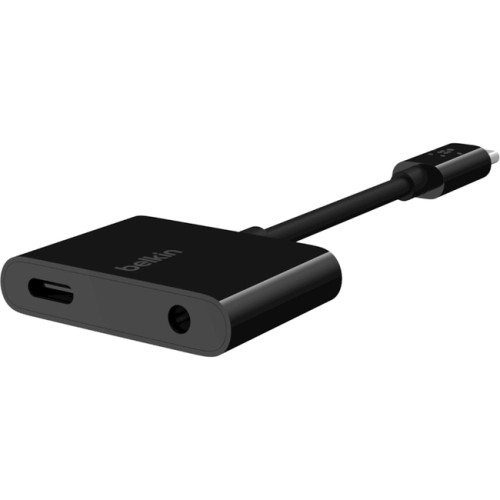 Your price for this item is $105.68
 -
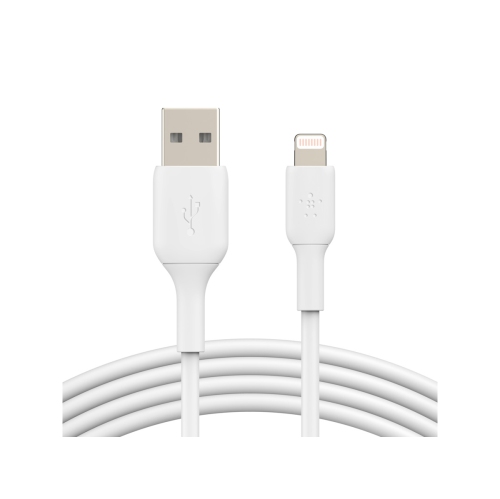 Your price for this item is $33.99
 -
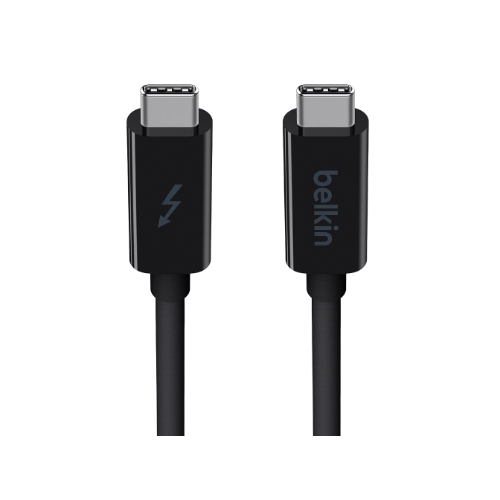 Your price for this item is $48.99
 -
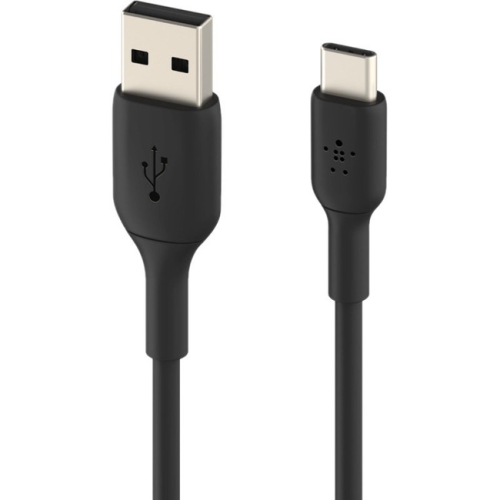 Your price for this item is $30.99
 -
 Your price for this item is $76.68
 -
 Your price for this item is $52.68
 -
 Your price for this item is $78.99
 -
 Your price for this item is $65.86
Discover more categories related to Trailer Wiring Kits
Top Collections:
Pokemon Centers, Kindle Devices, Best Budget Office Chairs, Apple iPhones 16, Canon G7X Cameras, iPhone 15 Apple, Alarm Clock, Refurbished Apple Laptops, Flip Phones, Best Laptops for Writers
Some products may be subject to Environmental Handling Fees
(EHF) depending on your province.
Learn more about EHFs.