Universal Power Cords
Universal Power Cord options offer a convenient solution for powering a wide range of electronic devices and appliances. Whether you need a replacement or an extra cord for your home, office, or travel needs, finding the right Universal Power Cord ensures reliable connectivity. Choose from a variety of lengths and connector types to suit different requirements and keep your devices running smoothly. Explore dependable Universal Power Cord choices designed to make powering your essential electronics simple and hassle-free.
Sort
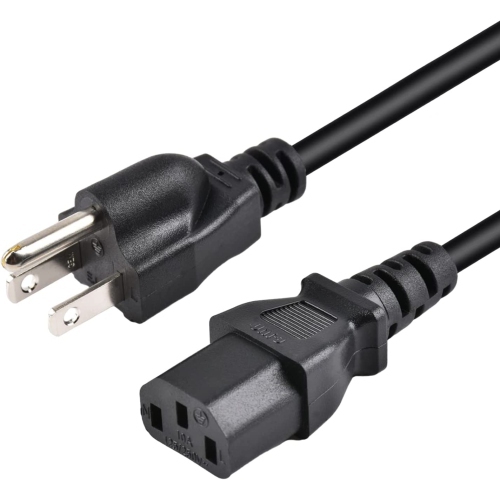
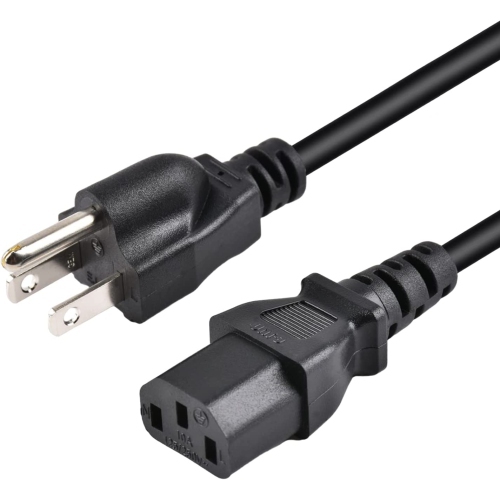
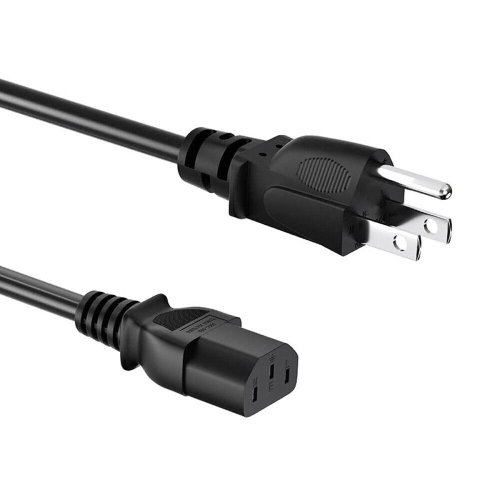



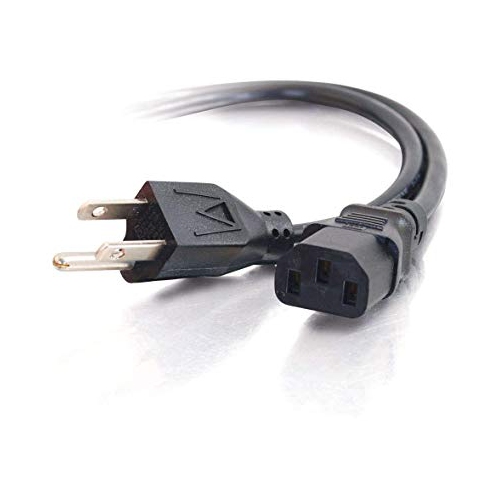
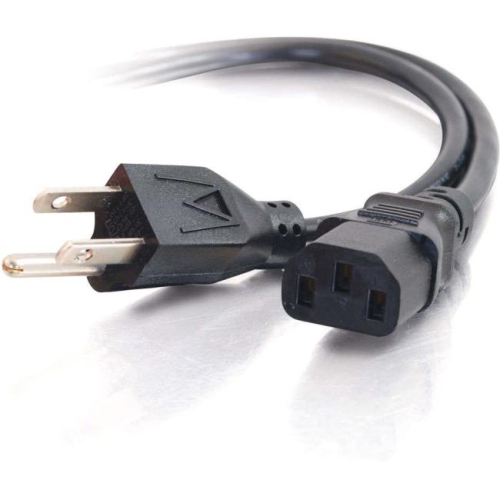
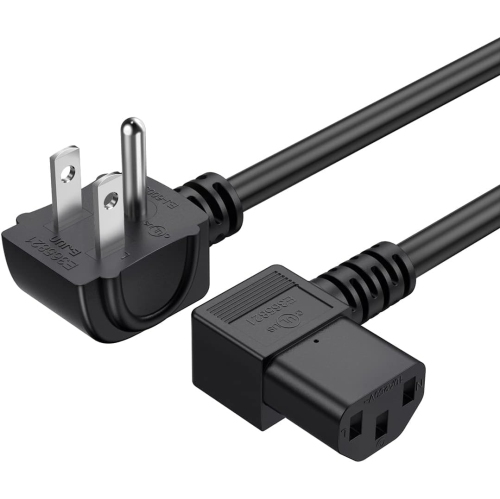

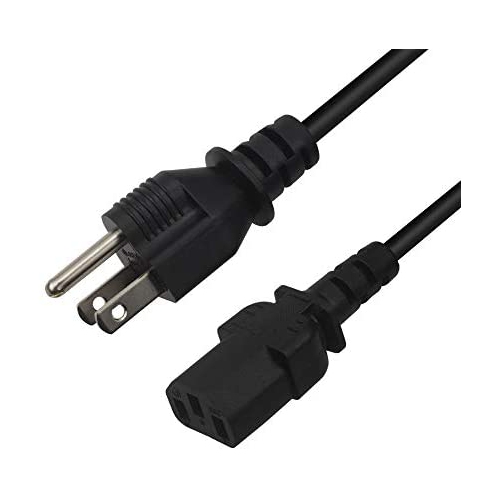
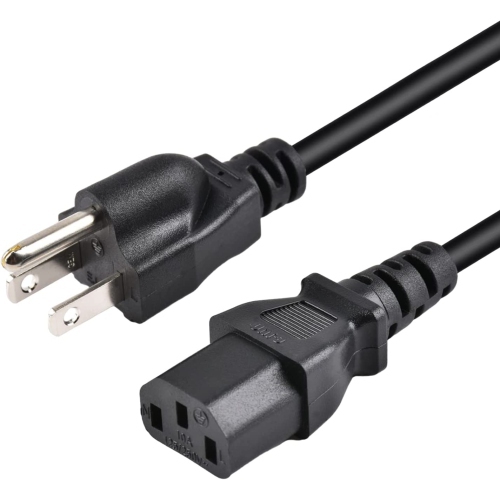


The right connection matters more than a familiar shape
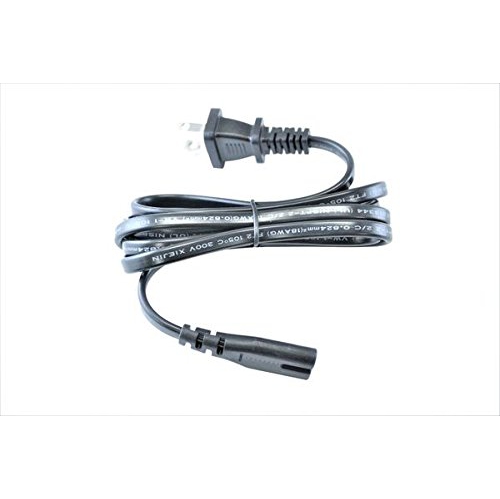
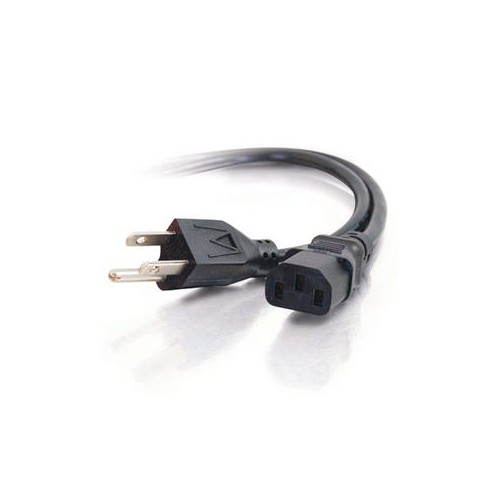
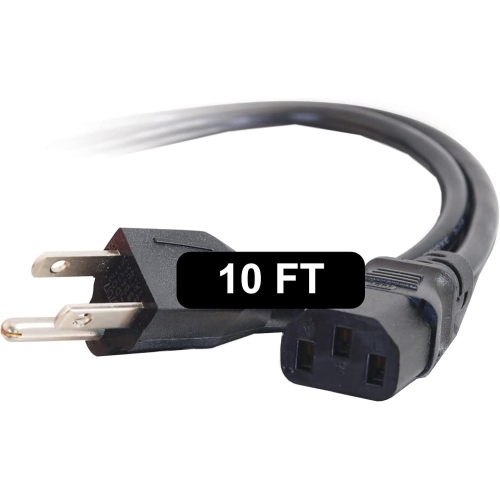
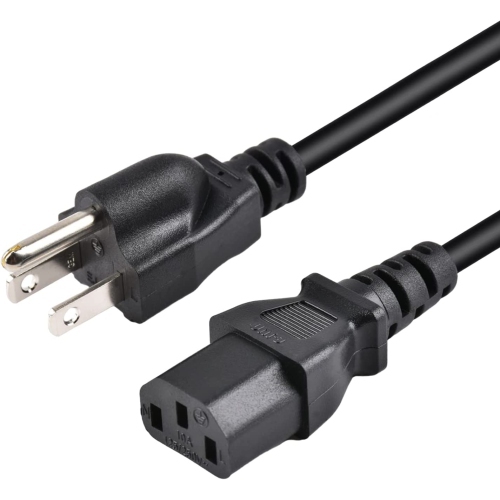
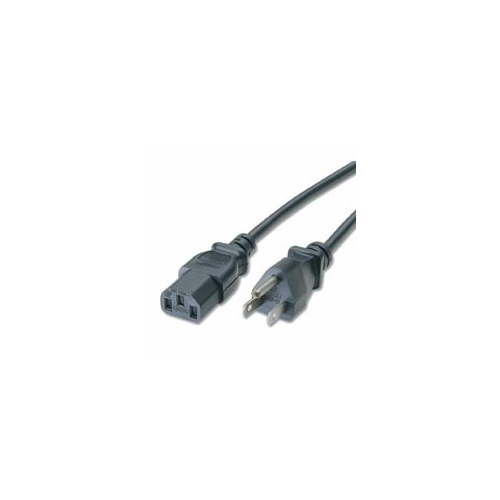
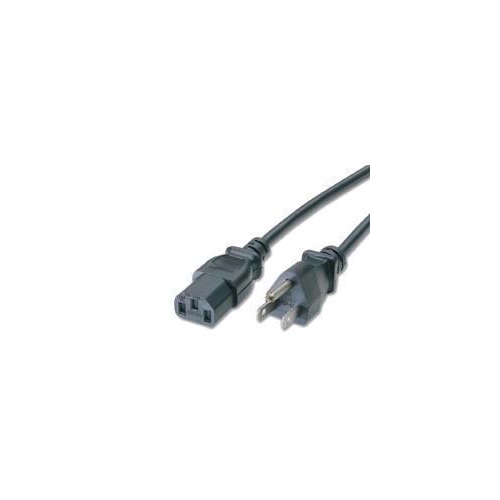
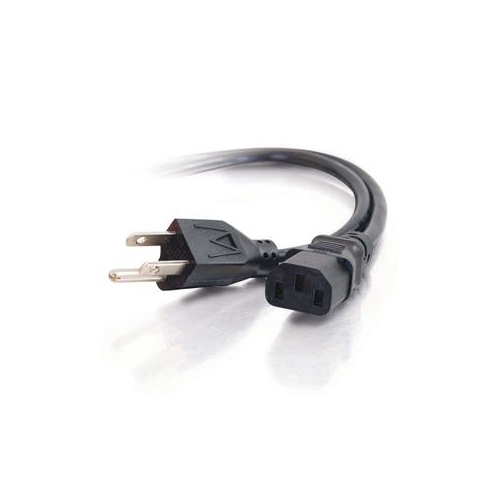
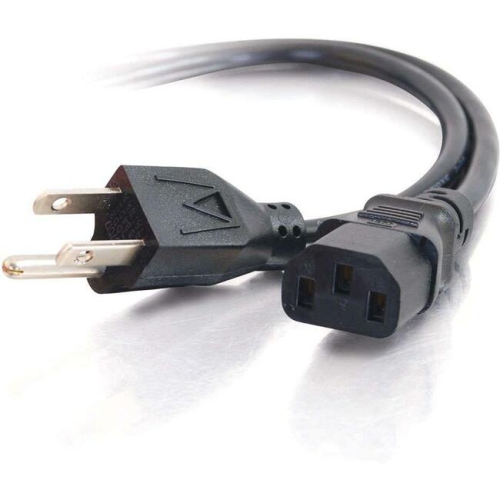
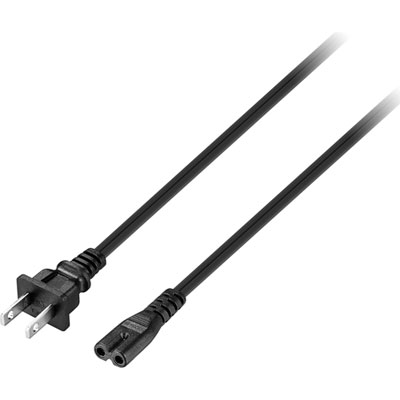
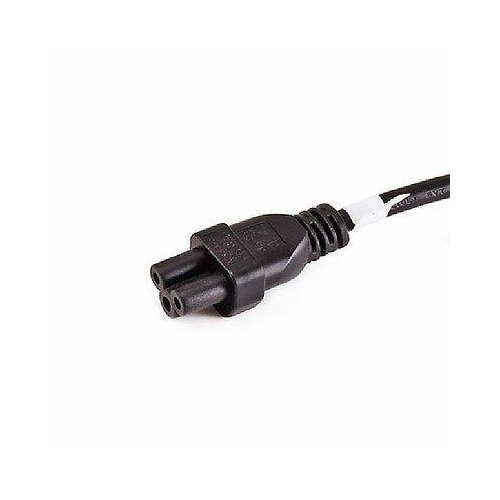
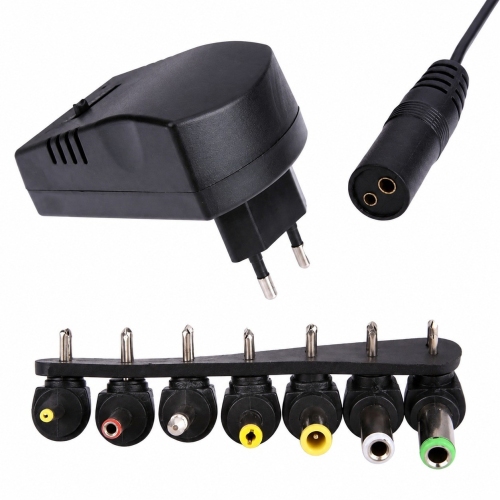
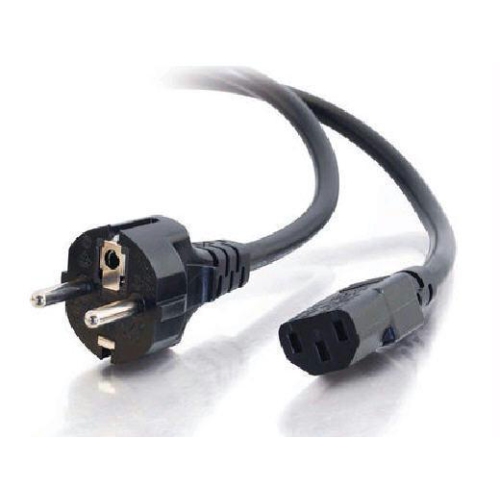
Universal power cords are detachable AC cables that connect compatible electrical equipment to a wall outlet or another suitable power source. Common configurations include a NEMA 5-15P plug for a standard grounded Canadian outlet and an IEC 60320 C13 connector for equipment such as desktop computers, monitors, printers, and some home theatre components. Other configurations include the three-slot C5 connector, often called a cloverleaf connector, which connects to the AC inlet on certain laptop power adapters. These cables are useful when an original cord is missing, a workspace needs a different cable length, or compatible equipment is being moved between rooms. Despite the name, “universal” does not mean that every cord fits every device. The connector shape, grounding arrangement, electrical rating, and equipment requirements must all match. A C13 connector fits a corresponding C14 equipment inlet, while a C5 connector fits a C6 inlet; the two are not interchangeable. Two-slot figure-eight connections belong to another connector family, and polarized and non-polarized versions can have different profiles. For equipment designed with a compatible non-polarized figure-eight inlet, Non Polarized Power Cords are a related category. Matching the full connector outline matters more than finding a cable that looks approximately right in a photograph. A close view of the equipment inlet, the markings on the original cord, and the device documentation can help establish the required connection. The wall-outlet end matters just as much, particularly when equipment has been brought from another country. A detachable cord provides the physical electrical connection; it does not convert supply voltage or replace the voltage-conversion functions of a power adapter. For a laptop with a separate power brick, the AC cord connects the outlet to the brick rather than connecting directly to the laptop’s charging port. The adapter must still have the correct input specification and remain compatible with the computer. This distinction helps separate a replacement mains cable from a complete replacement charger, even when both are described casually as laptop power cables.
Construction and fit influence how comfortably a universal power cord works in its intended space. Typical designs use copper conductors surrounded by insulation and a protective outer jacket, with moulded plug housings and strain relief where the cable enters each connector. The jacket helps protect the insulated conductors during normal handling, while strain relief reduces concentrated bending at the ends. Jacket thickness alone does not establish quality or electrical capacity: conductor size, insulation rating, connector ratings, and the complete cord assembly all matter. Where wire size is expressed in American Wire Gauge, a lower gauge number indicates a thicker conductor, but the marked rating of the finished cord remains essential. A replacement needs to satisfy the equipment manufacturer’s requirements for current, voltage, grounding, and connector type, with safety certification recognized in Canada. A grounded device needs its specified grounding connection intact; removing a ground pin or forcing a different connector into place is not an acceptable way to make a cord fit. Length is another practical consideration. A short cable can suit a monitor beside a desk-mounted power bar, while a longer cable may be appropriate when a desktop tower sits beneath a work surface and the outlet is farther away. Enough slack should remain for ordinary positioning without leaving a large coil underfoot or pulling tightly against the equipment inlet. Straight and right-angle connectors can offer different clearance options behind a cabinet, beside a wall, or beneath a desk. With an angled connector, its orientation determines which direction the cable exits, so a compact shape is only useful when it points into an unobstructed space. A bulky moulded plug can also affect access to neighbouring outlets on a power bar. These small differences become noticeable around adjustable monitor arms, crowded equipment shelves, and narrow openings in furniture, where a suitable cord should sit securely without being crushed or bent sharply.
Universal power cords serve a straightforward purpose in home offices, study spaces, shared workstations, and entertainment setups: keeping compatible equipment connected without unnecessary cable clutter. Someone relocating a monitor may need a more suitable length, while a household reorganizing a media cabinet may benefit from cords that reach the power source without crossing the front of the shelving. In a shared workspace, clear labels can make it easier to identify which cord belongs to a printer, display, or computer before anything is disconnected. Labels should leave electrical ratings and safety markings readable, and cable ties should hold cords loosely enough to avoid compressing their jackets. Routing matters for both convenience and durability. Cords belong away from chair casters, drawer slides, doorways, and furniture edges that can pinch or repeatedly rub against them. An adjustable desk needs enough free cable travel through its full movement, not simply enough length when the desktop is at its lowest position. Power cords should not run beneath rugs or be trapped where damage would remain hidden. Indoor cords also need protection from liquids and use in accordance with their stated ratings; a familiar connector shape does not establish suitability for a damp location. Routine care is uncomplicated: equipment should be switched off and disconnected from the outlet before a detachable cord is changed, and plugs should be handled by their housings rather than pulled out by the cable. A dry cloth can remove surface dust from an unplugged cord, while periodic inspection can reveal split insulation, loose connections, damaged pins, or discolouration. A damaged cord needs replacement rather than a makeshift repair with tape. For storage, broad, loose loops place less stress on the cable than tight wrapping around a power brick. A well-matched power cord combines the correct connection and electrical specification with a length and shape that suit the space, allowing everyday equipment to stay connected without making the cable itself an obstacle.
Top selling and popular products
-
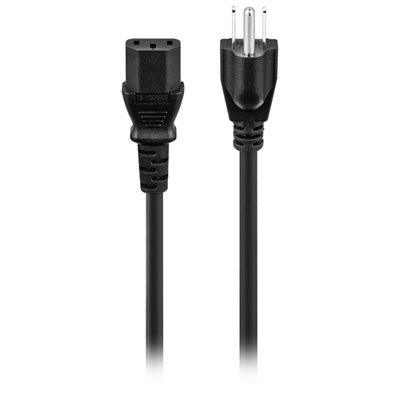 Your price for this item is $9.99
-
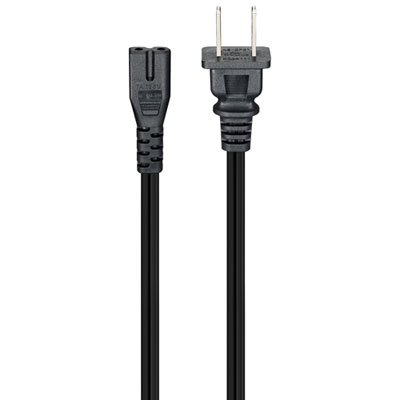 Your price for this item is $12.99
-
 Your price for this item is $29.99
-
 Your price for this item is $10
-
 Your price for this item is $12.99
-
 Your price for this item is $10
-
 Your price for this item is $24.99
-
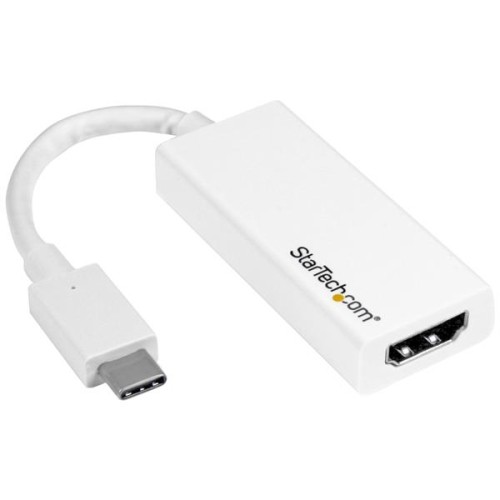 Your price for this item is $35.99
Discover more categories related to Universal Power Cords

Top Collections:
Best Black Friday Deals This Year, Best Black Friday Deals On Electronics, Kindle Devices, Pokemon Centers, Best Black Friday Deals On Apple Products, Best Cameras for Sports Photography, Dyson Airwrap, Pokémon 30th Celebration Cards, Apple iPhone 17 Pro, Canon G7X Cameras
Some products may be subject to Environmental Handling Fees
(EHF) depending on your province.
Learn more about EHFs.