Wi-Fi Extenders For Basements

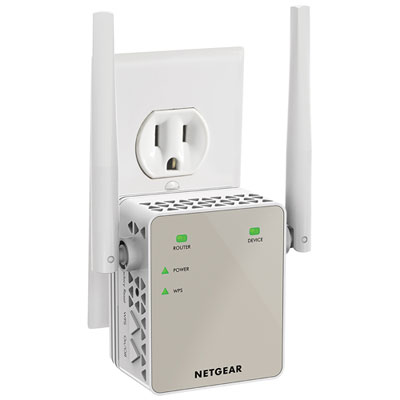
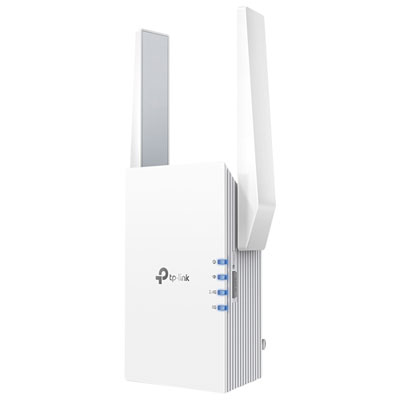
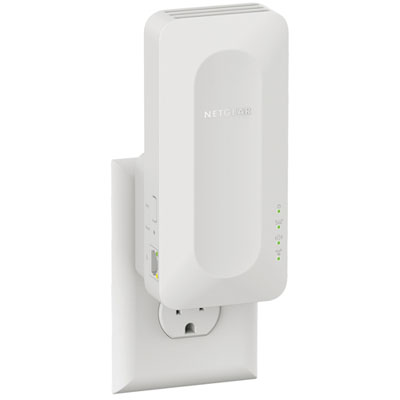
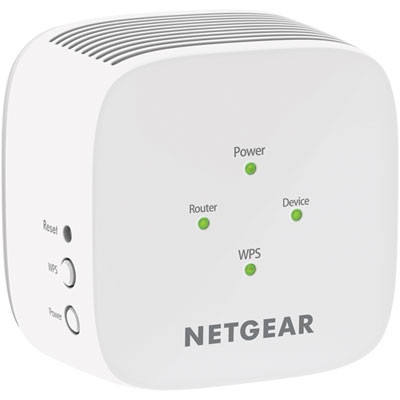
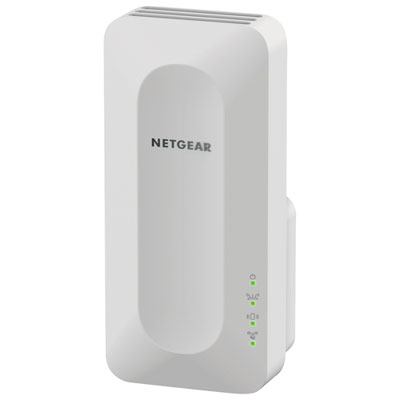
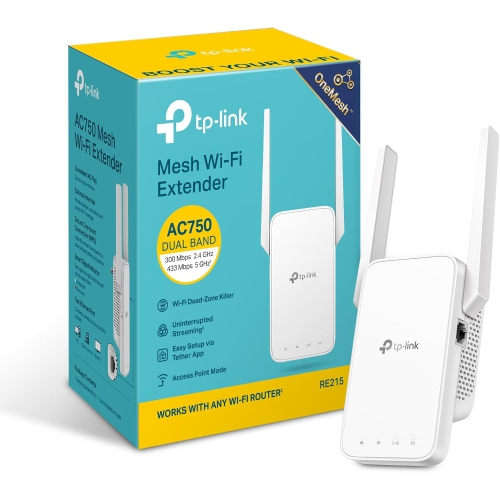
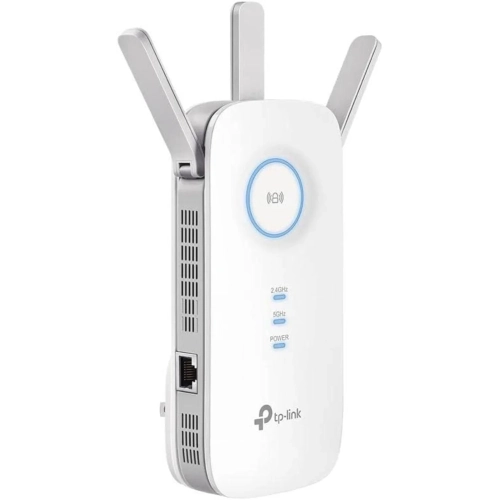
Wi-Fi extenders for basements help extend your router’s signal to lower-level rooms where coverage is weak. Browse range extenders with different speed ratings and connection options, and compare compatibility with your existing router. For reliable coverage, choose a placement where the extender can still receive a strong signal from upstairs.
Read More

Sort

Wi-Fi Extenders For Basements

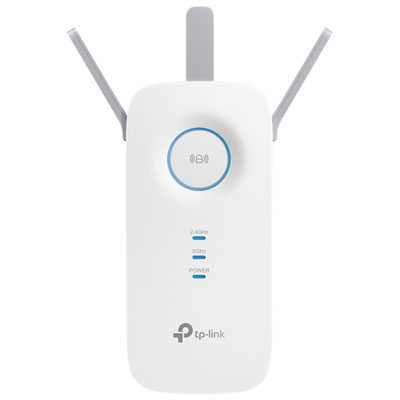
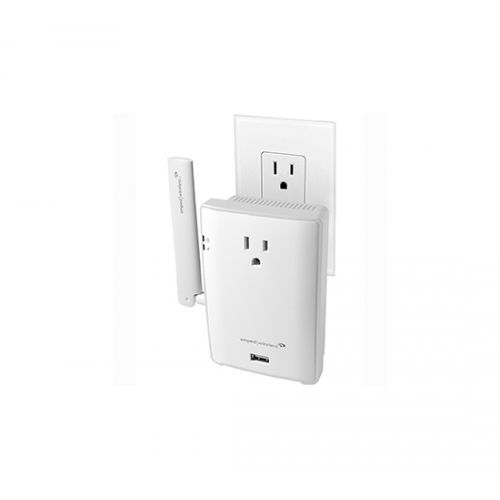
Wi-Fi Extenders for Basements can help bring a more reliable connection to the spaces where your household works, plays, and unwinds. A basement often has more standing between it and the router than any other room: a floor or two, concrete walls, ductwork, and utility equipment can all weaken a wireless signal. That can leave a downstairs television buffering during movie night or a laptop struggling to stay connected during a video call. A Wi-Fi extender receives an existing wireless signal and rebroadcasts it, helping reach areas where coverage is weak. For a finished rec room, a spare bedroom, or a home office tucked beneath the stairs, the right extender can make the space more practical without moving the main router downstairs. Results depend on your home’s layout and the strength of the signal reaching the extender, so it helps to shop with a particular trouble spot in mind rather than relying on advertised coverage alone.

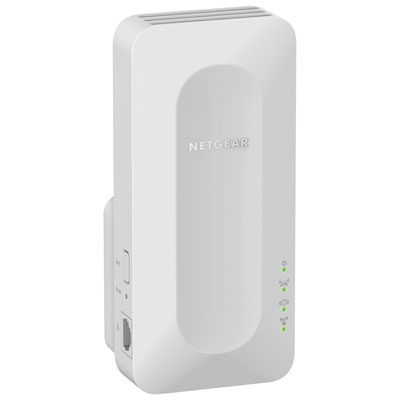
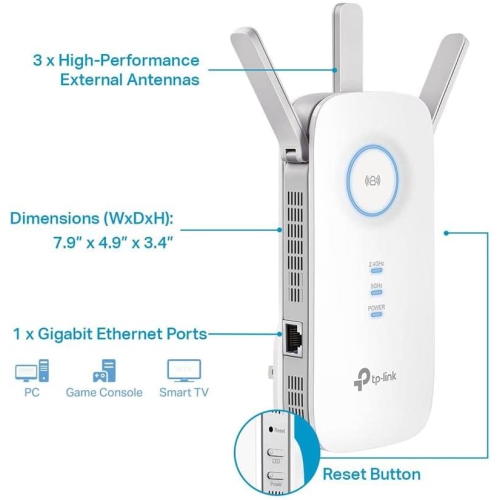
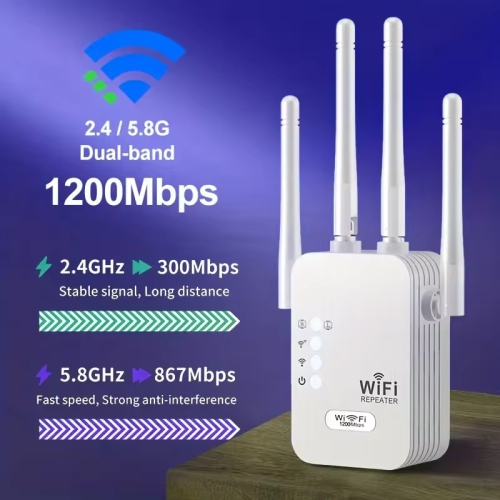
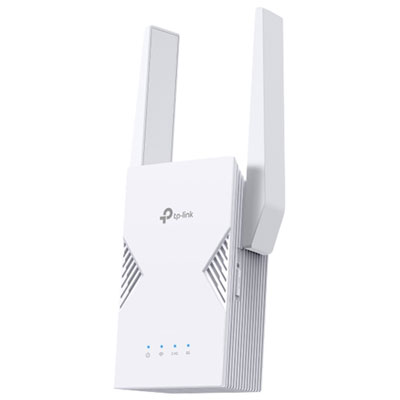
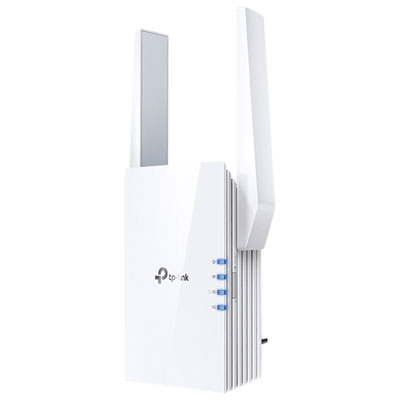
When comparing Wi-Fi extenders for a basement, consider both the devices you use and what you expect them to do. Checking email at a downstairs desk places different demands on a connection than streaming high-resolution video while someone else joins an online game. Dual-band models offer access to 2.4 GHz and 5 GHz bands: 2.4 GHz generally reaches farther and passes through obstacles more effectively, while 5 GHz can provide faster speeds over shorter distances. Support for Wi-Fi 6 may be useful in a busy household with compatible devices, although actual performance also depends on your router, internet plan, and signal conditions. Advertised speeds are not a guarantee of the speeds you will experience, and an extender cannot increase the speed supplied by your internet provider. Compatibility with your existing router, supported security settings, and straightforward setup tools are worth checking before you choose. Signal-strength indicators can be particularly helpful when finding a suitable outlet, while an Ethernet port offers a wired connection for a nearby television, console, or computer. Keep in mind that plugging a device into an extender does not eliminate the wireless link back to the router unless the setup uses a wired connection there as well.

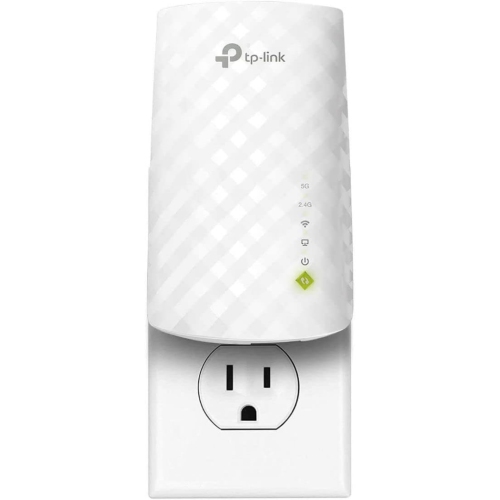
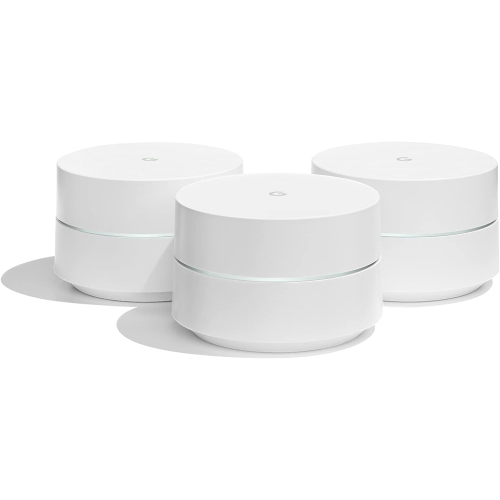
Placement matters as much as the features on the box. The outlet beside the basement sofa might be convenient, but it will not be the best choice if the router’s signal barely reaches it. An extender usually works better between the router and the area needing coverage, where it can still receive a strong signal; depending on your layout, that might be near the stairwell or on the main floor above your downstairs workspace. Avoid hiding it behind a metal filing cabinet or crowding it beside large appliances. For households with Ethernet wiring running downstairs, a model that supports access point mode may provide a more dependable option by using that wired connection to broadcast Wi-Fi. If coverage is poor across several floors rather than in one basement room, a compatible mesh system may be a better fit than a single extender. These practical details also matter when choosing an extender as a gift for someone setting up a downstairs study area, hobby room, or guest space. Knowing where their router sits and how they use the basement helps you choose something suited to everyday moments, from following a workout on a tablet to settling in for a film without moving upstairs for a stronger signal.

Read More

FAQ

Some products may be subject to Environmental Handling Fees (EHF) depending on your province. Learn more about EHFs.