Wired Gaming Headsets With Microphone
Wired Gaming Headsets With Microphone offer an essential solution for gamers seeking clear communication and immersive sound during intense gaming sessions. Designed for compatibility with a wide range of gaming platforms, these headsets provide reliable audio performance and dependable connectivity. Whether you're coordinating strategies with your team or enjoying solo adventures, Wired Gaming Headsets With Microphone help deliver the clarity and comfort needed to enhance your overall gaming experience. Explore options that cater to both casual and competitive players, ensuring you find the right fit for your setup.
Sort



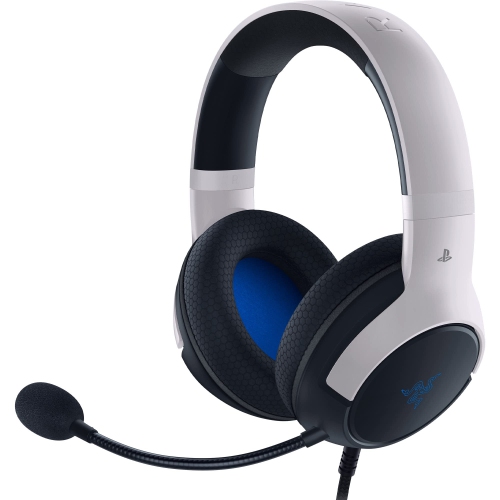

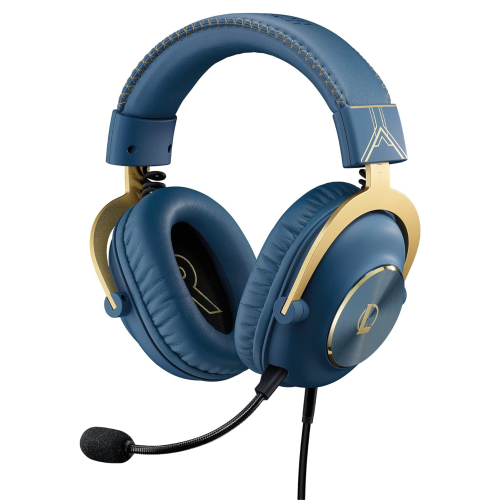

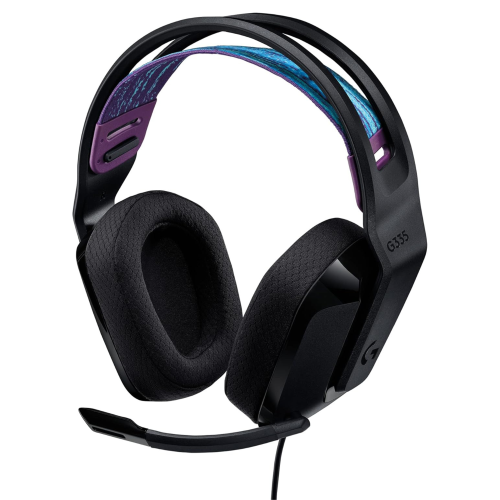

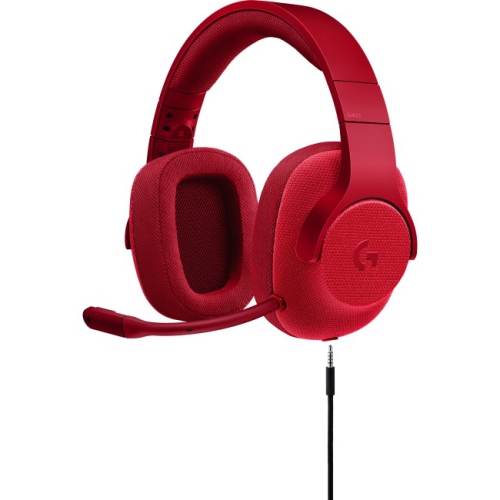
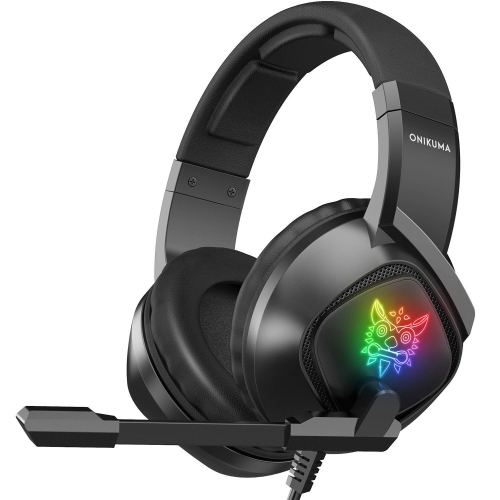


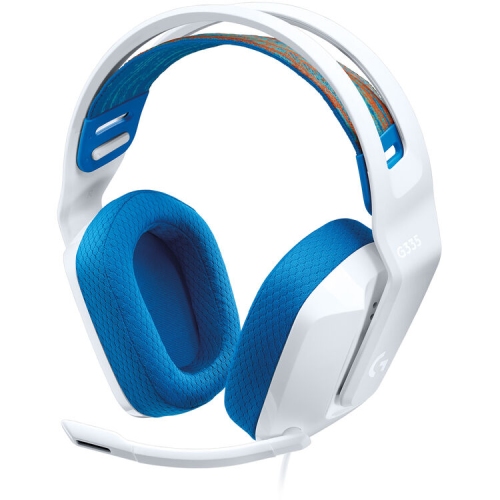
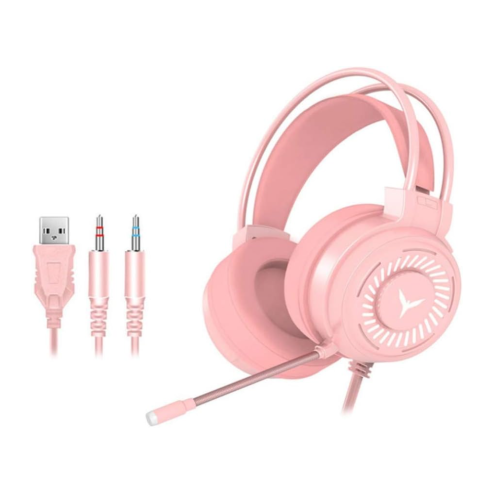
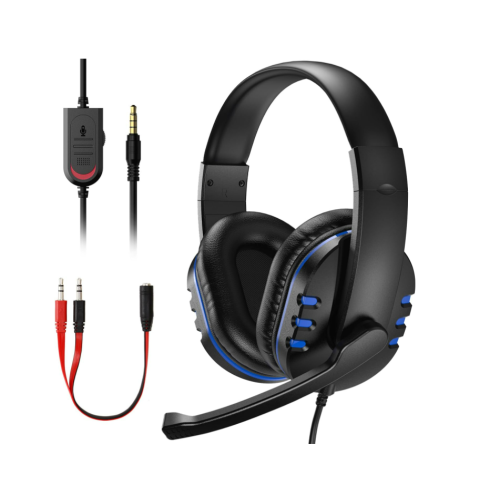
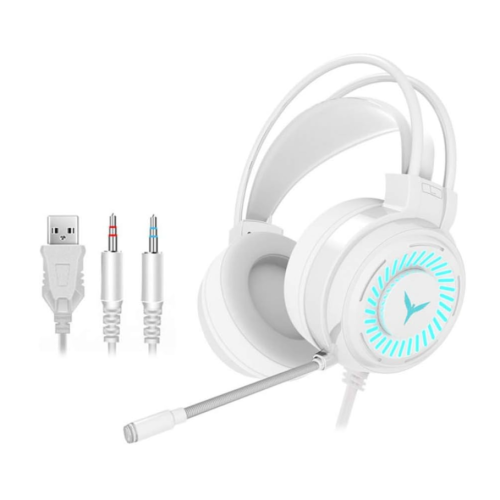

Game audio and voice chat without wireless pairing
Wired gaming headsets with a microphone combine game audio and voice chat in a single device, using a cable to connect to a computer, console, or compatible controller. Their appeal is straightforward: a dependable physical connection, no wireless pairing, and an attached microphone that keeps communication close at hand. For multiplayer games, that means hearing a teammate’s call while keeping both hands on the controls; for solo play, it means enjoying dialogue, music, and small background details without filling the room with sound. A comfortable wired headset can also serve beyond gaming, handling voice calls, online study sessions, and conversations with friends, provided its connection works with the device being used. Audio performance involves more than strong bass. Explosions can sound full and satisfying, but balanced tuning also helps speech, footsteps, and quieter effects remain distinct during a busy scene. Stereo sound provides left-to-right positioning, while some headsets or compatible systems add virtual surround sound or spatial audio processing. Results depend on the game, software settings, and individual hearing, so these features are not a guarantee of more accurate positioning. Microphone design matters just as much when coordination is part of the game. A boom microphone places the pickup near the mouth, and an adjustable arm helps maintain a consistent speaking position without sitting directly in the path of each breath. Depending on the design, the microphone may be fixed, detachable, retractable, or able to mute when raised. Directional pickup and microphone noise reduction can help limit keyboard clatter or nearby conversation, although neither can remove every unwanted sound. These microphone features are separate from active noise cancellation, which reduces certain sounds heard through the earcups. A clear voice, an accessible mute control, and a fit that stays comfortable can be more useful in everyday play than a long list of audio effects.
Connection type is a central consideration because a wired headset is only as versatile as its compatibility allows. A 3.5 mm headset plug can carry both headphone audio and microphone input when paired with a compatible combined headset socket. Some desktop computers have separate sockets for headphones and microphones, which may require a suitable splitter to use both functions. USB connections handle audio digitally and may support features such as microphone monitoring, equalizer settings, or additional controls through compatible software. USB-A and USB-C plugs are physically different, and an adapter that fits does not necessarily provide full audio, microphone, or software support. Console support also varies: a connection that works on a computer may not work directly with every console, and connecting through a controller can differ from connecting to the console itself. Compatibility with the intended platform, including microphone operation, is therefore more meaningful than the connector’s appearance alone. Analogue wired headsets generally do not need charging for their basic audio and microphone functions, while USB models typically draw power from the connected device. Optional powered features may have their own requirements. Cable length affects daily use, too. A headset connected to a controller needs enough slack for relaxed movement, whereas a computer tower beneath a desk may call for a longer reach. Excess cable can catch under a chair or drag across a keyboard, while a cable pulled tight can place strain on the plug. Inline volume and mute controls keep common adjustments close, and earcup controls offer another way to make changes without reaching for a keyboard. Microphone monitoring, sometimes called sidetone, lets the wearer hear some of their own voice through the headset and can make it easier to speak at a natural volume. The usefulness of these controls depends on where they sit, how easily they can be identified by touch, and whether they work on the connected platform.
Comfort and construction become especially noticeable during longer sessions, whether the evening involves competitive matches, a story-driven adventure, or catching up with friends over voice chat. Over-ear cushions surround the ears, while on-ear designs rest against them; neither shape suits every wearer equally. Earcup depth, headband adjustment, overall weight, and clamping pressure all influence how a headset feels after an hour rather than just during a quick try-on. Glasses wearers may find that firm cushions press the arms of their frames against the sides of the head, making cushion shape and softness particularly relevant. Fabric-covered pads often feel more breathable, while leatherette surfaces can be easier to wipe clean and may form a closer seal. Memory foam can distribute pressure, but its comfort still depends on the headset’s size and fit. Plastic components help keep weight down, while metal reinforcement at adjustment points can add strength; thoughtful hinge construction and strain relief around cable connections also contribute to durability. A braided cable covering may resist surface wear, but any cable can suffer from repeated sharp bends, chair wheels, or being pulled out by the cord rather than the plug. Replaceable cushions, detachable cables, and removable microphones can make routine upkeep more practical when those features are supported. Care usually involves a soft cloth, gentle cleaning appropriate to the cushion material, and keeping moisture away from openings and connectors. Loose cable loops and storage on a stable stand or in a suitable case help prevent unnecessary strain between sessions. Within the broader category of Gaming Headsets With Microphones, wired designs suit players who prefer a direct connection and a straightforward setup. They can also make a thoughtful gift for a student, a frequent multiplayer teammate, or someone setting up a dedicated gaming space. The most useful match reflects the recipient’s platform, head size, usual session length, and preference for an attached or removable microphone, bringing clear communication and everyday comfort together without adding unnecessary complexity.
Top selling and popular products
-
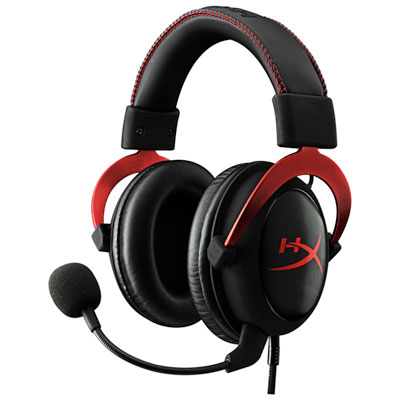 Your price for this item is $119.99
-
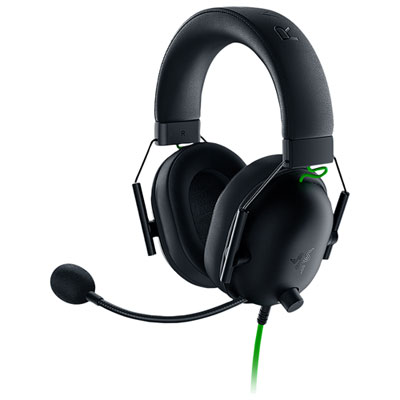 Your price for this item is $54.99
-
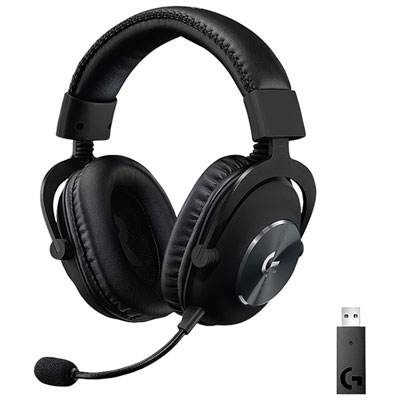 Your price for this item is $229.99
-
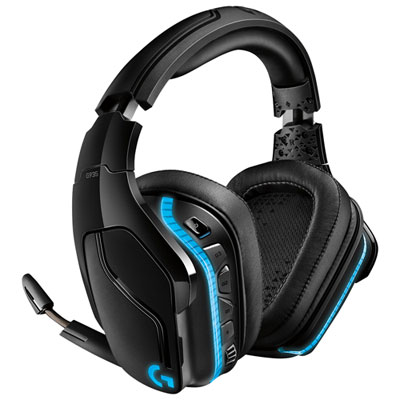 Your price for this item is $179.95
-
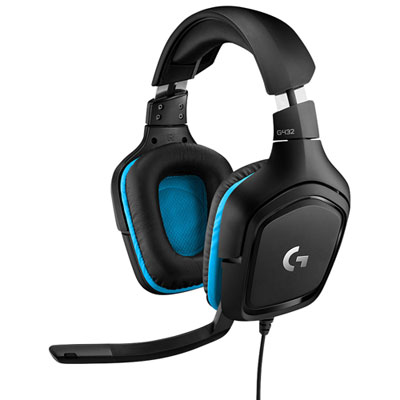 Your price for this item is $69.99
-
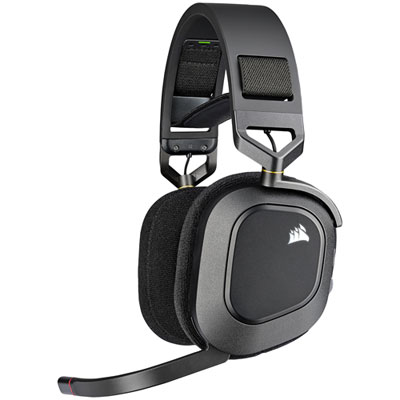 Your price for this item is $224.99
-
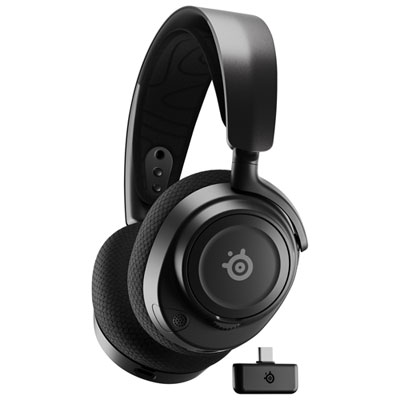 Your price for this item is $249.95
-
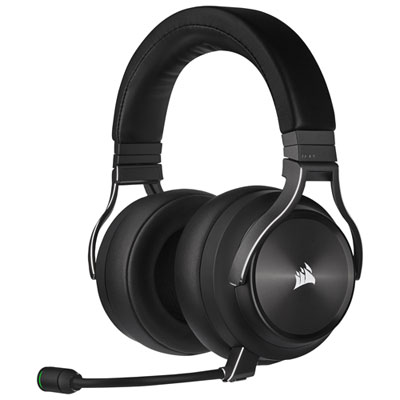 Your price for this item is $399.99
Discover more categories related to Wired Gaming Headsets With Microphone
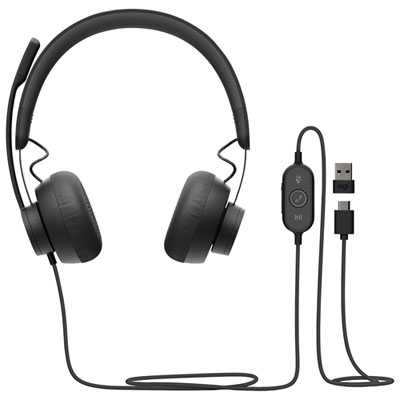

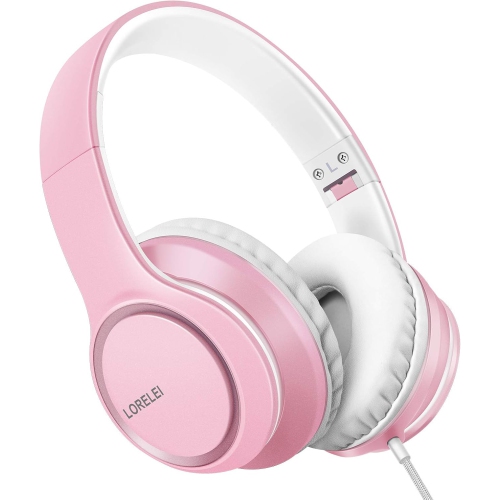
Top Collections:
Best Black Friday Deals This Year, Best Black Friday Deals On Electronics, Kindle Devices, Pokemon Centers, Best Black Friday Deals On Apple Products, Best Cameras for Sports Photography, Dyson Airwrap, Pokémon 30th Celebration Cards, Apple iPhone 17 Pro, Canon G7X Cameras
Some products may be subject to Environmental Handling Fees
(EHF) depending on your province.
Learn more about EHFs.