Condenser Microphones for Acoustic Instruments
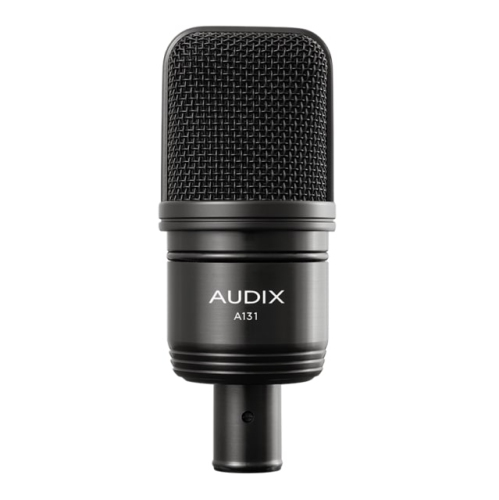
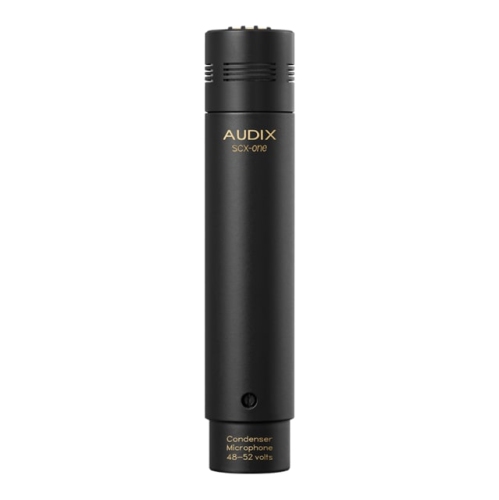
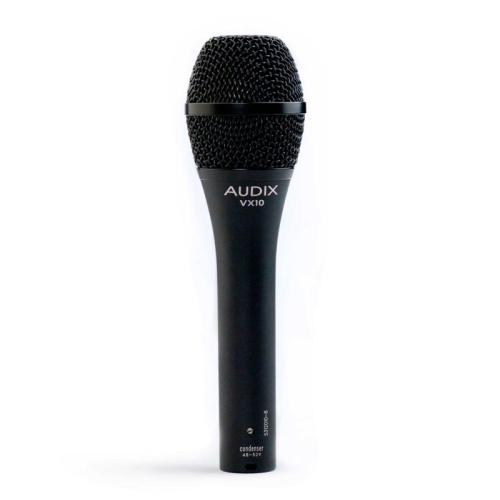
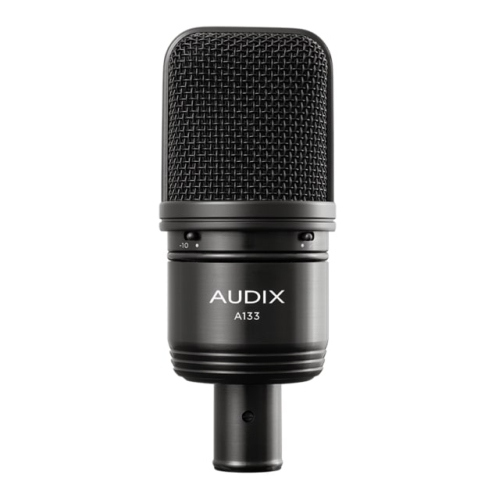
Find condenser microphones for acoustic instruments to capture the nuances of guitar, piano, strings, and other acoustic sources. Compare pickup patterns, frequency response, and connection types to choose a microphone suited to your instrument and recording space. Check power requirements, including whether phantom power is needed, and compatibility with your existing audio equipment.







FAQ
Phantom power supplies electricity to a condenser microphone through an XLR cable. Many XLR condenser microphones use +48 V phantom power from a compatible audio interface, mixer or microphone preamp. USB condenser microphones typically receive power through their USB connection instead.
Common polar patterns include cardioid, omnidirectional and figure-eight. Cardioid microphones pick up sound mainly from the front, omnidirectional microphones capture sound from all directions, and figure-eight microphones capture sound from the front and rear. Some condenser microphones have a fixed pattern, while others offer selectable patterns.
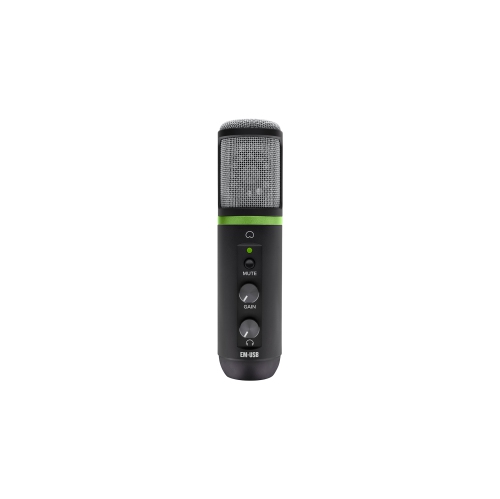
USB condenser microphones connect directly to a compatible computer and include built-in audio conversion. XLR condenser microphones connect to a microphone input on an audio interface, mixer or recorder. For computer recording, an audio interface converts the XLR microphone’s analogue signal into digital audio.
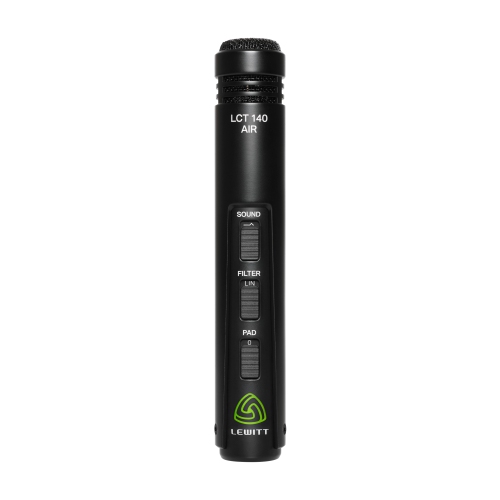
A pad switch reduces the microphone’s signal level by a specified amount, measured in decibels. A low-cut switch, also called a high-pass filter, reduces frequencies below a designated cutoff point. These controls are available on some condenser microphones, while others provide neither or only one.
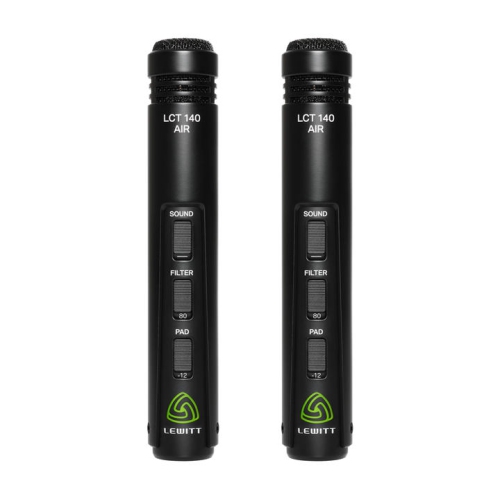
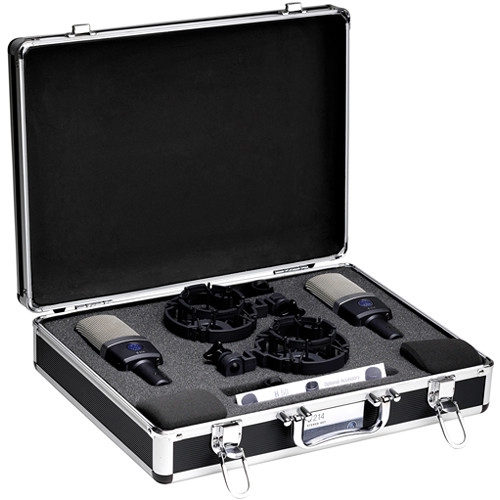
Stereo recording captures separate left and right audio channels. With condenser microphones, this can involve two microphones arranged in a stereo technique, such as XY or a spaced pair, or a stereo microphone with two capsules. Recording two separate microphones typically requires two microphone inputs.
Top selling and popular products
Discover more categories related to Condenser Microphones for Acoustic Instruments
Some products may be subject to Environmental Handling Fees (EHF) depending on your province. Learn more about EHFs.