Adult Construction Toys
Unleash your creativity and embrace the thrill of building with our exciting range of adult construction toys. Perfect for hobbyists, collectors, and anyone looking to unwind while engaging their minds, these construction sets offer endless possibilities for innovation and design. Whether you're a seasoned builder or just starting your journey into the world of intricate designs, our selection caters to all skill levels and interests. Dive into a satisfying experience that combines fun with focus, and discover the joy of constructing something truly unique. Explore our collection today and find the perfect set to challenge your imagination and skills.
Sort
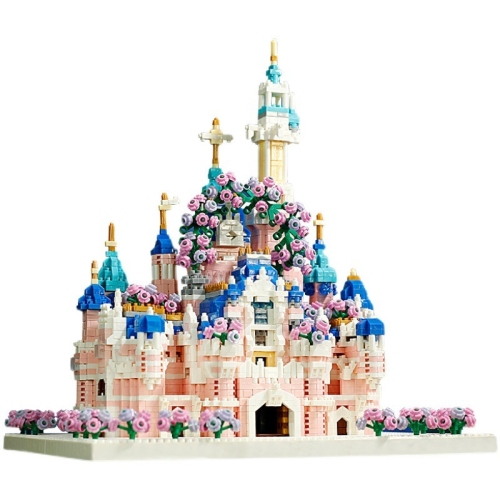
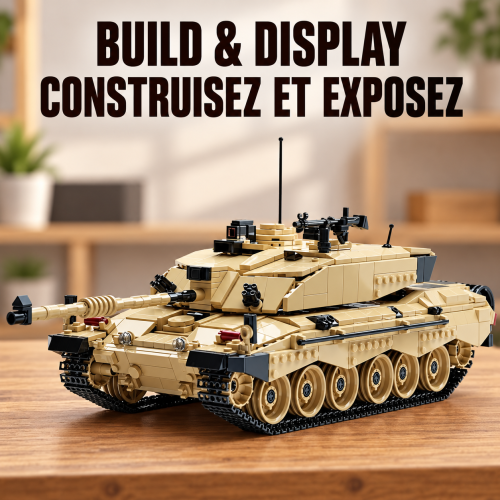
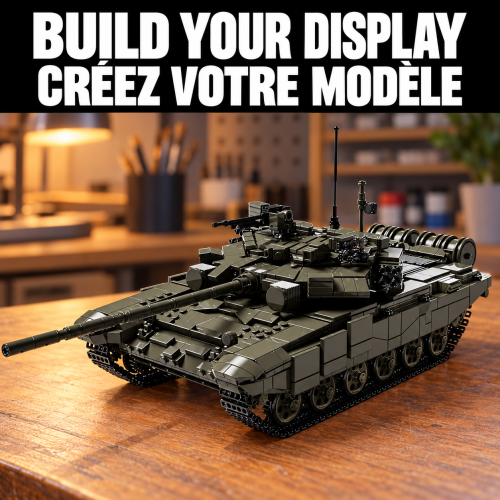
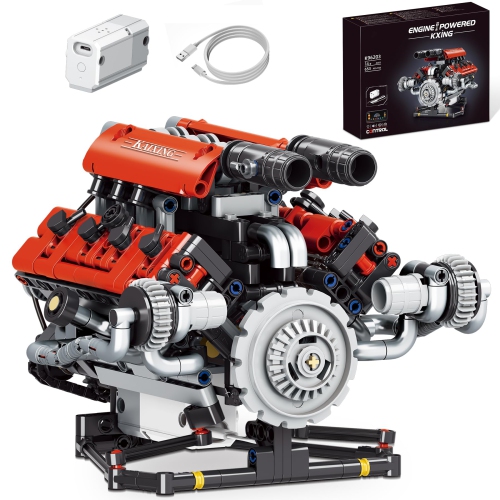
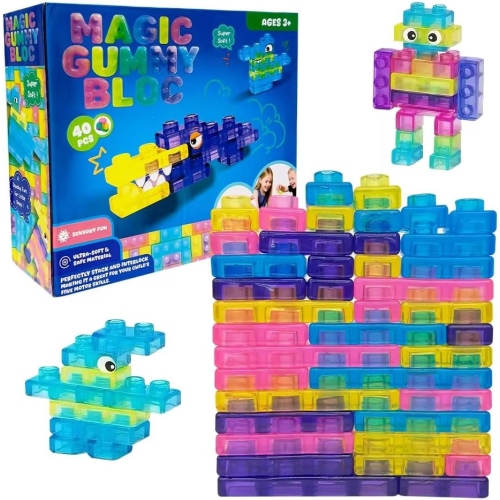


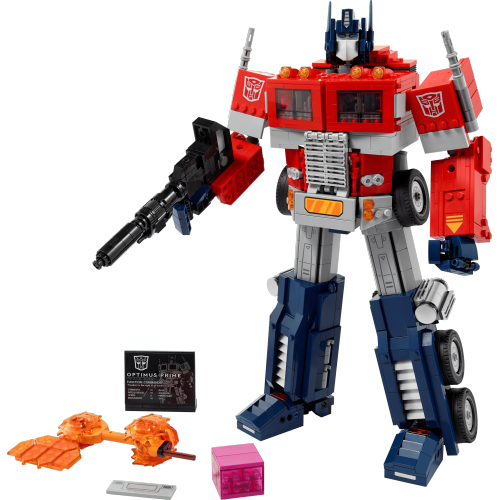
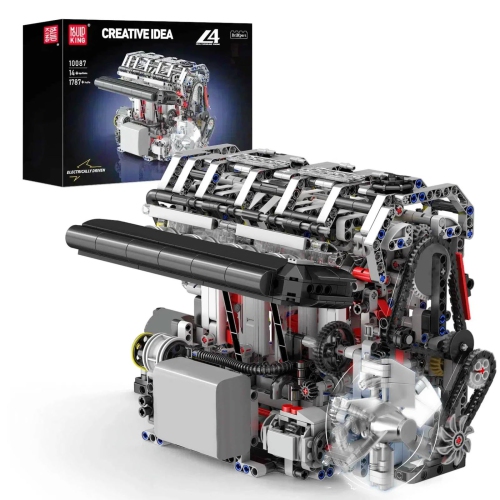
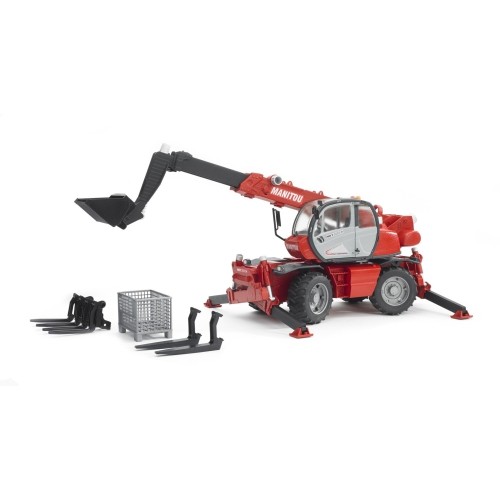
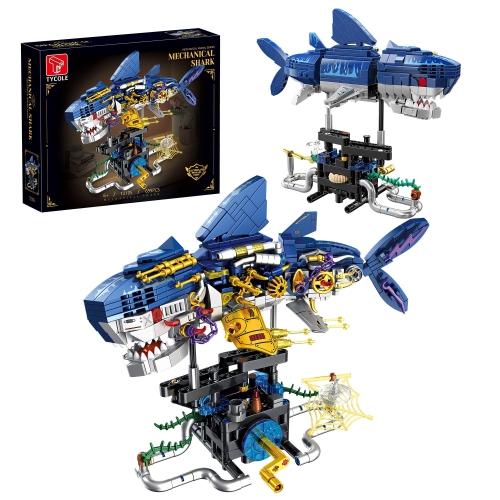
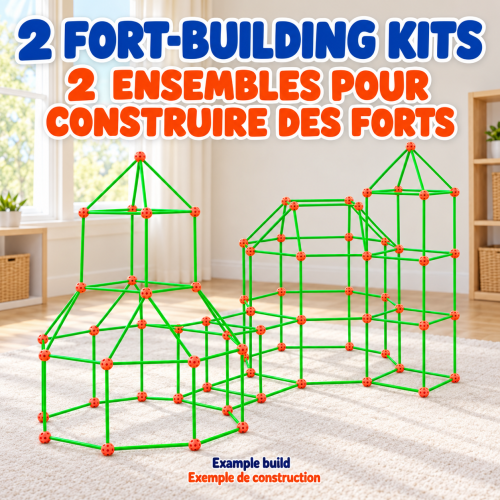
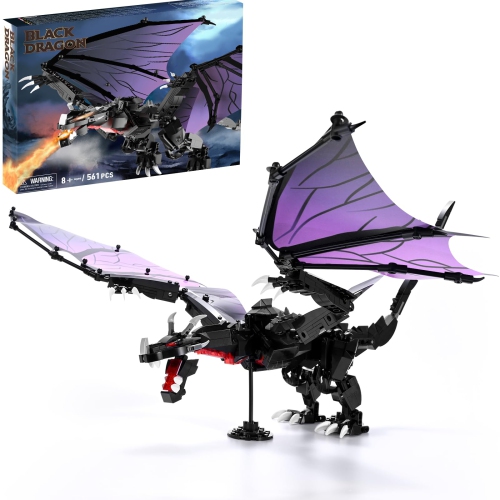
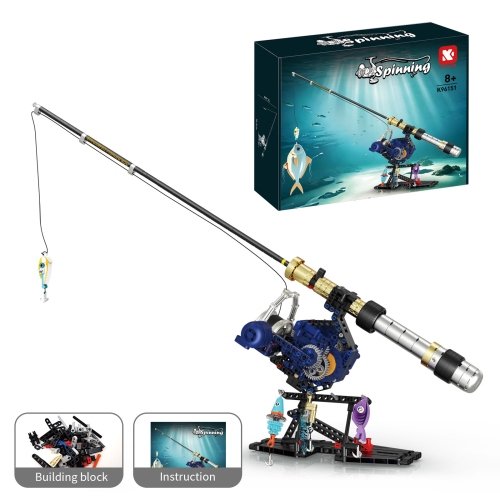
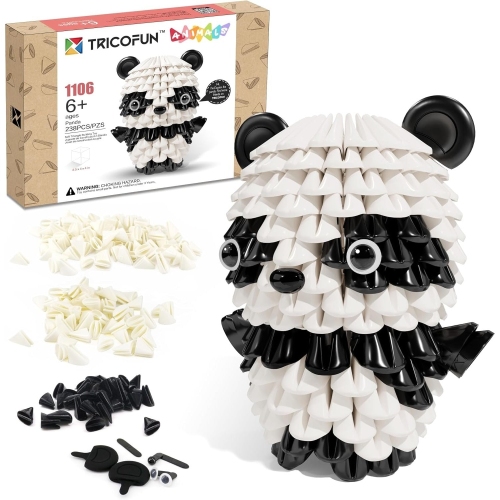
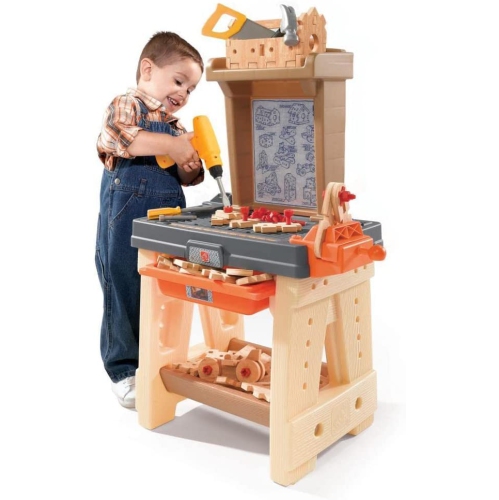
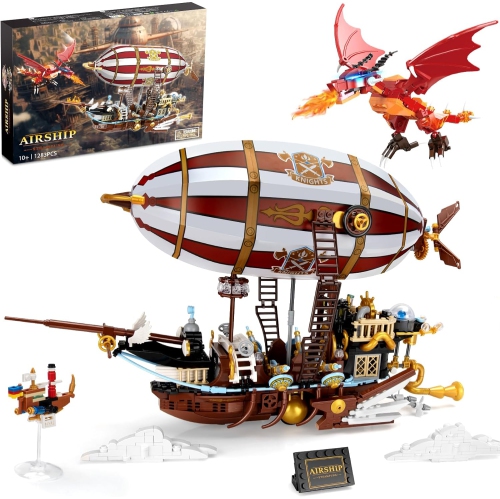
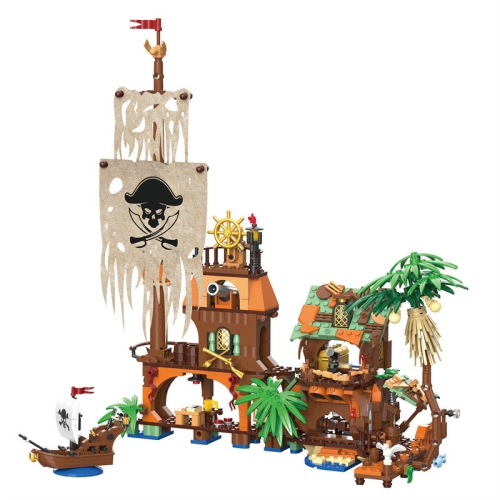
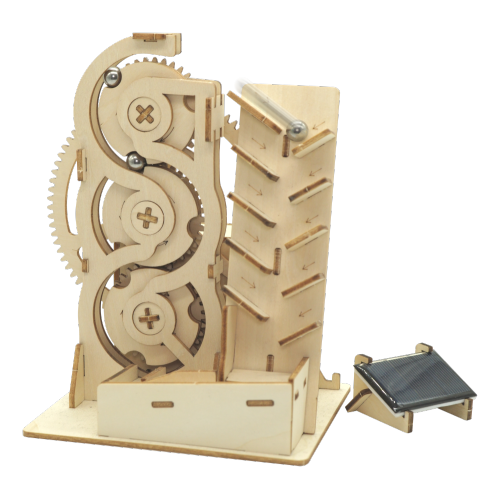

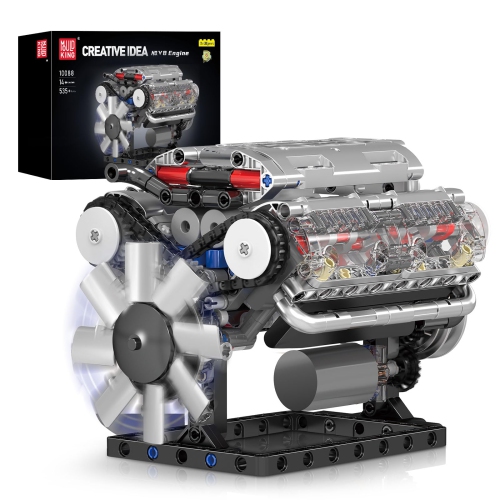
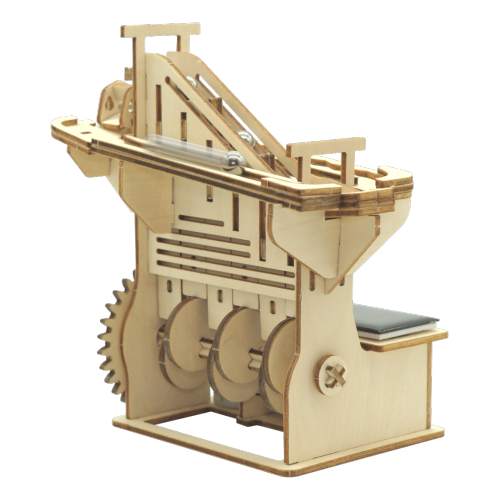
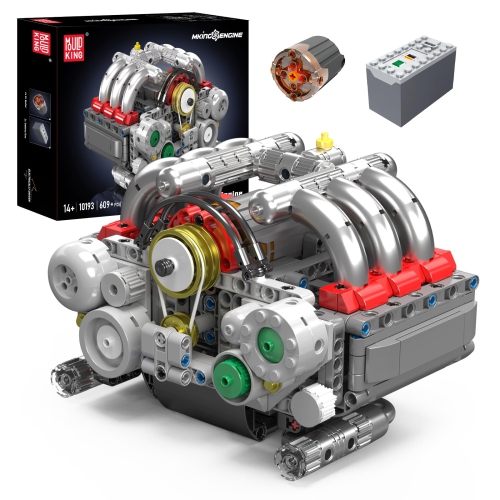
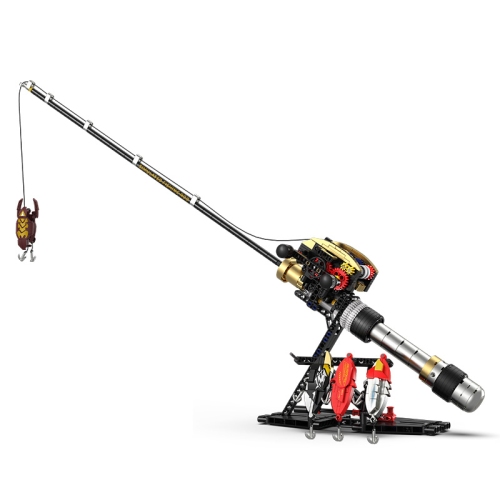

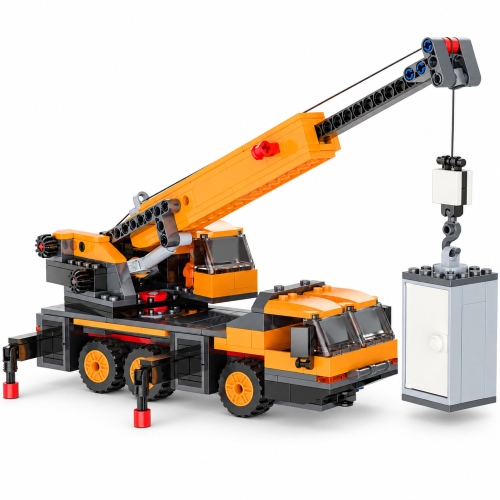
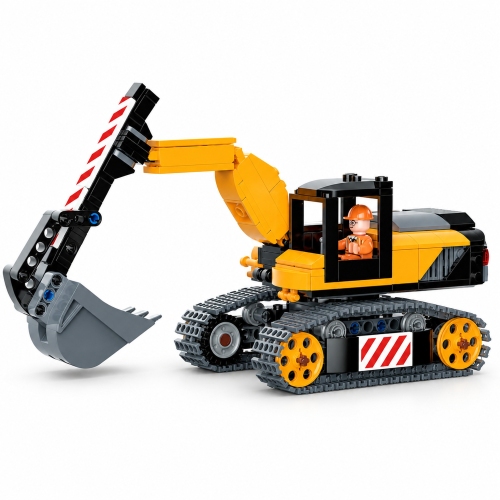
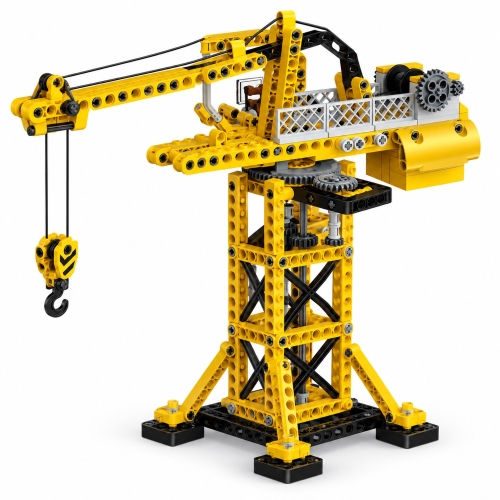
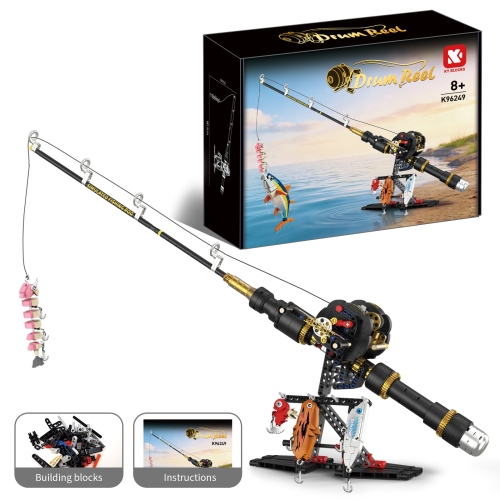
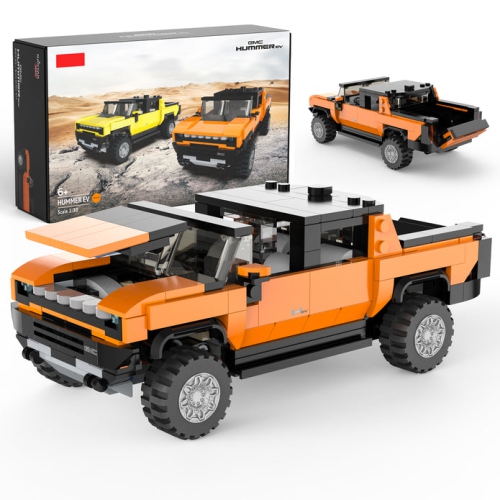
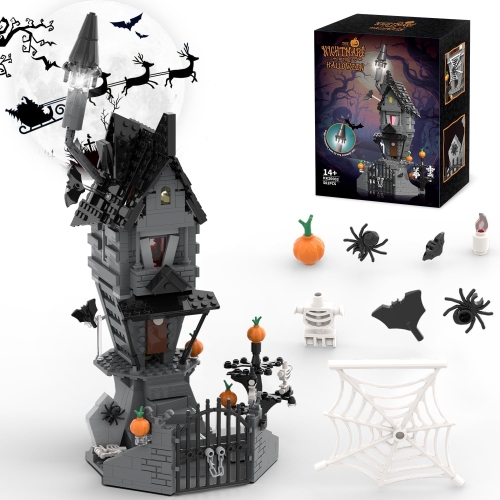
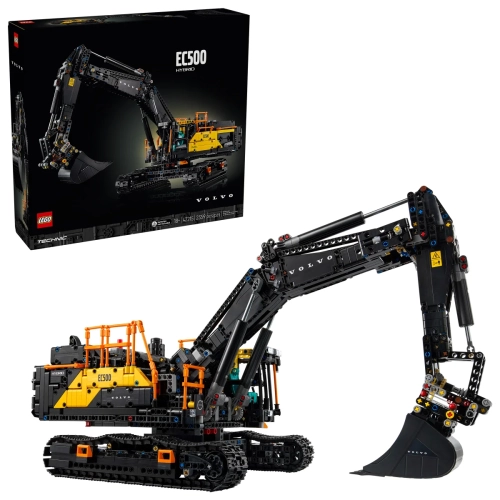
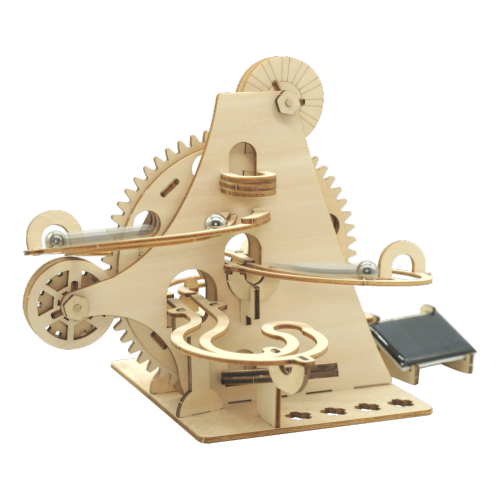
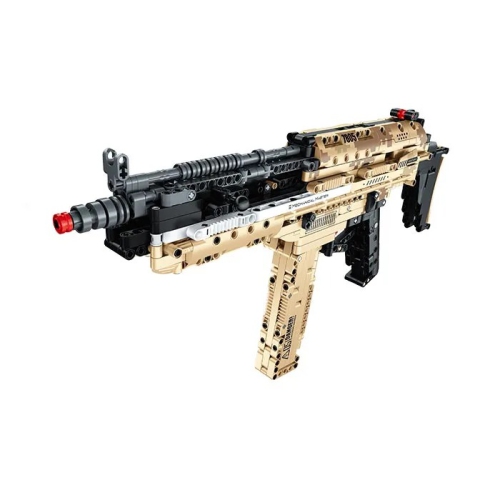
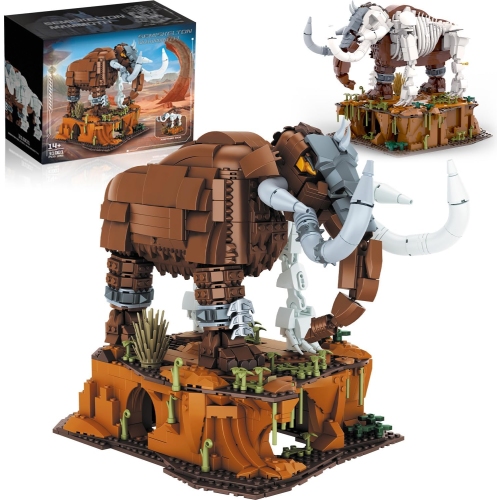
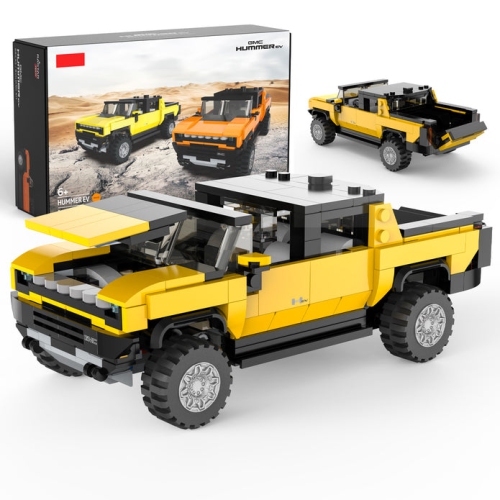
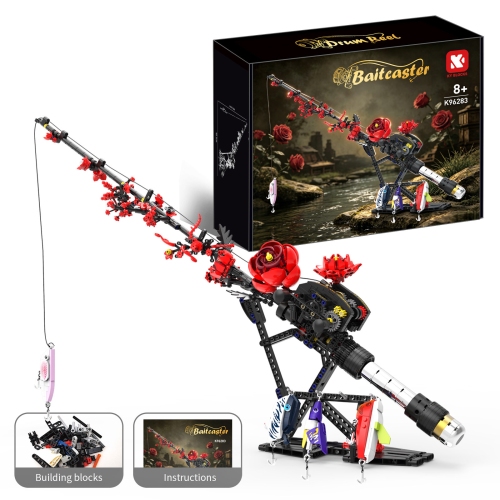
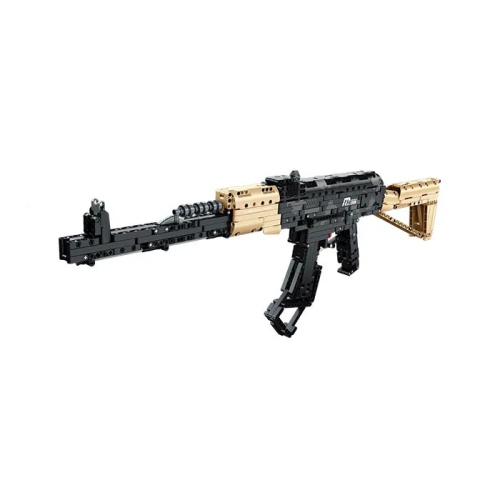
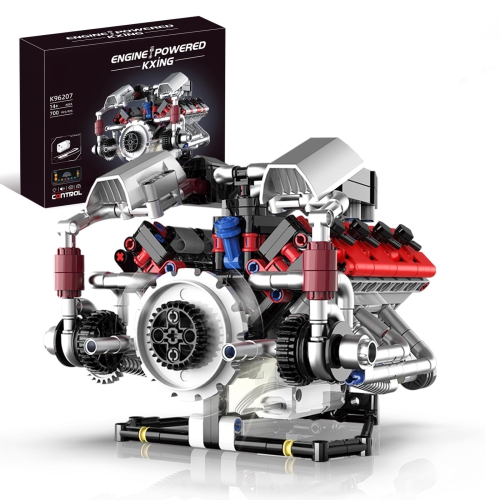
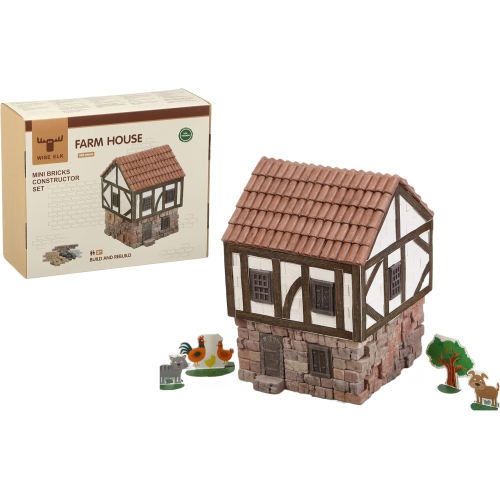
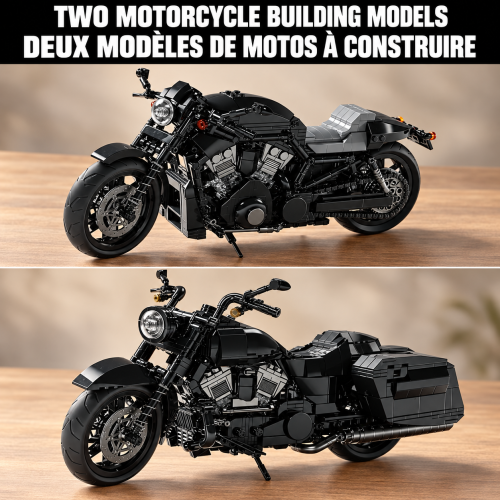


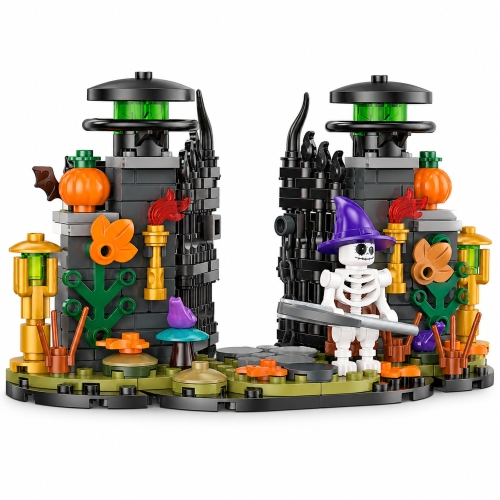
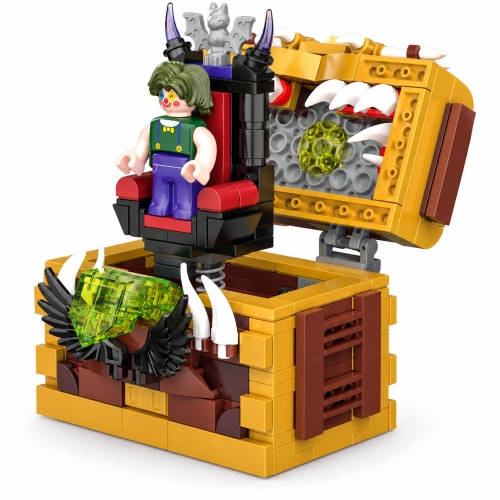
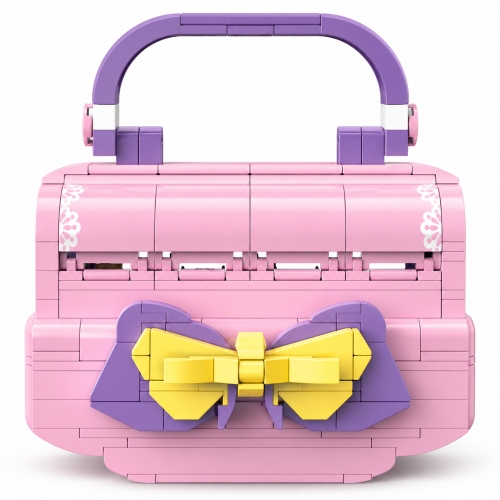
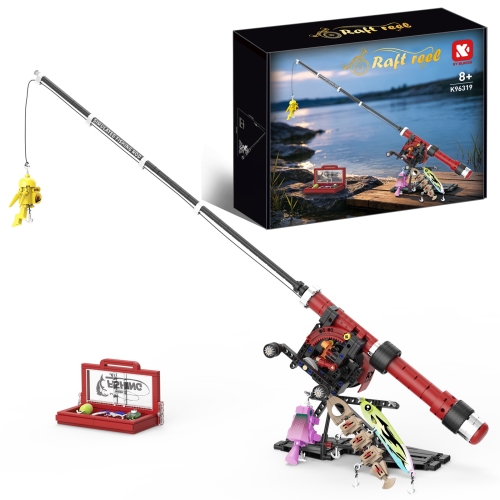
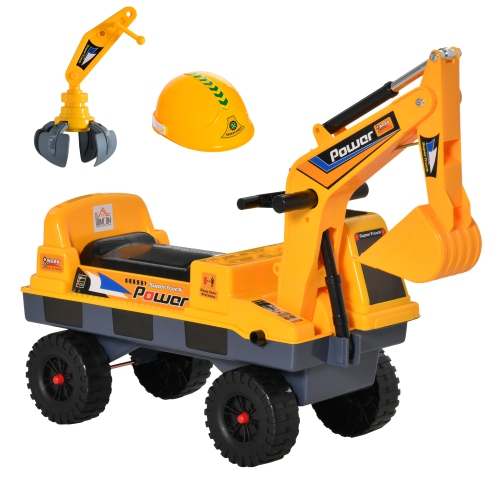
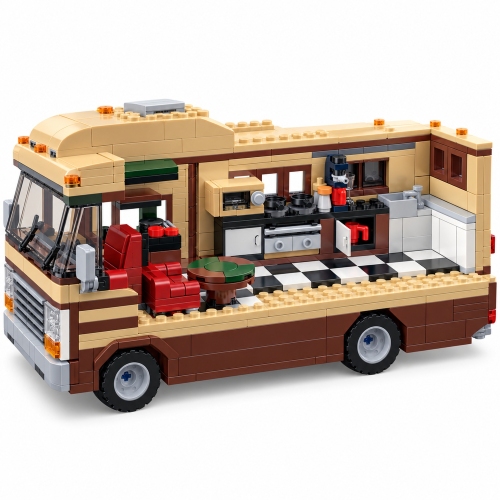
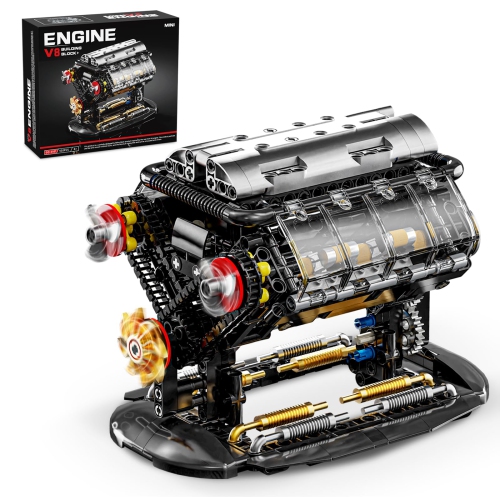
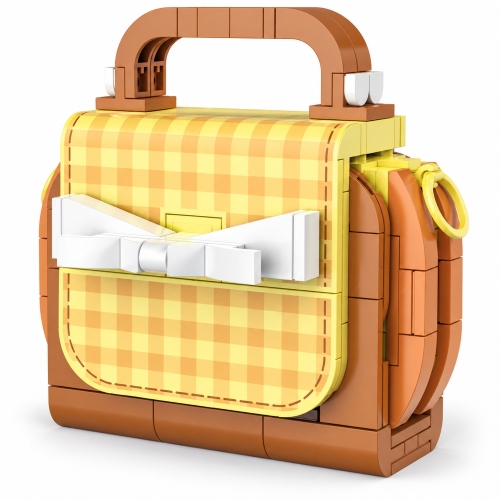
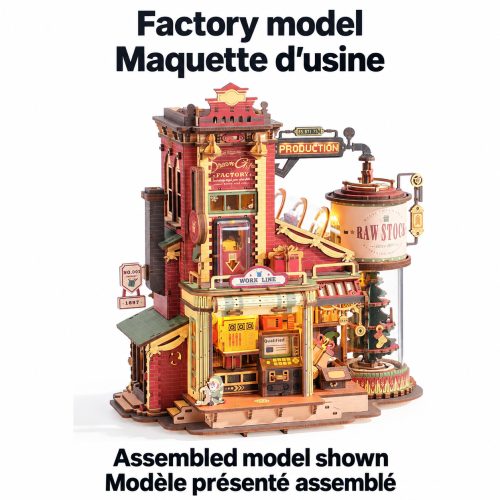
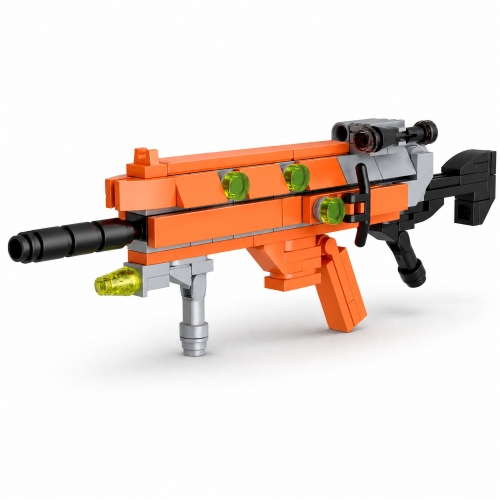
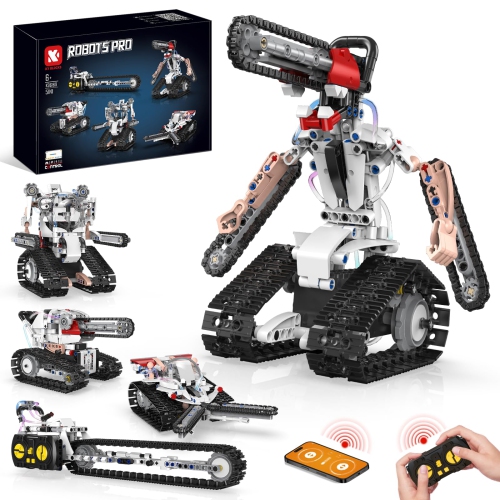
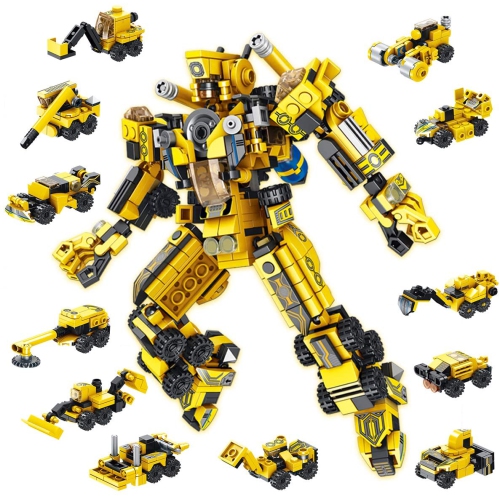
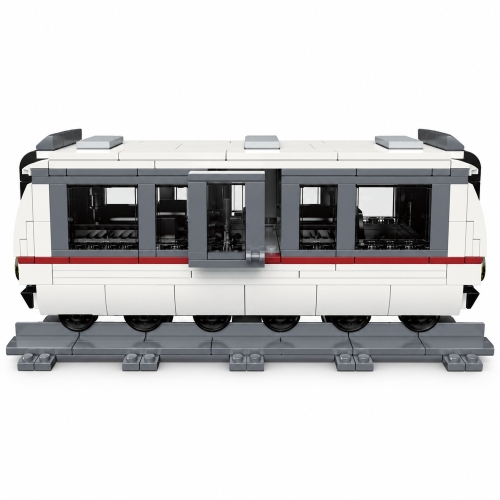
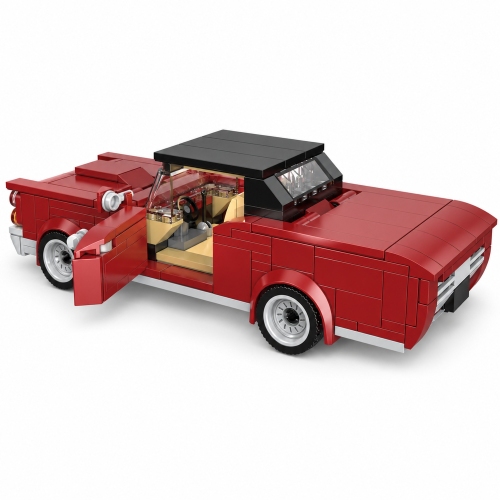
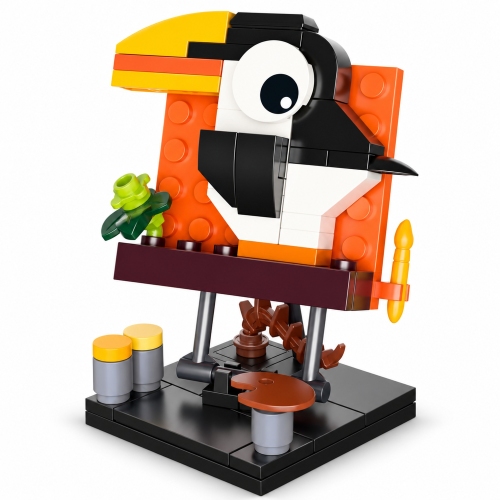
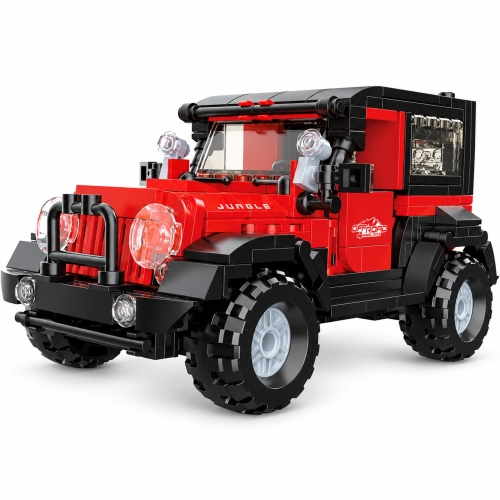
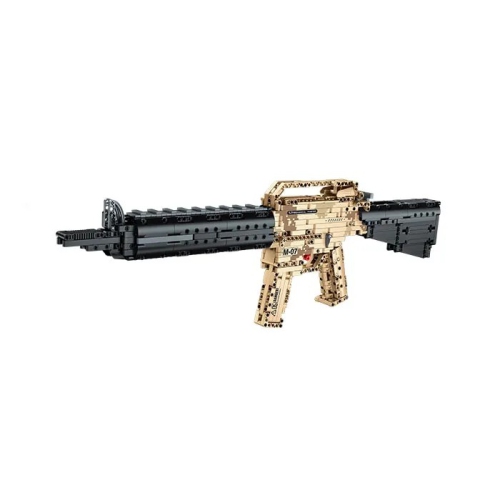
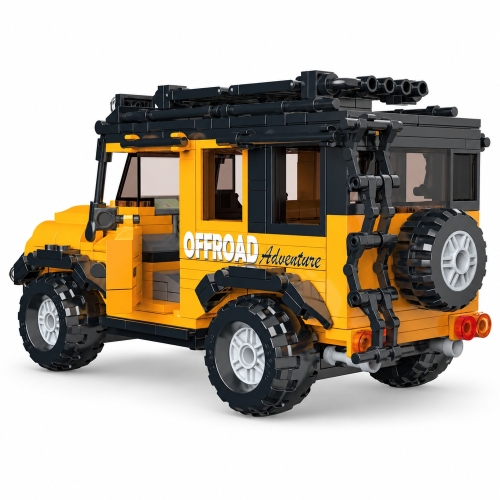
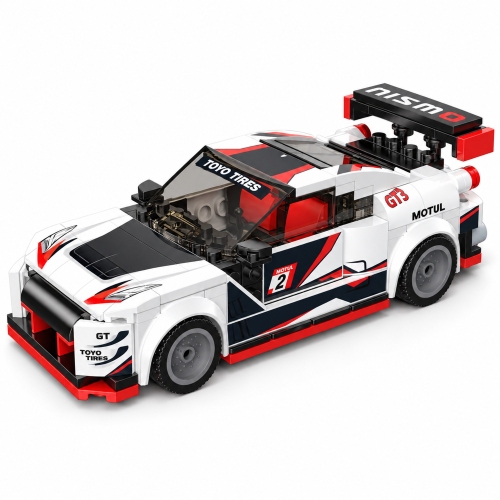
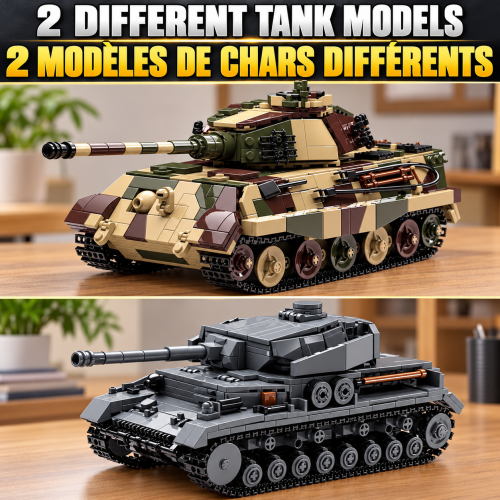
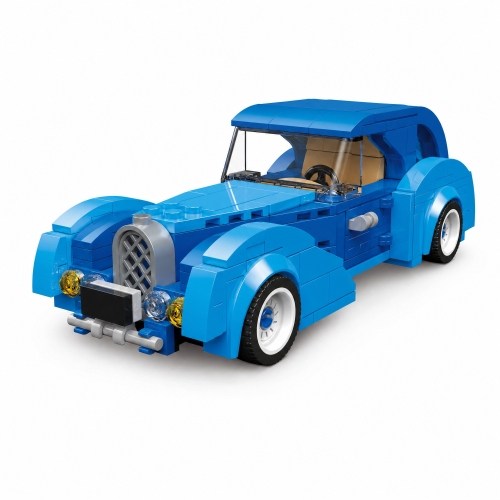

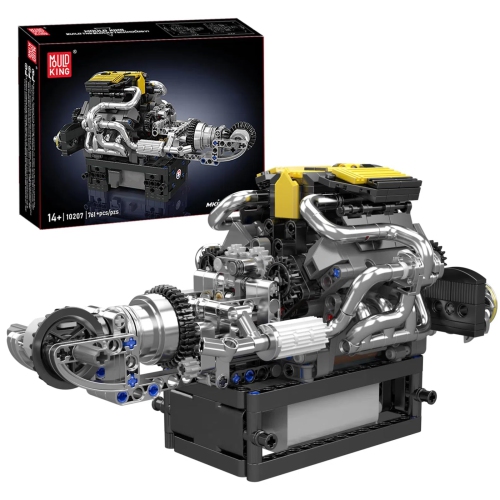
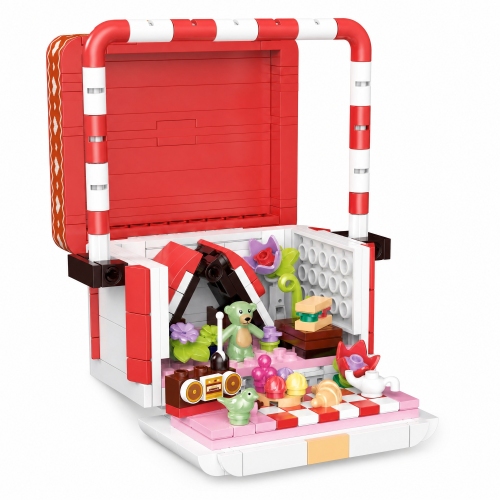
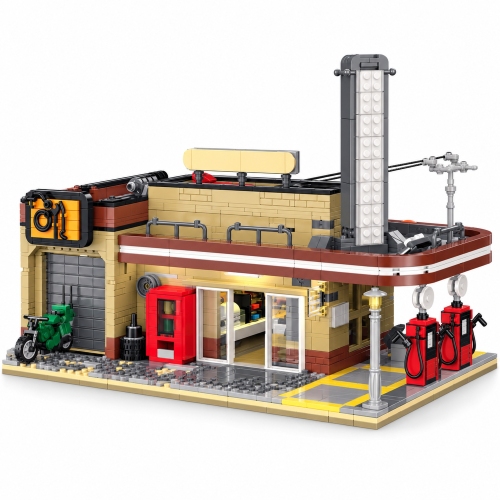
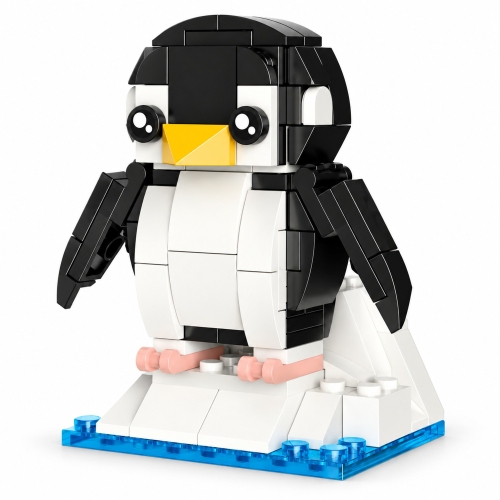
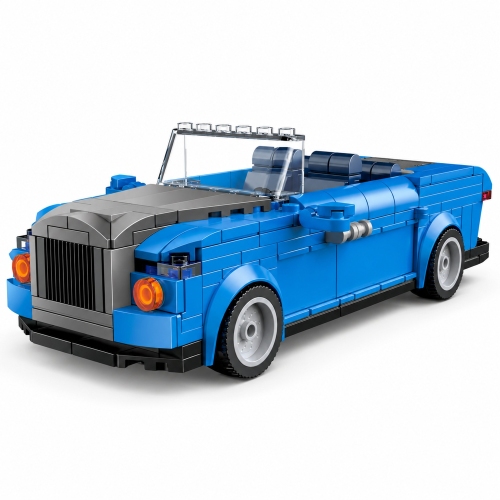
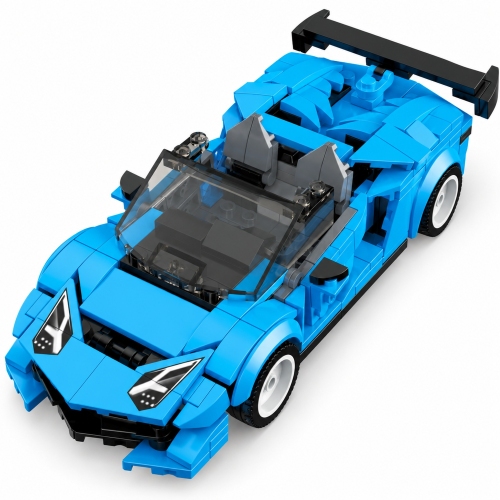
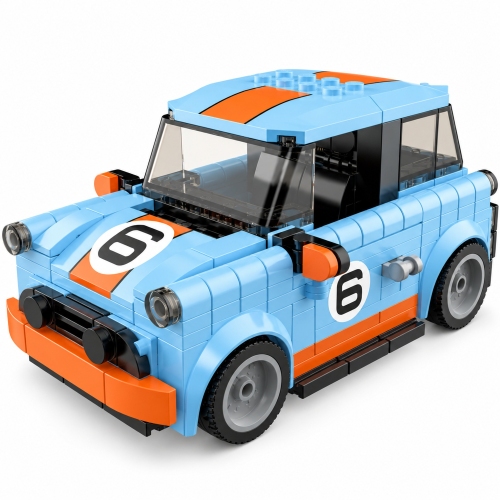
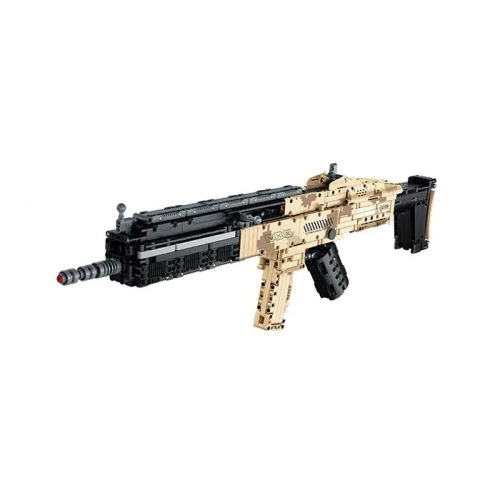
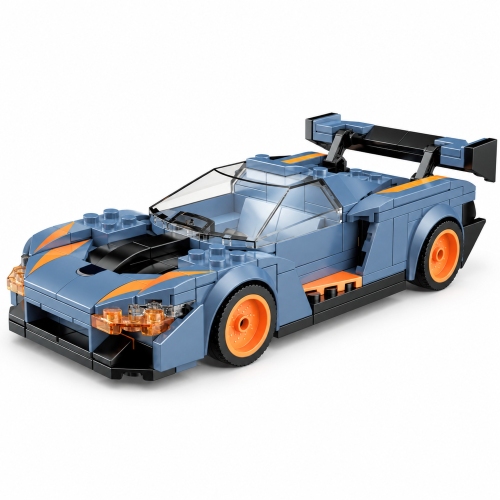
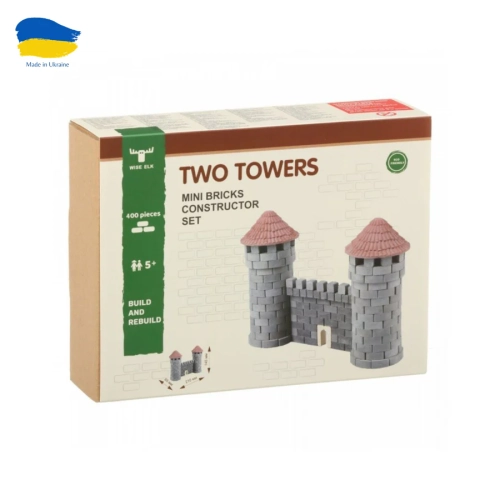


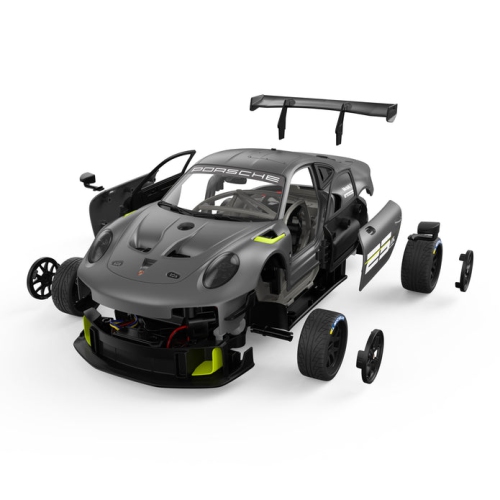
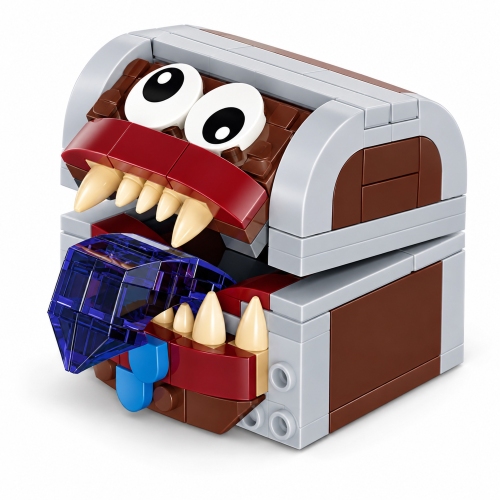


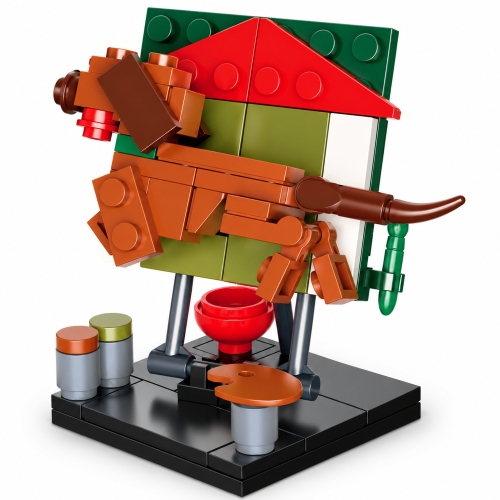
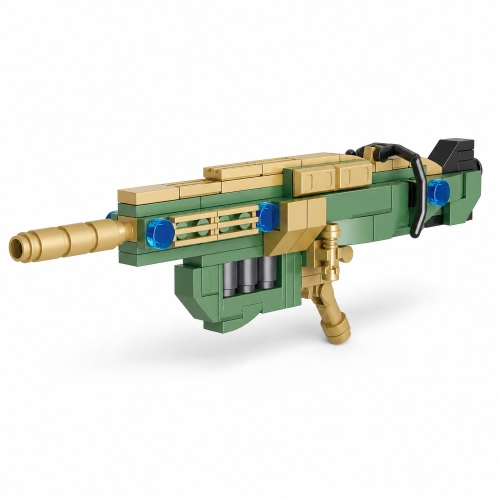
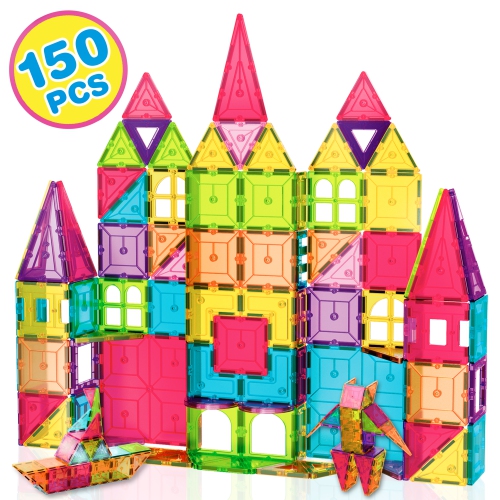
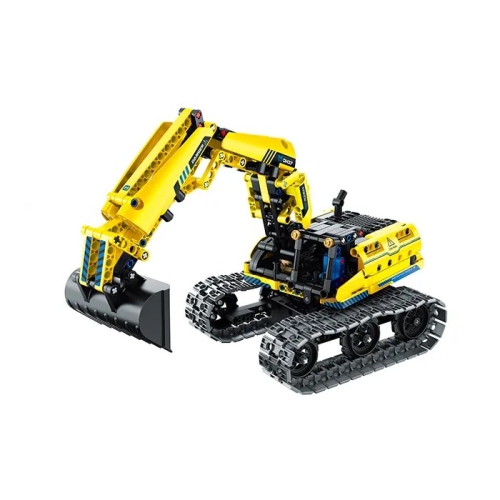
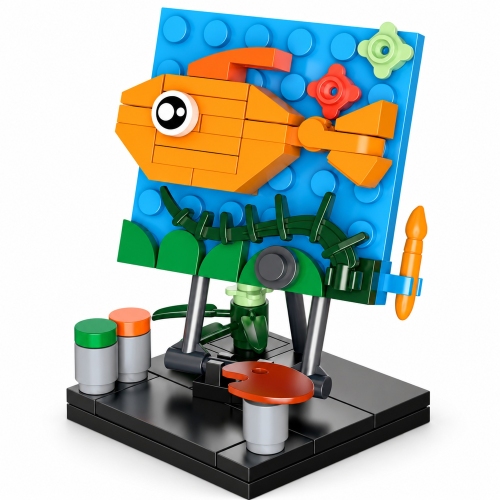

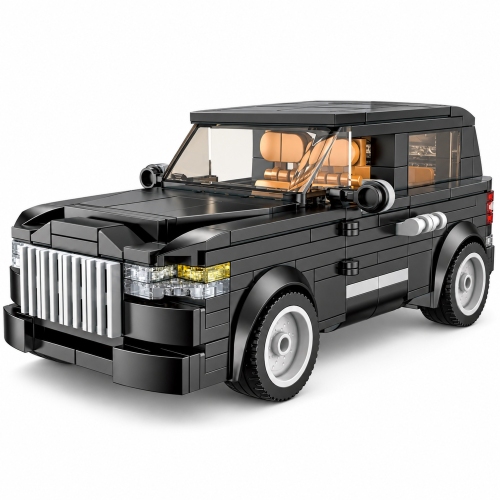
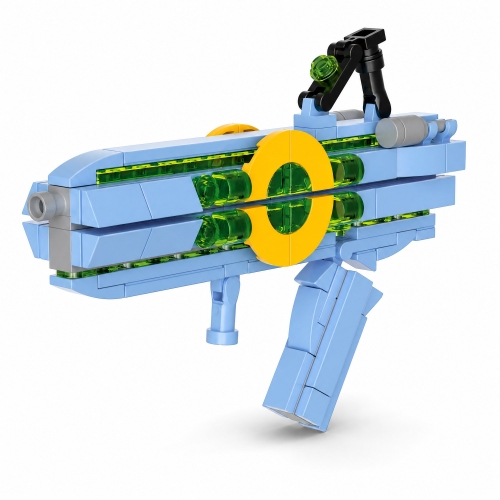
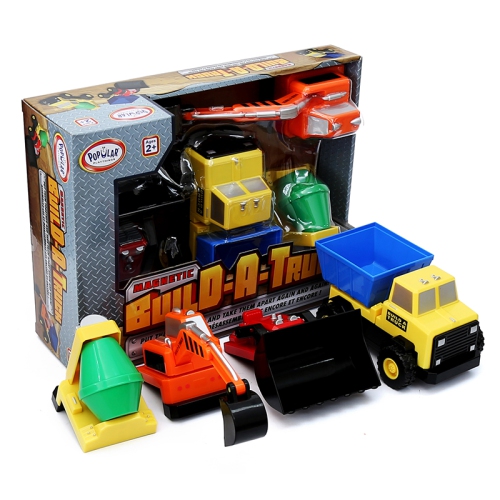
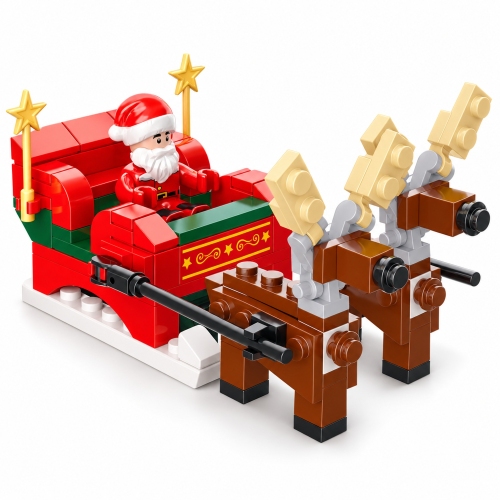
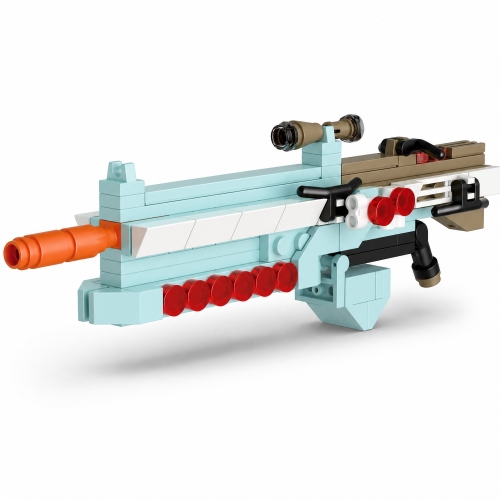
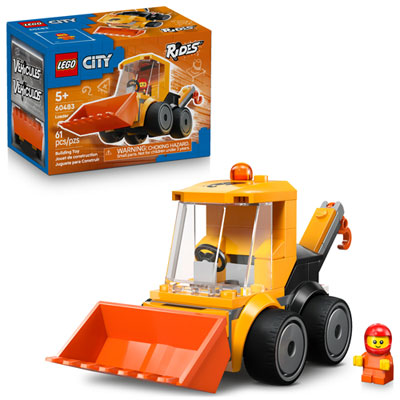
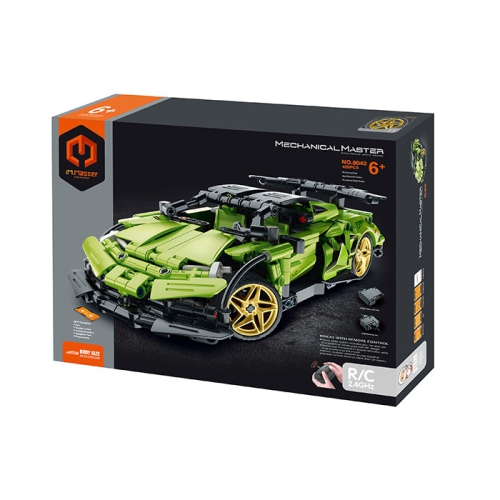

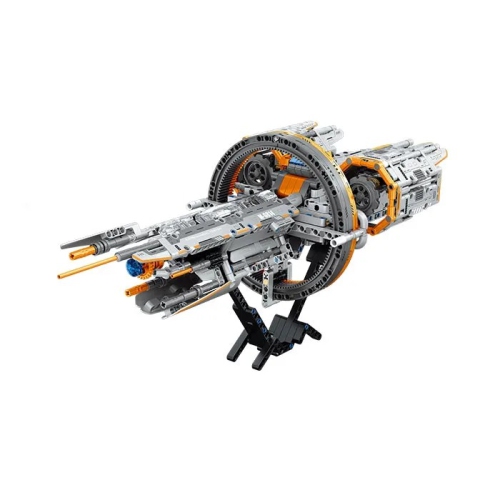
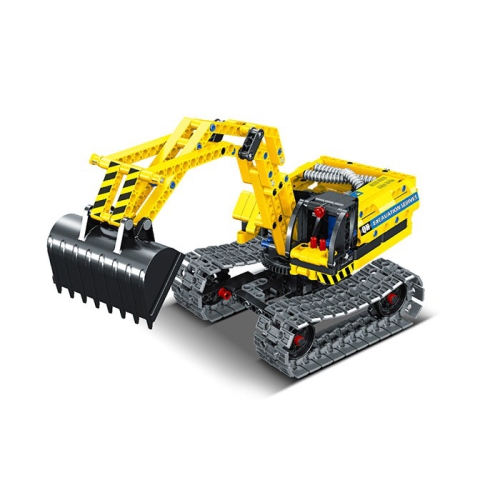
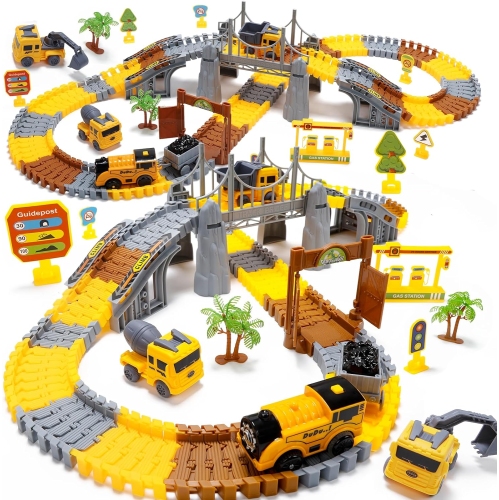
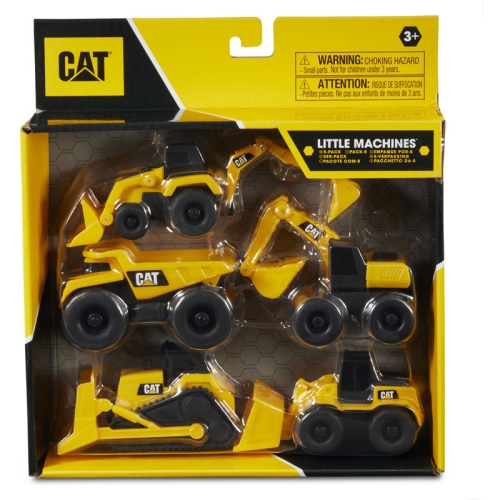
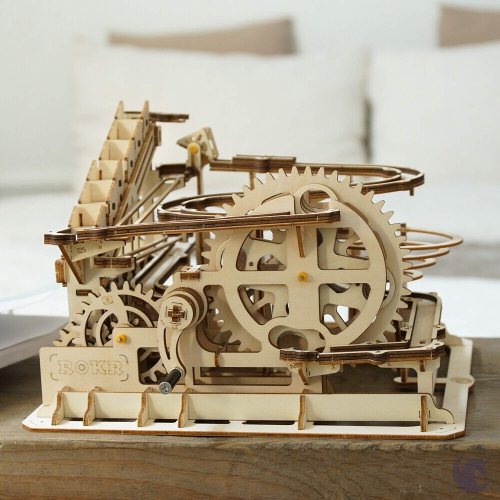
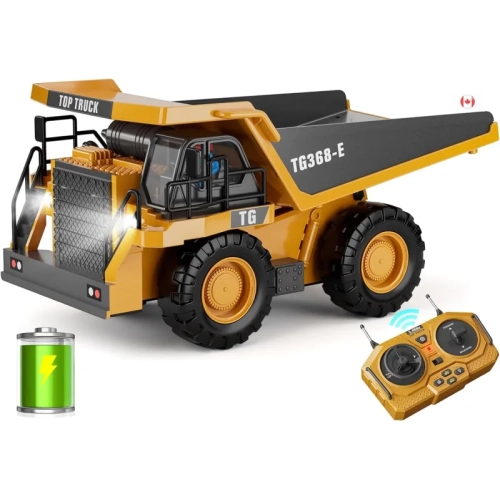
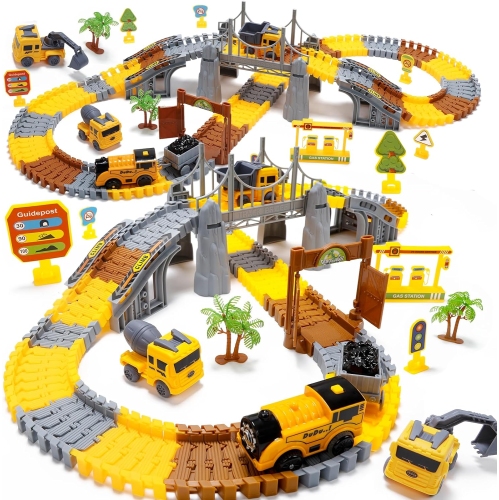
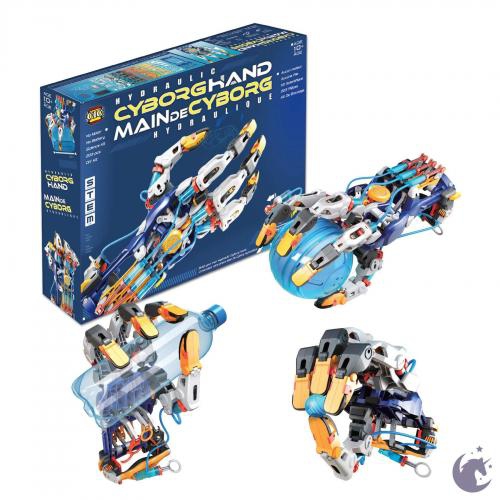
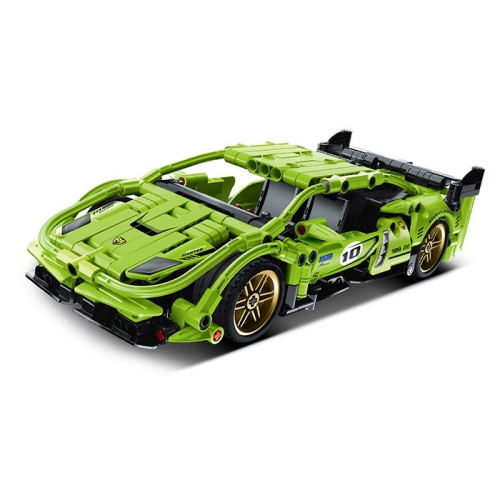
From intricate assembly to models worth displaying
Adult construction toys are building sets, assembly kits, and working models designed for hobbyists who enjoy detailed construction, mechanical features, and finished pieces worth displaying. The category can include interlocking brick sets, architectural replicas, metal construction systems, and remote-controlled construction machinery, with different levels of complexity and hands-on involvement. Some focus on assembling a detailed structure from hundreds or thousands of pieces; others combine a build with moving tracks, articulated booms, steering mechanisms, or motorized functions. Their appeal often lies in the process as much as the result: sorting components across a table, seeing a framework take shape, and understanding how small connections support a larger structure. A compact model might suit an occasional evening project, while a more involved kit can become a dedicated hobby over several sessions. Piece count offers some indication of scope, but it does not tell the whole story. Tiny components, repeated structural sections, intricate gearing, and less detailed instructions can make a relatively small model demanding. Manufacturer age recommendations and difficulty descriptions provide better context, particularly for sets labelled for ages 14 and up or intended specifically for adults. These recommendations vary by model and should not be treated as interchangeable. For someone interested in architecture, attention may centre on proportions, façades, and recognizable structural details. A machinery enthusiast may be more interested in how a lifting arm pivots or how a tracked chassis moves. Builders who prefer open-ended projects may appreciate reusable components that can be rearranged into original designs rather than a single prescribed result. Construction toys can also offer a shared activity for partners, friends, or family members old enough for the particular set, whether one person organizes parts while another assembles substructures or each completes a different section. A clear workspace and a project matched to the builder’s patience, dexterity, and interests help make the experience enjoyable rather than unnecessarily frustrating.
Materials and construction methods influence how a model feels during assembly and how it holds up afterwards. Moulded plastic components are common in brick-based systems, where consistent connections help structures remain together while allowing disassembly. Metal frameworks often use nuts, bolts, shafts, and brackets, giving the finished piece a different weight and assembly experience. Wood-based kits may rely on slotted panels or other fitted connections, sometimes with adhesive where the instructions specify it. None of these materials alone guarantees durability; component design, connection quality, and intended use matter just as much. A delicate display structure needs different handling from a model designed for repeated movement. Compatibility also deserves attention, since similar-looking bricks, connectors, motors, or track sections do not necessarily fit together across different systems. For a builder adding to an existing collection, the connection standard and any stated compatibility are more useful than appearance alone. Finished dimensions matter too. A tall tower needs shelf clearance, while a wide crane or articulated vehicle may require extra room for its moving sections. Scale describes the relationship between a model and its real-world subject, but the listed measurements are the practical reference for a desk, cabinet, or hobby table. Remote-controlled construction toys add another layer of considerations, including control range, battery requirements, charging arrangements, and whether separate batteries are needed for the controller. Some arrive assembled, while others involve construction before operation, so the balance between building and driving can differ considerably. Functional details also vary: a moving bucket does not necessarily have the strength to dig, and a realistic-looking chassis is not automatically suitable for rough ground. Manufacturer instructions should determine appropriate surfaces, operating conditions, and loads. On a tabletop or designated play surface, even simple movements such as rotating a cab or raising a boom can be satisfying without placing unnecessary strain on small gears, joints, or motors.
For gifting, the strongest match is usually the recipient’s interests and preferred way of spending time, rather than the largest box or highest piece count. Someone who enjoys careful, methodical assembly may welcome a detailed structure with layered interiors, while another hobbyist may prefer a mechanical build that can be adjusted and operated after completion. Display preferences matter as well: a model intended for a home office should fit comfortably alongside books and everyday essentials, whereas a dedicated hobby space may accommodate a larger scene. For a broader look at structural building sets and assembly styles, Building Construction Toys offers a related category to explore. Practical details can make the experience more comfortable, from instructions with clearly illustrated steps to components that are manageable for the builder’s grip and vision. A shallow sorting tray helps keep small pins, fasteners, and connectors from disappearing, and labelled containers make it easier to pause a project without losing progress. Keeping instructions and any spare parts together is useful when a model needs repair, adjustment, or rebuilding. Once assembled, care should follow the material and any electronic components. A soft brush can remove dust from corners and exposed details; cleaning liquids, soaking, or abrasive tools may damage finishes, adhesives, motors, or electrical contacts unless specifically permitted by the manufacturer. Moving sections benefit from gentle handling, and a section that resists movement should be checked for an obstruction or assembly issue rather than forced. Battery storage and charging should also follow the supplied directions. Small parts, sharp tools, and loose fasteners need to stay out of reach of young children and pets, especially when a project remains out between sessions. With suitable space, careful handling, and a level of complexity that suits the builder, adult construction toys can serve as absorbing assembly projects, working hobby models, and distinctive display pieces that remain enjoyable long after the final connection is made.
Top selling and popular products
-
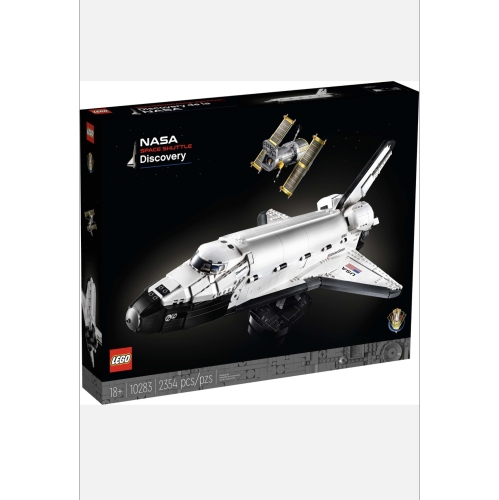 Your price for this item is $389.62
-
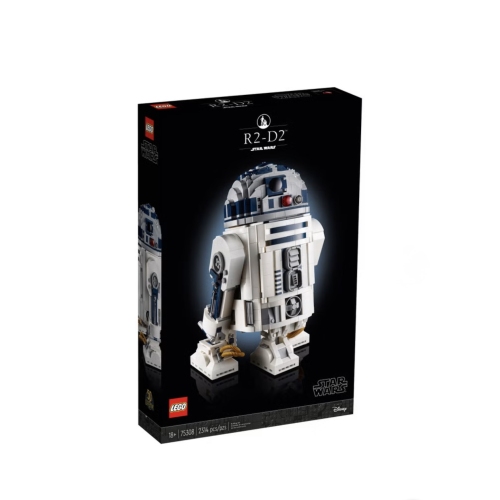 Your price for this item is $359
-
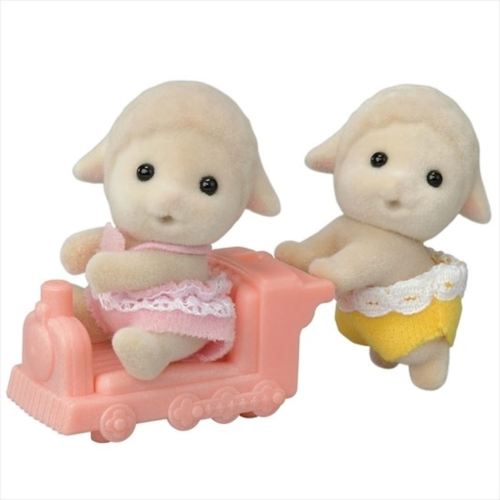 Your price for this item is $93.99
-
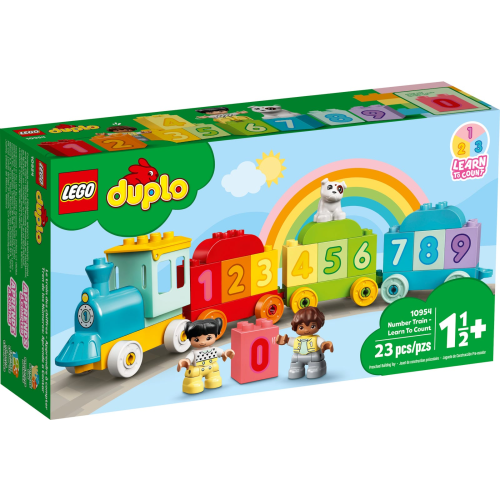 Your price for this item is $59
-
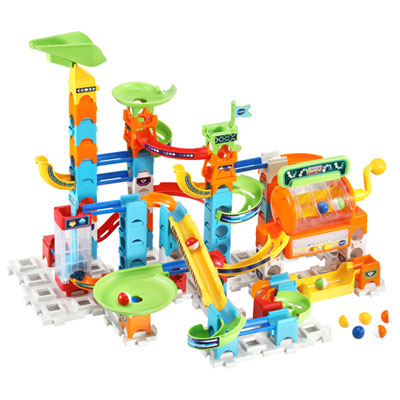 Your price for this item is $59.99
-
 Your price for this item is $51
-
 Your price for this item is $38.99
-
 Your price for this item is $40.82
Discover more categories related to Adult Construction Toys
Top Collections:
Best Black Friday Deals This Year, Best Black Friday Deals On Electronics, Kindle Devices, Pokemon Centers, Best Black Friday Deals On Apple Products, Best Cameras for Sports Photography, Dyson Airwrap, Pokémon 30th Celebration Cards, Apple iPhone 17 Pro, Canon G7X Cameras
Some products may be subject to Environmental Handling Fees
(EHF) depending on your province.
Learn more about EHFs.