Ship Toys
Set sail on a sea of imagination with our diverse selection of ship toys, perfect for budding adventurers and young explorers. Whether navigating the high seas or embarking on epic voyages in the bathtub, these ship toys promise endless hours of creative play and discovery. Crafted to inspire storytelling and stimulate curiosity, our collection offers something for every aspiring captain. Dive into a world where the only limit is your child's imagination, and watch as they embark on thrilling adventures right in your home. Explore our range today and let the nautical fun begin! Remember, our Low Price Guarantee means you can shop confidently knowing that you'll find the best price at Best Buy, all year round. We encourage you to check our website frequently for the most up-to-date information on our latest offers and savings opportunities.
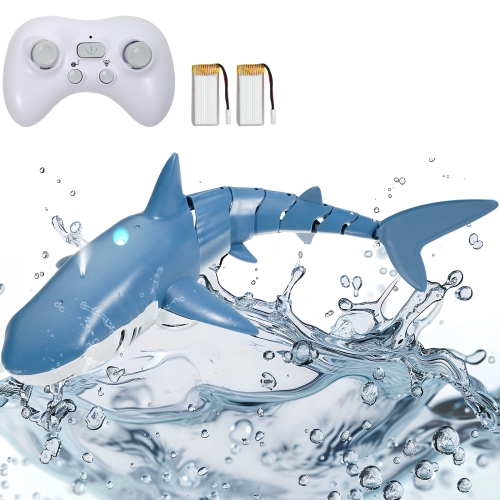
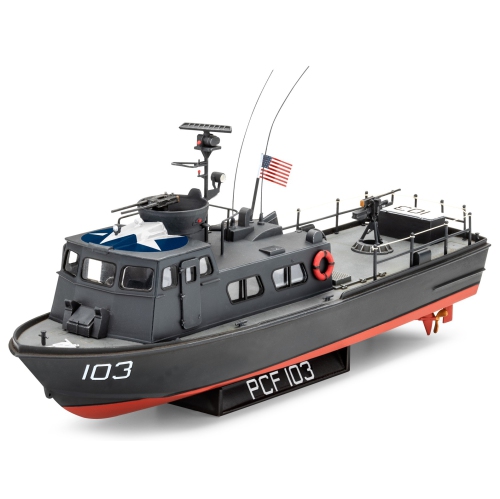
Not every pretend voyage belongs in the bath
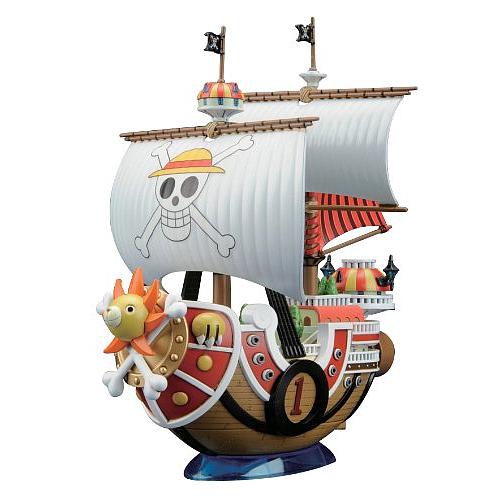
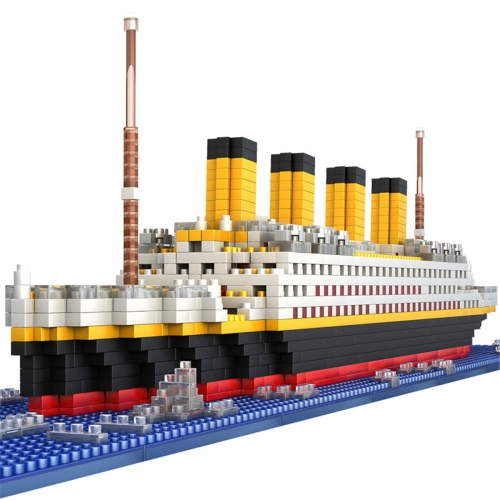
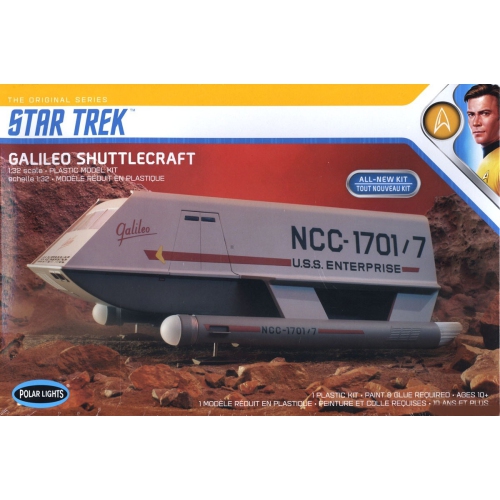
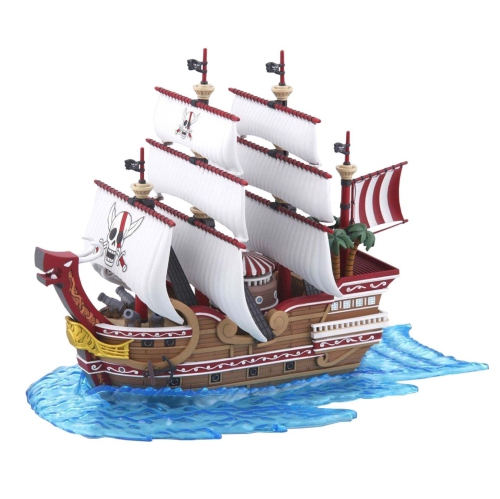
Materials, construction, and dimensions shape how a toy ship feels in use and how well it suits its intended setting. Moulded plastic is common in floating boats and playsets because it allows hollow hulls, rounded forms, and moving features without excessive weight. Wooden ships can have a pleasing weight and straightforward shapes for dry pretend play, but they should not be immersed unless the manufacturer explicitly permits it. Die-cast metal models often appeal to collectors and children who appreciate realistic proportions, although their weight and fine details can make them less suitable for rough handling or bath play. Fabric sails, thin masts, rails, and rigging add character but may need gentler treatment than a solid, one-piece boat. For frequent hands-on use, useful details include securely attached components, smooth seams, and hinges that move without forcing. A sturdy hull alone does not guarantee that every accessory will tolerate drops or being packed tightly into a toy bin. Fit is also practical: the ship should suit the child’s grip, the available play surface, and any figures or vehicles expected to travel aboard. Photographs can make a compact model look much larger, so overall length, width, and height are worth checking, especially when a mast or sail needs shelf clearance. Scale markings describe a model’s proportions relative to the original vessel; they do not establish compatibility with another toy range. A ferry’s ramp opening and deck dimensions are more helpful when the goal is to carry existing toy cars. Building sets introduce another consideration: piece size, assembly complexity, and whether the finished ship is meant to be played with or displayed. A younger builder may appreciate manageable sections and adult help, while an experienced hobbyist may prefer detailed assembly and a finished model with a dedicated shelf space. Manufacturer age recommendations and small-parts warnings remain important even when a child is confident with construction toys, particularly in homes where younger siblings share the room.
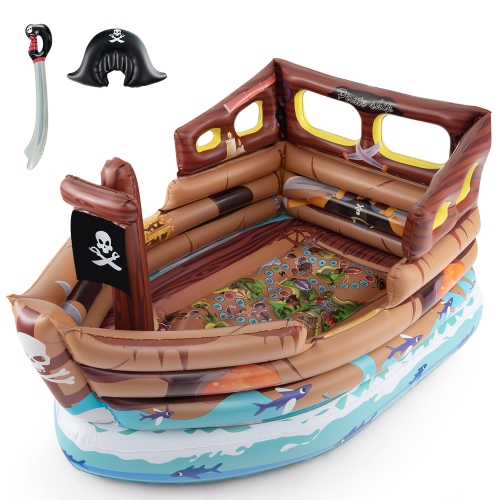
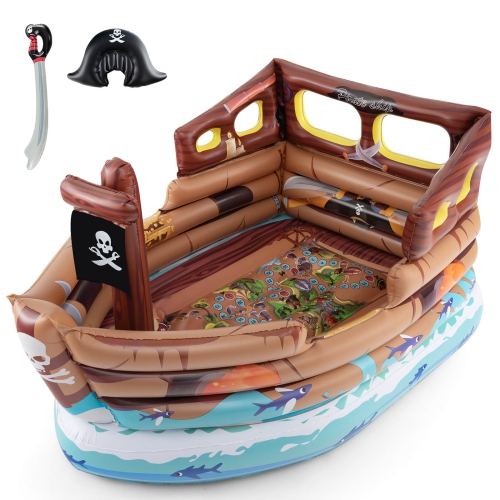
Care and intended use are especially important for ship toys because water play, floor play, and collecting place very different demands on them. Floating toys should be used only in the settings described by the manufacturer, with close adult supervision whenever children are near water; a toy boat is not a flotation aid. In a bath or shallow play basin, a broad hull may offer a steadier platform for pretend passengers, but extra figures or cargo can change the balance. Open decks, pouring spouts, and accessible interiors can make rinsing and drying easier. After use, empty trapped water, follow the cleaning instructions, and allow parts to dry fully before storage. Toys with cavities that cannot be opened need particular attention to drainage, and any toy showing mould or damage should be kept out of play until addressed according to the manufacturer’s guidance. Dishwasher cleaning, soaking, and cleaning products are appropriate only when explicitly allowed. Dry-play ships benefit from a soft cloth and separate storage for loose accessories, while display models need protection from dust and accidental knocks. Remote-controlled boats add hands-on steering and manoeuvring, but suitability depends on the recommended user age, operating area, battery requirements, and supervision. Check whether the controller and battery compartment must stay dry, and follow the specified charging and maintenance procedures. Propellers should be kept clear of fingers, hair, and loose fabric, and a boat should never be retrieved by entering unsafe water. For shared play, ships with accessible decks and several distinct activities can give children room to take turns as captain, dock worker, or passenger without crowding around a single control. A simple loading routine can encourage sorting and coordination, while a longer imaginary voyage offers room for conversation and storytelling. As gifts, ship toys suit budding builders, transport enthusiasts, imaginative storytellers, and model collectors when their features match the recipient’s habits. The most satisfying choice is one with a clear place in daily use, whether that means supervised bath play, a busy make-believe harbour, a building project, or a carefully arranged display.
Top selling and popular products
-
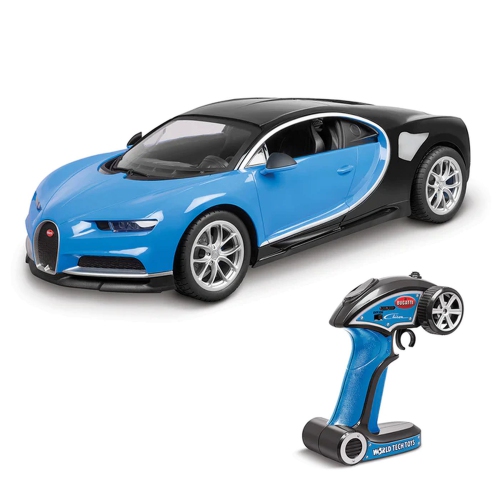 Your price for this item is $119.99
 -
 Your price for this item is $103.49
 -
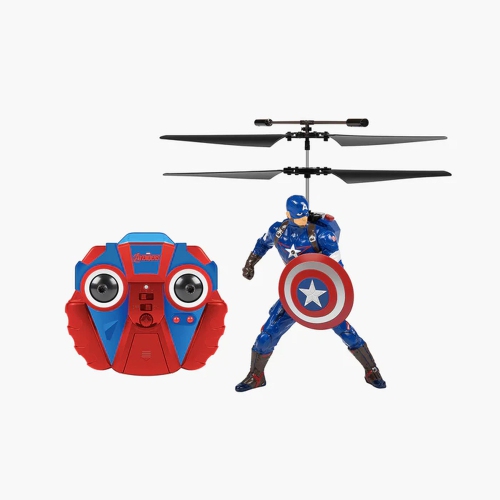 Your price for this item is $59.99
 -
 Your price for this item is $6
 -
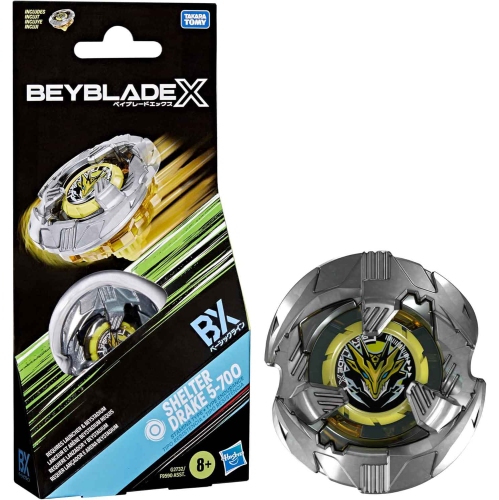 Your price for this item is $13.79
 -
 Your price for this item is $16
 -
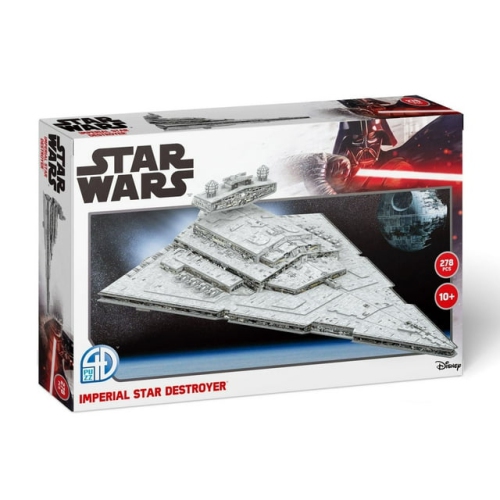 Your price for this item is $69.99
 -
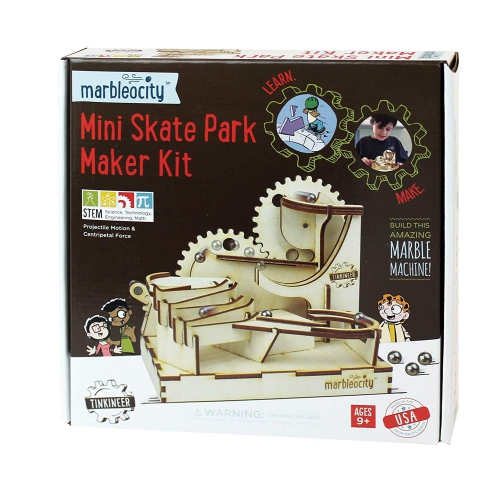 Your price for this item is $38.21