Transport Toys
Transport toys open up a world of imagination and adventure for children of all ages. Whether it's zooming through imaginary cities, exploring distant lands, or embarking on thrilling rescue missions, these toys captivate young minds and fuel endless creative play. From sleek cars to sturdy trucks and soaring aircraft, transport toys are designed to inspire storytelling and fine-tune motor skills. At Best Buy Canada, you'll discover a diverse selection that encourages exploration and learning, making each playtime session an exciting journey. Dive into our collection to find the perfect transport toy that will spark joy and curiosity in your little one's playtime adventures.
Sort
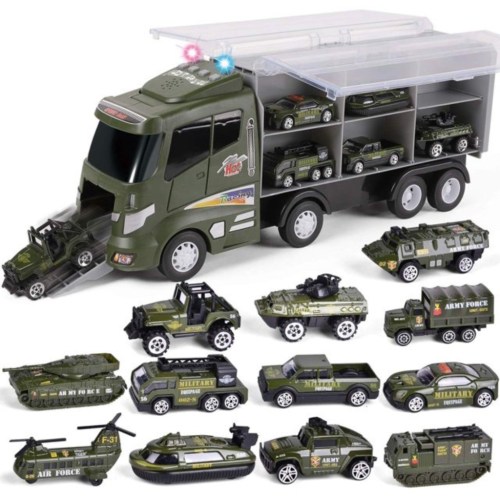
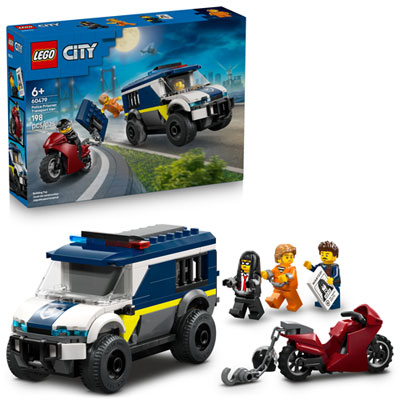
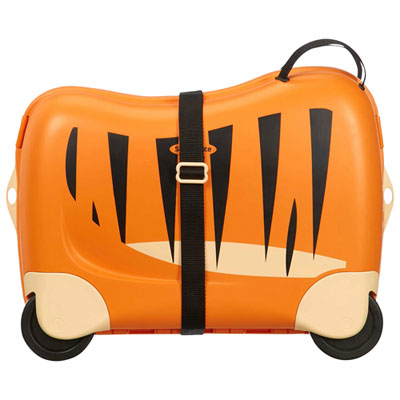
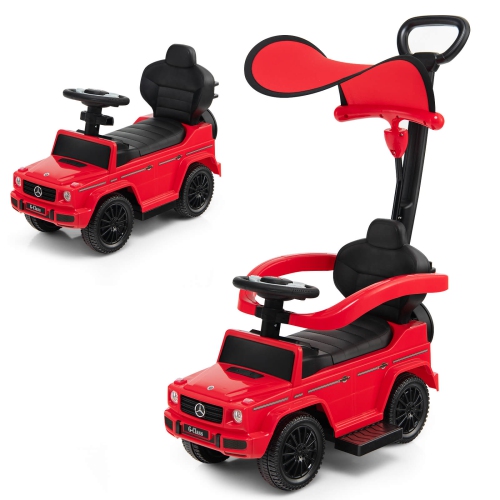
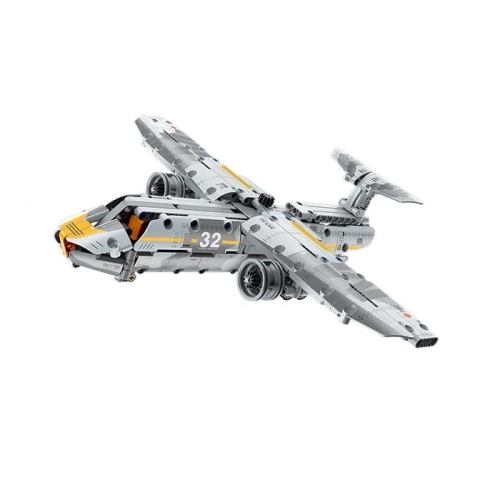
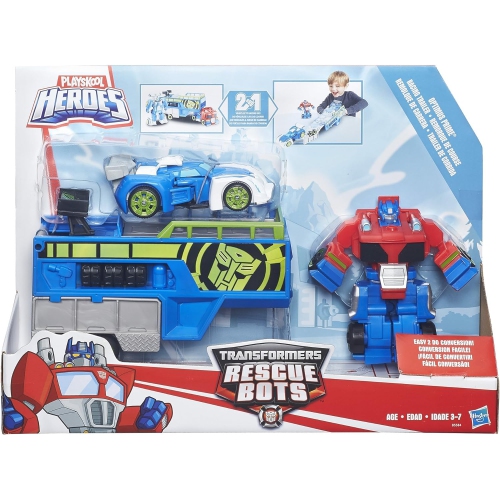
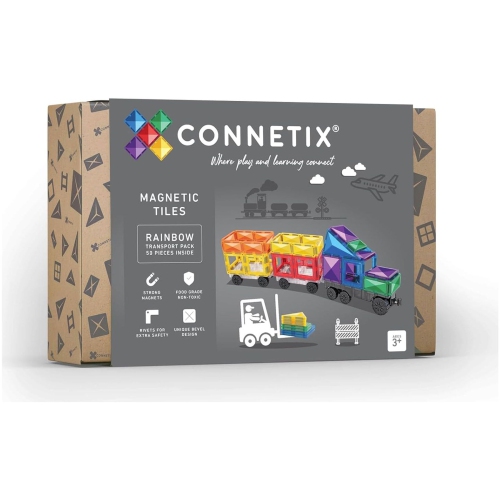
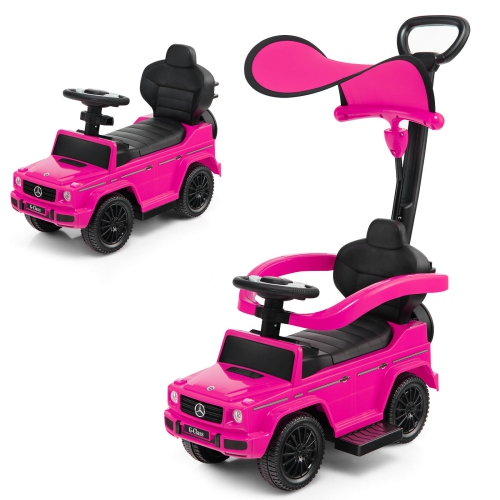
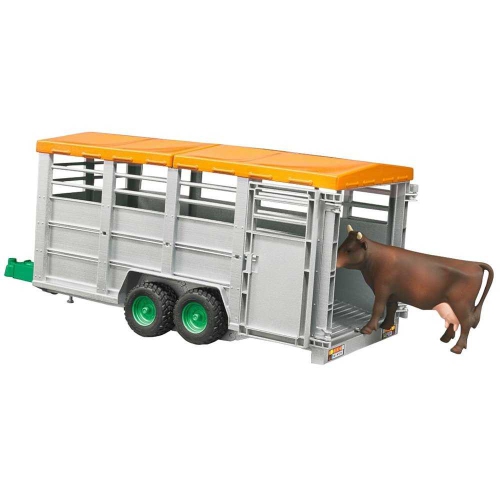
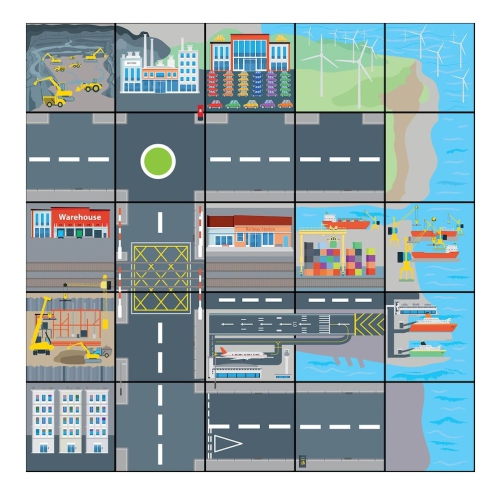
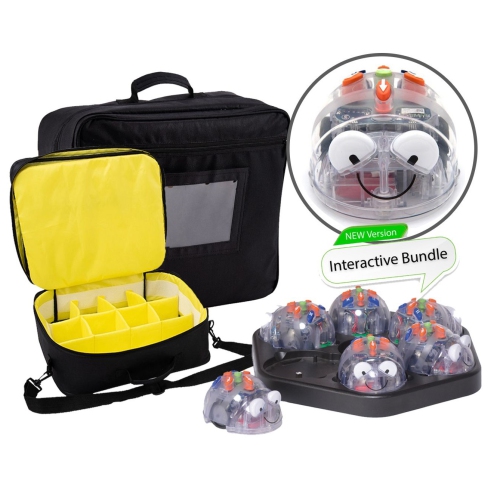
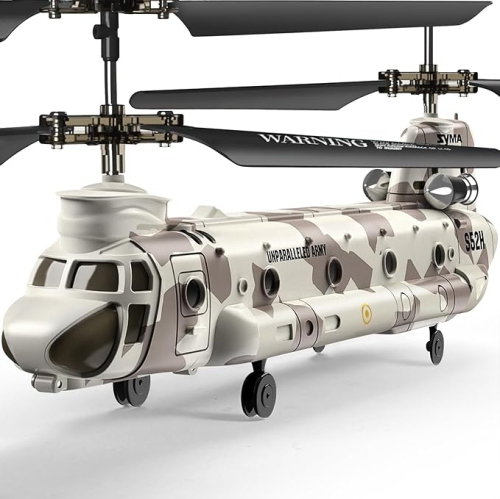
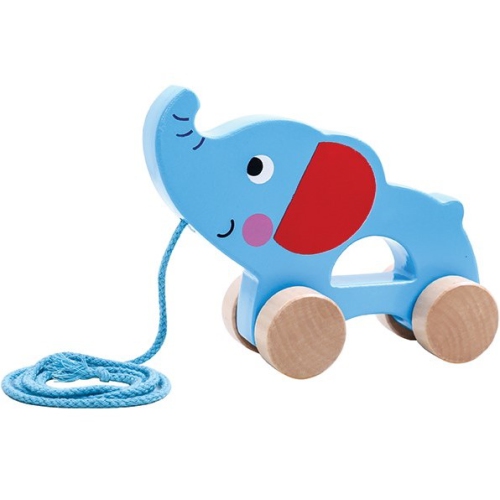
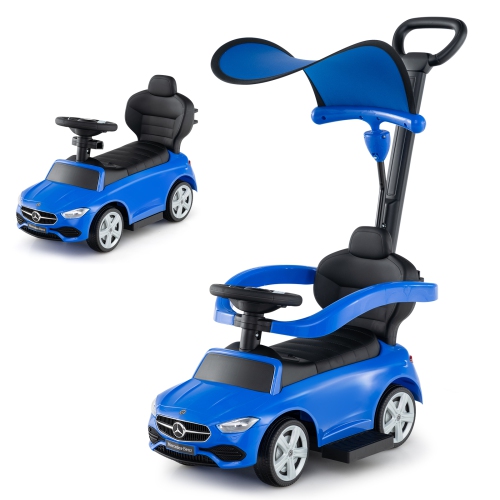
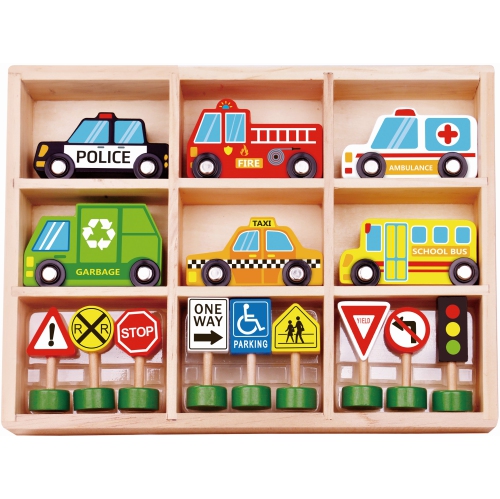
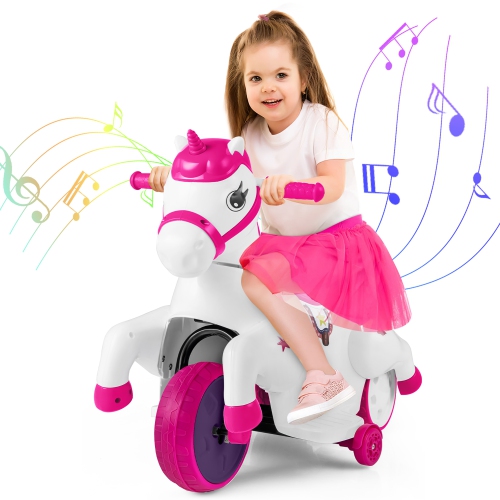
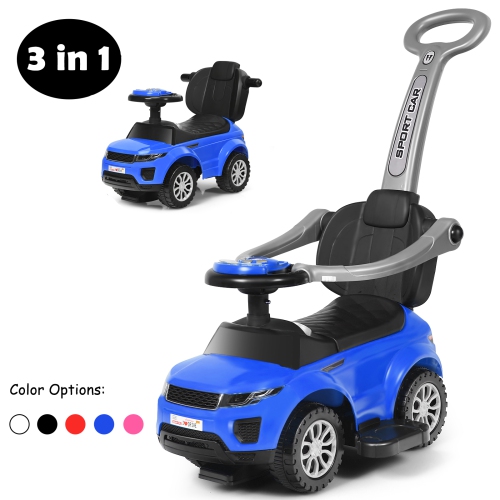

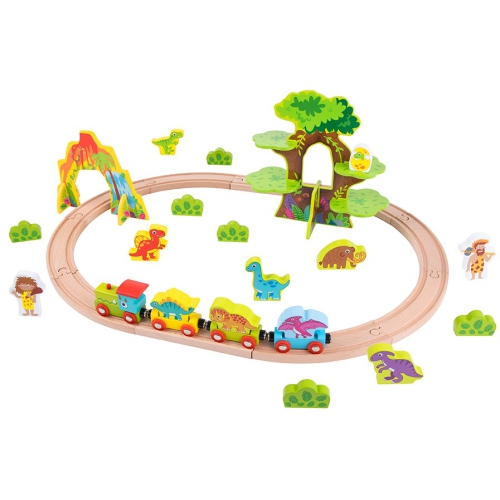
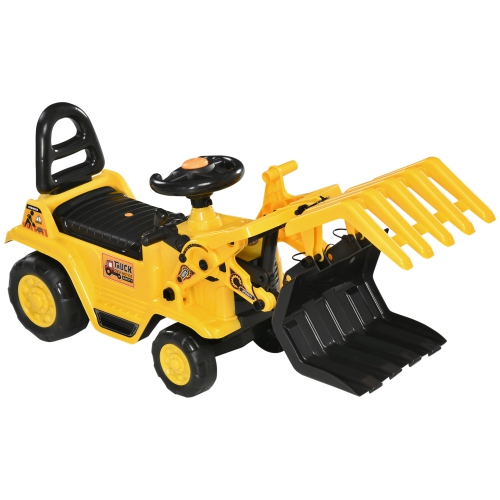
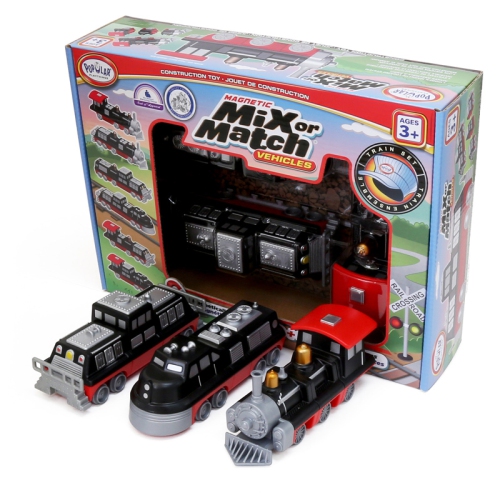
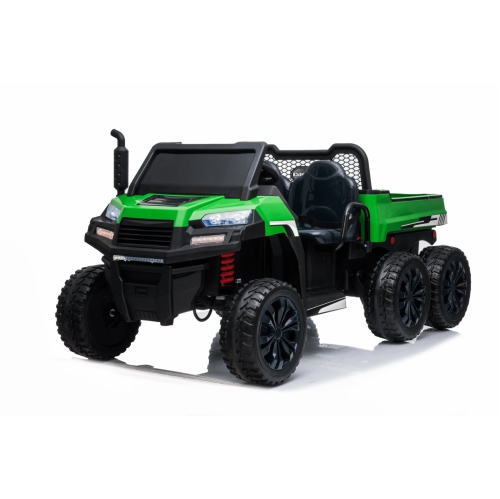
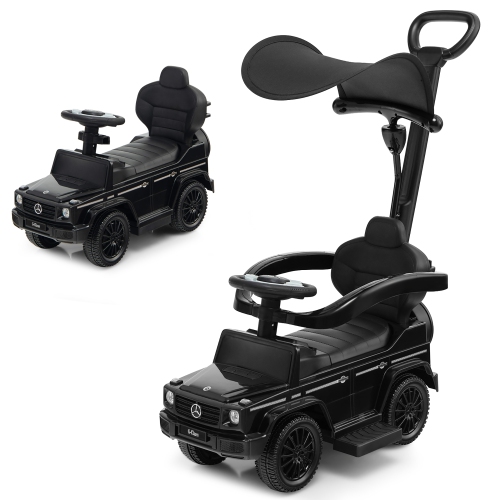
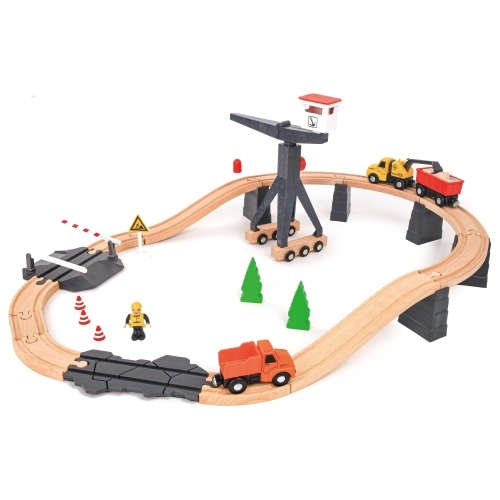
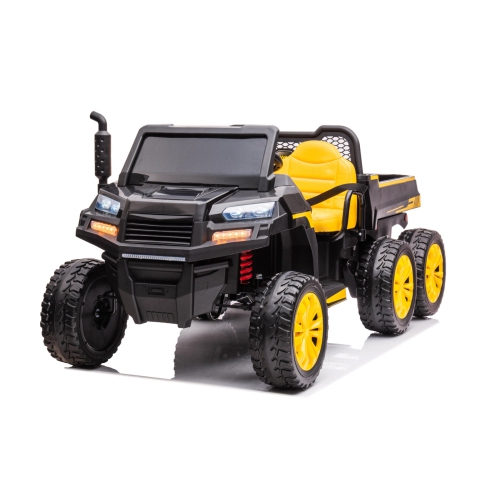
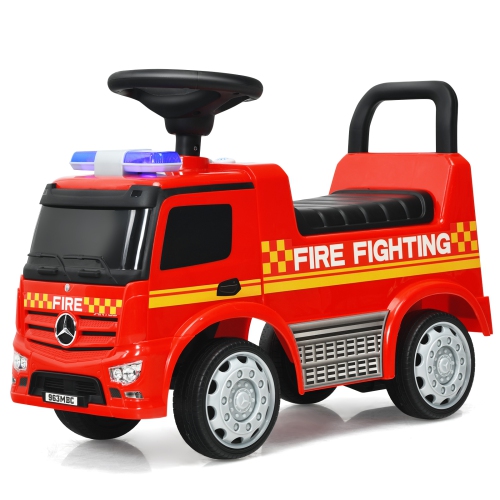
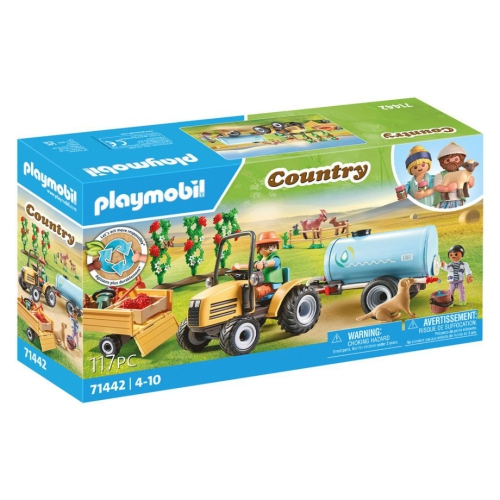
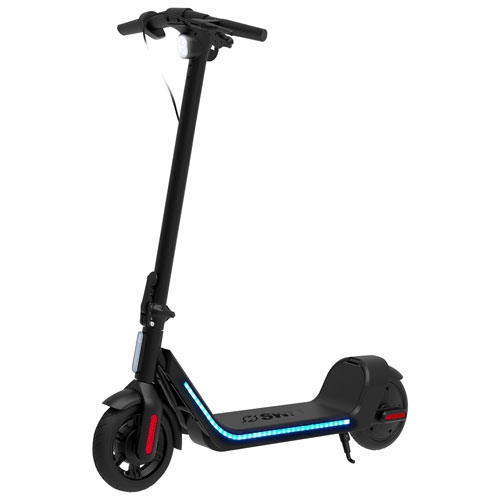
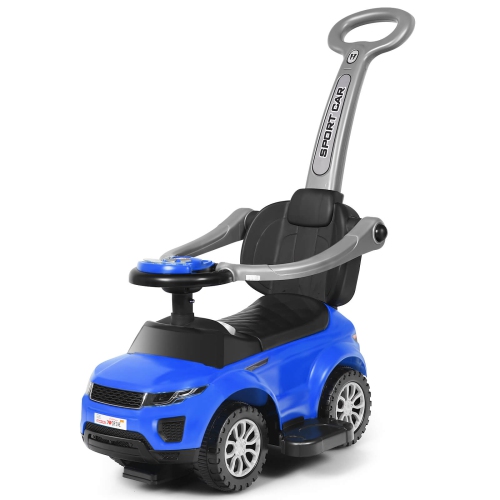
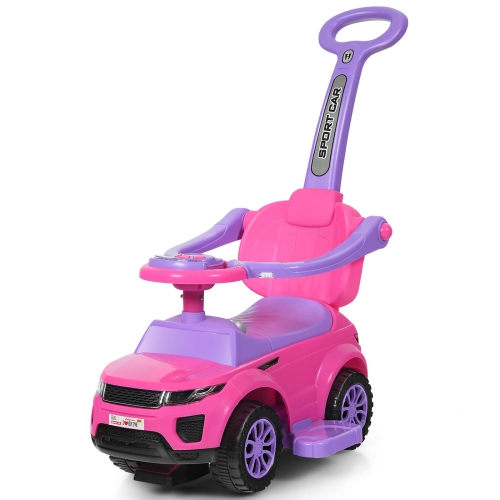
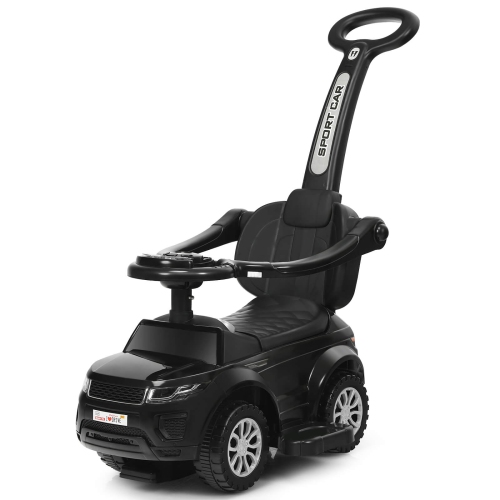
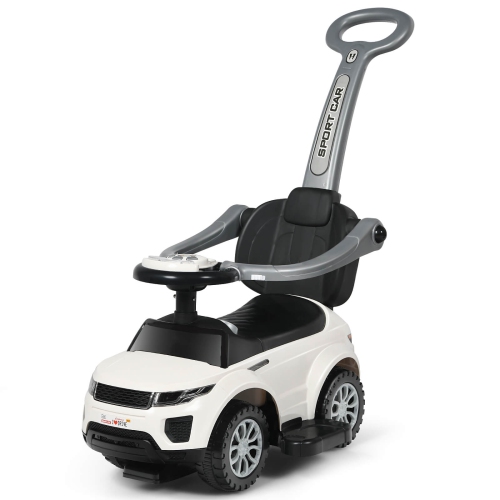
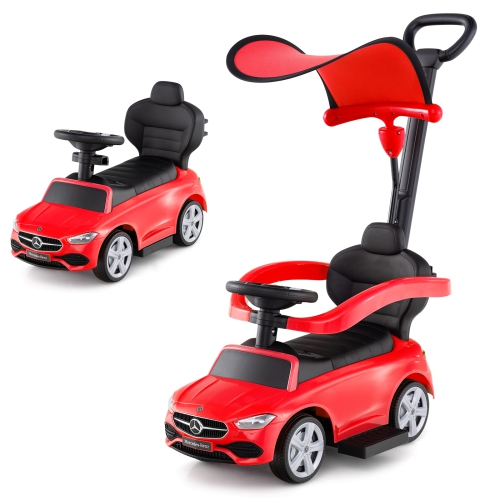
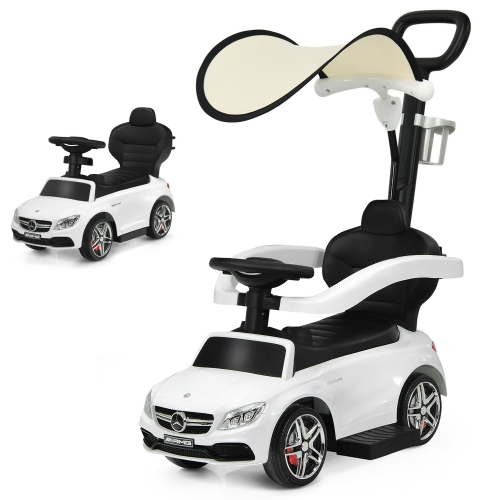
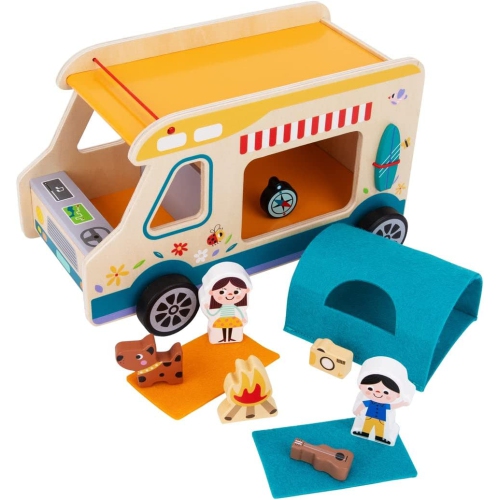
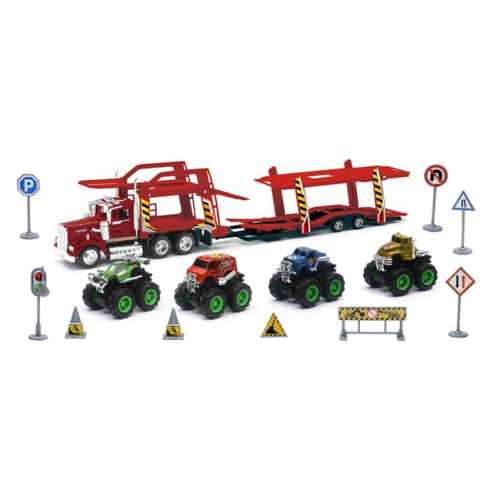
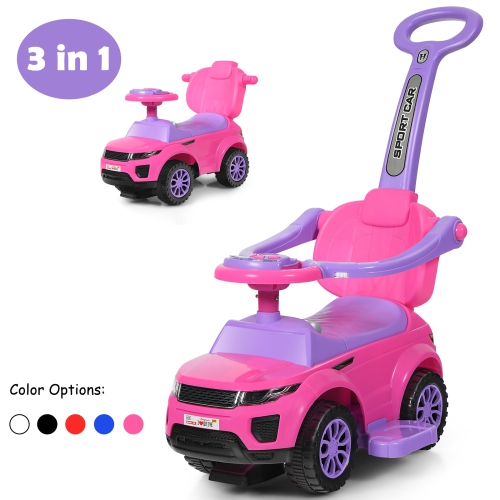
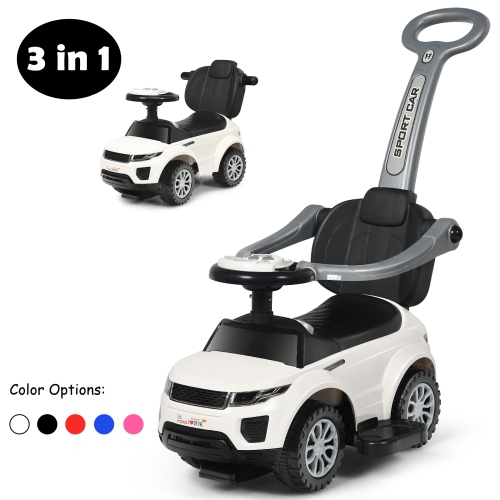

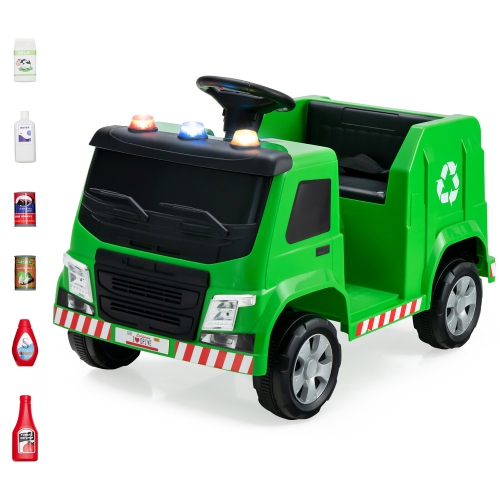

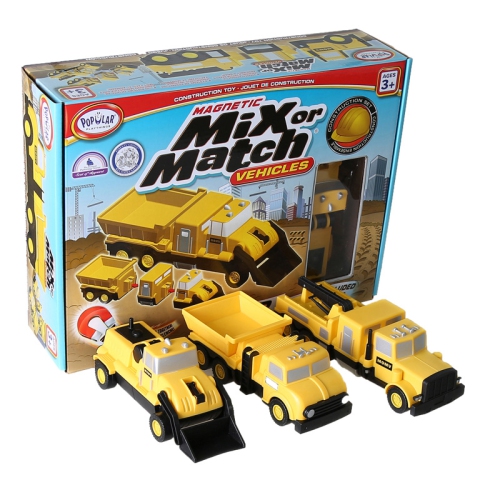
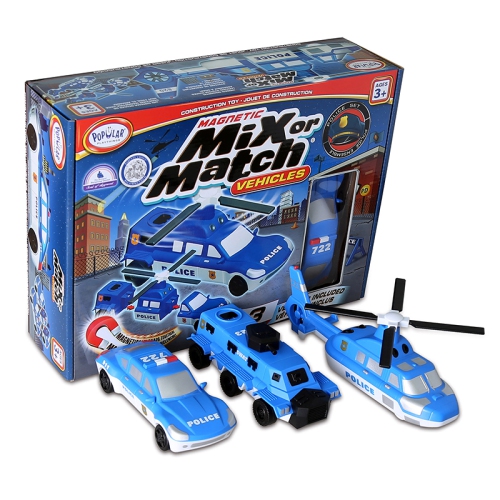
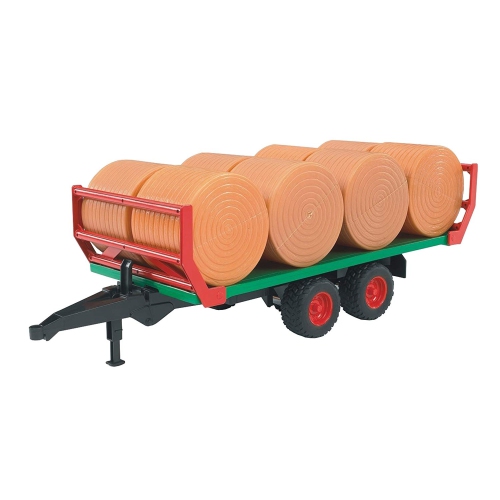

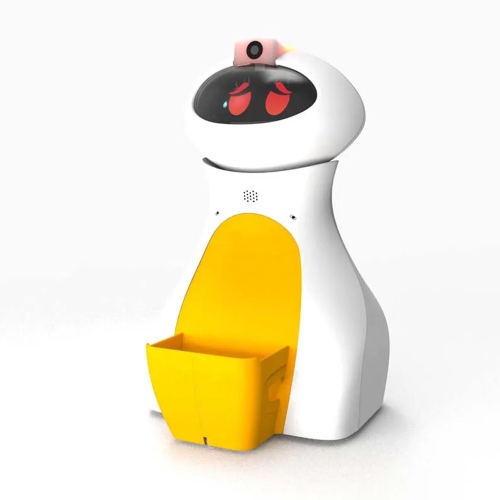


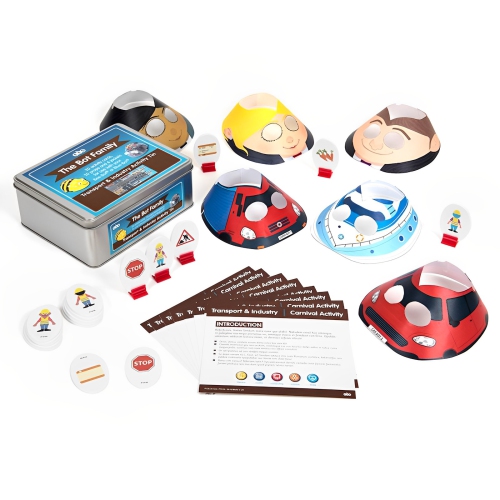
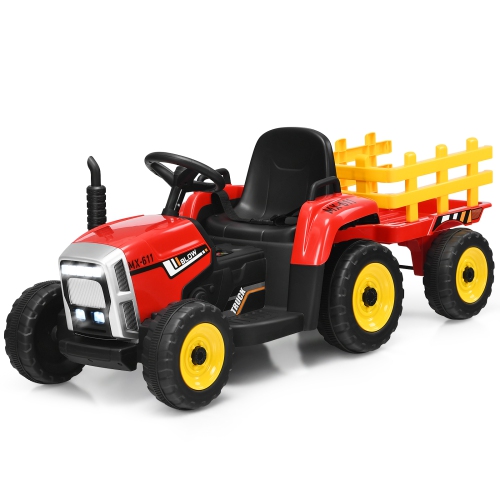
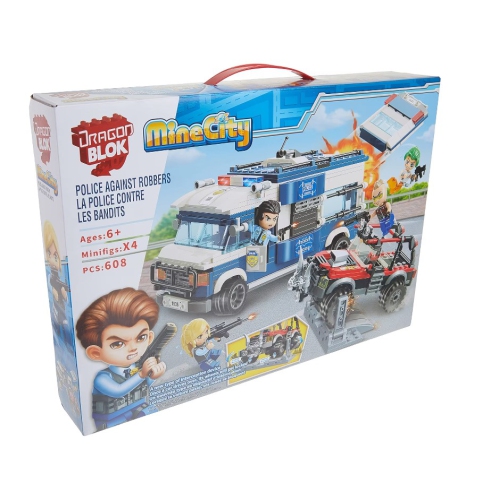
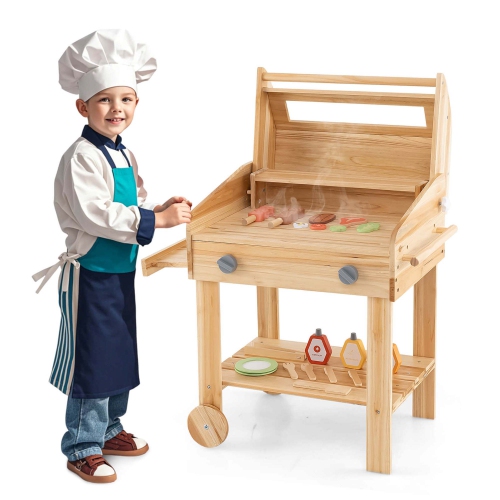
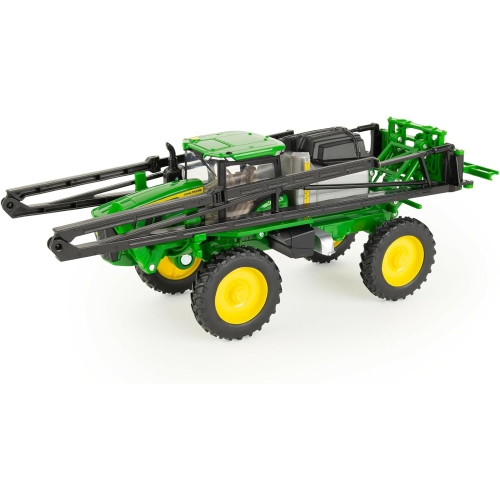
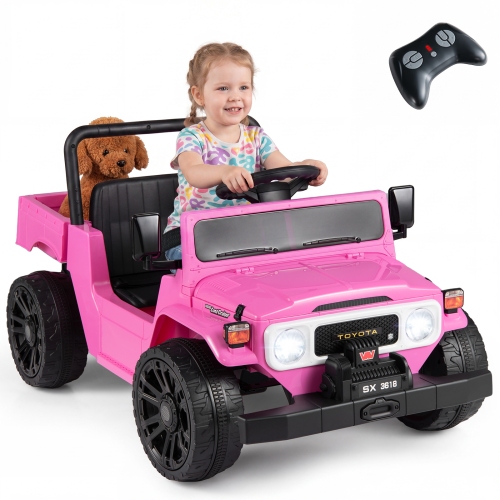
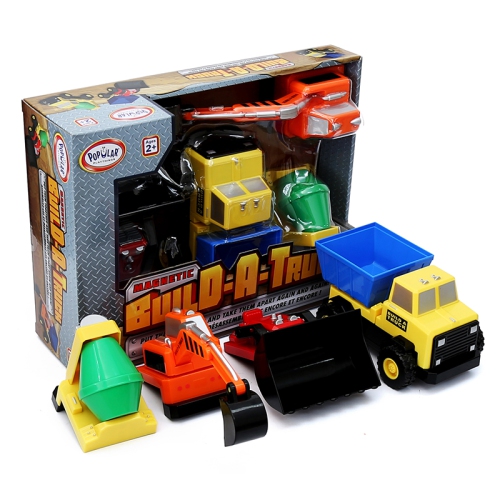
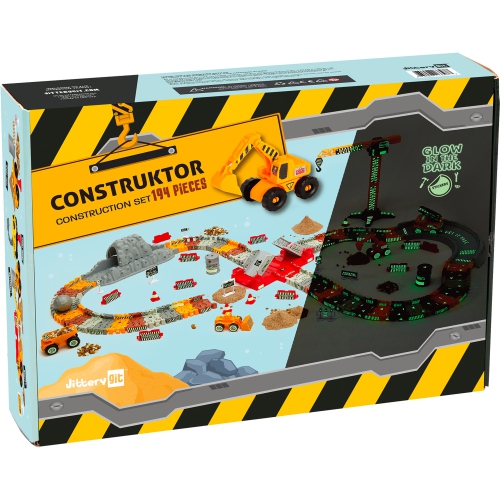
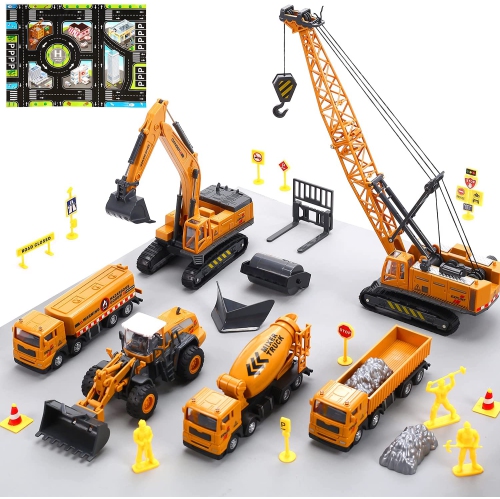
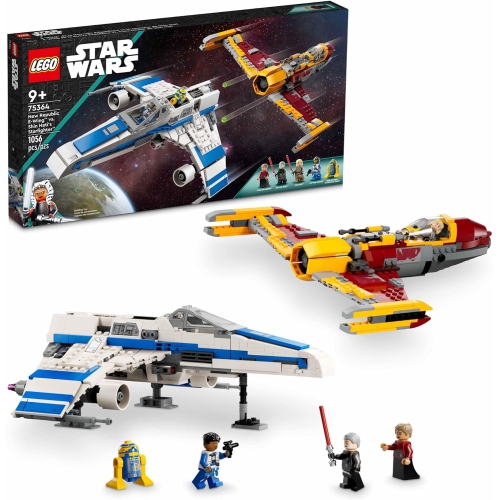
Everyday journeys become hands-on adventures in miniature
Transport toys are play vehicles and related sets that let children explore how people and goods move by road, rail, air, and water. Toy cars, trucks, buses, trains, aircraft, and boats bring familiar journeys into imaginative play, while vehicle transporters, garages, tracks, and loading areas give those journeys a starting point and a destination. A simple push-along vehicle puts the action directly in a child’s hands; a larger playset can add routes, parking spaces, ramps, and cargo to move between stops. The appeal often lies in making everyday scenes happen on a smaller scale: a bus collects passengers, a train carries freight through a tunnel, or a truck backs up to a loading bay before setting off again. Transporter toys add another layer by allowing smaller vehicles to ride aboard a larger one, combining driving play with sorting, loading, and unloading. These activities can give children opportunities to practise hand-eye coordination, fine motor control, and spatial reasoning as they line up wheels with a ramp or connect pieces of track. Open-ended play also leaves room for storytelling, whether a child prefers carefully planned delivery routes or a busy pretend town where every vehicle has a job. Different ways of moving create different play experiences. Free-rolling wheels suit hands-on floor play, pull-back mechanisms introduce a simple cause-and-effect action, and remote-controlled vehicles add steering and control practice when appropriate for the child’s age. Lights, sounds, and moving parts can contribute to the scene, but a satisfying toy does not need electronic features to hold attention. A sturdy vehicle with smooth wheels and an easy-to-use loading space can support many different stories. Transport toys also sit naturally alongside Movable Toys for children who enjoy motion, hands-on exploration, and discovering what happens when they push, pull, turn, or release a plaything.
The most useful distinctions between transport toys are often their materials, size, construction, and intended use rather than their appearance alone. Wooden vehicles and track pieces can offer a solid feel and straightforward shapes, although finishes, connectors, and individual components vary. Moulded plastic allows for lightweight bodies, detailed interiors, opening doors, and shaped ramps, while die-cast metal can give smaller vehicles added weight and crisp body details. Many toys combine materials, so durability depends on the whole design, including axles, wheel attachments, hinges, and joints. For frequent loading and unloading, a ramp that sits securely and a door that opens without excessive force can matter more than decorative details. Fit deserves particular attention when toys will be used together. A vehicle may be too wide for an existing track, too tall for a garage entrance, or too long for a transporter’s parking spaces, even if the pieces look similar in photographs. Scale descriptions can help establish relative size, but they do not guarantee compatibility between different toy systems; measurements and stated compatibility are more useful for checking a match. Play space matters, too. A looping railway needs room for curves, a hauler needs clearance to turn, and an opening playset may occupy considerably more floor space than its closed dimensions suggest. On a shared living-room floor, a compact layout that packs away easily may be more practical than an elaborate arrangement with many loose accessories. For younger children, age-rated designs with easy-grip bodies and uncomplicated actions can make independent play more manageable. Older children may enjoy detailed layouts, working steering, movable cargo, or more involved controls. Always follow the manufacturer’s age rating and safety information, particularly where small parts, magnets, or batteries are involved. Age suitability concerns safety as well as interest, and a realistic miniature intended for display is not necessarily suitable for active play by a young child.
Day-to-day care and storage help transport toys remain pleasant to use, especially when wheels travel from a play mat to the floor and back again. Cleaning should follow the manufacturer’s directions for the materials and mechanisms involved. Many hard surfaces can be wiped with a soft, lightly damp cloth, but wooden pieces generally should not be soaked, and electronic parts need to be kept dry unless the toy is specifically designed otherwise. A toy shaped like a boat is not automatically a bath toy: water play requires a design intended for that use, along with the recommended cleaning and drying routine. Wheels and axles benefit from occasional checks for trapped hair, threads, or grit, which can interfere with rolling. Cracked bodies, loose wheels, damaged battery covers, and broken connectors are reasons to stop using a toy until it can be addressed according to the manufacturer’s guidance. Storage can be part of the play routine rather than a separate chore. A shallow bin gives larger vehicles a clear parking place, divided compartments keep smaller pieces visible, and a dedicated container for track connectors makes rebuilding less frustrating. Transporters with storage spaces may help contain a vehicle collection, though carrying handles, closures, and capacity should be checked before relying on them for travel. For gifts, the recipient’s interests and existing play habits provide useful direction. A child fascinated by deliveries may enjoy loading and sorting cargo, while someone who spends time arranging routes may be drawn to tracks and connected layouts. Families sharing a play area may appreciate toys that offer several roles at once, allowing one child to drive while another manages the station or loading point. Sound controls, battery requirements, assembly needs, and the number of separate pieces are worth considering for the adults who will help maintain the toy. Whether used for solo storytelling, sibling play, or a shared building session with a caregiver, transport toys work best when their size, actions, and level of detail suit the people playing with them and the space where their imagined journeys unfold.
The most useful distinctions between transport toys are often their materials, size, construction, and intended use rather than their appearance alone. Wooden vehicles and track pieces can offer a solid feel and straightforward shapes, although finishes, connectors, and individual components vary. Moulded plastic allows for lightweight bodies, detailed interiors, opening doors, and shaped ramps, while die-cast metal can give smaller vehicles added weight and crisp body details. Many toys combine materials, so durability depends on the whole design, including axles, wheel attachments, hinges, and joints. For frequent loading and unloading, a ramp that sits securely and a door that opens without excessive force can matter more than decorative details. Fit deserves particular attention when toys will be used together. A vehicle may be too wide for an existing track, too tall for a garage entrance, or too long for a transporter’s parking spaces, even if the pieces look similar in photographs. Scale descriptions can help establish relative size, but they do not guarantee compatibility between different toy systems; measurements and stated compatibility are more useful for checking a match. Play space matters, too. A looping railway needs room for curves, a hauler needs clearance to turn, and an opening playset may occupy considerably more floor space than its closed dimensions suggest. On a shared living-room floor, a compact layout that packs away easily may be more practical than an elaborate arrangement with many loose accessories. For younger children, age-rated designs with easy-grip bodies and uncomplicated actions can make independent play more manageable. Older children may enjoy detailed layouts, working steering, movable cargo, or more involved controls. Always follow the manufacturer’s age rating and safety information, particularly where small parts, magnets, or batteries are involved. Age suitability concerns safety as well as interest, and a realistic miniature intended for display is not necessarily suitable for active play by a young child.
Day-to-day care and storage help transport toys remain pleasant to use, especially when wheels travel from a play mat to the floor and back again. Cleaning should follow the manufacturer’s directions for the materials and mechanisms involved. Many hard surfaces can be wiped with a soft, lightly damp cloth, but wooden pieces generally should not be soaked, and electronic parts need to be kept dry unless the toy is specifically designed otherwise. A toy shaped like a boat is not automatically a bath toy: water play requires a design intended for that use, along with the recommended cleaning and drying routine. Wheels and axles benefit from occasional checks for trapped hair, threads, or grit, which can interfere with rolling. Cracked bodies, loose wheels, damaged battery covers, and broken connectors are reasons to stop using a toy until it can be addressed according to the manufacturer’s guidance. Storage can be part of the play routine rather than a separate chore. A shallow bin gives larger vehicles a clear parking place, divided compartments keep smaller pieces visible, and a dedicated container for track connectors makes rebuilding less frustrating. Transporters with storage spaces may help contain a vehicle collection, though carrying handles, closures, and capacity should be checked before relying on them for travel. For gifts, the recipient’s interests and existing play habits provide useful direction. A child fascinated by deliveries may enjoy loading and sorting cargo, while someone who spends time arranging routes may be drawn to tracks and connected layouts. Families sharing a play area may appreciate toys that offer several roles at once, allowing one child to drive while another manages the station or loading point. Sound controls, battery requirements, assembly needs, and the number of separate pieces are worth considering for the adults who will help maintain the toy. Whether used for solo storytelling, sibling play, or a shared building session with a caregiver, transport toys work best when their size, actions, and level of detail suit the people playing with them and the space where their imagined journeys unfold.
Top selling and popular products
-
 Your price for this item is $160.99
 -
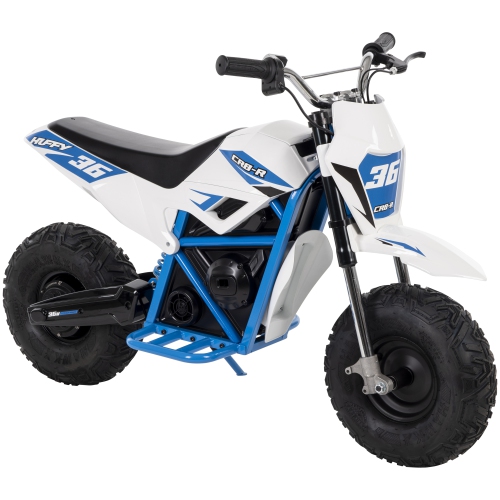 Your price for this item is $799.99
 -
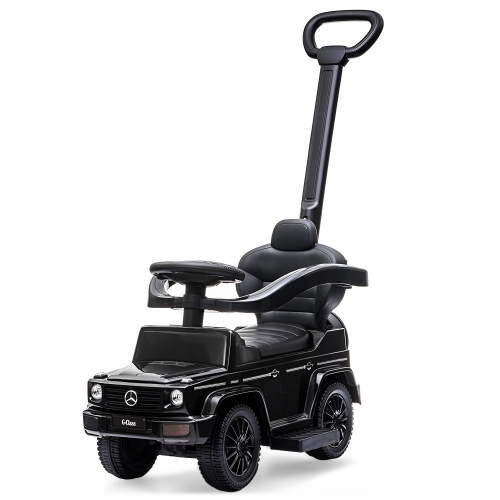 Your price for this item is $128.99
 -
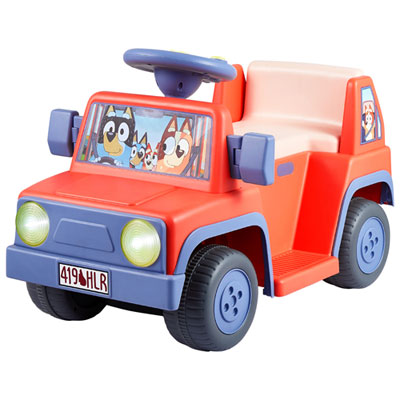 Your price for this item is $199.99
 -
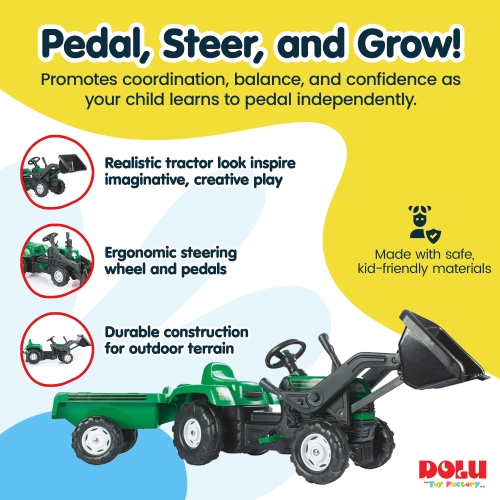 Your price for this item is $206.99
 -
 Your price for this item is $99.99
 -
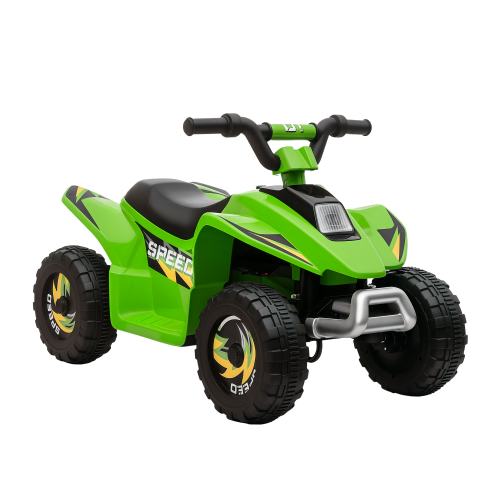 Your price for this item is $89.99
 -
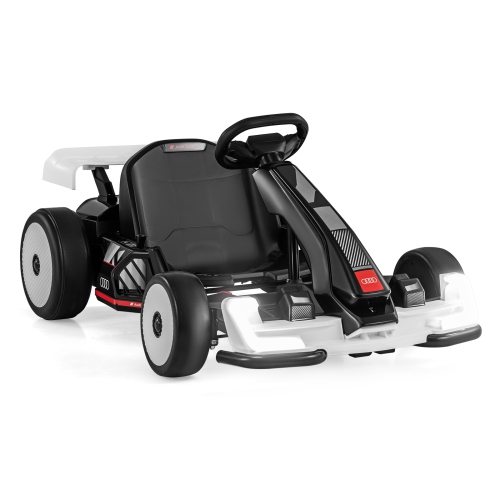 Your price for this item is $449.99
Discover more categories related to Transport Toys
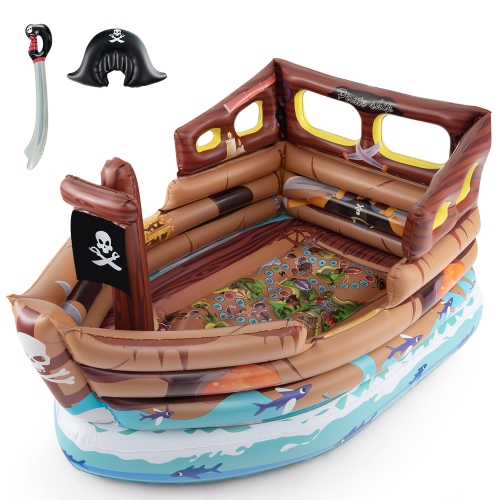
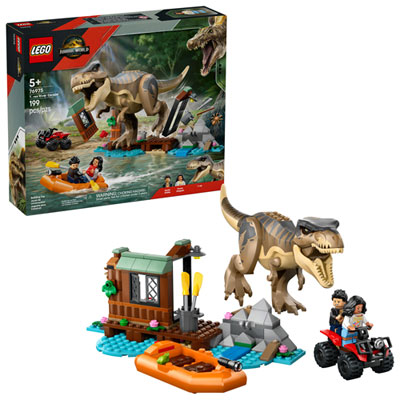
Top Collections:
Pokemon Centers, Kindle Devices, Best Budget Office Chairs, Apple iPhones 16, Best Laptops for Writers, iPhone 15 Apple, Canon G7X Cameras, Refurbished Apple Laptops, Alarm Clock, Motorola Razr Phones
Some products may be subject to Environmental Handling Fees
(EHF) depending on your province.
Learn more about EHFs.