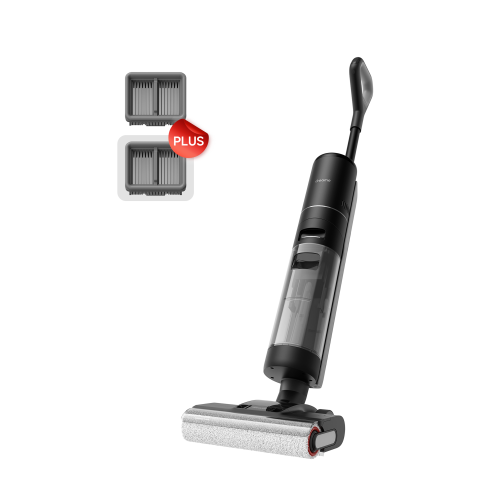
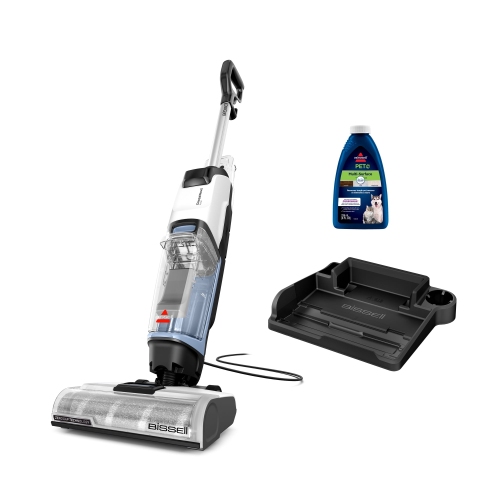
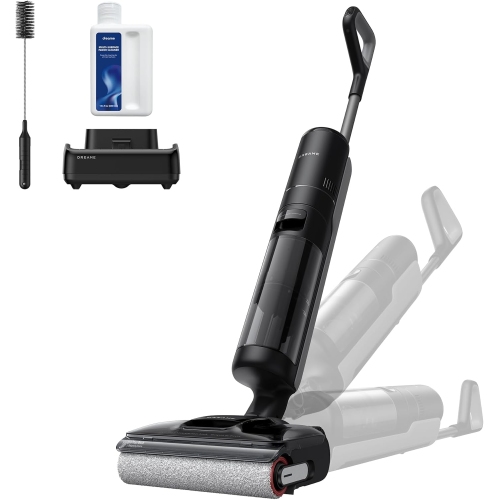
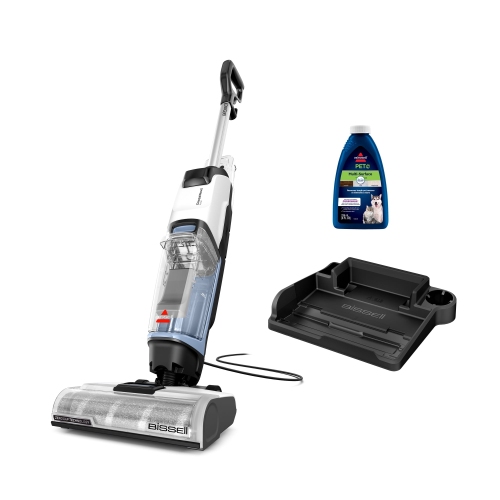
Corded Vacuum Mops for Hard Floors

Corded vacuum mops for hard floors combine vacuuming and washing with plug-in power, so there’s no battery to recharge. Compare cord length, tank capacity and maintenance requirements to find an option that suits your space and cleaning routine, and check that each model is compatible with your flooring.

Sort

Suction and washing team up for everyday messes

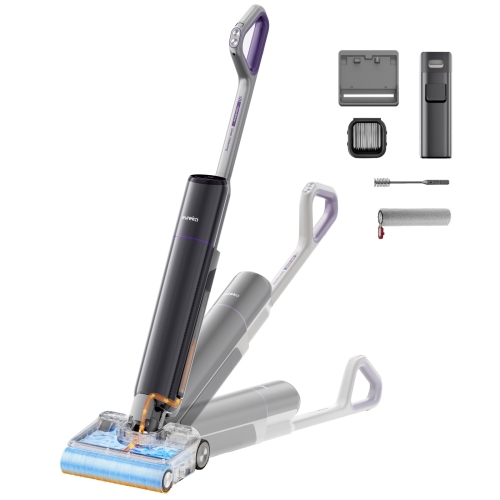
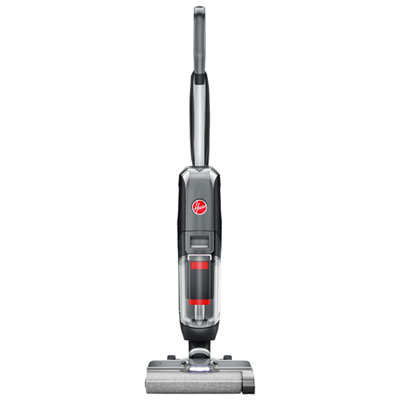
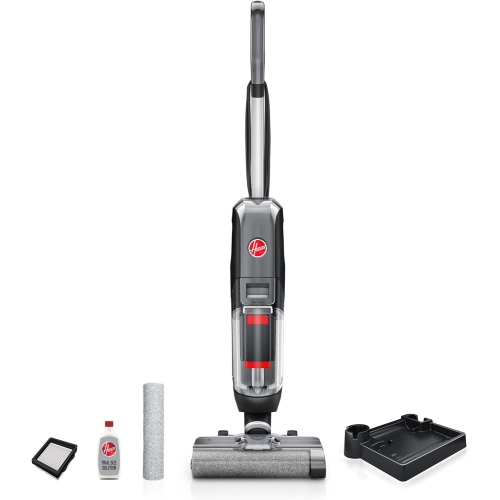
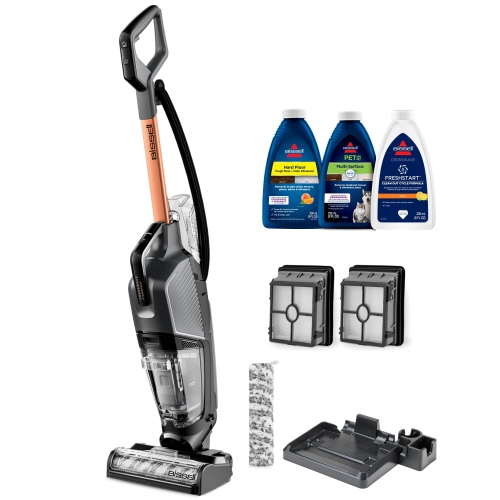
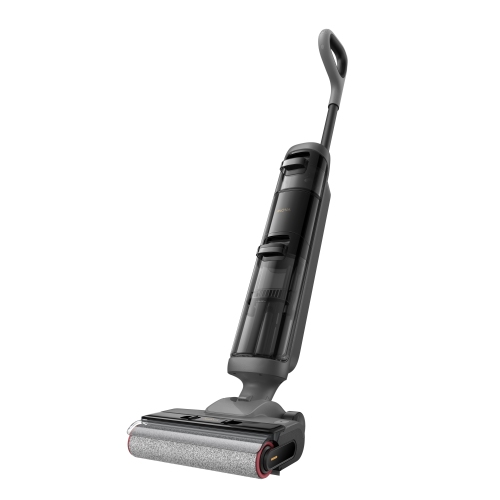
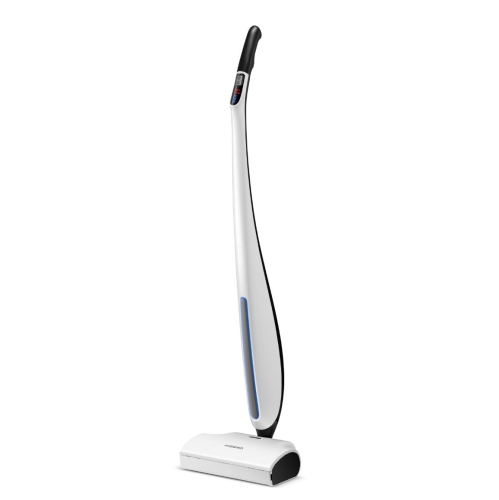
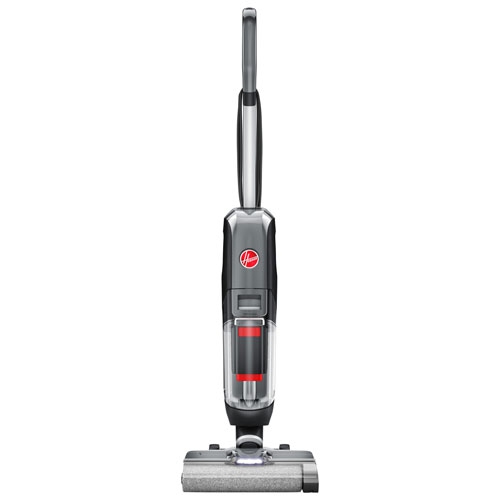
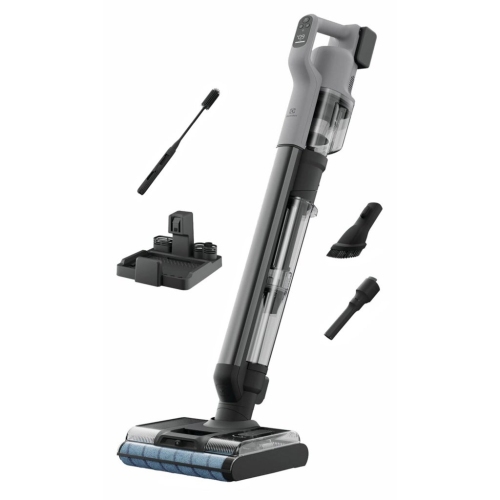
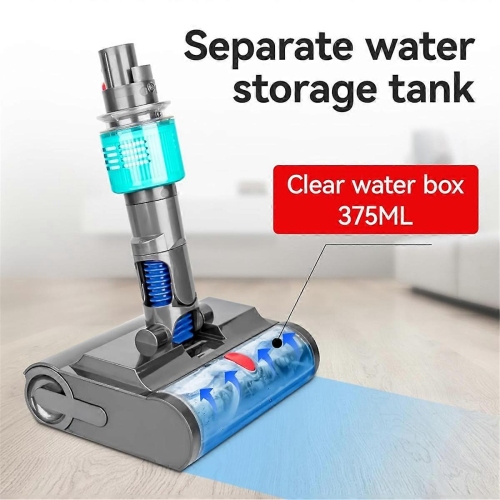
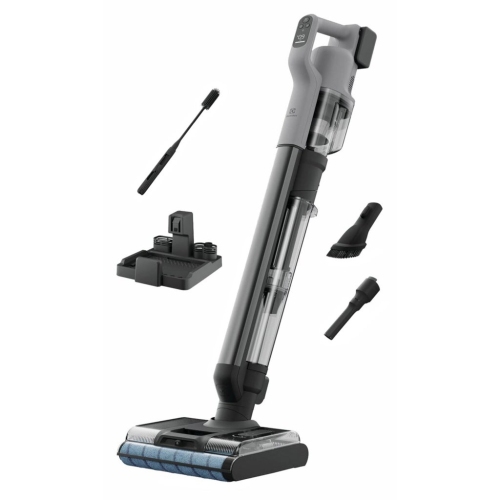
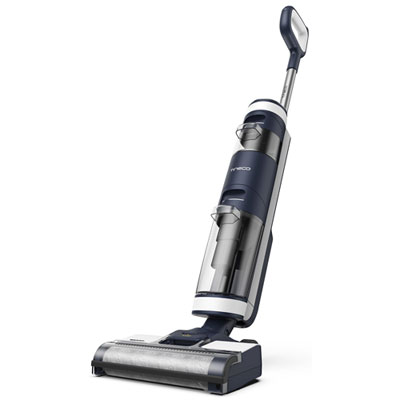
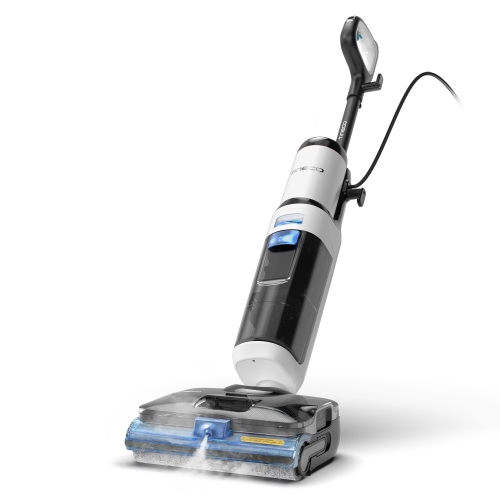
Corded vacuum mops for hard floors combine suction with a wet-cleaning system to collect loose debris and wash compatible flooring in the same cleaning session. Many designs use a rotating brushroll to loosen everyday marks while drawing dirty water into a recovery tank, helping tackle crumbs and sticky footprints without separate vacuuming and mopping passes. Their plug-in power supply supports longer cleaning sessions without stopping to recharge a battery, although water tanks still need filling and emptying. That makes them a practical choice for connected kitchens, dining areas and entryways where several types of mess can collect across a single stretch of floor. A few crumbs beneath a breakfast stool, a splash beside the sink and tracked-in dust near the door call for different cleaning actions; a suitable vacuum mop can address them with one appliance. Performance depends on the brush design, suction, water delivery and how well the cleaning head maintains contact with the floor, rather than corded power alone. Separate clean- and dirty-water tanks, where included, prevent collected wastewater from feeding back into the clean-water supply. Adjustable cleaning modes can provide more control over wetting and scrubbing, while headlights may make fine debris easier to spot beneath cabinets. Edge-cleaning designs are worth considering around baseboards and kitchen islands, though the distance a brush reaches towards an edge varies. Households with children, pets or frequently used cooking spaces may appreciate being able to pick up small, compatible wet and dry messes together. Long hair, large food scraps and sharp debris still require attention before cleaning, according to the appliance’s instructions. A vacuum mop is also distinct from a steam mop: washing with water and an approved solution does not necessarily involve steam, and a steam function should never be assumed. For everyday hard-floor cleaning, the most useful combination is controlled moisture, effective recovery and a cleaning head suited to the surfaces throughout the home.

Floor compatibility matters as much as cleaning performance. Sealed hardwood, laminate, luxury vinyl, ceramic tile and natural stone do not all respond to moisture or cleaning solutions in the same way, so both the appliance instructions and the flooring manufacturer’s care requirements need to support wet cleaning. Even a floor described as water-resistant can have vulnerable seams, damaged edges or areas where the protective finish has worn away. Unsealed wood and other moisture-sensitive surfaces generally need a different approach, and waxed or oiled finishes may have their own restrictions. Homes with wood flooring can also explore Hardwood Floor Vacuum Mops, with particular attention to approved floor types and moisture control. A soft microfibre brushroll may suit certain sealed surfaces, but brush material alone does not establish compatibility. Grit caught in a roller can scratch a finish, which makes inspecting the brush especially useful after cleaning a dusty entrance or picking up debris near a pet’s feeding area. Tile presents different considerations: textured surfaces and recessed grout lines can hold soil beyond the reach of a routine pass, while porous stone may require a specially approved cleaning solution. A vacuum mop can handle everyday surface cleaning without replacing occasional grout care or specialized stain treatment. Use only the solution type and dilution specified for the appliance and permitted for the floor. Dish soap, bleach, oils and improvised mixtures can create excess foam, leave residue, damage components or affect the finish. More liquid is not necessarily more effective; slow, steady passes at the recommended setting give the brush time to work and the suction system time to recover water. A sticky patch beside the dining table may need an additional pass rather than repeated soaking. Avoid leaving the machine running in one place or allowing puddles to sit along board joints. Steam-equipped designs need separate compatibility checks, and neither heated cleaning nor a detergent wash should be treated as a disinfecting process unless the appliance instructions specifically support that use.

The fit of a corded vacuum mop becomes clear in the details of the room and the cleaning routine. Cord length affects how much floor can be covered from a suitable outlet, while furniture placement determines whether that reach is genuinely useful. Plan a route that keeps the cable away from the wet cleaning path, chair legs and doorways, and follow the manufacturer’s electrical safety instructions rather than assuming an extension cord is suitable. A swivelling head can make it easier to turn around dining chairs, but head width and body height determine whether the appliance can reach narrow gaps or slide beneath furniture. Only designs specifically approved for low-angle or lay-flat use should be operated that way. Weight also deserves attention: a machine that feels manageable with empty tanks will be heavier when filled, particularly when carried between storeys. Handle comfort, balance and any powered assistance can affect how much effort cleaning takes. Larger tanks may reduce interruptions across open-plan rooms, whereas smaller tanks can be easier to lift, rinse and refill. Clear fill lines, accessible tank openings and straightforward brush removal are useful details for anyone who wants cleanup to be as manageable as the floor cleaning itself. After use, empty the dirty-water tank promptly and remove collected solids as directed. Rinse washable parts, clear wrapped hair from the roller and allow components to dry fully before reassembly or storage, following the care instructions for each part. A self-cleaning cycle, when provided, can rinse the internal cleaning path or brushroll, but it does not eliminate the need to empty tanks and inspect components. Filters also need the correct care; some are washable, while others must stay dry or be replaced. Unplug the appliance before hands-on maintenance unless its instructions specify otherwise. Over time, access to compatible replacement rollers, filters and seals can help keep a corded vacuum mop working well. For regular users, durable construction and easy-to-clean parts matter alongside cleaning power, especially when the appliance is brought out for small messes as often as full-room cleaning.

FAQ

Some products may be subject to Environmental Handling Fees (EHF) depending on your province. Learn more about EHFs.