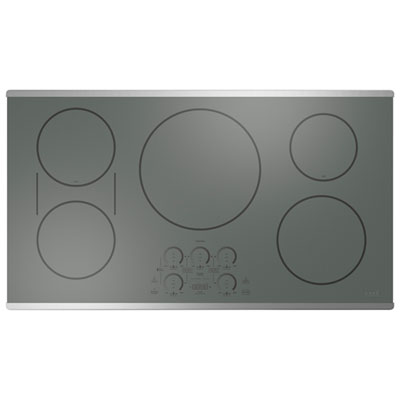
Countertop Induction Cooktops

Countertop induction cooktops offer a way to add cooking space without installing a built-in cooktop. Explore portable induction burners, comparing dimensions, power settings, and controls to find a fit for your kitchen and cooking routine. Check cookware compatibility before choosing, as induction cooking requires pots and pans with magnetic bases.
Sort

An extra cooking zone that fits your routine

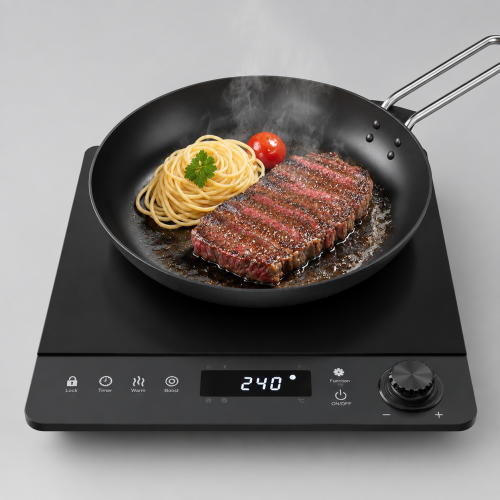
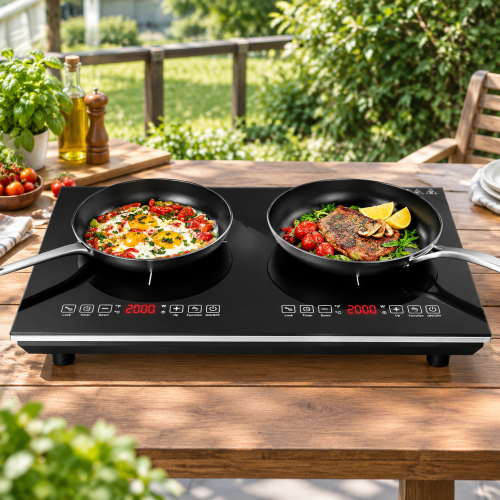
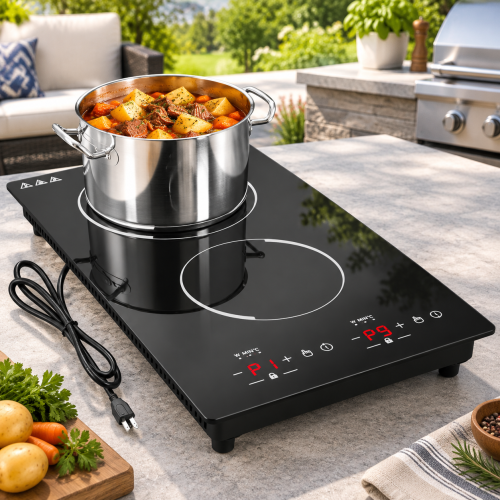
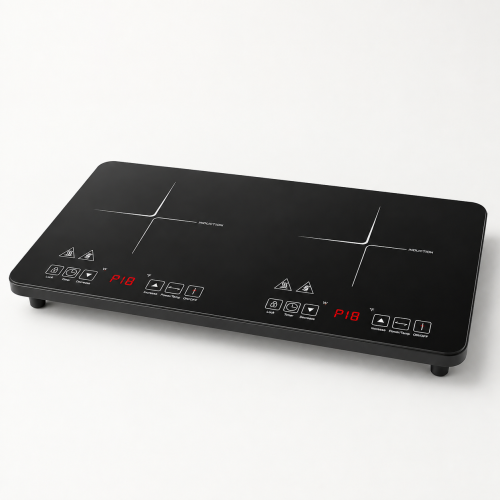
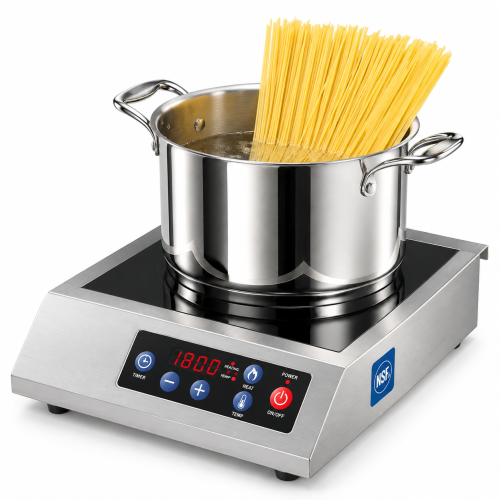
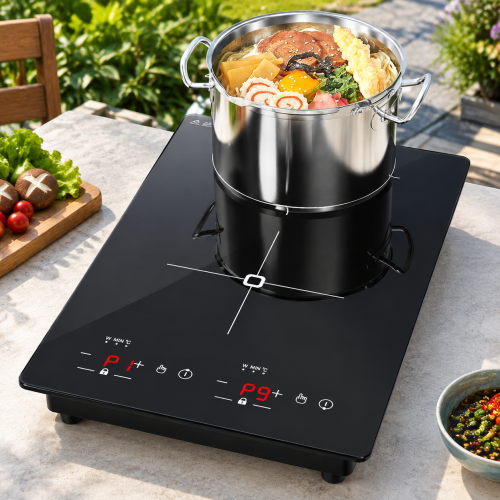
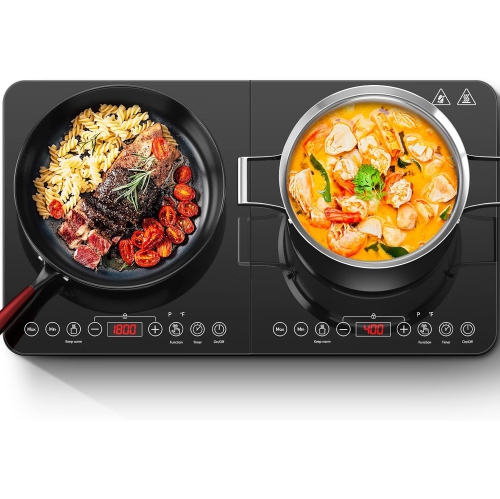
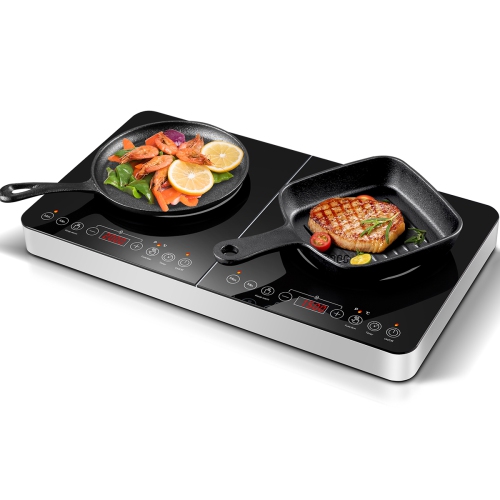
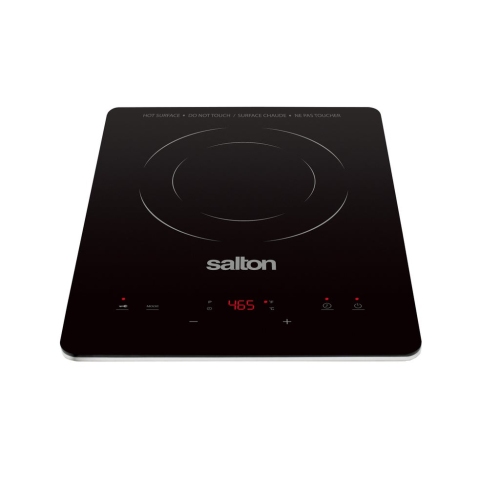
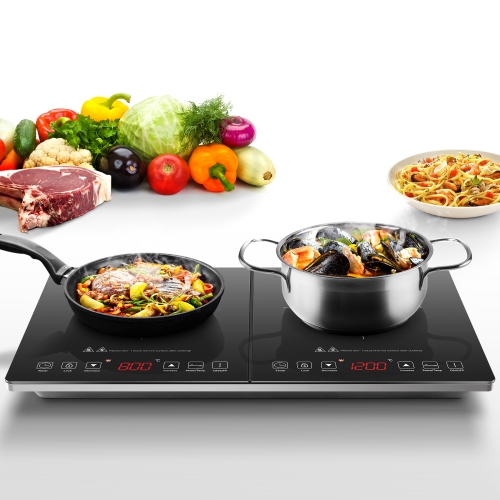
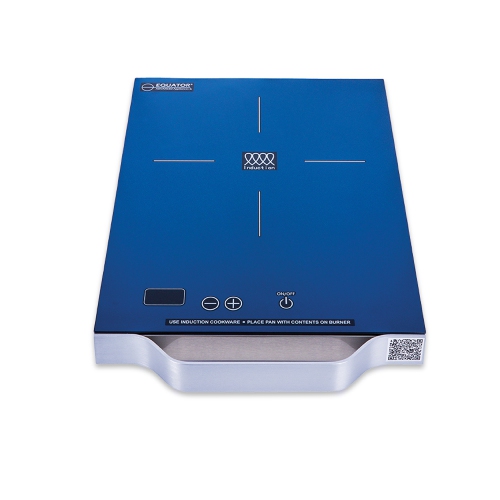
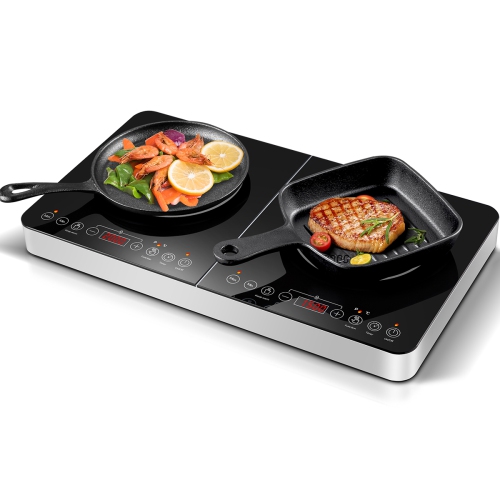
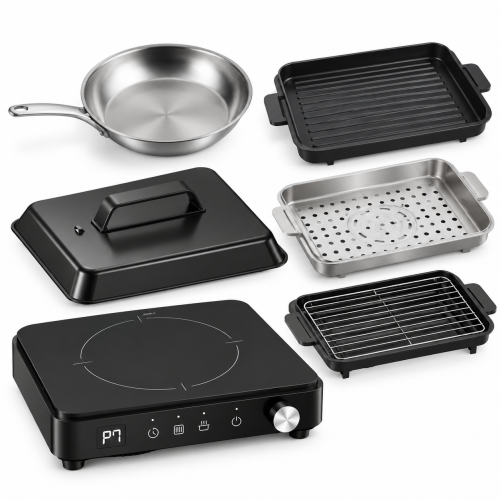
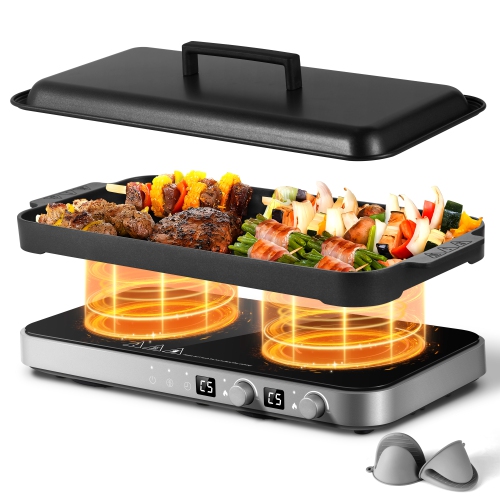
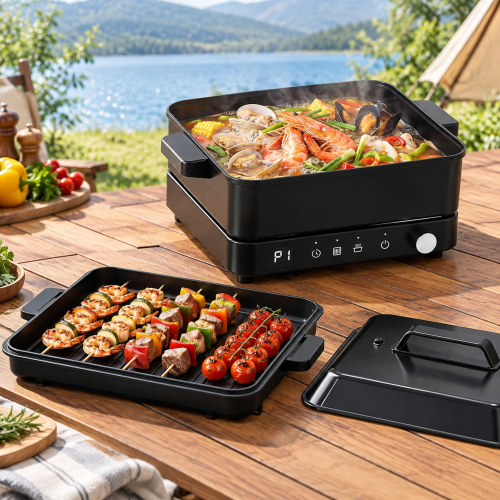
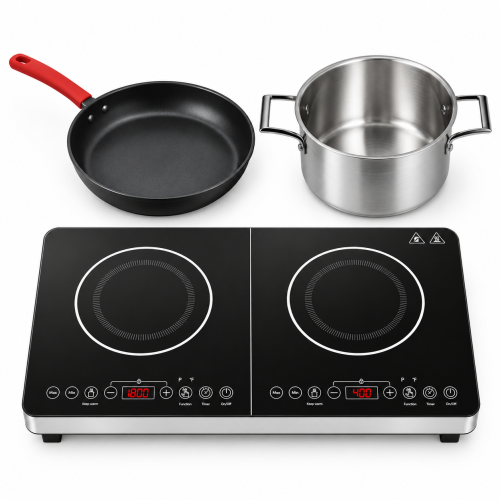
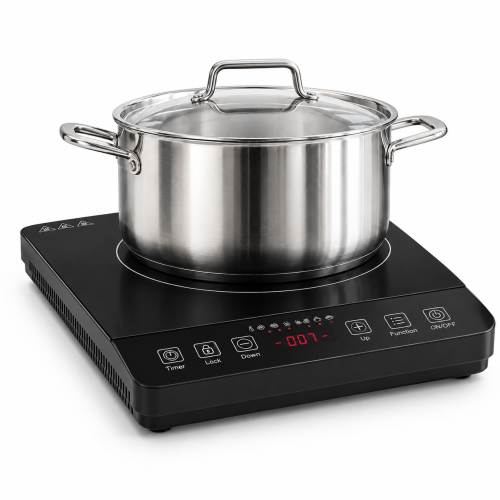
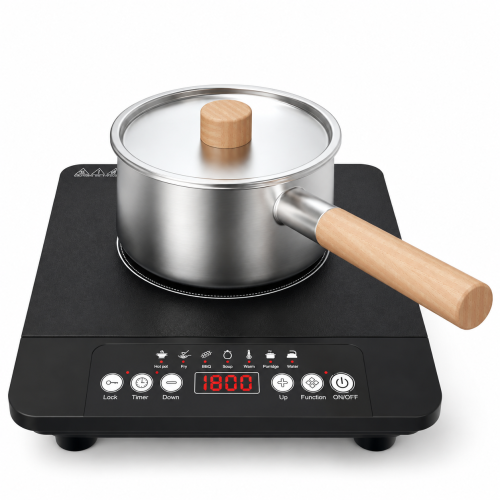
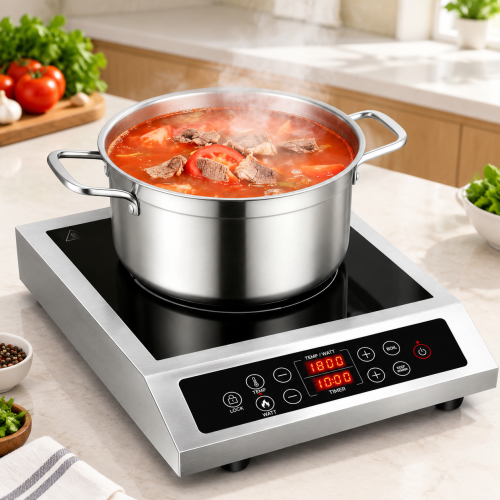
Countertop induction cooktops bring a flexible cooking surface to kitchens where a built-in hob or full-size range is not the whole solution. A compact unit can become the main cooking spot in a small apartment, add a separate zone for a busy family kitchen, or provide a practical way to prepare meals during a kitchen renovation, wherever suitable electrical service and safe placement are available. Induction generates heat in compatible cookware through a magnetic field, rather than transferring it from an exposed flame or a heated element beneath the pan. That makes changes in power feel responsive: a lively boil can settle quickly when the setting is reduced, and a frying pan can return to a higher heat without waiting for a traditional element to warm up. The pan still holds heat, however, and the glass surface beneath it can remain hot after cooking. Everyday uses range from simmering oatmeal and warming soup to boiling pasta, sautéing vegetables, or keeping a sauce separate from the main meal. A single cooking zone leaves more room for chopping and plating, while a two-zone design can accommodate a pot and a frying pan at the same time. The useful fit depends on more than the appliance’s outer dimensions. A wide skillet, its handle, a spoon rest, and the space needed to lift a lid all contribute to the working footprint. A stable, level, heat-resistant counter with the required ventilation clearances helps the cooktop fit comfortably into a routine rather than crowding it. For someone who cooks in batches, an extra zone can keep rice or grains moving while other dishes occupy the range. For a smaller household, a portable cooktop may handle much of the daily cooking without becoming a permanent fixture. Its appeal is the ability to create a dedicated cooking area that matches the task, then reclaim that counter space once the appliance has cooled and is safely stored.
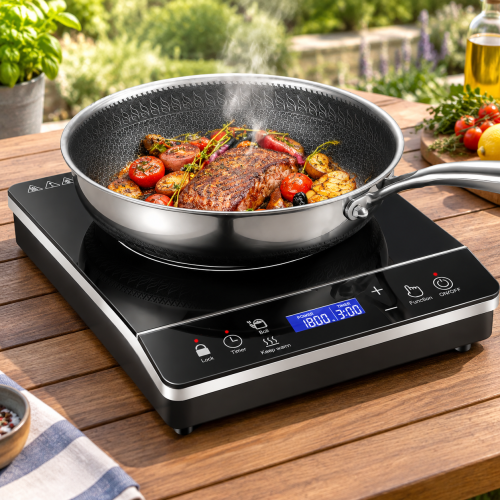
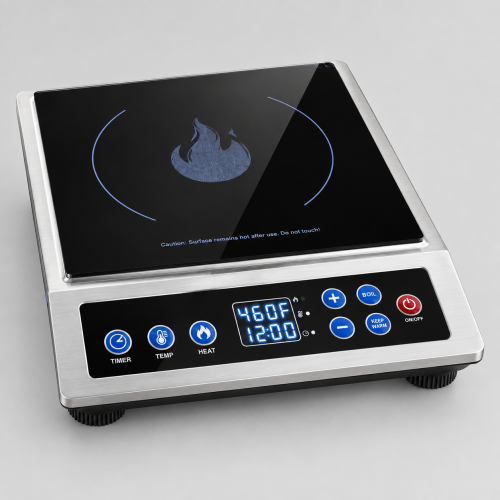
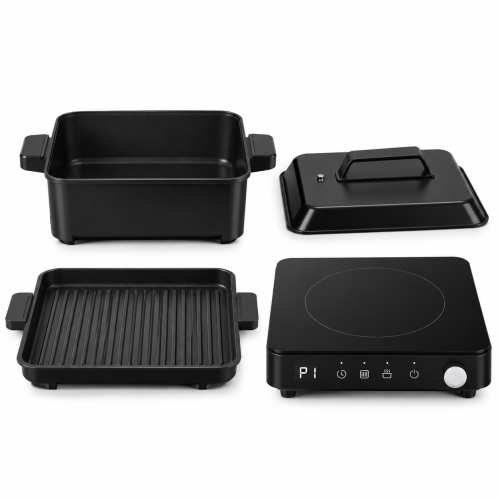
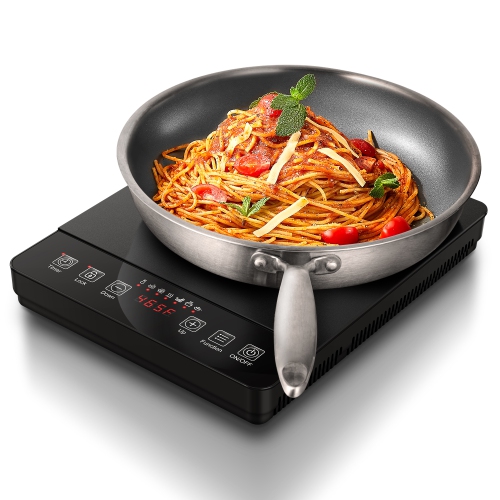
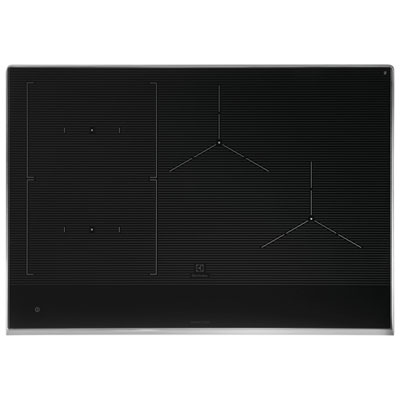
Cookware compatibility is central to how a countertop induction cooktop performs. The base of the pot or pan must contain a suitable magnetic material, so cast iron and many enamelled steel pieces work well, while stainless steel depends on its construction. Aluminum, copper, and glass cookware generally require a purpose-made induction-compatible base to work on induction. A magnet that holds firmly to the underside is a useful initial check, although the cookware maker’s compatibility information provides a clearer answer. A flat base also matters: it helps the pan sit steadily, and its diameter needs to fall within the cooktop’s supported range. The size of the marked cooking zone is not always the same as the active heating area underneath, so an oversized griddle or broad frying pan may not heat evenly across its entire surface. Matching the pan to the cooking zone is especially noticeable when browning several pieces of food or making pancakes that need a consistent finish. Heavy cast iron retains heat well for searing, but gradual preheating gives it time to warm more evenly and avoids unnecessary stress from heating an empty pan too aggressively. Lighter pans are easier to lift and store, while well-constructed layered bases can help spread heat beyond the area directly above the induction coil. The appliance’s own materials affect its look and upkeep, too. Smooth glass-ceramic surfaces provide a level platform that is generally straightforward to wipe clean, while housings may combine metal and durable plastics in different proportions. For a coordinated kitchen, Stainless Steel Induction Cooktops can complement nearby metal appliances, although a stainless steel exterior does not determine which pans are compatible. Rounded edges, accessible controls, and a body that feels stable under a filled pot can matter as much as the finish, particularly when the cooktop is moved between a cupboard and the counter regularly.

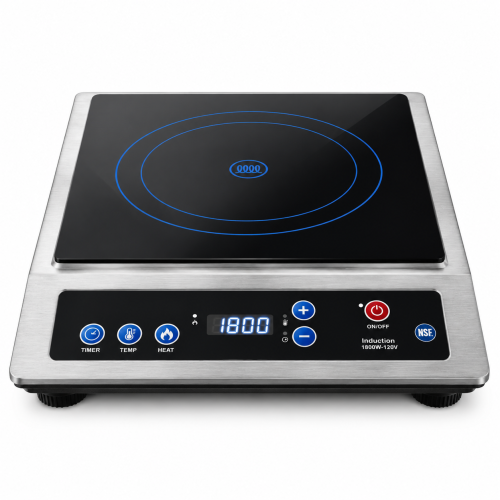
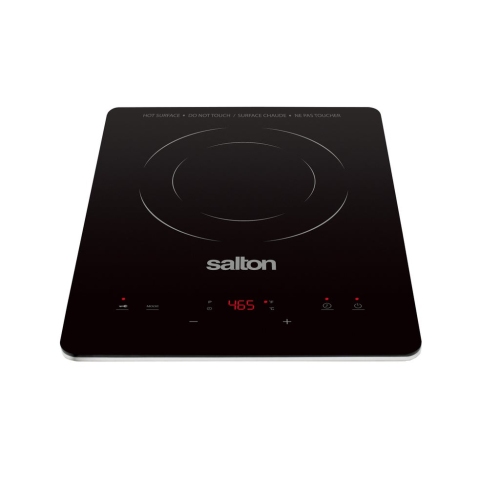
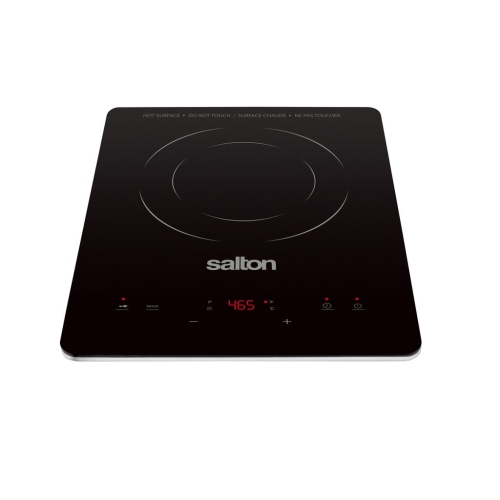
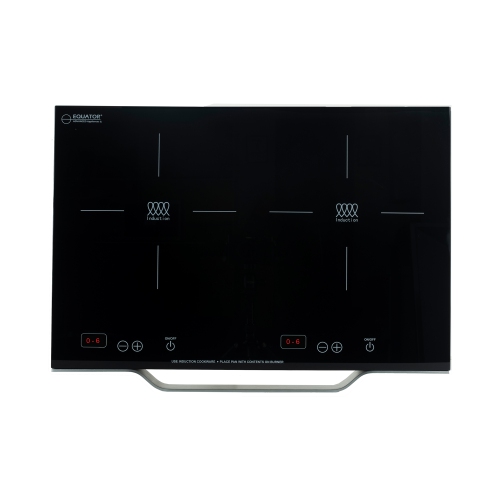
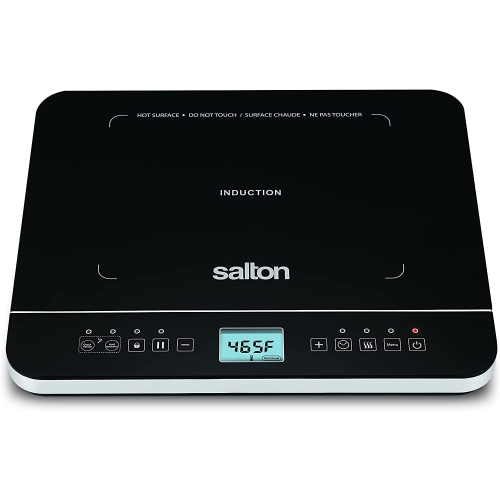
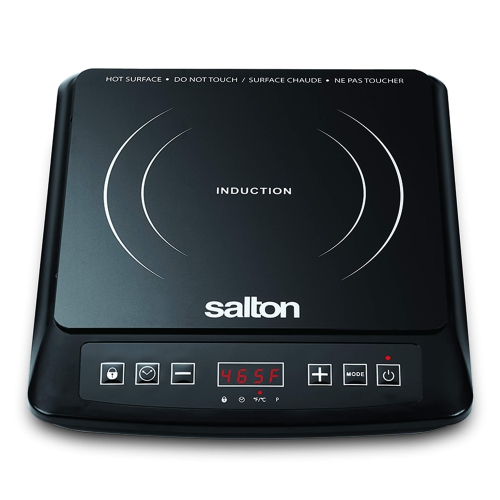
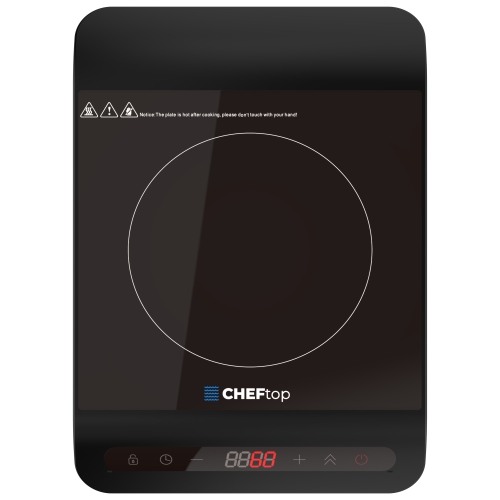
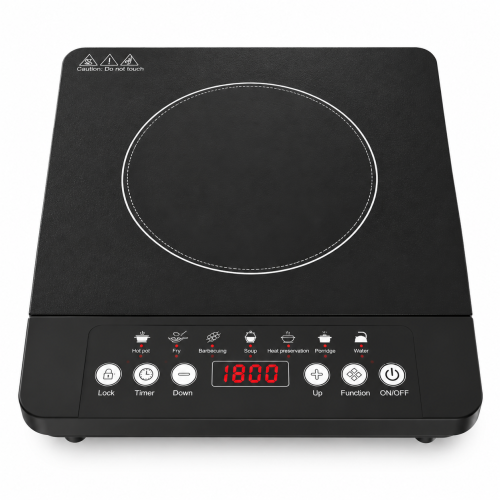
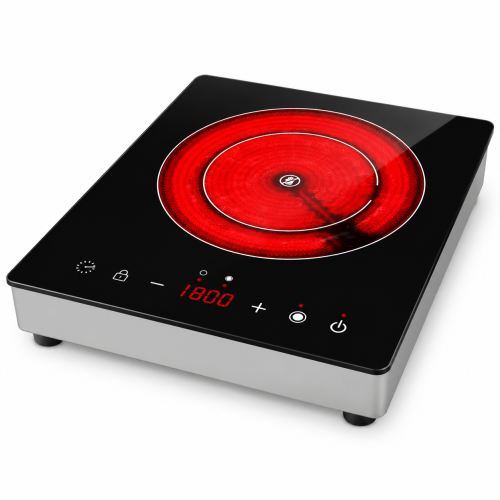
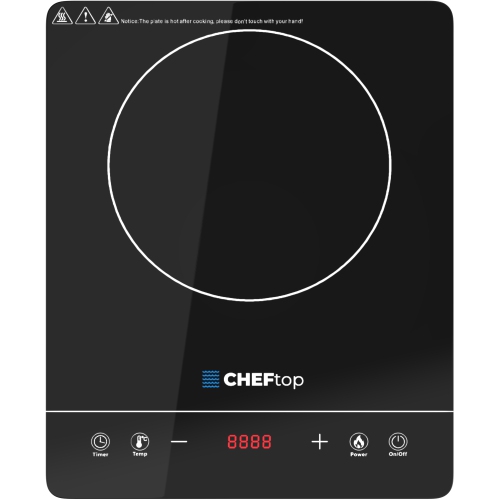
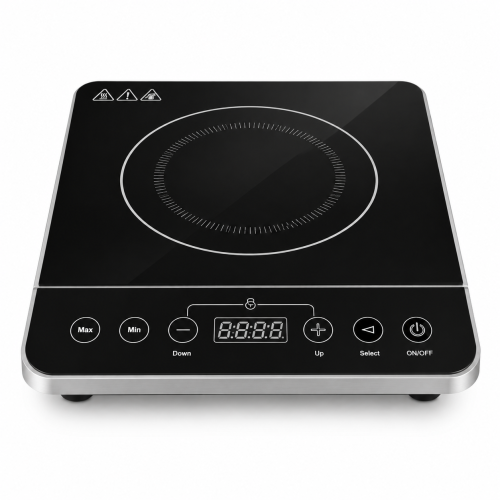
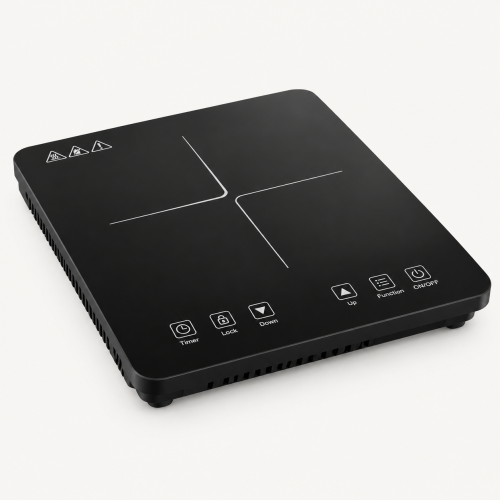
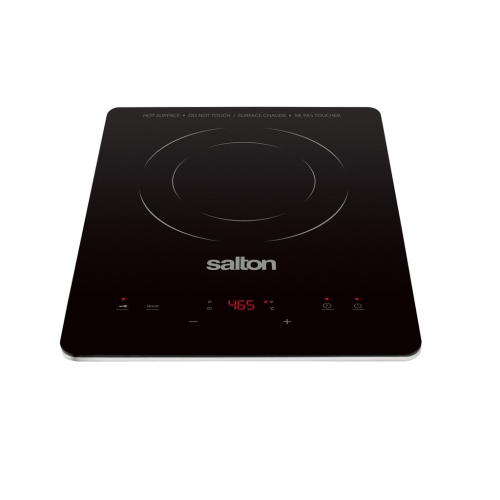
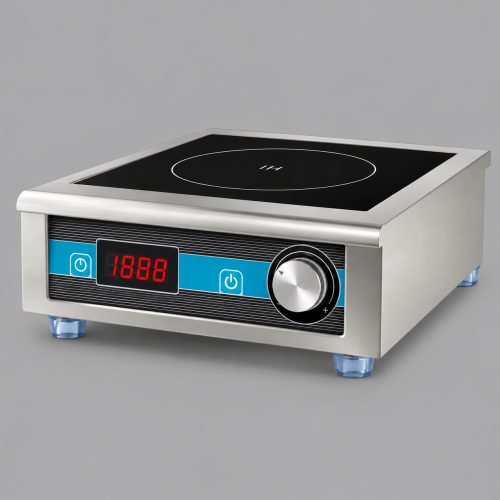
Controls and electrical requirements help determine how naturally a countertop induction cooktop fits into daily use. Some designs offer stepped power levels, while others also display temperature settings or cooking presets; those displayed settings do not necessarily measure the temperature of the food itself. For delicate tasks such as melting chocolate or holding a gentle simmer, the behaviour at the lower settings matters more than the highest advertised output. Some cooktops cycle power on and off at low levels, which can be more noticeable with a small pan or a thin sauce. On two-zone units, the available power may be shared between the cooking areas, affecting how strongly both can heat at once. Many portable models connect to a compatible household outlet, but the appliance’s electrical rating and installation instructions determine the appropriate connection. A suitable outlet within reach, a cord kept away from hot cookware, and attention to other appliances on the same circuit all contribute to a practical setup. Ventilation openings need unobstructed space, and induction does not remove the need to manage steam, grease, and cooking odours. Cooling fans and occasional cookware vibration can also be audible, something worth considering in an open-plan living space. Features such as pan detection, control locks, timers, and residual-heat indicators can add convenience, but their operation varies, and they do not replace supervision. Long-term care is usually simple: once the unit is switched off and cool, a soft cloth and a cleaner approved for the surface help remove splashes without scratching. Lifting pans rather than dragging them, keeping pan bases clean, and avoiding impacts along the glass edges help preserve the cooking surface. Compact dimensions can make these cooktops a thoughtful gift for an enthusiastic home cook, someone setting up a first kitchen, or a household that regularly needs an additional cooking zone. The best fit still depends on compatible cookware, comfortable controls, manageable weight, and a sensible place to use and store it—details that make the difference between an occasional appliance and a dependable part of everyday meal preparation.

FAQ

Some products may be subject to Environmental Handling Fees (EHF) depending on your province. Learn more about EHFs.