Cyber Monday Deals Coming Soon

Our Cyber Monday Sale returns in December 2026. In the meantime, shop our current top deals below.

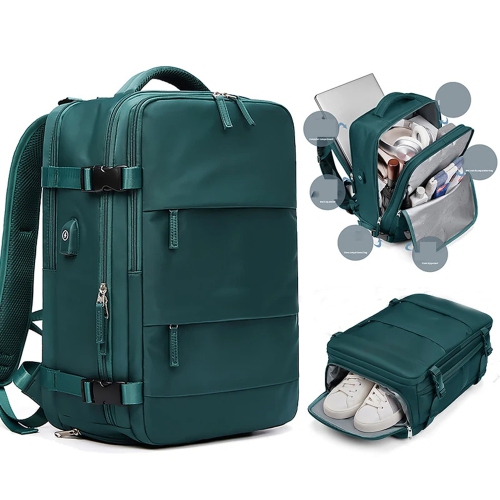
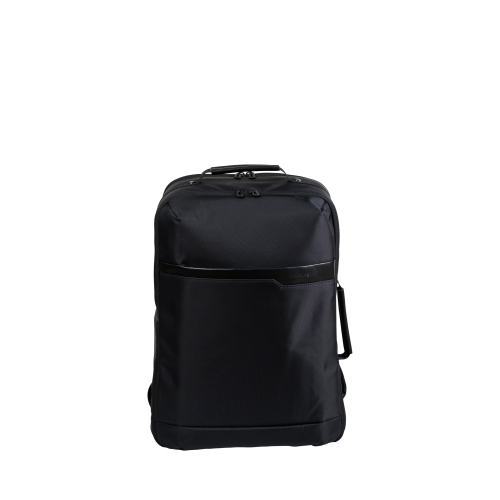
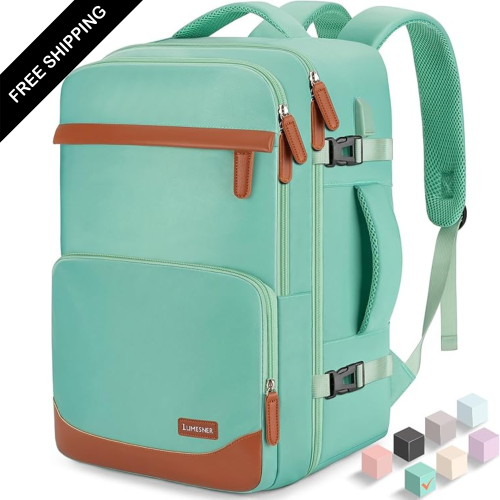
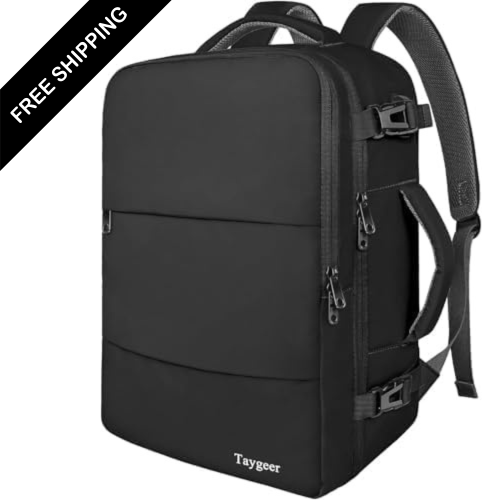
Cyber Monday Travel Backpacks

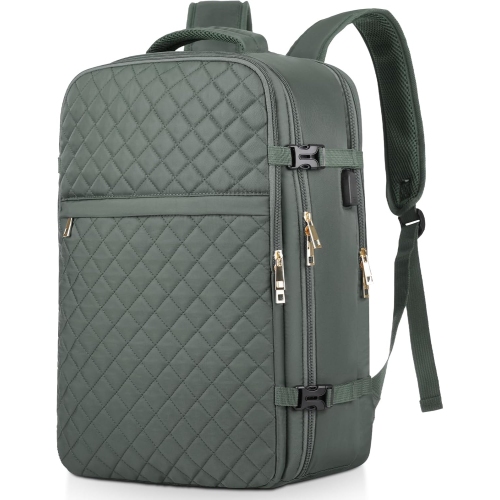
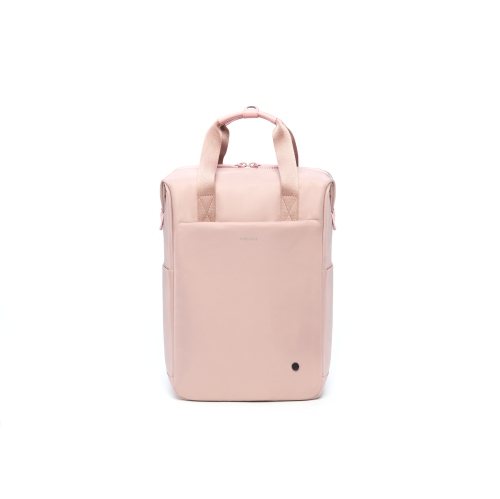
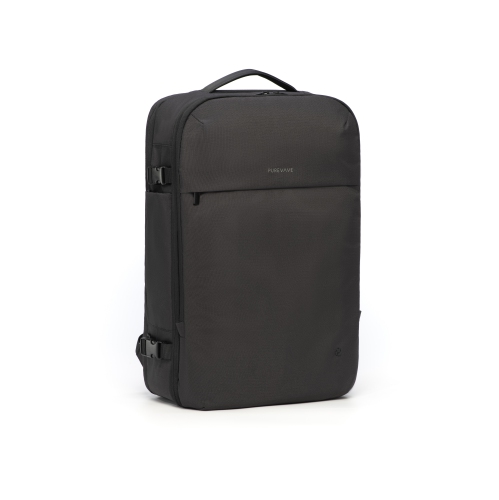
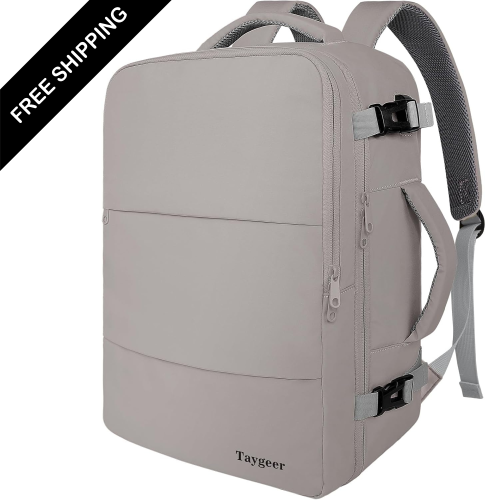
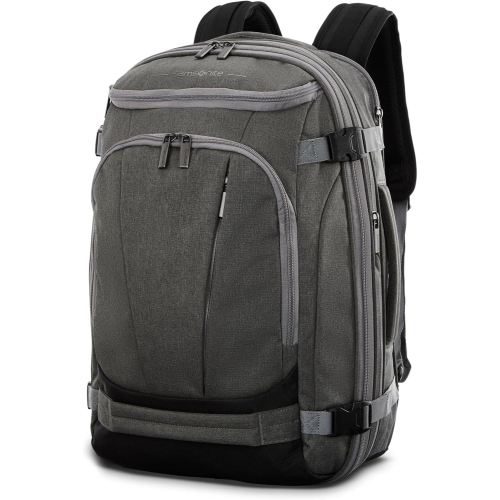
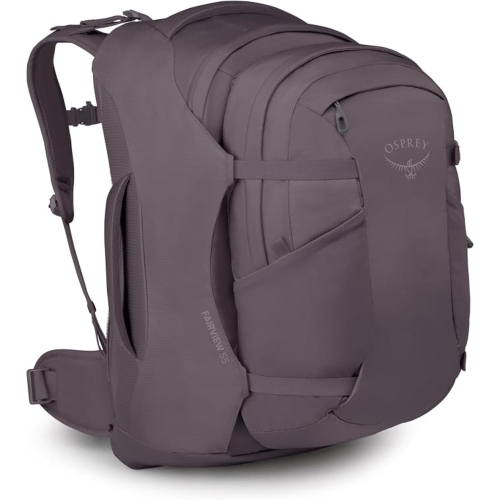
Shop Cyber Monday travel backpacks for your next trip, comparing prices, capacity, and compartment layouts to find a bag that suits how you pack. If you plan to fly, check each backpack’s dimensions against your airline’s carry-on or personal item size limits before choosing. Remember, our Low Price Guarantee means you can shop confidently knowing that you'll find the best price at Best Buy, all year round. We encourage you to check our website frequently for the most up-to-date information on our latest offers and savings opportunities.
Read More

Sort

How backpack size and layout shape your trip

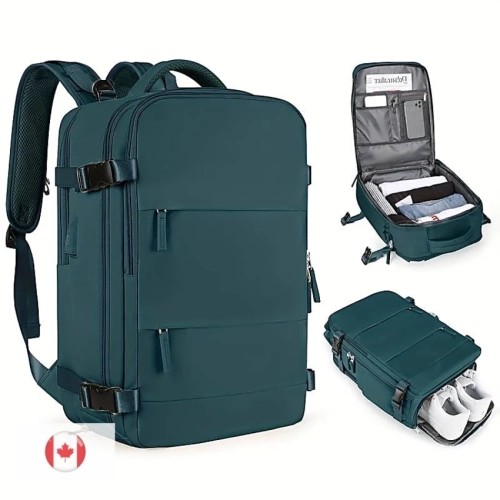
Travel backpacks keep clothing, electronics, and everyday essentials together while leaving hands free for boarding passes, luggage handles, and transit rails. For anyone browsing Cyber Monday travel backpacks, the most useful distinctions are capacity, access, carrying comfort, and how the bag fits into a typical journey. A compact backpack can serve as a daily companion at a destination, while a larger travel-focused design may hold enough for an overnight stay or a lightly packed longer trip. Capacities around 20 to 30 litres can suit day trips and minimal overnight packing; designs around 30 to 45 litres offer more space for clothing, toiletries, and packing cubes. These ranges describe volume, not guaranteed airline acceptance. Carry-on and personal-item allowances vary by airline and fare, so external dimensions matter more than a capacity label alone. An expanded compartment, a full bottle pocket, or an overstuffed front pouch can change the space a backpack occupies. A fully opening main compartment makes it easier to arrange folded clothes and see what is packed, rather than reaching down through layers from the top. Top-opening designs can be convenient for frequent access during a commute, while separate compartments help keep travel documents away from clothing. For a short business trip, a clear division between work essentials and personal belongings can make the transition from train platform to meeting room simpler. For a weekend visit, a roomy main compartment may be more useful than numerous small pockets. Travellers who also use a rolling suitcase may appreciate a luggage pass-through that slides over its telescopic handle. Its orientation matters: a backpack that rests sideways on the suitcase should still keep zipped pockets secure and accessible. Compression straps can draw a partly filled bag closer to the body and reduce shifting, but they do not reduce the packed weight. The right layout supports the way someone travels, whether that means frequent airport connections, intercity rail journeys, or a single bag for a few nights away.

Materials and construction influence how a travel backpack feels in use and how it stands up to repeated packing. Nylon and polyester are common choices, with differences in weave, fabric weight, lining, and coatings affecting flexibility and resistance to wear. Ripstop fabric uses a reinforcing grid intended to help limit the spread of small tears, though it is not tear-proof. A water-resistant outer fabric can help with light splashes, but it does not make the entire backpack waterproof; seams, zippers, and openings also affect protection. A separate pouch adds another layer between a leaking toiletry container and nearby clothing or electronics. Reinforced stitching at shoulder-strap anchors and grab handles is particularly relevant when a bag is regularly lifted into overhead storage or carried up stairs. A sturdy base can help with abrasion from repeated contact with floors, while smooth-running zippers make tightly packed compartments less frustrating to open. Fit matters just as much as fabric. A backpack should sit comfortably against the back without hanging so low that it bumps the hips with every step. Adjustable shoulder straps allow the load to sit closer to the body, and shaped padding can reduce concentrated pressure. A sternum strap helps steady the shoulder straps; a supportive hip belt can transfer some weight away from the shoulders when the bag and fit are designed for that purpose. Back-panel channels and breathable mesh may improve airflow, although comfort still depends on the load, clothing, and individual fit. The bag’s empty weight also counts, especially when an airline applies a strict cabin-baggage weight limit. A heavily structured design may offer useful protection and organization but leave less allowance for belongings. Keeping denser contents close to the back helps limit the sensation of being pulled backwards. Loose strap ends are worth securing so they do not catch when the bag is moved through narrow aisles or tucked beneath a seat.

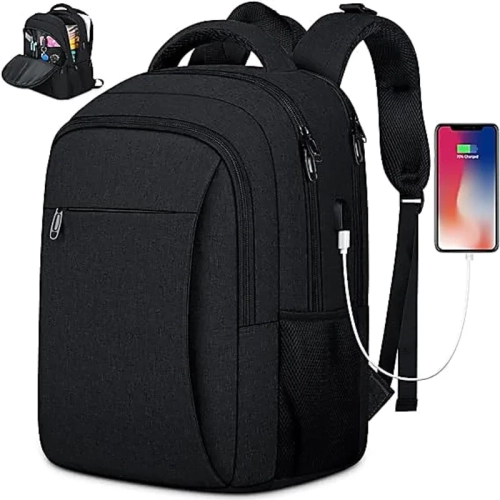
Thoughtful storage makes a travel backpack useful beyond the journey itself. A dedicated laptop compartment can keep a computer separate from clothing, but the advertised screen size is only a starting point: the device’s actual dimensions, thickness, and protective case need to fit the sleeve. Padding around the compartment and beneath its lower edge can help cushion everyday bumps without making the bag impact-proof. A separate tablet sleeve, cable pockets, and a small organizer section can prevent chargers and adapters from gathering at the bottom of the main compartment. Quick-access storage is helpful for a passport or transit card, provided the pocket closes securely and remains easy for the wearer to monitor. Back-facing pockets can make casual access less convenient for others, but no pocket or zipper arrangement guarantees protection against theft. An external bottle pocket keeps a drink within reach, while a separate shoe or laundry compartment can help isolate worn belongings from clean clothing. Those divisions take up space too, so their usefulness depends on what normally gets packed. At the destination, a backpack that is not excessively bulky can move comfortably from a hotel room to a café, workspace, or sightseeing stop. That versatility can also make a travel backpack a practical gift for a student travelling between home and campus, a frequent commuter, or someone who prefers short trips with fewer bags. Colour, torso fit, laptop size, and packing habits are more helpful gift considerations than capacity alone. Care needs vary by material and construction, making the manufacturer’s instructions the best reference. Emptying crumbs and grit, wiping away marks with a suitable damp cloth, and allowing the bag to dry fully before storage help keep compartments ready for the next trip. Machine washing or tumble drying may damage coatings, padding, or structural components unless specifically permitted. The Cyber Monday Deals on Backpacks page provides a broader starting point for exploring backpack designs, with carrying comfort, practical storage, and intended use helping distinguish a travel companion from an everyday bag.
Read More

FAQ

Some products may be subject to Environmental Handling Fees (EHF) depending on your province. Learn more about EHFs.