Cyber Monday Deals Coming Soon
Our Cyber Monday Sale returns in December 2026. In the meantime, shop our current top deals below.

Cyber Monday Deals On Car Speakers
Get ready to upgrade your car audio system with incredible Cyber Monday deals on car speakers. Whether you're a music enthusiast or simply want to enhance your driving experience, now is the perfect time to snag amazing discounts on top-quality car speakers. With Best Buy Canada's extensive selection of options, you'll find the perfect fit for your vehicle and enjoy unbeatable sound quality. Remember, our Low Price Guarantee means you can shop confidently knowing that you'll find the best price at Best Buy all year round. We encourage you to check our website frequently for the most up-to-date information on our latest offers and savings opportunities. Remember, our Low Price Guarantee means you can shop confidently knowing that you'll find the best price at Best Buy, all year round. We encourage you to check our website frequently for the most up-to-date information on our latest offers and savings opportunities.
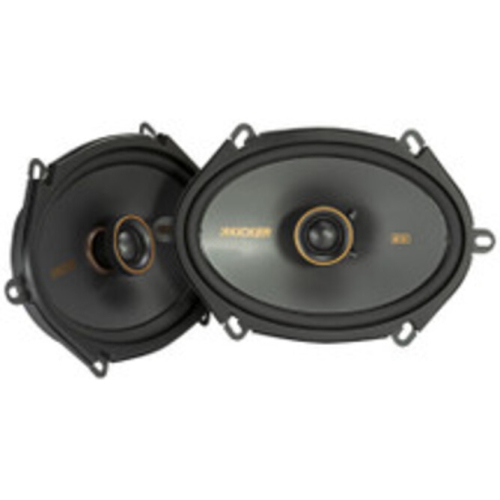
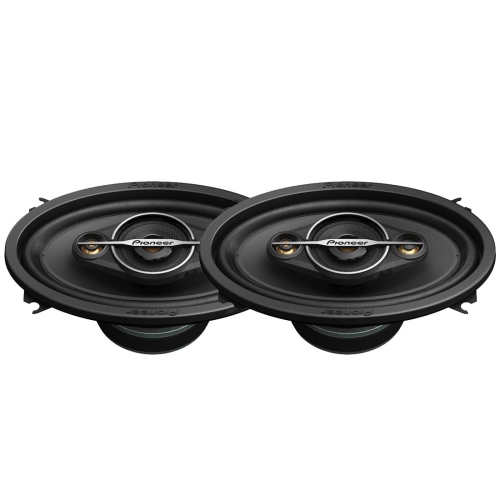
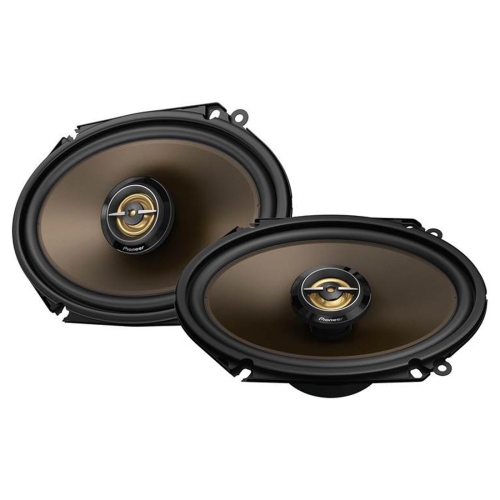
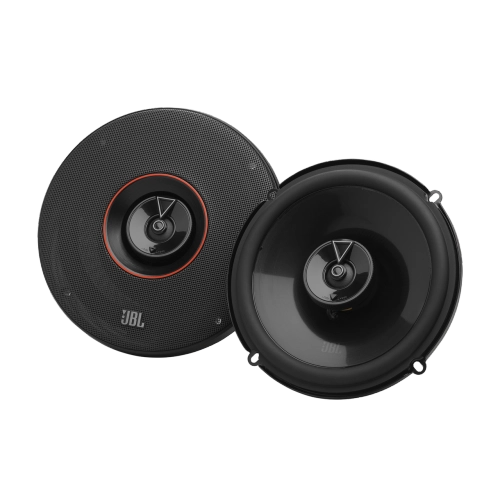
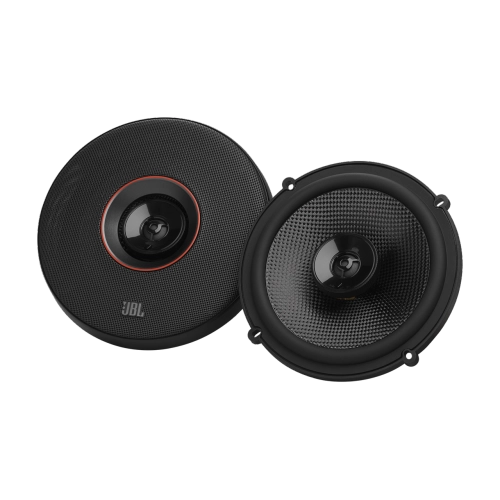
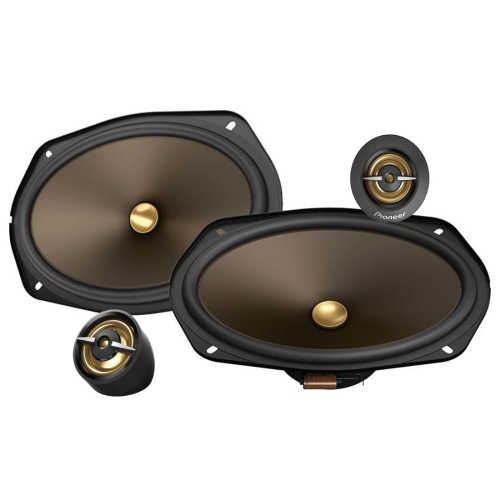
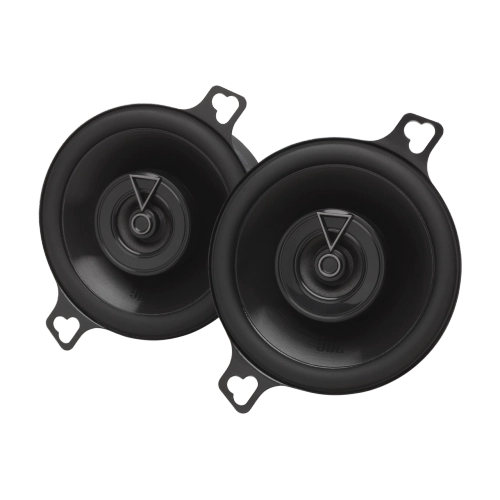
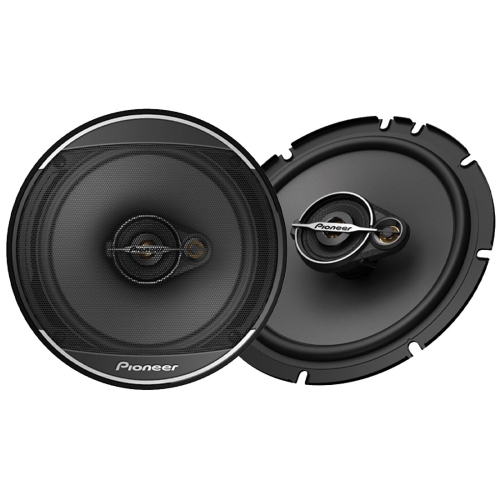
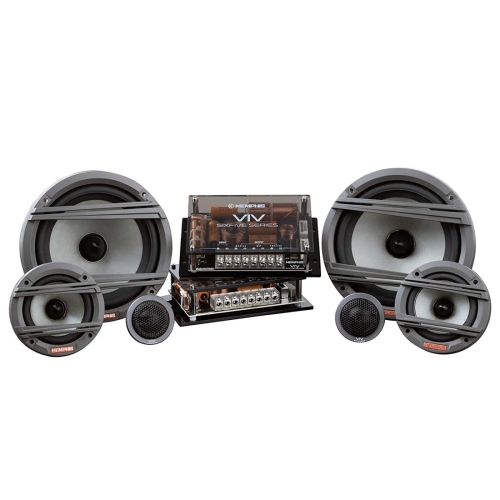
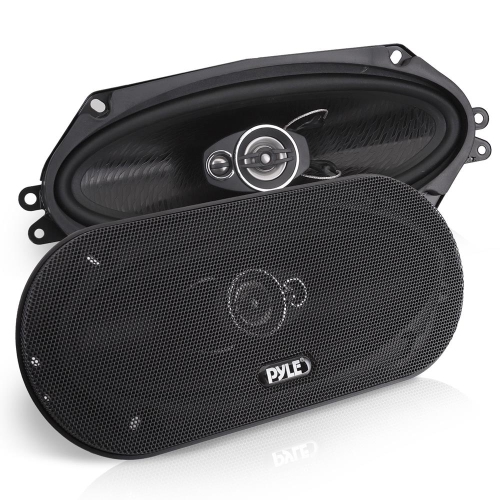
Clearer car audio starts with the right speaker match
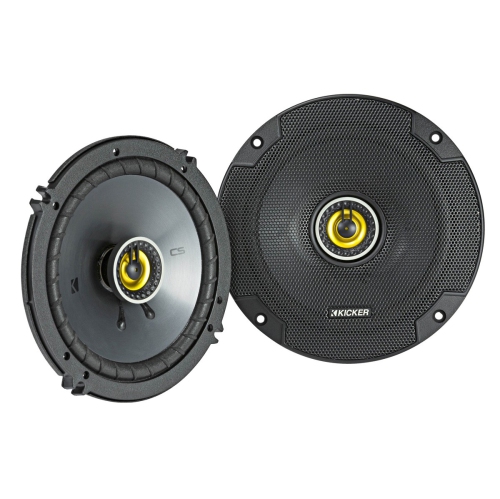
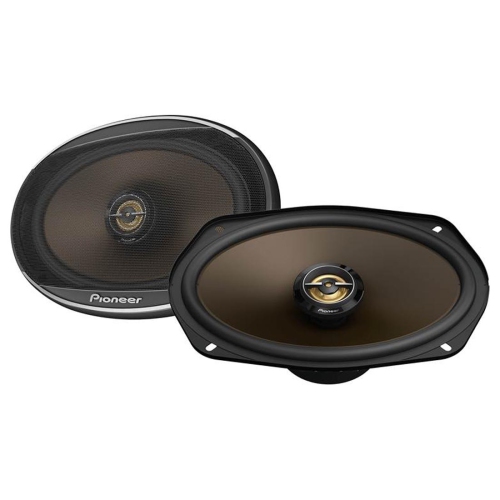
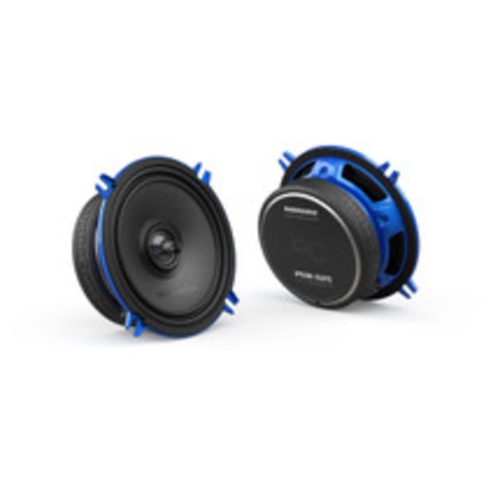
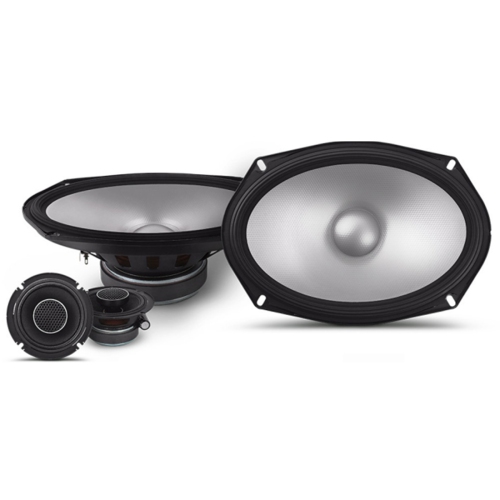
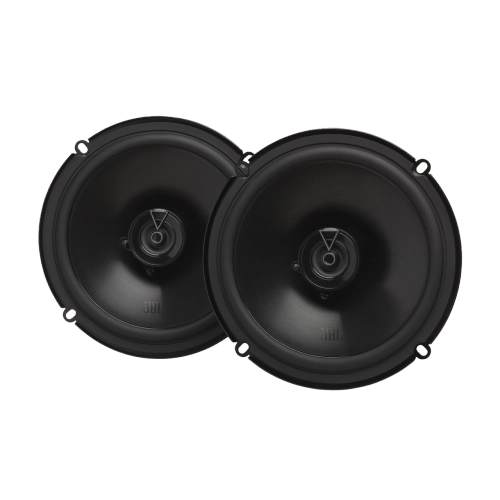
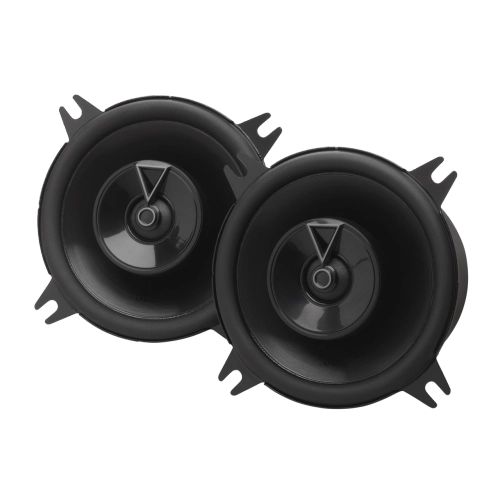
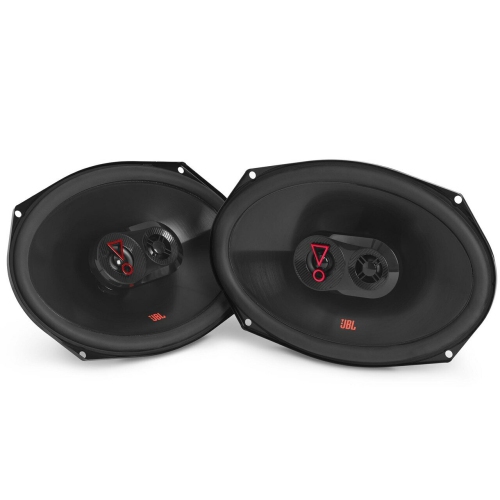
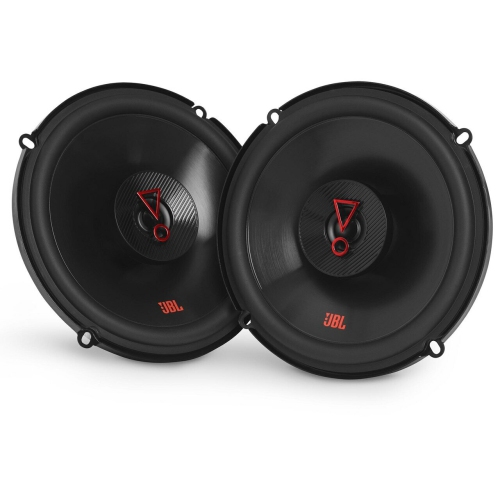
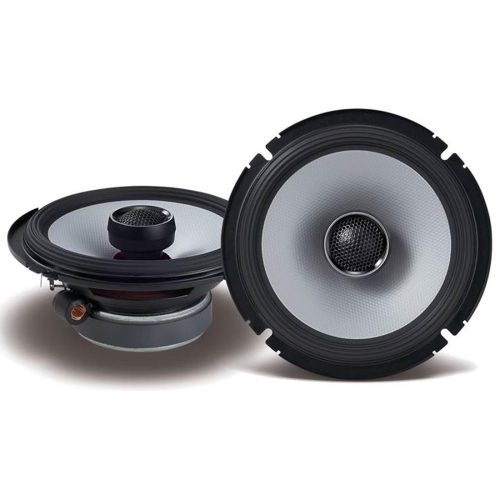
Physical fit is just as important as sound character because a speaker must work within the space and wiring of a particular vehicle. Common formats include round 6.5-inch speakers and oval 6-by-9-inch speakers, but matching the nominal size does not guarantee a direct fit. The vehicle’s year, make, model, trim level, and factory audio package can all affect compatibility. Mounting depth determines whether the speaker basket and magnet clear the window mechanism behind a door panel, while mounting height affects clearance beneath the original grille. Screw-hole patterns, connector styles, and the shape of the factory opening may require mounting brackets or wiring harness adapters. These details are particularly relevant when the aim is to retain an original-looking interior without cutting panels. Electrical compatibility also deserves attention. Impedance, measured in ohms, should suit the connected head unit or amplifier; an unsuitable load can affect performance or put added strain on the equipment. RMS power handling describes continuous power capacity and is generally more useful for system matching than a peak power rating. A speaker’s power-handling figure does not mean it produces that amount of power or needs to receive it at all times. Sensitivity describes output under specified test conditions, so comparisons are most meaningful when the measurement methods match. With a factory stereo, suitable sensitivity and electrical compatibility can matter more than a high maximum wattage figure. Vehicles with premium factory audio may also use dedicated amplifiers, unusual wiring, or processing tailored to the original speakers. Replacing a driver without accounting for those features may not produce the expected result. For drivers who want stronger front-seat clarity, front speaker performance and positioning often deserve particular attention, while balanced rear sound can matter when passengers regularly travel along. Secure mounting, correct polarity, and a good seal around the speaker help the installation perform as intended. Professional installation can be worthwhile when door trim, integrated electronics, or custom mounting make the work more involved than a simple replacement.
Materials and construction influence how car speakers handle regular use as well as how they sound. Speaker cones may use treated paper, polypropylene, or composite materials, each balancing weight, stiffness, and damping in different ways. No single cone material guarantees superior audio; the complete driver design and its interaction with the installation matter more than one specification. Surrounds, often made from rubber or foam, allow the cone to move while helping keep it centred. Their quality and condition contribute to dependable operation over time. Tweeters may use soft-dome fabrics or harder materials such as metal, but their tonal character also depends on the crossover, positioning, and cabin acoustics. A tweeter aimed directly at a listener can sound different from the same driver mounted off-axis behind a factory grille. Sturdy baskets, secure terminals, and suitable protective grilles are practical details in a space where vibration and repeated door movement are part of normal use. Door-mounted speakers also need an installation that preserves the vehicle’s drainage paths and any appropriate moisture barriers. Water-resistant construction should not be treated as permission to soak a speaker or spray cleaner through its grille. Routine care is usually simple: remove loose dust gently, keep liquids away from openings, and avoid pressing on exposed cones or tweeters. Buzzing or rattling may come from loose trim or mounting hardware rather than the speaker itself, while harsh distortion can indicate that the stereo or amplifier is being pushed beyond clean output. Keeping playback comfortable helps preserve awareness of traffic and audible warnings outside the vehicle. Car speakers can make a thoughtful gift for an enthusiast restoring a vehicle’s sound or a frequent driver replacing worn factory drivers, provided the recipient’s vehicle details and installation plans are known. For someone whose listening takes place mainly at home, Cyber Monday deals on Sonos speakers offers a separate browsing path for home audio. In the car, a compatible, securely installed setup keeps the focus on clear, enjoyable listening that fits the vehicle and the people riding in it.
Top selling and popular products
-
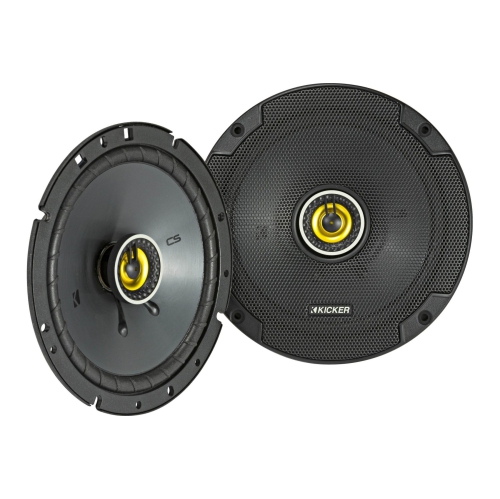 Your price for this item is $139.95
 -
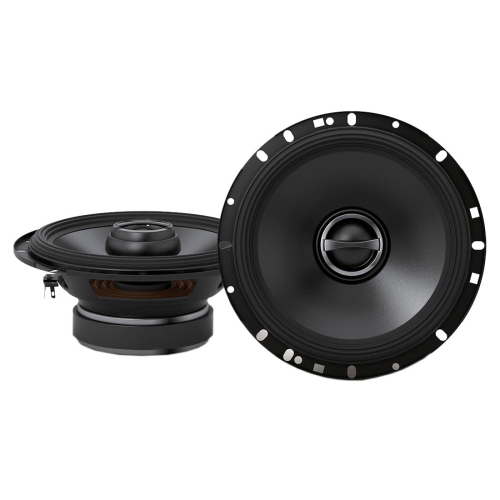 Your price for this item is $178
 -
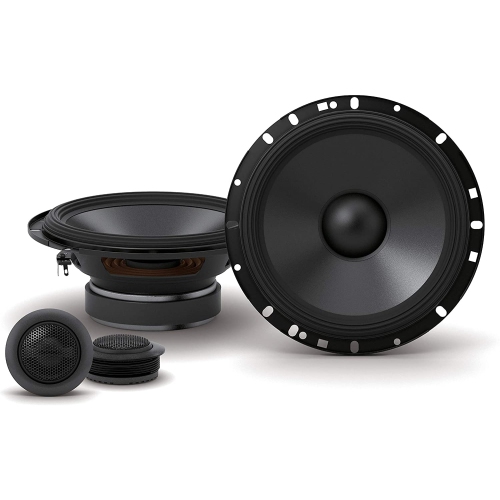 Your price for this item is $189
 -
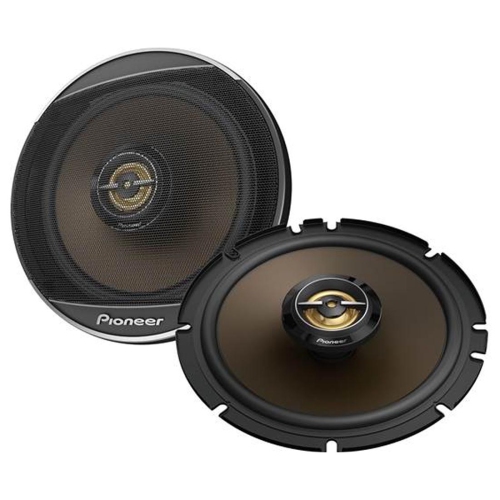 Your price for this item is $138.99
 -
 Your price for this item is $189.95
 -
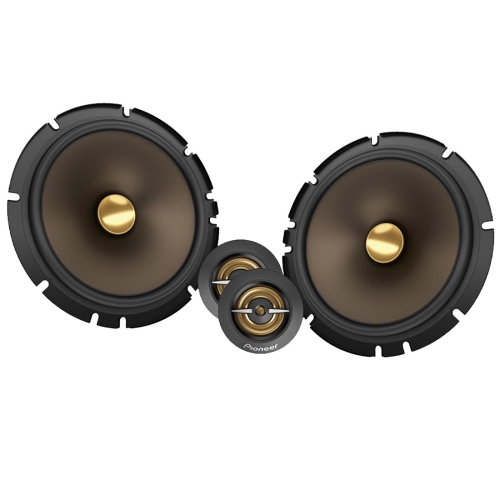 Your price for this item is $228.99
 -
 Your price for this item is $228
 -
 Your price for this item is $198