Cyber Monday Deals Coming Soon
Our Cyber Monday Sale returns in December 2026. In the meantime, shop our current top deals below.

Cyber Monday Deals On TV Antennas
Get ready to cut the cord and save big this Cyber Monday with our incredible deals on TV antennas. Whether you're looking to enjoy your favorite shows and movies in stunning high-definition or want to access a wide range of local channels without a pricey cable subscription, our Cyber Monday deals on TV antennas have got you covered. With a variety of options to suit almost every budget and need, now is the perfect time to upgrade your home entertainment setup and experience crystal-clear reception like never before. Don't miss out on these unbeatable Cyber Monday offers – shop now and start enjoying the freedom of free over-the-air television! Remember, our Low Price Guarantee means you can shop confidently knowing that you'll find the best price at Best Buy, all year round. We encourage you to check our website frequently for the most up-to-date information on our latest offers and savings opportunities.



Why antenna placement matters for local TV reception
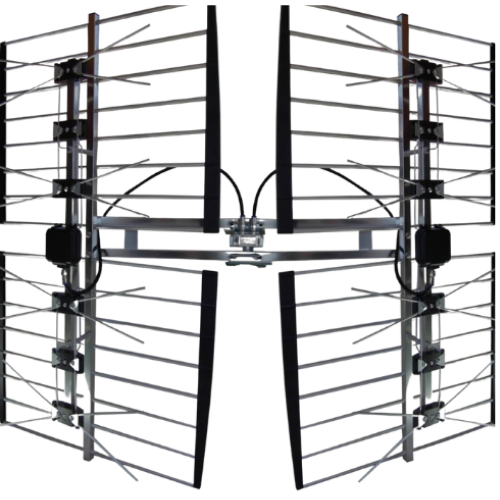
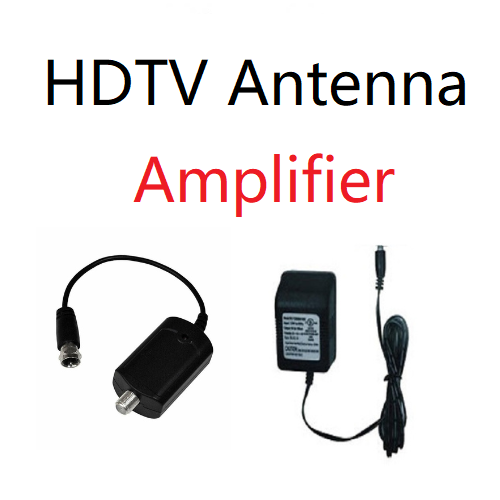
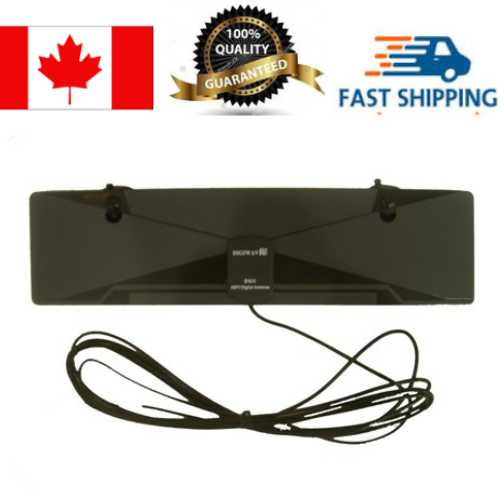
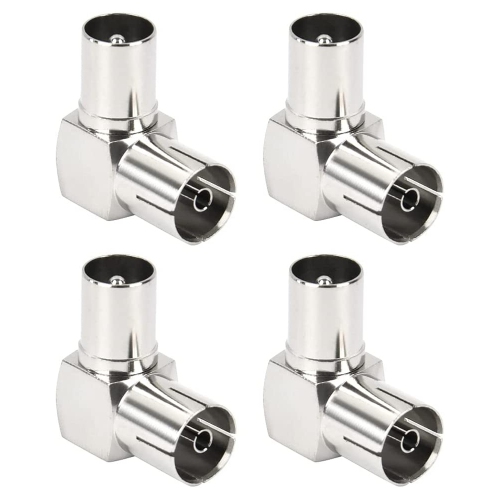
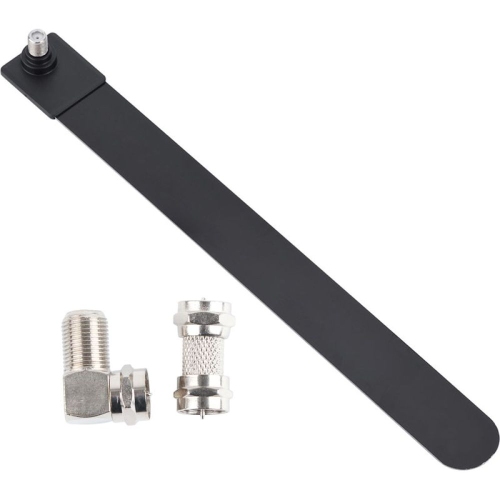
A good match starts with the broadcast frequencies used by local stations and the television’s receiving equipment. VHF and UHF refer to different frequency bands, and an antenna designed for both can be helpful where stations transmit across those bands. The channel number shown on screen does not necessarily reveal its actual broadcast frequency, so local transmitter information is more useful than the familiar station number alone. Directional antennas concentrate reception in a particular direction and can suit locations where desired transmitters are grouped together. Multidirectional designs receive signals from several directions, though they still depend on placement and signal conditions. Advertised reception distance is an estimate, not a promise of a particular channel lineup; a clear path towards transmitters can matter more than a larger range figure. Amplified antennas use a powered amplifier to help compensate for certain signal losses, such as those associated with a longer cable run. Amplification cannot create a missing broadcast signal, and it can sometimes overload a tuner when nearby signals are already strong. A non-amplified antenna may therefore be a better fit in a strong-signal location. Most conventional TV antenna connections use a coaxial cable and a threaded connector, but the television also needs a compatible over-the-air tuner. A display without that tuner needs an appropriate external tuner or converter, with connections that match the screen. For Canadian digital television reception, checking for compatible ATSC tuning is important. Antenna labels referring to HD or 4K do not determine the picture resolution by themselves; the broadcaster’s signal and the receiving equipment determine what can be displayed. Cable length deserves attention, too. A cable that comfortably reaches a promising antenna position offers more flexibility than one that barely reaches the back of the television. Unnecessarily long runs and multiple splitters introduce signal loss, especially when one antenna feeds several screens. For a straightforward single-TV setup, a direct cable connection keeps the arrangement simpler and makes reception issues easier to isolate.
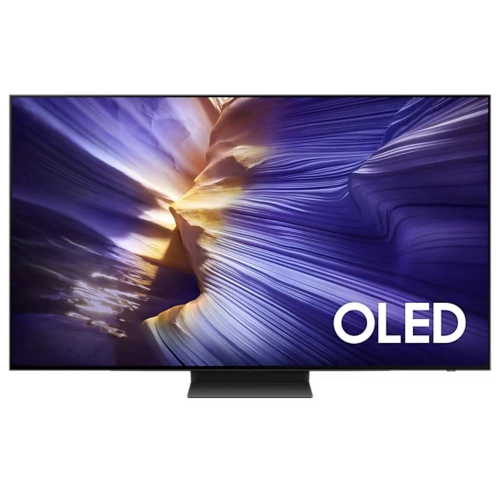
Physical fit and construction make a difference once an antenna becomes part of an everyday room. A thin plastic housing can blend into a compact living space, while larger metal elements need more clearance and a stable mounting position. Colour, cable routing, and the location of a power outlet for an amplified design can determine whether the finished setup feels tidy or awkward. In a condo living room, for example, placing an antenna higher beside a window may work better than hiding it behind a television surrounded by cables and electronics. In another home, a shelf on the opposite wall may provide stronger reception. Metal window screens, certain window coatings, and nearby electrical equipment can affect results, so discreet placement is not always the best-performing placement. After installation or a meaningful change in position, running the television’s channel scan helps it find the broadcasts it can receive. Testing several positions before fixing an antenna permanently can prevent unnecessary holes or adhesive marks. Rental homes call for particular care with mounting methods, building rules, and permissions for exterior installations. Outdoor assemblies benefit from corrosion-resistant components, secure brackets, and cable rated for the installation location; roof or mast work is best handled by a qualified installer, with clearance from power lines and grounding that follows applicable requirements. Indoors, routine care is generally modest: remove dust with a soft, dry cloth, avoid bending antenna elements, and check that cable connections remain snug without overtightening them. Keep cords away from walkways and leave enough slack to move furniture without pulling on the television’s input. For a household pairing local broadcasts with a screen upgrade, OLED TVs are another part of the viewing setup to consider, with tuner compatibility checked separately from display technology. A TV antenna can also be a thoughtful, practical gift for someone setting up a first apartment or adding local news to an existing streaming routine, provided their location, television connections, and installation preferences are understood. The most suitable antenna is one that fits both the receiving conditions and the way the room is actually used.
Top selling and popular products
-
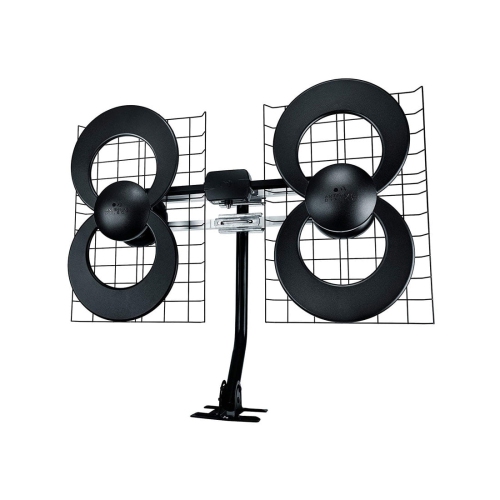 Your price for this item is $316.54
 -
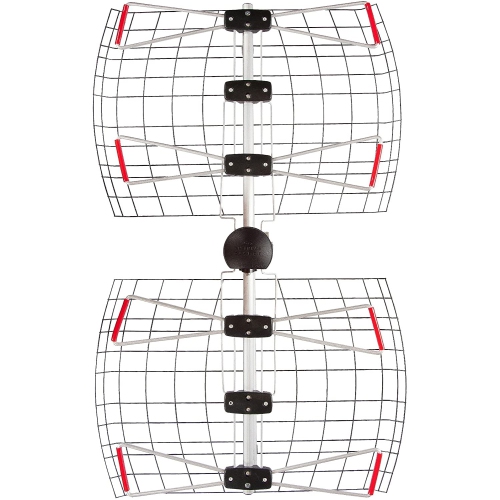 Your price for this item is $99.99
 -
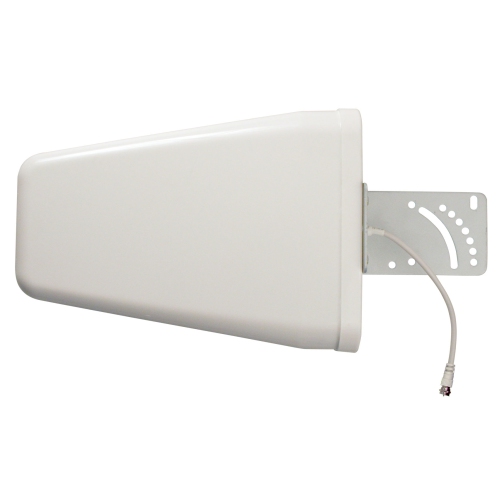 Your price for this item is $139.99
 -
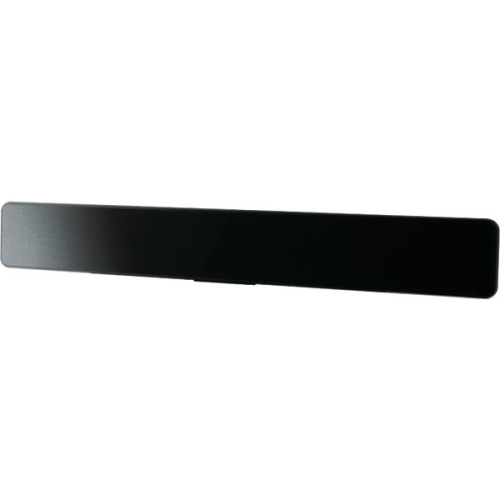 Your price for this item is $29
 -
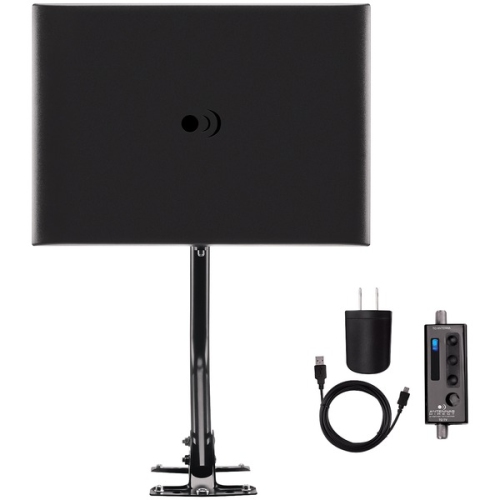 Your price for this item is $59
 -
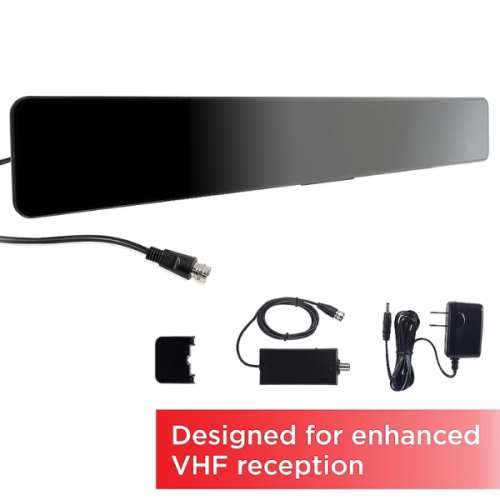 Your price for this item is $34.99
 -
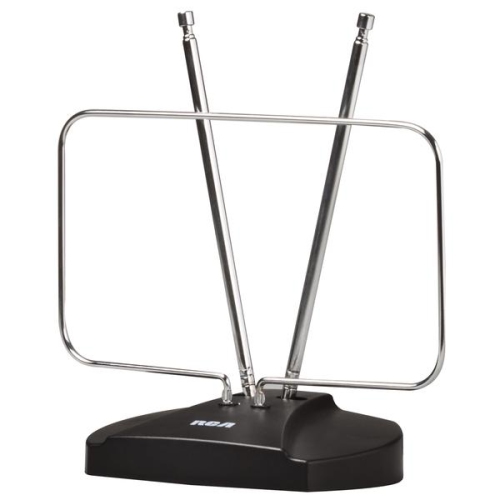 Your price for this item is $38.68
 -
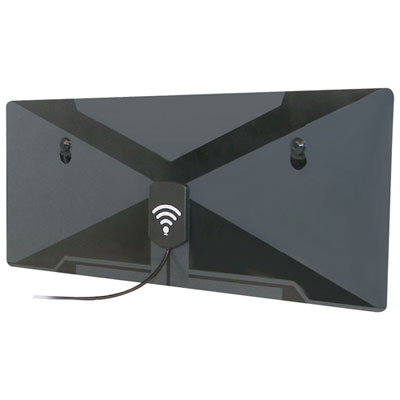 Your price for this item is $49.99