Cybex Car Seats

Find Cybex car seats suited to your child’s size and your vehicle. Compare the listed height and weight limits, installation requirements, and everyday features to help choose a child car seat that fits your family’s travel needs.
Read More

The right fit matters more than age alone

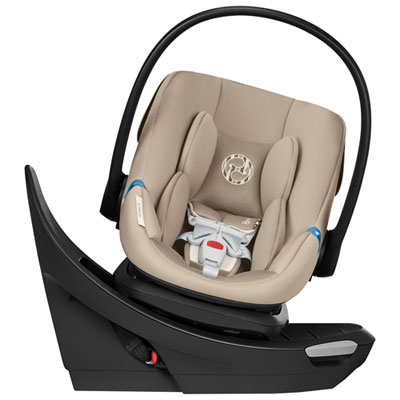
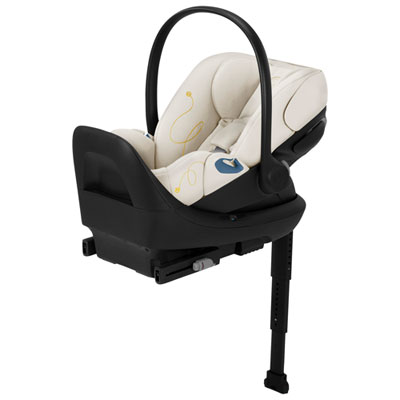
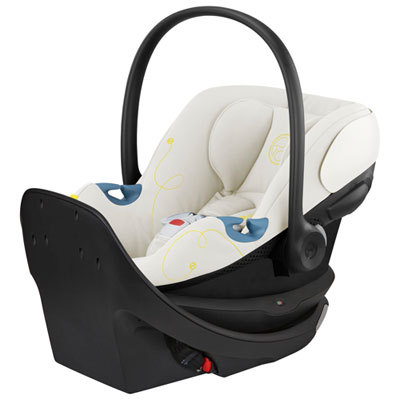
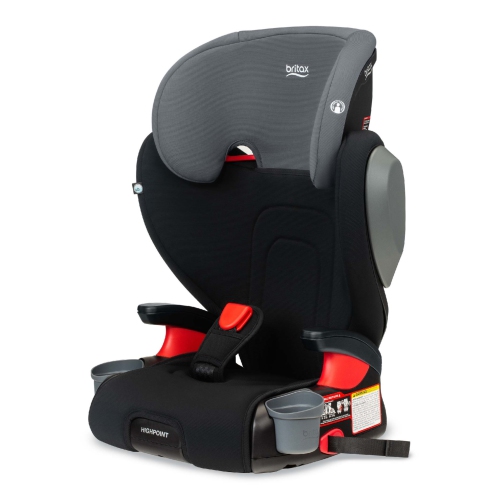
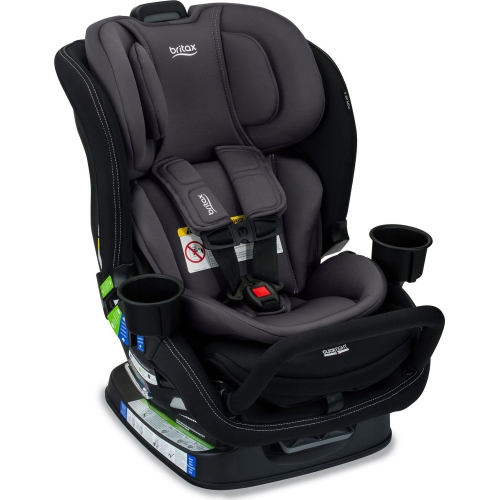
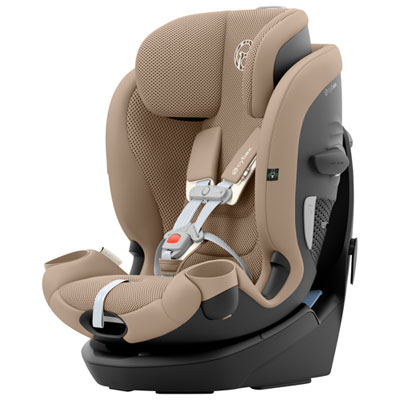
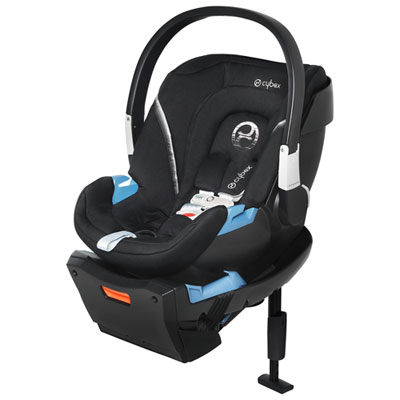
Car seats support everyday family travel, from a newborn’s first ride home to school drop-offs and visits with grandparents. Infant car seats, convertible car seats and belt-positioning boosters serve different stages of a child’s growth, with suitability determined by the child’s measurements, developmental readiness and the limits stated by the manufacturer. Rear-facing infant seats typically include a removable carrier that connects to a base installed in the vehicle, making transfers more manageable when a baby needs frequent outings and appointments. Convertible seats generally remain in the vehicle and accommodate a transition from rear-facing to forward-facing use, while some multi-stage designs also offer a booster configuration. A booster serves a different purpose from a harnessed seat: it positions a vehicle’s lap-and-shoulder belt across an older child’s hips and shoulder. These stages are not interchangeable, and reaching a birthday alone does not establish readiness to move to the next one. Children should remain rear-facing until they reach the rear-facing height or weight limit of their seat, then continue in an appropriate harnessed restraint until they outgrow its permitted limits. Booster use also requires the maturity to stay correctly positioned throughout the ride, including when a child becomes sleepy. For Canadian families, a seat’s National Safety Mark identifies it as certified to meet applicable Canadian safety standards; provincial and territorial requirements also apply. The useful fit is the one that accommodates both the child and the vehicle, with harness positioning, head support and installation requirements considered together. A tall toddler, a newborn with a small frame and a school-age child who still needs belt positioning each have different needs. Clearly stated height and weight ranges, accessible adjustment points and instructions for each approved mode help make those distinctions easier to understand. That combination of child fit, vehicle compatibility and stage-appropriate restraint matters more than a broad age range printed on a box.

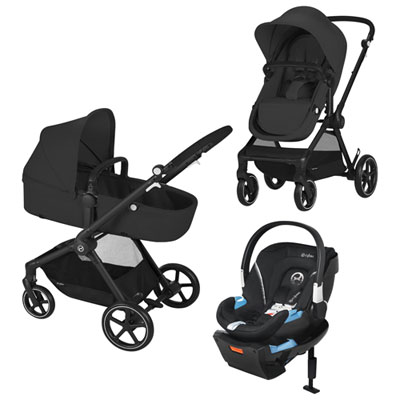
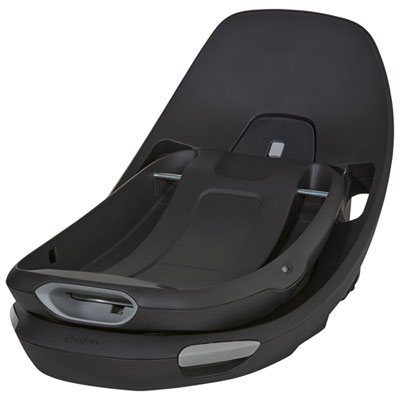
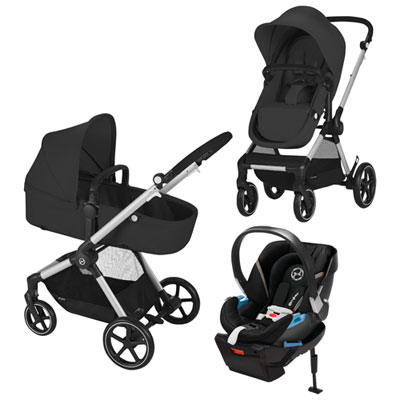
Everyday usability often comes down to the space around the seat and the movements repeated on every journey. In a compact vehicle, a rear-facing restraint can affect front-passenger legroom, while a wide shell may leave less room for another child restraint or a passenger beside it. Fit also depends on the shape of the vehicle bench, head restraints, seat-belt geometry and the location of approved anchor points. Installation may use the vehicle seat belt or Universal Anchorage System, commonly called UAS, according to both manuals; the methods should not be combined unless expressly permitted. Forward-facing harnessed installations require the top tether to be attached to the designated tether anchor. Features such as installation indicators, accessible belt paths and clearly marked recline positions can help caregivers understand the intended setup, but they do not replace a secure installation. Where offered, a rotating seat can make it easier to help a child into the harness from the open vehicle door, particularly when bending and reaching are difficult. The seat must be locked in an approved travel position before the vehicle moves. Load legs, anti-rebound components and side-impact features likewise have model-specific requirements, so their use depends on the seat instructions and vehicle compatibility rather than appearance alone. Comfort features can include an adjustable headrest, supportive padding, breathable upholstery and a recline range suitable for the child’s stage. Only supplied or specifically approved inserts and accessories belong in the seat; extra cushions and aftermarket harness covers can change its fit or performance. For families using an infant carrier with a stroller, compatibility is specific to the carrier, stroller and any required adapter. A carry handle and detachable base can simplify a short transfer, although the combined weight of the carrier and baby affects carrying comfort. Car seats are intended for travel, not as a replacement for a crib, cradle or bassinet; a sleeping baby should be moved to an appropriate sleep space once travel is complete.

Materials and care requirements influence how a car seat holds up to the realities of family life: snack crumbs in the seams, a spilled drink near the buckle and repeated harness adjustments as a child grows. Depending on the design, a seat may combine a moulded shell, metal reinforcement, energy-absorbing foam and a fabric cover with removable sections. Upholstery texture, seam placement and access to the buckle area all affect routine upkeep. A removable cover does not automatically mean every component is machine washable; the manufacturer’s care directions determine whether a cover can be washed by machine, cleaned by hand or spot-cleaned. Harness webbing, buckles and structural components often have separate cleaning restrictions. Soaking straps, using harsh cleaners or applying unapproved treatments can affect materials, making approved cleaning methods an important part of long-term care. Durable construction is valuable, but a child restraint still has a defined service life. The manufacture date, expiry information, readable labels and complete set of required parts matter throughout ownership, as does checking for recalls and following the manufacturer’s replacement instructions after a collision. A seat with an unknown history can leave important questions unanswered about damage, missing components or previous care. For households sharing caregiving, clear instructions and easy-to-reach adjustments can help parents, grandparents and other caregivers maintain a consistent fit. An additional compatible base may simplify infant-carrier transfers between vehicles when the manufacturer permits that arrangement, while a permanently installed seat may suit a vehicle used for regular childcare trips. As a gift for expectant parents or a growing family, a car seat is most useful when coordinated with the caregivers rather than selected by colour or appearance alone. Their child’s measurements, vehicle layout and preferred travel routine determine whether it will be a practical match. Families comparing restraint designs can also explore Britax Car Seats, keeping the same priorities in view: an appropriate growth stage, a secure vehicle fit, manageable care and adjustments that support correct use on every trip.
Read More

FAQ

Some products may be subject to Environmental Handling Fees (EHF) depending on your province. Learn more about EHFs.