Decorative Shoe Storage Cabinets

Decorative shoe storage cabinets keep footwear organized while complementing your entryway or hallway. Browse shoe cabinets to find a size and finish that suit your space, and compare storage capacity and cabinet dimensions to make room for your everyday pairs without crowding walkways.
Sort

Hidden shoe storage with the character of accent furniture

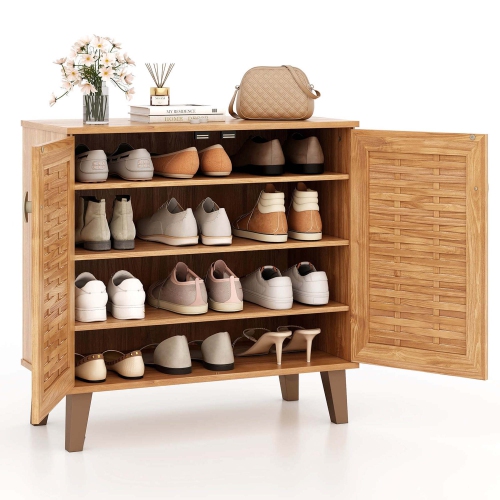
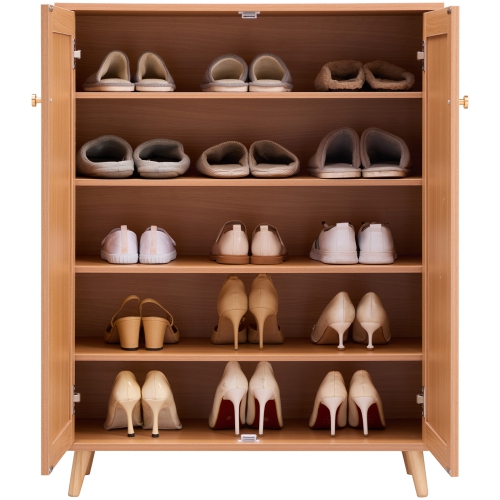
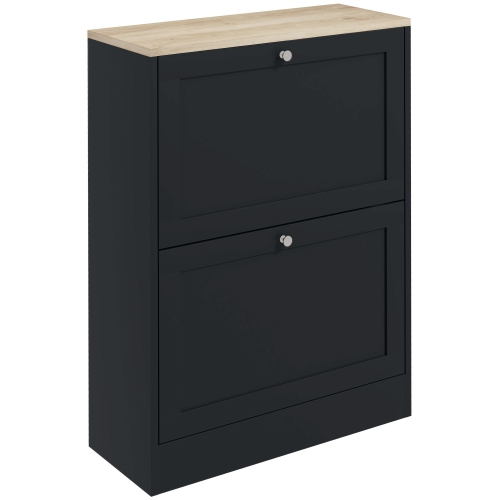
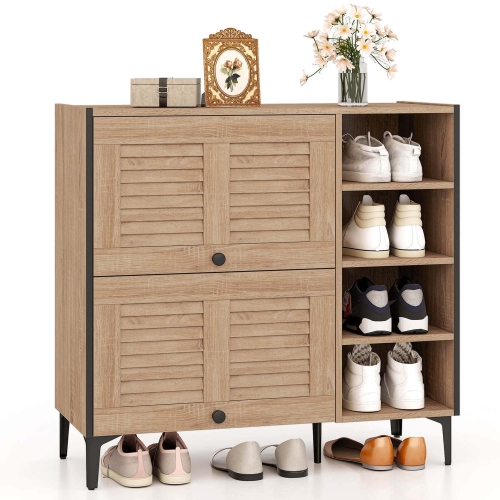
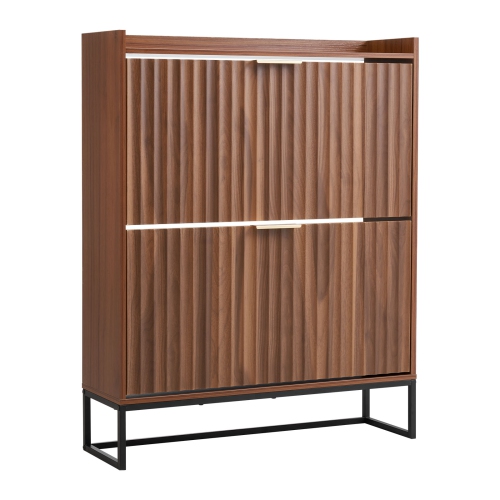
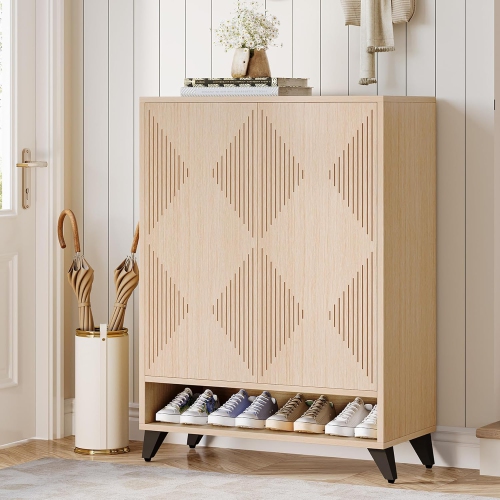
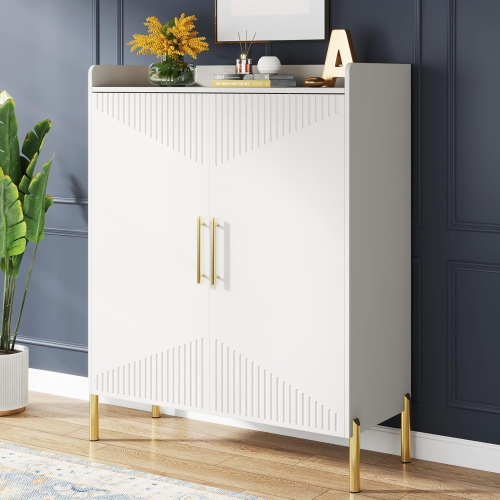
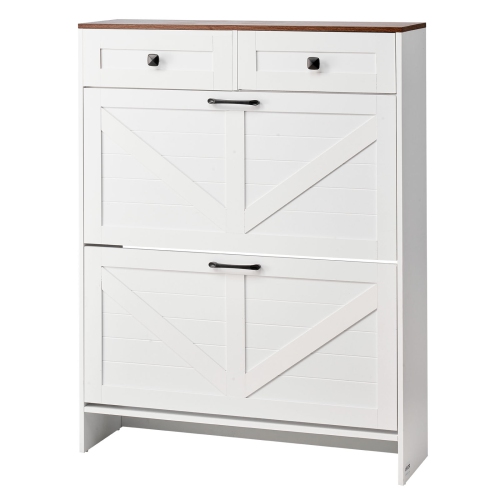
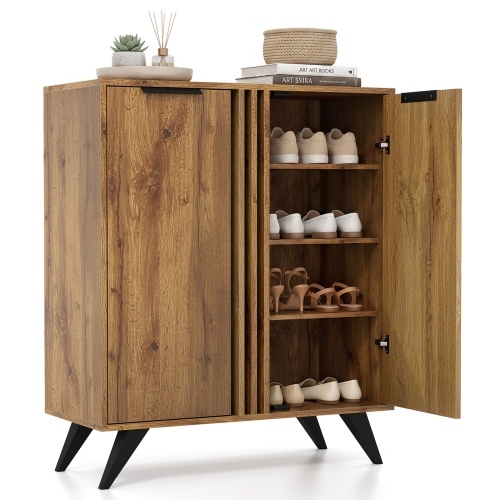
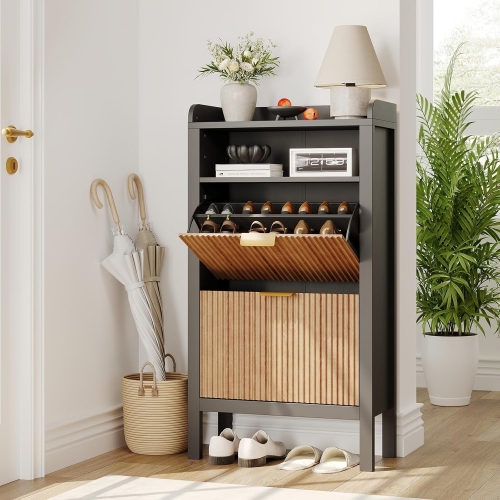
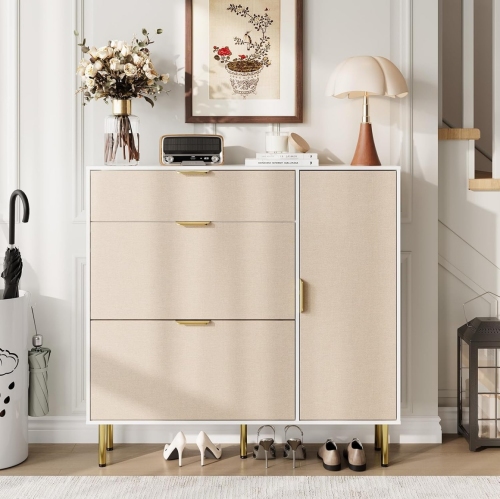
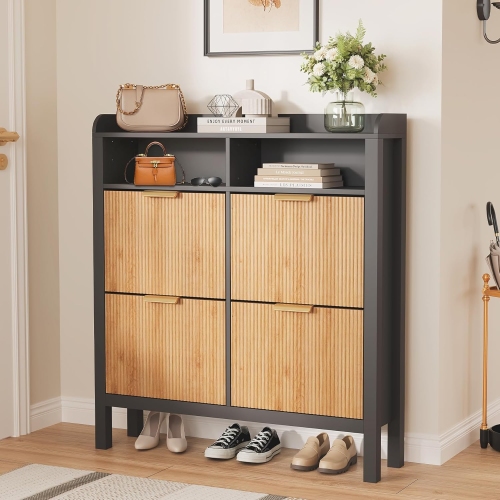
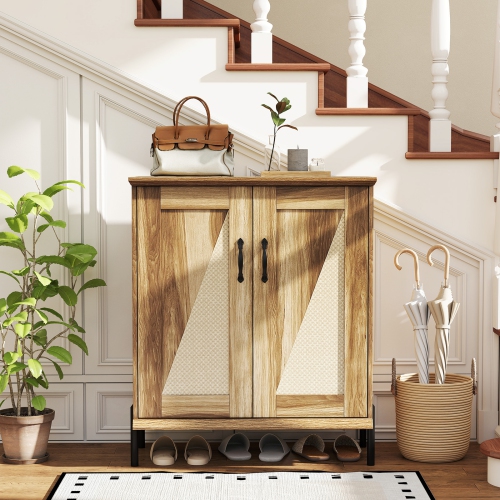
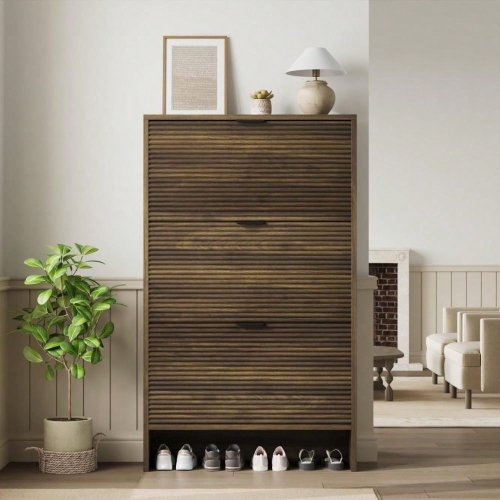
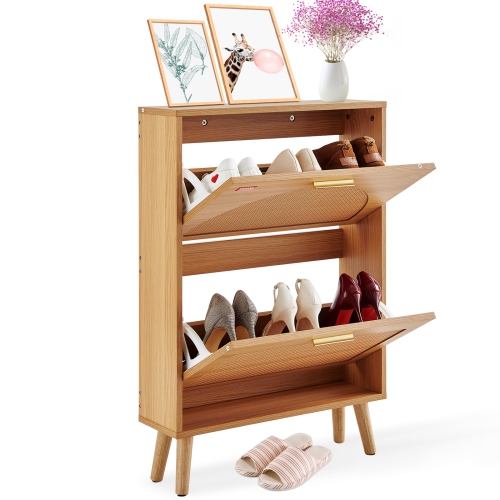
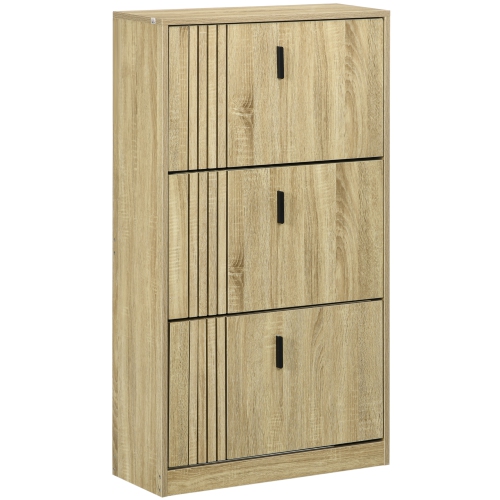
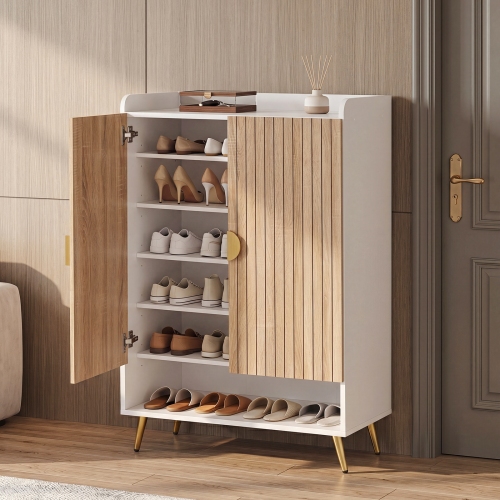
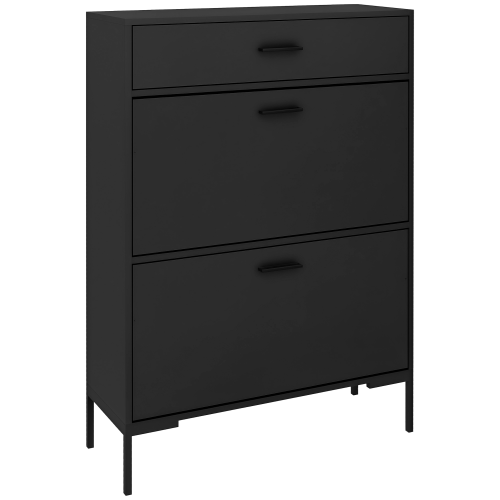
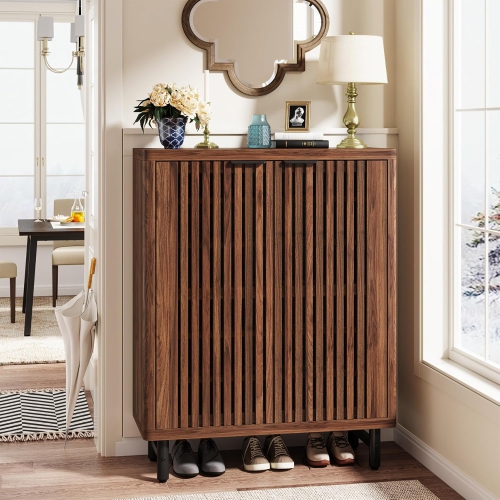
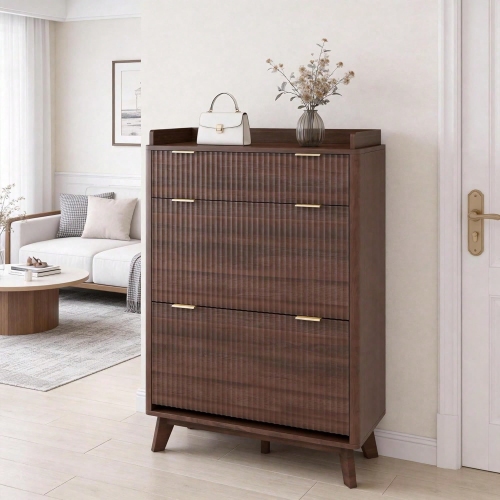
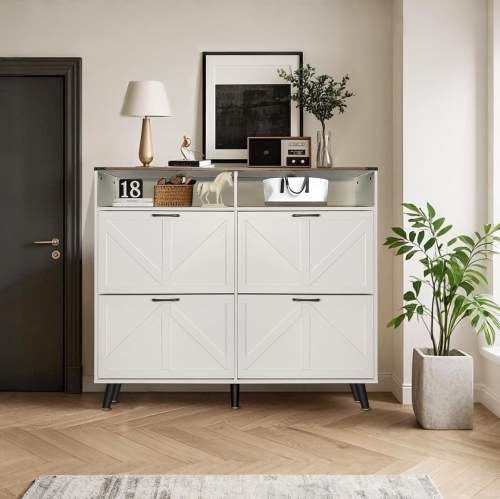
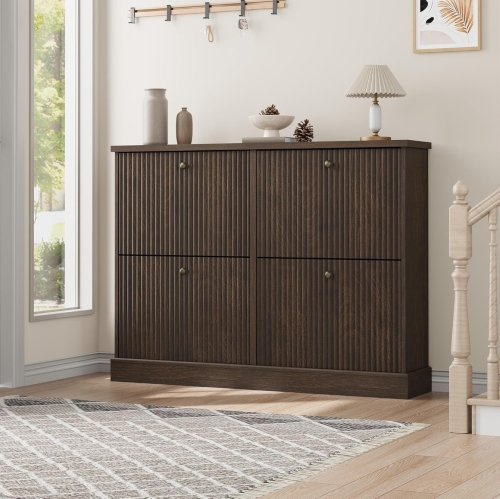
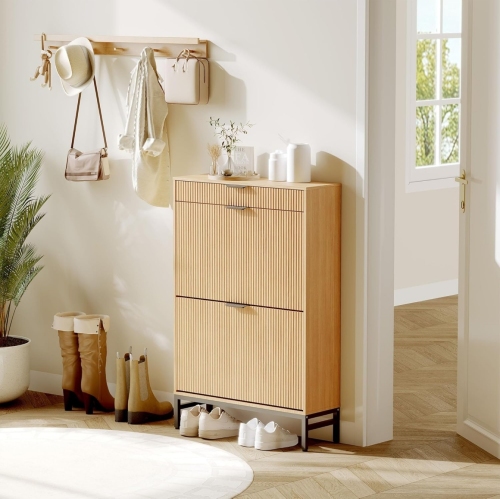
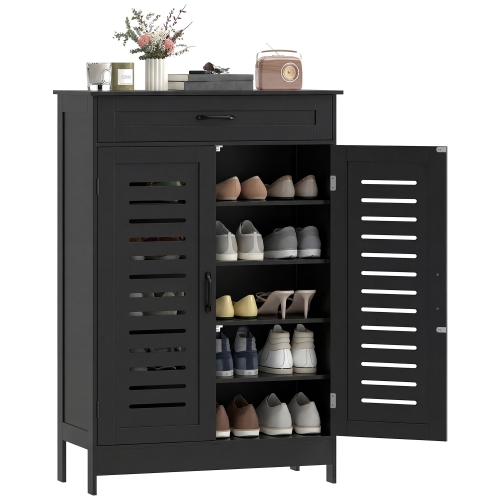
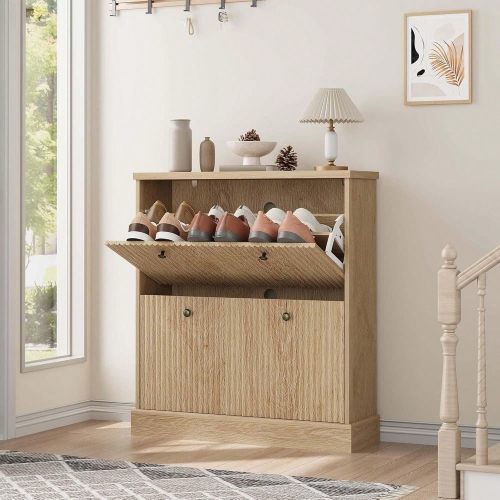
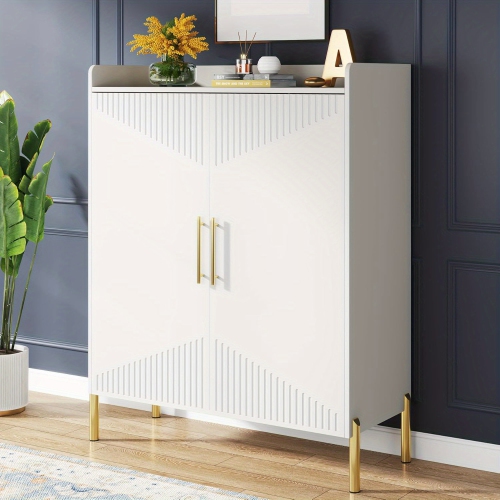
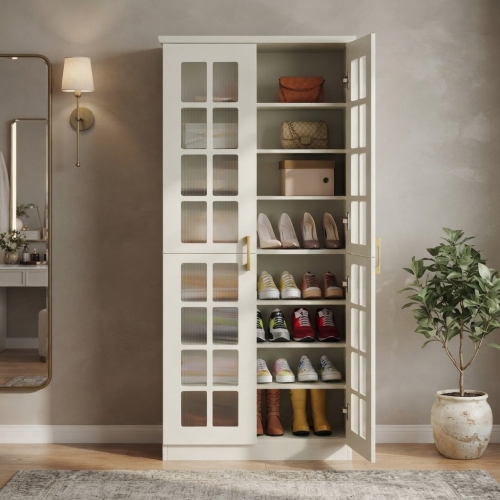
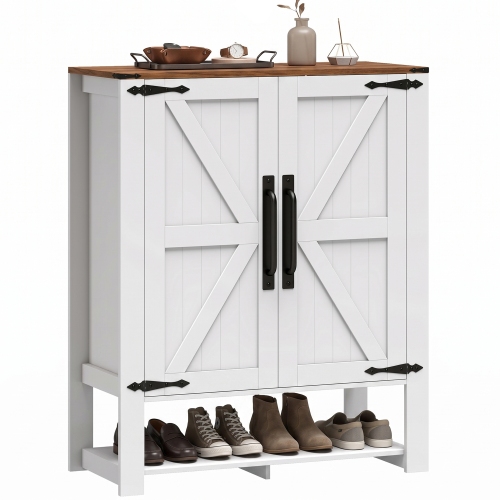
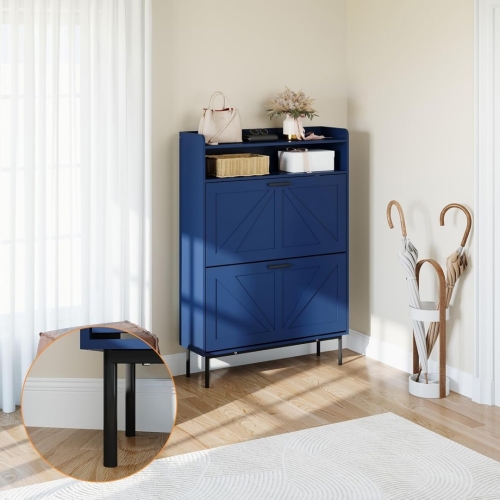
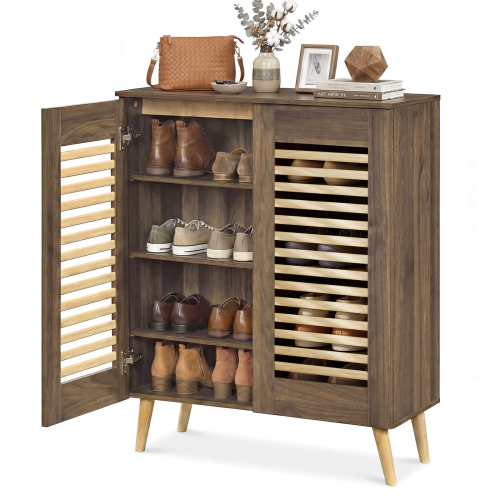
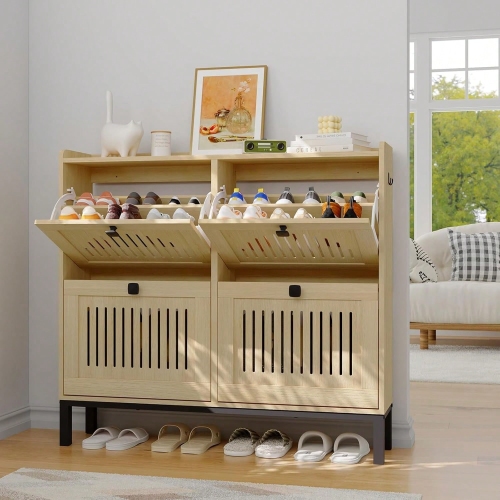
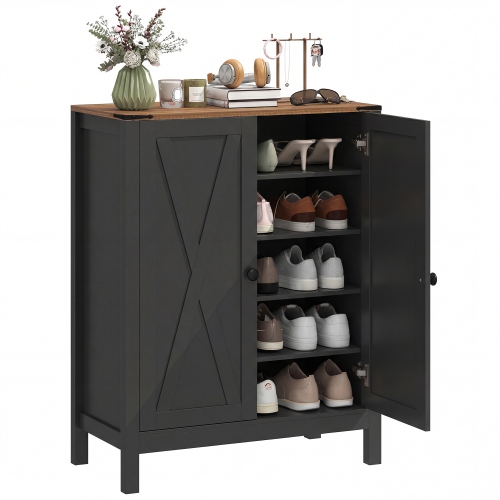
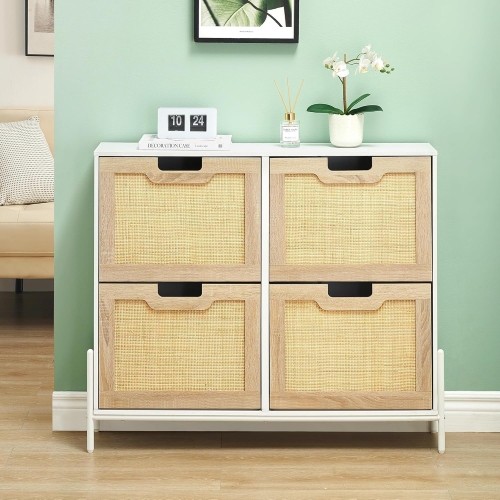
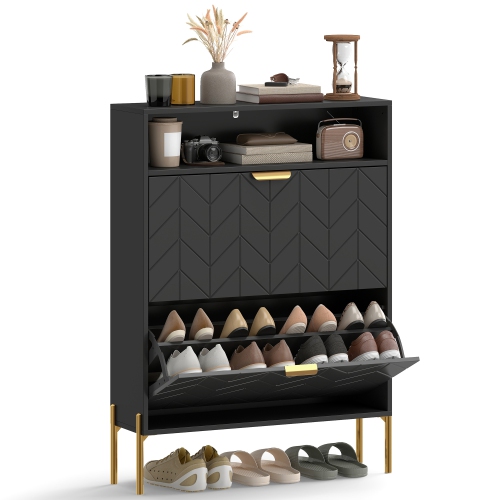
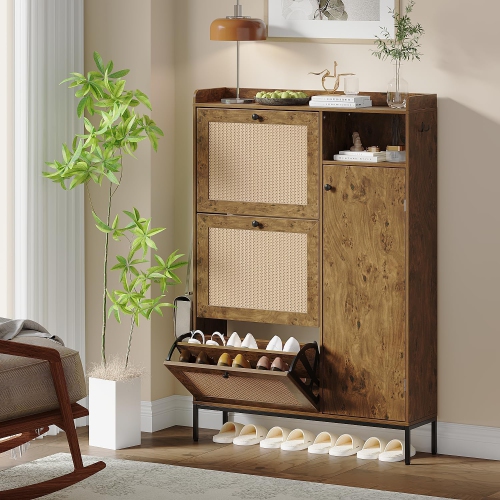
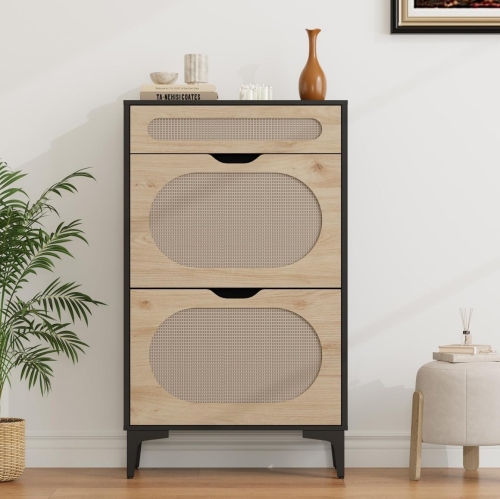
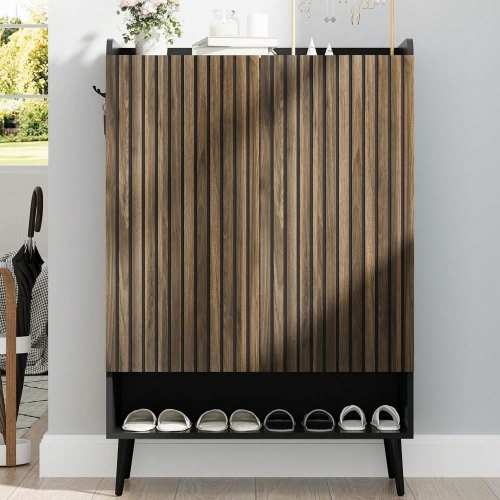
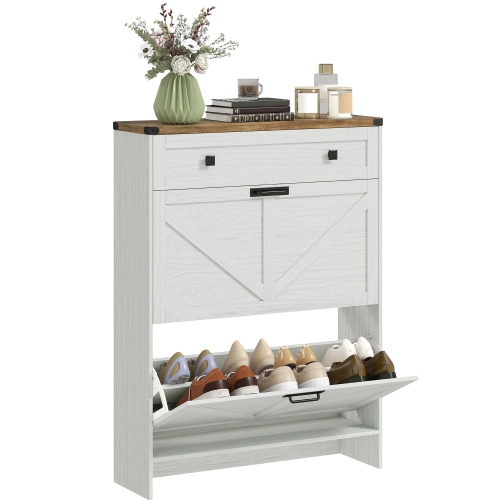
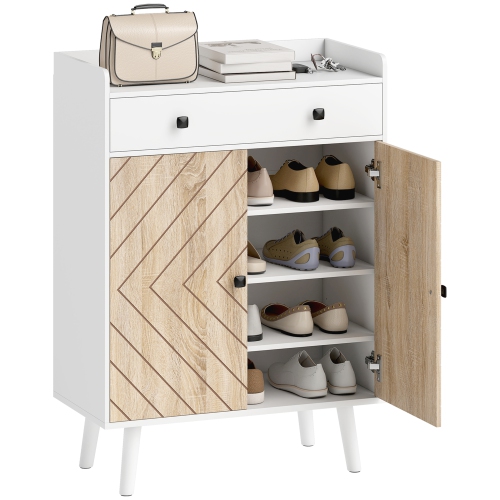
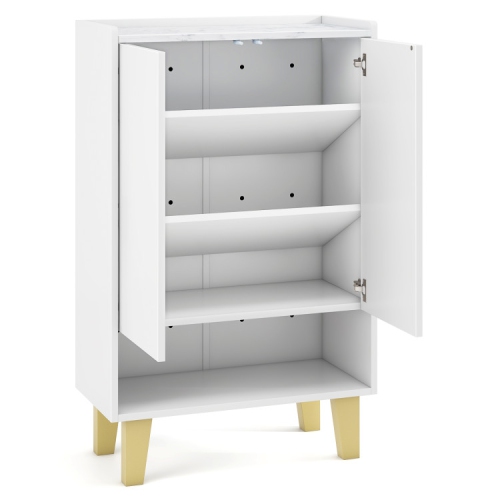
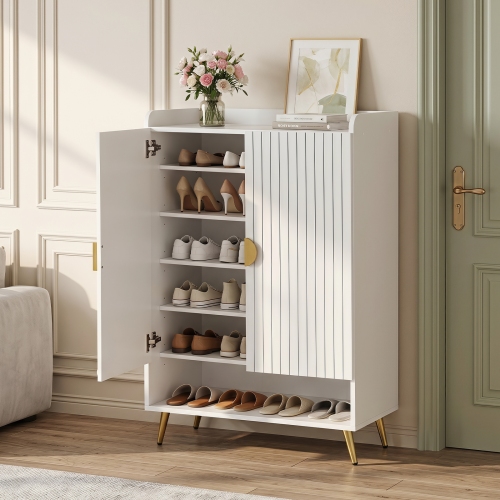
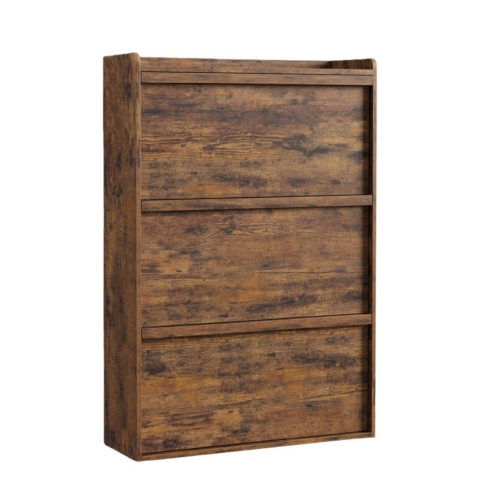
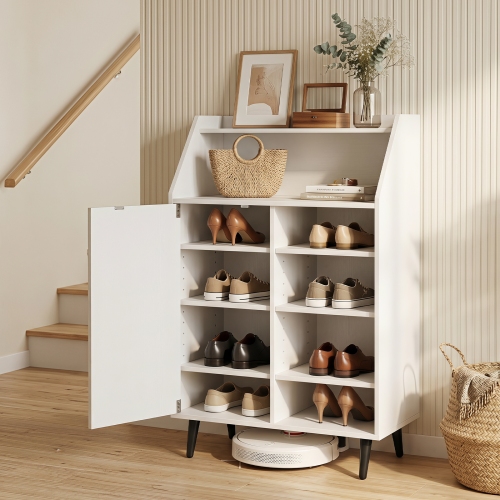
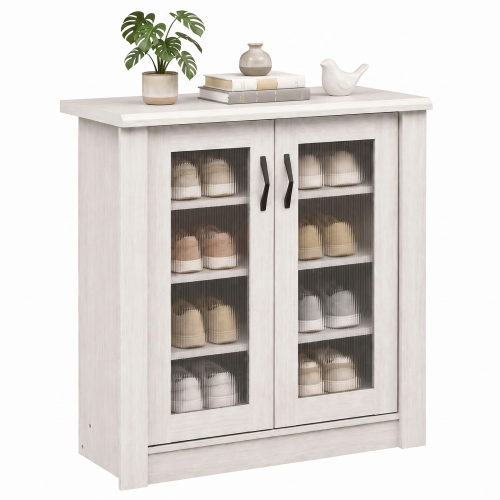
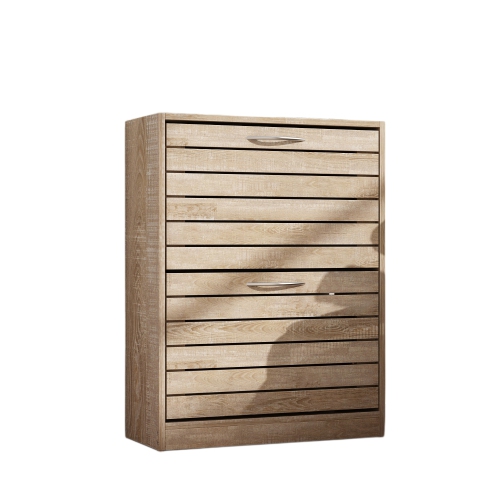
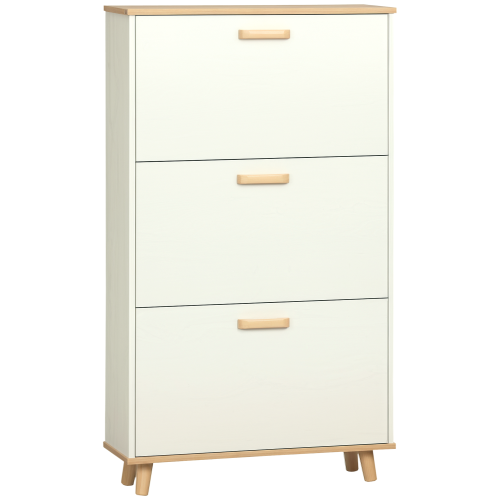
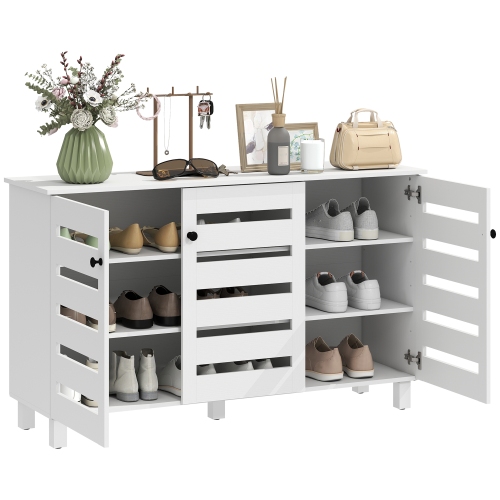
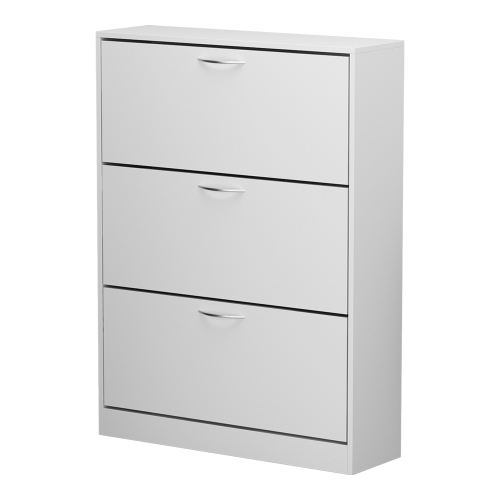
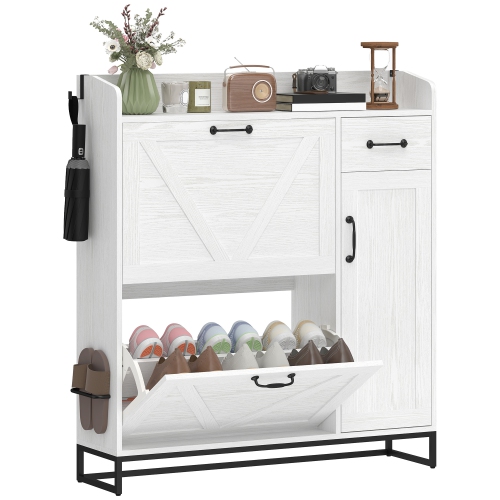
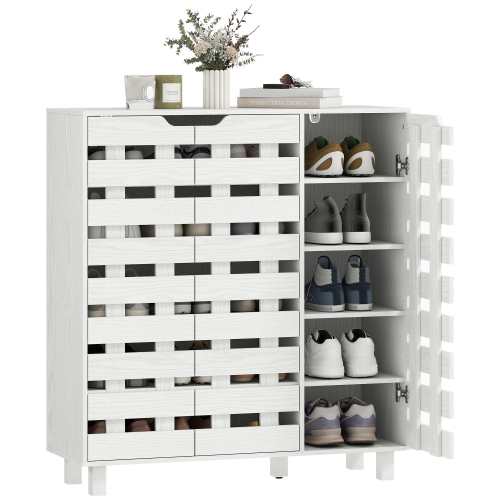
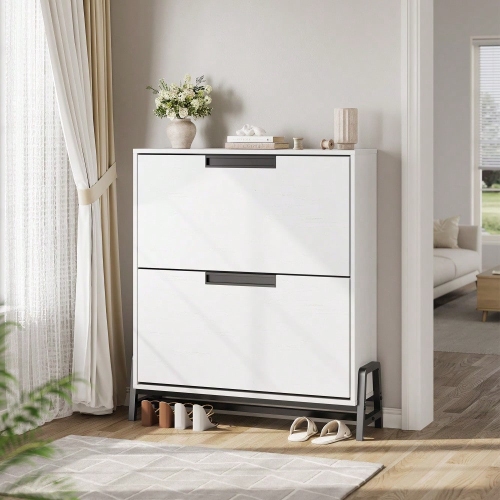
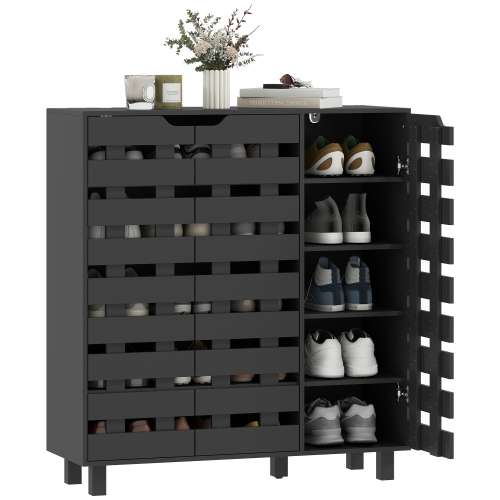
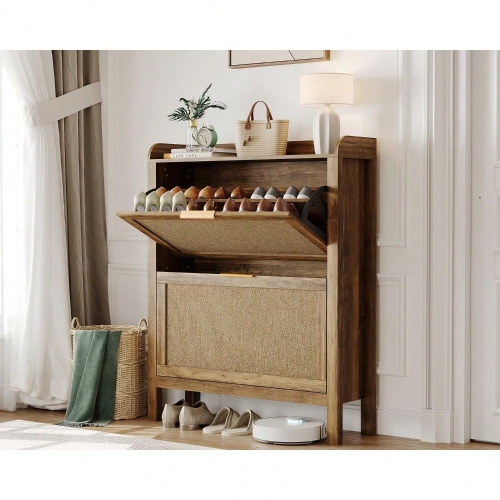
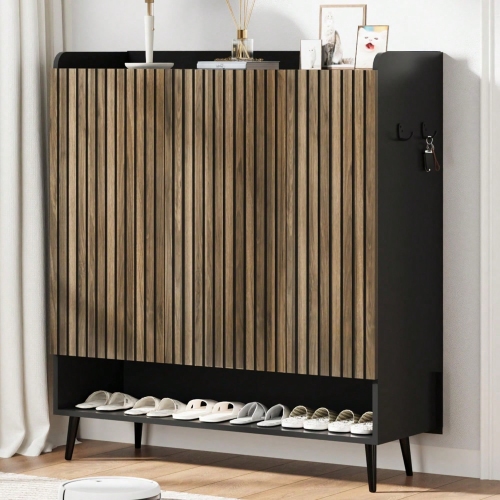
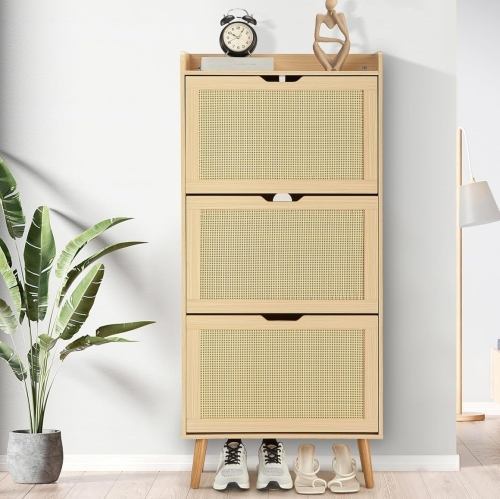
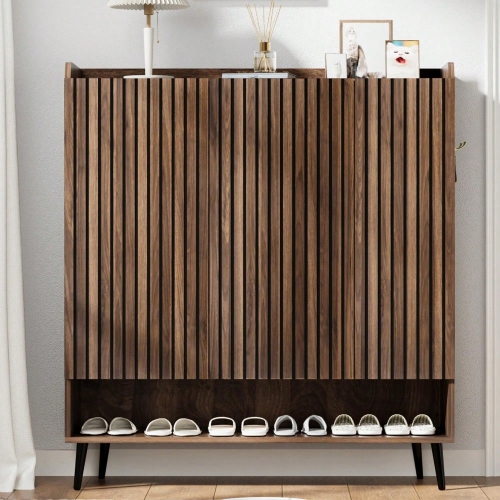
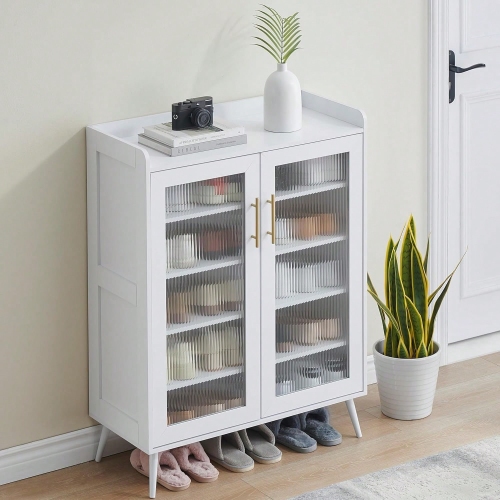
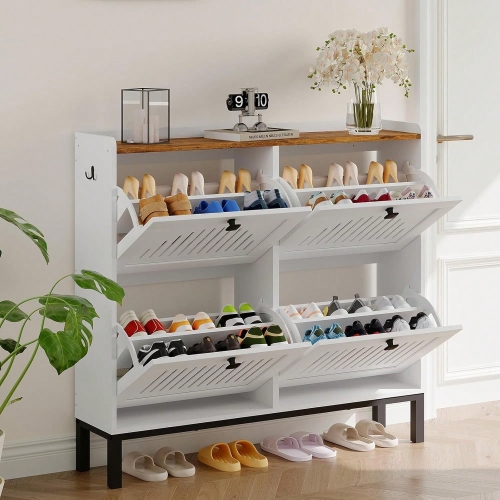
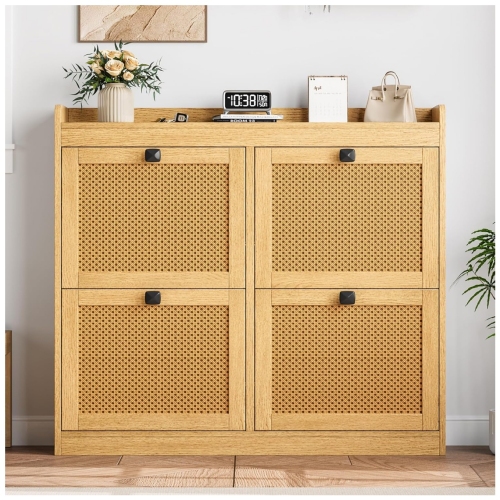
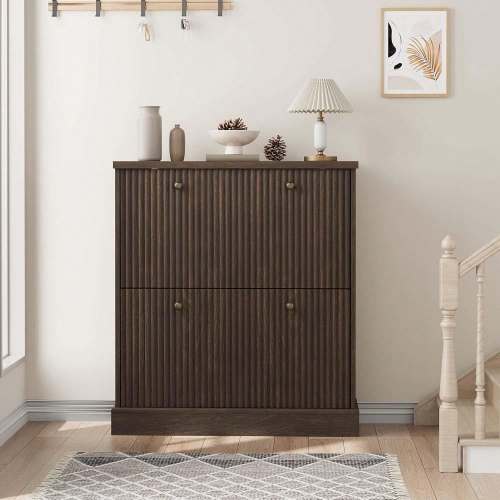
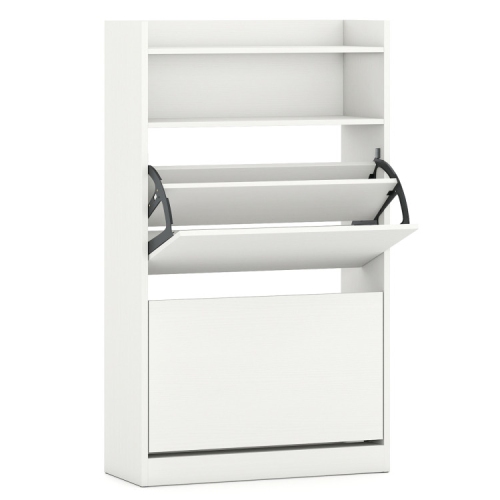
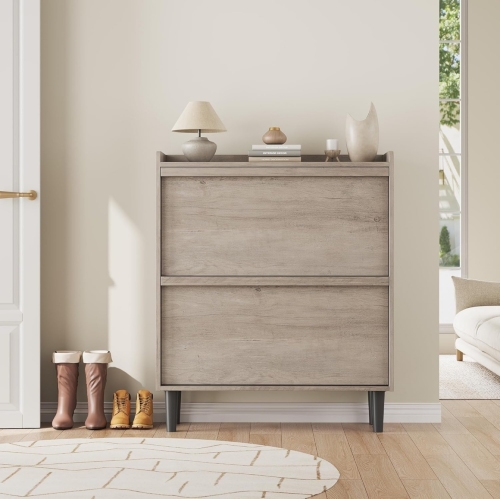
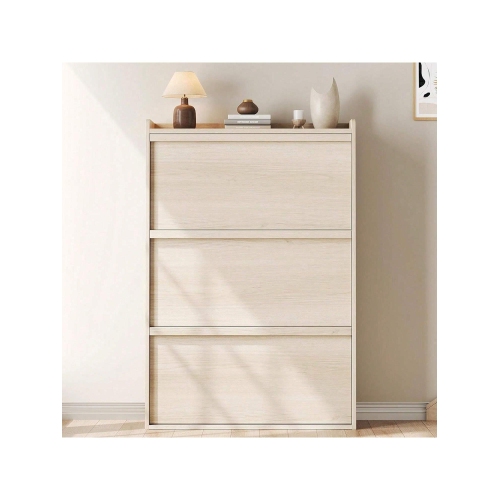
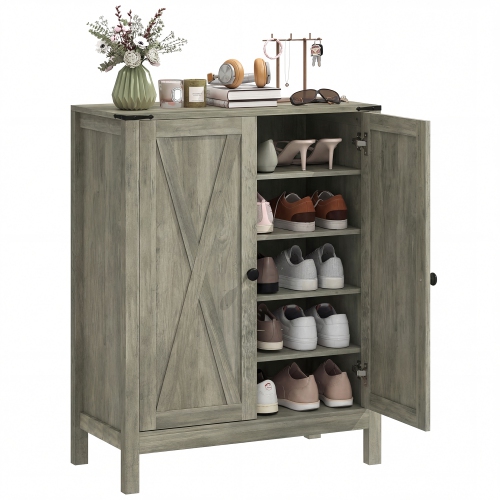
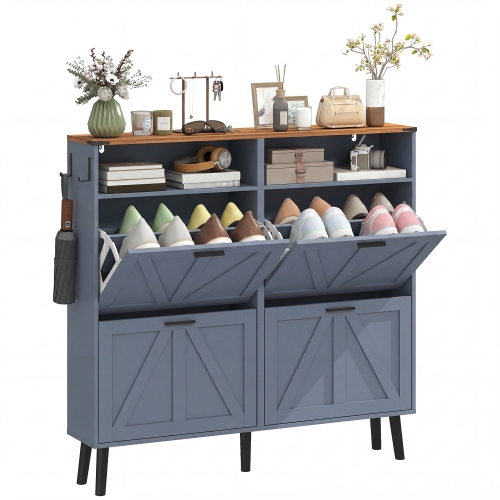
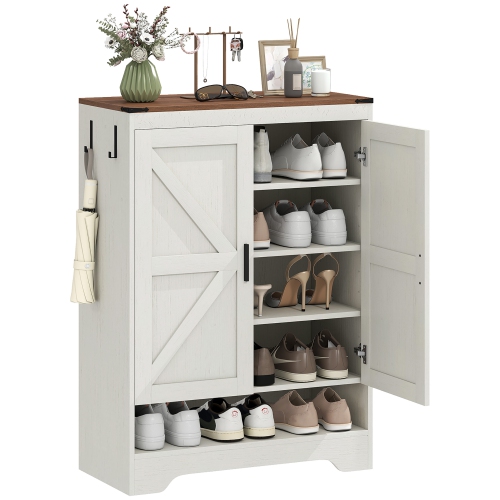
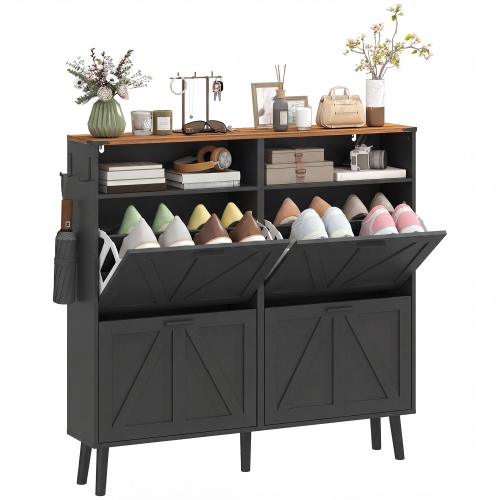
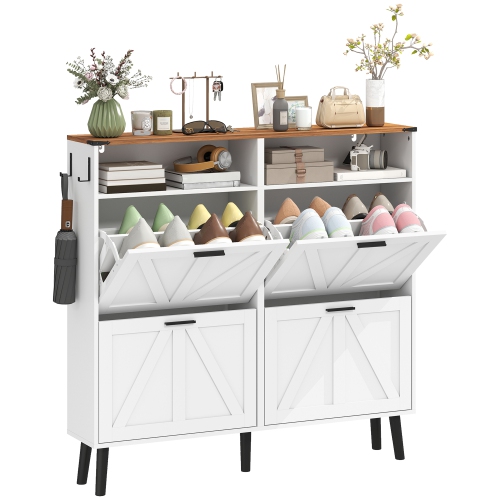
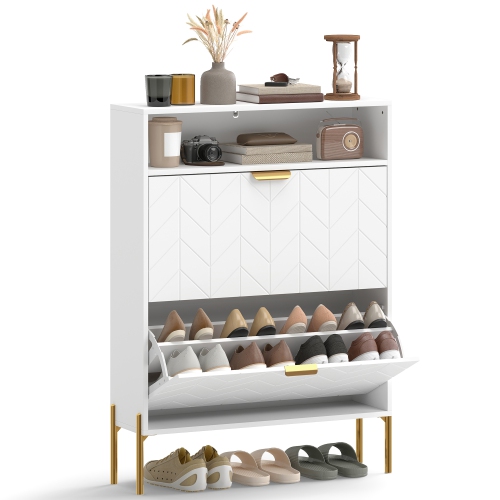
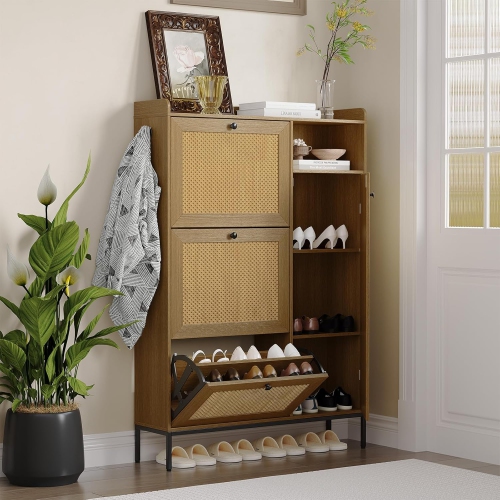
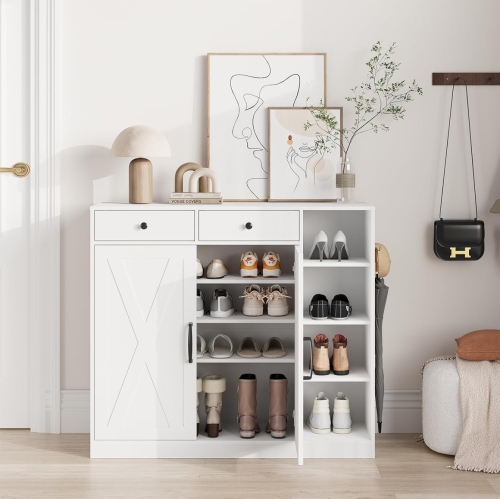
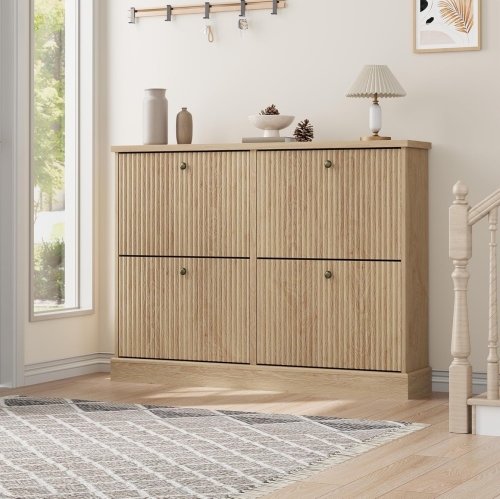
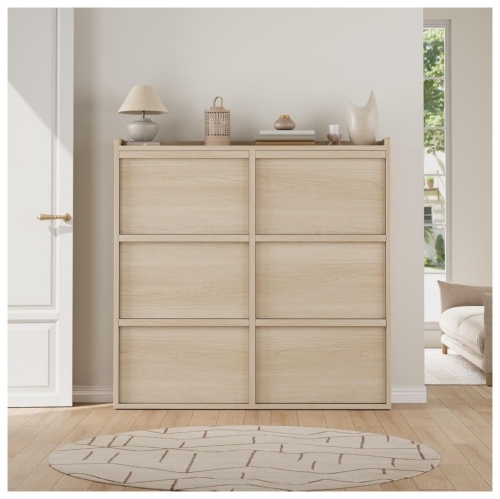
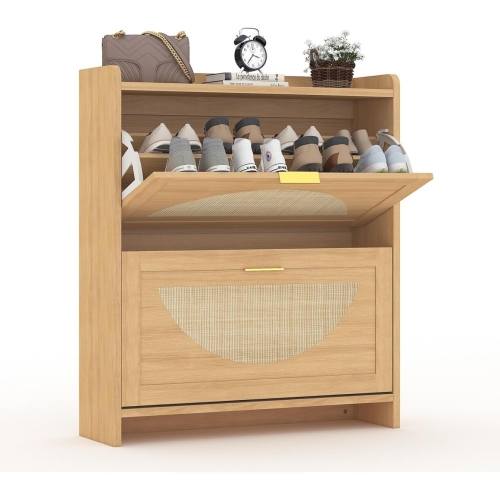
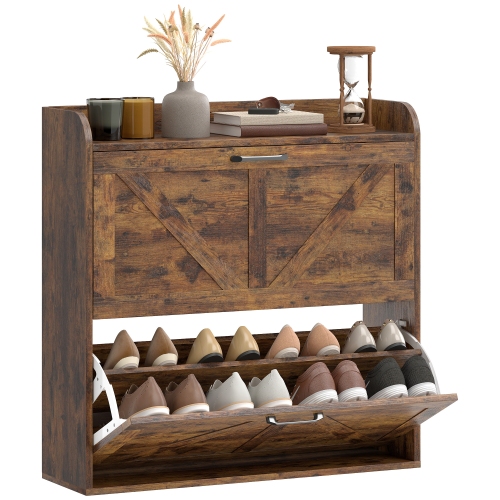
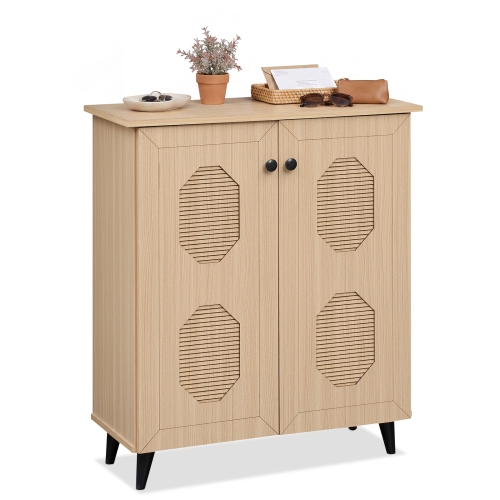
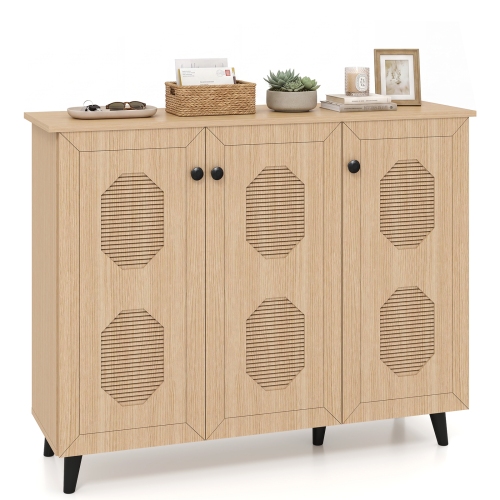
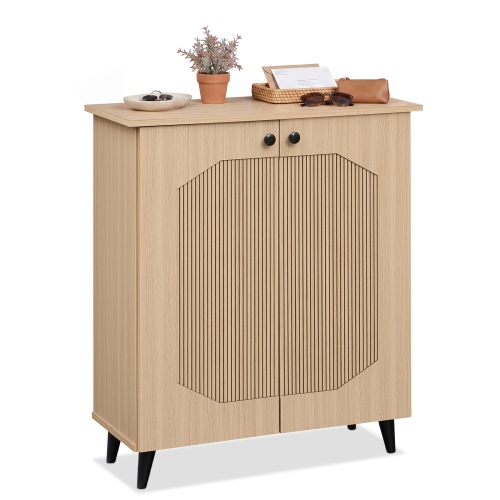
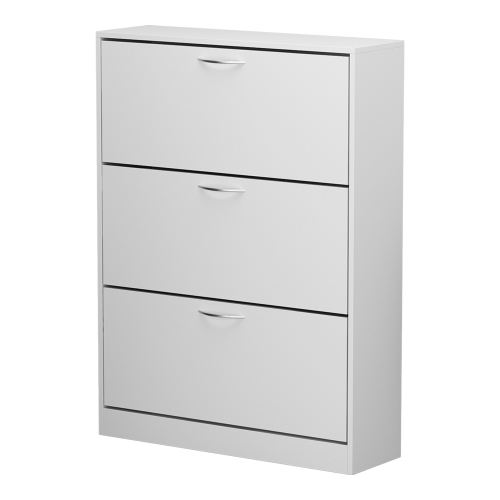
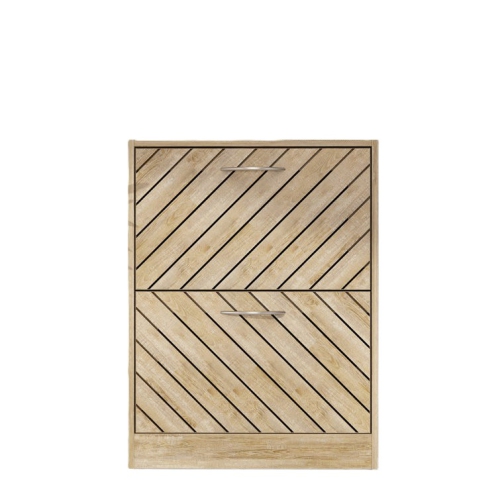
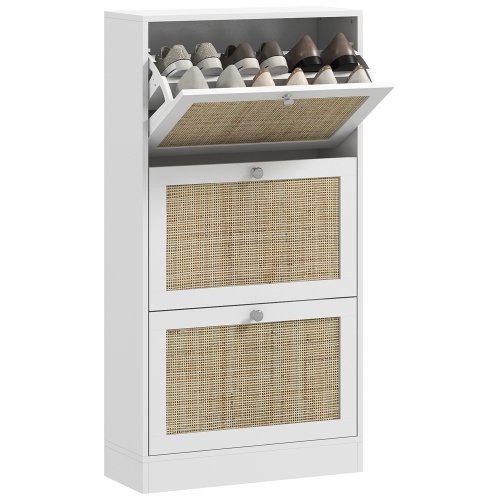
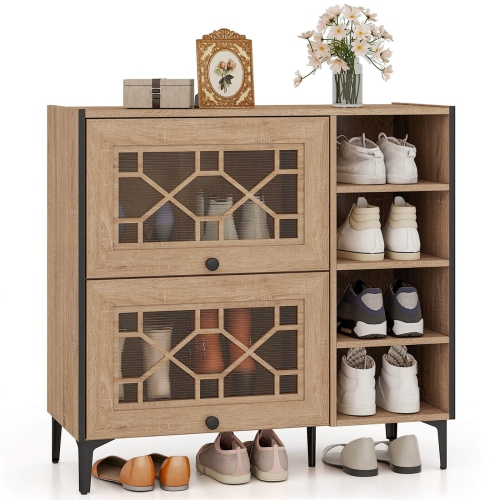
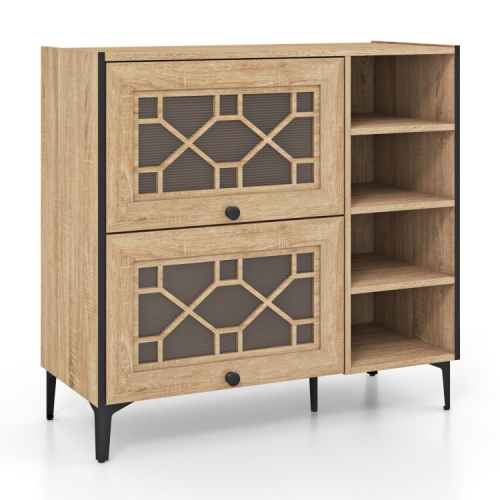
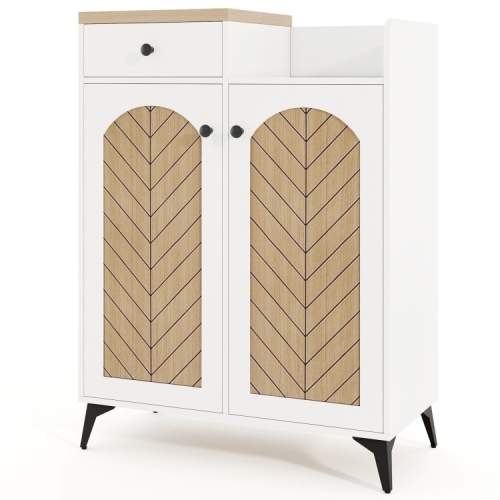
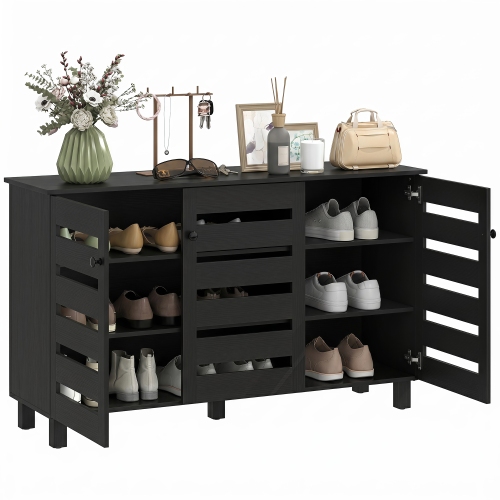
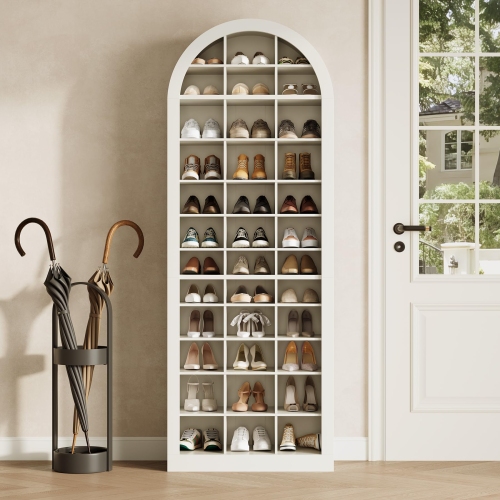
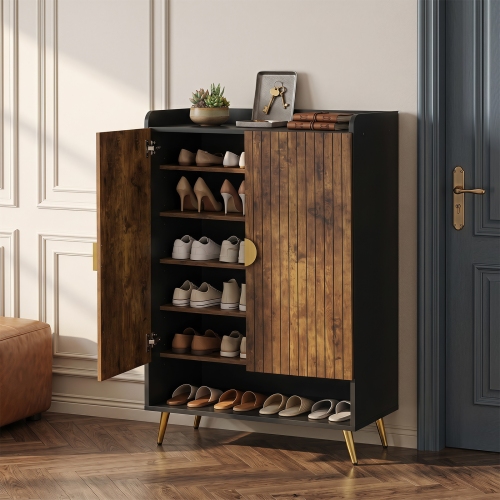
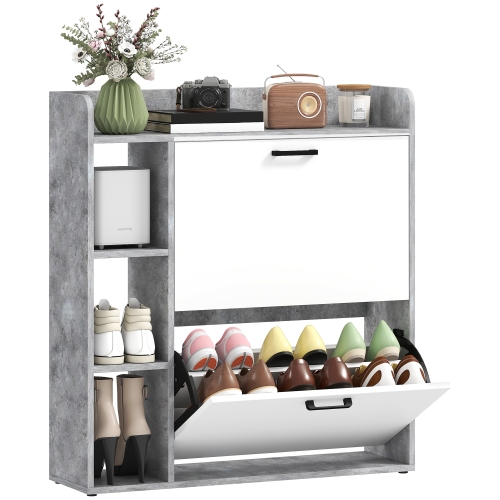
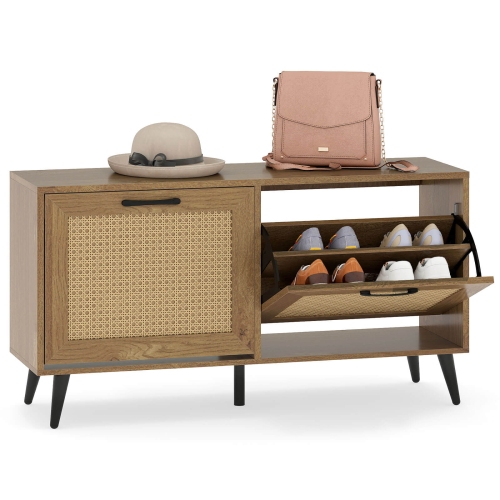
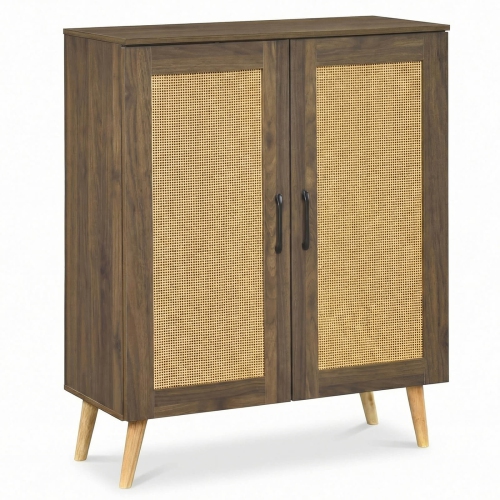
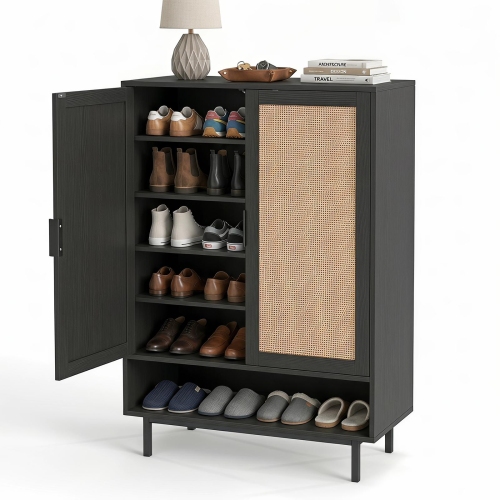
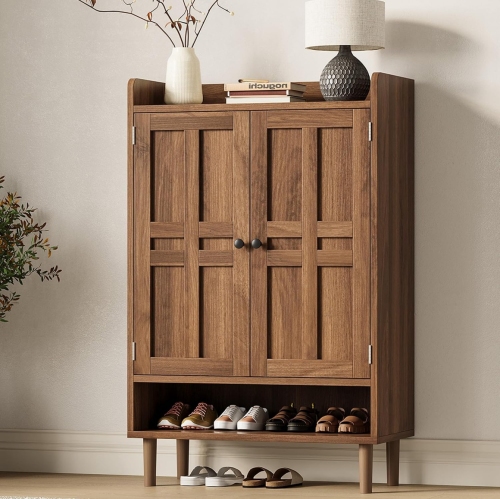
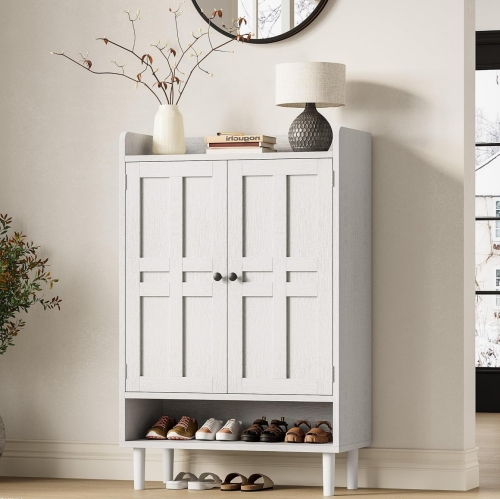
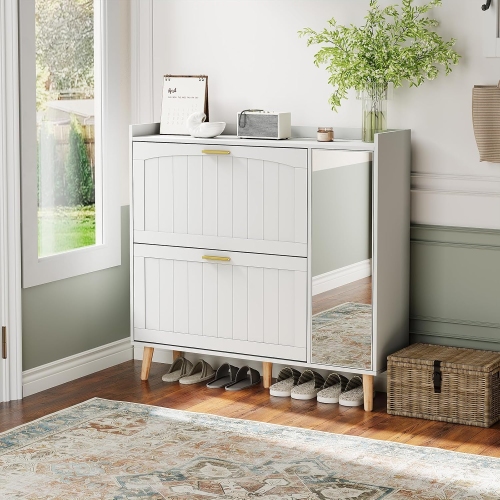
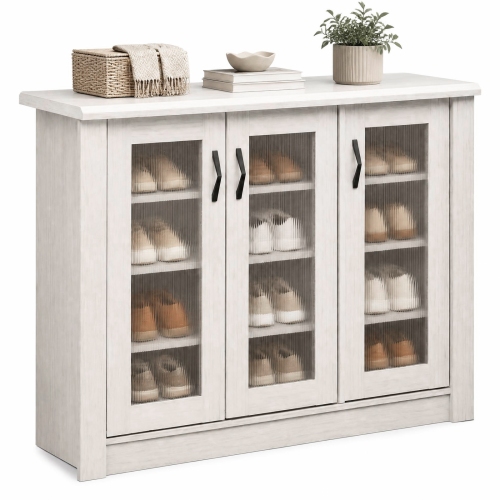
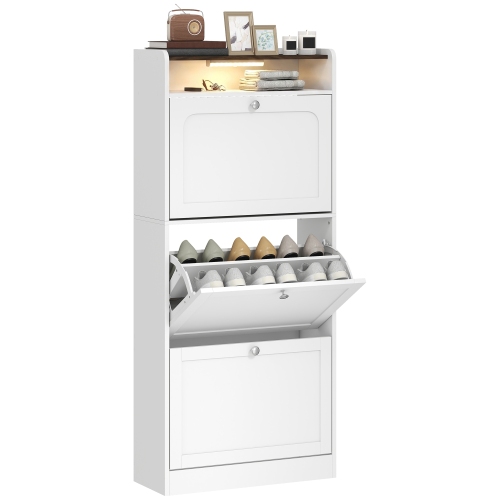
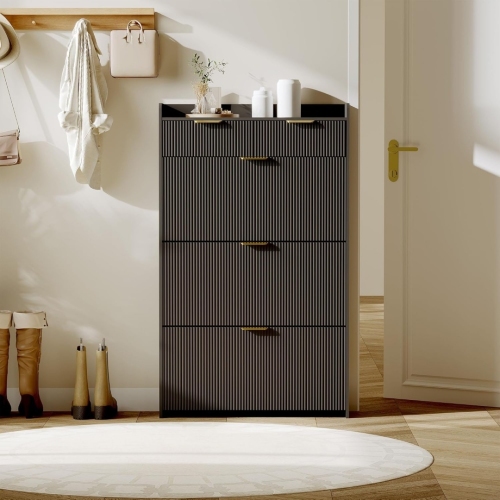
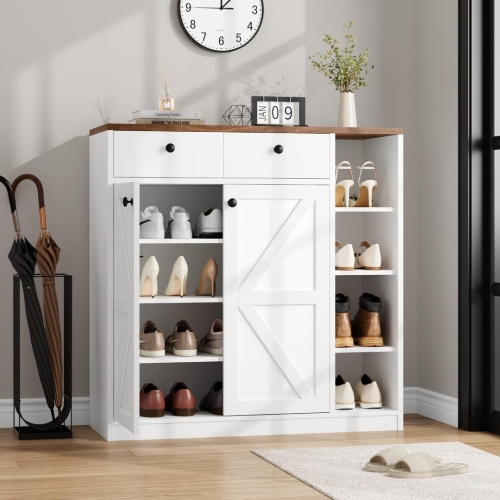
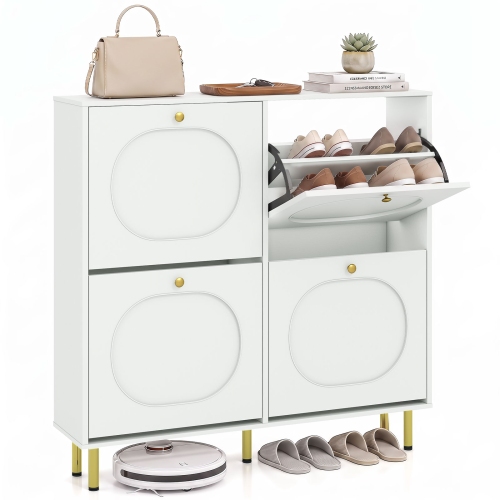
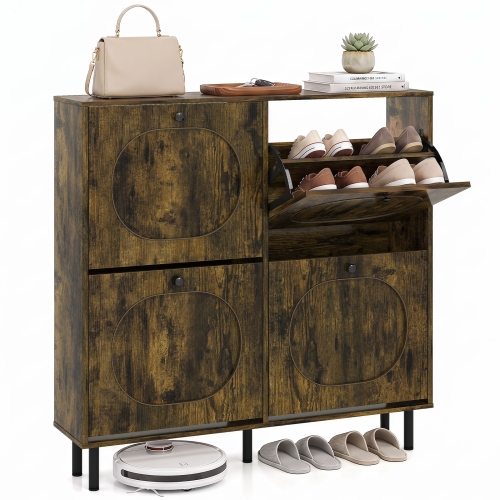
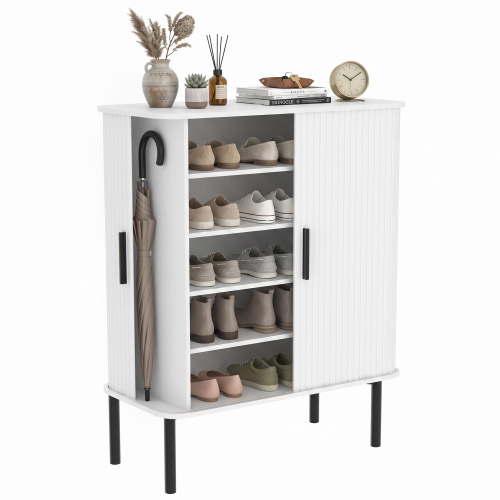
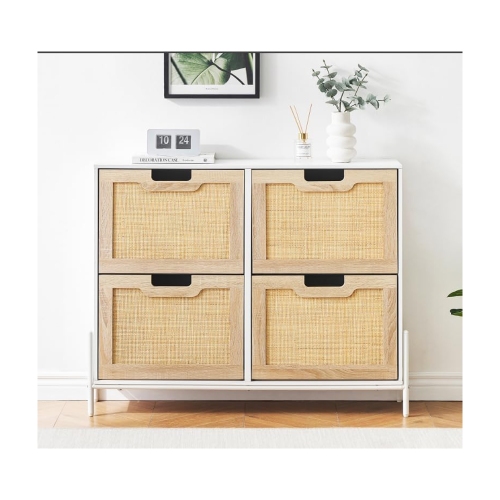
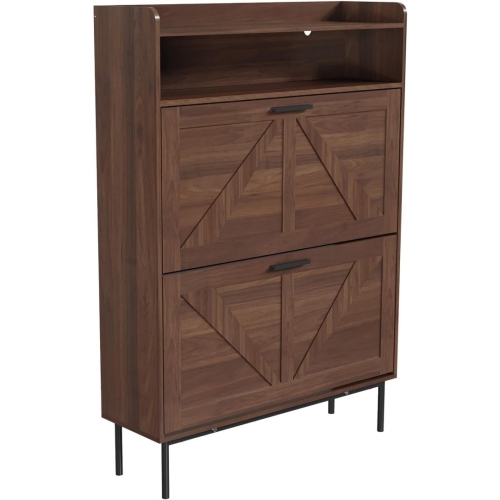
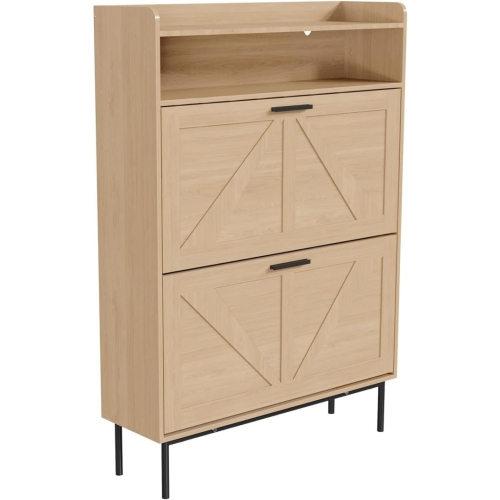
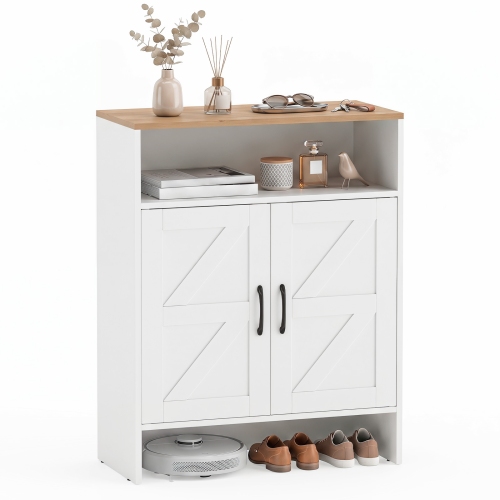
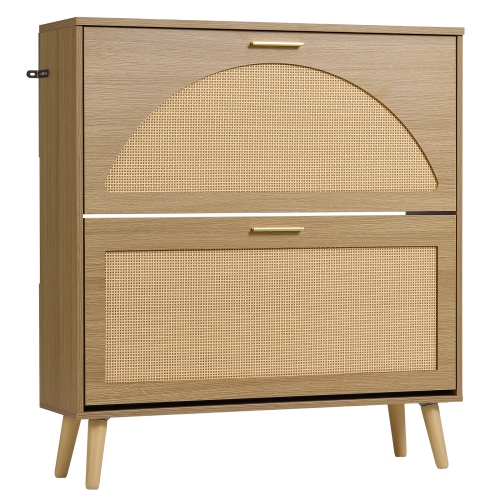
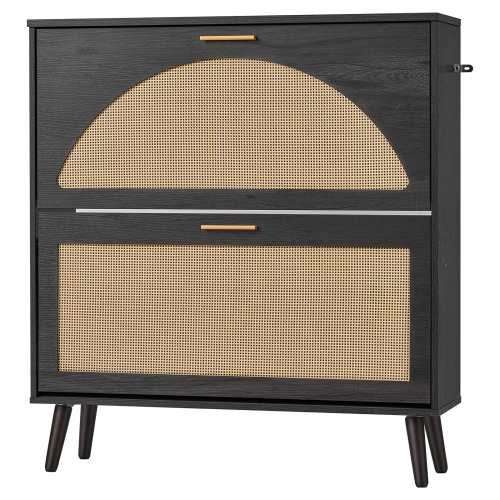
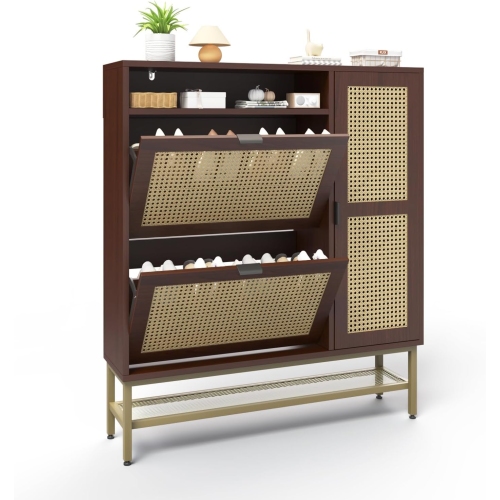
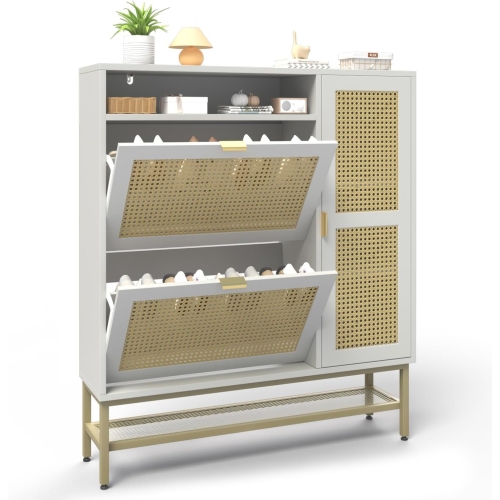
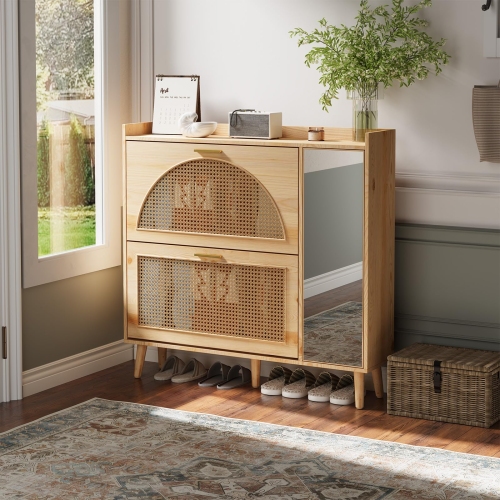
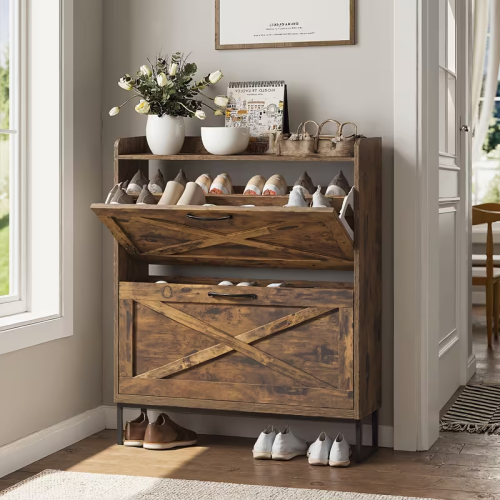
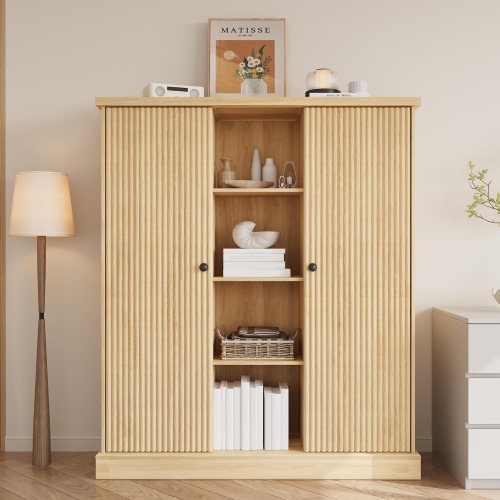
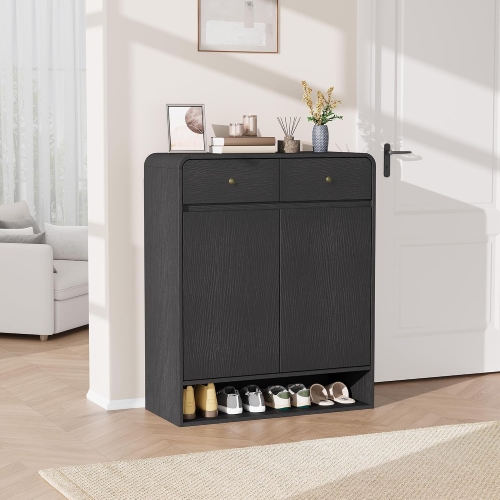
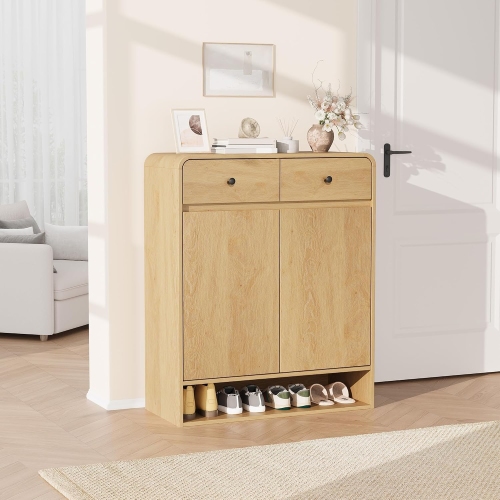
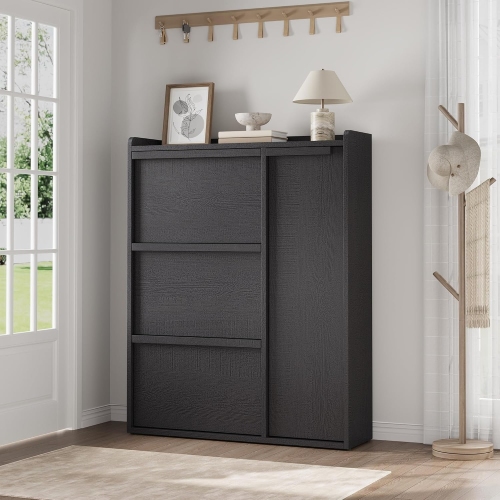
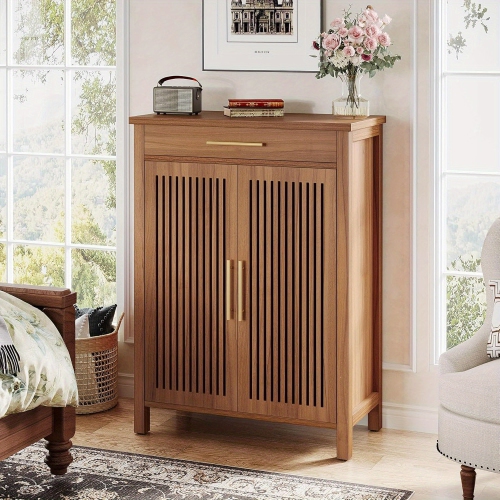
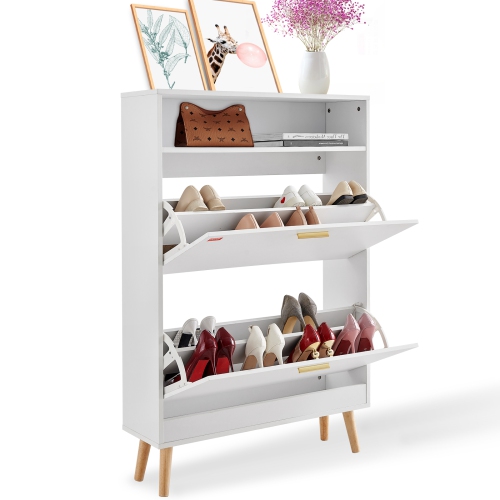
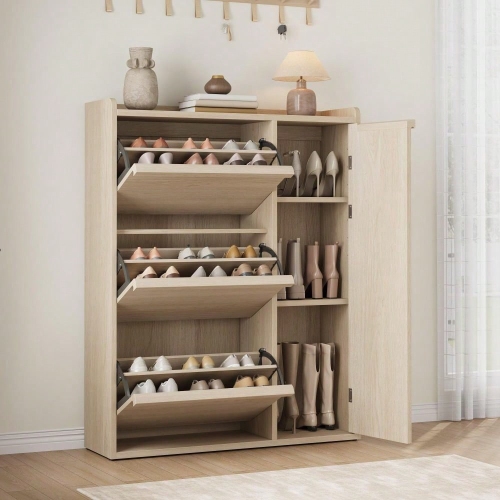
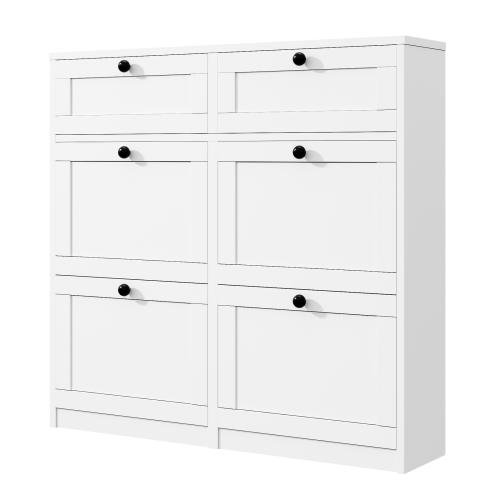
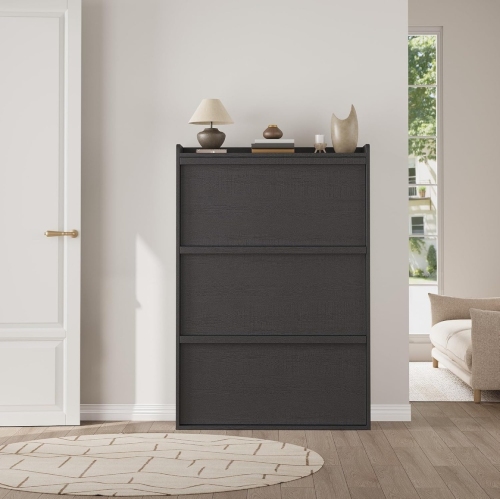
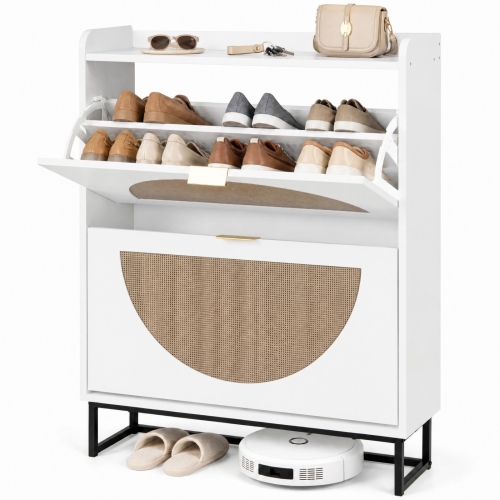
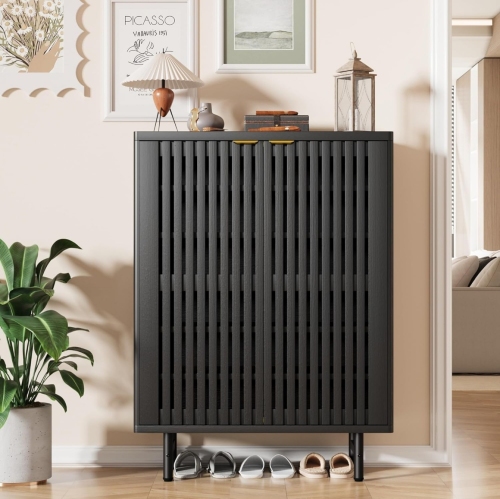
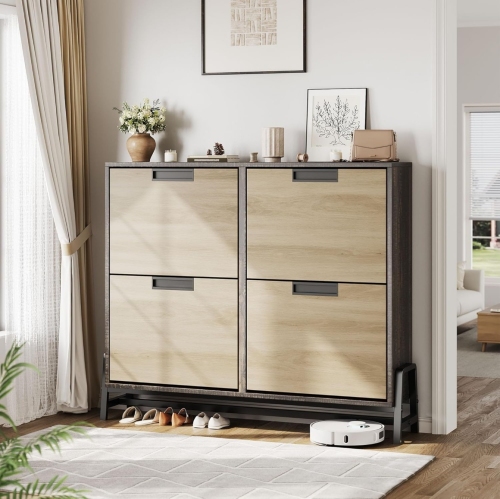
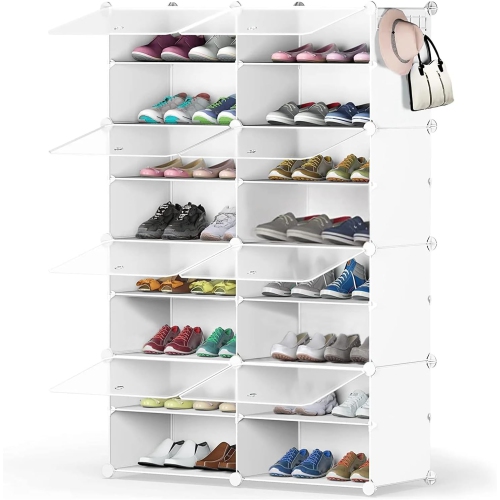
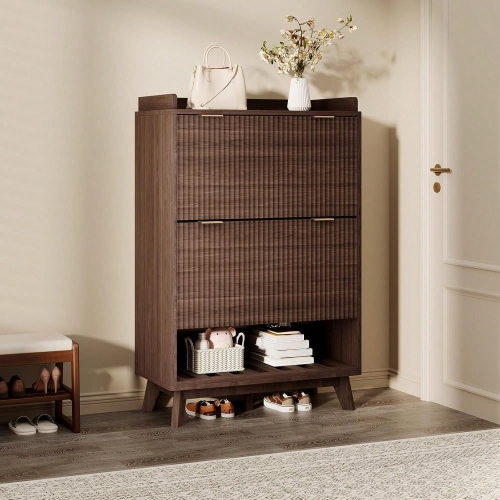
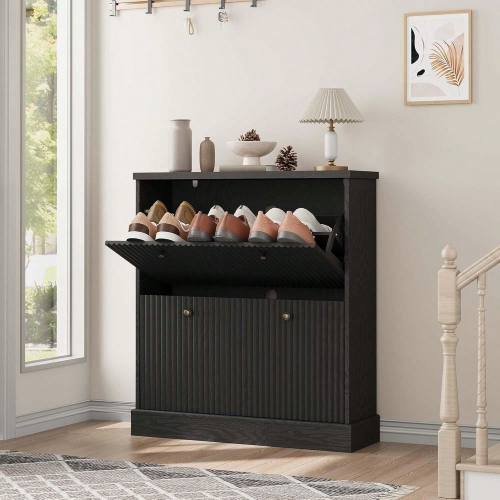
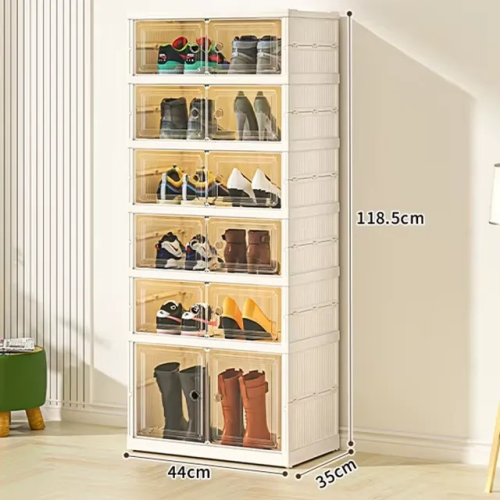
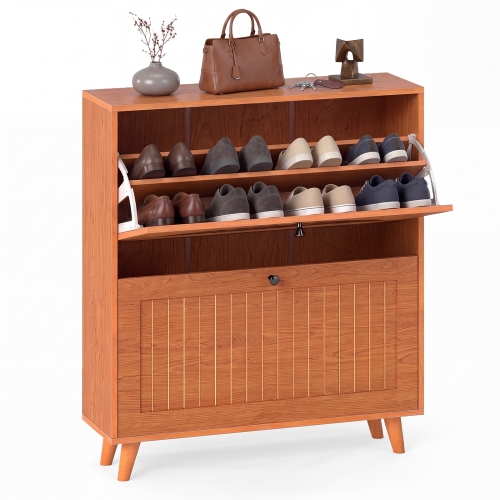
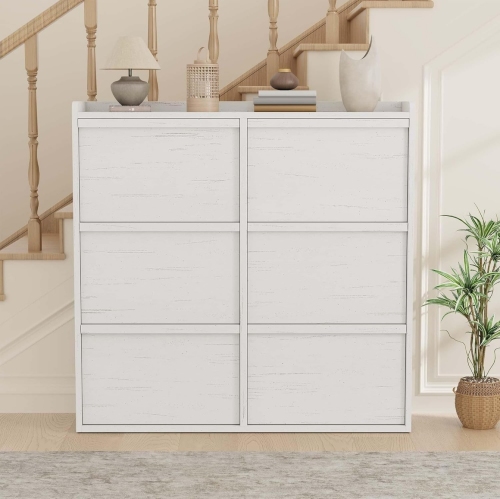
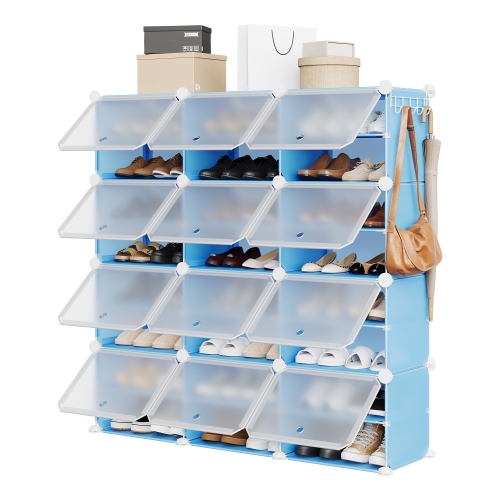
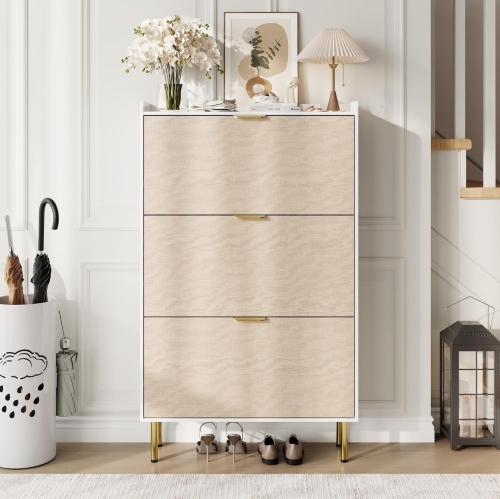
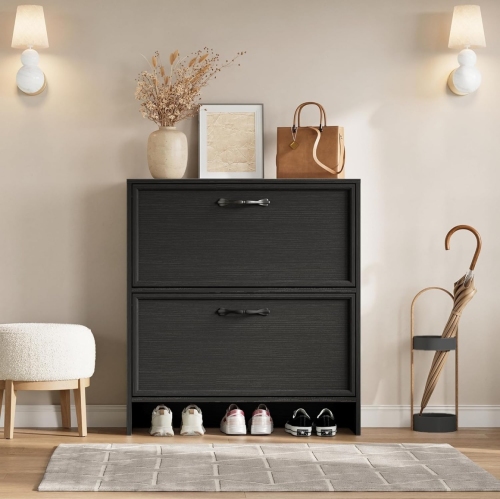
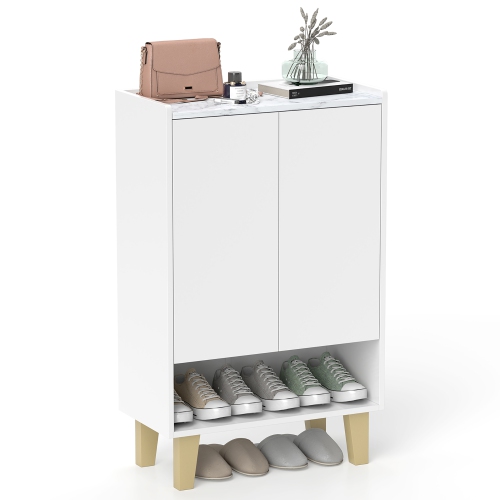
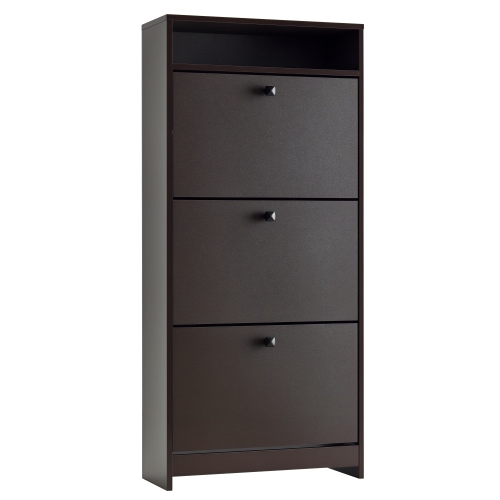
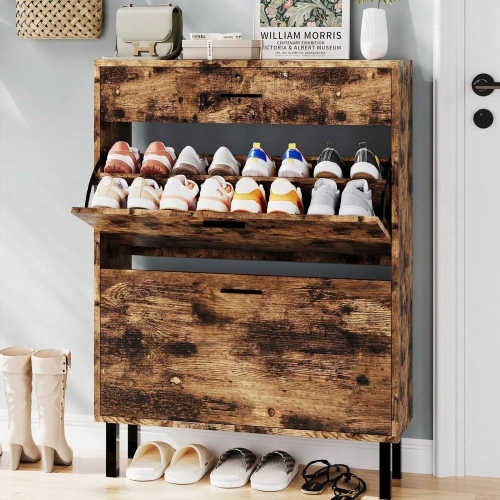
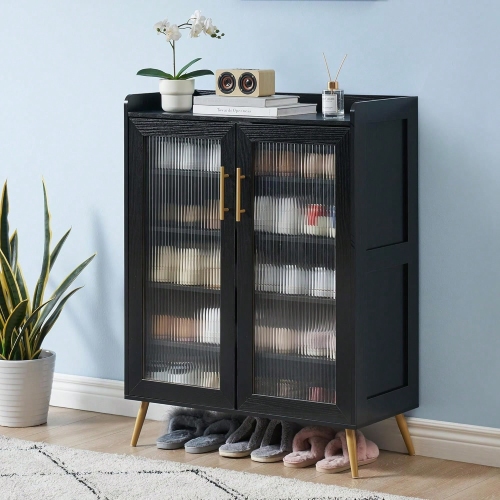
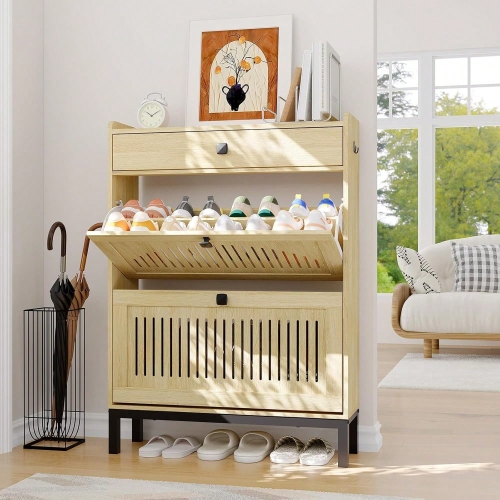
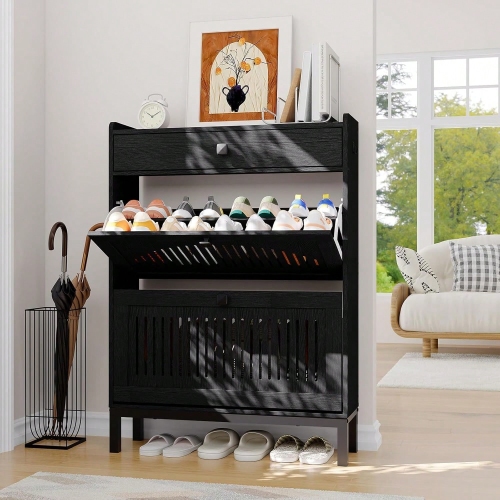
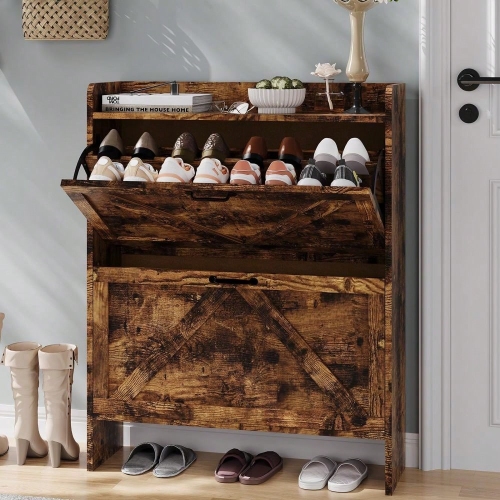
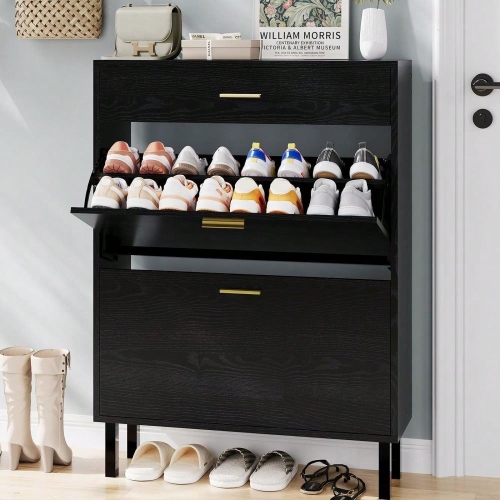
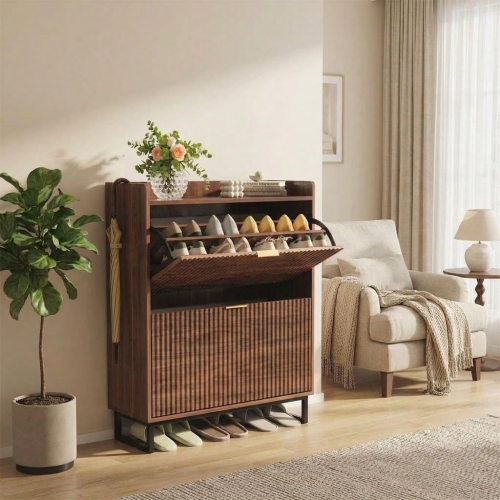
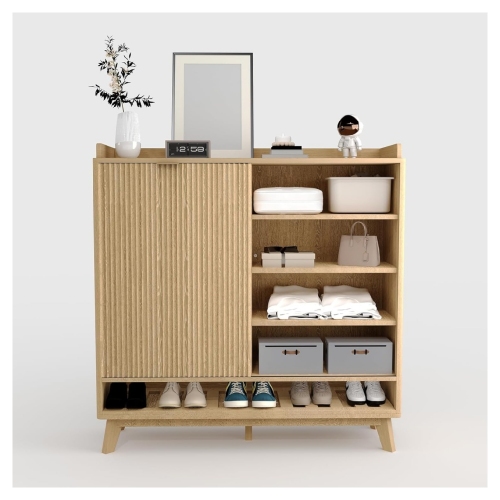
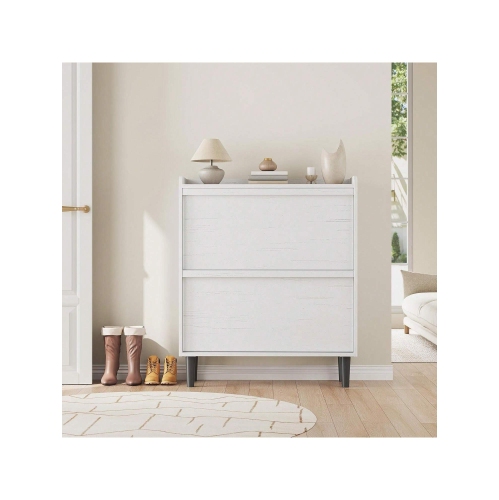
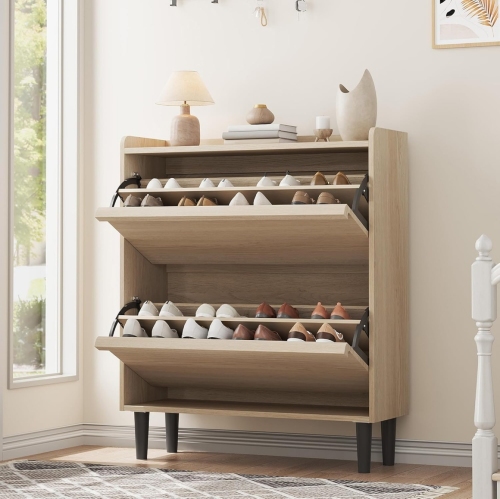
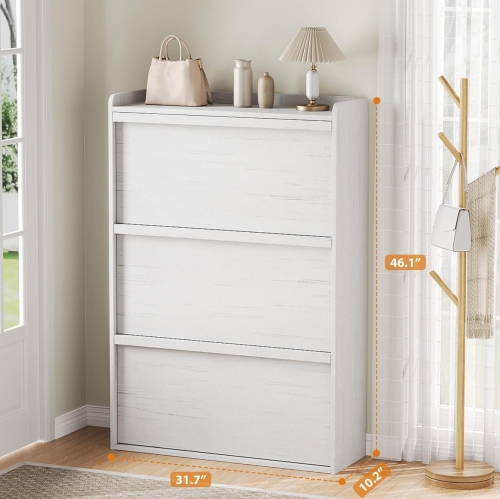
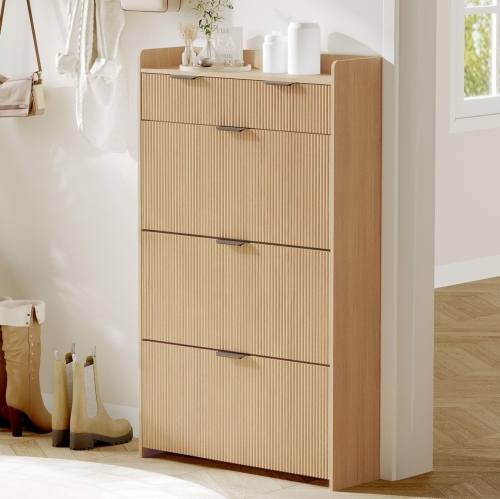
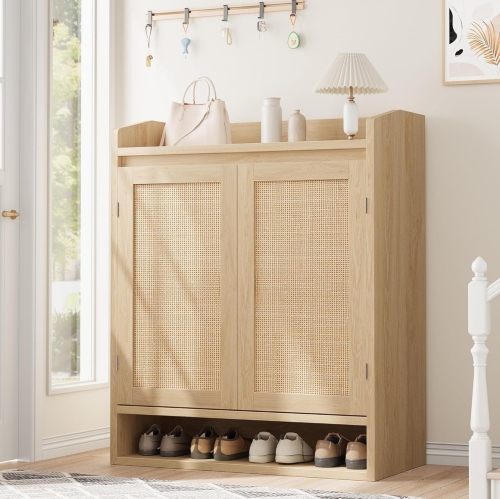
Decorative shoe storage cabinets combine enclosed footwear storage with the finished appearance of accent furniture, helping entryways, hallways, and other shared spaces feel orderly without putting every pair on display. Doors or tilt-out fronts conceal shoes, while details such as panelled surfaces, textured fronts, distinctive handles, and furniture-style legs allow the cabinet to complement the room around it. In a compact condo entrance, a shallow cabinet can keep frequently worn footwear together without taking up the floor space of a deep cupboard. In a larger home, a wider cabinet can give several household members a shared place for everyday shoes while providing a surface for a small tray or decorative object, where the top is designed to support them. The most useful proportions depend on both the room and the footwear being stored. Overall width, height, and depth matter, but so do baseboards, nearby doorways, and the space needed to open cabinet doors or pull a compartment forward. A cabinet that looks slim when closed still needs enough clearance to be used comfortably without blocking a walking route. Interior dimensions deserve equal attention: adult trainers, dress shoes, children’s footwear, and taller boots occupy very different amounts of space. Advertised pair counts are best understood alongside shelf measurements and compartment layouts, since larger shoe sizes and bulky soles can reduce practical capacity. Adjustable shelves offer flexibility for mixed footwear, while fixed compartments create a consistent arrangement for pairs of similar height. Tilt-out sections can suit narrow spaces, although their internal depth and angle may limit which shoes fit. Conventional hinged doors generally provide a clear view of the shelves, making it easier to find a pair without moving several others. For households where shoes tend to collect beside the front door, the appeal is straightforward: footwear has a defined home, and the entrance looks more like a furnished room than an overflow area.
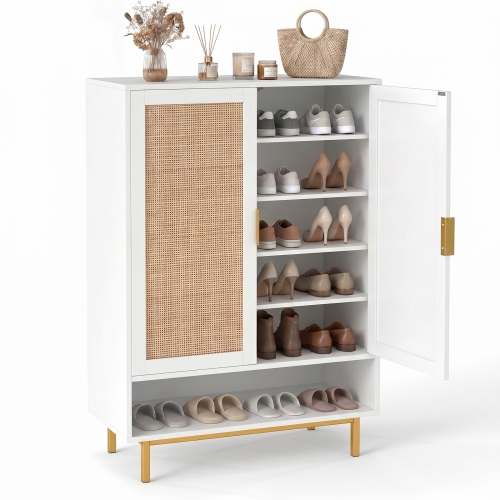
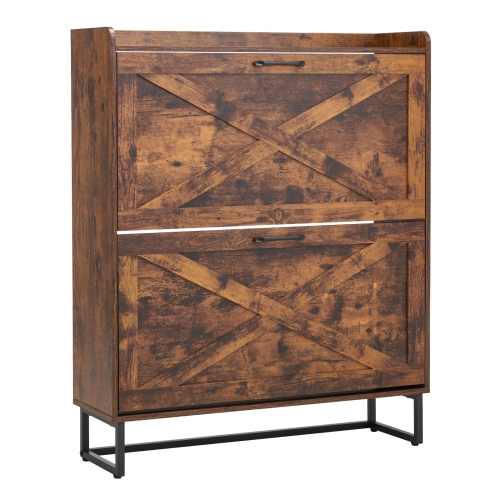
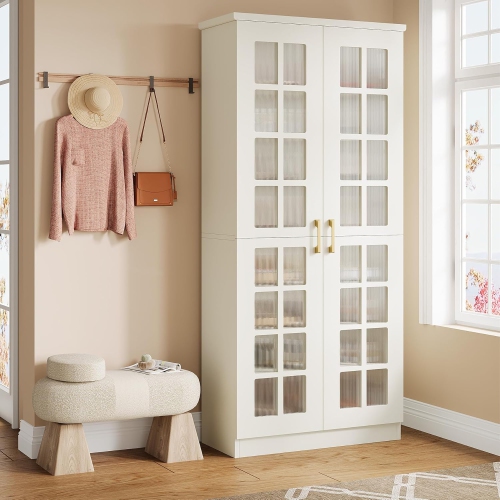
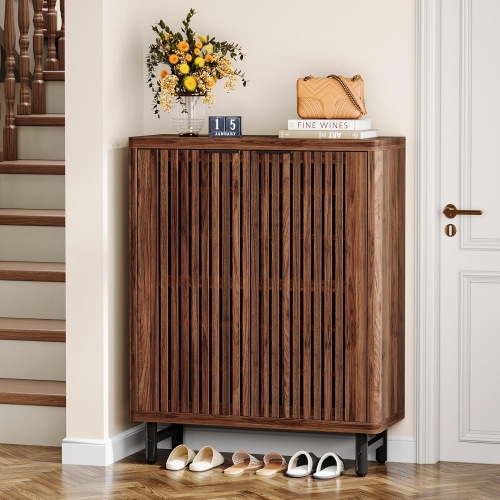
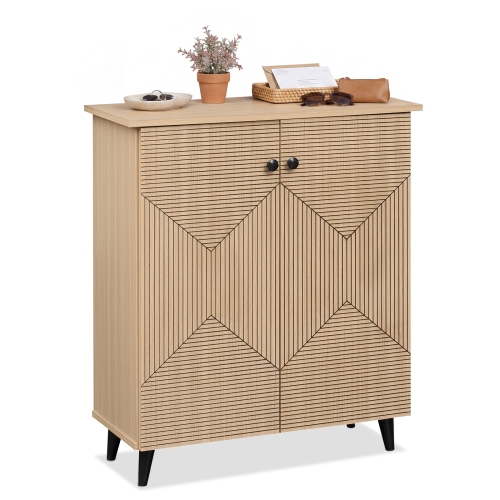
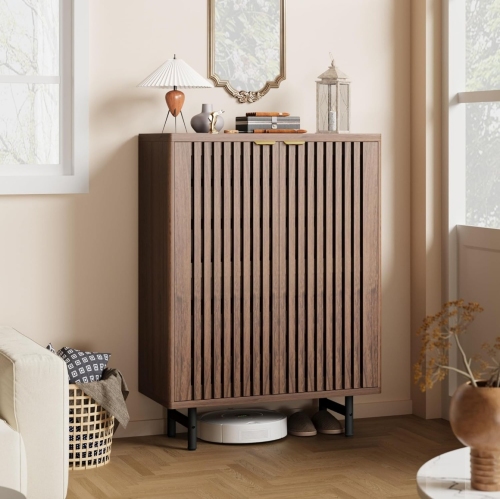
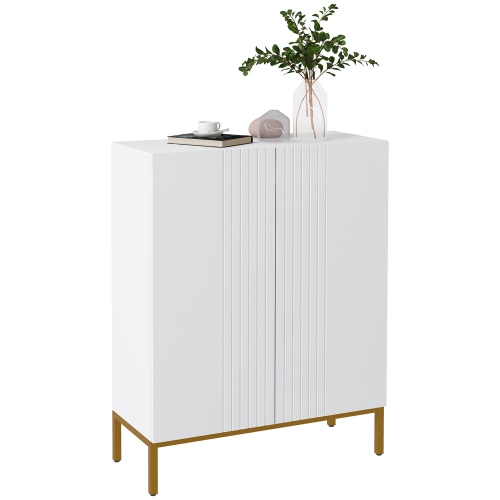
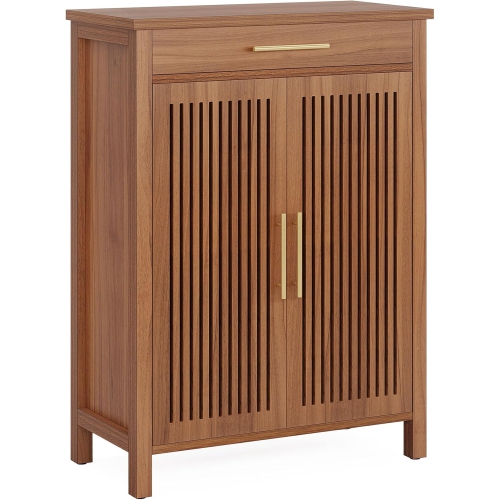
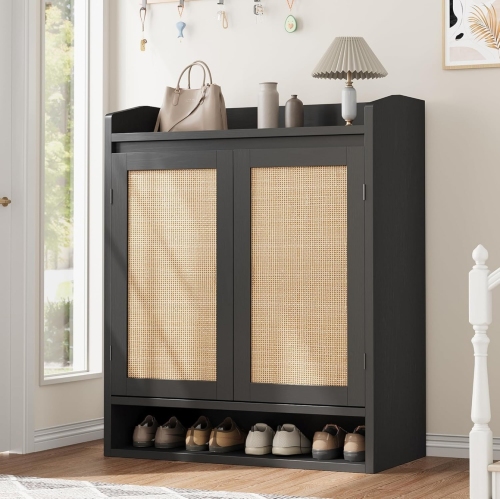
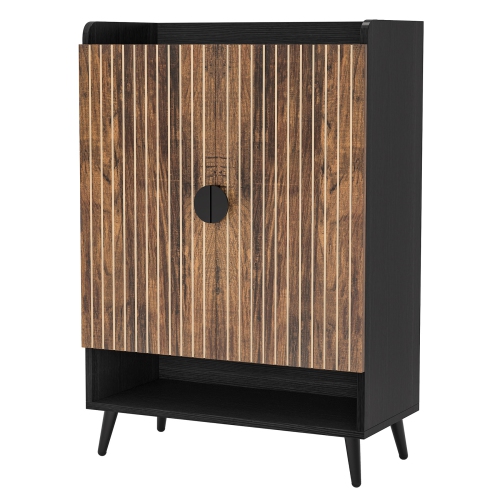
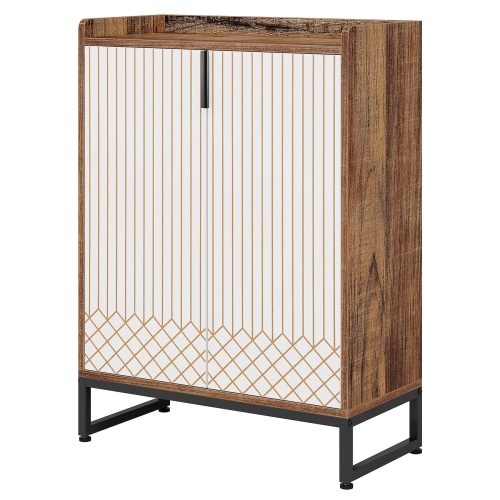
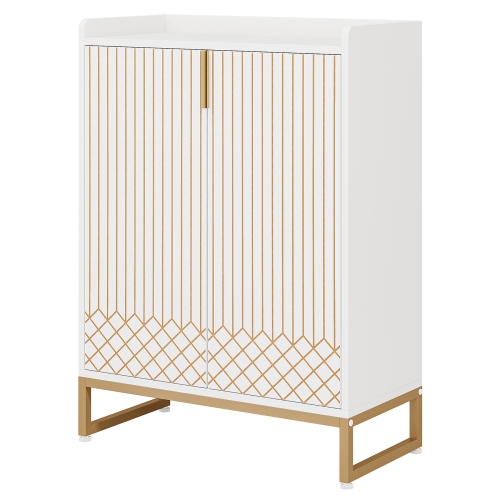
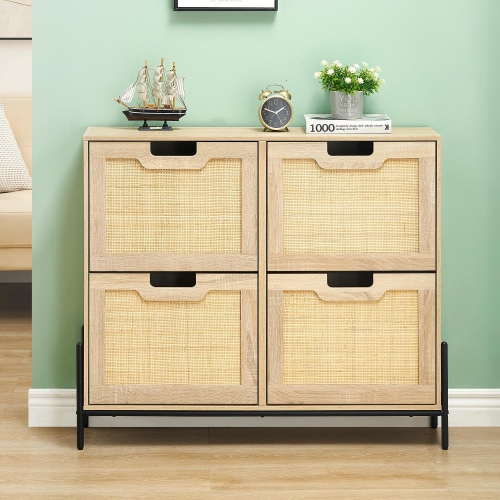
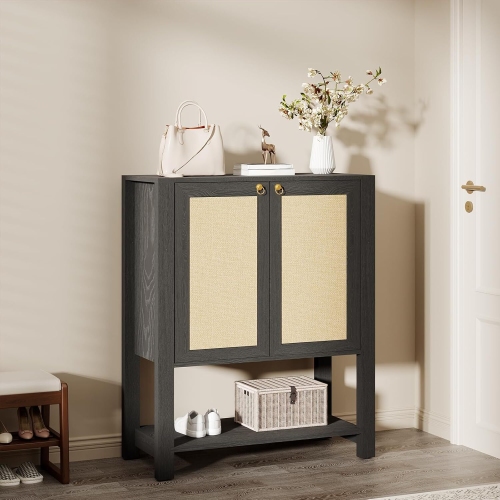
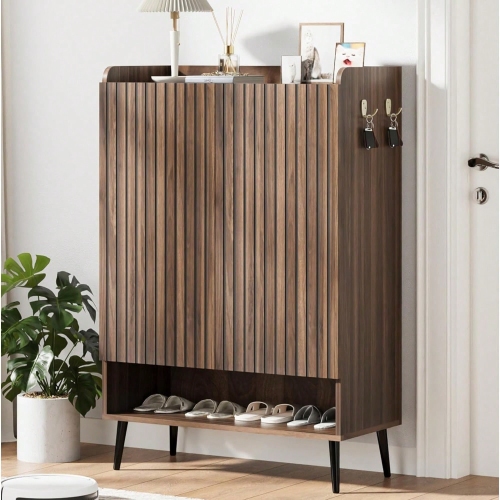
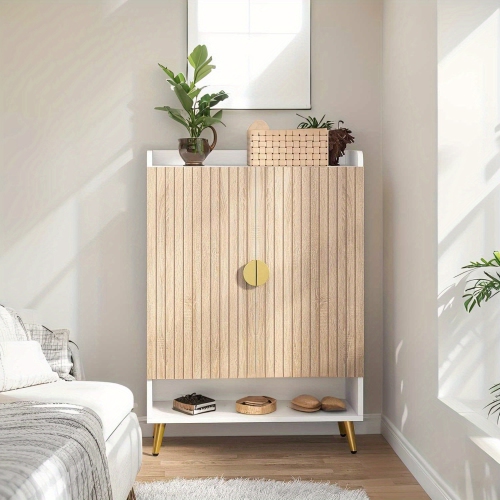
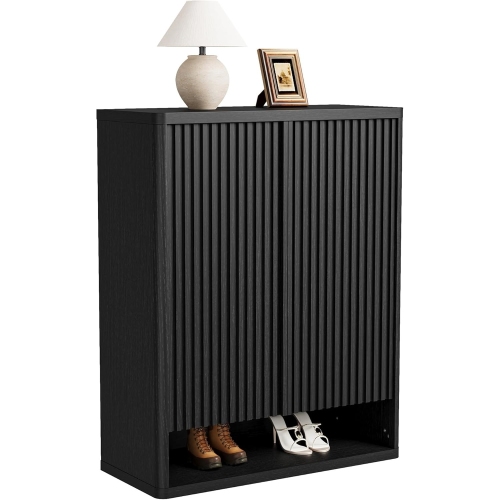
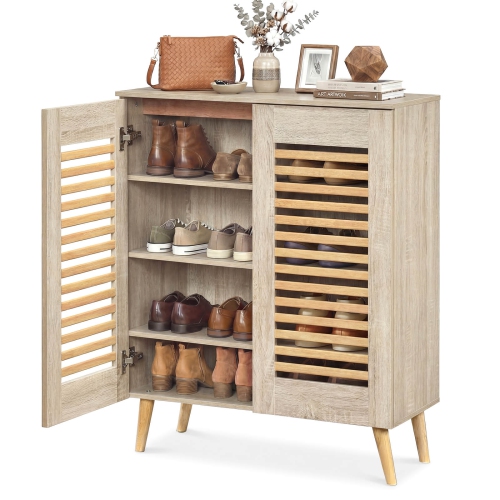
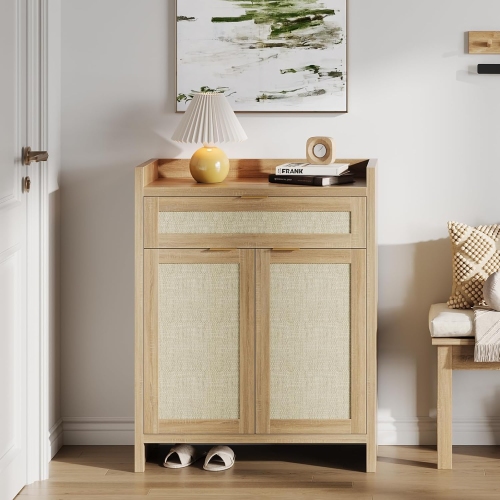
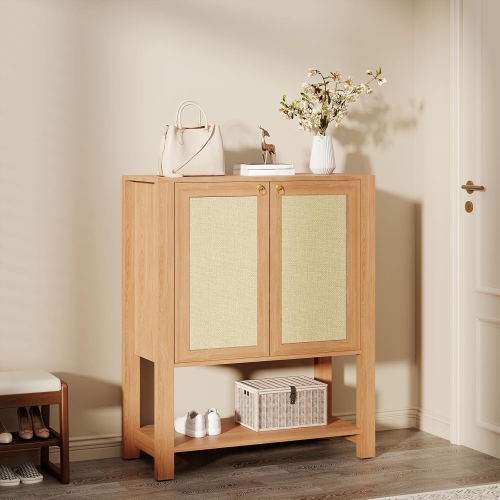
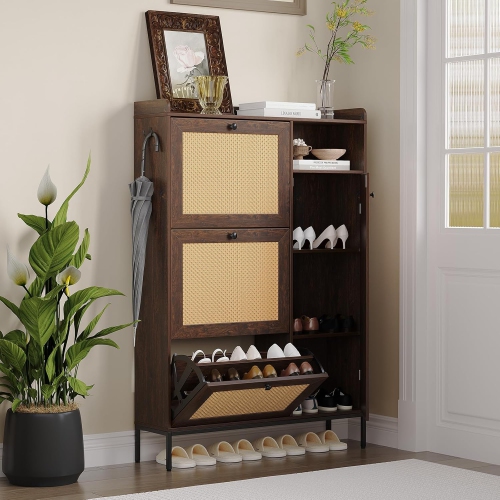
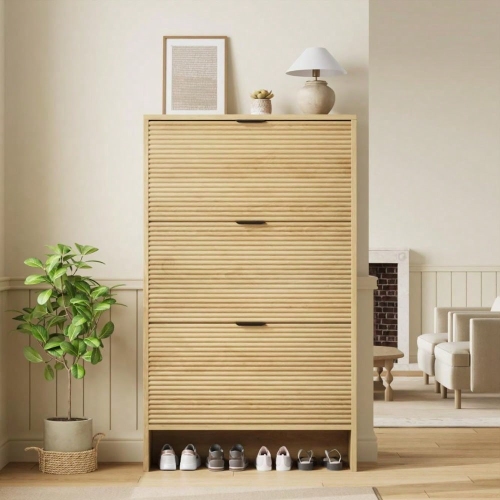
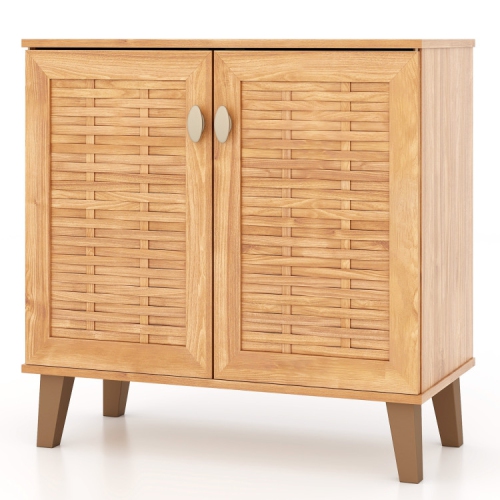
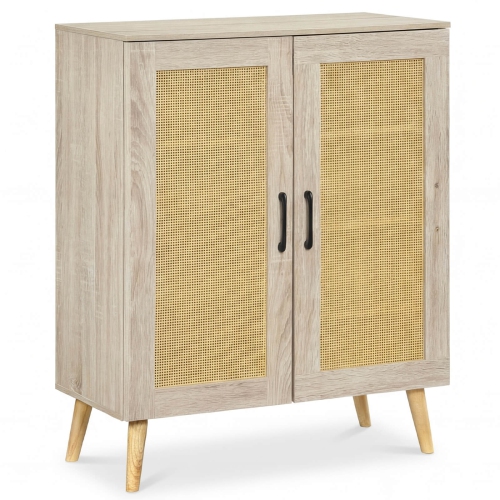
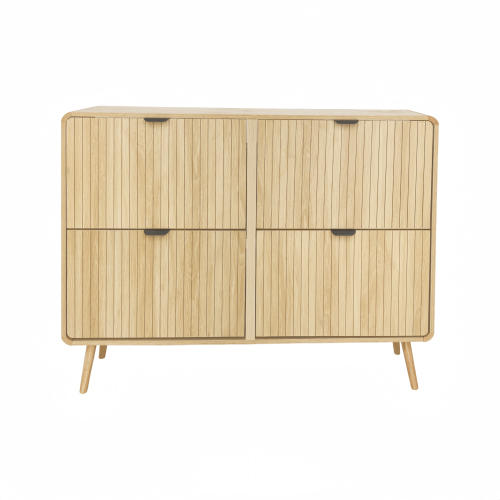
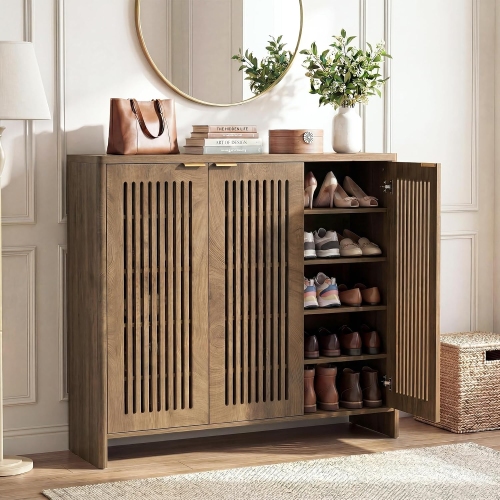
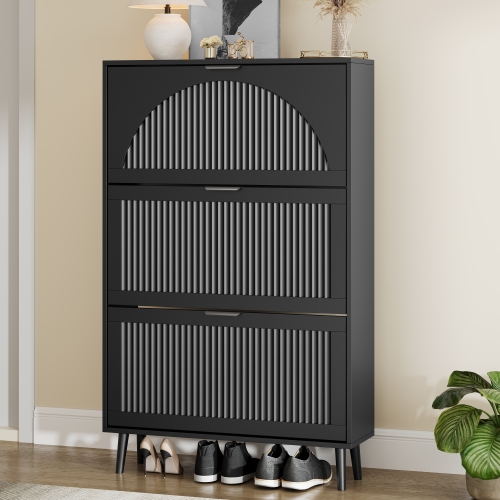
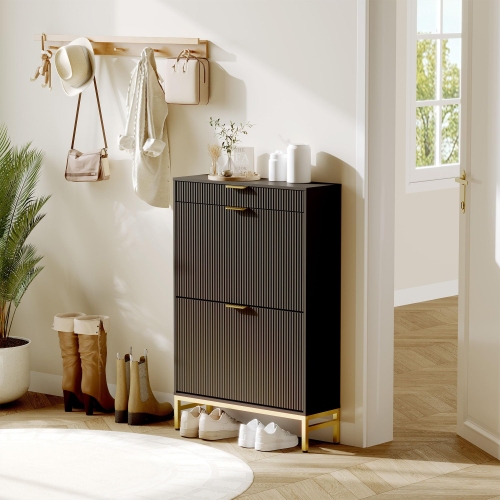
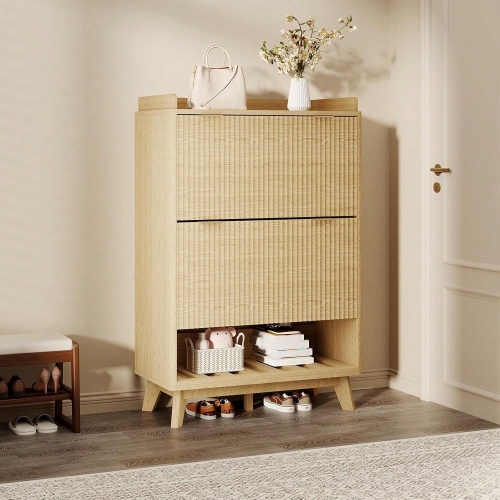
Materials and finishes influence both the appearance of a decorative shoe cabinet and how it stands up to everyday handling. Solid wood can bring visible grain and natural variation, while wood veneer provides a real-wood surface over a supporting core. Engineered wood panels can offer a uniform finish and clean-lined construction, with durability depending on the panel quality, edge treatment, hardware, and assembly. For shoppers drawn to grain patterns and warmer furniture tones, Wooden Shoe Storage Cabinets can complement existing tables, shelving, or cabinetry without requiring every piece to match exactly. A similar undertone often creates a more coherent arrangement than an almost-matching finish that differs noticeably in colour. Painted surfaces can blend into a wall or introduce contrast, while wood-look finishes can add visual texture to a plainly furnished hallway. Fluted doors create shadow and depth; flat fronts tend to look quieter; framed panels bring a more traditional furniture character. Woven or perforated door sections may provide airflow, depending on their construction, but their texture can also require more careful dusting than a smooth panel. Metal legs and handles can connect the cabinet visually with nearby lighting or coat hooks, while recessed pulls keep the front profile relatively uninterrupted. Beyond appearance, everyday durability shows up in small details: doors that sit evenly, hinges that move smoothly, shelves that feel secure, and edges that are finished where hands and shoes make contact. A raised base can make the floor beneath easier to reach, provided there is enough clearance for cleaning tools. An enclosed plinth creates a more grounded appearance but leaves less access underneath. Surface care should suit the actual material rather than its appearance alone. A wood-look finish may need different treatment from solid wood, and abrasive pads, excess water, or unsuitable cleaning products can damage coatings, veneer edges, and decorative details. Manufacturer care directions provide the most reliable starting point for keeping the finish looking consistent.
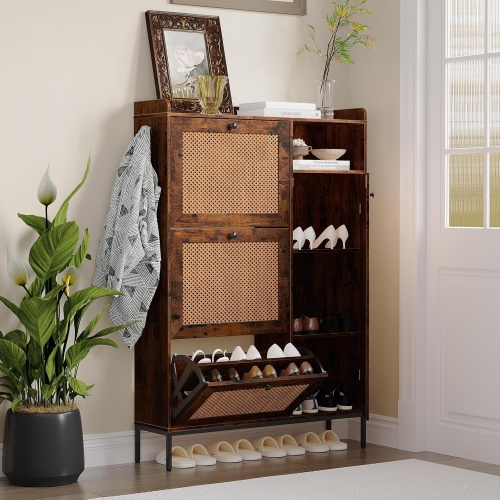
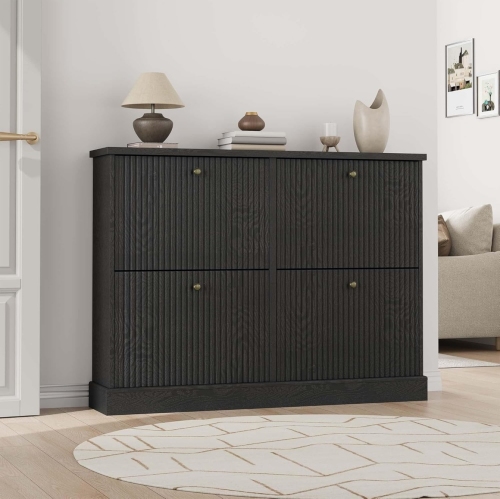
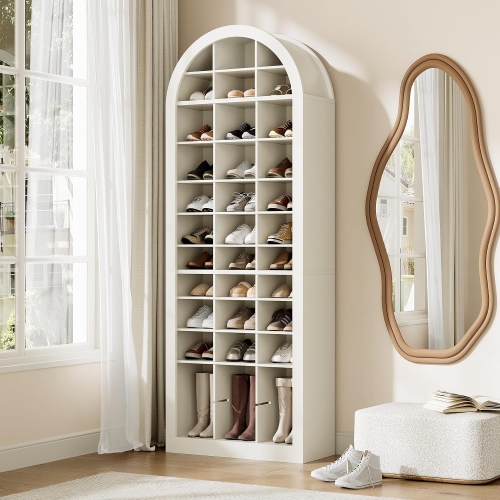
The best arrangement inside a shoe cabinet reflects the way the household actually uses its footwear. Daily pairs are easier to manage on readily accessible shelves, with less frequently worn shoes stored above or below them. Shared cabinets can benefit from clearly separated sections so that children’s shoes do not disappear behind larger pairs and one person’s footwear does not gradually fill every shelf. Someone who alternates between work shoes and trainers may prefer wider, adjustable spaces over many narrow compartments, while a household with several similar-sized pairs may find a divided layout easier to maintain. Shoes should be reasonably clean and dry before being placed in enclosed storage; residual moisture, dirt, and grit can affect both the footwear and the cabinet interior. Ventilated panels or openings can support air circulation, but they do not replace routine cleaning or make a cabinet suitable for damp footwear. Removable shelves, where included, can make it easier to clear accumulated dust and debris. A soft brush or vacuum attachment can reach corners, followed by a lightly dampened cloth if the care instructions permit it. Shelf liners may help protect some surfaces, but they should be compatible with the finish and should not trap moisture against the panel. Practical placement also includes stability: tall or shallow cabinets may require wall anchoring, and the appropriate fixing method depends on the cabinet instructions and wall construction. A decorative top should not be treated as seating unless the furniture is specifically designed and rated for that use. Comfortable access matters too, particularly when compartments are low, handles are small, or tilt-out sections need a firm pull. For a first apartment, a shared family entrance, or a bedroom without built-in shoe storage, a well-proportioned cabinet can make an everyday routine simpler while contributing to the room’s overall character. Its decorative value lasts when the finish suits the space, the layout fits the footwear, and putting shoes away feels as easy as leaving them by the door.

FAQ

Some products may be subject to Environmental Handling Fees (EHF) depending on your province. Learn more about EHFs.