Glass Desks
If you're looking for a desk that's stylish and functional, glass desks are a great choice. These desks have a smooth finish, so they won't show scratches or dings. And because they're made from glass, they can be easily cleaned. These are our top picks for you.
Sort
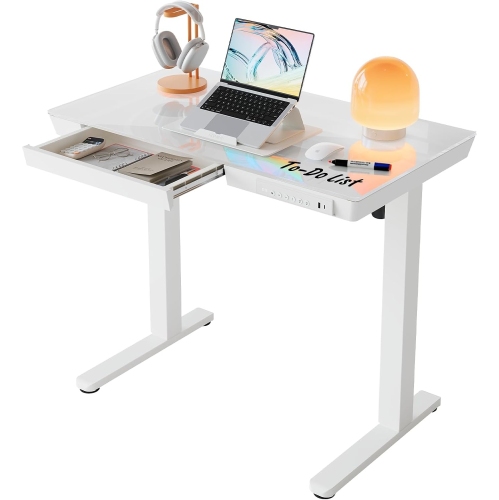
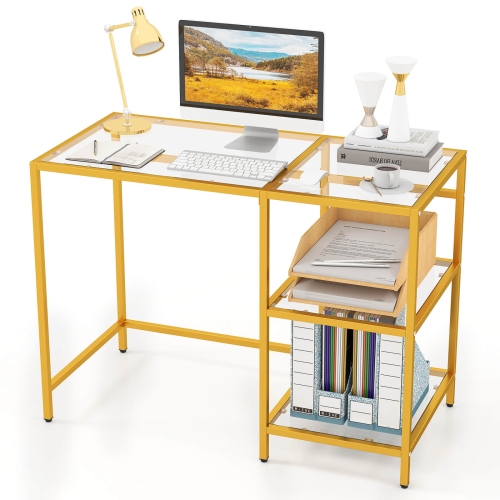
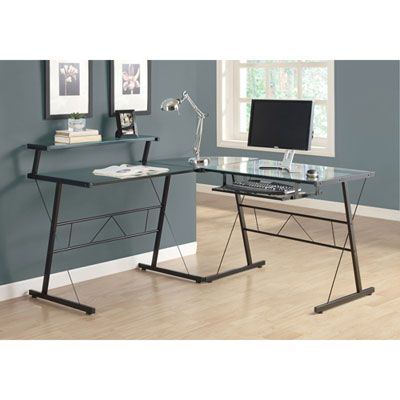
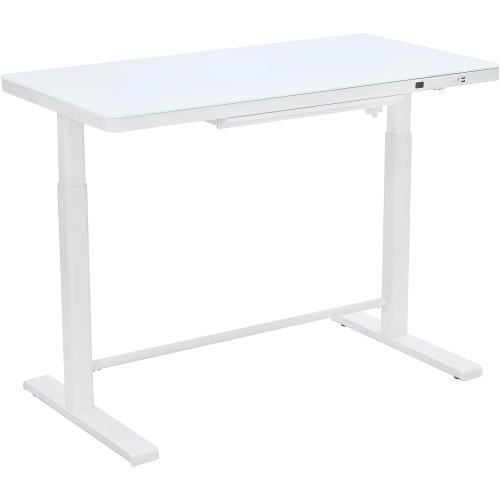
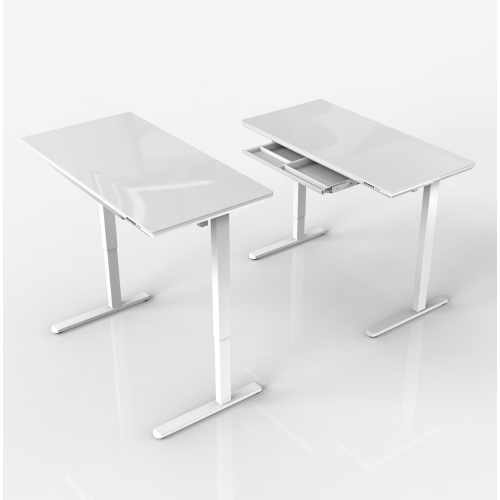

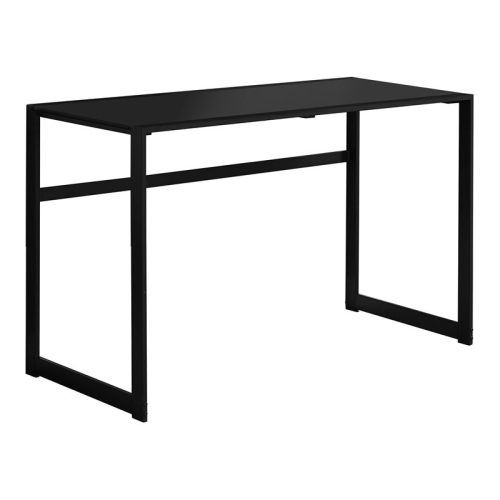
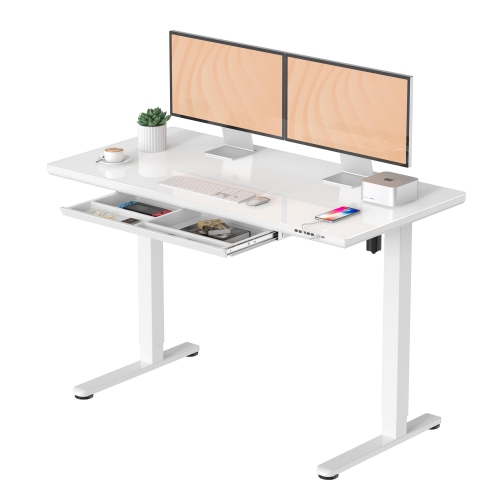
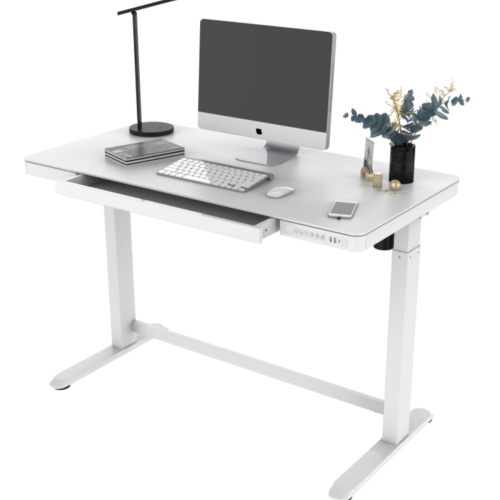
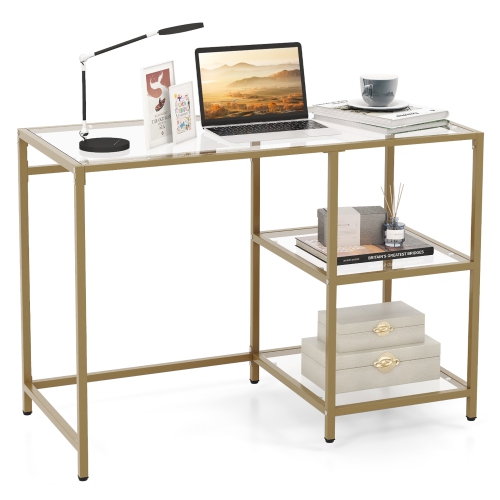

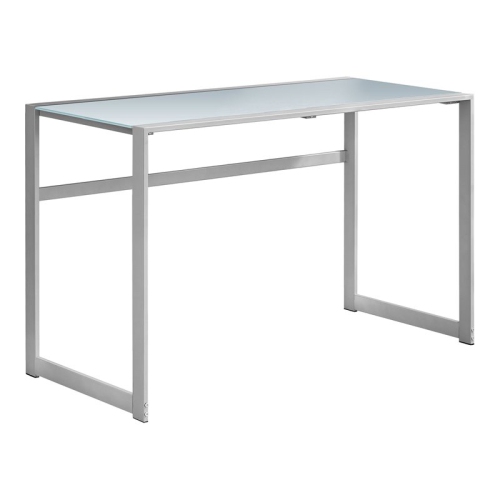
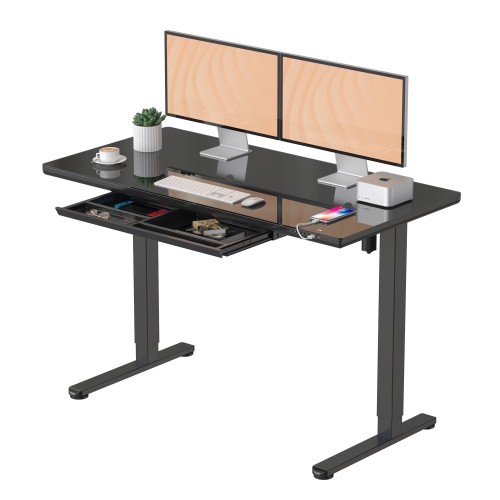

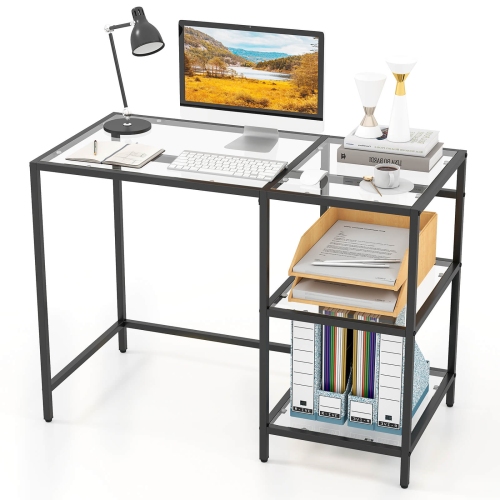

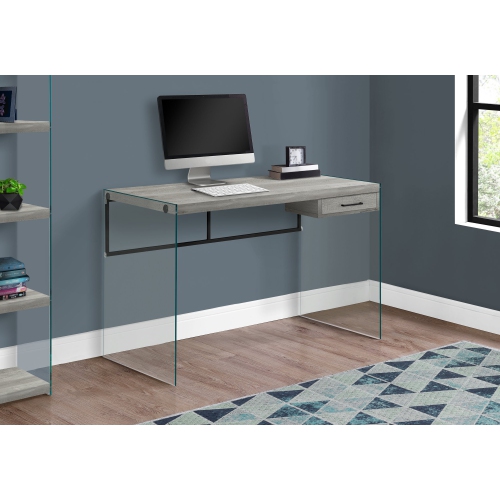

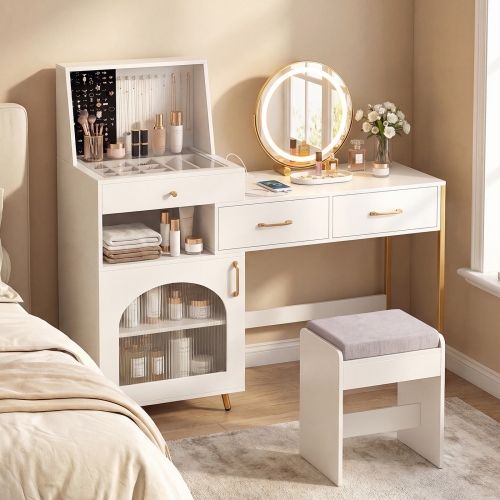
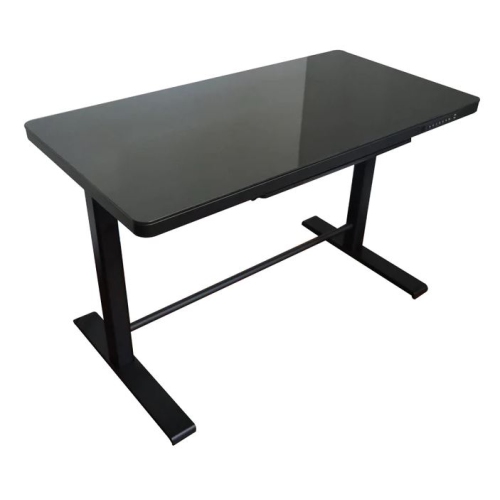
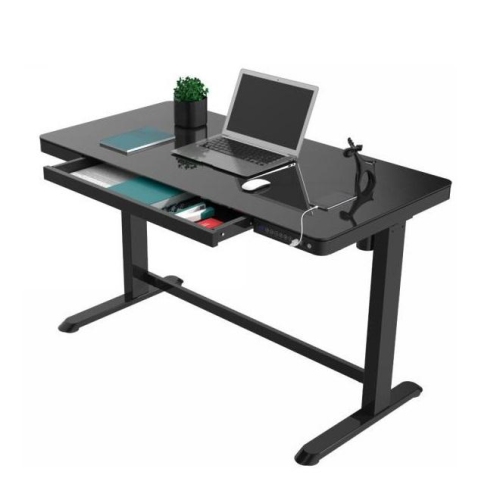
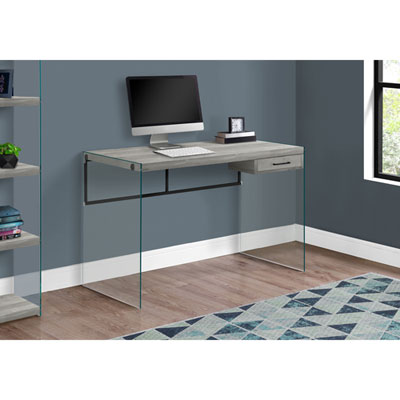
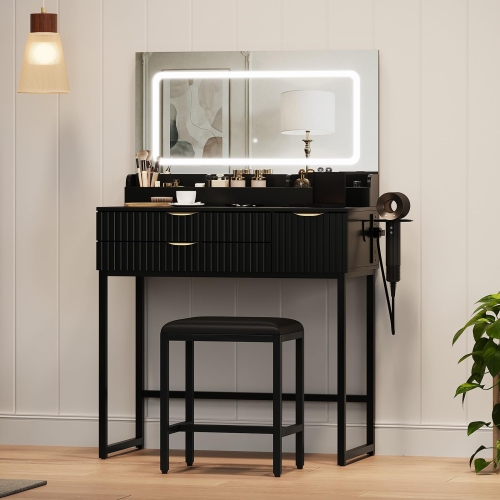

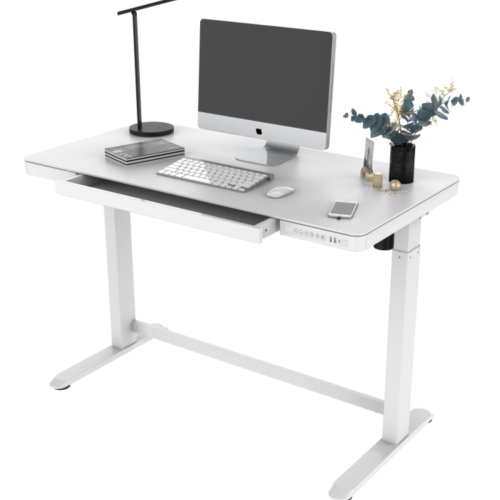
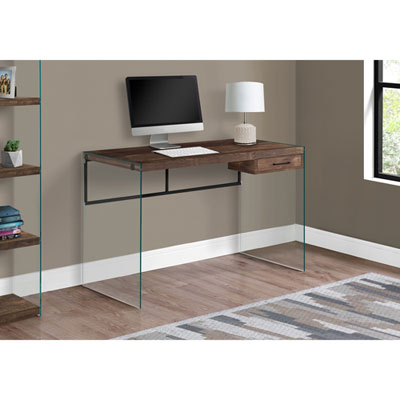


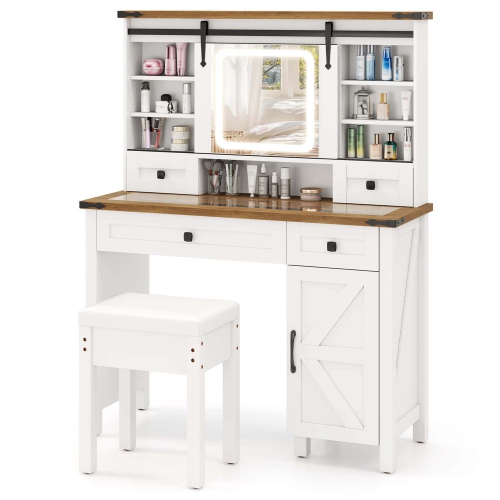


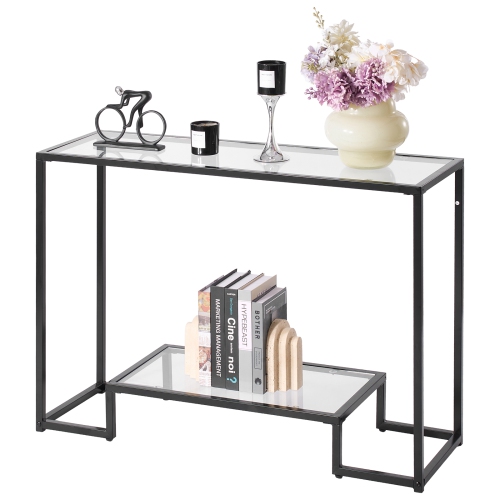
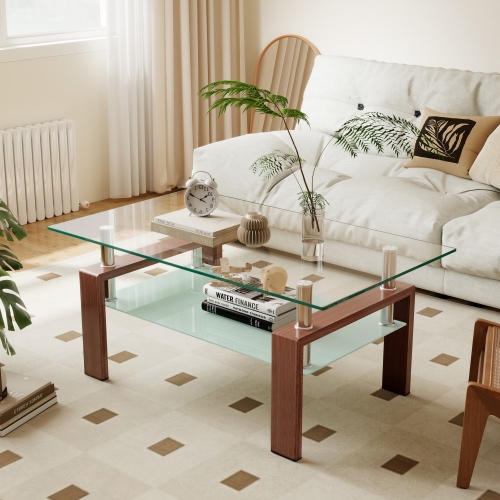

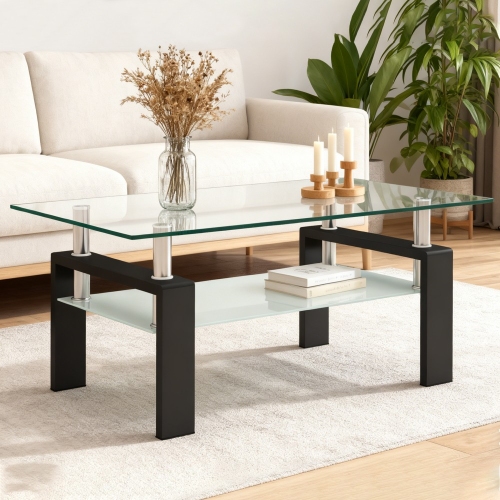
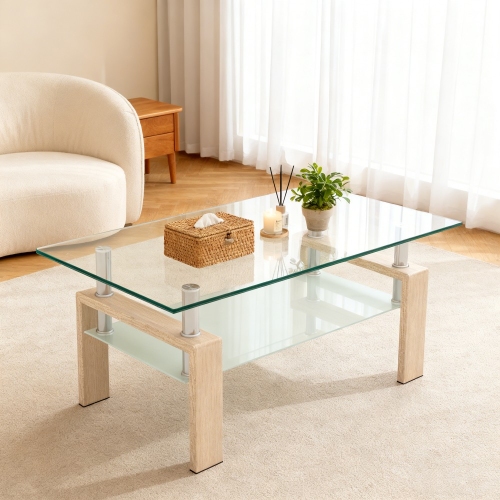

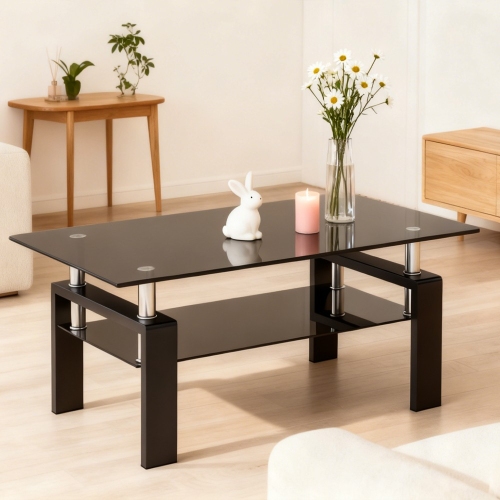
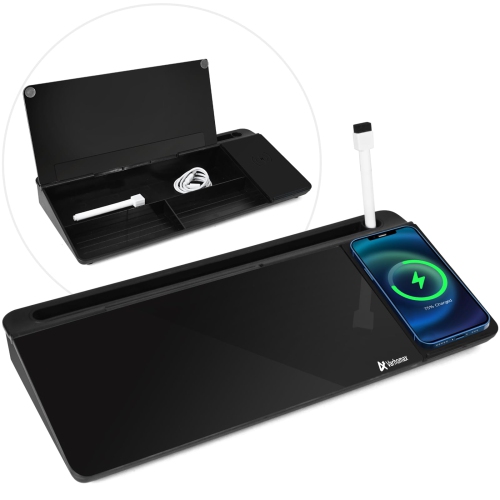

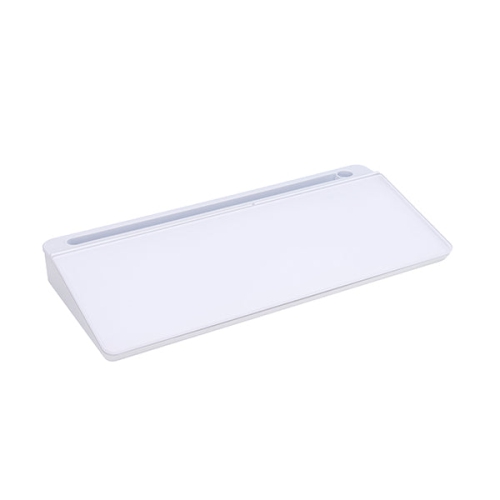


A clear desktop can help rooms feel less crowded
Glass desks pair a glass work surface with a supporting frame to create a clean, open look for home offices, study areas, and shared living spaces. Their main visual advantage is transparency: a clear top leaves more of the floor and surrounding furniture visible, so a desk can feel less imposing than a solid piece of similar size. That makes glass particularly appealing in a bedroom office, a narrow den, or a living room where the workspace needs to sit comfortably alongside everyday furniture. The physical footprint still matters, but the lighter appearance can help a room feel less crowded. Clear glass has a crisp, understated character, while frosted, tinted, and patterned finishes offer varying degrees of privacy and contrast. A frosted surface can soften the view of cables beneath the desktop, although it does not necessarily conceal them completely. The frame also shapes the overall look. Steel or aluminium supports bring a streamlined feel, chrome adds shine, and wood components introduce warmth alongside the smooth glass. For a dedicated workspace, glass office desks bring this same visual lightness to layouts centred on computer work, paperwork, and daily administration. Simple rectangular writing desks suit a laptop, notebook, and task lamp, while wider computer desks leave more room for a separate keyboard and monitor. L-shaped designs provide two connected work areas, useful for keeping a screen on one side and open documents on the other. Corner layouts can make good use of an otherwise awkward area, provided the desk depth and chair space fit the room. Height-adjustable glass desks offer another approach, allowing seated and standing work where the frame and lifting system support that function. Across these styles, glass works especially well for people who prefer a visible, uncluttered desktop rather than a workspace built around deep shelves and large storage compartments.
The most comfortable glass desk is one whose proportions match both the room and the tasks taking place at it. Width determines how much equipment can sit side by side, but depth is just as important: a monitor needs enough distance from the user, and a keyboard should not leave wrists perched against the front edge. A student working between a laptop and an open textbook needs a different surface arrangement from someone managing two screens and a stack of reference papers. For either setup, usable space depends on the shape of the top, the position of the supports, and any raised shelves or keyboard trays. A broad glass surface can still feel restrictive if a crossbar limits legroom or a drawer prevents the chair from sliding underneath. Chair arms, pedestal drawers, and nearby doors all need clearance, particularly in rooms that serve more than one purpose. With an L-shaped desk, the direction of the return determines how naturally the workspace fits a corner and whether it interrupts the path through the room. Storage deserves similar attention. Open-frame glass desks keep the view light, but offer fewer places to hide chargers, stationery, and paperwork unless drawers or shelves are part of the design. A separate filing unit can help, as long as it leaves enough room for knees and feet. Cable routing is especially noticeable through clear glass, making neatly bundled leads and a suitable cable tray valuable for a tidy finish. Glass also affects how desktop accessories behave. Some optical mice do not track reliably on transparent surfaces, so a mouse pad provides a consistent working area. A desk mat gives writing paper a softer base, reduces the sound of a keyboard against the top, and helps limit everyday scuffs. For video calls or screen-heavy work, positioning matters too: a reflective desktop facing a bright window or exposed lamp may create distracting glare. Adjustable window coverings and a carefully angled task light can make the space more comfortable without changing its open appearance.
Construction and care influence how well a glass desk holds up to daily use. Tempered glass is commonly used for desk surfaces because heat treatment makes it stronger than ordinary untreated glass of comparable thickness. If it breaks, it generally fragments into small pieces rather than long, sharp shards, but it is not unbreakable or harmless when damaged. A sturdy frame, secure connections, and proper support beneath the top are as important as the glass itself. Thickness alone does not establish how much weight a desk can carry; the stated load limit applies to the complete design. Heavy equipment, especially a large monitor on a small stand, needs to stay within the manufacturer's limits and placement instructions. Clamp-mounted monitor arms require particular caution because they concentrate pressure in a small area. Unless the desk manufacturer explicitly permits a compatible mounting arrangement, a clamp should not be attached to a glass top. A freestanding monitor base may be more appropriate when its weight and contact points suit the desk's specifications. Everyday handling matters as well. Glass edges and corners are vulnerable to hard knocks, and sitting, standing, or leaning heavily on the desktop can place stress where it was not intended. Rounded corners may be preferable in a tight room, although they do not remove the need for careful placement. During assembly or a move, the glass should be handled and supported according to the supplied instructions rather than used as a lifting point for the whole desk. Routine cleaning is straightforward, but clear and glossy finishes readily show fingerprints, dust, and cup rings. A soft microfibre cloth and a cleaner approved for the surface usually suit regular care; abrasive pads and gritty cloths can scratch the finish. Spills are best wiped up promptly, with extra care around joints, coated surfaces, and electrical controls on adjustable frames. Coasters and protective pads beneath accessories help keep hard objects from contacting the glass directly. With thoughtful placement and regular care, a glass desk can provide a practical setting for remote work, coursework, household planning, or an evening spent writing, while keeping the surrounding room visually open.
Top selling and popular products
-
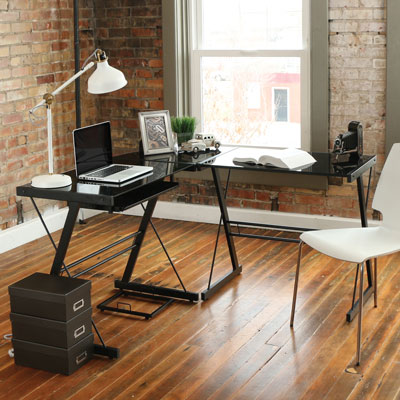 Your price for this item is $304.99
-
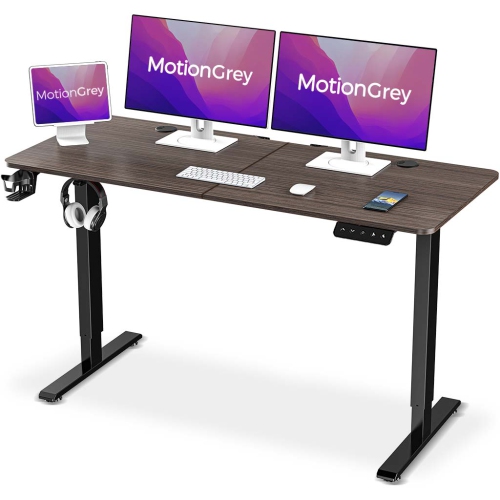 Your price for this item is $142.92
-
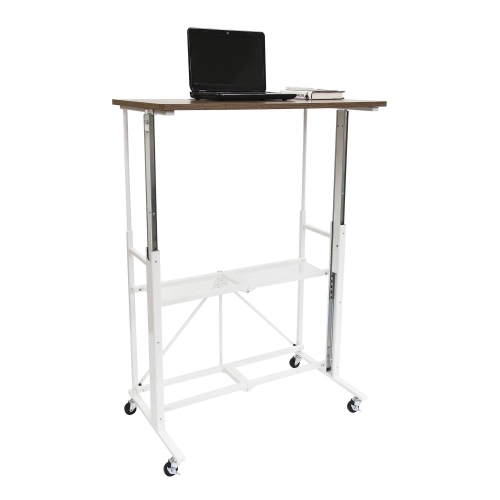 Your price for this item is $248.99
-
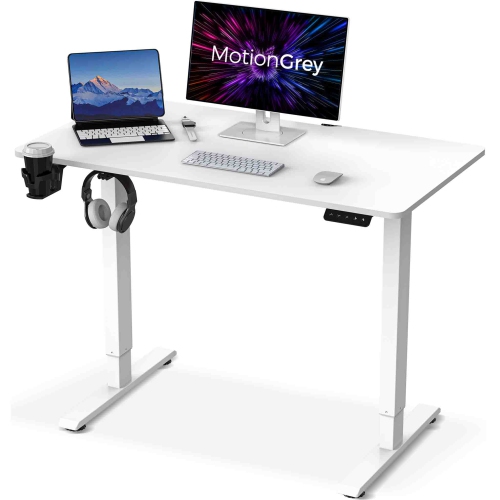 Your price for this item is $133.91
-
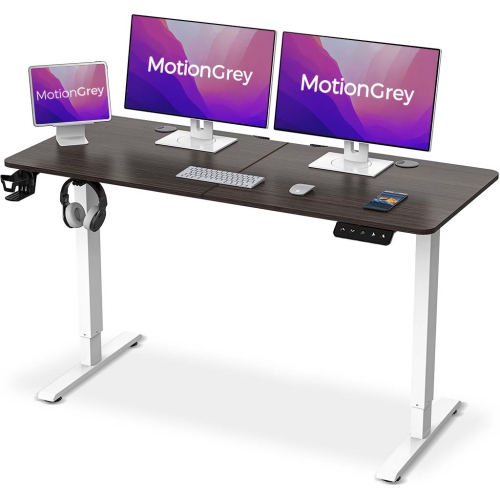 Your price for this item is $158.99
-
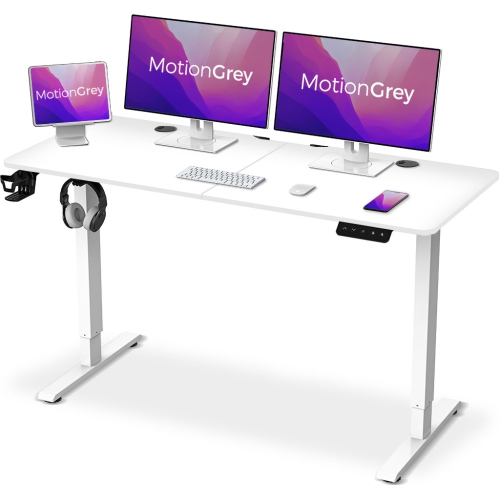 Your price for this item is $142.94
-
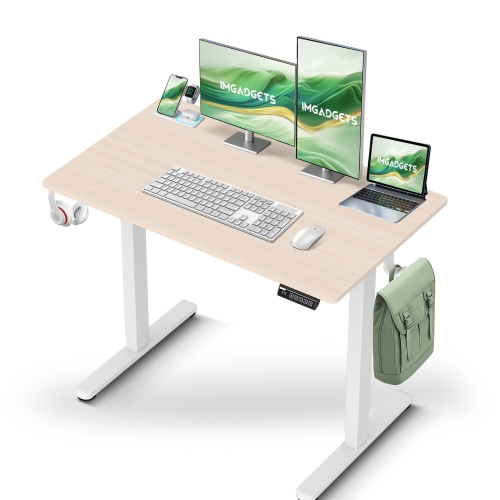 Your price for this item is $119.99
-
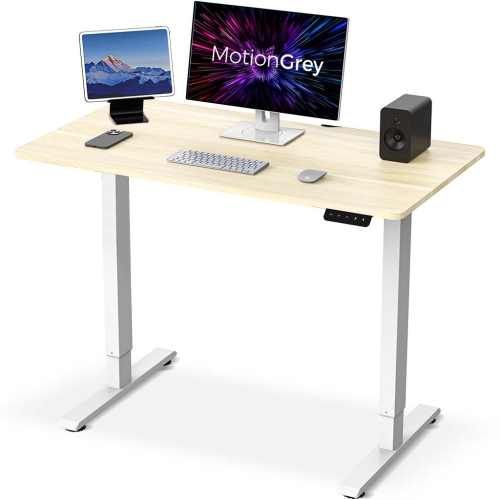 Your price for this item is $133.91
Discover more categories related to Glass Desks

Top Collections:
Pokemon Centers, Best Cameras for Sports Photography, Kindle Devices, Samsung Galaxy Phones, Canon G7X Cameras, Pokémon 30th Celebration Cards, Refurbished Apple Laptops, iPhone 15 Apple, Laptops for Students, Budget Smartphones
Some products may be subject to Environmental Handling Fees
(EHF) depending on your province.
Learn more about EHFs.