Mahogany Office Desks
Mahogany office desks are a classic. They're elegant, sturdy, and easy to maintain. Mahogany desks are also available in a variety of styles so you can find one that matches your office perfectly. Here are some of the best desks made of mahogany.
Sort
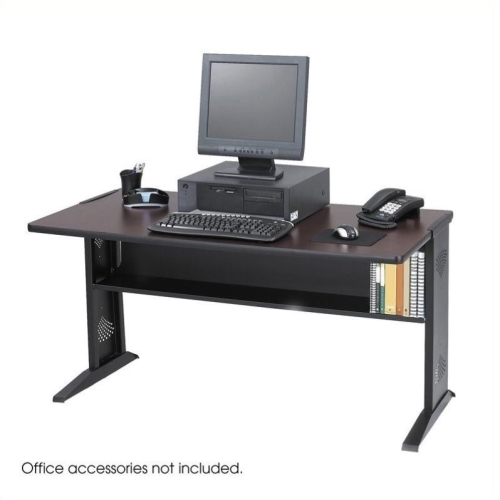
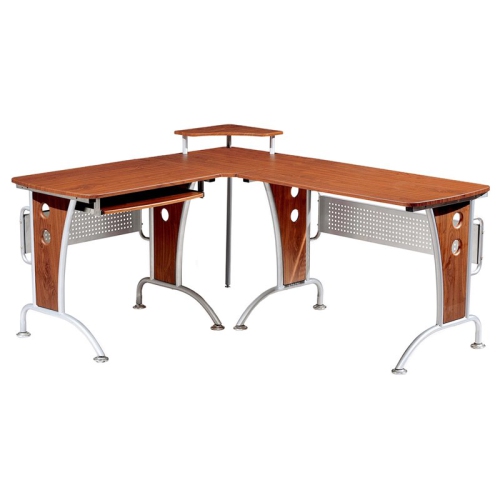
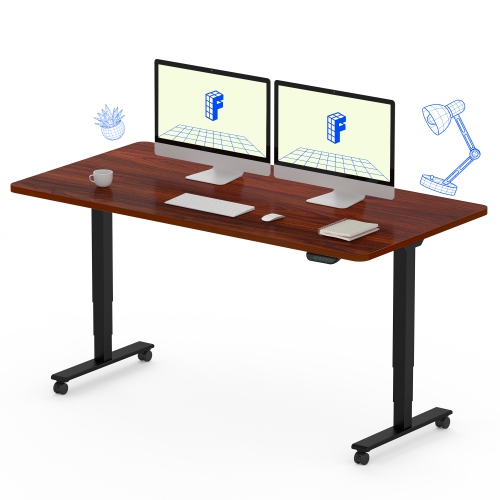
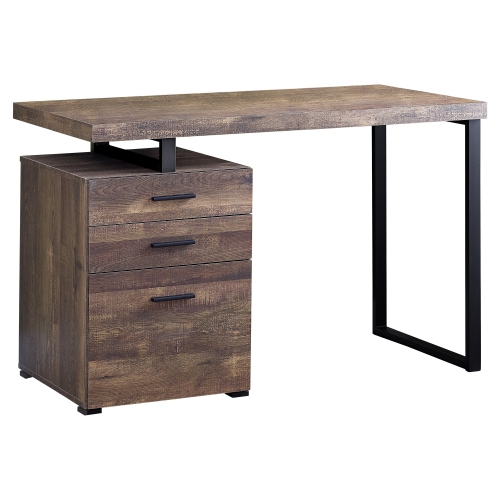
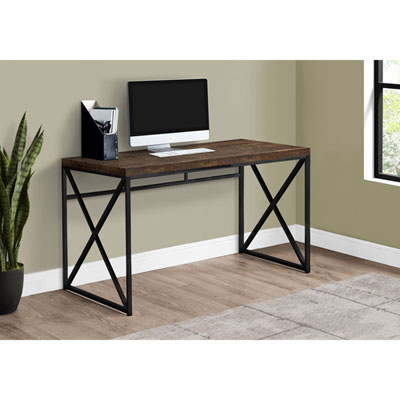
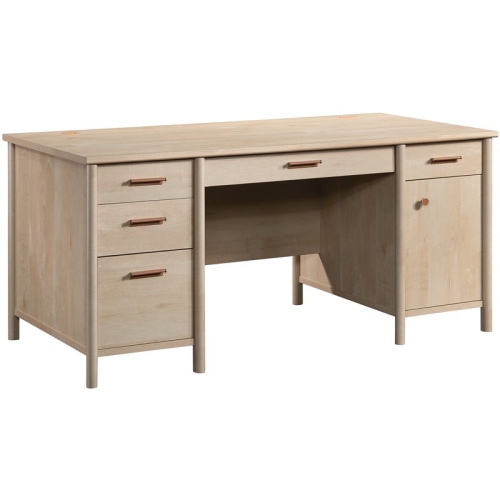
There’s more to mahogany than its warm wood tones
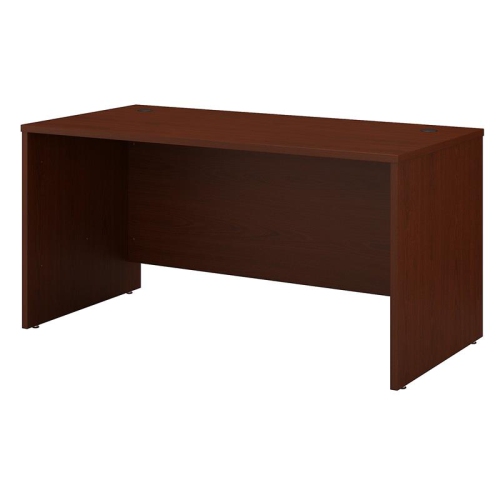
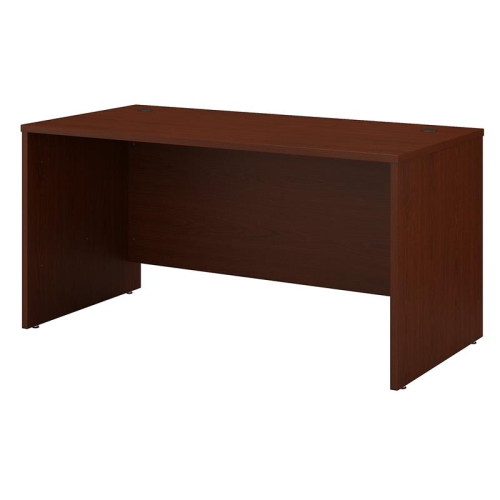
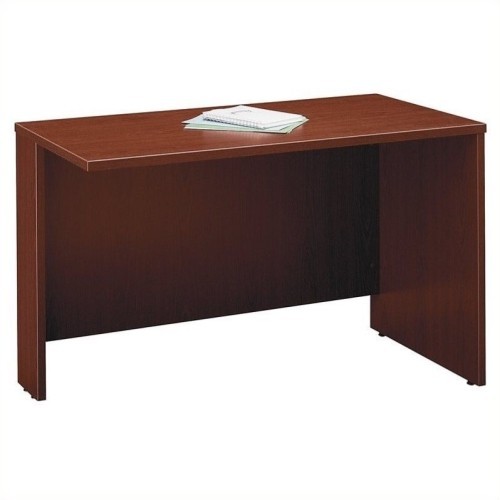
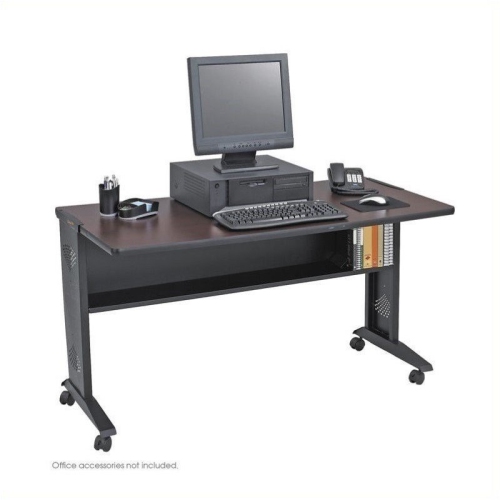
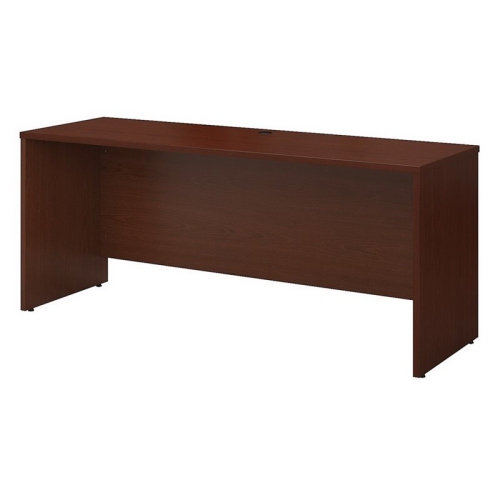
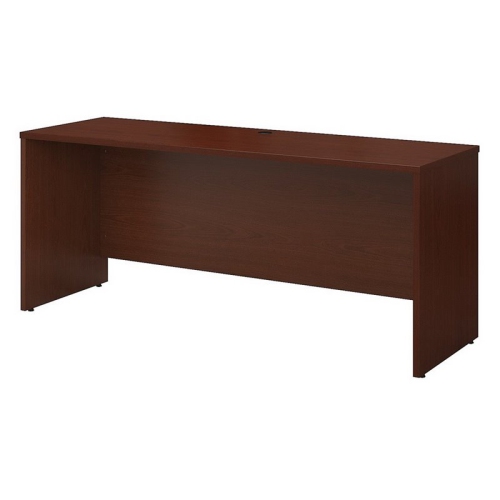
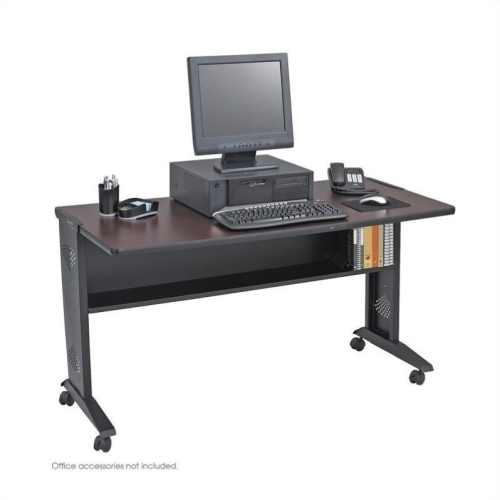
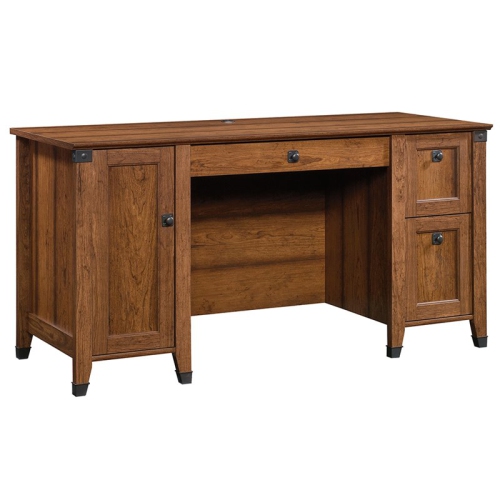
Mahogany office desks bring a rich reddish-brown colour and a wood-grain appearance to workspaces ranging from compact home offices to dedicated studies. The term can describe desks made with solid mahogany, desks with a real mahogany veneer, or desks with a laminate finish designed to resemble mahogany, so the material description matters as much as the colour. Solid mahogany has grain that runs through the wood rather than sitting only at the surface; mahogany veneer places a thin layer of real wood over a supporting core; and a mahogany-look laminate uses a decorative surface over a substrate. These constructions have different characteristics, but each can suit a thoughtfully arranged office. A simple writing desk keeps the focus on an open surface for a laptop, notebook, and task lamp, while a double-pedestal desk adds substantial storage beneath both ends of the desktop. Larger executive desks create a more prominent focal point, often pairing a broad work surface with drawers for paperwork and everyday supplies. The wood’s warm tones sit comfortably alongside cream walls, upholstered chairs, brass-coloured hardware, and shelves filled with books. With straighter lines and understated handles, the same finish can feel at home beside a modern monitor and a minimalist desk lamp. Grain patterns and stain colours vary, so a mahogany finish may lean towards red, brown, or a deeper, muted tone rather than matching every other wood surface in the room. Coordinating undertones usually creates a more relaxed result than trying to make unrelated furniture look identical. For a different visual direction, Black Office Desks offer a useful comparison when deciding between warm wood tones and a darker neutral finish. A mahogany desk’s appeal lies in that balance of function and character: it can anchor a formal office without requiring the rest of the room to feel formal, and it can give an everyday work corner a more settled appearance.
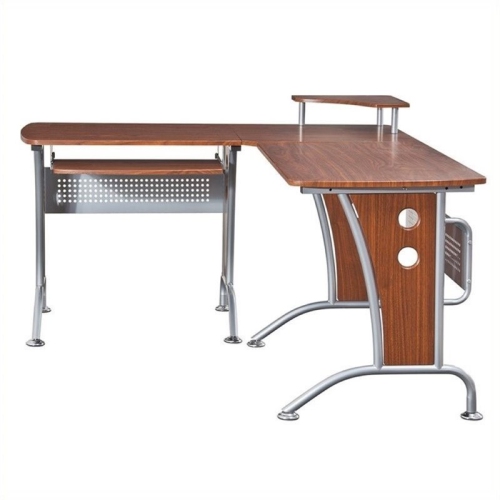
The most useful mahogany office desk is one whose proportions fit both the room and the work taking place there. Width determines how comfortably a keyboard, mouse, documents, and other essentials can sit side by side, while depth affects the space between the user and the screen. A shallow writing desk may be sufficient for occasional laptop use, but a workstation with a separate keyboard and larger monitor generally needs more room from front to back. For someone comparing spreadsheets across two screens, usable surface area and a suitable monitor position matter more than an imposing silhouette. Storage also changes how much of the desktop remains free. Shallow drawers can hold pens, charging cables, and stationery, while deeper compartments may accommodate folders or larger supplies. A drawer described as a file drawer should be checked for the paper size and filing arrangement it supports, particularly when legal-size documents are part of the workday. Pedestals reduce open space beneath the surface, making knee clearance, legroom, and the position of drawer units important for comfortable seating. Chair arms need enough clearance to move beneath the desk if the chair will be tucked away between uses. In a shared room, space behind the chair is just as important as the desk’s footprint: another person should be able to pass without squeezing between furniture. L-shaped desks can separate computer work from writing or reference materials, although their return needs to face the right direction for the room’s layout. Cable openings and accessible routing paths help keep power leads away from feet and drawer runners. Anyone planning to attach a monitor arm should also check desktop thickness, edge clearance, material suitability, and the desk’s stated load limits. A finished back is worth noting when the desk will face into the room rather than sit against a wall. Together, these details shape a workspace that supports sustained computer use, handwritten notes, video calls, or an evening of household paperwork without feeling crowded.
Durability depends on the whole desk, not simply whether its description includes mahogany. Mahogany is a hardwood valued in furniture making for its workability and dimensional stability, but species, timber preparation, construction, and finish all influence how a completed desk performs. A well-built base, secure joints, properly fitted drawers, and hardware suited to repeated use contribute to everyday reliability. Solid wood can develop small dents and surface marks, and some finishes change in appearance with age and light exposure. Real wood veneer offers natural grain, but its thin surface requires care because deep scratches can reach the material beneath it and aggressive sanding can remove the veneer. Laminate surfaces may tolerate routine wear well, depending on their construction, though damaged edges or seams need attention because moisture can affect the underlying core. For any construction, a soft cloth and a cleaning method approved by the manufacturer are safer than assuming a general household cleaner will suit the finish. Spills should be wiped up promptly, and drinks belong on coasters rather than directly on the desktop. A desk mat can protect the main writing area from pen pressure and repeated mouse movement; its backing should be compatible with the surface to avoid marks or discolouration. Felt pads beneath accessories help limit scratches when a lamp or document tray is moved. Assembly and placement deserve similar care. Checking doorway widths, stair turns, component dimensions, and handling requirements helps prevent awkward surprises before a substantial desk reaches its intended room. Once assembled, the desk should sit level, with fittings checked as directed by its instructions, and it should be lifted appropriately rather than dragged when repositioned. These practical qualities make mahogany office desks relevant to remote workers, students with a dedicated study area, and anyone who wants a dependable place to manage correspondence or creative projects. Their lasting usefulness comes from a comfortable fit, suitable storage, and a finish that works naturally with the surrounding furniture—not from size or ornament alone.
The most useful mahogany office desk is one whose proportions fit both the room and the work taking place there. Width determines how comfortably a keyboard, mouse, documents, and other essentials can sit side by side, while depth affects the space between the user and the screen. A shallow writing desk may be sufficient for occasional laptop use, but a workstation with a separate keyboard and larger monitor generally needs more room from front to back. For someone comparing spreadsheets across two screens, usable surface area and a suitable monitor position matter more than an imposing silhouette. Storage also changes how much of the desktop remains free. Shallow drawers can hold pens, charging cables, and stationery, while deeper compartments may accommodate folders or larger supplies. A drawer described as a file drawer should be checked for the paper size and filing arrangement it supports, particularly when legal-size documents are part of the workday. Pedestals reduce open space beneath the surface, making knee clearance, legroom, and the position of drawer units important for comfortable seating. Chair arms need enough clearance to move beneath the desk if the chair will be tucked away between uses. In a shared room, space behind the chair is just as important as the desk’s footprint: another person should be able to pass without squeezing between furniture. L-shaped desks can separate computer work from writing or reference materials, although their return needs to face the right direction for the room’s layout. Cable openings and accessible routing paths help keep power leads away from feet and drawer runners. Anyone planning to attach a monitor arm should also check desktop thickness, edge clearance, material suitability, and the desk’s stated load limits. A finished back is worth noting when the desk will face into the room rather than sit against a wall. Together, these details shape a workspace that supports sustained computer use, handwritten notes, video calls, or an evening of household paperwork without feeling crowded.
Durability depends on the whole desk, not simply whether its description includes mahogany. Mahogany is a hardwood valued in furniture making for its workability and dimensional stability, but species, timber preparation, construction, and finish all influence how a completed desk performs. A well-built base, secure joints, properly fitted drawers, and hardware suited to repeated use contribute to everyday reliability. Solid wood can develop small dents and surface marks, and some finishes change in appearance with age and light exposure. Real wood veneer offers natural grain, but its thin surface requires care because deep scratches can reach the material beneath it and aggressive sanding can remove the veneer. Laminate surfaces may tolerate routine wear well, depending on their construction, though damaged edges or seams need attention because moisture can affect the underlying core. For any construction, a soft cloth and a cleaning method approved by the manufacturer are safer than assuming a general household cleaner will suit the finish. Spills should be wiped up promptly, and drinks belong on coasters rather than directly on the desktop. A desk mat can protect the main writing area from pen pressure and repeated mouse movement; its backing should be compatible with the surface to avoid marks or discolouration. Felt pads beneath accessories help limit scratches when a lamp or document tray is moved. Assembly and placement deserve similar care. Checking doorway widths, stair turns, component dimensions, and handling requirements helps prevent awkward surprises before a substantial desk reaches its intended room. Once assembled, the desk should sit level, with fittings checked as directed by its instructions, and it should be lifted appropriately rather than dragged when repositioned. These practical qualities make mahogany office desks relevant to remote workers, students with a dedicated study area, and anyone who wants a dependable place to manage correspondence or creative projects. Their lasting usefulness comes from a comfortable fit, suitable storage, and a finish that works naturally with the surrounding furniture—not from size or ornament alone.
Top selling and popular products
-
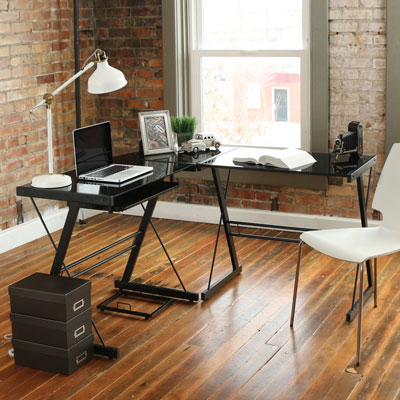 Your price for this item is $304.99
 -
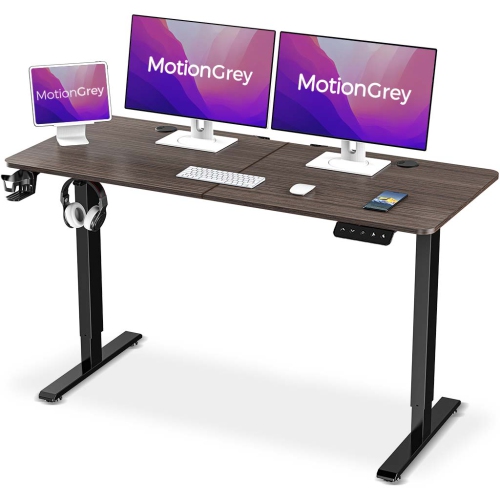 Your price for this item is $93.99
 -
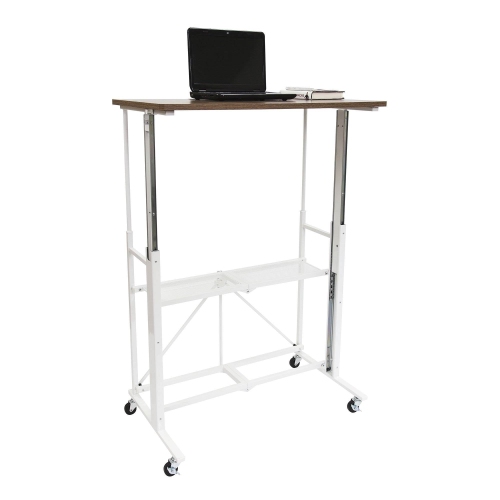 Your price for this item is $248.99
 -
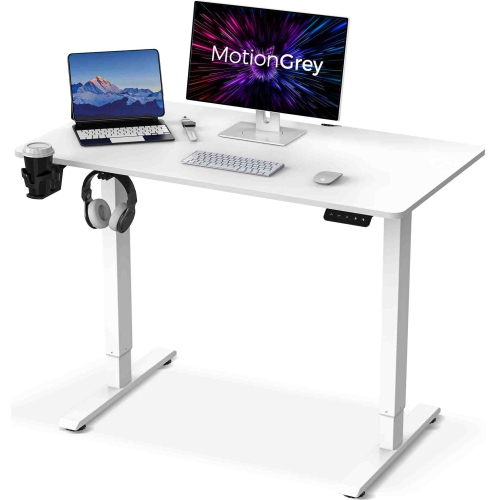 Your price for this item is $83.99
 -
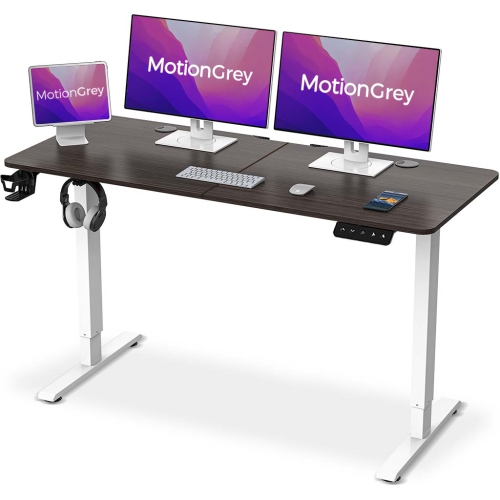 Your price for this item is $108.99
 -
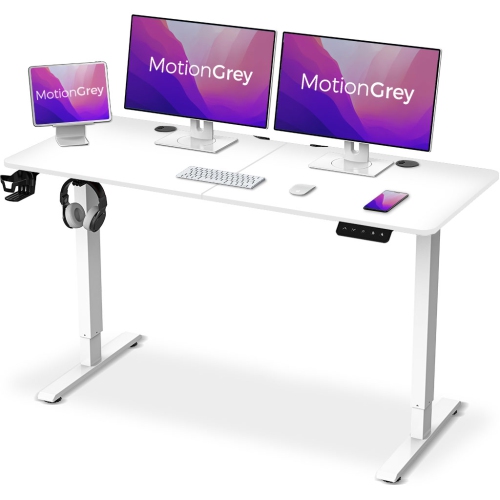 Your price for this item is $94.99
 -
 Your price for this item is $74.97
 -
 Your price for this item is $83.95
Discover more categories related to Mahogany Office Desks
Top Collections:
Pokemon Centers, Kindle Devices, Best Budget Office Chairs, Apple iPhones 16, Best Laptops for Writers, iPhone 15 Apple, Canon G7X Cameras, Refurbished Apple Laptops, Alarm Clock, Motorola Razr Phones
Some products may be subject to Environmental Handling Fees
(EHF) depending on your province.
Learn more about EHFs.