Wood Office Desks
A good desk is the foundation of a great office. It's where you'll do your work, pay your bills, and interact with friends and family. A desk should be sturdy, functional, and attractive enough to fit in with almost any home office decor. Here are some of our favorites.
Sort
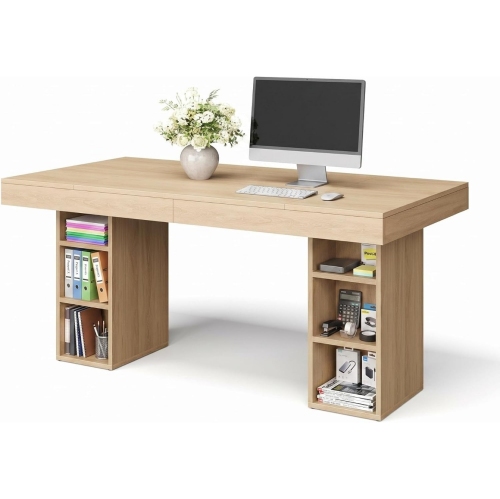

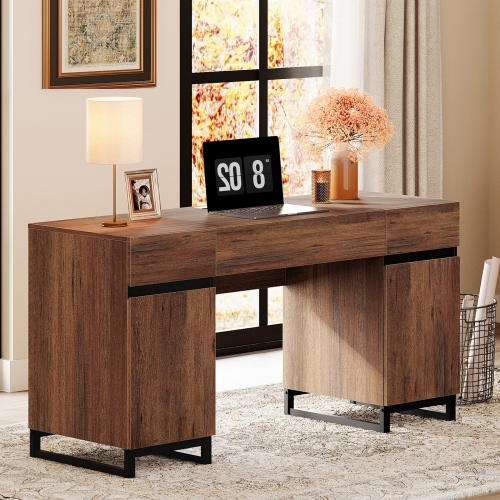
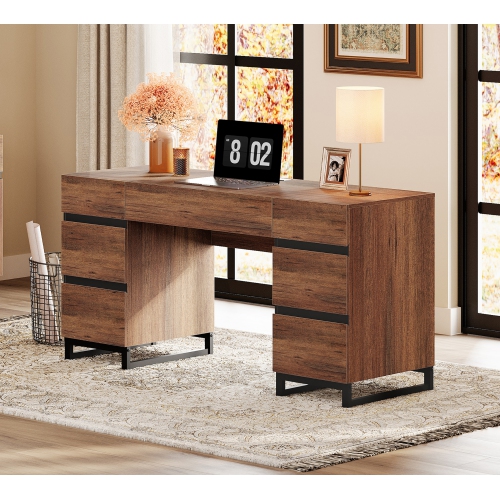

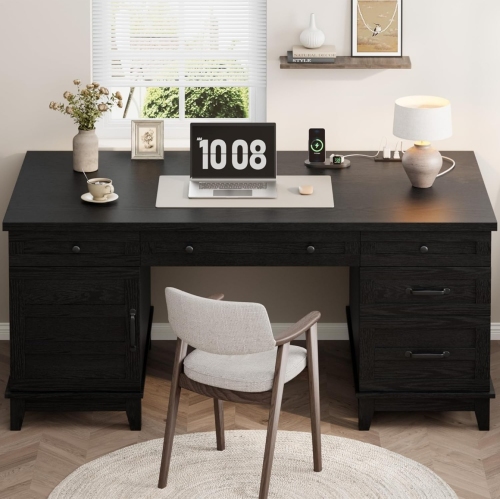



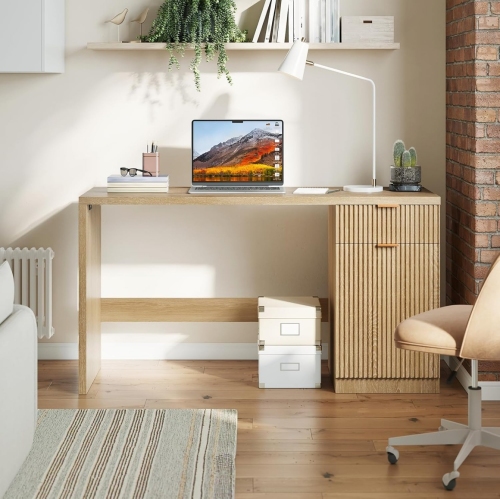
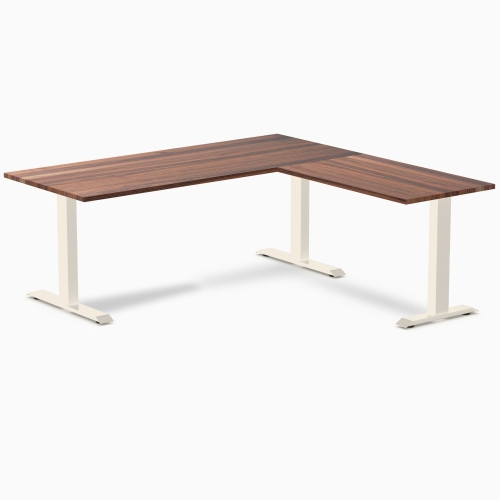
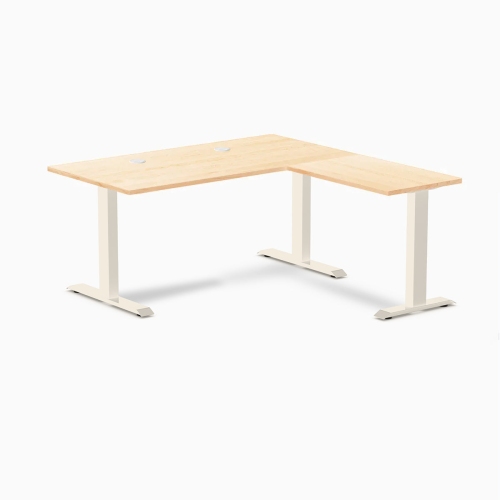


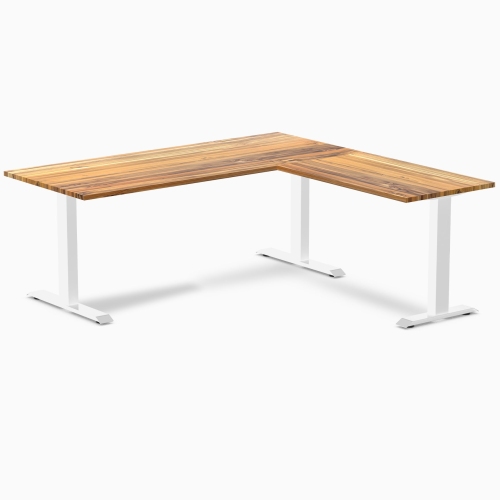


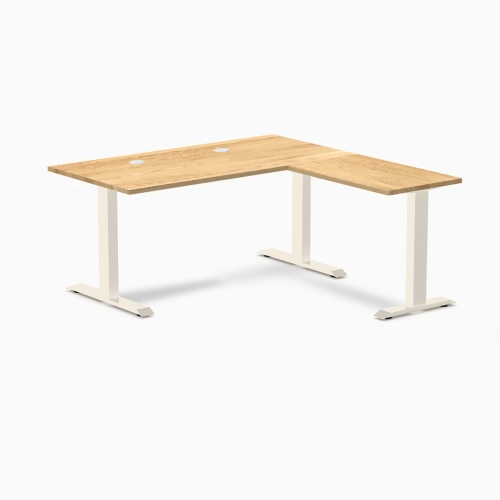
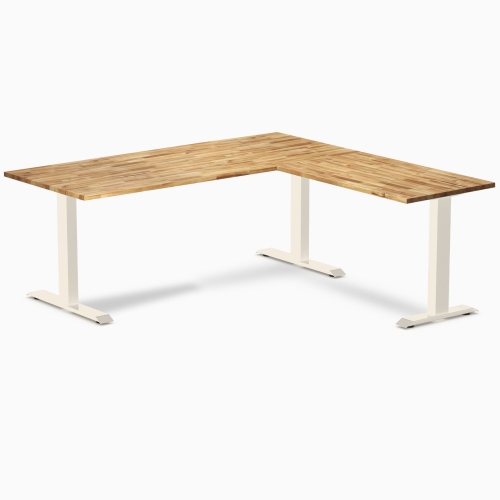
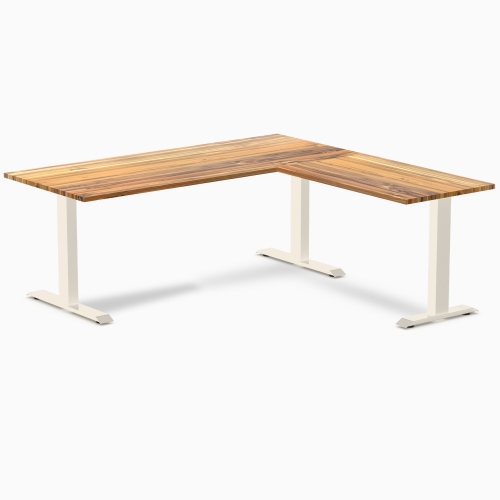

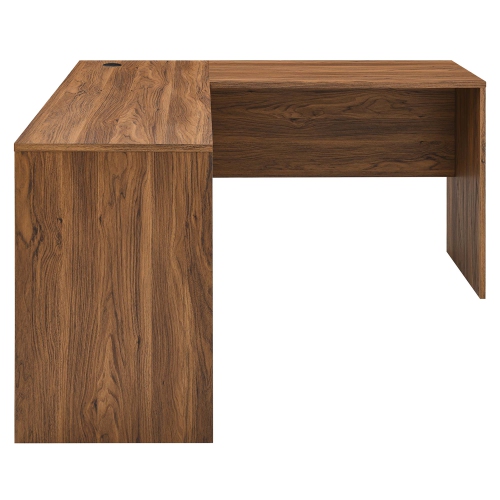







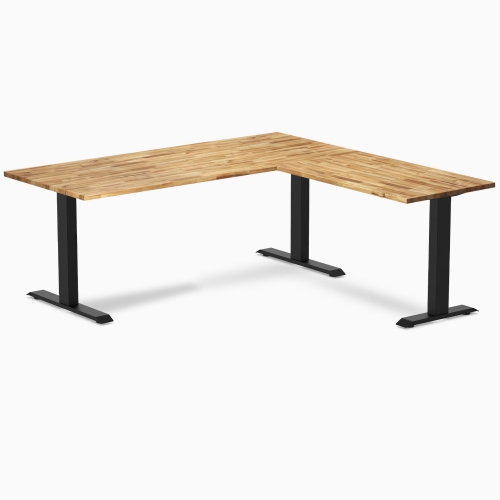
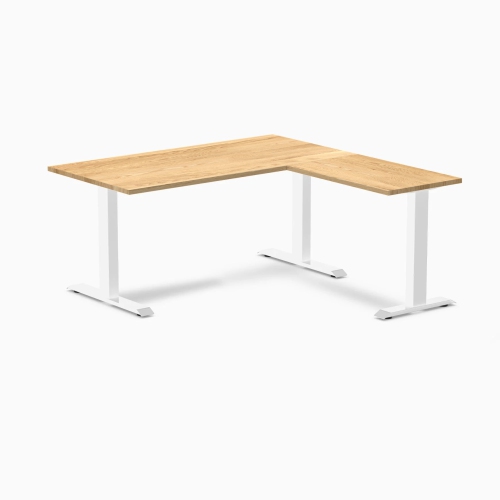
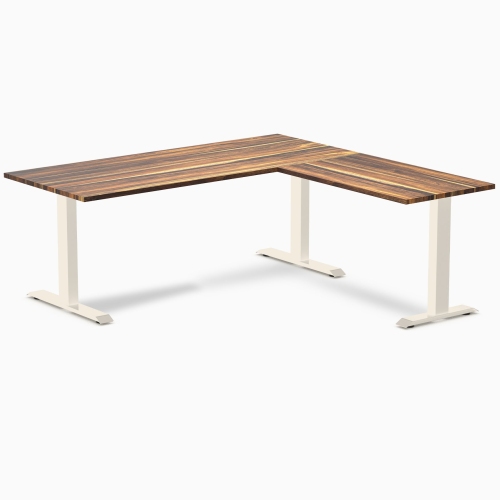
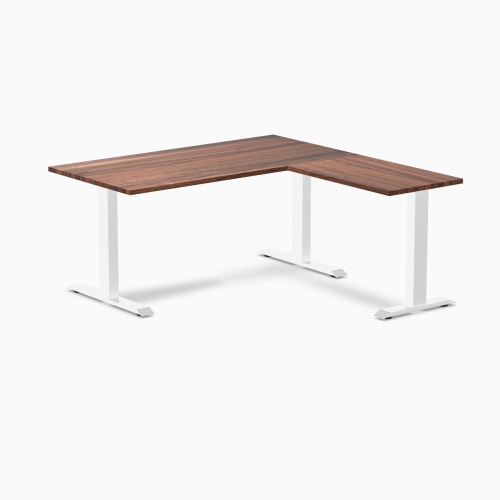




















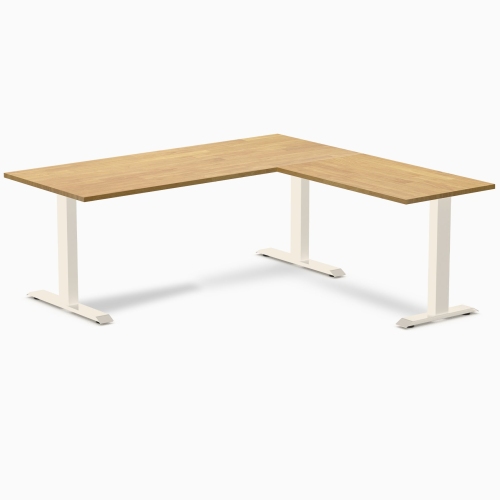

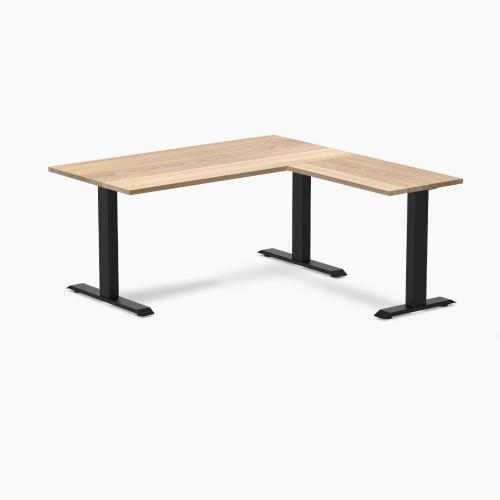


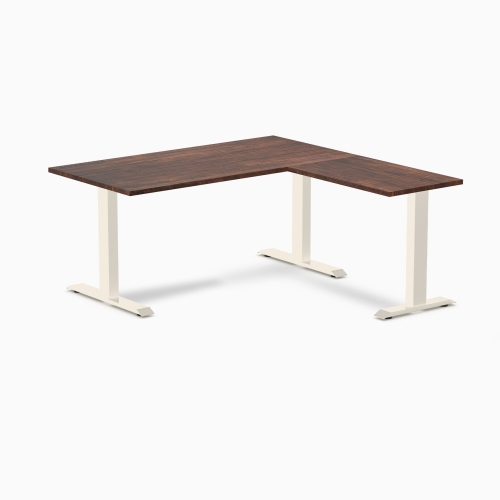

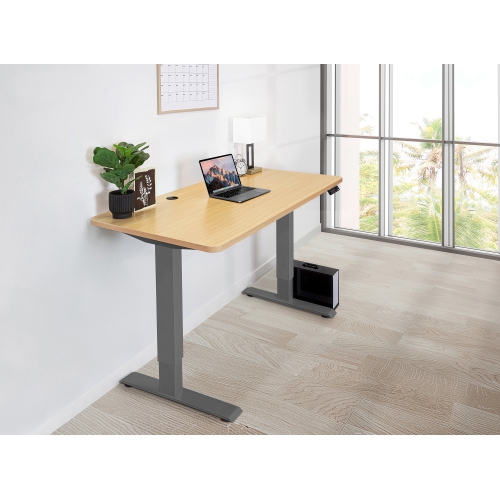

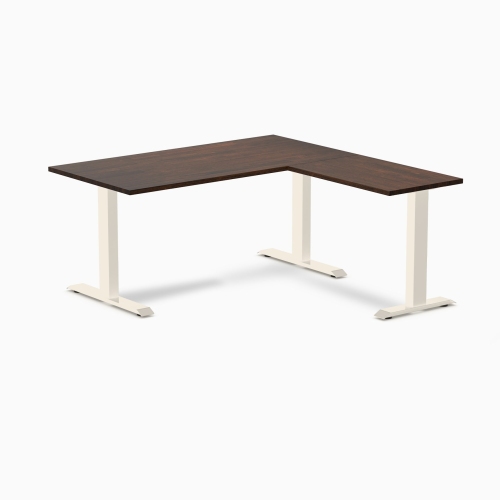

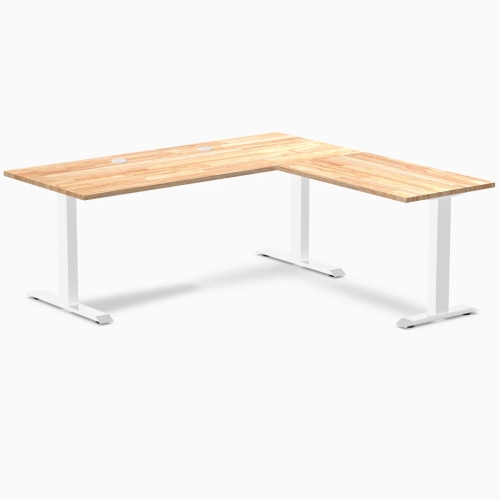


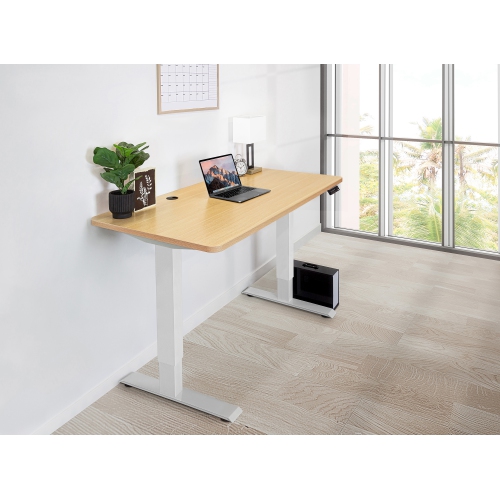

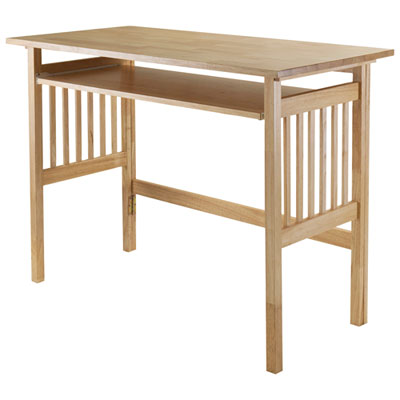















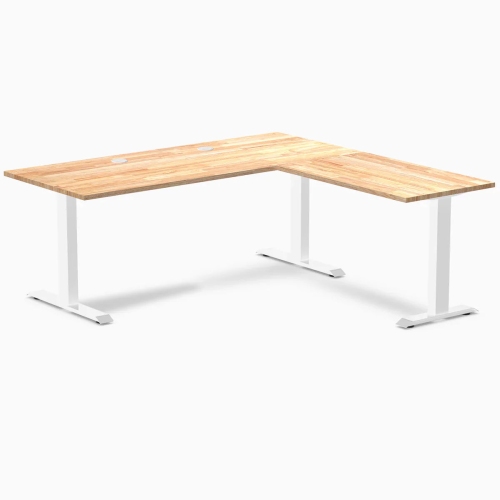

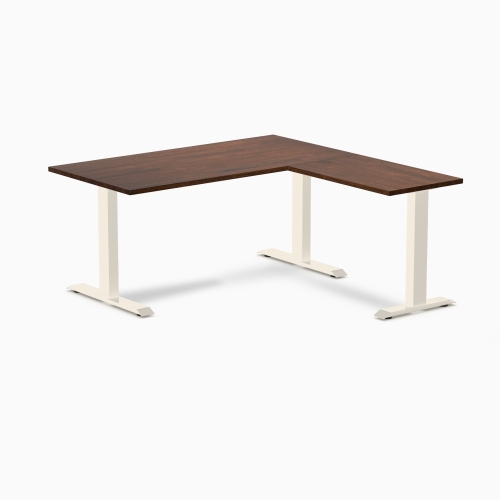


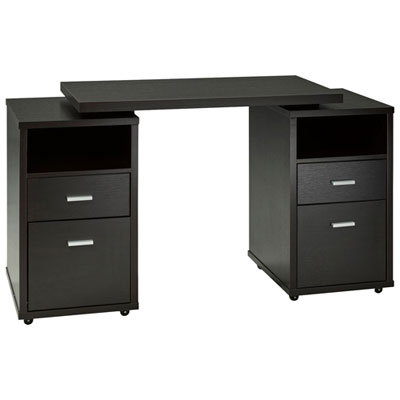

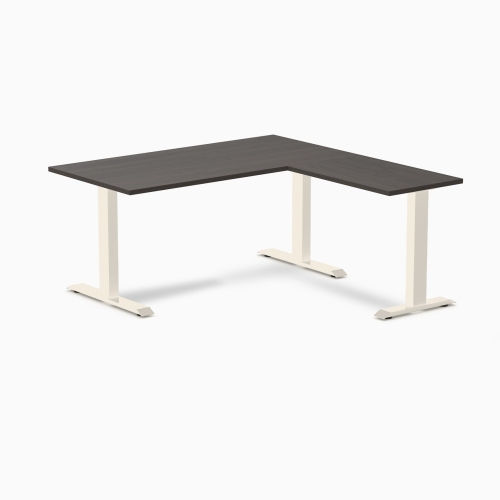





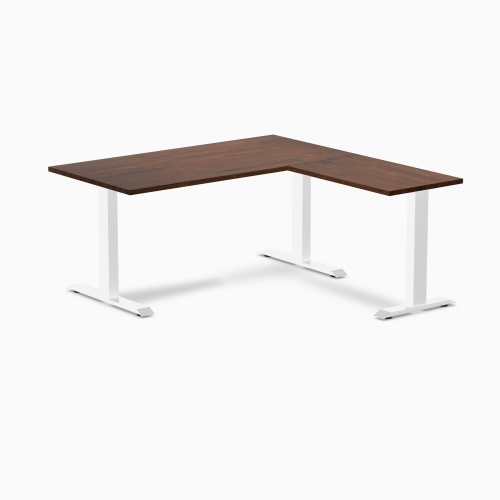

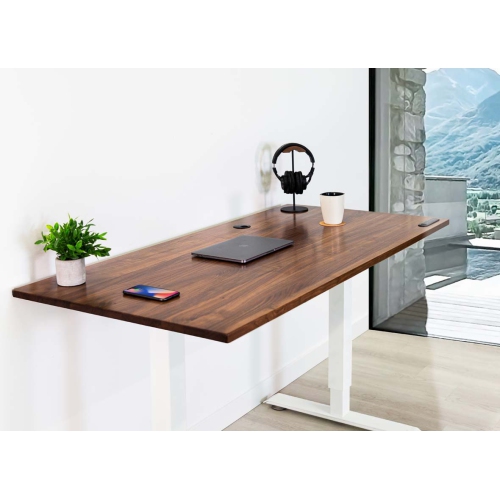
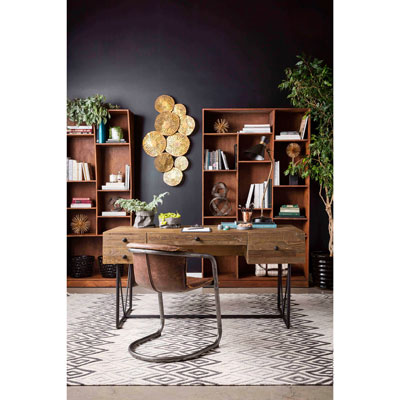

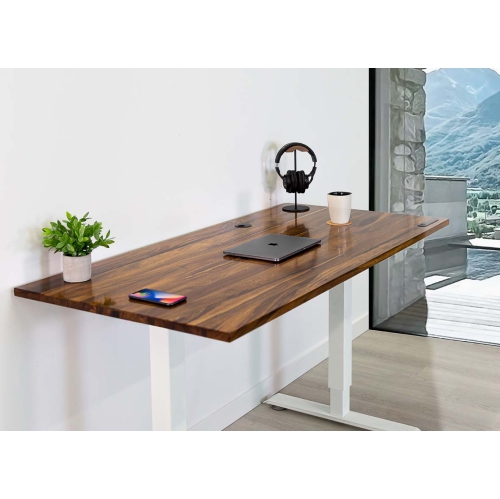
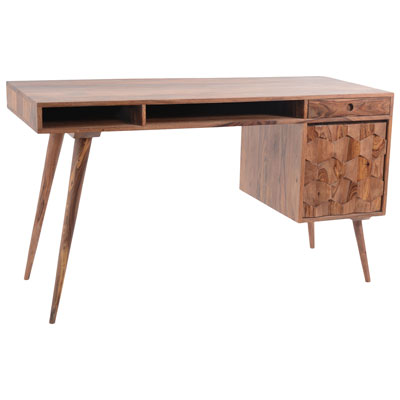

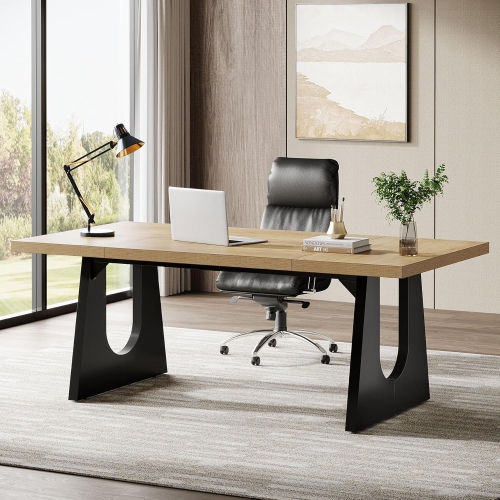
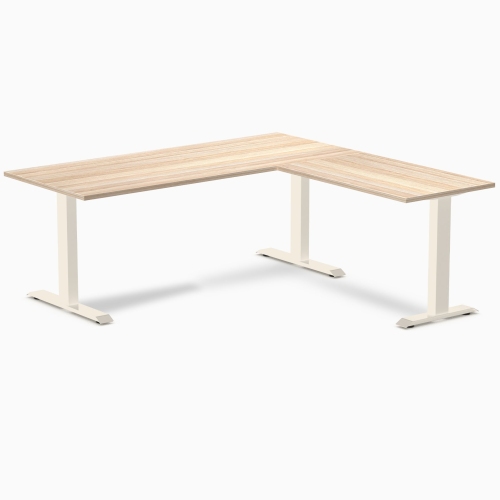


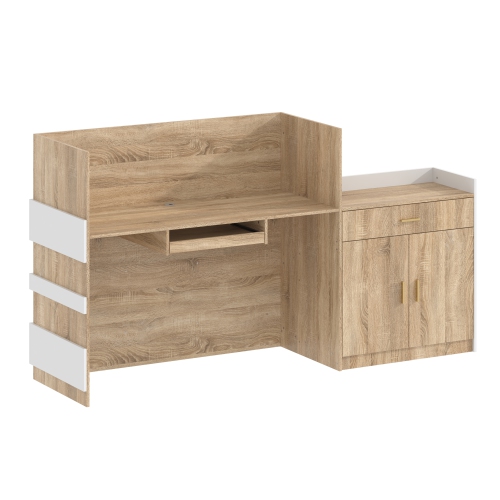

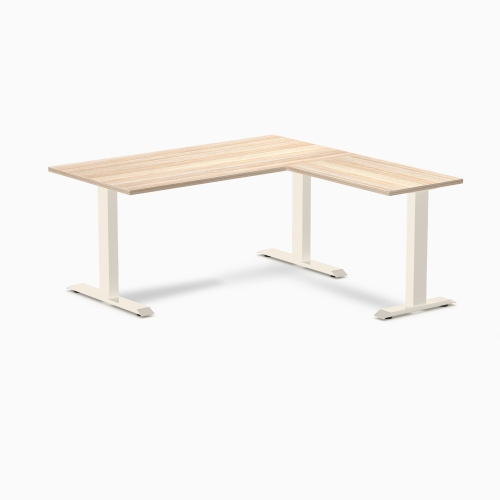
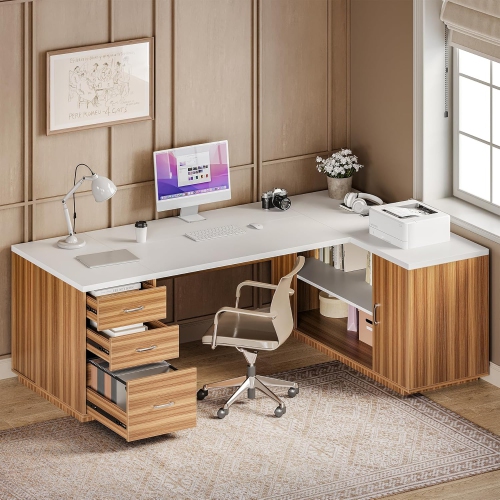
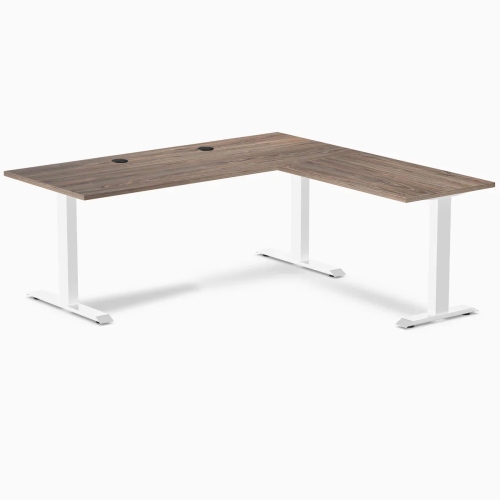
There’s more to a desk than its wood finish
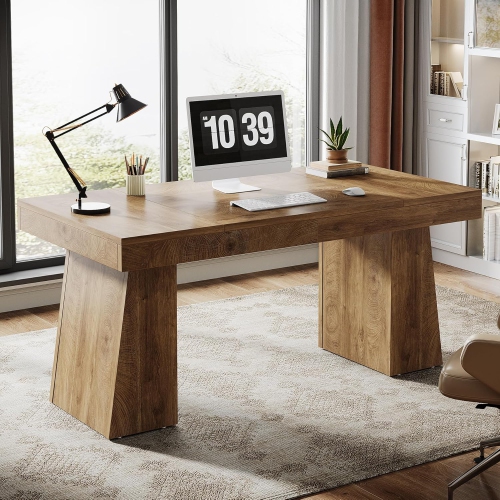
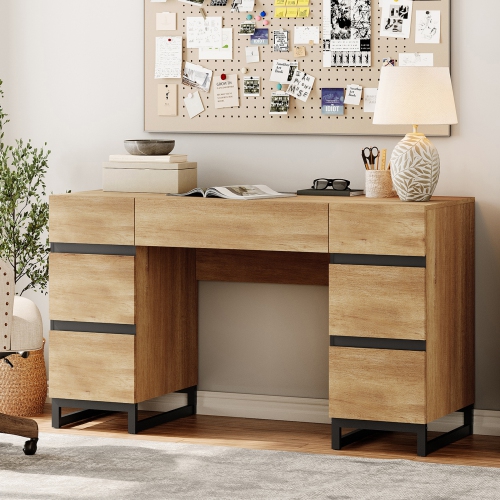
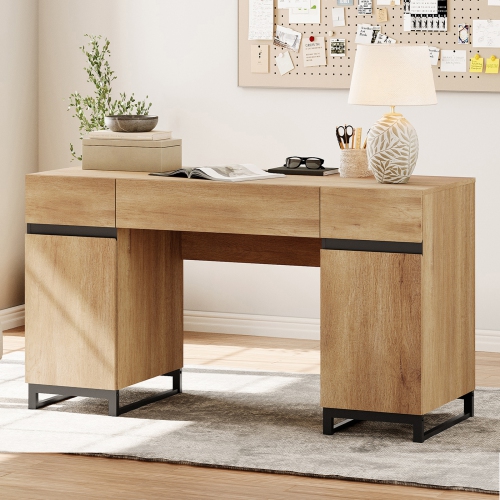
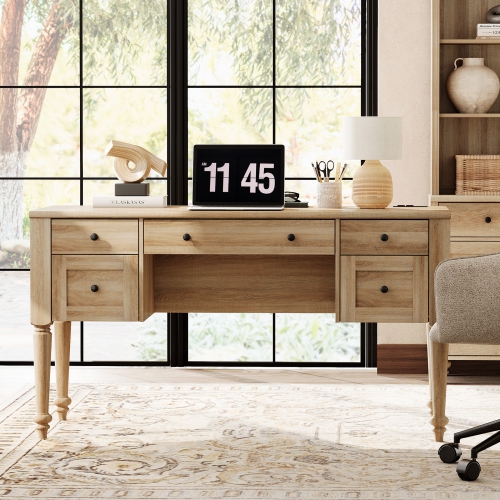
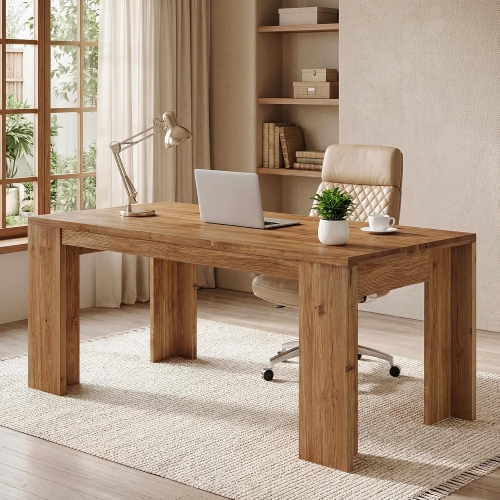
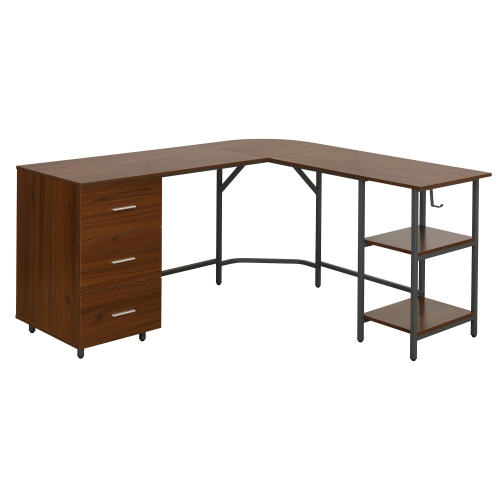
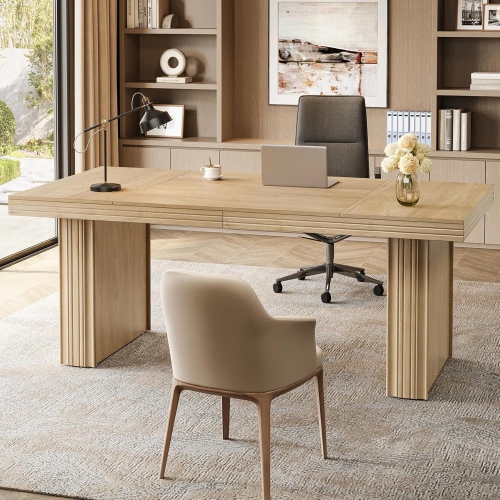
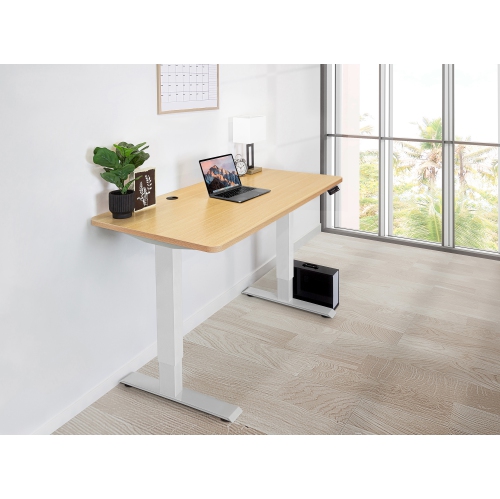
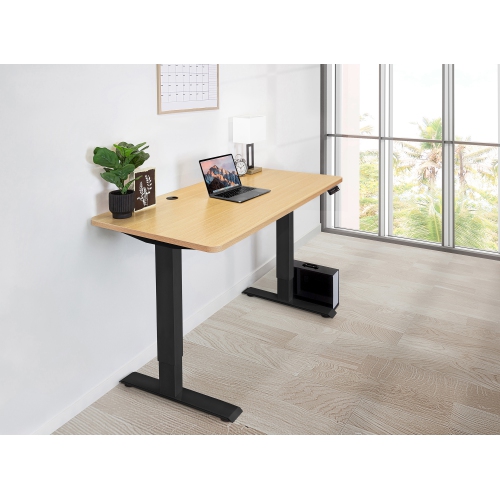
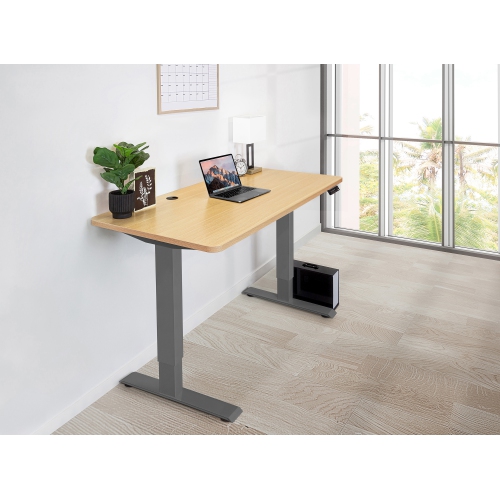
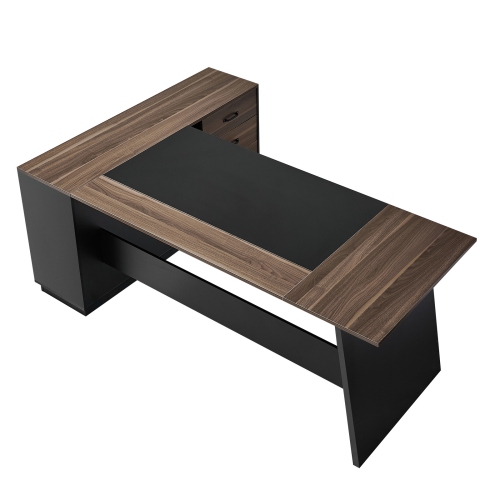
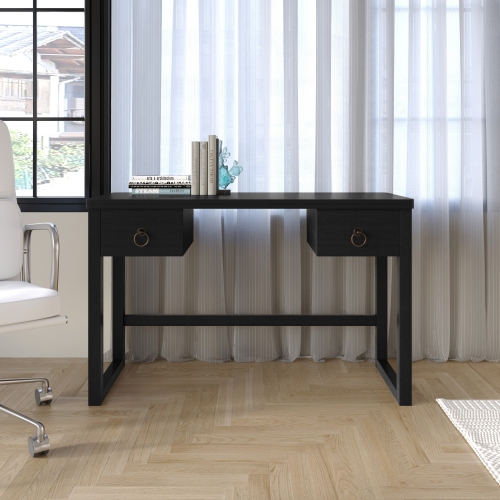
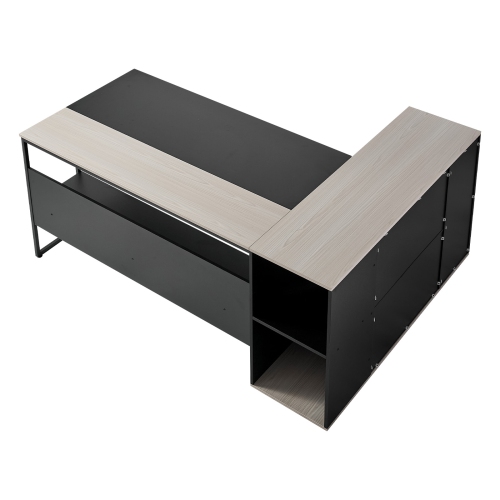
Wood office desks bring a natural-looking finish and a substantial work surface to home offices, shared workspaces, and study areas. Their appeal extends beyond appearance: a well-proportioned desk gives a laptop, monitor, paperwork, and everyday supplies a dedicated place without making the room feel crowded. The category includes solid wood desks, desks finished with real wood veneer, and engineered wood desks with wood-look surfaces, each with different construction and care considerations. Solid wood has grain patterns and tonal variations that make individual surfaces distinctive. Depending on the species and finish, it may show small dents or develop a more lived-in appearance with regular use; some solid wood surfaces can also be refinished when their finish becomes worn. Oak often has prominent grain, maple typically has a finer texture, and walnut is known for its rich brown tones, although stains can significantly change the finished colour. Real wood veneer is a thin layer of wood applied over a supporting core, giving the surface genuine grain without requiring solid wood throughout. Its durability depends on the veneer thickness, core, edge treatment, and protective finish, and it generally cannot tolerate the same depth of sanding as solid wood. Engineered wood, including medium-density fibreboard and particleboard, may be covered with veneer, laminate, or another decorative surface. A wood-look finish is not necessarily real wood, so material descriptions help distinguish the visible surface from the structure beneath it. Neither weight nor appearance alone establishes build quality. A steady base, secure joints, well-supported desktop, and smoothly operating drawers all contribute to a desk that feels dependable during daily typing and writing. For someone working from home, studying, or handling household paperwork, the most useful wood office desk balances these construction details with a layout suited to the tasks it will support.
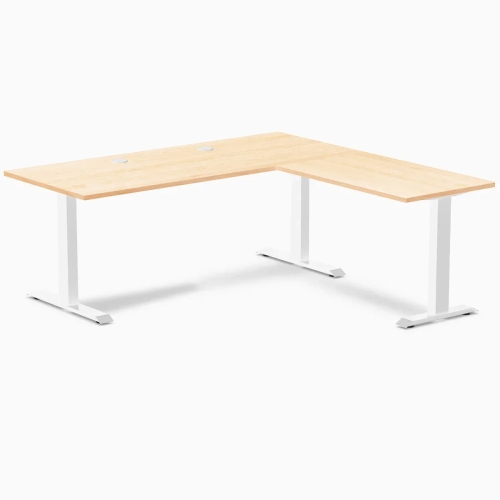
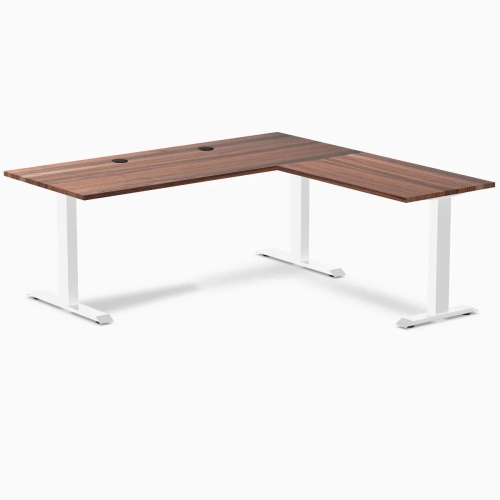
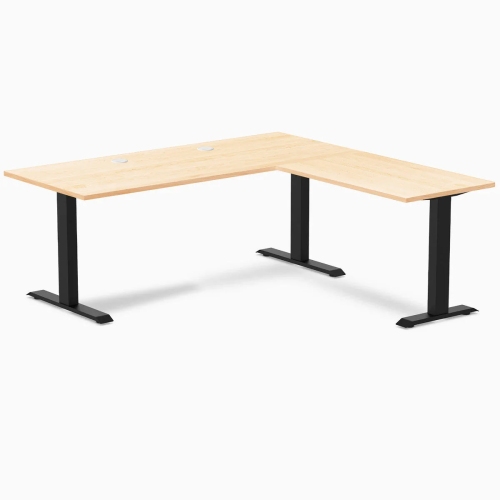
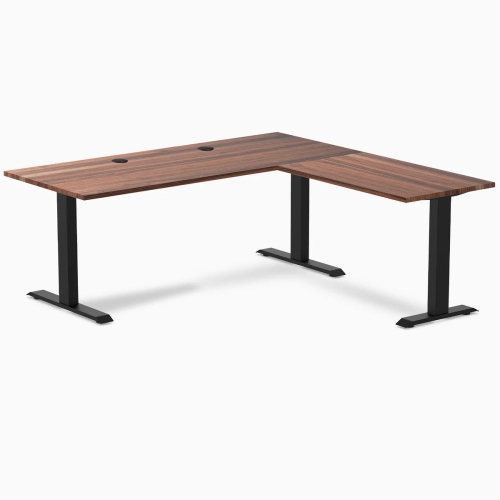
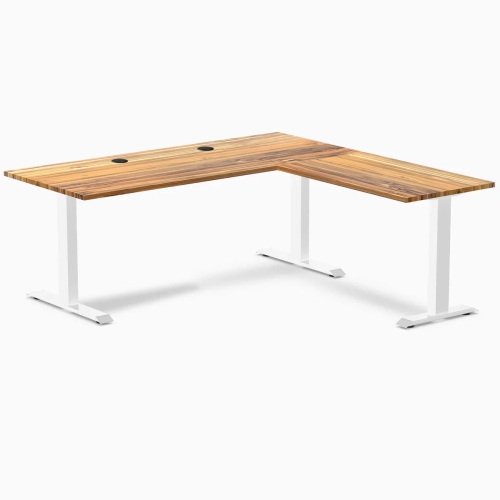
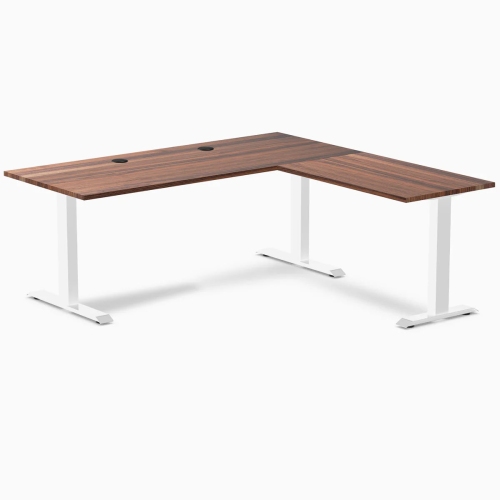
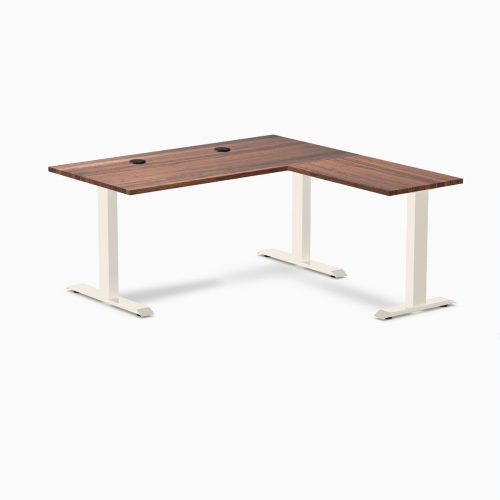
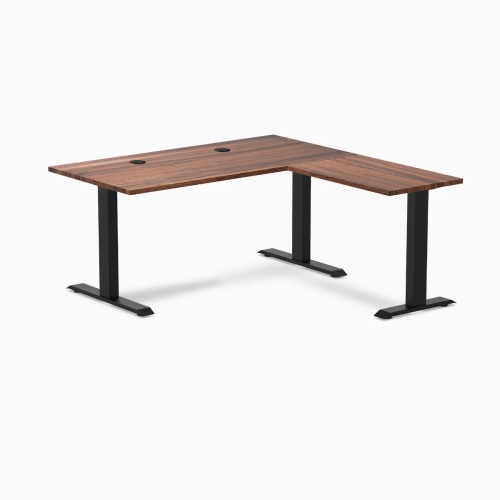
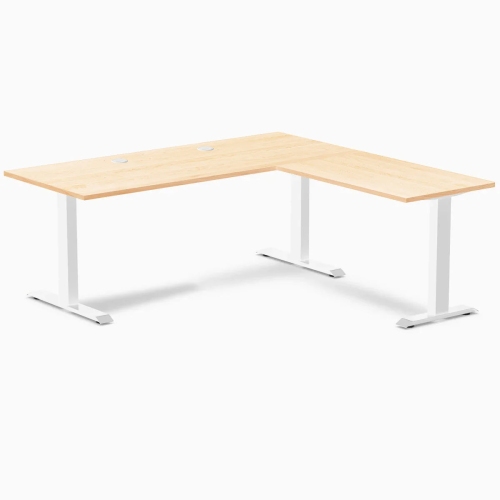
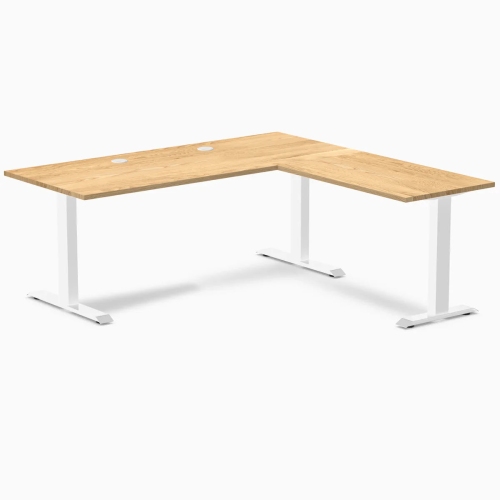
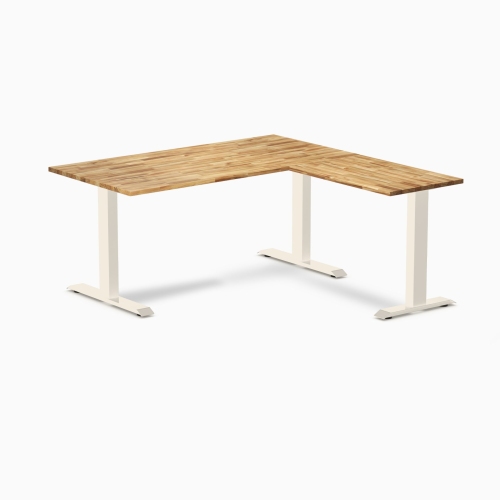
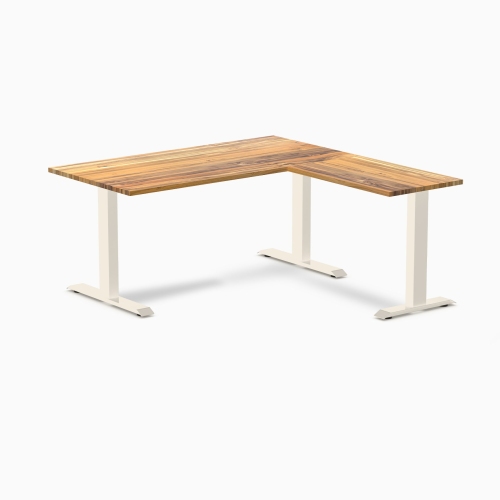
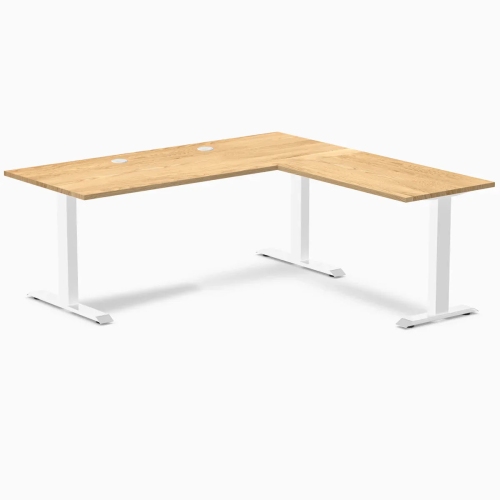
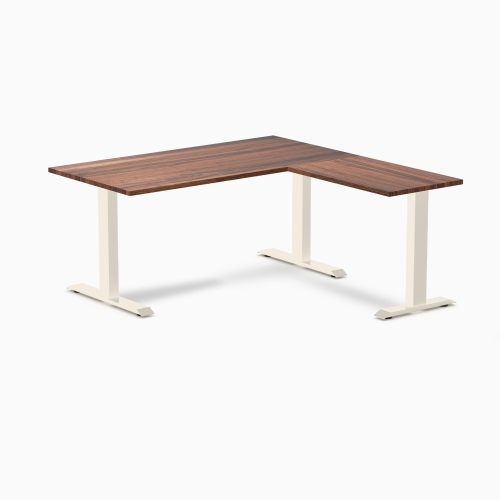
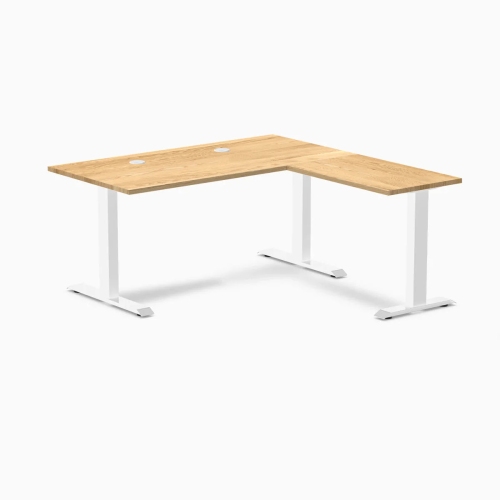
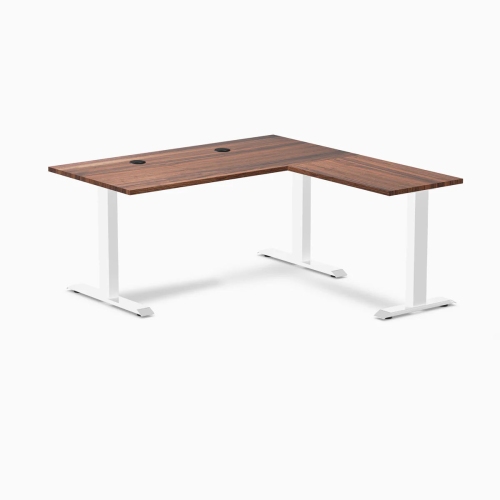
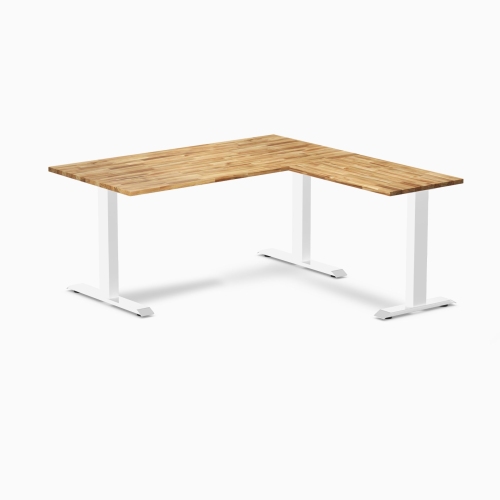
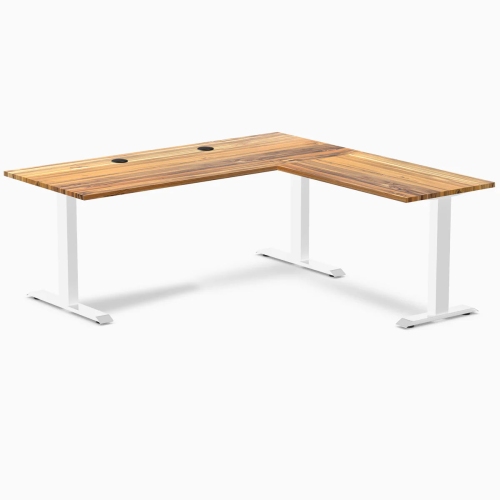
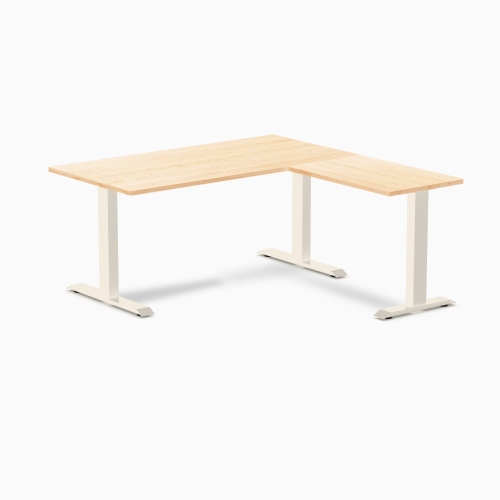
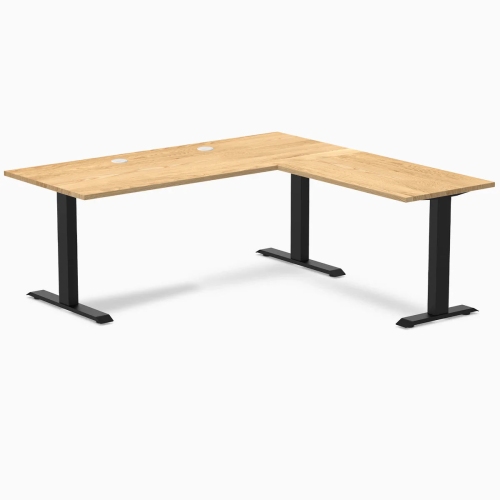
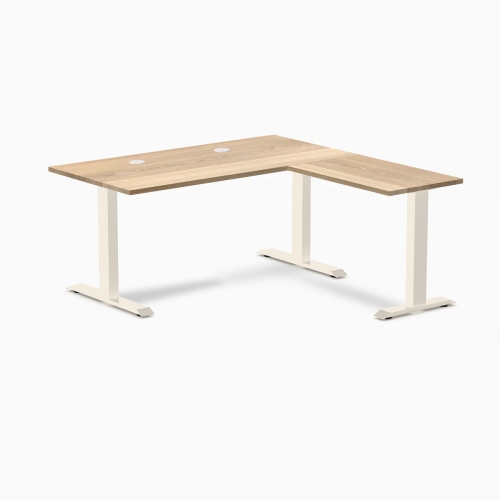
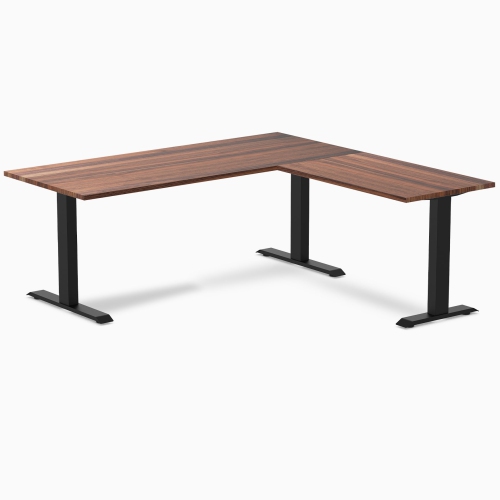
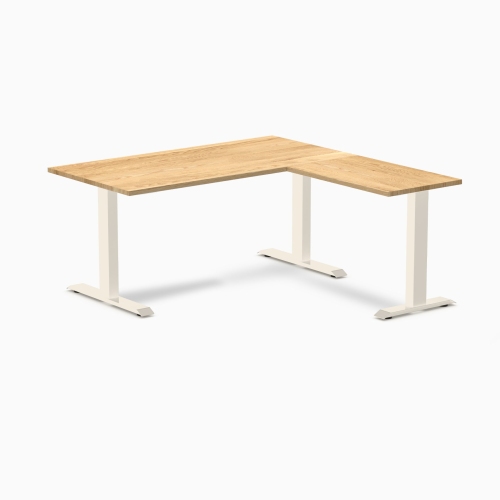
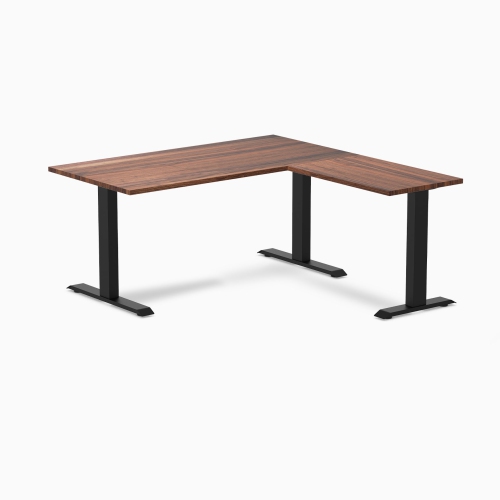
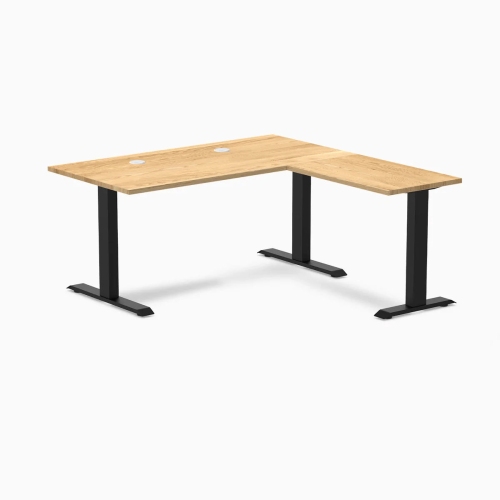
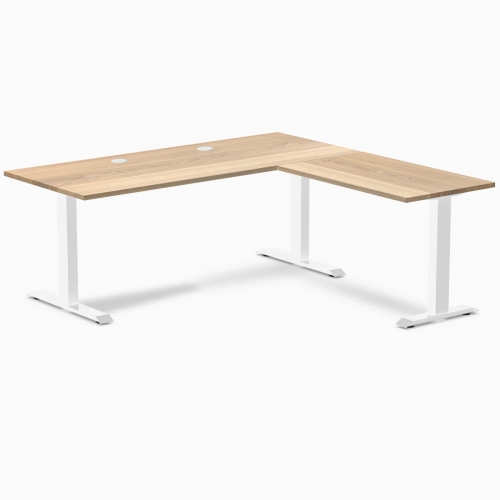
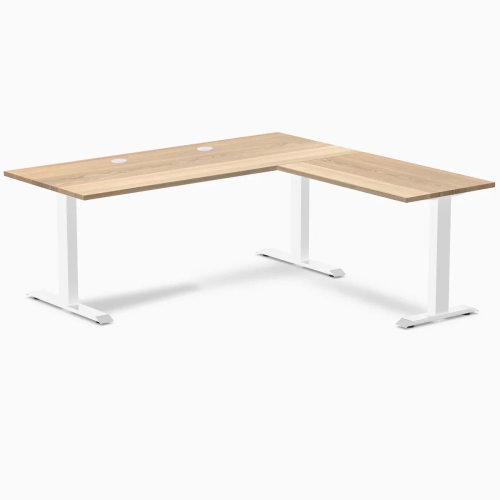
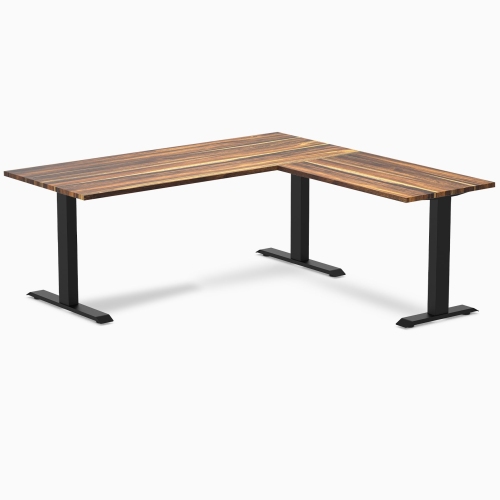
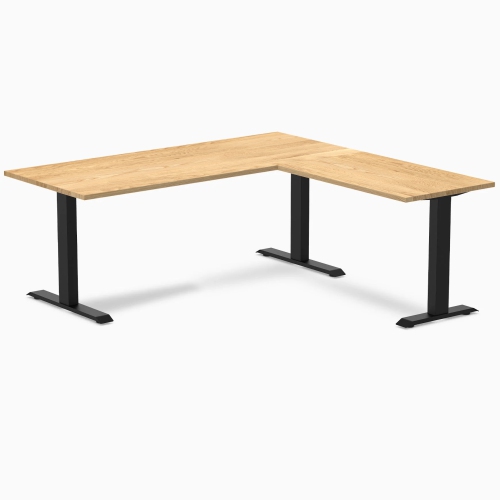
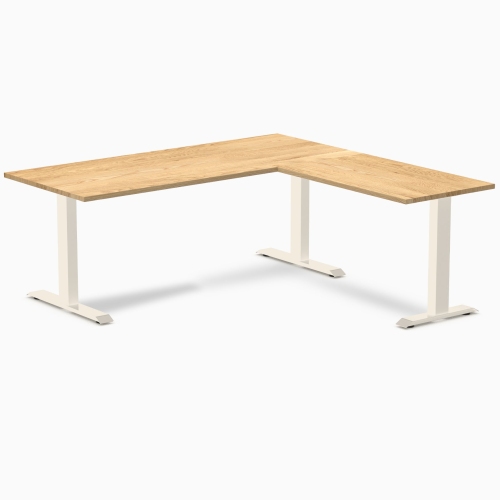
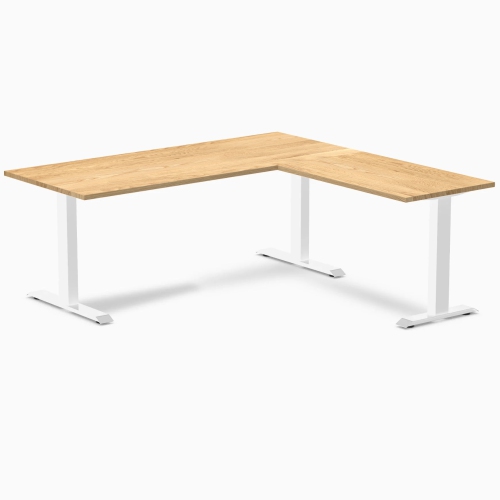
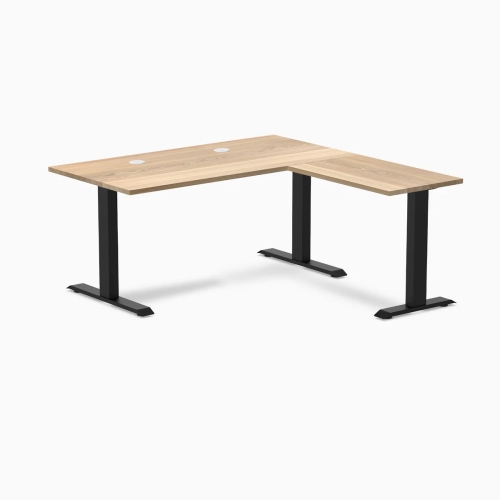
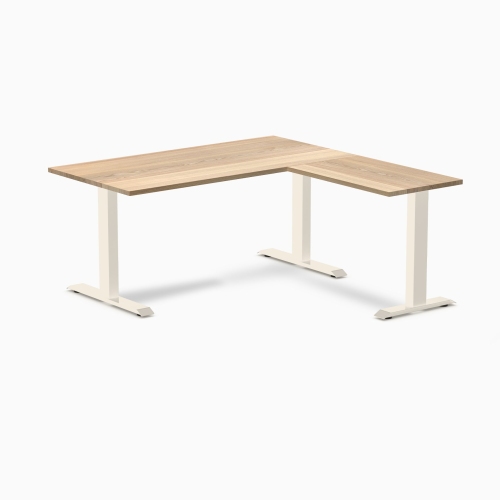
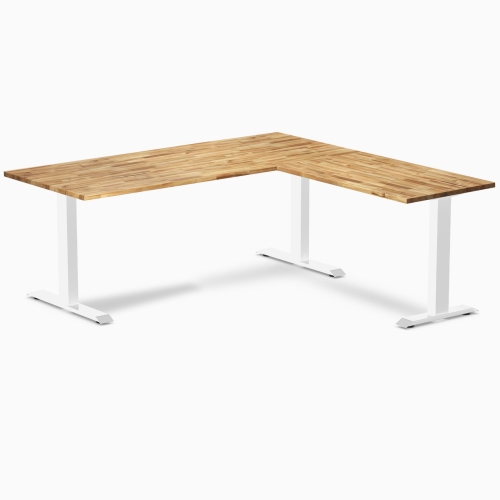
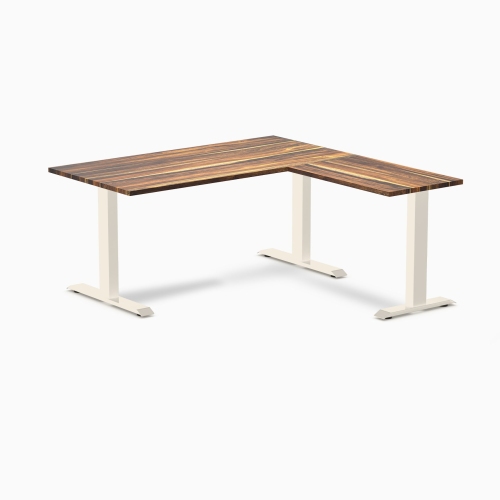
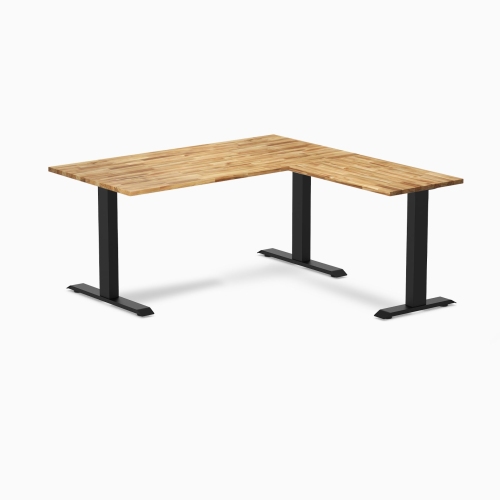
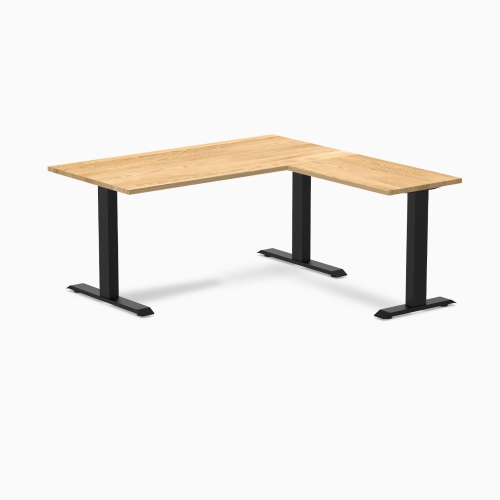
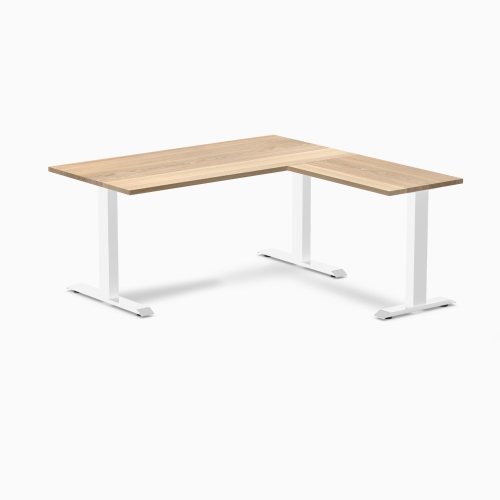
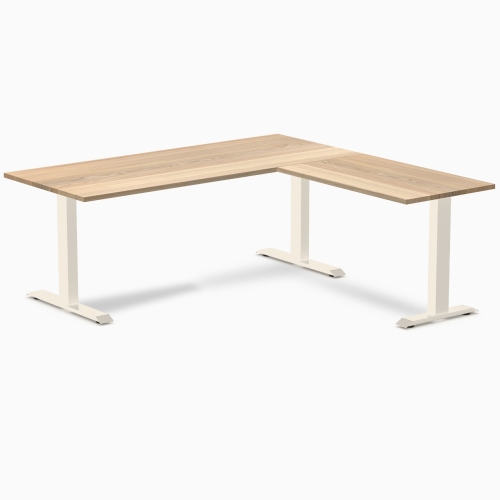
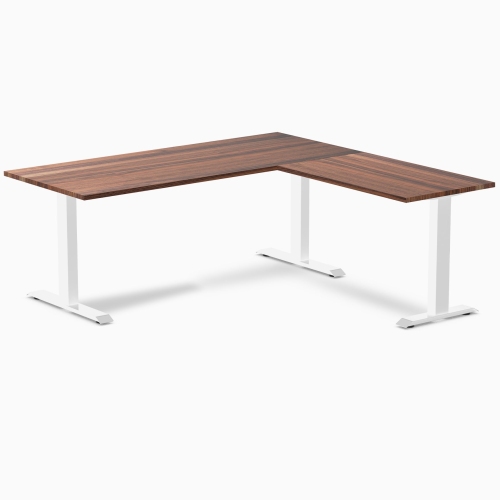
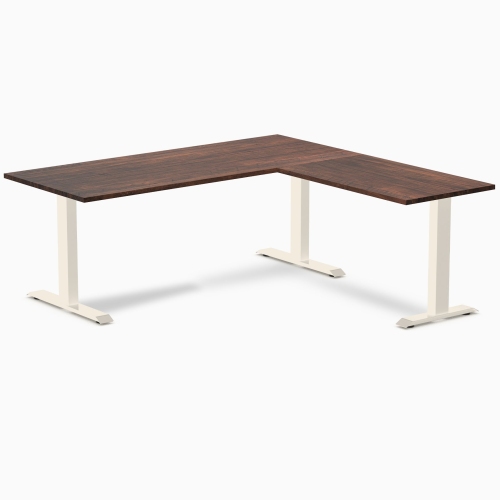
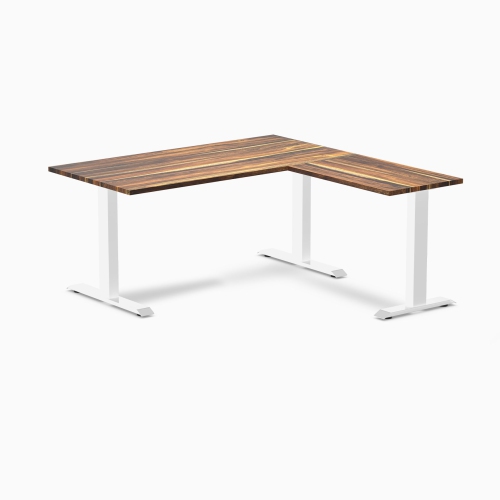
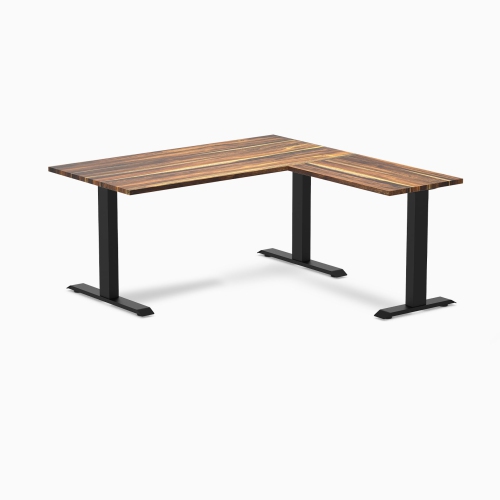
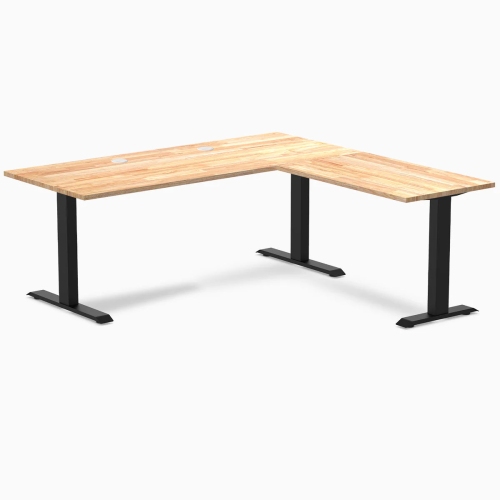
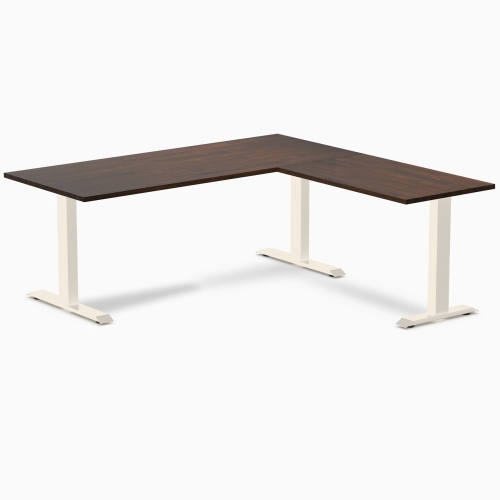
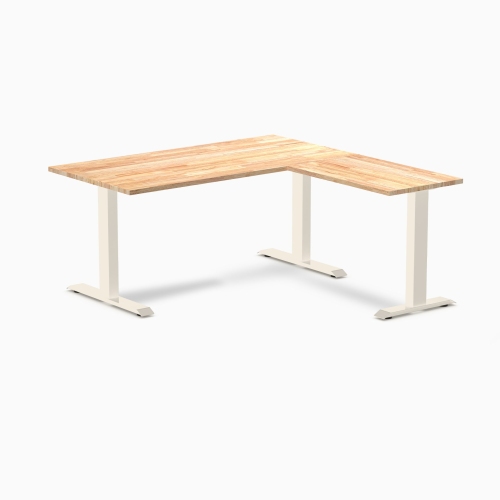
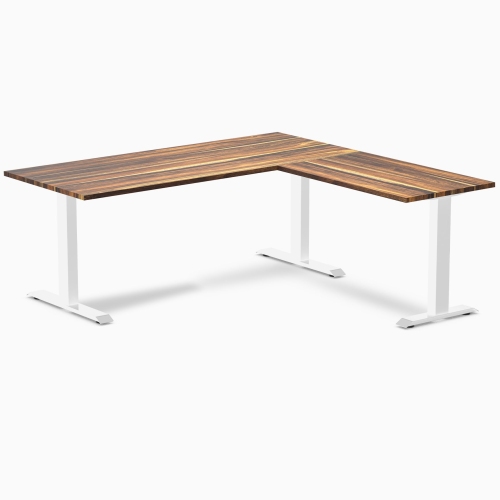
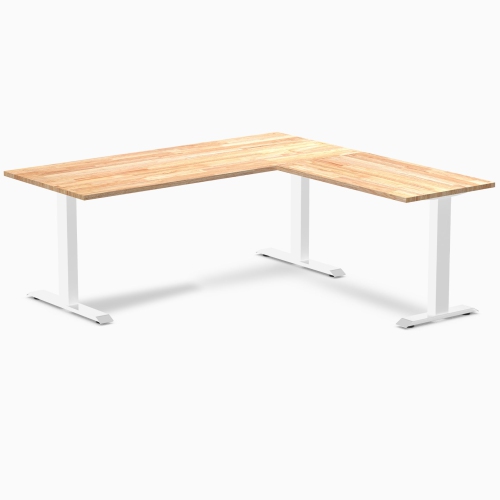
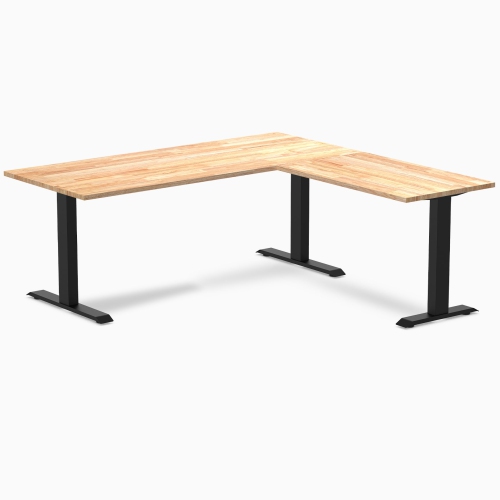
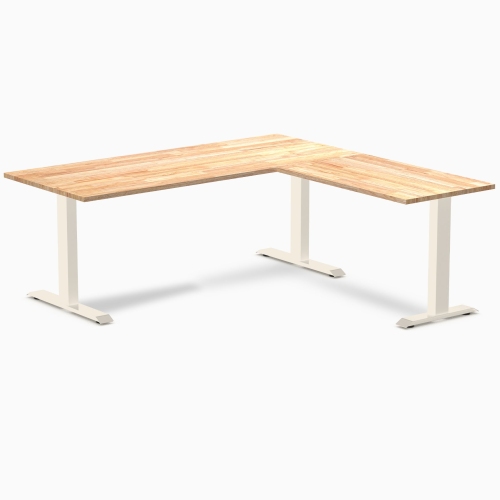
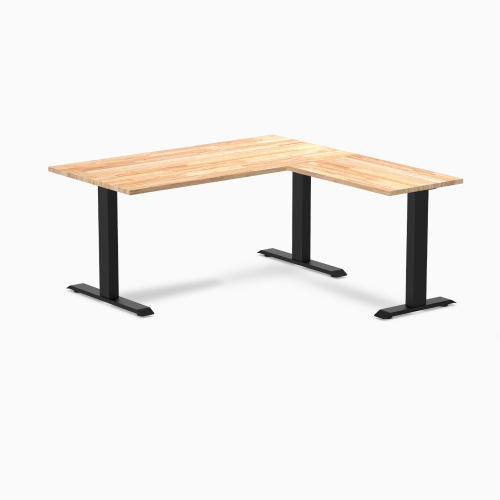
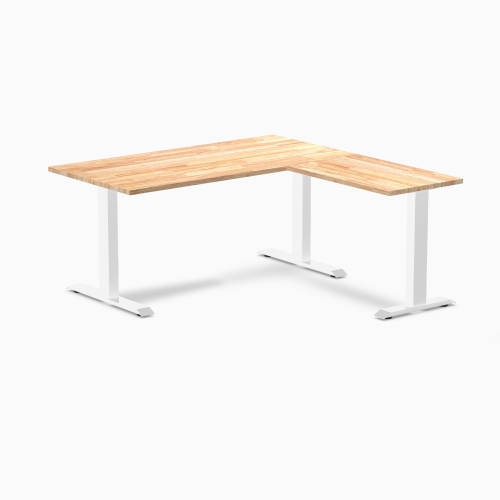
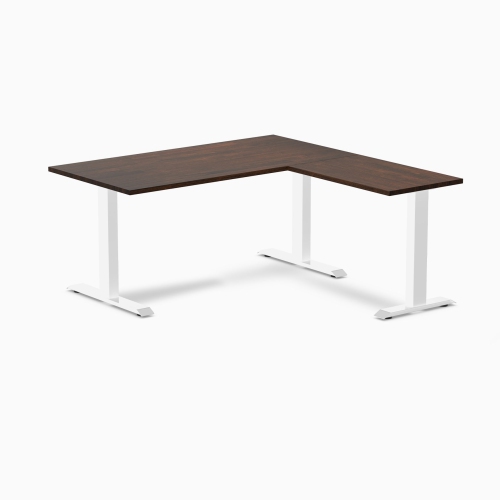
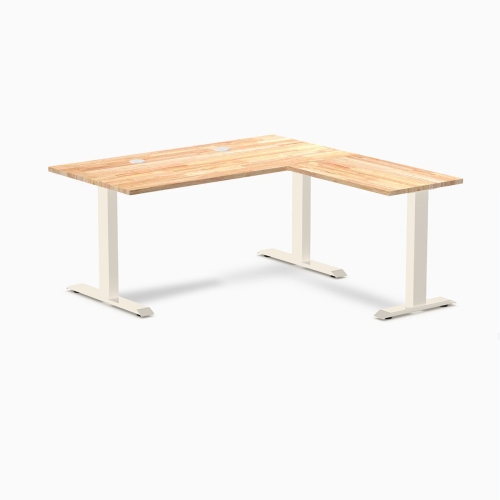
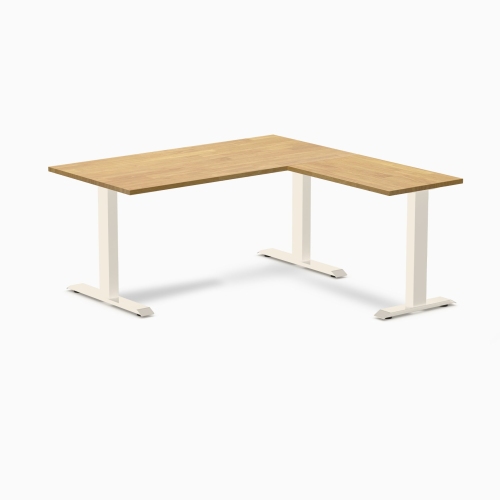
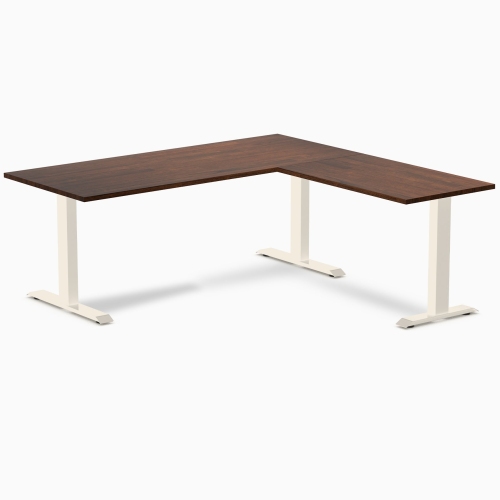
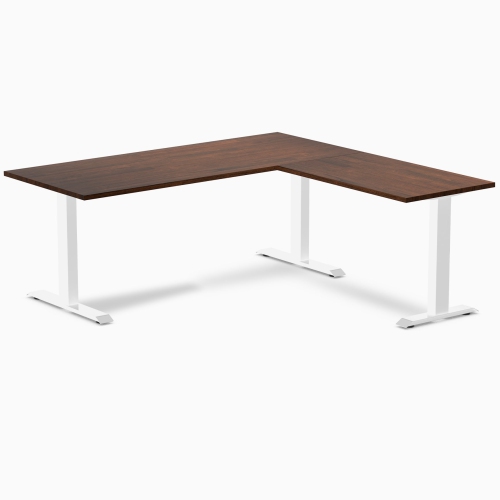
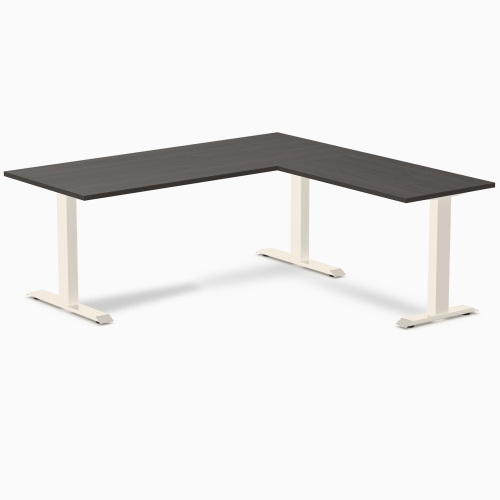
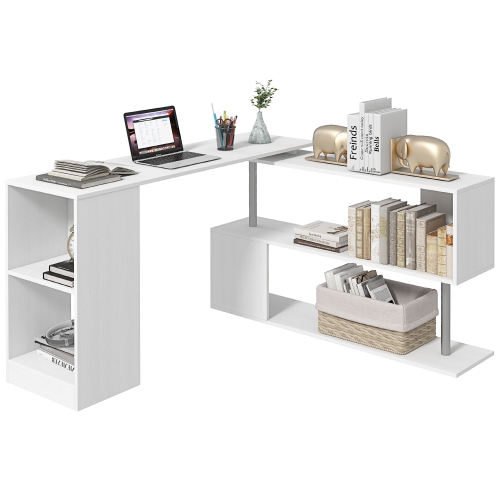
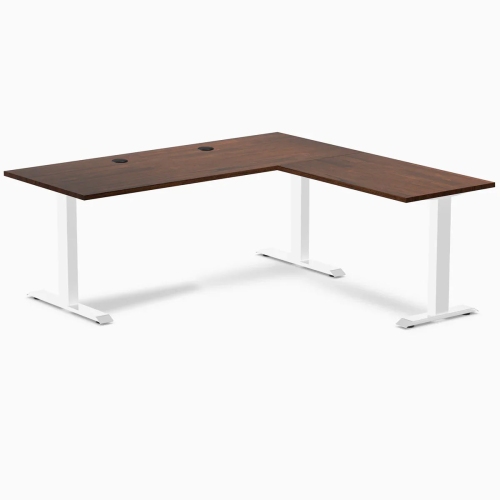
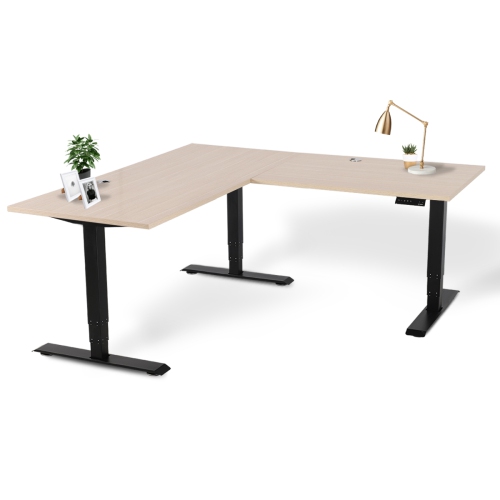
Desk dimensions shape how comfortably a workspace functions, especially when the same room also serves as a bedroom or living area. Width determines how much equipment can sit side by side, while depth affects the space between the user, keyboard, and screen. Many office desks measure approximately 48 to 72 inches wide and 24 to 30 inches deep, though compact writing desks and larger executive designs fall outside those ranges. A laptop and notebook need less surface area than two monitors, a full-size keyboard, and a spread of reference documents. With a shallow desktop, a large monitor may sit too close even when the desk has enough width, making usable depth just as important as the overall footprint. An L-shaped wood desk adds a return surface that can separate computer work from writing, drawing, or sorting files, but the return must face the right direction for the room. Reversible configurations offer flexibility only where the design specifically allows it. Space behind the chair matters, too: there should be room to pull back, stand up, and open nearby cabinets without blocking a doorway or shared walkway. Under the desktop, drawer pedestals, support rails, and modesty panels can reduce knee and leg clearance. Desk height works best when paired with a chair that allows relaxed shoulders and supported feet; a thick desktop or low drawer can limit that fit even if the listed height appears suitable. Storage choices also affect everyday convenience. Shallow drawers keep pens and charging cables close at hand, while deeper compartments can hold notebooks or larger supplies. Filing drawers should match the intended paper size, since letter and legal files require different clearances. Cable openings, rear channels, and accessible space near an outlet can help keep cords away from the main work surface. For a monitor arm, the desktop material, thickness, edge profile, and manufacturer’s mounting guidance all matter, particularly with hollow-core or lightly supported tops. The desk’s stated weight capacity should account for everything placed on it, including equipment and stored materials.
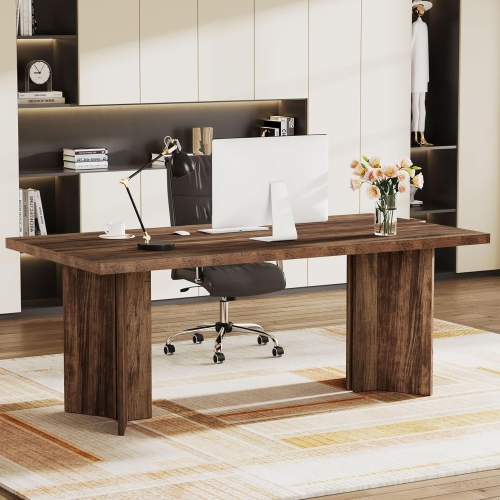
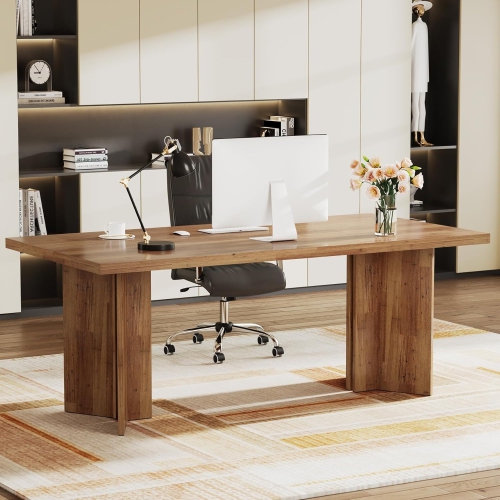
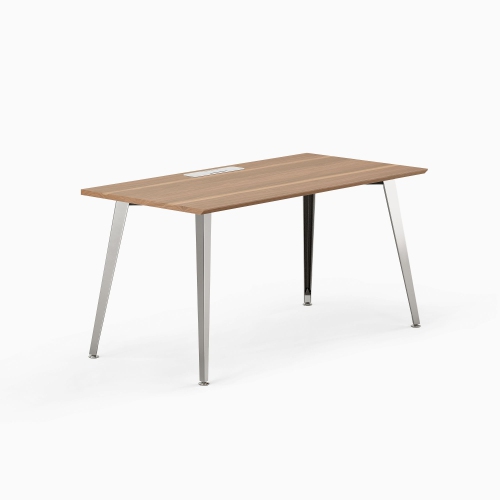
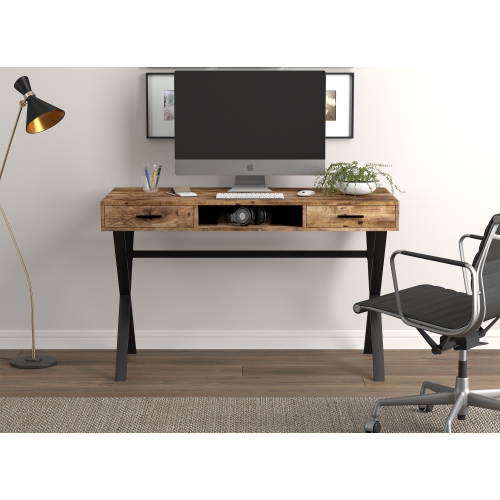
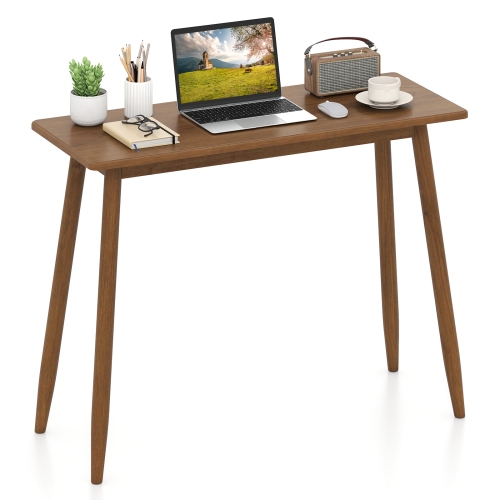
The style of a wood office desk can help a work area feel connected to the rest of the home rather than set apart from it. Pale wood tones pair easily with light upholstery and simple shelving, while deeper brown finishes can give a study a more traditional character. Visible grain brings texture to a room with smooth walls, glass, or metal furniture, and a wood top with metal legs offers a different visual weight from a desk with full side panels and substantial drawers. Matching every wood finish is not necessary; repeating a similar undertone or keeping the surrounding furniture simple often creates a more cohesive result. For a darker, more uniform alternative, Black Office Desks offer another way to coordinate a workspace with existing storage and seating. Practical details deserve equal attention once the desk is in place. A smooth, sealed surface is generally easier to wipe clean than a deeply textured one, while pronounced grain or grooves may call for a desk pad when writing on a single sheet of paper. Coasters help protect the finish from drink rings, and a suitable protective mat can reduce wear beneath frequently moved accessories. Spills should be wiped up promptly, especially around seams, exposed edges, and cable openings where moisture can reach the core. Routine care usually involves a soft cloth and cleaning methods approved for the finish rather than abrasive pads or strong household cleaners. Prolonged direct sunlight may alter wood colour, and placement close to a heat source can affect some materials and finishes. Moving a desk by lifting it rather than dragging it helps protect joints and legs; larger designs may need partial disassembly according to their assembly instructions. Doorway widths, stair turns, and the weight of individual components are worth considering before bringing a desk into an upstairs office. Whether it supports a student’s assignments, a professional’s daily calls, or a household’s shared computer, a wood office desk earns its place through comfortable proportions, useful storage, and a surface that suits the way it is used.
Top selling and popular products
-
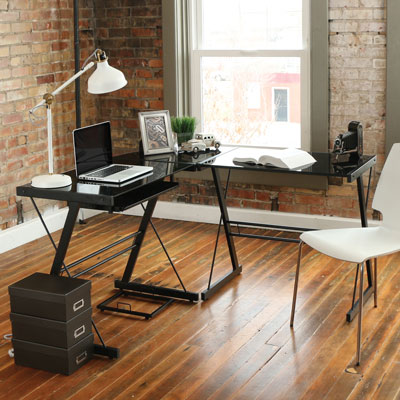 Your price for this item is $304.99
-
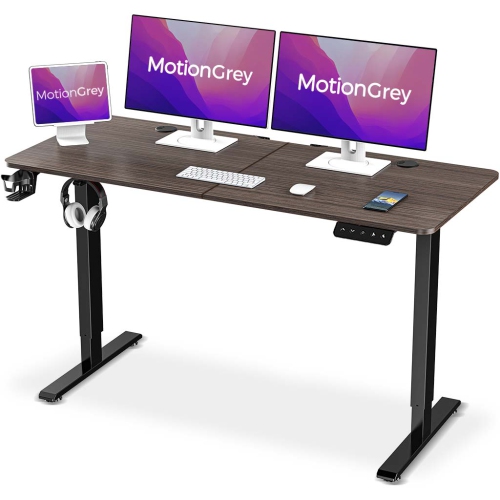 Your price for this item is $142.92
-
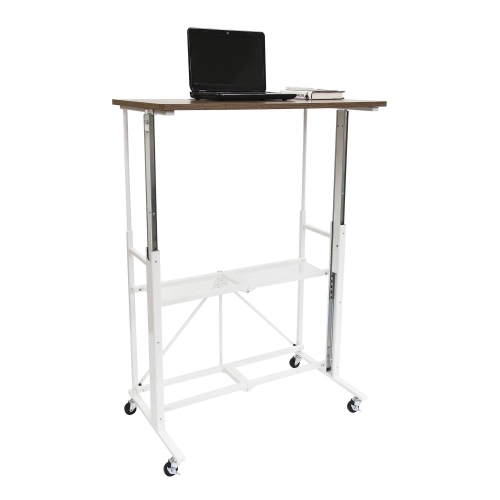 Your price for this item is $248.99
-
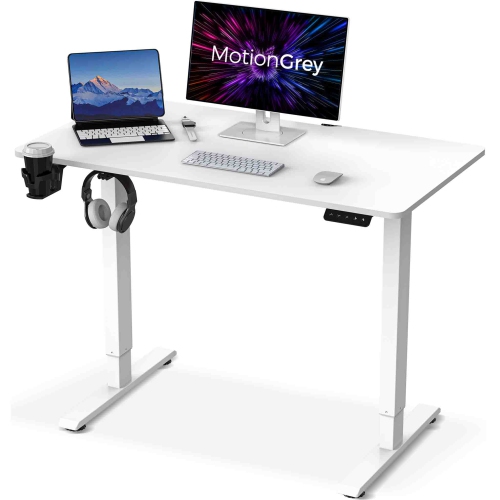 Your price for this item is $133.91
-
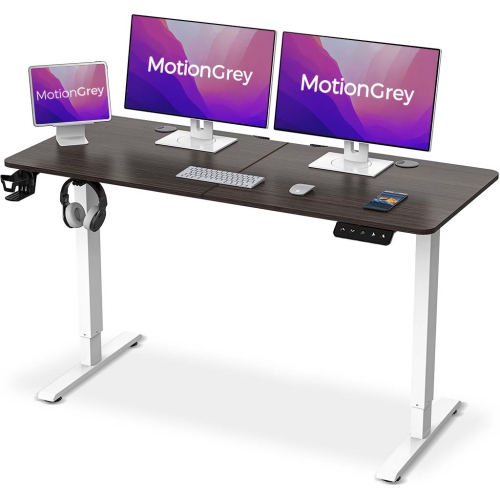 Your price for this item is $158.99
-
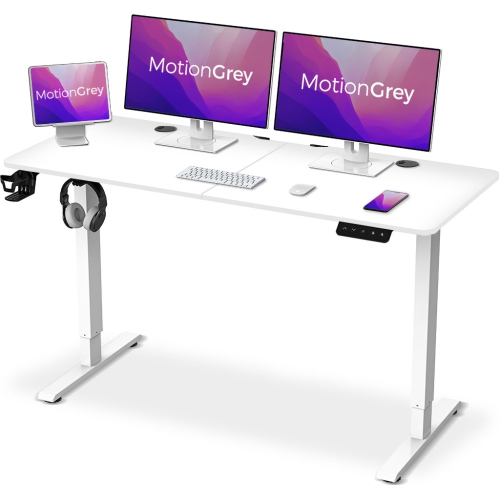 Your price for this item is $142.94
-
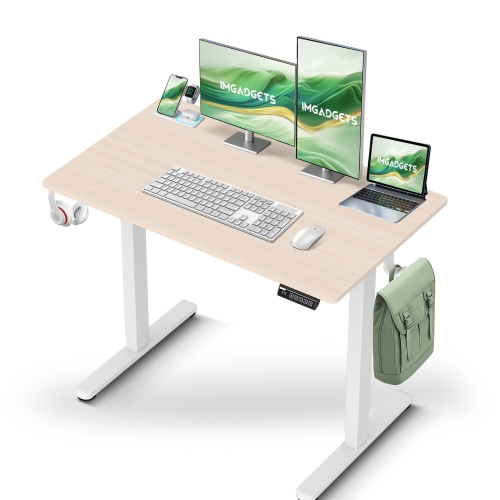 Your price for this item is $119.99
-
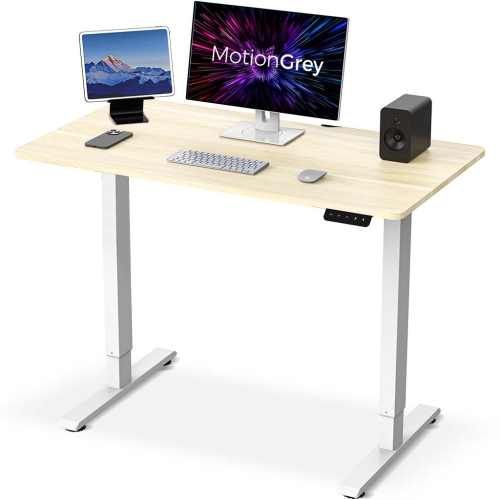 Your price for this item is $133.91
Discover more categories related to Wood Office Desks
Top Collections:
Pokemon Centers, Best Cameras for Sports Photography, Kindle Devices, Samsung Galaxy Phones, Canon G7X Cameras, Pokémon 30th Celebration Cards, Refurbished Apple Laptops, iPhone 15 Apple, Laptops for Students, Budget Smartphones
Some products may be subject to Environmental Handling Fees
(EHF) depending on your province.
Learn more about EHFs.