Metal Corner Desks
If you're looking for a desk that will fit into a small space or one that will provide you with plenty of room to spread out your work and gaming materials, a metal corner desk is an excellent choice. These desks are available in many different styles and sizes and are made of durable and sturdy materials that can withstand the rigors of everyday use. Here are some of the best options available.
Sort
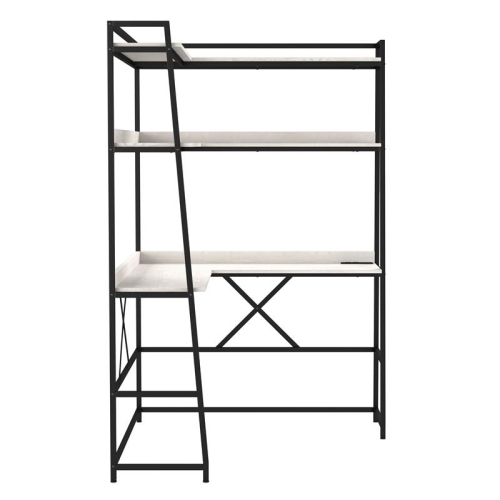
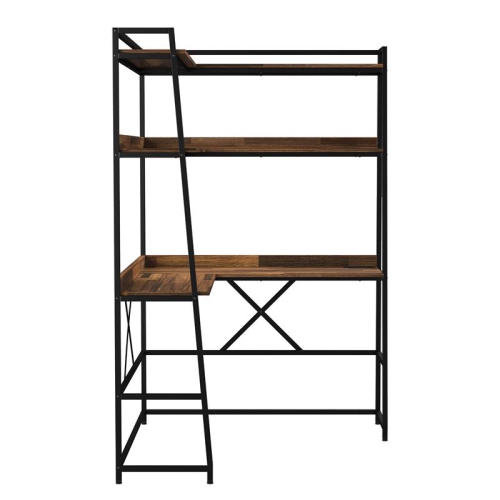
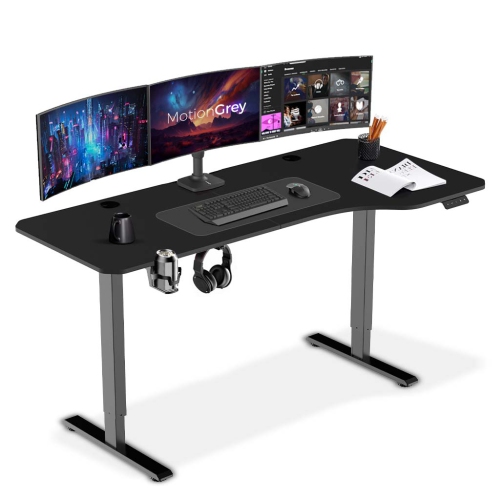
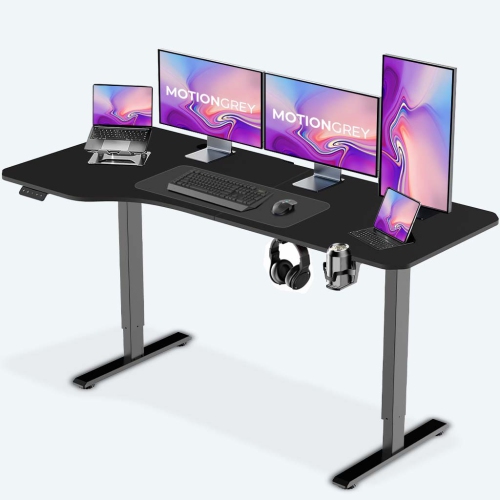
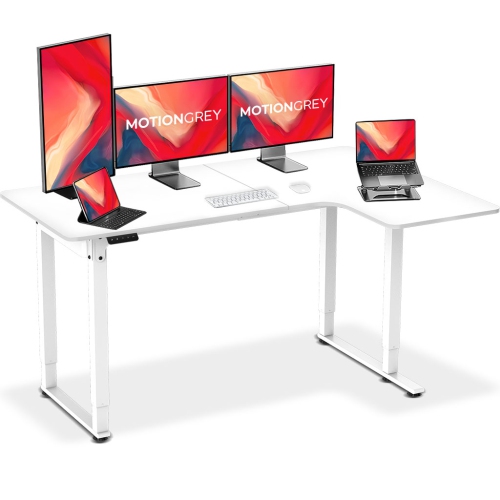

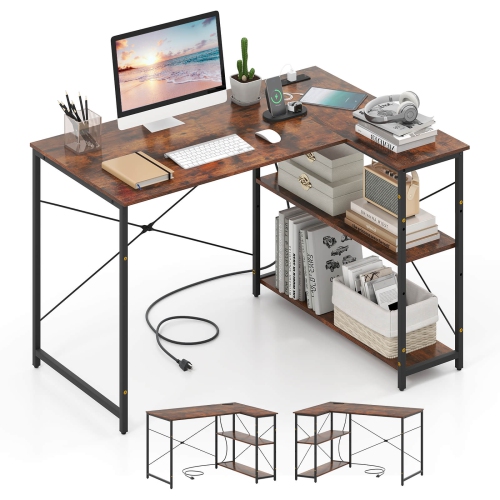
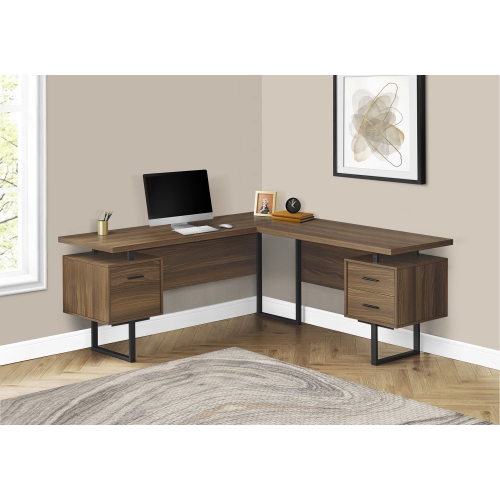
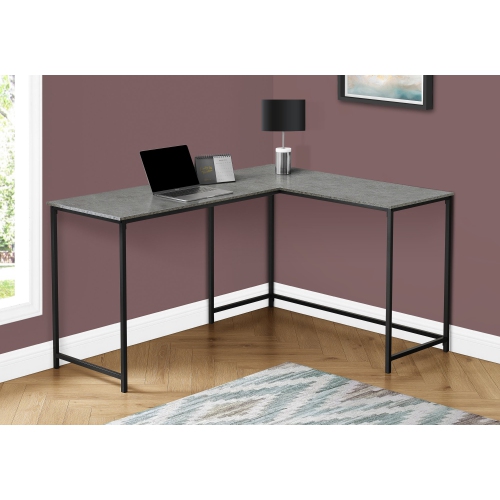
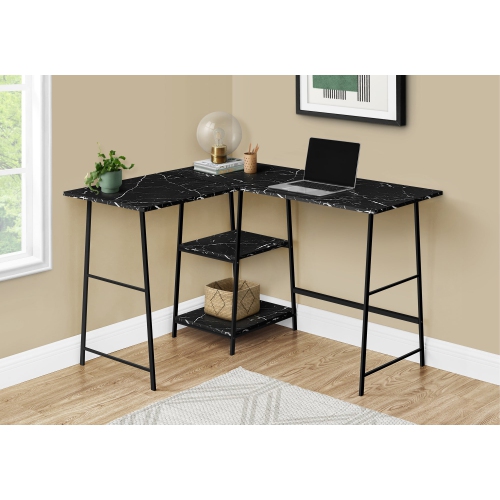
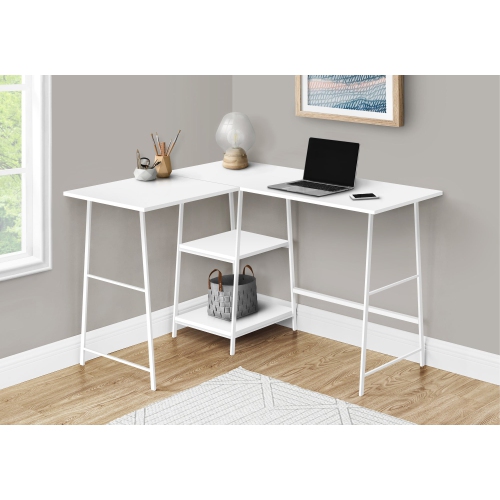
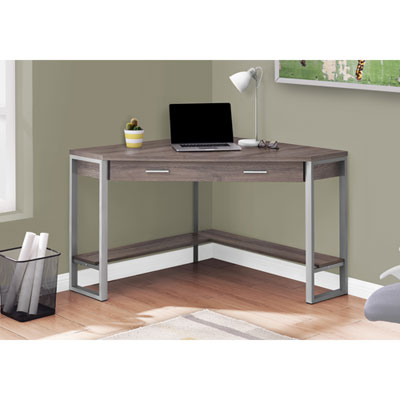
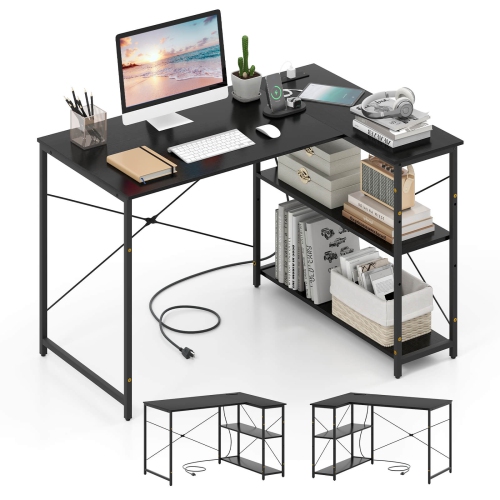


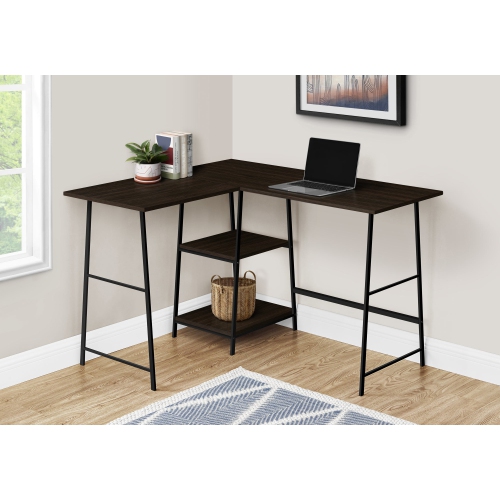
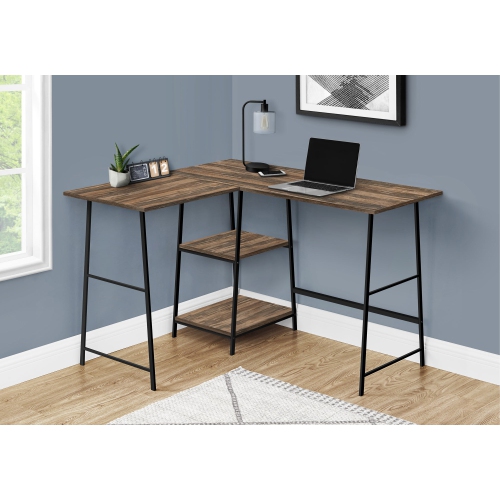
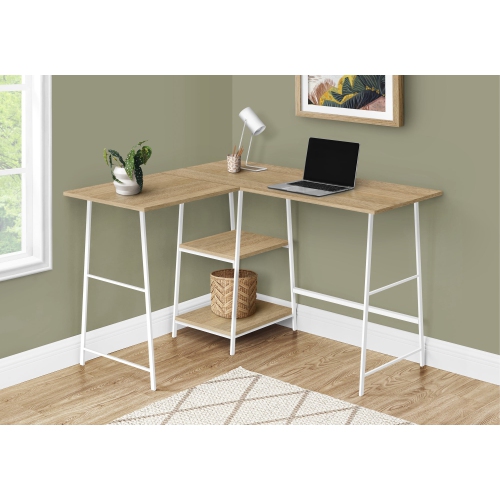
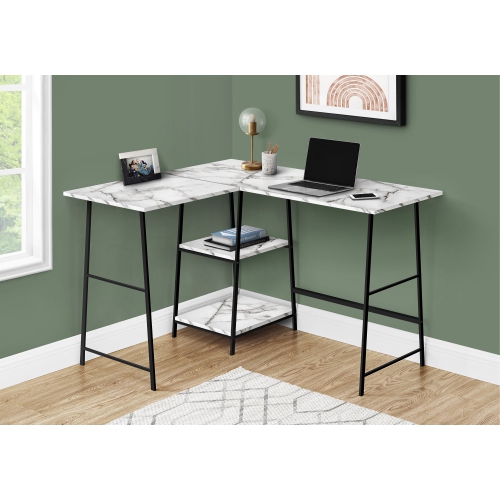
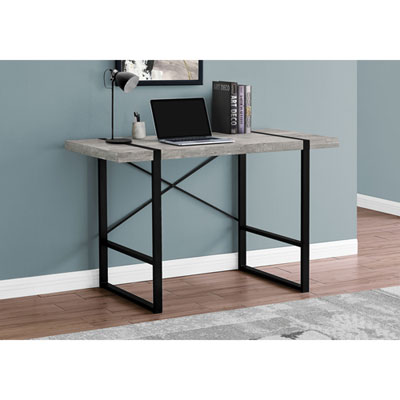
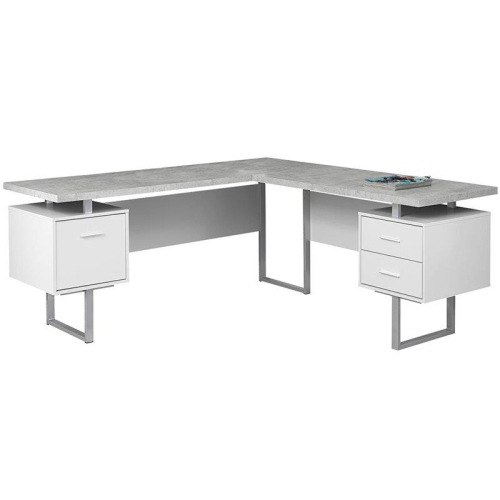
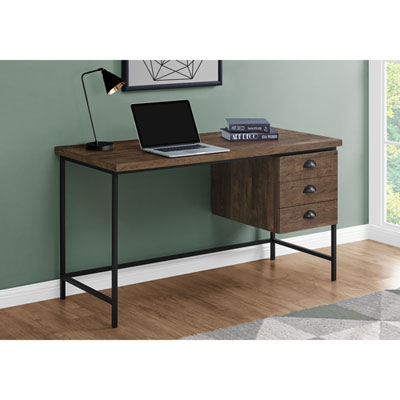
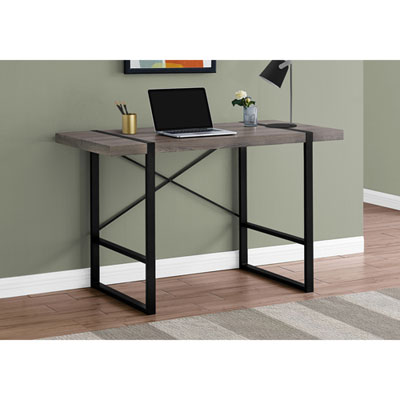
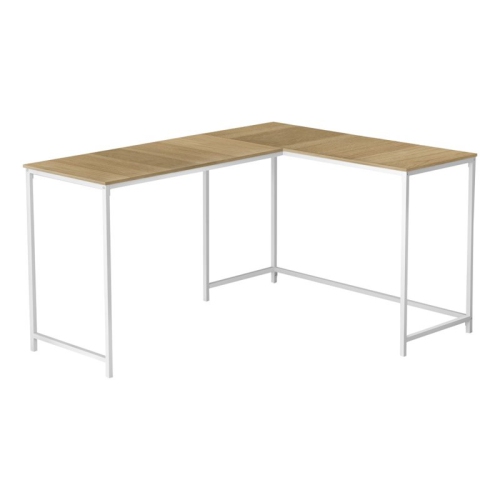
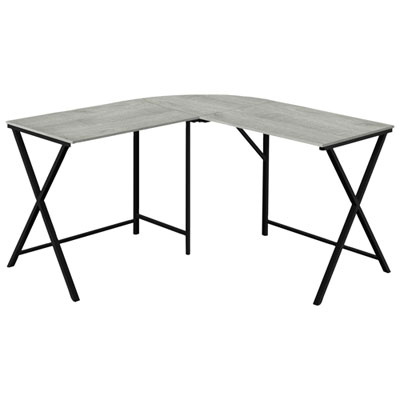
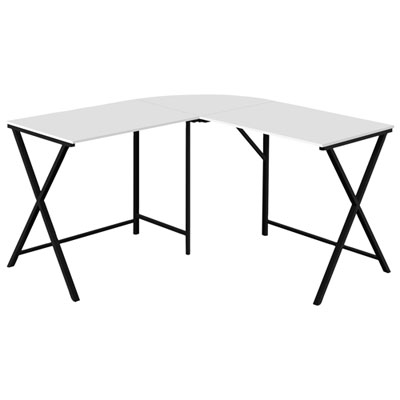
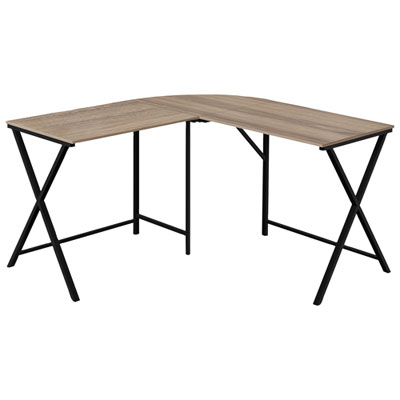
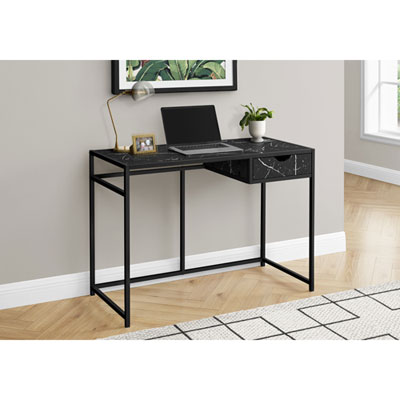
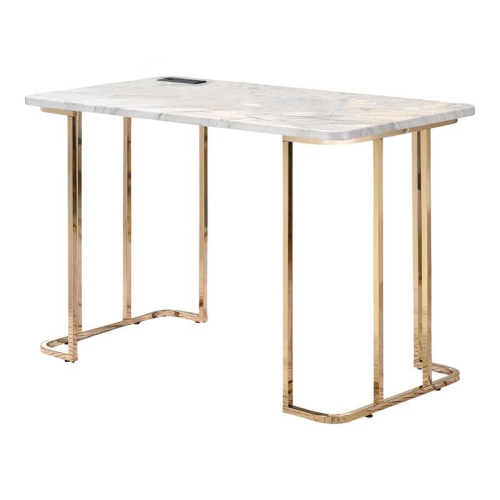
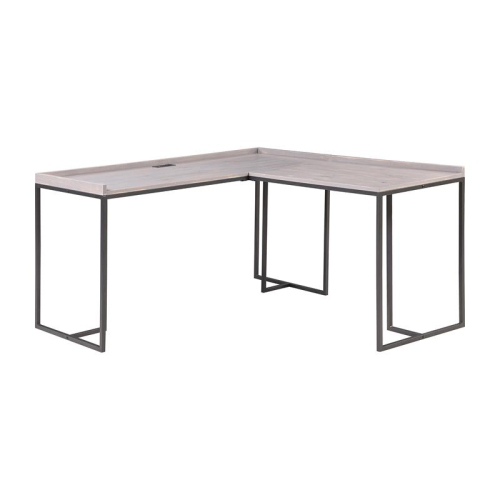
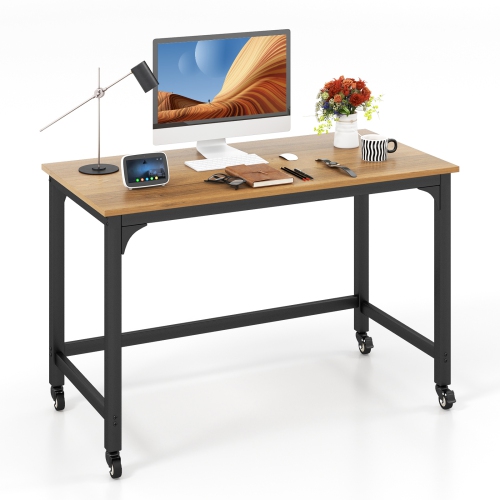
A versatile work zone for changing daily routines
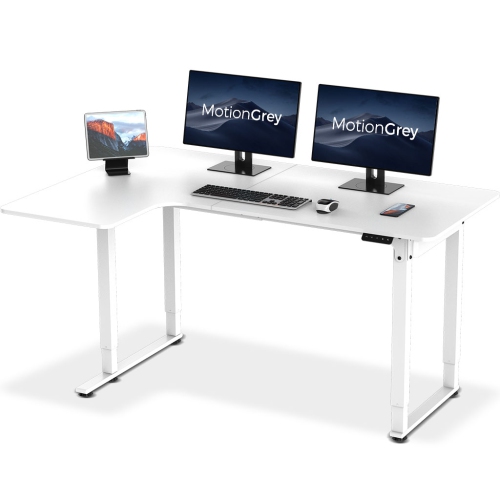
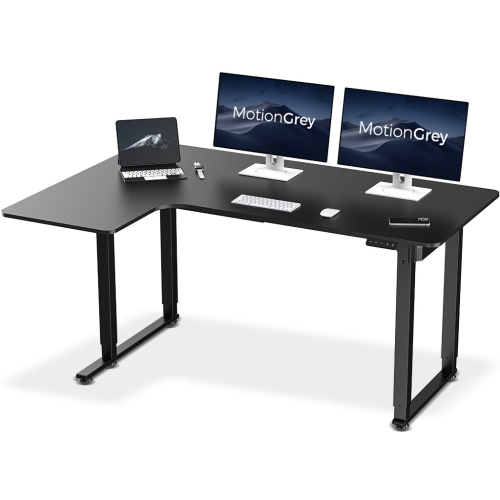
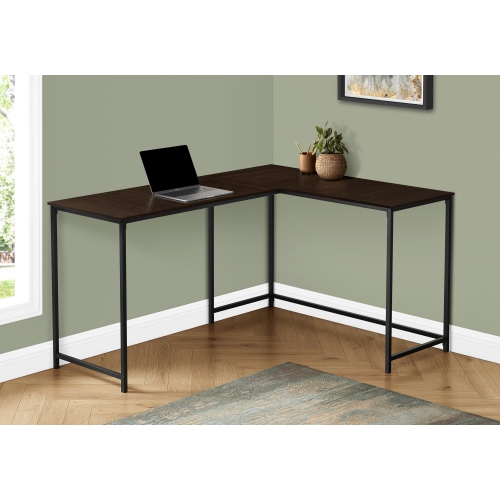
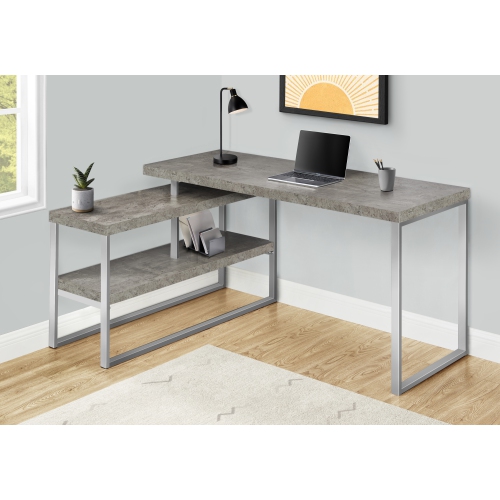
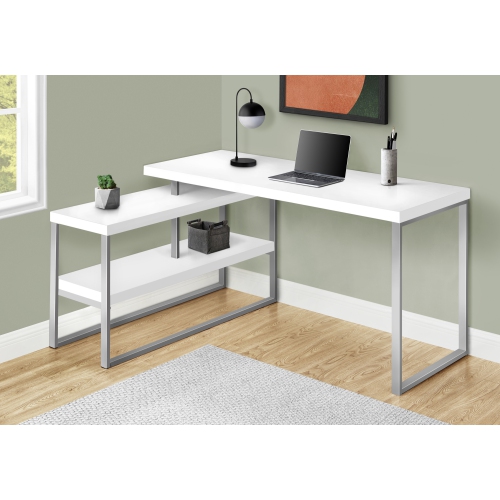
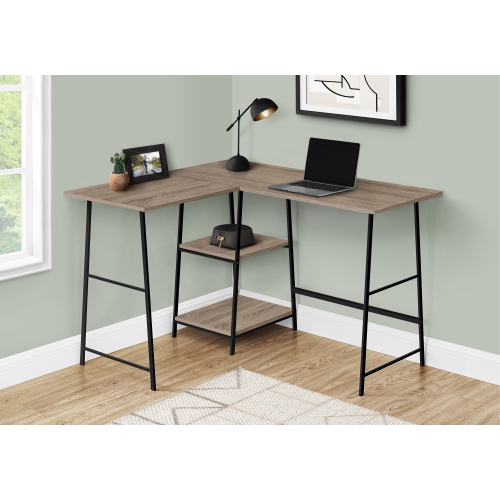
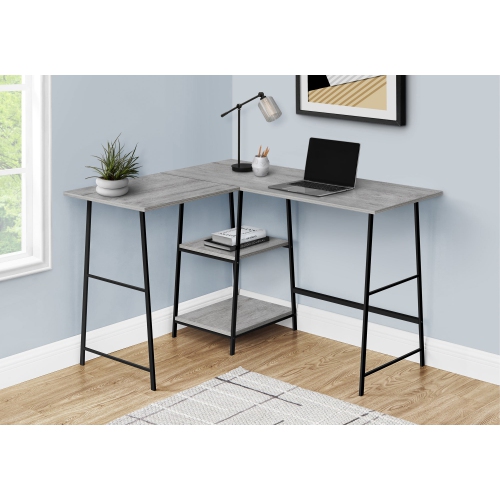
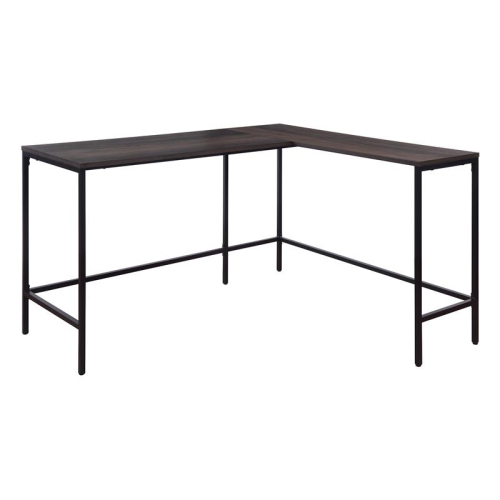
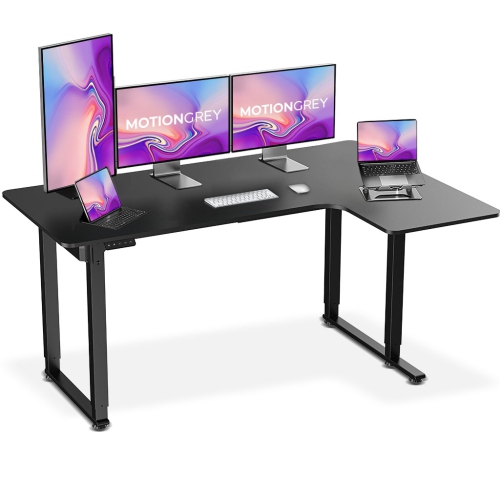
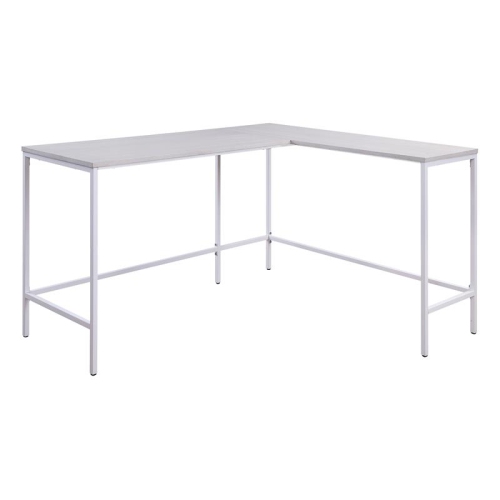
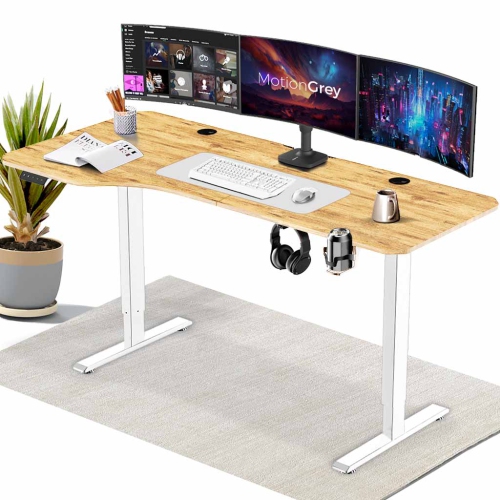
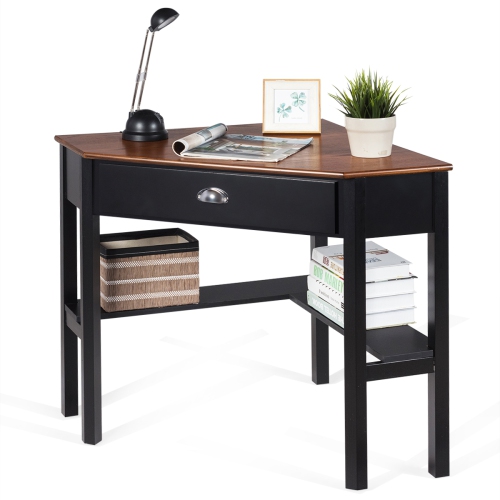
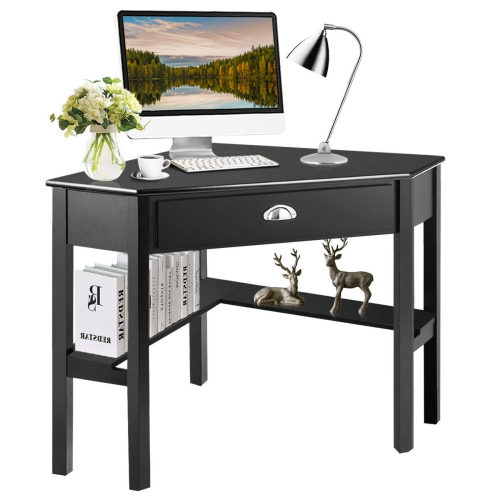
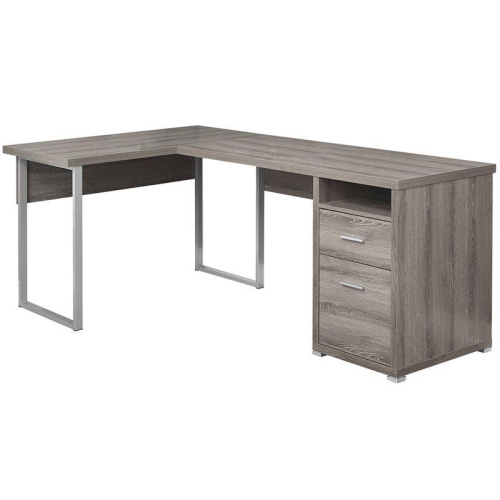
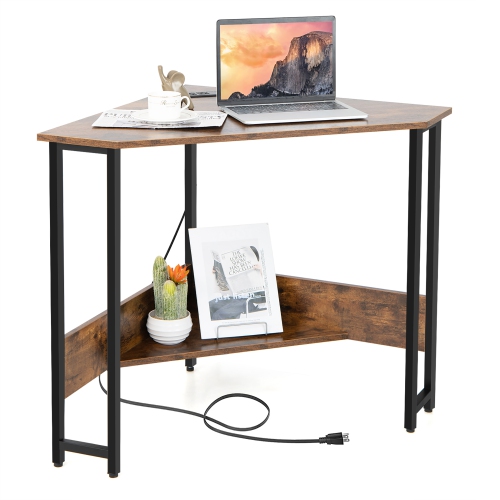
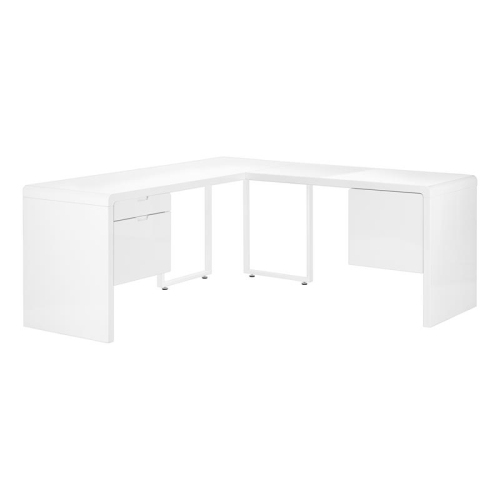
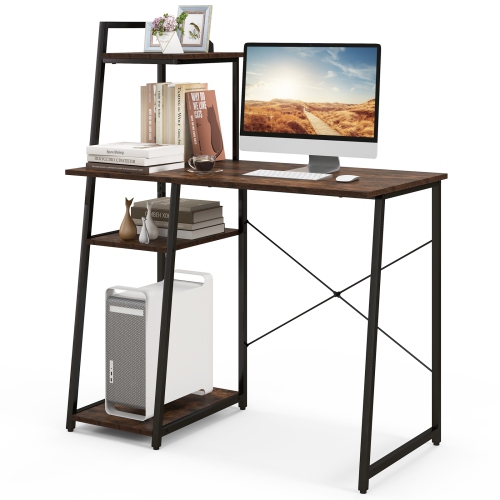
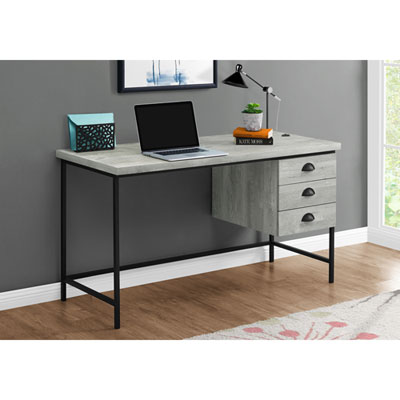
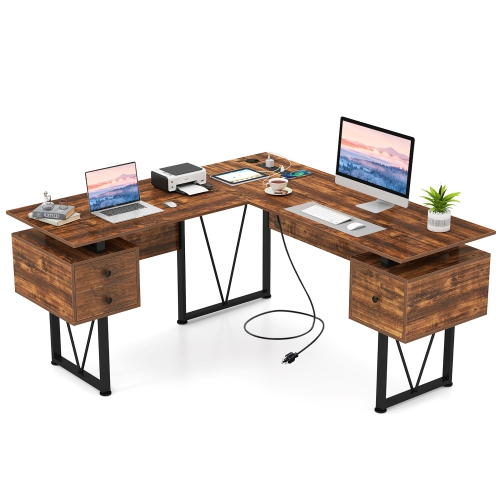
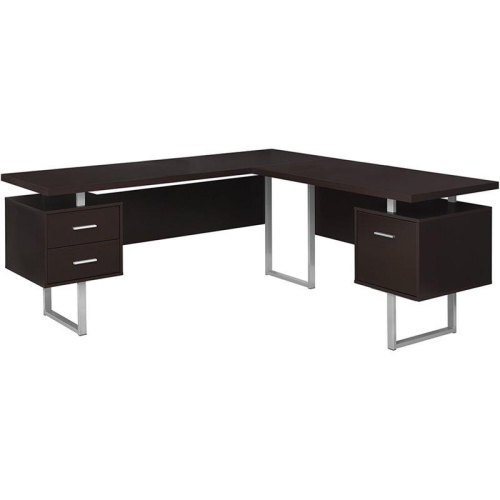
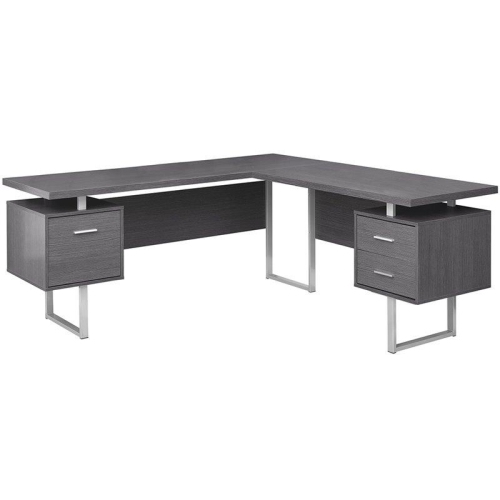
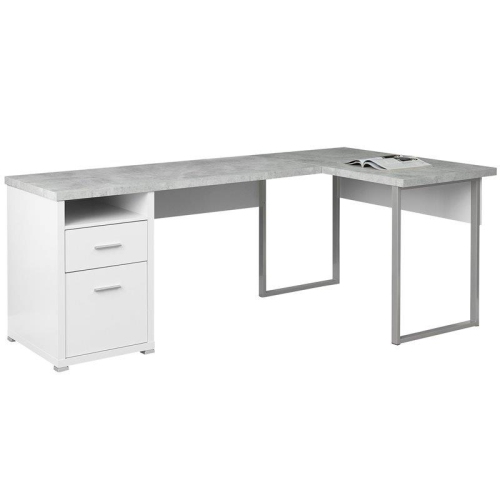
Metal corner desks make practical use of a part of the room that can otherwise be left empty. Their L-shaped or angled design fits neatly into a corner while creating a generous work area for a computer, monitor, notebooks, accessories, and everyday essentials. A metal frame can give the desk a clean, structured appearance, while the desktop may add warmth, texture, or contrast depending on its finish and construction. This combination suits a wide range of spaces, from a dedicated home office to a bedroom, apartment living area, student residence, or multipurpose room. A corner desk can also help define a work zone without taking over the entire room, which is especially useful when one space needs to support several routines. During the cooler months, a well-positioned desk near a window can become a comfortable place for remote work, online classes, creative projects, or quiet household administration, with enough room to keep a mug, planner, lamp, and charging accessories within easy reach. For those furnishing a first apartment or setting up a new study space, a metal corner desk can be a thoughtful and useful gift because it supports many interests without being limited to one type of activity. It may become a homework station, a gaming setup, a crafting table, or a compact workstation for managing family schedules. When comparing options, begin by measuring the available corner and noting the position of doors, windows, baseboards, vents, and nearby outlets. Pay close attention to the desk’s overall width and depth on both sides, as well as the amount of clearance needed for a chair. A model that appears compact can still require considerable floor space once a chair is pulled out and drawers, cabinets, or other furniture are opened nearby.
The construction and layout of a metal corner desk are just as important as its appearance. Look for a frame that feels stable and well supported, particularly if the desk will hold multiple screens, a desktop computer, speakers, books, or equipment used for hobbies. Crossbars, reinforced joints, adjustable feet, and a balanced base can help reduce movement during typing or drawing. Consider the desktop material and finish in relation to how the desk will be used: a smooth surface is convenient for writing and cleaning, while a textured or wood-look top can bring a more relaxed feel to a home office. Check the height and legroom carefully so that your knees can sit comfortably beneath the work surface and your chair can move without catching on the frame. If two surfaces meet at an angle, think about how that corner will function. It can hold a monitor, lamp, printer, or decorative item, or it can provide a natural place for less frequently used supplies. Some people prefer the longer side for a monitor and keyboard, leaving the return side open for paperwork; others use one side for a computer and the other for a creative activity. Shelves, drawers, lower storage, and raised platforms can reduce clutter, but they may also affect where a chair or computer tower can be placed. Cable management is another helpful consideration. Openings, clips, trays, and accessible spaces behind the desk can keep power cords from gathering in a tangled bundle along the wall. Before assembly, sort the parts and read the instructions from beginning to end, then build on a protected surface with enough room to turn the frame safely. Once assembled, check that every fastener is secure and that the desk sits level before adding equipment. A desk mat can protect the surface in a busy study area, while a monitor stand or adjustable screen supports can help create a more comfortable viewing height.
A metal corner desk can anchor an efficient daily setup without making the room feel overly formal. Place the desk so that natural light reaches the work surface without creating glare on a screen, and leave enough space behind the chair for easy movement. A small task lamp can add focused light during early mornings, darker afternoons, or evening study sessions, while a drawer organiser or storage box can keep pens, cables, documents, and chargers close at hand. For a shared household, a corner desk can provide a clear personal station for video calls, schoolwork, budgeting, or creative projects, and its defined footprint makes it easier to separate work from the rest of the room at the end of the day. A student may use the two sides to keep a laptop and textbooks apart, while a hobbyist may dedicate one surface to drawing, sewing, model building, or music equipment. Someone working from home might position a monitor and keyboard on the main surface and reserve the return for a notebook, reference materials, or a compact printer. Before choosing a finish, consider the room’s existing colours and furnishings; a dark metal frame can complement modern décor, while a lighter desktop can help a smaller room feel open and bright. If additional storage is needed, a matching shelf or cabinet can make use of nearby wall space without crowding the desktop. For more ways to organise awkward corners, explore Metal Corner Racks, which can provide vertical storage for books, office supplies, décor, or equipment. With the right dimensions, a sturdy frame, comfortable legroom, and a layout that matches your routine, a metal corner desk can turn an overlooked corner into a dependable place to focus, create, learn, and stay organised through changing seasons.
The construction and layout of a metal corner desk are just as important as its appearance. Look for a frame that feels stable and well supported, particularly if the desk will hold multiple screens, a desktop computer, speakers, books, or equipment used for hobbies. Crossbars, reinforced joints, adjustable feet, and a balanced base can help reduce movement during typing or drawing. Consider the desktop material and finish in relation to how the desk will be used: a smooth surface is convenient for writing and cleaning, while a textured or wood-look top can bring a more relaxed feel to a home office. Check the height and legroom carefully so that your knees can sit comfortably beneath the work surface and your chair can move without catching on the frame. If two surfaces meet at an angle, think about how that corner will function. It can hold a monitor, lamp, printer, or decorative item, or it can provide a natural place for less frequently used supplies. Some people prefer the longer side for a monitor and keyboard, leaving the return side open for paperwork; others use one side for a computer and the other for a creative activity. Shelves, drawers, lower storage, and raised platforms can reduce clutter, but they may also affect where a chair or computer tower can be placed. Cable management is another helpful consideration. Openings, clips, trays, and accessible spaces behind the desk can keep power cords from gathering in a tangled bundle along the wall. Before assembly, sort the parts and read the instructions from beginning to end, then build on a protected surface with enough room to turn the frame safely. Once assembled, check that every fastener is secure and that the desk sits level before adding equipment. A desk mat can protect the surface in a busy study area, while a monitor stand or adjustable screen supports can help create a more comfortable viewing height.
A metal corner desk can anchor an efficient daily setup without making the room feel overly formal. Place the desk so that natural light reaches the work surface without creating glare on a screen, and leave enough space behind the chair for easy movement. A small task lamp can add focused light during early mornings, darker afternoons, or evening study sessions, while a drawer organiser or storage box can keep pens, cables, documents, and chargers close at hand. For a shared household, a corner desk can provide a clear personal station for video calls, schoolwork, budgeting, or creative projects, and its defined footprint makes it easier to separate work from the rest of the room at the end of the day. A student may use the two sides to keep a laptop and textbooks apart, while a hobbyist may dedicate one surface to drawing, sewing, model building, or music equipment. Someone working from home might position a monitor and keyboard on the main surface and reserve the return for a notebook, reference materials, or a compact printer. Before choosing a finish, consider the room’s existing colours and furnishings; a dark metal frame can complement modern décor, while a lighter desktop can help a smaller room feel open and bright. If additional storage is needed, a matching shelf or cabinet can make use of nearby wall space without crowding the desktop. For more ways to organise awkward corners, explore Metal Corner Racks, which can provide vertical storage for books, office supplies, décor, or equipment. With the right dimensions, a sturdy frame, comfortable legroom, and a layout that matches your routine, a metal corner desk can turn an overlooked corner into a dependable place to focus, create, learn, and stay organised through changing seasons.
Top selling and popular products
-
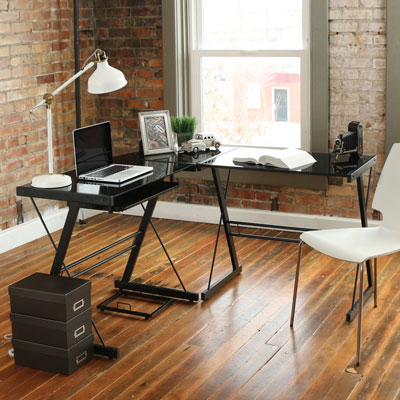 Your price for this item is $304.99
 -
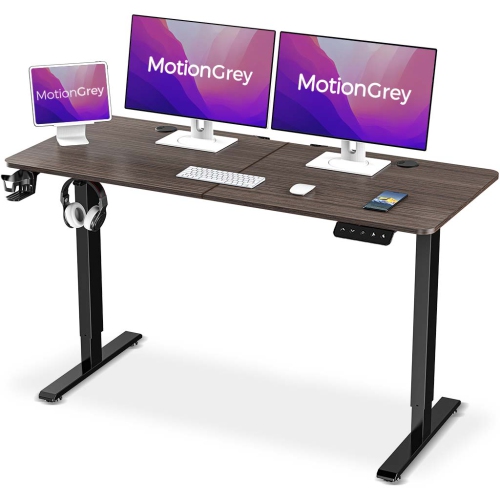 Your price for this item is $93.99
 -
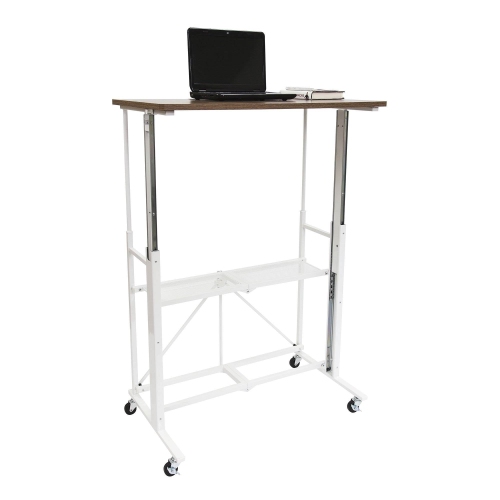 Your price for this item is $248.99
 -
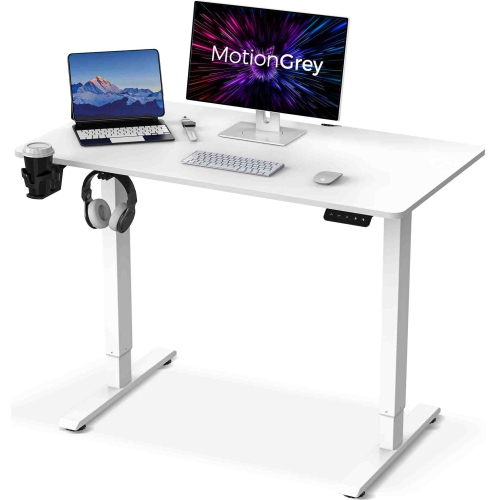 Your price for this item is $83.99
 -
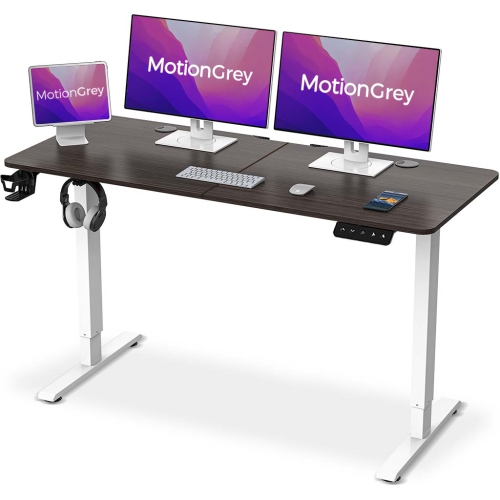 Your price for this item is $108.99
 -
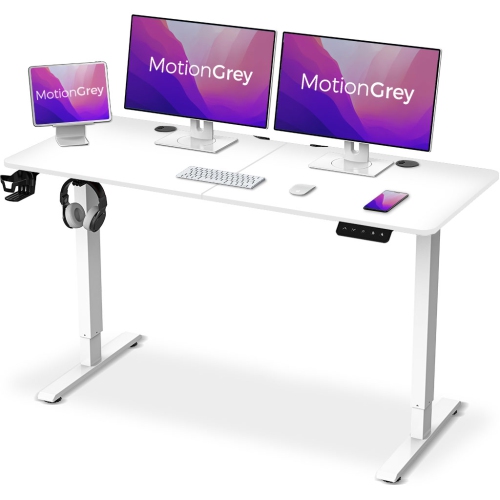 Your price for this item is $94.99
 -
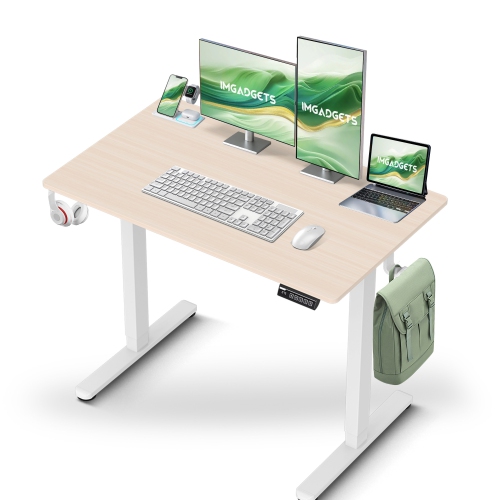 Your price for this item is $74.97
 -
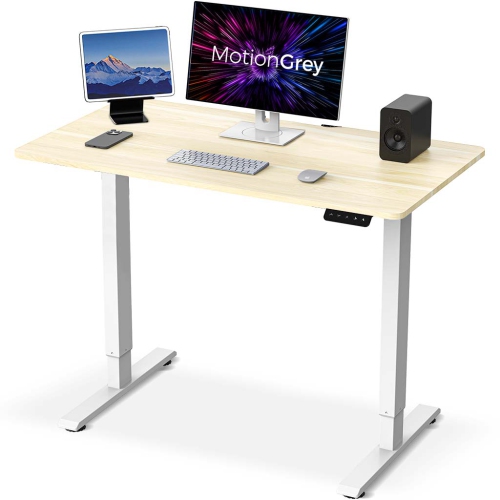 Your price for this item is $83.95
Discover more categories related to Metal Corner Desks
Top Collections:
Pokemon Centers, Kindle Devices, Best Budget Office Chairs, Apple iPhones 16, Best Laptops for Writers, iPhone 15 Apple, Canon G7X Cameras, Refurbished Apple Laptops, Alarm Clock, Motorola Razr Phones
Some products may be subject to Environmental Handling Fees
(EHF) depending on your province.
Learn more about EHFs.