Metal Corner Racks
Looking to maximize your storage space while adding a touch of modern style to your home or office? Look no further than our metal corner racks. These versatile and durable racks are designed to fit seamlessly into any corner, making them the perfect solution for small spaces. Whether you need extra storage for books, decor items, or even kitchen essentials, our metal corner racks are here to help you declutter and organize your space with ease. With their sleek metal construction and sturdy design, these racks not only offer practicality but also add a contemporary flair to any room.
Sort
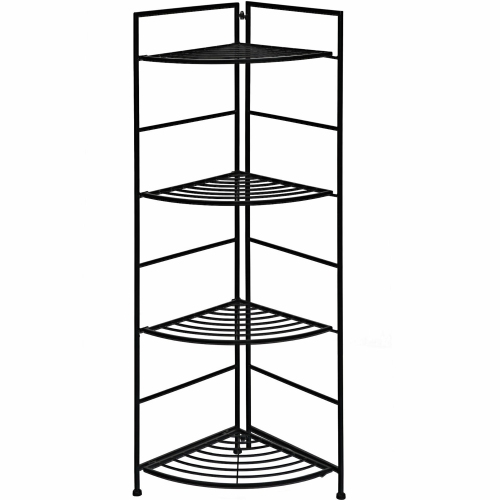
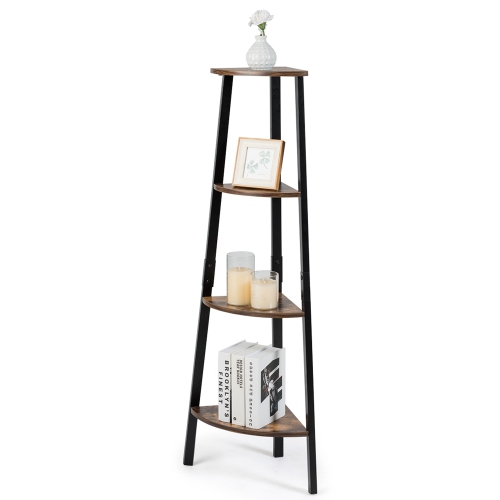
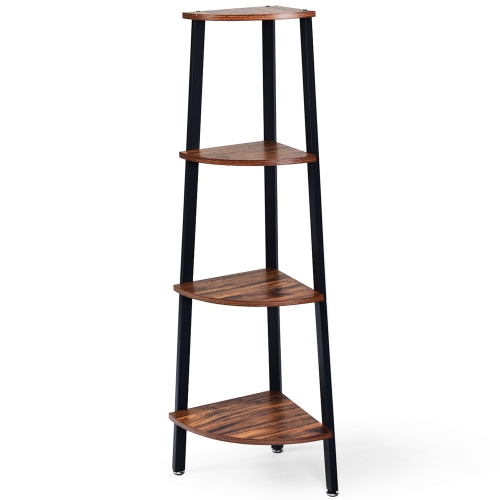
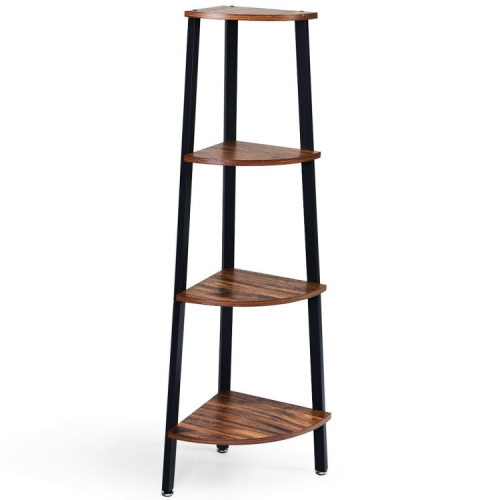
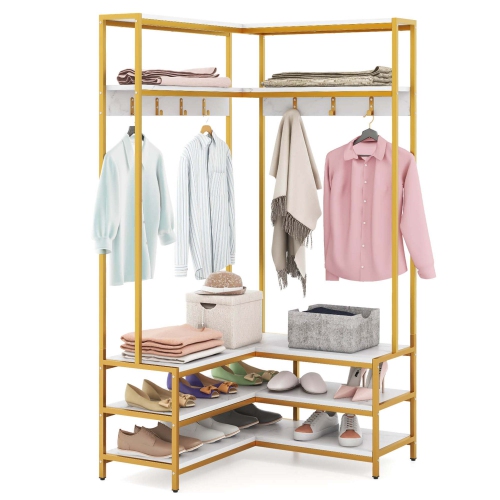
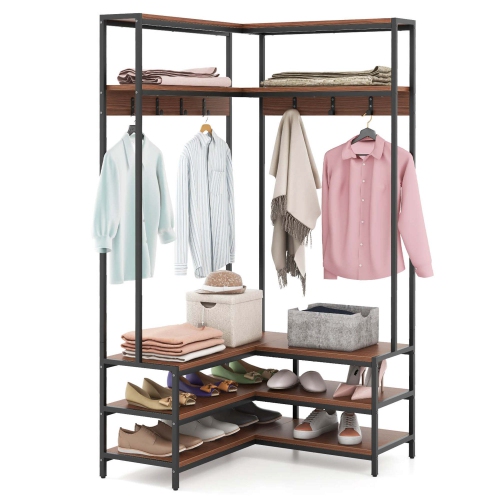
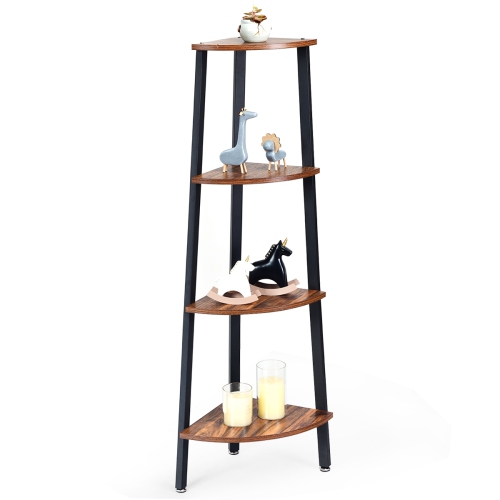
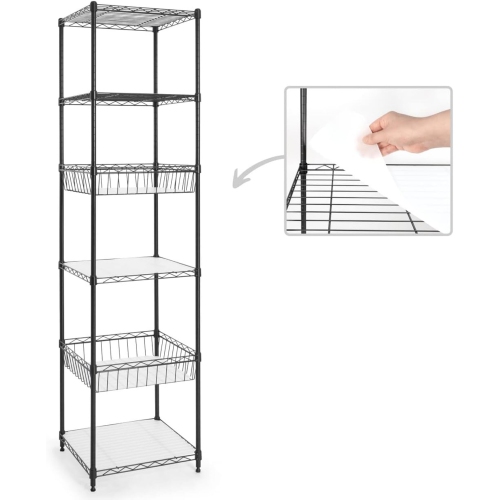
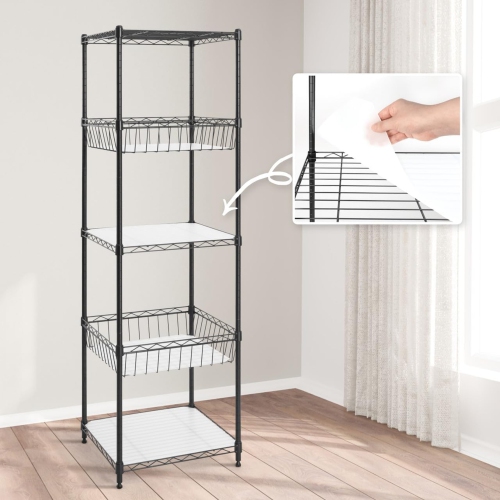
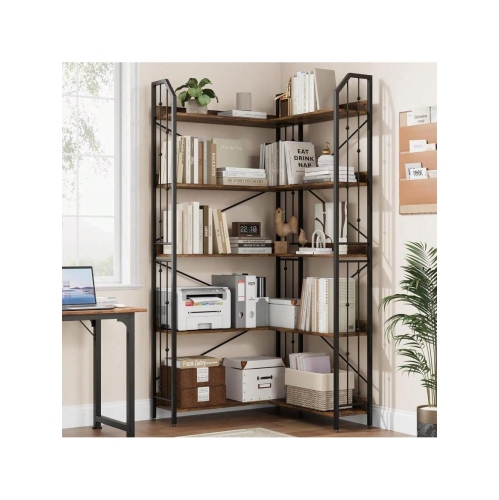
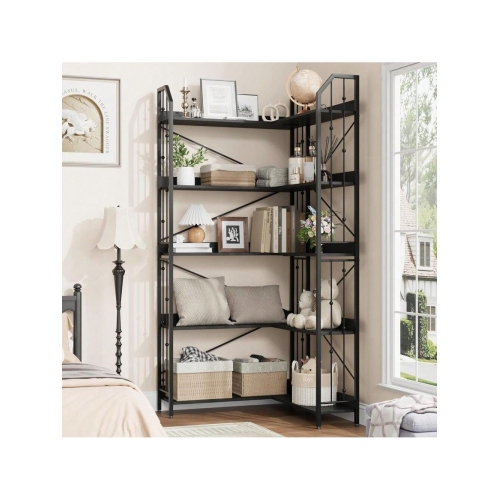
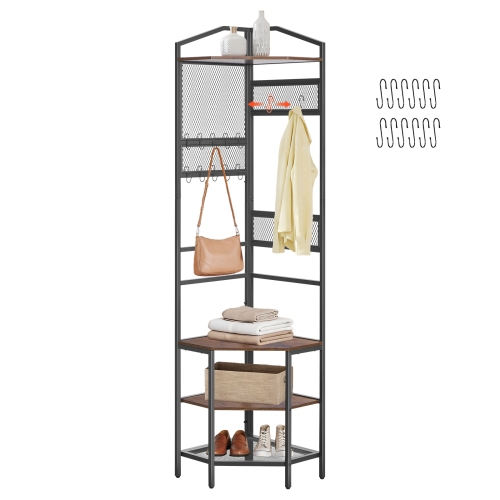
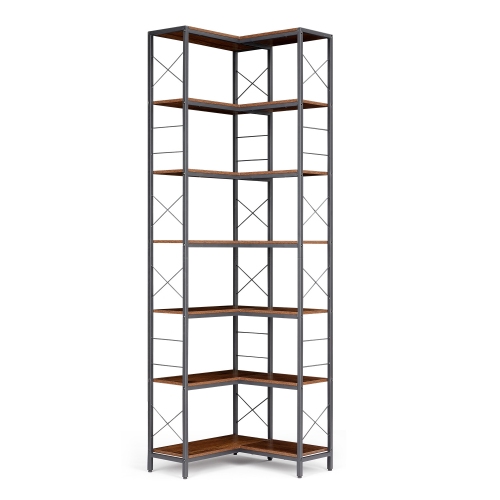
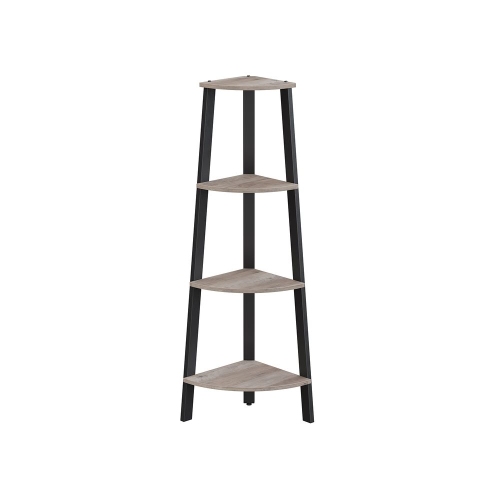
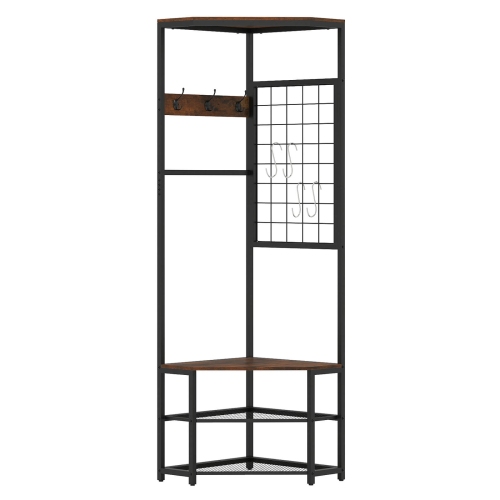
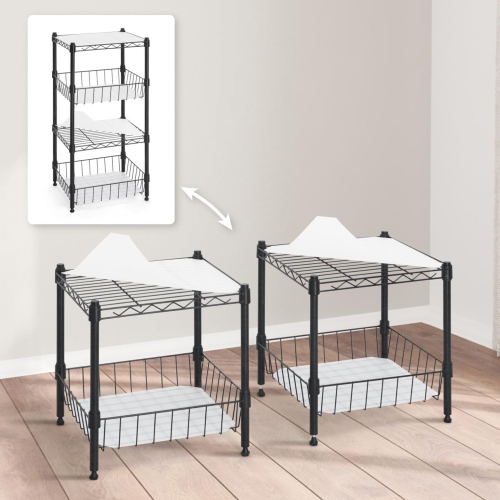
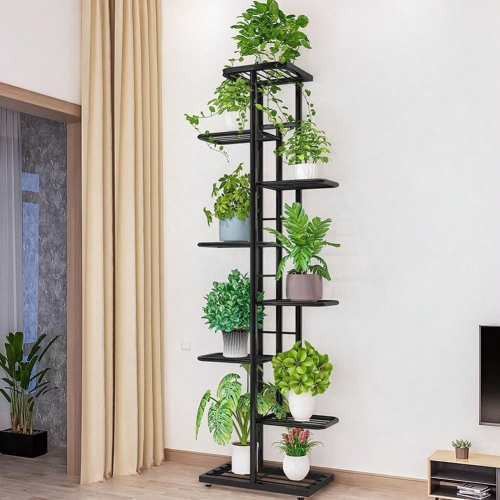
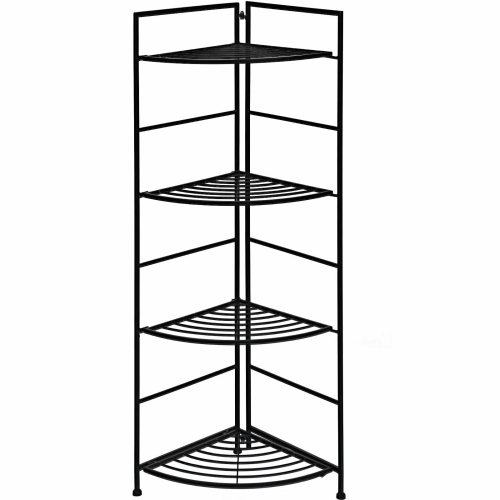
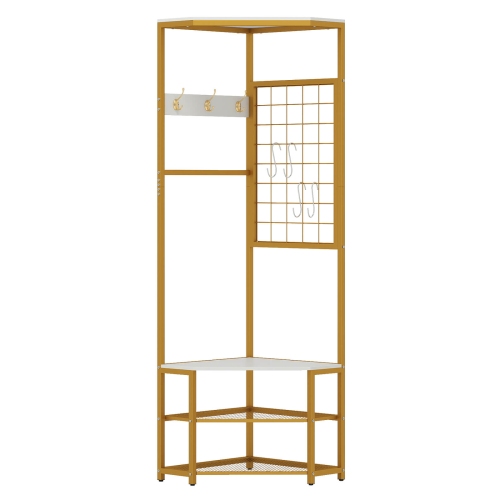
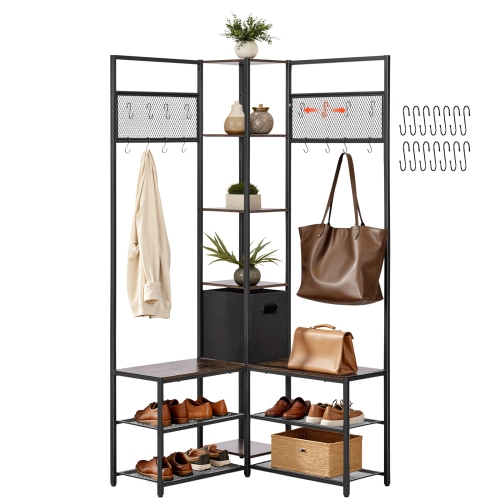
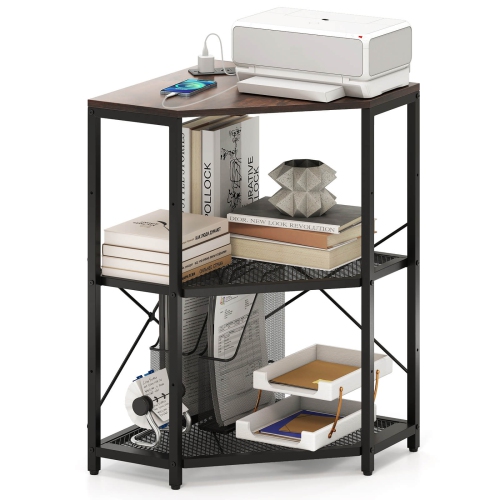
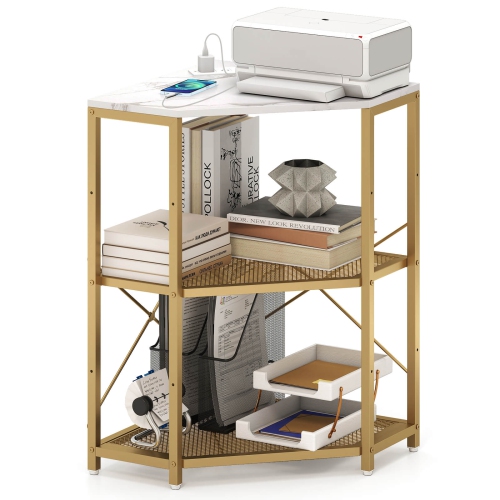
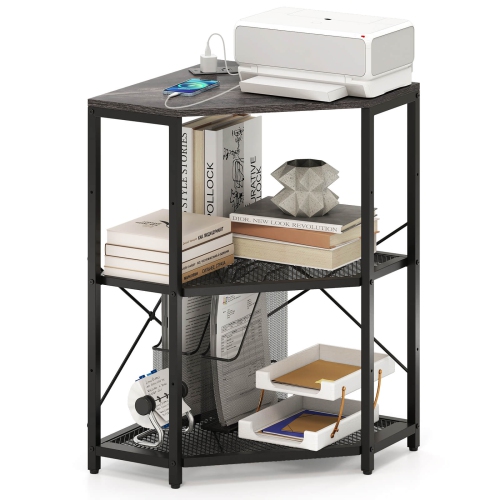
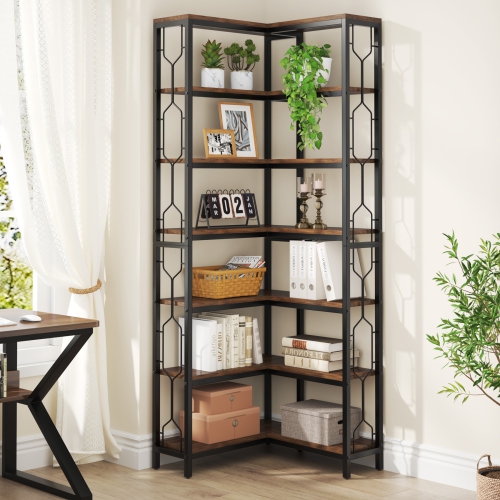
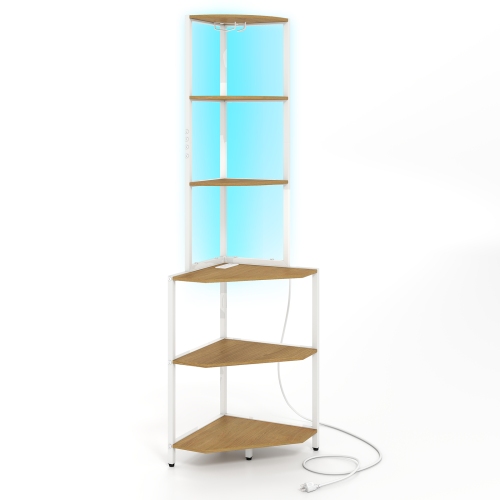
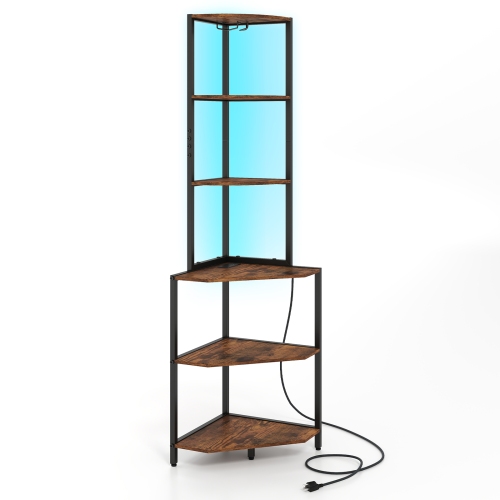
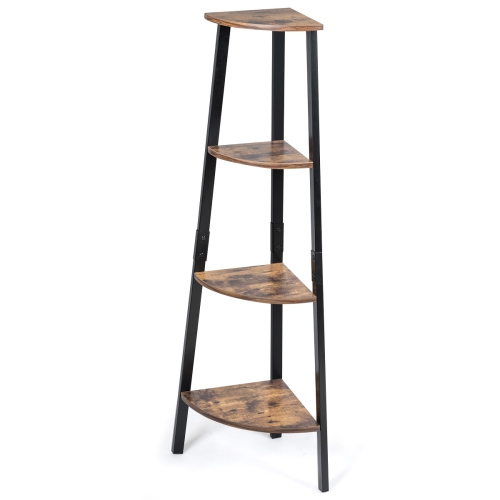
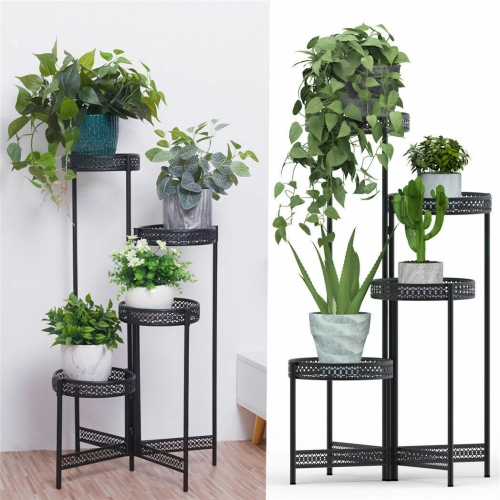
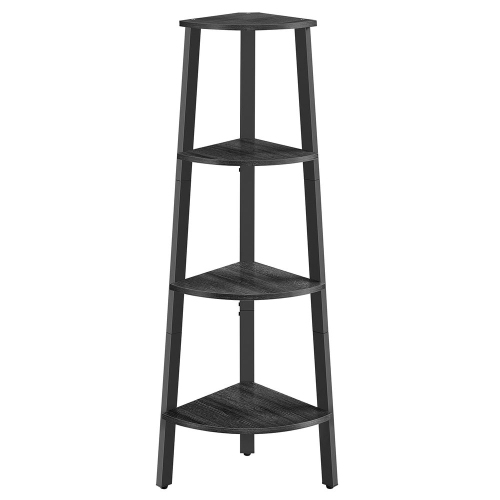
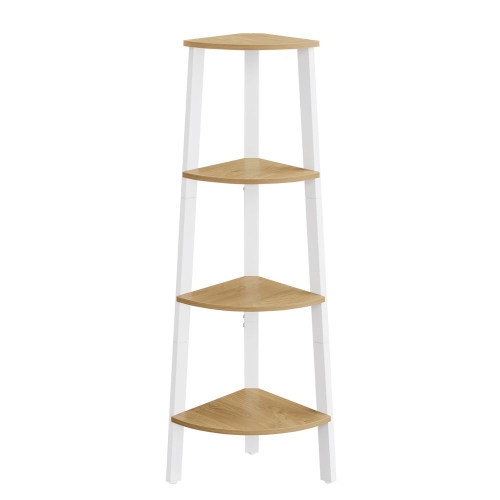
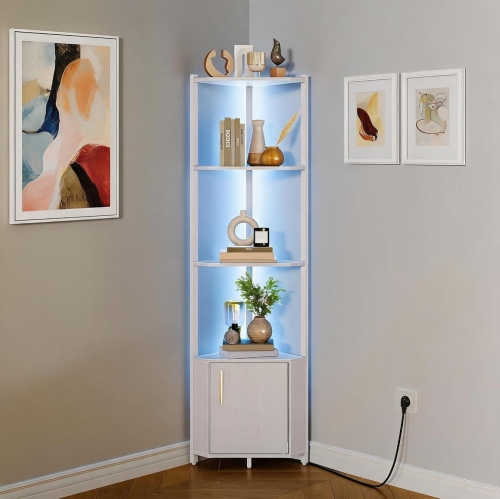
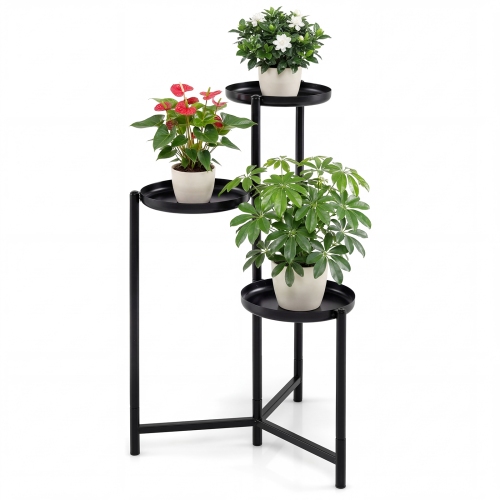
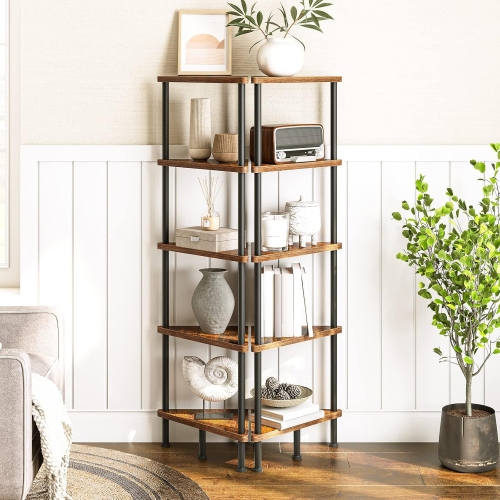
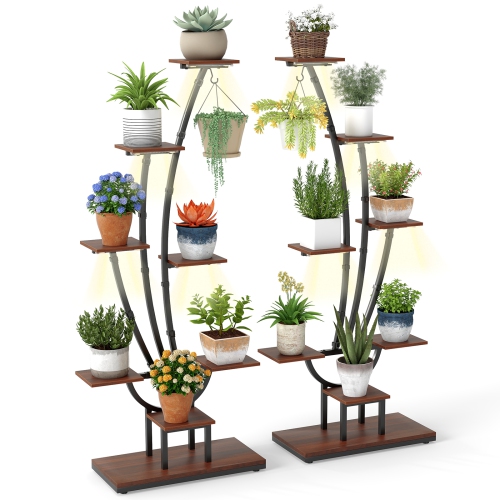
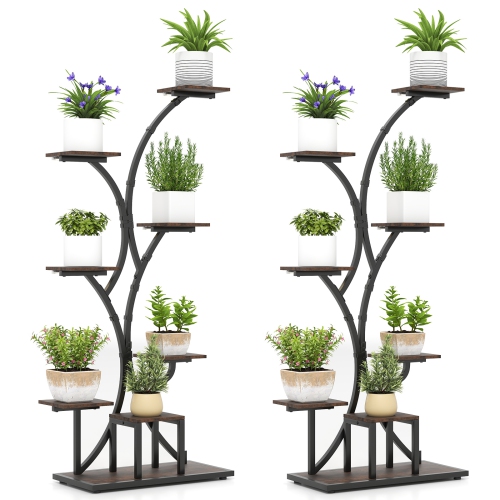
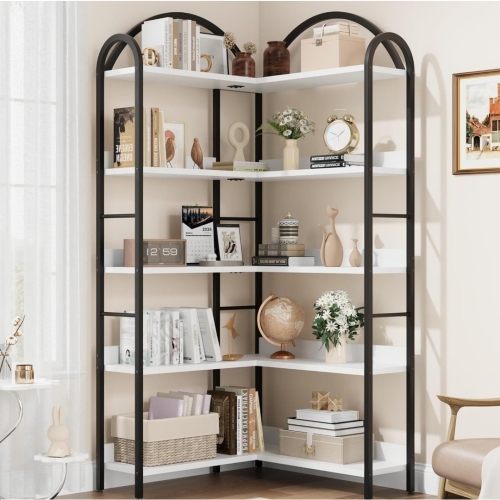
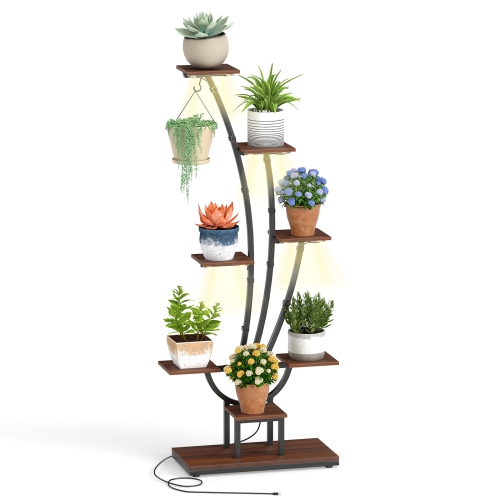

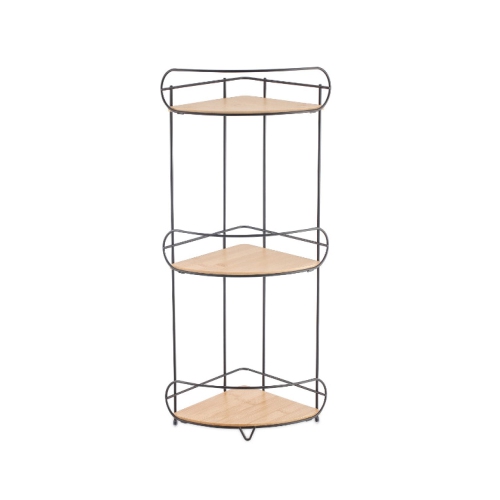

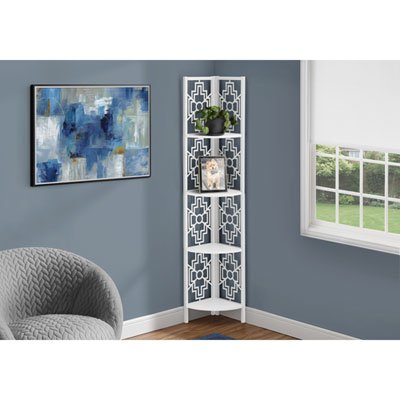
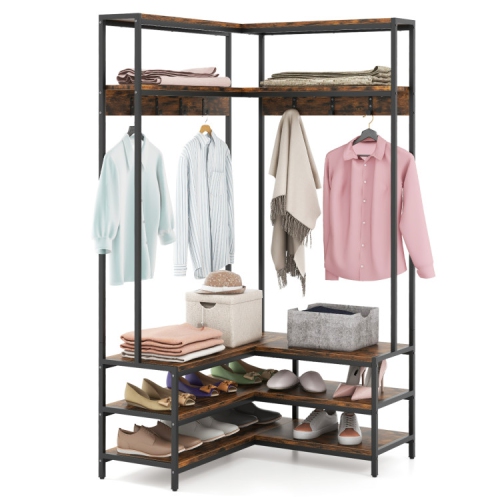
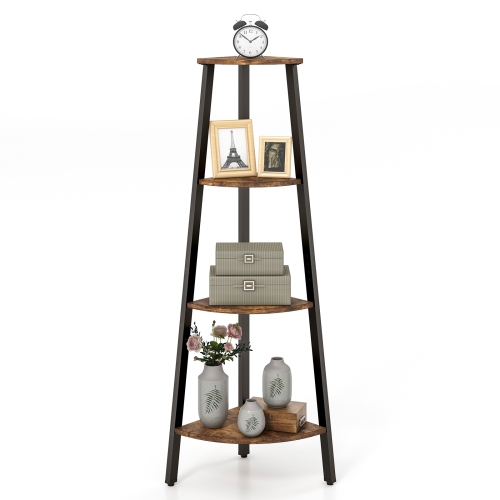

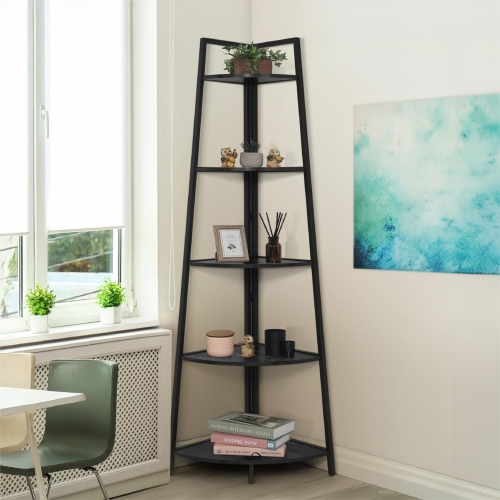
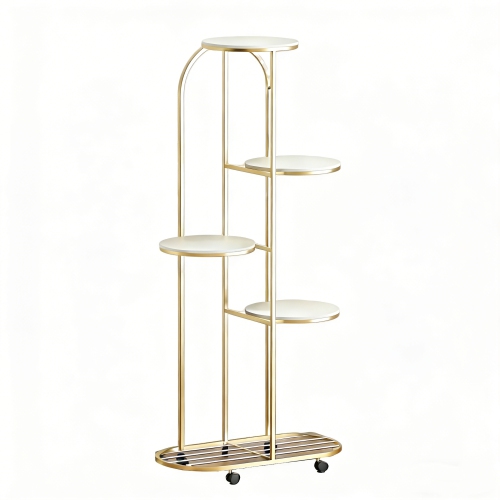
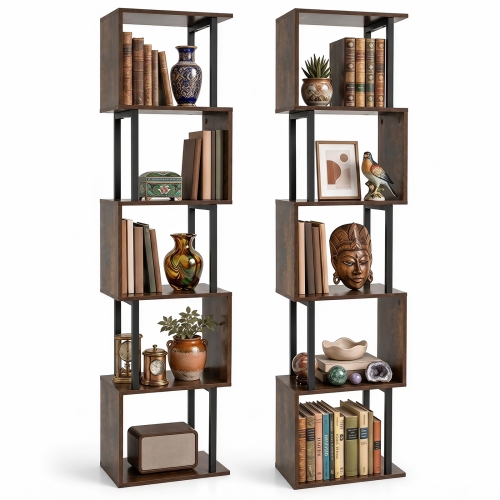
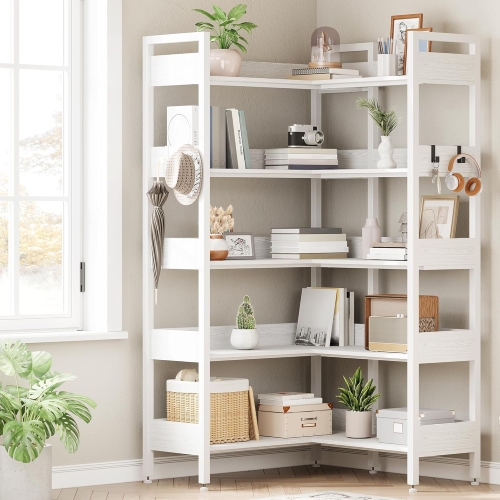
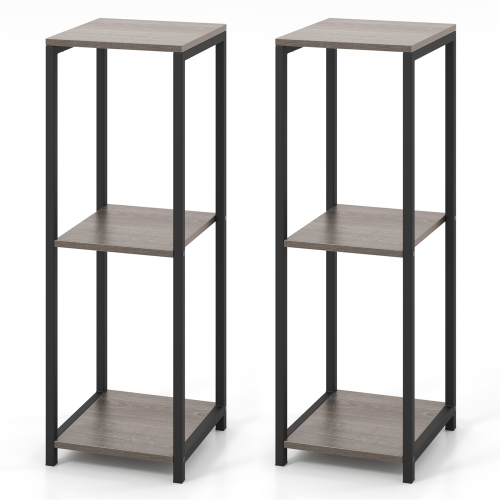

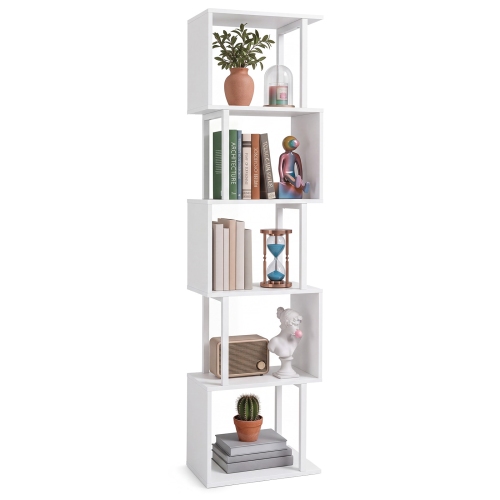
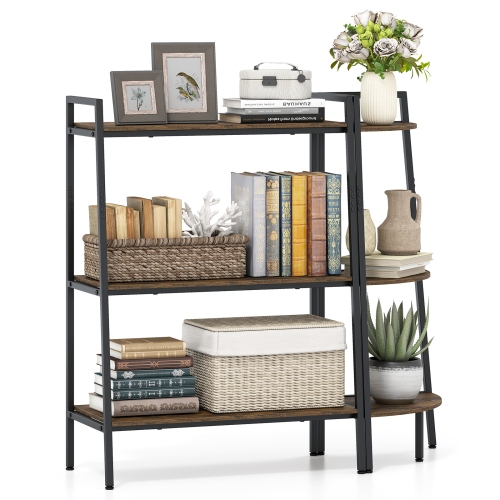
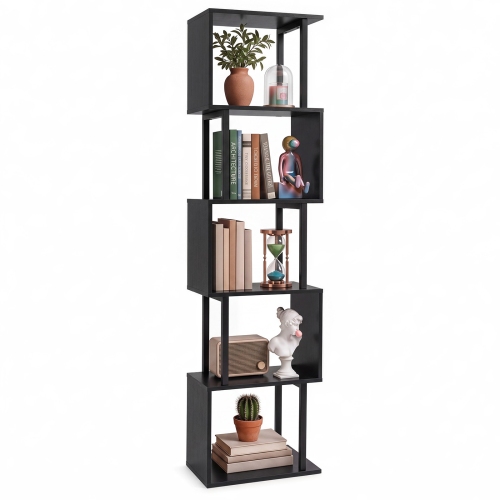
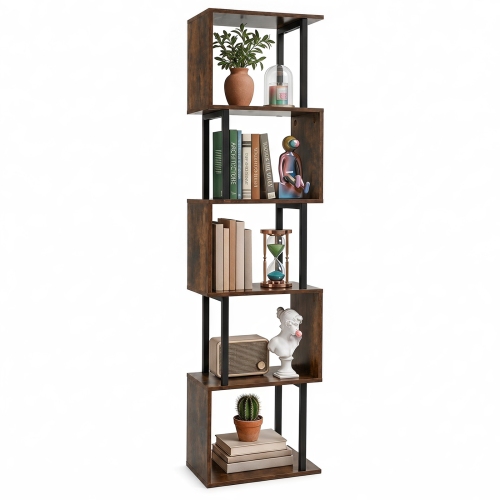
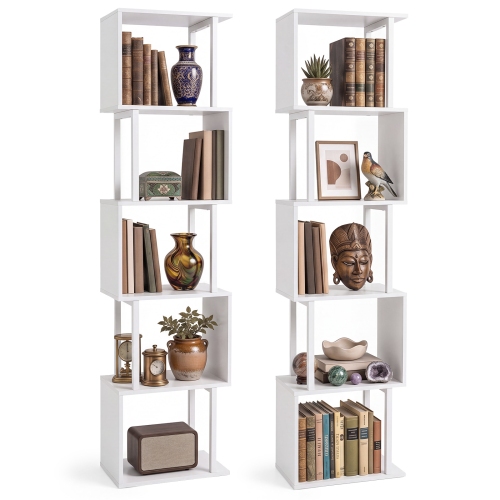
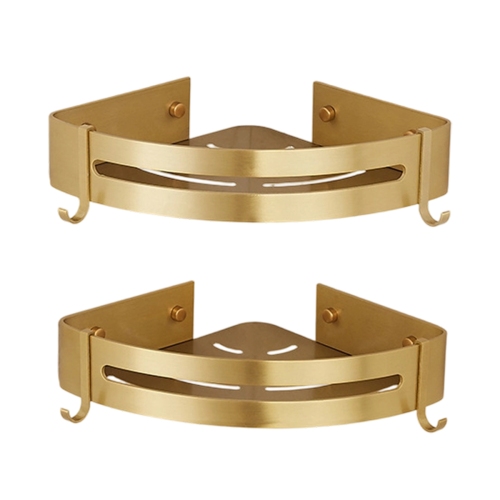
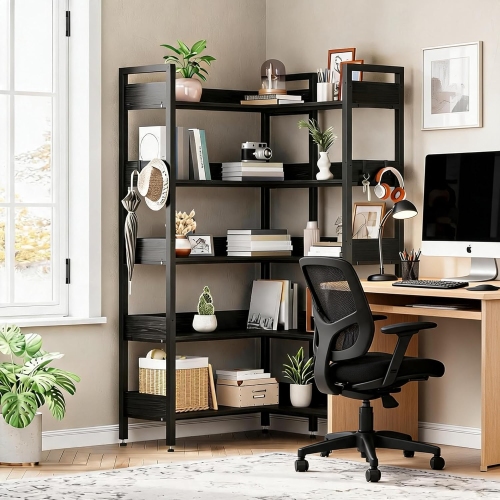
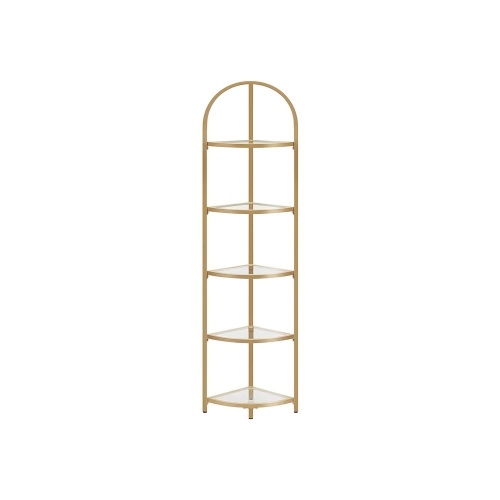
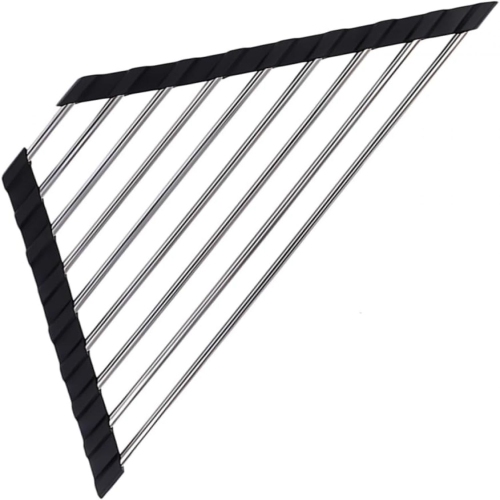
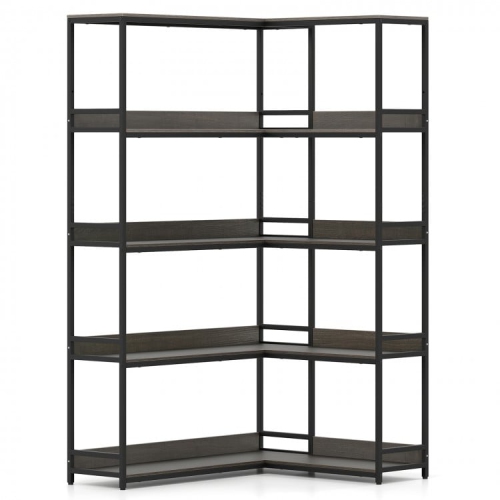
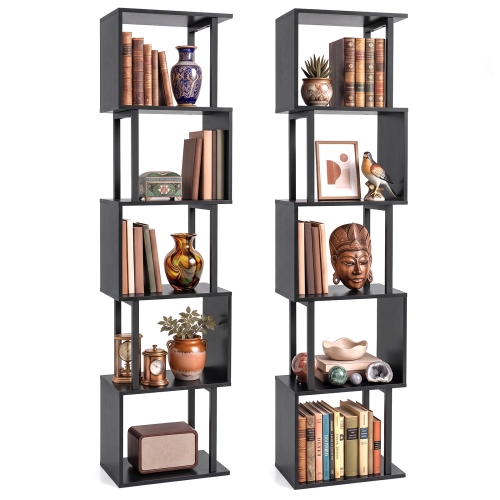
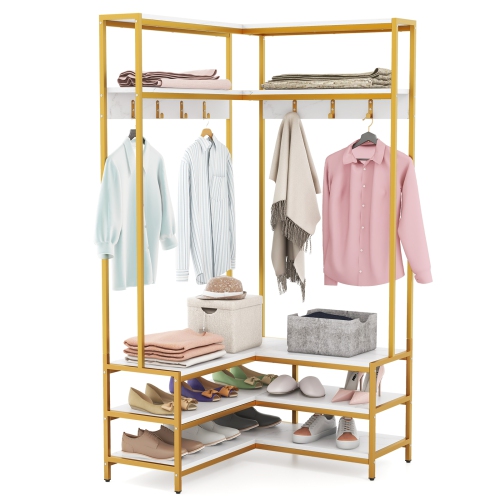
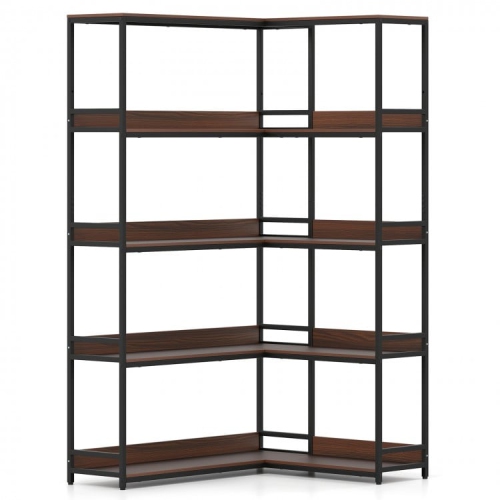
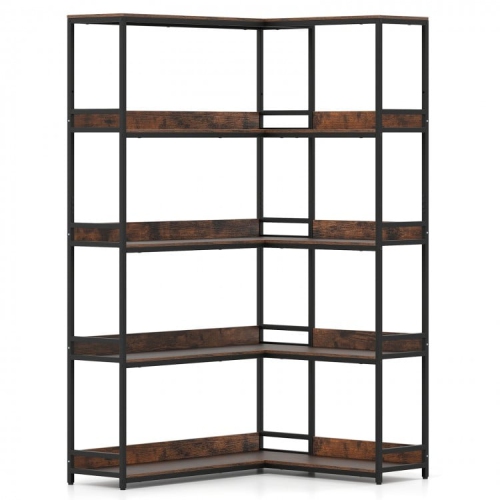
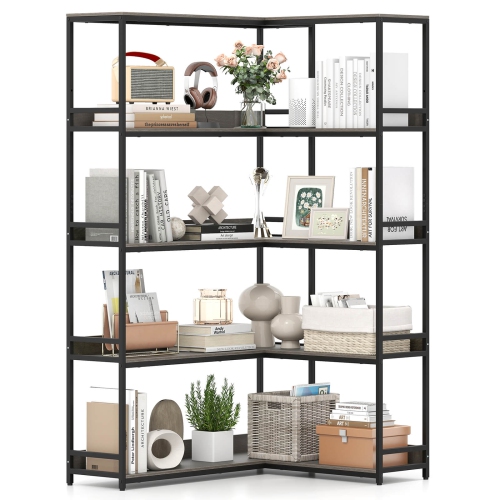
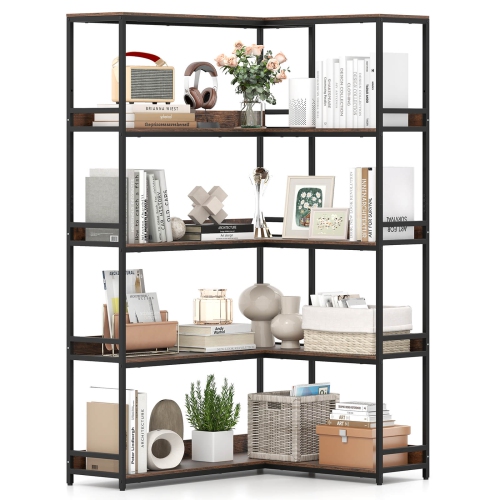
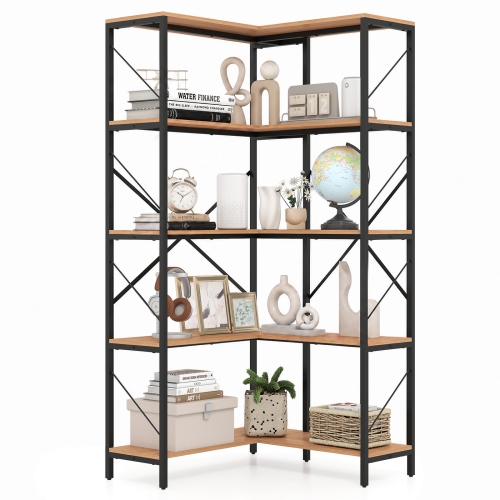
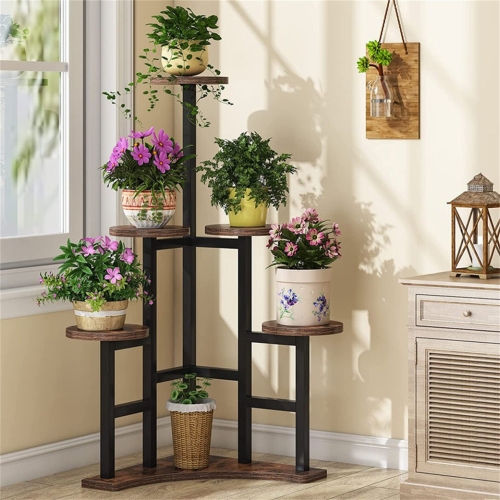
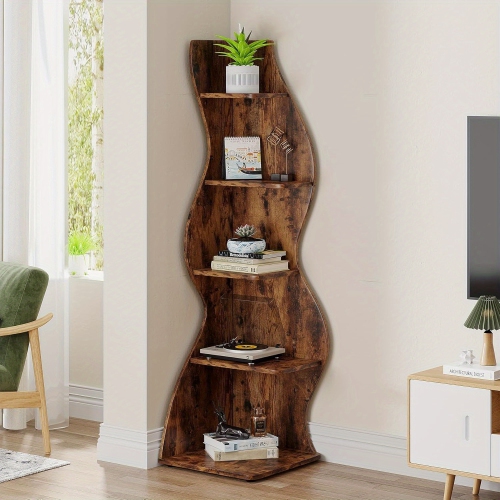
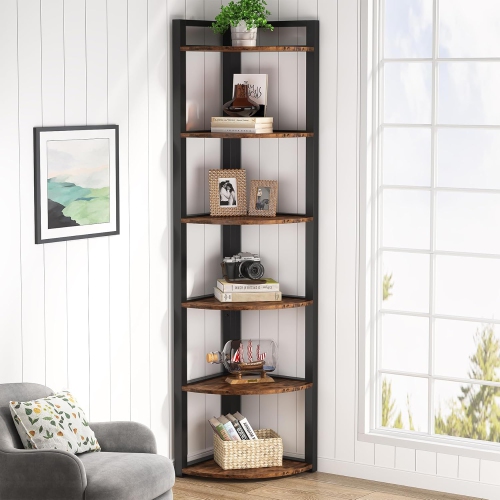
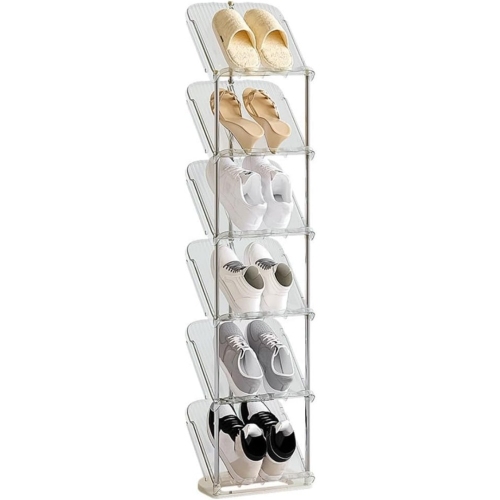
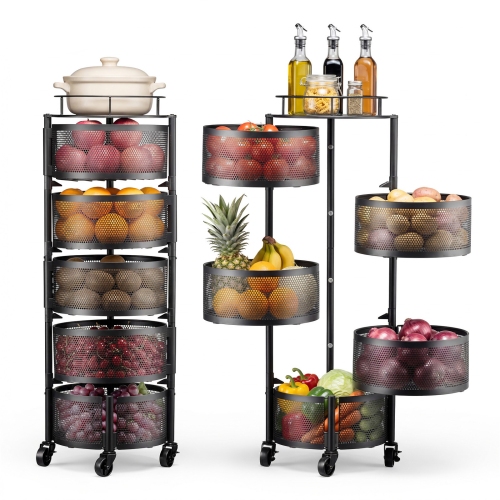
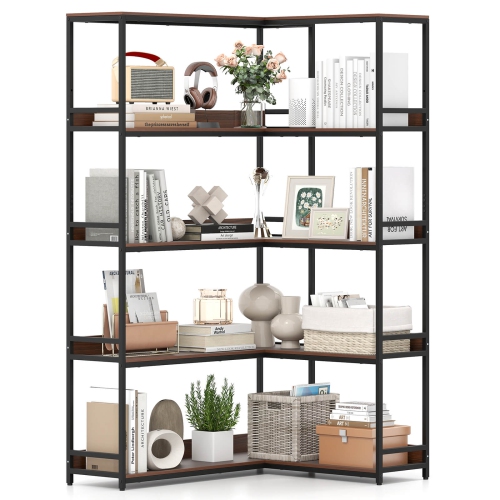
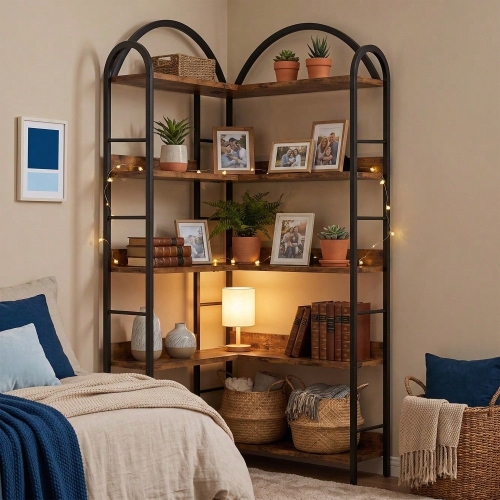
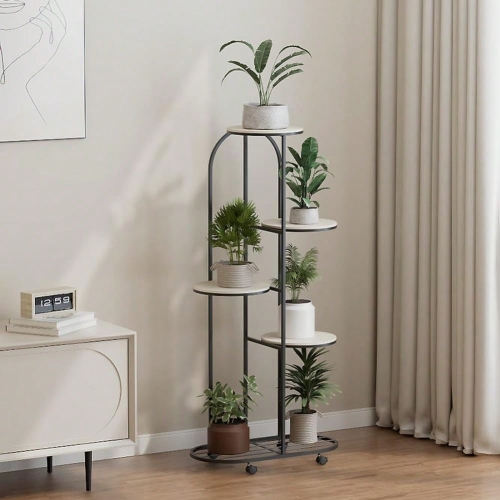

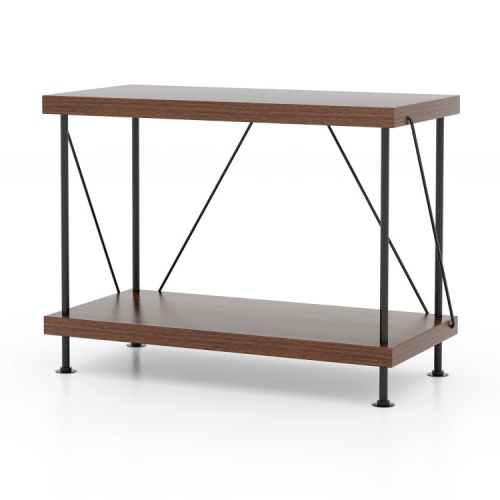
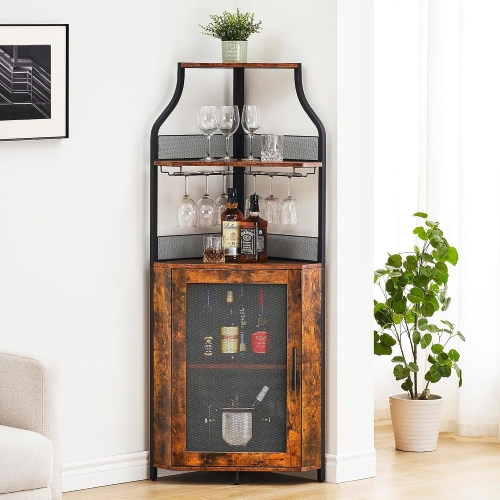
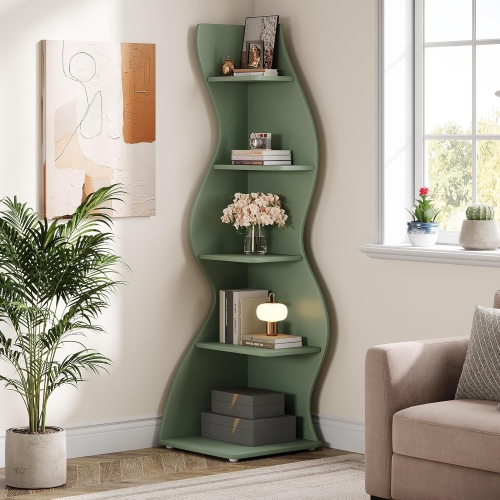
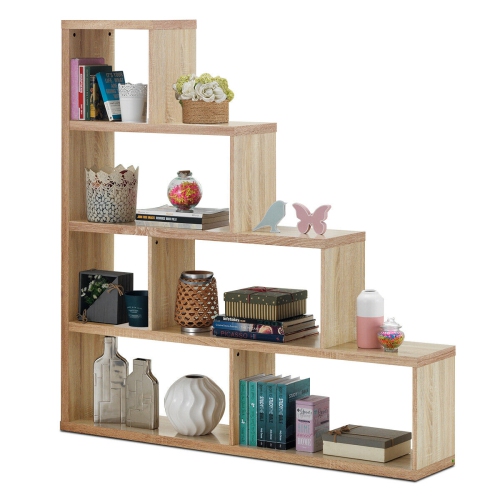
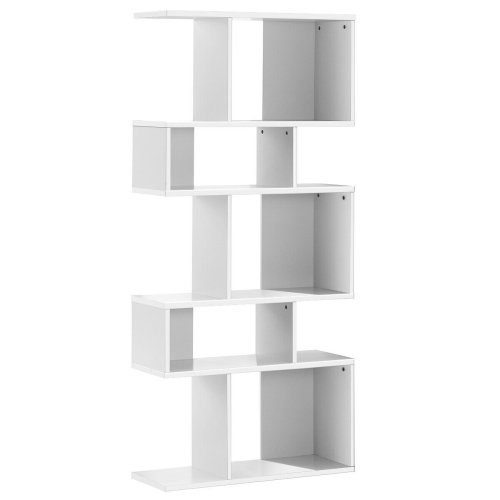
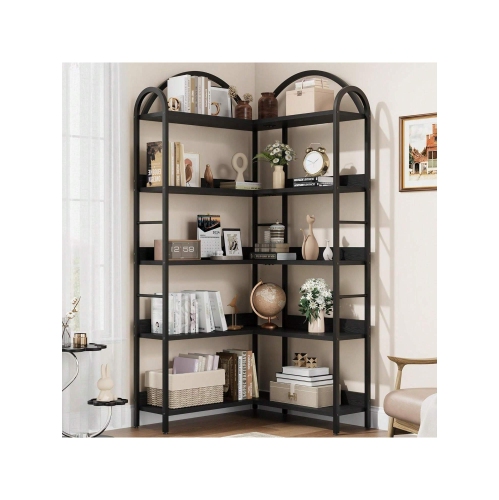
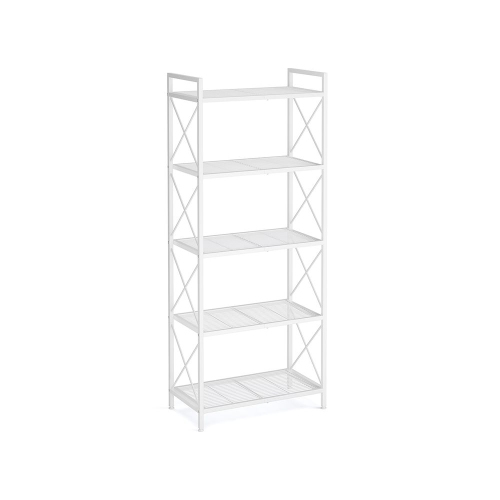
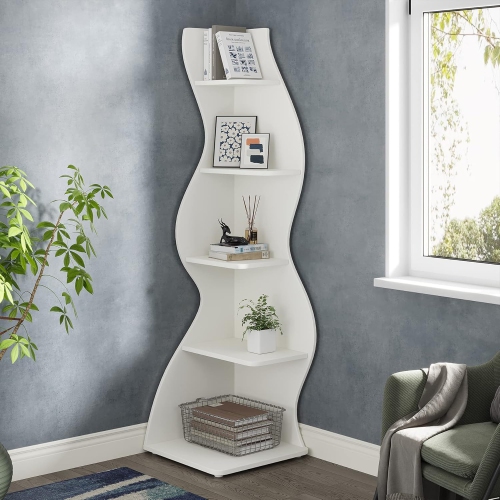
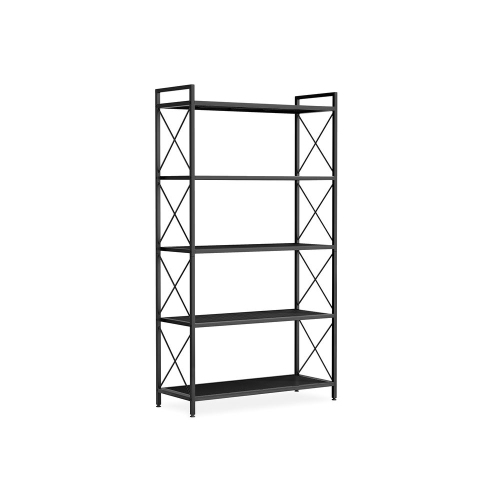
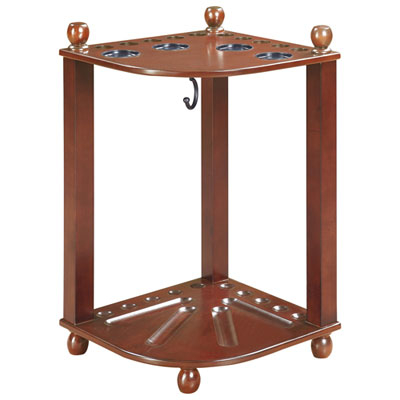
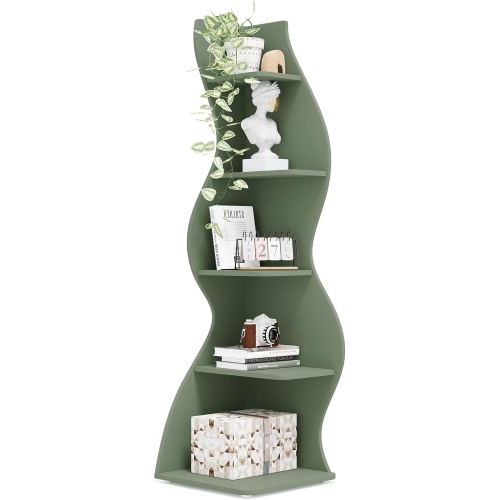
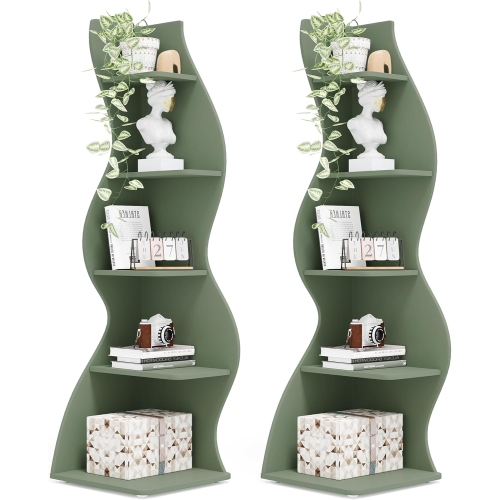
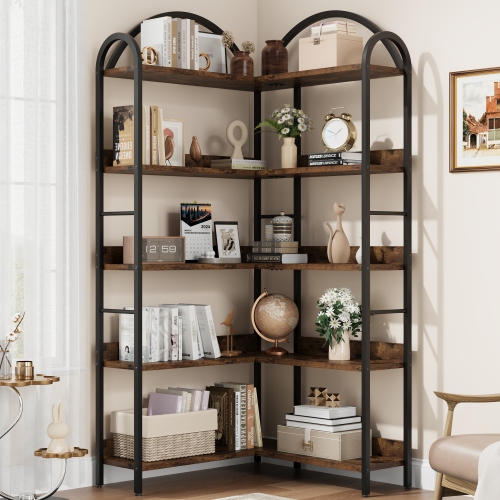
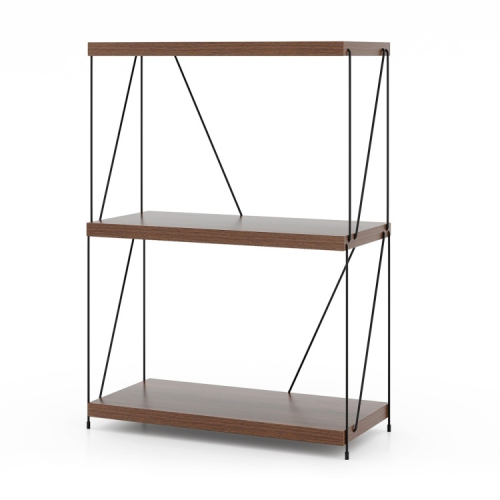
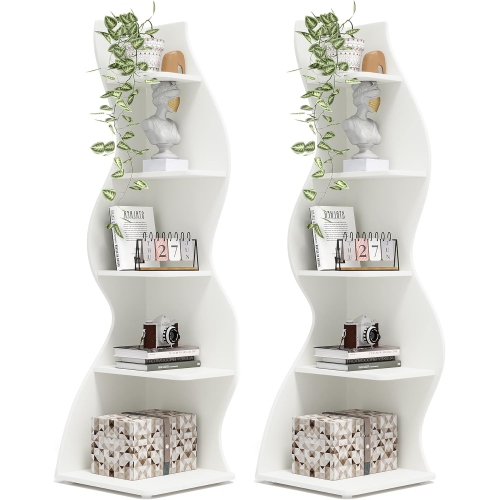
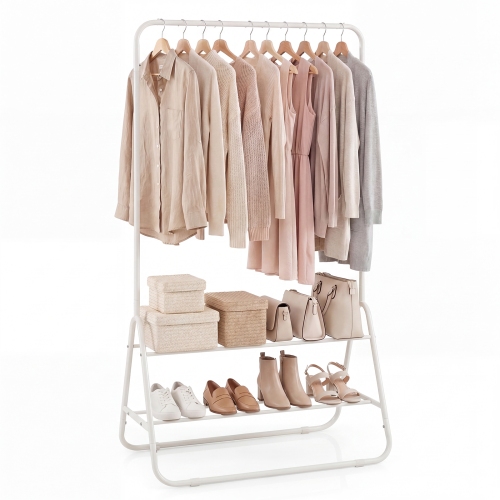
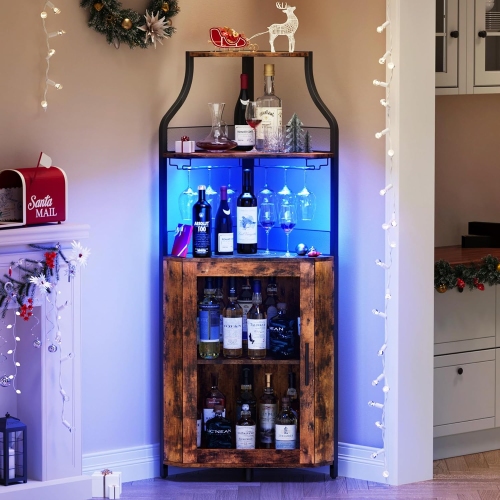
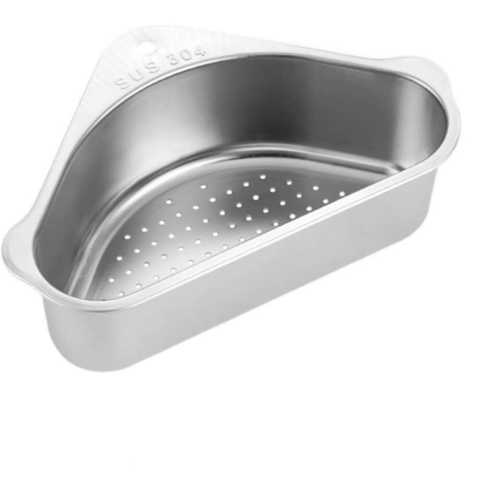
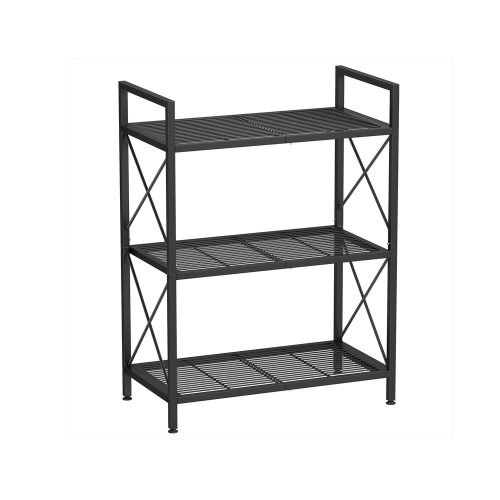
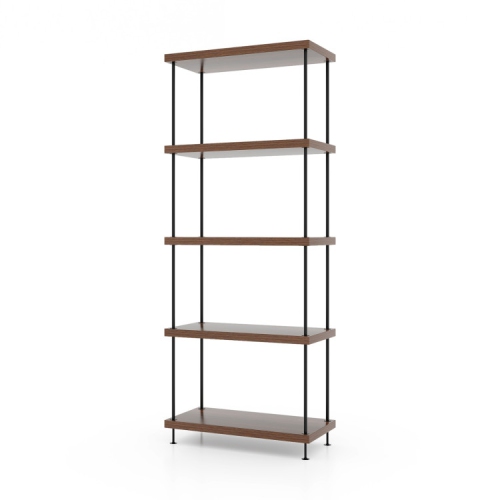
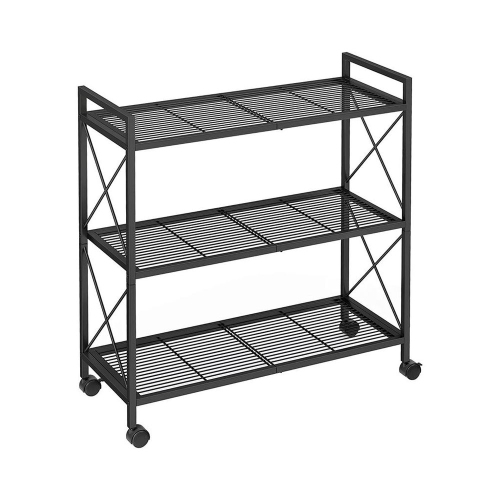
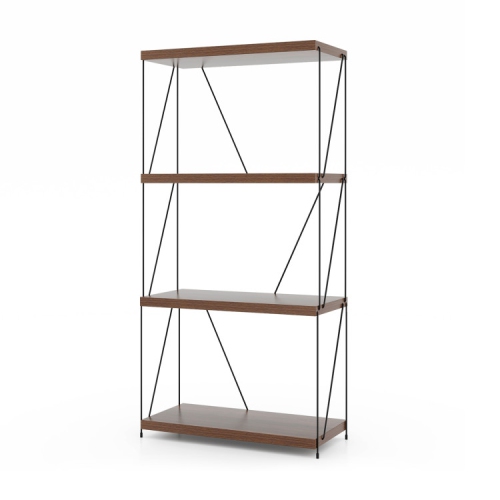
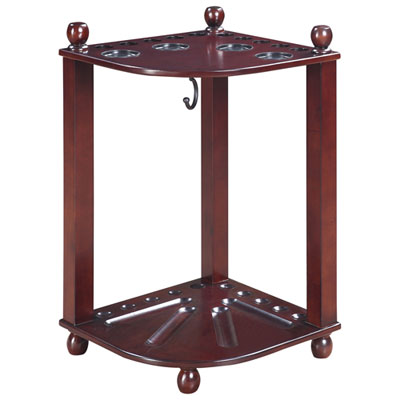
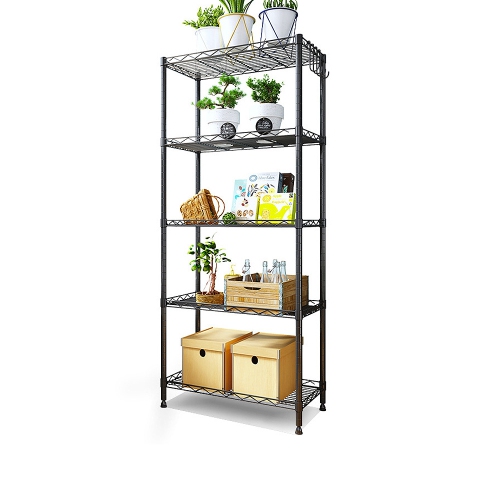

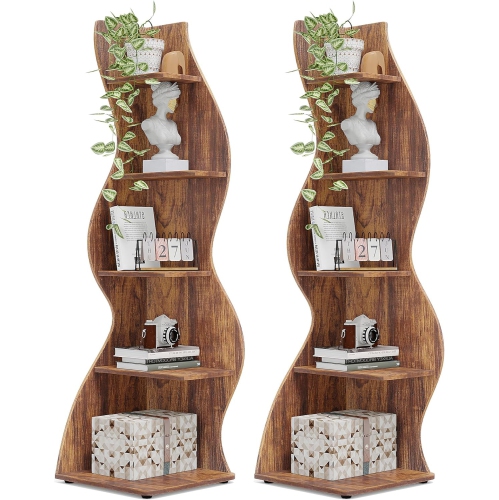
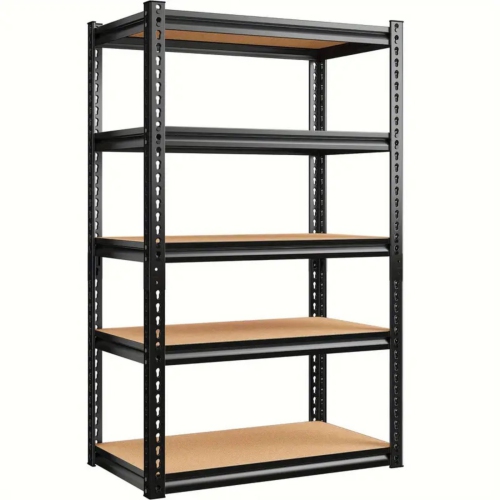
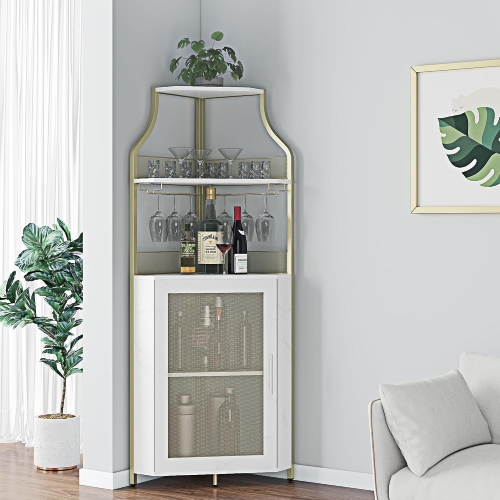
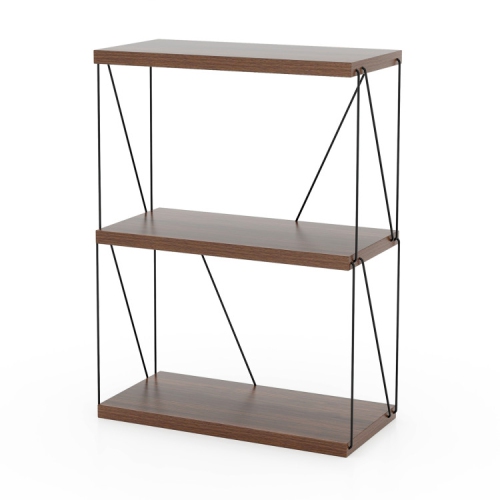
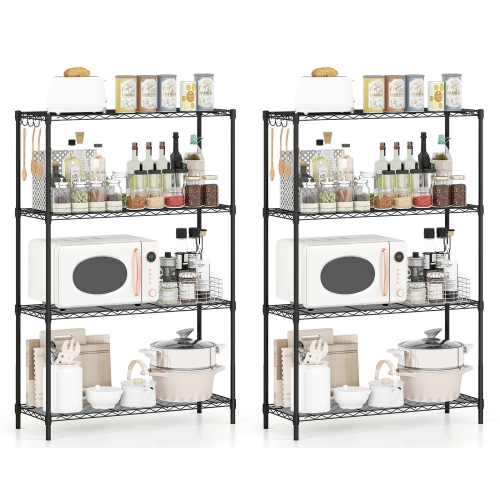
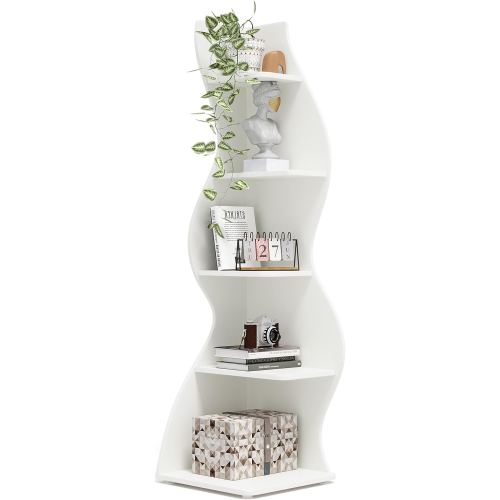

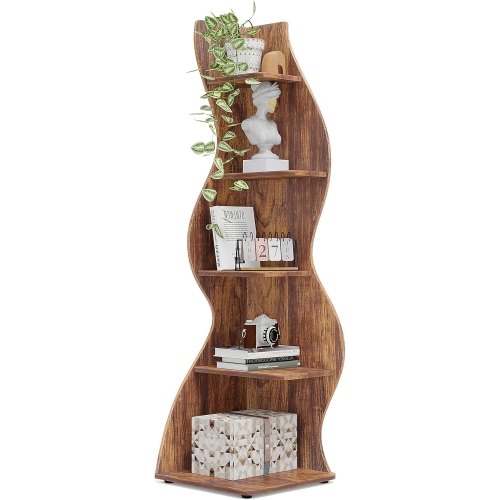
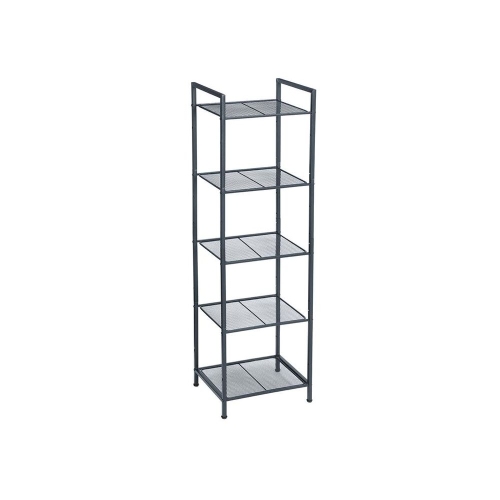
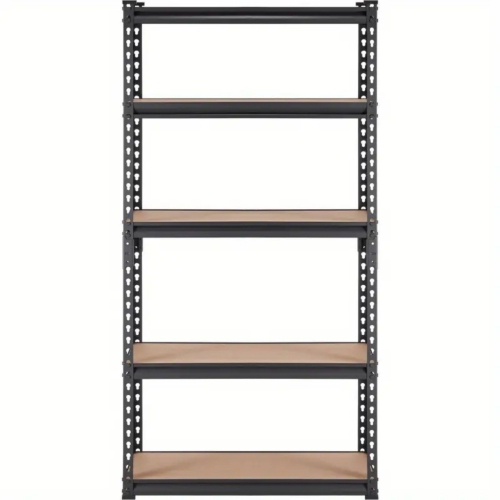
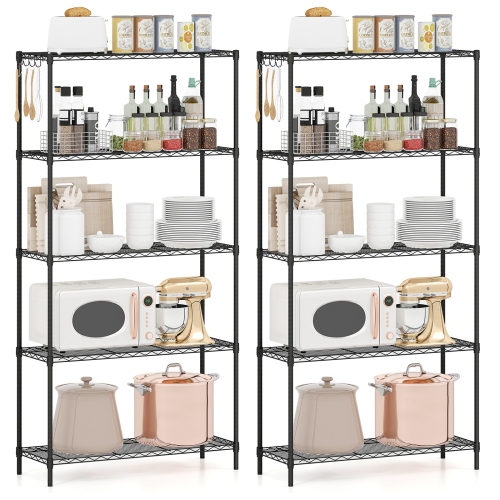
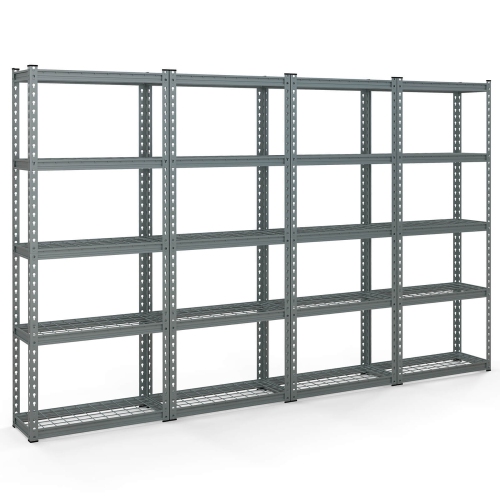
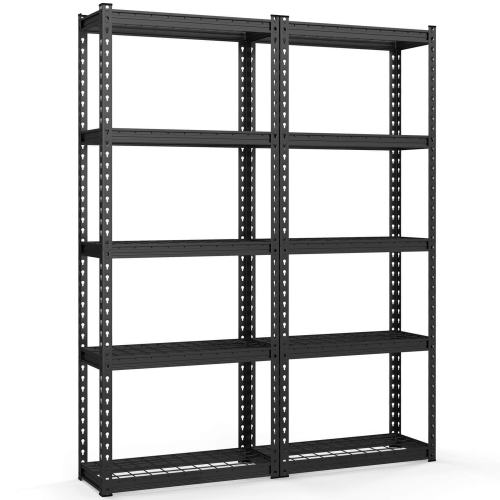
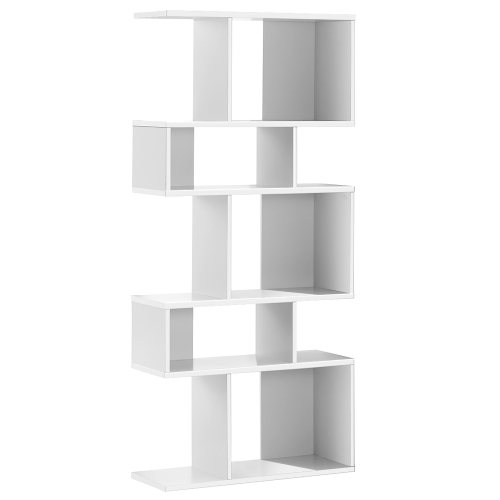
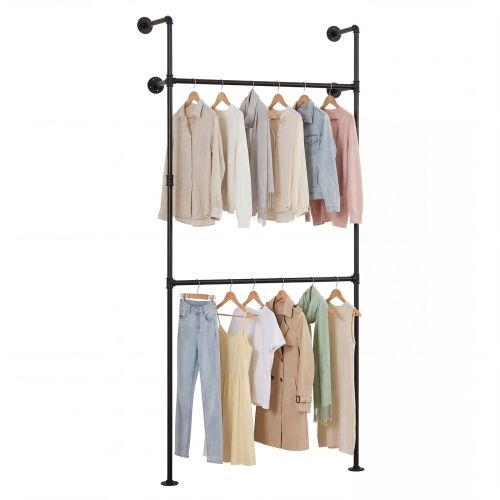
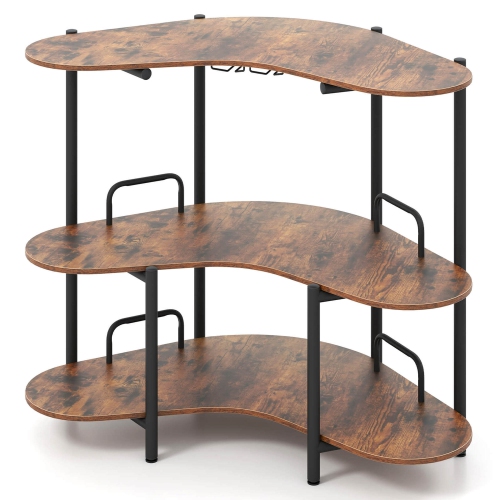
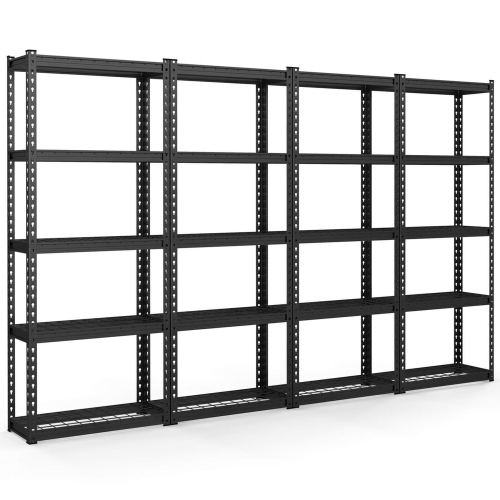
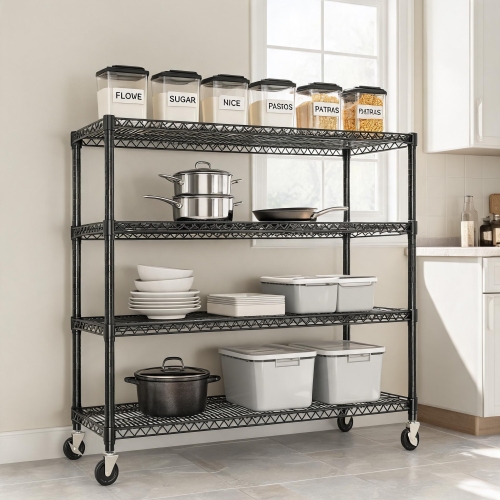
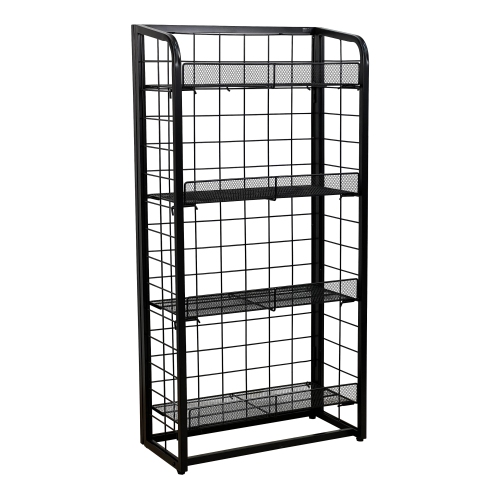
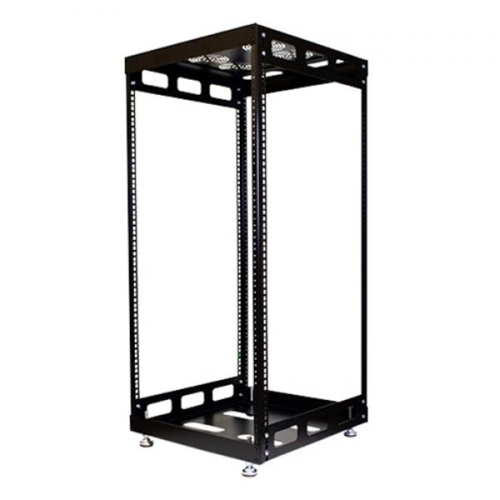
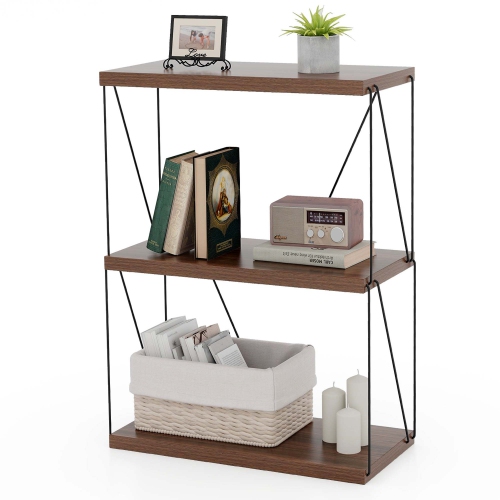
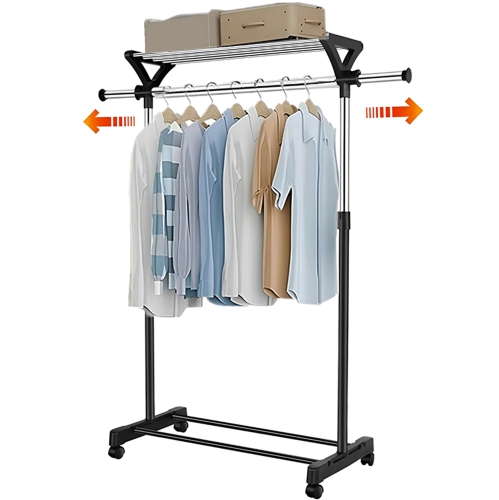
Vertical storage that puts unused corners to work
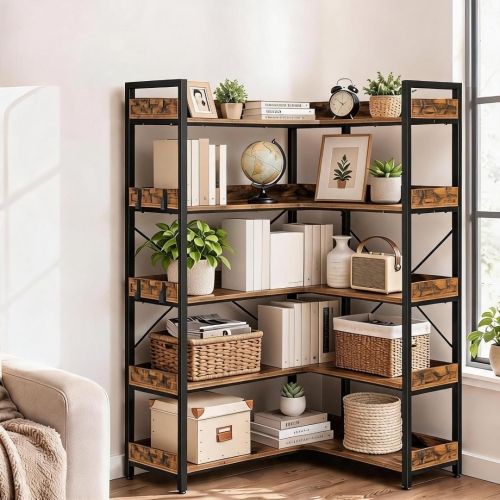
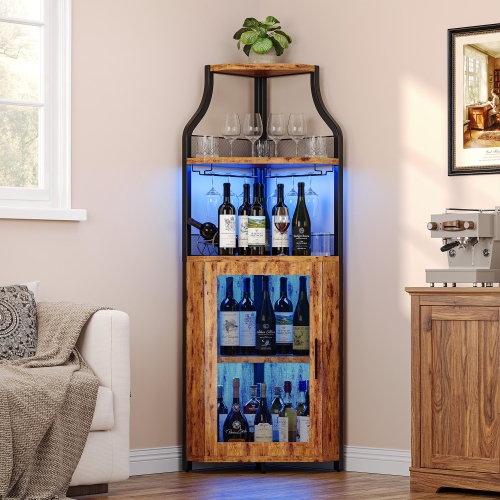
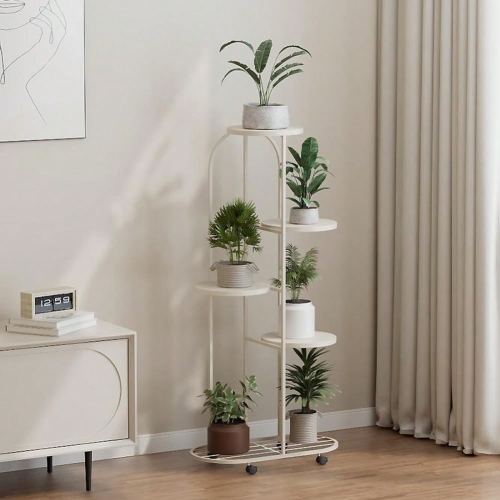
Metal corner racks turn underused room corners into practical vertical storage, making space for everyday essentials without taking over the centre of a room. Their angled, triangular, or curved shelves are designed to sit where two walls meet, often fitting neatly into a 90-degree corner. This makes them useful in apartments, smaller homes, offices, and other spaces where a full-width shelving unit would interrupt a walkway or crowd nearby furniture. A narrow rack beside a desk can hold stationery and reference books, while a taller unit in a living room can bring together framed photographs, plants, and a few favourite objects. In a kitchen, corner shelving can keep frequently used cookware or pantry containers within reach, provided the shelf dimensions and weight limits suit what is being stored. Metal construction can create an airy appearance, particularly when slim uprights and open wire shelves allow the wall behind them to remain visible. Solid shelves offer a more continuous surface for smaller objects, while wire shelves allow air to circulate and make it easier to see contents from different angles. Freestanding designs can be repositioned when a room layout changes, subject to any required anchoring, whereas wall-mounted corner racks leave the floor clear and depend on suitable mounting hardware and wall support. The useful capacity of a rack comes from more than its height: shelf depth, spacing, and the shape of the front edge all influence what fits comfortably. A rounded front can soften the look of an angular corner, while a straight-edged design may suit a more structured arrangement. Open shelving also makes the contents part of the room’s appearance. A few consistently sized baskets or containers can keep cables, accessories, and other small belongings together without hiding the metal frame. For renters, students, home-office users, or anyone trying to make a compact room work harder, a well-proportioned corner rack can provide storage while keeping the surrounding floor area open.
The right fit depends on both the corner itself and the space immediately around it. Overall width and depth show how far a rack extends along each wall, but the usable shelf surface may be considerably smaller, especially near the narrow rear point. Measuring the objects intended for each shelf helps avoid a rack that fits the room but cannot hold its contents comfortably. A tall bottle, upright binder, or storage basket needs adequate clearance above it, and adjustable shelves offer flexibility when those needs change. Baseboards can prevent a frame from sitting flush against the walls, while outlets, door swings, heating vents, and nearby furniture may affect placement. A rack beside a doorway should leave enough room for the door to open fully and for people to pass without brushing against protruding shelves. Construction matters just as much as dimensions. Steel is commonly used for its rigidity, while aluminium can offer a lighter frame that is easier to move. Stainless steel may be suitable where moisture exposure is a concern, though its grade, finish, and care requirements still matter. Powder-coated surfaces provide a coloured protective finish, but chips or deep scratches can expose the metal beneath. Chrome-plated designs have a bright appearance and benefit from gentle cleaning that protects the plating. No single material or finish guarantees a particular load capacity; shelf supports, joint design, fasteners, and the complete frame all contribute to strength. Manufacturer weight limits may apply to each shelf, the entire unit, or both, so those distinctions are important when storing dense objects. Placing heavier contents on lower shelves helps keep the rack’s centre of gravity low, but it does not replace required wall anchoring. Tall or narrow units should be secured as directed, particularly in homes with children or pets. Adjustable feet can help a freestanding rack sit level on an uneven floor, while suitable foot pads can reduce scratching on hard surfaces. During assembly, evenly tightened connections and correctly seated shelves help prevent wobbling. Any loose joints, bent supports, or damaged mounting points deserve attention before the rack is used for storage.
Metal corner racks work best when their arrangement matches everyday routines rather than simply filling every shelf. In an entryway, a compact unit can provide a landing place for keys, bags, and neatly contained accessories without creating a bottleneck near the door. Beside a home-office desk, lower shelves can hold heavier supplies while frequently used materials stay at an easy reaching height. In a bathroom, a corrosion-resistant rack may suit folded towels and toiletries, although exposure to splashes and persistent moisture should match the manufacturer’s stated use. A garage or utility-room corner calls for particular attention to load ratings, shelf surfaces, and frame stability, especially when containers or tools are involved. For broader utility-storage layouts, Industrial Metal Racks provide a related shelving category to consider alongside corner-shaped designs. Within any room, leaving some space between objects makes shelves easier to clean and keeps individual belongings accessible. Small objects may need a compatible shelf liner or tray on wire shelving so they do not tip or slip through gaps; any liner should sit securely without interfering with shelf attachment. Plants need watertight saucers to protect the finish and the floor below, and trailing stems should remain clear of walkways. Routine care is usually straightforward: a soft cloth removes dust, while a lightly dampened cloth and a suitable mild cleaner can handle marks when permitted by the care instructions. Drying the surface afterwards helps prevent moisture from collecting around joints. Abrasive pads and harsh cleaners can dull finishes or damage protective coatings, so cleaning methods should suit the material. Periodic checks of fasteners, shelf supports, and anchors help maintain stability as contents are rearranged. A corner rack can also be a practical housewarming gift when the recipient’s available space and preferred style are known. Whether used for display, household organization, or accessible storage, its value lies in bringing a neglected corner into everyday use without overwhelming the room.
Top selling and popular products
-
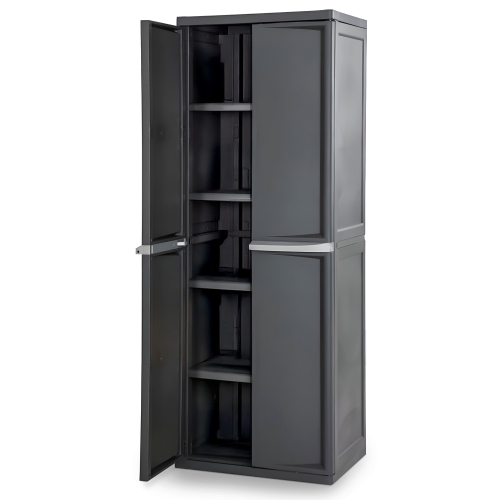 Your price for this item is $577.99
-
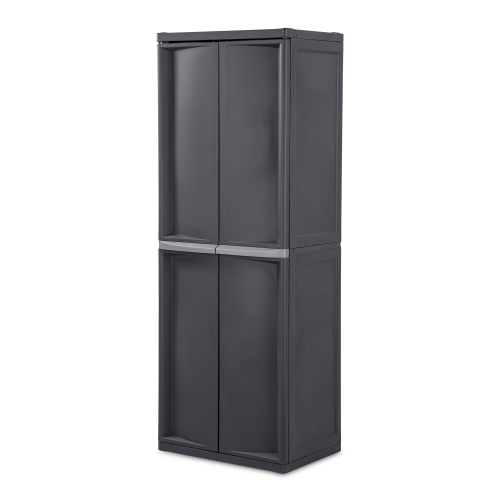 Your price for this item is $1167.99
-
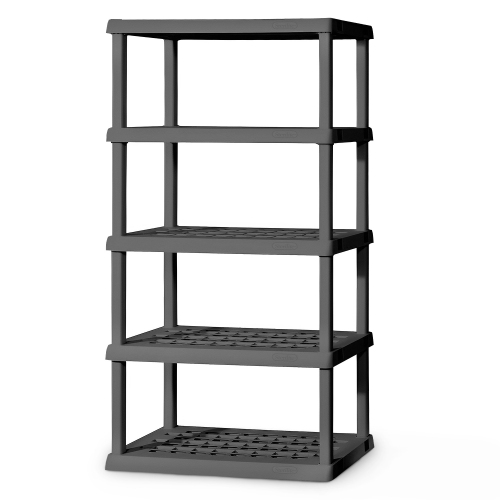 Your price for this item is $353.99
-
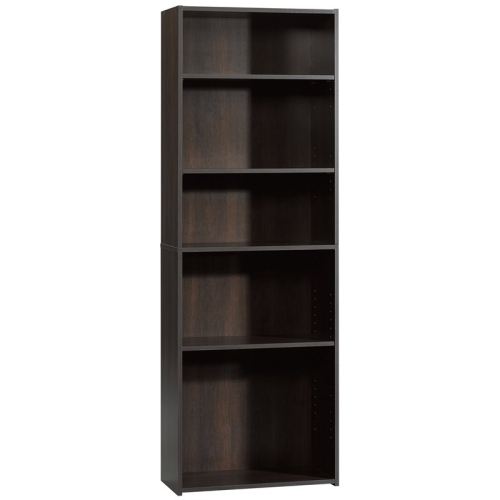 Your price for this item is $208.99
-
 Your price for this item is $171.99
-
 Your price for this item is $592.99
-
 Your price for this item is $599
-
 Your price for this item is $737.99
Discover more categories related to Metal Corner Racks
Top Collections:
Best Black Friday Deals This Year, Best Black Friday Deals On Electronics, Kindle Devices, Dyson Airwrap, Best Cameras for Sports Photography, Best Black Friday Deals On Apple Products, PS5 Pro Consoles, Portable Snow Blowers, Canon G7X Cameras, Pokémon 30th Celebration Cards
Some products may be subject to Environmental Handling Fees
(EHF) depending on your province.
Learn more about EHFs.