Digital Piano Price
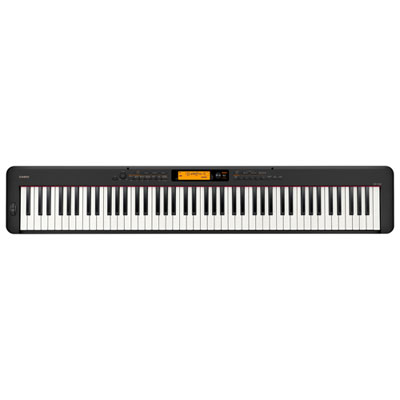
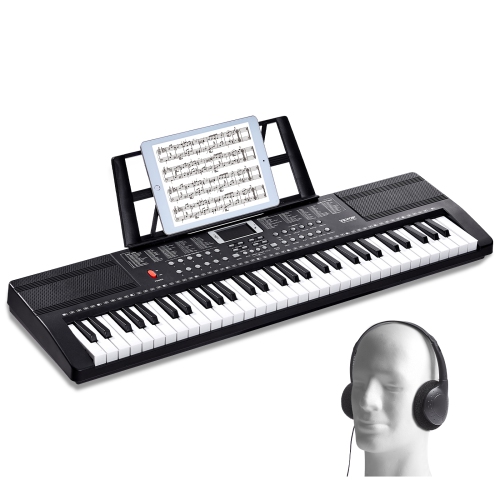
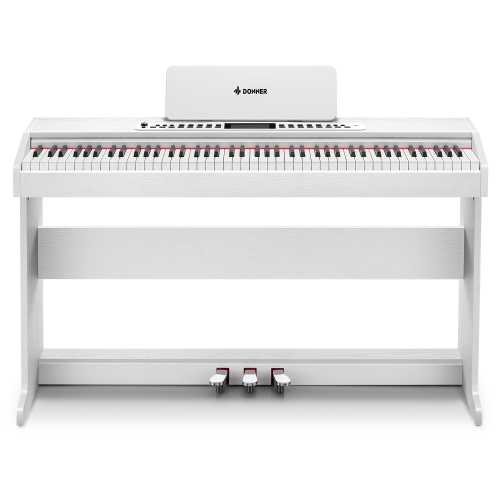
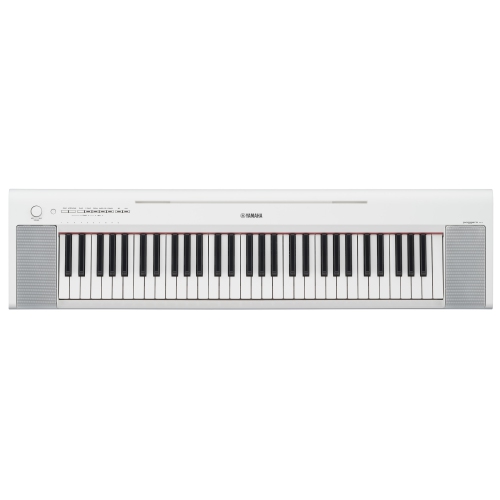
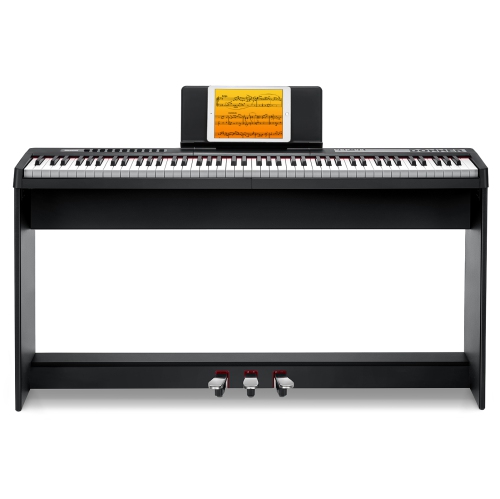
Compare digital piano prices to find an instrument that fits your budget and playing needs. When weighing your options, consider key action, sound features, built-in speakers, and whether a stand or pedals are included, as these can affect both the playing experience and the total cost.






FAQ
Compare key action, sound options, polyphony, built-in speakers and pedal support. Weighted keys can offer a feel closer to an acoustic piano, while headphone outputs and recording features give you more ways to practise. If you plan to use music software, check for compatible USB or MIDI connections.
Weighted keys provide resistance designed to resemble the feel of an acoustic piano. Semi-weighted keys combine lighter resistance with a spring-based action. Hammer-action keyboards use a mechanism that more closely mirrors acoustic piano key movement, though the feel varies between models.
Polyphony is the number of notes a digital piano can produce at once. Sustained notes, layered sounds and accompaniment can all use part of that capacity. Higher polyphony allows more notes to continue sounding during complex passages without earlier notes being cut off.
Many digital pianos offer USB or MIDI connectivity for use with recording software, notation programs and learning apps. MIDI sends note and performance information, while audio connections carry the instrument’s sound. Check the piano’s connection types and device compatibility, as an adaptor or audio interface may be needed.
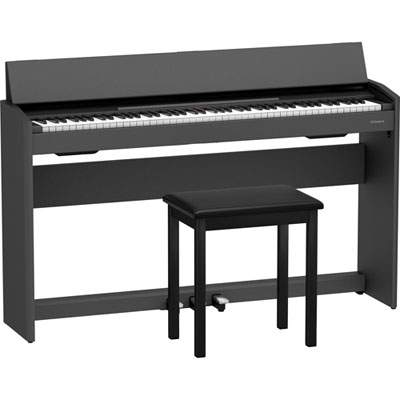
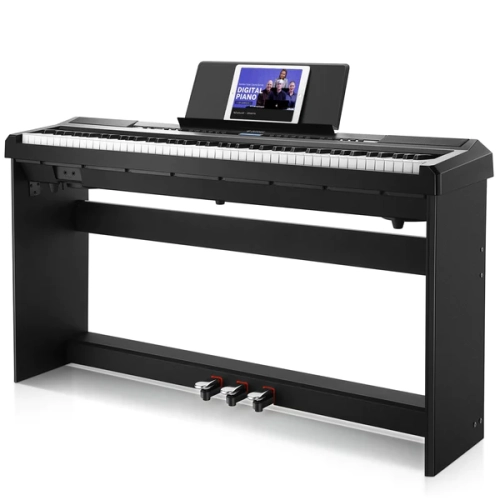
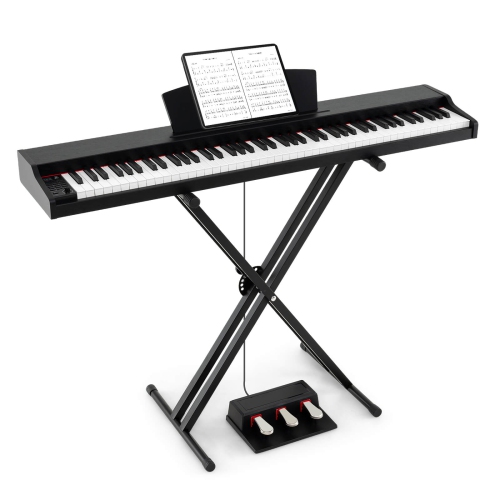
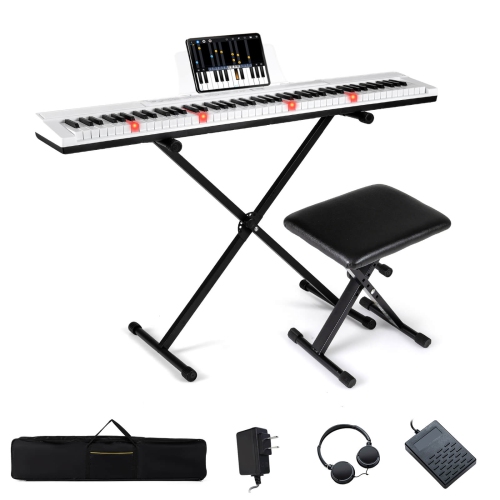
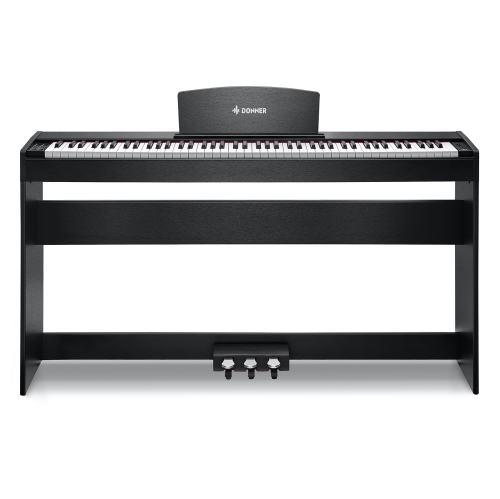
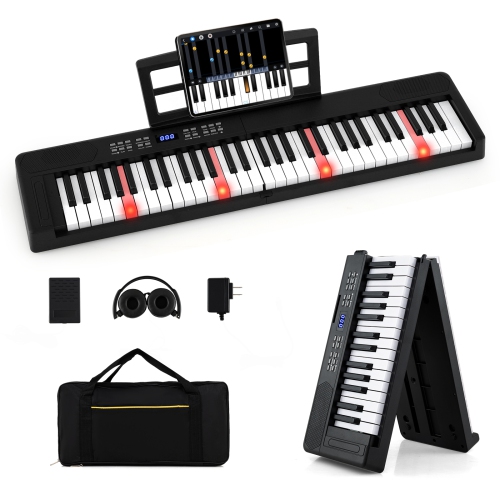
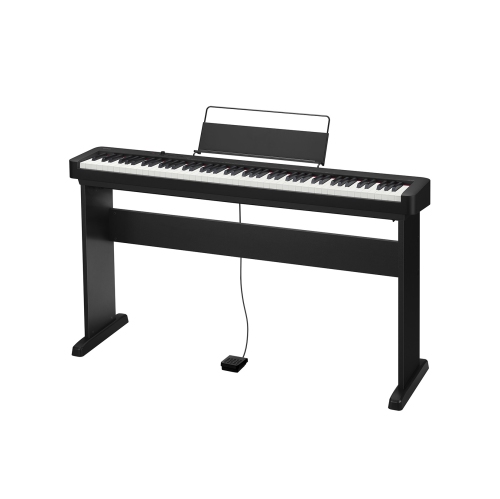
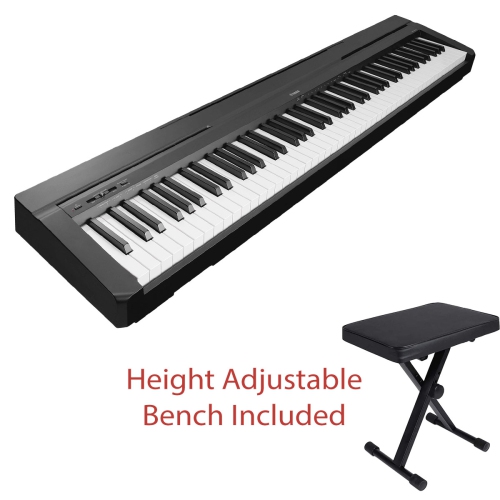
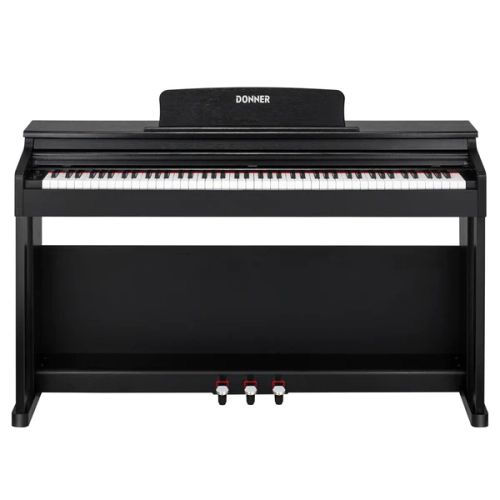
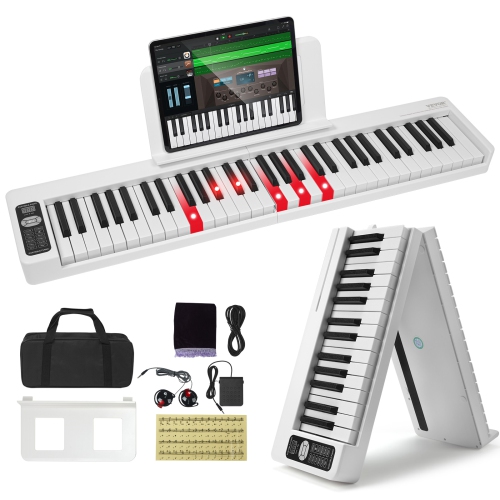
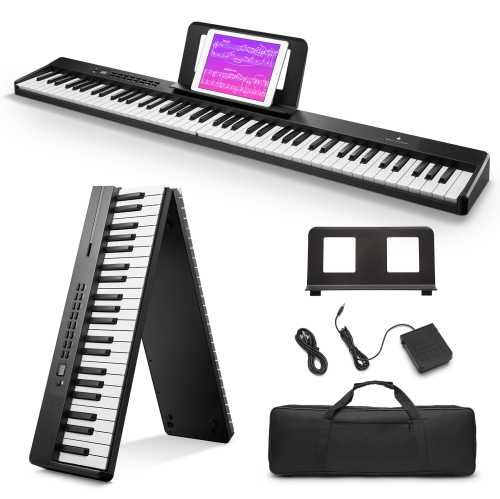
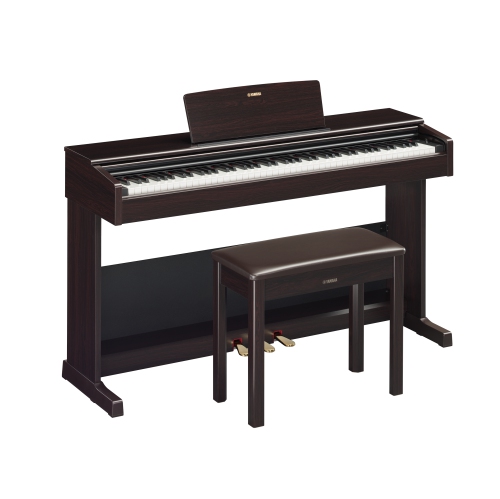
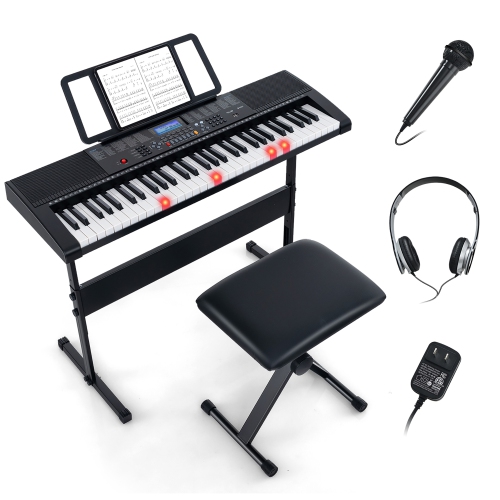
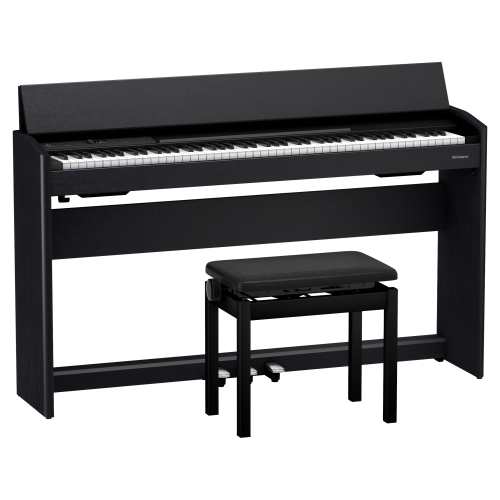
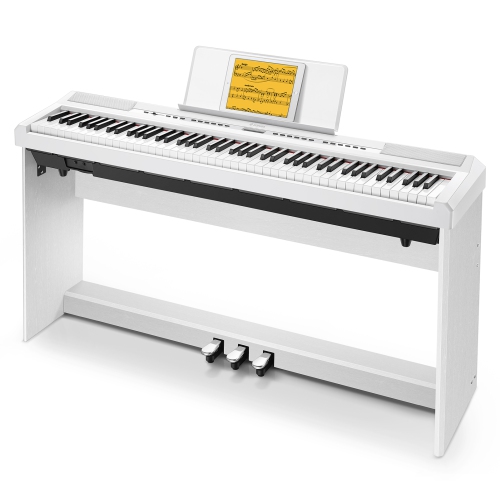
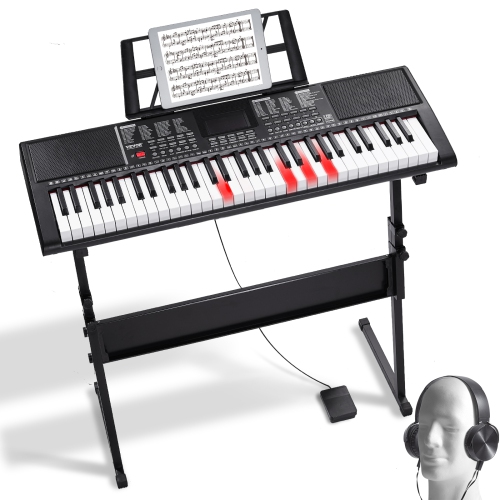
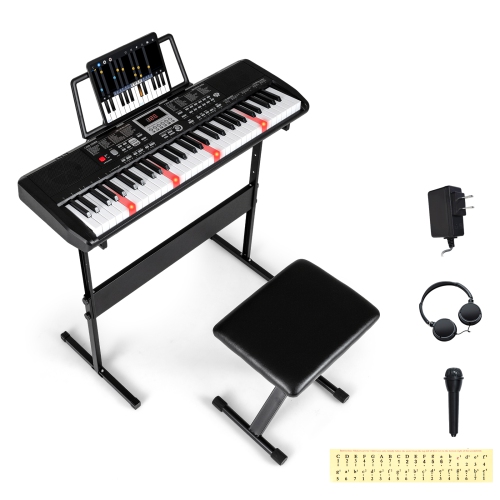
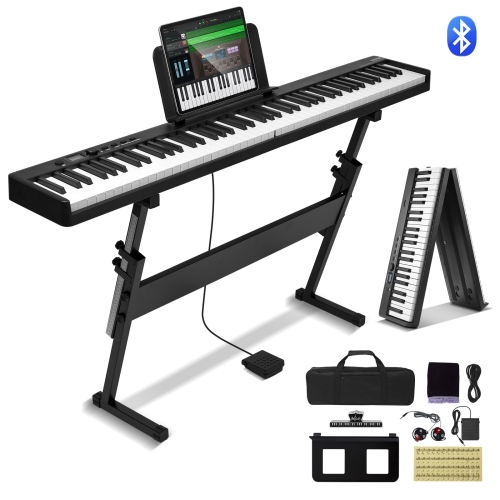
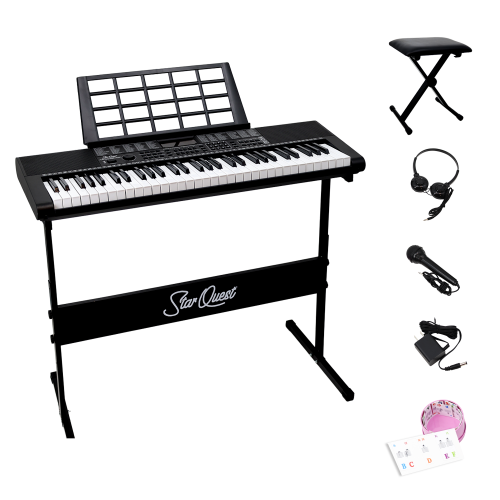
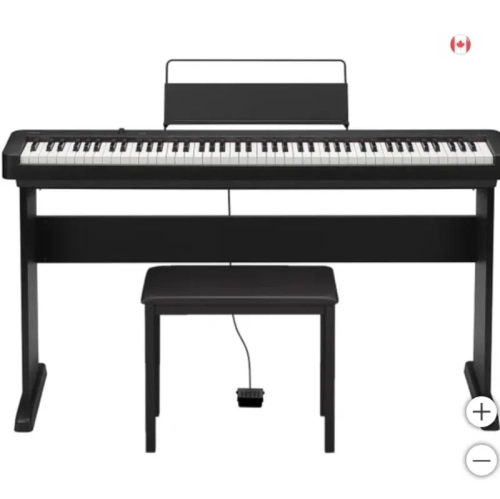
Common accessories include a compatible stand, an adjustable bench, headphones and a sustain pedal. Some digital pianos support a three-pedal unit for additional playing techniques. Check what is included and which accessories the instrument supports before choosing your setup.
Top selling and popular products
Discover more categories related to Digital Piano Price
Some products may be subject to Environmental Handling Fees (EHF) depending on your province. Learn more about EHFs.