Grand Digital Piano
A digital piano is a great choice for anyone who wants to play the piano but doesn't have the space or budget for an actual grand piano. These digital pianos offer the same great sound and feel as a traditional grand piano but in a smaller package that's easier to store. Here are some great options for you.
Sort
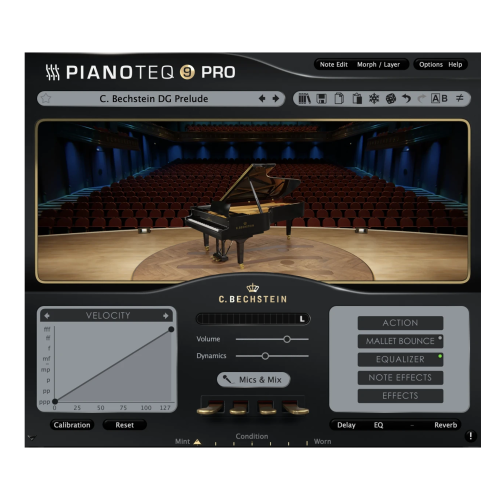
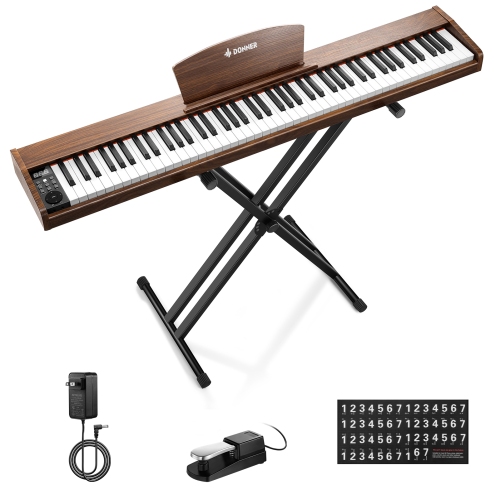
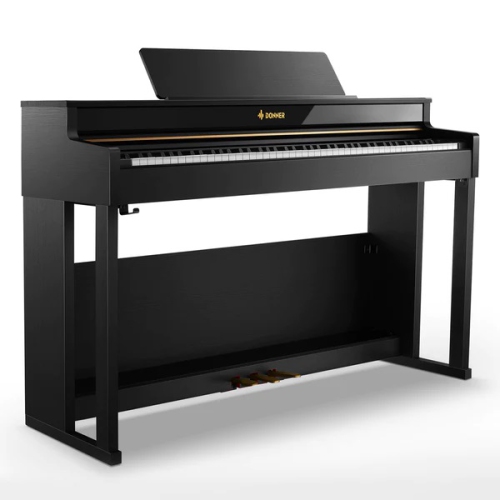
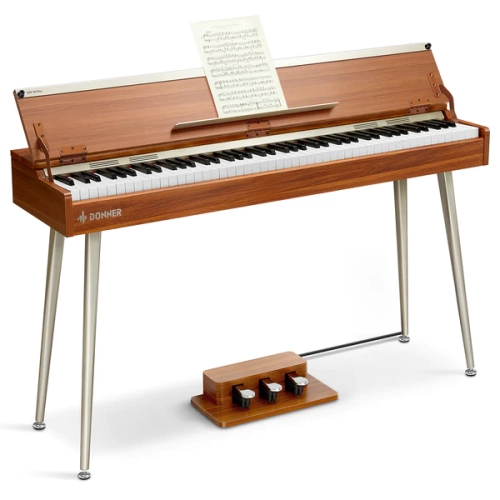

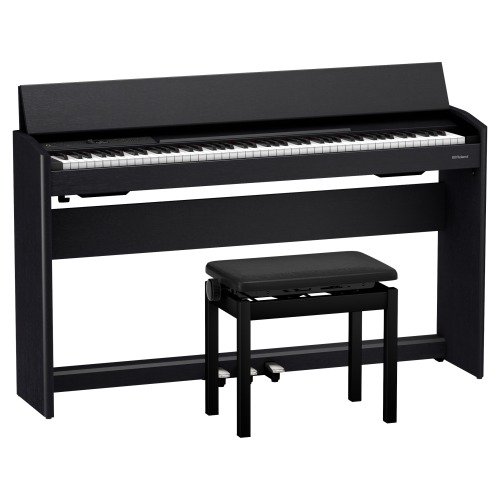
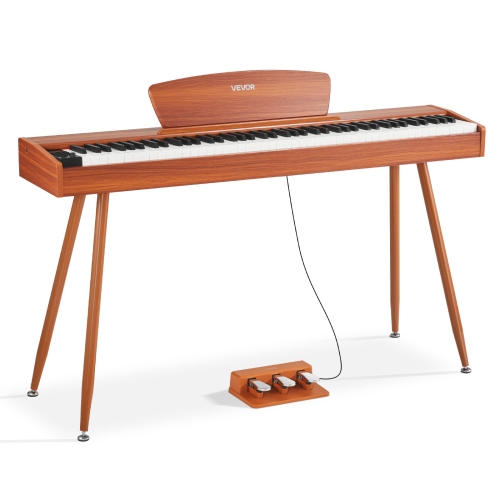
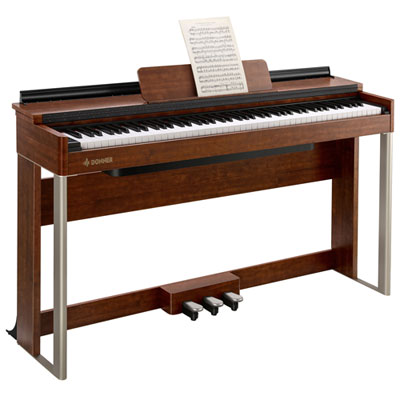
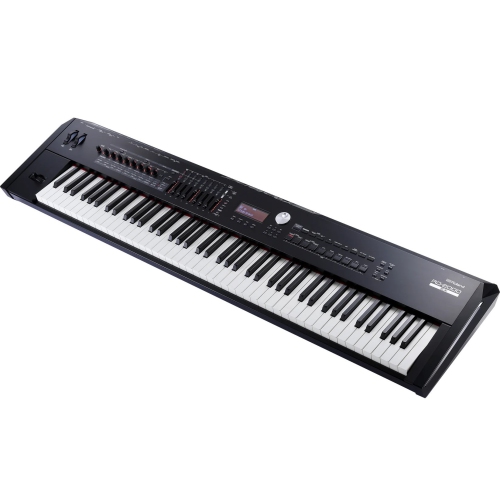
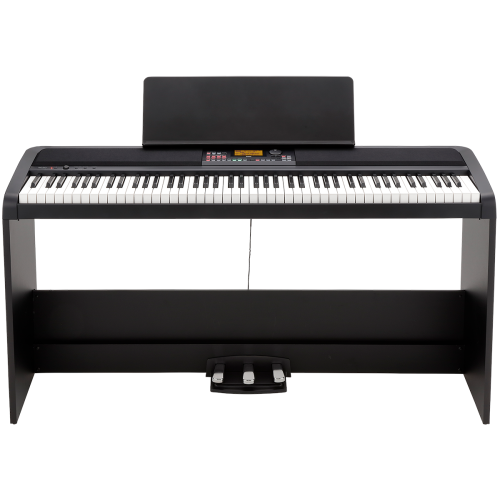
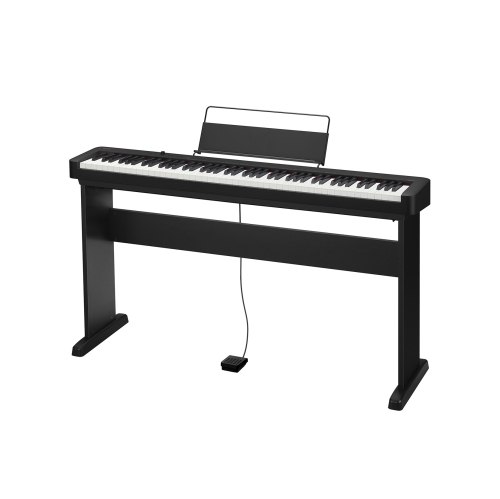

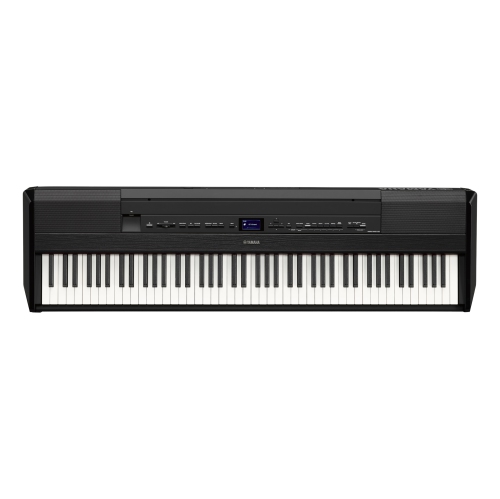
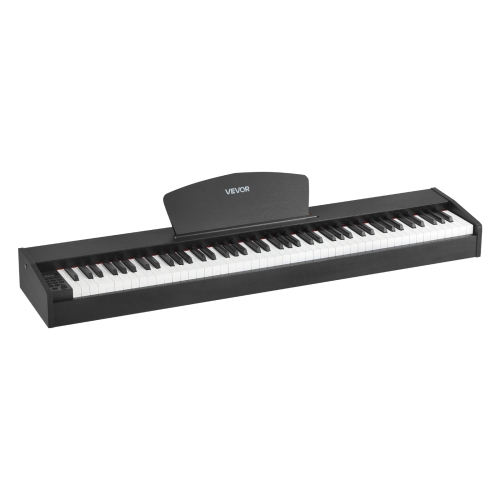
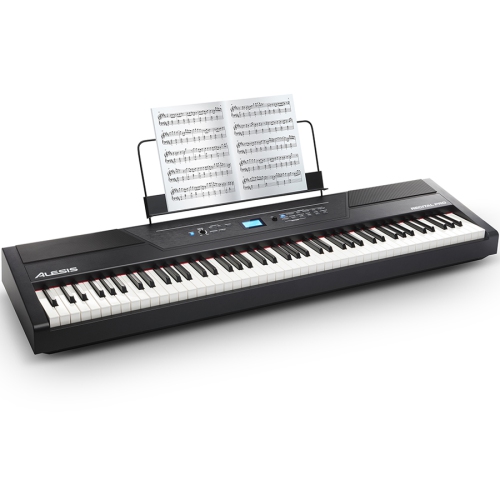
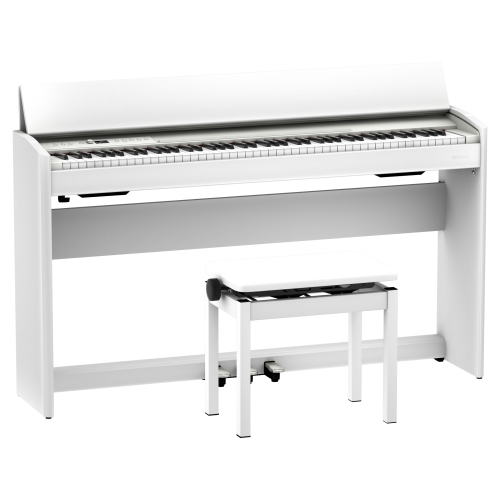
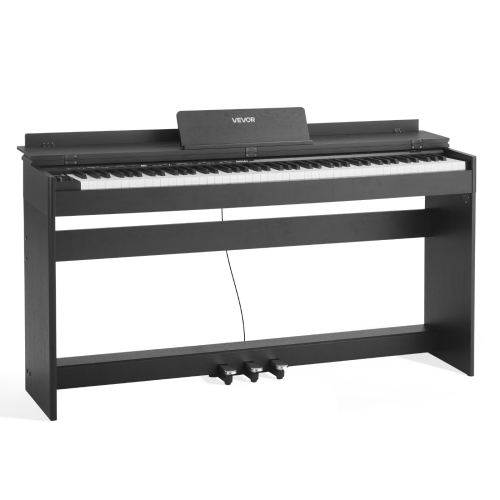
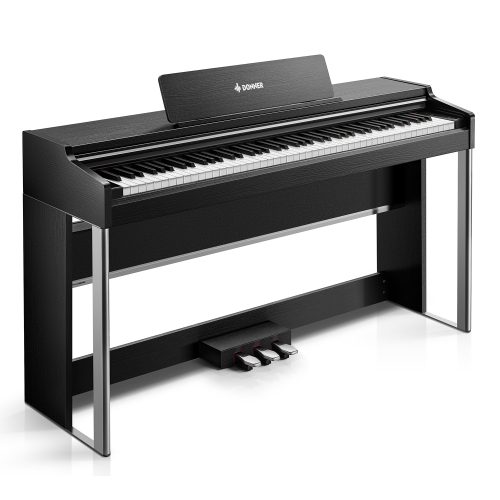
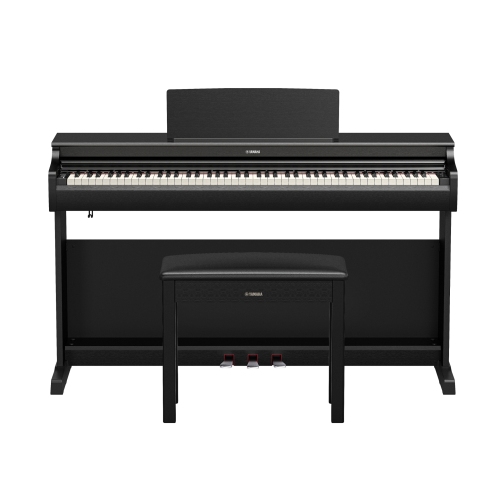
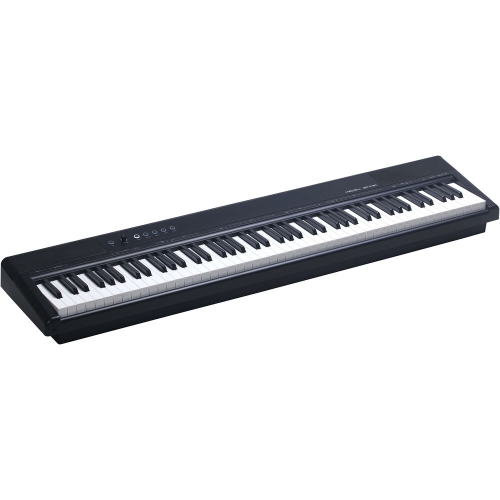
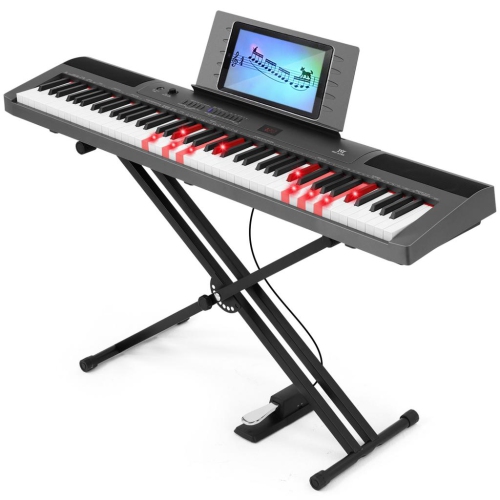
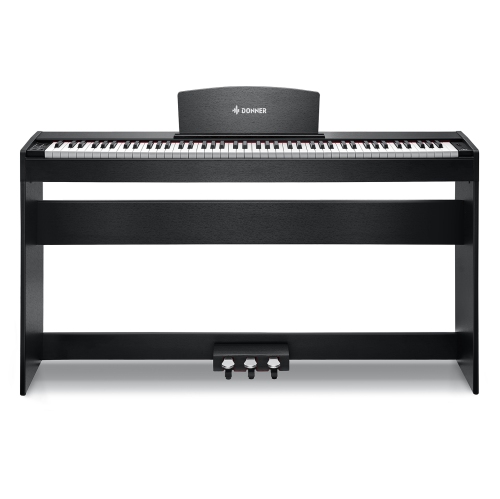
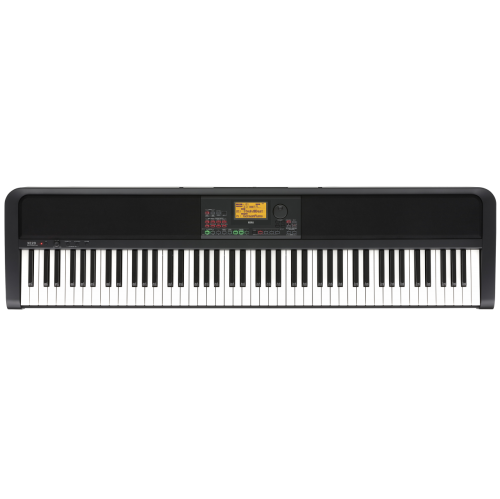

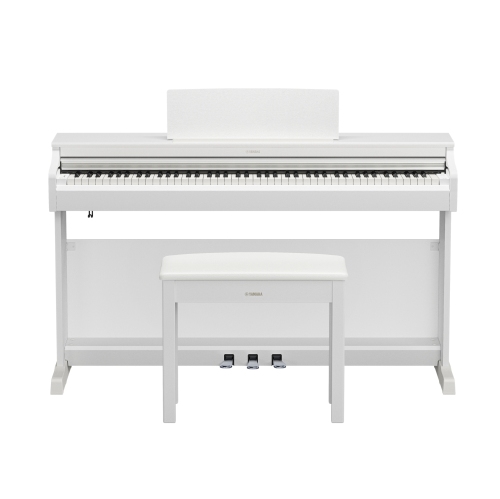
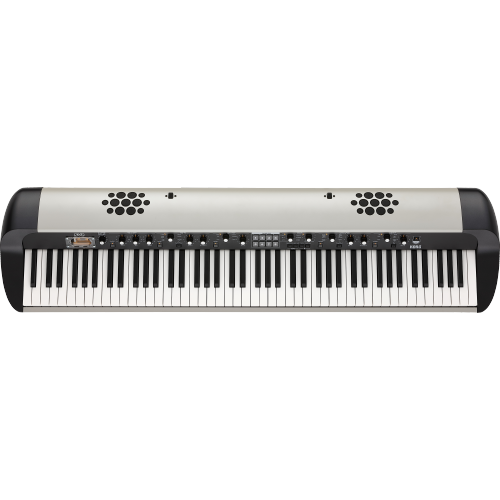
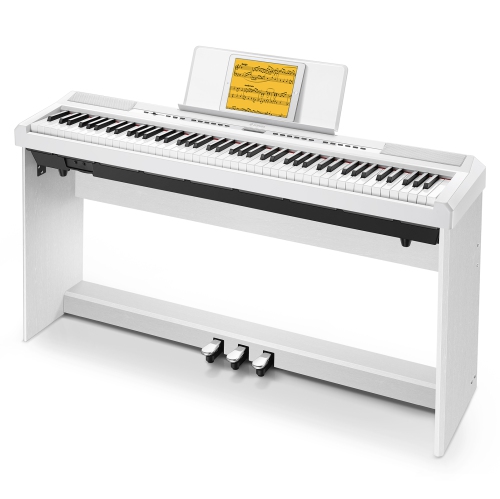
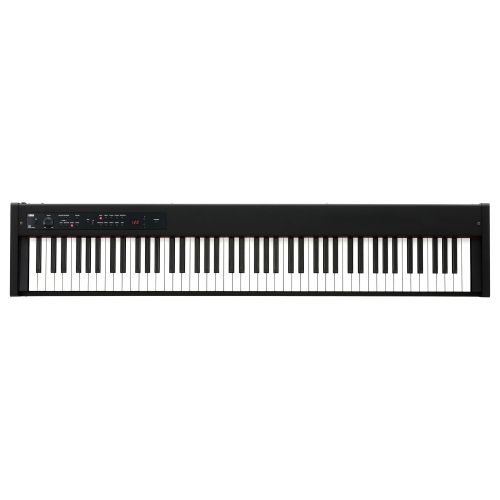
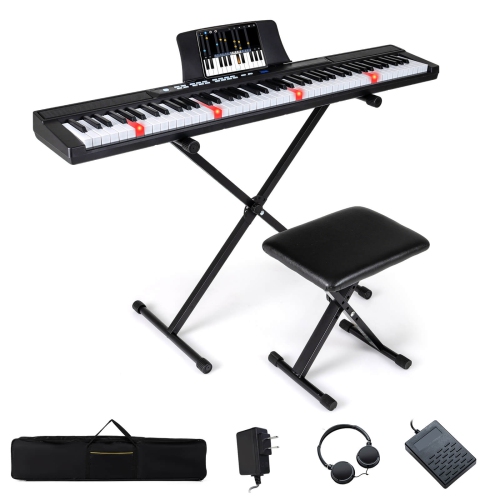
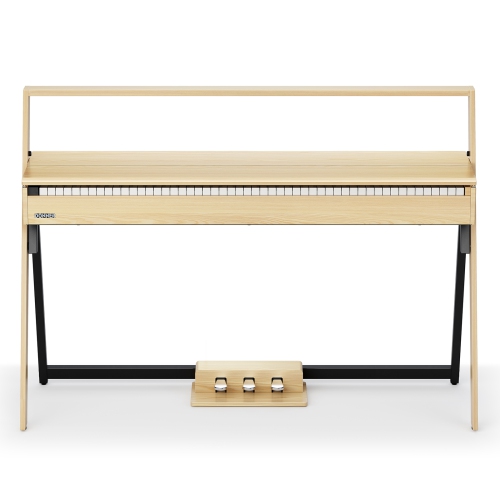
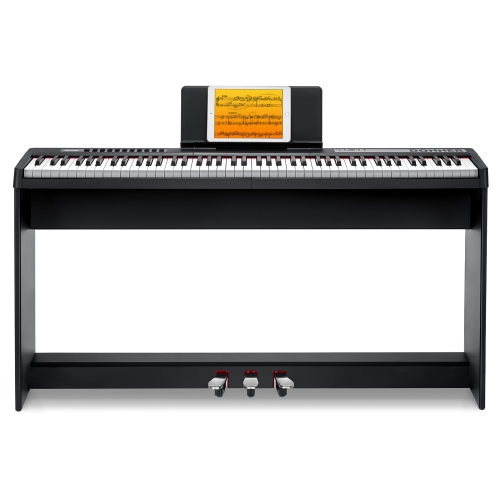
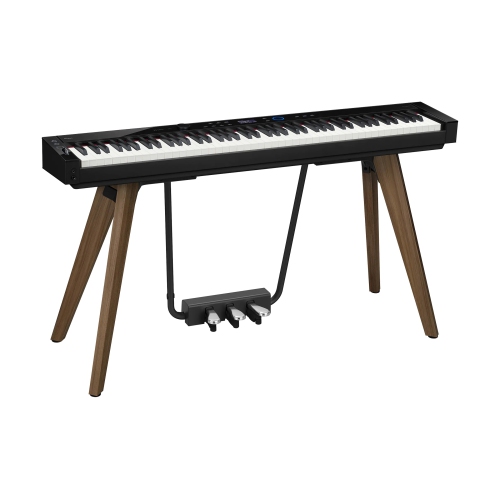
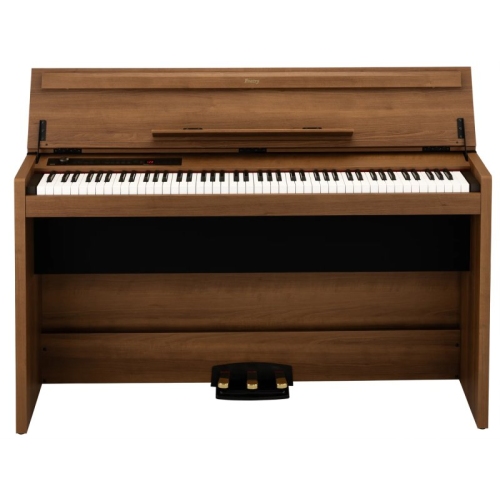
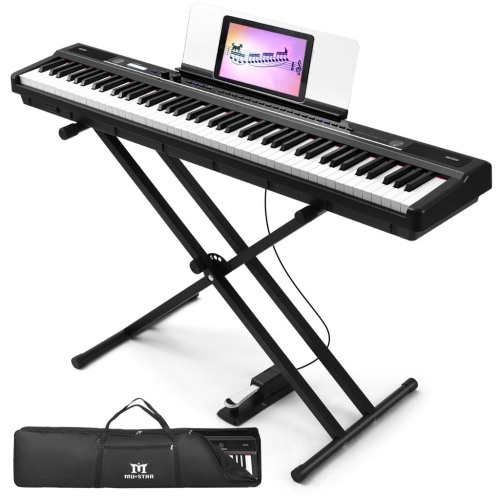
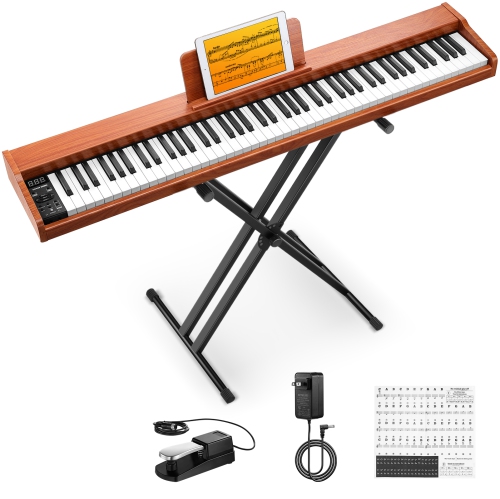
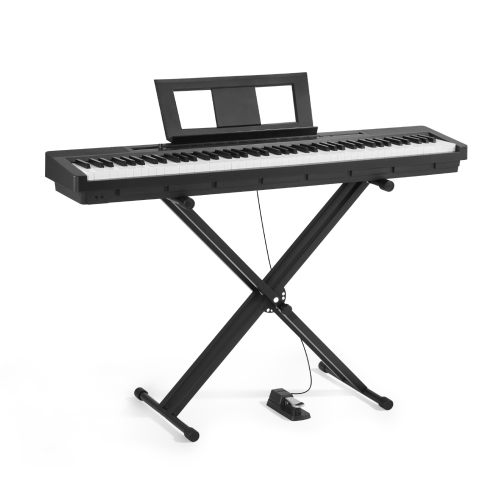
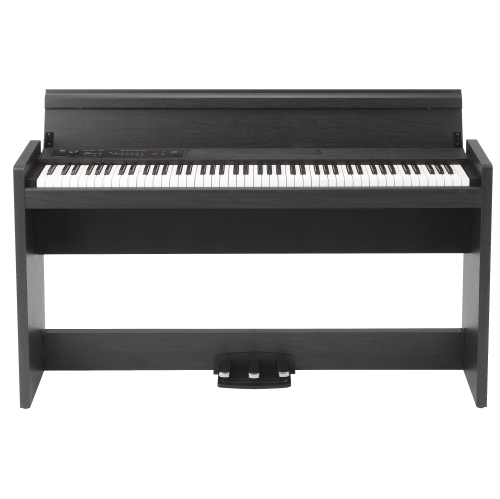
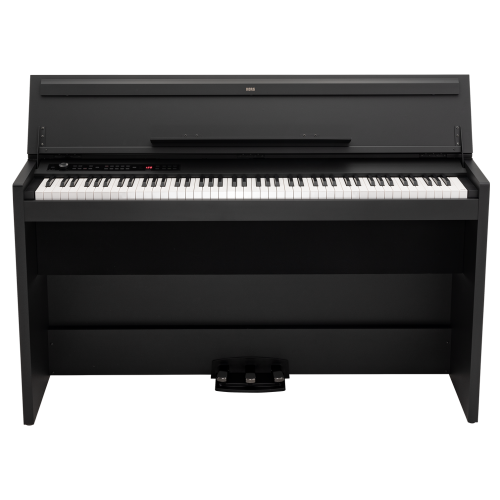
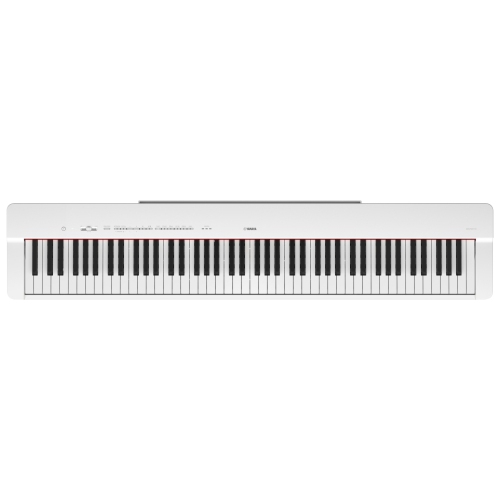
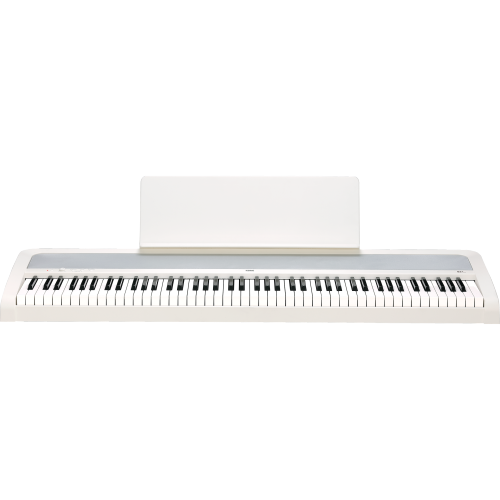
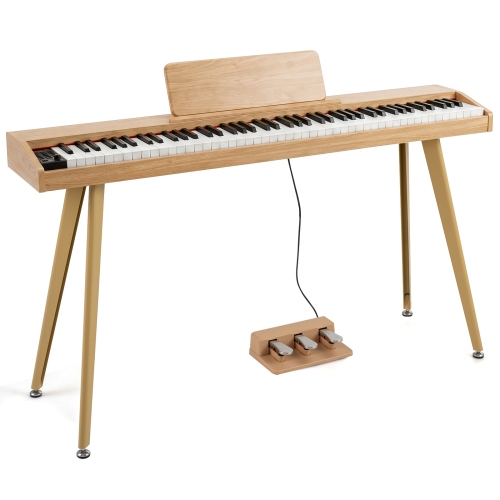
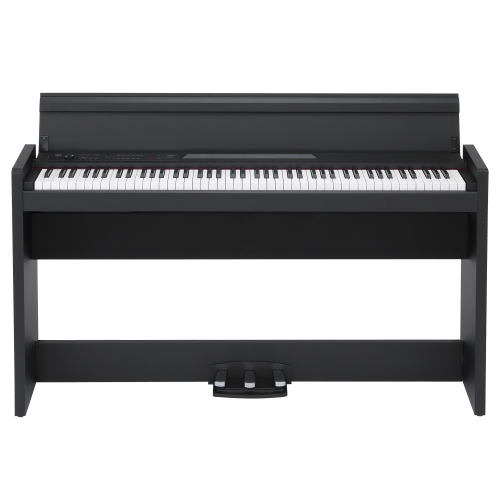
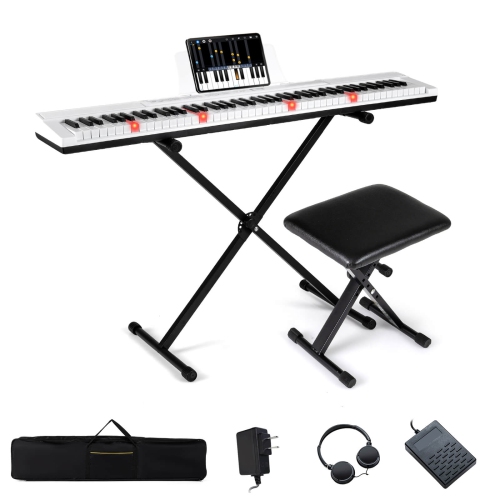
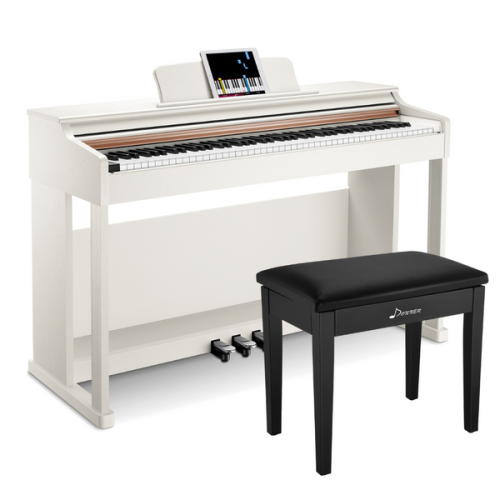
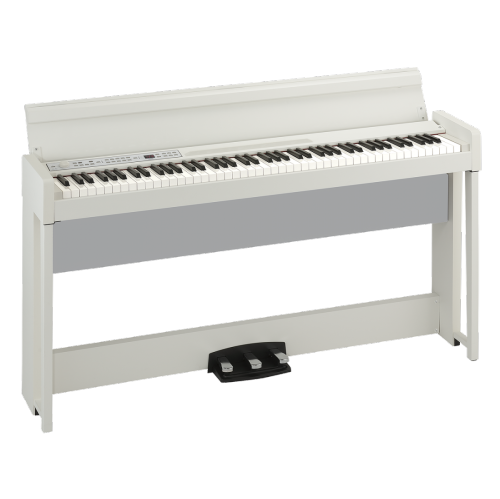
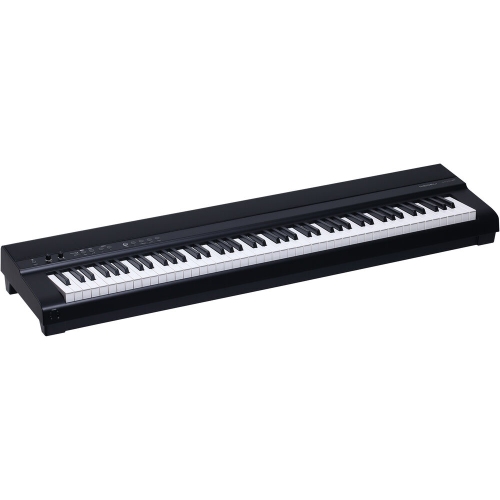
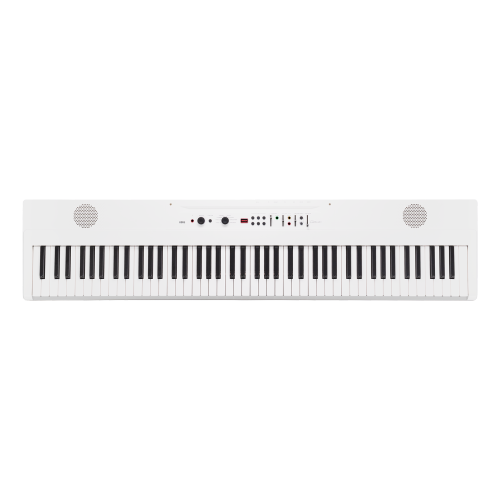
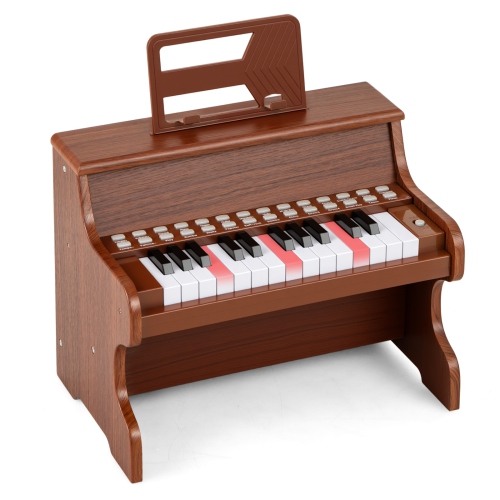
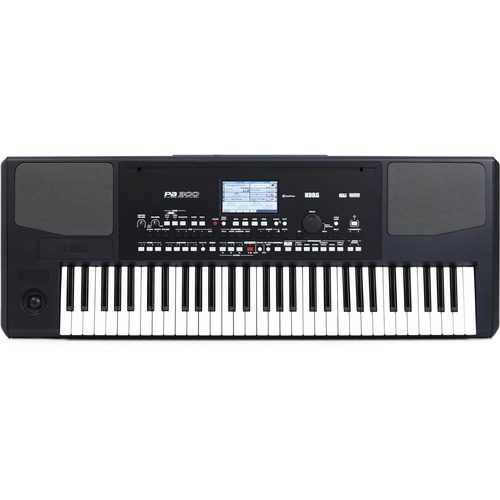
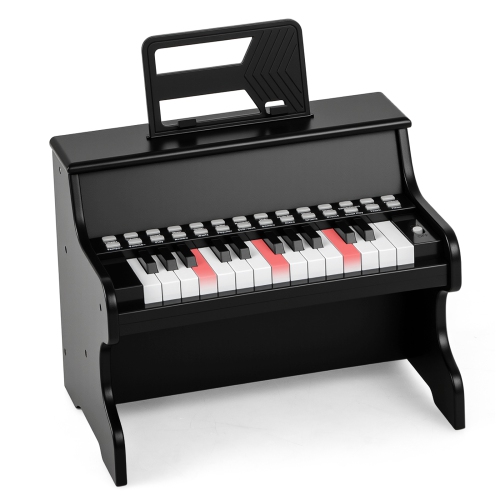
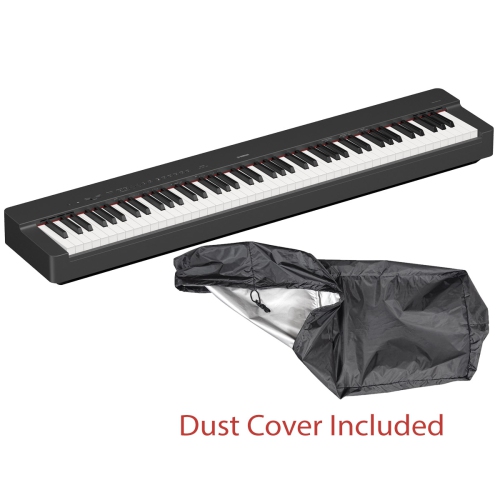
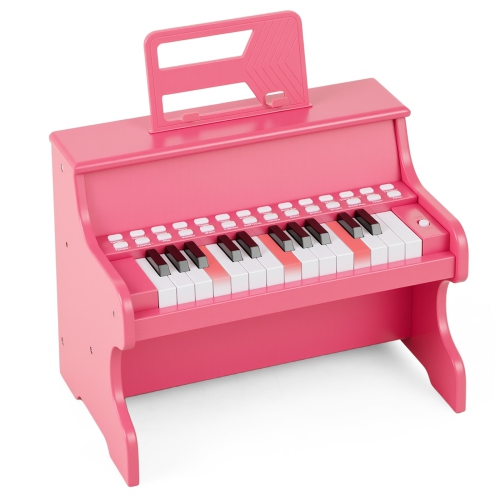

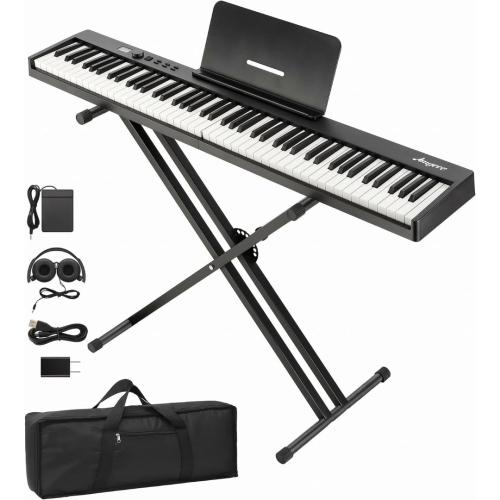
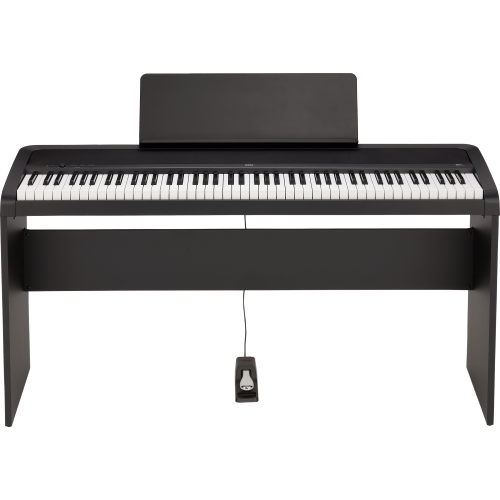
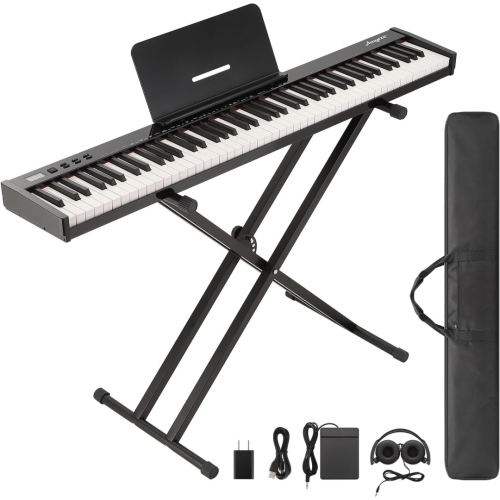
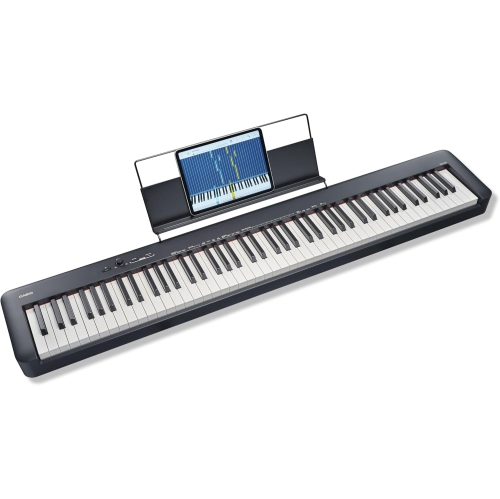
Grand piano presence with volume on your terms
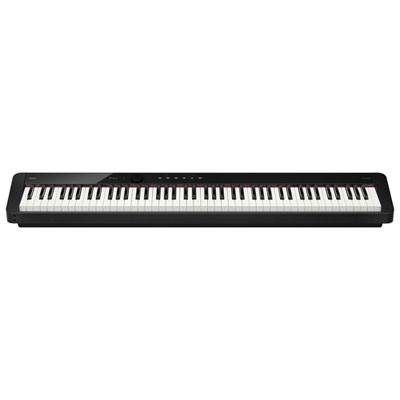
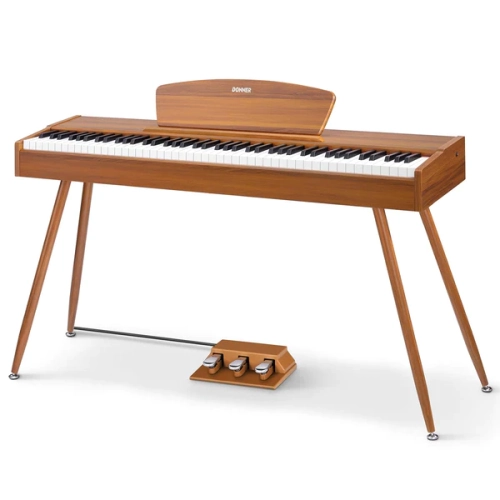
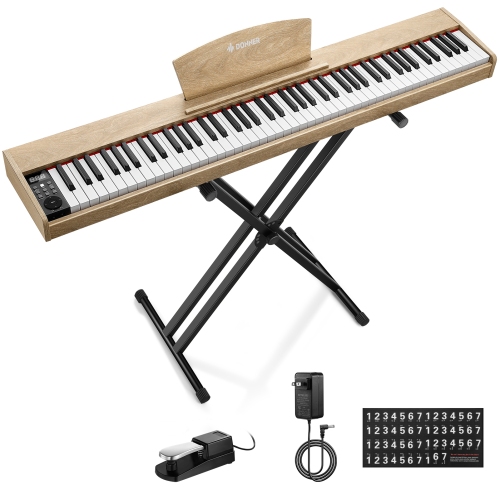
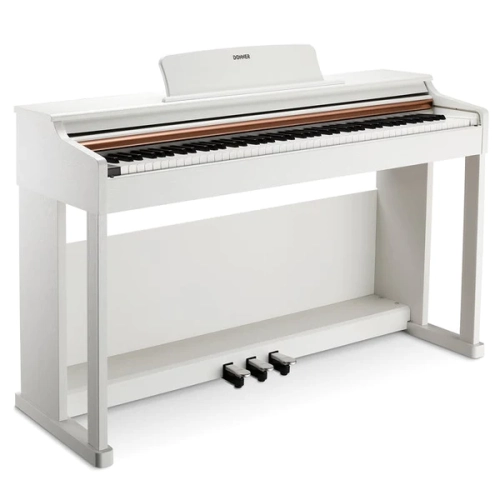
A grand digital piano combines the curved cabinet and visual presence of a grand piano with electronically generated sound, built-in amplification, and adjustable volume. Rather than relying on strings and a soundboard to produce each note, it uses recordings of acoustic instruments, sound modelling, or a combination of both. This design brings the familiar silhouette of a grand into a living room, music room, or teaching studio while offering practical features for everyday playing. Many digital grand pianos have shorter cabinets than acoustic baby grands, though dimensions vary considerably and the curved body still needs careful placement. The category is defined by more than a grand piano voice: a portable keyboard can include that sound without having the furniture-style cabinet, integrated pedal assembly, and speaker layout associated with a digital grand. For someone furnishing a dedicated practice area or making an instrument part of a shared room, those physical details matter as much as the sound. A full 88-key keyboard provides the range used across standard piano repertoire, while a weighted action gives the fingers resistance that is closer to an acoustic piano than a lightweight keyboard. Beginners can develop controlled movements on a responsive action, returning players can settle back into familiar pieces, and experienced pianists can enjoy a substantial home instrument with more control over listening volume. Headphone connections support private practice, although key and pedal movement can still create some mechanical noise. Digital tone generation also means there are no strings to tune, but the keyboard, pedals, electronics, and cabinet still need appropriate care. As a meaningful gift for a committed student or a musician marking a milestone, a grand digital piano benefits from the recipient’s involvement: action feel, cabinet size, and playing position are personal preferences that are difficult to judge from appearance alone. Its appeal lies in combining an instrument that invites regular use with a cabinet designed to remain a prominent part of the room.
Playing feel is one of the clearest distinctions between grand digital pianos. Graded hammer actions generally feel heavier in the lower register and lighter toward the upper end, reflecting the changing resistance across an acoustic grand keyboard. Depending on the design, keys may use moulded components, wood, or a combination of materials, with smooth or lightly textured playing surfaces. Materials alone do not determine quality; the balance of each key, the consistency of resistance, and the way the action responds to repeated notes all shape the experience. A player working through quiet passages needs reliable response at a light touch, while fuller chords should become stronger without turning abruptly harsh. Touch sensitivity describes how the instrument responds to playing force, whereas weighted action describes physical resistance, so the two terms are not interchangeable. For a closer look at instruments centred on this type of keyboard mechanism, the Hammer Digital Piano collection offers a related starting point. Sound quality deserves equal attention. Piano sampling captures recordings of an acoustic instrument, while modelling recreates aspects of its behaviour digitally; some sound engines combine these approaches. Details such as sympathetic resonance, the lingering sound after a key is released, and gradual tonal changes between soft and forceful playing can make a performance feel more expressive. Polyphony is the number of notes the sound engine can sustain at once, with greater capacity useful for dense passages, extended pedal use, or layered voices. Speaker placement and cabinet design influence how that sound reaches the player and other listeners, so amplifier power alone does not describe the result. An integrated three-pedal assembly commonly provides sustain, sostenuto, and soft-pedal functions, although implementation varies. Half-pedalling support allows finer sustain control when the instrument and pedal system both support it. For lessons, duet modes, a metronome, and onboard recording can be useful additions. USB MIDI, audio connections, and wireless features vary by model; wireless audio playback does not necessarily mean wireless headphone support or wireless MIDI capability.
The right physical fit extends beyond the piano’s published width and depth. A grand-style cabinet needs room for the bench, comfortable elbow movement, and an unobstructed route past the seated player. If the lid opens, clearance above and around it also matters. In a shared living room, a placement that looks balanced from the doorway should still let someone sit down and practise without moving nearby furniture. Measuring doorways, stair turns, and the delivery route is particularly important because these instruments are substantial furniture pieces rather than easily carried keyboards. Cabinet construction may include wood-based panels, solid wood elements, metal hardware, and decorative veneers or coated finishes. A polished dark finish creates a formal appearance but can show fingerprints, while lighter colours and satin surfaces offer a different visual effect; the care method should suit the actual finish rather than its colour. A soft, clean cloth is generally suitable for routine dusting, with any cleaning solution used only as directed by the manufacturer. Abrasive materials, household sprays applied directly to the instrument, and drinks placed on the cabinet can put the finish or electronics at risk. A key cover, where fitted, helps keep dust off the keyboard between sessions. Stable assembly, secure legs, a firmly positioned pedal unit, and a suitable bench all contribute to comfortable, dependable use. Bench height should let the player sit with relaxed shoulders and forearms at a natural level, while younger learners may need additional foot support to avoid reaching awkwardly for the pedals. Cable routing also deserves attention, especially where children or pets share the room. For recording or teaching, accessible connection ports can be more convenient than sockets tucked behind a cabinet placed close to a wall. A digital grand does not need acoustic tuning, but worn key mechanisms, pedal faults, or electronic issues may still require qualified service. Clear warranty terms and access to service support are therefore useful considerations for an instrument intended for years of playing. With an appropriate footprint, responsive action, and well-matched features, a grand digital piano can serve as both a distinctive furnishing and a satisfying place to make music every day.
Top selling and popular products
-
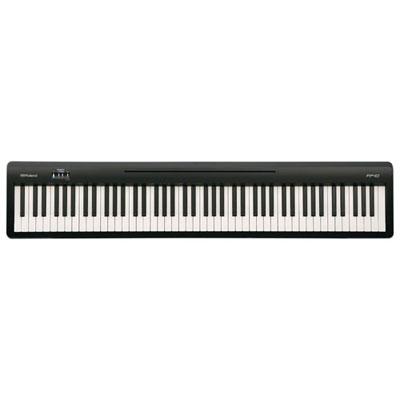 Your price for this item is $799.99
-
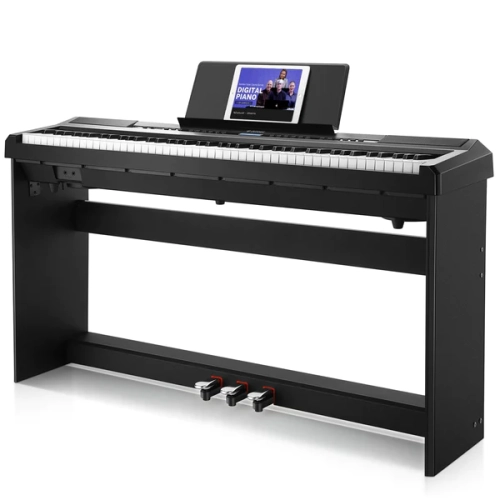 Your price for this item is $479.99
-
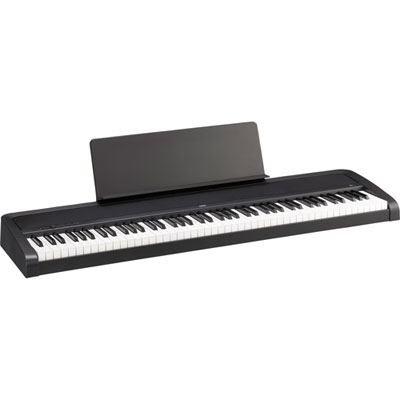 Your price for this item is $699.98
-
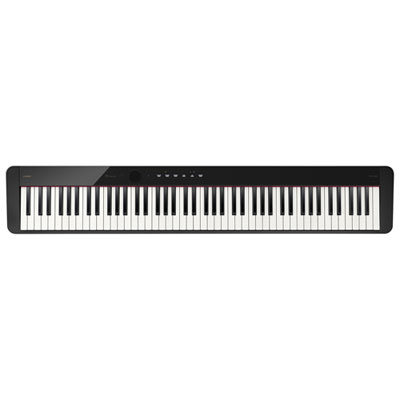 Your price for this item is $849.99
-
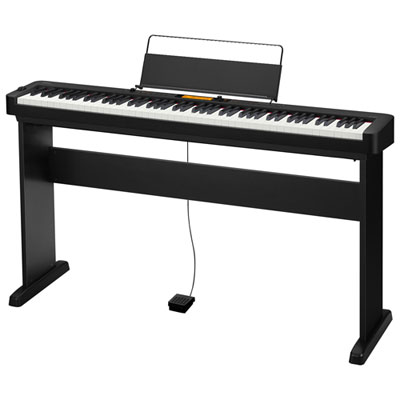 Your price for this item is $869.95
-
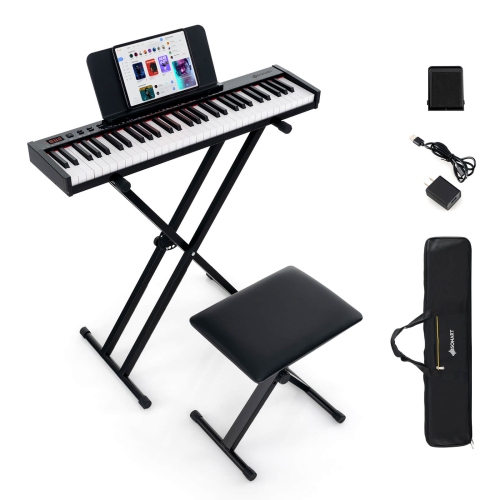 Your price for this item is $189.99
-
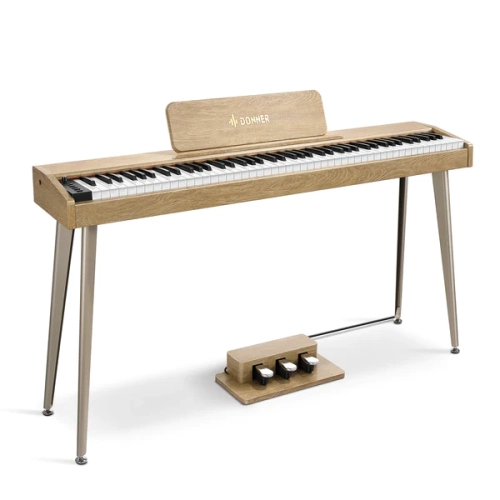 Your price for this item is $415.99
-
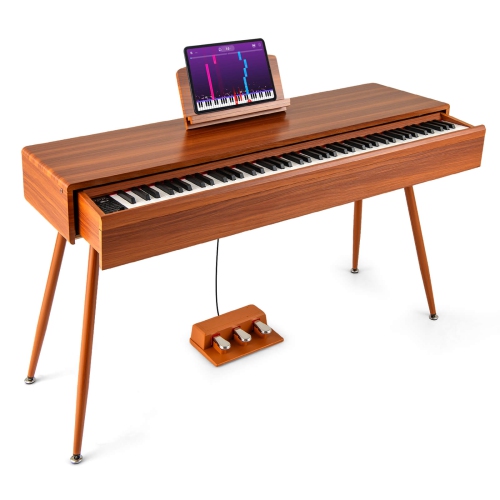 Your price for this item is $571.99
Discover more categories related to Grand Digital Piano
Top Collections:
Pokemon Centers, Best Cameras for Sports Photography, Kindle Devices, Samsung Galaxy Phones, Canon G7X Cameras, Pokémon 30th Celebration Cards, Refurbished Apple Laptops, iPhone 15 Apple, Laptops for Students, Budget Smartphones
Some products may be subject to Environmental Handling Fees
(EHF) depending on your province.
Learn more about EHFs.