Digital Piano Keyboards Online
Shop digital piano keyboards online to find an instrument that suits your playing level, available space, and budget. Compare key count, keyboard action, built-in sounds, and connectivity to help choose a digital piano for learning, practising, or playing at home.







FAQ
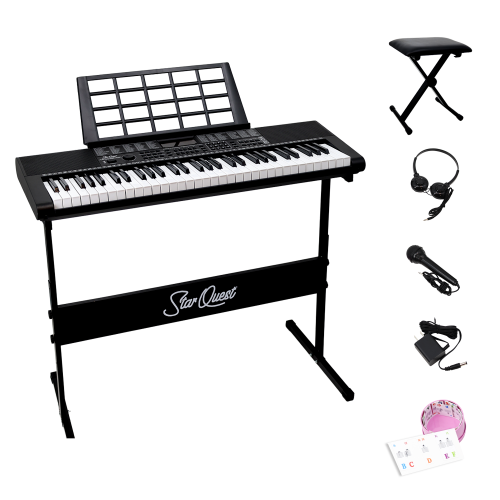
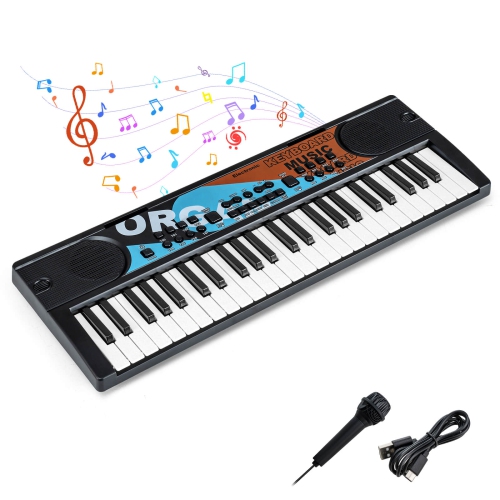
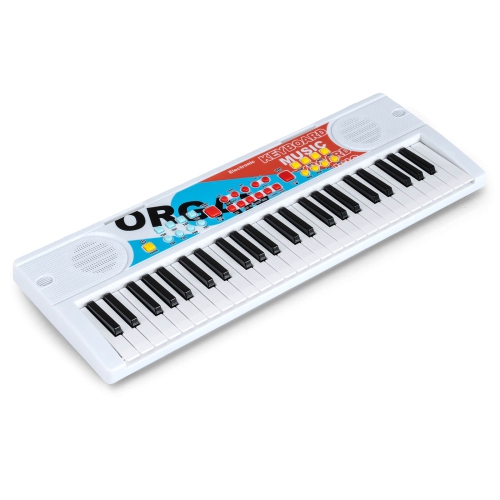
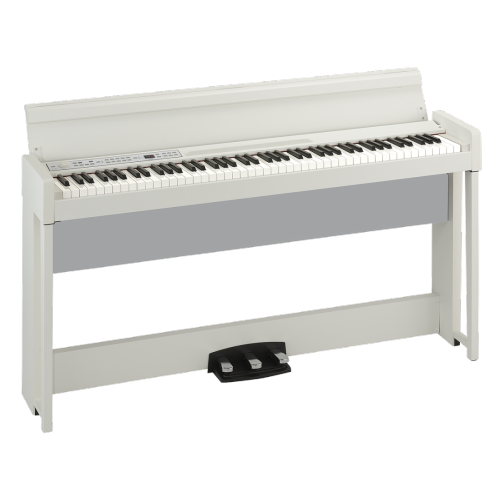
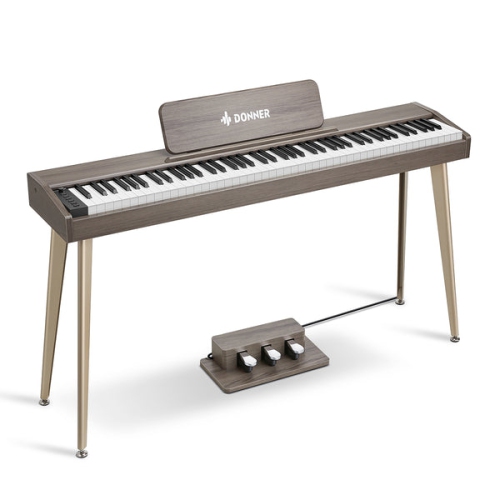
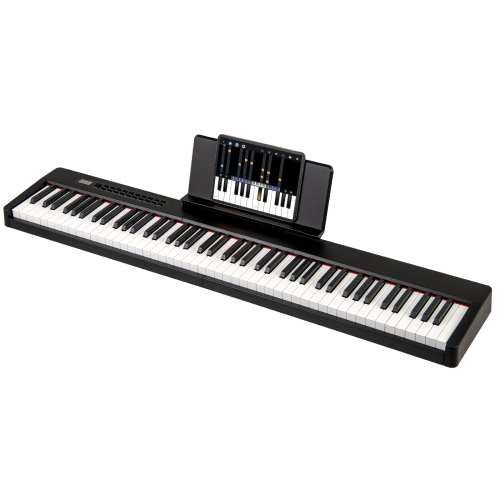
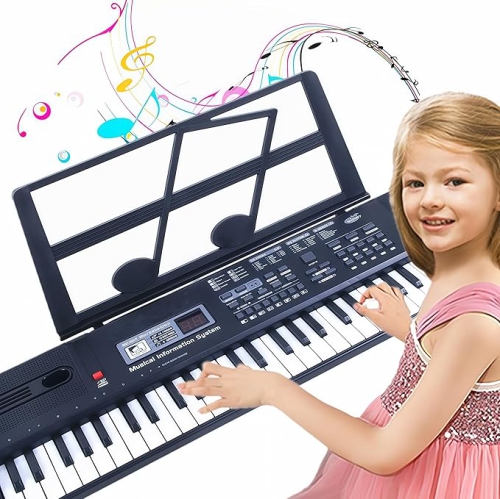
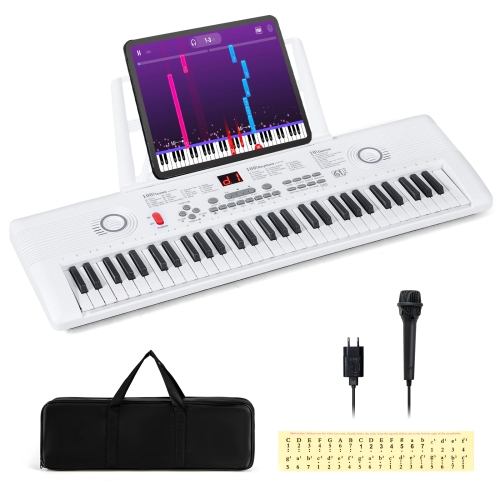
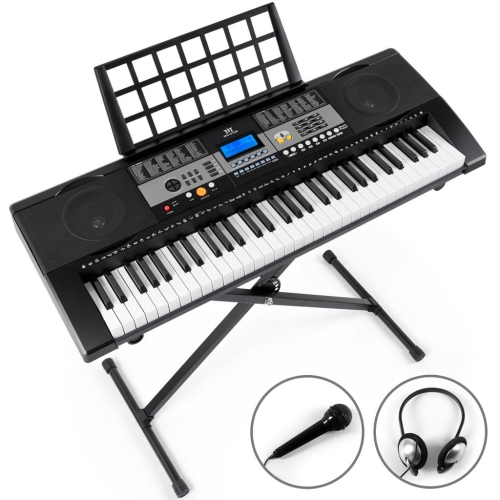
A digital piano typically focuses on acoustic piano sounds and a piano-style playing feel. An electronic keyboard often offers a broader selection of instrument sounds, rhythm patterns and accompaniment features. Some models combine features from both categories.
Weighted keys provide physical resistance when pressed, while touch sensitivity changes the sound’s volume or tone according to how you play. Hammer-action keys use a mechanism designed to resemble an acoustic piano’s action. These are separate features, so check the specifications for each.
Many digital pianos and keyboards offer USB or MIDI connections that transmit performance information to compatible music software. Recording the instrument’s actual sound requires USB audio support or an audio output connected to an audio interface. A USB connection does not always support both MIDI and audio.
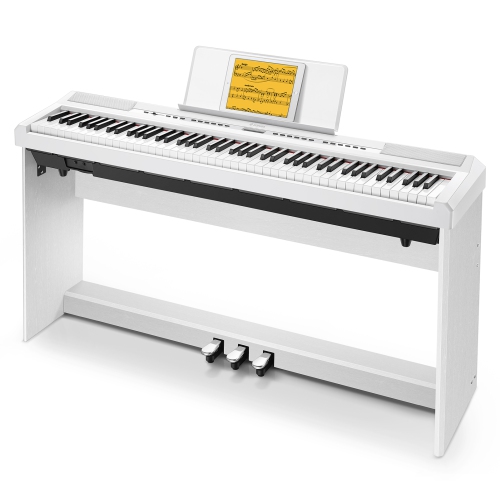
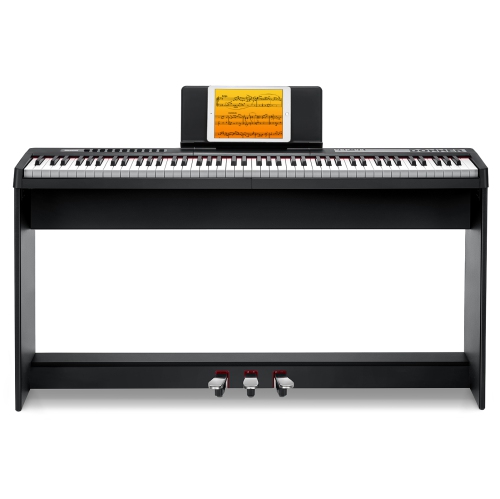
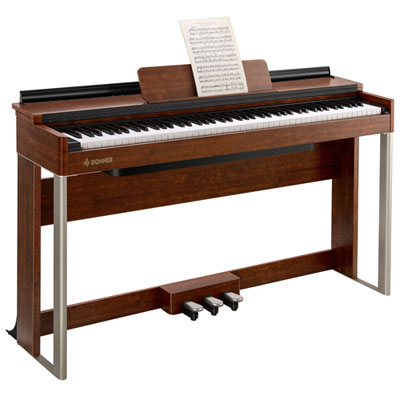
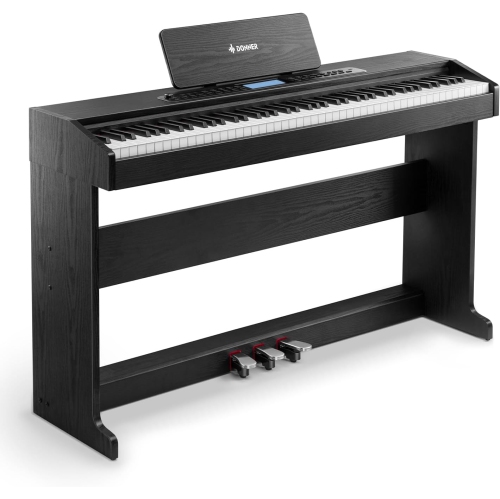
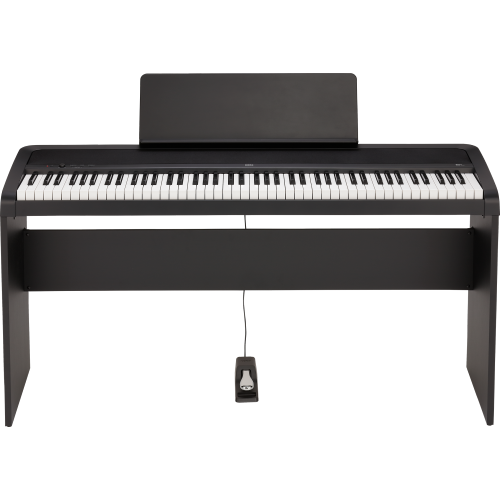
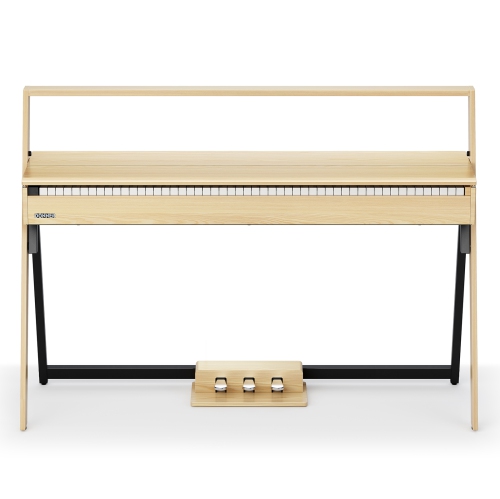
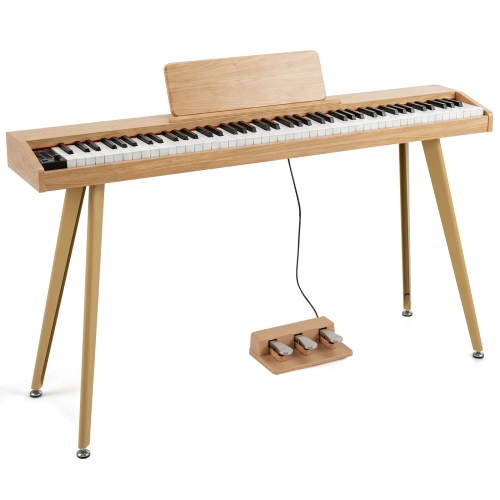
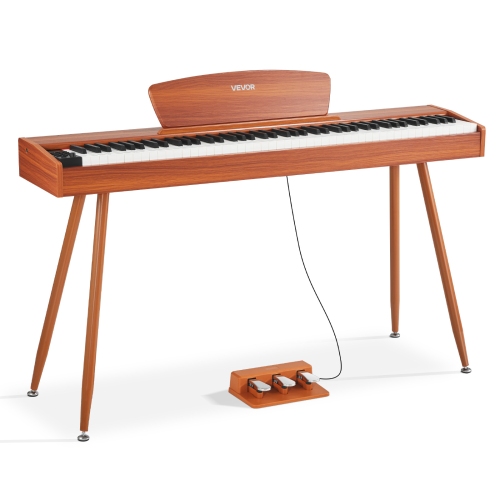
Common options include sustain pedals and three-pedal units with sustain, sostenuto and soft pedal functions. Compatibility depends on the instrument’s pedal connections and supported functions. For more gradual sustain control, both the instrument and pedal need to support half-pedalling.
Compare piano sound samples, polyphony, built-in metronomes and recording functions. Polyphony describes how many notes can sound at once, including notes held by the sustain pedal. Split mode assigns different sounds to separate sections of the keyboard, while layer mode combines sounds as you play.
Top selling and popular products
Discover more categories related to Digital Piano Keyboards Online
Some products may be subject to Environmental Handling Fees (EHF) depending on your province. Learn more about EHFs.