Portable DJ Sound Systems
Whether you're hosting a party or just want to listen to music in your own home, a portable DJ sound system can be a great addition. These systems are designed to be small and compact, so they can easily be transported from one place to another. They come with all the necessary components so you can start playing music right away.
Sort
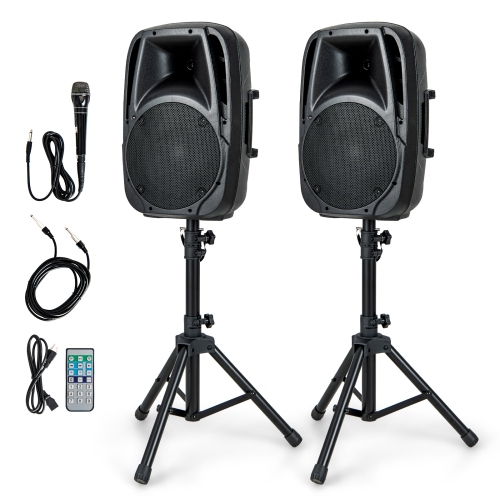
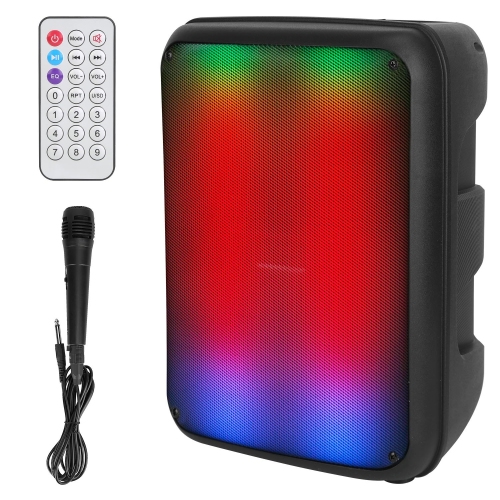
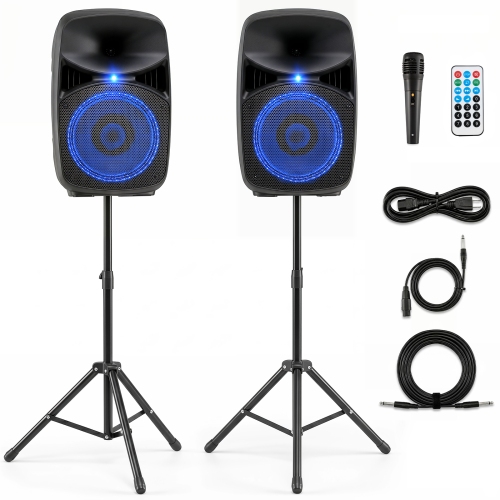
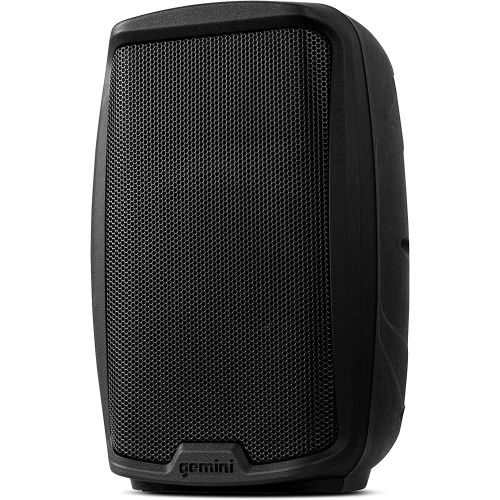
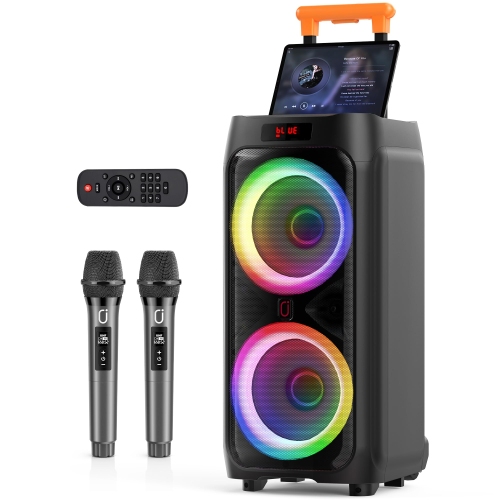
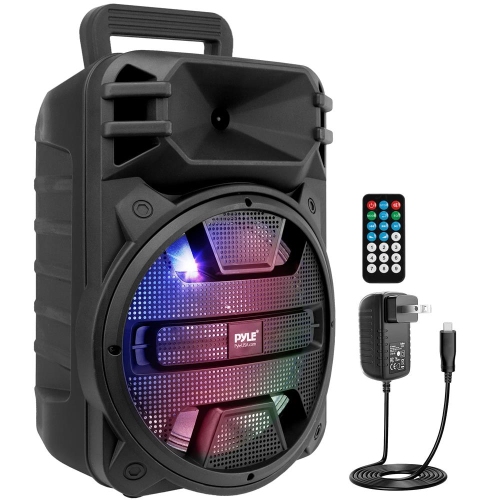
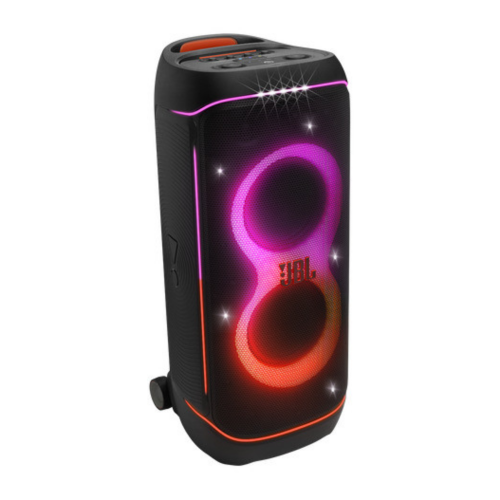
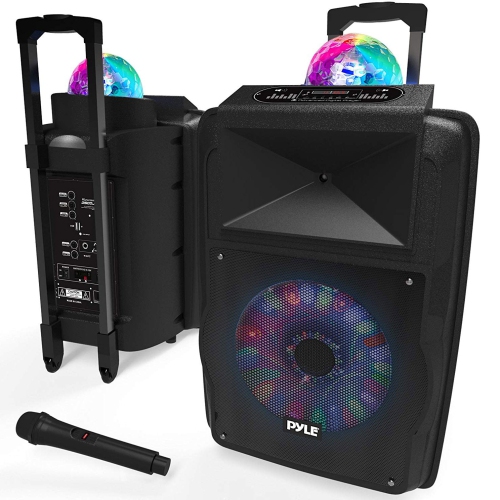




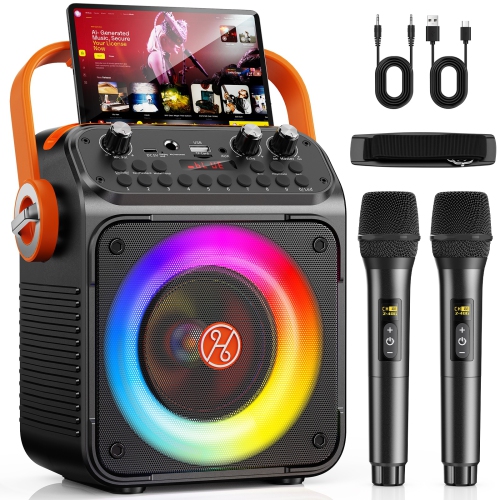
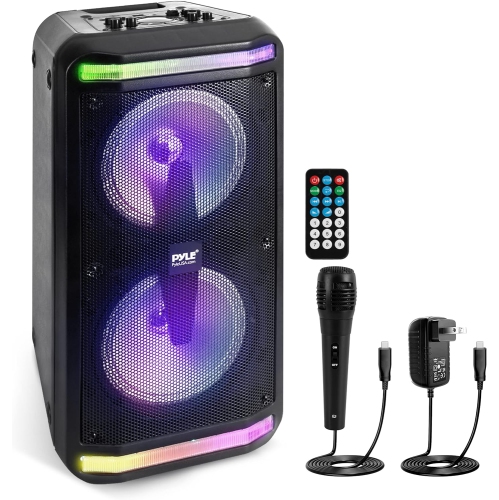
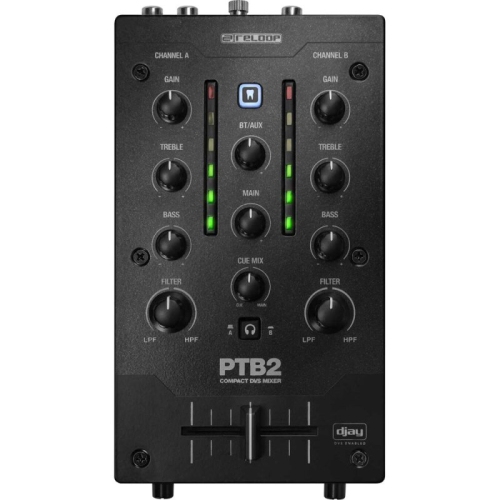
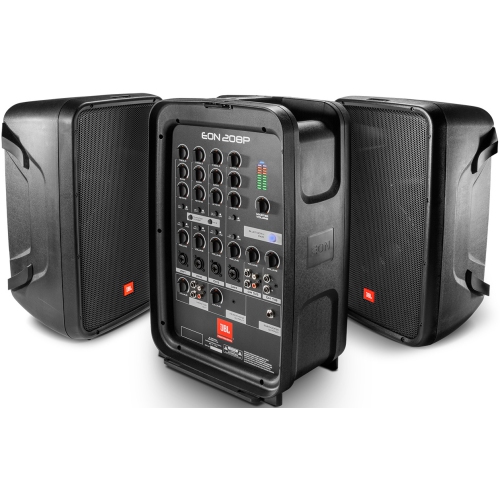
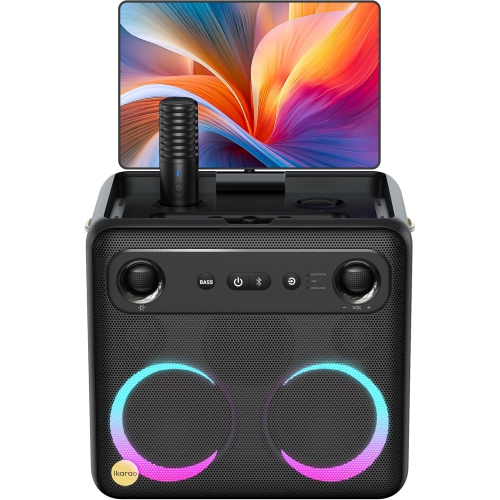
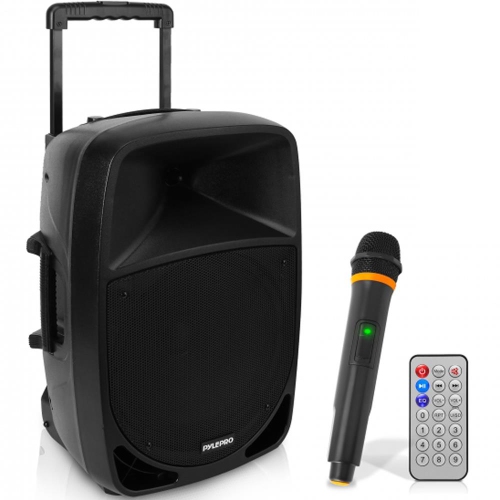
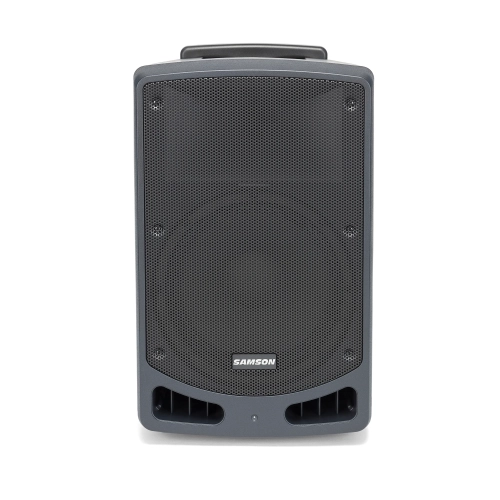

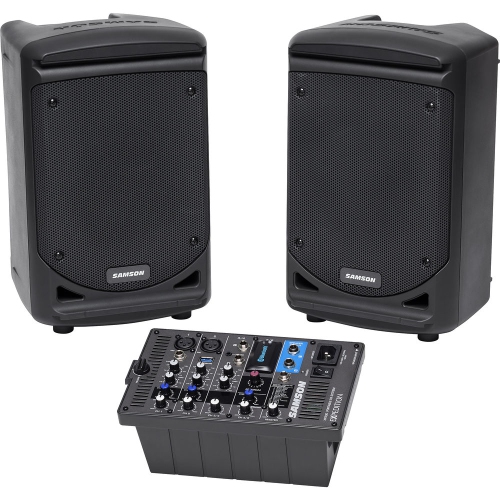





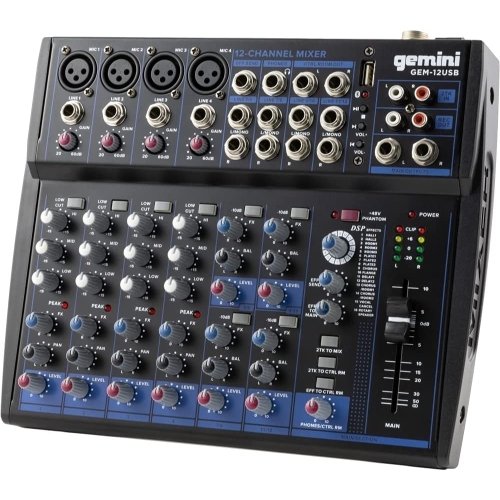
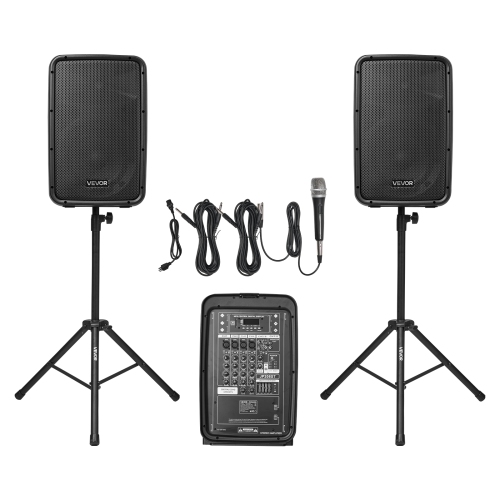
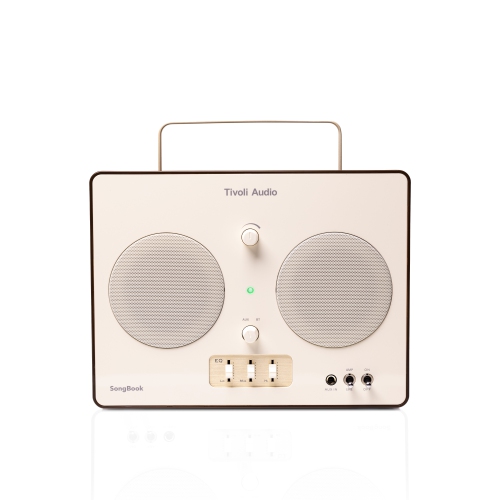
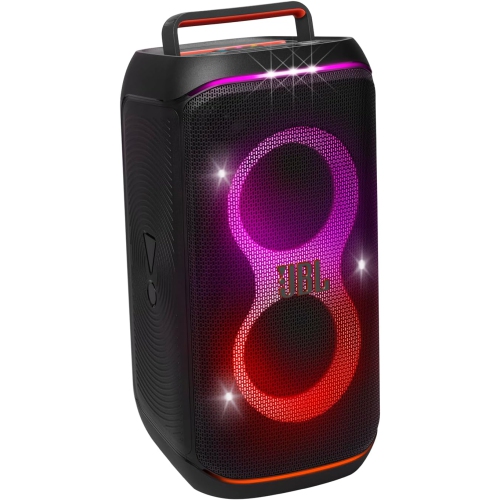

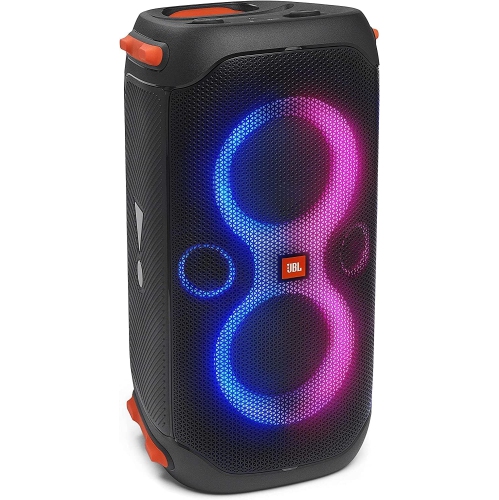
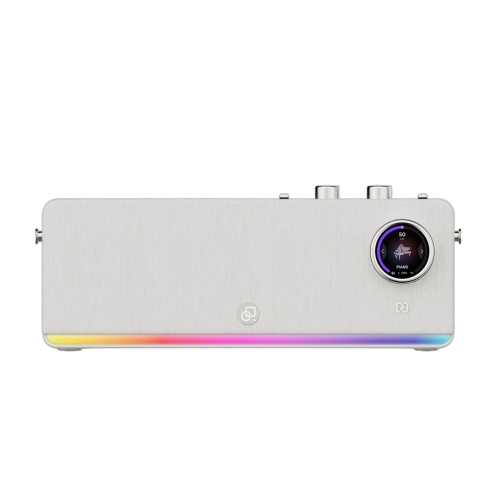
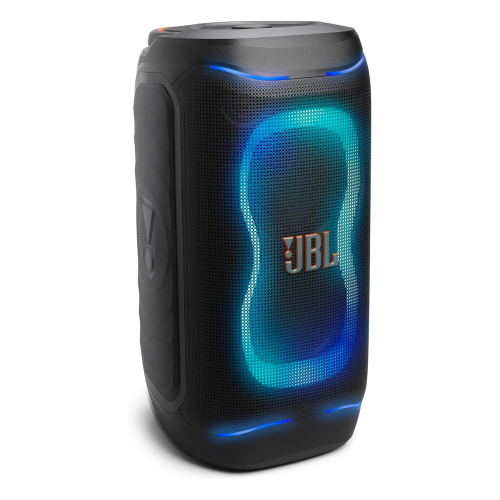
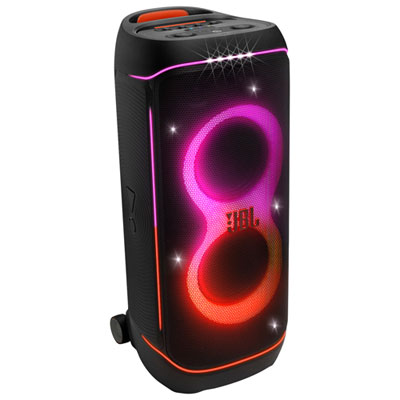
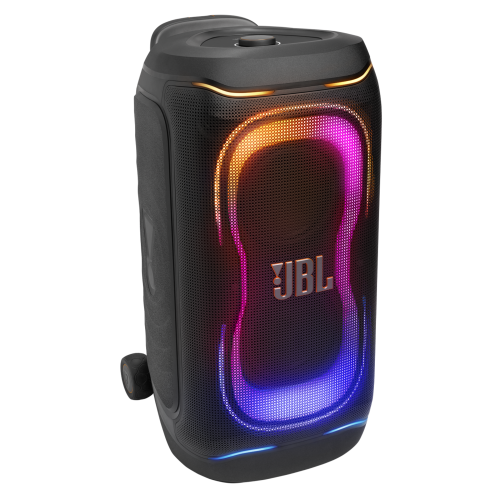
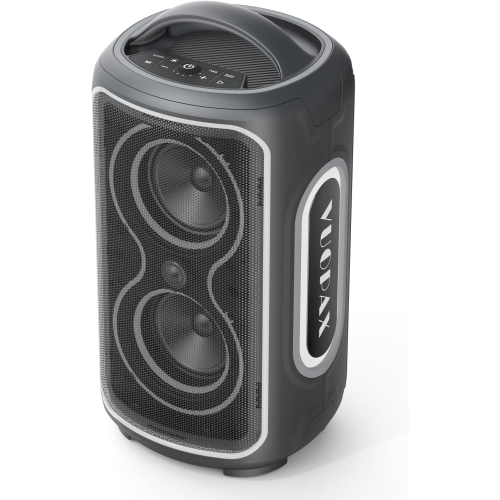
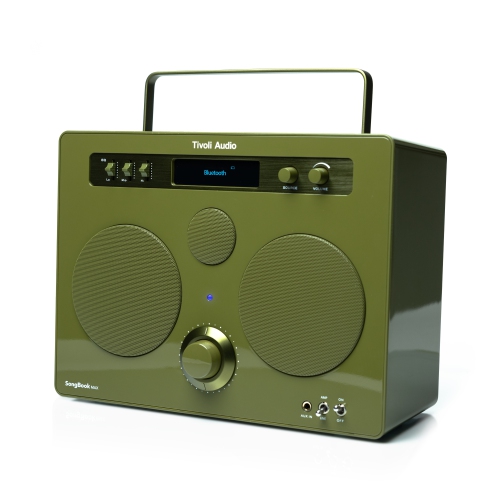
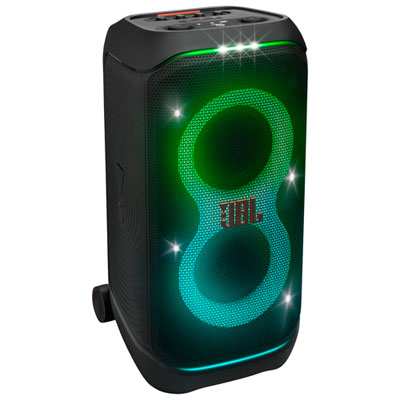
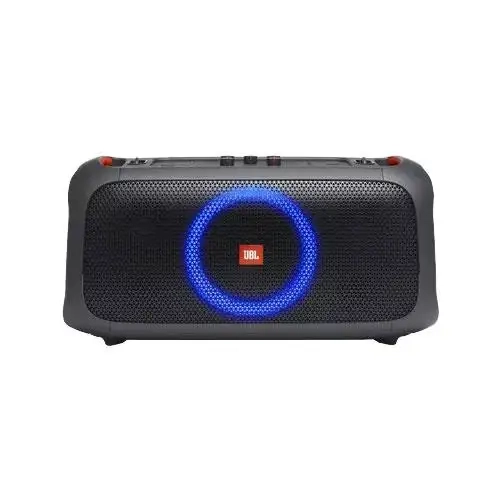

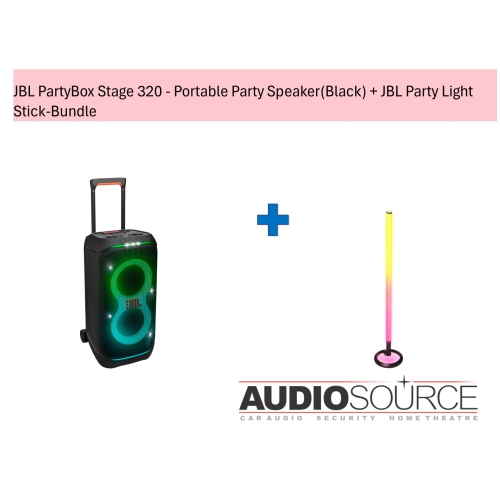
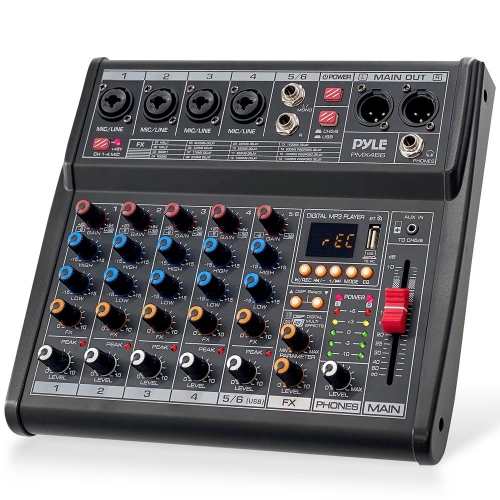
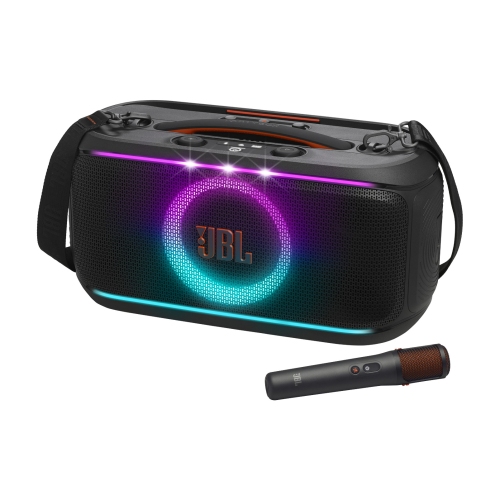
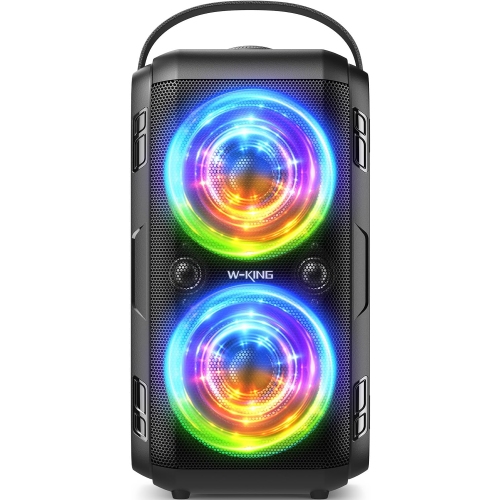
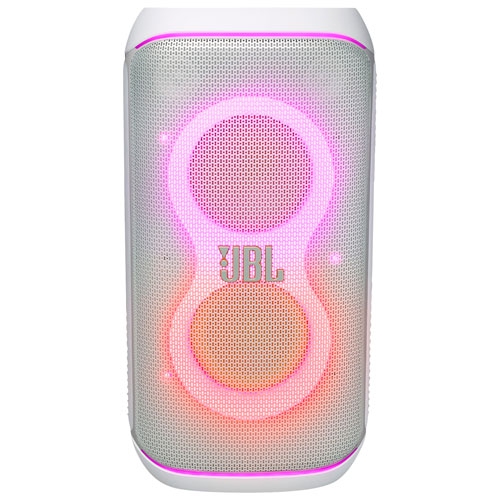
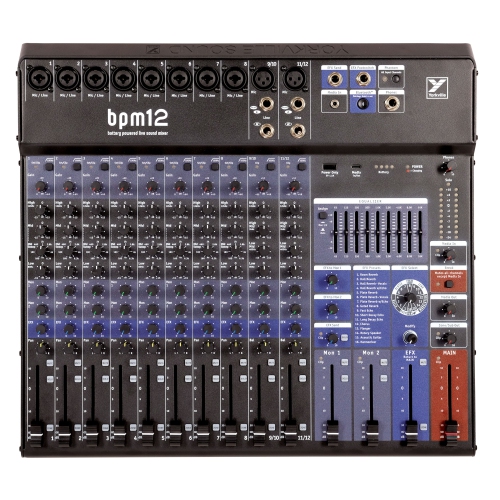
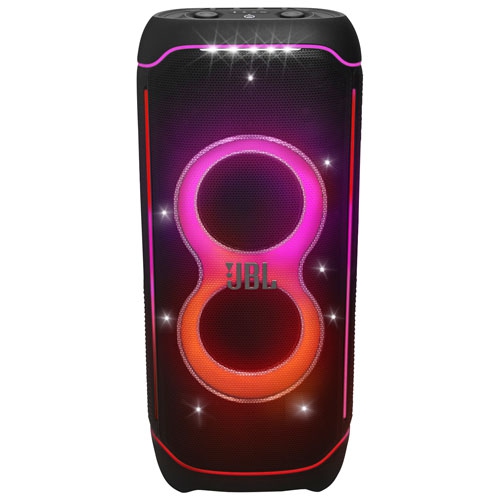
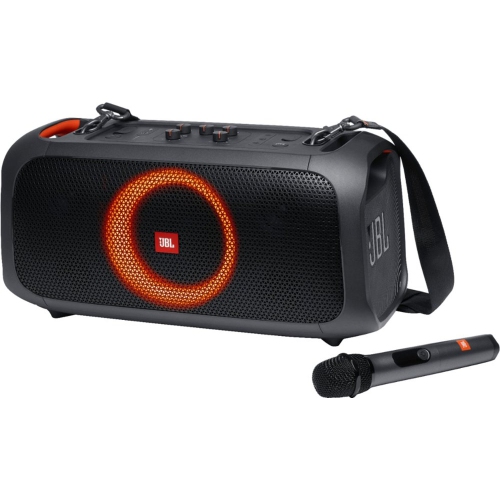
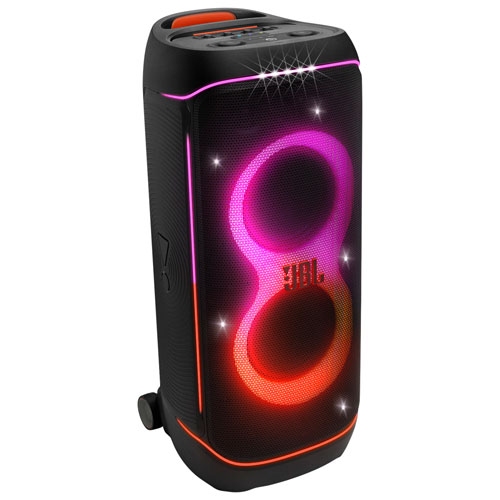
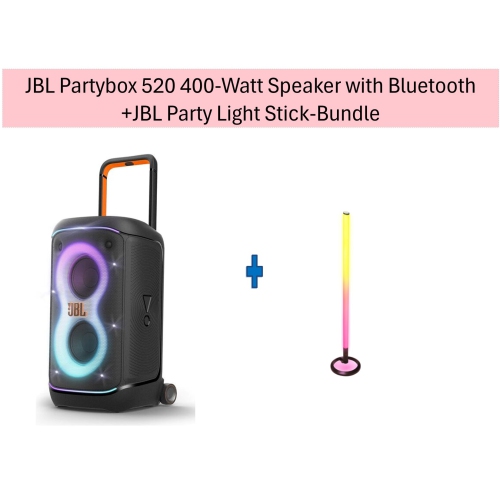
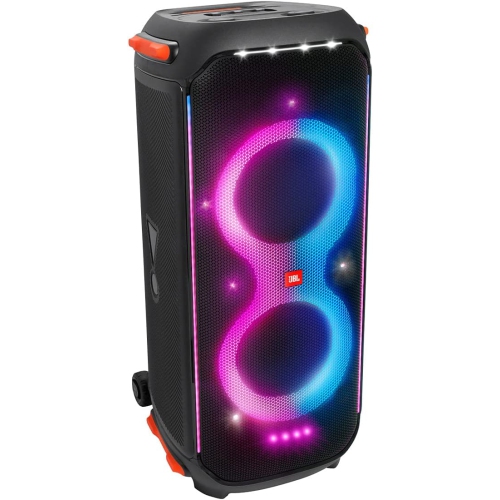
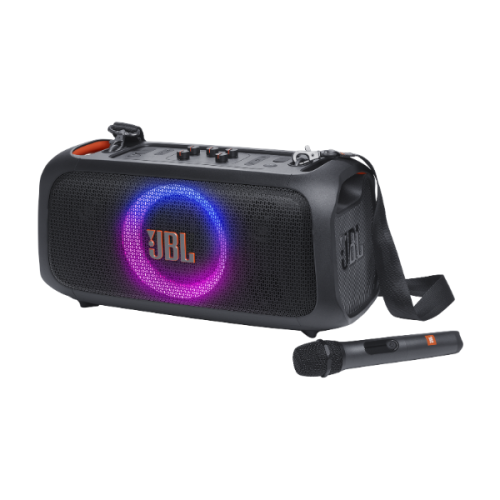
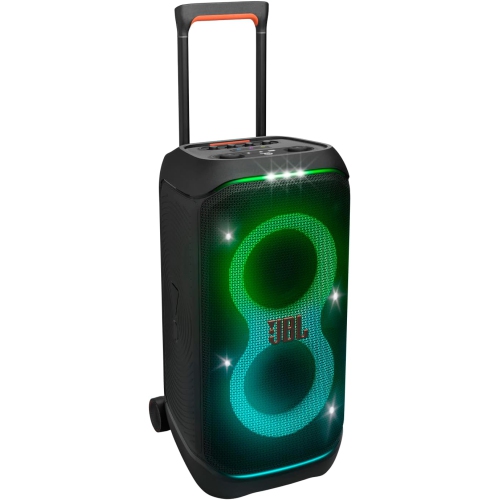
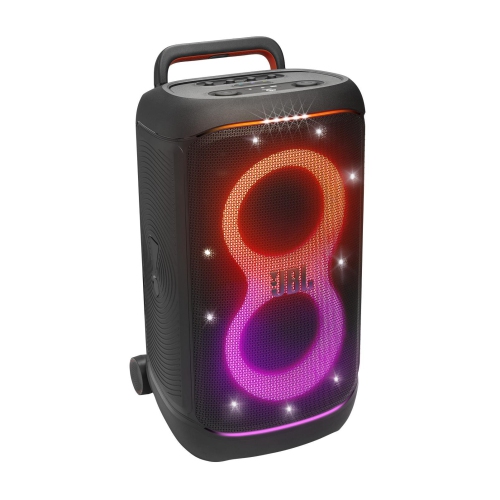
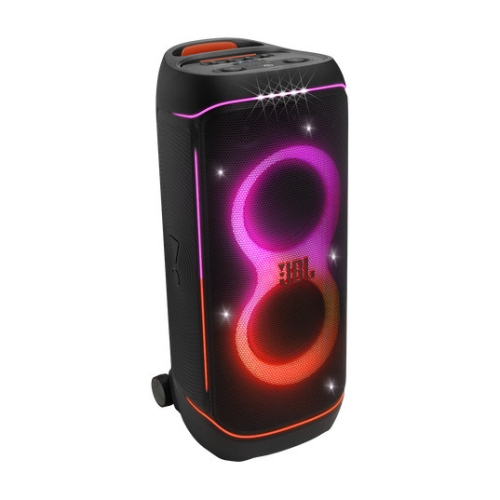





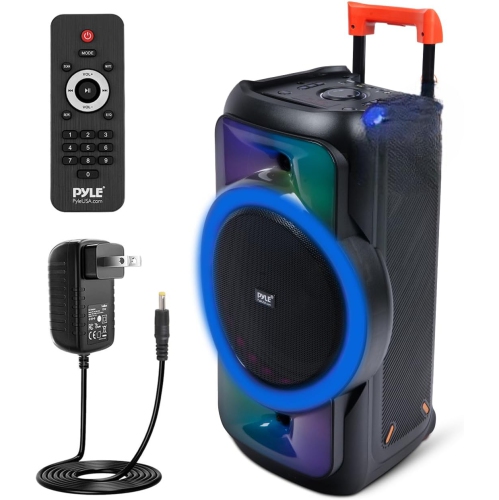

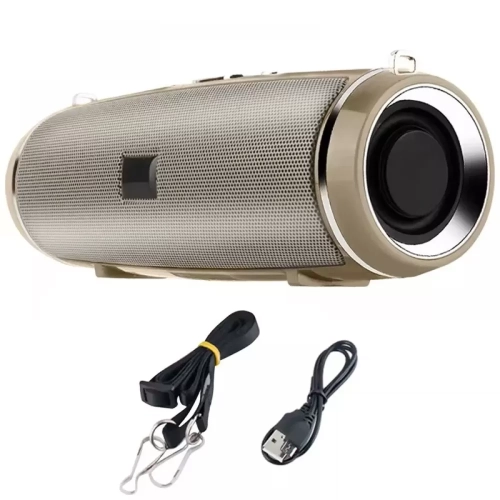
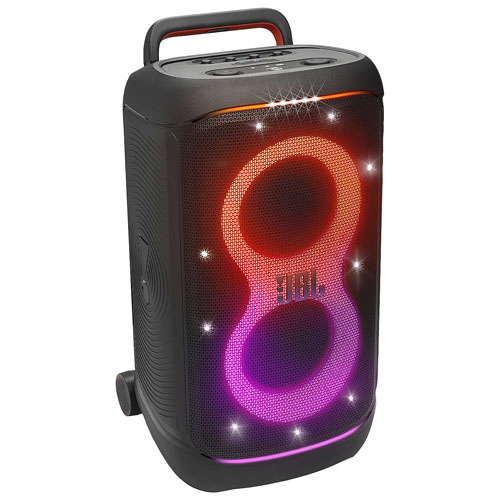

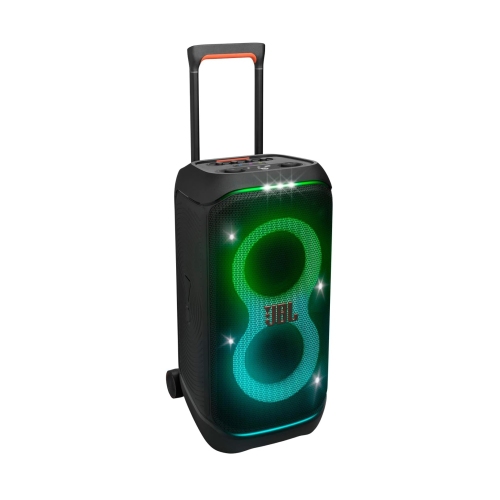

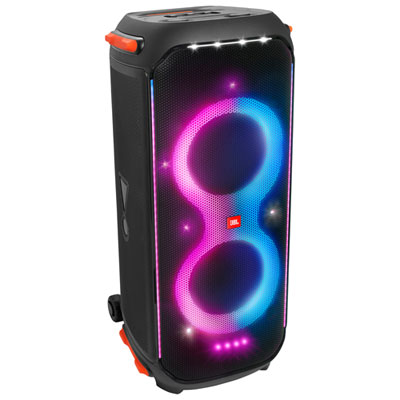
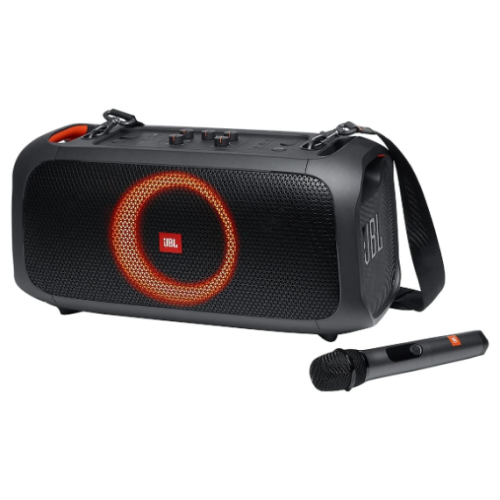
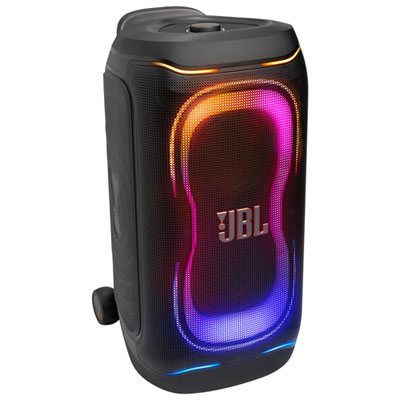


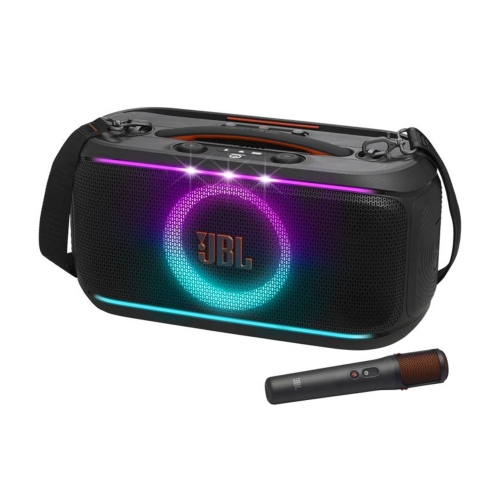



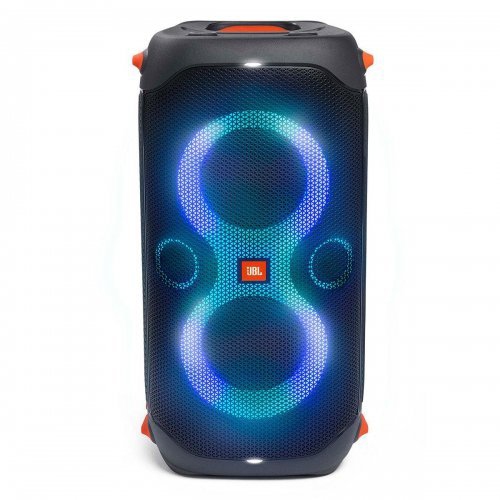
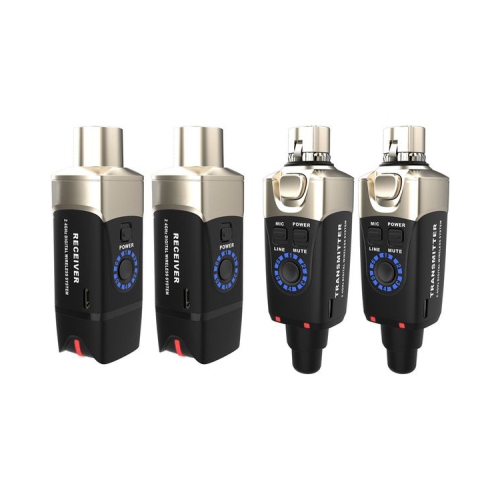
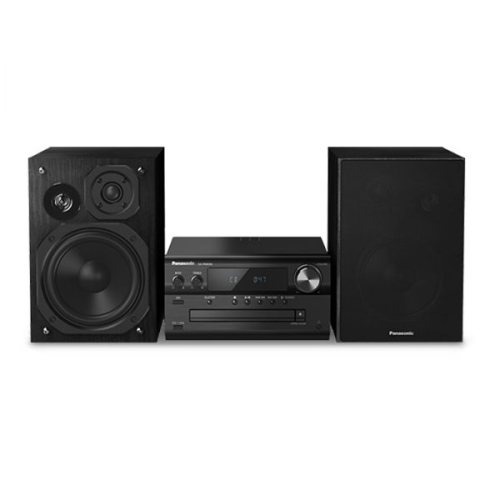
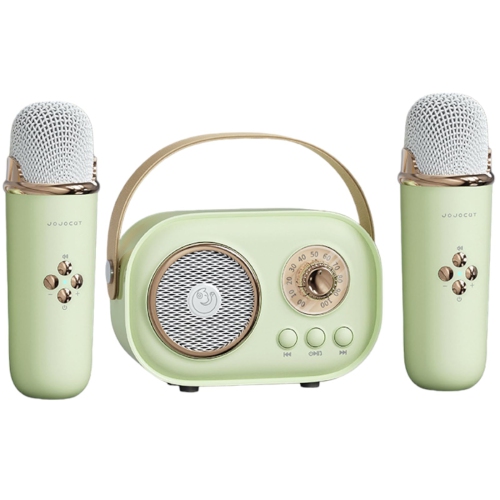


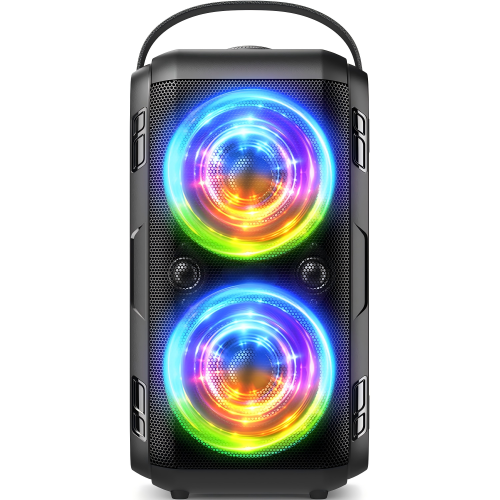
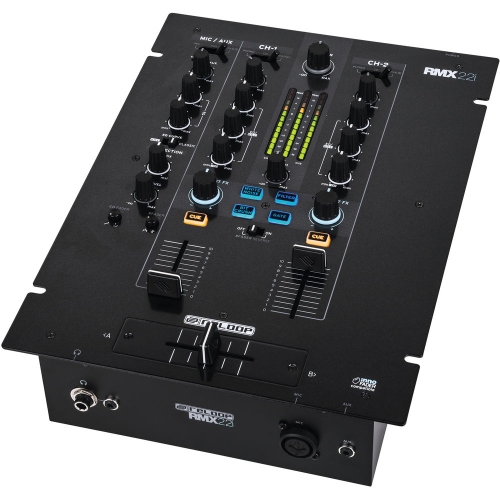

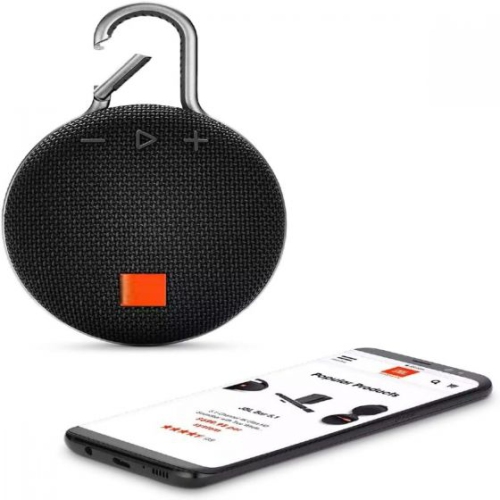


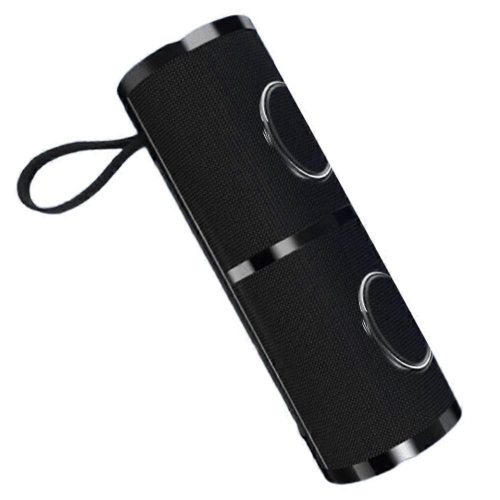




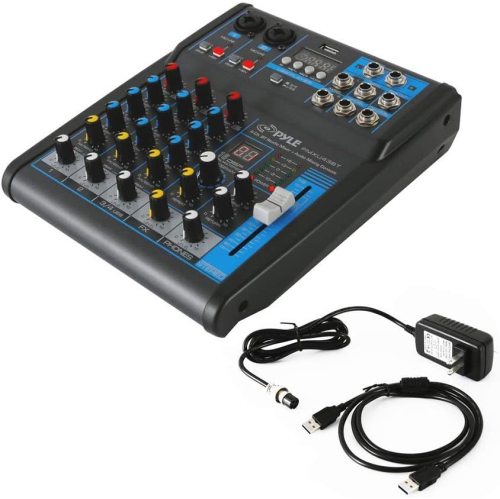

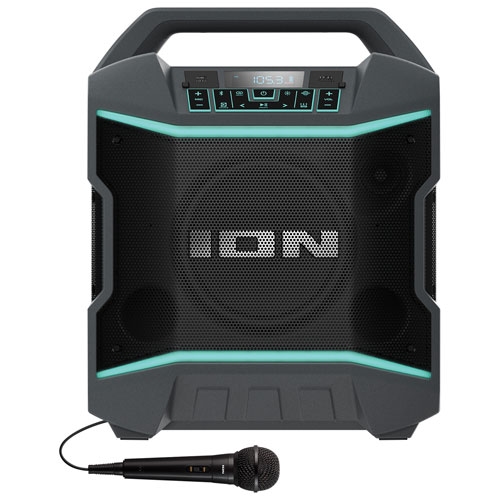
What matters when your sound travels between venues
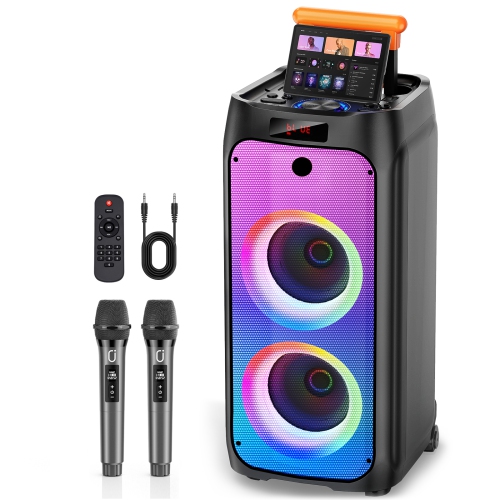
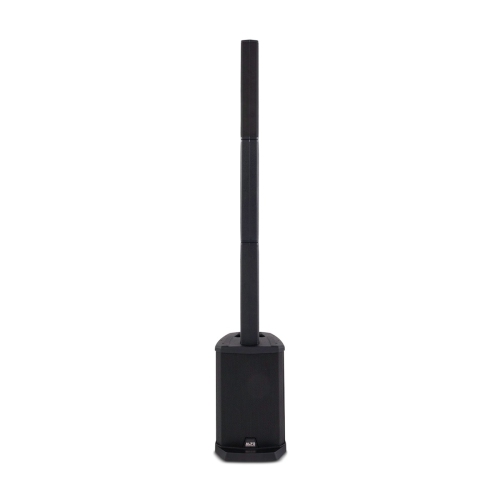
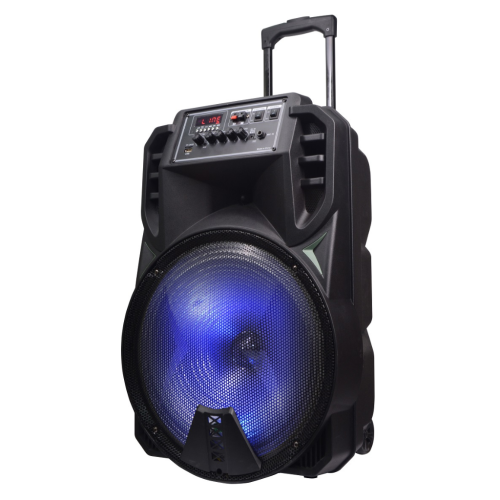
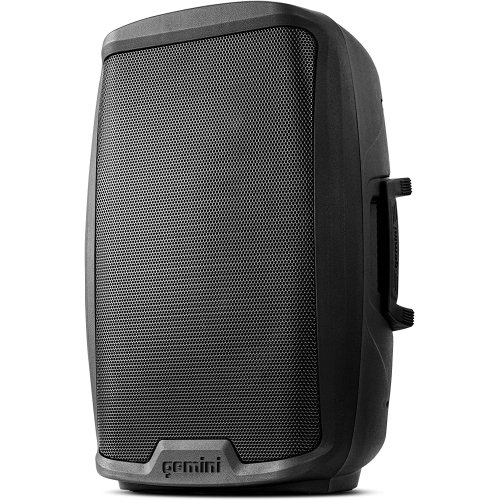
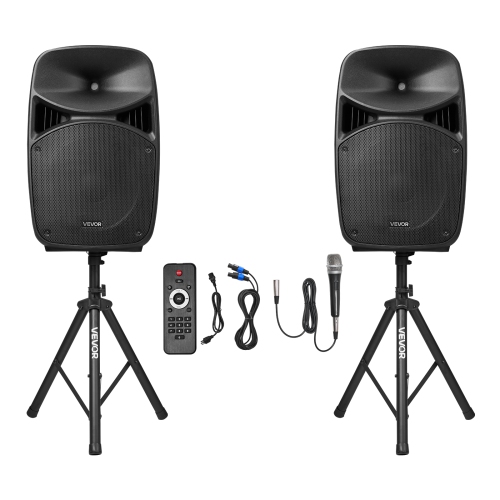
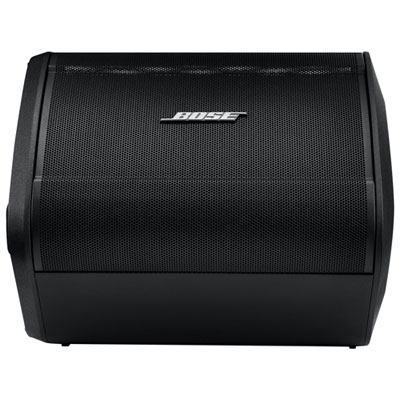
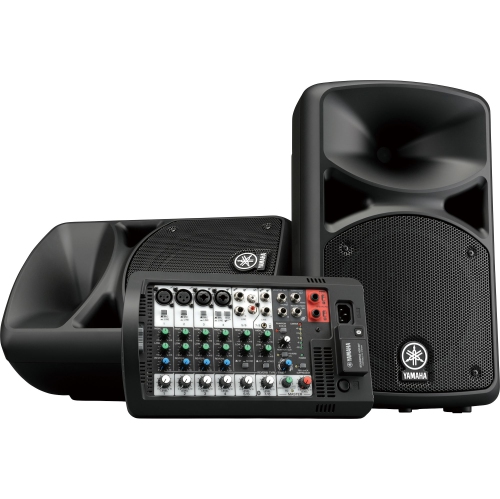
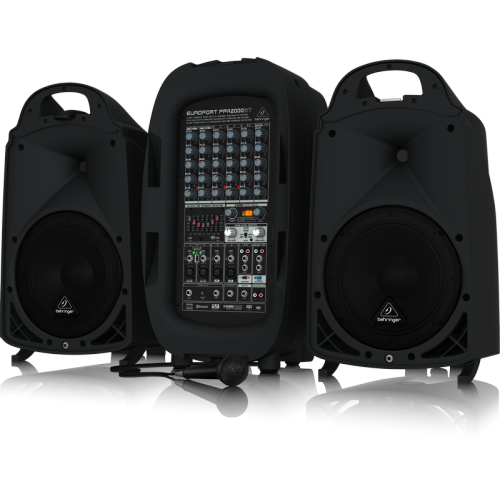
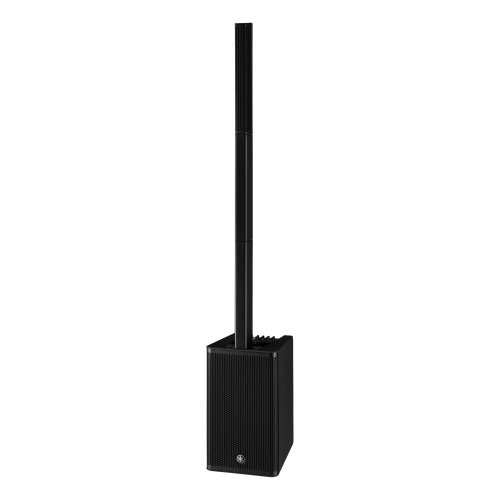
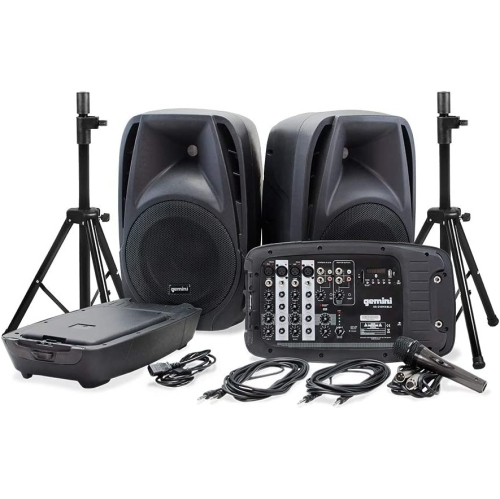
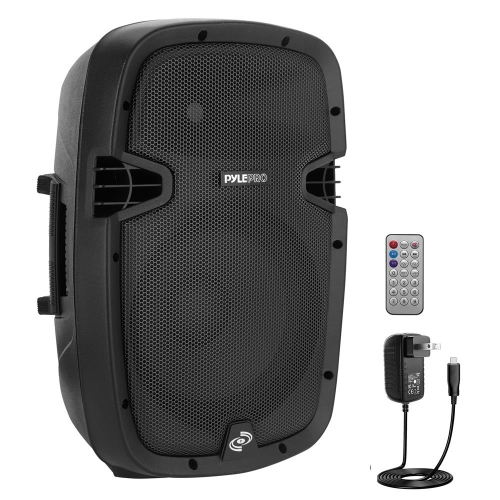
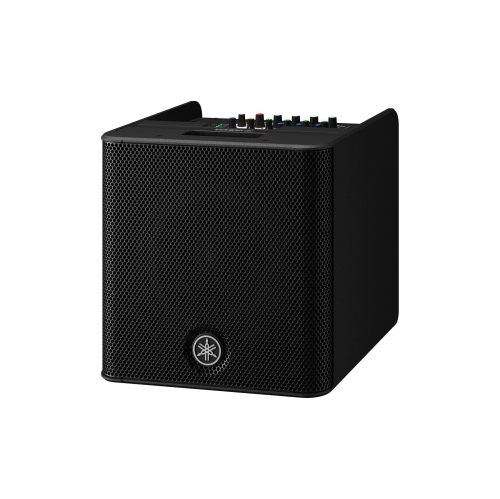
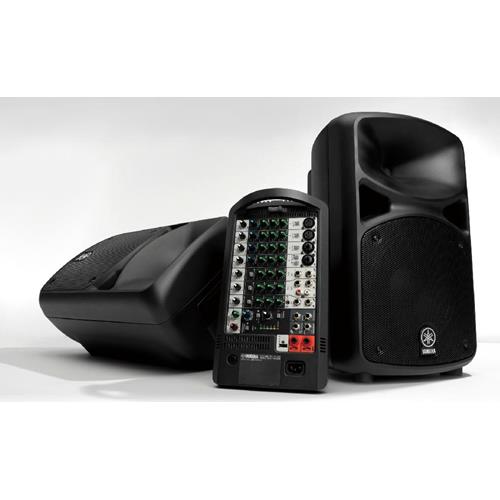
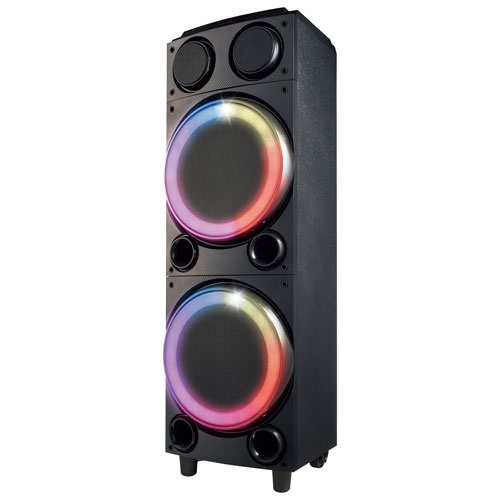
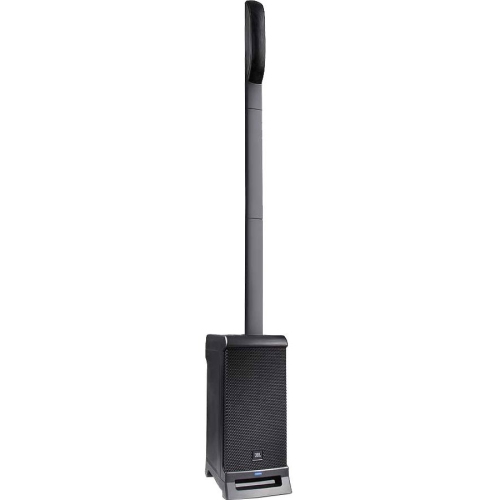
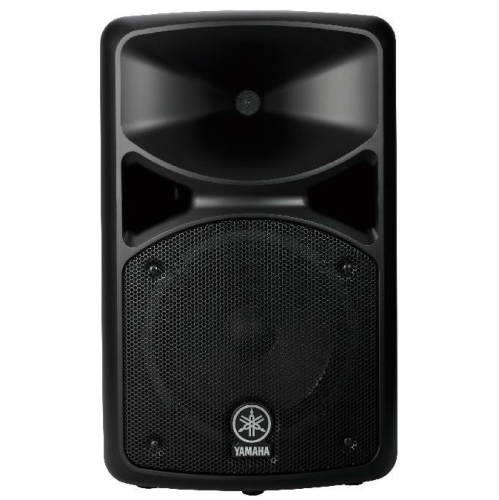
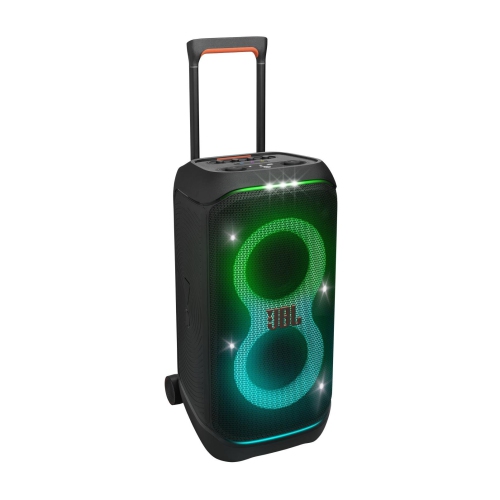
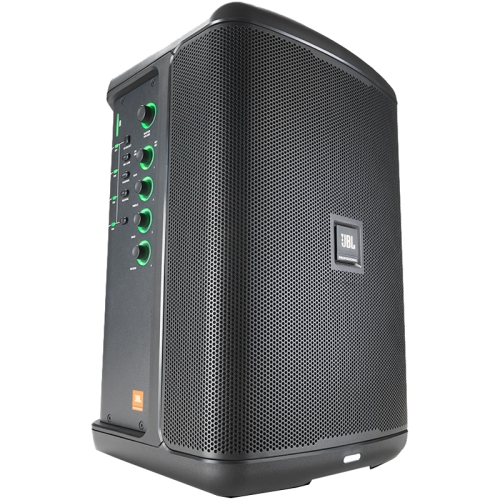
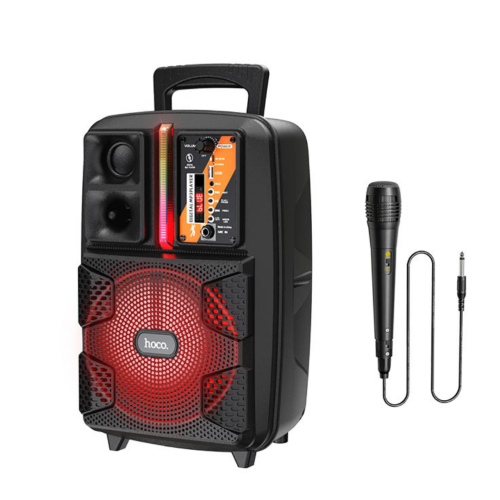
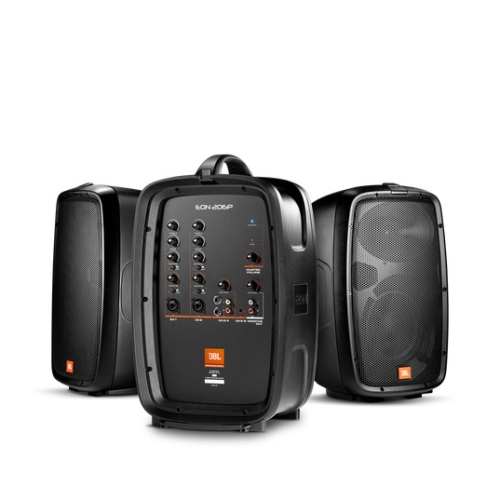
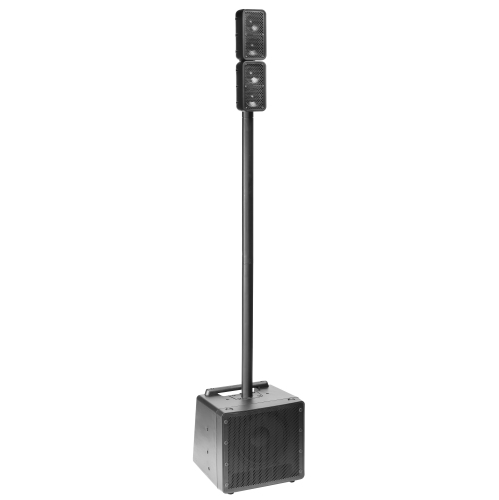
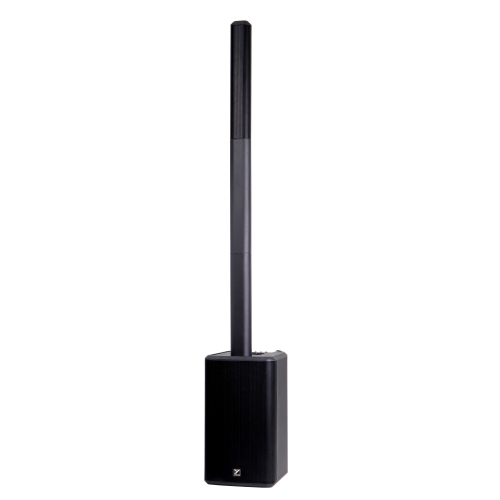
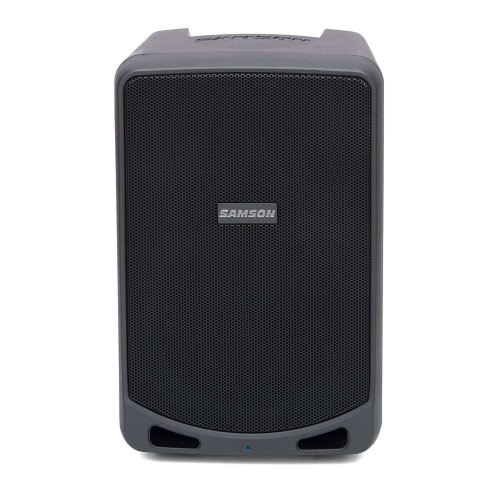
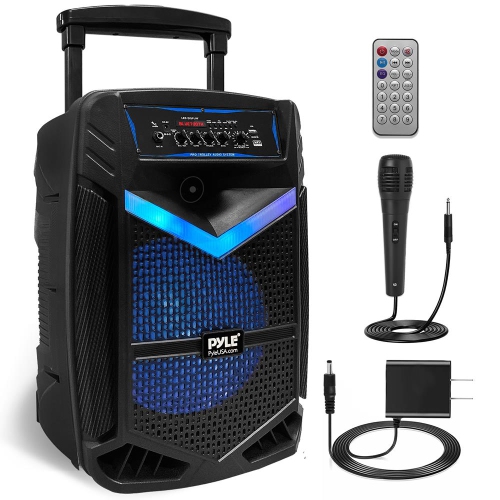
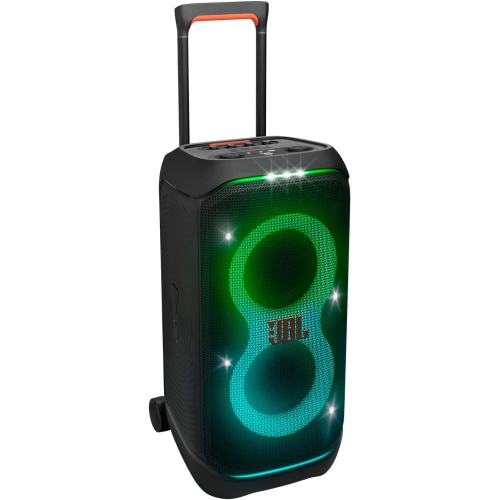
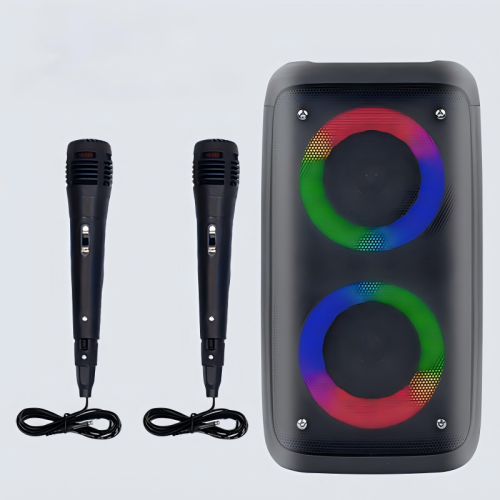
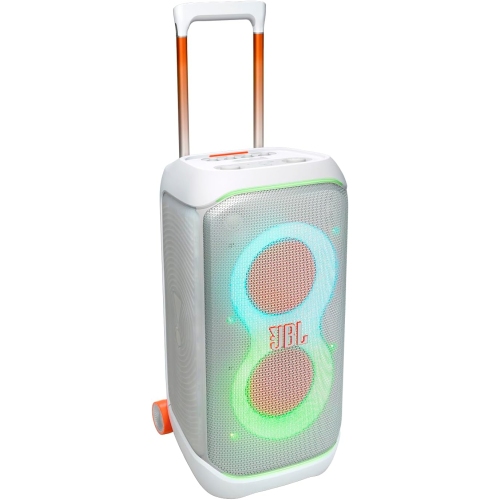
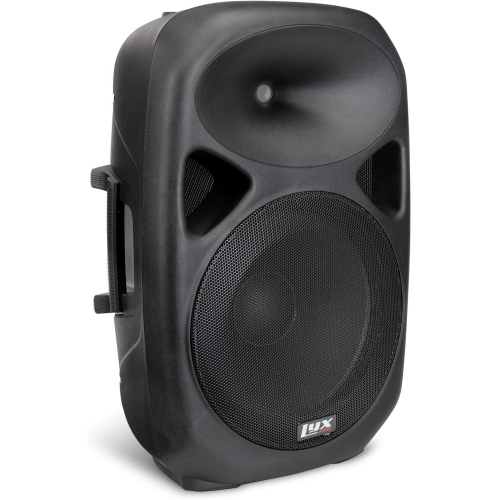
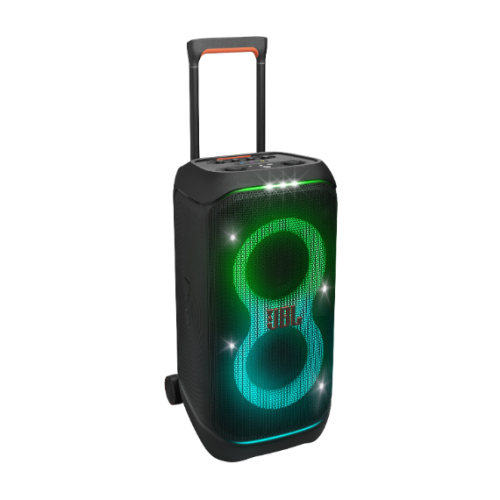
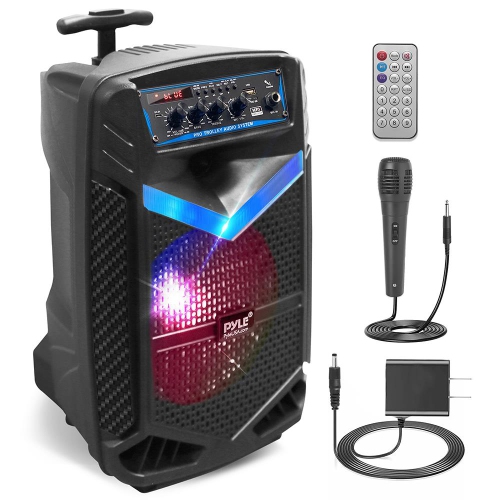
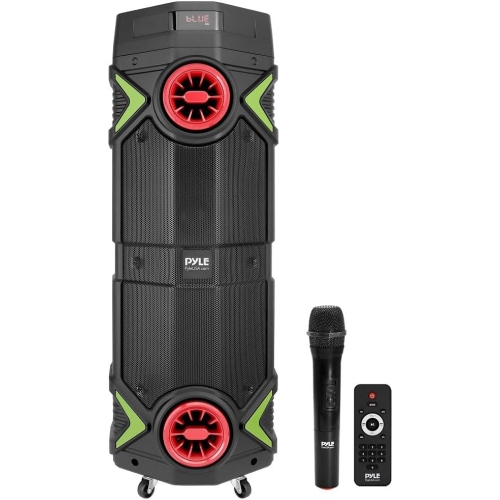
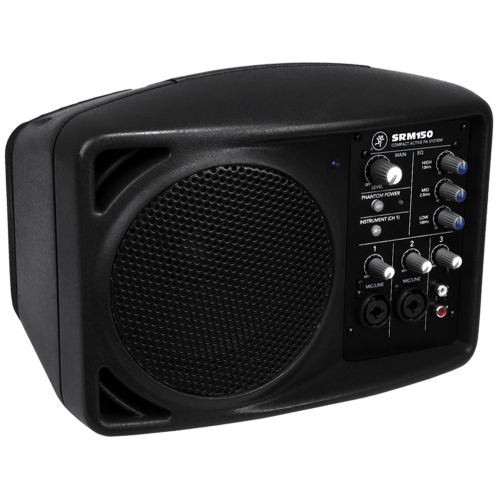
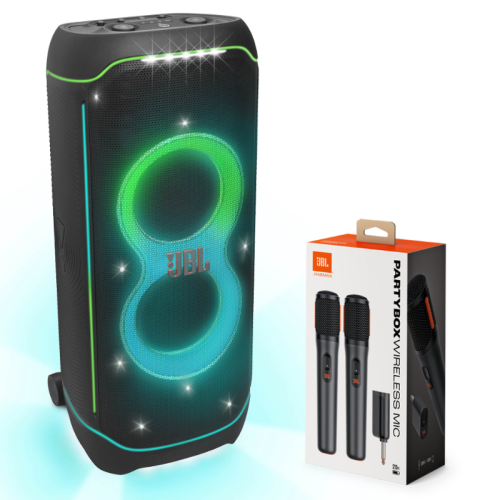
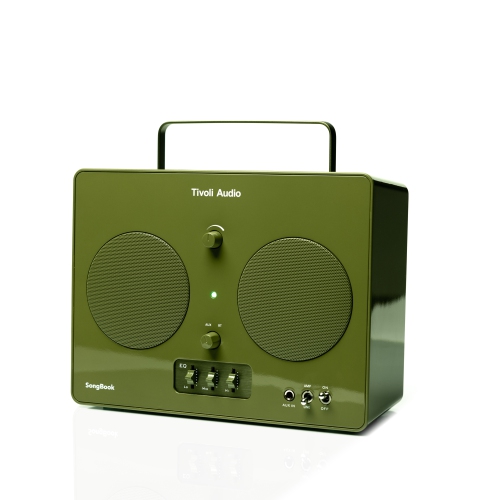
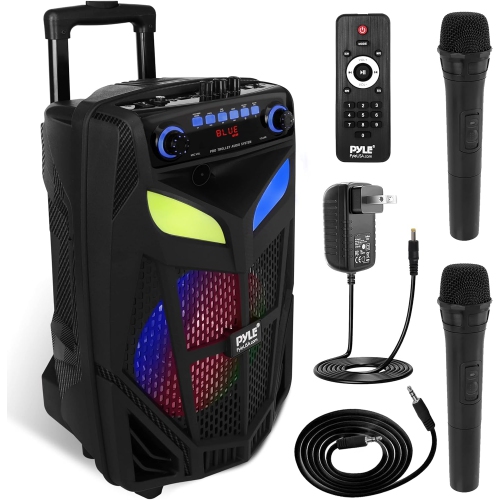
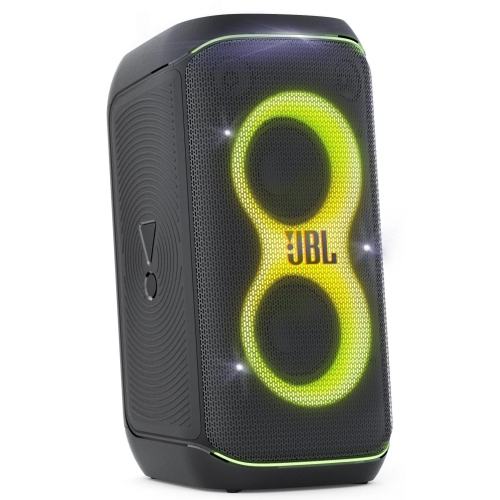
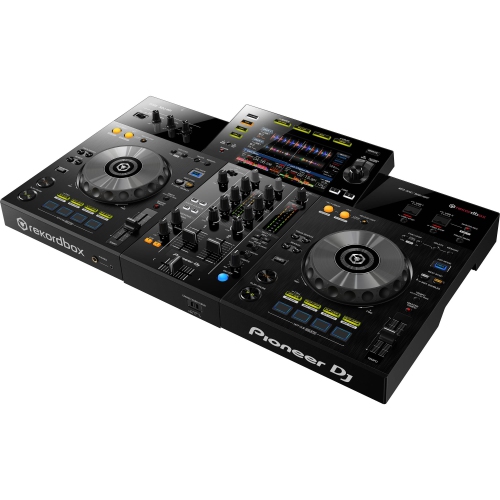
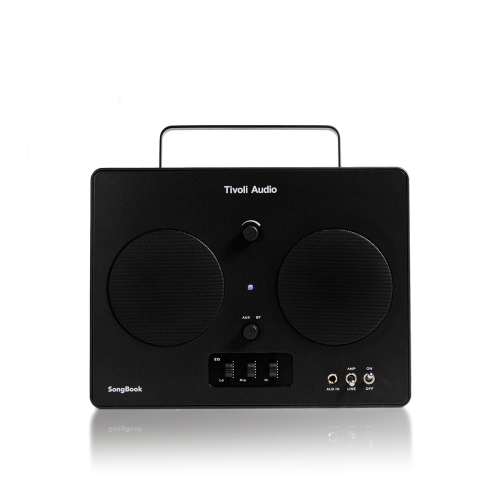
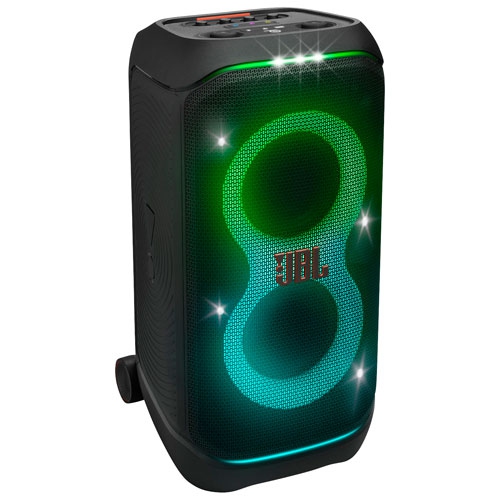
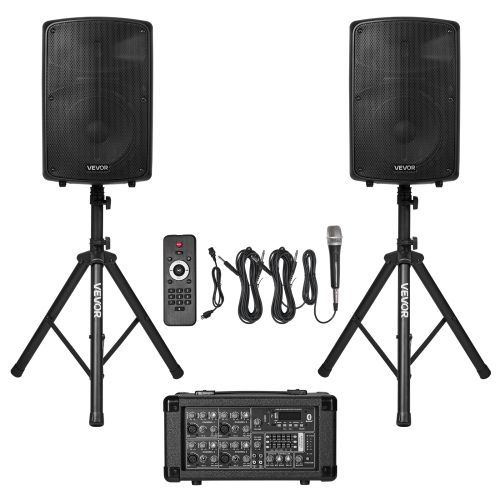
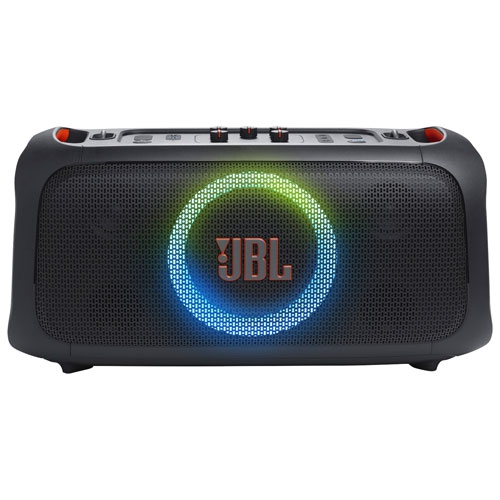
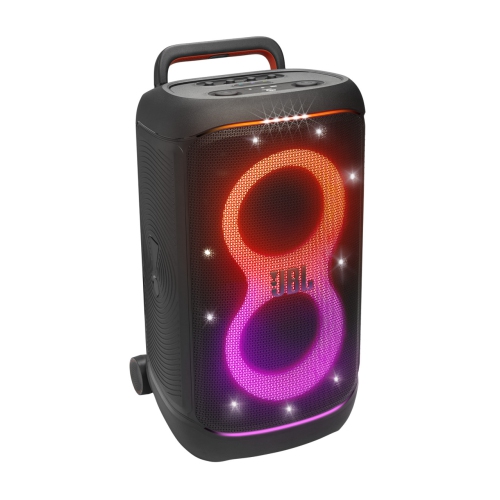
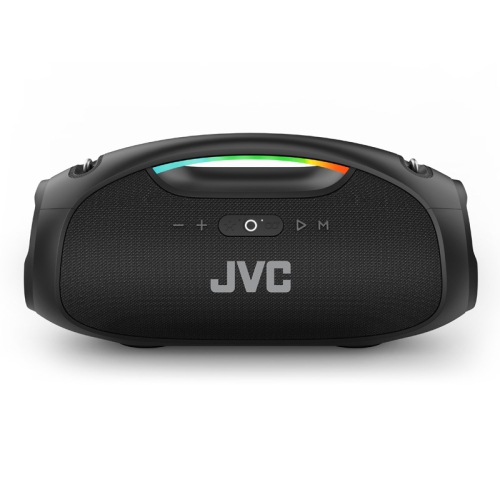
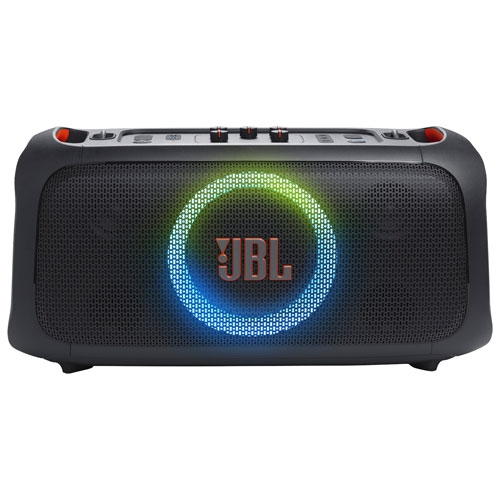
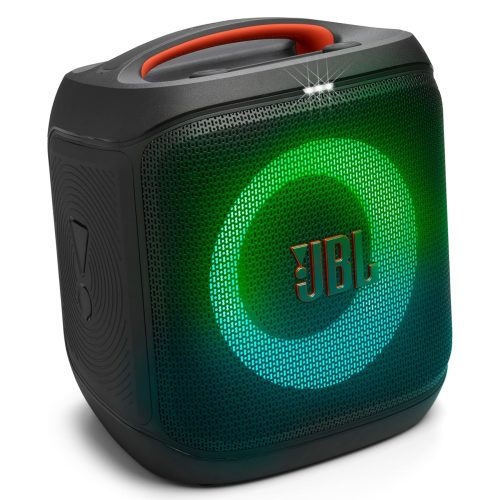
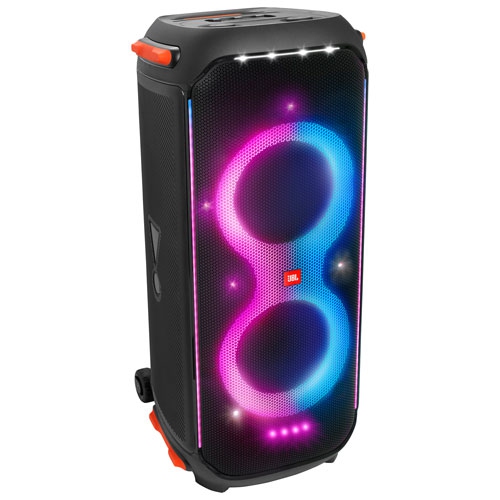
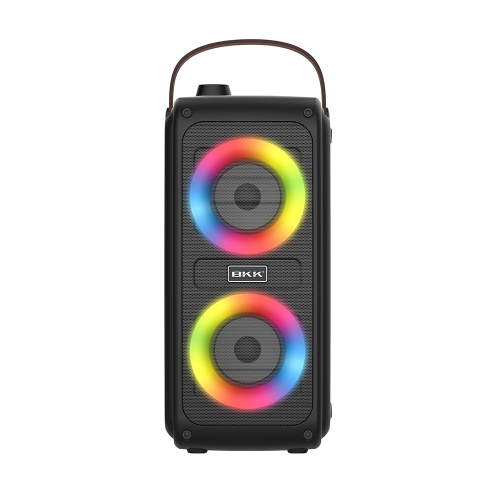
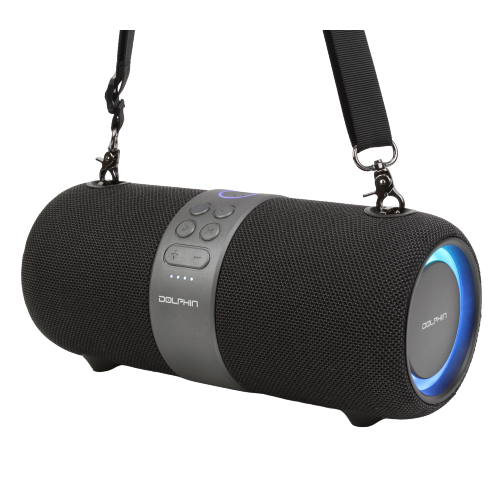
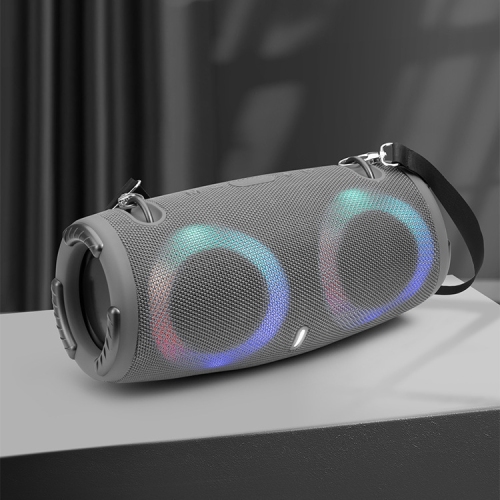
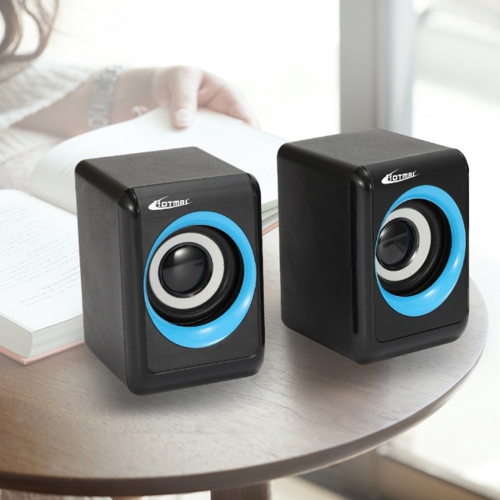
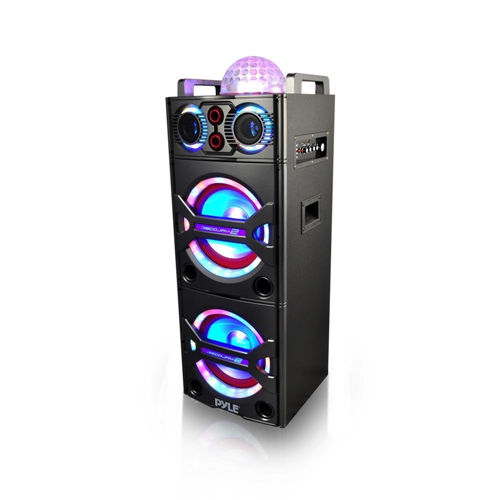
Portable DJ sound systems bring amplified music, microphone audio, and flexible connections into setups that can move between venues. They range from compact all-in-one PA systems and paired powered speakers to modular column-array configurations with a separate bass unit. Some include a mixer, microphones, or carrying accessories, while others form the speaker foundation for a DJ controller and additional equipment. A controller handles playback and mixing, but it generally needs an amplified speaker system to deliver sound to an audience. Portability is about more than size: manageable component weights, practical handles, quick connections, and a straightforward setup all matter when equipment travels from a rehearsal space to a community centre or reception hall. The broader category of Dj Sound Systems covers different approaches to amplification and mixing, with portable configurations placing particular emphasis on transport and flexible use. Powered speakers have built-in amplification, reducing the need for a separate amplifier, while passive speakers require compatible external amplification. Compact systems can suit announcements, background music, and smaller gatherings; dance-focused events may call for additional output and a dedicated subwoofer to reproduce the low frequencies that give kick drums and bass lines their impact. Speaker coverage is just as important as output. A room with seated guests listening to speeches has different needs from a busy dance floor where music competes with conversation. Column-style systems often provide broad horizontal coverage, although their reach and bass performance depend on the design. Conventional PA speakers offer flexible placement and can be used in pairs or alongside a subwoofer. Wattage alone does not describe how loud or clear a system will sound. Maximum sound pressure level, frequency response, coverage, and available headroom provide useful context, especially when the music needs to remain clean through louder passages rather than simply sound impressive at a low listening level.
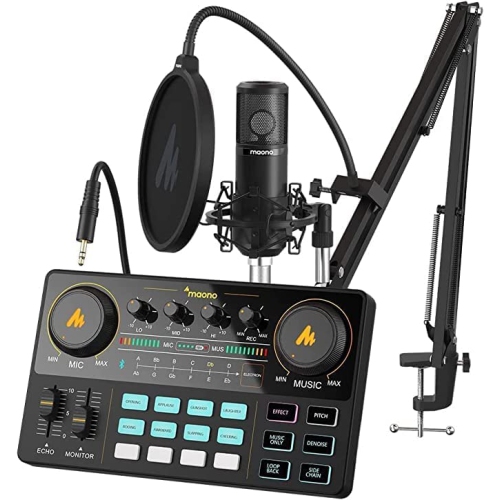
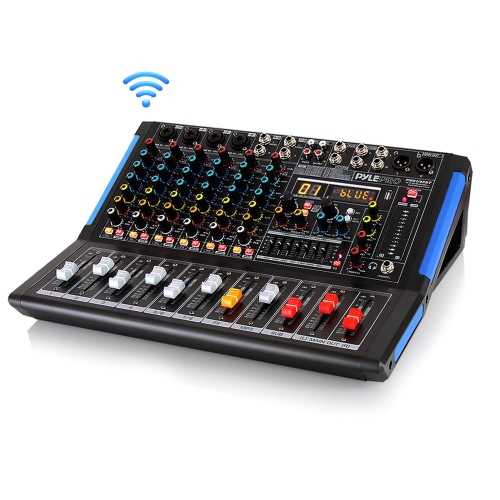
Connections and controls shape how comfortably a portable system fits into a DJ setup. A controller or mixer commonly feeds the speakers through line-level connections, with balanced XLR or quarter-inch connections useful for reducing interference over longer cable runs. Microphone inputs support introductions, announcements, and speeches, while separate channel controls make it easier to balance a speaker’s voice against background music. At a reception, for example, a host may need clear speech during dinner before the same system takes on a more energetic role for dancing. An integrated mixer can simplify a modest setup, but the number and type of inputs still need to match the equipment being connected. A microphone input and a stereo music input serve different purposes, and an input that accepts an instrument may have its own level requirements. Bluetooth is convenient for casual playback or music between sets, but a wired connection is generally better suited to live DJ mixing, where timing and a dependable signal are important. Wireless microphone compatibility is a separate consideration from Bluetooth playback. Battery-powered systems offer another kind of flexibility, particularly where a nearby electrical outlet is impractical. Their running time varies with listening level, bass demands, connected features, and battery condition, so an advertised duration should not be treated as a guarantee for every event. Access to mains power can be useful for longer sessions when the system supports it. Sound controls also influence everyday use: basic equalization helps adjust tonal balance, while presets may provide a convenient starting point for speech or music. These adjustments work best alongside thoughtful speaker placement rather than as a substitute for it. A speaker raised securely above seated listeners can improve coverage, and keeping microphones behind the main speakers helps reduce feedback. Stereo playback can create a spacious sound near the centre of a room, while a properly configured mono mix can help guests across a wider area hear the same musical content. Clear controls, visible level indicators, and accessible connections make these changes easier in a dim event space.
For mobile DJs, instructors, event hosts, and musicians who also provide recorded music, the physical design of a sound system can be as important as its audio features. A compact speaker that fits comfortably through a doorway and into a vehicle is easier to live with than a larger cabinet that requires awkward lifting. Total system weight matters, but so does the weight of each piece: separate components can make several trips more manageable than carrying one heavy unit. Moulded cabinets are common in portable PA equipment, while wood-based enclosures are also used, particularly in bass-focused designs. Neither material alone determines sound quality or durability; construction, protective grilles, handle placement, and cabinet reinforcement all contribute. Recessed connections and fitted covers can help protect equipment during transport, although a carrying cover should not be assumed to provide protection during operation. Stands, poles, and mounting points need compatible dimensions and appropriate load ratings, with stable placement and clear cable routes helping keep a crowded room safer. Storage space for leads, microphones, and power cables also makes a difference when packing up after an event. Routine care is usually straightforward: cabinets can be wiped with a soft cloth according to the manufacturer’s directions, ventilation openings should remain unobstructed, and liquids should be kept away from controls and connections. Cables last better when loosely coiled rather than tightly bent, and connectors deserve a quick inspection before each setup. Rechargeable systems also benefit from following the manufacturer’s charging and storage recommendations. For a developing DJ, a portable system can support practice sessions, small performances, and community events without requiring a permanent installation. As a gift, it is most useful when its inputs, transport demands, and intended audience size match the recipient’s existing equipment and activities. A well-matched setup allows space for microphones, suitable bass support, and comfortable listening levels, bringing music and announcements into focus without making transport or operation unnecessarily complicated.
Top selling and popular products
-
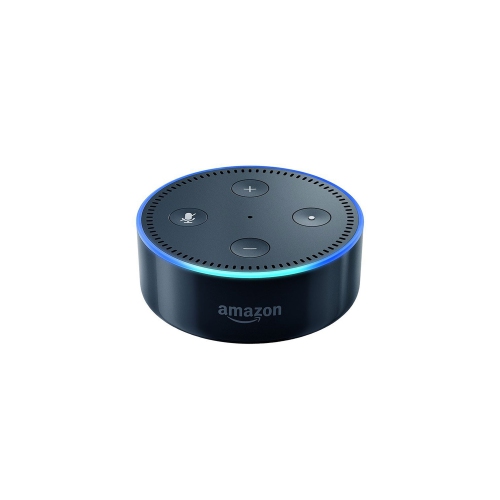 Your price for this item is $48.99
-
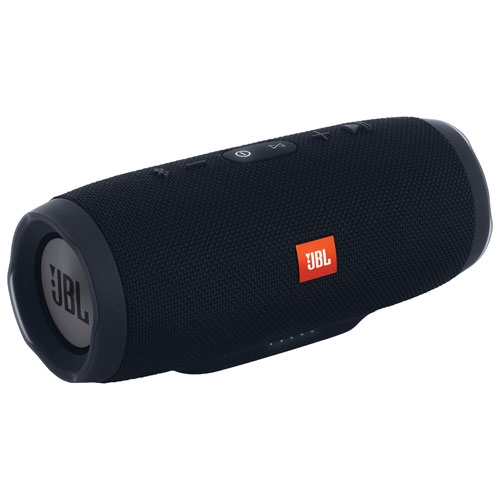 Your price for this item is $189
-
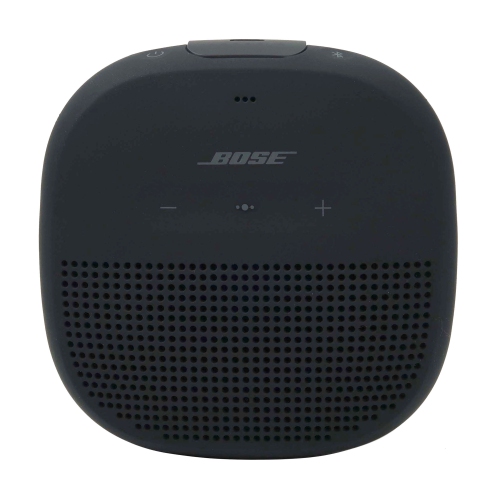 Your price for this item is $110
-
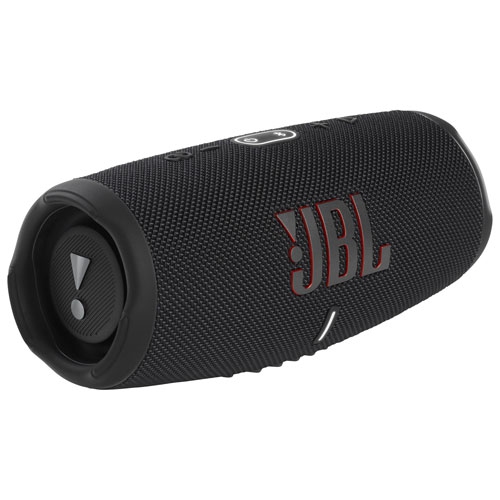 Your price for this item is $239.98
-
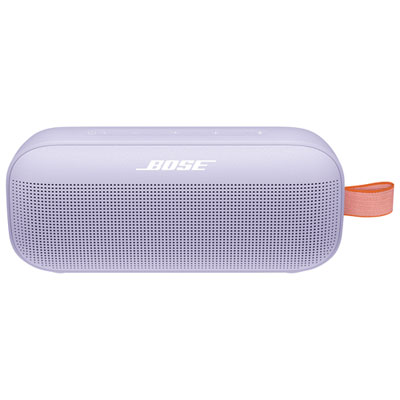 Your price for this item is $149.99
-
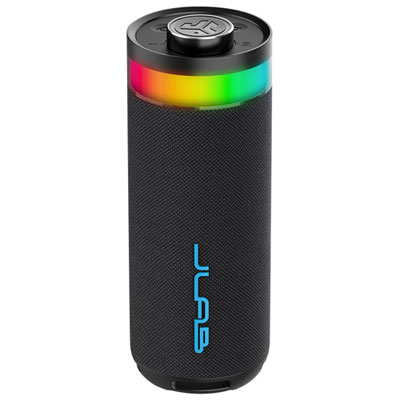 Your price for this item is $59.99
-
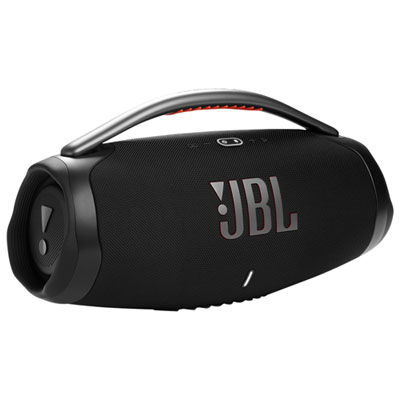 Your price for this item is $399.99
-
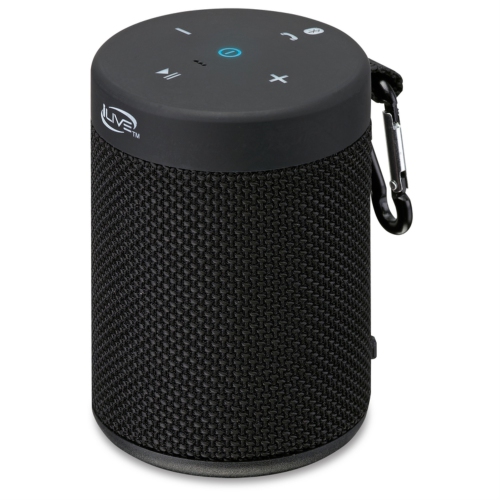 Your price for this item is $23.68
Discover more categories related to Portable DJ Sound Systems
Top Collections:
Pokemon Centers, Kindle Devices, Best Budget Office Chairs, Canon G7X Cameras, Apple iPhones 16, Samsung Galaxy Phones, Refurbished Apple Laptops, Laptops for Students, iPhone 15 Apple, Budget Smartphones
Some products may be subject to Environmental Handling Fees
(EHF) depending on your province.
Learn more about EHFs.