Professional Dj Equipment
Looking to take your DJ skills to the next level? Look no further! Our collection of professional DJ equipment is here to help you create unforgettable beats and electrify any party or event. Whether you're a seasoned pro or just starting out, our wide range of gear has everything you need to mix, scratch, and remix like a true professional. From high-quality mixers and controllers to powerful speakers and headphones, we've got you covered. Get ready to unleash your creativity and make every performance an unforgettable experience with our top-of-the-line DJ equipment.
Sort
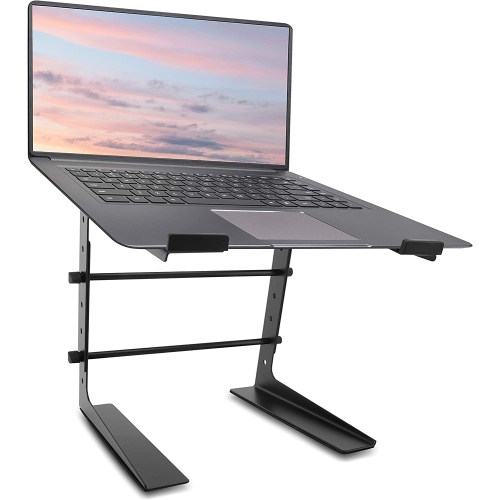
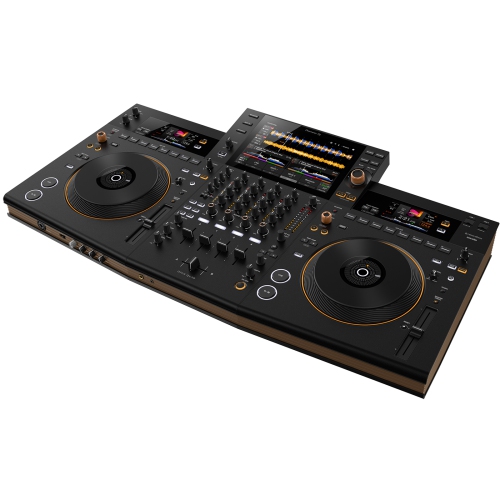
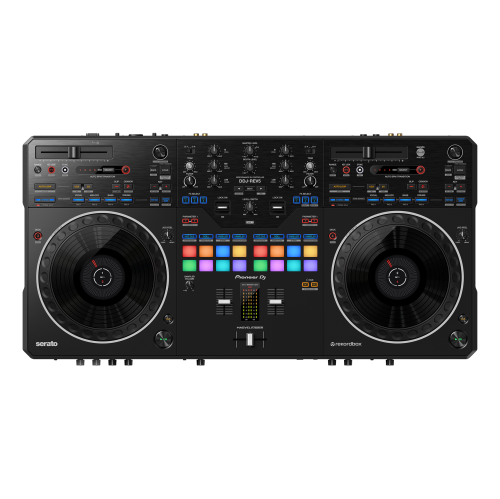
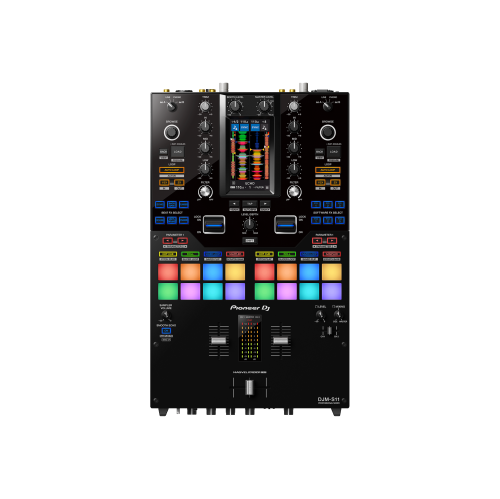








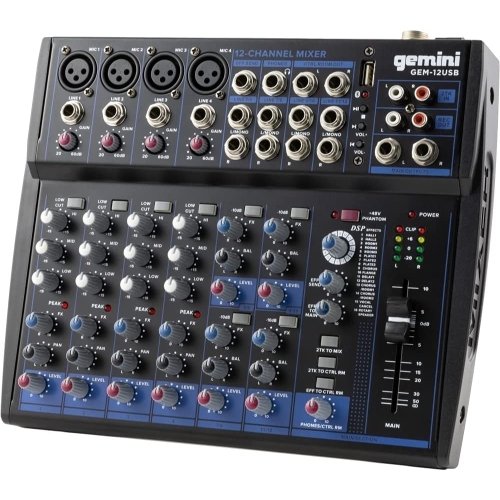
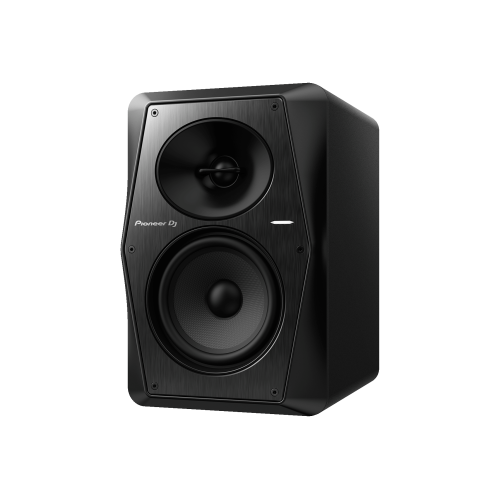
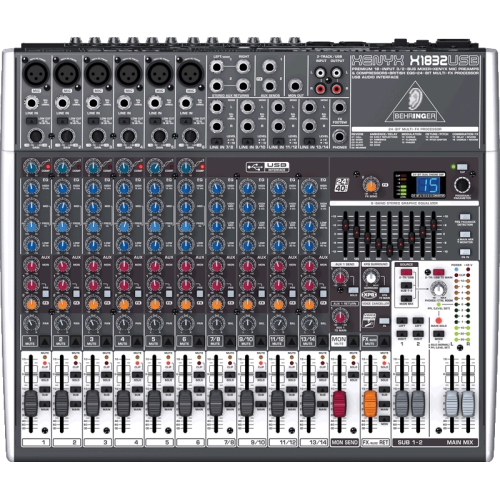
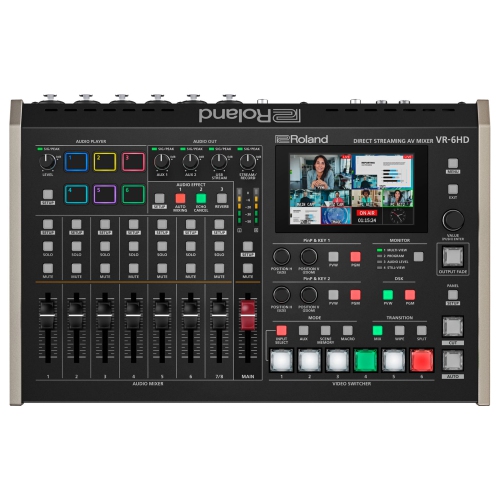

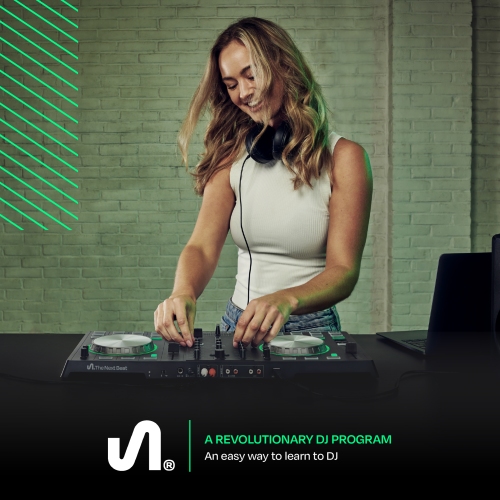
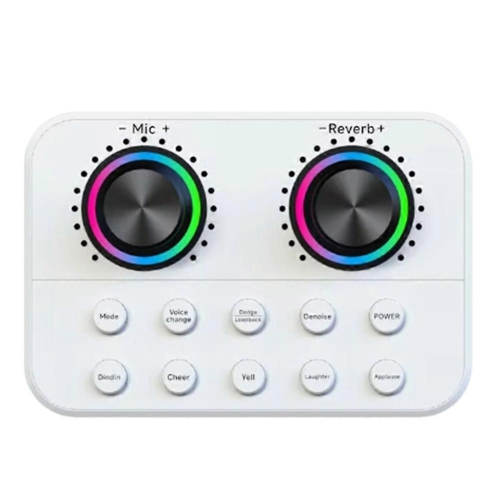
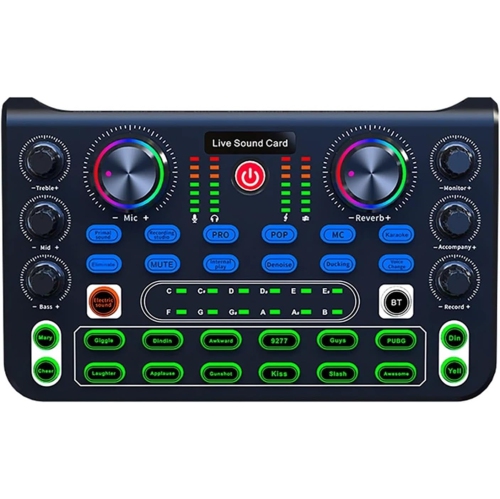
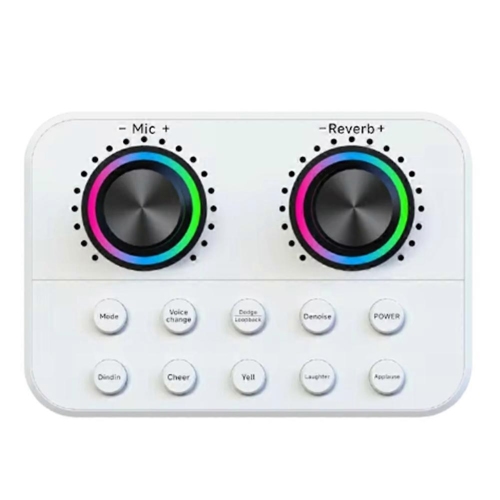
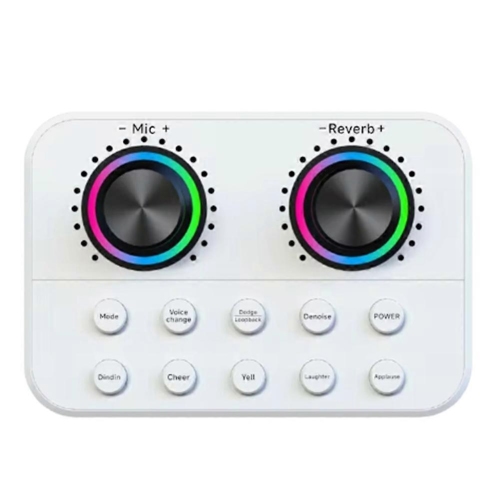
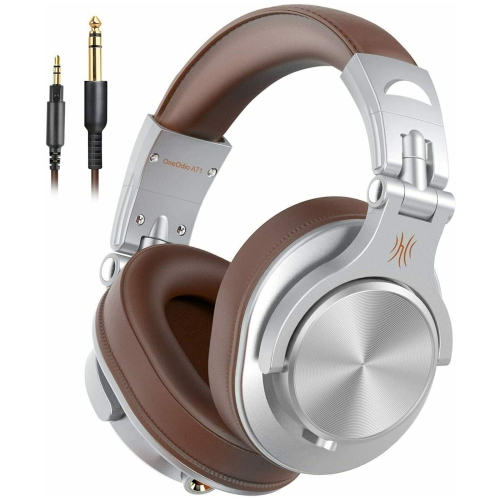
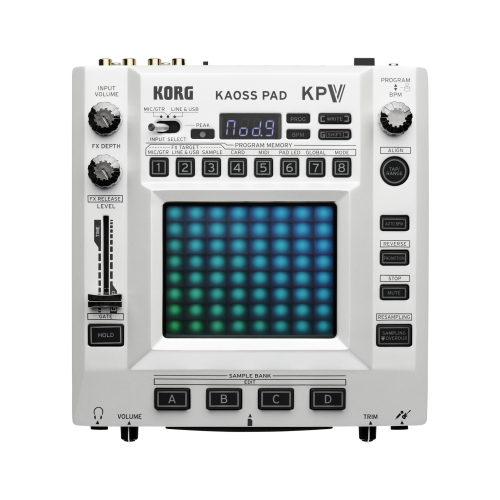
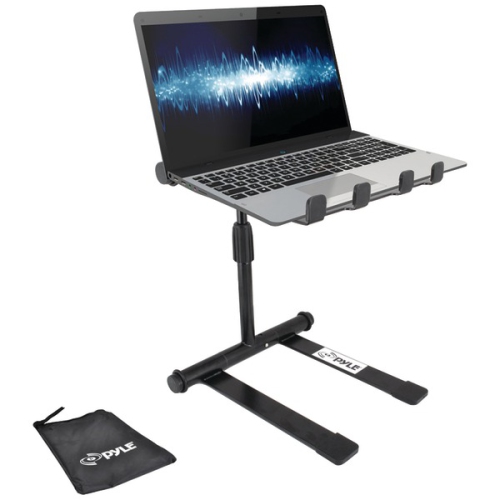
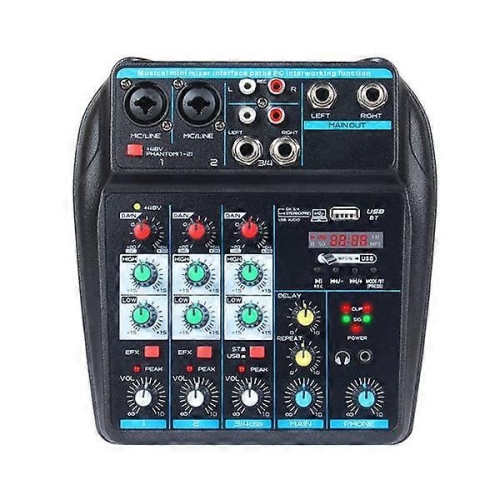


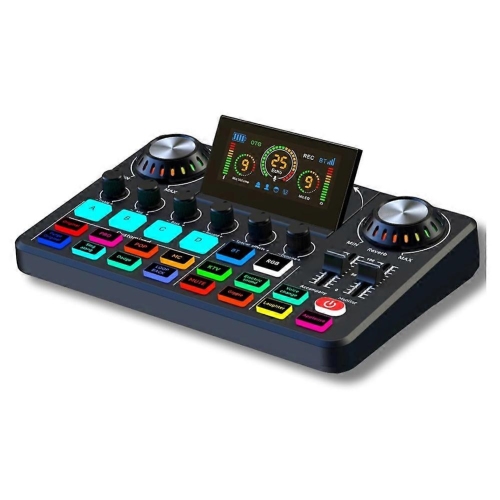
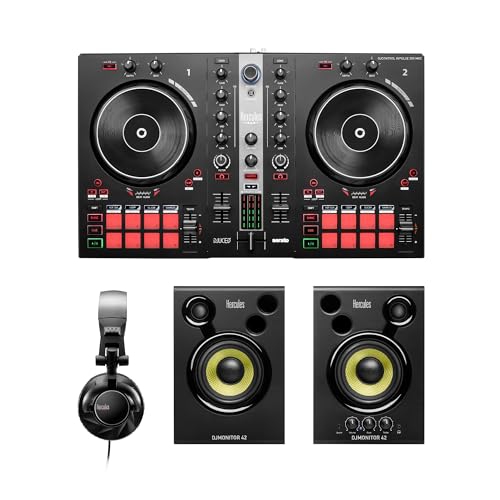
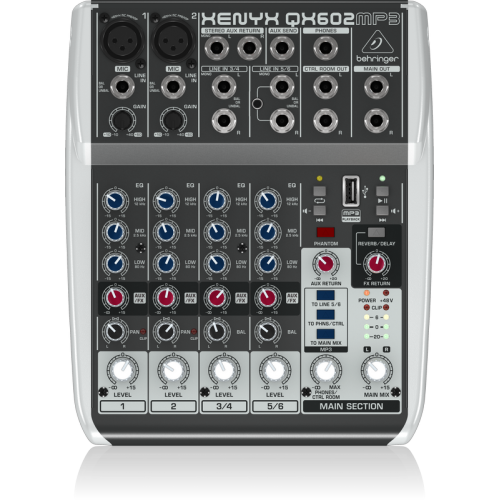
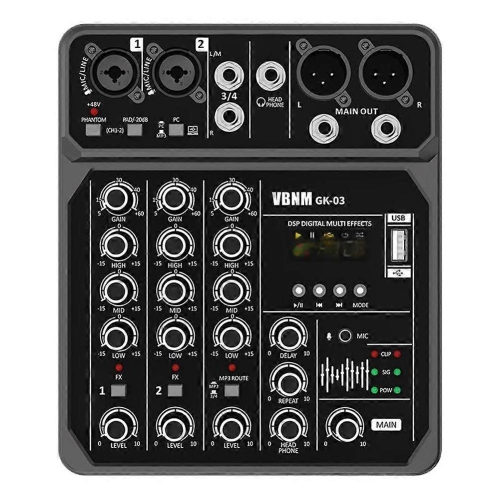
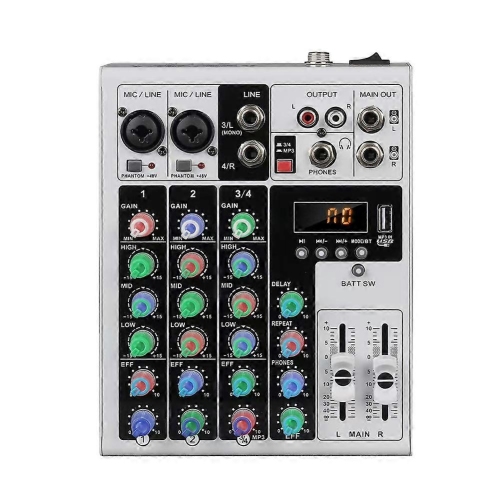
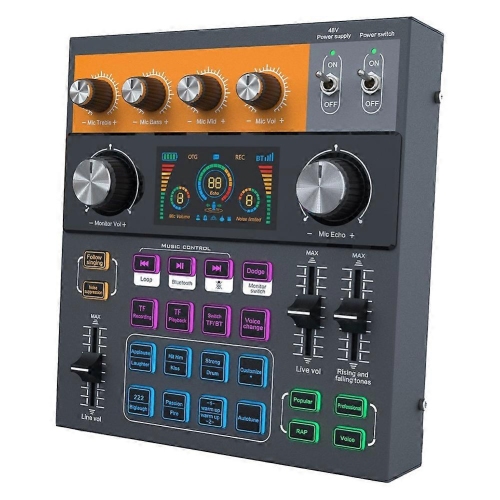
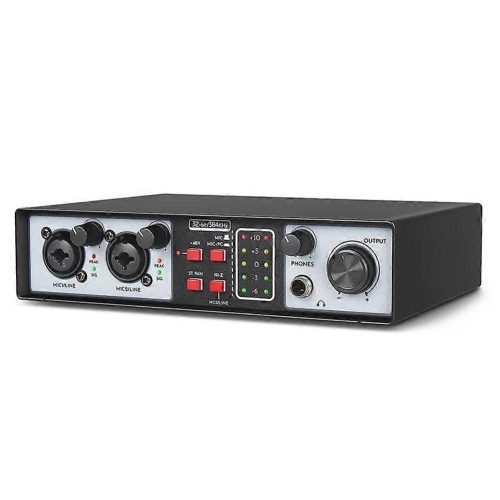
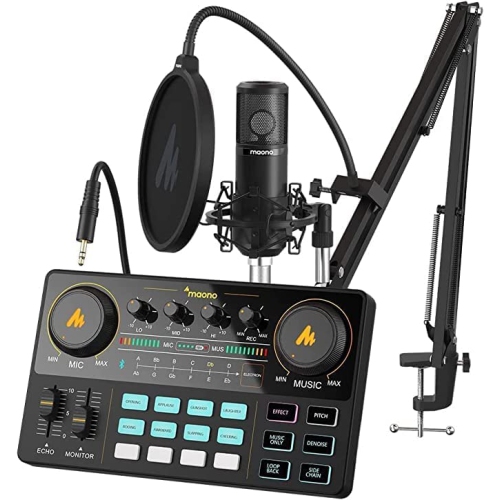
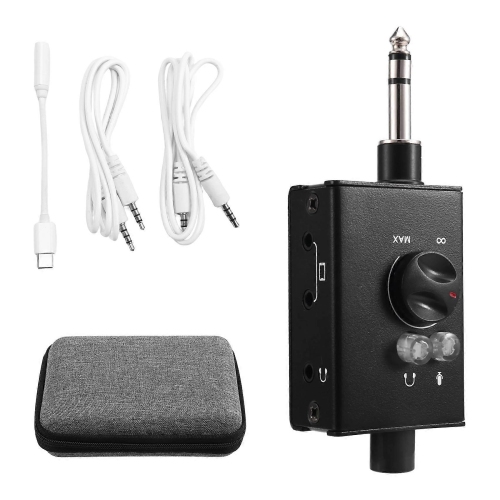
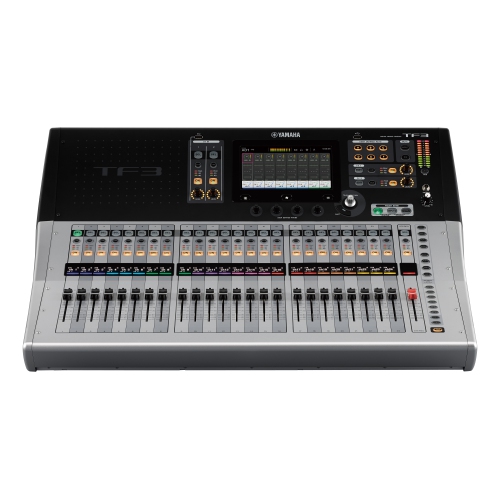
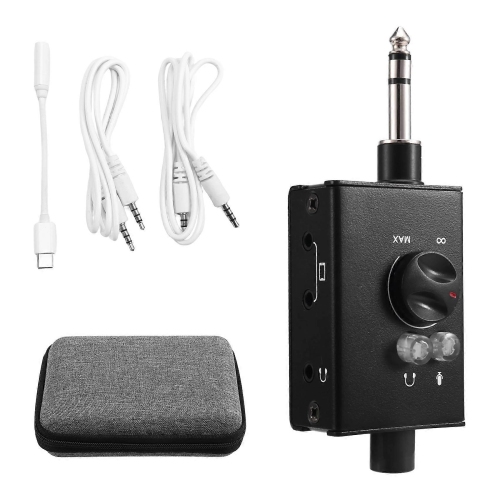
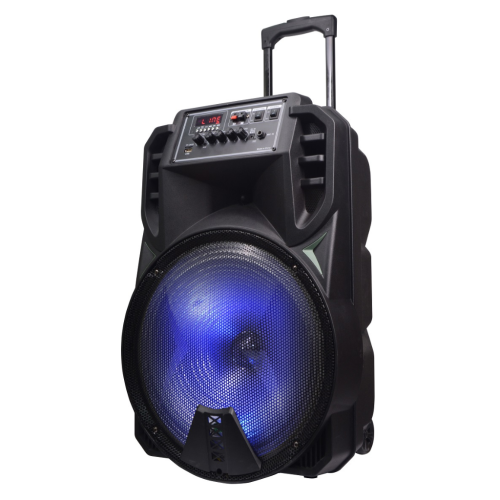



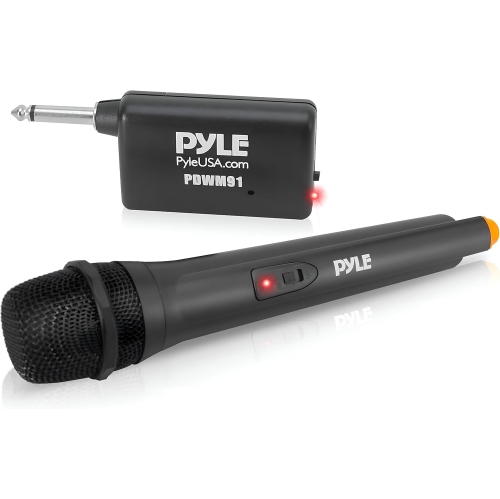
What makes a DJ setup dependable under pressure
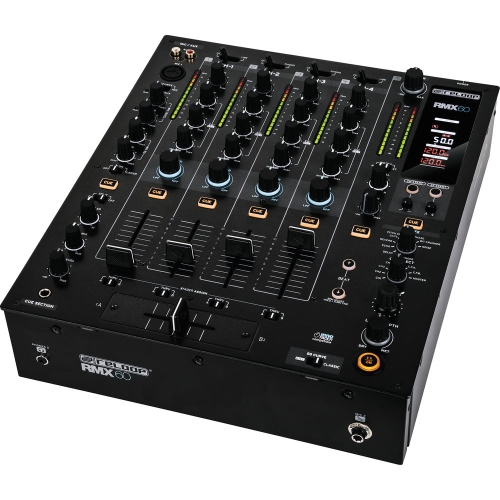
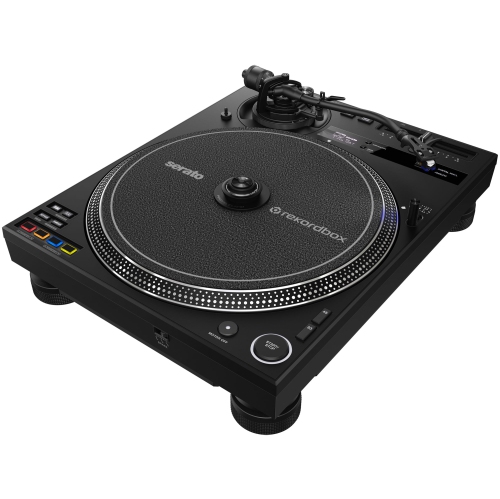
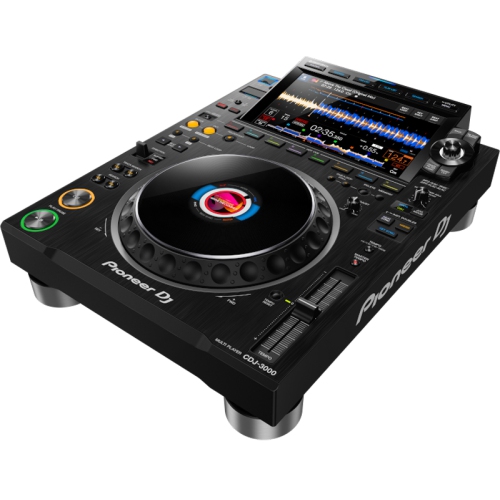
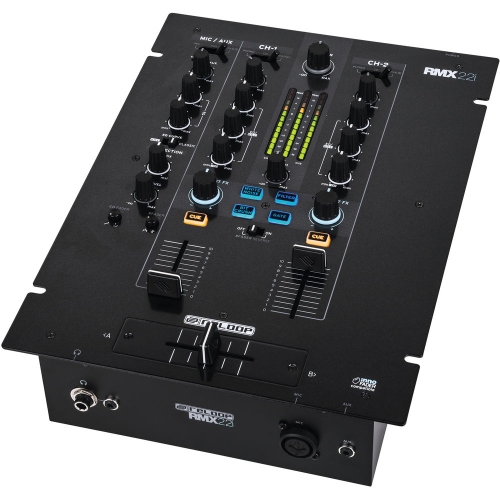
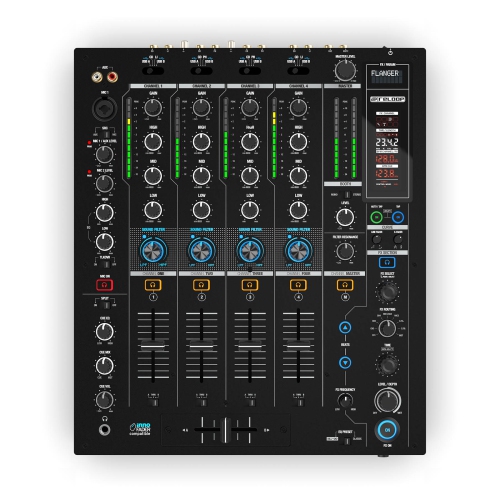
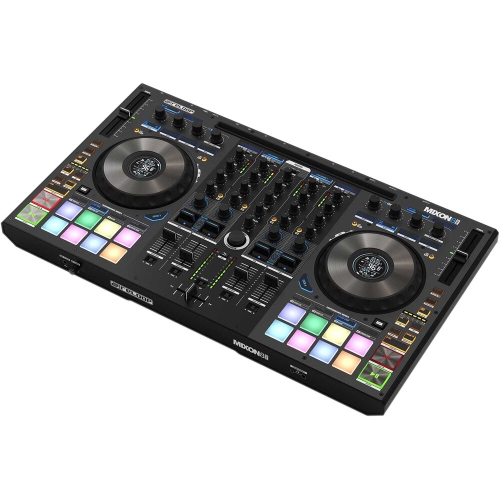
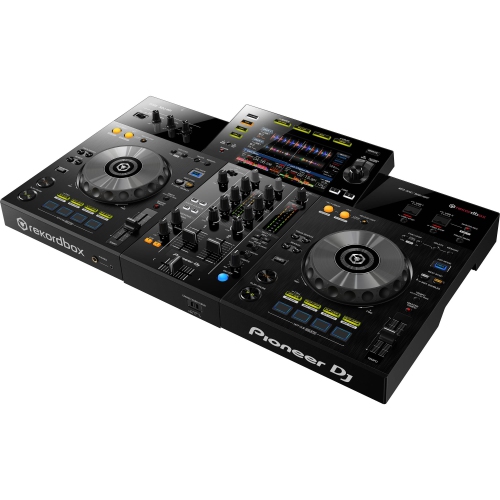
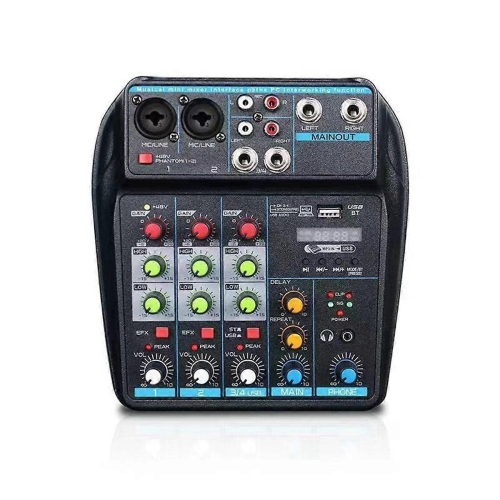
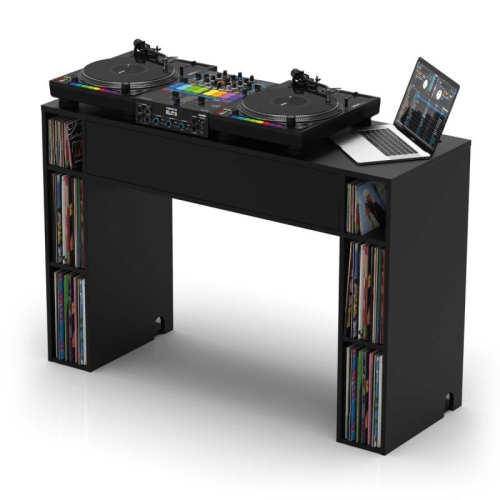
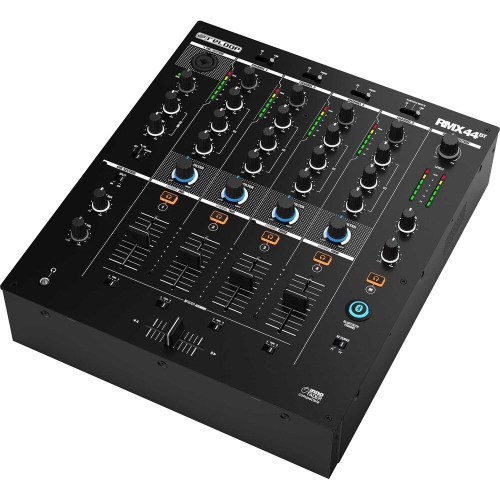
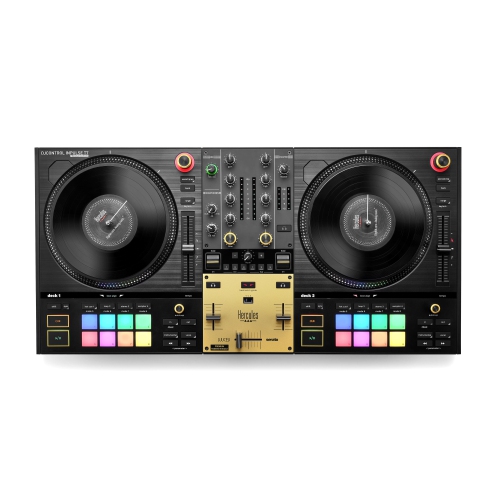
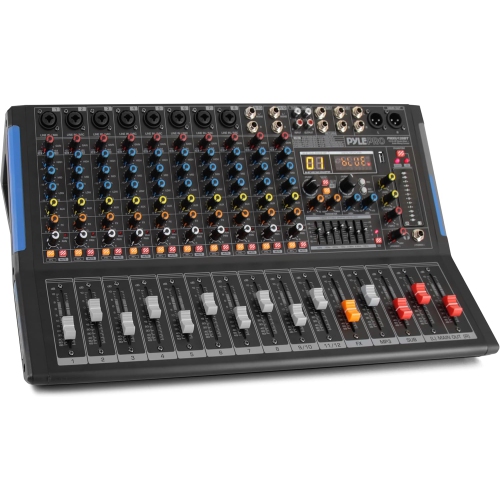
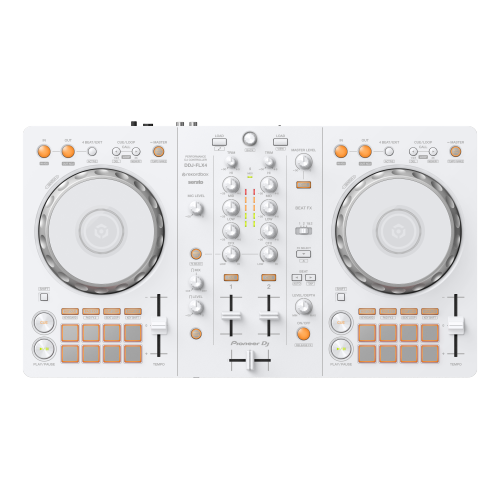
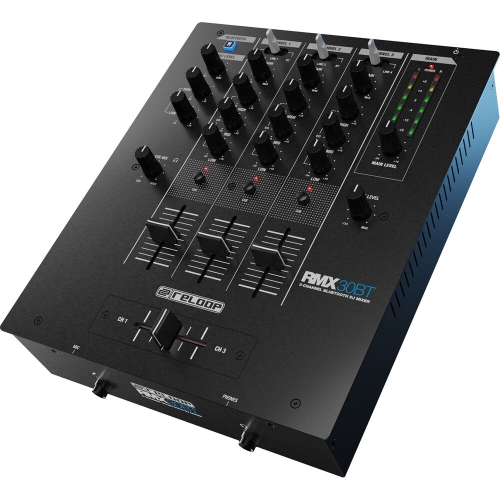
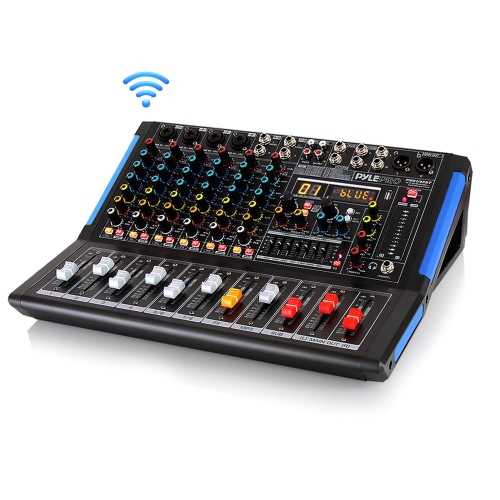
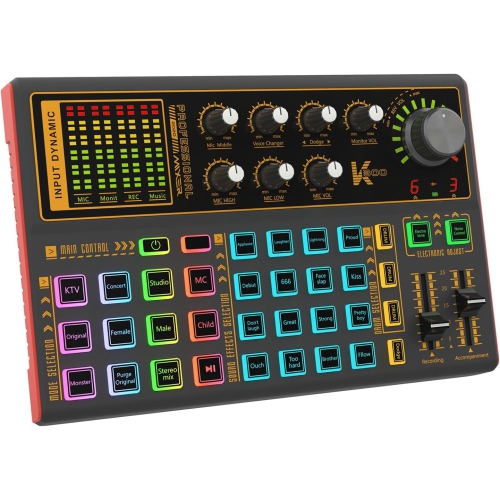
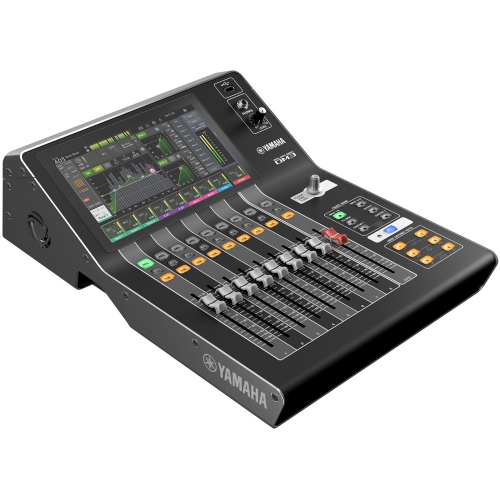
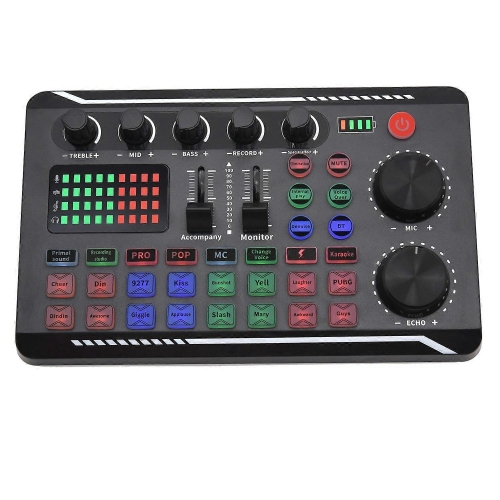
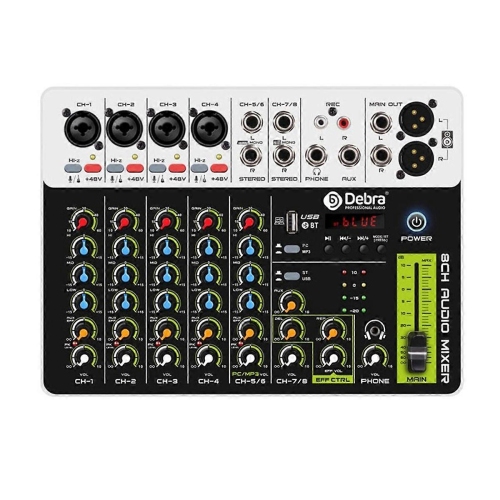
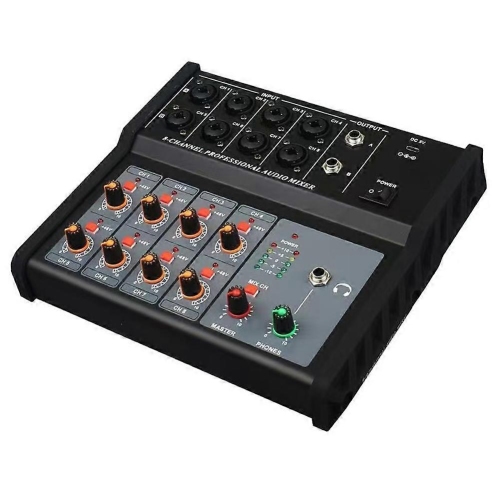
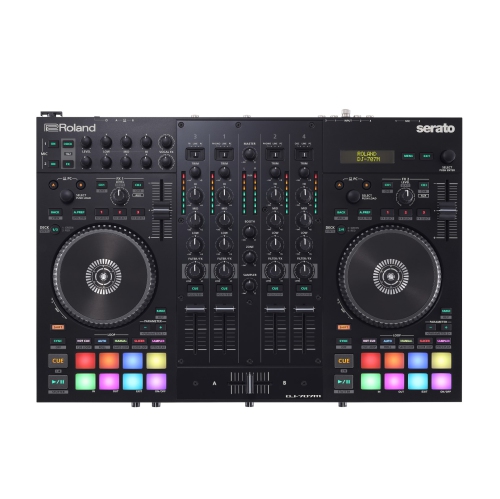
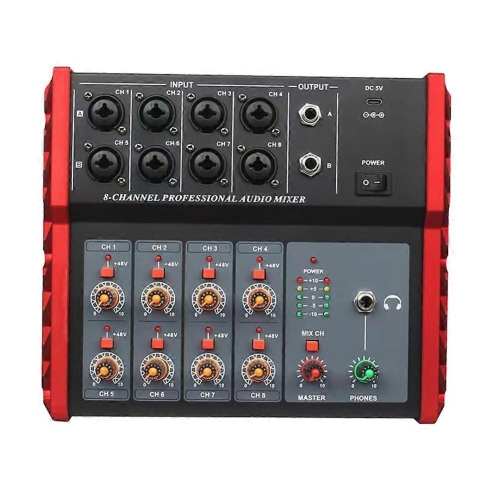
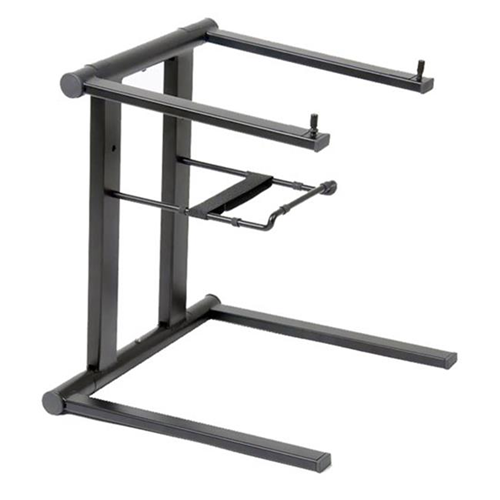
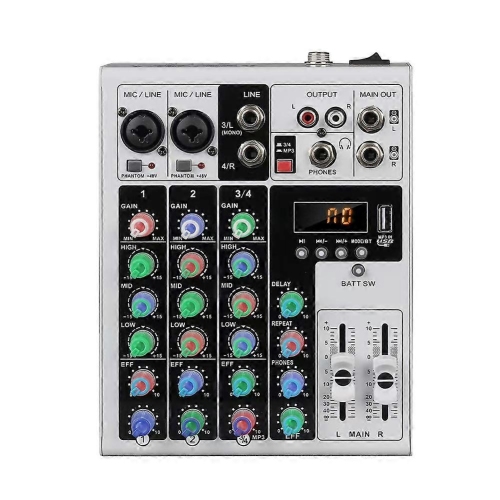
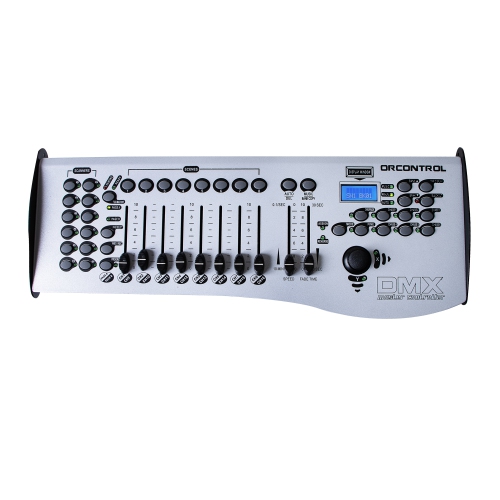
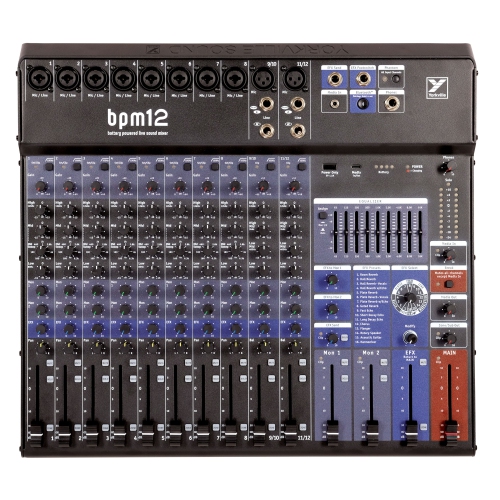
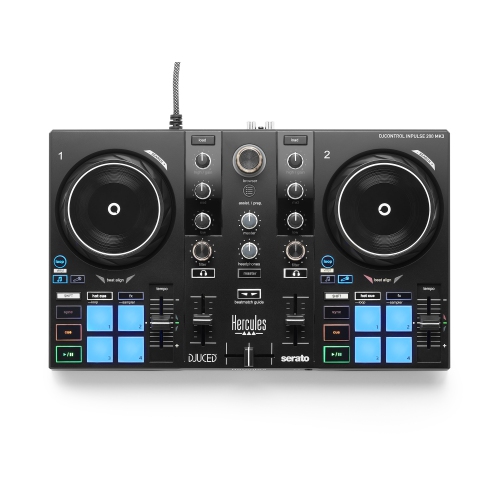
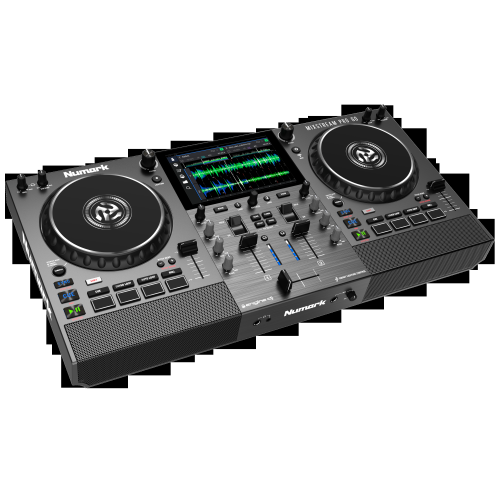
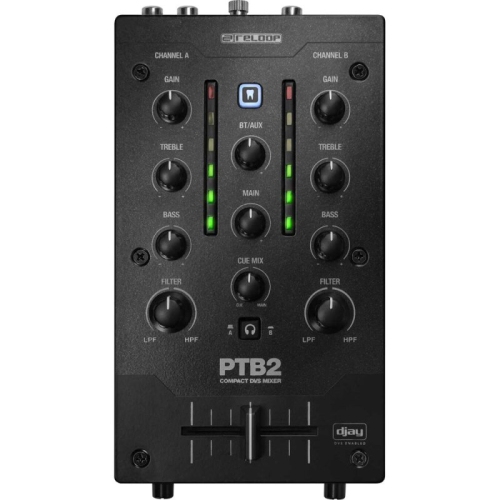
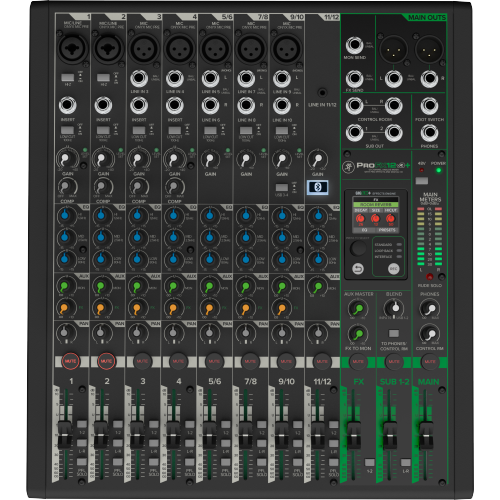
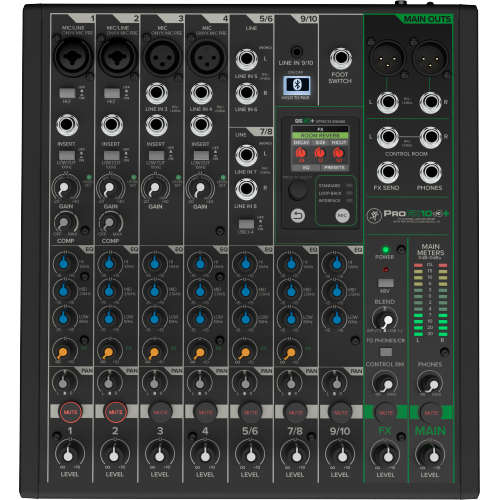
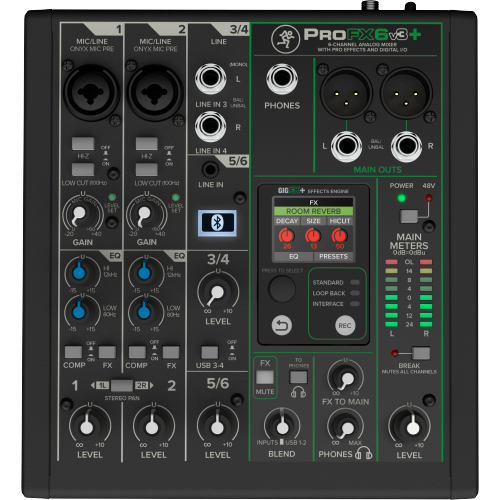
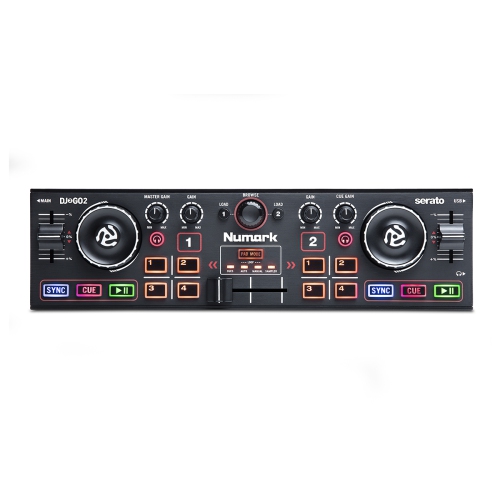
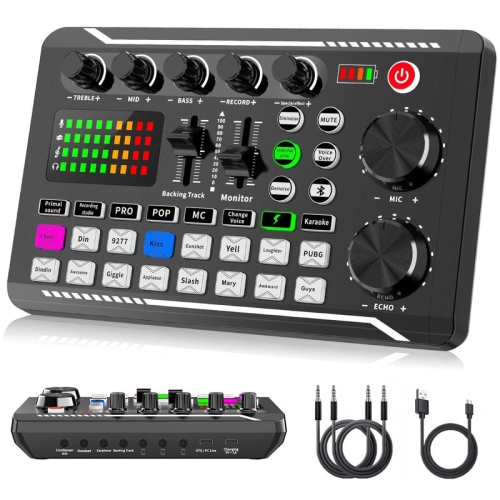
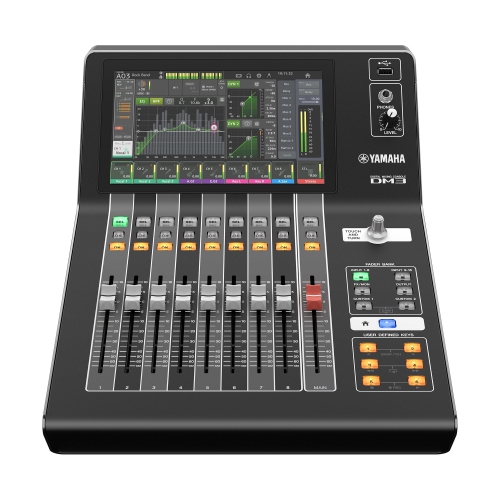
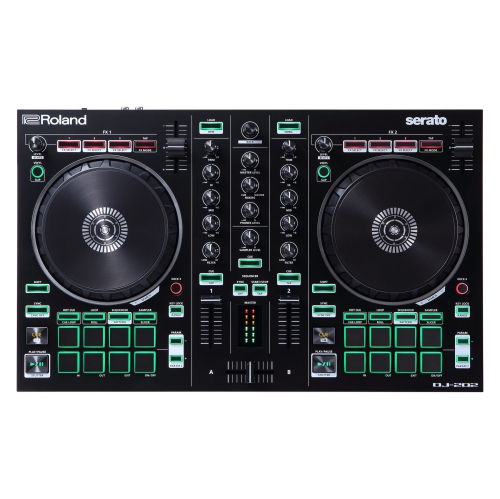
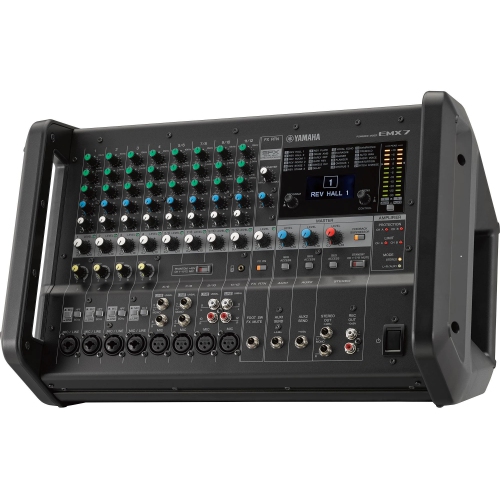
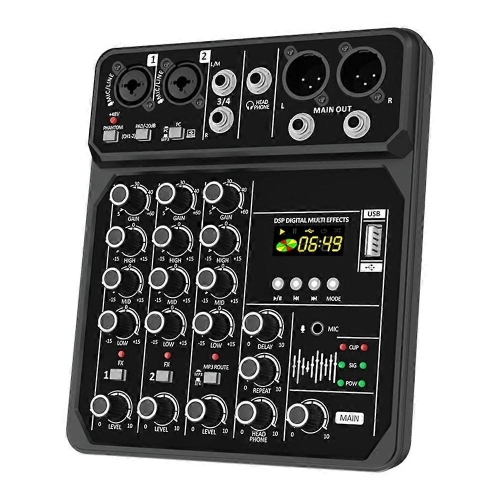
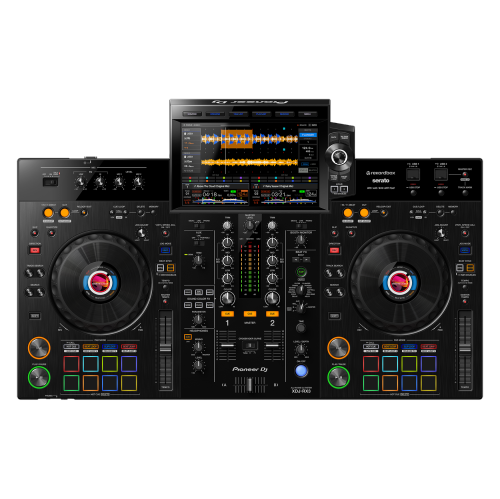
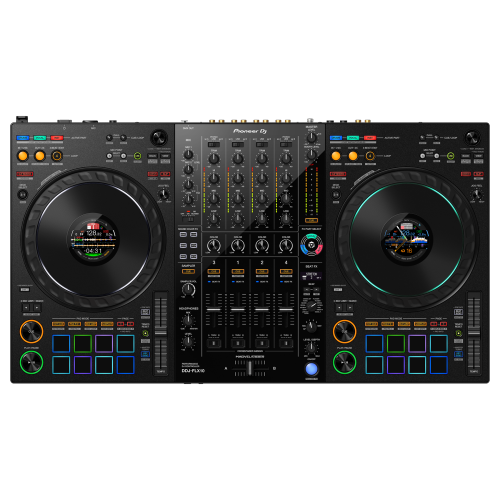
Professional DJ equipment brings together the playback, mixing, monitoring, and sound reinforcement tools used to shape a live set. From a resident DJ working a club booth to a mobile performer handling wedding introductions and a packed dance floor, the essentials are consistent: dependable controls, clear audio, and connections that suit the venue. The main setup formats are modular systems with separate media players and a mixer, standalone DJ systems that combine playback and mixing in one unit, and DJ controllers designed to work with compatible computer software. Each supports a different working style. Separate components allow individual parts of a setup to be configured or replaced, while a standalone system can reduce reliance on a laptop during performance. A controller gives software-based DJs hands-on access to decks, effects, browsing, and performance functions, although its capabilities depend on the connected software and hardware. Media players may support music from USB storage or networked sources, with supported file formats and library preparation requirements varying by model. Turntables remain central to vinyl performance and can also work with compatible digital vinyl systems, which use control records and suitable hardware to manipulate digital tracks. For scratch DJs, platter response, adjustable crossfader behaviour, and accessible controls can matter as much as the number of channels. For longer blends, clearly spaced equalizers, accurate tempo adjustment, and readable waveforms help keep transitions controlled. Two-channel layouts suit many straightforward sets, while additional mixer channels can accommodate extra decks, a sampler, or other audio sources when the inputs support them. Deck count and mixer channel count are not always interchangeable, making the actual routing options an important distinction. Professional performance is less about the largest control surface than a layout that feels predictable under pressure: finding the next track, cueing its opening beat, and bringing it into the room without interrupting the music.
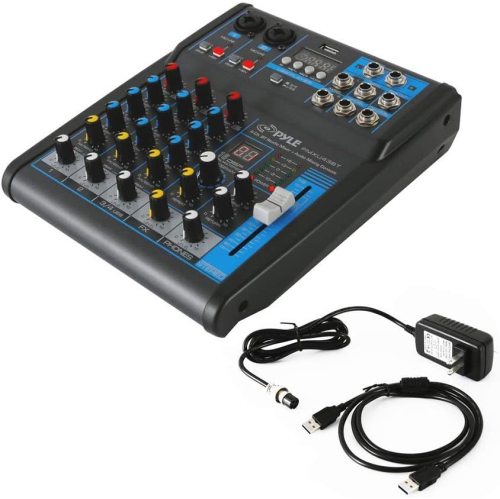
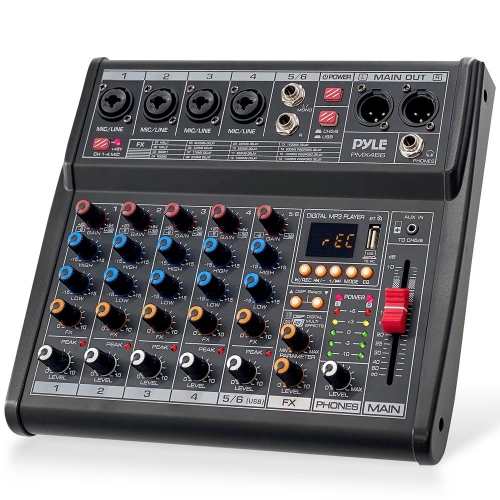
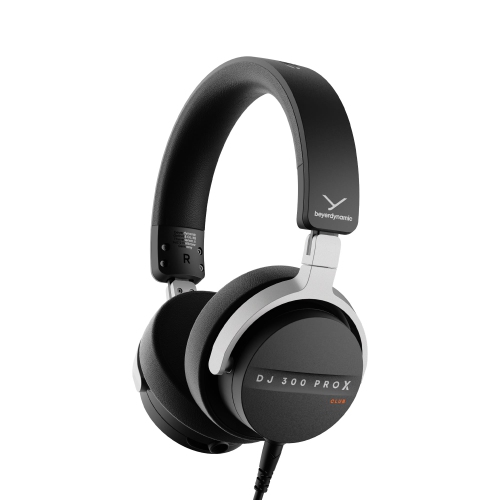
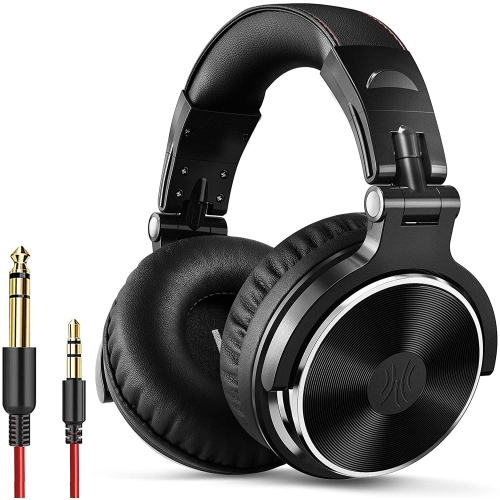
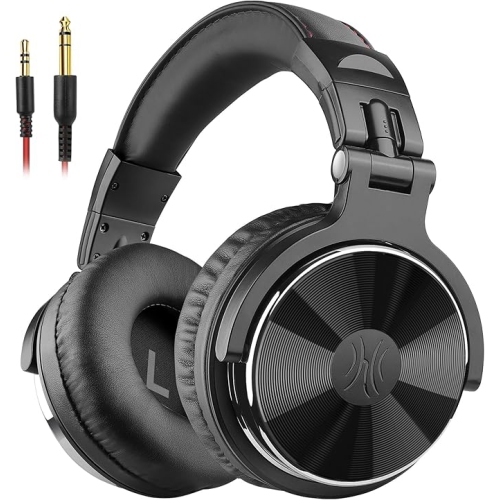
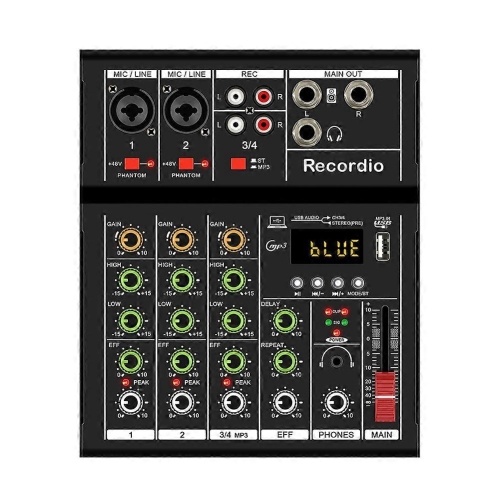
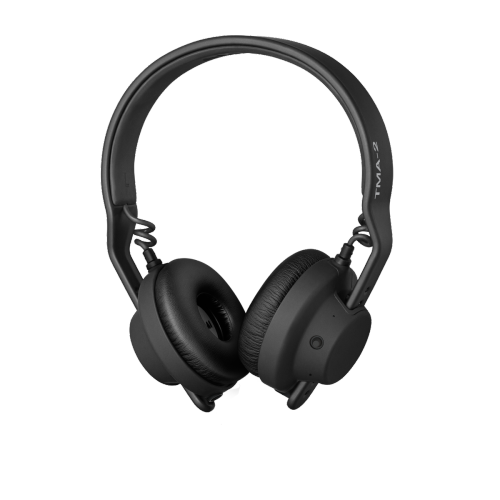
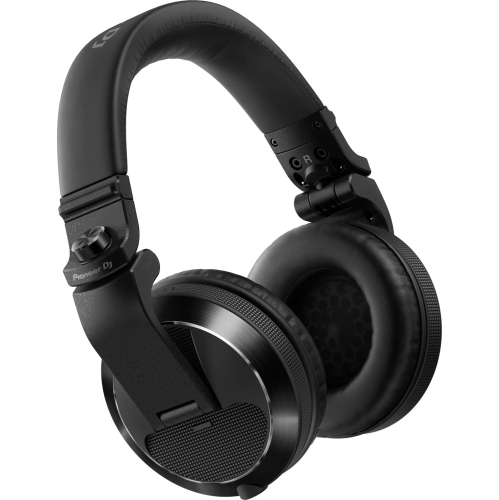
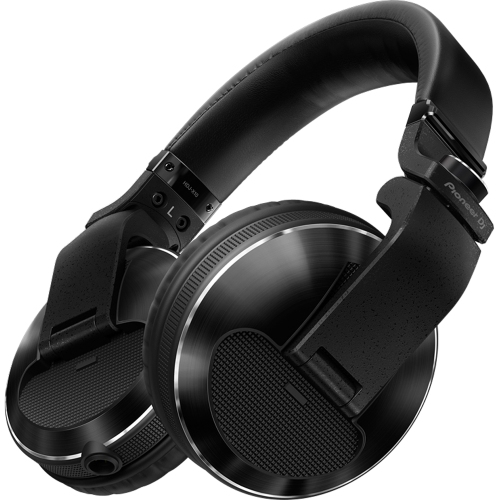
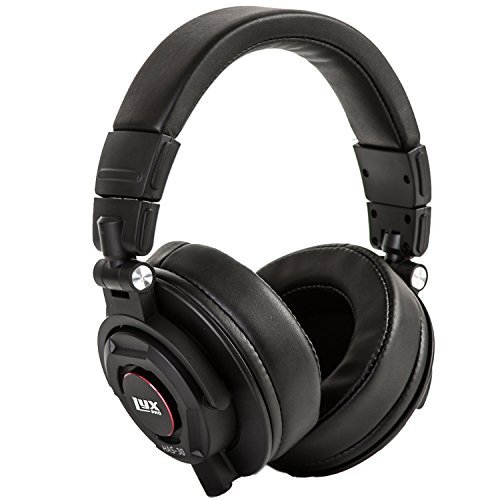
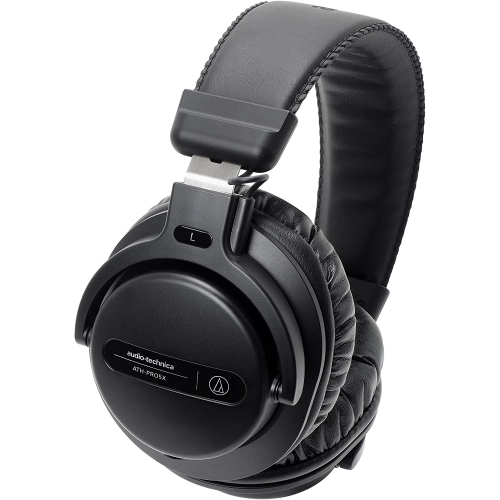
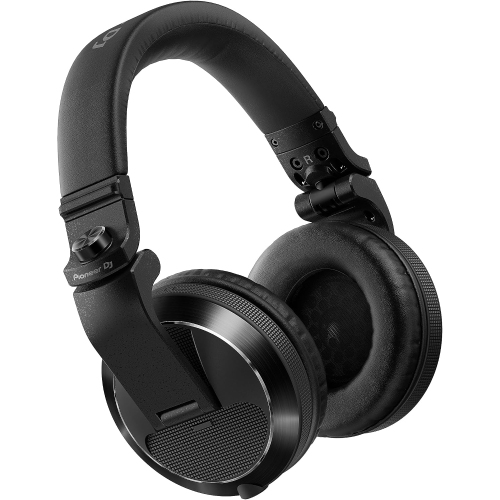
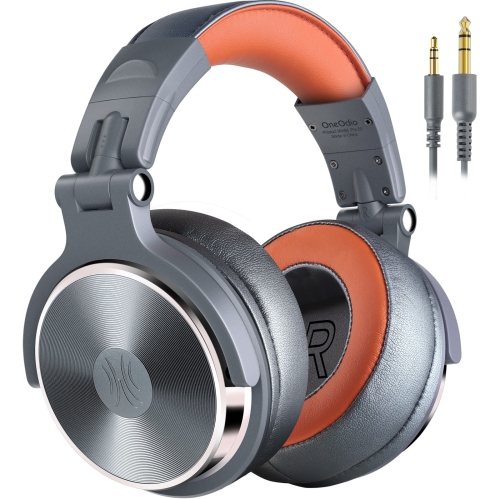
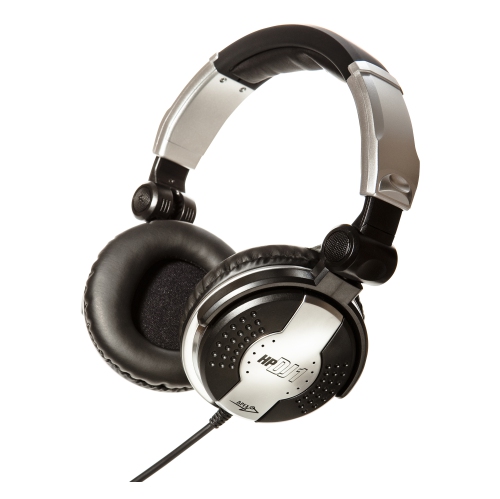
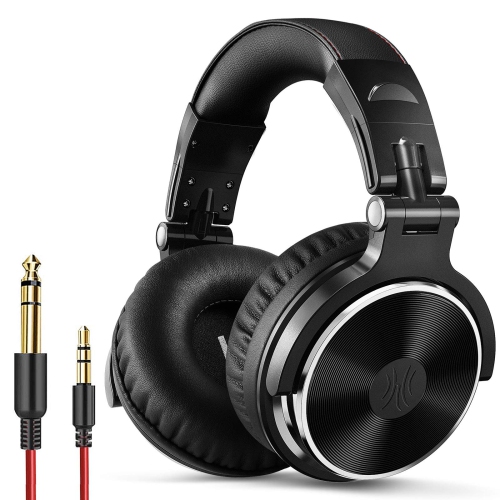
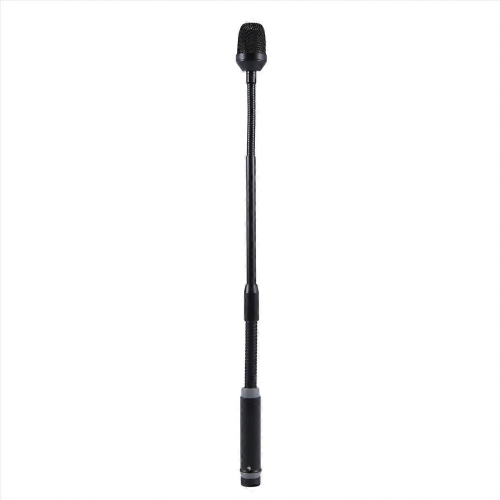
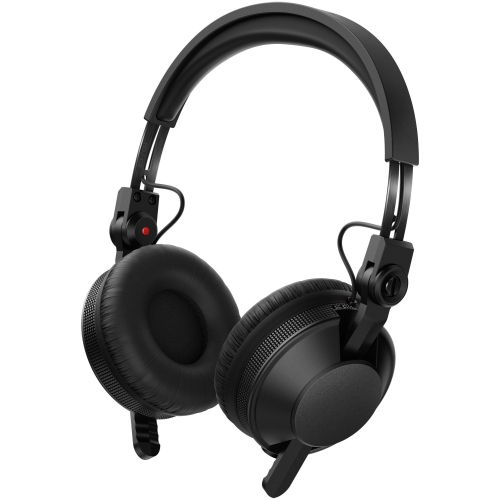
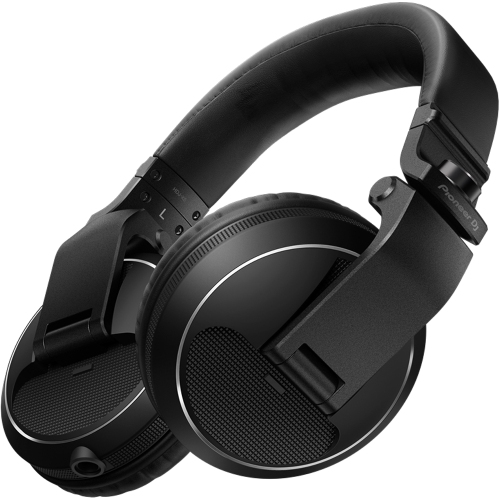
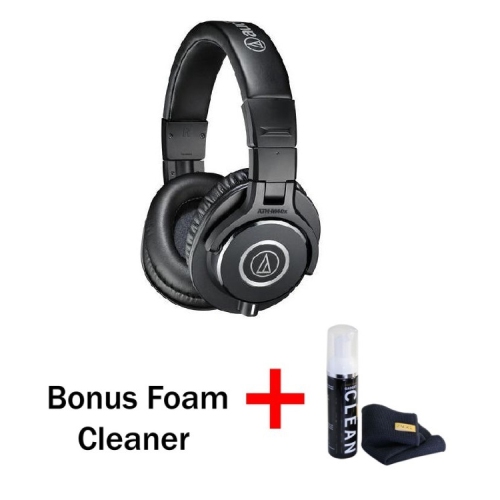
The feel and construction of DJ equipment become especially noticeable during repeated use. A firm chassis, securely mounted sockets, responsive buttons, and smooth faders contribute to a dependable working surface, but materials alone do not tell the whole story. Metal faceplates can provide rigidity, while moulded housings can help keep transport weight manageable; overall assembly, control protection, and the demands of regular travel also affect durability. Jog wheels should offer a response suited to the performer’s technique, whether that means small timing corrections during a blend or more assertive movements for scratching. Motorized platters can provide a turntable-like experience, while non-motorized designs offer a different feel and often a lighter format. Pad spacing, screen visibility, and the position of headphone controls all influence comfort during a long session. A compact booth may call for a smaller footprint, whereas a permanent studio can accommodate wider spacing and separate components. Laptop-based setups also need an appropriate computer, supported operating system, and compatible software version; some functions may require a separate software licence. Audio connections deserve the same attention as performance controls. Phono inputs are intended for compatible turntable signals, line inputs accept suitable line-level sources, and microphone inputs support announcements or guest vocals according to their connection and gain requirements. Balanced outputs can help reduce noise pickup along longer cable runs when connected to compatible equipment, while a separate booth output allows the DJ’s monitor level to be adjusted independently of the main sound system. Headphones complete that monitoring chain. Closed-back designs can help reduce outside sound while cueing, and a comfortable headband, adjustable earcups, and replaceable cushions are useful for extended wear. The fit should remain secure when looking down at the mixer or moving between decks, without excessive pressure. Clear cue monitoring is valuable, but it does not require competing with the room at unnecessarily high volume; sensible listening levels and appropriate hearing protection remain important during loud performances.
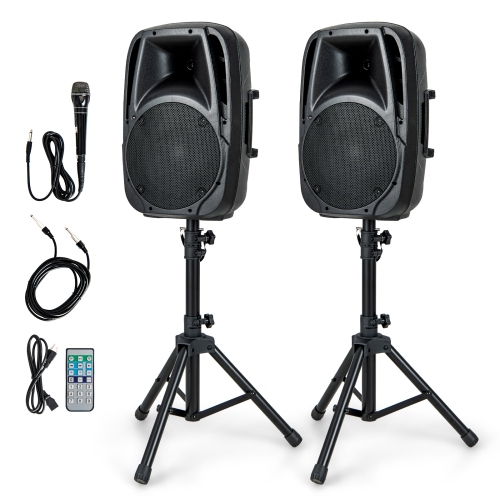
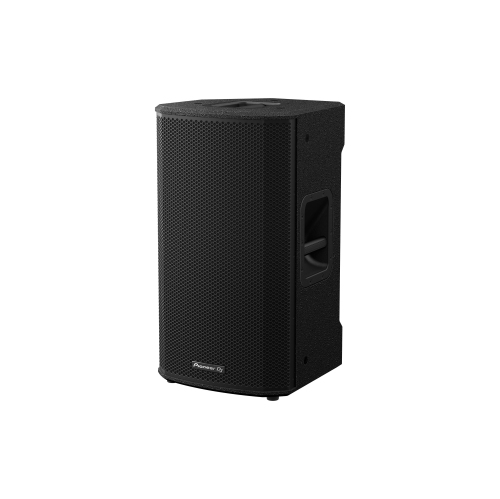
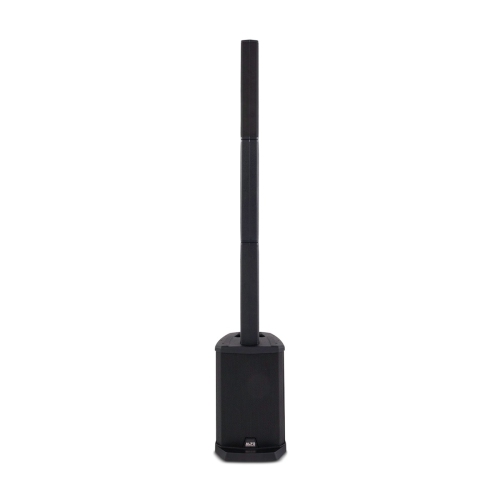
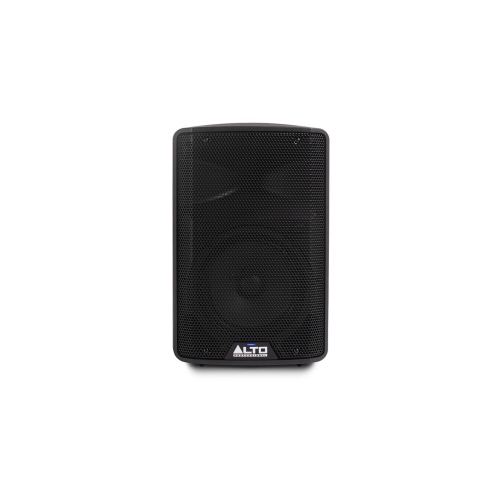
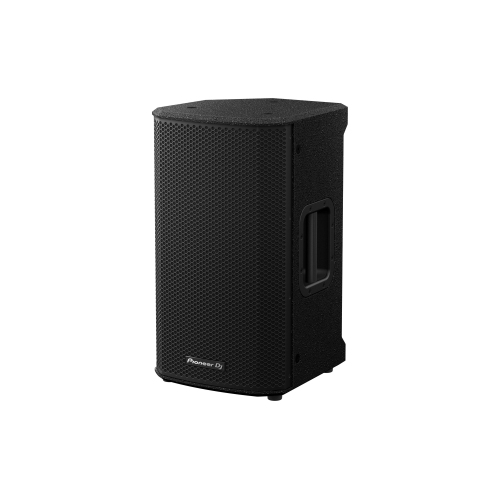
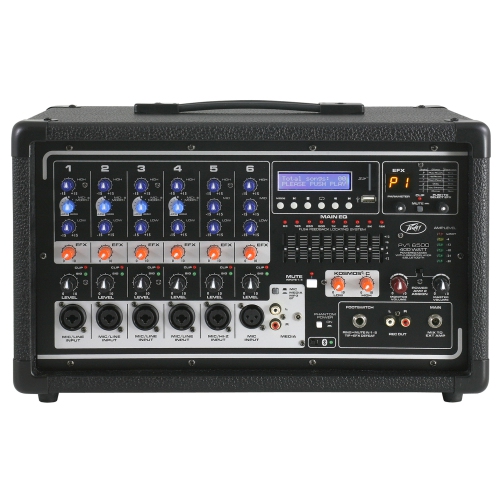
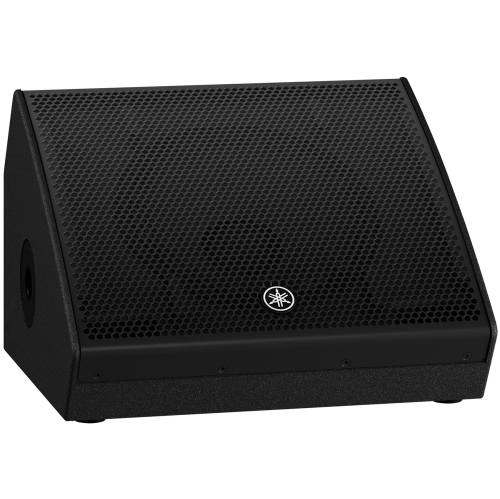
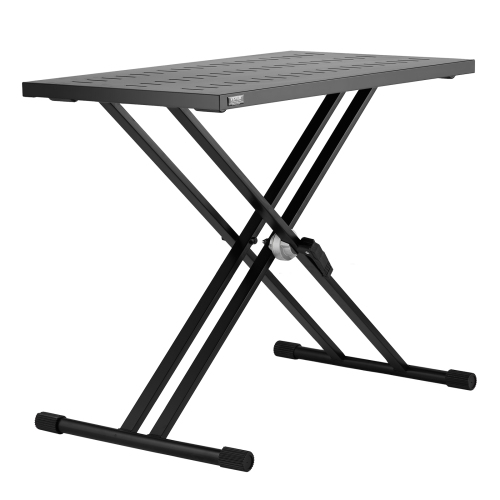
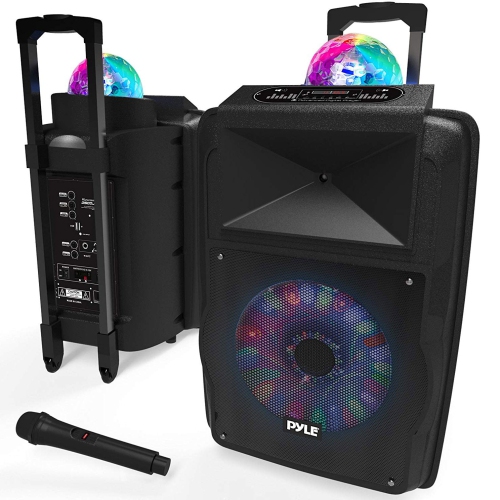
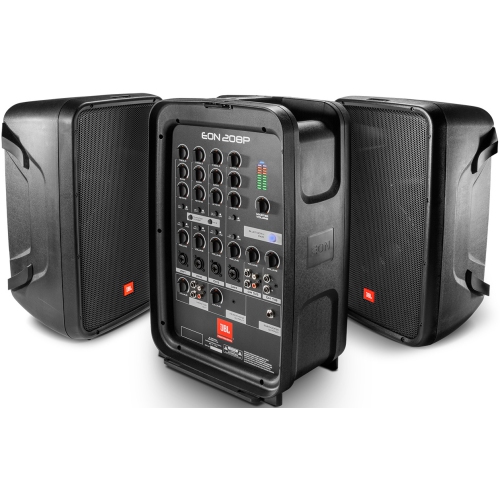
Sound reinforcement and transport equipment extend a DJ setup beyond the decks. A mixer or controller supplies an audio signal, but the audience hears it through a suitable speaker system, with amplification matched to the speakers and the application. Powered speakers have built-in amplification, while passive speakers require a compatible external amplifier. Room size, audience coverage, placement, and the balance between speech and music all influence what works well. A system for announcements and background music has different demands from one expected to deliver strong bass across a busy dance floor. Subwoofers can extend low-frequency output when properly integrated, while suitable stands help position compatible speakers for more even coverage. For performers moving between venues, Portable DJ Sound Systems are relevant to setups where transport, straightforward connections, and manageable assembly matter alongside sound quality. A mobile DJ may need to carry equipment through a narrow entrance, set up beside a reception area, and leave enough space for safe movement around the booth. Cases, bags, cable organization, and stable equipment supports make those practical details easier to manage. A correctly fitted flight case can protect controls and connections during travel, while padded bags offer lighter protection for suitable equipment. Covers help keep dust off surfaces between sessions, but should be removed during operation unless specifically designed otherwise. Routine care generally includes powering down before cleaning, using a soft cloth, and following the manufacturer’s directions rather than applying liquids directly to controls. Cables benefit from careful coiling and strain relief, and connections should not bear the weight of dangling adapters or tightly stretched leads. Keeping drinks away from the mixing surface is a simple precaution with considerable value in a crowded booth. Professional DJ equipment can serve working performers, event teams, music venues, and dedicated home users developing a familiar performance setup. It can also make a thoughtful gift for an experienced DJ when their preferred layout, software, and connection requirements are known. Across those uses, the strongest setup is a coherent one: playback tools that suit the music library, controls that support the performer’s technique, monitoring that makes cueing clear, and sound equipment appropriate to the audience.
Top selling and popular products
-
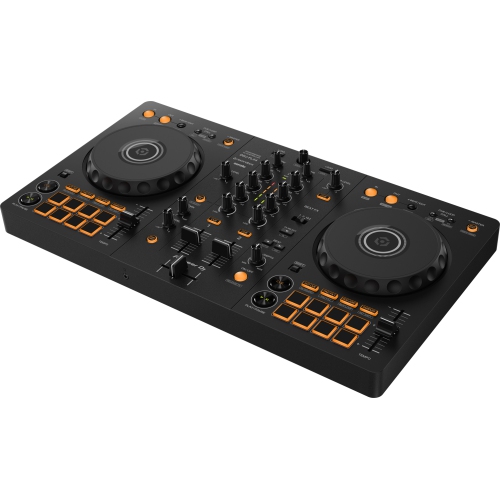 Your price for this item is $449
-
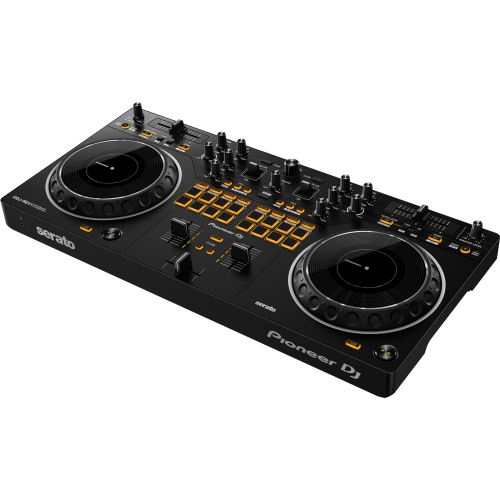 Your price for this item is $469.99
-
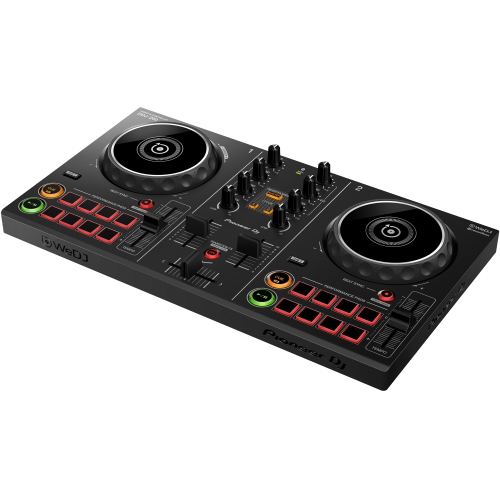 Your price for this item is $239
-
 Your price for this item is $3099
-
 Your price for this item is $2399
-
 Your price for this item is $259
-
 Your price for this item is $175.99
-
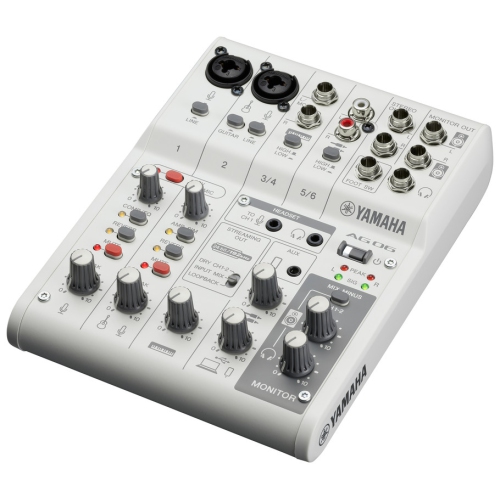 Your price for this item is $279.95
Discover more categories related to Professional Dj Equipment
Top Collections:
Pokemon Centers, Kindle Devices, Best Budget Office Chairs, Canon G7X Cameras, Apple iPhones 16, Samsung Galaxy Phones, Refurbished Apple Laptops, Laptops for Students, iPhone 15 Apple, Budget Smartphones
Some products may be subject to Environmental Handling Fees
(EHF) depending on your province.
Learn more about EHFs.