Dough Hooks

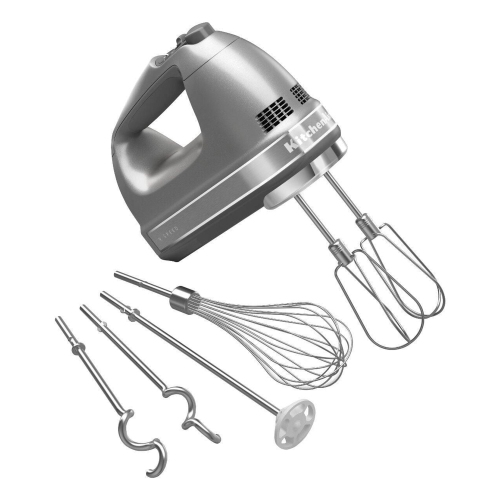
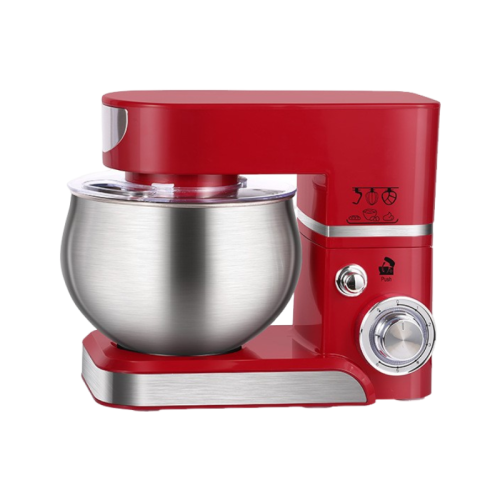
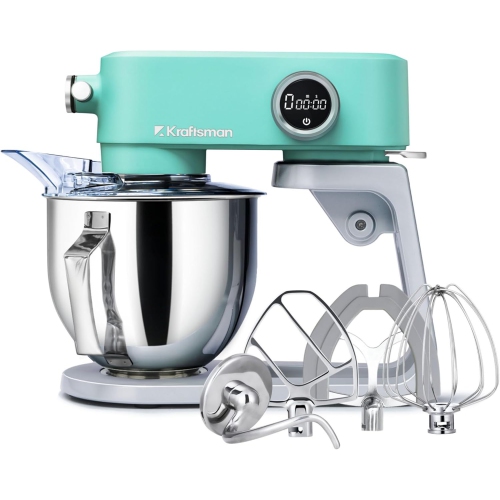
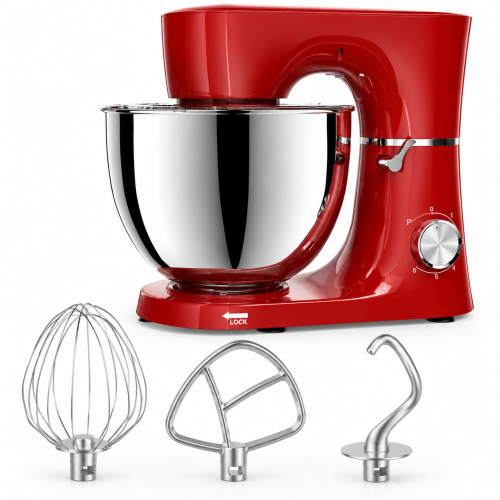
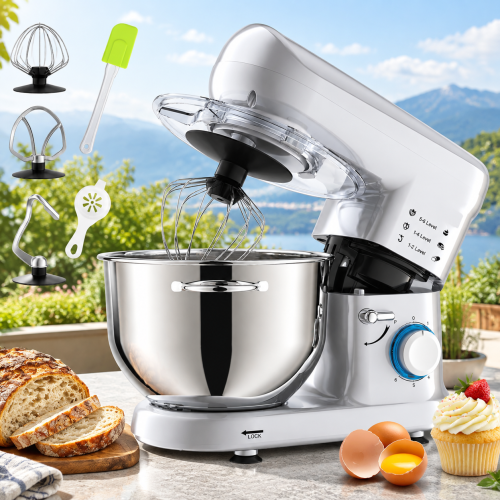
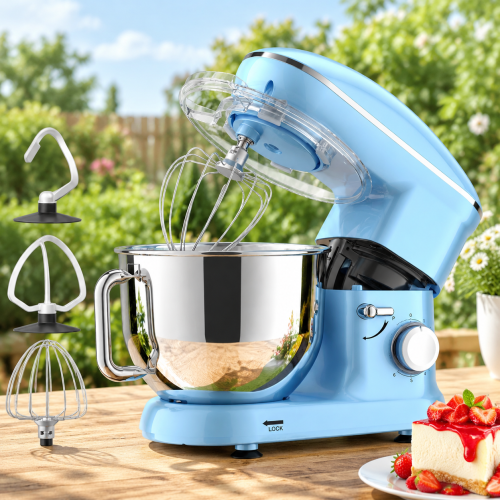
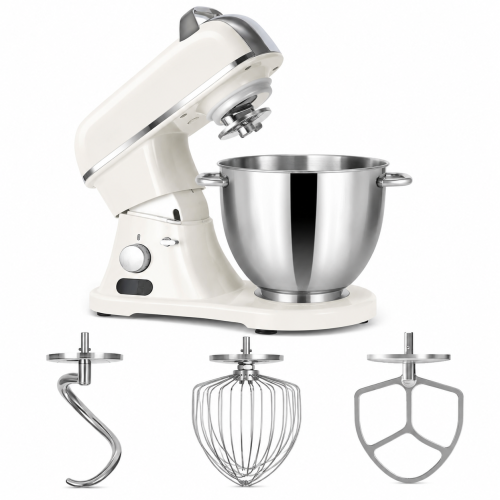
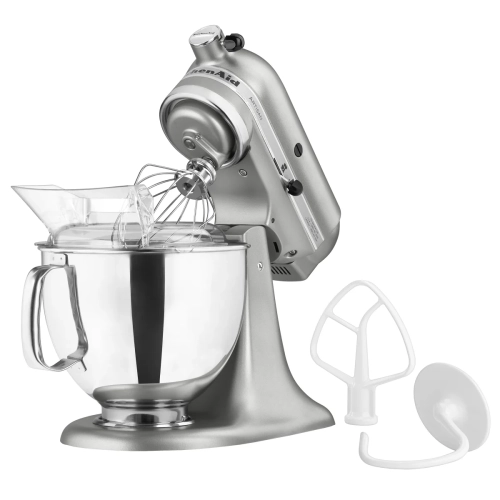
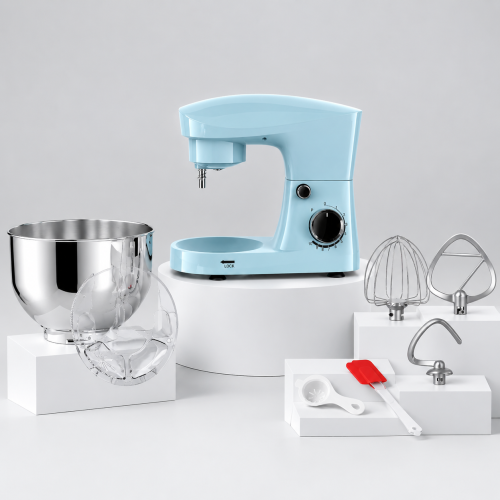
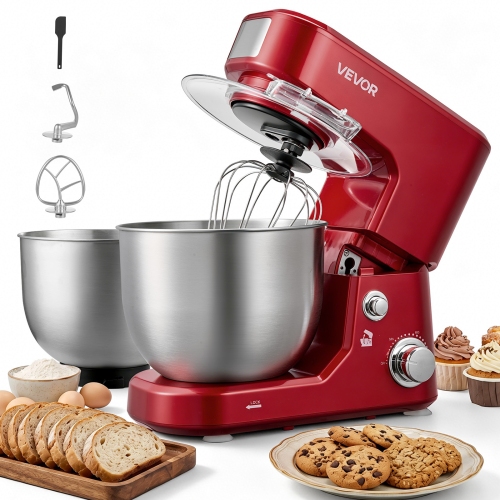
Find a dough hook for your stand mixer to help mix and knead bread or pizza dough. Browse replacement dough hooks and compare each attachment’s listed compatibility with your mixer’s brand, model, and bowl size before choosing.
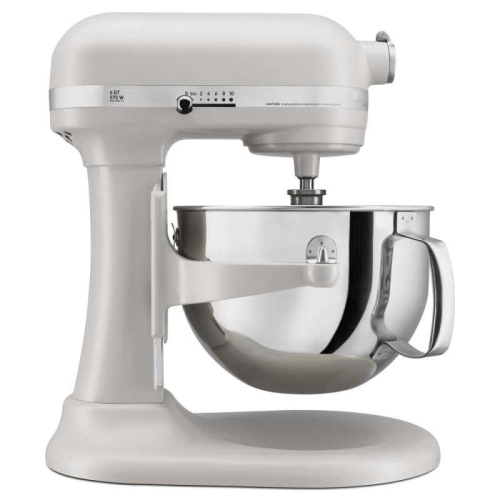
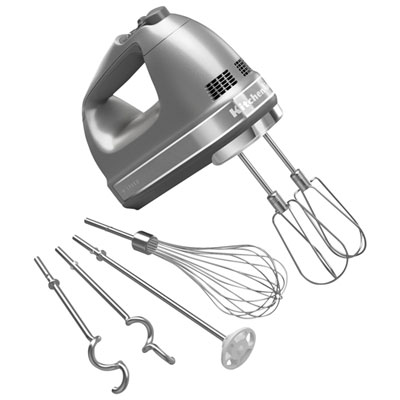
Sort

Less hands-on kneading for bread and pizza dough

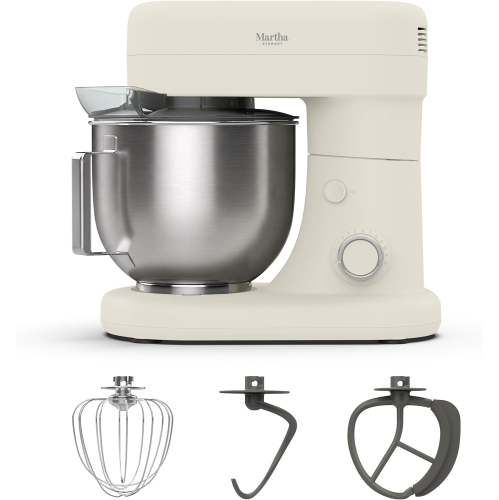
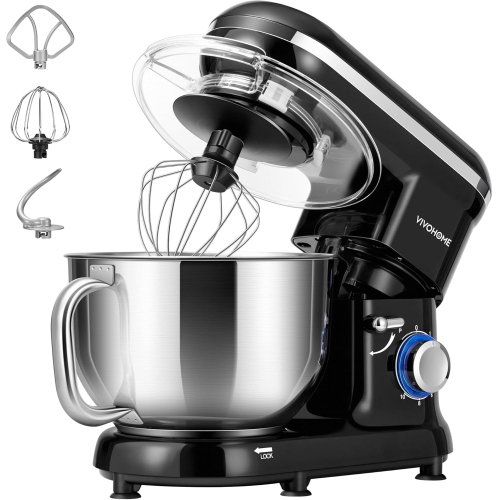
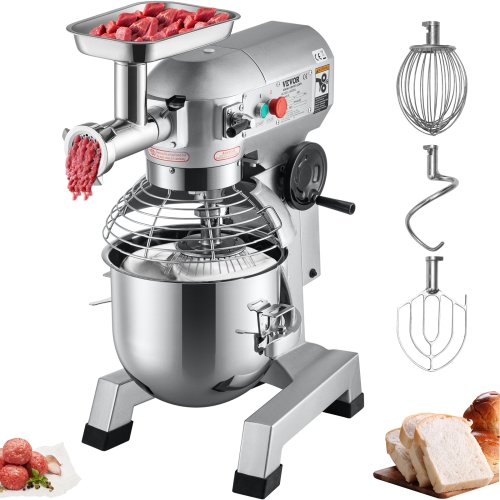
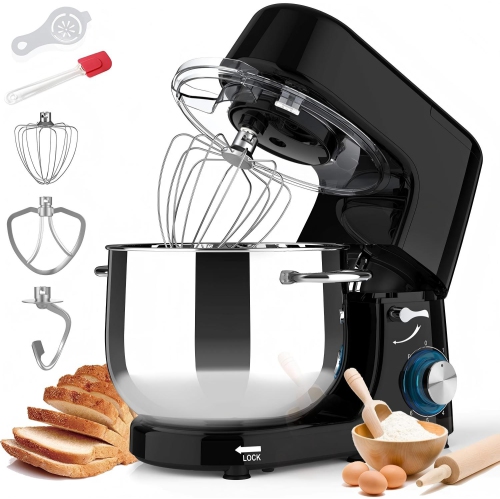
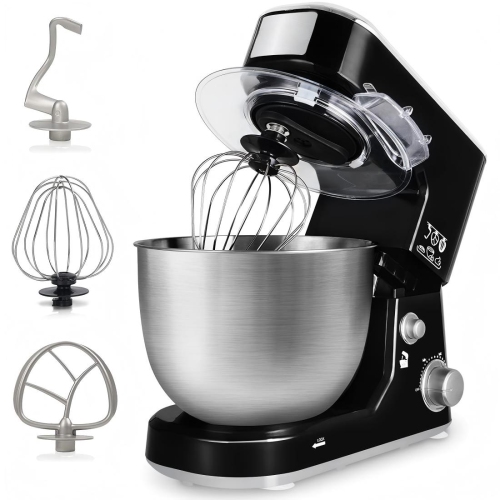
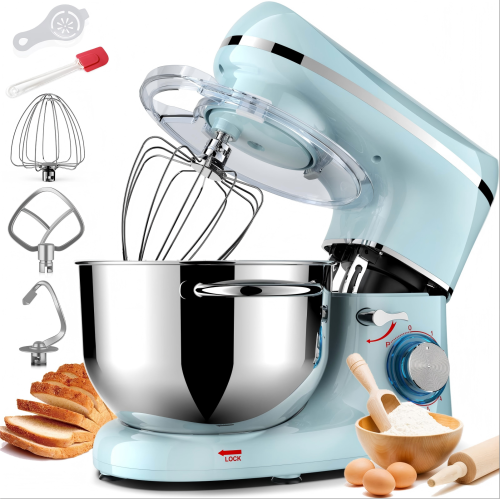
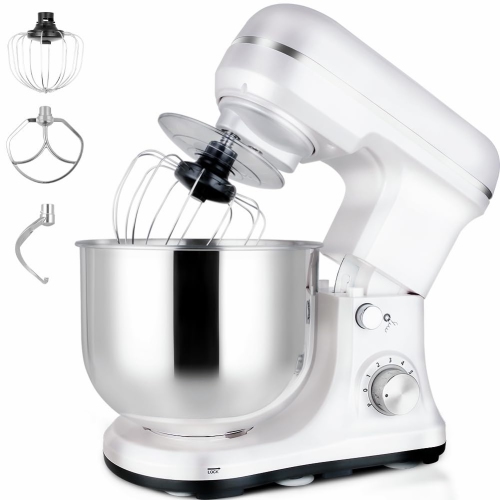
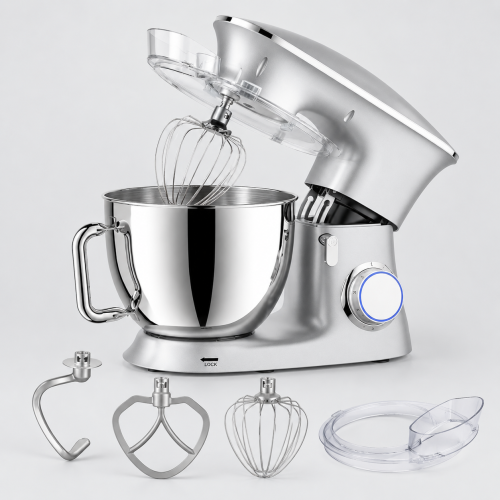
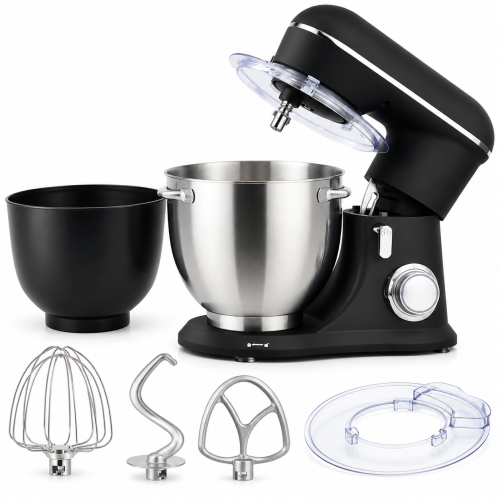
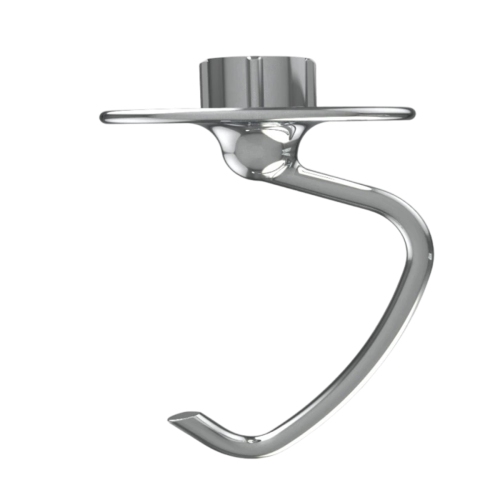
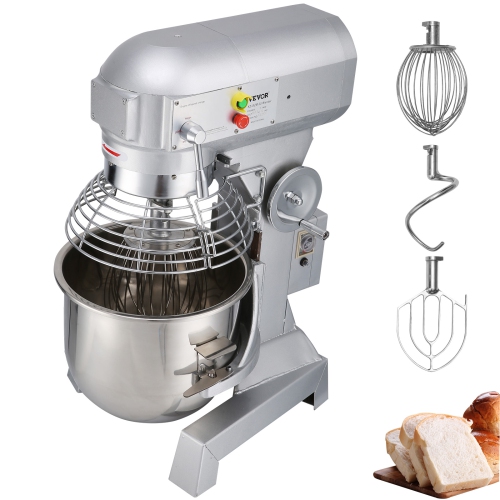
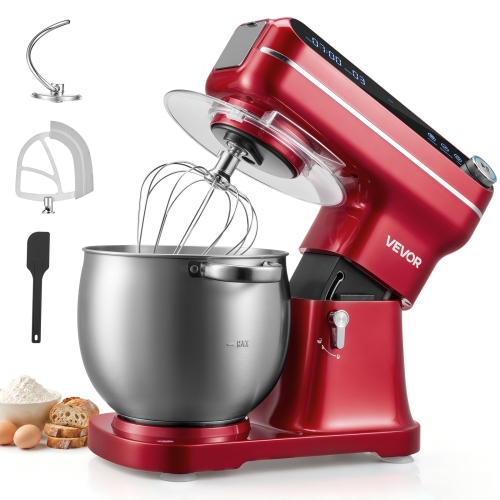
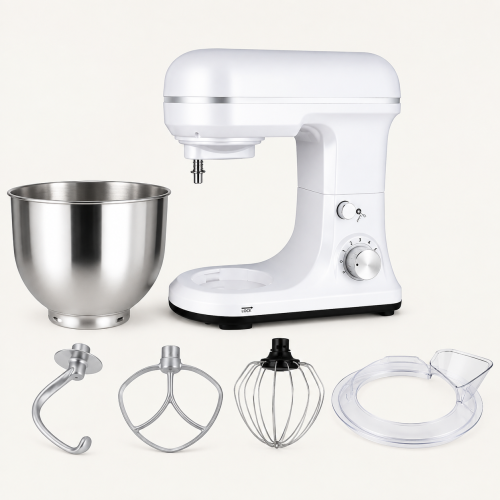
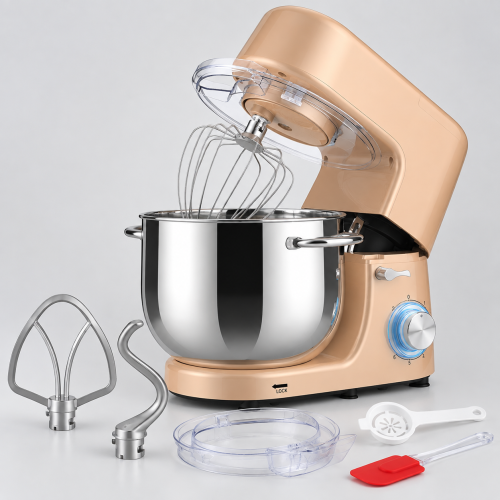
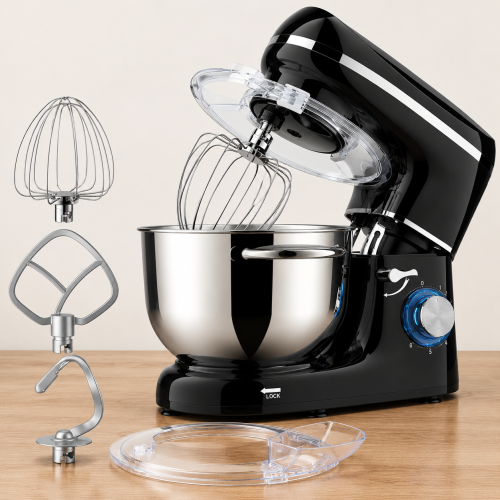
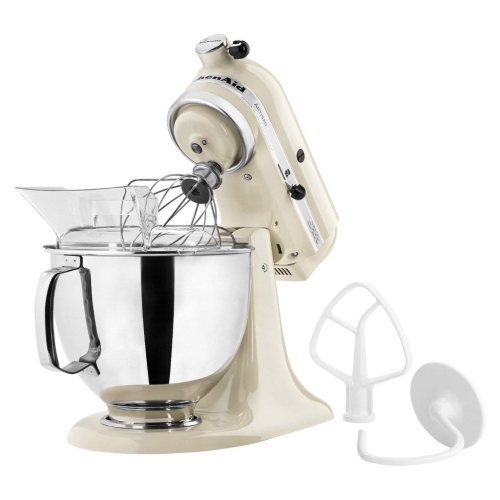
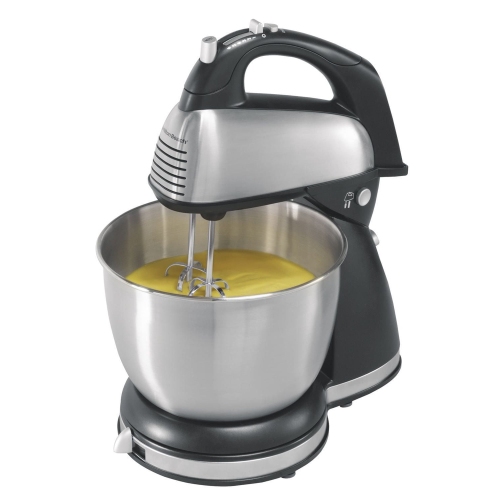
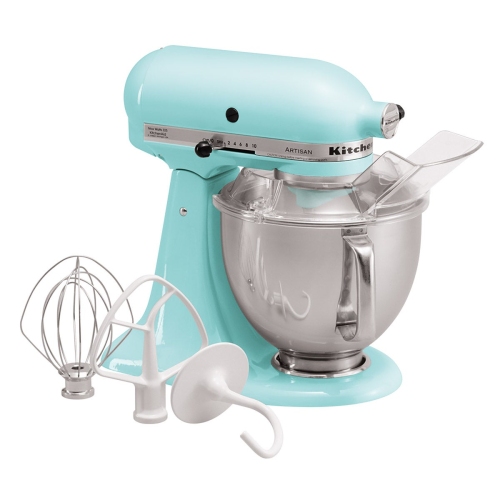
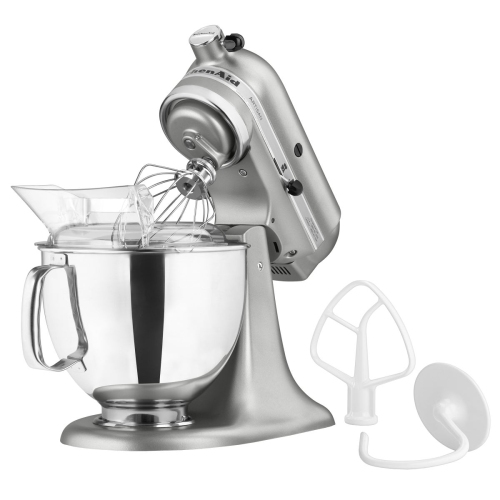
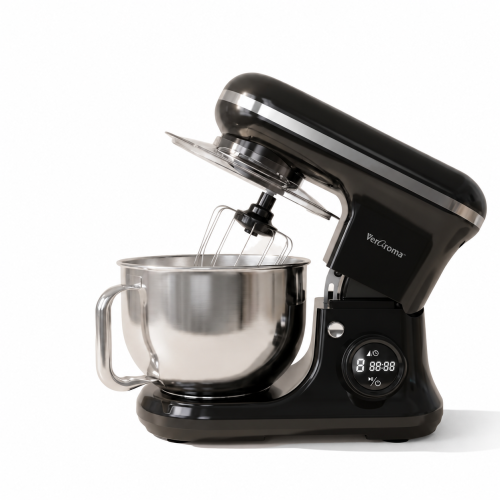
Dough hooks are mixer attachments designed to bring dough together and knead it with less hands-on effort than working entirely on a counter. Their curved shape catches, stretches, and folds the mixture as the mixer runs, helping develop the gluten structure that gives wheat-based bread its elasticity and chew. For someone who regularly makes sandwich loaves, pizza bases, dinner rolls, or enriched doughs, a suitable hook can become a familiar part of the baking routine. A shaggy mixture of flour and water gradually gathers into a more cohesive mass, while the hook handles much of the repeated movement that would otherwise happen by hand. Unlike a wire whisk, which incorporates air, or a flat beater, which is generally suited to batters and softer mixtures, a dough hook is built for the resistance of kneading. That distinction matters when a mixture becomes thick enough to pull against the attachment rather than flow around it. Dough hooks are useful for many bread recipes, but they are not interchangeable tools for every baking task. Pastry dough often needs a lighter touch, and gluten-free mixtures can behave more like thick batters, making a different attachment more appropriate depending on the recipe and mixer instructions. Even with a well-matched hook, results depend on the flour, hydration, ingredient order, and mixing time. A soft dough may cling to the bowl for part of the process, while a firmer dough may gather around the hook sooner; neither appearance alone tells the whole story. The attachment supports the kneading stage rather than replacing the judgement involved in baking. Resting, shaping, and proofing still influence the finished loaf. For everyday bakers, the appeal is a repeatable way to work dough while reducing the amount of manual kneading needed, whether the goal is a tender bun with a fine crumb or a pizza crust with enough strength to stretch without tearing.
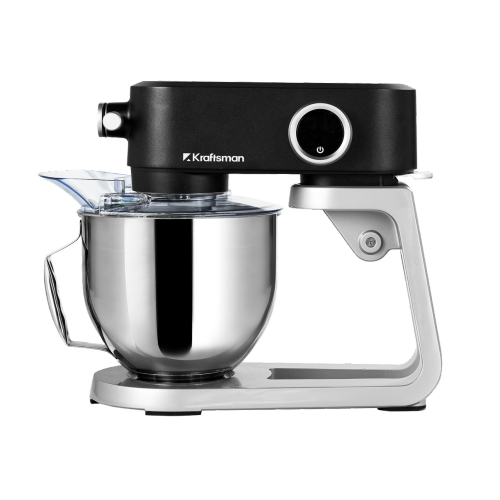
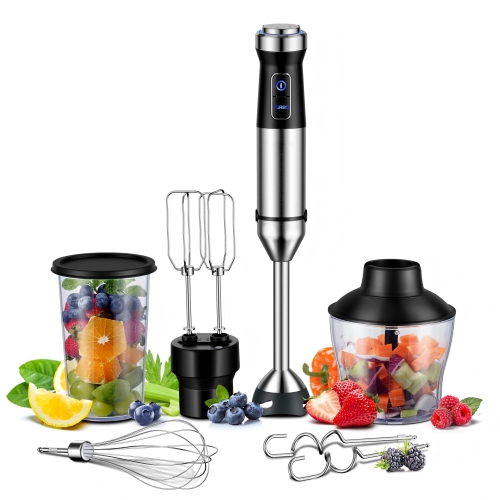
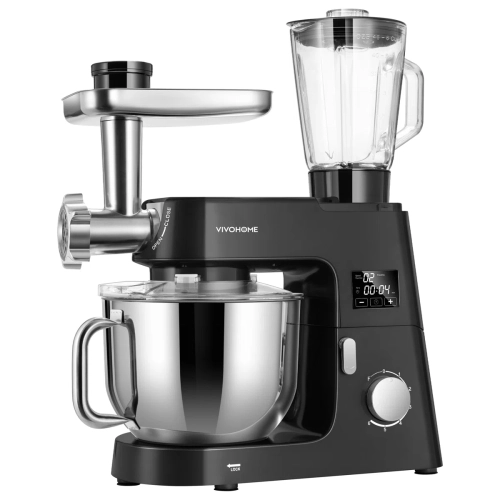
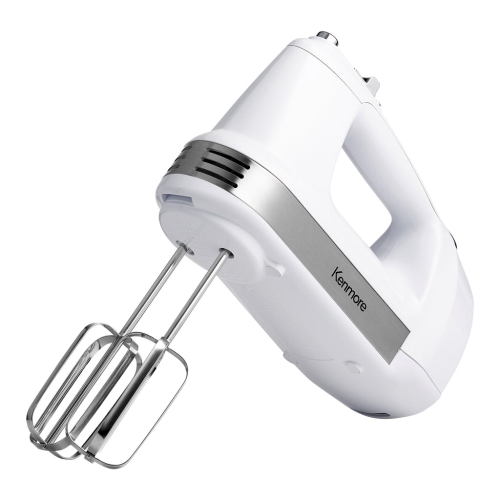
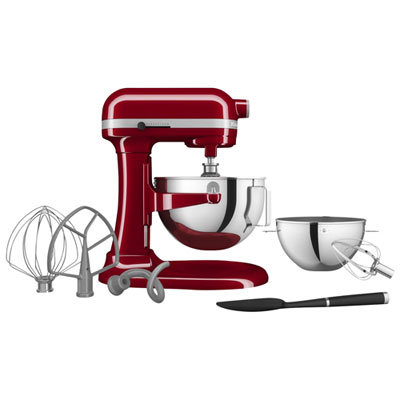
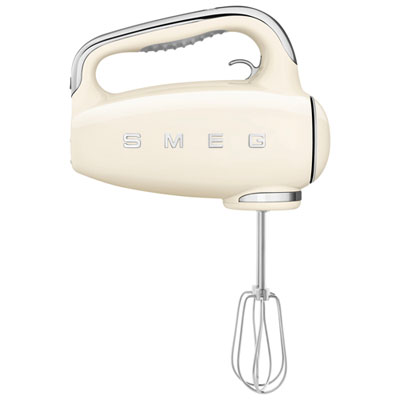
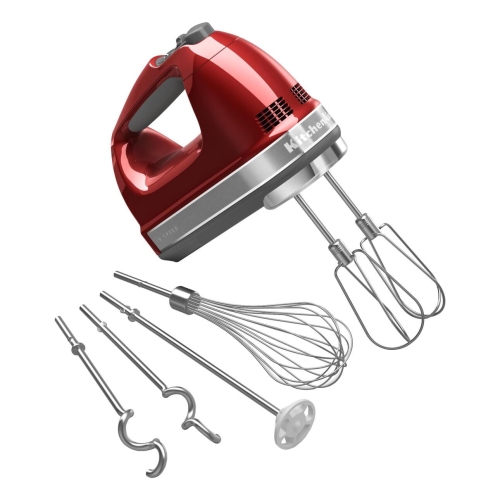
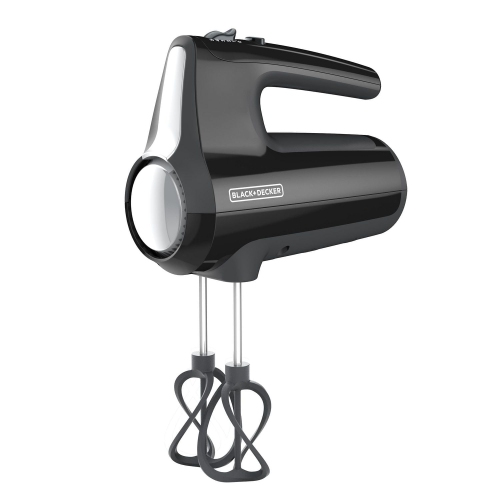
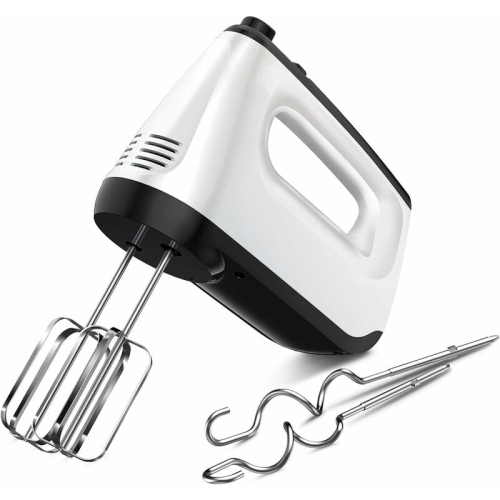
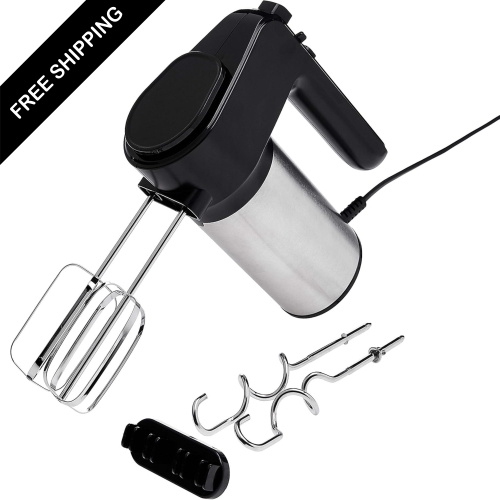
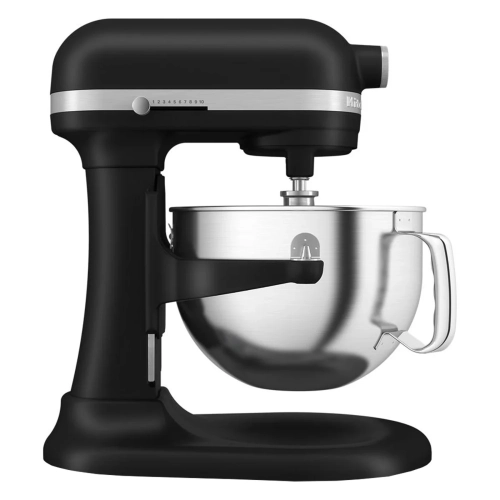
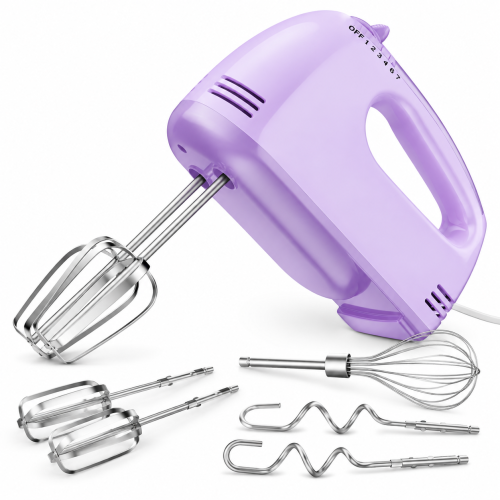
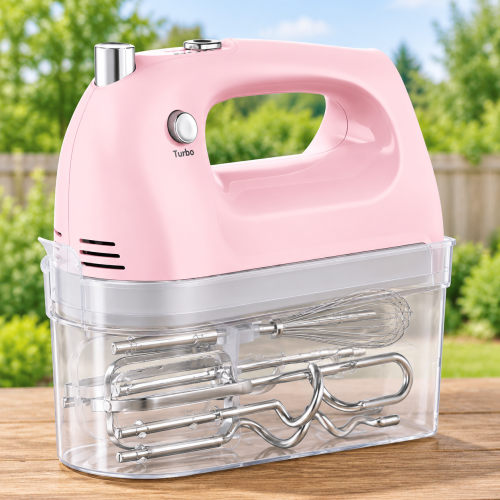
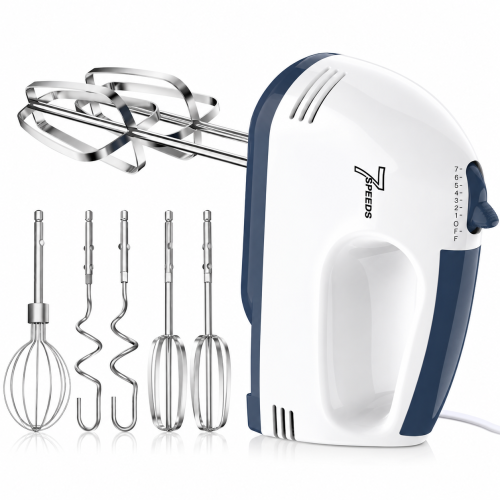
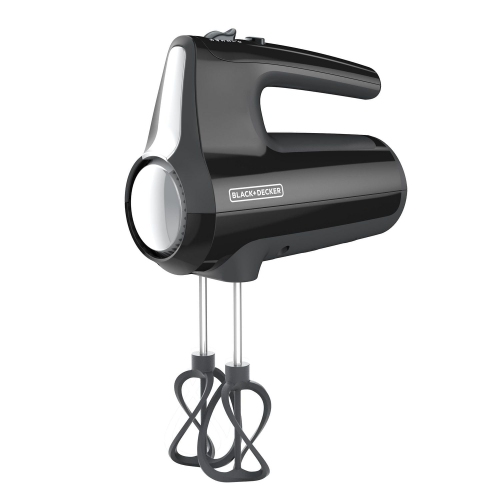
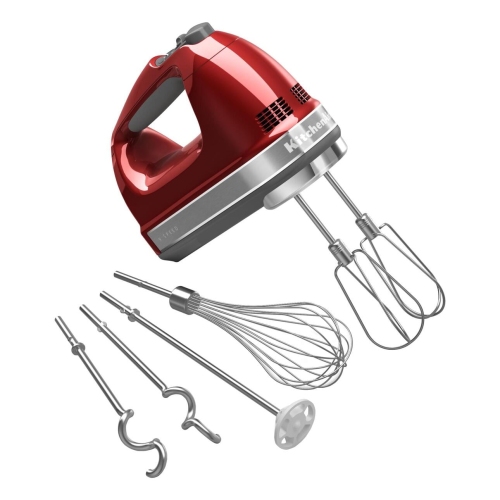
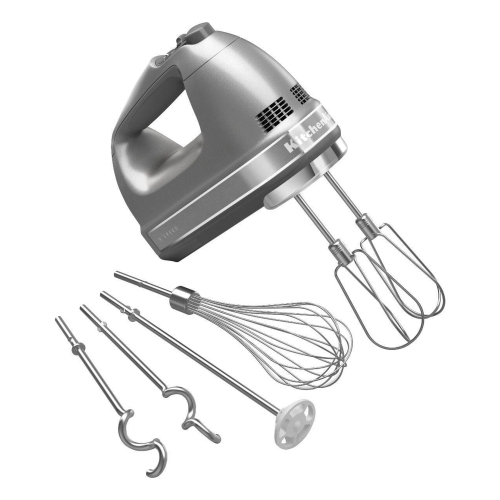
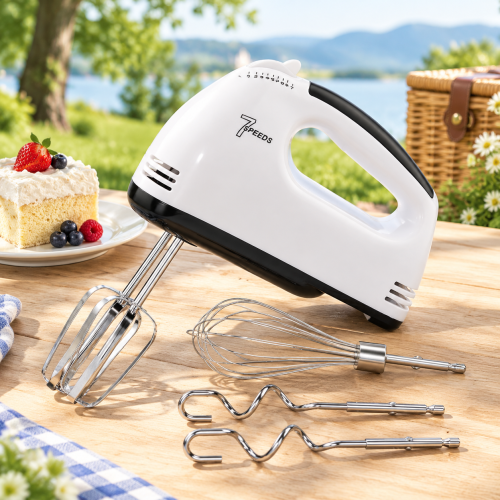
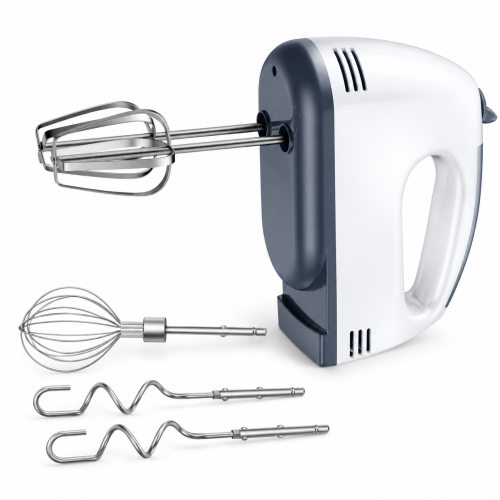
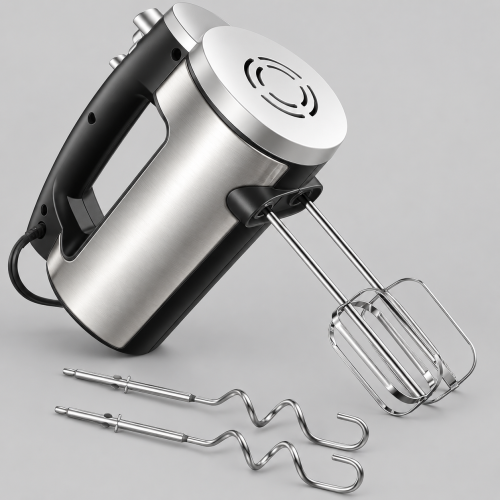
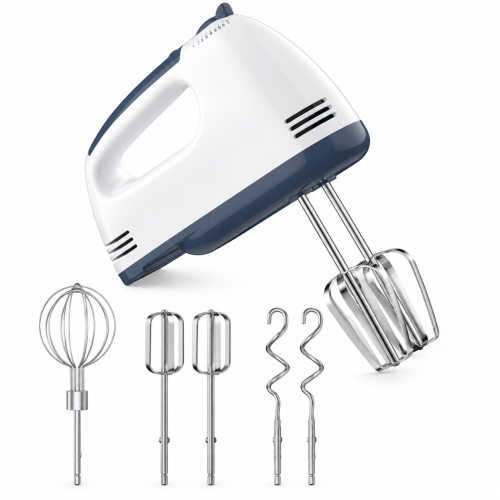
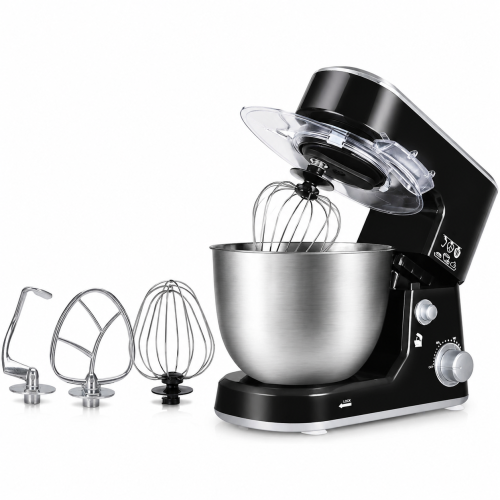
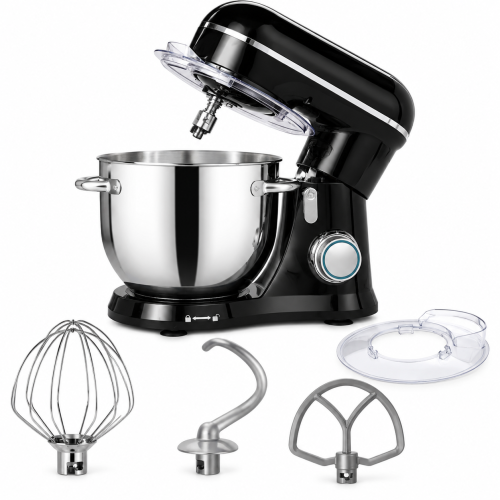
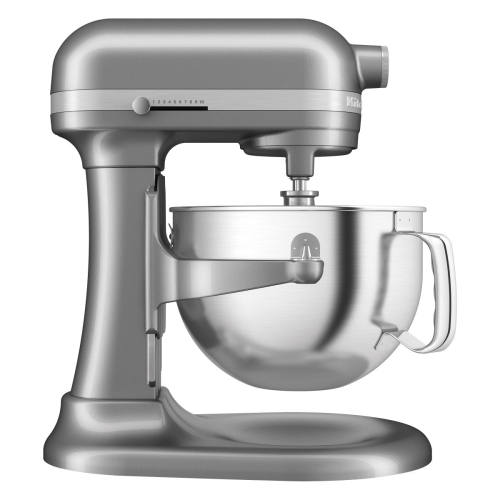
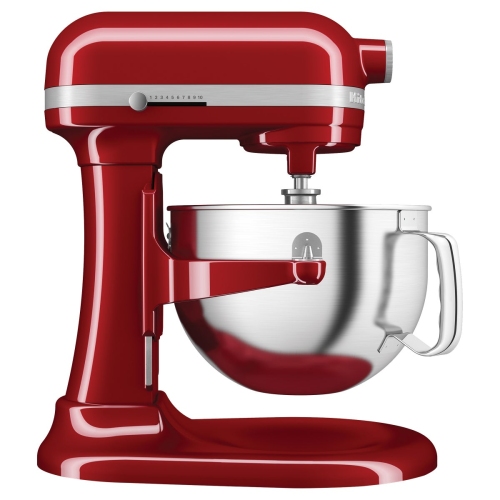
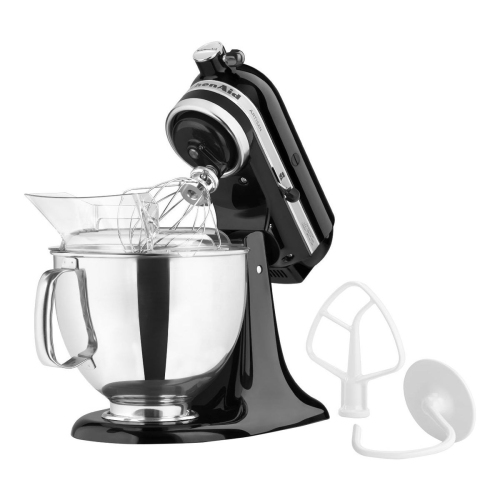
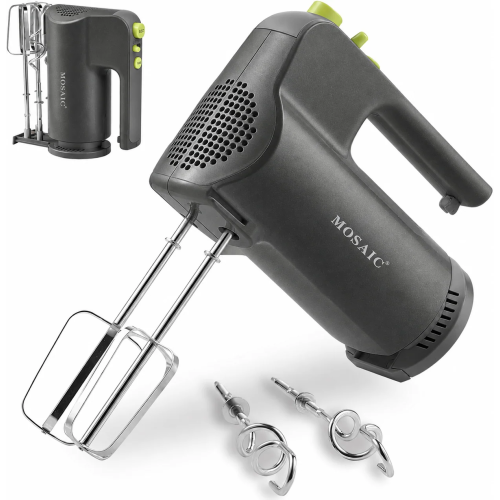
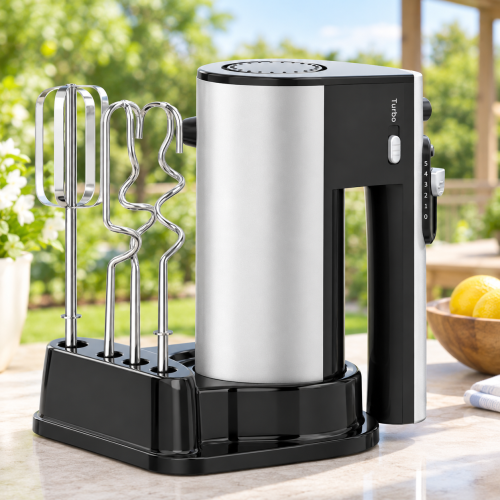
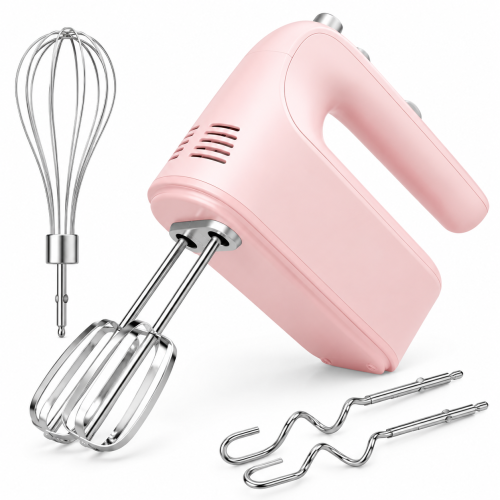
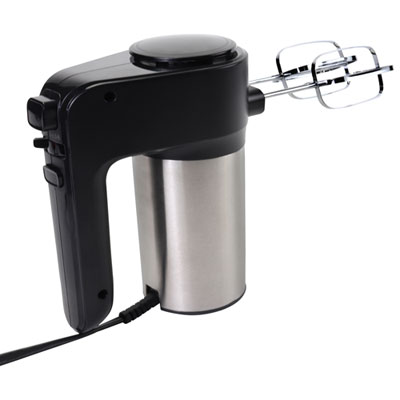
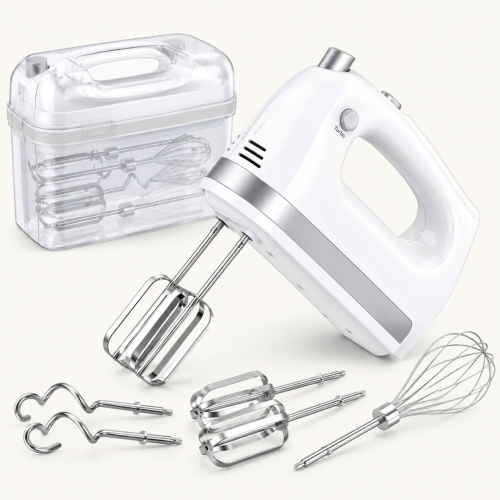
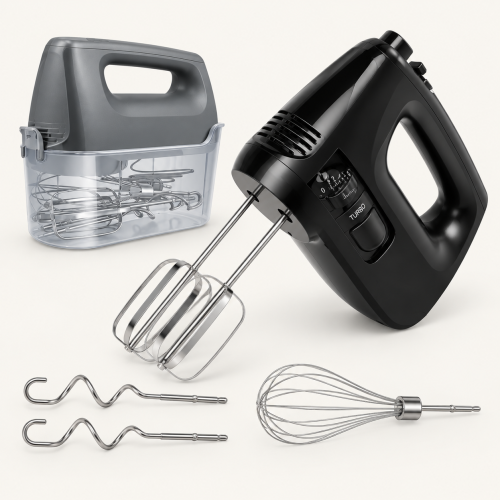
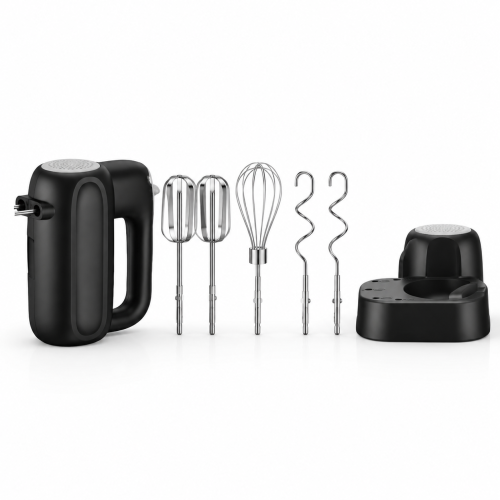
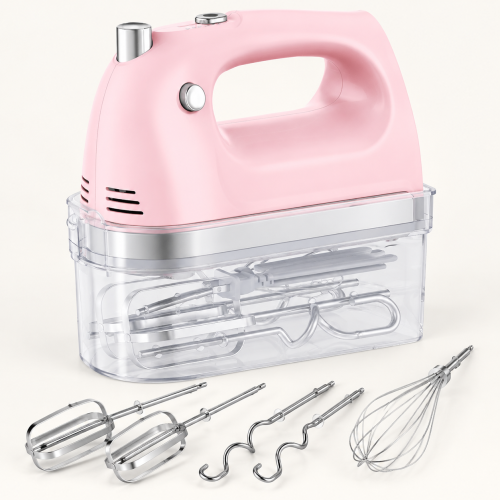
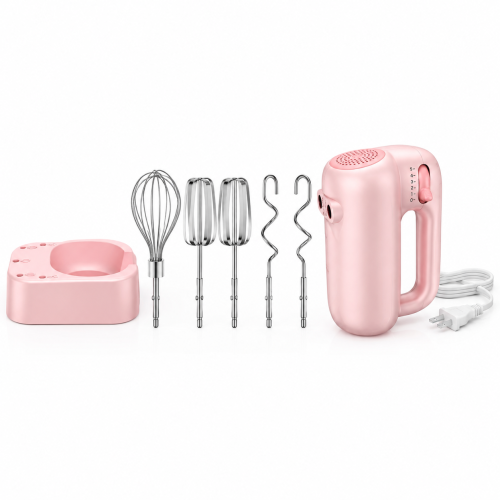
Fit is central to how a dough hook performs, because the attachment must work with both the mixer’s drive connection and the shape of its bowl. Hooks that look similar can differ in shaft length, attachment mechanism, curve, and clearance, so appearance alone is not a reliable sign of compatibility. A hook intended for one mixer family or bowl size may sit too high, reach too low, or fail to connect securely on another. Tilt-head and bowl-lift mixers can also use different attachment designs, even when their stated capacities seem comparable. C-shaped and spiral hooks are common forms, but their kneading action depends on the machine they were designed for; a spiral shape is not automatically an upgrade for a mixer built around another style. The useful pairing is the one specified for the mixer, with the correct connection and enough room for the dough to move as intended. Some hand mixers use a matched pair of dough hooks rather than a single stand-mixer attachment, and those pairs can have distinct left and right positions. Bowl capacity is only part of the picture, too. A mixer’s permitted dough quantity can vary with the recipe, since a stiff dough places a different load on the motor than a softer mixture. Very small batches may sit below the hook’s effective reach, while oversized batches can climb the attachment or strain the machine. Manufacturer guidance on compatible attachments, minimum and maximum quantities, and kneading speeds provides a useful basis for matching the hook to the baking task. A baker making a modest batch of rolls has different requirements from someone regularly preparing several loaves, even if both use the same basic ingredients. The broader relationship between attachment, bowl, and motor is also relevant when considering Dough Mixers for Bakers. A correctly matched hook allows the mixer to do its intended work without relying on extra speed or an improvised fit to move the dough.
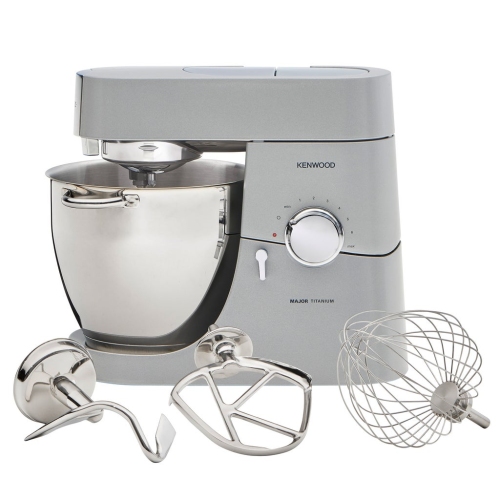
Materials and surface finish affect the feel, upkeep, and long-term condition of dough hooks. Stainless steel, coated metal, and aluminium are common choices, with care requirements that can differ even between attachments that look alike. Stainless steel is valued for its strength and resistance to corrosion, while coated surfaces can make sticky dough easier to release and remove during cleaning. Aluminium hooks may have a lighter feel, but some finishes can darken or change appearance when exposed to dishwasher detergents. Dishwasher suitability should therefore come from the attachment’s care instructions rather than an assumption based on the material. After mixing, switching off and unplugging the mixer before removing the hook keeps cleanup separate from the moving mechanism. Dough is usually easier to wash away before it dries into the curve or around the connection point. Warm water, mild dish soap, and a soft cloth or brush are often suitable for hand-washable attachments; abrasive pads and metal scraping tools can damage a coating or scratch a finished surface. Thorough drying helps keep the connection area clean and ready for the next use. Durability also depends on using the hook within the mixer’s limits. Forcing it through an overly large or unusually stiff batch can put unnecessary stress on both the attachment and the machine. Chips, rough edges, distortion, or a loose fit deserve attention before further use, particularly where the surface contacts food. A hook stored in a drawer benefits from space away from sharp utensils that could knock against its finish. For a frequent bread maker, a well-matched dough hook is a practical accessory; as a gift, it makes the most sense when the recipient’s exact mixer compatibility is known. Its value comes from fitting naturally into an established routine, from mixing dough for lunchbox bread to preparing pizza bases for a family meal, with straightforward care between batches.
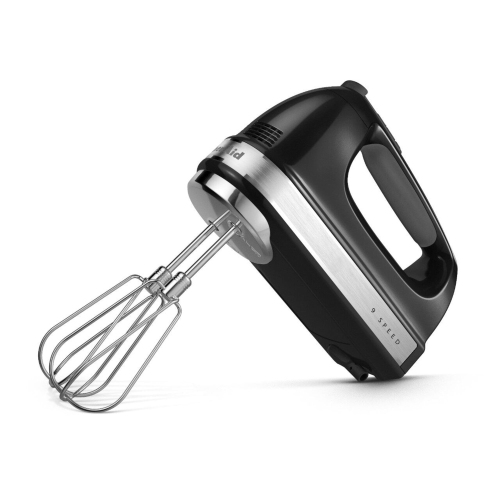
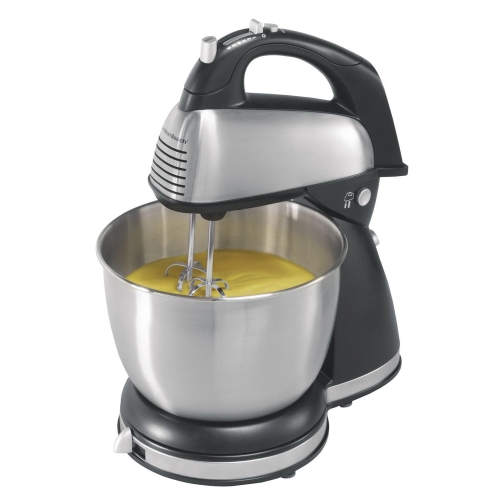
FAQ

Some products may be subject to Environmental Handling Fees (EHF) depending on your province. Learn more about EHFs.