iPhone 6 Earphones
Looking for high-quality earphones for your iPhone 6? Look no further! Whether you're a music enthusiast, a podcast lover, or someone who enjoys hands-free calling, our range of iPhone 6 earphones has something to suit every need and budget. With options ranging from sleek and stylish designs to advanced features like noise cancellation and wireless connectivity, you can find the perfect pair of earphones to enhance your audio experience. Shop now and elevate your listening pleasure with our top-notch iPhone 6 earphones!
Sort
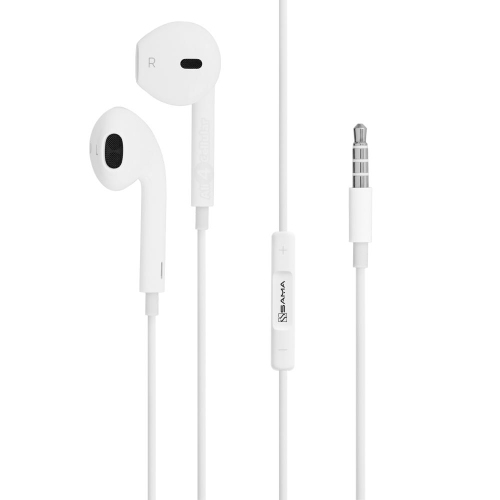
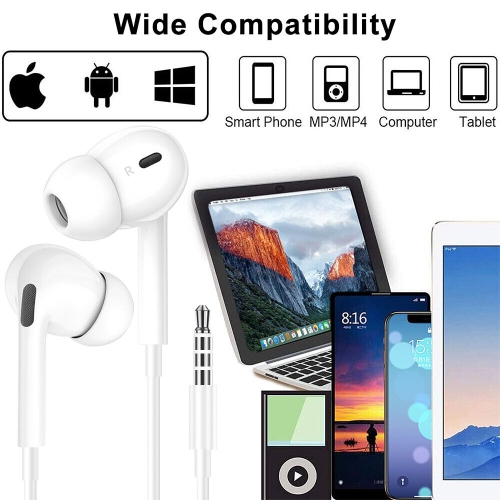
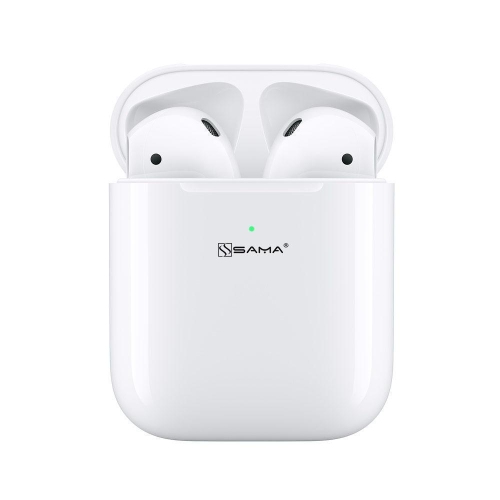
![SAMA [Box 100] Earphone With Mic 3.5MM Plug Compatible With Apple Iphone 6S 6 5S 5 4S 4, And All Other Android Devices](https://multimedia.bbycastatic.ca/multimedia/products/500x500/152/15229/15229335.jpg)
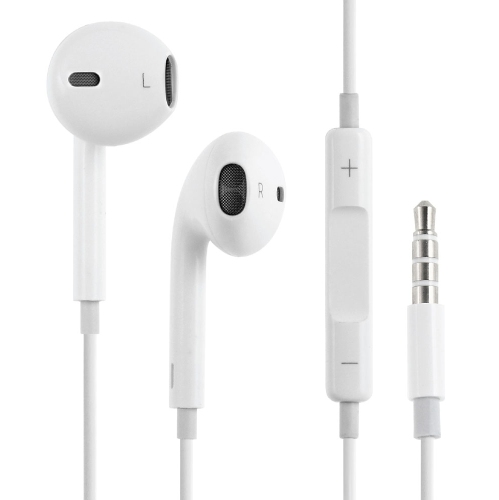

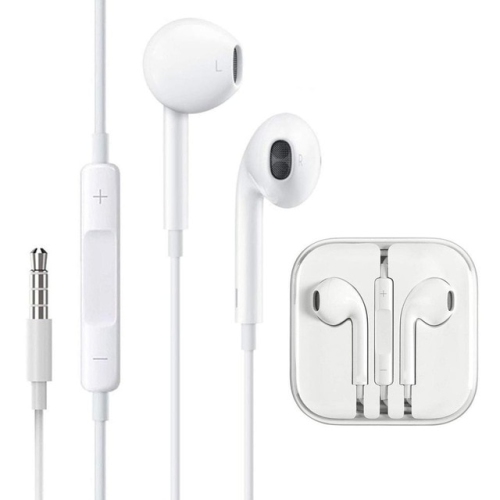
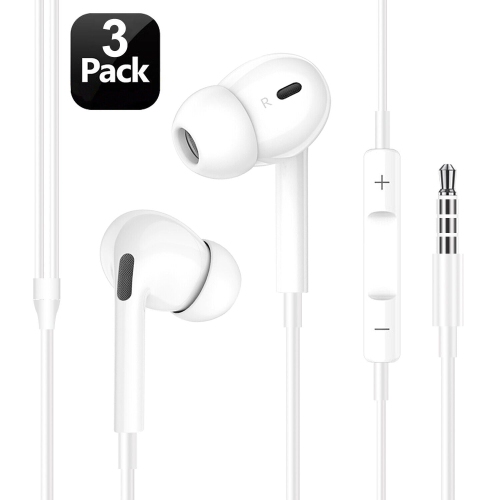
![CSMART [2 Packs] 3.5MM Audio Jack Iphone Headphones Earphones Earbuds Volume Buttons & Mic Compatible for Iphone 5 5S Se 6 6S Plus](https://multimedia.bbycastatic.ca/multimedia/products/500x500/147/14716/14716492.jpeg)
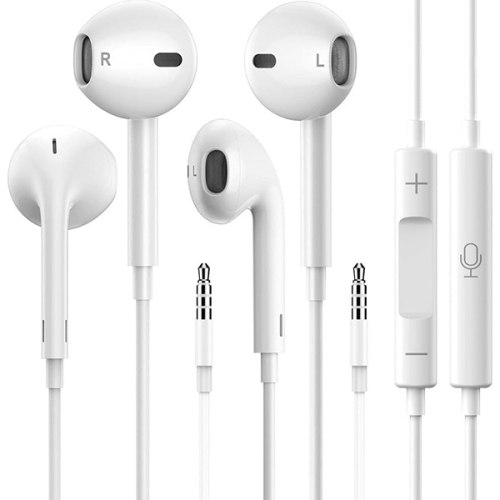
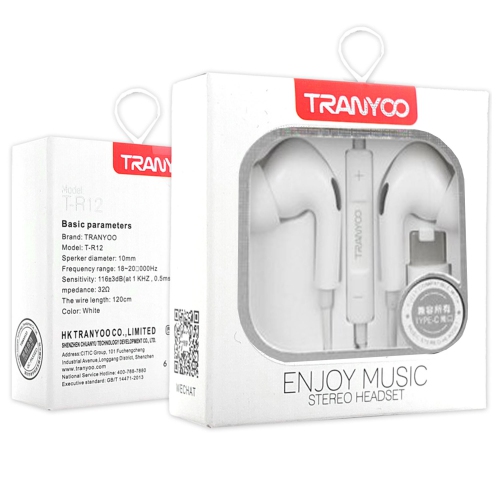
![SAMA [10 Pack] Iphone Earbuds Headphones Earphones With 3.5MM Wired In Ear Headphone Plug, Built-In Microphone & Volume Cont](https://multimedia.bbycastatic.ca/multimedia/products/500x500/154/15481/15481732.jpg)


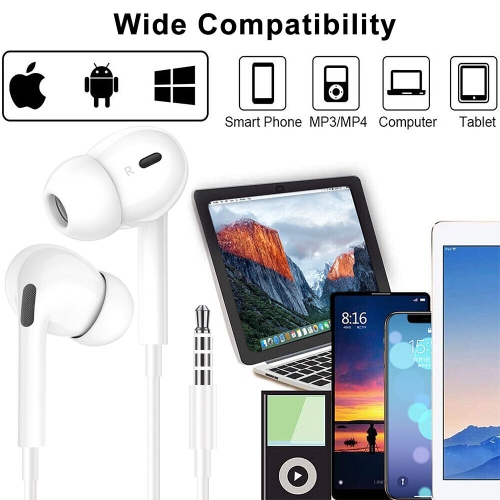
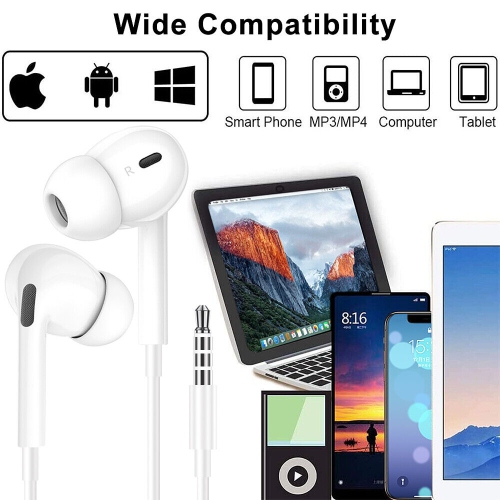
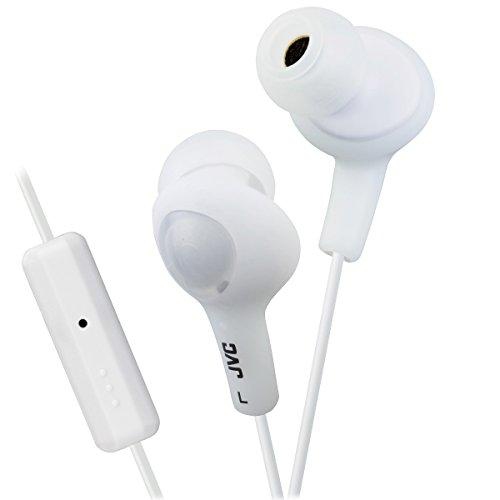
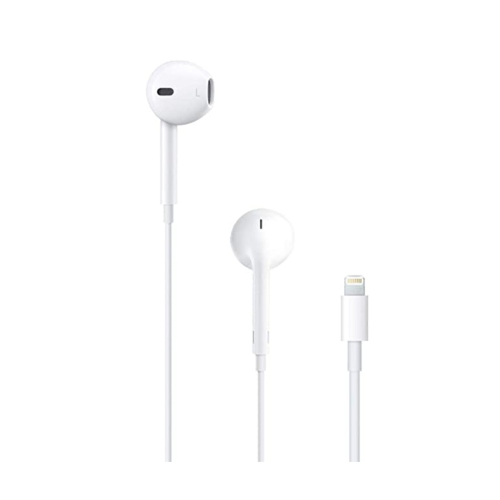
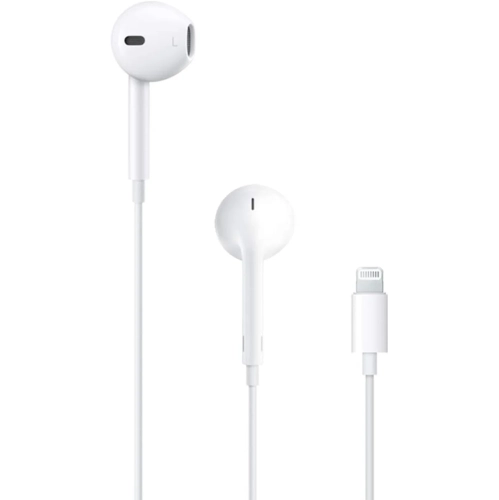
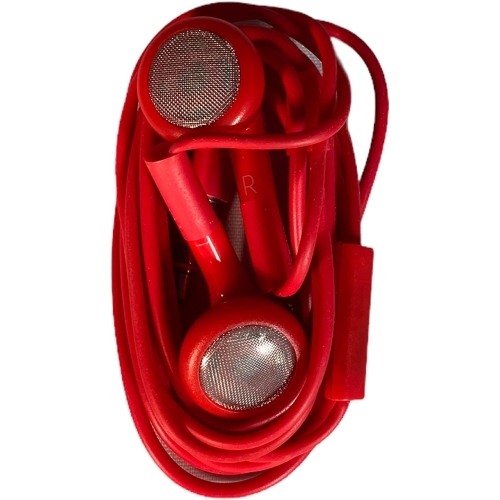
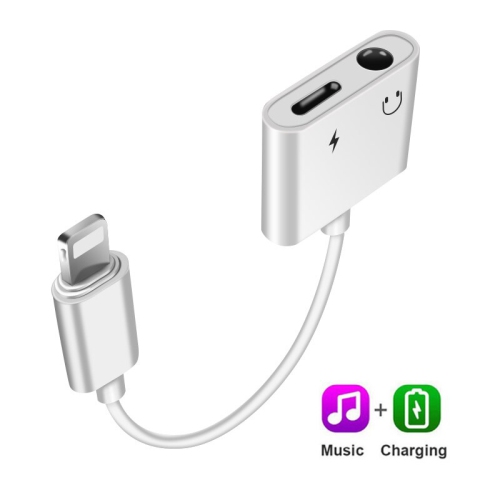
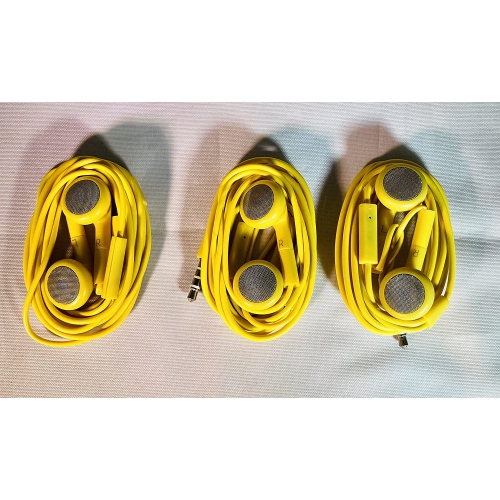
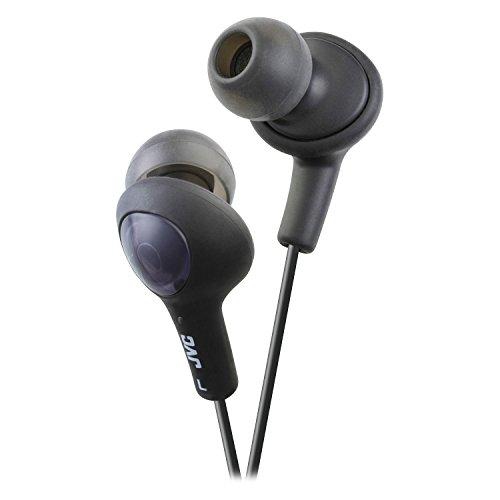
![SAMA [4 Pack] Iphone Earbuds Headphones Earphones With 3.5MM Wired In Ear Headphone Plug, Built-In Microphone & Volume Cont](https://multimedia.bbycastatic.ca/multimedia/products/500x500/154/15481/15481632.jpg)
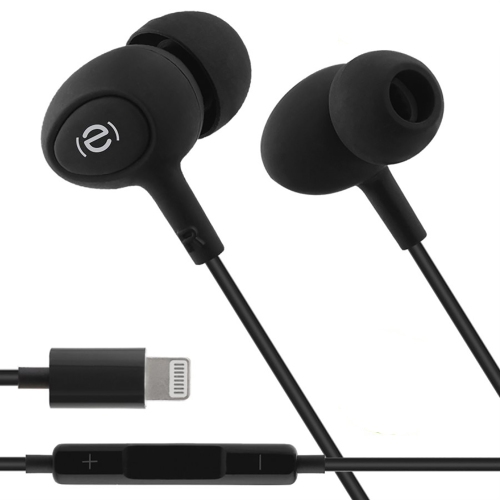
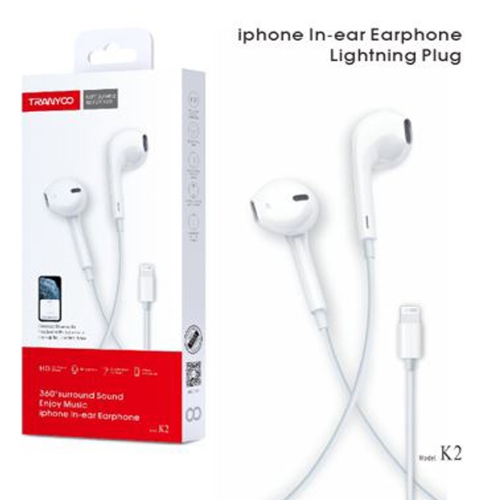
The headphone jack leaves your charging port free
Earphones for iPhone 6 connect through its 3.5 mm headphone jack, its Lightning port with compatible earphones, or Bluetooth for wireless listening. The built-in headphone jack makes wired earphones with a standard 3.5 mm plug a straightforward choice for music, podcasts, videos, and calls: they connect directly without a headphone adapter and leave the charging port free. This is useful for someone listening to an audiobook while charging their phone at a desk, or keeping a familiar handset as a dedicated music player. A pair with an inline microphone can also support hands-free conversations, although microphone operation, volume adjustment, and playback controls depend on compatibility with the phone. A plug that carries audio does not automatically mean every remote button will work, so compatibility details matter when calling and volume control are priorities. Lightning earphones use the charging port instead and require support for the phone and its installed software; using that port for audio means charging at the same time requires a compatible accessory that supports both functions. Bluetooth earphones remove the cable between the phone and the earpieces, but they need their own charged battery. Basic wireless audio may work even when newer features, companion apps, or advanced settings require a more recent operating system than the iPhone 6 supports. For that reason, the connection type and stated system requirements are more useful than a general claim that earphones work with smartphones. The shape of the plug is worth considering, too. A bulky connector housing may not fit through the headphone opening in a thick phone case, while an angled plug can sit more neatly when the handset rests in a pocket. For households with different phone models, the broader range of iPhone headphones provides context for the different connections used across generations. For iPhone 6 earphones specifically, a suitable connection, comfortable fit, and dependable everyday controls form the foundation of a practical match.
Fit makes a noticeable difference to both comfort and sound, particularly during a full album, a long conversation, or several chapters of a spoken-word recording. Open-fit earbuds rest near the entrance of the ear rather than sealing the ear canal, which some listeners prefer for their lighter contact and less enclosed feel. Their fixed shape will not suit every ear equally, and they generally let more surrounding sound through than sealed in-ear designs. In-ear earphones use tips, often made from silicone or foam, to create a closer fit. Silicone tips are usually smooth and easy to wipe clean, while foam tips compress before expanding gently to the shape of the ear canal. Tip size is not just a comfort detail: a poor seal can make bass sound thin and allow the earpieces to loosen when talking or walking. Different sizes may fit each ear best, and a secure fit should not require pushing the tips deeply or tolerating pressure. Ear fins, hooks, and cable clips can add stability for listeners who move around frequently, though the added contact points may not appeal to someone who mainly listens while seated. Sound preferences also vary with the material being played. Clear vocal reproduction helps dialogue and podcasts remain intelligible, while a balanced presentation can keep instruments distinct without making bass or higher notes dominate. A good seal can reduce some outside noise without electronic processing; active noise cancellation, where supported, uses microphones and processing to reduce certain background sounds. Neither approach makes it appropriate to ignore traffic or other hazards, and awareness modes are not a substitute for paying attention. For calls, microphone placement deserves as much attention as the earpieces themselves. An inline microphone that brushes against a jacket zip can transmit distracting rustling, while a wireless microphone’s performance can vary with surrounding noise. Students, commuters, remote workers, and people who prefer private listening at home may each value a different balance of speech clarity, isolation, stability, and comfort.
Materials and construction help determine how well earphones stand up to repeated handling. Lightweight plastic housings can be comfortable for extended wear, while metal components may add a firmer feel without necessarily guaranteeing better sound or longer life. On wired designs, flexible strain relief where the cable meets the plug and earpieces helps limit sharp bending at vulnerable points. Cable length should suit the way the phone is carried: enough slack to reach a trouser pocket comfortably, but not so much that loops repeatedly catch on chair arms or bag straps. Smooth cable jackets tend to wipe clean easily, while braided coverings can have a different feel and may transmit rubbing noise when they brush against clothing. Pulling on the plug housing rather than the cord, storing the cable in loose loops, and keeping earphones in a small case can help prevent avoidable damage. Wireless designs have different care needs, including clean charging contacts, secure placement in the charging case, and charging habits that follow the manufacturer’s directions. Battery-life claims depend on conditions such as listening volume, calls, and enabled features, so the time between charges may differ from a stated maximum. For exercise, a secure fit and an explicit water-resistance rating are more meaningful than a sporty appearance; resistance to sweat or splashes does not automatically make earphones suitable for swimming or rinsing under a tap. Routine cleaning should follow the supplied instructions, with moisture kept away from sound openings, connectors, and charging contacts. Removable tips should be cleaned only as directed and allowed to dry fully before reattachment. Earphones can make a thoughtful gift for someone who still uses an iPhone 6, especially when their preferred fit and connection are already known. A simple wired pair may suit a listener who wants no pairing or charging routine, while a compatible wireless pair may appeal to someone who dislikes a cable across their workspace. In either case, reliable compatibility and a comfortable fit matter more than a long list of features that the phone cannot use.
Fit makes a noticeable difference to both comfort and sound, particularly during a full album, a long conversation, or several chapters of a spoken-word recording. Open-fit earbuds rest near the entrance of the ear rather than sealing the ear canal, which some listeners prefer for their lighter contact and less enclosed feel. Their fixed shape will not suit every ear equally, and they generally let more surrounding sound through than sealed in-ear designs. In-ear earphones use tips, often made from silicone or foam, to create a closer fit. Silicone tips are usually smooth and easy to wipe clean, while foam tips compress before expanding gently to the shape of the ear canal. Tip size is not just a comfort detail: a poor seal can make bass sound thin and allow the earpieces to loosen when talking or walking. Different sizes may fit each ear best, and a secure fit should not require pushing the tips deeply or tolerating pressure. Ear fins, hooks, and cable clips can add stability for listeners who move around frequently, though the added contact points may not appeal to someone who mainly listens while seated. Sound preferences also vary with the material being played. Clear vocal reproduction helps dialogue and podcasts remain intelligible, while a balanced presentation can keep instruments distinct without making bass or higher notes dominate. A good seal can reduce some outside noise without electronic processing; active noise cancellation, where supported, uses microphones and processing to reduce certain background sounds. Neither approach makes it appropriate to ignore traffic or other hazards, and awareness modes are not a substitute for paying attention. For calls, microphone placement deserves as much attention as the earpieces themselves. An inline microphone that brushes against a jacket zip can transmit distracting rustling, while a wireless microphone’s performance can vary with surrounding noise. Students, commuters, remote workers, and people who prefer private listening at home may each value a different balance of speech clarity, isolation, stability, and comfort.
Materials and construction help determine how well earphones stand up to repeated handling. Lightweight plastic housings can be comfortable for extended wear, while metal components may add a firmer feel without necessarily guaranteeing better sound or longer life. On wired designs, flexible strain relief where the cable meets the plug and earpieces helps limit sharp bending at vulnerable points. Cable length should suit the way the phone is carried: enough slack to reach a trouser pocket comfortably, but not so much that loops repeatedly catch on chair arms or bag straps. Smooth cable jackets tend to wipe clean easily, while braided coverings can have a different feel and may transmit rubbing noise when they brush against clothing. Pulling on the plug housing rather than the cord, storing the cable in loose loops, and keeping earphones in a small case can help prevent avoidable damage. Wireless designs have different care needs, including clean charging contacts, secure placement in the charging case, and charging habits that follow the manufacturer’s directions. Battery-life claims depend on conditions such as listening volume, calls, and enabled features, so the time between charges may differ from a stated maximum. For exercise, a secure fit and an explicit water-resistance rating are more meaningful than a sporty appearance; resistance to sweat or splashes does not automatically make earphones suitable for swimming or rinsing under a tap. Routine cleaning should follow the supplied instructions, with moisture kept away from sound openings, connectors, and charging contacts. Removable tips should be cleaned only as directed and allowed to dry fully before reattachment. Earphones can make a thoughtful gift for someone who still uses an iPhone 6, especially when their preferred fit and connection are already known. A simple wired pair may suit a listener who wants no pairing or charging routine, while a compatible wireless pair may appeal to someone who dislikes a cable across their workspace. In either case, reliable compatibility and a comfortable fit matter more than a long list of features that the phone cannot use.
Top selling and popular products
-
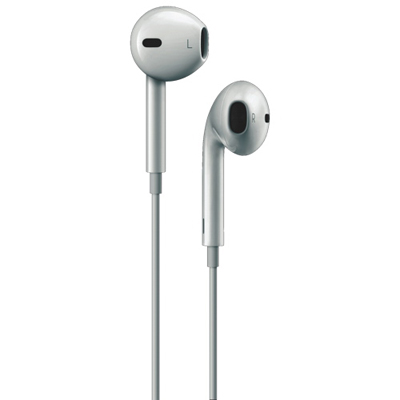 Your price for this item is $25.99
 -
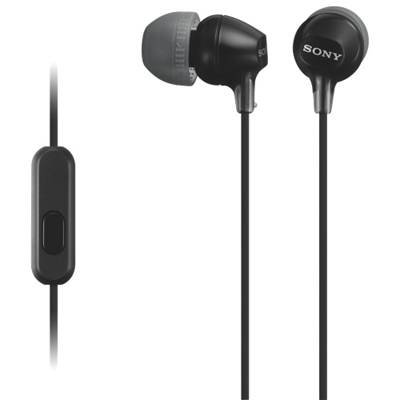 Your price for this item is $15.98
 -
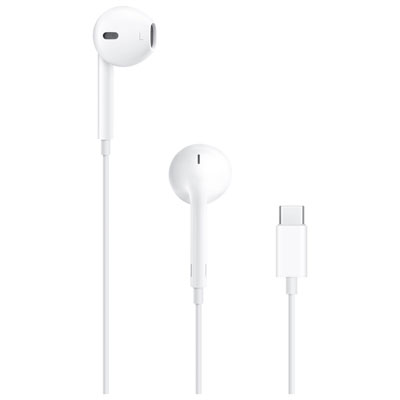 Your price for this item is $25.99
 -
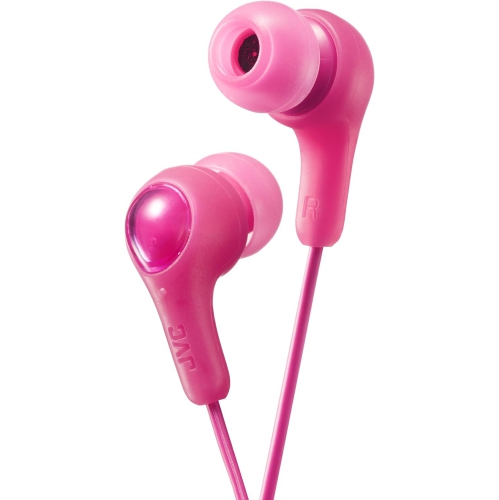 Your price for this item is $25.98
 -
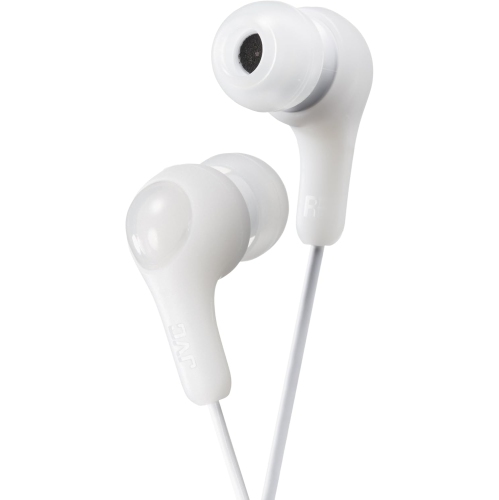 Your price for this item is $25.98
 -
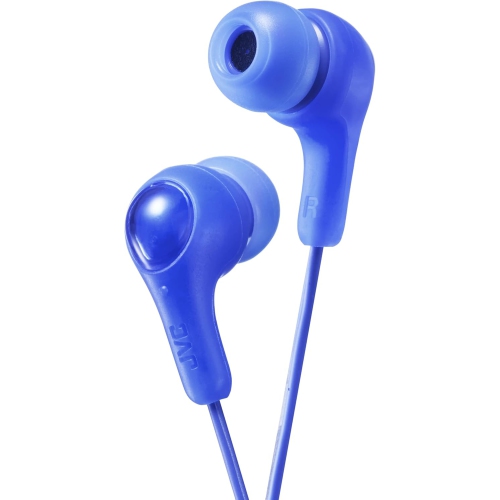 Your price for this item is $25.98
 -
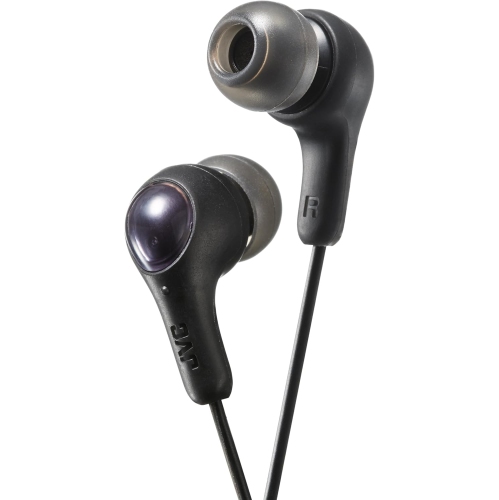 Your price for this item is $25.98
 -
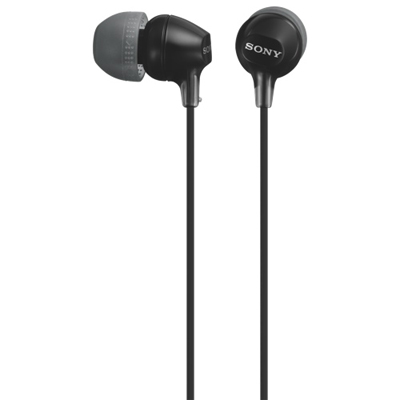 Your price for this item is $12.99
Discover more categories related to iPhone 6 Earphones
Top Collections:
Pokemon Centers, Kindle Devices, Best Budget Office Chairs, Apple iPhones 16, Best Laptops for Writers, iPhone 15 Apple, Canon G7X Cameras, Refurbished Apple Laptops, Alarm Clock, Motorola Razr Phones
Some products may be subject to Environmental Handling Fees
(EHF) depending on your province.
Learn more about EHFs.