Edifier Active Speakers

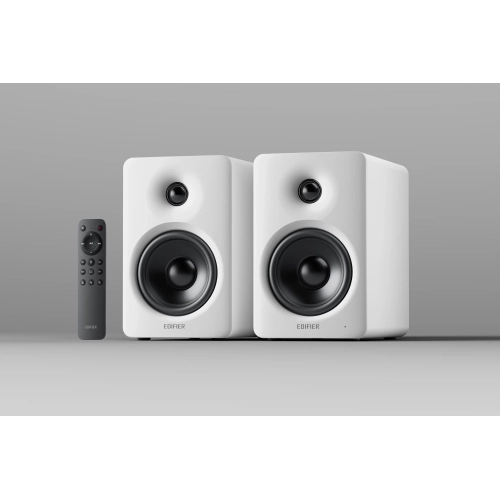
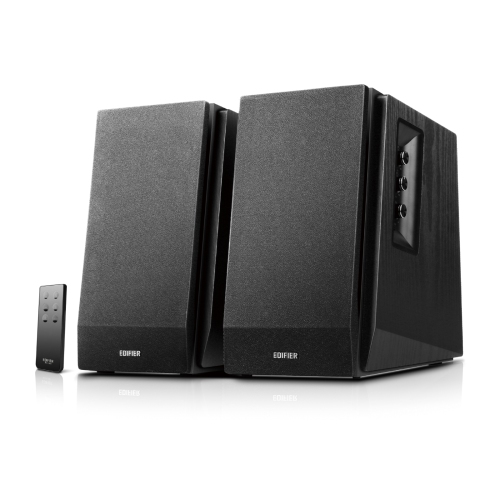
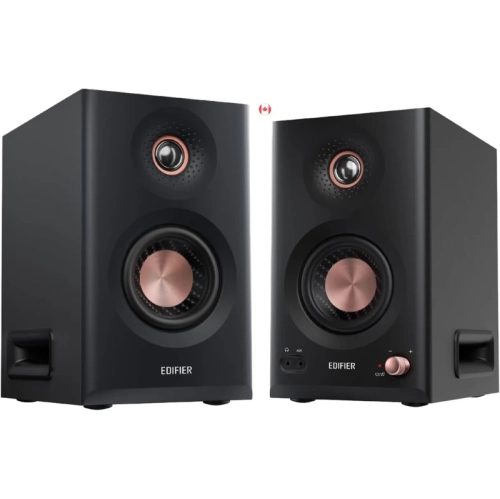
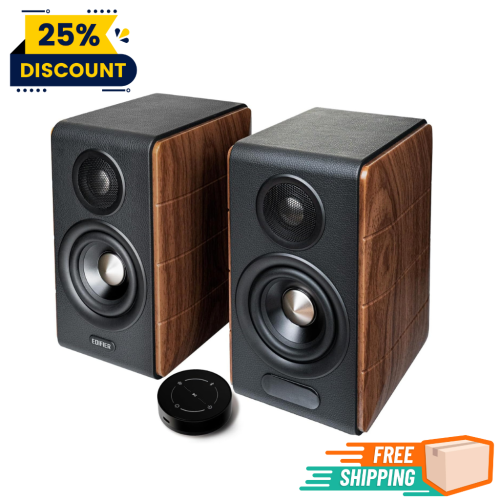
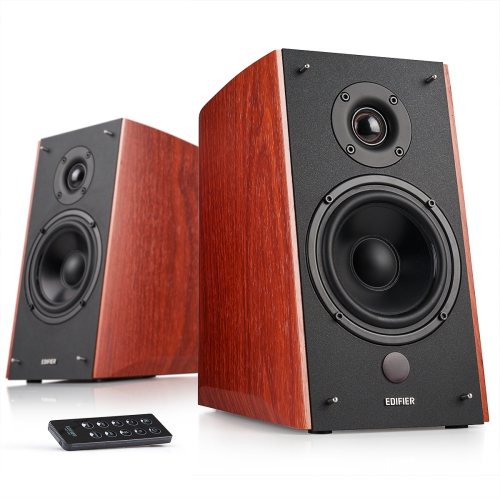
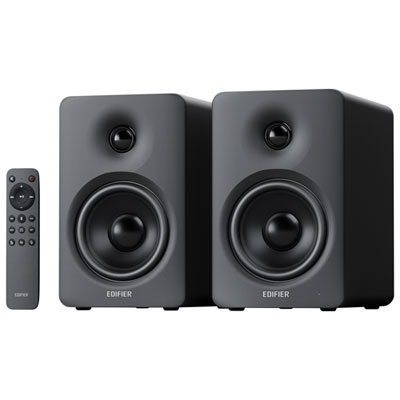
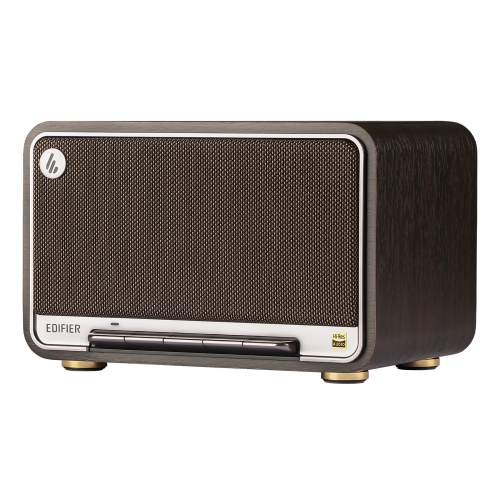
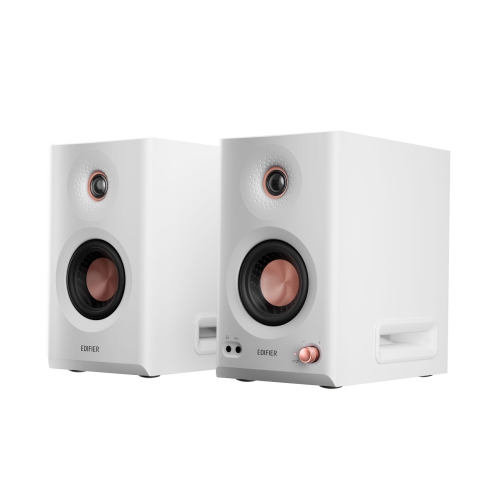
Edifier active speakers have built-in amplification, so you can set up your audio without a separate amplifier. Compare powered speaker options by size, connections, and controls to find a fit for your audio sources and available space.
Sort

Stereo sound without a separate amplifier

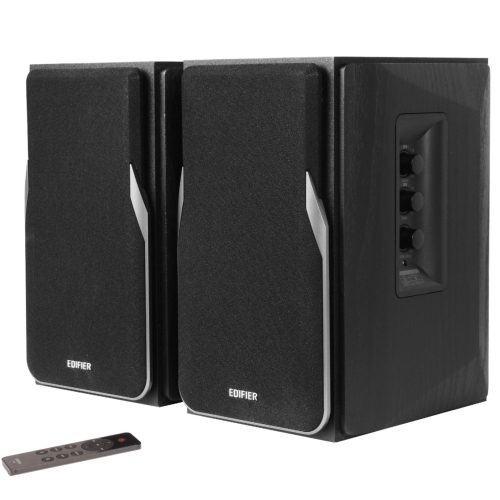
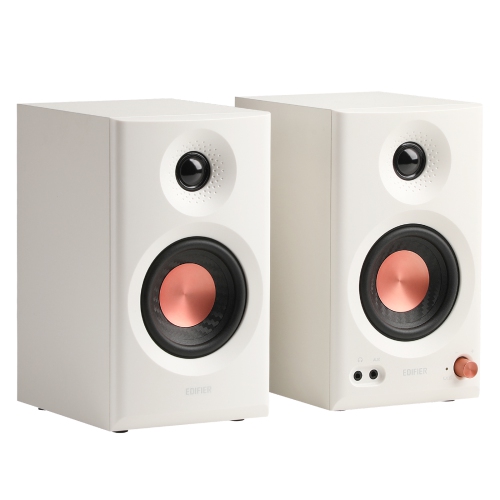
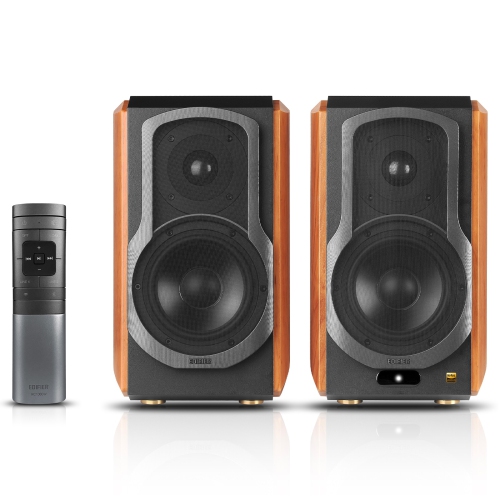
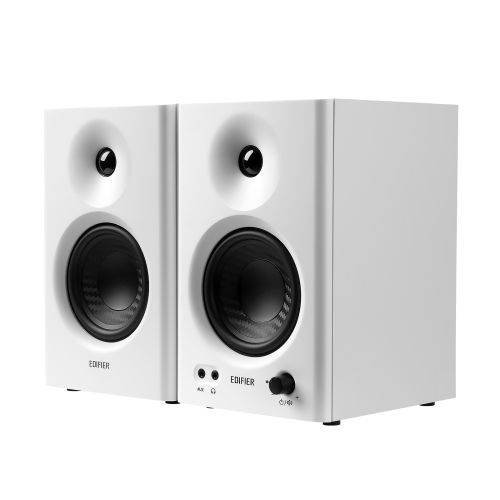
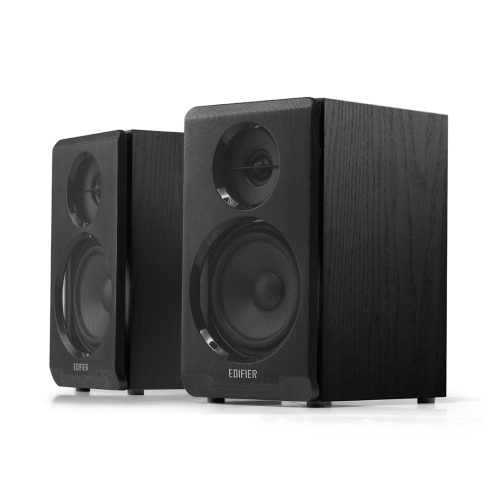
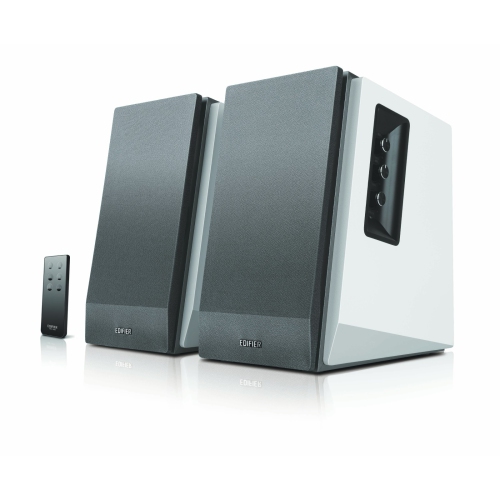
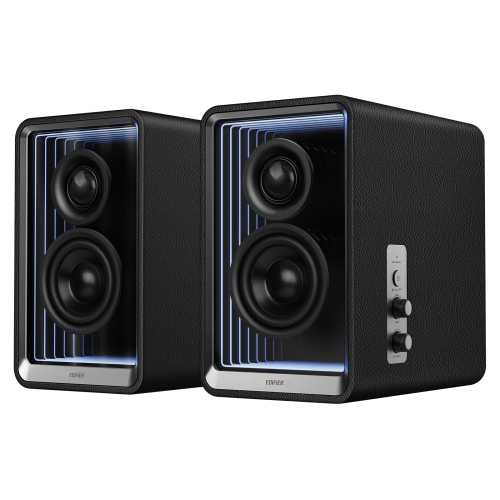
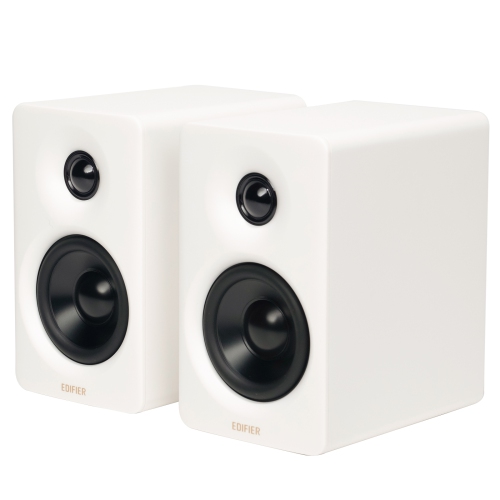
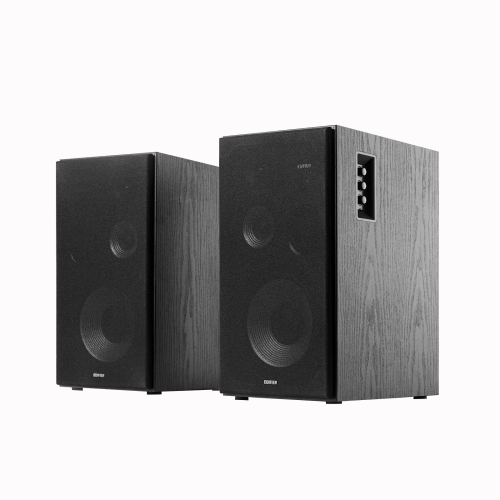
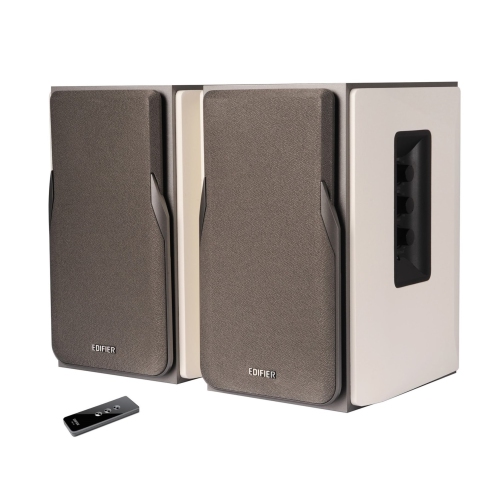
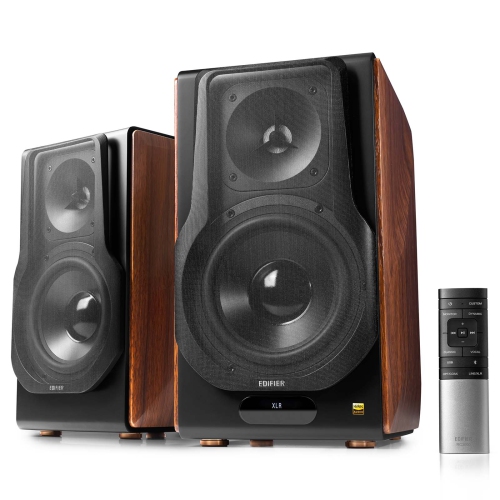
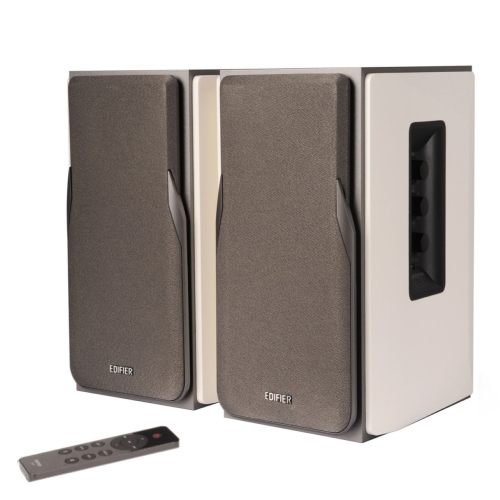
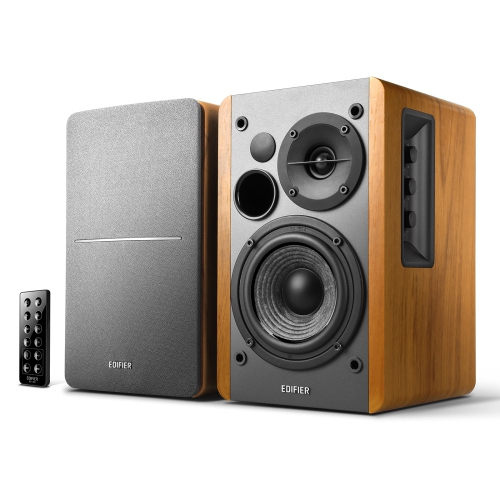
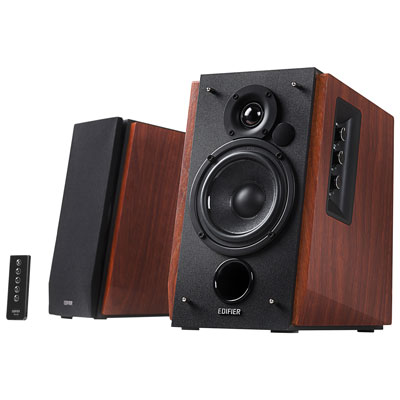
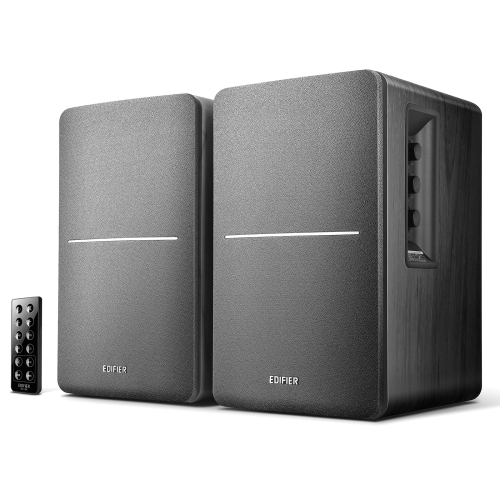
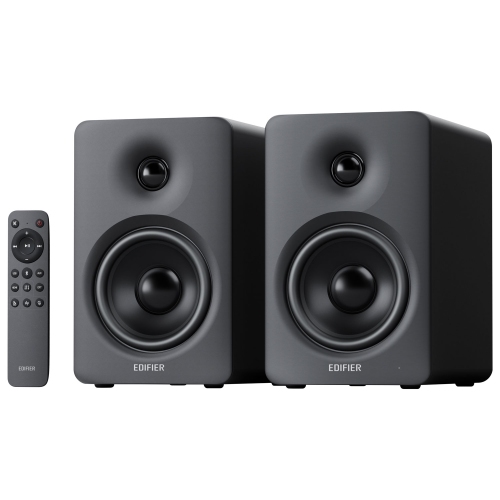
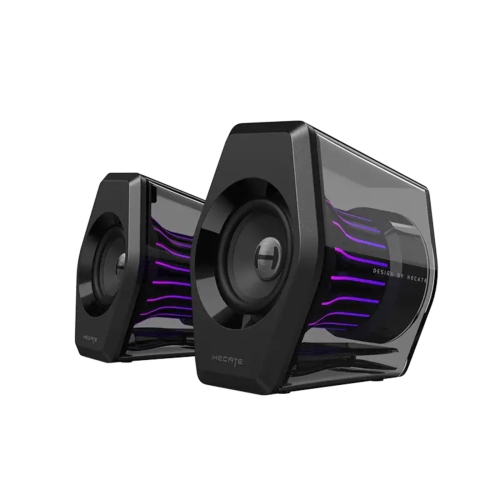
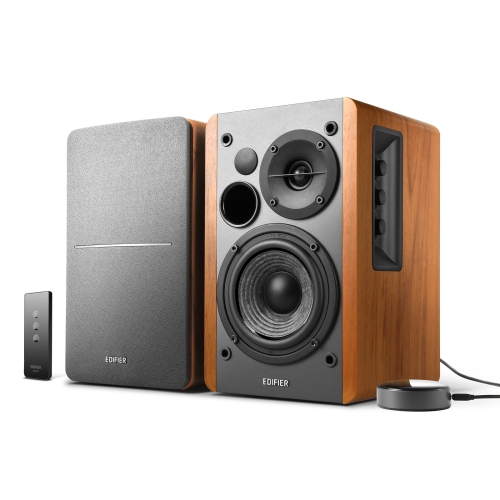
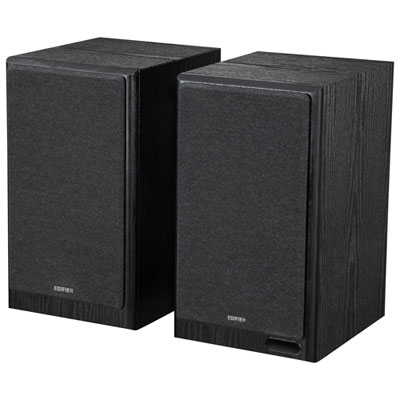
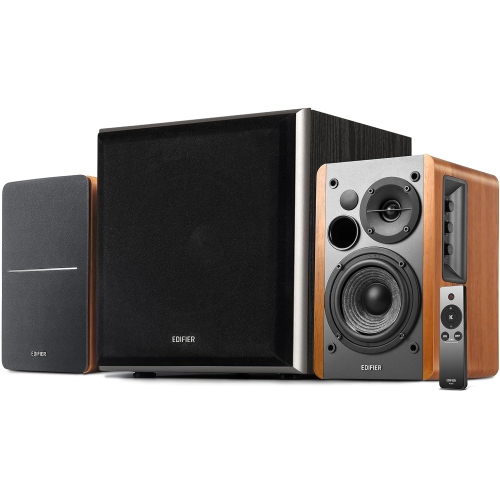
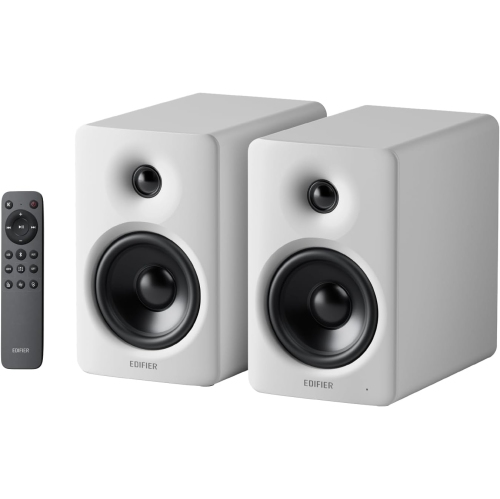
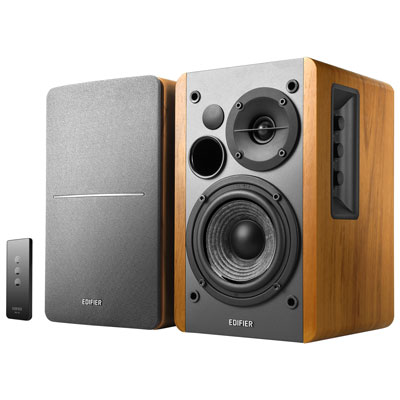
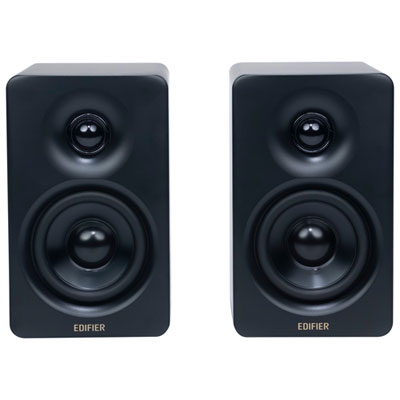
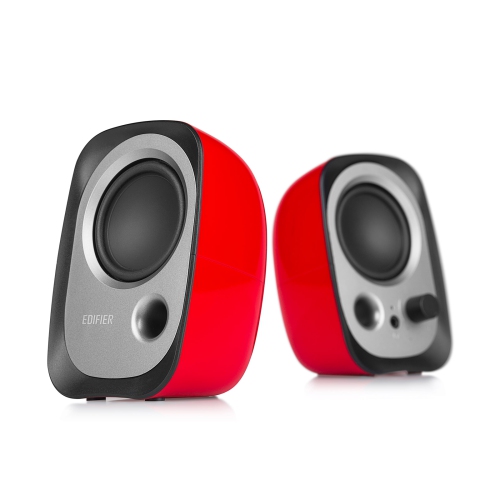
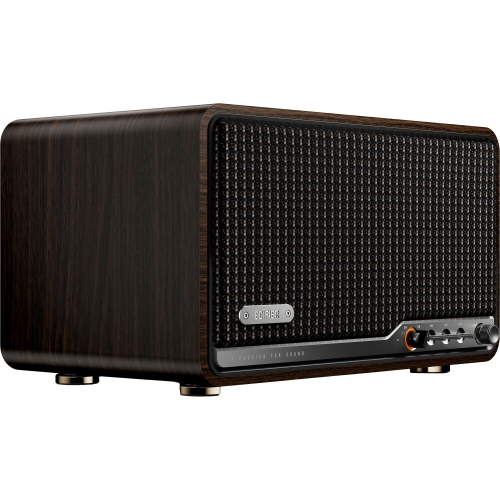
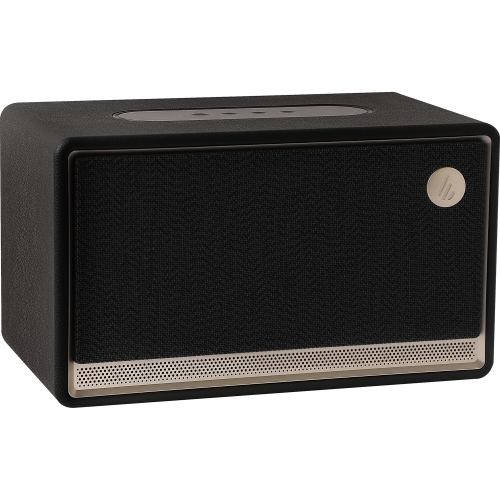
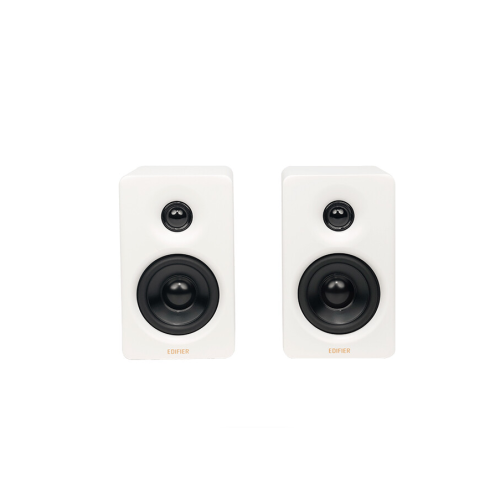
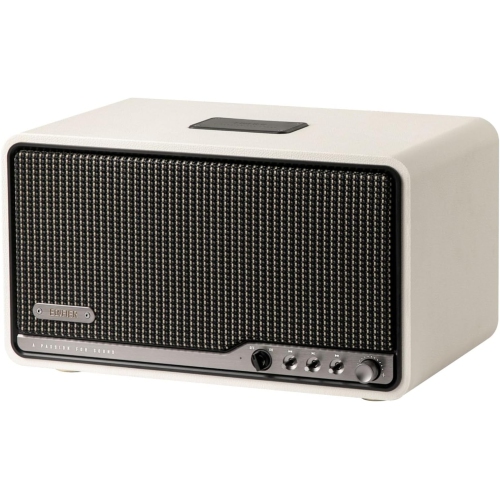
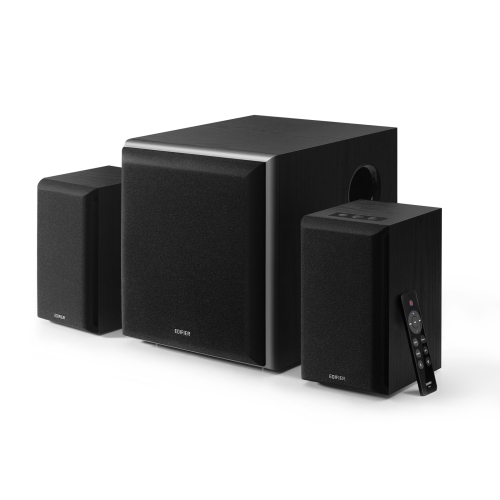
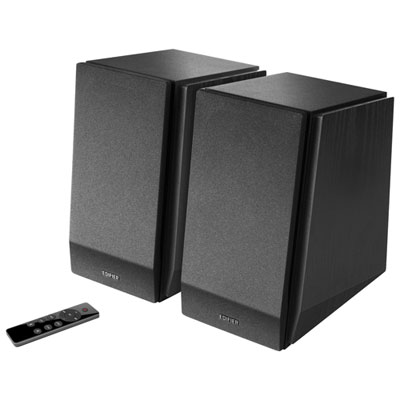
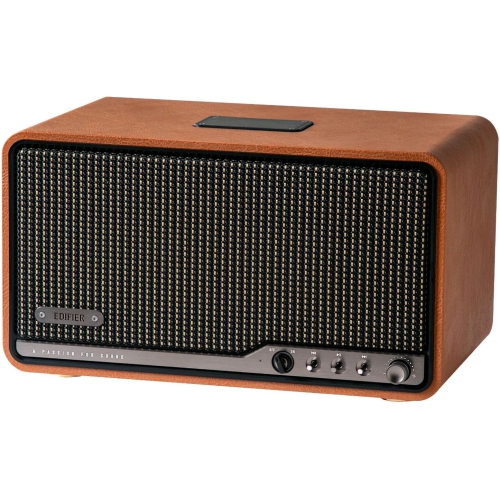
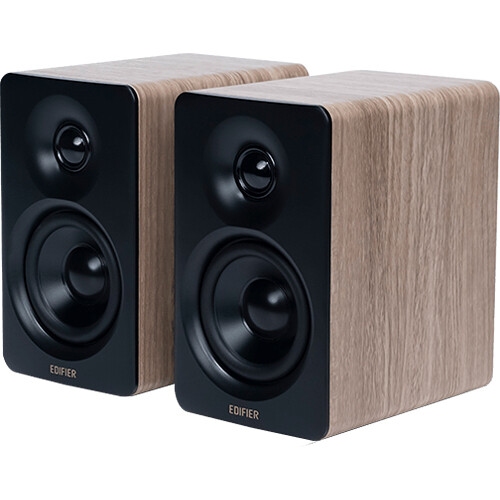
Active speakers combine speaker drivers with built-in amplification, creating a straightforward way to bring stereo sound to a desk, living room, or dedicated listening space without adding a separate stereo amplifier. In many paired systems, one cabinet houses the amplifier, inputs, and controls, while a speaker cable connects it to the companion cabinet. Other configurations distribute amplification differently, so the connections and power requirements depend on the design. This integrated approach suits listeners who want a more substantial sound system than a laptop’s built-in speakers while keeping the equipment manageable. Compact cabinets can sit beside a monitor for music during the workday, spoken-word listening, or clearer dialogue on video calls. Larger bookshelf-style speakers can provide a wider sense of scale for albums, films, and games, provided their dimensions and output suit the room. Despite the bookshelf name, these speakers do not necessarily perform best tucked tightly between books. A stable surface, some space around the cabinet, and a listening position roughly centred between the pair help preserve the stereo image. On a desk, isolation pads or suitable stands can reduce vibration through the work surface and bring the tweeters closer to ear height. Cabinet construction also contributes to the experience. Engineered wood, including medium-density fibreboard, is common in bookshelf designs because its stiffness and density can help control unwanted cabinet vibration, although construction quality matters as much as material choice. Moulded cabinets offer different shaping and finish possibilities, particularly in compact designs. Wood-look finishes, painted surfaces, and fabric grilles give active speakers different visual personalities, from understated office equipment to a prominent part of a media console. Their physical fit matters alongside their appearance: cabinet depth, cable plugs, ventilation clearance, and access to controls all take up space beyond the published footprint. A pair that fits comfortably around a screen or on sturdy speaker stands is easier to position well and live with every day.

Connections determine how naturally active speakers fit into an existing setup. Analogue inputs can accommodate many computers, music players, and other sources, while optical inputs, where included, offer a digital connection for compatible televisions and audio equipment. USB audio can make a desktop arrangement especially tidy, but a USB socket does not always accept audio; some ports serve only for power, charging, or service functions. The supported purpose of each connection matters more than the connector’s appearance. Turntable listening involves another distinction: a phono signal generally needs a phono preamp before it reaches a standard line-level speaker input. That preamp may be built into the turntable, included in the speakers, or supplied separately, depending on the equipment. Bluetooth provides a convenient route from a compatible phone, tablet, or computer without running an audio cable across the room. It does not, by itself, mean the speakers are battery-powered, and many wireless-capable active speakers still need mains power and a cable between cabinets. Listeners interested in convenient wireless playback can also explore Edifier Bluetooth Speakers for a related selection centred on that connection type. For a desk shared between work and personal listening, multiple inputs can make it easier to move between a computer and another source without repeatedly unplugging cables. Front-mounted controls offer convenient access within arm’s reach, while a remote can be more practical when the speakers sit across a living room. Television use brings its own considerations: the TV’s available audio output, supported digital format, and volume-control behaviour need to work with the speaker system. Bluetooth playback can introduce delay, which is more noticeable when dialogue must match a face on screen or sound must track an action in a game. A suitable wired connection can be preferable for these uses. Headphone outputs, subwoofer connections, adjustable tone controls, and input switching can add flexibility, but these features vary between designs rather than being standard across all active speakers.

Sound quality depends on more than a cabinet’s size or a headline power rating. Driver design, amplifier performance, crossover tuning, placement, and room acoustics all shape what reaches the listener. A compact pair used at close range can make vocals feel focused and instruments easy to place across the desk, while a larger system may offer greater bass extension and more headroom for a room-sized listening area. Power figures are most useful when their measurement methods are comparable; they do not describe tonal balance, clarity, or comfortable listening distance on their own. For everyday listening, clear speech, controlled bass, and an even presentation can be more useful than sheer output. A bass-heavy setting that sounds lively at low volume may become overwhelming when the speakers sit close to a wall, while modest tone adjustments can help balance a particular placement. Hard floors, bare walls, and large windows can make a room sound more reflective; upholstered furniture, curtains, and rugs can soften those reflections. Durability also involves everyday handling. Stable stands or furniture help protect cabinets from accidental knocks, and sensible cable routing reduces the chance of pulling a speaker off its surface. Ventilation openings need to remain unobstructed, and drinks are best kept away from cabinets, controls, and power connections. A soft, dry cloth is usually suitable for routine dusting, with cleaning products used only as directed by the manufacturer; exposed driver surfaces need especially careful treatment. For a student, home-office user, gamer, or music enthusiast, active speakers can make a thoughtful gift when their connections and dimensions match the recipient’s equipment and space. The strongest fit is not necessarily the largest system, but one that delivers enjoyable sound, accessible controls, and a comfortable place in the listener’s daily routine.
FAQ

Some products may be subject to Environmental Handling Fees (EHF) depending on your province. Learn more about EHFs.