Sonicare Toothbrush Heads
Discover the ultimate solution for maintaining optimal oral health with this premium selection of toothbrush heads. Perfectly engineered to fit a variety of electric toothbrushes, these high-quality replacements are designed to provide a superior cleaning experience. Featuring advanced bristle technology, they effectively remove plaque and promote healthier gums, ensuring your smile stays bright and fresh. Ideal for daily use, these toothbrush heads deliver exceptional performance and durability, making them an essential addition to your oral care routine.
Sort
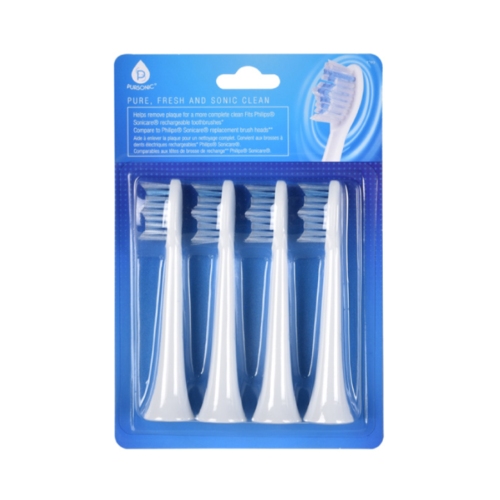

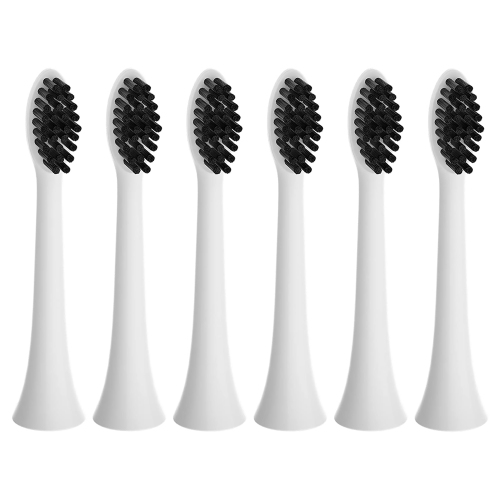
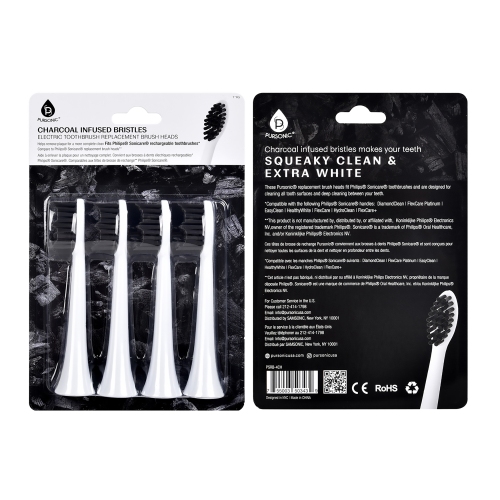
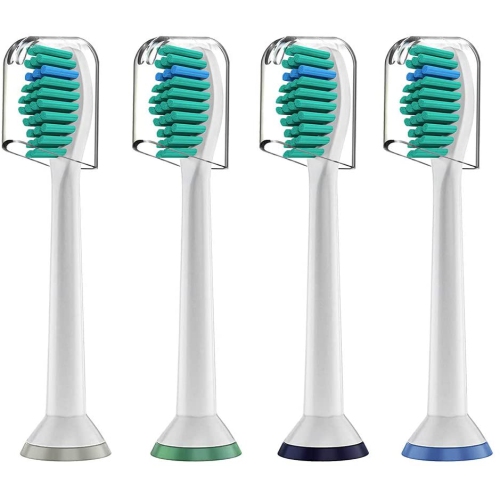
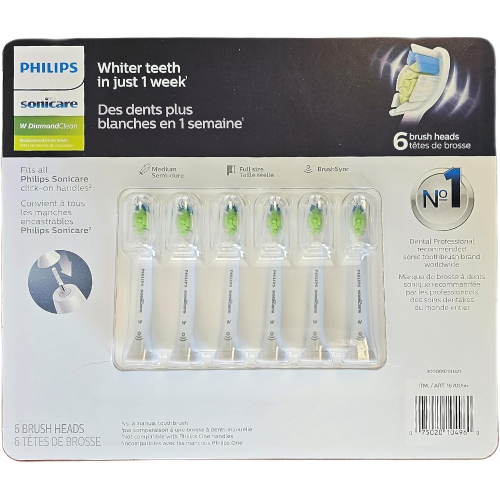
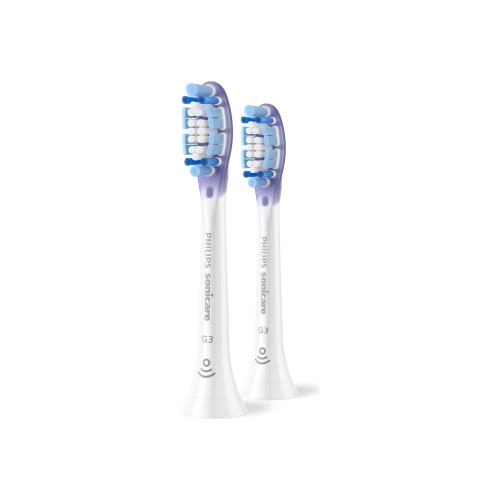
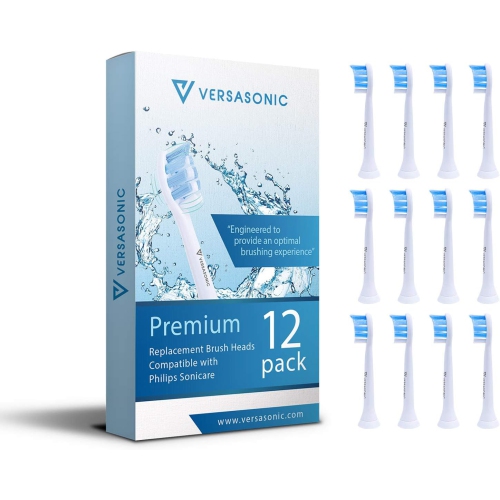
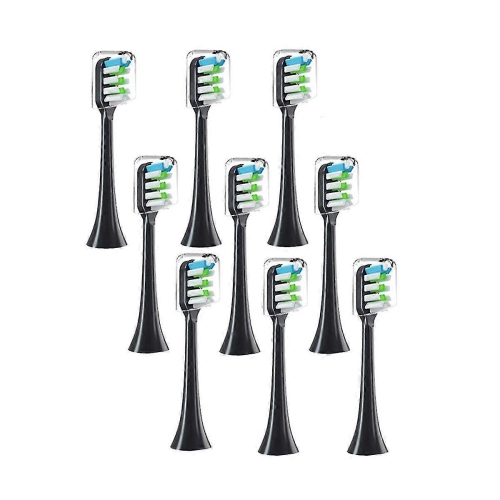
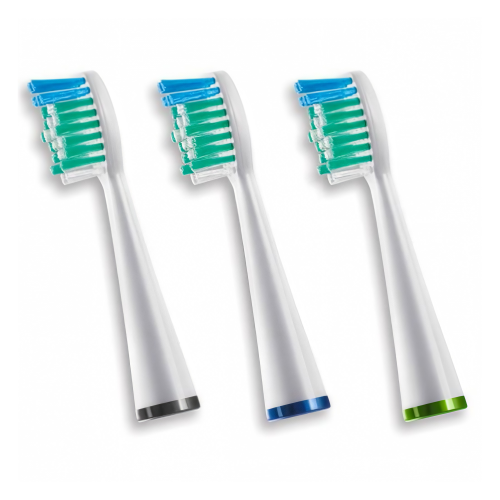
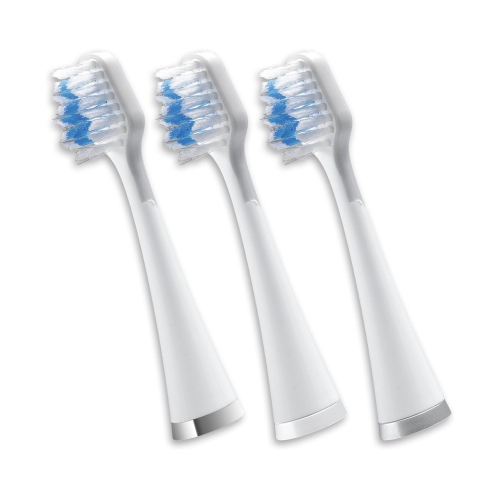
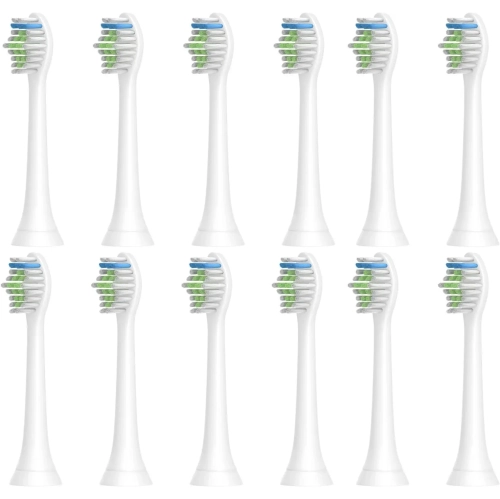
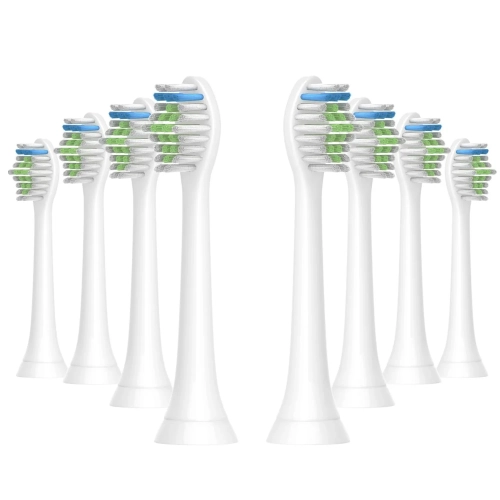
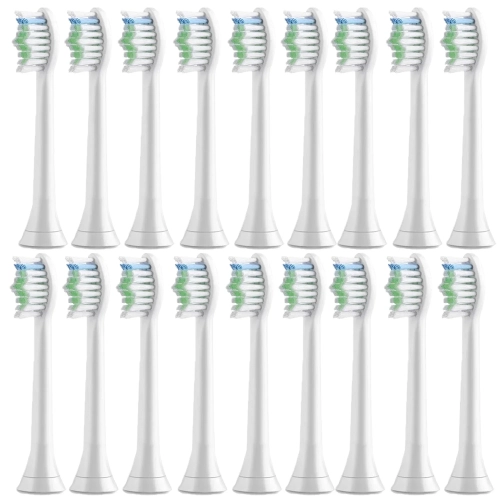
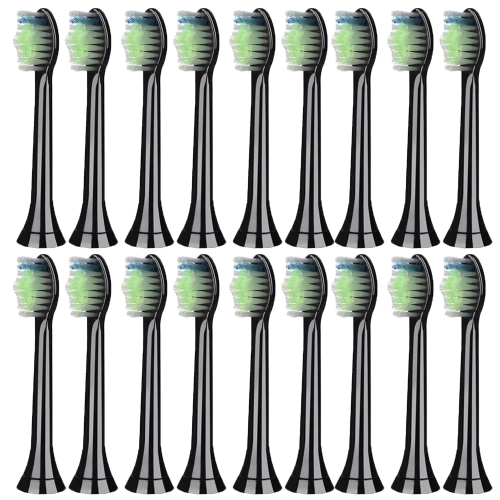
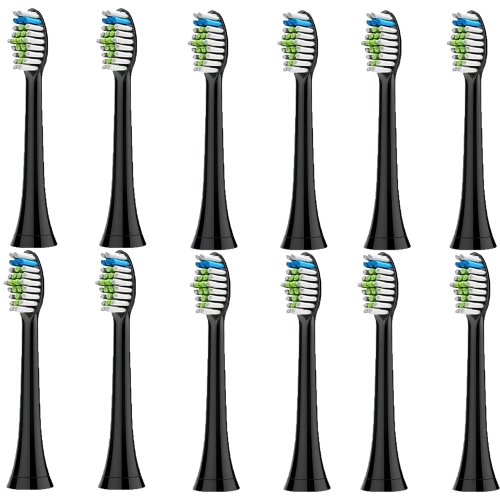
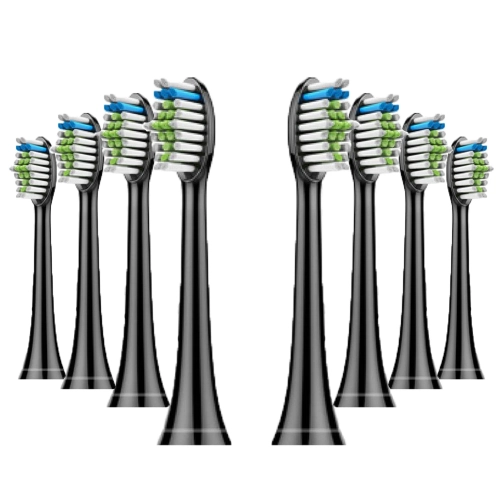
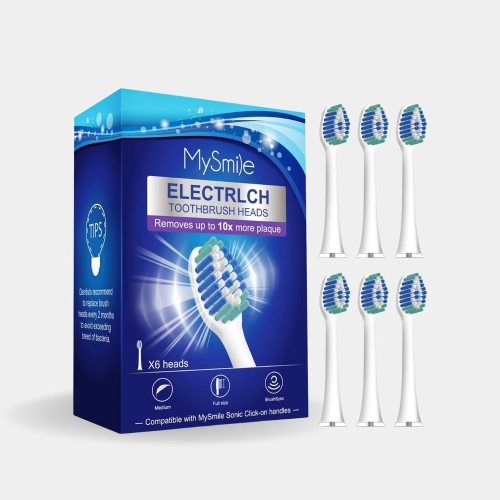
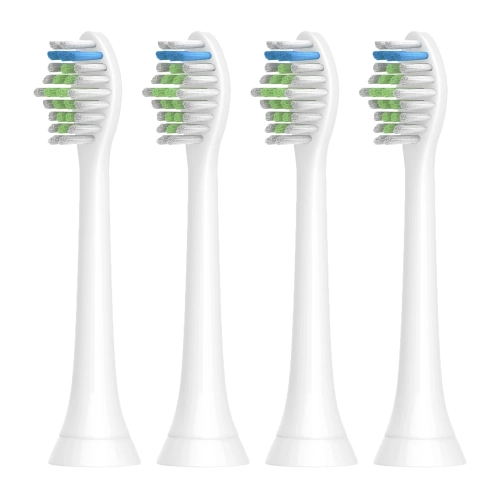
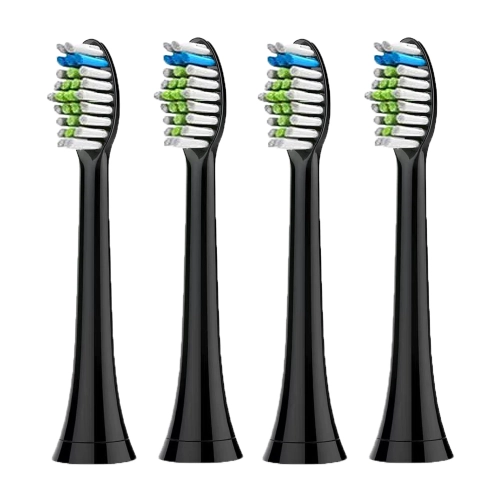
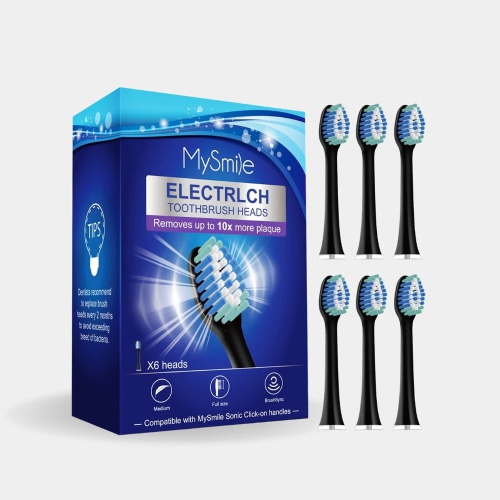
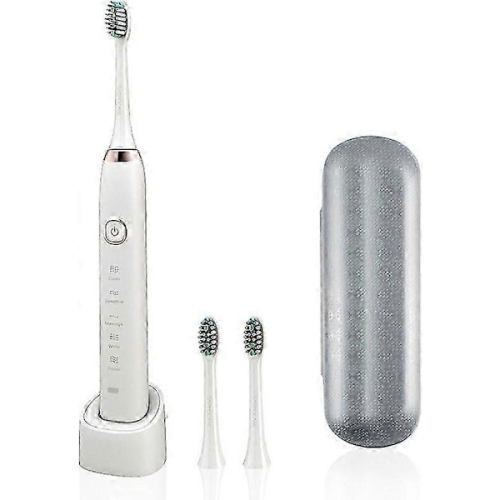
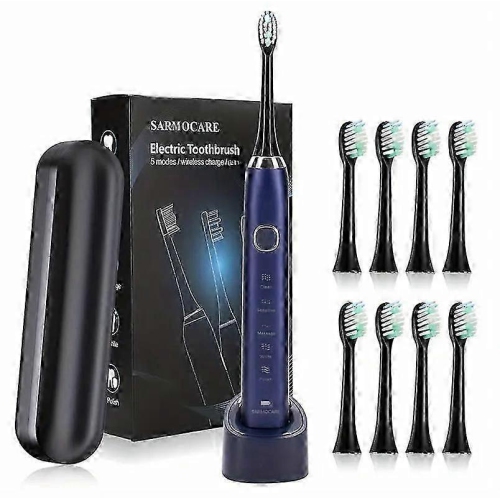
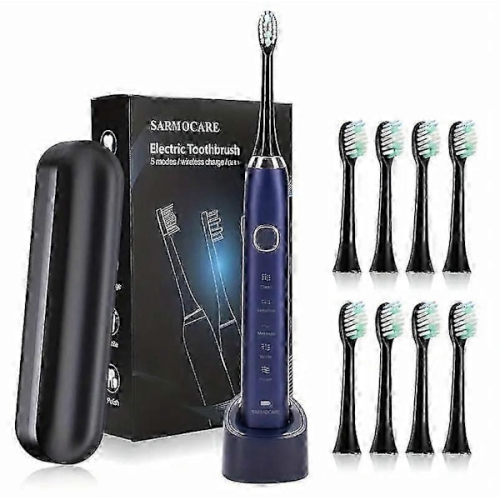
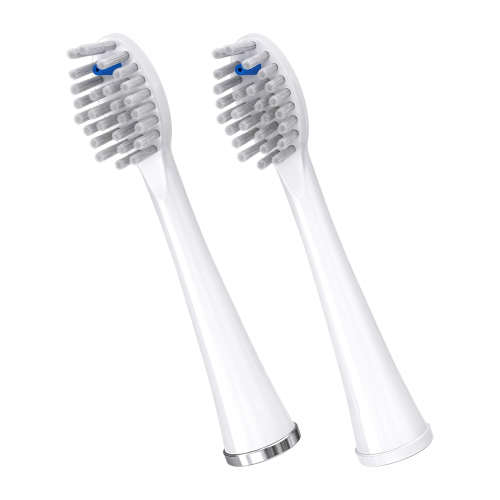
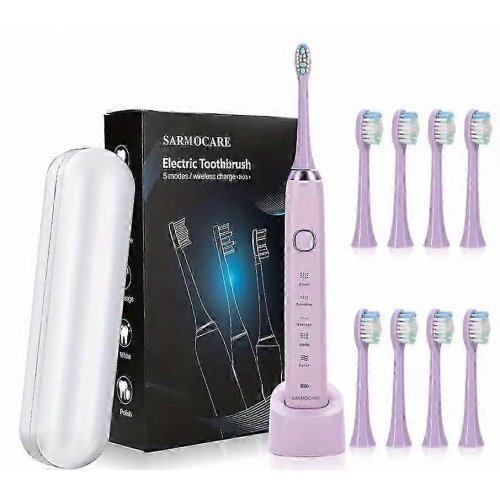
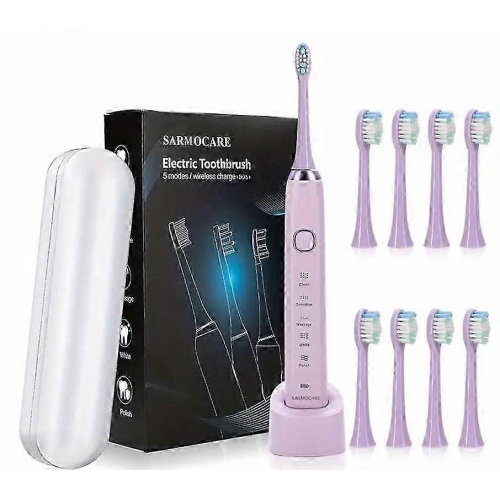
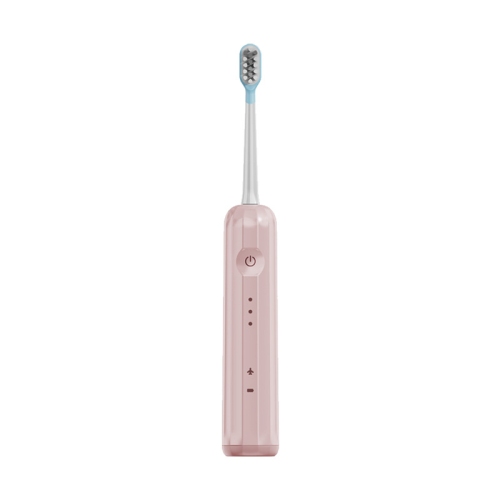

Why brush head fit matters for everyday comfort
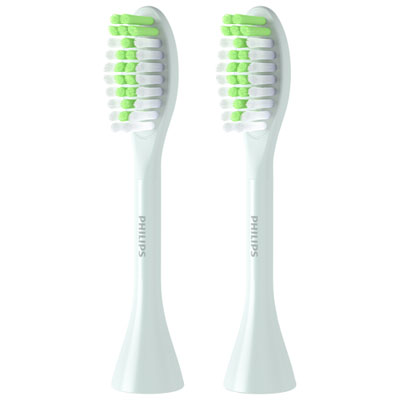
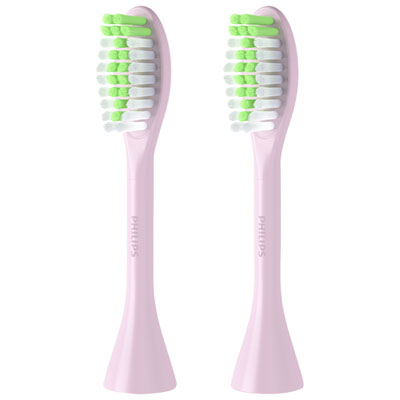
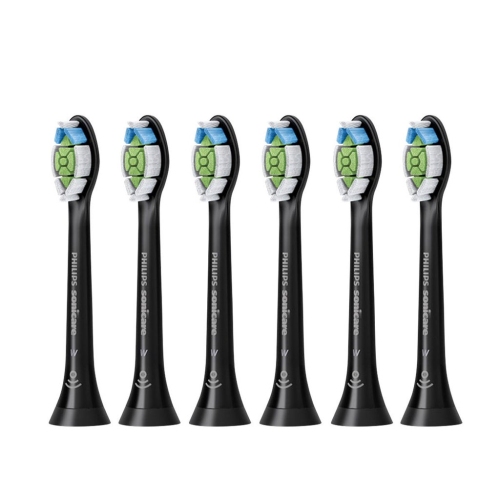
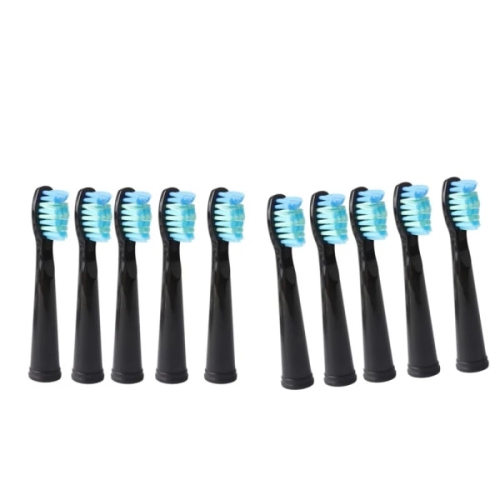
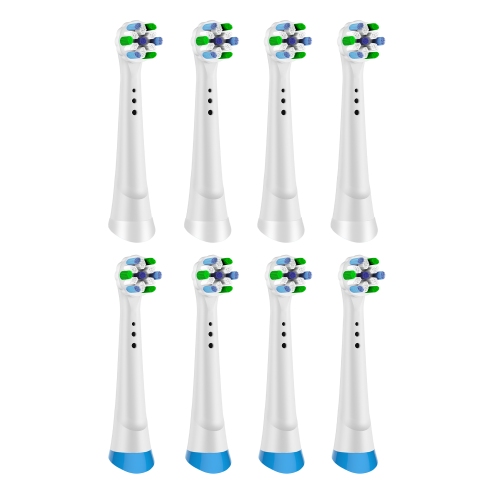
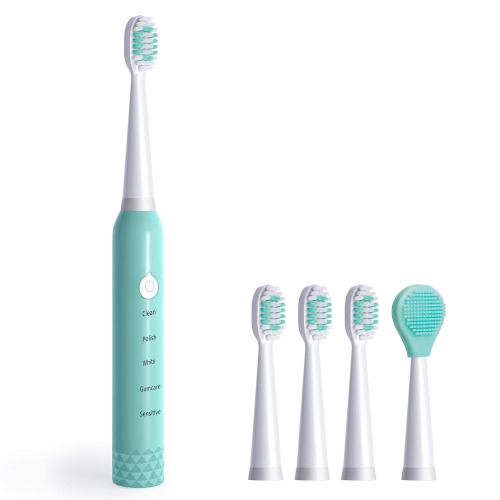
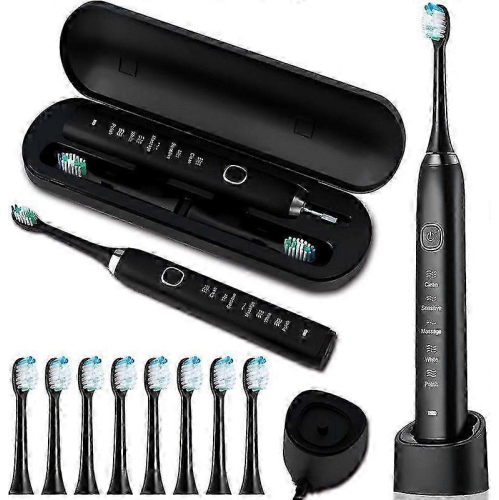
Replacement electric toothbrush heads provide the brushing surface that makes contact with teeth and gums, while the rechargeable handle supplies the movement. A fresh head can help maintain the intended brushing feel as older bristles lose their shape, spread outward, or become less comfortable. These replaceable attachments are used for everyday oral care, with differences in size, bristle arrangement, and connection style that matter more than appearance alone. Compatibility starts with the handle: many electric toothbrushes use a click-on connection, but a click-on head is not universally interchangeable with every handle. Other systems use a screw-on attachment or a different fitting altogether. Checking the handle’s model information against the replacement head’s stated compatibility helps avoid a head that sits loosely, does not attach properly, or cannot work as intended. A head should connect securely according to the manufacturer’s directions without being forced into place. The shape of the brushing surface also affects how easily it reaches different areas of the mouth. A compact head may feel easier to manoeuvre behind the last molars or along the inside surfaces of the lower front teeth, particularly when space is limited. A larger head can feel more familiar to someone accustomed to a full-sized manual toothbrush, although comfortable access remains important. The neck’s length and angle can influence positioning around the cheeks and back teeth, while the bristle profile determines how the brushing surface meets the teeth. Certain head-and-handle combinations also support features such as replacement reminders or automatic mode selection, but these functions depend on compatibility rather than the attachment simply fitting. When comparing options in the Philips Electric Toothbrush Heads category, the handle connection, head dimensions, and stated intended use provide useful points of comparison. For someone replacing a familiar head, matching those details can preserve a comfortable routine without replacing the entire toothbrush.
Bristle design helps distinguish replacement heads intended for general cleaning, gentle gumline contact, or surface stain removal. Most have a moulded plastic body with synthetic bristles, commonly nylon, arranged in tufts of different lengths or densities. Soft, rounded bristle tips are generally suited to everyday brushing because cleaning depends on controlled contact rather than a harsh scrubbing sensation. Contoured profiles may include longer outer bristles and shorter central tufts to help the brushing surface follow the shape of teeth. Closely packed bristles can create a different feel from a more open arrangement, but density alone does not establish how well a head will suit a particular mouth. Comfort, access, and consistent use are practical considerations alongside the stated cleaning purpose. Someone whose gums feel tender may prefer a smaller head with soft bristles that is easy to position gently along the gumline. Persistent bleeding, soreness, or sensitivity deserves attention from a dental professional rather than a switch to firmer bristles or extra pressure. Heads described for whitening generally focus on removing surface stains, such as those associated with coffee or tea; they should not be assumed to change the natural colour of teeth or the colour of fillings, crowns, and veneers. People with braces, fixed retainers, implants, or other dental work may need particular brushing techniques or additional cleaning tools, so suitability is best considered alongside advice from their dental professional. Children also need an age-appropriate head and a compatible handle, with a size that allows comfortable access to their smaller mouths. Adult heads should not automatically be treated as suitable replacements for a child’s toothbrush. In households where a compatible handle is shared, each person needs a separate brush head. Colour-coded rings, markings, or other identifiers can help distinguish them beside the bathroom sink, but the heads themselves should not be shared. The right fit is therefore both mechanical and personal: an attachment needs to work with the handle and feel manageable for the person using it.
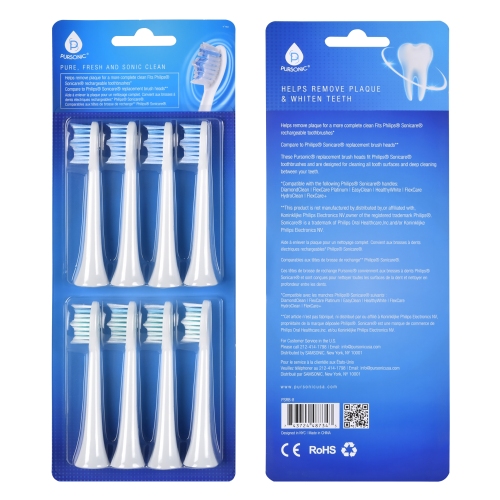
Care and replacement habits help keep toothbrush heads ready for daily use. After brushing, thoroughly rinsing the bristles removes toothpaste and loosened debris, while cleaning around the connection as directed helps prevent residue from building up beneath the head. Leaving the brush upright where the head can air-dry is generally preferable to sealing wet bristles inside a closed container. A travel cap can protect the brushing surface from contact with other belongings, but a head should be allowed to dry before being enclosed for an extended period. Boiling water, household cleaners, and dishwasher cycles can damage materials or fittings unless the manufacturer specifically permits those methods. Durability depends on brushing frequency, pressure, care, and the head’s construction. Replacement is commonly advised about every three months, or sooner when bristles become frayed, flattened, or visibly splayed; the manufacturer’s directions and individual dental advice take precedence. Some heads include fading indicator bristles or work with a handle’s reminder function, but visible wear still matters. Bristles that fan outward well before the expected replacement time can be a sign that too much pressure is being applied. With a powered toothbrush, gently guiding the head across the tooth surfaces allows the handle’s motion to do the work, rather than adding vigorous back-and-forth scrubbing. A comfortable head supports the familiar routine of brushing twice daily for about two minutes, with attention to the outer, inner, and chewing surfaces. It does not replace cleaning between teeth with floss or another suitable interdental tool. Keeping unused replacement heads clean and dry makes routine changes straightforward, particularly in a busy household with several toothbrush users. Multipacks can be practical for repeated use of a preferred head style, provided each head is compatible with the intended handle. Replacement heads can also make a useful addition to a practical personal-care gift when the recipient’s toothbrush model and preferences are already known. Across everyday routines, the most useful qualities remain a secure connection, comfortable bristles, accessible head shape, and clear care instructions.
Top selling and popular products
-
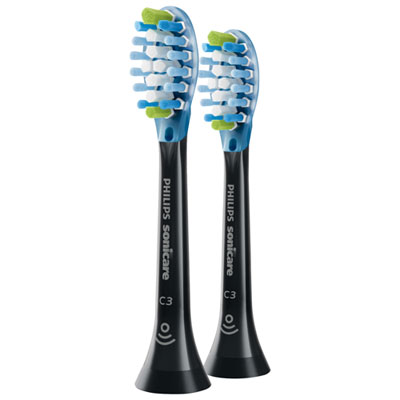 Your price for this item is $42.99
-
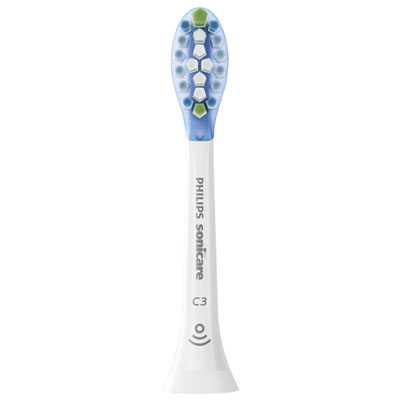 Your price for this item is $42.99
-
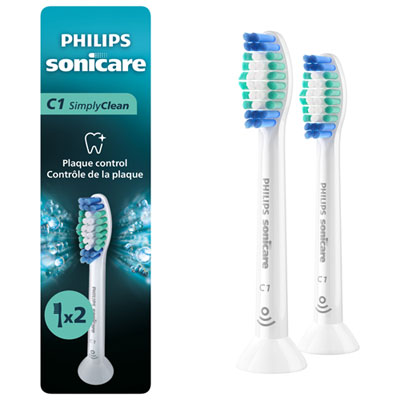 Your price for this item is $25.99
-
 Your price for this item is $9.97
-
 Your price for this item is $14
-
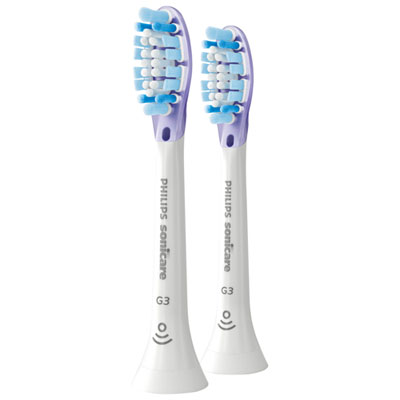 Your price for this item is $42.95
-
 Your price for this item is $39.95
-
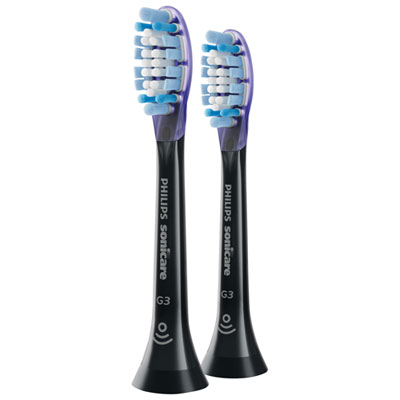 Your price for this item is $42.99
Discover more categories related to Sonicare Toothbrush Heads
Top Collections:
Best Black Friday Deals This Year, Best Black Friday Deals On Electronics, Kindle Devices, Pokemon Centers, Best Black Friday Deals On Apple Products, Best Cameras for Sports Photography, Dyson Airwrap, Pokémon 30th Celebration Cards, Apple iPhone 17 Pro, Canon G7X Cameras
Some products may be subject to Environmental Handling Fees
(EHF) depending on your province.
Learn more about EHFs.