Lightweight Electric Bikes
The lightweight electric bike is a new breed of electric bike that is specifically designed to be as light as possible while still being able to meet the needs of a typical rider. These bikes are perfect for people who live in areas where there are lots of hills or who want to be able to carry their bike up and down stairs. They're also great for anyone who wants to go fast without having to worry about breaking their back or shoulders.L
Sort
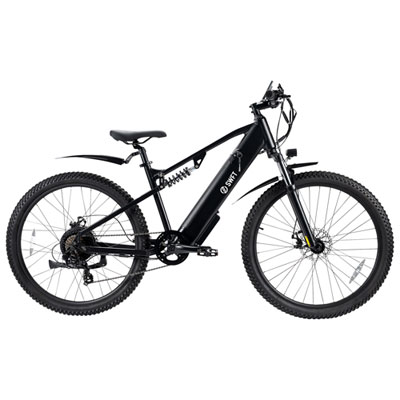
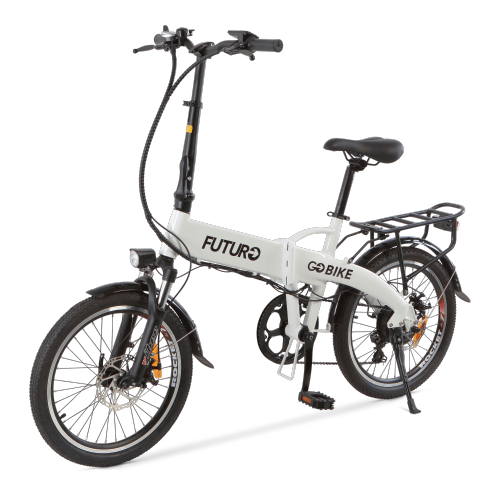
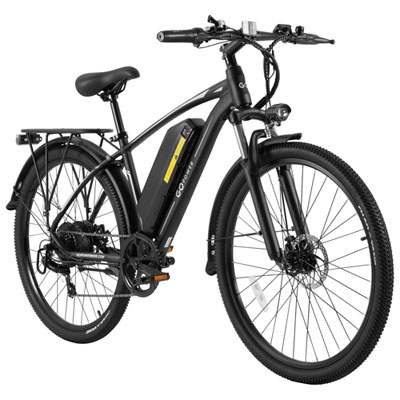
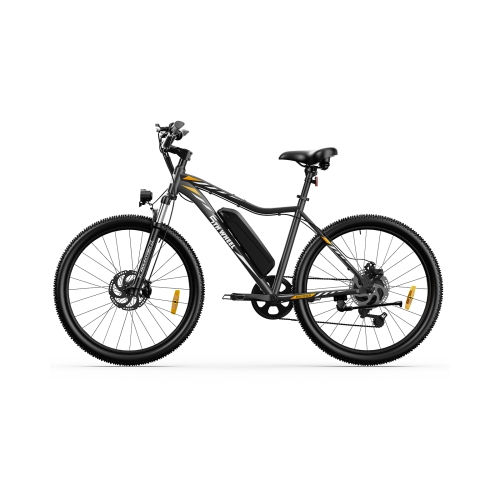

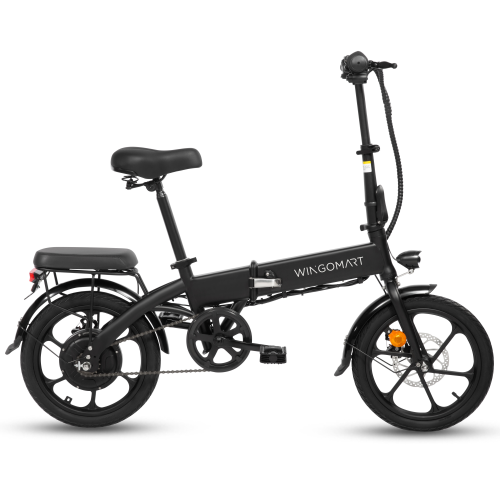
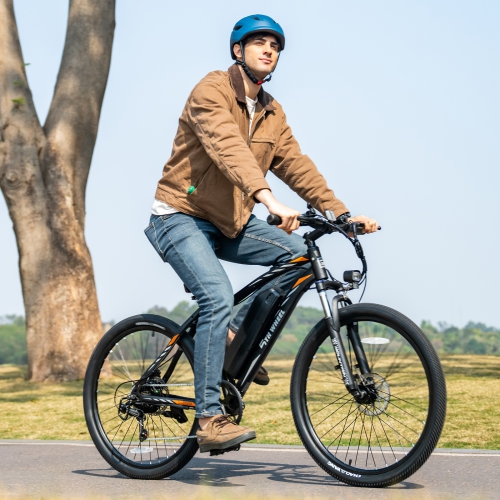
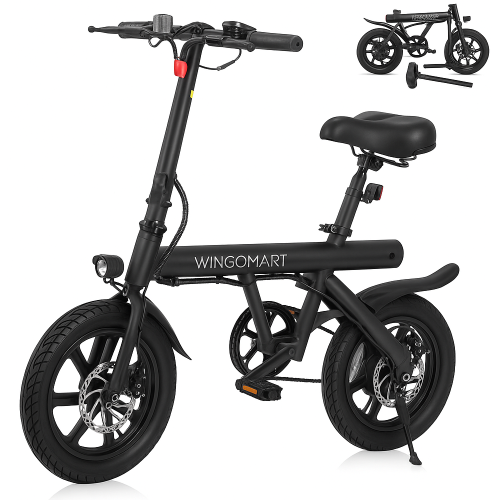
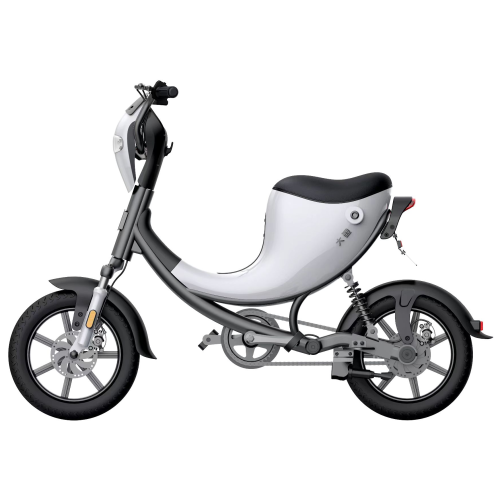
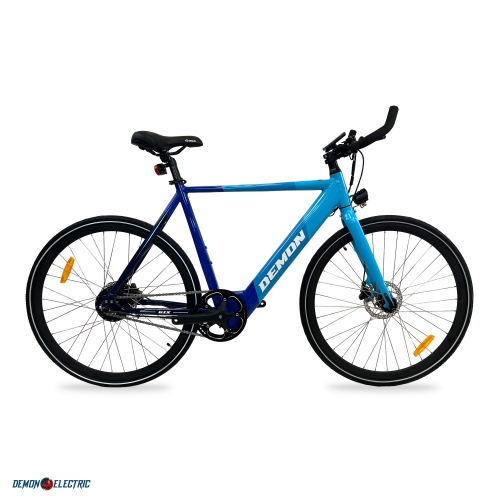
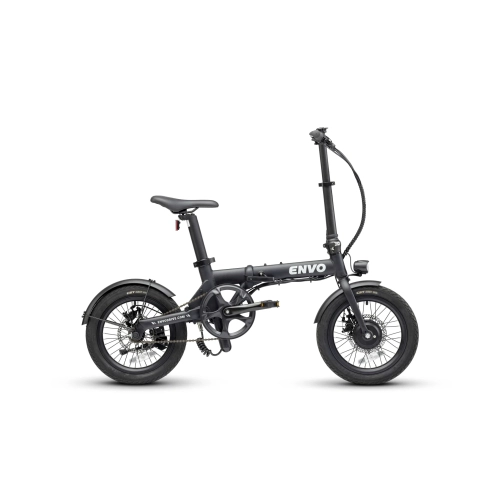
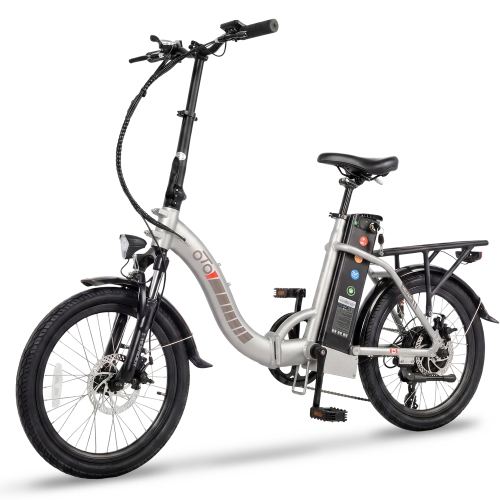
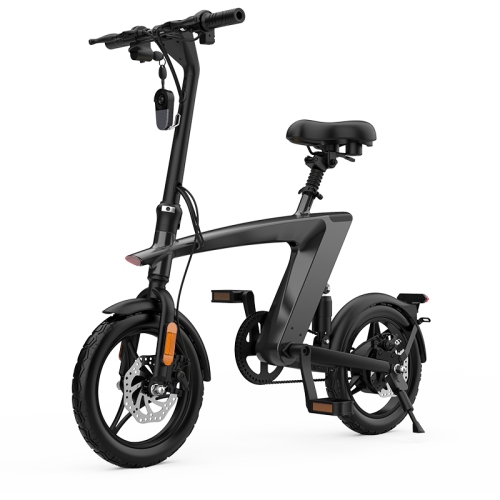
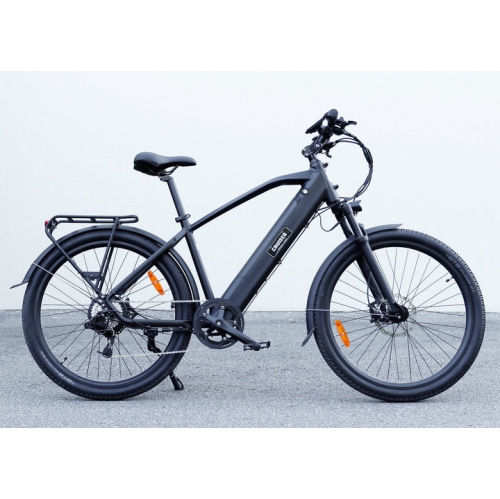
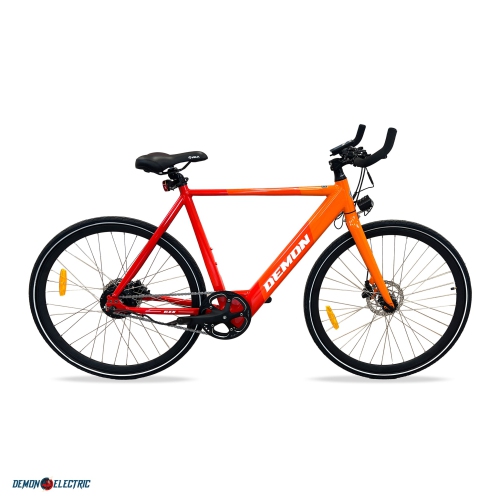
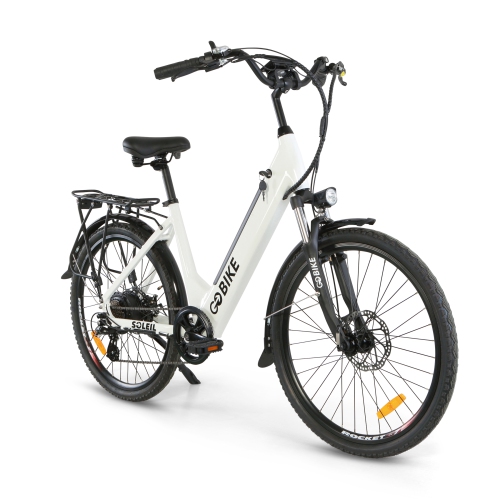
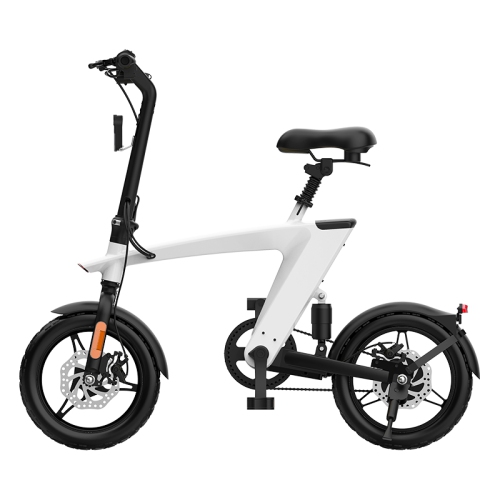
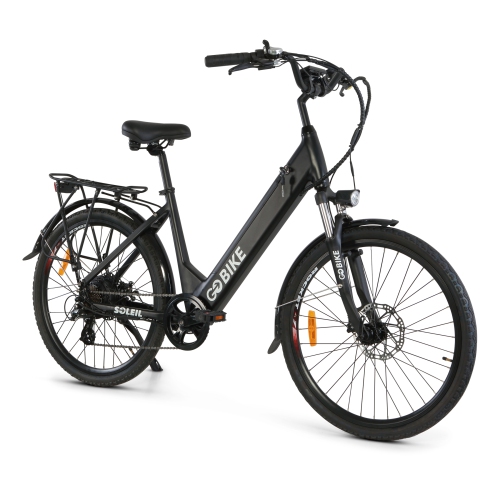
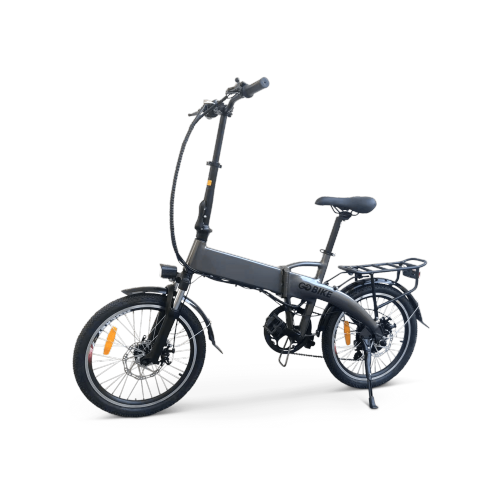

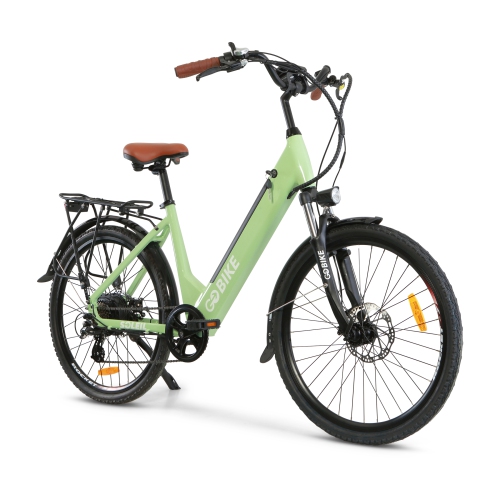
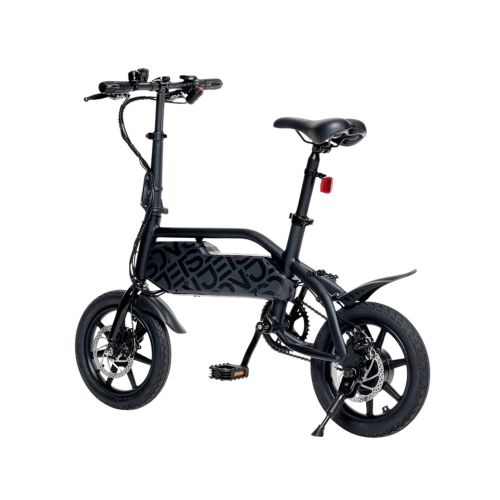

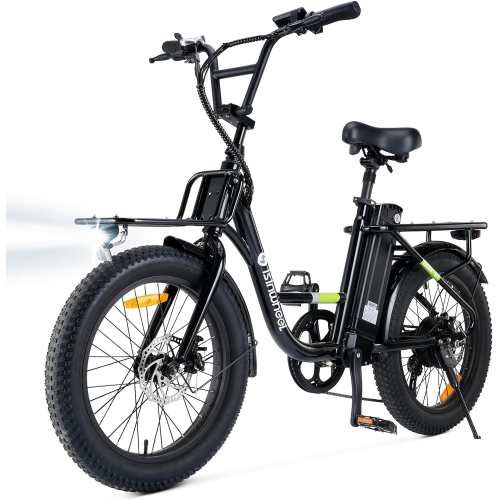

How lower weight affects handling storage and everyday riding
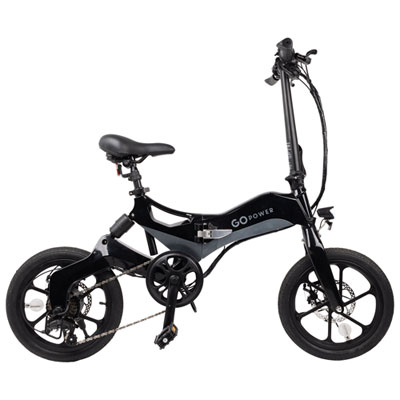
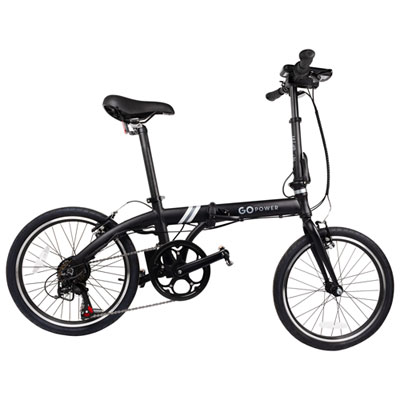
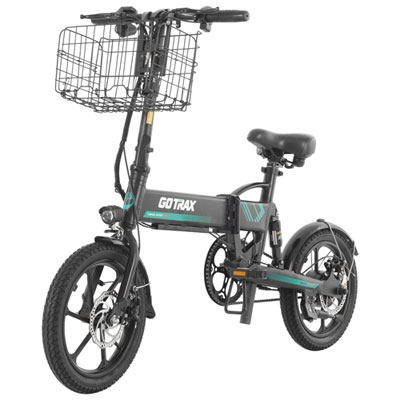
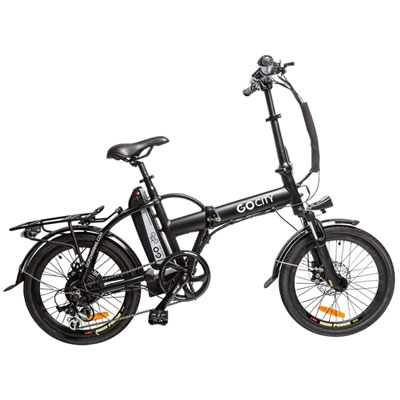
Lightweight electric bikes bring motor-assisted cycling into a more manageable, familiar format. While many full-size electric bikes can weigh 27 kg (60 lb) or more, lightweight models often fall in the approximate 13 to 19 kg (28 to 42 lb) range, depending on the frame material, battery size, motor system and equipment. That difference is noticeable when lifting a bike over a doorstep, carrying it up apartment stairs or placing it on a vehicle rack. A lighter frame can also make the bike feel more like a traditional bicycle when the motor is switched off, with responsive handling that suits city streets, paved paths and everyday fitness rides. Some riders choose a lightweight electric bike for commuting, using pedal assistance to arrive without the strain of a long hill or headwind; others use one for errands, recreational rides or travelling between neighbourhoods. They can be especially helpful for riders who want extra support but still prefer a bicycle that is easy to steer, store and manoeuvre in tight spaces. As the weather warms, a lightweight electric bike can turn a short drive into a pleasant ride through local streets or along multi-use paths. During the cooler months, it can remain useful for practical trips when paired with suitable layers, gloves, lights and weather-aware riding habits. When comparing options, start with the way the bike will be handled before and after each ride. A model that feels effortless on the road may be less convenient if it is awkward to lift into a storage area, fit through a doorway or secure on a rack. Check the listed weight and remember that removable batteries, front baskets, racks, fenders and locks can add to the total you will carry. Frame shape matters as well: a step-through design can make mounting easier, while a more traditional top tube may provide a familiar feel for riders who prefer a sportier position.
Motor assistance is another important point of comparison. Electric bikes may use a hub motor or a mid-drive motor, and each layout affects the way assistance feels while riding. Hub motors can provide smooth support for flat commutes and casual cruising, while mid-drive systems often respond naturally to pedalling and can be well suited to routes with frequent climbs. A cadence sensor typically activates assistance when the pedals turn, whereas a torque sensor responds to how firmly the rider is pedalling, creating a more gradual and intuitive increase in power. Assistance levels allow riders to select a gentler setting for conserving battery power or a stronger setting for hills and headwinds. The battery’s capacity, charging time and expected range should be considered alongside the route rather than viewed in isolation. Distance estimates can vary with rider weight, terrain, temperature, tyre pressure, cargo, wind and the selected assistance level, so a longer claimed range does not always translate to the same distance in everyday use. Look for a battery that can be removed if charging indoors is important, and confirm whether the charger is included and how the battery should be stored during extended periods of non-use. A clear display can show speed, assistance level, battery status and trip information without distracting from the road. Other practical features may include integrated lights, hydraulic or mechanical disc brakes, puncture-resistant tyres, a kickstand, mudguards, a rear rack and an adjustable handlebar. Brakes deserve particular attention because a lighter electric bike can still travel at the speed of a conventional bicycle with the added momentum of a motor and battery. Tyre width and tread also influence comfort and grip: narrower tyres can feel quick on smooth pavement, while wider tyres may offer extra cushioning on rough paths. Riders planning to carry groceries, a laptop or a change of clothes should check the rack’s weight limit and the bike’s overall payload rating. For homes with limited storage or vehicles with restricted rack space, a Lightweight Folding E Bikes option may provide a more convenient arrangement, although folding hinges, wheel size and folded dimensions should be reviewed carefully before purchase.
Lightweight electric bikes can suit a wide range of riders, from students and commuters to active adults, recreational cyclists and anyone who appreciates assistance on longer or hillier routes. They may also make a thoughtful gift for a partner, parent or family member who enjoys being outdoors but would welcome a little help on inclines or on the return journey. A gift recipient will appreciate more than the bike itself, so consider the practical accessories that make regular use easier, such as a properly sized helmet, a sturdy lock, front and rear lights, a bell, a rack bag or panniers, and a pump with a pressure gauge. Fit is essential: the rider should be able to place both feet securely when stopped, reach the controls without stretching and maintain a comfortable bend in the elbows. Handlebar position, saddle height and frame size can affect comfort over a short errand just as much as on a longer weekend ride. Before riding, read the manufacturer’s instructions, charge the battery as directed and become familiar with the assistance controls in a quiet area. Begin with a low power setting, practise braking and turning, and pay attention to the bike’s added width and momentum when navigating paths, parked cars and shared spaces. Local rules may set requirements for motor output, maximum assisted speed, helmet use, lighting or where electric bikes can be ridden, so riders should check the regulations that apply in their province or municipality. Regular care helps maintain a dependable ride: inspect tyre pressure, test the brakes, keep the chain or belt clean according to the manufacturer’s recommendations, check fasteners and store the battery in a dry location away from extreme temperatures. When the fit, weight, motor response and storage setup match the rider’s routine, a lightweight electric bike can become an easy part of daily life—ready for a quick trip to work, a relaxed ride beside the water or a practical journey home with a basket of groceries.
Motor assistance is another important point of comparison. Electric bikes may use a hub motor or a mid-drive motor, and each layout affects the way assistance feels while riding. Hub motors can provide smooth support for flat commutes and casual cruising, while mid-drive systems often respond naturally to pedalling and can be well suited to routes with frequent climbs. A cadence sensor typically activates assistance when the pedals turn, whereas a torque sensor responds to how firmly the rider is pedalling, creating a more gradual and intuitive increase in power. Assistance levels allow riders to select a gentler setting for conserving battery power or a stronger setting for hills and headwinds. The battery’s capacity, charging time and expected range should be considered alongside the route rather than viewed in isolation. Distance estimates can vary with rider weight, terrain, temperature, tyre pressure, cargo, wind and the selected assistance level, so a longer claimed range does not always translate to the same distance in everyday use. Look for a battery that can be removed if charging indoors is important, and confirm whether the charger is included and how the battery should be stored during extended periods of non-use. A clear display can show speed, assistance level, battery status and trip information without distracting from the road. Other practical features may include integrated lights, hydraulic or mechanical disc brakes, puncture-resistant tyres, a kickstand, mudguards, a rear rack and an adjustable handlebar. Brakes deserve particular attention because a lighter electric bike can still travel at the speed of a conventional bicycle with the added momentum of a motor and battery. Tyre width and tread also influence comfort and grip: narrower tyres can feel quick on smooth pavement, while wider tyres may offer extra cushioning on rough paths. Riders planning to carry groceries, a laptop or a change of clothes should check the rack’s weight limit and the bike’s overall payload rating. For homes with limited storage or vehicles with restricted rack space, a Lightweight Folding E Bikes option may provide a more convenient arrangement, although folding hinges, wheel size and folded dimensions should be reviewed carefully before purchase.
Lightweight electric bikes can suit a wide range of riders, from students and commuters to active adults, recreational cyclists and anyone who appreciates assistance on longer or hillier routes. They may also make a thoughtful gift for a partner, parent or family member who enjoys being outdoors but would welcome a little help on inclines or on the return journey. A gift recipient will appreciate more than the bike itself, so consider the practical accessories that make regular use easier, such as a properly sized helmet, a sturdy lock, front and rear lights, a bell, a rack bag or panniers, and a pump with a pressure gauge. Fit is essential: the rider should be able to place both feet securely when stopped, reach the controls without stretching and maintain a comfortable bend in the elbows. Handlebar position, saddle height and frame size can affect comfort over a short errand just as much as on a longer weekend ride. Before riding, read the manufacturer’s instructions, charge the battery as directed and become familiar with the assistance controls in a quiet area. Begin with a low power setting, practise braking and turning, and pay attention to the bike’s added width and momentum when navigating paths, parked cars and shared spaces. Local rules may set requirements for motor output, maximum assisted speed, helmet use, lighting or where electric bikes can be ridden, so riders should check the regulations that apply in their province or municipality. Regular care helps maintain a dependable ride: inspect tyre pressure, test the brakes, keep the chain or belt clean according to the manufacturer’s recommendations, check fasteners and store the battery in a dry location away from extreme temperatures. When the fit, weight, motor response and storage setup match the rider’s routine, a lightweight electric bike can become an easy part of daily life—ready for a quick trip to work, a relaxed ride beside the water or a practical journey home with a basket of groceries.
Top selling and popular products
-
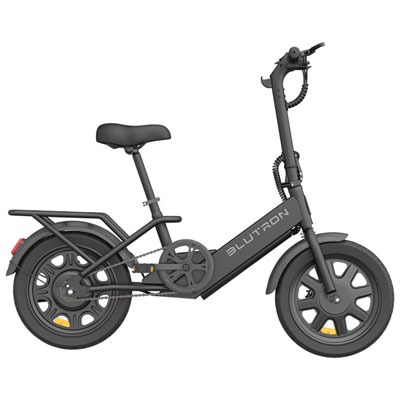 Your price for this item is $499.99
 -
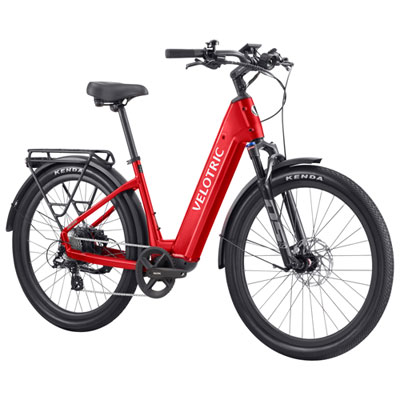 Your price for this item is $2499.99
 -
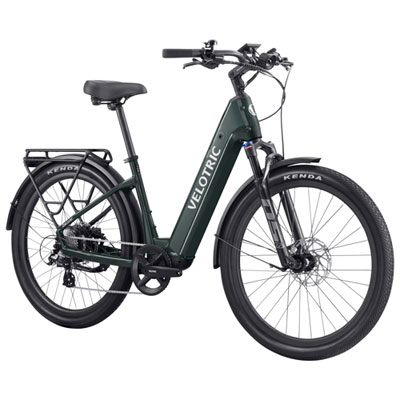 Your price for this item is $2499.99
 -
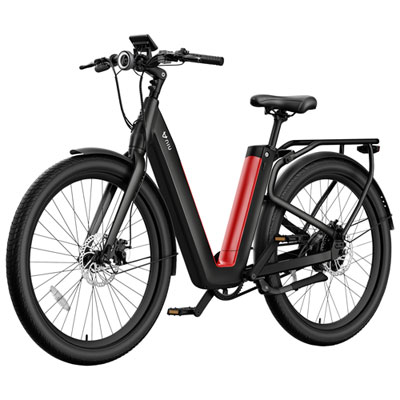 Your price for this item is $2699.99
 -
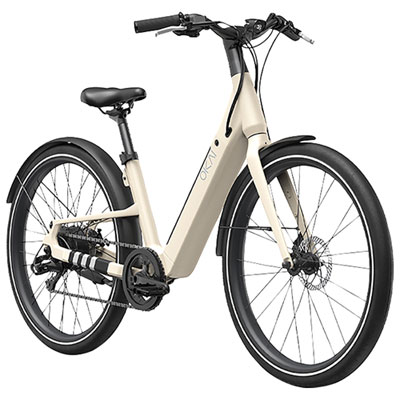 Your price for this item is $2199.99
 -
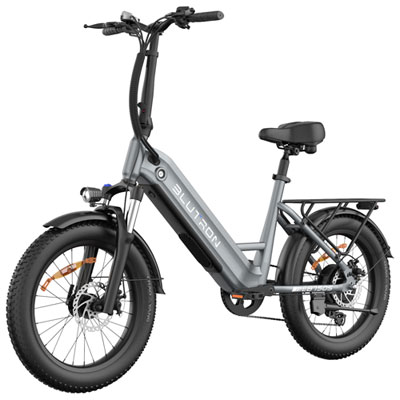 Your price for this item is $999.99
 -
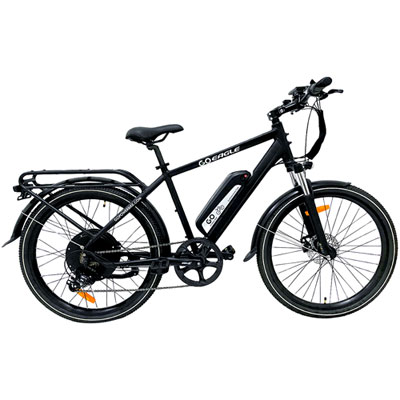 Your price for this item is $1399.97
 -
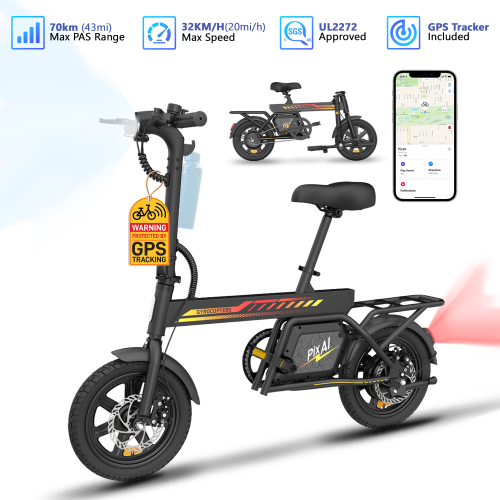 Your price for this item is $399.97
Discover more categories related to Lightweight Electric Bikes
Top Collections:
Pokemon Centers, Kindle Devices, Best Budget Office Chairs, Apple iPhones 16, Best Laptops for Writers, iPhone 15 Apple, Canon G7X Cameras, Refurbished Apple Laptops, Alarm Clock, Motorola Razr Phones
Some products may be subject to Environmental Handling Fees
(EHF) depending on your province.
Learn more about EHFs.