Electrolux Dryers

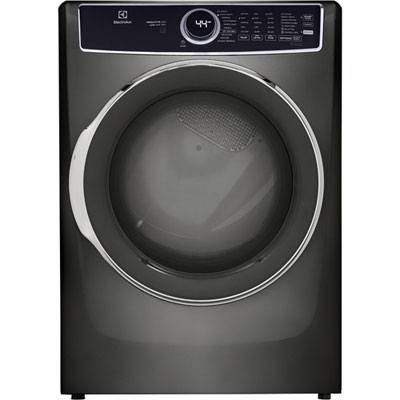
Shop Electrolux dryers to find a fit for your laundry space and household needs. Compare available models by drum capacity, dimensions, drying settings, and installation requirements, and check compatibility with your washer if you’re planning a stacked setup.
Read More

Sort

A dryer that fits your space and laundry habits

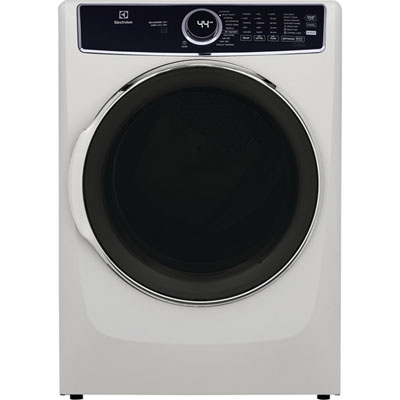
A well-matched dryer supports the everyday rhythm of laundry, from a small load of work shirts to the towels and bedding that fill a busy household’s baskets. The right fit is about more than drum size: it also involves fabric care, cycle flexibility, ease of loading, and how much attention each load needs before it is ready to put away. Larger drums give bulky pieces more room to tumble, although a comforter still needs enough space to move freely rather than remain folded into a damp bundle. For smaller households, useful capacity may mean handling a regular week’s laundry without an appliance that overwhelms the room. Households with children, shared laundry responsibilities, or frequent guests may place greater value on accommodating several bath towels or multiple changes of clothing. Moisture-sensing cycles, when included, use readings from the load to help determine when drying should finish, while timed cycles provide a different level of control for suitable fabrics and smaller tasks. Results still depend on load size, fabric thickness, and the selected setting. A lightweight blouse and a heavy cotton sweatshirt rarely dry at the same pace, even when they come out of the washer together. Separating those fabrics can make the finished load more consistent and reduce the need to run already-dry garments through additional heat. Settings for delicates, bulky articles, or lower-heat drying should always be considered alongside the garment’s care label. Steam functions on suitably equipped dryers may help relax wrinkles or refresh certain garments, but they do not replace washing when clothing needs cleaning. For someone who regularly folds laundry straight from the drum, an accessible opening and a clear end-of-cycle signal can matter as much as an extensive cycle menu. For someone whose laundry often waits while dinner is prepared or children are settled, an intermittent tumbling option may be a more useful convenience. These differences make everyday habits an important part of finding a dryer that feels practical rather than complicated.

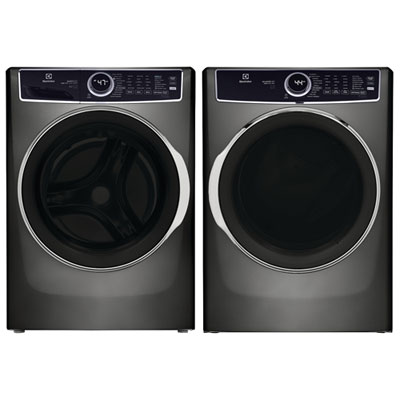
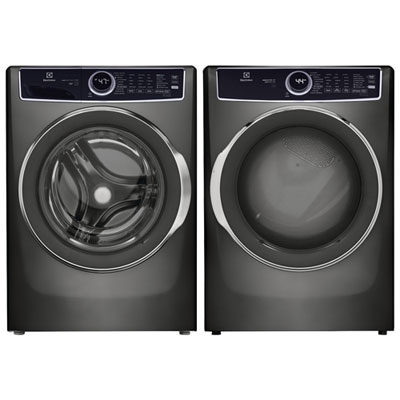
The physical fit deserves just as much attention as the drying functions, particularly in a condo laundry closet, a narrow utility room, or a shared space with limited floor area. Appliance dimensions tell only part of the story. Door swing, room to stand with a laundry basket, rear connections, and the clearances specified for installation all affect how comfortably the dryer can be used. A door that opens into a nearby wall or blocks the washer can turn a simple transfer of wet clothing into an awkward reach. Where a reversible door is supported, the permitted hinge arrangement can help improve that workflow. Stacked configurations can free up floor space, but they require compatible appliances and the correct stacking hardware; placing one appliance on another without an approved arrangement is not a safe substitute. A pedestal can raise the loading opening and may provide storage, though the added height needs to suit the people using the controls. A coordinated setup with Electrolux Washer And Dryers can also bring washing and drying into the same planning process, with attention to compatible configurations and capacities that work together. Electrical requirements, gas connections where applicable, and the dryer’s venting design must suit the home and the manufacturer’s installation requirements. A vented dryer needs a suitable exhaust route to the outside, with ductwork arranged to support proper airflow. Steam-equipped designs may also require a water connection, making hose routing another detail to account for. Delivery access matters, too: doorways, stair turns, and tight hallways can restrict how an appliance reaches its intended space. Within the dryer itself, drum material, surface finish, lint-filter access, and control readability all contribute to daily usability. A smooth, well-maintained drum is important for clothing that tumbles against it repeatedly. Clearly marked settings, a comfortable door handle, and a filter that is straightforward to remove can make routine tasks easier, especially when several people share the laundry. Sound is another consideration when the laundry area sits beside a bedroom or living space, although installation, levelling, and the contents of a load also influence what is heard during operation.

Consistent care helps a dryer remain dependable and keeps its fabric-care features working as intended. The lint filter needs cleaning after every load, even when it appears to have collected very little, and the exhaust system needs inspection and cleaning at the intervals set out in the appliance instructions. A load taking noticeably longer than usual can point to restricted airflow, overloading, or another issue that deserves attention rather than simply a longer cycle. Keeping the area around the appliance clear also makes it easier to reach connections and carry out routine cleaning. Care begins before clothing reaches the drum: pockets should be emptied of coins, screws, tissues, and other loose objects that can damage fabrics or create unwanted noise. Zippers, hooks, and loose straps need attention according to the garment instructions, while embellished pieces and delicate fabrics may require a protective bag, a suitable drying accessory, or air-drying instead. Waterproof articles, foam-filled pieces, and items exposed to oils or flammable substances need particular caution and should only be handled as permitted by their care labels and the dryer’s safety instructions. Loading loosely gives garments room to separate and tumble; packing the drum tightly can leave damp areas and increase creasing. Bedding may need to be untangled during a cycle so smaller pieces do not remain trapped inside a sheet. Drying accessories, including dryer balls or fabric-care sheets, should be used only where appropriate for the appliance and fabrics. After a load finishes, removing and folding clothing promptly can help preserve its shape and reduce wrinkles without further treatment. The outer cabinet and controls generally need gentle cleaning rather than abrasive products, with the appliance instructions taking priority for specific surfaces. Over time, attention to unusual scraping, persistent vibration, damaged seals, or changes in drying performance can help identify when servicing is needed. A dryer suited to the household’s laundry volume, installed correctly and maintained regularly, becomes a dependable part of caring for clothing, linens, and the textiles used throughout the home.
Read More

FAQ

Some products may be subject to Environmental Handling Fees (EHF) depending on your province. Learn more about EHFs.