Electronic Home Gyms

Compare electronic home gyms for strength training in your own space. Consider each system’s resistance options, footprint, and workout features, along with any app or subscription requirements, to choose a setup that fits your fitness goals and routine.
Read More

Sort

Connected strength training that fits your space and routine

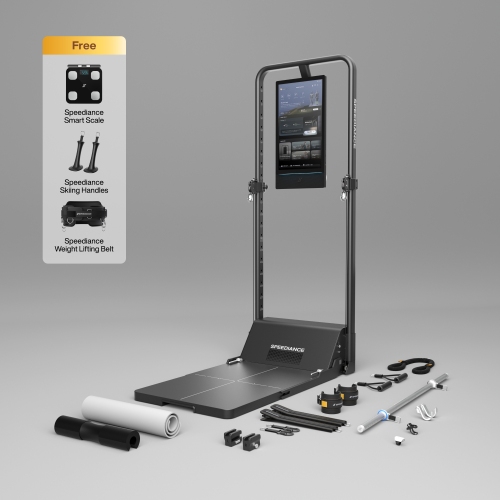
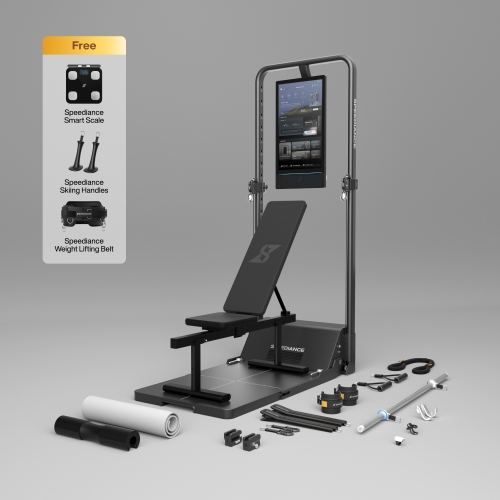
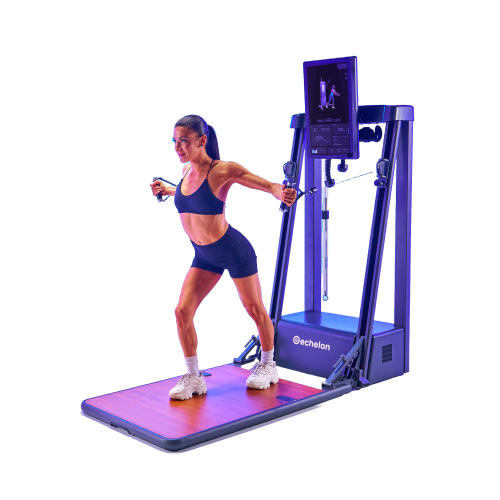
Electronic home gyms bring connected features and interactive training into an at-home workout space. These systems can combine strength-training equipment with digital controls, exercise demonstrations and performance tracking, giving you ways to organize workouts around your schedule and goals. Some designs use electronically controlled resistance, while others add connected coaching and tracking to a more familiar resistance setup. The distinction matters when comparing how a system feels during an exercise, how resistance is adjusted and which movements it supports. Cable-based designs can offer flexibility for upper-body, lower-body and core exercises, while screen-led systems can make demonstrations and workout information easier to follow. For shoppers building a dedicated fitness room or making room for training in a shared living area, electronic home gyms offer different balances of exercise variety, digital guidance and space requirements. A suitable setup should support the movements you enjoy and provide a resistance range that works for both your current routine and future training goals.

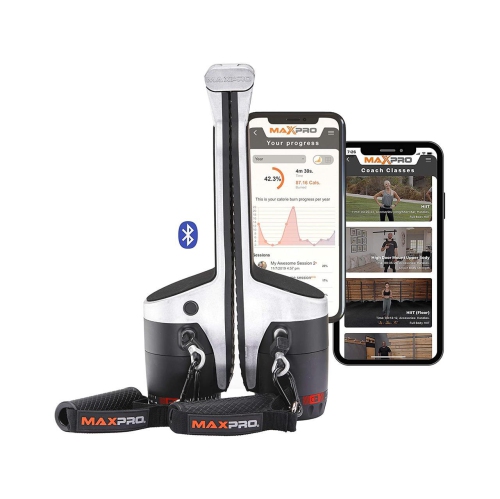
The training experience is an important part of choosing an electronic home gym. Guided sessions can provide structure for someone establishing a routine, while adjustable workouts and detailed performance records may appeal to someone who already follows a strength programme. Useful features to compare include exercise libraries, resistance increments, workout customization and the ability to review progress over time. Where supported, repetition counting and session summaries can help keep training records organized without relying on a separate notebook. Coaching formats also differ: on-demand classes offer flexibility, while self-directed modes leave more room to follow an existing plan. A clear display, accessible controls and straightforward transitions between exercises can make a difference during regular use. In a household where several people train, separate profiles and easy adjustments are worth considering so that each person can keep their preferences and workout history distinct. Phone compatibility and connections to other fitness services may also matter if you prefer to keep your activity information together.

Fit within your home extends beyond the equipment’s stored dimensions. Electronic home gyms need enough usable space for the exercises you intend to perform, including room to extend cables, move around a bench or complete floor-based movements. Compact or folding designs may suit multipurpose rooms, but the working footprint is just as important as the space occupied between sessions. Installation requirements, access to power and any Wi-Fi needs should be considered alongside delivery access and the suitability of the intended location. Included attachments can affect exercise variety, so it is useful to compare what comes with a system and what would require a separate purchase. The overall purchase also includes the digital experience: subscription requirements, access to workout content and the functions available without a membership can influence long-term value. A well-matched electronic home gym brings together practical space requirements, an appropriate range of exercises and connected features you will use consistently, whether your priority is guided training, flexible strength sessions or a more organized home fitness routine.

Read More

FAQ

Some products may be subject to Environmental Handling Fees (EHF) depending on your province. Learn more about EHFs.