Electronic Security Systems

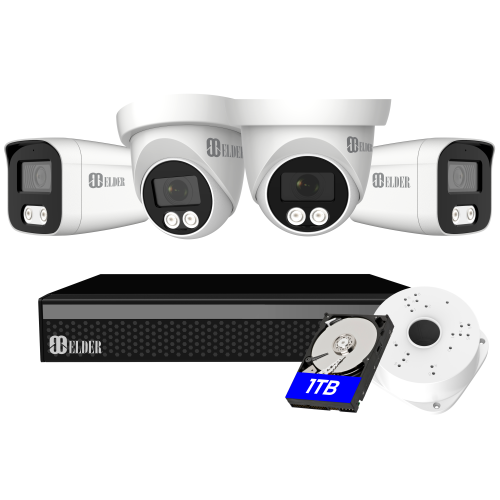
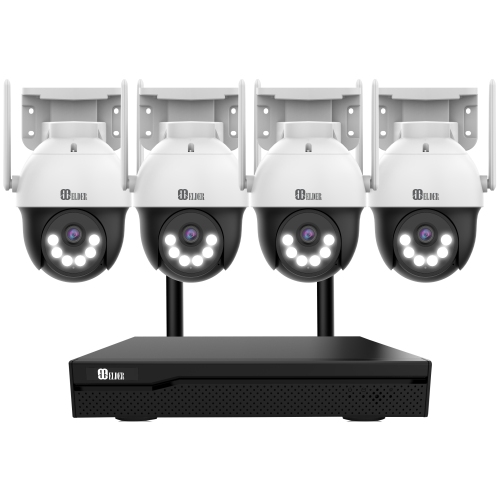
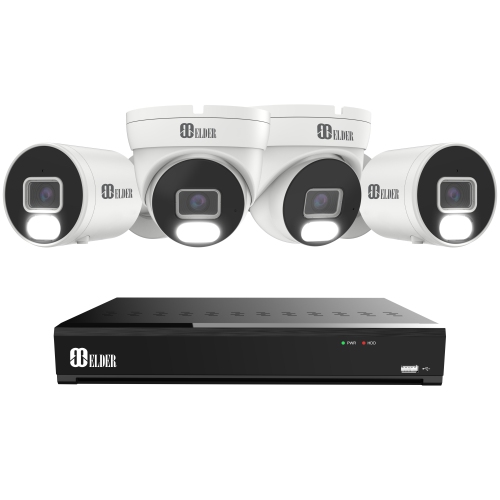
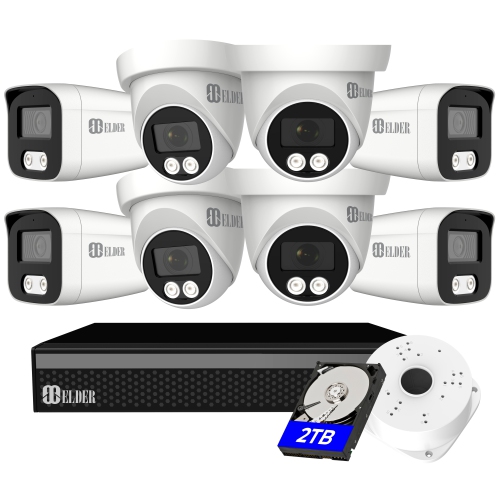
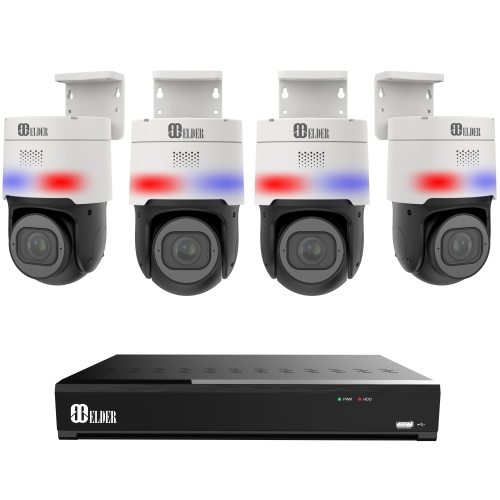
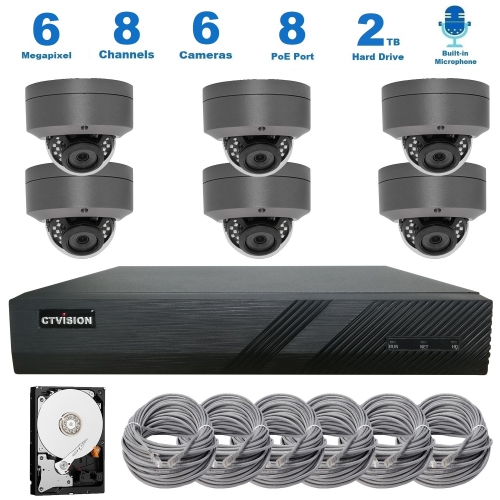
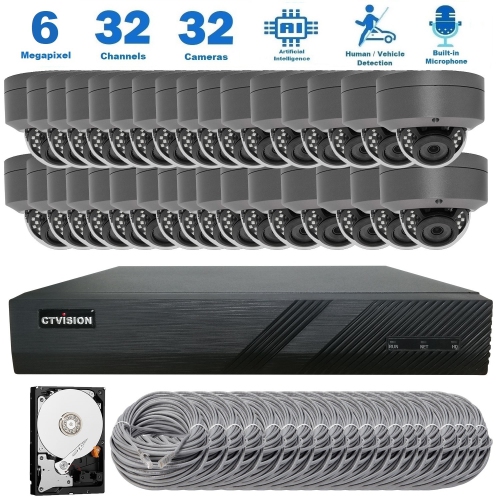
Find electronic security systems for your home or business, and compare options based on the space you need to protect. Consider coverage, installation requirements, and compatibility with your existing devices to choose a setup that fits your security needs.
Read More

Sort

How security setups fit your property and daily routines

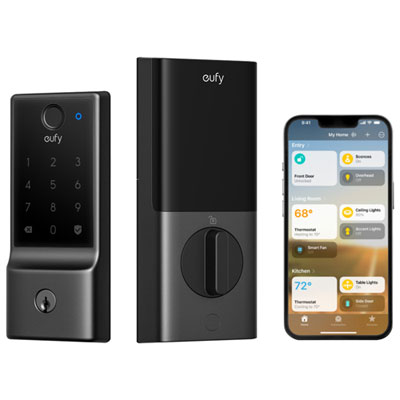
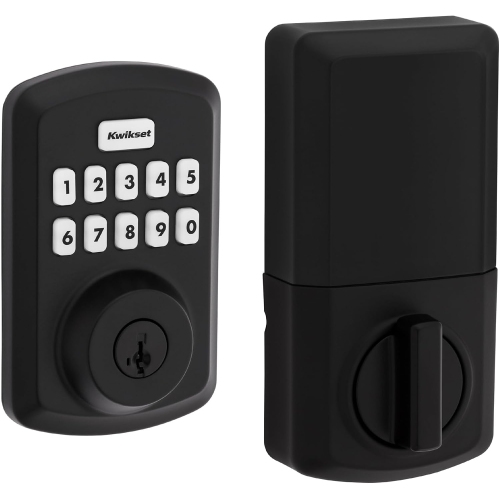
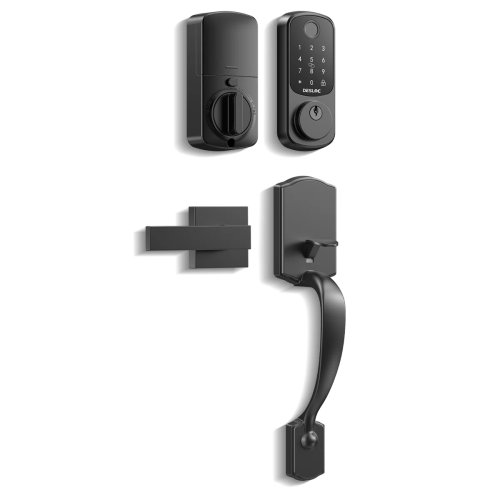
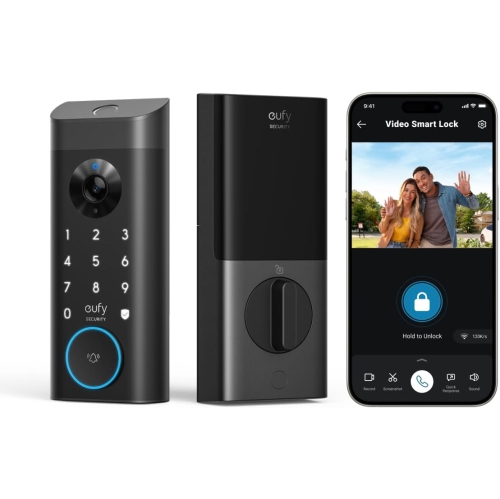
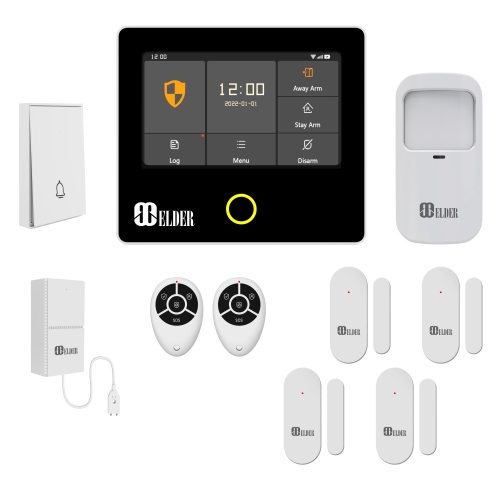
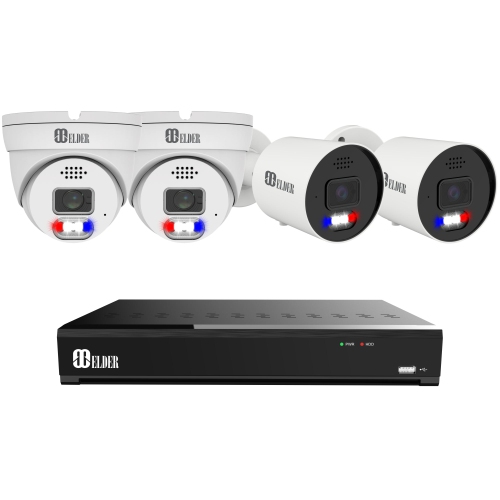
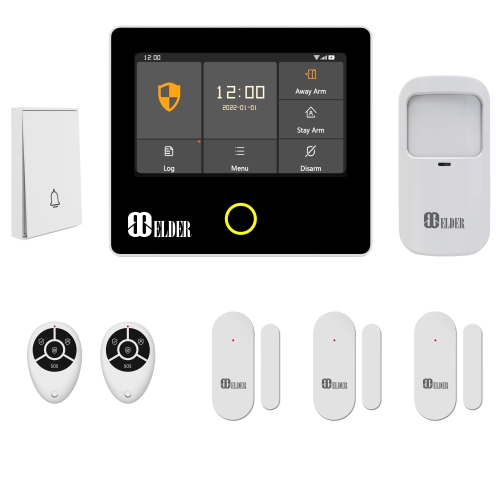
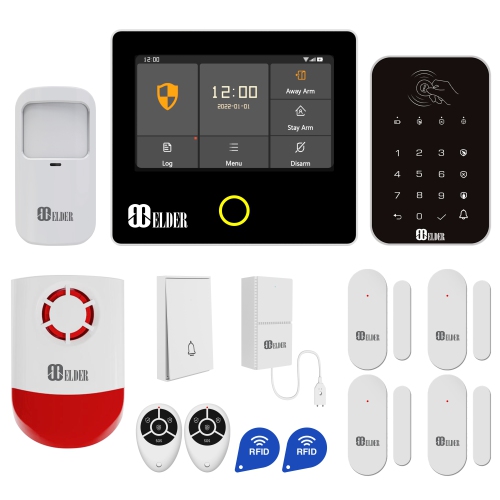
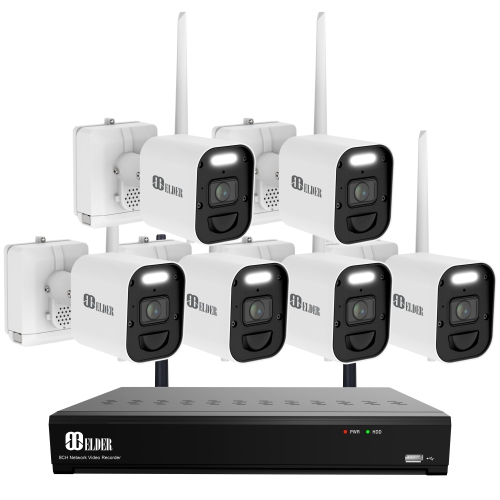
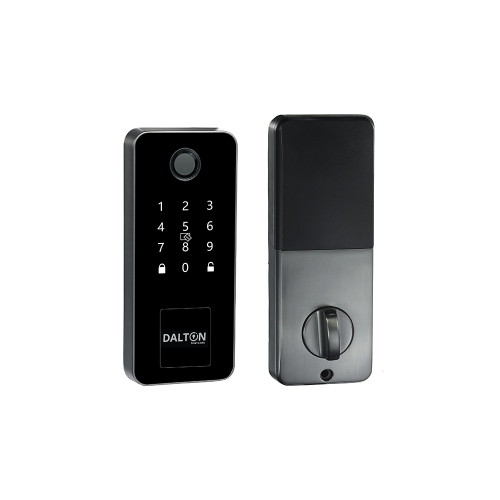
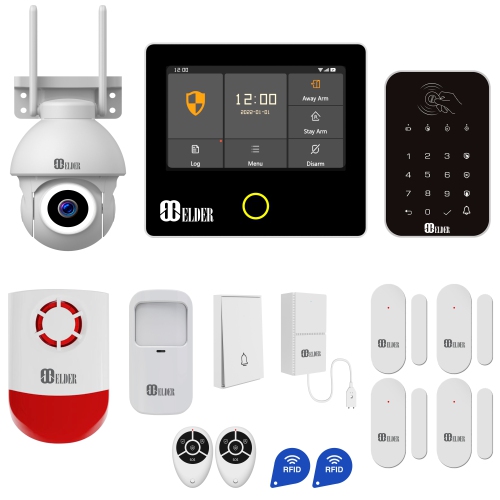
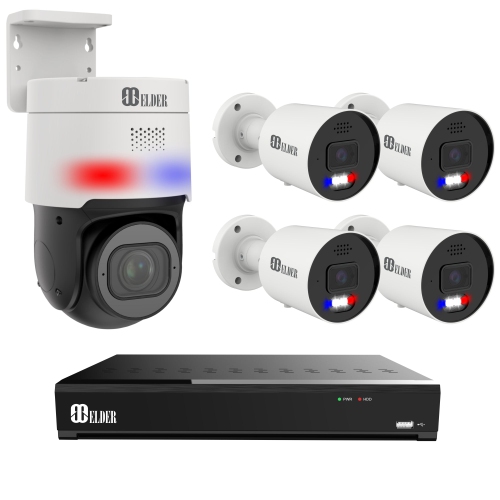
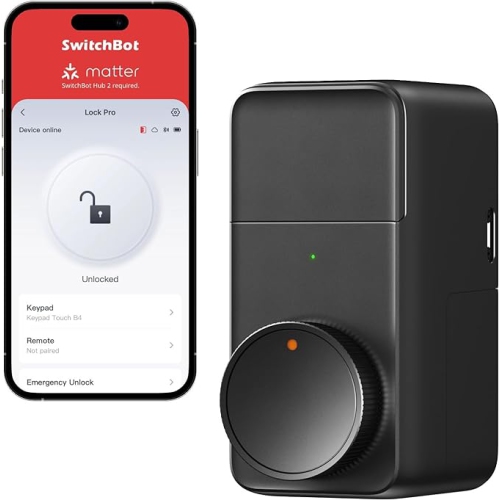
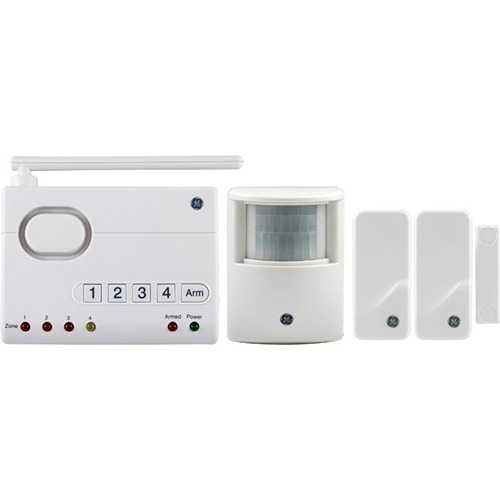
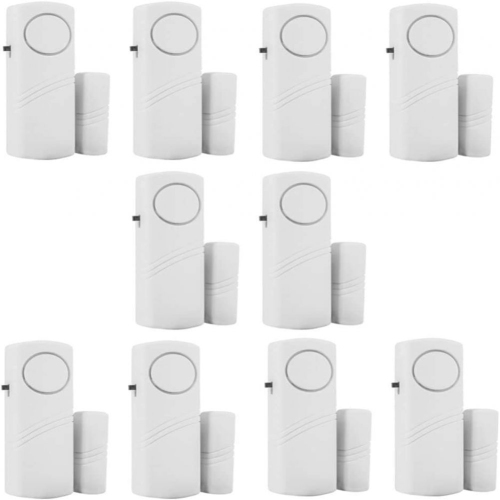
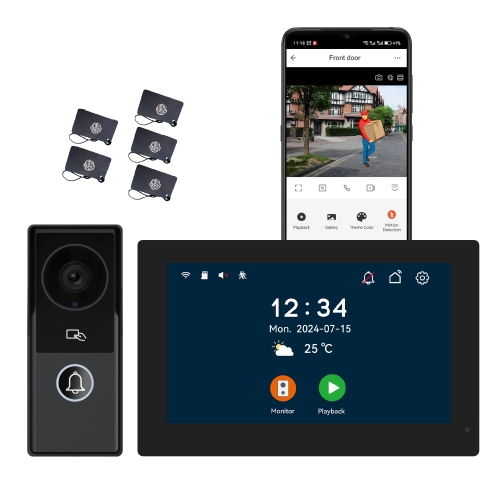
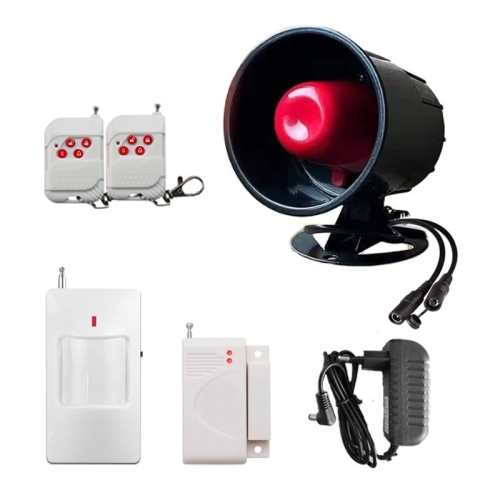
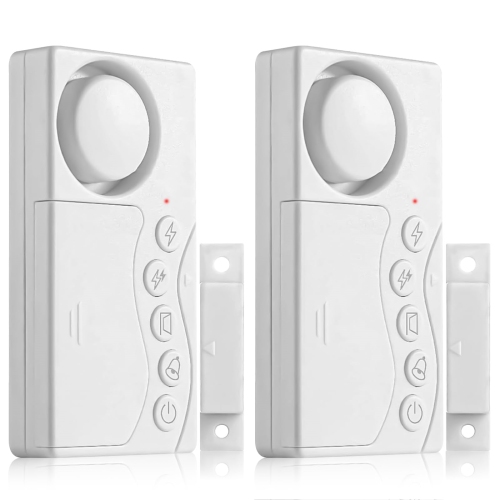
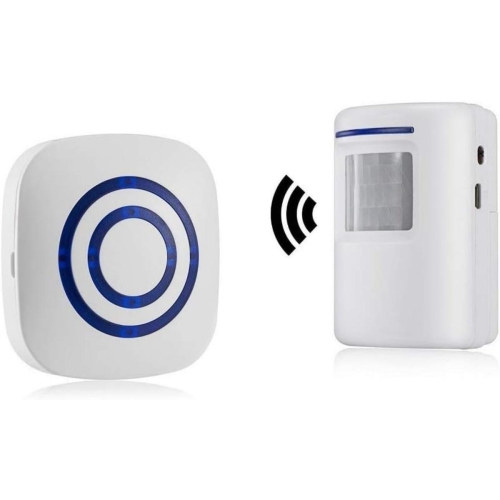
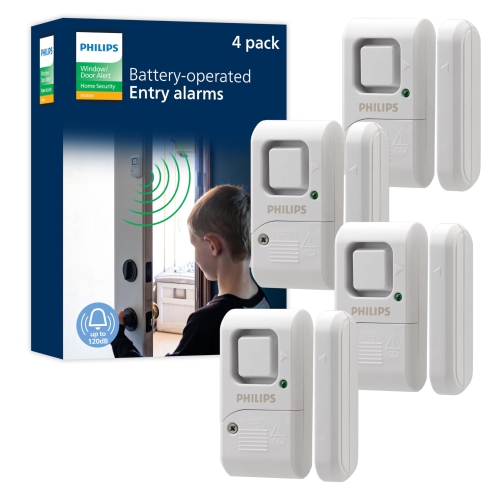
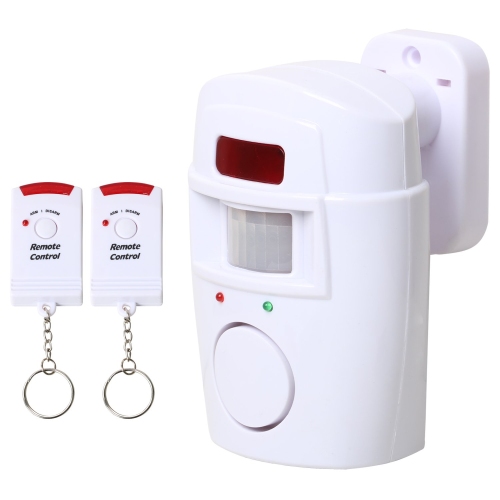
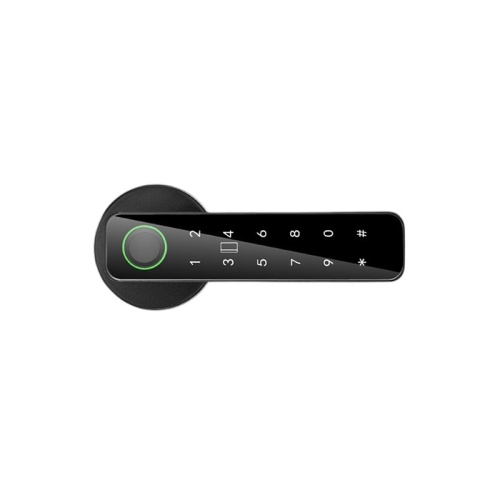
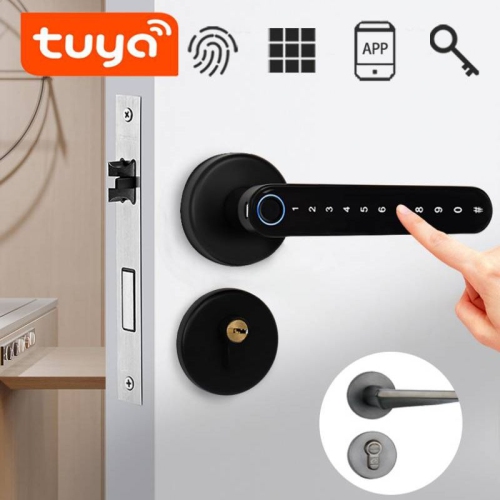
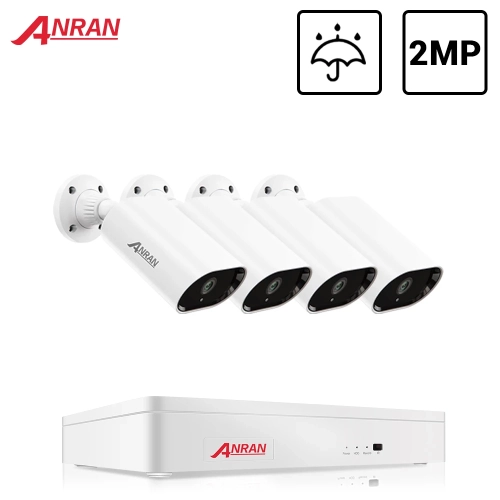
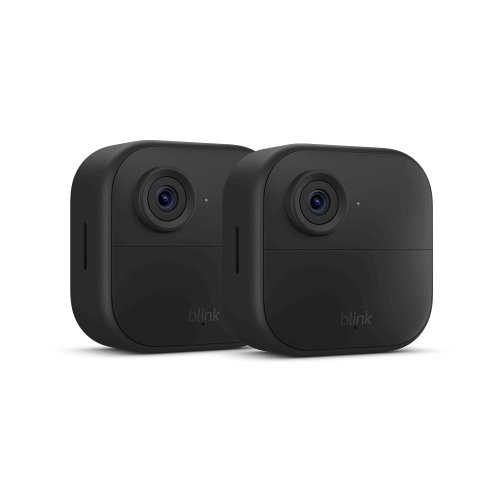
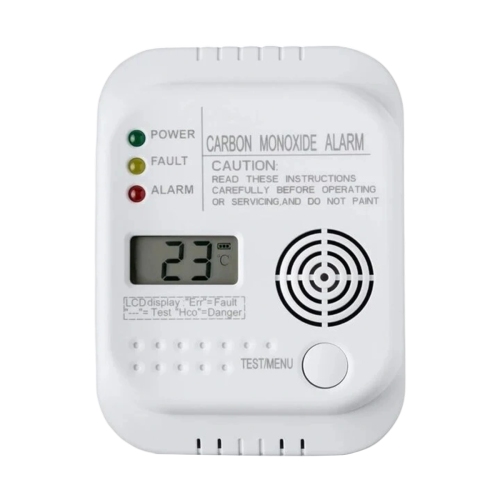
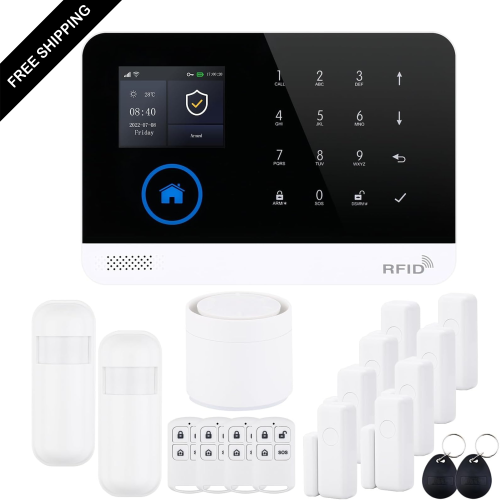
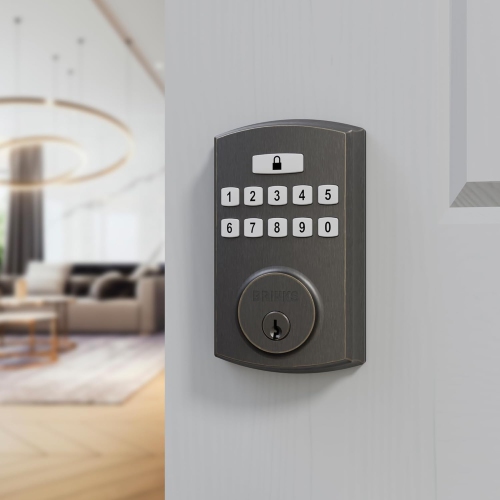
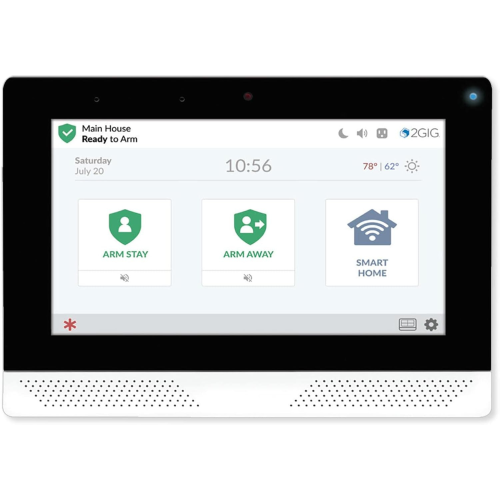
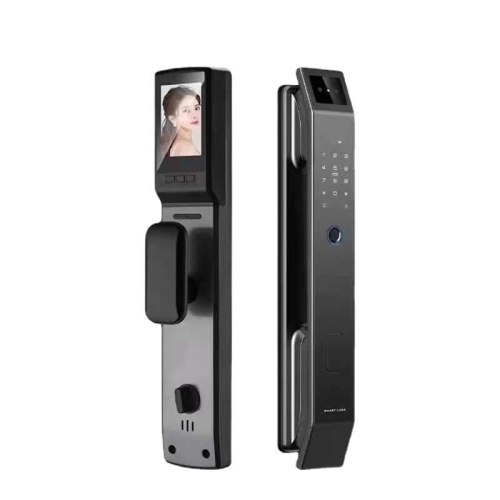
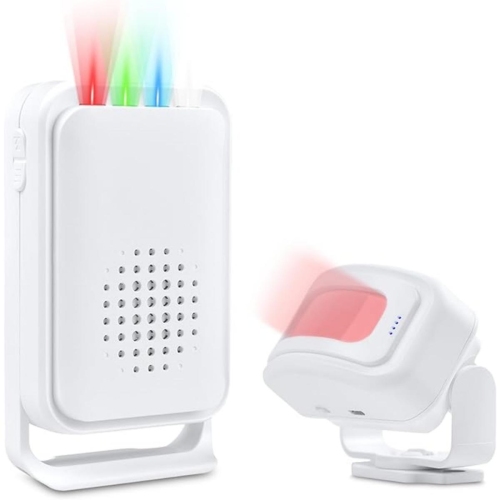
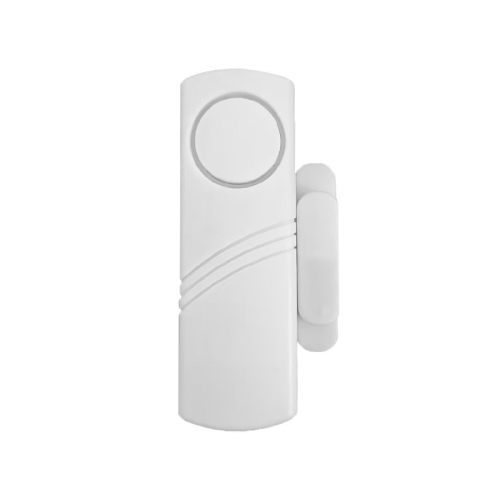
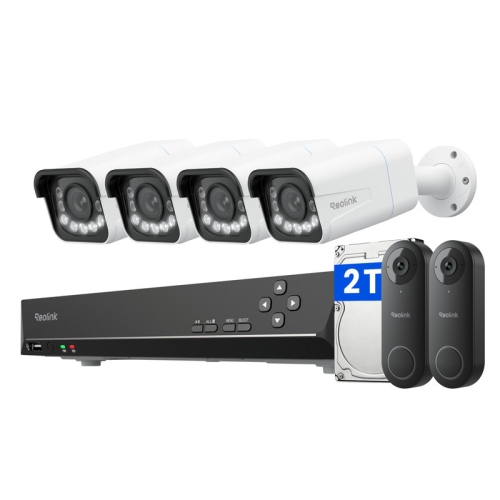
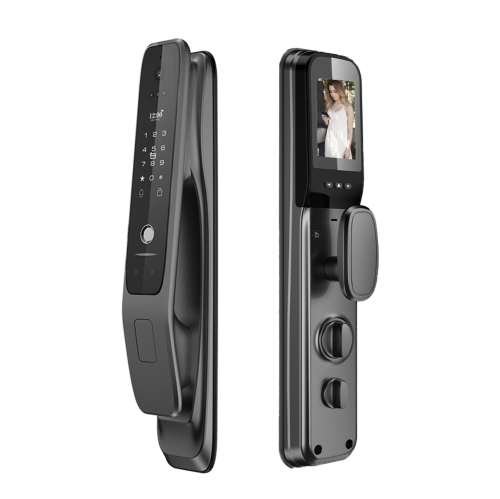
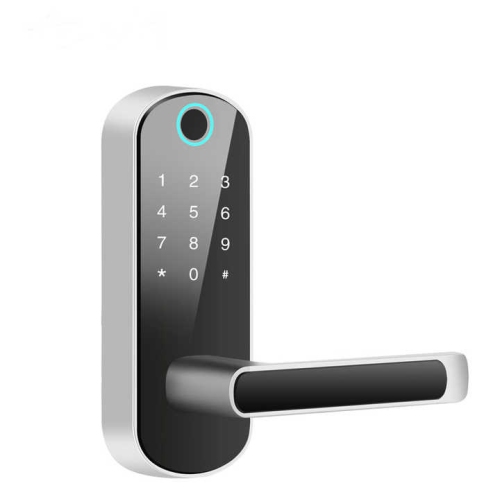
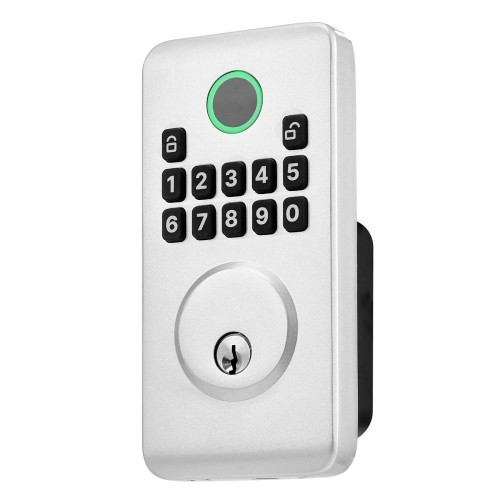
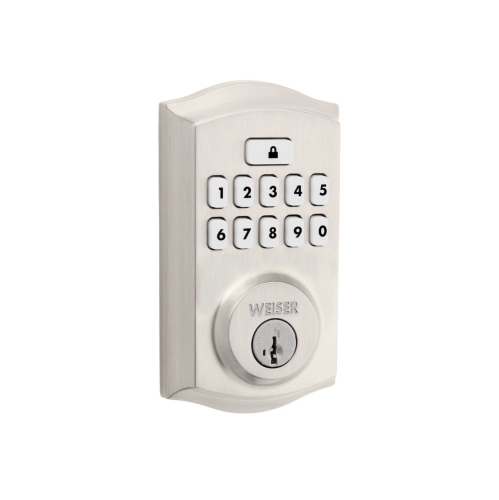
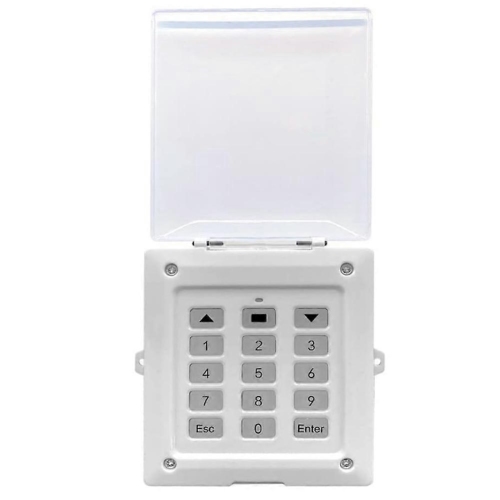
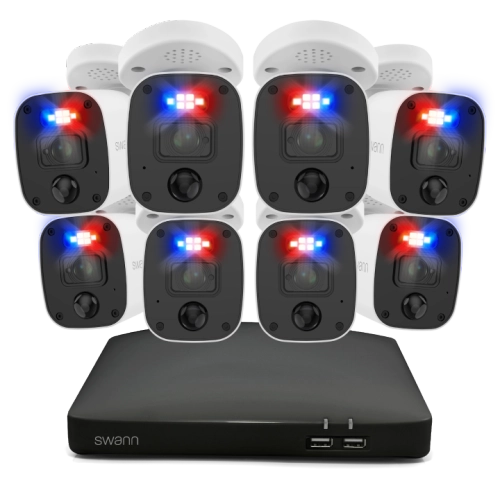
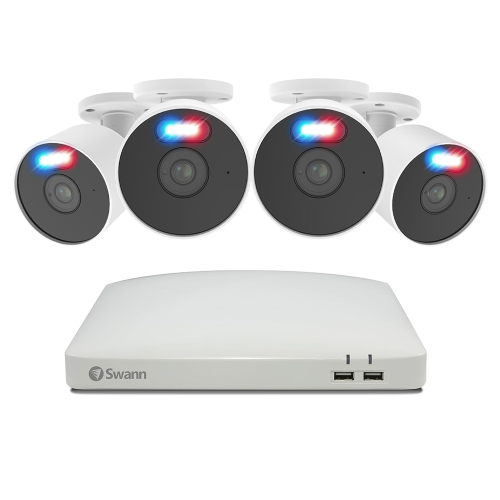
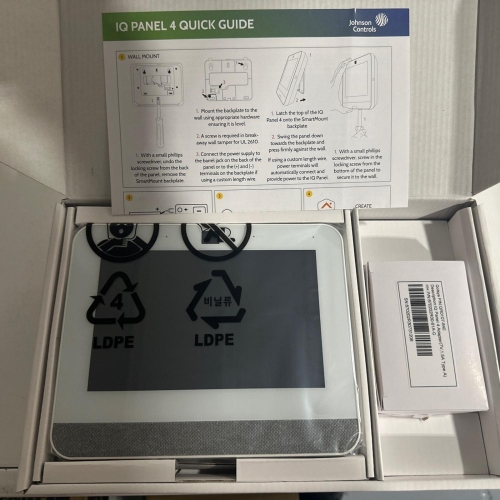
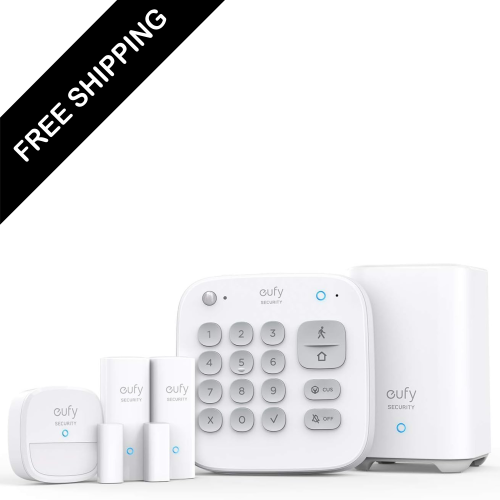
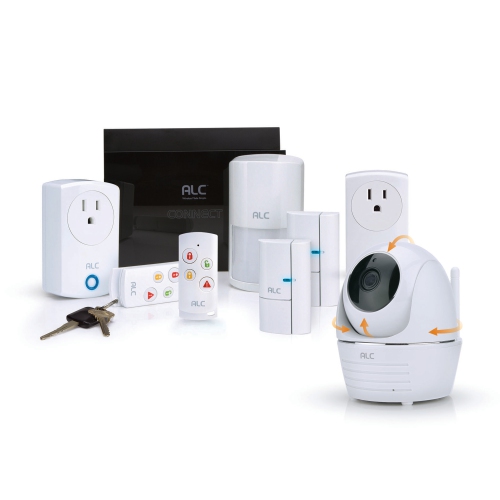
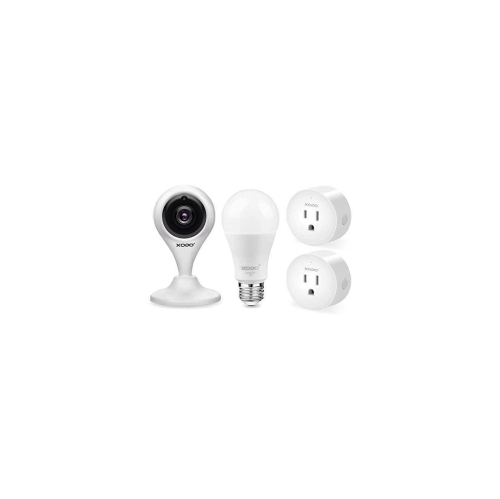
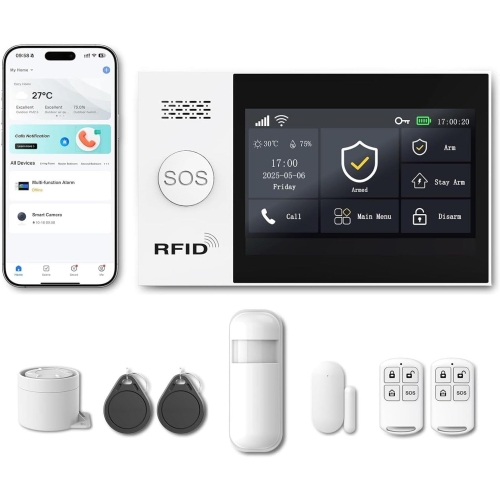
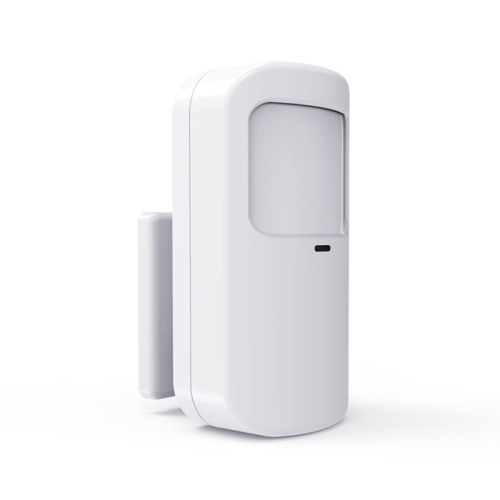
Electronic security systems help households and businesses monitor entry points, manage access, and receive alerts about activity in protected areas. Depending on their design, these systems can bring together door and window sensors, motion detectors, alarms, security cameras, and access controls, with a central panel or app used to manage compatible components. For a home, the main priorities may be monitoring exterior doors, keeping an eye on a garage, or receiving notifications while away. For a small business, controlled access to staff-only areas and visibility around entrances may be more important. The right configuration depends on the size of the property, the number of areas that need coverage, and how people use the space throughout the day. A straightforward setup can focus on a few key entry points, while a more extensive system can support multiple zones and separate user permissions. Expandability is worth considering when security needs may change, since additional components must work with the system’s supported connections and controls.
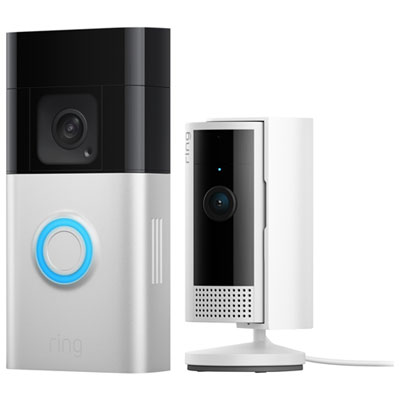
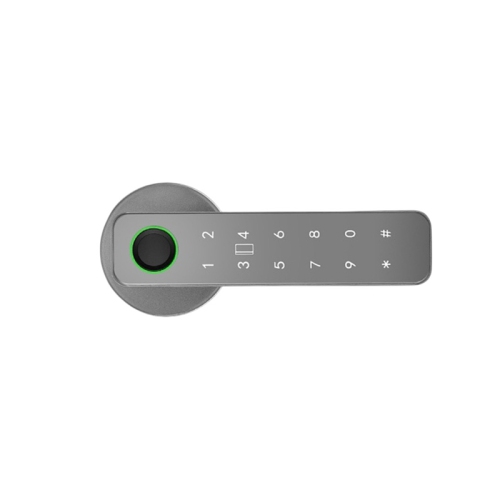
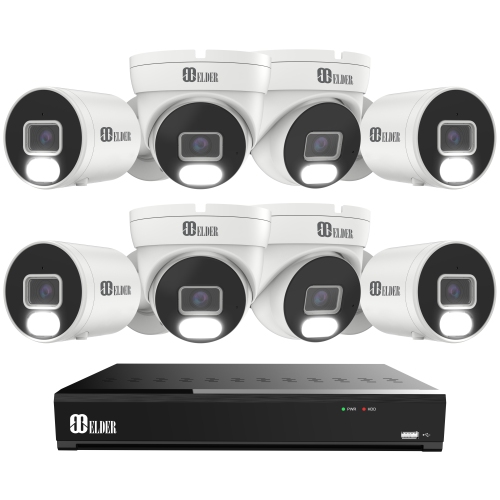
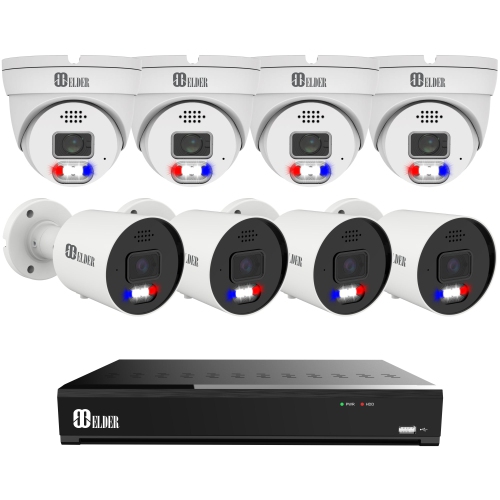
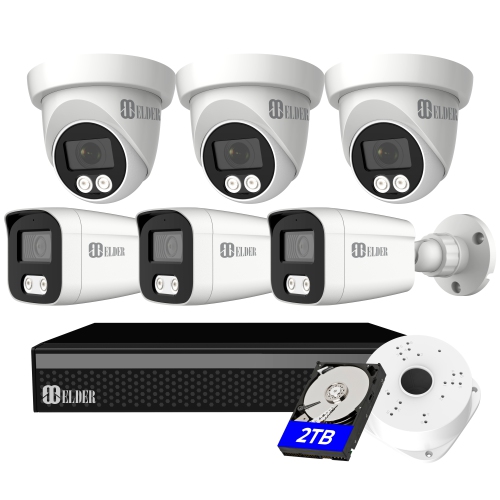
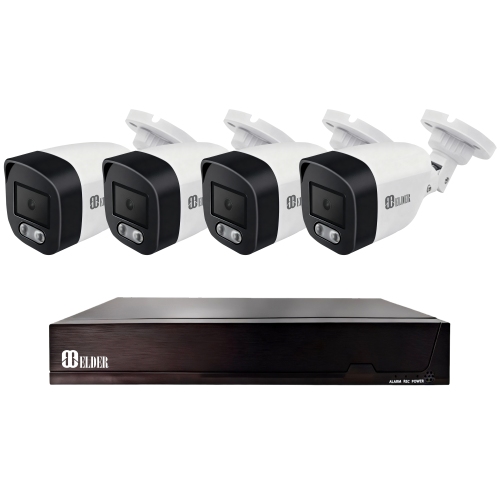
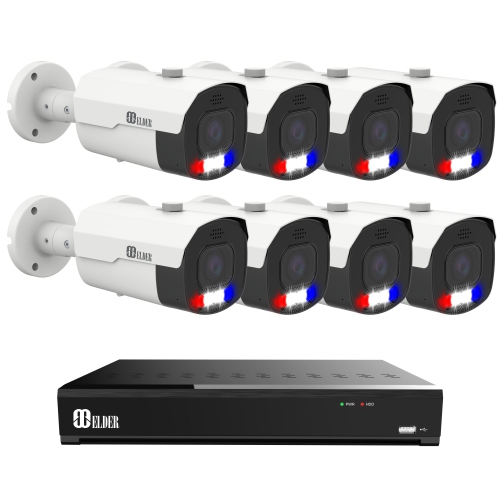
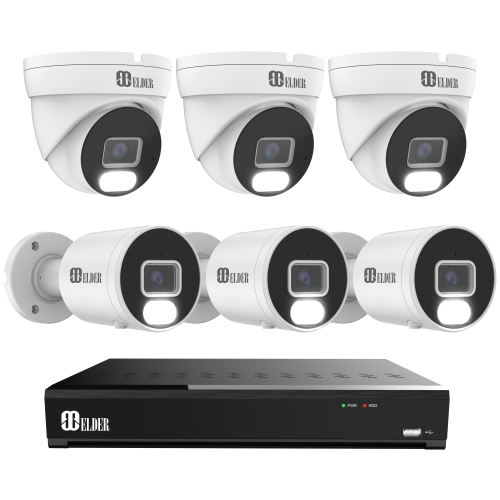
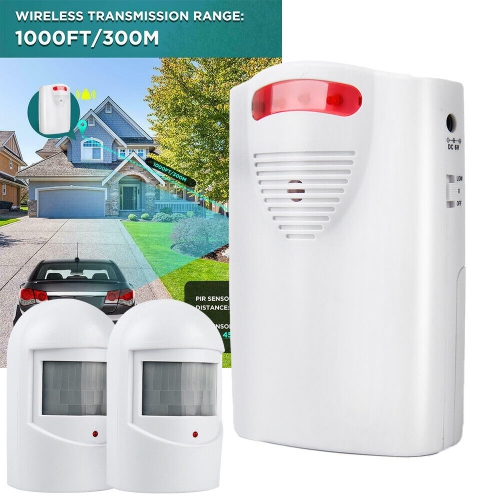
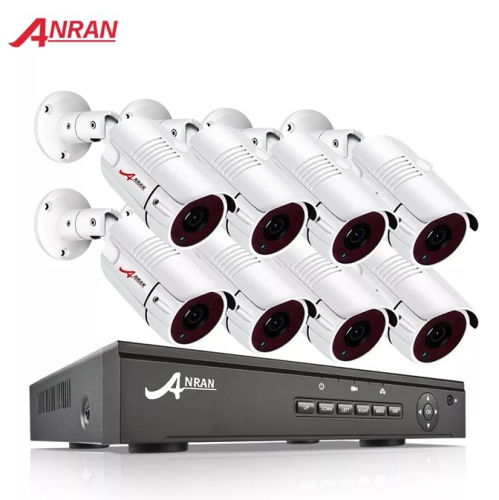
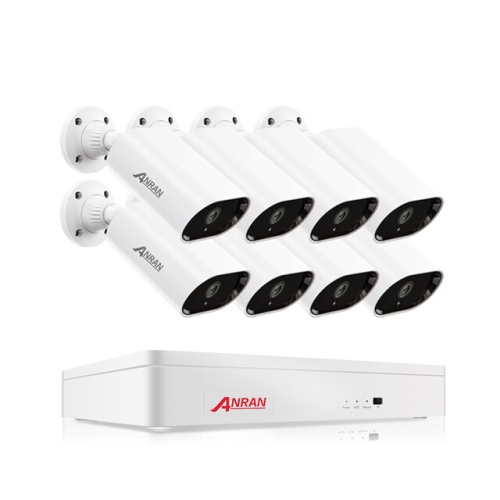
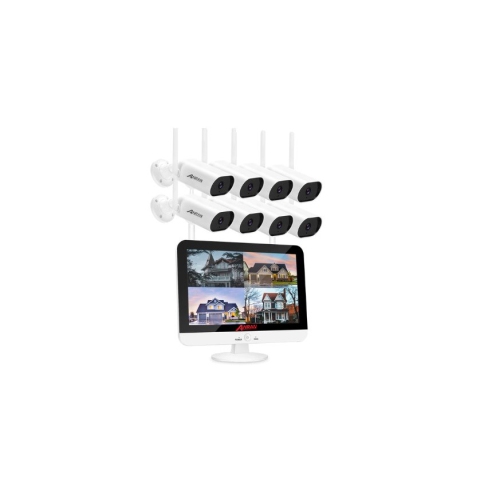
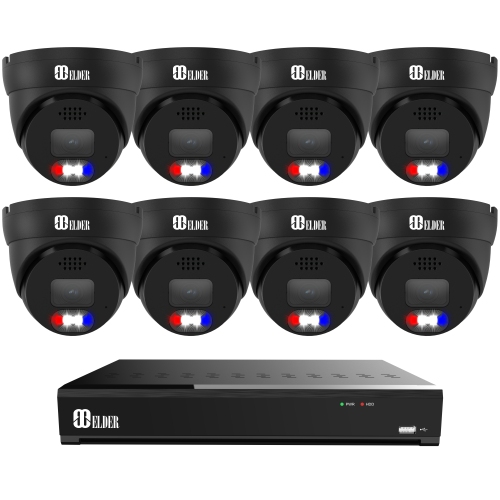
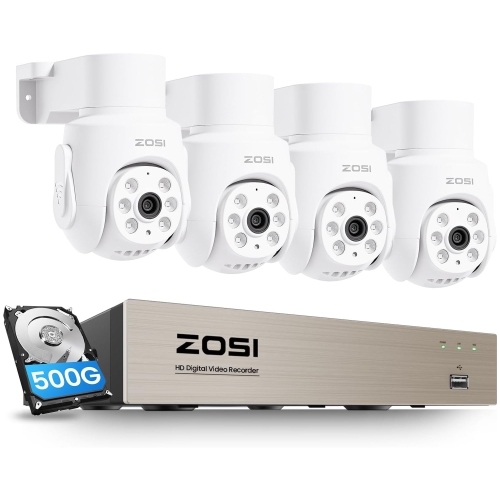
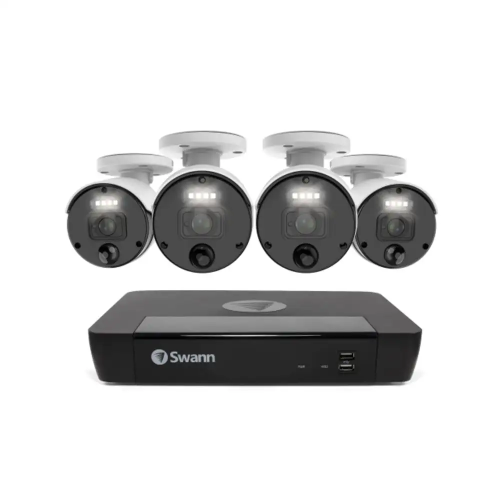
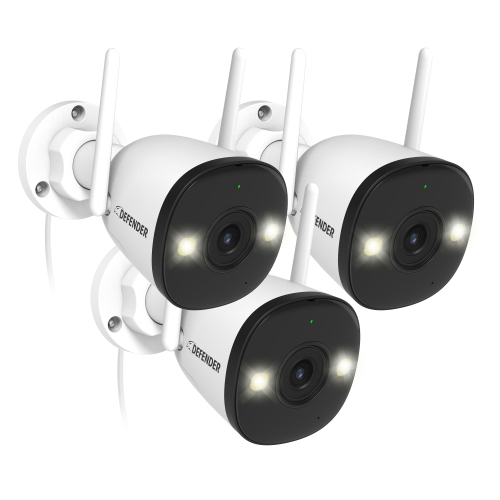
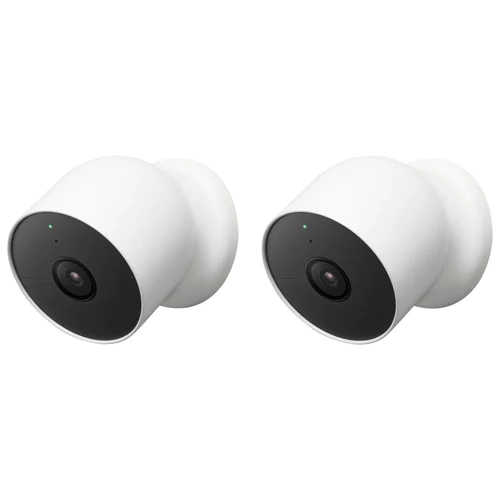
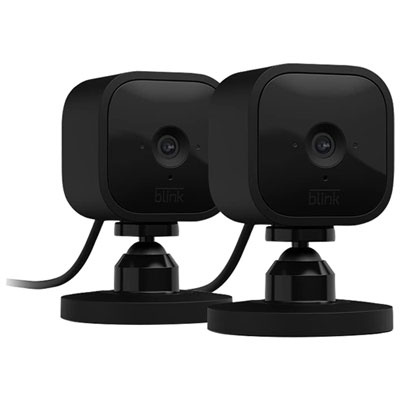
Installation, power, and connectivity are important differences among electronic security systems. Wired configurations may suit properties with existing cabling or plans for a more permanent installation, while wireless configurations can offer greater flexibility in component placement, subject to signal range and battery requirements. Renters and shoppers who expect to move may prefer options that require fewer permanent changes, taking property rules and mounting requirements into account. Camera placement also affects usefulness: the field of view, lighting conditions, and distance from the area being monitored all influence the detail a camera can capture. Equipment intended for outdoor use should have suitable weather and operating-temperature ratings for its location, particularly where Canadian winters bring freezing temperatures. For connected systems, Wi-Fi coverage or other supported network connections can affect communication between components and access to remote features. Backup power and supported backup communication methods are additional considerations for shoppers who want selected functions to remain available during interruptions.

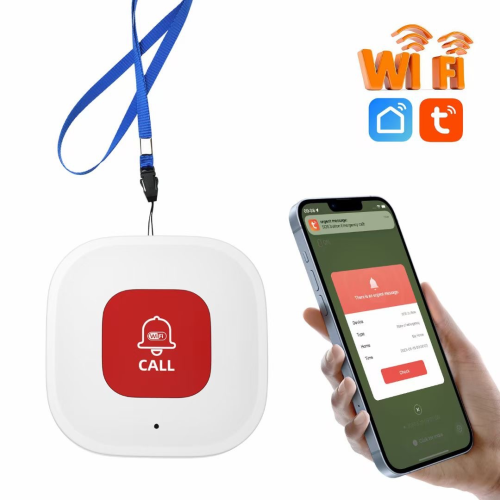
Everyday controls and ongoing requirements can matter as much as the initial setup. App notifications, scheduled arming, separate access codes, and adjustable alert settings can make a compatible system easier to manage for families, shared households, and business teams. Compatibility with an existing smart home platform is useful when shoppers want security controls alongside other connected devices, but integrations vary by system. Video storage is another point of comparison: local and cloud-based options differ in how footage is saved, accessed, and retained, and some remote features or storage plans may involve ongoing fees. Self-monitoring generally puts responsibility for reviewing alerts and responding to events with the user, while professionally monitored options may connect supported alarm events to a monitoring service under the terms of a service plan. Privacy controls, account security features, and the ability to manage who can view footage or change settings also deserve attention. Comparing these details helps shoppers choose electronic security systems that suit their property, preferred level of involvement, and day-to-day routines.

Read More

FAQ

Some products may be subject to Environmental Handling Fees (EHF) depending on your province. Learn more about EHFs.