Bedside Radio Alarm Clock
A bedside radio alarm clock is a great way to keep your morning routine on schedule. Whether you're a late sleeper or an early riser, there's a radio clock that will help you get up on time. Some models even have extra features like nightlights and backlights for reading in the dark. Here are some great bedside radio alarm clocks for everyone.
Sort


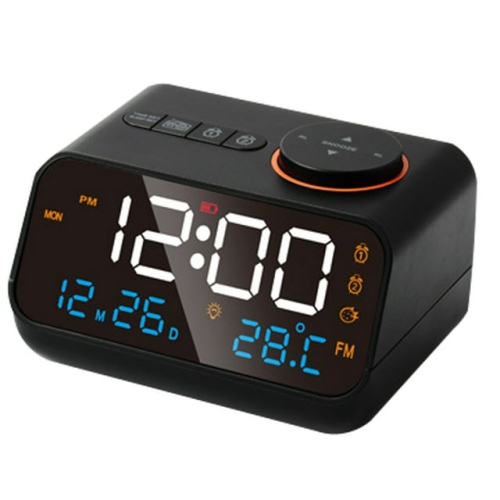
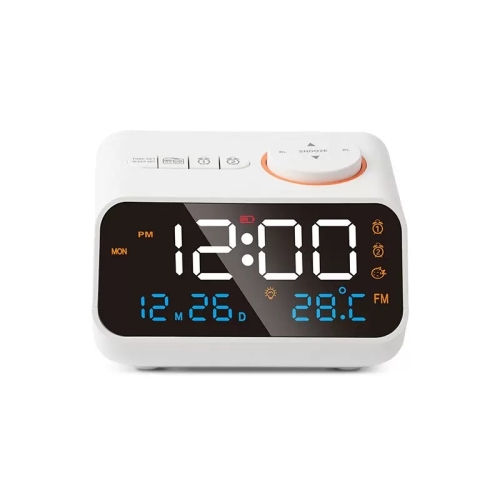
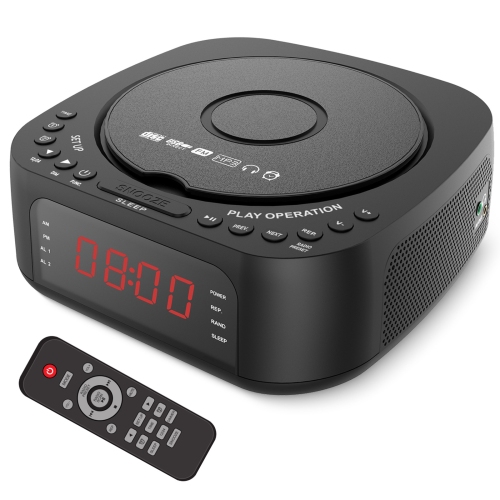
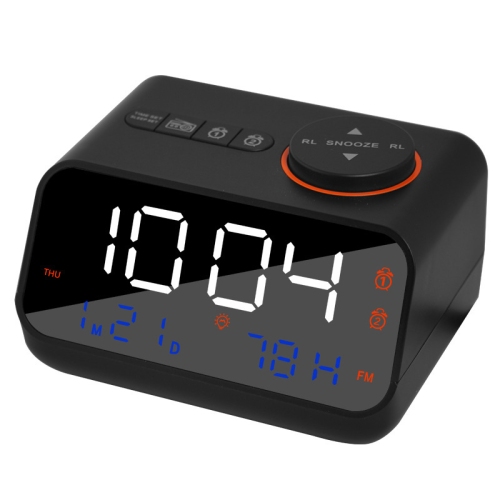


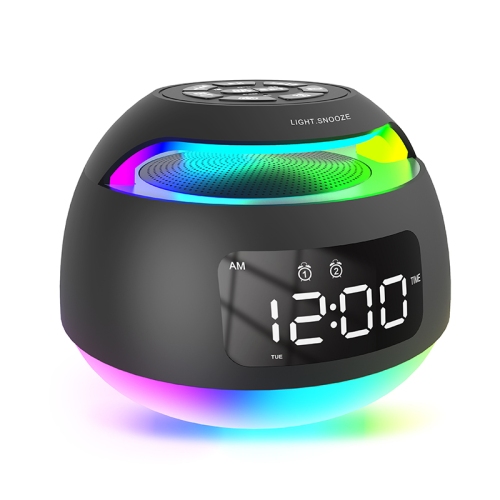
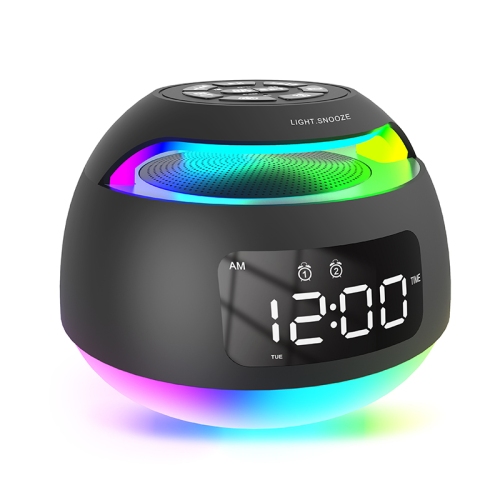
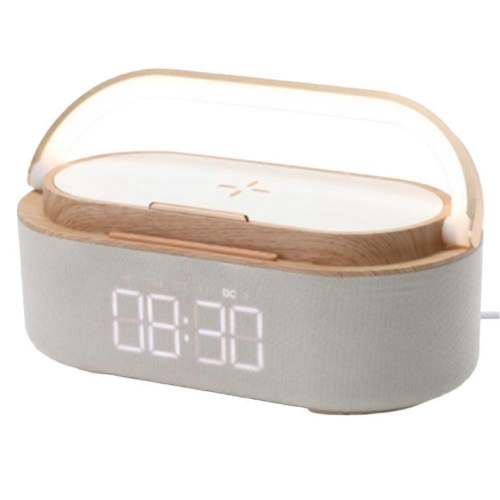
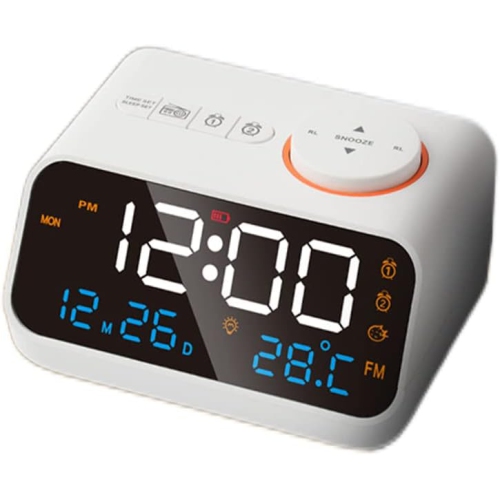

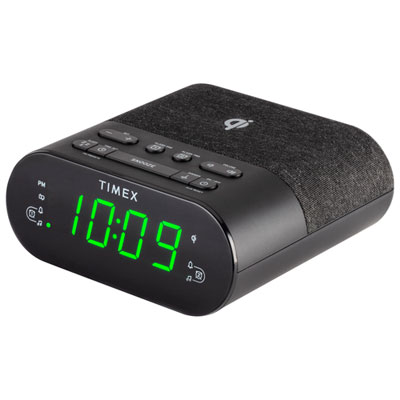
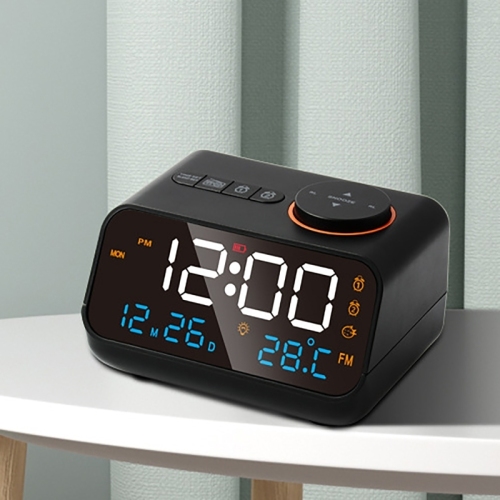
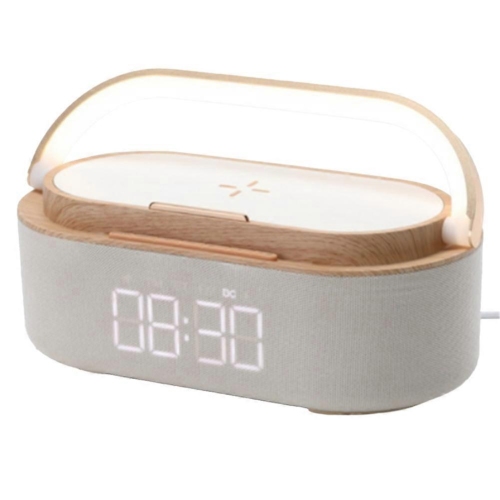
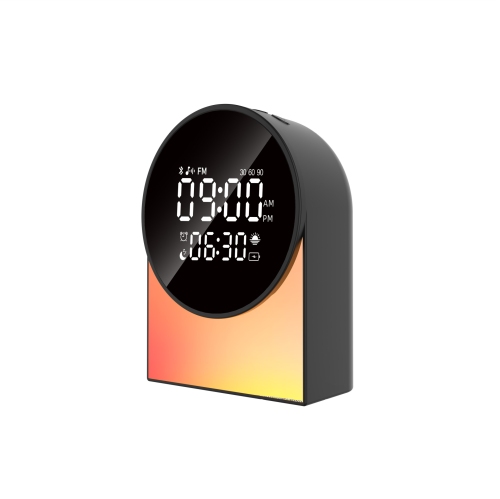
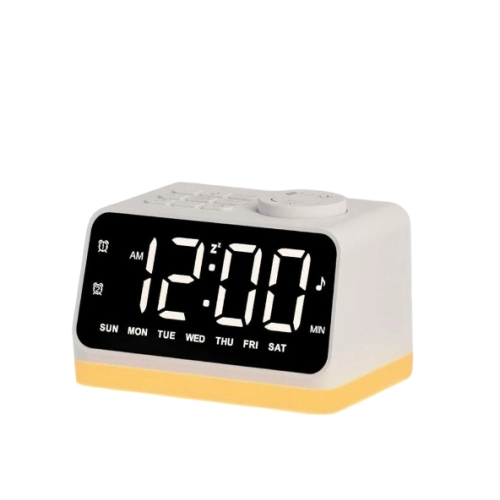
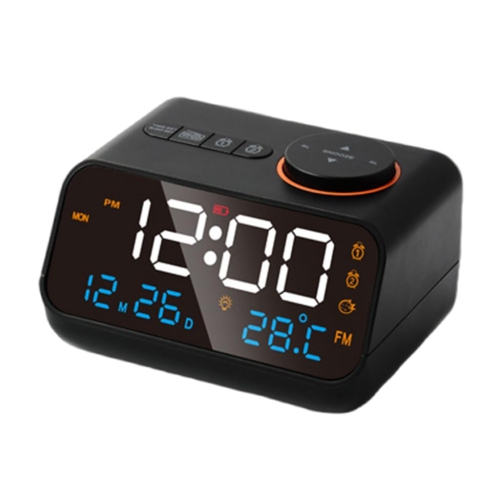
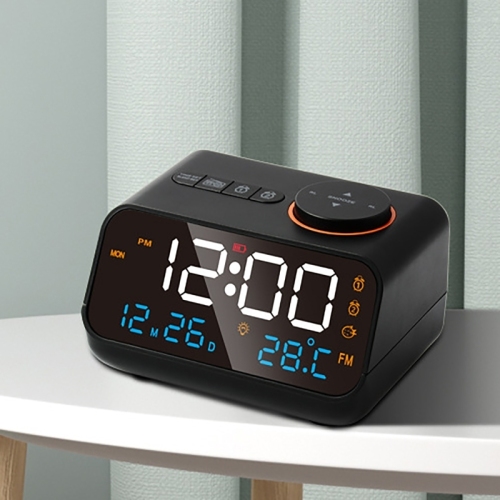
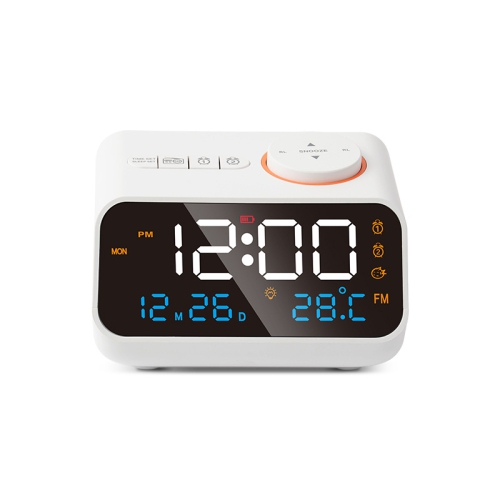

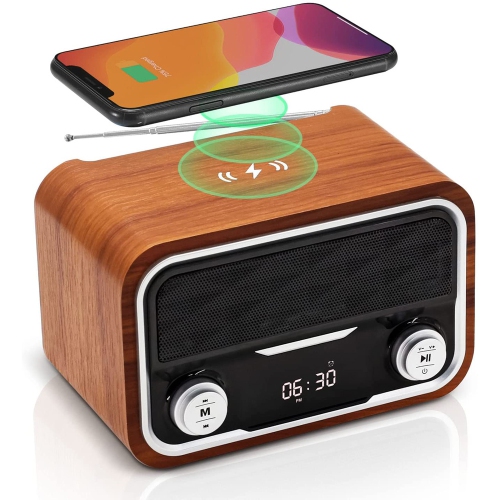

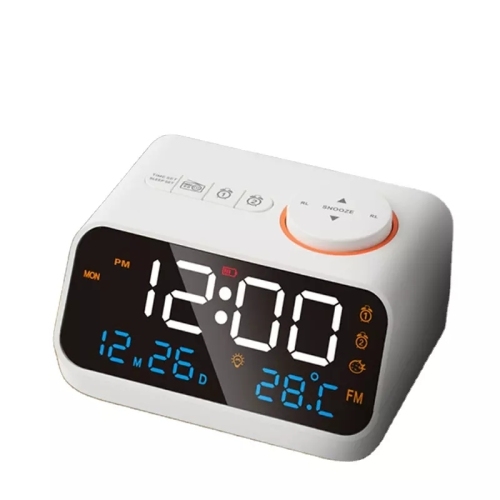


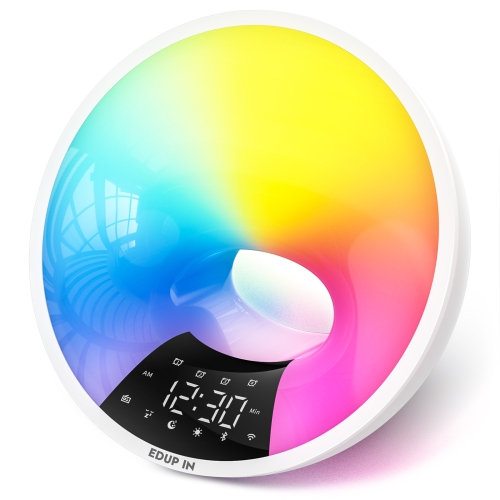
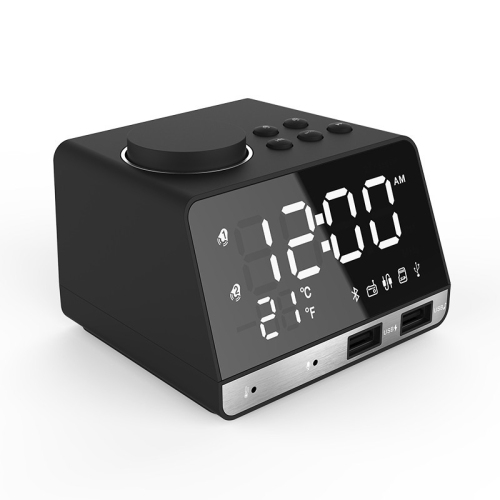

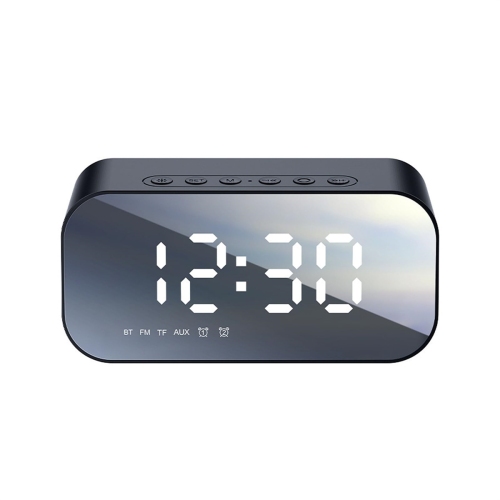
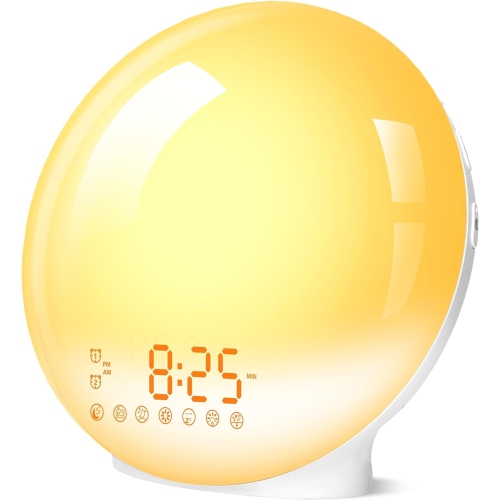
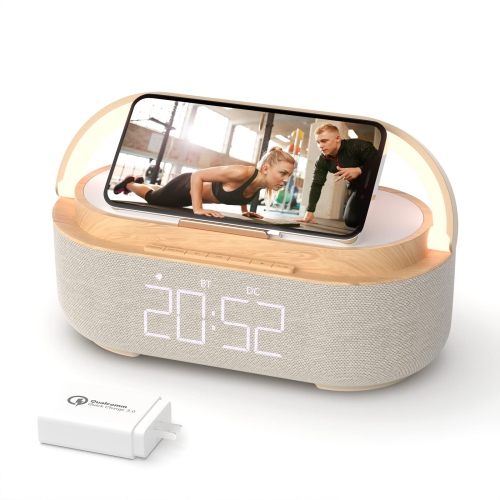

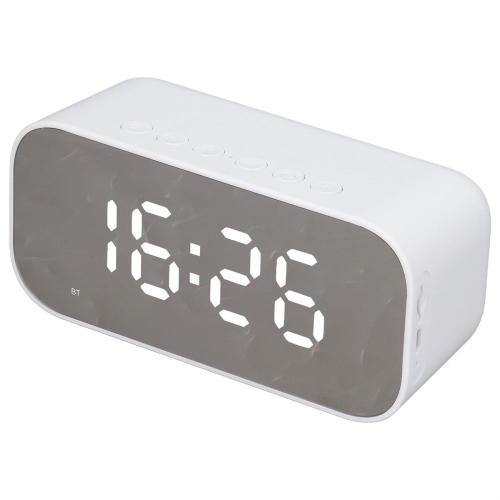
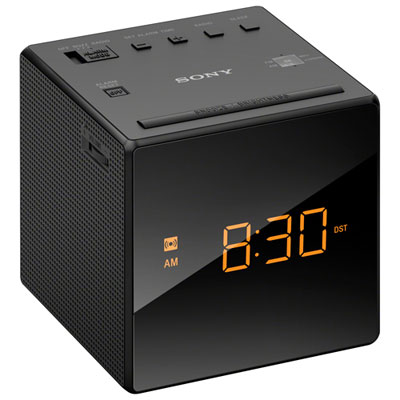


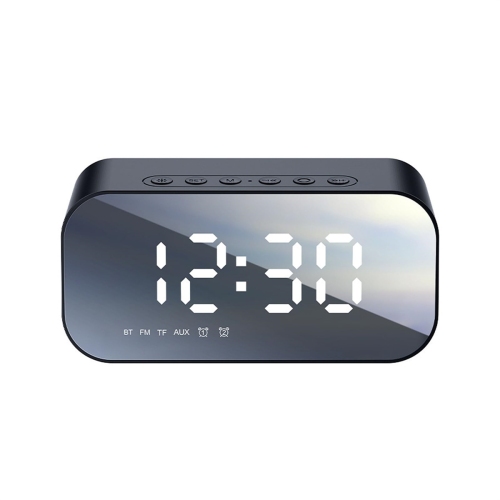

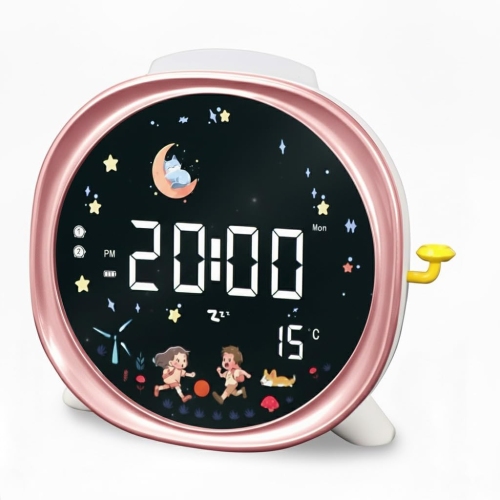
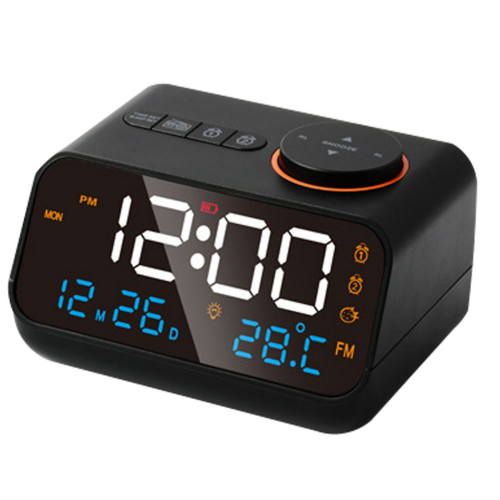
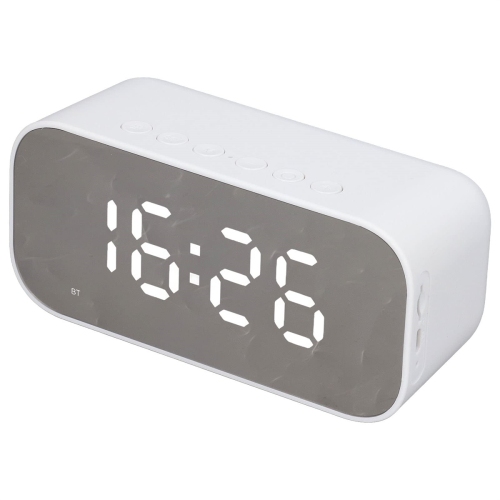


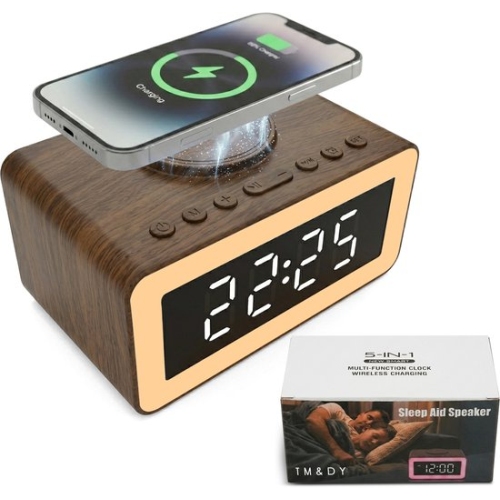
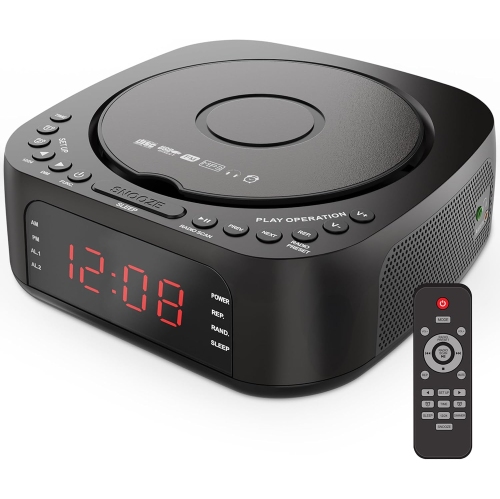
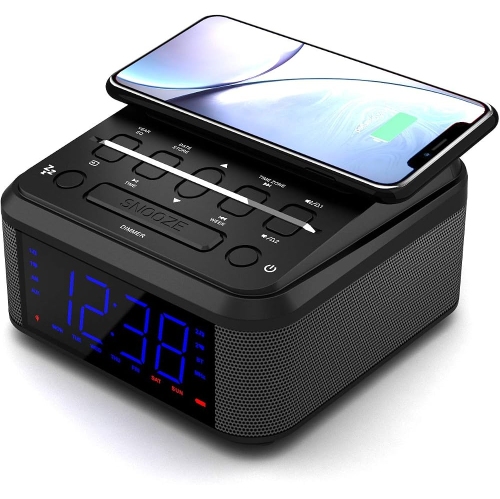
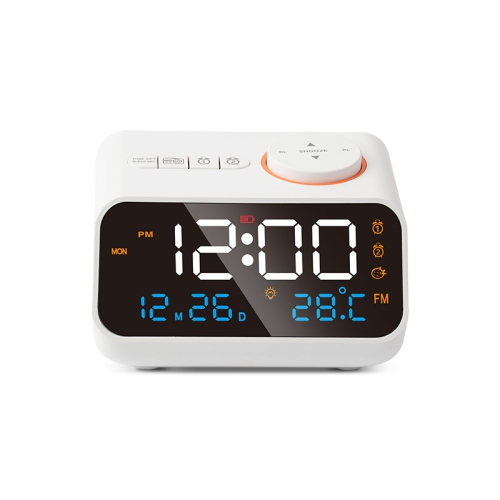
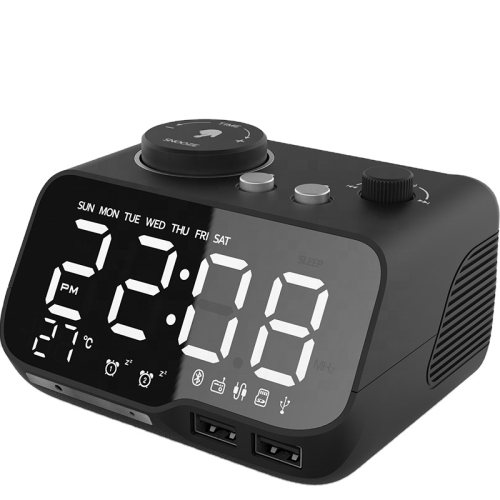


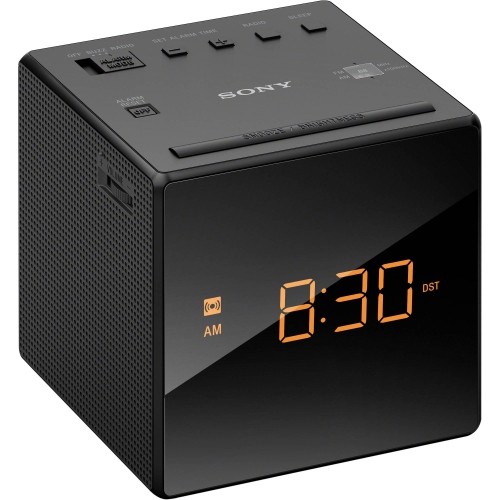

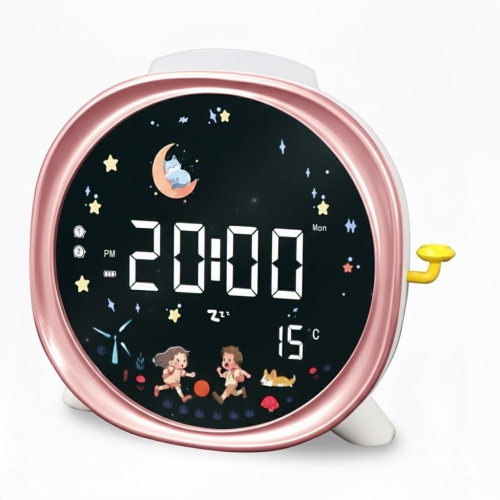


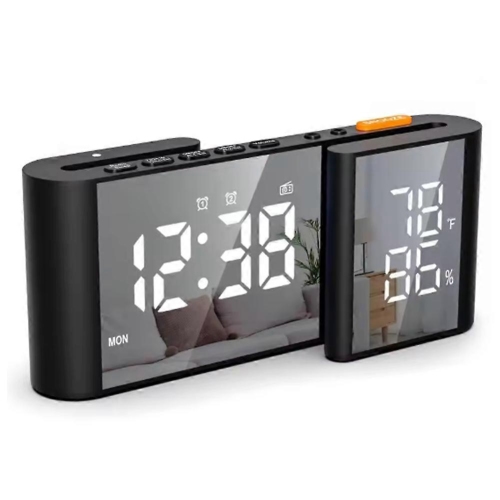
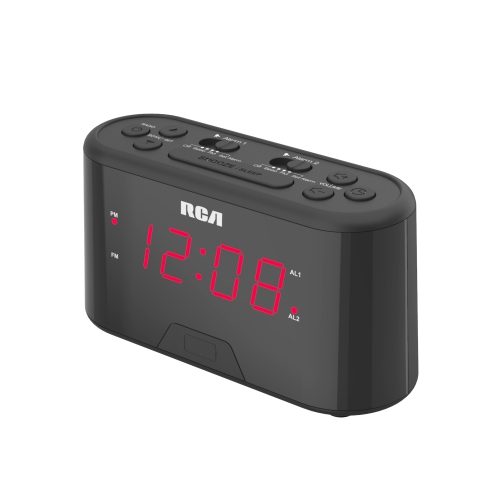
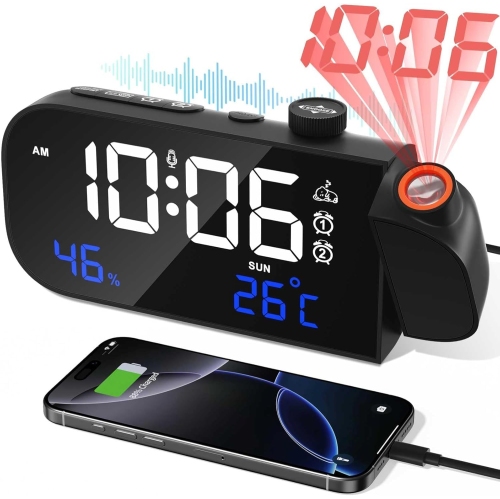
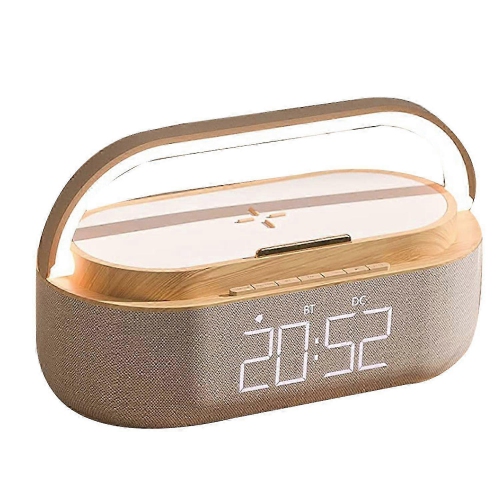

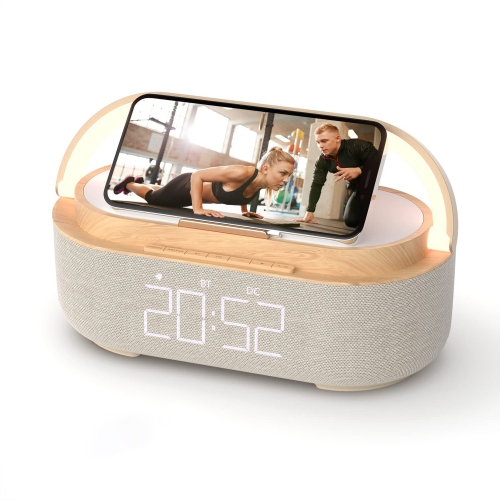
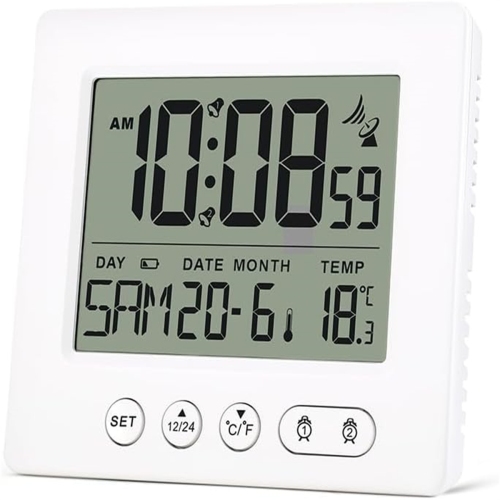
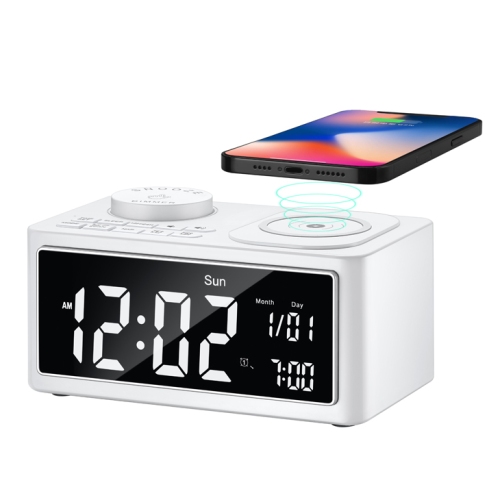
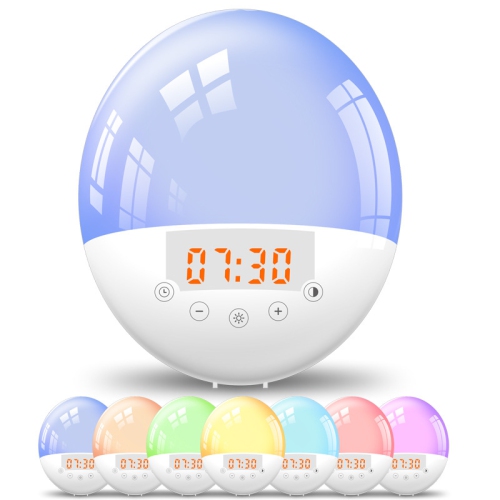
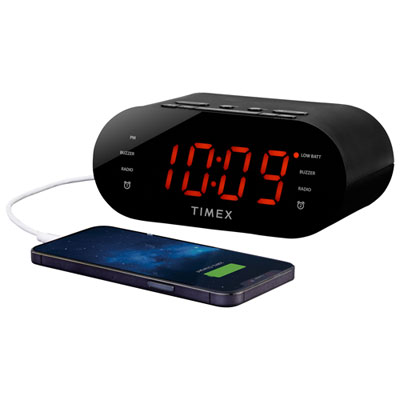

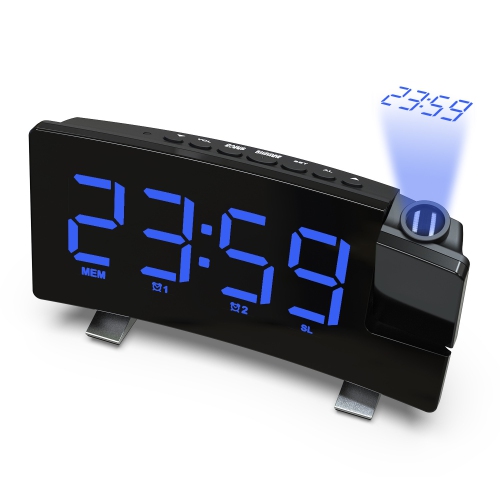
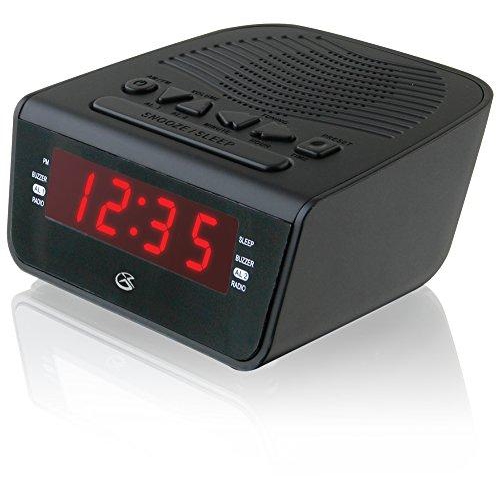
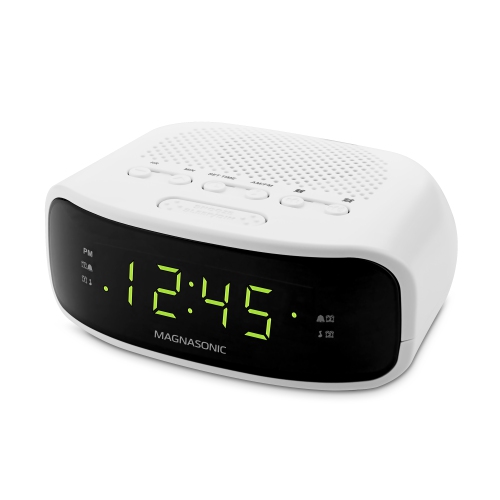

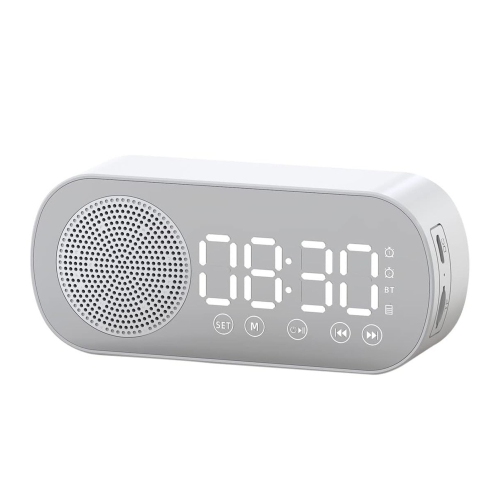
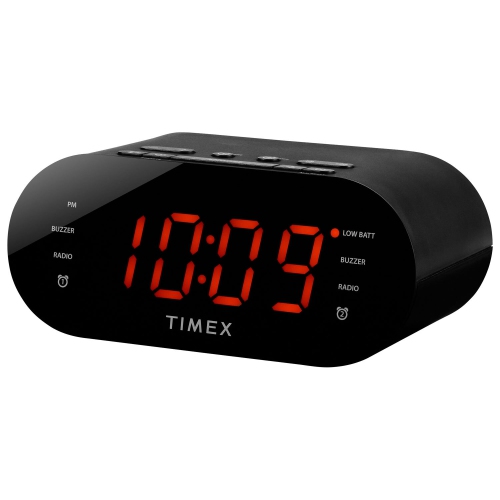
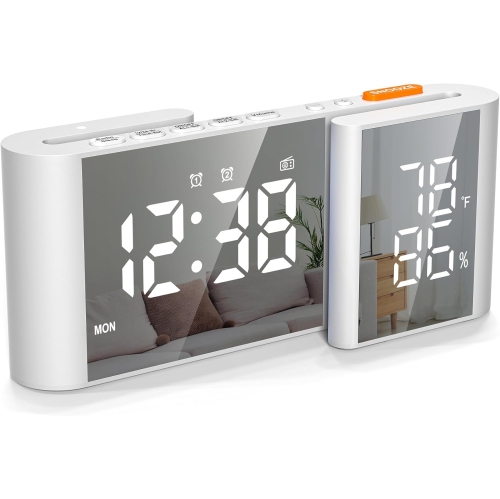
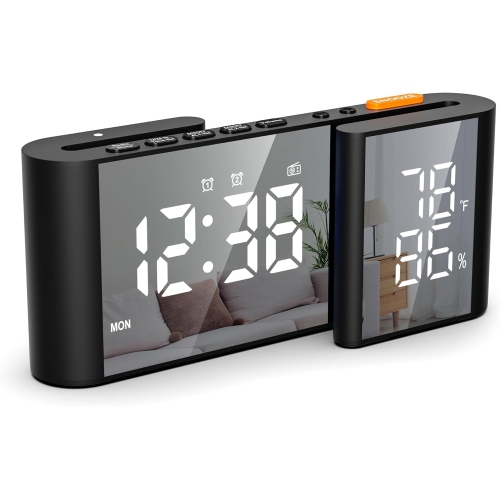
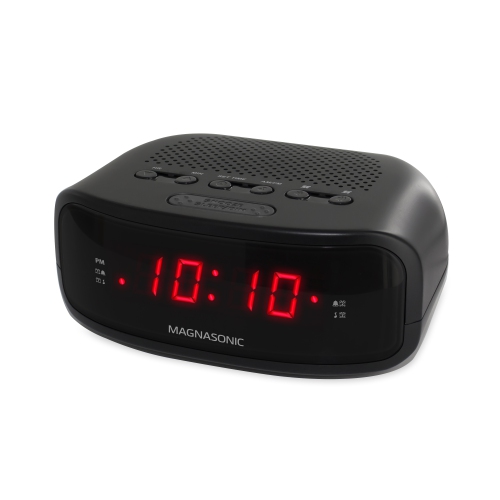


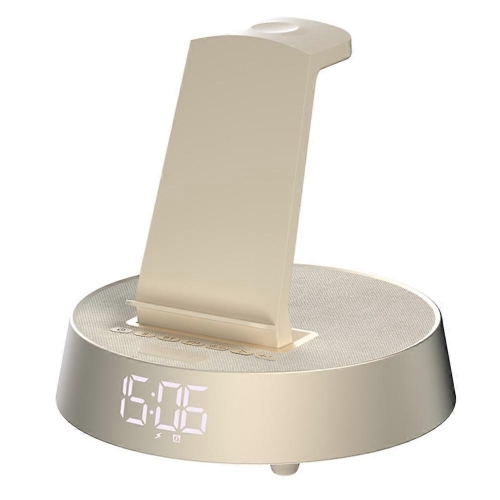
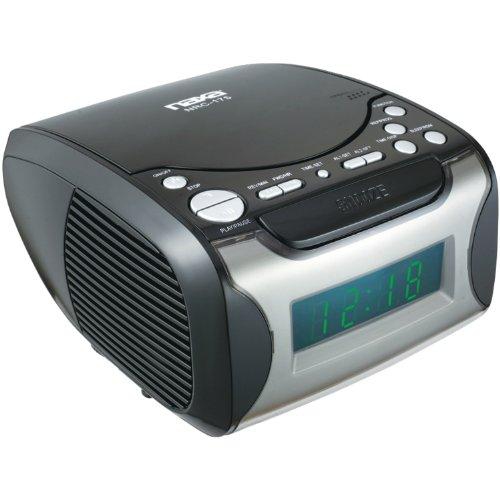
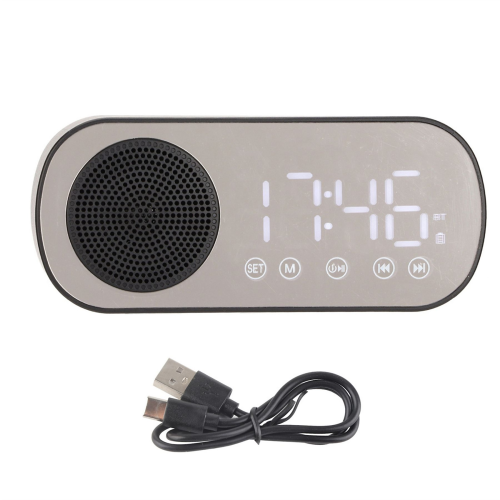

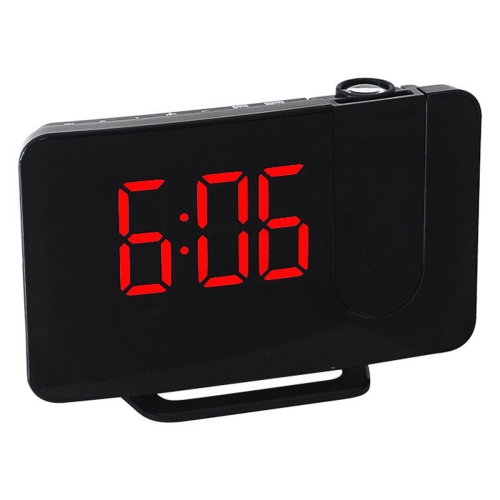
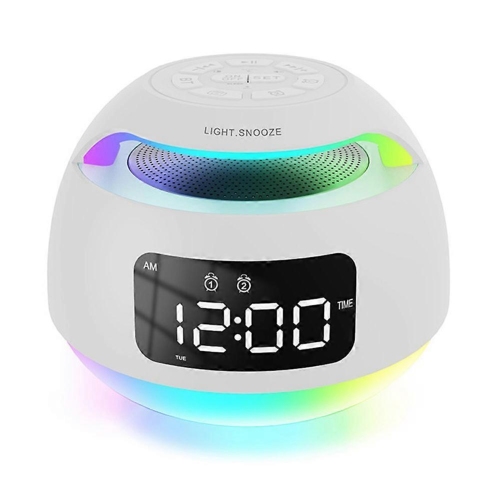

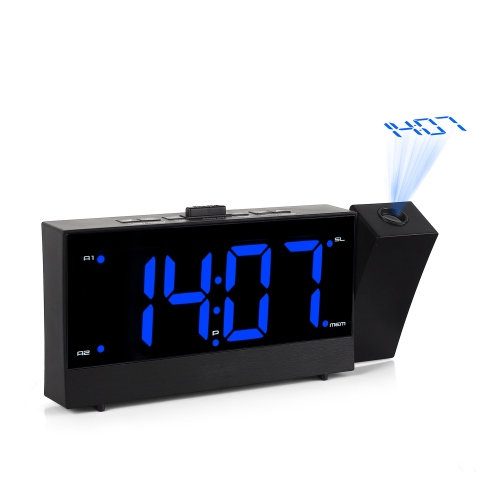
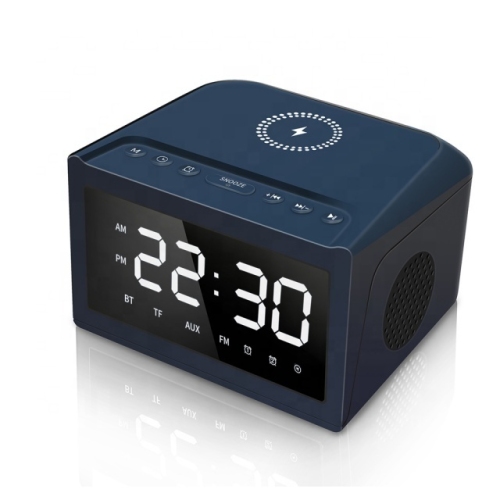

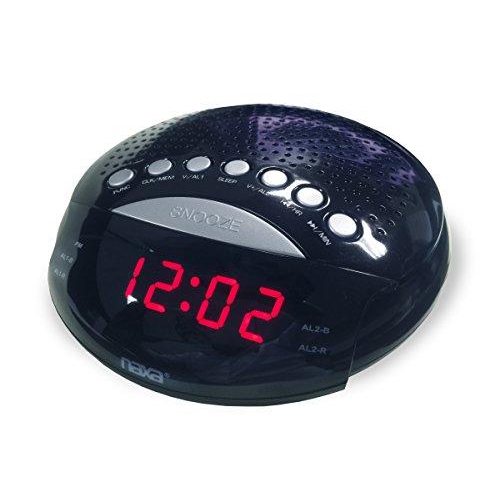
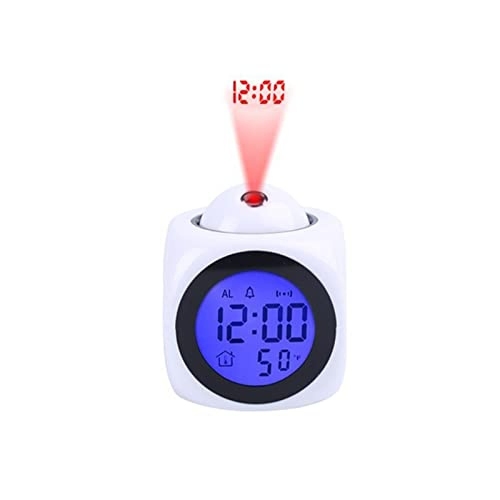
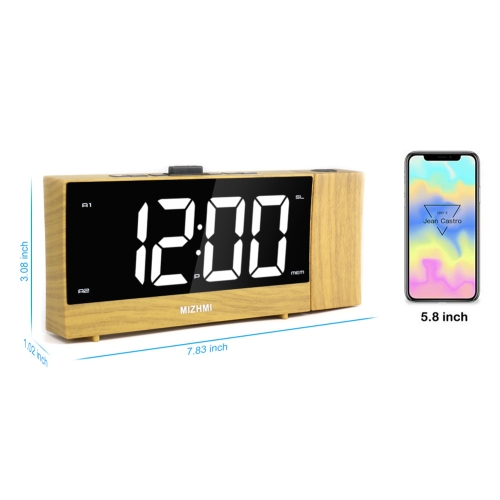

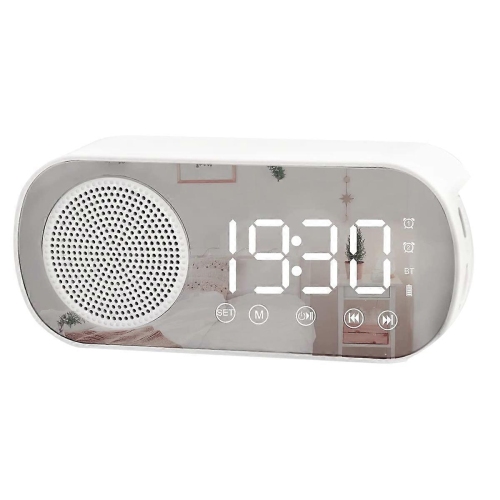
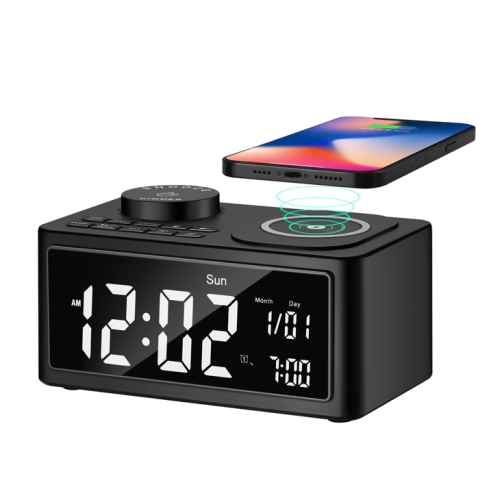

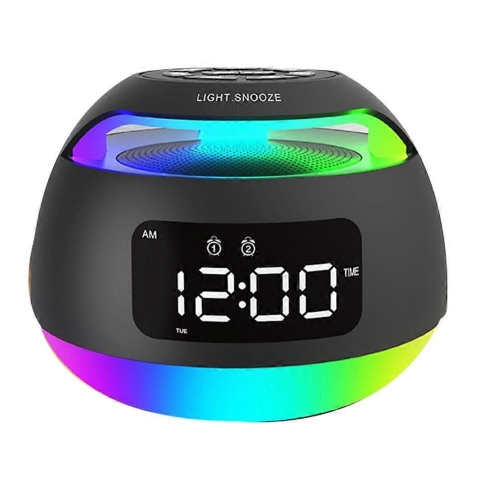
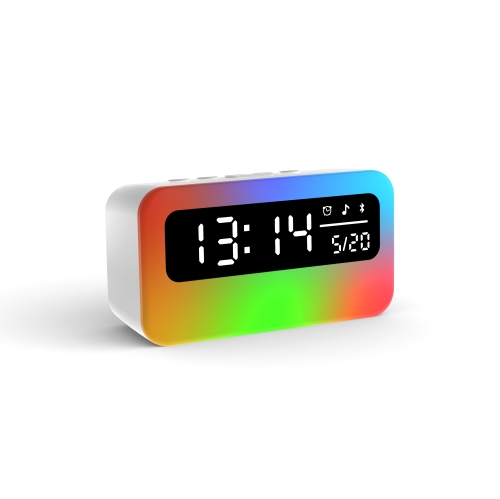
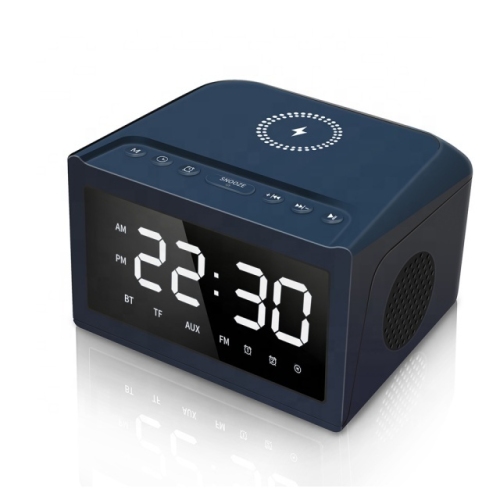
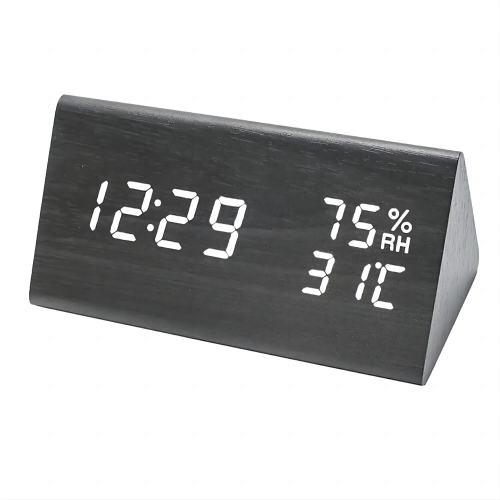
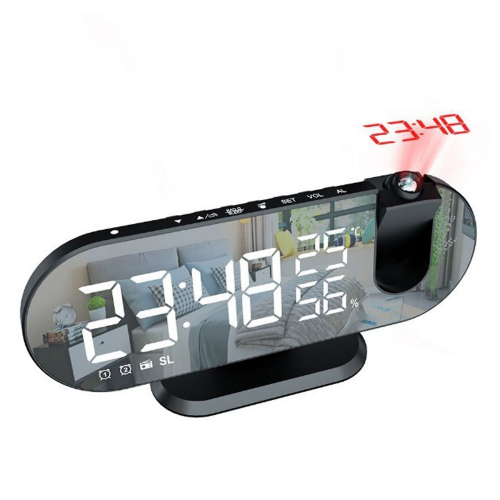
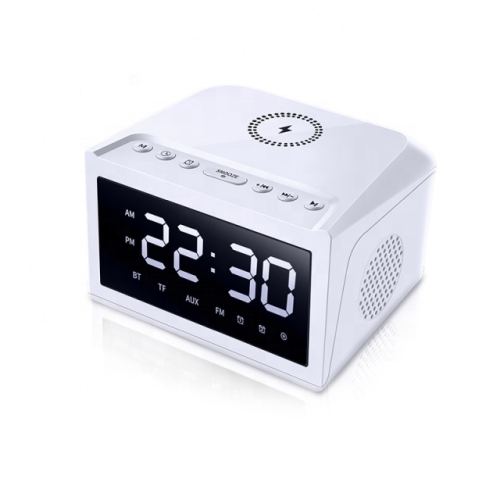
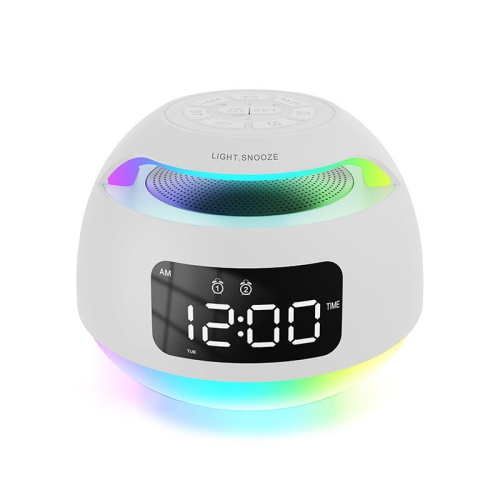

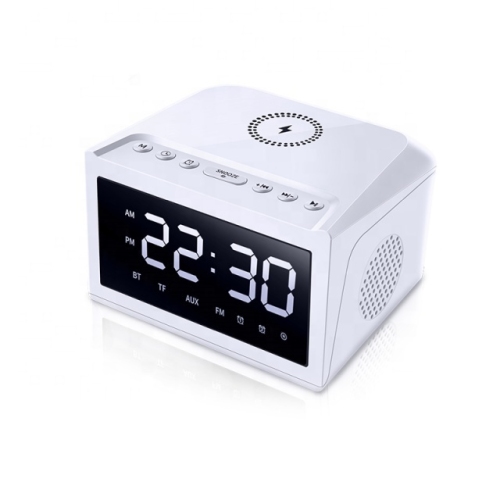


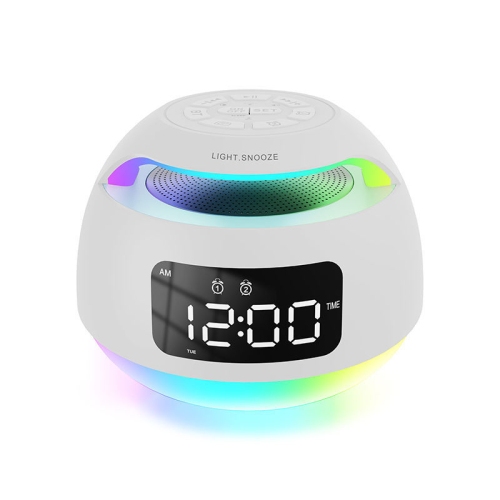
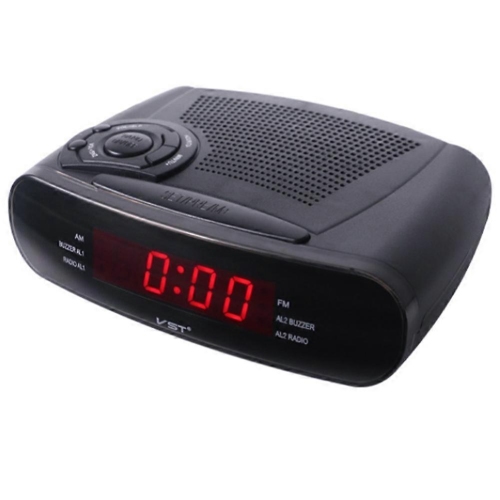


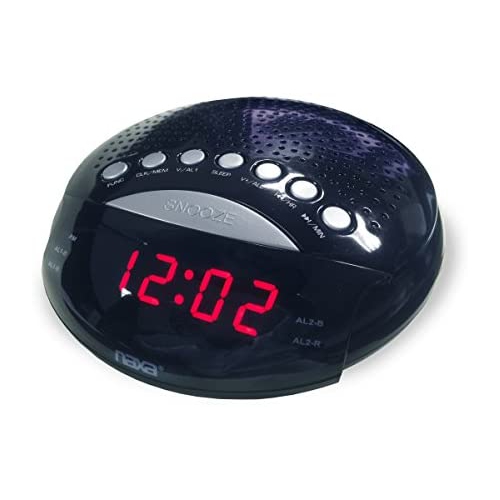
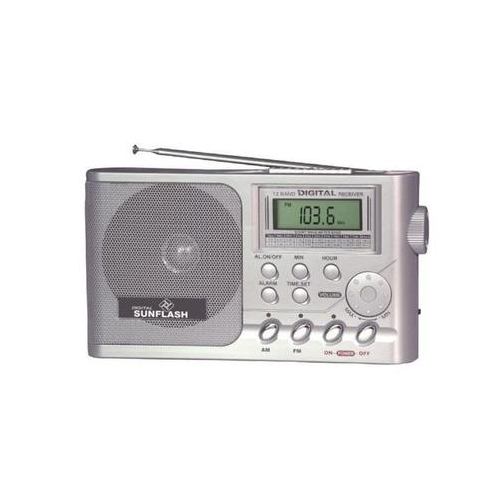
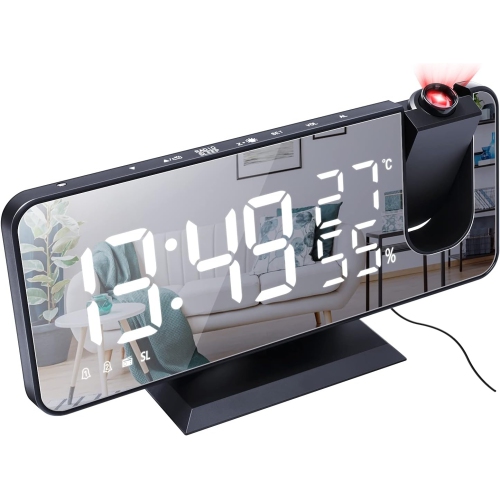
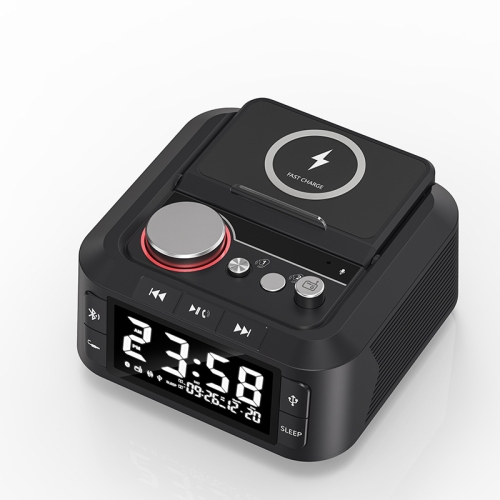
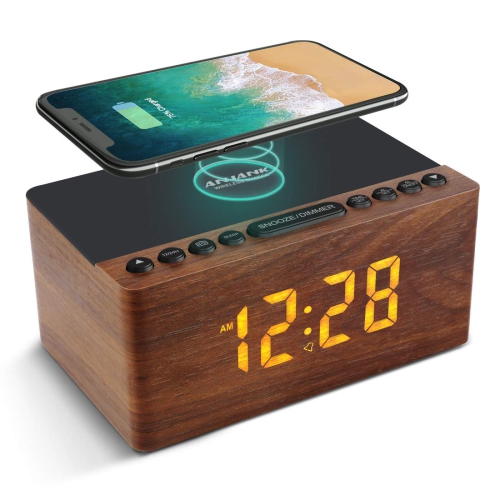


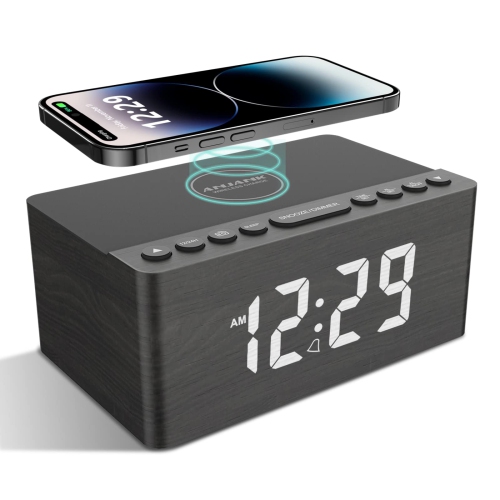
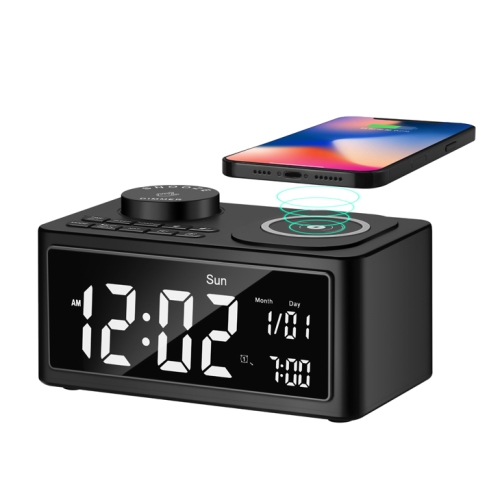


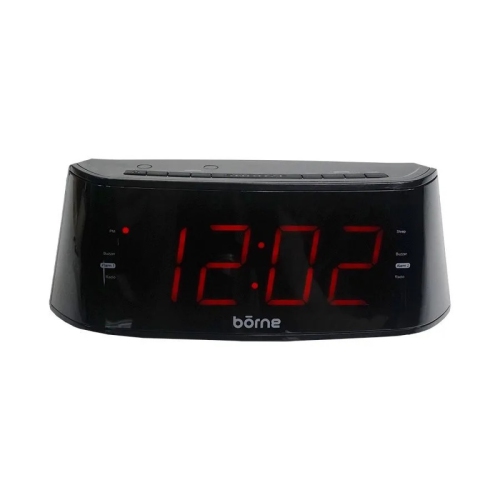
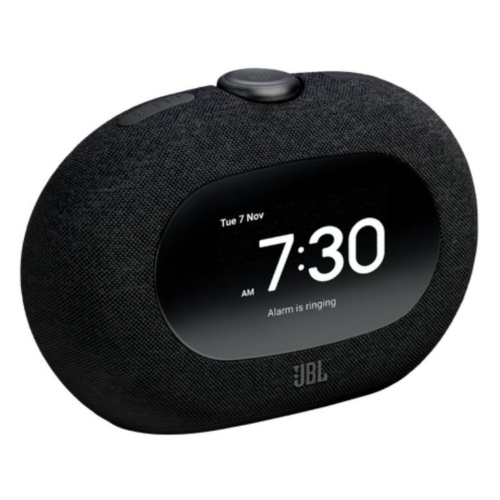
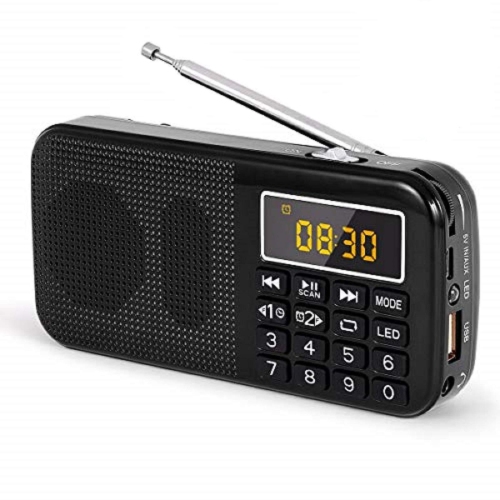
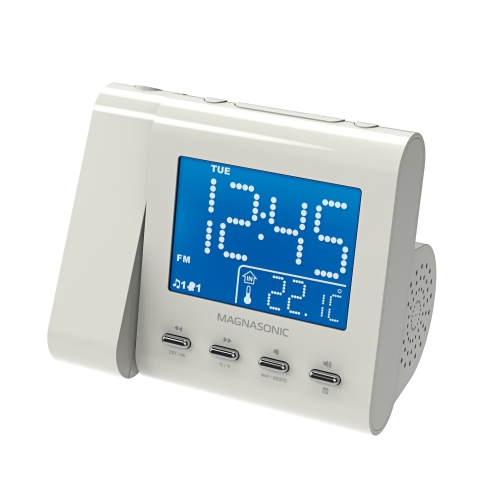
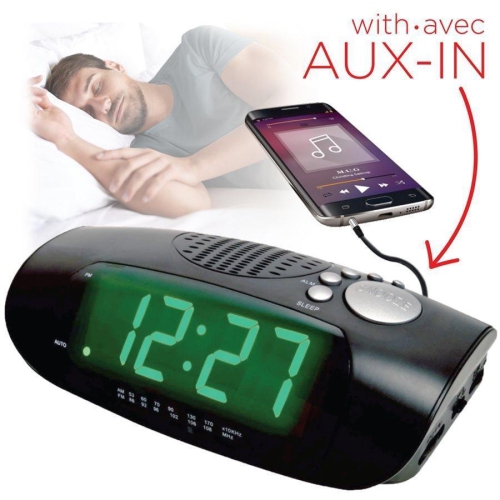

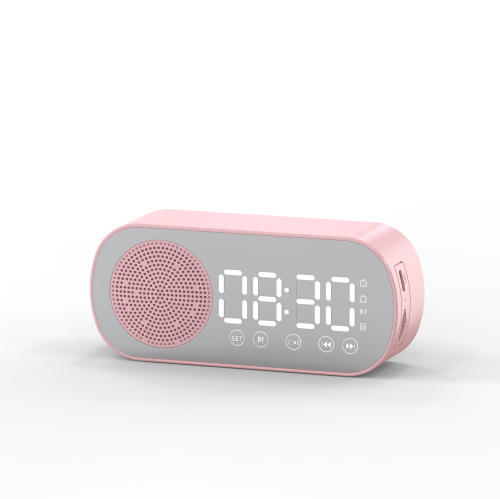

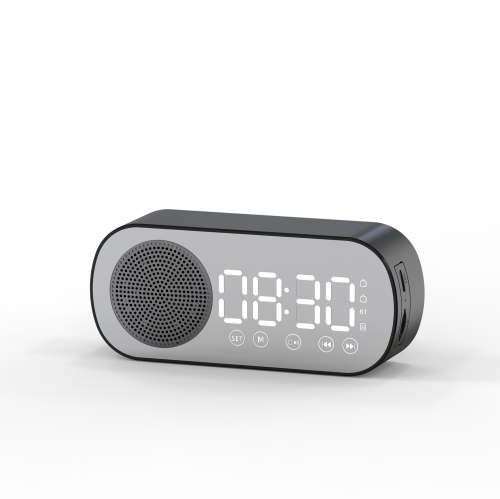
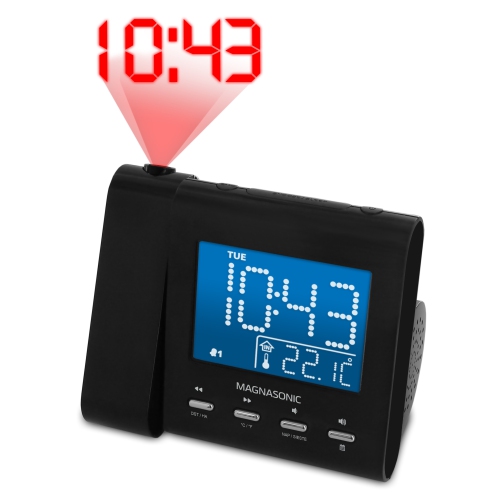
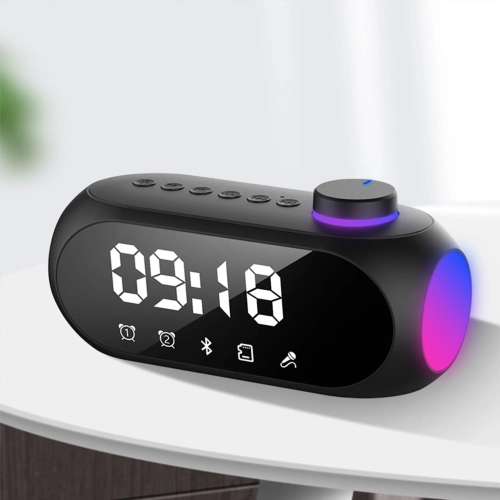

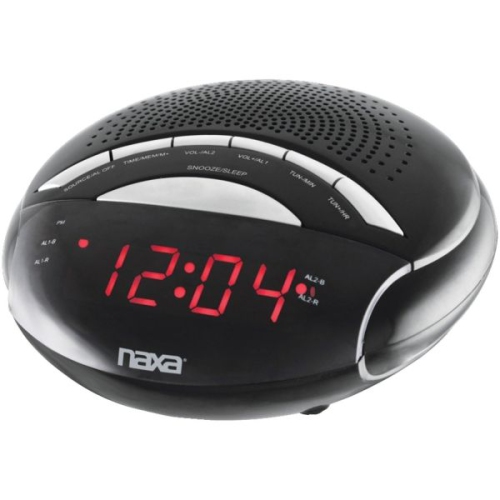
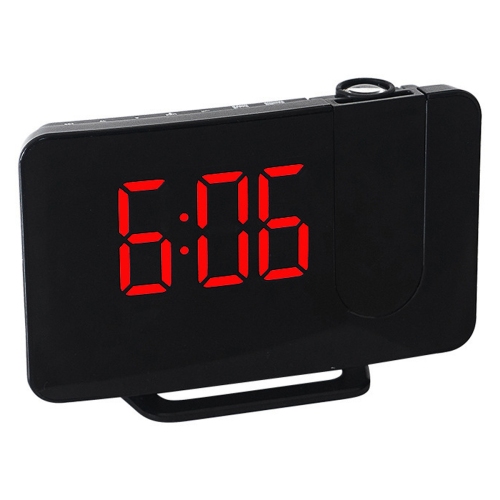

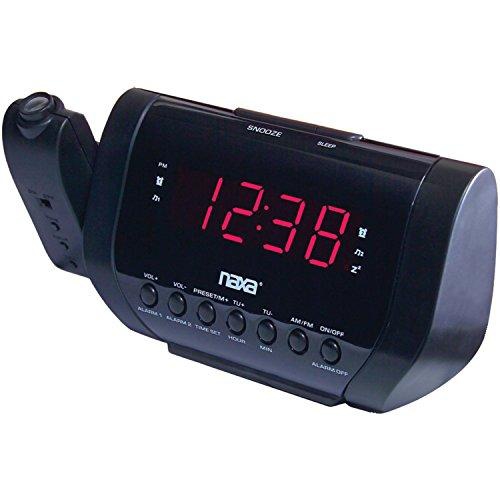


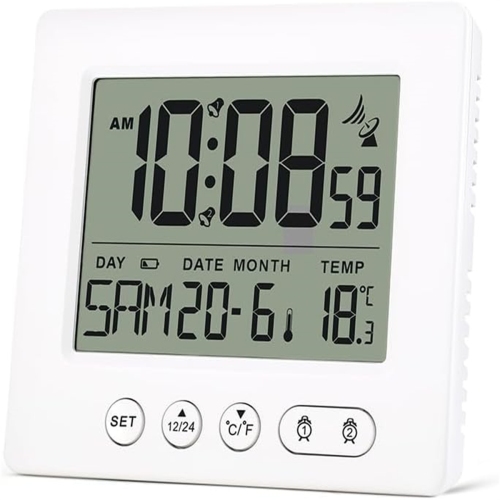


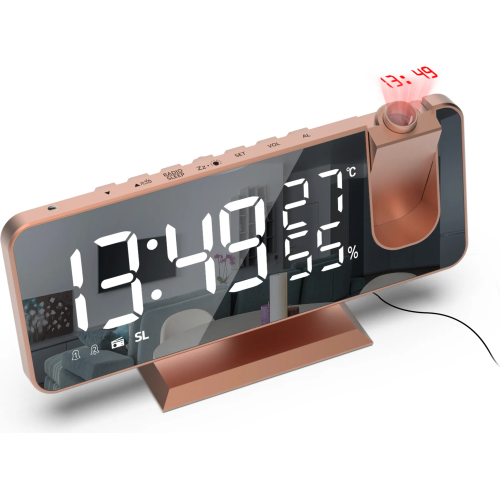


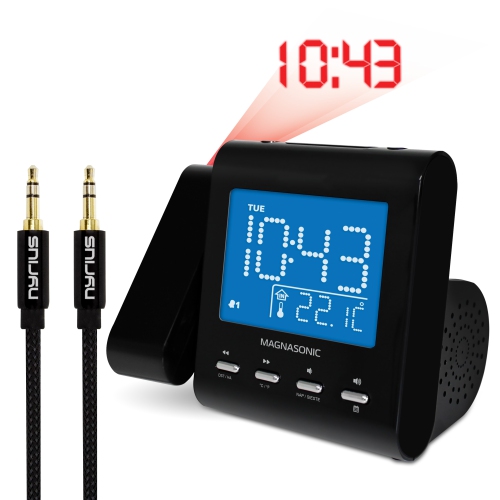
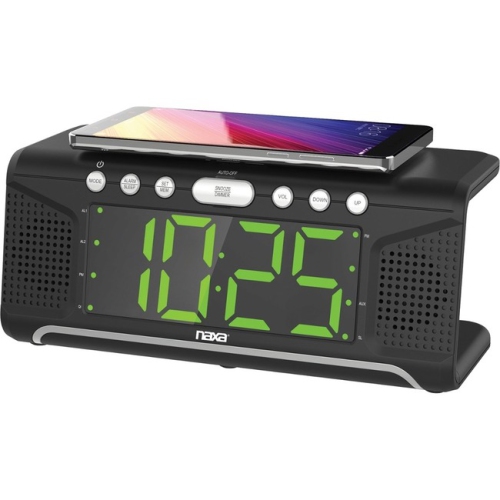


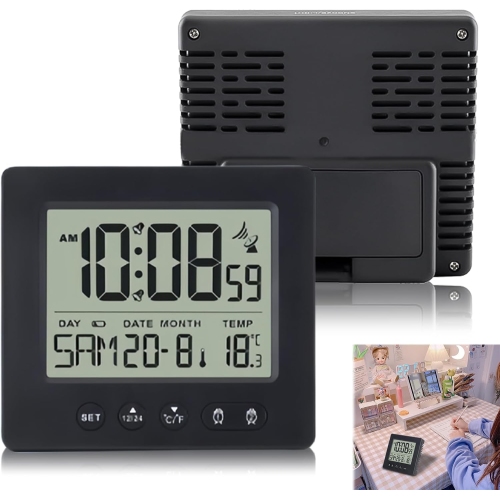
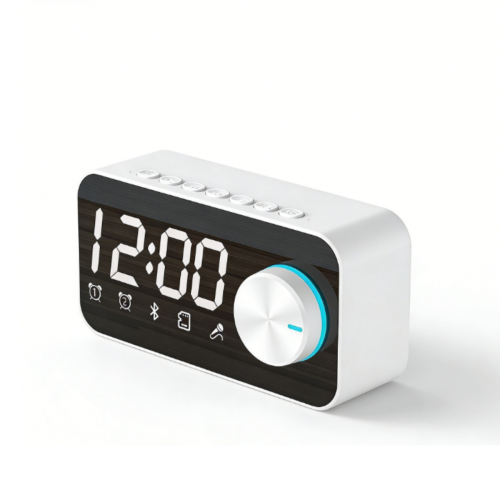
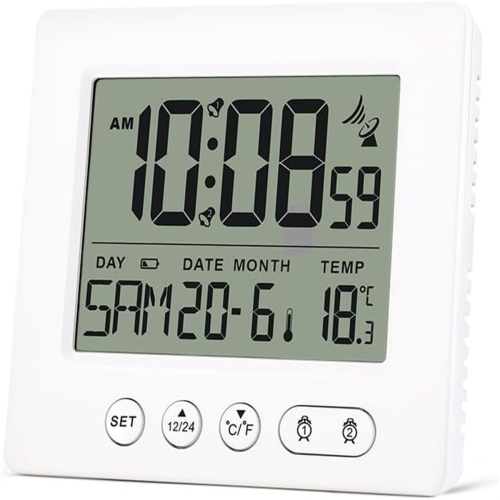

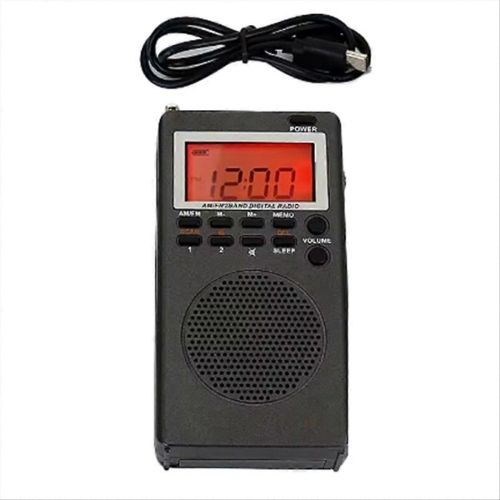
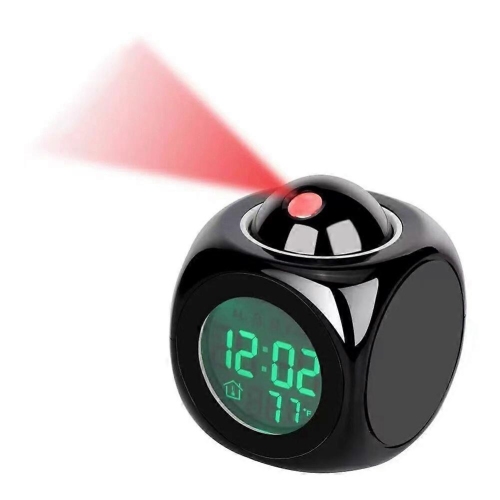
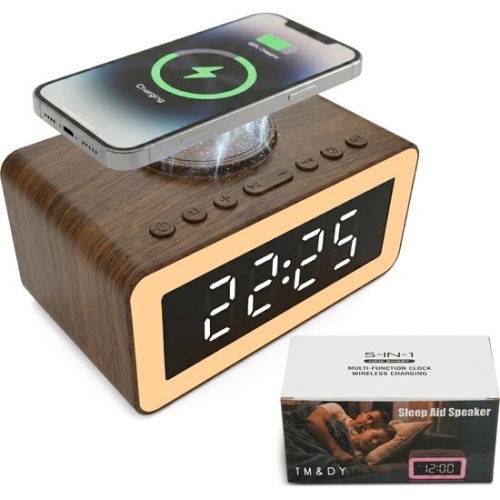

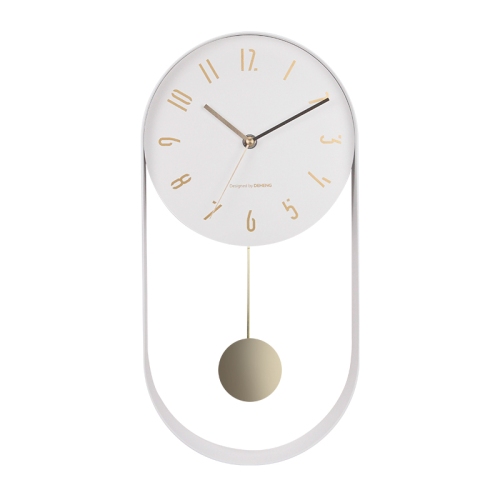
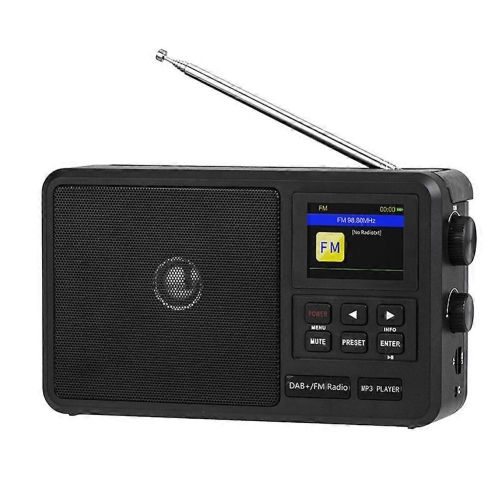

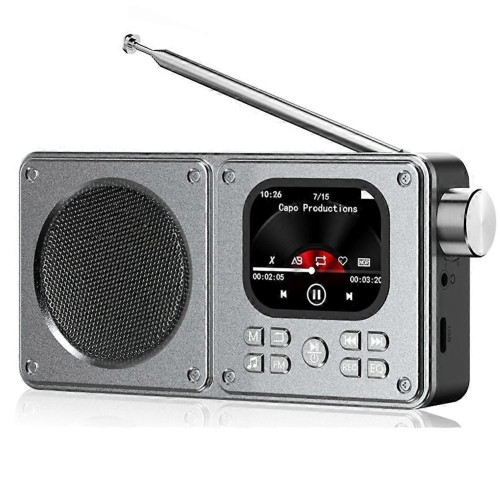
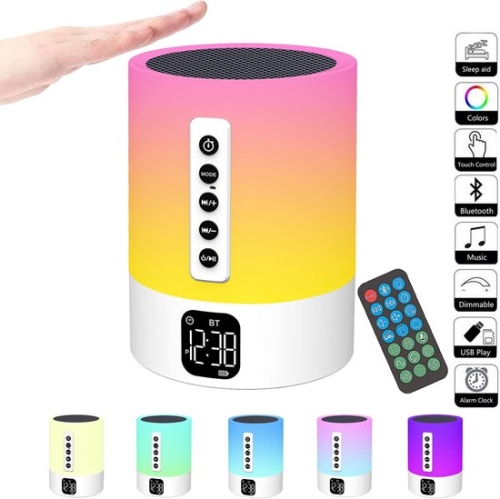
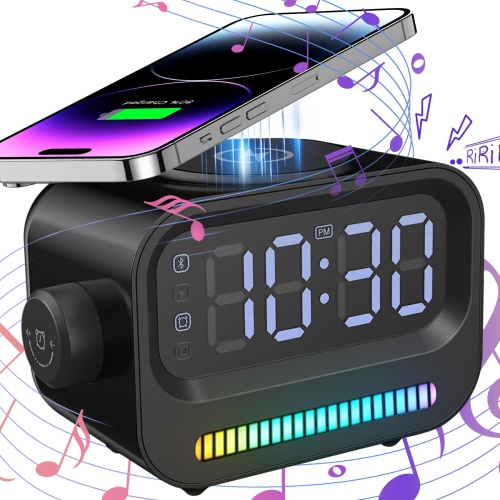

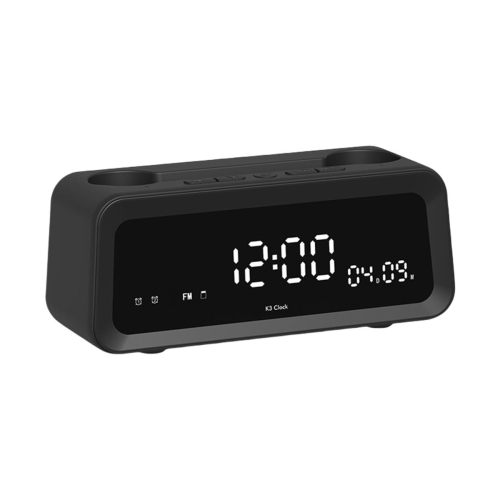

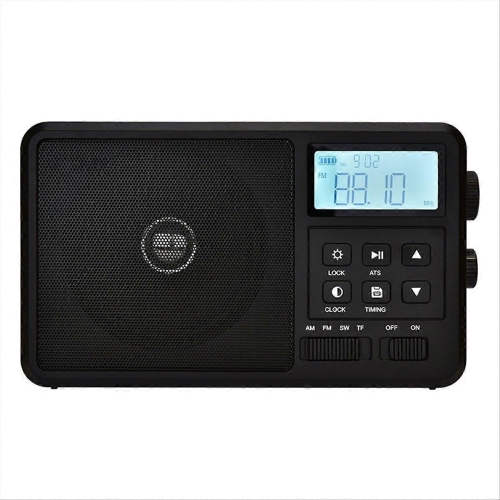
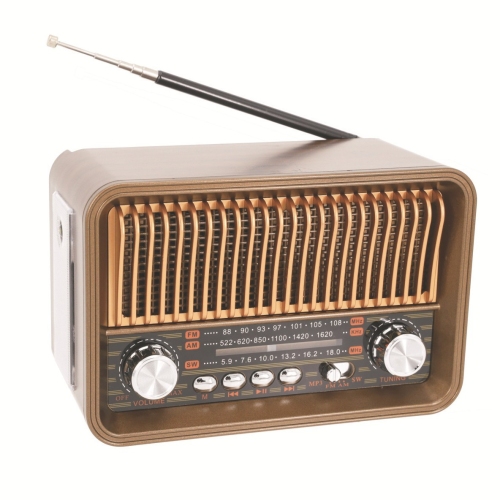
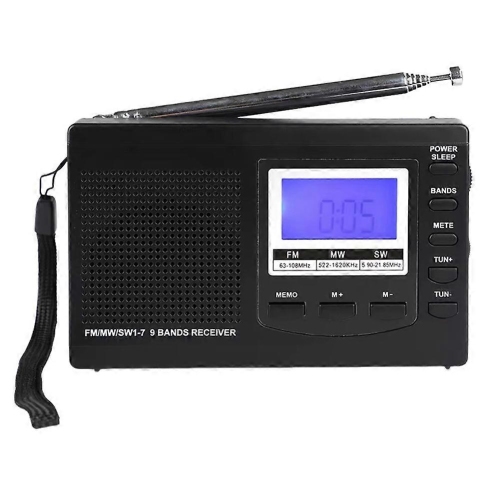
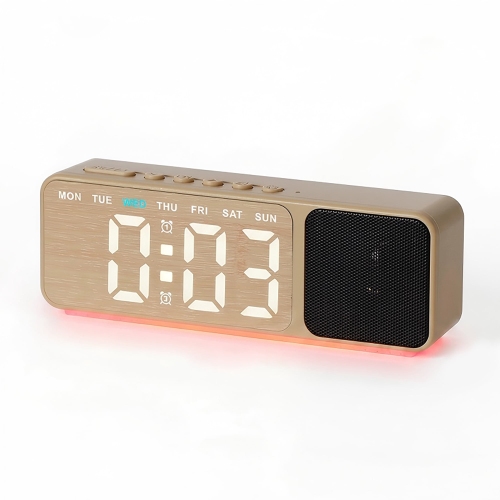


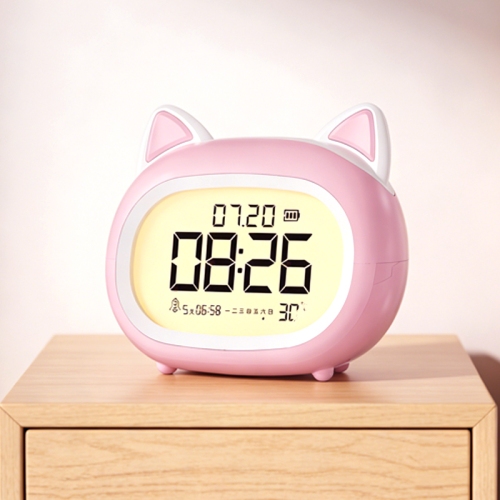
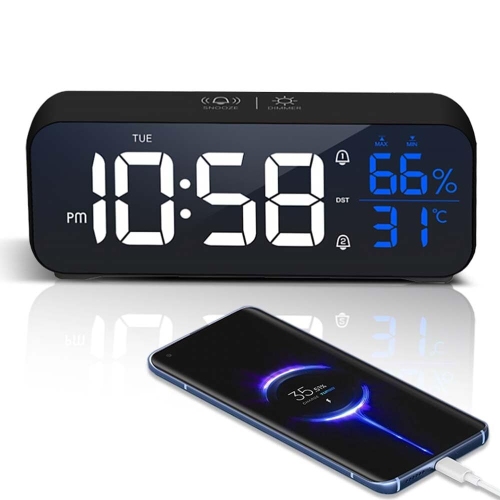

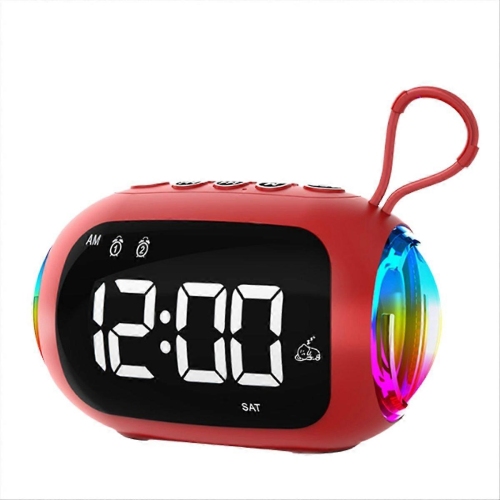


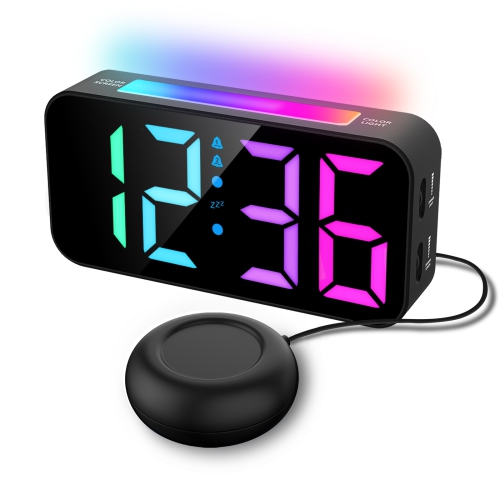
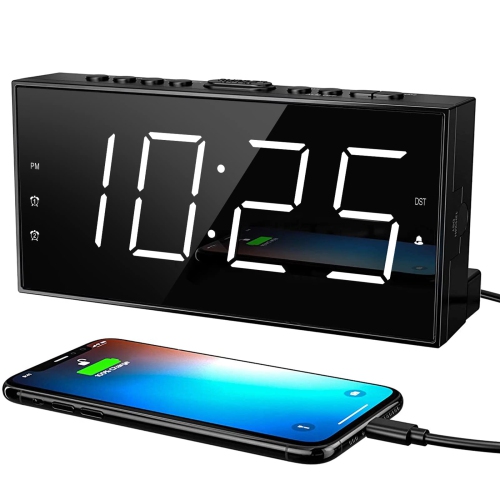
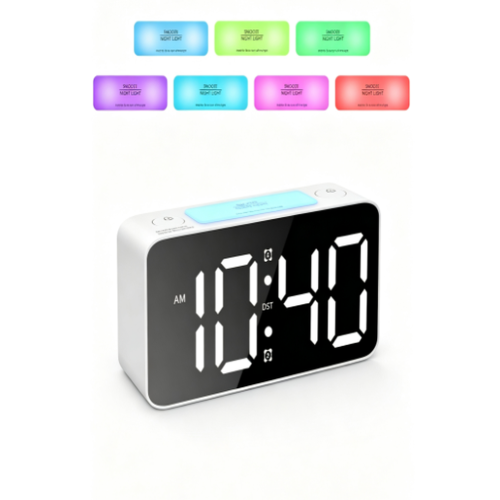
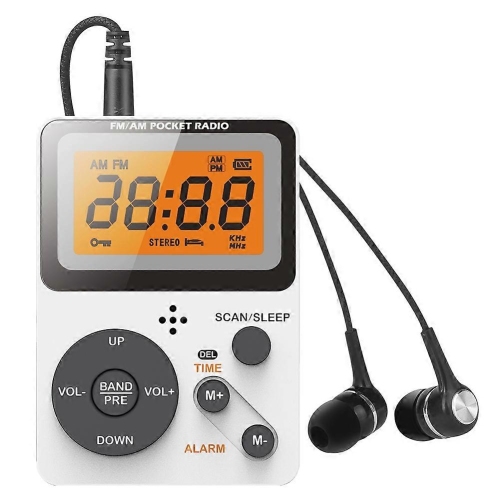
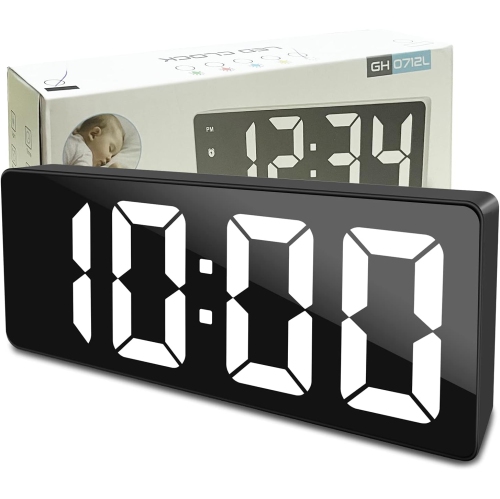
Easy-to-read time and familiar radio for your morning routine
A bedside radio alarm clock combines a visible time display, an alarm and a radio in one compact device, keeping everyday essentials within reach of the bed. Its appeal is straightforward: the time is easy to check without picking up a phone, and waking up can begin with music, a familiar presenter or a conventional alarm tone. For someone who enjoys hearing local news before getting out of bed, radio playback makes the clock part of a morning routine rather than simply a signal to wake up. The most useful features depend on how the bedroom is used. A large display with clearly separated digits can be easier to read from a pillow, while adjustable brightness helps keep the numbers visible without casting a strong glow across the room. Display colour alone does not determine comfort; the lowest brightness setting, viewing angle and ability to turn the display off can matter just as much. Some designs offer automatic dimming, while others use a manual control, so the way brightness is adjusted affects everyday convenience. Alarm controls also make a difference when reaching across a nightstand half asleep. A broad snooze button, distinct volume controls and an obvious alarm indicator can reduce the chance of pressing the wrong button or leaving an alarm unset. Dual alarms allow two wake-up times to be stored, which is useful for different work schedules or separate weekday and weekend routines when those scheduling options are supported. They do not necessarily provide two independently directed sounds, so a shared bedroom still calls for a volume level that suits both sleepers. A gradual-volume alarm, where included, starts more quietly before becoming louder. Snooze temporarily delays the alarm, while a sleep timer switches off radio playback after a selected interval—two separate functions that serve different parts of the bedtime routine. Together, these details shape how comfortably a bedside clock fits into daily life.
Radio performance is another important part of a bedside radio alarm clock, particularly when a favourite station is central to the wake-up routine. FM reception depends on the station signal, the building and the position of the clock and its antenna. A unit placed beside other electronics or tucked behind furniture may receive a different signal from the same unit in a clearer position. Where an external wire antenna is provided, arranging it as directed can improve reception without moving the clock far from the bed. AM tuning is included on some designs, but it should not be assumed from the term “clock radio.” Station presets make familiar broadcasts easier to access, while digital tuning provides a clear frequency readout instead of relying on the position of a dial. A Digital Radio Alarm Clock can bring these functions together with an electronic time display, though the alarm options, tuner and controls differ by design. Speaker clarity matters more than room-filling sound for many bedside uses: spoken news should be intelligible at a comfortable level, and music should remain pleasant when played quietly. Bluetooth, where offered, adds playback from a compatible phone or tablet, but it is separate from the radio tuner and does not automatically mean streamed audio can be used as an alarm. USB ports and wireless charging surfaces can also reduce the number of separate accessories on a nightstand. Charging capability depends on the port’s output, the phone’s requirements and, for wireless charging, device compatibility and placement. A thick case or metal accessory may interfere with wireless charging. Battery backup deserves equally careful attention. Many plug-in clocks use backup batteries to retain the time and alarm settings during a power interruption, rather than to run the display, radio or charging functions. Whether an alarm will sound without mains power depends on the design. Automatic time setting and daylight saving time adjustment, when provided, may also require the correct time zone or regional settings.
The physical design of a bedside radio alarm clock affects how well it shares space with a lamp, a book, glasses and a glass of water. A narrow footprint can suit a small bedside table, but depth, cable clearance and access to rear controls are just as relevant as width. A clock positioned at the back of the table may leave more usable space at the front, provided its display remains readable and the alarm buttons are still easy to reach. The power cord should reach an appropriate outlet without being pulled taut or crossing a walking path. Housings commonly use plastic, sometimes with metal accents, while speaker openings may have a rigid grille or fabric covering. A stable base and non-slip feet help the clock stay in place when the snooze button is pressed, and firmly fitted controls contribute to a reassuring feel during repeated use. Surface finishes influence upkeep as well as appearance: glossy surfaces can show fingerprints, while textured areas and speaker fabric may collect dust. Routine care generally involves unplugging the clock and wiping accessible surfaces with a soft, dry cloth, following the supplied care directions. Liquid cleaners should not be sprayed into buttons, ports or speaker openings, and drinks are best kept far enough away to avoid an accidental spill. Any ventilation openings should remain uncovered, even when the clock sits close to books or bedding. For older adults, large digits and simple, tactile controls may be more helpful than a long list of connected features. Students and people setting up a first bedroom may appreciate a compact clock that keeps time, alarms and radio playback in one place. It can also make a thoughtful housewarming or birthday gift for someone who enjoys broadcast radio or prefers a dedicated alarm beside the bed. Straightforward setup, readable controls and practical dimensions help make that gift useful beyond its first morning.
Top selling and popular products
-
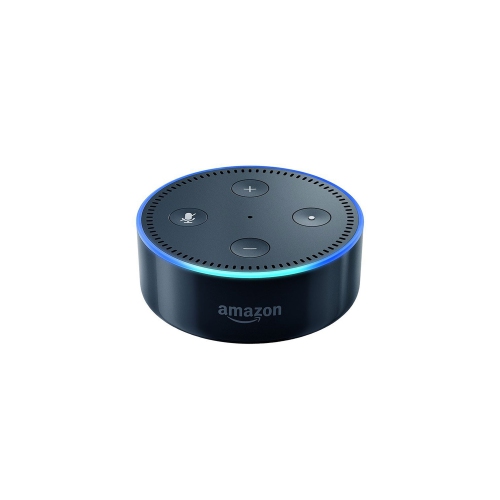 Your price for this item is $48.99
-
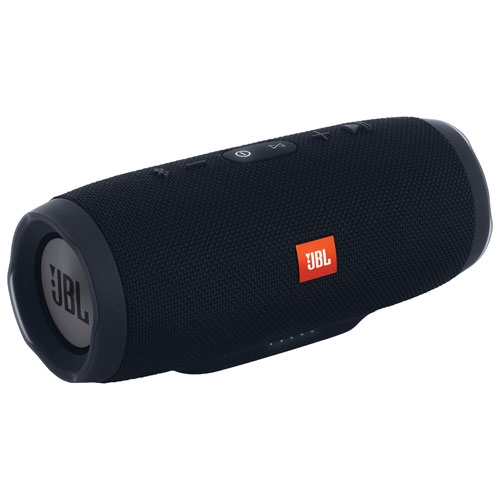 Your price for this item is $189
-
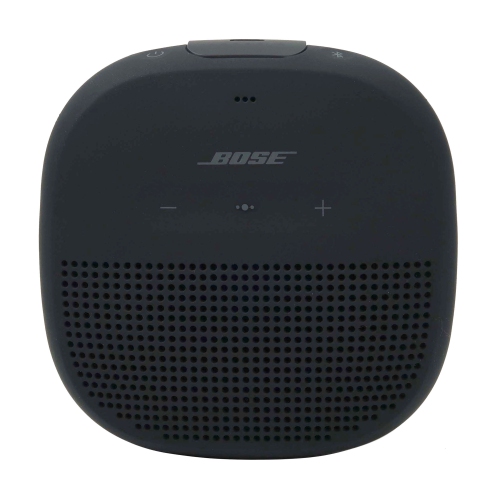 Your price for this item is $110
-
 Your price for this item is $239.98
-
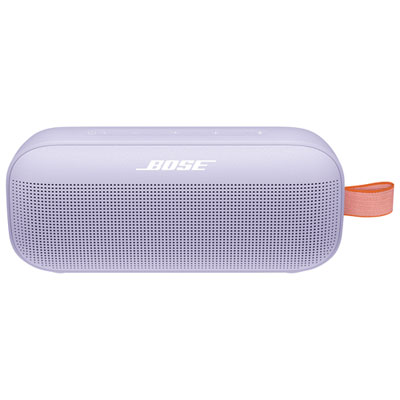 Your price for this item is $149.99
-
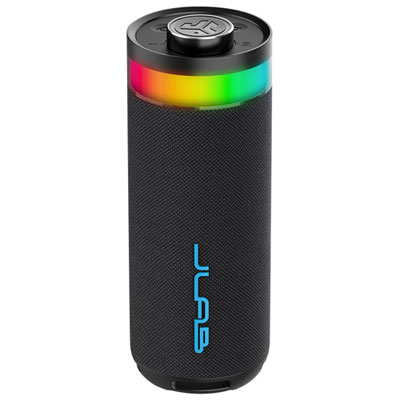 Your price for this item is $59.99
-
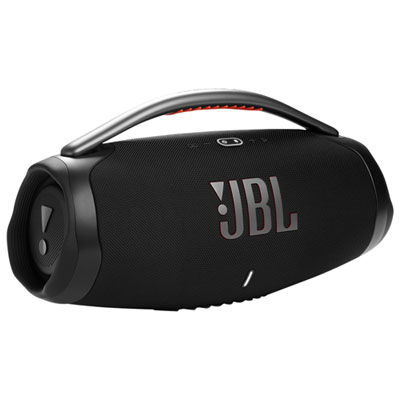 Your price for this item is $399.99
-
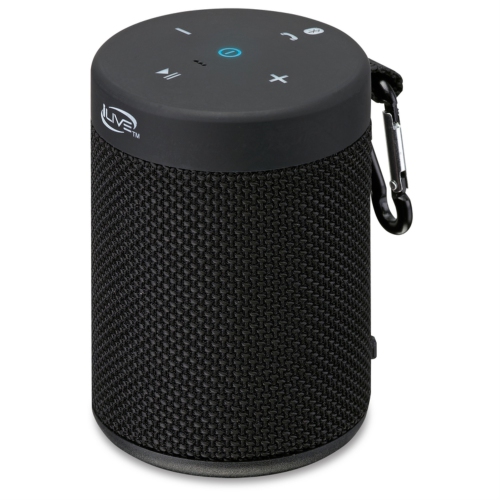 Your price for this item is $33.68
Discover more categories related to Bedside Radio Alarm Clock
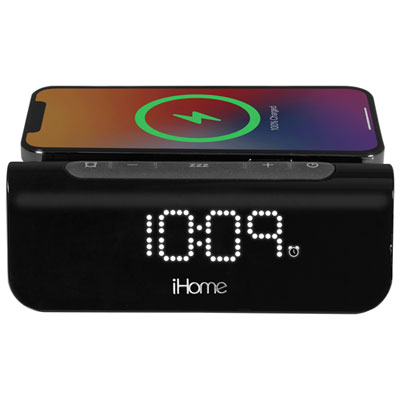
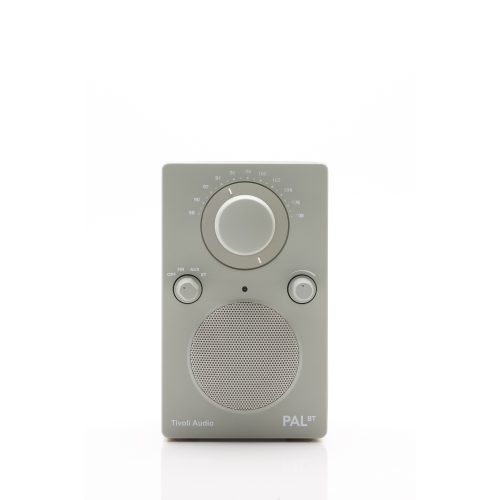
Top Collections:
Pokemon Centers, Best Cameras for Sports Photography, Kindle Devices, Samsung Galaxy Phones, Canon G7X Cameras, Pokémon 30th Celebration Cards, Refurbished Apple Laptops, iPhone 15 Apple, Laptops for Students, Budget Smartphones
Some products may be subject to Environmental Handling Fees
(EHF) depending on your province.
Learn more about EHFs.