Google Pixel Phone Chargers
Power up your device quickly and efficiently with the right google pixel phone charger. Whether you need a replacement, an extra charger for travel, or a convenient option for your home or office, discover a range of reliable chargers designed to keep your phone ready for action. Find options that suit your charging needs and enjoy seamless compatibility with your Google Pixel device.
Sort
![WINGOMART [Apple Mfi Certified] Iphone 18W Fast Wall Charger Power Adapter for Iphone 17 Pro Max Iphone 16 Pro Max / Iphone 15 / Ipad / Samsung /](https://multimedia.bbycastatic.ca/multimedia/products/500x500/173/17391/17391002.jpeg)

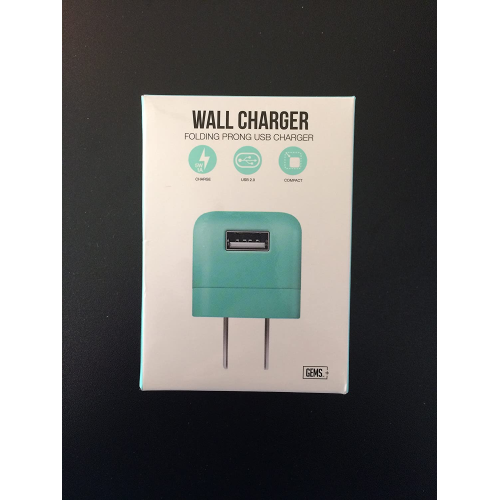
Why charging compatibility matters more than wattage alone
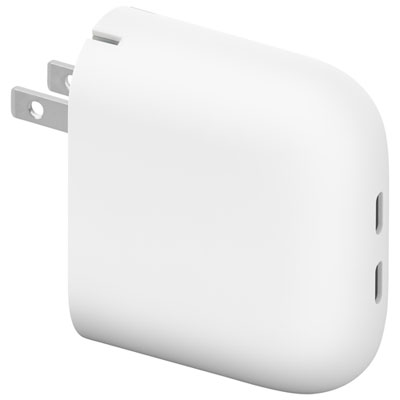
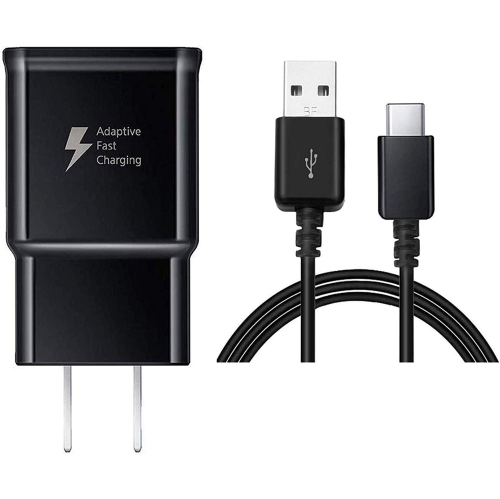
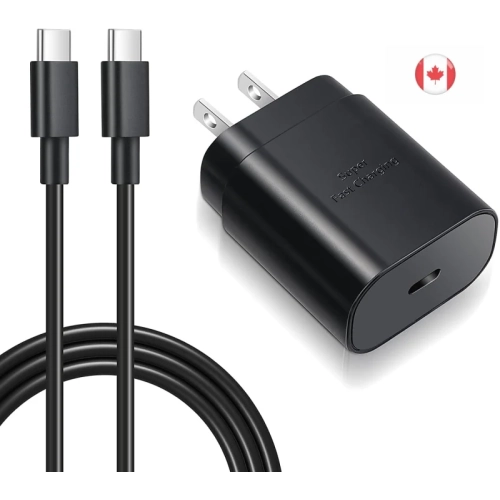
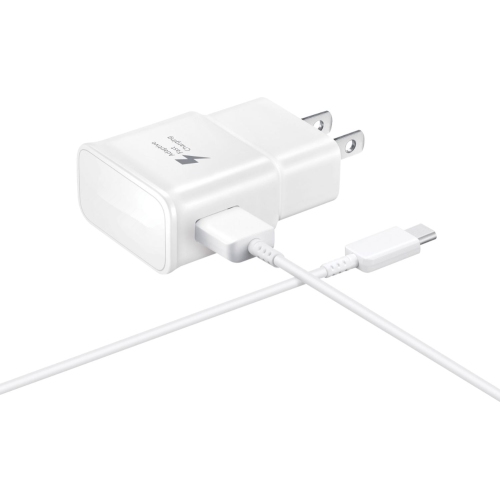
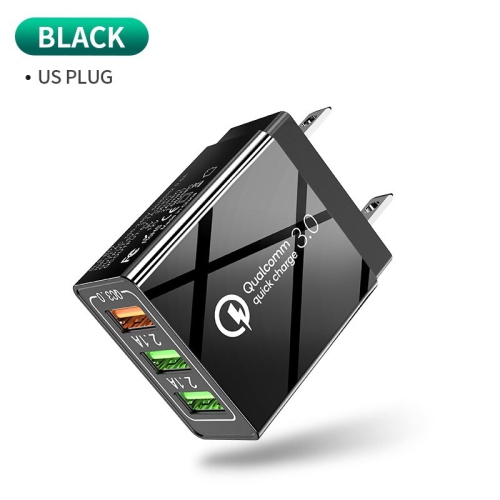
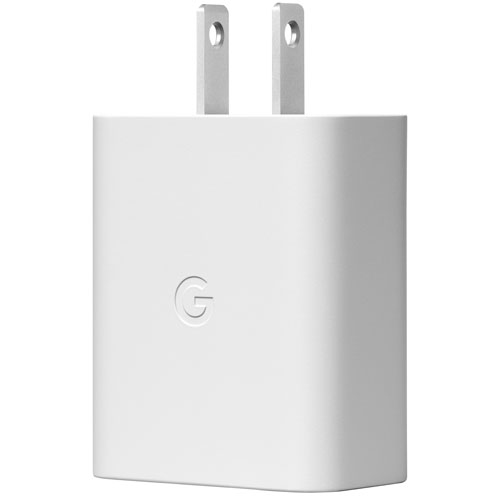
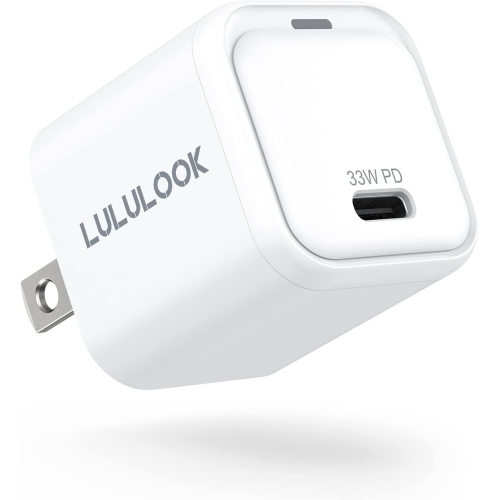
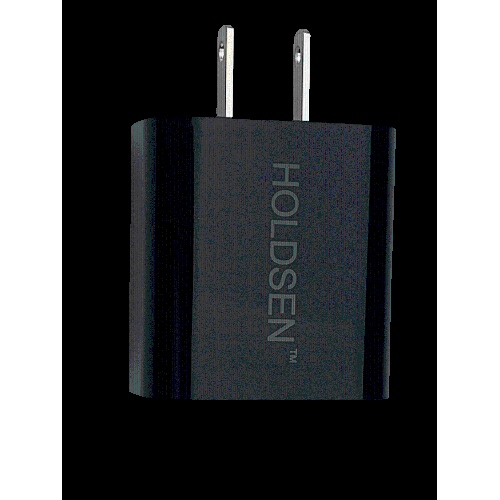
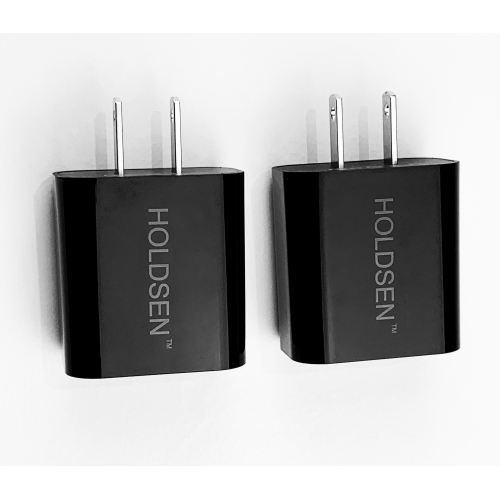
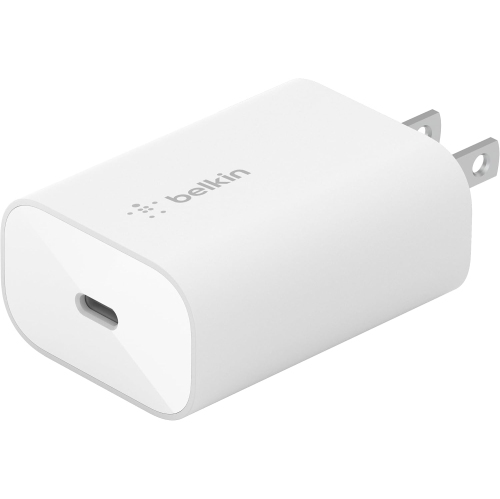
A dependable phone charger makes the small gaps in a busy day more useful, whether that means topping up a battery before the morning commute or keeping a handset powered beside a home office monitor. For Google Pixel Phones, charging compatibility depends on more than a connector that fits: the phone, power adapter, and cable all play a part in how power is delivered. USB-C wall chargers with USB Power Delivery, often labelled USB-PD, are a useful starting point for compatible wired charging. Programmable Power Supply, or PPS, is an additional capability that allows compatible devices to adjust power delivery in small steps and can be important for reaching a phone’s supported fast-charging rate. Maximum charging power varies by phone model, so a charger’s wattage is its capacity, not a promise that every connected phone will charge at that rate. A compatible, standards-compliant higher-wattage adapter does not force its full output into the battery; the phone and charger negotiate the power supplied. A lower-wattage adapter may still be suitable for charging overnight or while working at a desk, although a brief top-up may add less charge than a properly matched fast charger. Charging speed also changes as the battery fills and can be affected by temperature, battery settings, and activities such as navigation or video calls. This makes exact charging-time claims less useful without knowing the phone model and test conditions. The most relevant details are the adapter’s supported charging protocols, output profiles, and the power available from the port being used. A compact single-port wall adapter suits someone who mainly charges one phone, while a multiport adapter can bring a phone and other compatible devices together at one outlet. With multiport designs, the total wattage may be shared between connections, so the output of each port matters as much as the larger number printed on the housing. That distinction is especially useful at a desk where several devices stay plugged in throughout the day.
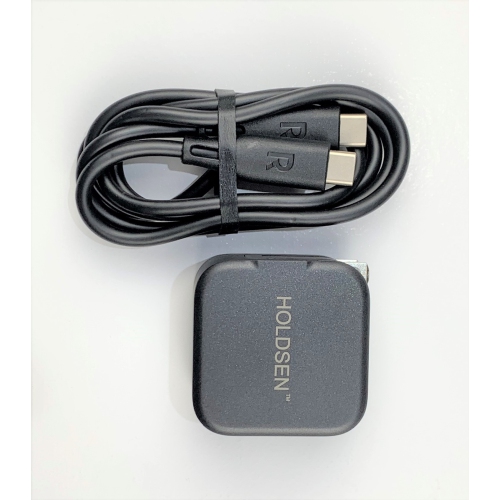
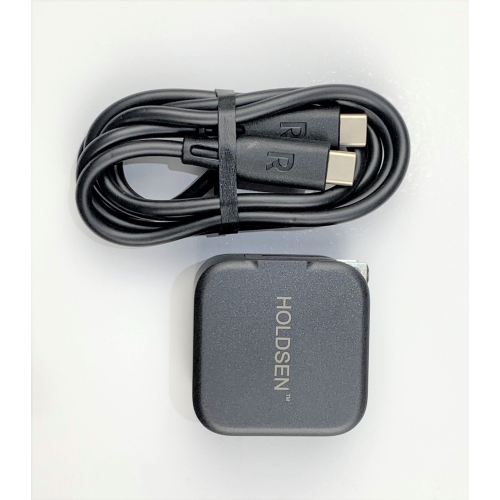
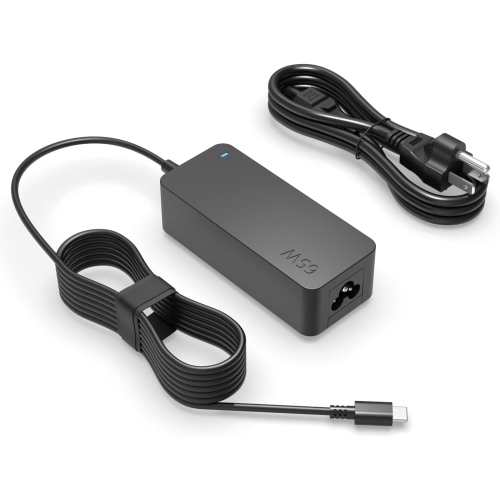
The cable deserves the same attention as the power adapter, particularly when a charger will move between a bedside table, work bag, and kitchen counter. A USB-C to USB-C cable is generally the appropriate pairing for a USB-C Power Delivery adapter and a compatible phone. Its power rating should meet the requirements of the charging setup, and charging capability should not be confused with data-transfer speed: a cable can support adequate charging power without being designed for fast file transfers. Higher-current charging setups may require an electronically marked cable, but an unusually high cable wattage alone will not make a phone exceed its own charging limit. Length affects everyday comfort, too. A shorter lead helps keep a desktop tidy and is less likely to catch on a bag strap, while a longer lead can reach from a wall outlet to a nightstand without leaving the phone hanging by its connector. Avoid a route that pulls the cable taut or stretches it across a walkway. Smooth cable jackets are easy to wipe clean, while braided coverings can offer a textured grip and added resistance to everyday abrasion; neither construction makes a cable immune to damage from sharp bends or repeated pinching. Reinforcement where the cord meets the plug can help manage flexing at a common wear point. Connector shape also matters when a phone wears a thick protective case, since a bulky plug housing may not fit comfortably through a narrow charging-port opening. For wall adapters, a sturdy housing, clearly marked electrical specifications, and recognized safety certification appropriate for Canada are useful considerations. Some compact adapters use gallium nitride components to deliver substantial power in a smaller body, though size alone does not establish compatibility or charging performance. Foldable prongs can make a travel charger easier to pack without catching on fabric. For care, unplug charging equipment before cleaning, use a soft dry cloth on the exterior, and keep liquids away from connectors. Replace cables with exposed wiring, cracked plugs, or loose connections rather than continuing to bend them into a position that works.
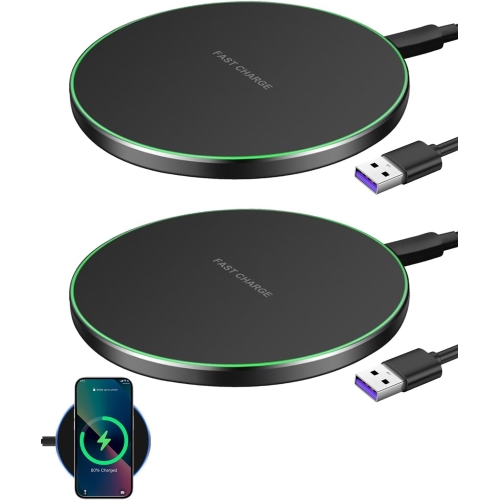
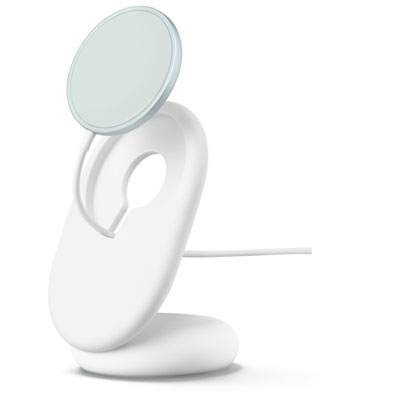
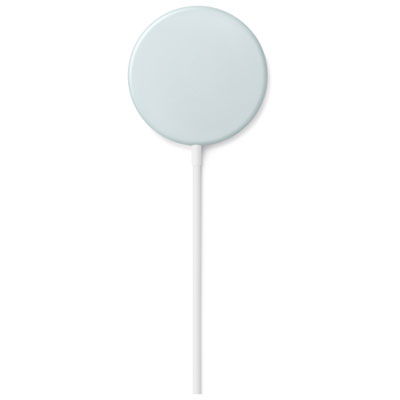
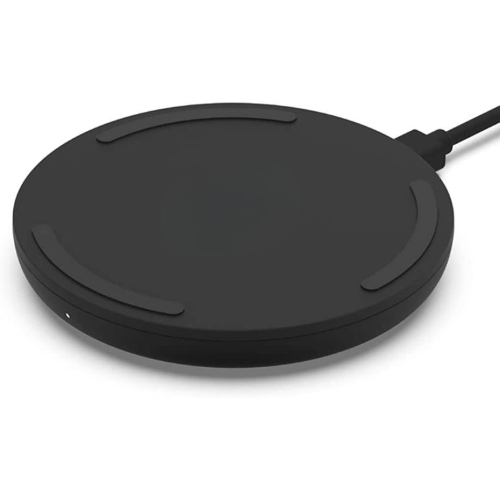
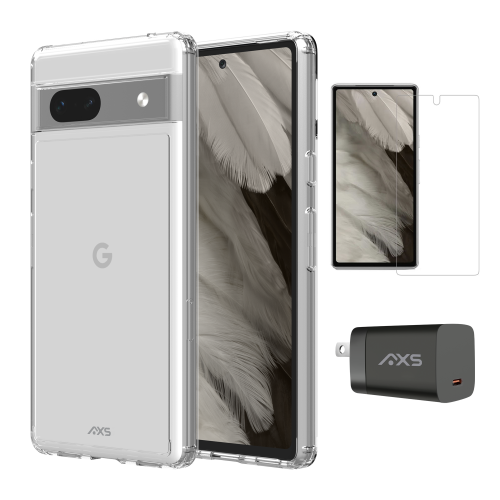
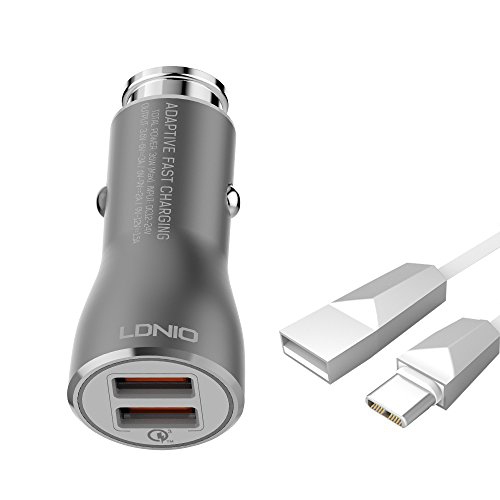
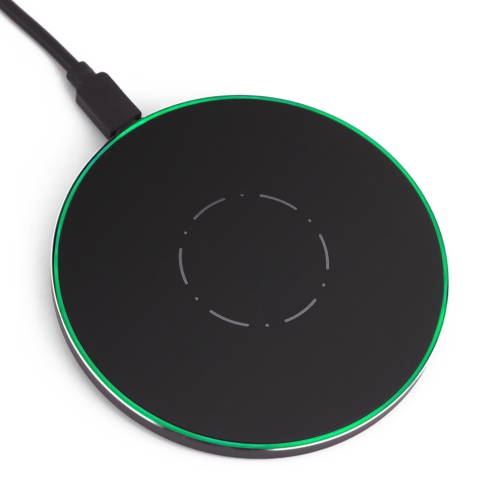
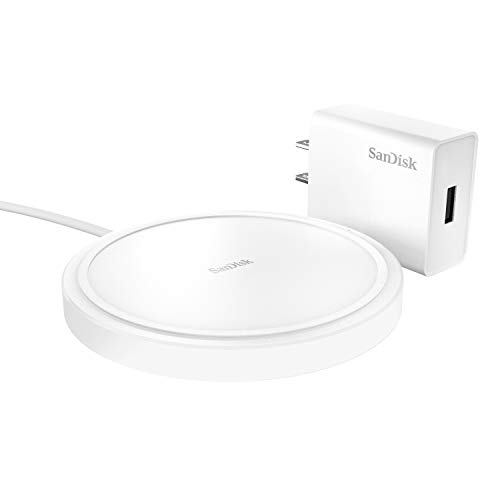
Different charging formats suit different spaces, and a useful setup often reflects where the phone spends time rather than simply chasing the highest wattage. A wireless charging pad can keep a bedside surface uncluttered, while an upright stand makes the screen easier to see for incoming calls or calendar reminders. Wireless charging requires a phone with support for that charging method, and the supported standard, charger design, power adapter, and alignment all affect performance. Not every handset supports wireless charging, and magnetic attachment should not be assumed to work without checking the phone, case, and charger together. A thick case, metal plate, card holder, or poorly positioned magnetic accessory may interfere with charging. Accurate placement matters even when the phone appears to rest securely on the stand, so a visible charging indicator can be helpful. Wireless charging may generate more warmth and deliver power more slowly than a suitable wired connection, making it a convenient option for longer stretches at a desk rather than every short charging stop. In a vehicle, a compatible USB-C car charger can support charging during navigation, but its output and charging protocols still need to match the phone’s requirements; a built-in vehicle USB port may provide less power. A portable charger is useful for long transit journeys, travel days, or time away from an outlet, with capacity, weight, USB-C output, and supported protocols shaping its practicality. During the cooler months, keeping charging equipment dry and allowing a very cold phone to return to a suitable operating temperature can help avoid charging interruptions. At home, place the phone and adapter on a stable, uncovered surface rather than beneath bedding or cushions, where heat can build up. For students, commuters, and people splitting time between home and an office, a dedicated charger in each frequently used location can reduce daily unpacking and forgotten cables. Charging accessories can also make practical gifts when the recipient’s phone model, case, and preferred charging method are known. The right combination is one that fits the handset’s capabilities and the places it gets used, with comfortable cable reach, dependable connections, and enough power for the routine.
The cable deserves the same attention as the power adapter, particularly when a charger will move between a bedside table, work bag, and kitchen counter. A USB-C to USB-C cable is generally the appropriate pairing for a USB-C Power Delivery adapter and a compatible phone. Its power rating should meet the requirements of the charging setup, and charging capability should not be confused with data-transfer speed: a cable can support adequate charging power without being designed for fast file transfers. Higher-current charging setups may require an electronically marked cable, but an unusually high cable wattage alone will not make a phone exceed its own charging limit. Length affects everyday comfort, too. A shorter lead helps keep a desktop tidy and is less likely to catch on a bag strap, while a longer lead can reach from a wall outlet to a nightstand without leaving the phone hanging by its connector. Avoid a route that pulls the cable taut or stretches it across a walkway. Smooth cable jackets are easy to wipe clean, while braided coverings can offer a textured grip and added resistance to everyday abrasion; neither construction makes a cable immune to damage from sharp bends or repeated pinching. Reinforcement where the cord meets the plug can help manage flexing at a common wear point. Connector shape also matters when a phone wears a thick protective case, since a bulky plug housing may not fit comfortably through a narrow charging-port opening. For wall adapters, a sturdy housing, clearly marked electrical specifications, and recognized safety certification appropriate for Canada are useful considerations. Some compact adapters use gallium nitride components to deliver substantial power in a smaller body, though size alone does not establish compatibility or charging performance. Foldable prongs can make a travel charger easier to pack without catching on fabric. For care, unplug charging equipment before cleaning, use a soft dry cloth on the exterior, and keep liquids away from connectors. Replace cables with exposed wiring, cracked plugs, or loose connections rather than continuing to bend them into a position that works.
Different charging formats suit different spaces, and a useful setup often reflects where the phone spends time rather than simply chasing the highest wattage. A wireless charging pad can keep a bedside surface uncluttered, while an upright stand makes the screen easier to see for incoming calls or calendar reminders. Wireless charging requires a phone with support for that charging method, and the supported standard, charger design, power adapter, and alignment all affect performance. Not every handset supports wireless charging, and magnetic attachment should not be assumed to work without checking the phone, case, and charger together. A thick case, metal plate, card holder, or poorly positioned magnetic accessory may interfere with charging. Accurate placement matters even when the phone appears to rest securely on the stand, so a visible charging indicator can be helpful. Wireless charging may generate more warmth and deliver power more slowly than a suitable wired connection, making it a convenient option for longer stretches at a desk rather than every short charging stop. In a vehicle, a compatible USB-C car charger can support charging during navigation, but its output and charging protocols still need to match the phone’s requirements; a built-in vehicle USB port may provide less power. A portable charger is useful for long transit journeys, travel days, or time away from an outlet, with capacity, weight, USB-C output, and supported protocols shaping its practicality. During the cooler months, keeping charging equipment dry and allowing a very cold phone to return to a suitable operating temperature can help avoid charging interruptions. At home, place the phone and adapter on a stable, uncovered surface rather than beneath bedding or cushions, where heat can build up. For students, commuters, and people splitting time between home and an office, a dedicated charger in each frequently used location can reduce daily unpacking and forgotten cables. Charging accessories can also make practical gifts when the recipient’s phone model, case, and preferred charging method are known. The right combination is one that fits the handset’s capabilities and the places it gets used, with comfortable cable reach, dependable connections, and enough power for the routine.
Top selling and popular products
-
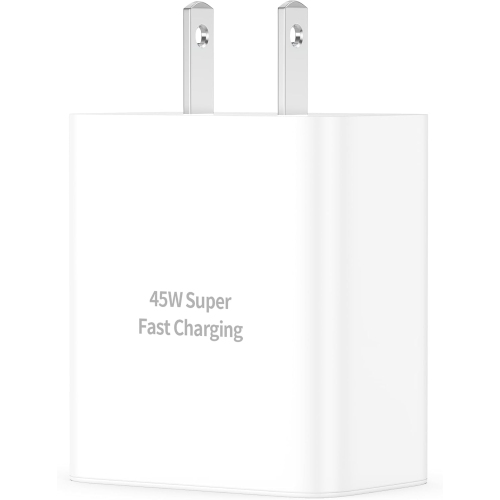 Your price for this item is $27.99
 -
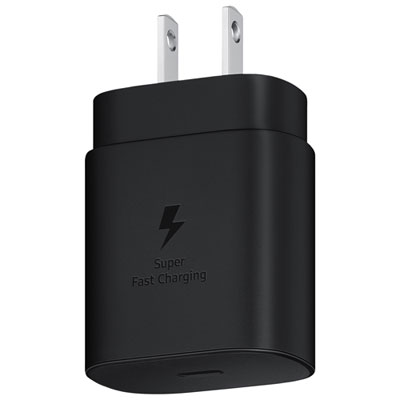 Your price for this item is $24.99
 -
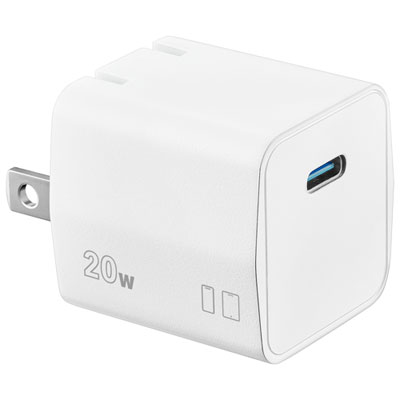 Your price for this item is $16.99
 -
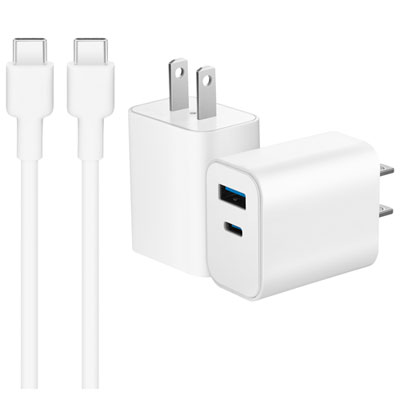 Your price for this item is $24.99
 -
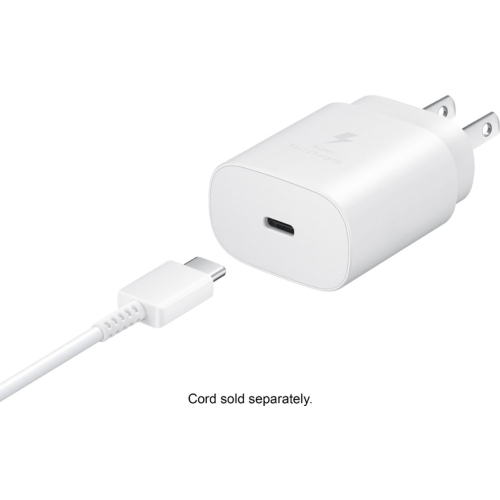 Your price for this item is $25
 -
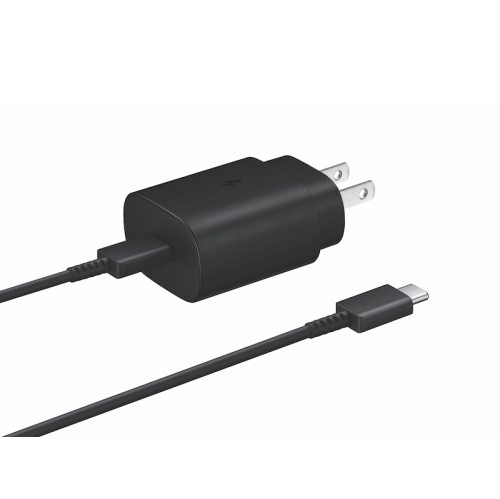 Your price for this item is $14.96
 -
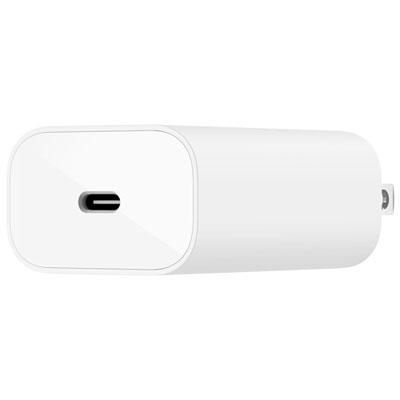 Your price for this item is $19.99
 -
 Your price for this item is $61
Discover more categories related to Google Pixel Phone Chargers
Top Collections:
Pokemon Centers, Kindle Devices, Best Budget Office Chairs, Apple iPhones 16, Best Laptops for Writers, iPhone 15 Apple, Canon G7X Cameras, Refurbished Apple Laptops, Alarm Clock, Motorola Razr Phones
Some products may be subject to Environmental Handling Fees
(EHF) depending on your province.
Learn more about EHFs.