Espresso and Coffee Machines

Find espresso and coffee machines to suit your daily routine, whether you prefer a quick morning cup or a hands-on brewing experience. Compare coffee makers and espresso machines by capacity, counter space, brewing controls, and cleaning needs to choose the right fit for your kitchen and the way you like to make coffee.
Read More

Sort

How brewing styles fit your daily coffee routine

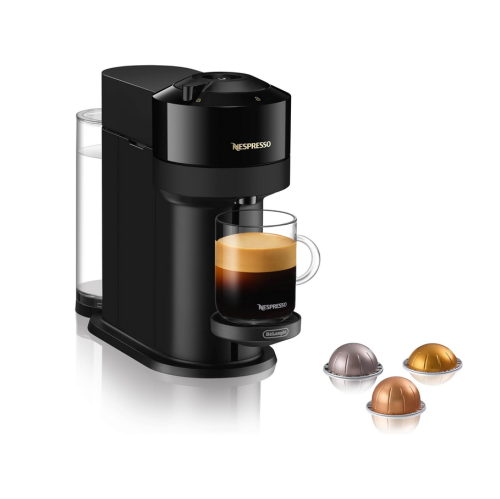
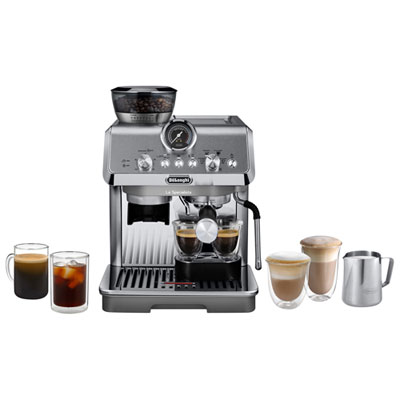
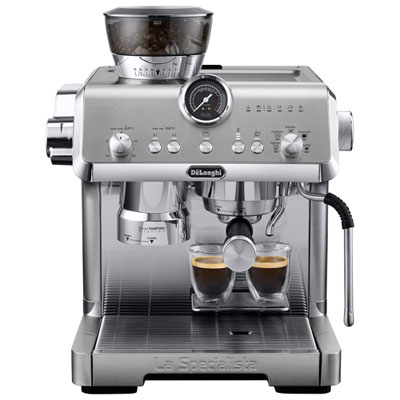
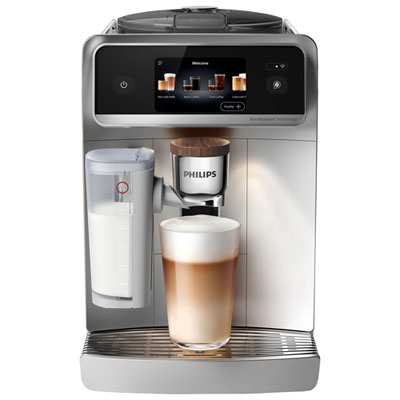
Espresso and coffee machines bring a familiar café ritual into the kitchen, whether that means a full carafe for the breakfast table or a concentrated shot topped with a fine layer of crema. Different brewing styles suit different habits. Drip coffee machines are a natural fit for households that pour several cups over the course of a morning, with batch brewing that keeps the process straightforward. Single-serve machines suit people who prefer to prepare one drink at a time, especially when household members have different tastes or schedules. Espresso machines use pressure to push water through finely ground coffee, producing a small, concentrated drink that can be enjoyed on its own or used as the base for a latte, cappuccino, or Americano. For those who enjoy the hands-on side of preparation, Classic Espresso Machines offer a connection to the familiar process of filling a portafilter, tamping the grounds, and pulling a shot. Semi-automatic designs generally leave more of that preparation to the person making the coffee, while fully automatic machines can handle grinding, dosing, and brewing with fewer manual steps. The distinction matters in everyday use: someone who likes adjusting grind size and watching an extraction may appreciate a different setup from someone who wants a dependable drink before leaving for work. Milk preparation adds another layer of choice. A steam wand offers control over milk texture, from the fine foam used for latte art to the fuller foam associated with a cappuccino. Automatic milk systems simplify that part of the routine, although their components still need regular cleaning. Households that mainly drink black coffee may place greater value on brewing consistency and carafe design than on milk features. The most useful machine is one whose brewing style fits the drinks people actually make, rather than a long list of functions that rarely get used. That fit also extends to serving size, from a modest espresso cup to a generous mug carried to a desk.

Counter space, construction, and everyday handling shape how comfortably a coffee machine fits into a home. A compact footprint can help in an apartment kitchen, but width and depth tell only part of the story. Overhead clearance matters when opening a bean hopper or lifting a water reservoir, and a machine beneath a cupboard may need room to move forward for refilling. Access to the drip tray, filter basket, and used-coffee container is just as important as the space the machine occupies while brewing. Cup clearance affects which mugs fit beneath the spout, while an adjustable outlet can help limit splashing when switching between small espresso cups and taller drinks. Stainless steel surfaces offer a substantial look and can be wiped clean, though fingerprints and water marks may be more visible on some finishes. Plastic housings can make a machine lighter and easier to move, while the quality of hinges, handles, seals, and removable parts influences how it feels over repeated use. Glass carafes make the remaining coffee easy to see and are commonly paired with warming plates. Insulated carafes retain heat without a warming plate, although how long coffee stays hot depends on the carafe and the amount inside. Capacity deserves similar attention. A large reservoir reduces refilling between drinks, but its usefulness depends on how much coffee a household makes and how easily it can be removed or reached. Built-in grinders reduce the need for a separate appliance, while a separate grinder gives more flexibility when changing brewing methods. Adjustable grind settings are particularly relevant for espresso, where small changes can affect extraction and taste. Clear controls, readable markings, and comfortable handles can make daily preparation easier for a wide range of users. Sound is another practical consideration in shared spaces: grinding beans, pumping water, and steaming milk all contribute to the experience. For a kitchen beside a home office or bedroom, the timing and length of those sounds may matter as much as the machine’s appearance.

Good coffee also depends on what happens between brewing sessions. Coffee oils collect on baskets, spouts, and other surfaces, while mineral deposits from water can build up inside a machine over time. Removable components make routine care more manageable, particularly when a drip tray can be carried to the sink without spilling or a brew basket is easy to rinse thoroughly. Descaling addresses mineral buildup and is separate from cleaning away coffee residue; the appropriate method and frequency depend on water hardness, machine design, and the manufacturer’s care recommendations. Parts should only go in the dishwasher when they are identified as dishwasher-safe. Milk systems need particular attention because residue can remain in tubes, nozzles, and frothing attachments after a drink is made. A steam wand that is wiped and purged promptly is easier to keep clean than one with dried milk on its surface, while automatic frothing systems may have dedicated rinse cycles and removable sections. These practical details influence long-term satisfaction as much as the first cup does. Accessible replacement seals, filters, and other serviceable components can also help support continued use, especially for machines that prepare several drinks each day. Fresh beans, a suitable grind, and clean water give the brewing system a better starting point, but taste remains personal: one household may prefer a brighter black coffee, while another favours a fuller espresso softened with steamed milk. A machine that accommodates those preferences can become part of a shared routine, from filling two mugs before work to preparing coffee for guests after a meal. Espresso and coffee machines can also make thoughtful gifts for coffee enthusiasts, people setting up a first kitchen, or households replacing a well-used appliance. The recipient’s preferred drinks, available counter space, and willingness to spend time on preparation and cleaning are useful considerations. A hands-on espresso setup may delight someone who enjoys practising a craft, while straightforward batch brewing may better suit someone who values a familiar cup with minimal fuss. In either case, everyday comfort comes from a balance of reliable brewing, manageable care, and a design that feels at home in the kitchen.
Read More

FAQ

Some products may be subject to Environmental Handling Fees (EHF) depending on your province. Learn more about EHFs.